5 Things About the ‘James Bond’ Movies That Made Zero Sense & 5 Things That Made Perfect Sense

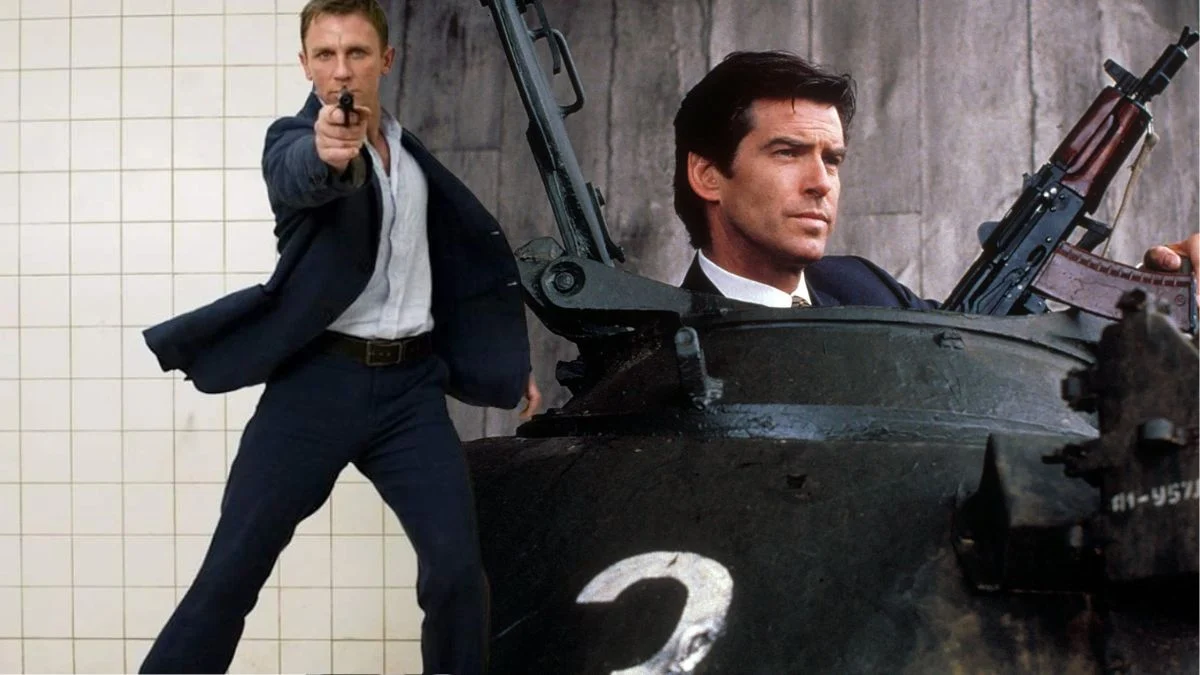

The ‘James Bond’ series has run for decades. It mixes spy craft with wild action. That blend gives us smart choices and head-scratching moments.
Here are five things that made zero sense and five that made perfect sense. We’ll switch between them to keep it fair.
Zero Sense: The invisible car in ‘Die Another Day’ (2002)
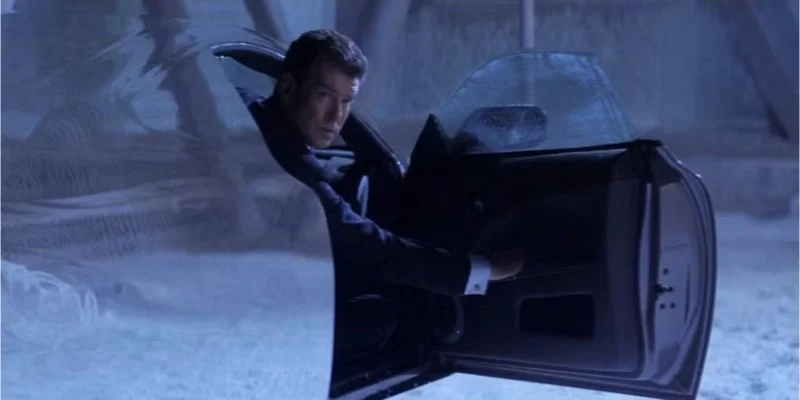
Bond drives an Aston Martin that can “disappear” using cameras and panels. It looks cool, but it breaks basic physics. It would still cast shadows, leave tracks, and give off heat.
Even perfect cameras cannot hide a moving car from every angle. The system would be bulky and fragile in a fight. The movie treats it like magic.
Perfect Sense: The grounded reboot in ‘Casino Royale’ (2006)
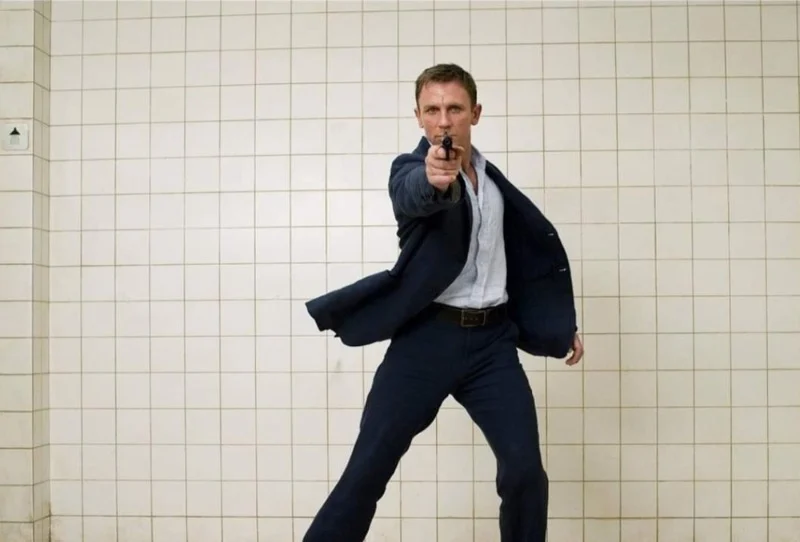
This film shows Bond earning his 00 status. He gets hurt, makes mistakes, and learns. That fits a believable start for a young agent.
The action leans on skill, not gadgets. The parkour chase, the poker standoff, and the on-the-fly medical kit feel like practical spy work.
Zero Sense: The space shuttle plan in ‘Moonraker’ (1979)
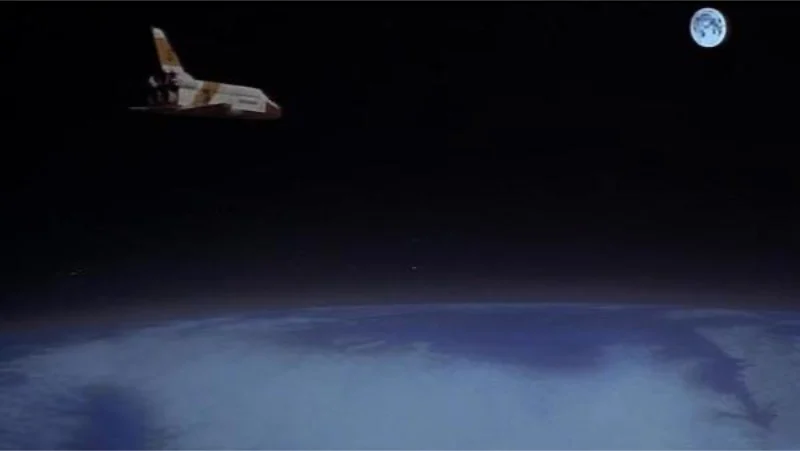
The villain launches shuttles in quick succession and runs a secret space station. The scale, cost, and logistics are beyond belief. No one on Earth seems to notice.
The laser battles in orbit also ignore real limits. Recoil, power supply, and targeting in microgravity are brushed aside for spectacle.
Perfect Sense: A rogue 00 in ‘Licence to Kill’ (1989)
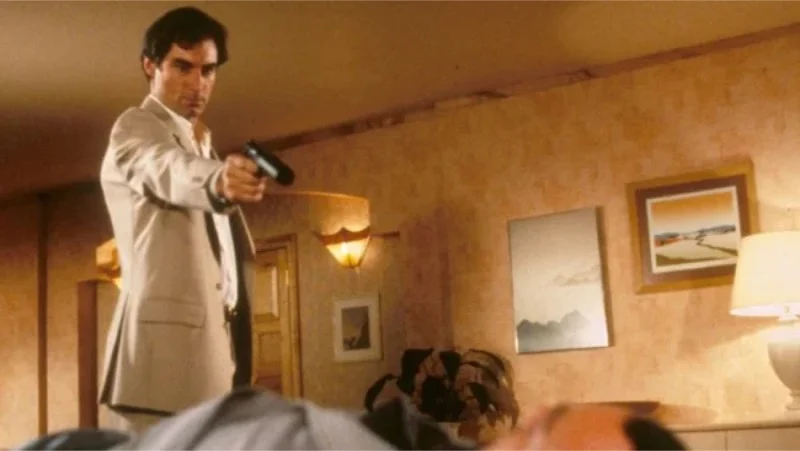
Bond goes off the grid after a personal attack. He quits and acts alone. That emotional break tracks with human behavior.
The film shows the fallout. MI6 tries to rein him in. Allies help, but at a cost. Actions have clear, realistic consequences.
Zero Sense: The foster-brother twist in ‘Spectre’ (2015)
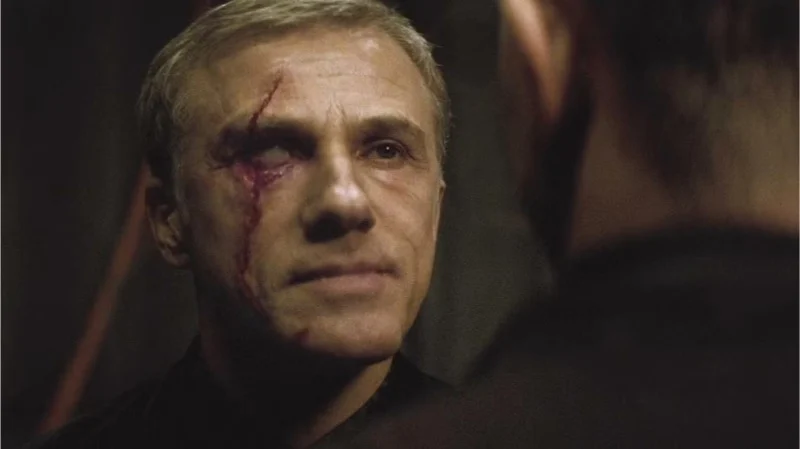
The villain claims to be Bond’s foster brother and the secret hand behind recent threats. Tying every plot together this way shrinks the world too much.
It also asks us to accept that one man guided separate enemies and events for years without slips. It strains the story’s own logic.
Perfect Sense: Post-Cold War stakes in ‘GoldenEye’ (1995)
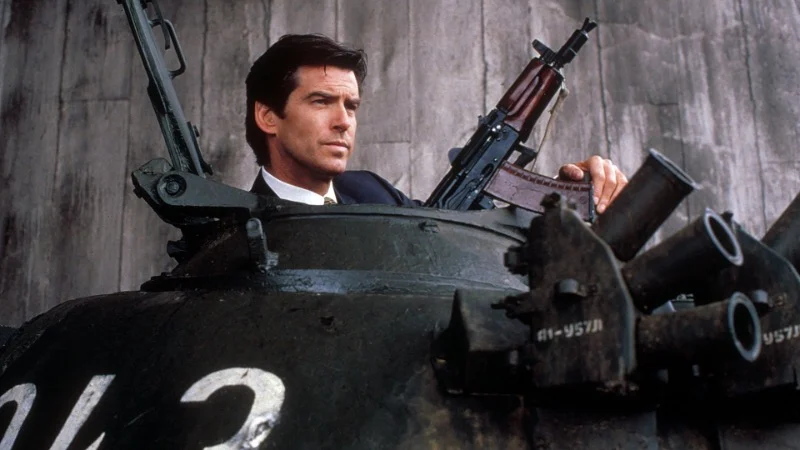
A rogue agent uses a Soviet satellite weapon to cause chaos. The target is modern finance and data. That fits the 1990s shift in global threats.
An insider villain also makes sense. He knows MI6 methods and blind spots. That raises tension without breaking believability.
Zero Sense: M keeps Bond in the field in ‘Skyfall’ (2012)

Bond returns in rough shape and fails key evaluations. He still gets sent back out. The choice risks the mission and others.
Leaders make hard calls, but this one ignores clear tests and protocol. The story needs Bond on the case, yet the decision is not defensible.
Perfect Sense: The water-rights scheme in ‘Quantum of Solace’ (2008)
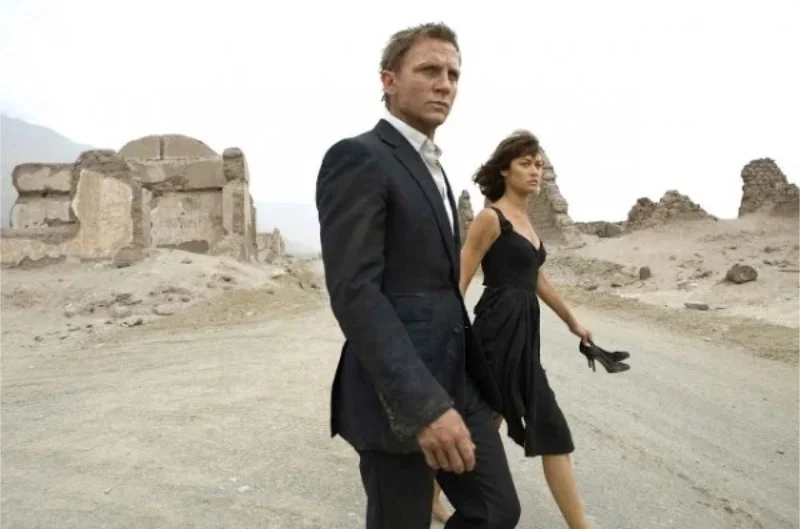
The villain moves to control a nation’s water by grabbing land and fixing contracts. That is a real kind of power play. It is quiet, legal-looking, and dangerous.
It also explains the low-glam settings and dry terrain. The plot shows how resources, not just weapons, can decide a country’s future.
Zero Sense: The Silicon Valley earthquake plot in ‘A View to a Kill’ (1985)
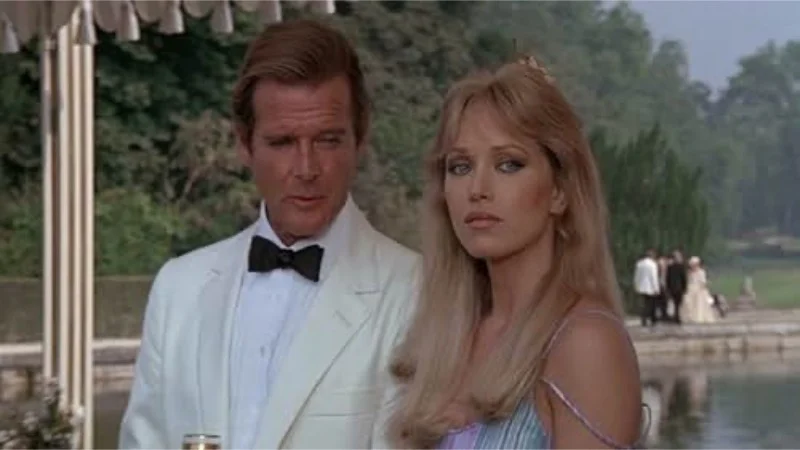
Triggering quakes on multiple faults with timed explosions is not how geology works. The plan counts on perfect control of complex systems.
Even if blasts caused landslides, the broad, instant destruction shown is not realistic. The scheme is more comic-book than spy thriller.
Perfect Sense: Bond’s marriage in ‘On Her Majesty’s Secret Service’ (1969)
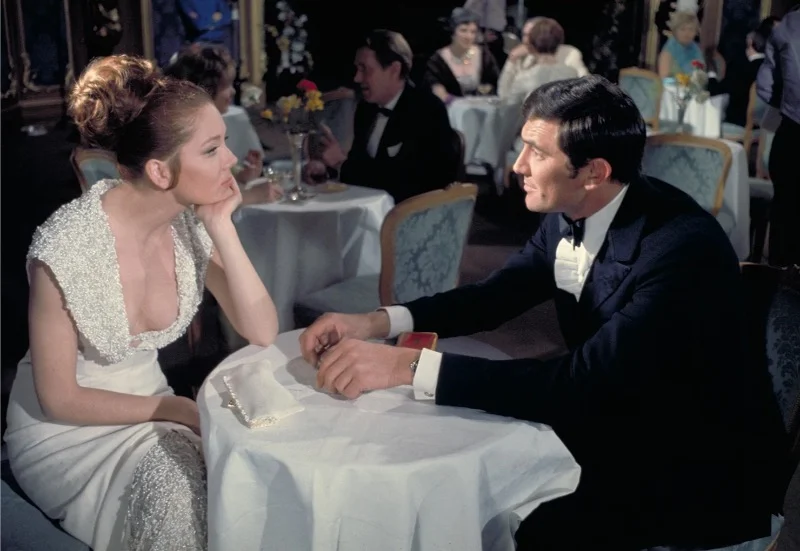
Bond falls in love and marries. It gives him depth and shows the cost of his life. The final tragedy lands because the setup feels true.
This choice shapes later films. It explains his guard, grief, and drive. The character gains weight beyond the mission of the week.
Share your own “zero sense” and “perfect sense” Bond moments in the comments—let’s compare notes from ‘Dr. No’ to today.