15 “Woke” Old Movies That Paved the Way (Before Anyone Noticed)


Plenty of films were tackling big social issues long before those conversations had names that stuck. Studios, independents, and international filmmakers found ways to put subjects like racism, queer lives, labor rights, and women’s autonomy on screen even when censors and gatekeepers tried to keep them off. The result is a trail of movies that challenged audiences while shaping what later generations would call socially conscious storytelling.
This list gathers earlier titles that broke ground through subject matter, casting, and production choices. You will see stories about interracial love, decriminalization campaigns, worker organizing, disability visibility, and more. You will also see how awards, box office success, or public controversy helped these films reach wider audiences and keep their influence alive.
‘Mädchen in Uniform’ (1931)
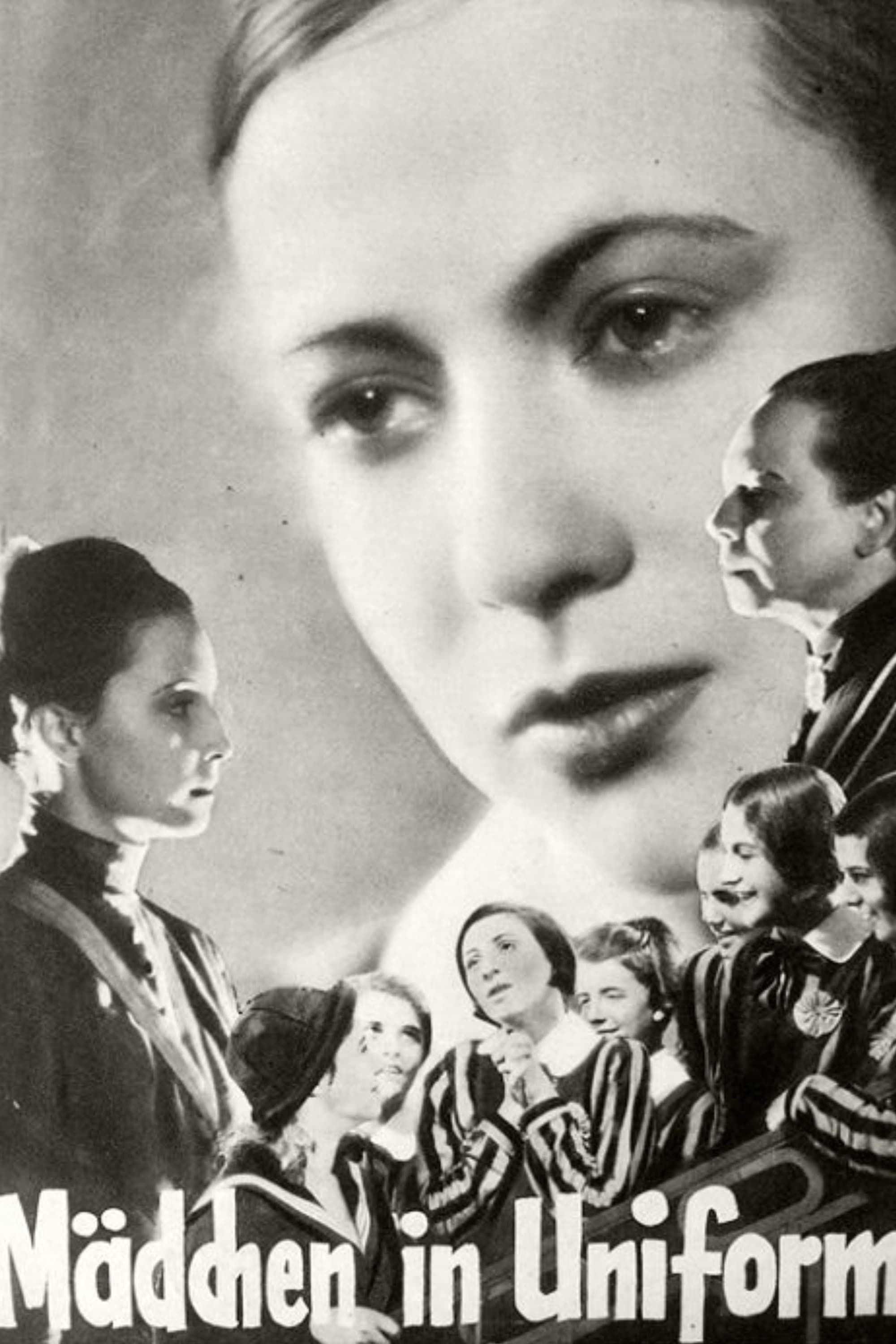
This German drama centers on a student’s love for a teacher inside a strict girls’ boarding school, pairing a frank depiction of same sex desire with a sharp critique of authoritarian education. Director Leontine Sagan worked from Christa Winsloe’s play and led an almost entirely female creative team, which gave the production a perspective rare for its time.
The film faced censorship across different regimes yet built an international reputation through festival exposure and art house runs. Its combination of a female led production, overt queer themes, and a sympathetic tone influenced later European films that addressed sexuality and power within institutions.
‘The Best Years of Our Lives’ (1946)
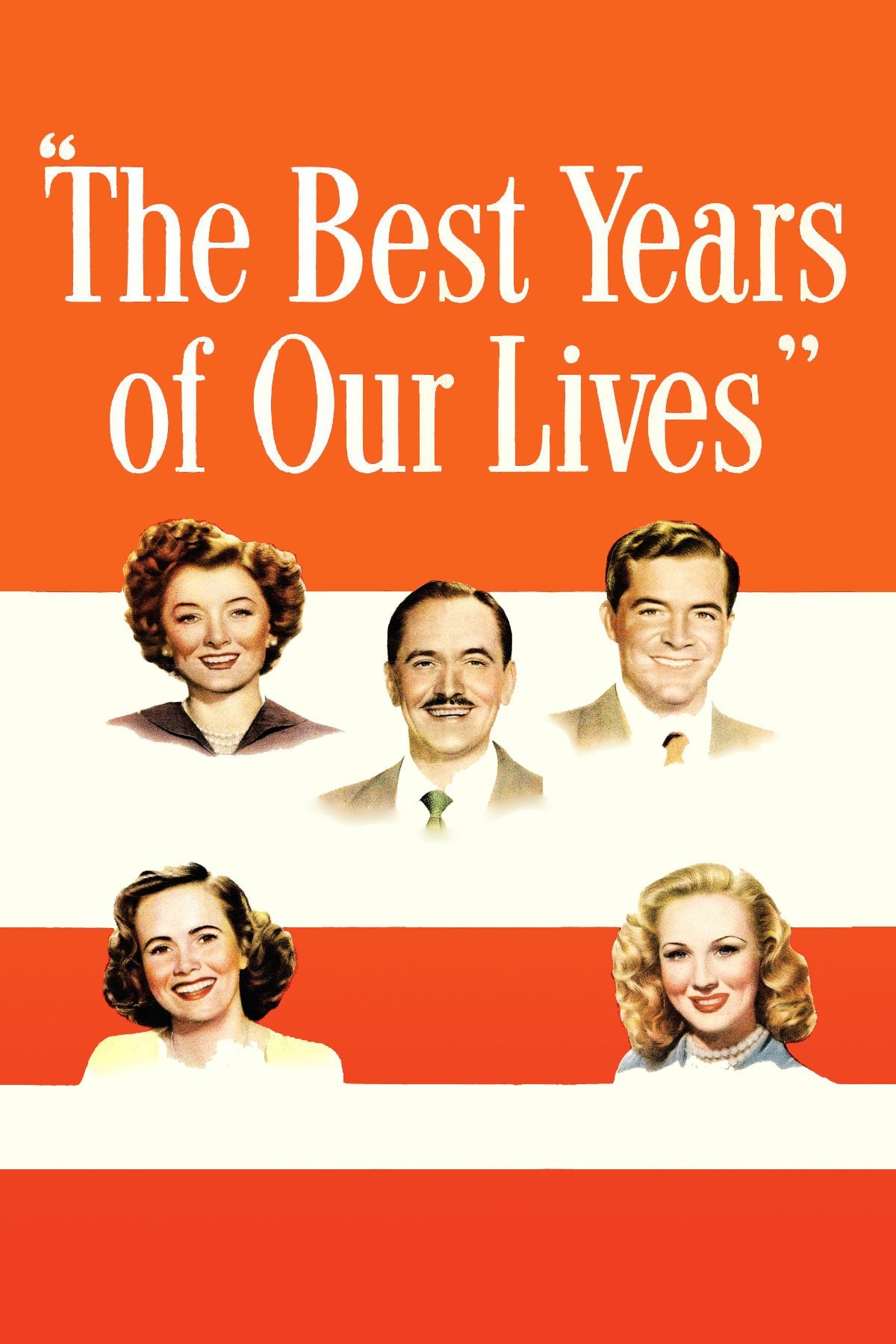
This ensemble drama follows three veterans returning home and navigating work, family, and disability in peacetime. Harold Russell, a real veteran who lost both hands, played one of the leads and earned Academy Awards for his performance, bringing authentic visibility to amputee life on screen.
Director William Wyler shot in real locations and focused on practical challenges such as job retraining, prosthetics, and the strain of trauma on relationships. The film became a major box office success and helped normalize stories about mental and physical recovery for returning service members.
‘Gentleman’s Agreement’ (1947)
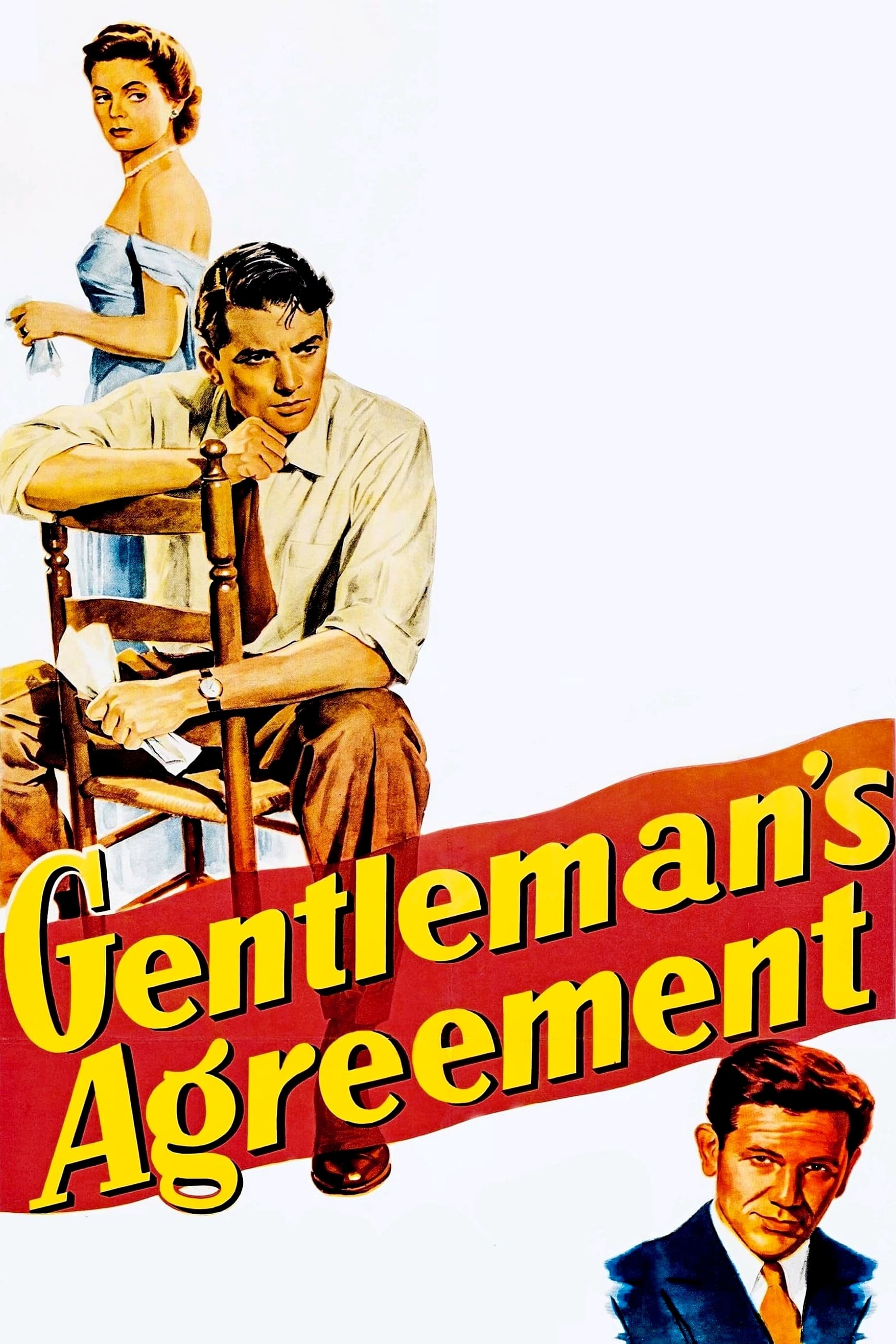
A magazine reporter goes undercover as Jewish to investigate everyday antisemitism in workplaces, housing, and social clubs. Adapted from Laura Z Hobson’s novel and directed by Elia Kazan, the film used a mainstream star in Gregory Peck to examine discrimination in ordinary settings rather than at the fringes.
It won major Academy Awards including Best Picture and reached a broad audience through studio distribution. By placing barriers like restrictive policies and coded exclusion at the center of a popular drama, it pushed conversations about prejudice into living rooms across the country.
‘Salt of the Earth’ (1954)
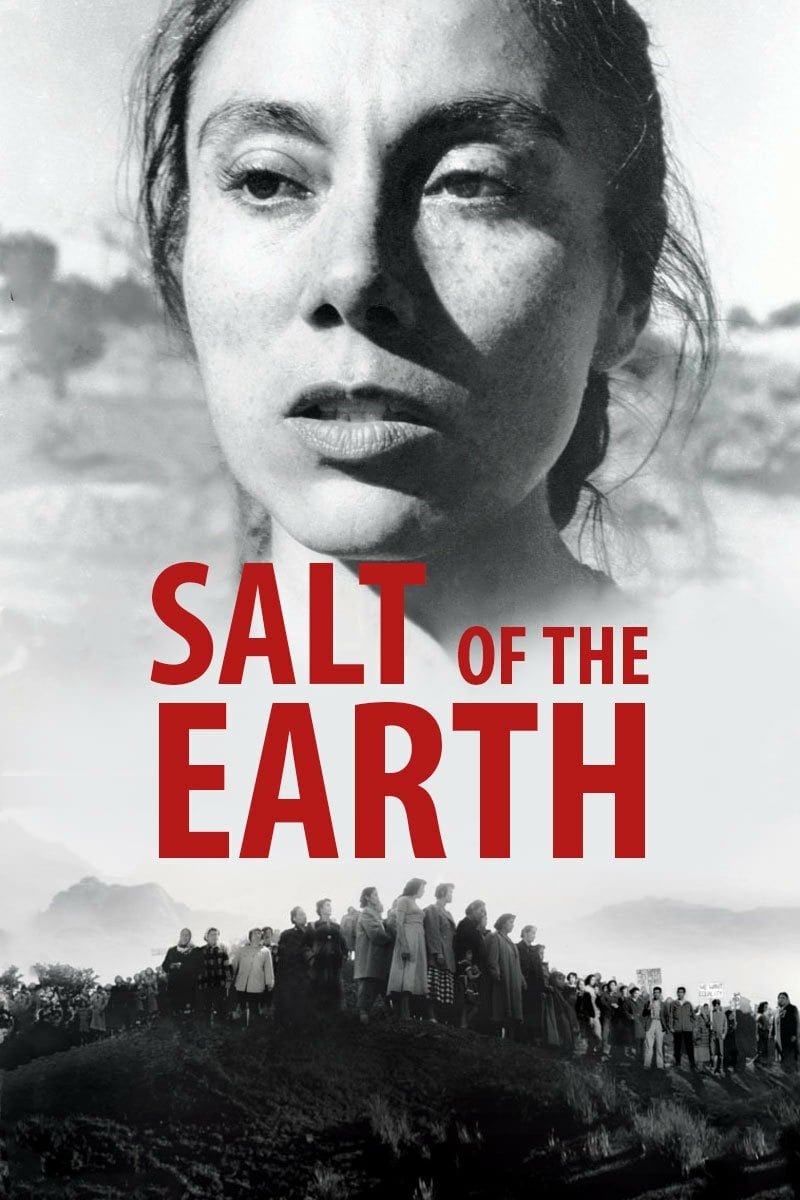
Inspired by a real strike by Mexican American zinc miners and their families in New Mexico, this independent production was made by blacklisted filmmakers and featured nonprofessional actors from the community. The story highlights wage equity, safety, and the decisive role of women on the picket line when court orders sidelined the men.
The film faced a coordinated suppression campaign that limited access to theaters and equipment, yet it found viewers through union halls and later revival circuits. Its mix of labor politics, Chicana leadership, and community casting foreshadowed documentary influenced narrative cinema and remains a landmark of working class representation.
‘Imitation of Life’ (1959)
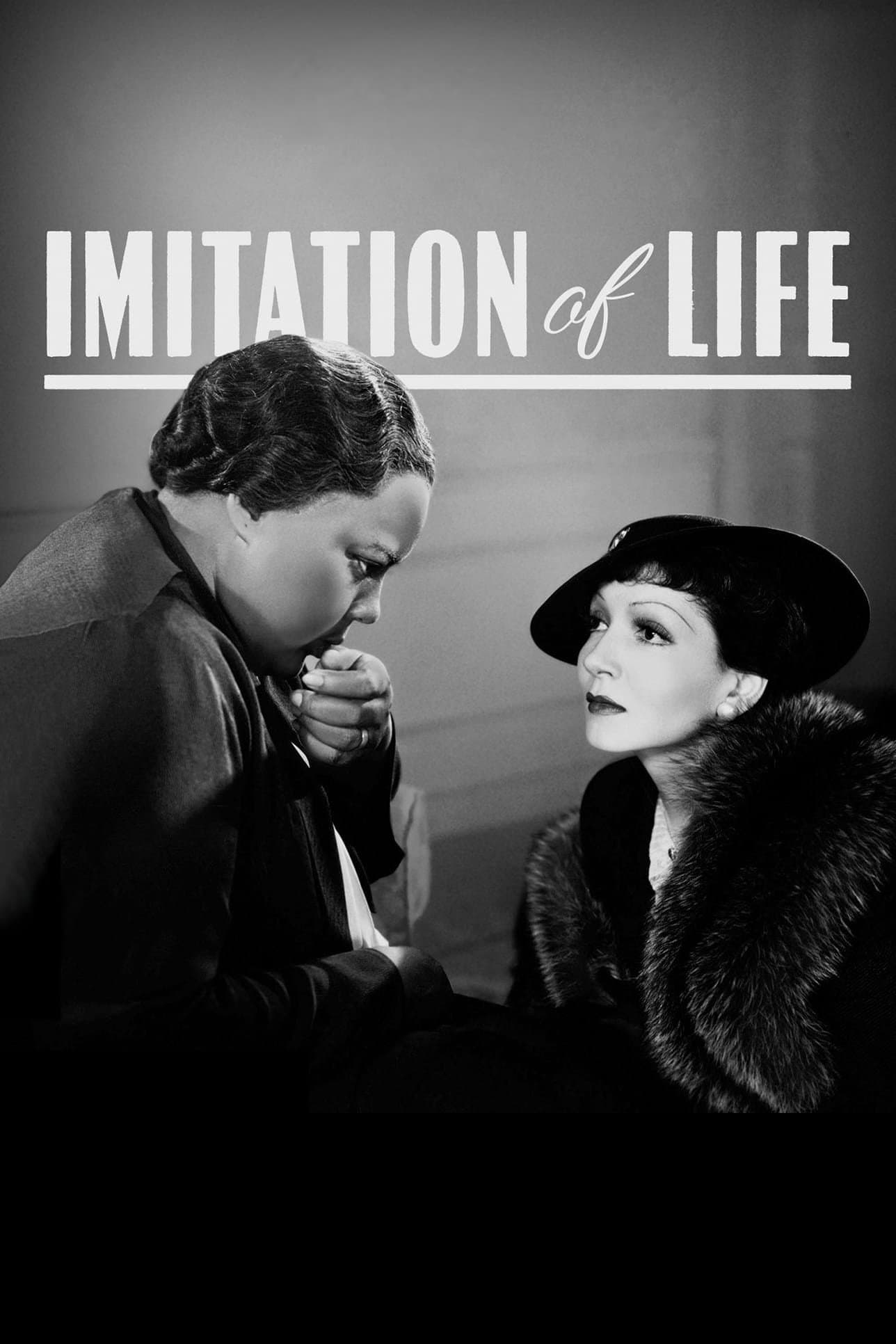
Douglas Sirk’s melodrama follows two mothers whose daughters choose different paths, one of them a light skinned Black girl who passes for white. The film tracks how passing reshapes work, romance, and family ties while giving significant screen time to domestic labor and show business as overlapping economies.
The production paired a major studio scale with powerful performances by Juanita Moore and Susan Kohner, both recognized with Academy Award nominations. Its commercial success brought an emotional story about colorism and social mobility to mass audiences and kept the subject in circulation through rereleases and television.
‘A Taste of Honey’ (1961)
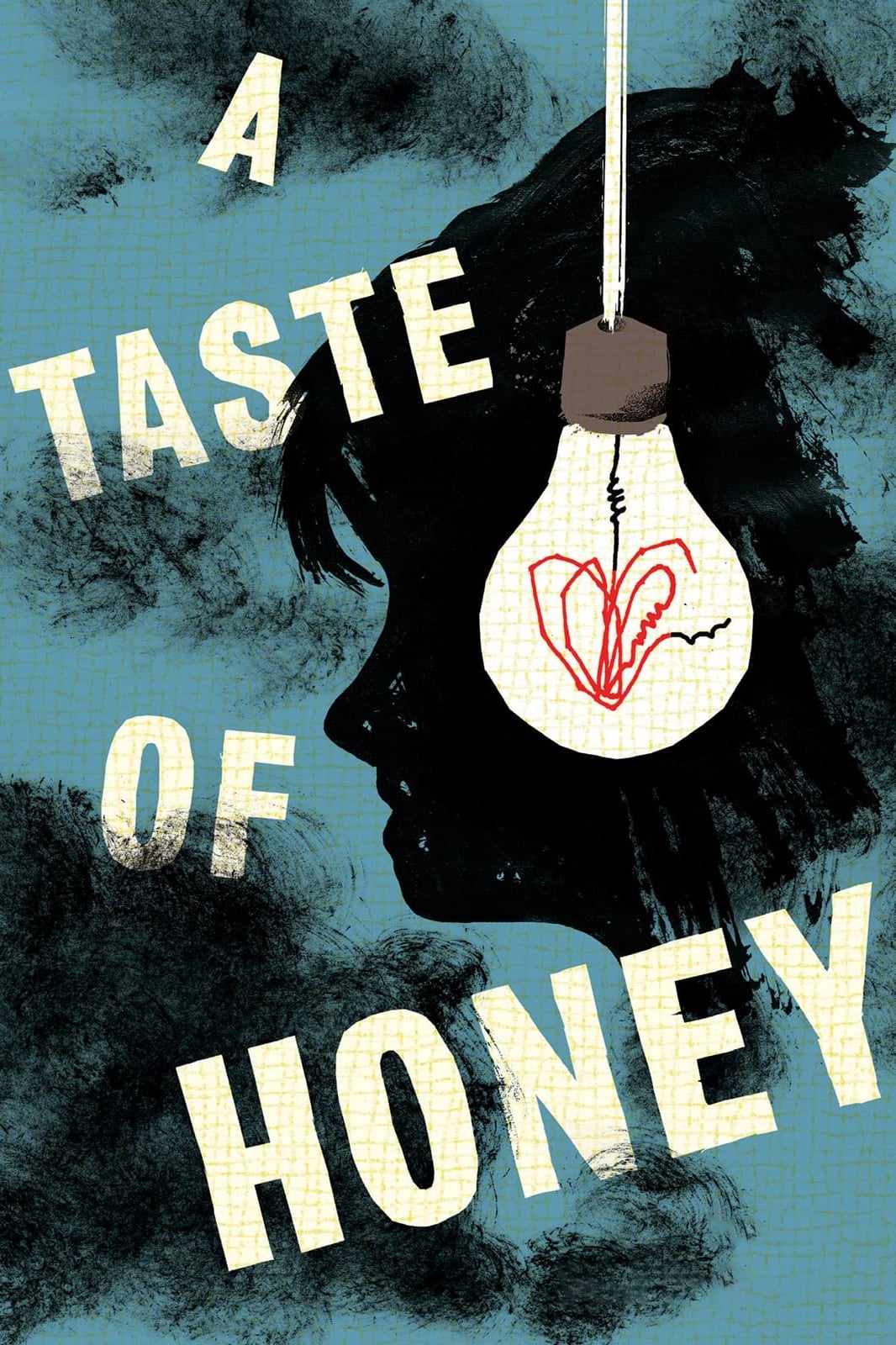
Set in industrial Manchester, this British New Wave drama follows a teenager who becomes pregnant by a sailor and builds a makeshift home life with her gay friend. The script, adapted from Shelagh Delaney’s play, treated working class life, interracial romance, and queer friendship with a directness that was rare in British cinema.
Rita Tushingham’s breakout performance, handheld photography, and location shooting placed the film in the center of a broader movement that elevated everyday realism. Awards attention in Britain and festival recognition abroad helped the film reach audiences who would not normally see these subjects presented without moral panic.
‘Victim’ (1961)

A respected barrister risks his career to expose a blackmail ring that targets gay men, showing how criminalization produces extortion and fear. Starring Dirk Bogarde and directed by Basil Dearden, the film used precise legal detail and police procedure to chart the machinery of persecution.
It is often cited as the first English language film to use the word homosexual on screen, which made it a flashpoint for censors and a touchstone for advocacy. Its release fed directly into public debate around law reform in the United Kingdom and helped shift portrayals from caricature toward complex adulthood.
‘The Intruder’ (1962)
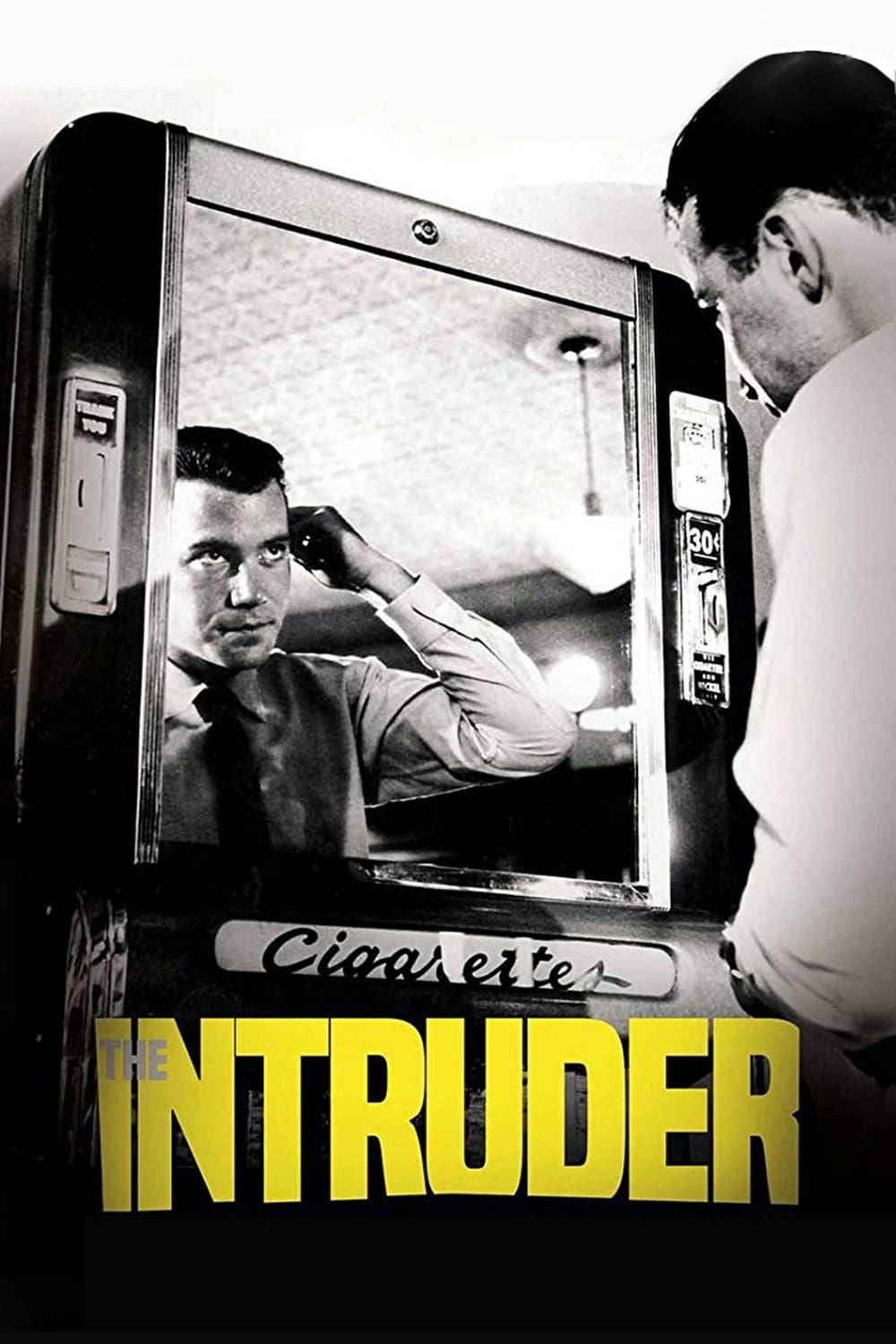
Roger Corman’s drama takes place in a Southern town where a traveling agitator stirs up violence against school integration. The production filmed on location with local extras and captured protests and confrontations that mirrored real tensions in communities facing court ordered desegregation.
The film struggled commercially and met hostility during shooting, yet it stands as one of the most direct studio adjacent treatments of white supremacist mobilization. Its candid depiction of speeches, organizing tactics, and mob dynamics gives a clear record of how resistance to civil rights operated at street level.
‘Guess Who’s Coming to Dinner’ (1967)
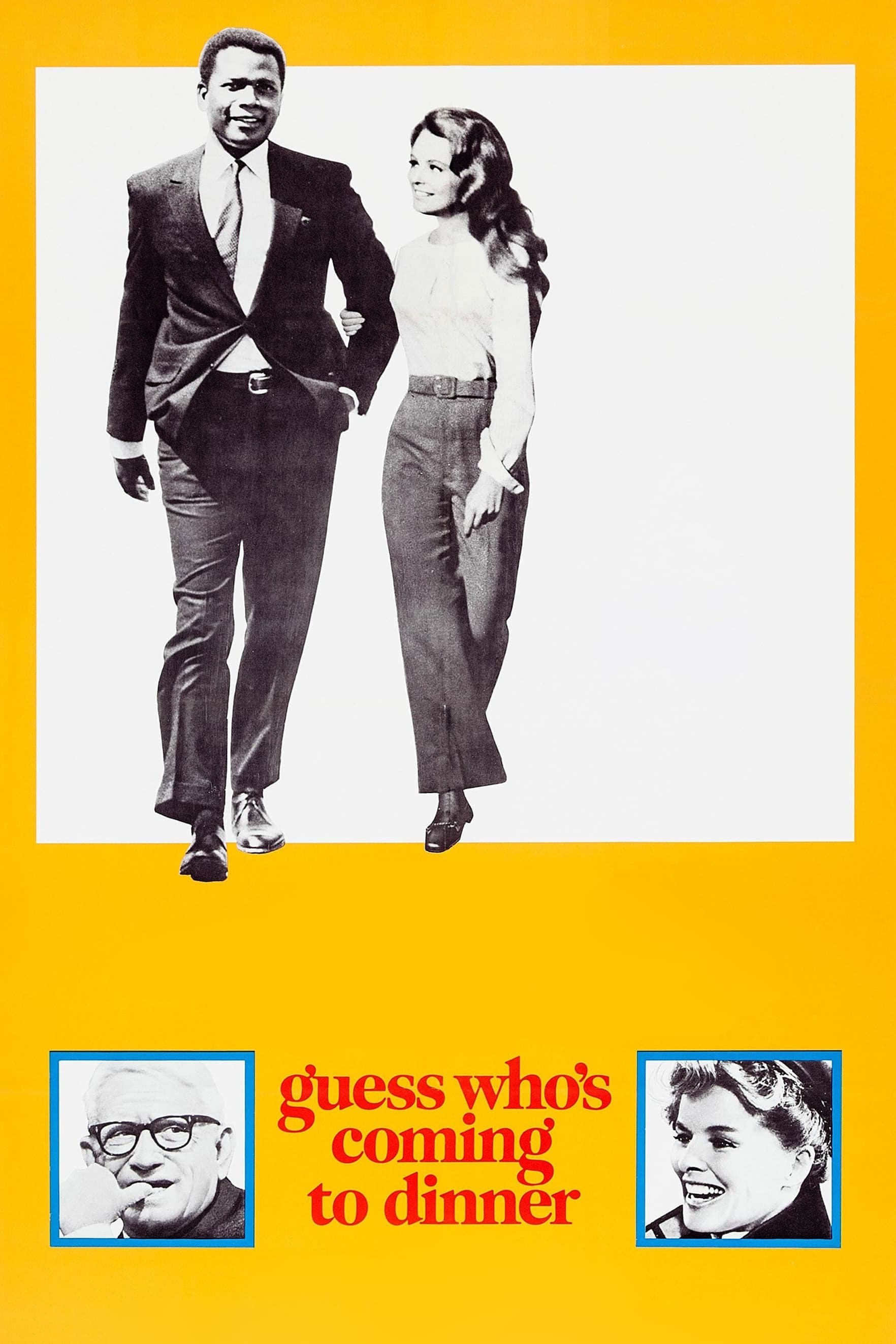
A young couple announces their engagement to parents who have never considered interracial marriage in their own lives, forcing a polite household to face social realities. Sidney Poitier, Katharine Hepburn, and Spencer Tracy anchor the story, which presents professional achievement and family love as everyday facts rather than novelties.
The film arrived while many states still enforced bans on interracial marriage, making its subject not merely symbolic but legally urgent. It became a major hit and won Academy Awards, which brought the normalization of an interracial couple into the mainstream of American moviegoing.
‘Night of the Living Dead’ (1968)
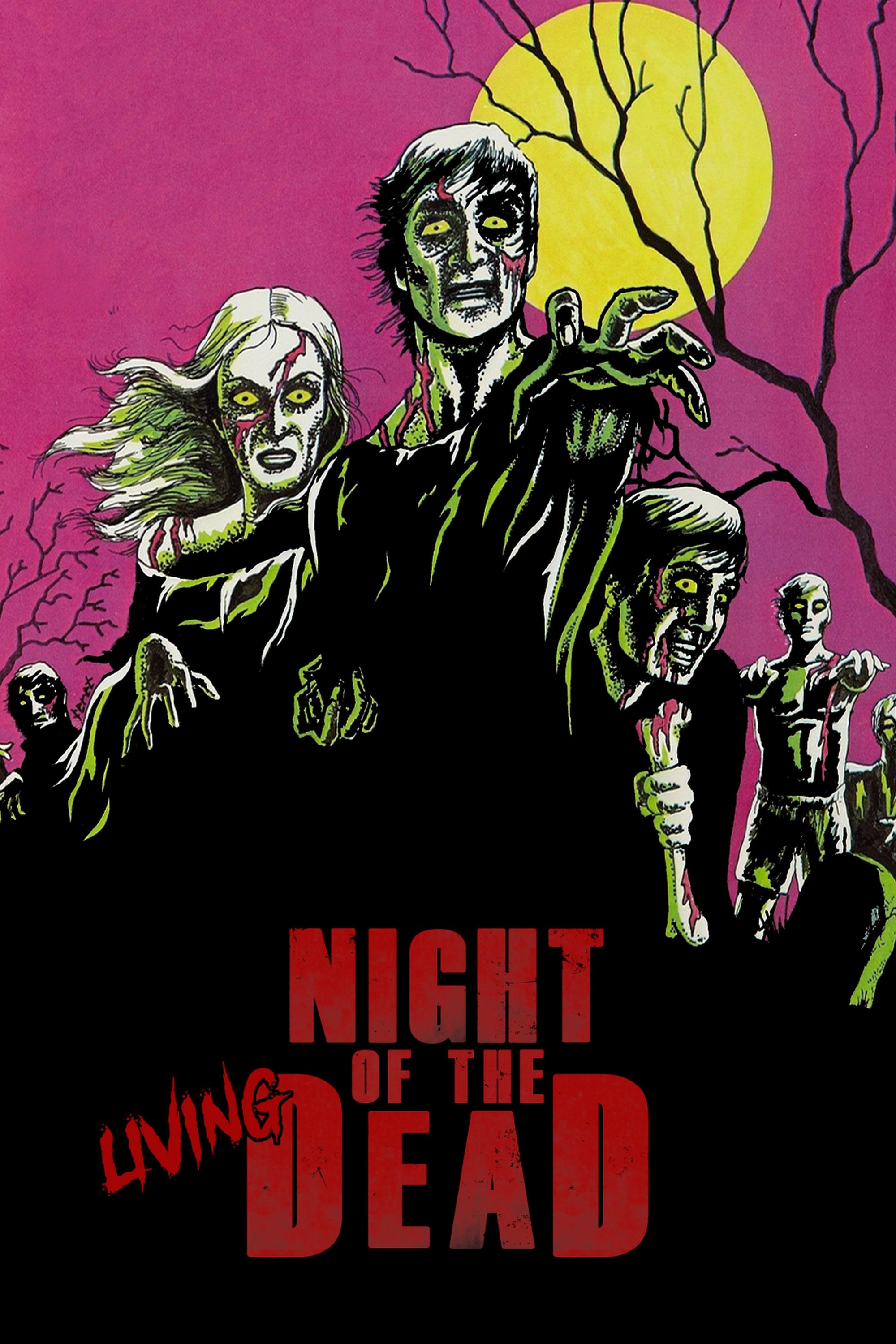
A group of strangers shelters in a farmhouse during a sudden crisis, with a Black protagonist taking charge as fear and conflict grow inside. Director George A Romero cast Duane Jones in the lead without rewriting the part, which meant a Black hero led a widely seen horror film without racial stereotyping built into the dialogue.
The production was independently financed and shot in Pennsylvania with a small crew, then entered public domain due to a paperwork error. Its stark ending and vivid news style inserts encouraged social readings, and its widespread circulation on television and home video kept those readings alive for new viewers.
‘Cabaret’ (1972)

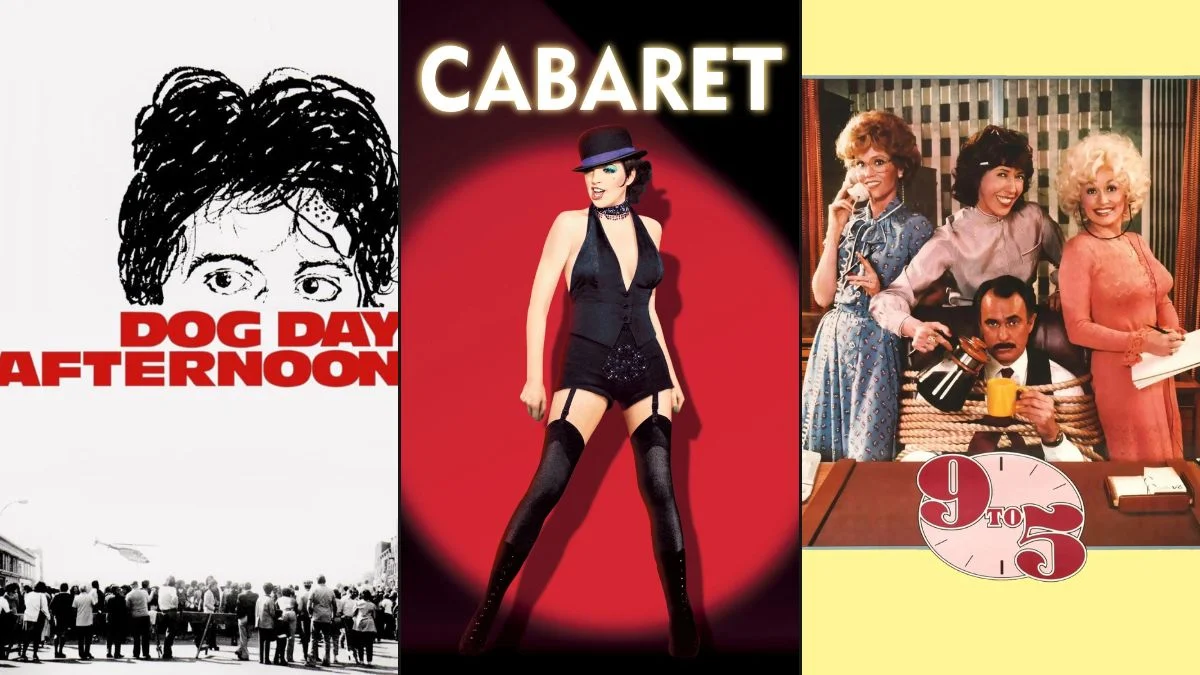
Set in Weimar Berlin, the story follows a club performer, her friends, and patrons as creeping authoritarianism closes in on nightlife and daily life. Bob Fosse’s staging foregrounds antisemitism and queer identity while connecting personal choices to larger political changes through musical numbers that comment on the action.
The film won multiple Academy Awards and became a touchstone for the integrated musical as social commentary. Liza Minnelli and Joel Grey’s performances anchored a production that showed how song and dance could carry subjects like bisexuality, domestic violence, and rising fascism to a mass audience.
‘Claudine’ (1974)
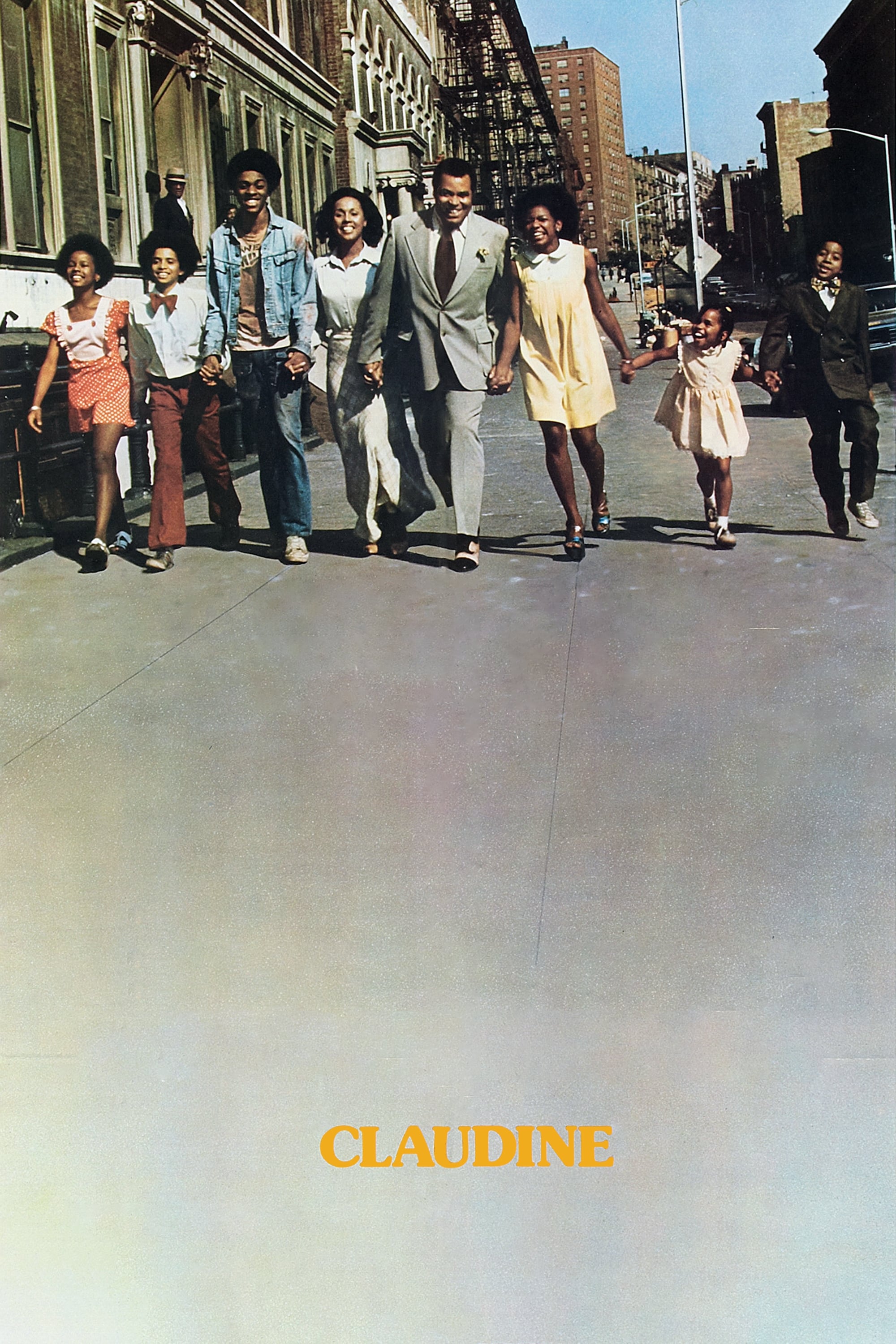
A Harlem home health aide raises six children while navigating welfare rules that penalize relationships and extra income. Diahann Carroll and James Earl Jones play partners whose romance must contend with inspections, paperwork, and the constant threat of benefits being cut.
Directed by John Berry, the film pairs a naturalistic love story with a detailed look at social services and the economics of care work. Carroll earned an Academy Award nomination, and the Curtis Mayfield soundtrack performed by Gladys Knight and the Pips helped the film reach radio listeners who might not otherwise see a story about urban poverty.
‘Dog Day Afternoon’ (1975)
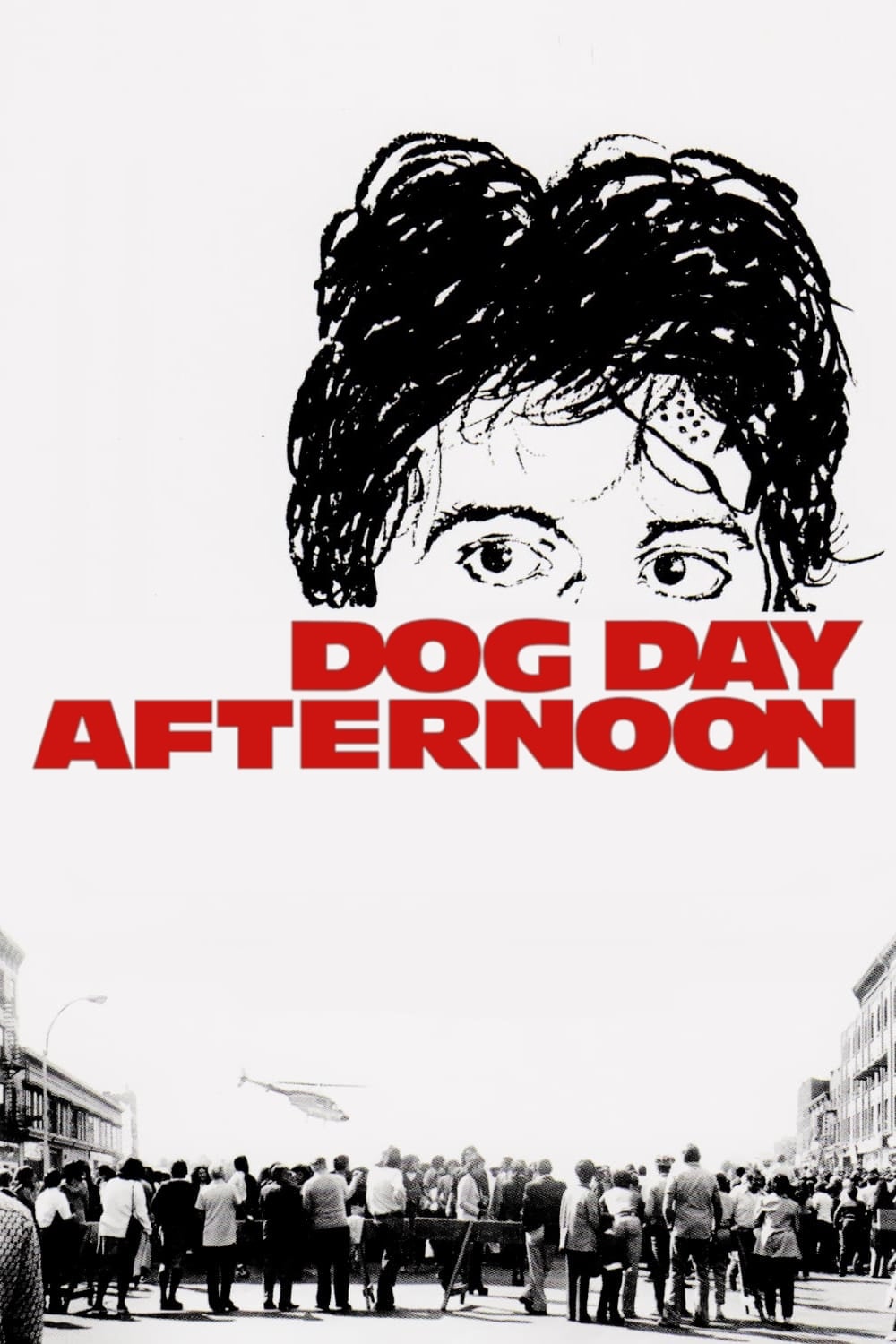
A Brooklyn bank robbery unfolds in real time as a desperate man tries to get money connected to his partner’s medical needs. Sidney Lumet’s film builds its story through television coverage, crowd behavior, and negotiation scenes that emphasize how media attention shapes public perception.
Chris Sarandon’s portrayal of a trans woman partner and Al Pacino’s lead performance brought gender identity into a widely viewed crime drama. The screenplay won the Academy Award, and the film’s use of actual news footage styles influenced later portrayals of queer lives inside mainstream genres.
‘Norma Rae’ (1979)

A textile worker reaches her breaking point and becomes a union organizer, learning how to document violations and build support on the factory floor. The film draws on the experiences of Crystal Lee Sutton and shows the tactics and risks involved in organizing under constant managerial pressure.
Sally Field won the Academy Award for her performance, and images of the heroine holding a union sign became part of labor history. By detailing meetings, card drives, and contract fights, the production offered a rare step by step look at workplace democracy in a popular release.
‘9 to 5’ (1980)
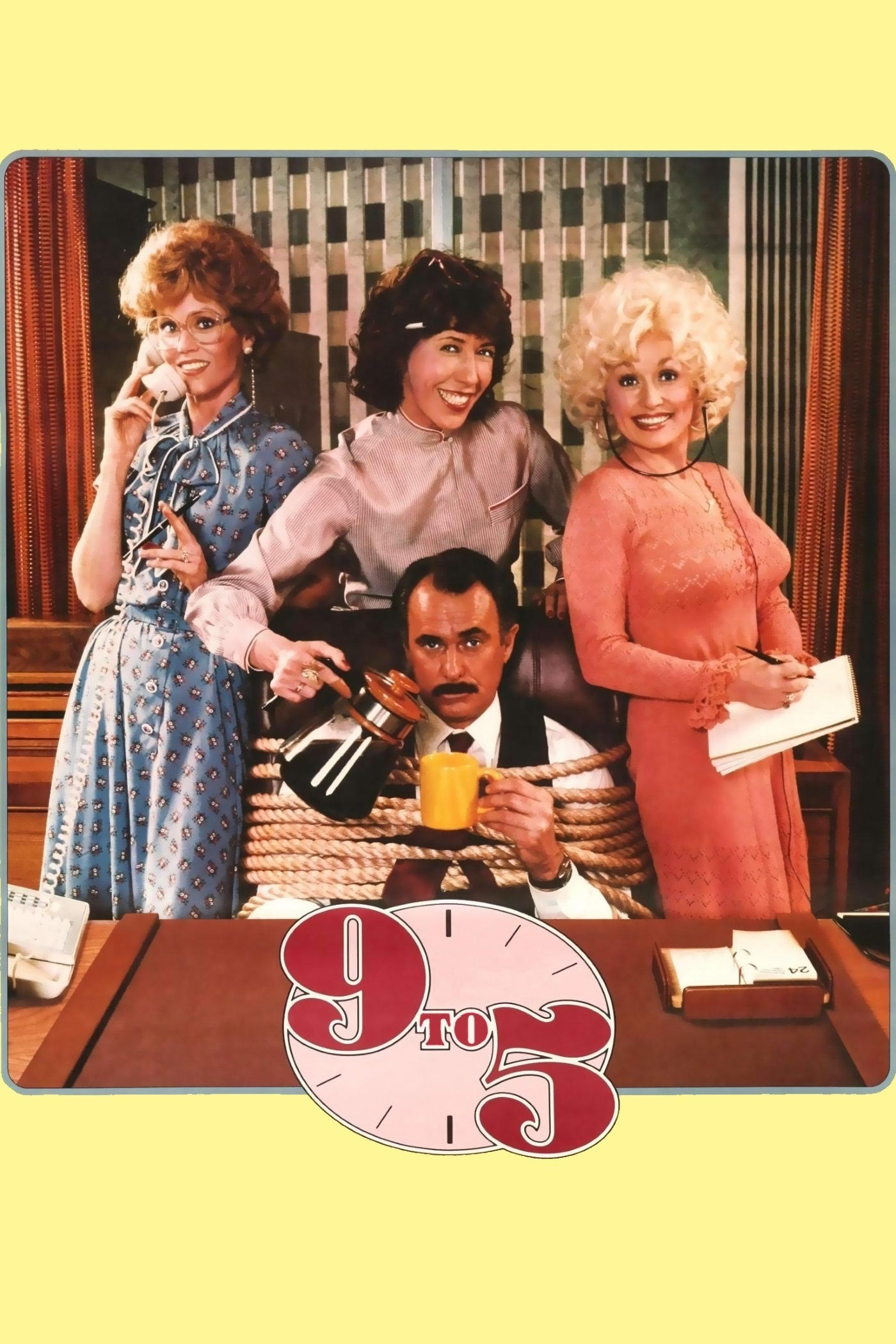
Three office workers band together against a sexist boss, exposing harassment, wage theft, and unfair promotion practices through a plan that changes their workplace. Jane Fonda, Lily Tomlin, and Dolly Parton share the lead, and the theme song became a chart topper that carried the film’s message beyond theaters.
The comedy’s success led to a television spinoff and a stage musical that kept its workplace reforms in public view. Topics like childcare, flexible schedules, and pay equity were presented with clear examples, which helped employers and workers talk about policy changes in practical terms.
Share the older films you think pushed conversations forward before the wider culture caught up in the comments.