10 Underrated Films by James Earl Jones You Must See

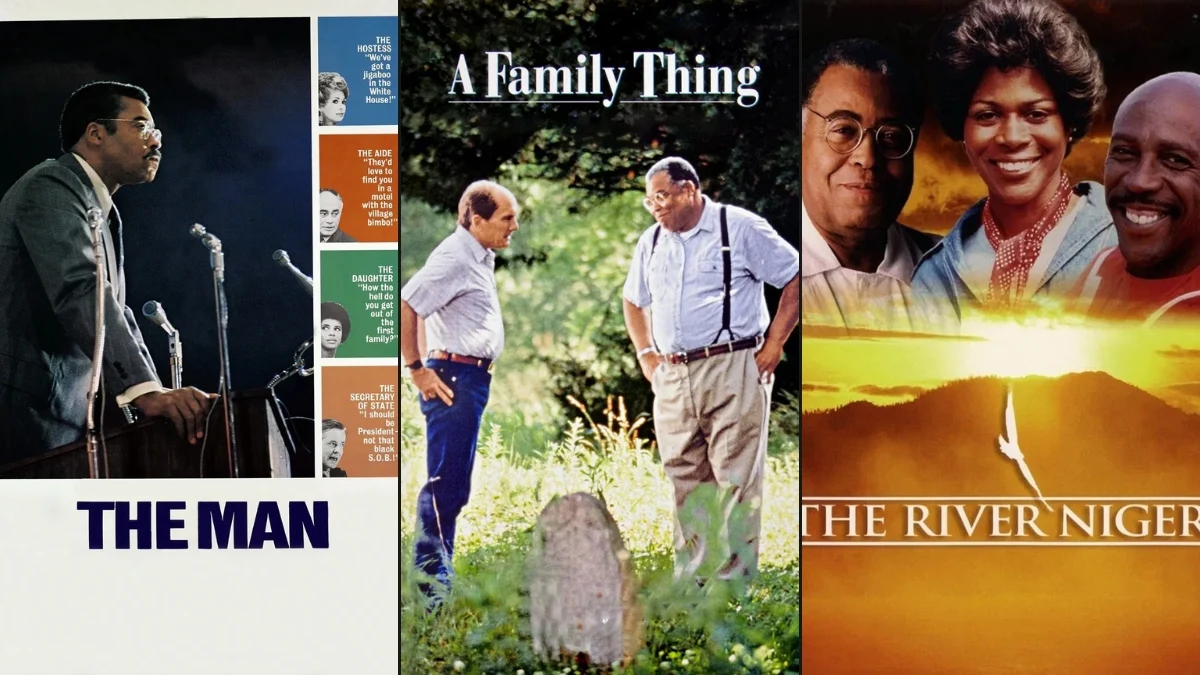

James Earl Jones is widely recognized for iconic work in ‘Star Wars’ and ‘The Lion King’, yet his filmography reaches far beyond those cultural touchstones. Across dramas, historical stories, and character driven ensembles, he has anchored projects that reveal the range of his craft and the breadth of filmmakers who sought him out.
This list gathers feature films and a few television films that spotlight his roles within richer contexts, including adaptations of notable books and plays, collaborations with major directors, and stories rooted in specific moments of American life. Each entry notes the essentials on who made the film, what it covers, and where Jones fits within the production and story.
‘The Man’ (1972)
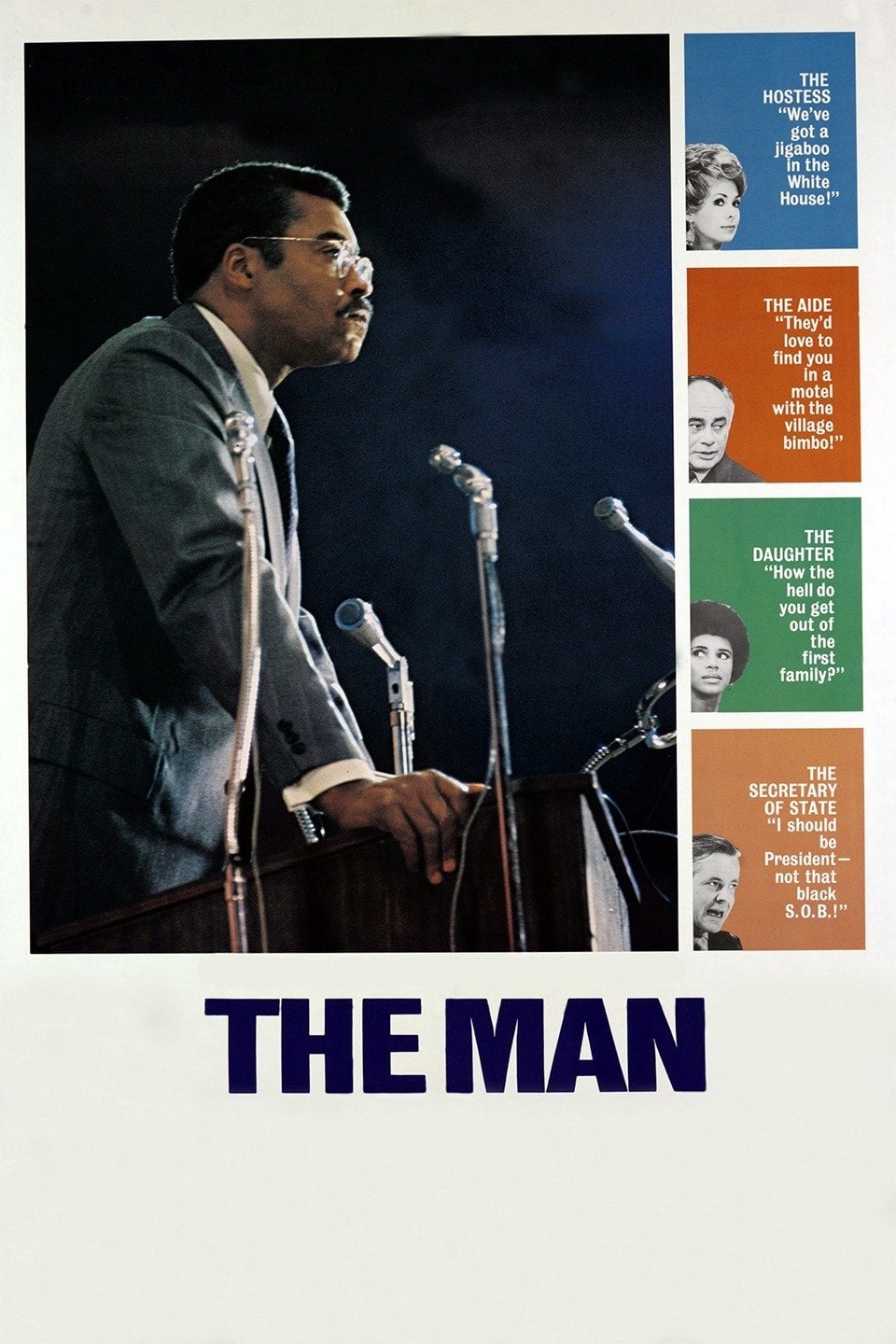
James Earl Jones stars as Douglass Dilman, a senior congressional leader who reaches the presidency through an unexpected succession scenario grounded in the constitutional line of succession. The film examines cabinet dynamics, legislative pressure, and diplomatic decisions as Dilman navigates a rapidly changing political landscape. It was directed by Joseph Sargent and adapted from Irving Wallace’s novel ‘The Man’.
Production took place with cooperation from Washington settings that lend authenticity to cabinet rooms and press briefings. The script explores confirmation battles and treaty questions while also detailing the legal counsel and staff roles around the executive office. The cast and crew built a procedural framework that tracks how daily governance intersects with public scrutiny.
‘Claudine’ (1974)
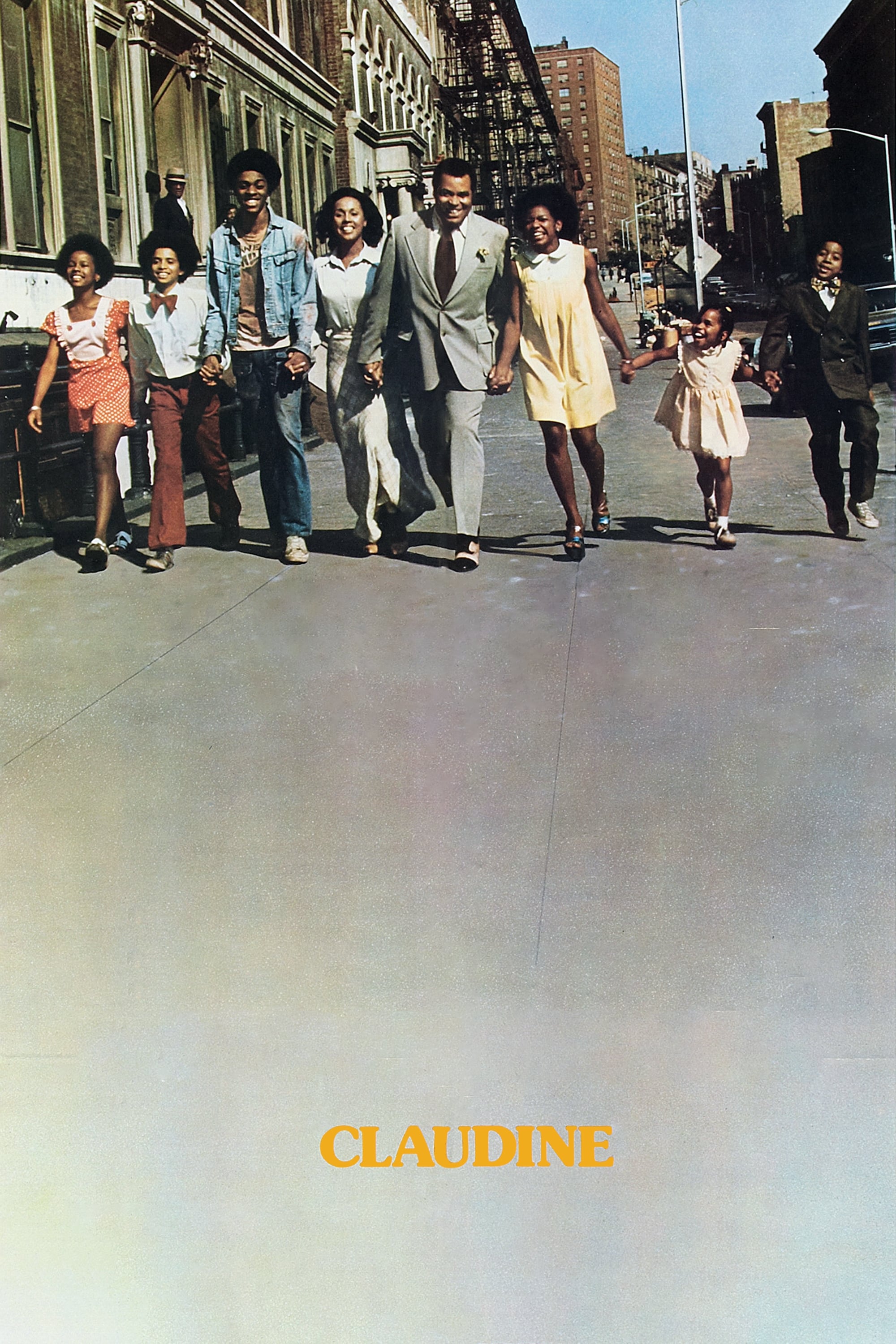
Set in Harlem, ‘Claudine’ follows a single mother working as a domestic and the sanitation worker she meets, played by James Earl Jones as Rupert Marshall. The film studies how employment, childcare, and welfare rules affect a family household, presenting home visits, benefit reviews, and budgeting choices in detail. John Berry directed the production, and Diahann Carroll leads the cast.
The soundtrack was written and produced by Curtis Mayfield and performed by Gladys Knight and the Pips, whose songs mirror scenes of commuting, school schedules, and kitchen table planning. Shot on location in New York City neighborhoods, the film uses apartment interiors and stoops to build a clear sense of space for family routines and community ties.
‘The River Niger’ (1976)
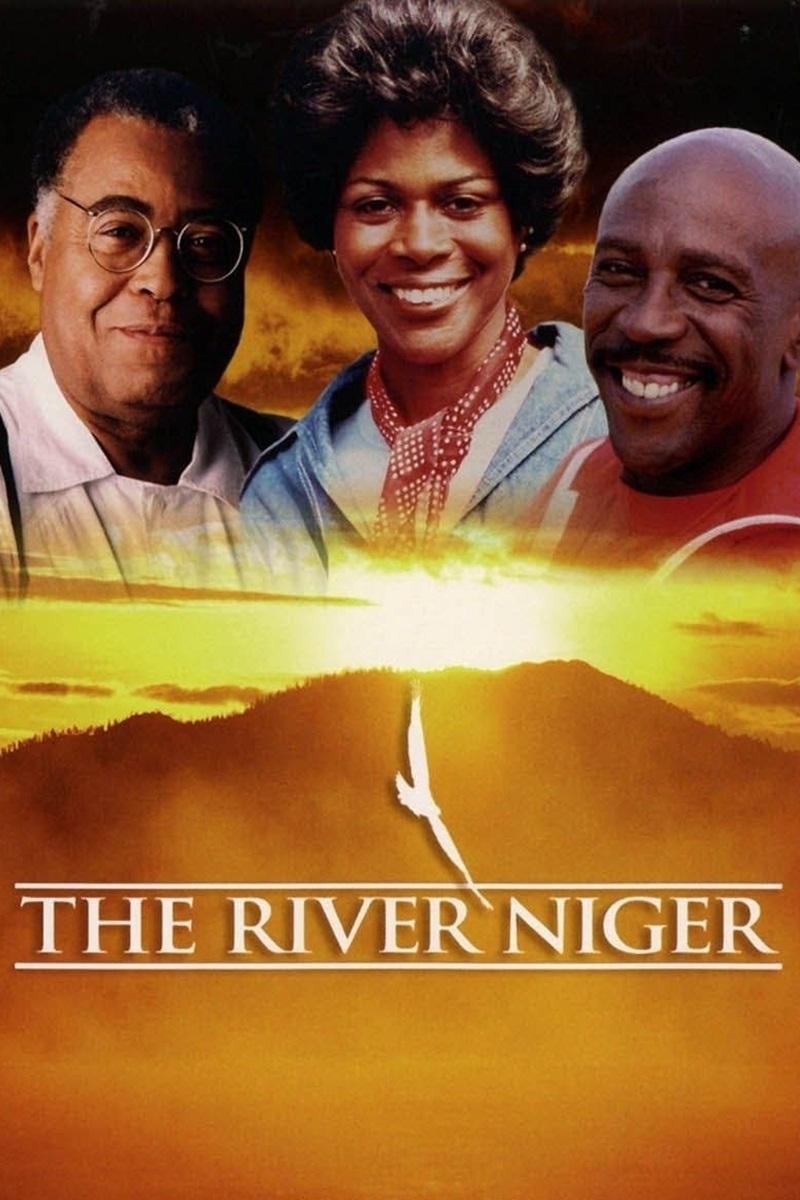
Adapted from Joseph A Walker’s award winning play, ‘The River Niger’ centers on a Harlem family led by Johnny Williams, portrayed by James Earl Jones. The story traces Johnny’s work as a house painter alongside his devotion to poetry, while his spouse and son face choices about school, service, and neighborhood allegiances. Krishna Shah directed the film with an emphasis on domestic settings and local meeting places.
Dialogue drawn from the stage text retains the rhythms of the original play while the screen version adds street scenes, storefronts, and community gatherings. The production captures youth groups, block conversations, and family councils that show how personal goals intersect with pressure from friends and local activists.
‘The Bingo Long Traveling All-Stars & Motor Kings’ (1976)

Based on Mark Harris’s novel ‘The Bingo Long Traveling All-Stars & Motor Kings’, this film follows a barnstorming Black baseball team that tours small towns to play exhibition games. James Earl Jones appears as veteran catcher Leon Carter alongside Billy Dee Williams and Richard Pryor. John Badham directed the film and worked with choreographed baseball sequences that feature authentic period uniforms and equipment.
The production depicts ticketing in fairgrounds, deals with independent promoters, and clubhouse talks about player shares and travel expenses. It also shows how teams assembled pickup rosters, negotiated with local owners, and responded to scouting interest from organized clubs. Location work and crowd staging recreate league parks and improvised diamonds on rural fields.
‘Exorcist II: The Heretic’ (1977)
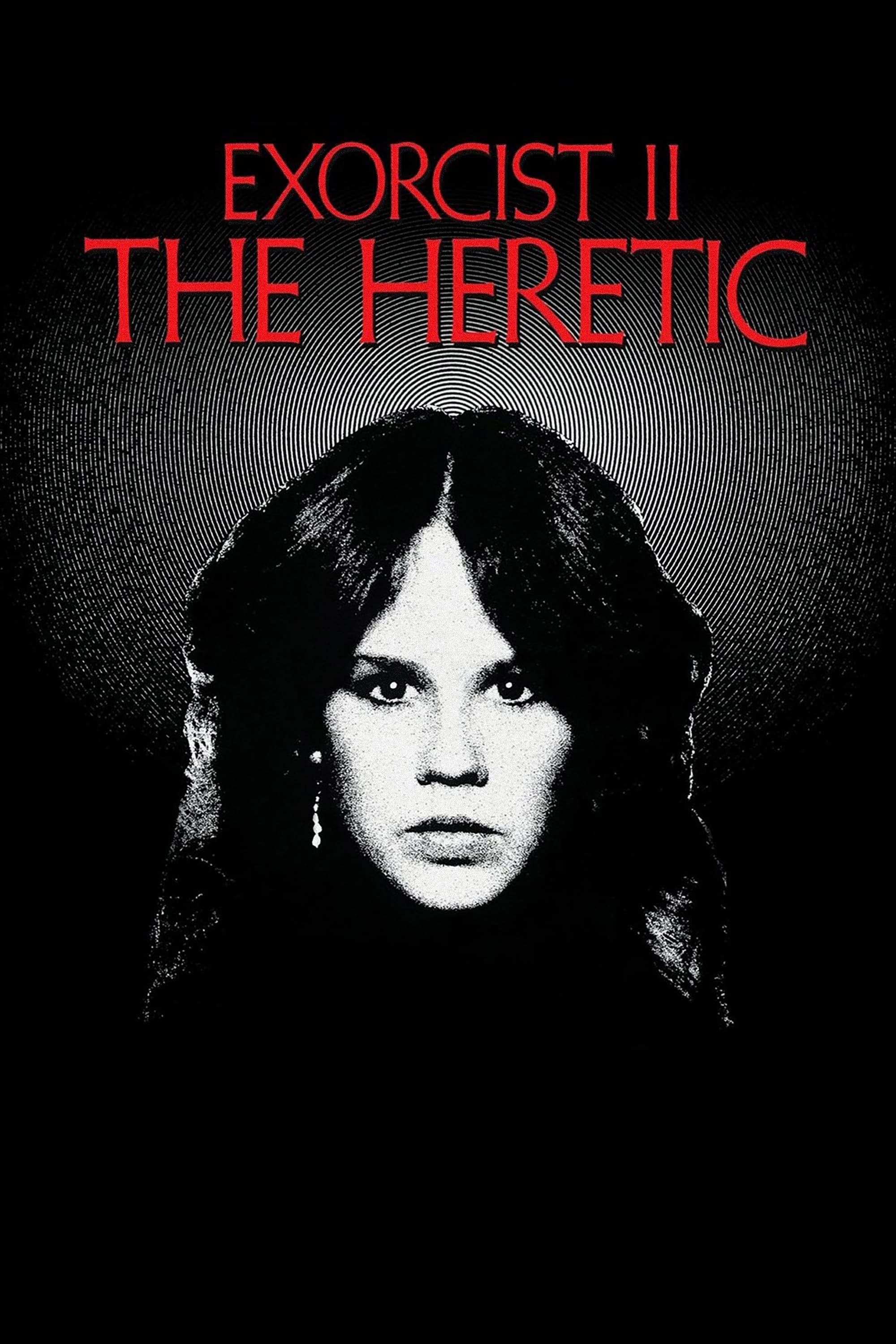
‘Exorcist II: The Heretic’ continues the story of Regan MacNeil as doctors and investigators study past events using hypnosis and specialized medical devices. James Earl Jones appears as Kokumo, a figure tied to earlier experiences that a priest and a psychiatrist seek to understand. John Boorman directed the film with Linda Blair and Richard Burton among the principal cast.
The production used stylized sets and international locations to connect research scenes with memories and visions. Ennio Morricone composed the score, and the film employs sound design that blends medical equipment tones with choral passages. Costumes and props illustrate the work of anthropologists and scientists who document locust behavior and cultural artifacts.
‘Matewan’ (1987)
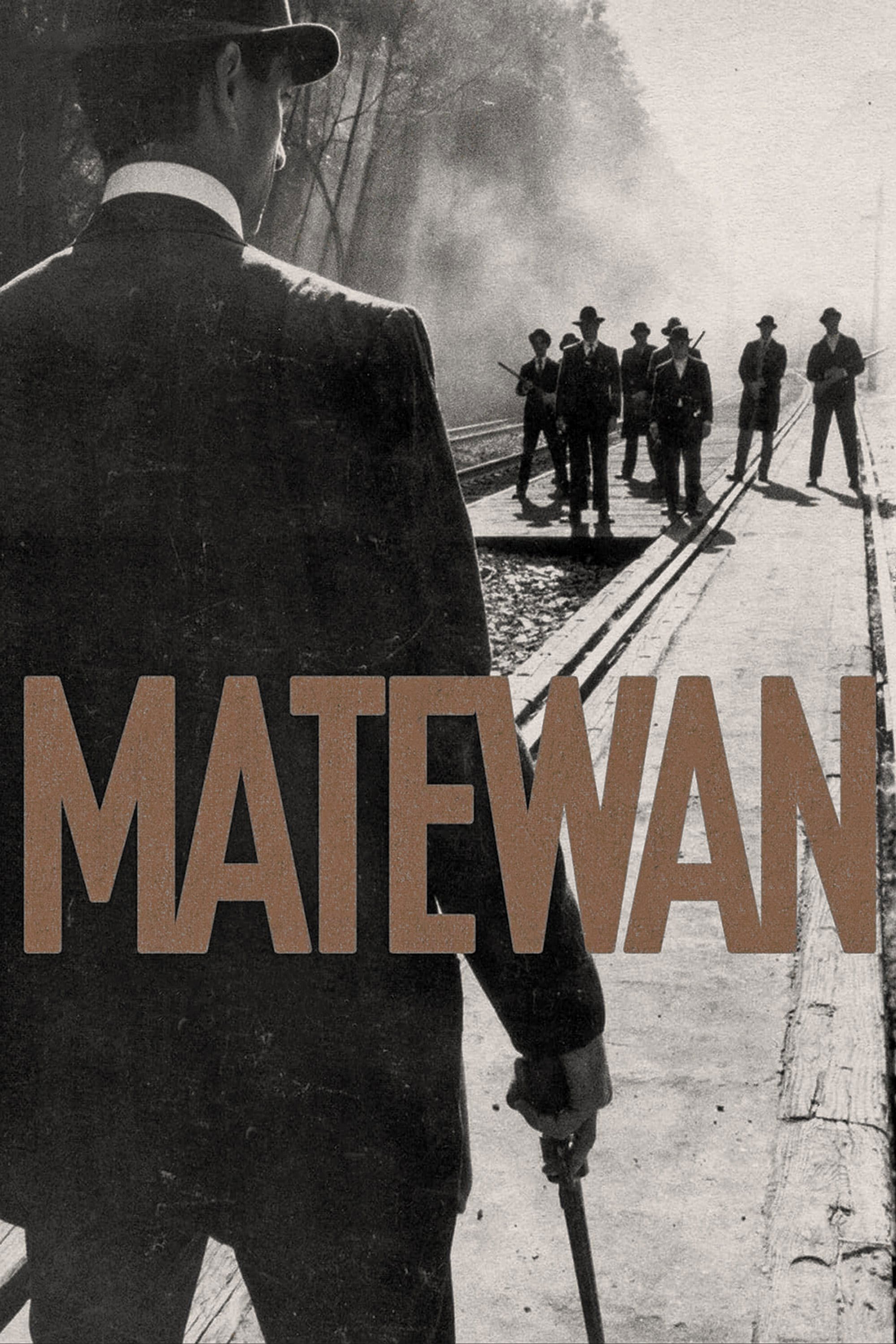
John Sayles wrote and directed ‘Matewan’, a historical drama about a coal town in West Virginia as miners organize for better conditions. James Earl Jones plays a seasoned miner known as Few Clothes Johnson, whose presence in union meetings and picket lines reflects the involvement of Black workers in the conflict. The ensemble includes Chris Cooper, David Strathairn, and Mary McDonnell.
Haskell Wexler handled cinematography with careful attention to tipples, boardinghouses, and church halls. Filming took place in communities that preserve period storefronts and rail spurs, allowing the production to stage company scrip, armed guards, and bargaining sessions. Costuming and props represent union cards, carbide lamps, and the tools used in underground work.
‘Gardens of Stone’ (1987)
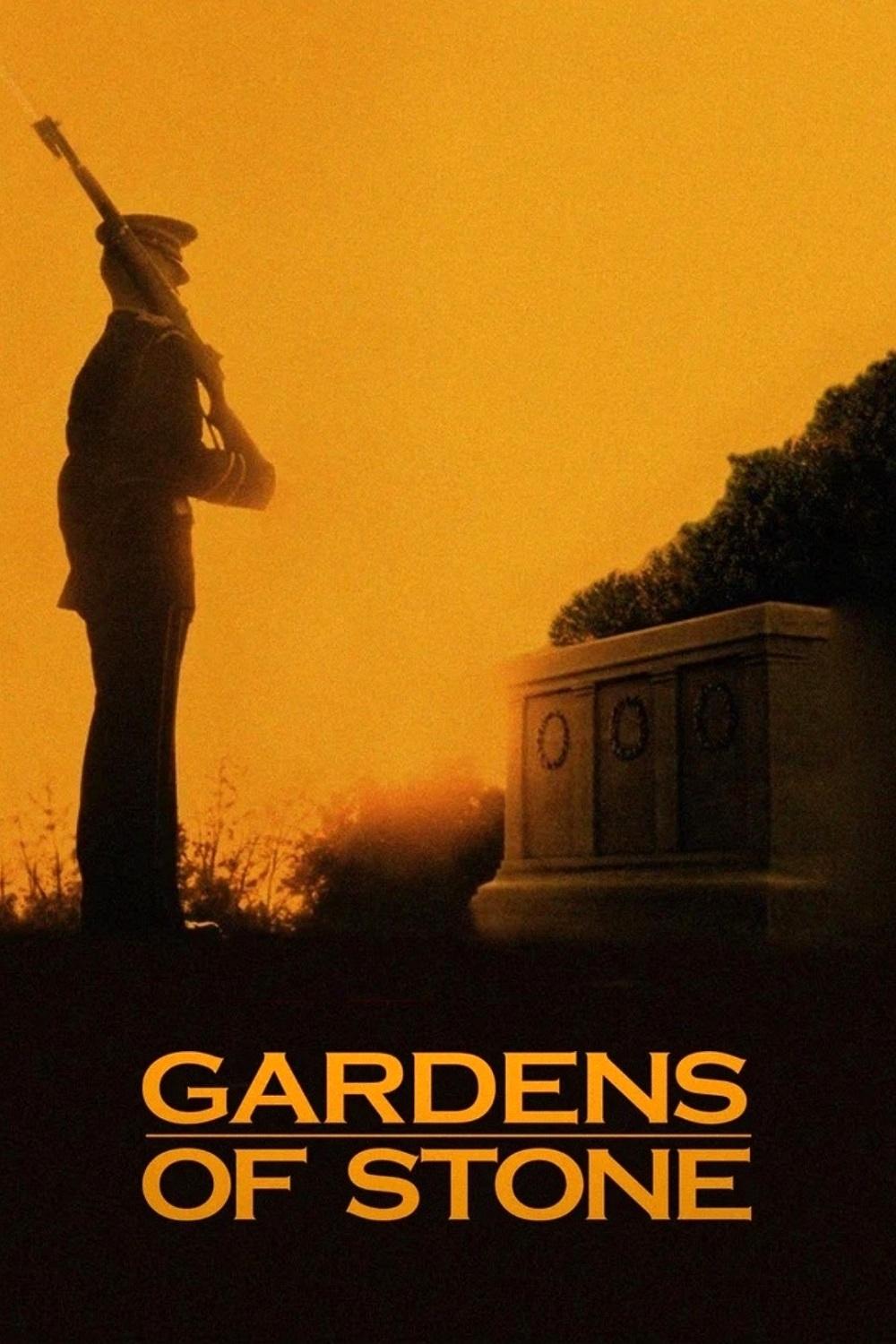
Directed by Francis Ford Coppola, ‘Gardens of Stone’ focuses on the Old Guard at Fort Myer and Arlington National Cemetery. James Earl Jones appears as a senior noncommissioned leader whose duties include training soldiers for ceremonial details and guiding younger troops. The film shows full honors funerals, inspection routines, and the preparation of horses and equipment.
Production used military drill instruction to stage casket teams, color guards, and caisson movements. Scenes cover the layout of barracks, dress uniform maintenance, and the scheduling of duties around ceremonial calendars. The narrative also includes family gatherings and counseling sessions that detail how service members balance tradition with personal lives.
‘Best of the Best’ (1989)
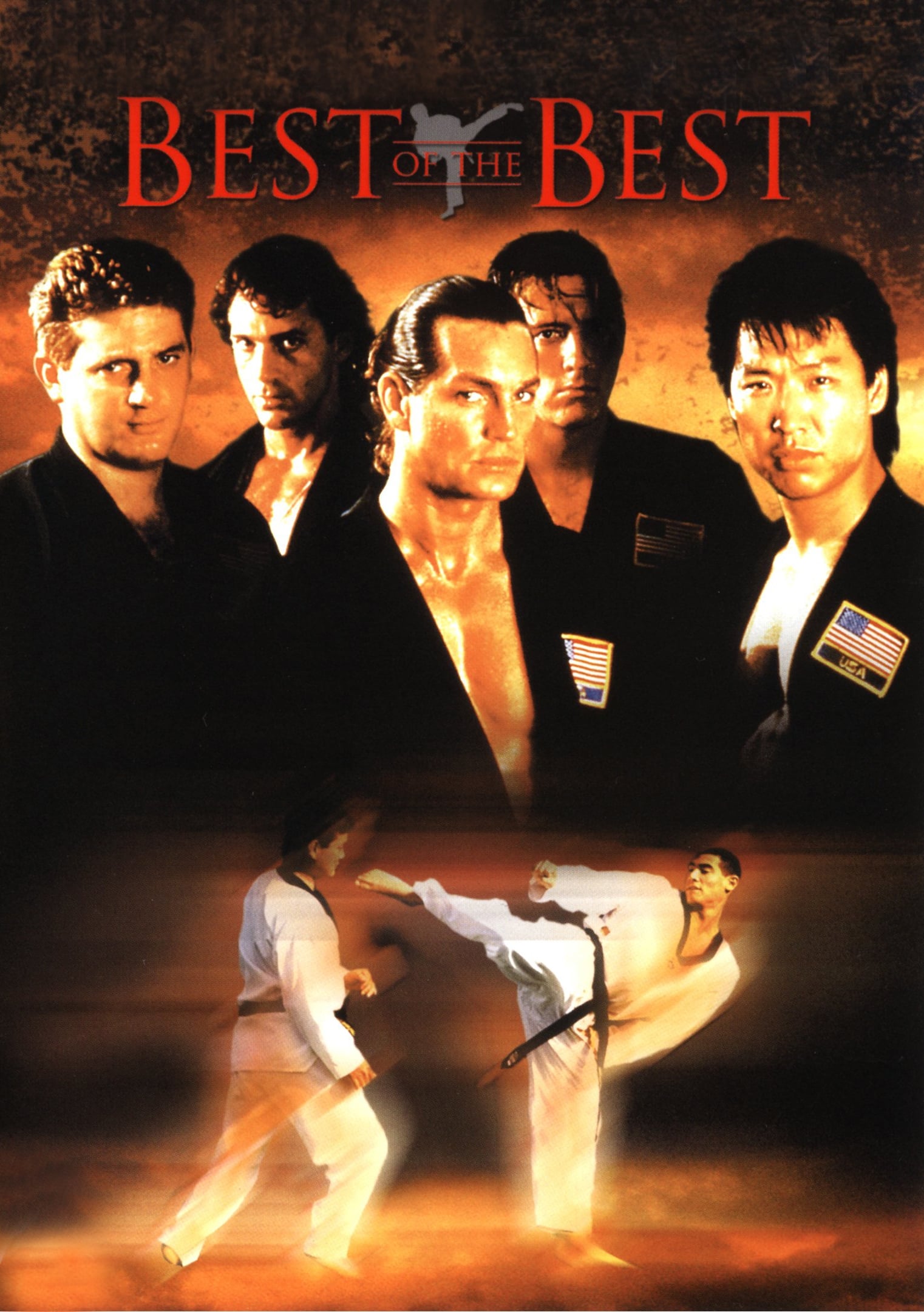
In ‘Best of the Best’, James Earl Jones plays Coach Frank Couzo, who leads a United States taekwondo team toward an international match with a Korean squad. The film covers team selection, conditioning, and technical training, with choreography that demonstrates forms, sparring drills, and target practice. Eric Roberts and Phillip Rhee head the athlete cast.
The production portrays medical evaluations, weight checks, and tournament protocols, including staging for matside judging and the recording of points. It launched a series of sequels, and the first film establishes the template for training camps, coach briefings, and the final bracket structure. Music cues and editing rhythms follow practice sessions and bout rounds.
‘Cry, the Beloved Country’ (1995)
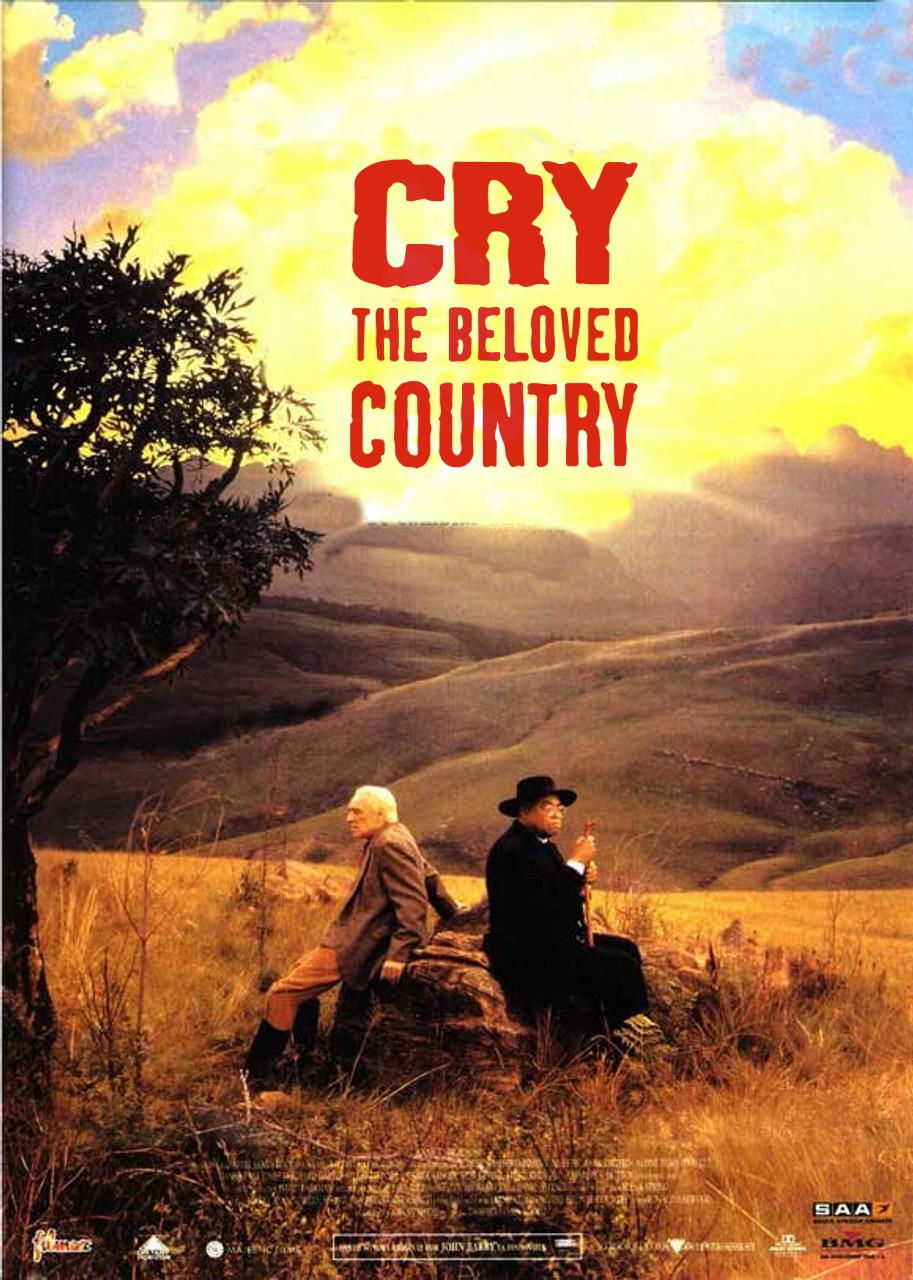
‘Cry, the Beloved Country’ adapts Alan Paton’s novel set in South Africa, with James Earl Jones as Reverend Stephen Kumalo and Richard Harris as James Jarvis. Directed by Darrell Roodt, the film follows a clergyman’s journey from a rural parish to the city in search of family members, and the subsequent encounters that connect two households.
Filming took place on South African locations that match the book’s rural valleys and urban streets. The production team consulted local communities for church services, court procedures, and forms of address. Costumes, transport, and signage support a clear sense of place, while the score and sound mix underscore scenes in townships, farms, and city offices.
‘A Family Thing’ (1996)
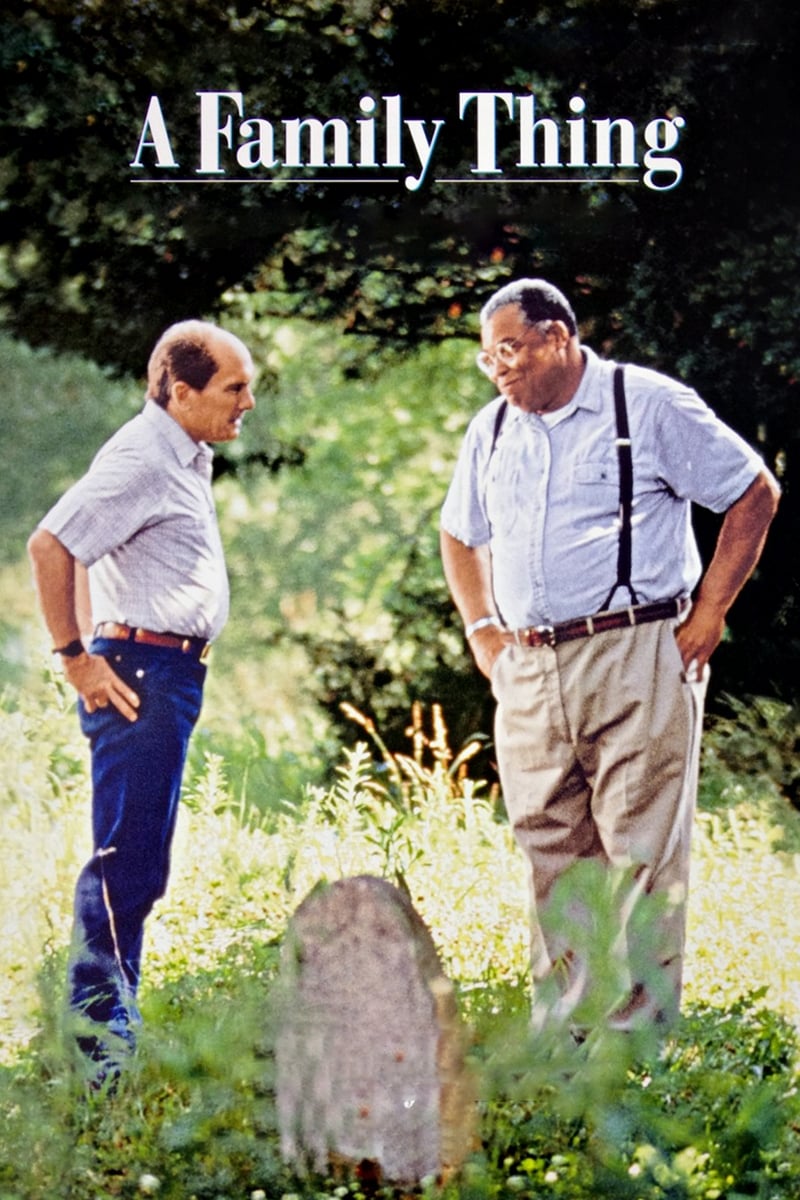
‘A Family Thing’ tells the story of two men who discover they are half brothers after a long kept family secret comes to light. James Earl Jones plays Ray Murdock, who confronts the revelation with his extended family as they process old records and personal letters. Richard Pearce directed the film, with Robert Duvall in the co lead.
The script by Tom Epperson and Billy Bob Thornton builds the family history through visits to childhood homes, conversations with elders, and the sorting of documents and photographs. Scenes in Chicago and Arkansas depict neighborhood stores, parish gatherings, and local diners that frame the characters within familiar community routines.
Share your favorite underappreciated James Earl Jones performances in the comments and let everyone know which titles you would add.