5 Things About ‘The Shawshank Redemption’ That Made Zero Sense & 5 Things That Made Perfect Sense



‘The Shawshank Redemption’ is a powerful prison drama with a simple story about hope and patience. It is a fan favorite and often ranks high on best-of lists. The film’s details help it feel real.
Still, some parts stretch belief, while others fit the world and time very well. Here are five things that made zero sense and five that made perfect sense.
Zero Sense: A huge hole stayed hidden behind a poster for years
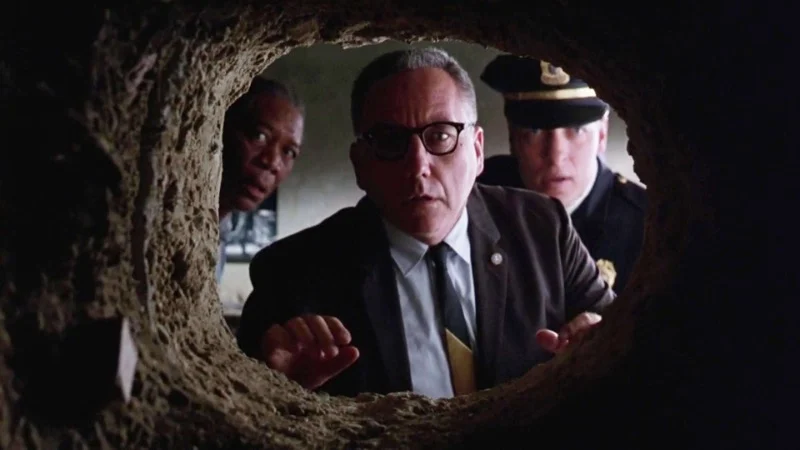
Andy chipped at his wall for a very long time. He hid the hole with a pin-up poster. Guards made rounds, and the warden visited his cell more than once. No one checked behind the poster. That feels unlikely in a strict prison.
Cells were searched, and the poster changed over time. Even a light touch would have revealed the hollow sound. A large opening should have drawn notice sooner.
Perfect Sense: Disguising rock dust in the yard
Andy had to hide the waste from tunneling. He let crushed stone fall from his pant leg in the yard. The dust blended with dirt and gravel. It looked natural and did not pile up in his cell.
This method was slow and safe. It matched his patient plan. It also fit the daily routine, so no one paid attention.
Zero Sense: Timing pipe strikes with thunder
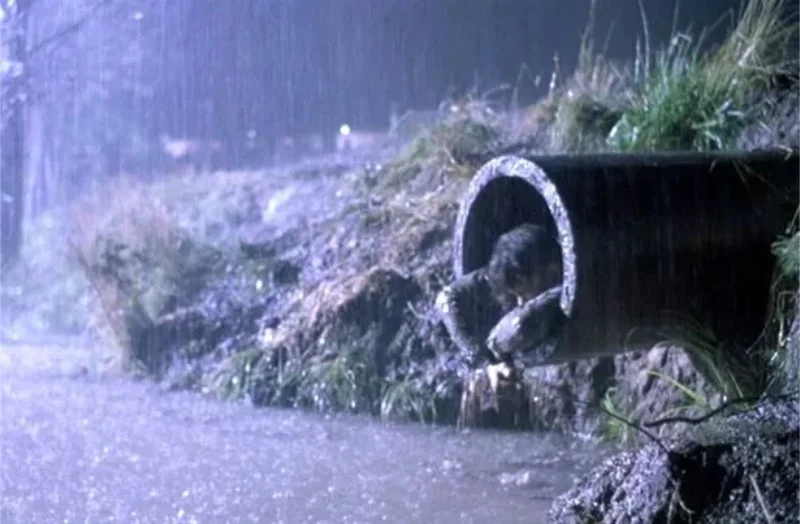
On the escape night, Andy broke a sewage pipe during a storm. He smashed it in sync with thunder to mask the noise. Counting on thunder at the right moments is hard. Weather is random, and lightning is not a metronome.
He could wait for louder claps, but matching each hit is still risky. One mistimed blow could alert a guard on patrol.
Perfect Sense: The alias and banking trail

Andy created a clean identity with records, mail, and accounts. He had access to the warden’s books and built the alias over years. Bank staff knew him on paper before he ever showed up. That made cashing out believable for the era.
Rules were looser back then. With IDs, signatures, and tax forms, a polite man in a suit could move money without trouble. Andy planned for that and used it.
Zero Sense: Crawling through 500 yards of sewage and walking away fine

Andy crawled a long distance through a waste pipe. The film shows him in raw sewage for minutes. That kind of exposure could make someone very sick. Fumes and bacteria are serious threats.
He comes out, washes in the rain, and leaves. The quick recovery feels too neat. The health risk is downplayed for the sake of the story.
Perfect Sense: The ledger exposes the warden

The warden used prison labor to profit. Andy kept careful records and copied proof. When he mailed the files, the authorities had names, dates, and amounts. It was enough to trigger raids and end the scheme.
This is how financial crimes often fall. Paper trails tell the truth. Andy knew that and made the paper trail clear.
Zero Sense: Red finds Andy fast and without a hitch

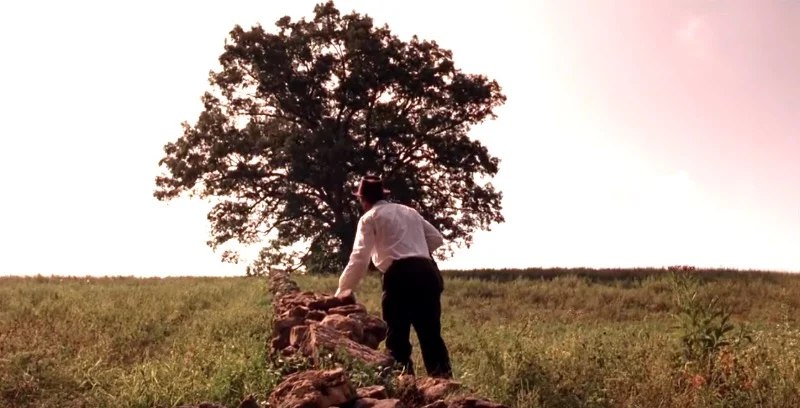
Andy mentioned a town in Mexico and left a clue at a stone wall. Years pass. After parole, Red follows the trail and reaches Andy with no major obstacles on screen. Travel, money, and border checks would be hard for a man on parole.
The steps line up too neatly. It makes for a warm ending, but the ease feels unrealistic.
Perfect Sense: Red’s final parole approval
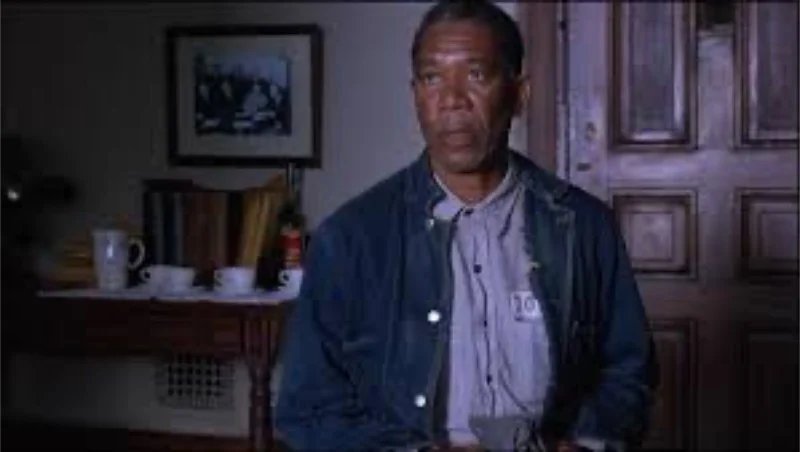
Red’s first hearings show canned answers. He says what he thinks the board wants to hear. It fails. In his last hearing, he speaks openly. He has aged, and his risk is low. The board grants parole.
This tracks with time served and behavior. His work record and age matter. His honesty shows change, which fits parole goals.
Zero Sense: A rock hammer never gets flagged
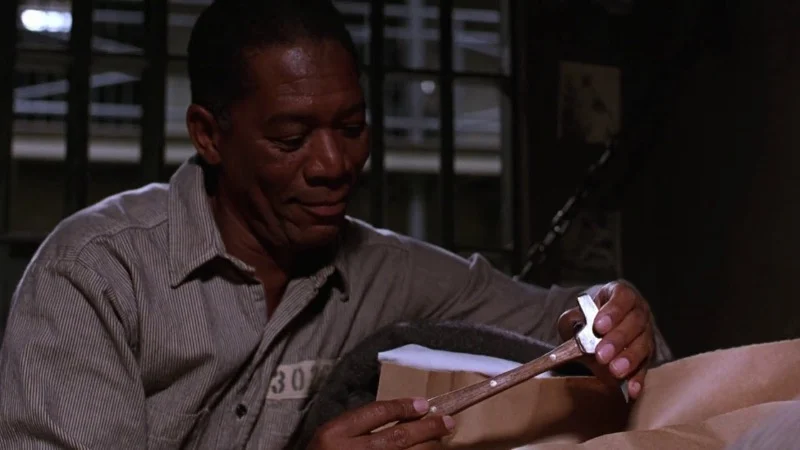
A metal tool in a cell is a risk. Even a small hammer can do damage. Searches happen. The warden even handles Andy’s Bible during a sweep. Yet the tool stays hidden for years.
It is hard to believe not one guard found it. One thorough check of books or bedding could have ended the plan early.
Perfect Sense: Years of patient tunneling match the prison’s rhythm
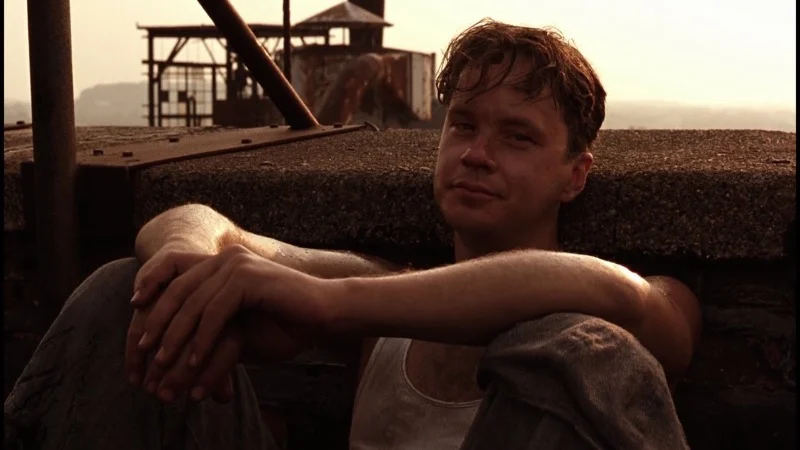
Andy works slowly at night and keeps a strict routine. The wall is old and the mortar is weak. He chips small bits, hides them, and covers the work with a poster. Nothing changes fast, so no one suspects a long game.
Patience is the point of the film. The method fits his character and the setting. Small steps, taken daily, add up.
Share your take: which parts of ‘The Shawshank Redemption’ felt real to you, and which parts pulled you out of the story?