5 Ways ‘Forrest Gump’ Aged Poorly (And 5 Ways It Aged Masterfully)

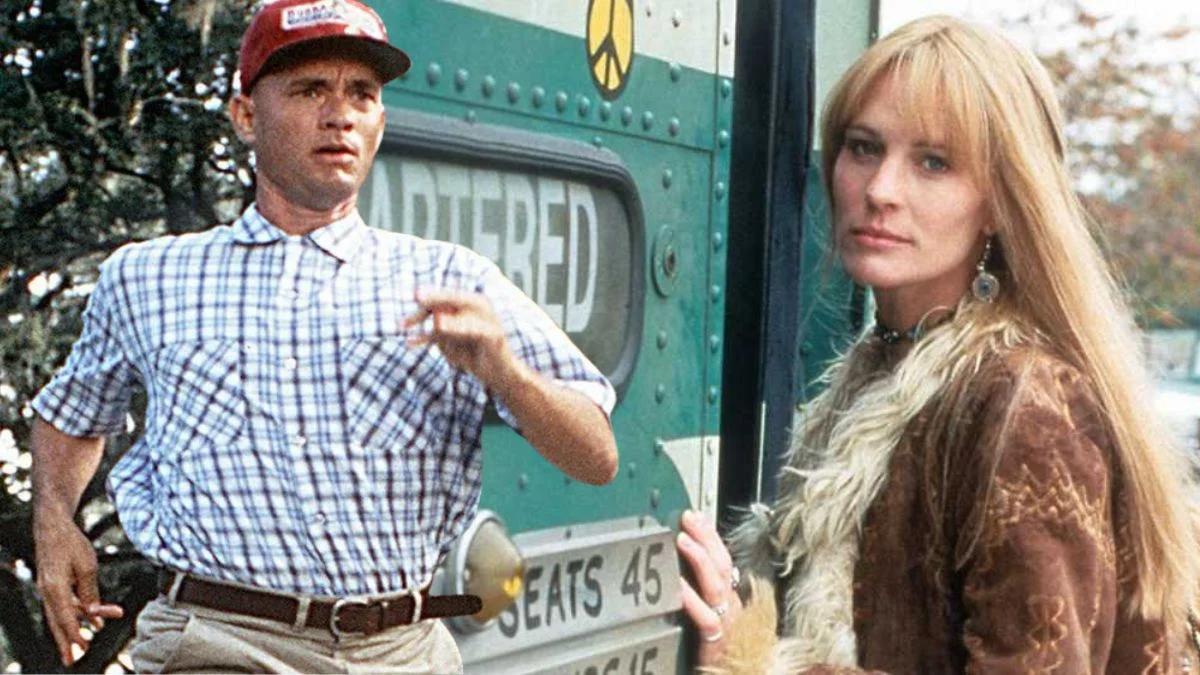

‘Forrest Gump’ is a beloved film with a big cultural footprint. It blends a personal story with major American events, and it tries to keep a warm tone. Many people still quote it and rewatch it today.
But time changes how films feel. Some parts now seem dated or awkward, while others still shine. Here are five ways it aged poorly and five ways it aged masterfully—one after the other.
Aged Poorly: Jenny’s Arc Feels Punitive
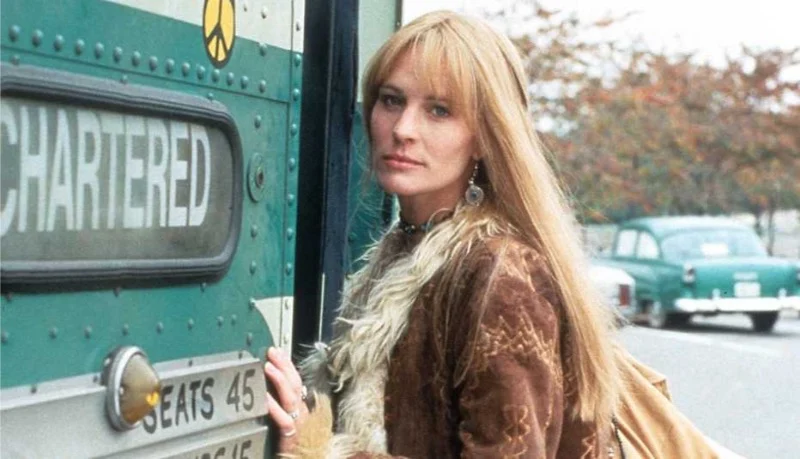
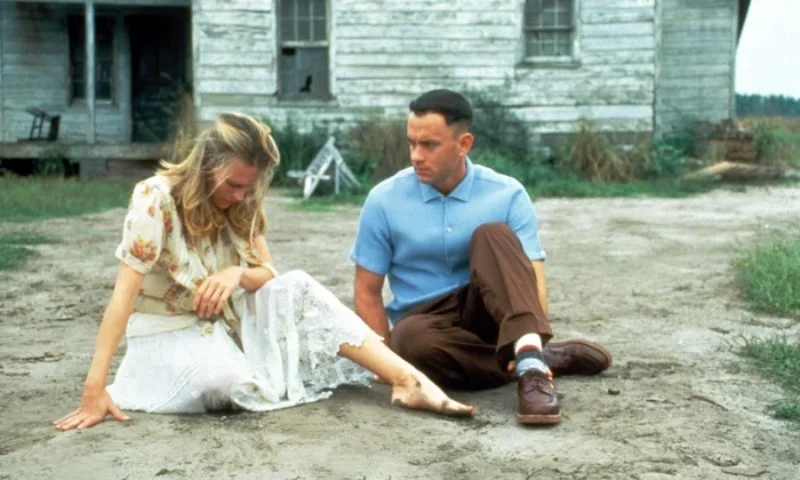
Jenny faces abuse, addiction, and illness, and the film often frames her pain as a result of her choices. That can read like moral judgment rather than empathy. Today, audiences expect more care around trauma.
Her illness is left vague and tied to her past, which can feel like a narrative punishment. The story gives her little agency, and her fate can seem needlessly harsh.
Aged Masterfully: Tom Hanks’ Performance Still Anchors Everything
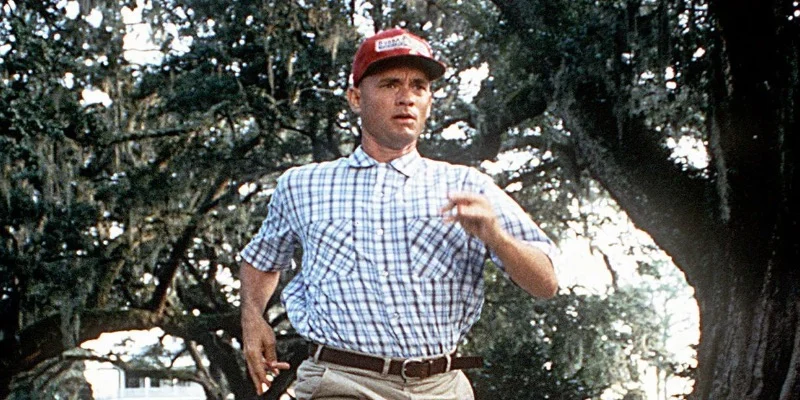
Tom Hanks gives a calm, generous performance. He makes Forrest sincere, steady, and kind without tipping into mockery. The character feels human, not a gag.
His simple delivery grounds wild plot turns. The performance keeps the film warm even when the story moves fast or leans on big coincidences.
Aged Poorly: Civil Rights Scenes Stay on the Sidelines
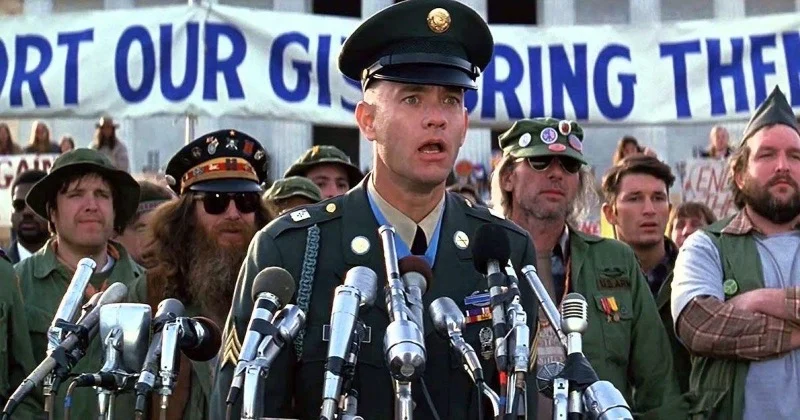
The film brushes past key civil rights moments from a distance. It centers Forrest’s viewpoint, which leaves little space for Black characters’ voices or context.
As a result, history looks tidy and soft. For many viewers today, that narrow lens feels incomplete and out of step with how we talk about that era.
Aged Masterfully: The Historic Blending Still Looks Smooth
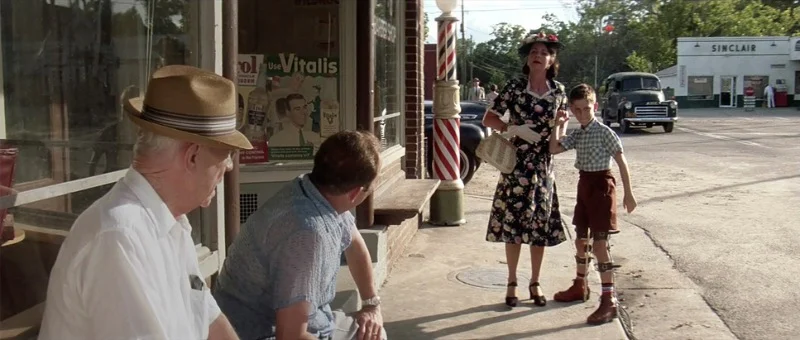
The film places Forrest into famous moments using digital tricks and careful editing. The compositing and sound work remain convincing to the eye and ear.
Because these scenes feel seamless, they keep the story playful rather than distracting. The technique supports the tone instead of showing off.
Aged Poorly: Politics Are Flattened Into Background Noise
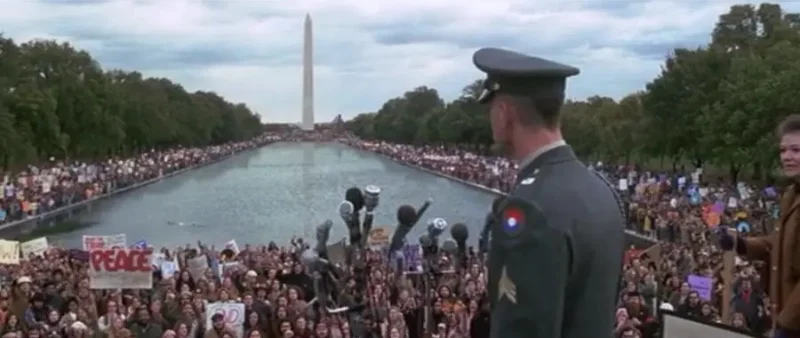
Protests, war, and scandal pass by like signposts. The film avoids taking a stance, which can make big events feel like decoration.
Today, viewers often want clarity and nuance. The breezy, apolitical approach can seem shallow for topics that deserve more depth.
Aged Masterfully: The Soundtrack Locks In the Time and Mood
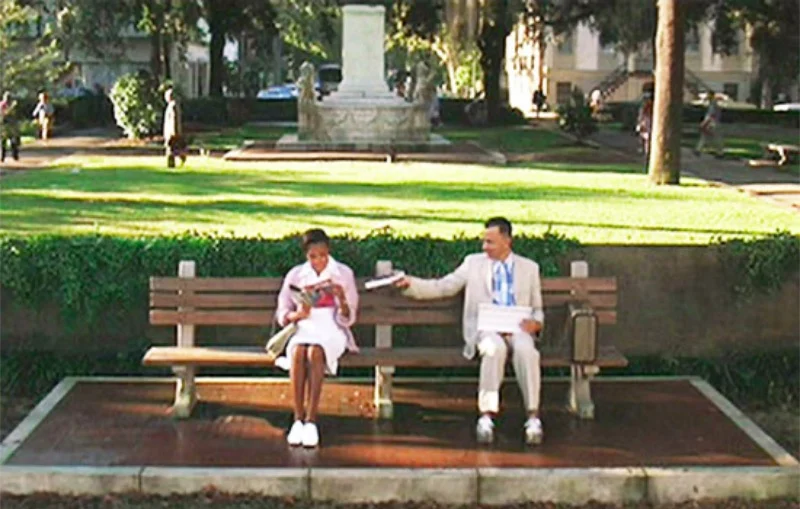
The song choices paint each decade with quick, clear strokes. The music cues help you track time and emotion without lengthy explanations.
These needle-drops still land because they fit the scenes. They add energy and memory, not just nostalgia for its own sake.
Aged Poorly: Disability and IQ Are Treated Too Simply
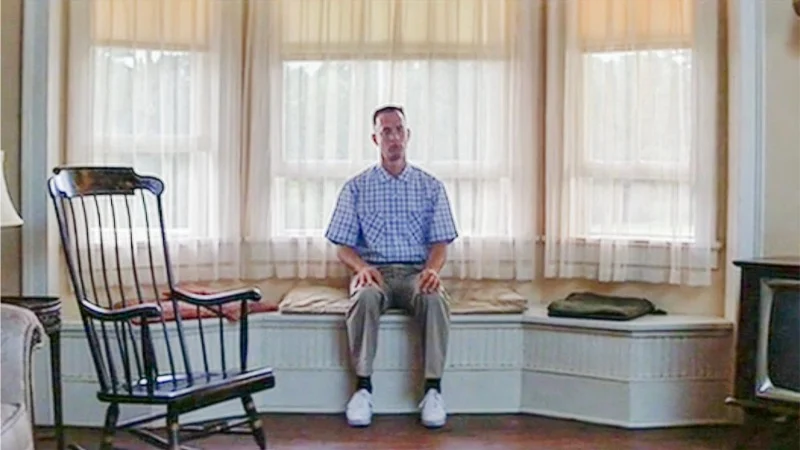
The film links goodness with simplicity and frames IQ as a defining label. Some jokes and reactions lean on stereotypes rather than insight.
Modern audiences expect fuller, more respectful portrayals. The script gives Forrest heart but limits his agency, which can feel outdated.
Aged Masterfully: Friendship and Healing Give It Heart
The bond between Forrest and Lt. Dan remains strong and moving. Dan’s journey through anger, loss, and a new purpose still hits hard.
Forrest’s loyalty to Bubba and love for Jenny keep the story human. These relationships carry the film when the plot gets big.
Aged Poorly: Women Have Thin Roles and Little Power
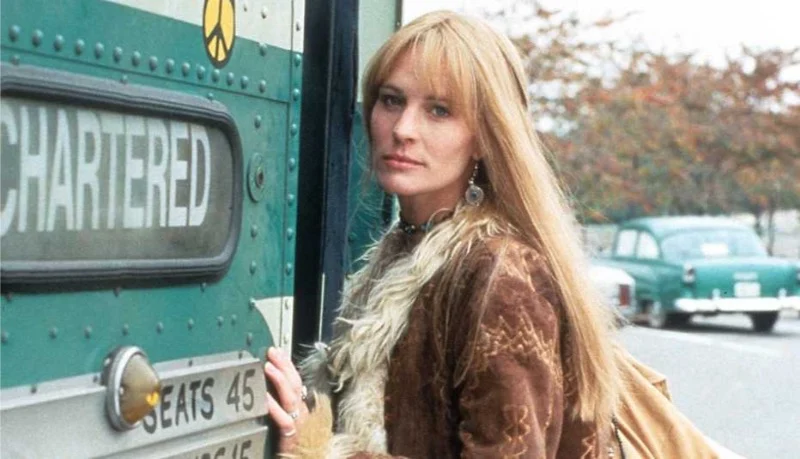
Most women in the film support Forrest’s path or serve as lessons. They rarely drive the story. Jenny, Mrs. Gump, and others lack full arcs.
This imbalance stands out more now. With few complex choices for its women, the film’s world feels smaller than it should.
Aged Masterfully: Cultural Impact and Awards Endure
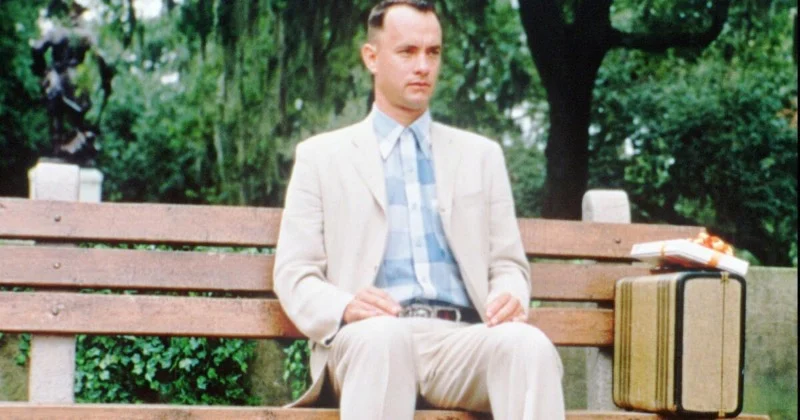
‘Forrest Gump’ won major awards and became a box office hit. Lines from the film entered everyday speech and stayed there.
Its mix of humor, hope, and sentiment still connects with many viewers. Even with flaws, its pop culture mark is secure.
Share your take: which parts of ‘Forrest Gump’ still work for you, and which feel stuck in the past?