5 Things About ‘Inception’ That Made Zero Sense & 5 Things That Made Perfect Sense


‘Inception’ mixes dream logic with a heist story. It sets clear rules, then bends them. That makes the movie exciting, but also confusing.
Some scenes follow its own rulebook well. Others leave gaps that make people scratch their heads. Here are both sides, one after the other.
Zero Sense: Cobb Using Mal’s Totem

Cobb uses the spinning top that belonged to Mal. The story says a totem must be personal and never touched by others. Yet Cobb relies on one that was not made for him. That weakens the rule.
This also blurs who can trust what. If Cobb handled Mal’s totem for years, its special value should be gone. The movie does not explain why his test would still work.
Perfect Sense: Time Dilation Across Dream Levels
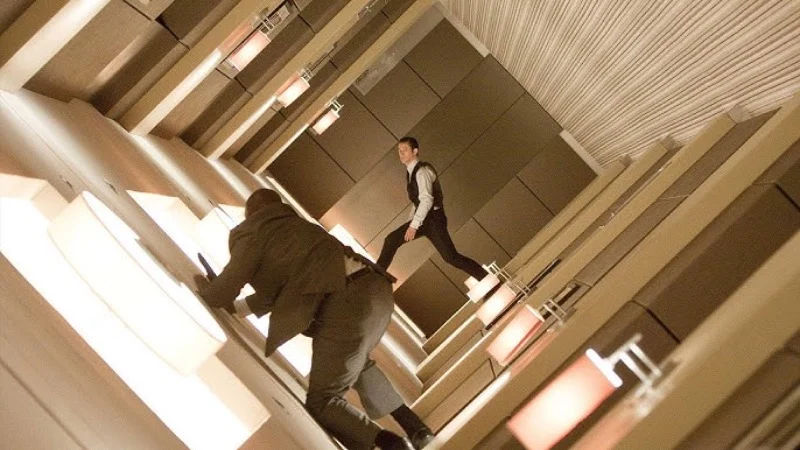
Time moves slower in deeper layers. The team plans the heist around that rule. One hour above can feel like days below.
This rule supports the multi-layer plan. It explains why the team can set up big scenes in lower levels while only minutes pass higher up. The idea stays consistent through the mission.
Zero Sense: The ‘Kick’ Timing Is Fuzzy
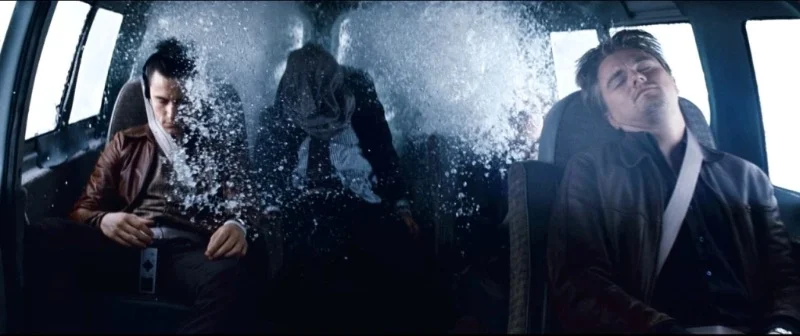
Kicks must hit at the same “moment” across layers. But the edits sometimes show loose sync. The van falls for a long time while deeper layers run several set pieces.
The movie suggests the song helps align kicks. Still, the timing looks uneven. The chain of kicks works because the plot needs it, not because the timing is clear.
Perfect Sense: Role Division in the Team
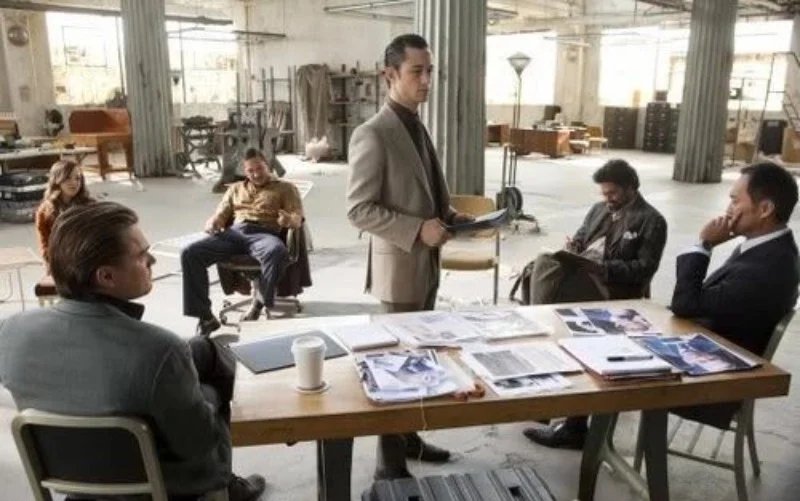
Each specialist has a clear role. The Architect builds spaces. The Forger crafts identities. The Chemist controls sedation. The Point Man handles plans.
These jobs fit the rules of shared dreaming. They also explain why the crew needs a full team. The heist structure makes sense because skills map to the system.
Zero Sense: Cobb’s Children Frozen in Memory

Cobb’s kids look the same in every memory. Same clothes. Same angle. That makes sense as a symbol, but not in real life.
If these are real memories, they should change. The lack of change breaks realism. The film later uses this to hint at Cobb’s guilt, but the early scenes still feel off.
Perfect Sense: Mal as a Projection of Guilt

Mal appears because Cobb’s guilt invades the dream. She disrupts plans and exposes his flaw. It is a clean cause-and-effect.
This follows the rule that strong emotions shape dreams. The more Cobb resists, the stronger she returns. The psychology fits the world the film builds.
Zero Sense: The Snow Fortress Logistics
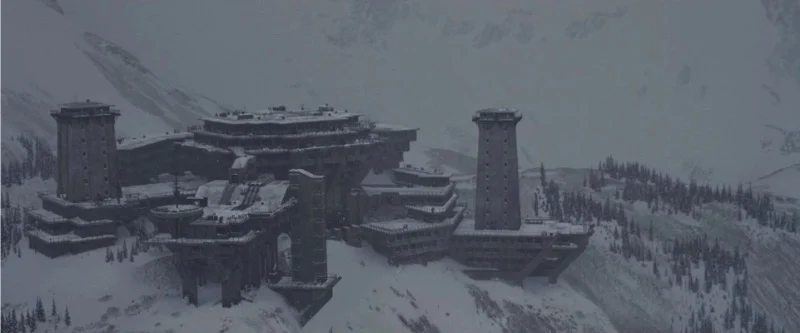
The team enters a full military base in the snow. They have heavy gear, uniforms, and vehicles ready. It is unclear when they prepared all of this.
Dreams can generate spaces, but the crew treats the base like a real site with fixed patrols and assets. The scale feels bigger than their setup explains.
Perfect Sense: Limbo as Unconstructed Dream Space
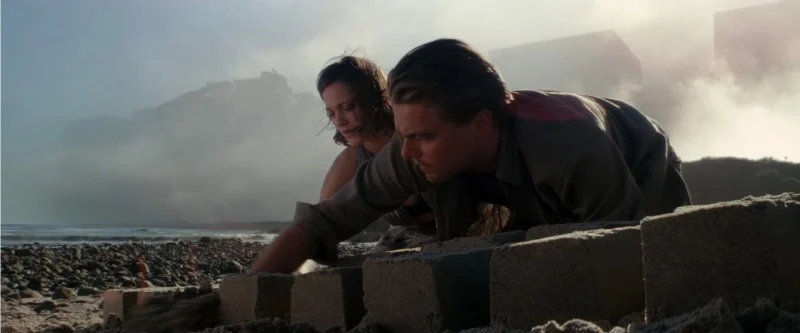
Limbo is raw space shared by anyone who falls too deep. Time stretches even more there. That is why the stakes are high under heavy sedation.
This rule also explains lost memories and decayed cities. It ties to Cobb and Mal’s backstory and makes their history with limbo easy to follow.
Zero Sense: Fischer’s Sudden Emotional Turn

The plan needs Fischer to break down and accept a new idea. His shift happens fast once he sees the staged “truth” about his father.
People do change under stress, but the turn is very tidy. It seems shaped to fit the clock, not a slow, believable arc.
Perfect Sense: The Ambiguous Final Shot Works by Design

The last shot leaves the totem spinning. The film built both readings: dream or reality. It gave enough clues on each side to support the choice.
Ambiguity fits the theme of doubt and control. It is not a broken rule. It is the point. The ending serves the story’s central idea.
Share your take: which ‘Inception’ moments left you baffled, and which ones clicked right away?