Actors Who Refuse CGI Body Doubles



In an era when post production can fake almost anything, some performers still choose the harder road. They train for months, learn specialized skills, and put in the on set hours so the camera captures the real person doing the real thing. That choice changes how action scenes are planned and filmed, because directors and crews can frame faces in close shots and design sequences around practical movement rather than digital tricks.
These actors have reputations for minimizing CGI stand ins and taking on complicated fights, falls, driving, and wire work themselves whenever safety and insurance allow. The examples below focus on specific productions and skills, from high altitude jumps to long take brawls, to show how much real sweat sits underneath the spectacle.
Tom Cruise
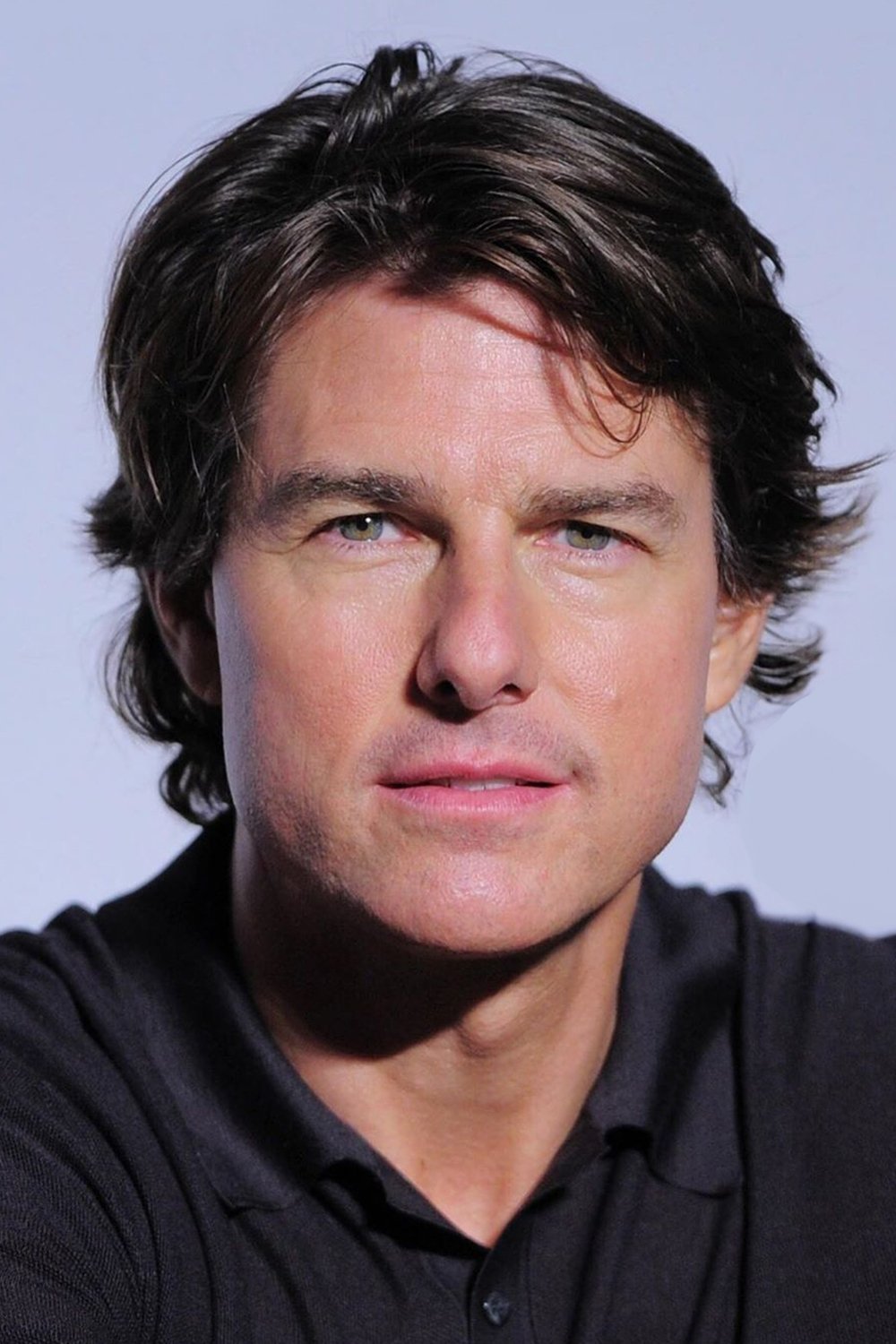
Cruise builds entire set pieces around practical performance. In ‘Mission: Impossible – Ghost Protocol’ he climbed the exterior of the Burj Khalifa. For ‘Mission: Impossible – Rogue Nation’ he held onto the side of an Airbus during takeoff. In ‘Mission: Impossible – Fallout’ he completed a real HALO jump, and in ‘Mission: Impossible – Dead Reckoning Part One’ he rode a motorcycle off a mountain ramp before deploying a parachute.
His push for realism shapes production methods. ‘Top Gun: Maverick’ put actors in real aircraft with custom camera rigs so their faces took the actual g forces on camera. The ‘Mission: Impossible’ films design choreography and rigging around him being visible from head to toe, which reduces the need for digital face replacement.
Jackie Chan
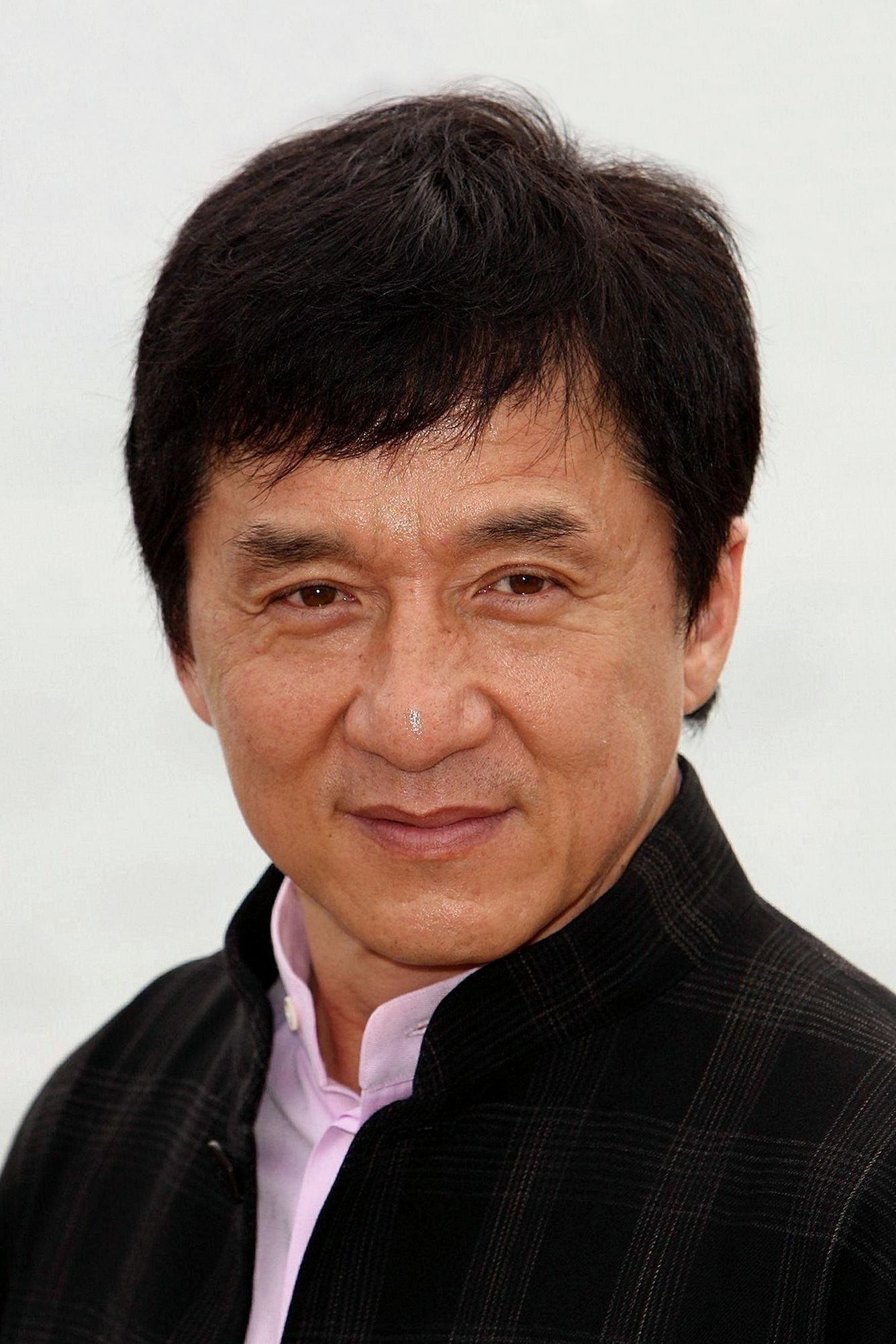
Chan built his career on performing hazardous gags in camera. ‘Project A’ features his fall from a clock tower through awnings. ‘Police Story’ ends with a pole slide through exploding lights that sent him to the hospital. He keeps a blooper reel of injuries to show that the hits are real and the team’s timing is precise.
The Jackie Chan Stunt Team develops routines that rely on timing, geometry, and breakaway materials rather than visual effects. Films like ‘Drunken Master II’, ‘Who Am I?’, and ‘Rumble in the Bronx’ stage chases and fights on real buses, rooftops, and alleyways so editors can use wide shots without swapping in digital doubles.
Keanu Reeves
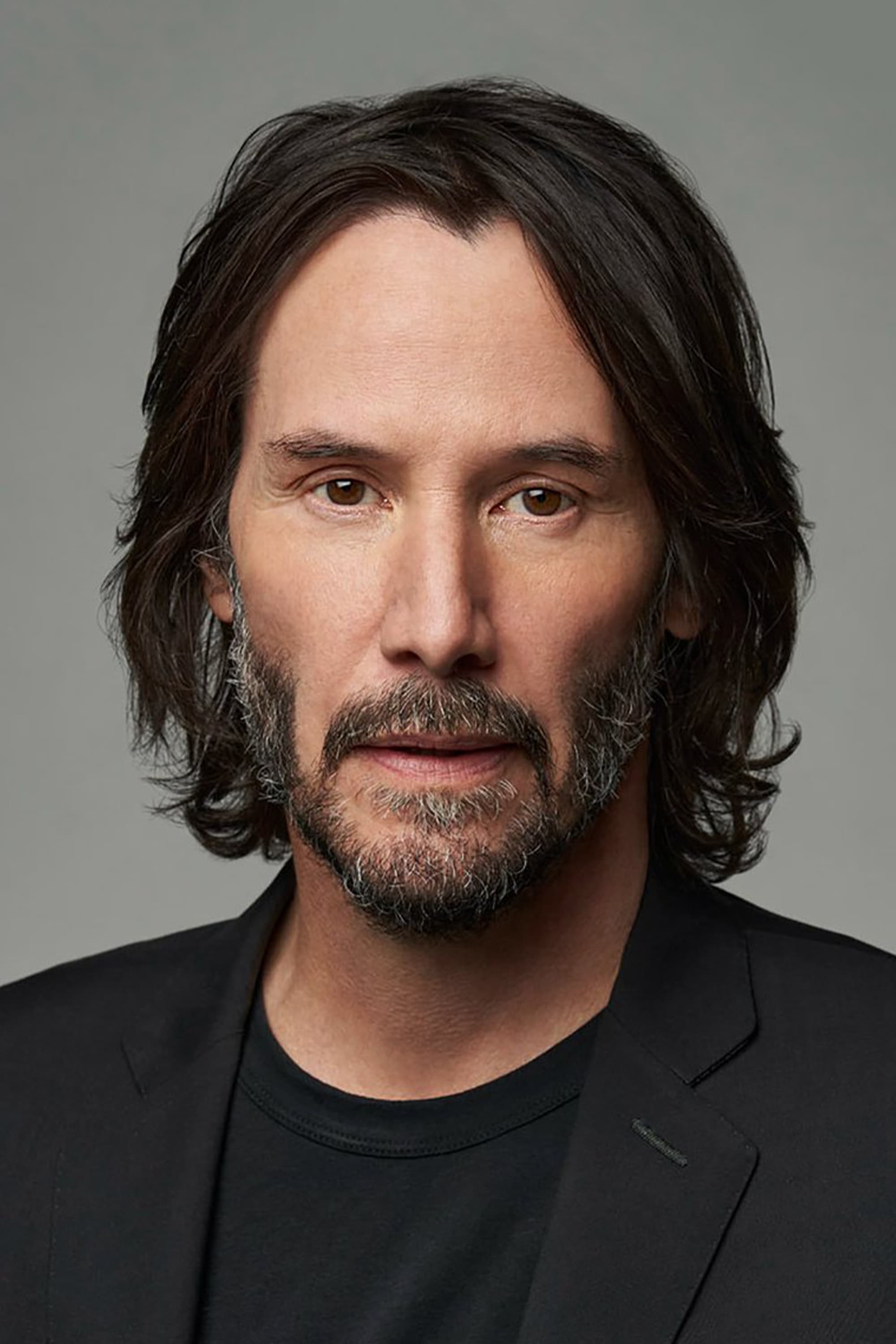
Reeves trains heavily so his face can stay in frame during action. For the ‘John Wick’ series he drills firearms handling, reloads, and transitions, then layers in judo and jiu jitsu so throws and disarms read clearly. He also drives his own drifting and chase beats in ‘John Wick Chapter 2’, which lets the camera sit inside the car with him.
His preparation goes beyond one franchise. In ‘The Matrix’ he learned wire work and complicated striking combinations so fights could run in longer takes. Across these projects, directors adjust coverage to keep him visible through impacts and falls, which cuts down on hidden handoffs to doubles.
Michelle Yeoh

Yeoh’s action scenes lean on her own movement. In ‘Supercop’ she jumps a motorcycle onto a moving train. ‘Yes, Madam!’ and other early films show her trading full speed strikes with co stars under Hong Kong style choreography. In ‘Crouching Tiger, Hidden Dragon’ she performed weapon work and intricate footwork across extended exchanges.
Her later projects keep that approach. ‘Everything Everywhere All at Once’ uses practical staging and in camera gags so her performance anchors the multiverse chaos. Teams plan camera placement and rigging to keep her face in wide shots, which reduces the need for digital replacement.
Tony Jaa
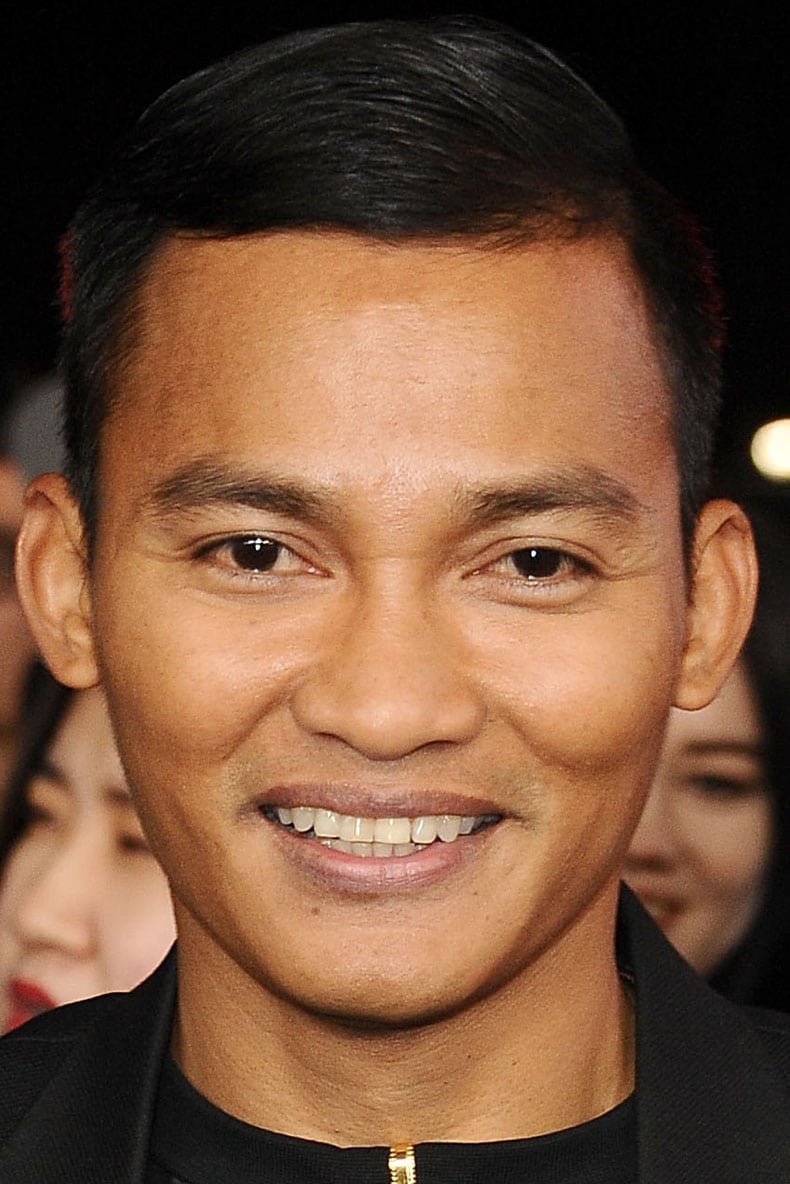
Jaa’s breakout advertised no wires and no CGI. ‘Ong Bak’ showcases elbows, knees, and vaults through real obstacles, including a fire jump and a leap through barbed hoops. ‘The Protector’ features a continuous staircase fight that tracks him through multiple levels without a cut.
His training in muay boran and acrobatics lets productions mount stunts at street level with minimal visual effects. Fight design emphasizes real contact with breakaway props and environmental interaction, which keeps the performer on screen instead of a digital proxy.
Jason Statham
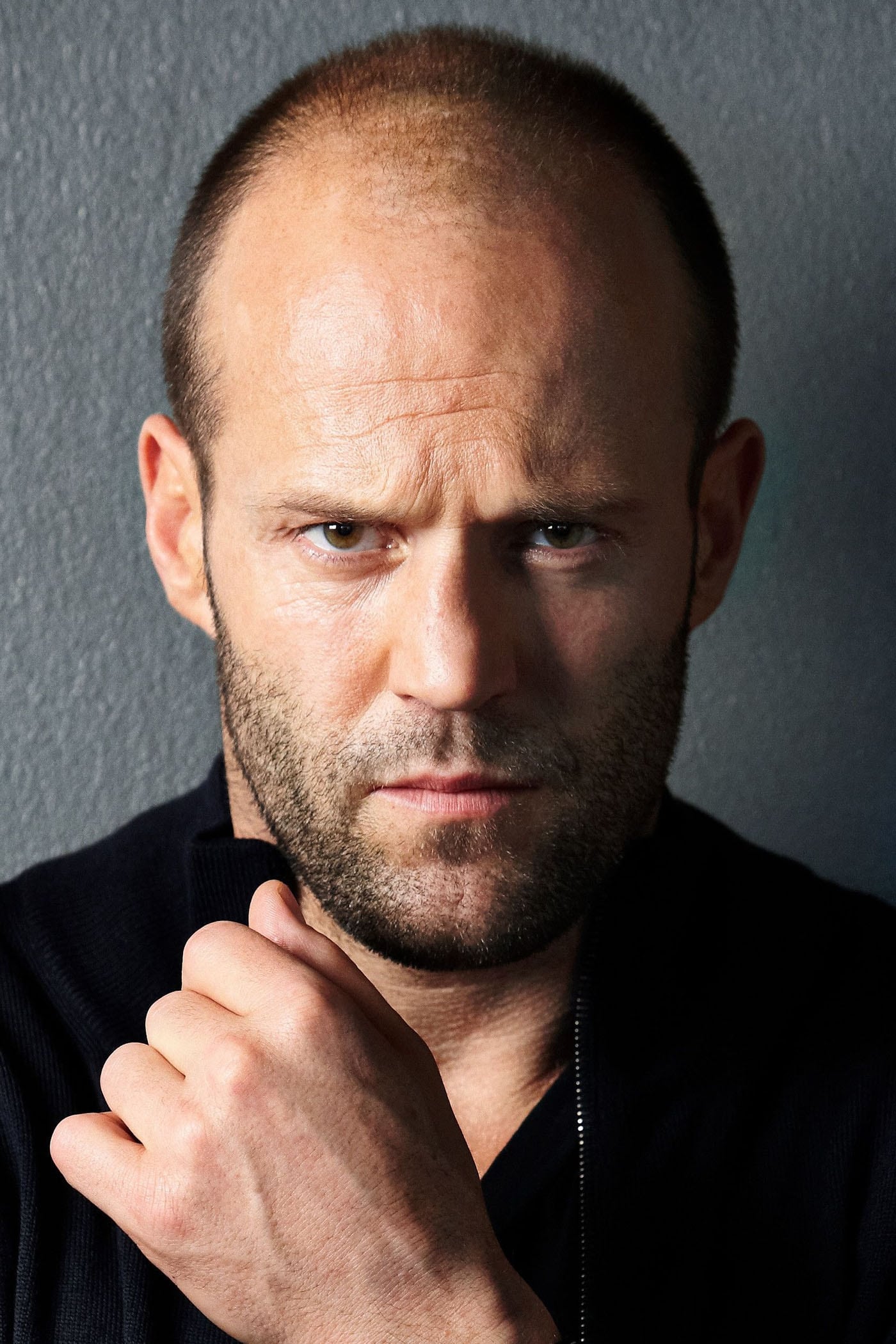
Statham’s background as an elite diver translates into comfort with heights and precision movement. In ‘The Transporter’ films he executes weapon disarms and grappling beats that play in medium and wide shots. On ‘The Expendables 3’ he famously steered a stunt truck off a dock into the Black Sea after a brake failure during a take, then swam out on his own.
He often handles fight and driving work that would usually go to a double. Productions build action around his timing, from close quarters brawls in ‘Crank’ to multi person clashes in ‘Wrath of Man’, which lets editors avoid digital face swaps and insert shots of stand ins.
Charlize Theron

Theron commits to the physical side of action roles. For ‘Atomic Blonde’ she trained hours a day and performed the punishing stairwell sequence herself, which required long takes and careful breath control. ‘Mad Max: Fury Road’ used real vehicles and stunt rigs so she could interact with practical effects as Furiosa.
She has worked through injuries while keeping her face visible on camera. That approach shapes second unit plans, because shots can run longer without cutting to a double. The result is action that reads off her own body mechanics instead of digital replacement.
Donnie Yen

Yen blends performance and choreography so fights can stay in wide frames. The ‘Ip Man’ films showcase chain punching, trips, and off balancing built around wing chun structure. ‘Flash Point’ integrates throws and ground fighting that he executes himself at full speed.
He also adapts his skill set to different genres. In ‘Rogue One’ he designed staff techniques that fit the character’s blindness and performed them on set. Because he builds the fights around his own movement, productions can avoid cutting to a stand in for complex exchanges.
Chris Hemsworth
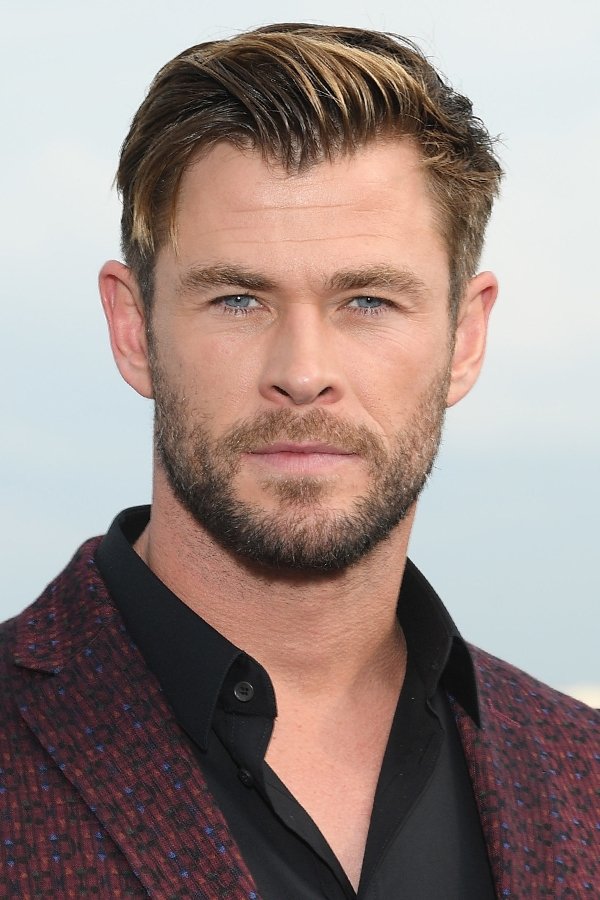
Hemsworth performs extended action runs that favor close coverage. ‘Extraction’ features a staged one take that combines a car chase, rooftop foot pursuit, and interior fights, with him executing the beats while the camera weaves through the chaos. He trains striking and weapon handling so the camera can sit near his face without hiding hits.
His work on ‘Thor’ also involves practical elements. He swings heavy props, learns choreography that interacts with real set pieces, and performs falls on wires so shots can hold longer on the performer. That reduces the need for digital doubles in many connective moments.
Harrison Ford
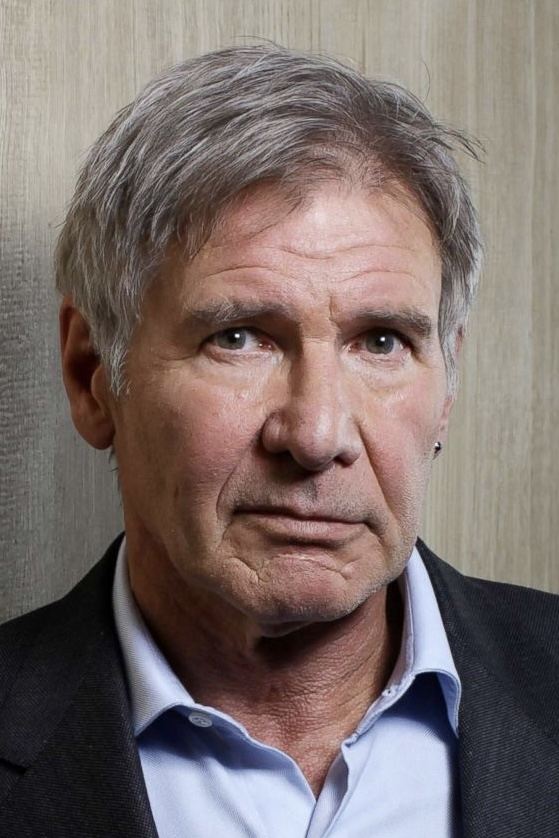
Ford has a long history of doing practical beats himself. The ‘Indiana Jones’ series shows him sprinting, trading punches, riding horses, and using the whip on camera. He returns to that physicality in later entries, where horseback work and on foot chases use his own movement in shot.
His aviation experience and hands on approach inform how productions plan action coverage. Crews often frame his face during fights and stunts so editors do not need to cut away to a stand in, which keeps sequences grounded in a real performance.
Angelina Jolie
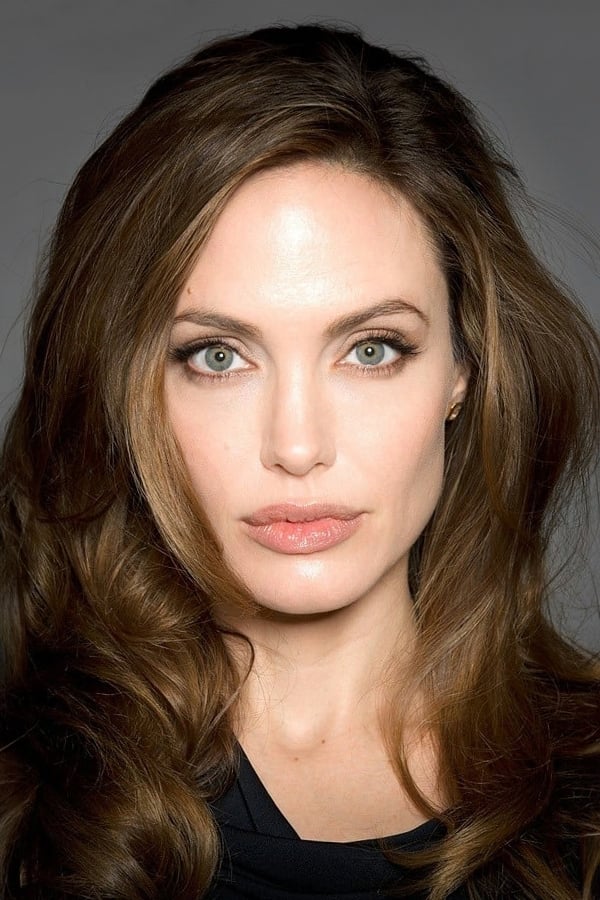
Jolie takes on demanding action without hiding behind effects. In ‘Salt’ she performed rooftop runs, vehicle maneuvers, and close quarters fights that rely on timing rather than face replacement. ‘Lara Croft: Tomb Raider’ required weapons handling, wire work, and obstacle training that she completed to keep shots centered on her.
Teams design sequences to showcase her doing the moves. That includes parkour inspired traversals, window exits, and hand to hand exchanges that play in clear angles. The emphasis stays on practical staging so editors can keep her face on screen.
Tom Holland
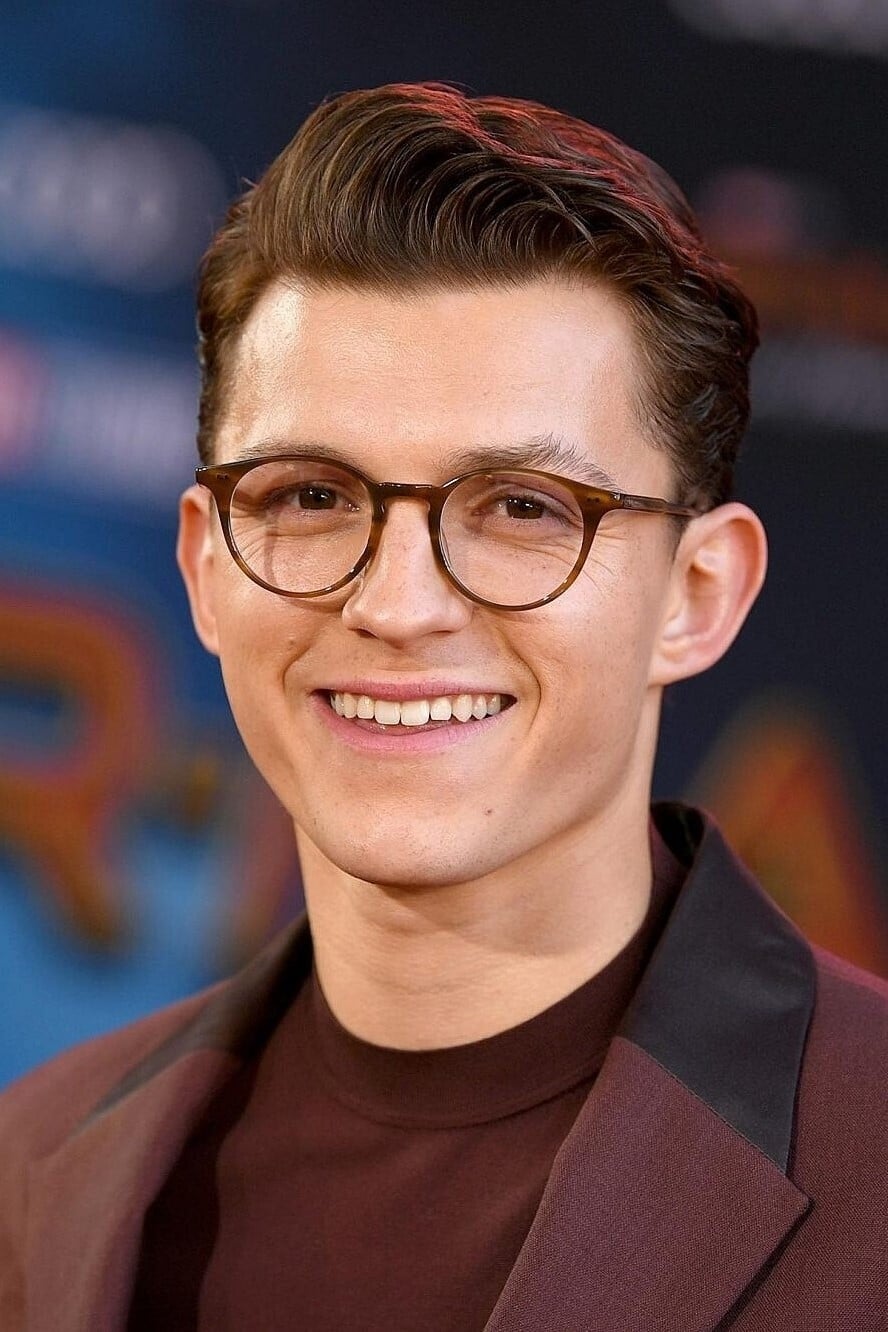
Holland brings acrobatics to set so the camera can follow him through flips and falls. In ‘Spider-Man: Homecoming’ he performs tumbling and aerial moves on wires while wearing the suit, which lets shots hold on the character without digital substitutions. ‘Uncharted’ adds parkour and climbing beats that he trained to perform in camera.
His gymnastics background makes it easier to shoot action in longer takes. Productions rig safe but demanding gags so he can execute them himself, reducing the need for CGI body doubles in many mid scale stunts and transitions.
Simu Liu
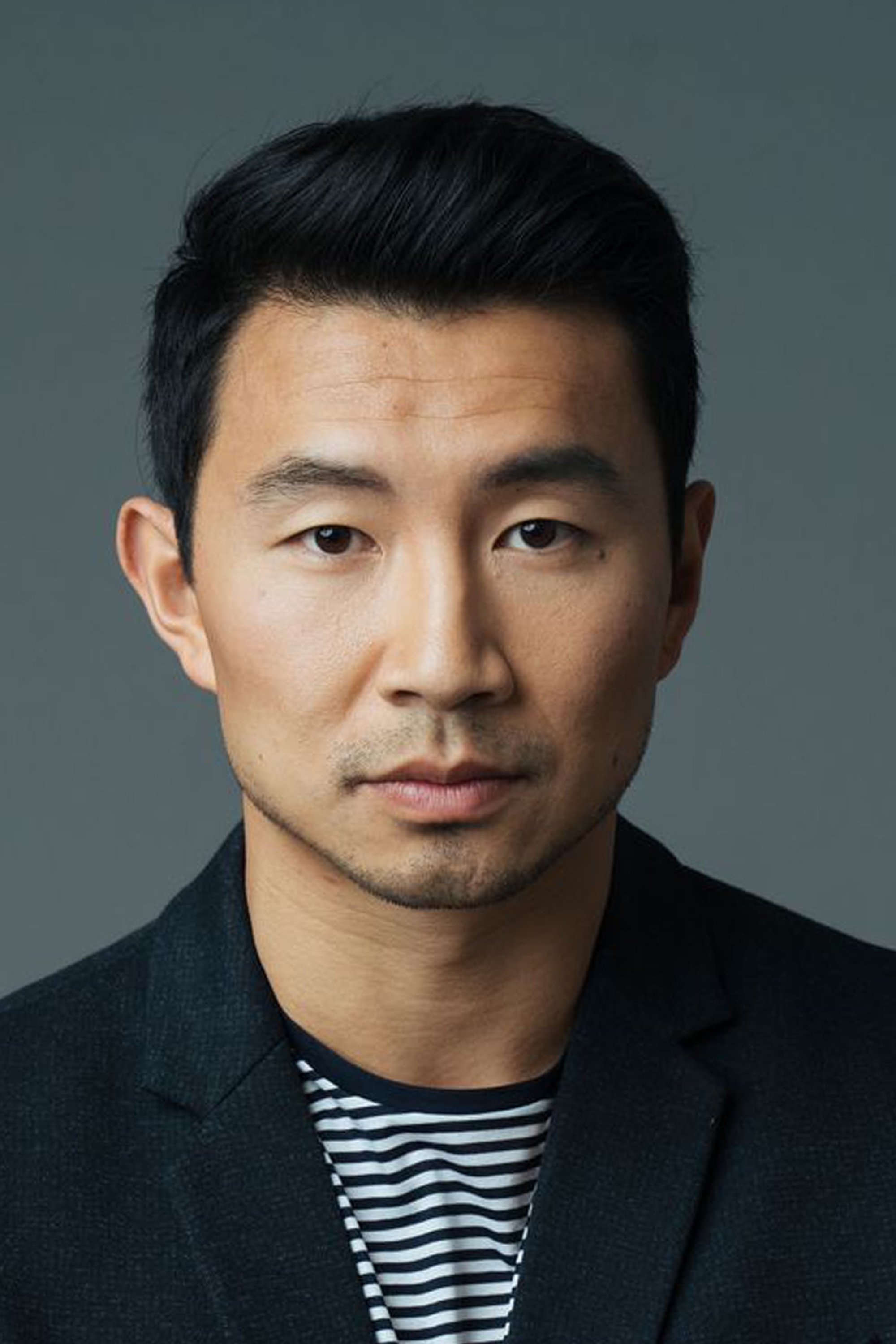
Liu steps into complex Hong Kong style choreography with his own movement. ‘Shang-Chi and the Legend of the Ten Rings’ features a bus fight that combines kicks, grappling, and tethered falls performed by him in close shots. The scaffolding sequence builds on balance and timing that he trained specifically to handle.
He arrived with stunt and tricking experience, which lets second unit plan longer takes. That preparation keeps his face in frame through exchanges and falls, minimizing digital face replacement across the film’s set pieces.
Iko Uwais
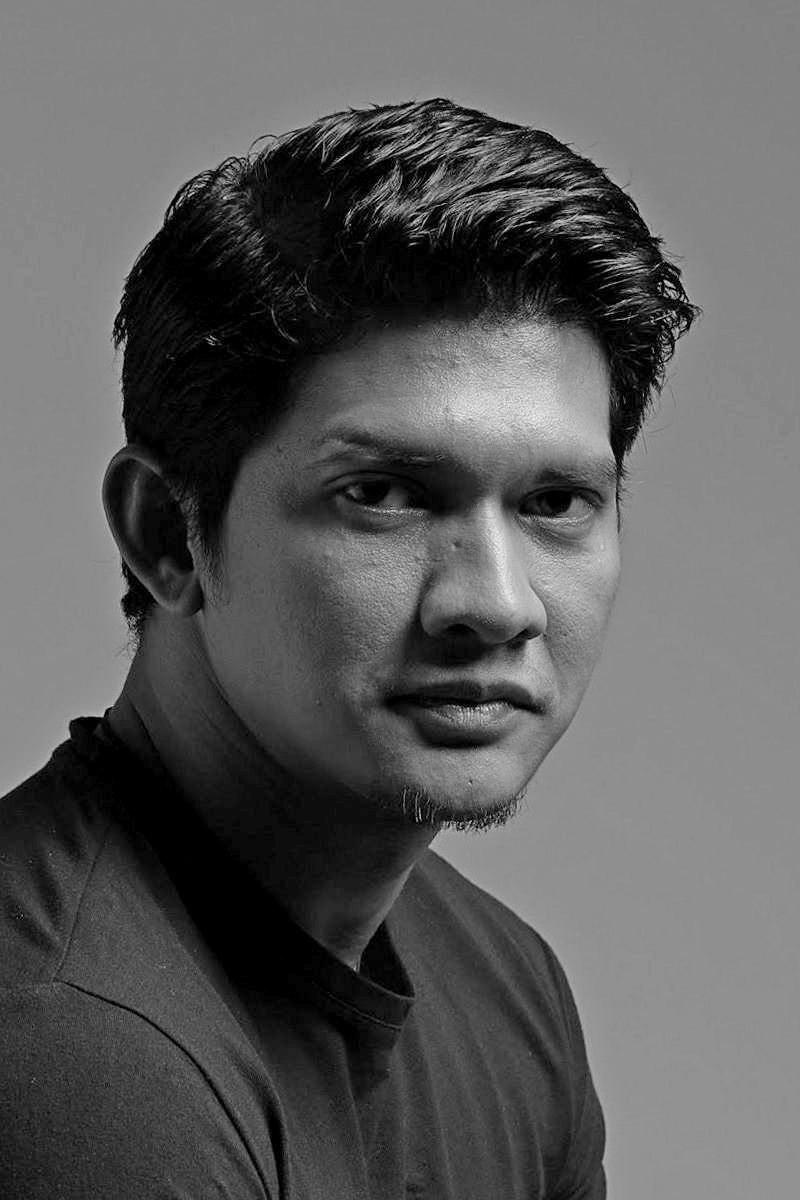
Uwais anchors fights with speed and precision that play best without doubles. ‘The Raid’ and ‘The Raid 2’ stage extended silat battles in hallways, kitchens, and prison yards, with him executing locks, sweeps, and weapon work in wide frames. He also designs choreography, which keeps the action tailored to what he can deliver himself.
His Hollywood work follows the same pattern. Projects like ‘Mile 22’ and ‘Stuber’ put him in close quarters engagements that rely on his timing in camera. Crews capture clean lines of action so editors do not need to hide a different performer in fast cuts.
Halle Berry
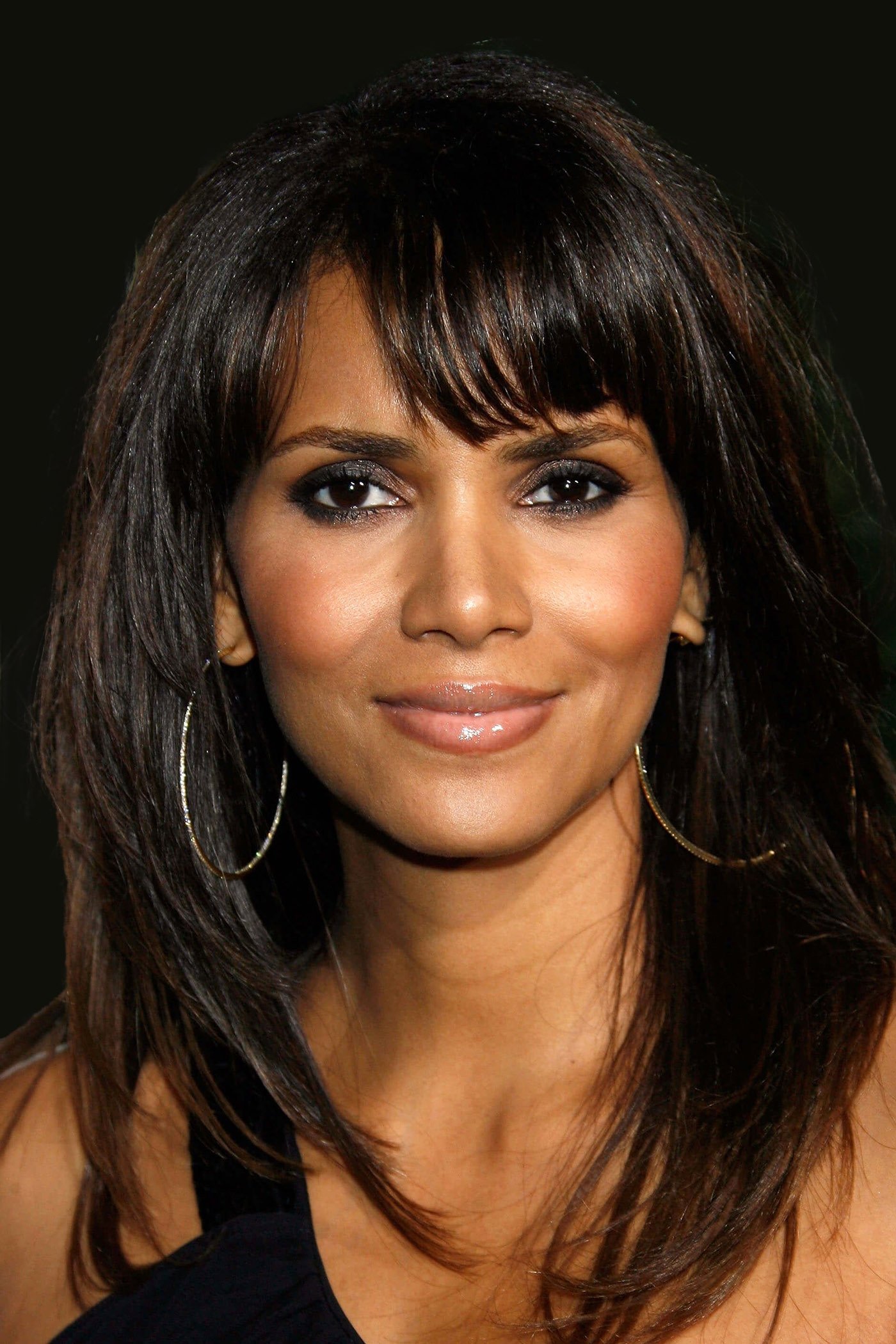
Berry invests in training so she can perform key beats on set. For ‘John Wick Chapter 3 Parabellum’ she drilled firearms handling and worked with trained dogs so complex cues could happen in real time with her in the shot. She also performed striking and grappling sequences that hold her face on screen.
Her preparation carries over to other physically demanding roles. On ‘Bruised’ she pushed full speed MMA choreography and took real impacts during sparring, which informed how fights were staged and filmed. Productions use that readiness to reduce reliance on digital stand ins.
Share your favorite real on screen stunt moments from these performers in the comments.