5 Ways ‘Silence of the Lambs’ Aged Poorly (And 5 Ways It Aged Masterfully)

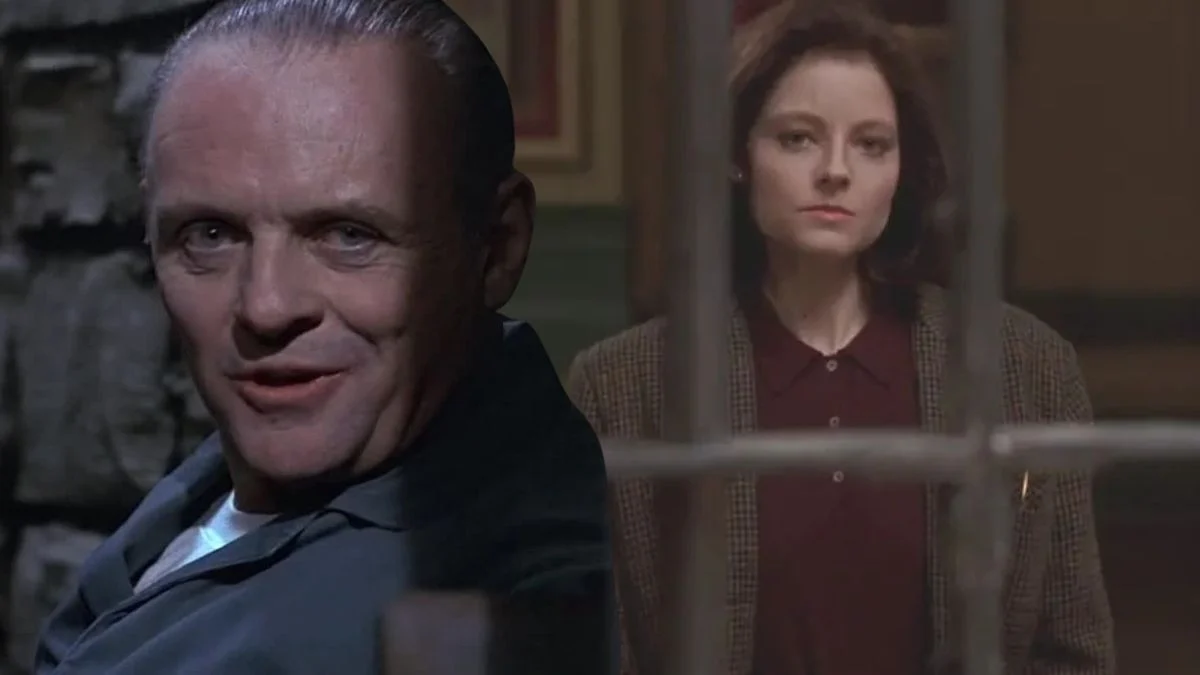

‘The Silence of the Lambs’ still sparks debate. Some parts feel sharp and fresh. Other parts show their age and raise fair questions. This list looks at both sides with clear examples.
We go back and forth—one “Aged Poorly,” then one “Aged Masterfully.” The goal is to be fair. It is a classic, but classics are not perfect.
Aged Poorly: Buffalo Bill and Trans Identity
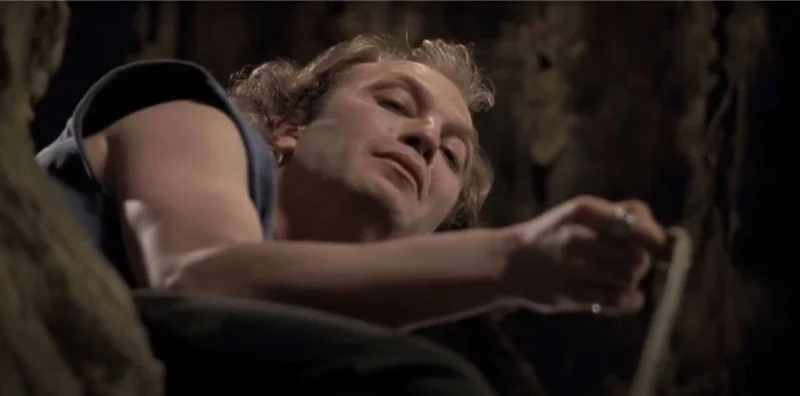
The film says Buffalo Bill is not truly trans. But many viewers link the character with trans people anyway. The result can feel harmful today. The mix of queerness, villainy, and body horror does not sit well.
The dance scene and the “skin suit” idea push this link even more. It turns gender variance into menace. Modern audiences often see this as stigmatizing.
Aged Masterfully: Clarice Starling’s Point of View
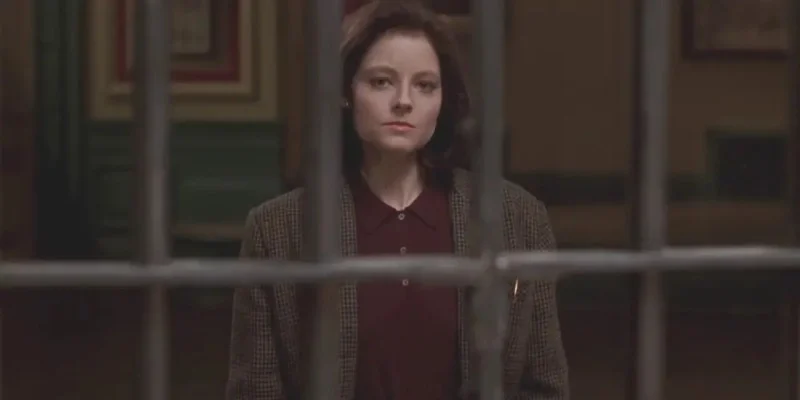
Clarice’s point of view is focused and human. The camera often holds her face. We see her think, decide, and persist. Her inner resolve drives the story.
She is not a sidekick. She leads the case, resists pressure, and solves it. Her grit feels real and still inspires.
Aged Poorly: Workplace Sexism Framing
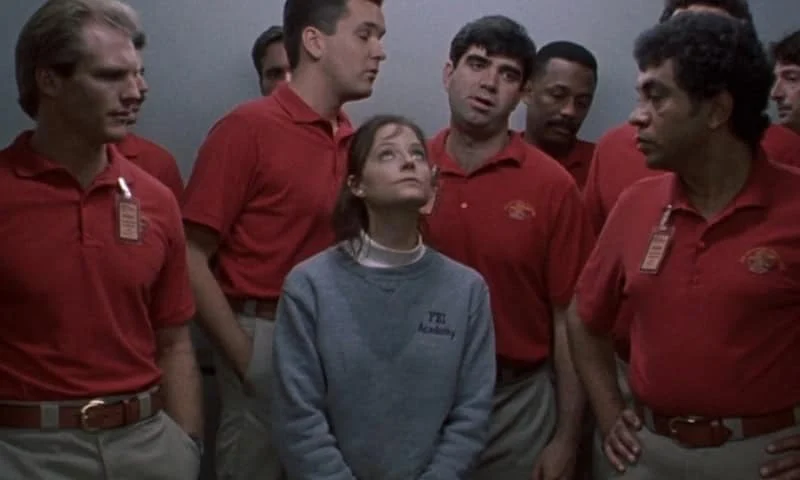
The film shows a culture of casual sexism around Clarice. Some moments are blunt or staged to make a point. Today, parts of this framing can feel heavy-handed.
It reflects old norms in law enforcement. But some interactions now read as dated rather than revealing. The edges show.
Aged Masterfully: Hannibal Lecter’s Precision
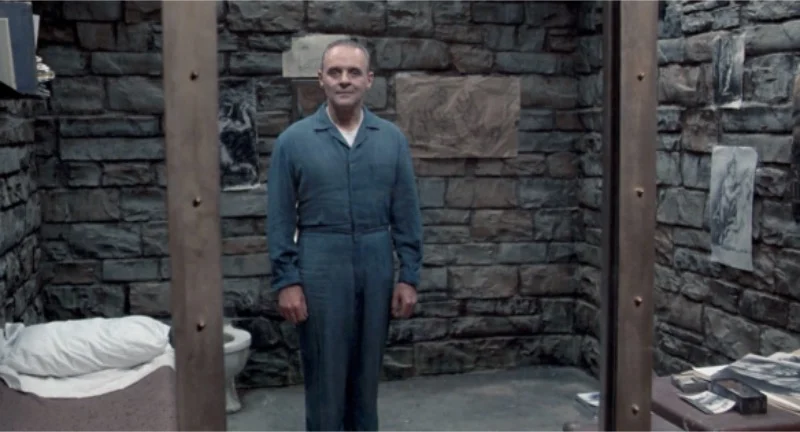
Hannibal Lecter appears in limited screen time yet dominates. The performance is tight and controlled. Small gestures carry weight.
The dialogue with Clarice is chess, not brawling. Every word matters. The restraint makes the threat feel larger.
Aged Poorly: Dated Tools and Pace of Investigation

The case work relies on paper files, phone calls, and old lab workflows. For modern viewers used to digital systems, it can feel slow.
Some beats hinge on delays that tech would erase today. That gap can pull you out of the moment.
Aged Masterfully: Set-Piece Suspense

The basement hunt, the close-ups, and the final cross-cut sequence still grip. The build is patient and clear. You always know what Clarice knows.
The staging is simple but exact. Tight spaces and direct sightlines create steady pressure. It still works.
Aged Poorly: Pop Psychology and Profiling Tropes

The script leans on neat labels and quick motives. It turns complex behavior into tidy clues. That simplification can feel thin now.
Modern views on criminology are more cautious. Easy tags and instant insights don’t ring as true.
Aged Masterfully: Character-First Procedural
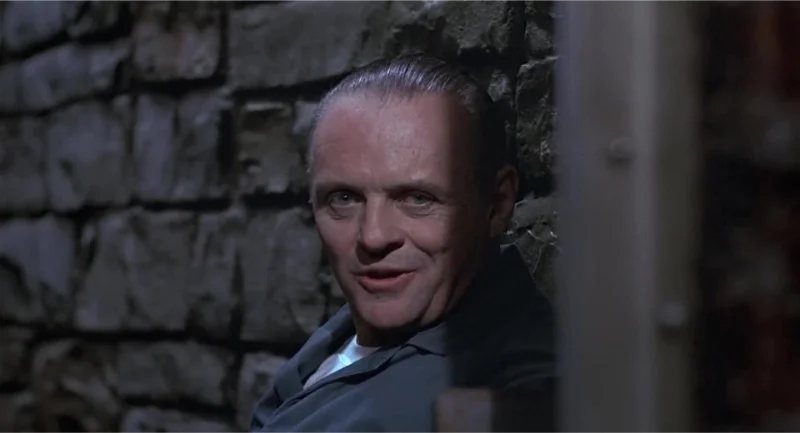
Despite the grisly crimes, the film stays personal. It tracks how Clarice grows under stress. The case is the frame; her courage is the core.
Conversations drive the engine. The face-to-face scenes carry more force than any chase. That choice holds up.
Aged Poorly: Narrow Representation
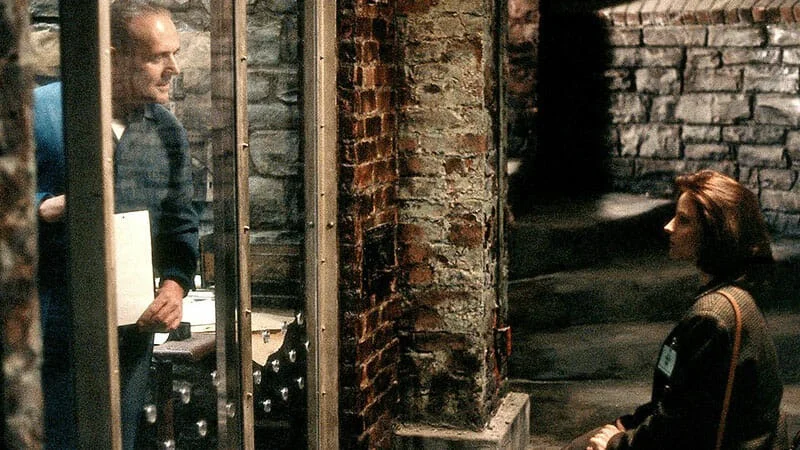
Most key roles are white and male, aside from Clarice. The world feels closed. Today, that lack of range stands out.
A broader cast could add texture and truth. The small circle now looks limited.
Aged Masterfully: Ambiguous, Chilling Finish
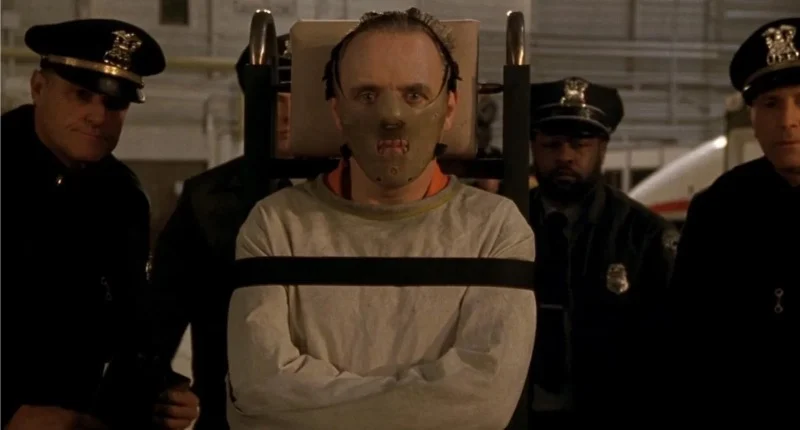
The ending avoids neat justice. Clarice wins the case, but Hannibal walks free. The last call is calm and cold.
That unresolved edge lingers. It keeps the story alive long after the credits.
Tell us where you land: which parts of ‘The Silence of the Lambs’ still feel sharp to you, and which parts feel dated—drop your take in the comments.