Actors With Iconic Beards and Mustaches

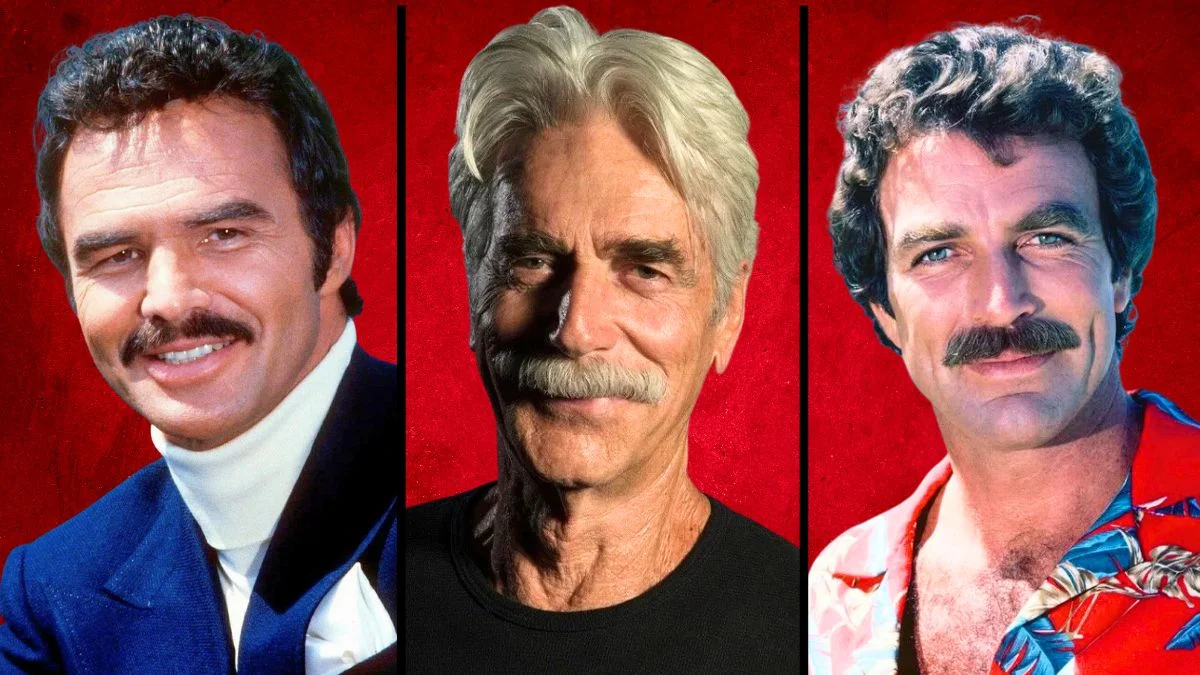

Facial hair can define a screen persona as much as a catchphrase or a theme song. Some actors build whole characters around a mustache or a beard, turning a grooming choice into a visual signature that audiences recognize instantly. These looks show up in posters, costumes, and even fan cosplay, which keeps the image alive long after the credits roll.
From full lumberjack beards to pencil thin lines, these styles have traveled across genres and decades. You will spot them in action hits, westerns, comedies, and prestige dramas. Here are the actors whose facial hair became part of the story, with the roles and moments that helped cement that image in pop culture.
Tom Selleck
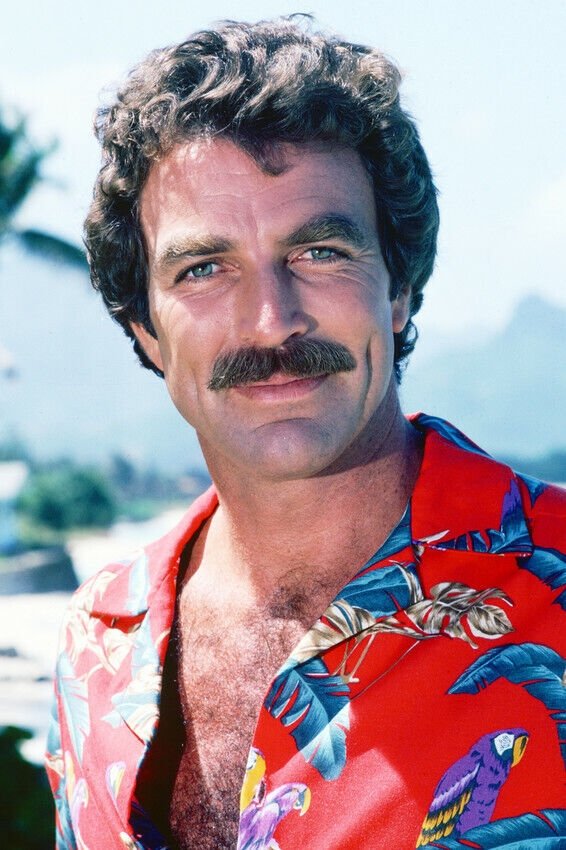
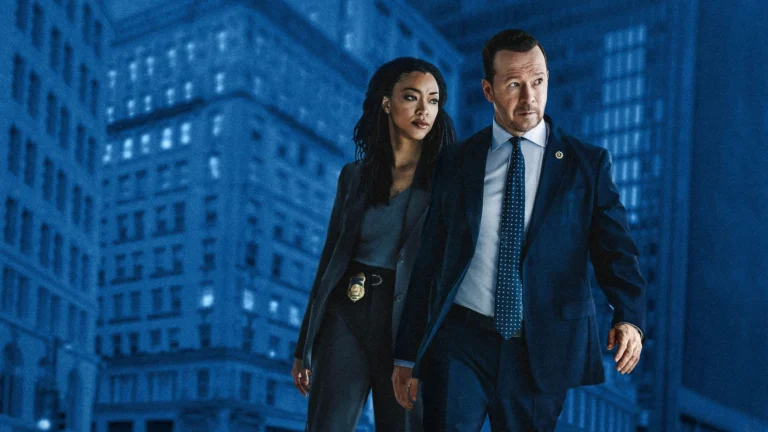
Tom Selleck’s mustache anchored his lead turn in ‘Magnum, P.I.’ and remained a constant presence through long runs on ‘Blue Bloods’. The look helped brand the Hawaii based detective image on magazine covers and network promos, and it carried over into his guest appearances on ‘Friends’ where it became a character talking point.
On film he kept the same style in projects like ‘Three Men and a Baby’ and period adventures such as ‘Quigley Down Under’. Publicity photos and talk show clips repeatedly framed him in close up to highlight the mustache, which turned into a recognizable element across decades of work.
Sam Elliott
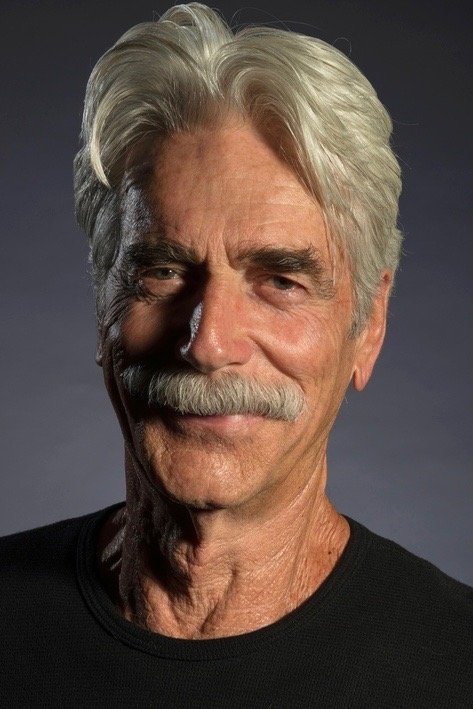
Sam Elliott’s sweep of a mustache features prominently in westerns like ‘Tombstone’ and in his narrator role for ‘The Big Lebowski’. The shape complements his baritone voice, and studios often place it at the center of posters and home video art to reinforce the cowboy image.
He has brought the same look to modern dramas and television appearances. Commercial campaigns and award show presentations also lean on the silhouette, making the mustache a steady part of his professional branding.
Burt Reynolds
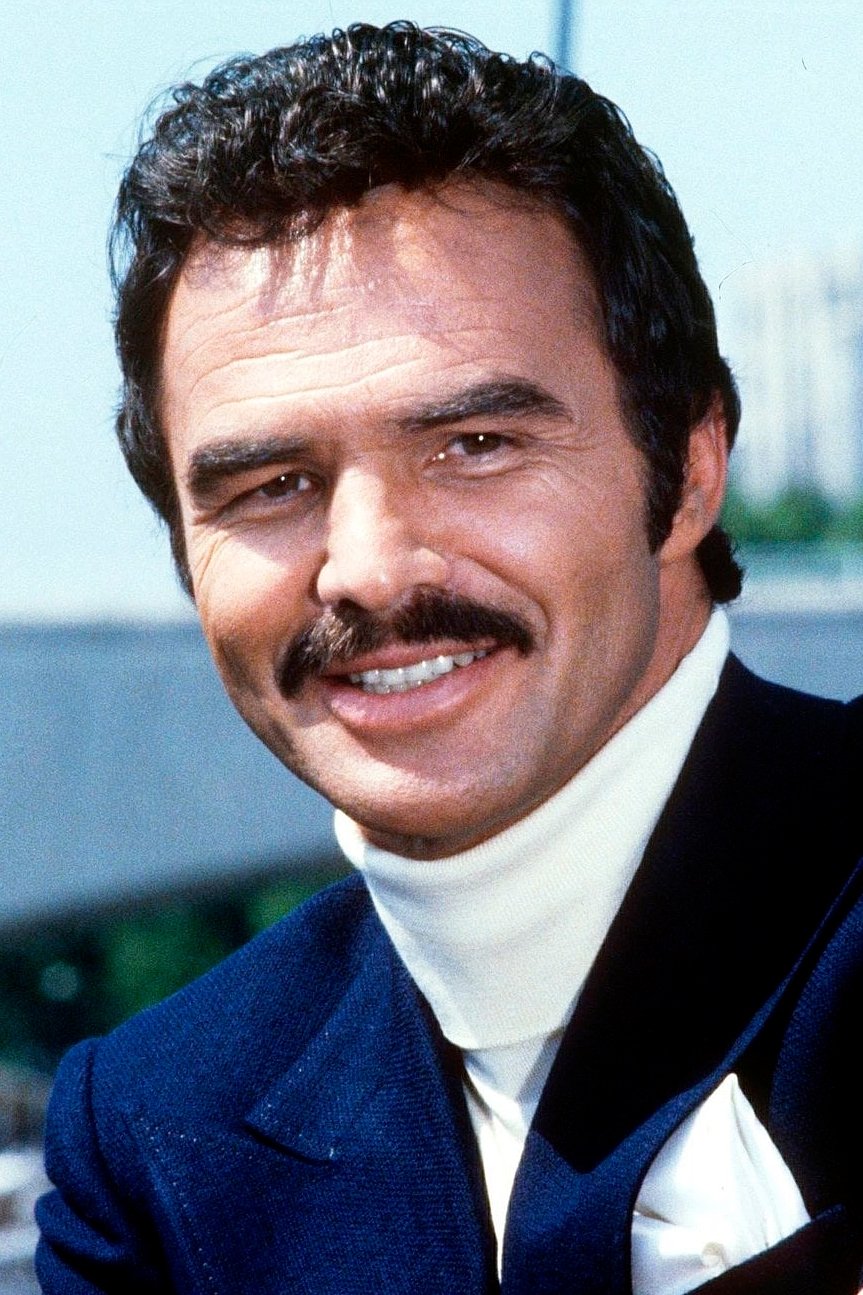
Burt Reynolds popularized a dark, full mustache during a run of box office hits that included ‘Smokey and the Bandit’ and ‘The Cannonball Run’. It appeared in promotional calendars and magazine centerfolds, which helped push the style into mainstream fashion during that era.
He kept the mustache for later roles such as ‘Boogie Nights’ and talk show circuits. The look connected audiences to his earlier work, giving casting directors a ready made visual cue whenever he played charming or roguish characters.
Kurt Russell
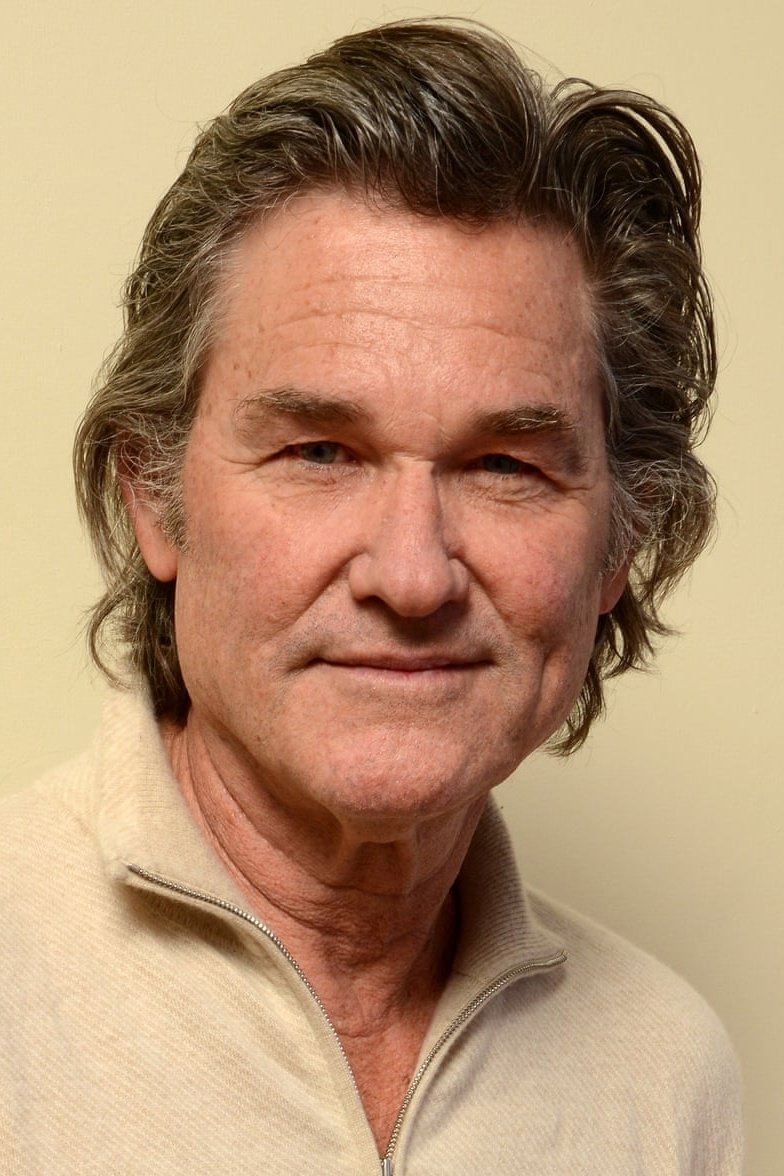
Kurt Russell showcased a thick handlebar in ‘The Hateful Eight’ and a classic lawman style in ‘Tombstone’ as Wyatt Earp. Costume departments coordinated wax and grooming routines to hold the shape during long shoots and wide outdoor scenes.
He revisited mustache heavy roles in western themed projects and historical pieces. Press tours often highlighted the transformation with side by side photos, turning the facial hair into an easy shorthand for the characters he portrayed.
Nick Offerman
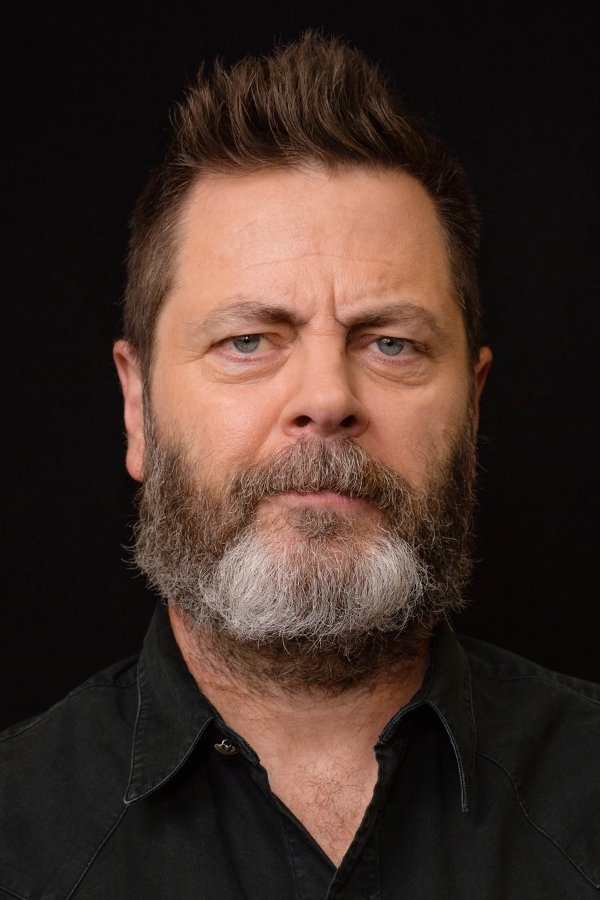
Nick Offerman’s sturdy mustache became part of the character design for Ron Swanson on ‘Parks and Recreation’. The production used consistent trimming guidelines to maintain continuity across seasons and episodes.
Outside the show he kept the look for stand up sets, woodworking specials, and guest spots, which kept the association front and center. Merch from the series frequently features a simple mustache outline as a recognizable graphic tied to his character.
Jason Momoa
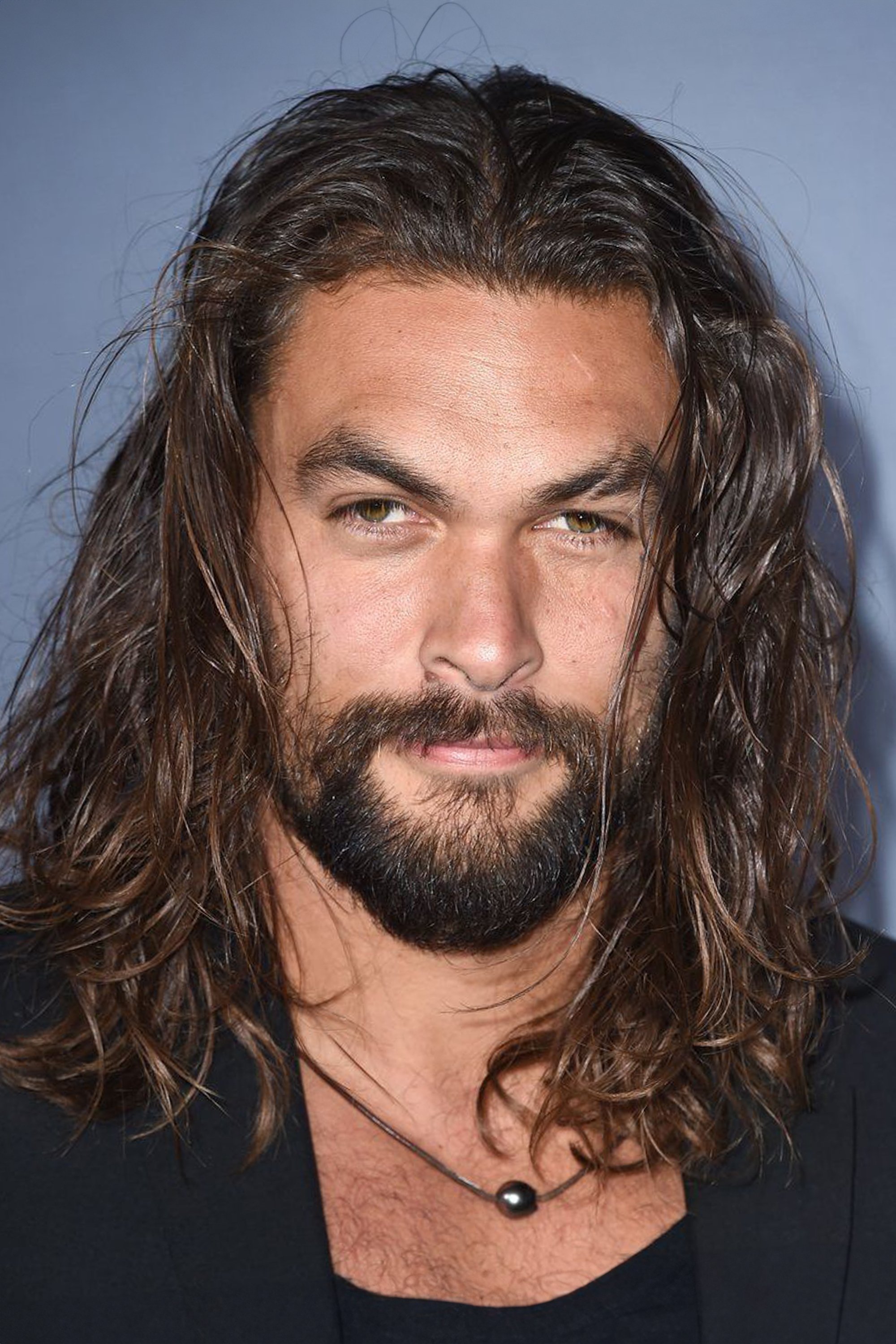
Jason Momoa’s beard appears in action roles like ‘Aquaman’ and in fantasy hits such as ‘Game of Thrones’. The styling helps frame his facial features for underwater scenes and large scale battles, which show better on camera with a full outline.
He carries the beard into red carpet events and brand campaigns, keeping continuity between on screen characters and public appearances. That consistency allows studios to market his image across posters, trailers, and streaming thumbnails.
Hugh Jackman
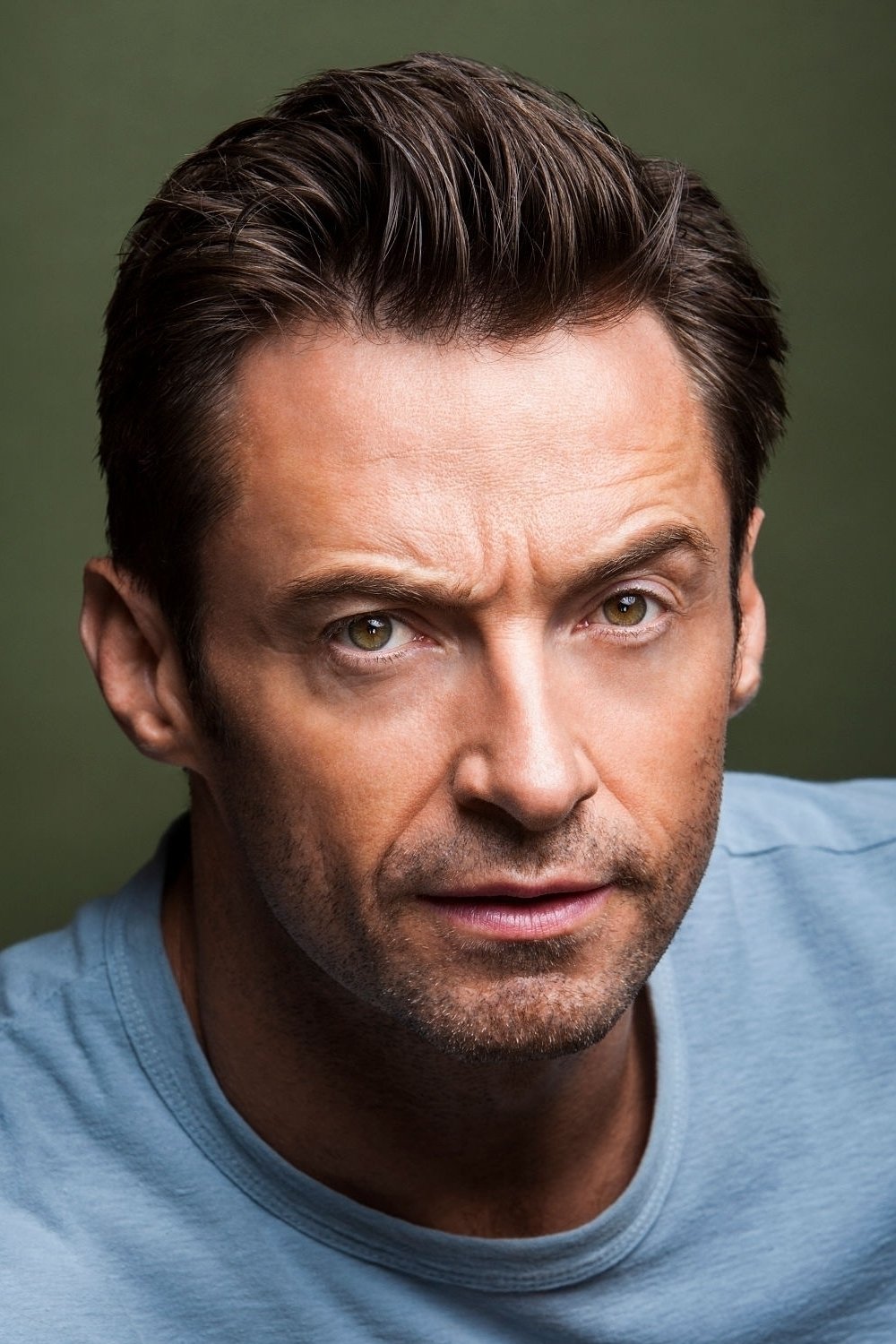
Hugh Jackman wore mutton chops and a rugged beard through his long run as ‘Wolverine’, then shifted to a weathered look in ‘Logan’. Makeup teams mapped the lines for quick resets between takes, which helped maintain the same silhouette through action sequences.
He has altered the style for stage musicals and dramas, but the chops and beard combination remains closely tied to the superhero role. Licensing art and video game models replicate the exact shapes, keeping the design consistent across media.
Robert Downey Jr.
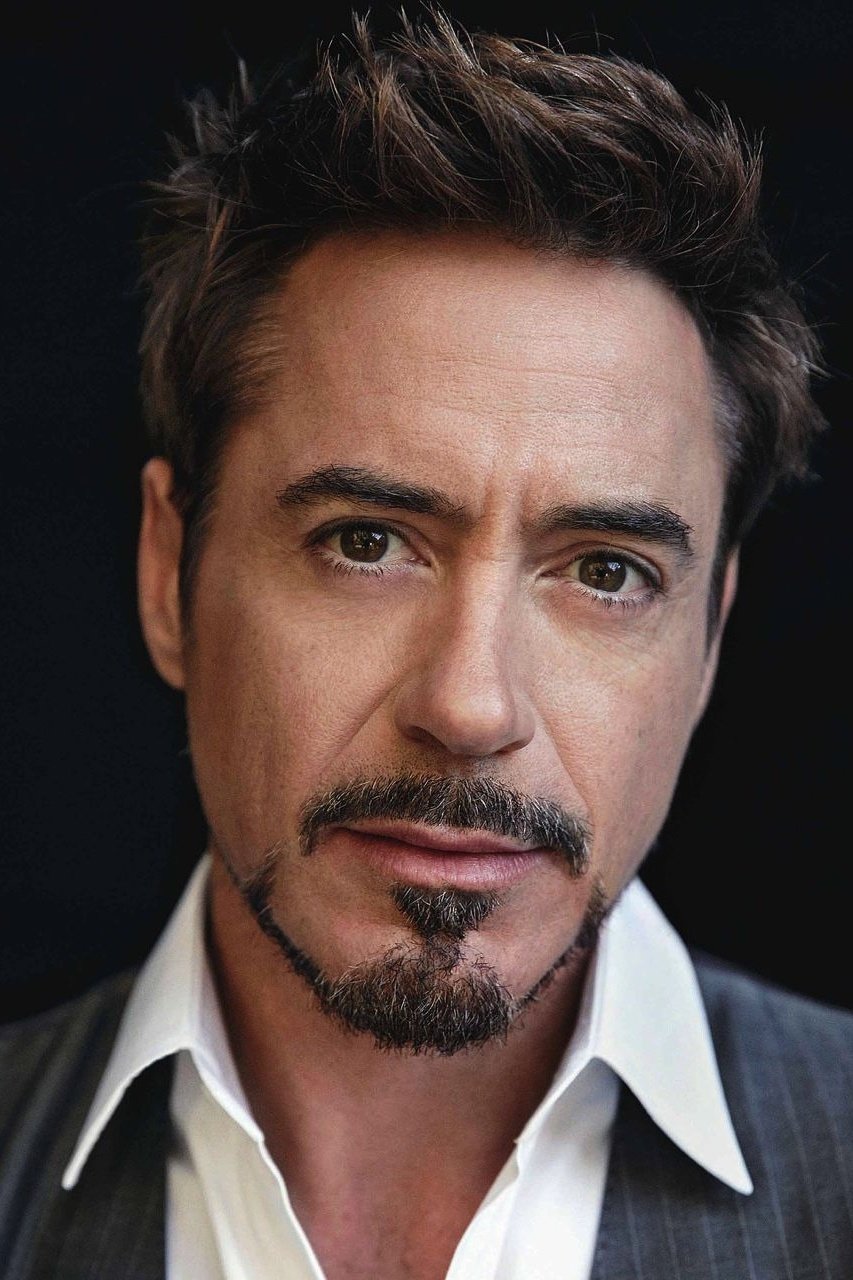
Robert Downey Jr. adopted a sharp goatee as Tony Stark in ‘Iron Man’ films and ensemble chapters like ‘Avengers’. The angles of the beard were set to match the arc reactor placement and suit lines, creating a cohesive visual design.
The goatee carried over into press tours and magazine covers, connecting the actor to the tech mogul persona. Toy lines and statues replicate the same outline, which helps audiences spot the character in a split second.
Keanu Reeves
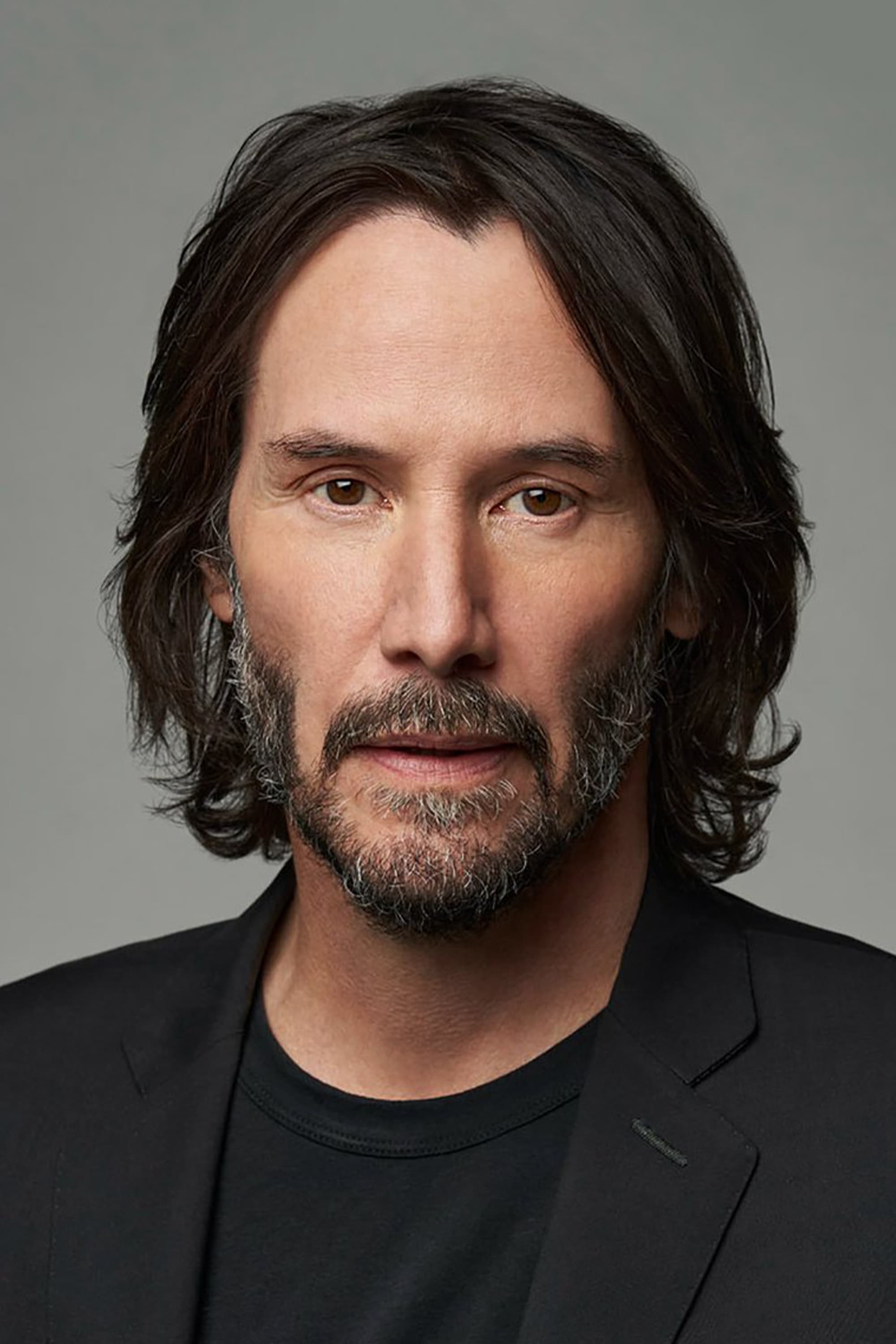
Keanu Reeves wears a close cropped beard throughout the ‘John Wick’ series. Fight choreographers and makeup teams coordinate grooming with stunt work so the beard reads cleanly in dim club scenes and rainy street sequences.
He keeps a similar look for many public appearances, which strengthens the connection to the action franchise. The silhouette shows up on game crossovers, poster art, and streaming tiles, making it part of the character’s visual identity.
Viggo Mortensen
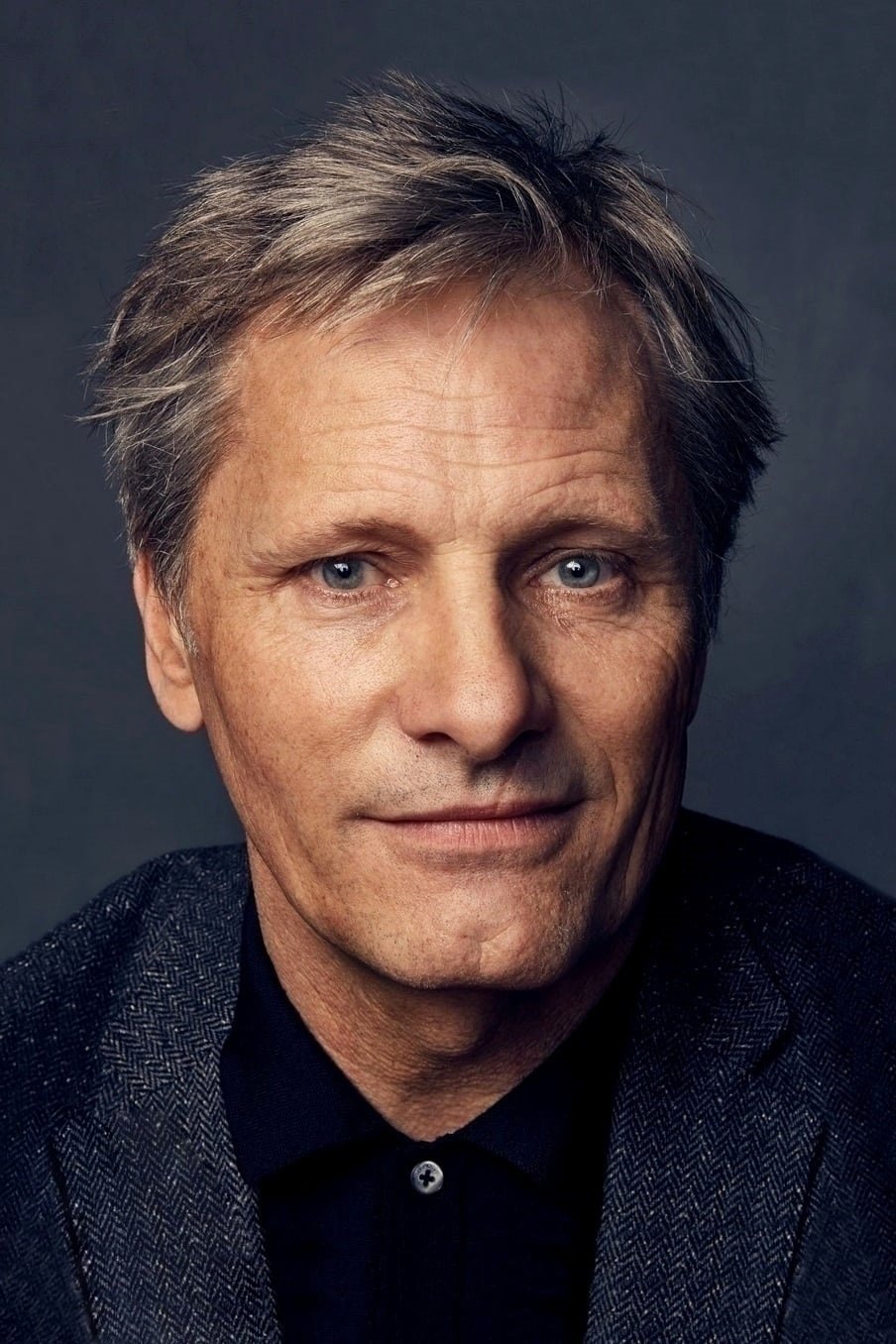
Viggo Mortensen’s ranger beard in ‘The Lord of the Rings’ set the tone for a weathered traveler who moves across wild terrain. The production kept the length steady to match the continuity demands of location shoots spread over long schedules.
Merch and collector art maintain the same texture and length, which helps fans recognize the character instantly. The beard also reappeared in various adventure and period roles, creating a throughline that audiences can track at a glance.
Pedro Pascal
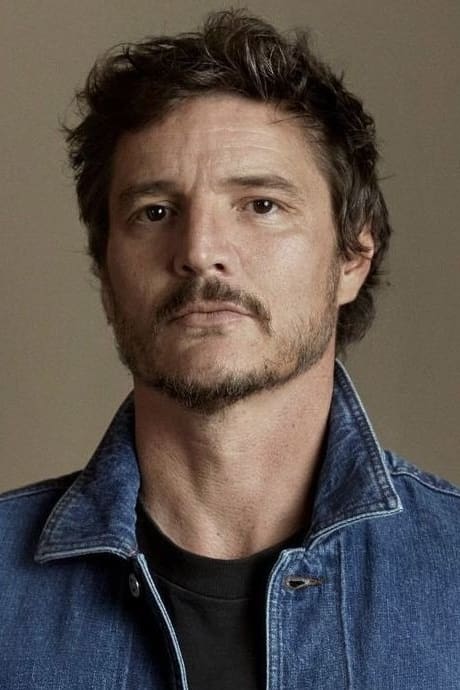
Pedro Pascal used a prominent mustache in ‘Narcos’, which matched the era specific look of his character. Wardrobe and hair teams coordinated the style with aviator glasses and button downs to keep the ensemble historically consistent.
He later wore a fuller beard in ‘The Last of Us’ and maintained light facial hair during promotion for ‘The Mandalorian’. That range shows up in promotional photography where the mustache or beard helps separate roles for viewers who follow his work across platforms.
Henry Cavill
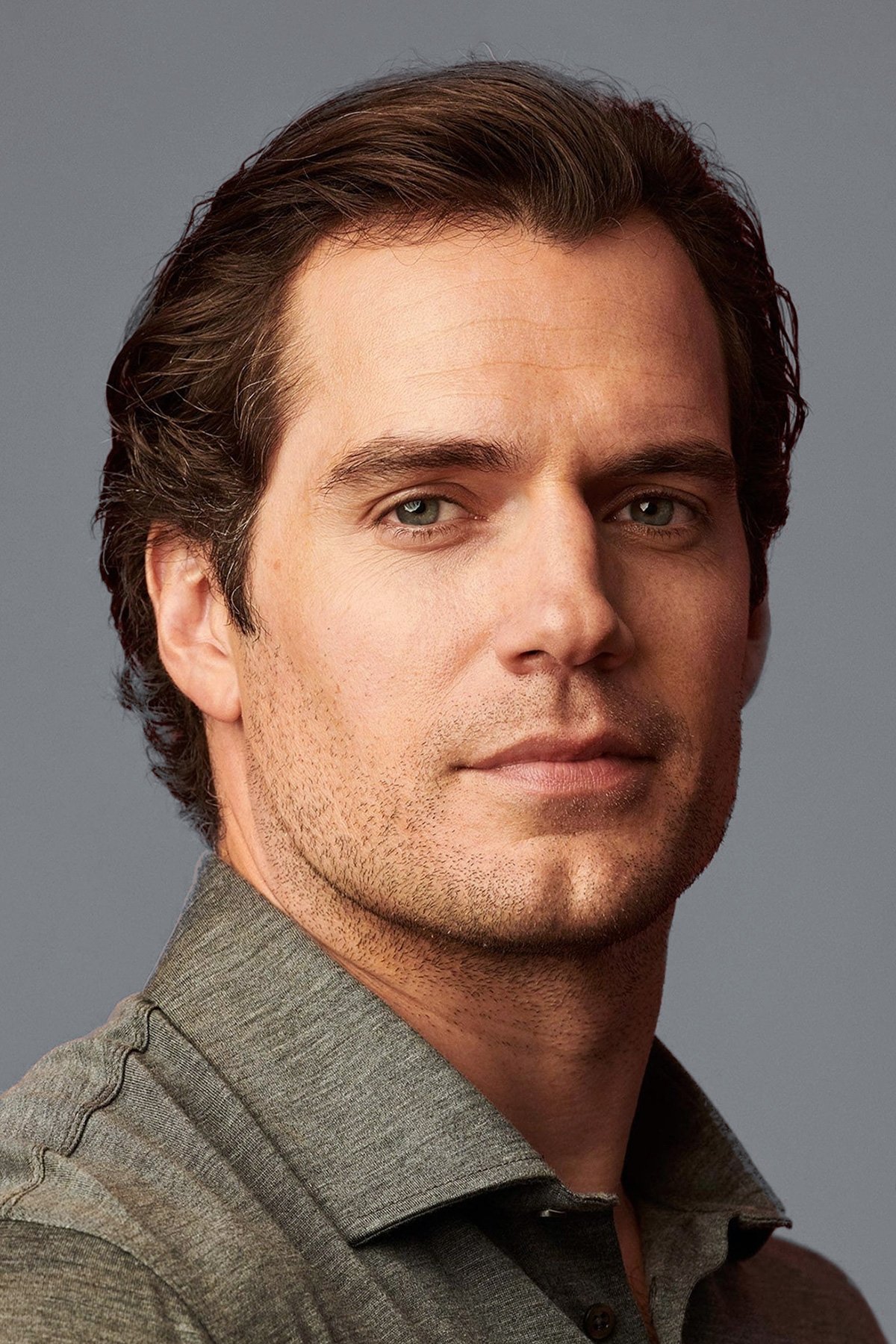
Henry Cavill grew a thick mustache for ‘Mission Impossible Fallout’, which created a distinct profile in close quarters fight scenes. The facial hair became notable during reshoots for ‘Justice League’ where digital effects work removed it for continuity with earlier footage.
He has alternated between a trimmed beard and a clean shave for fantasy and period projects. Interviews and behind the scenes featurettes often note the training and grooming routines that go along with the physical demands of his action roles.
Jeff Bridges
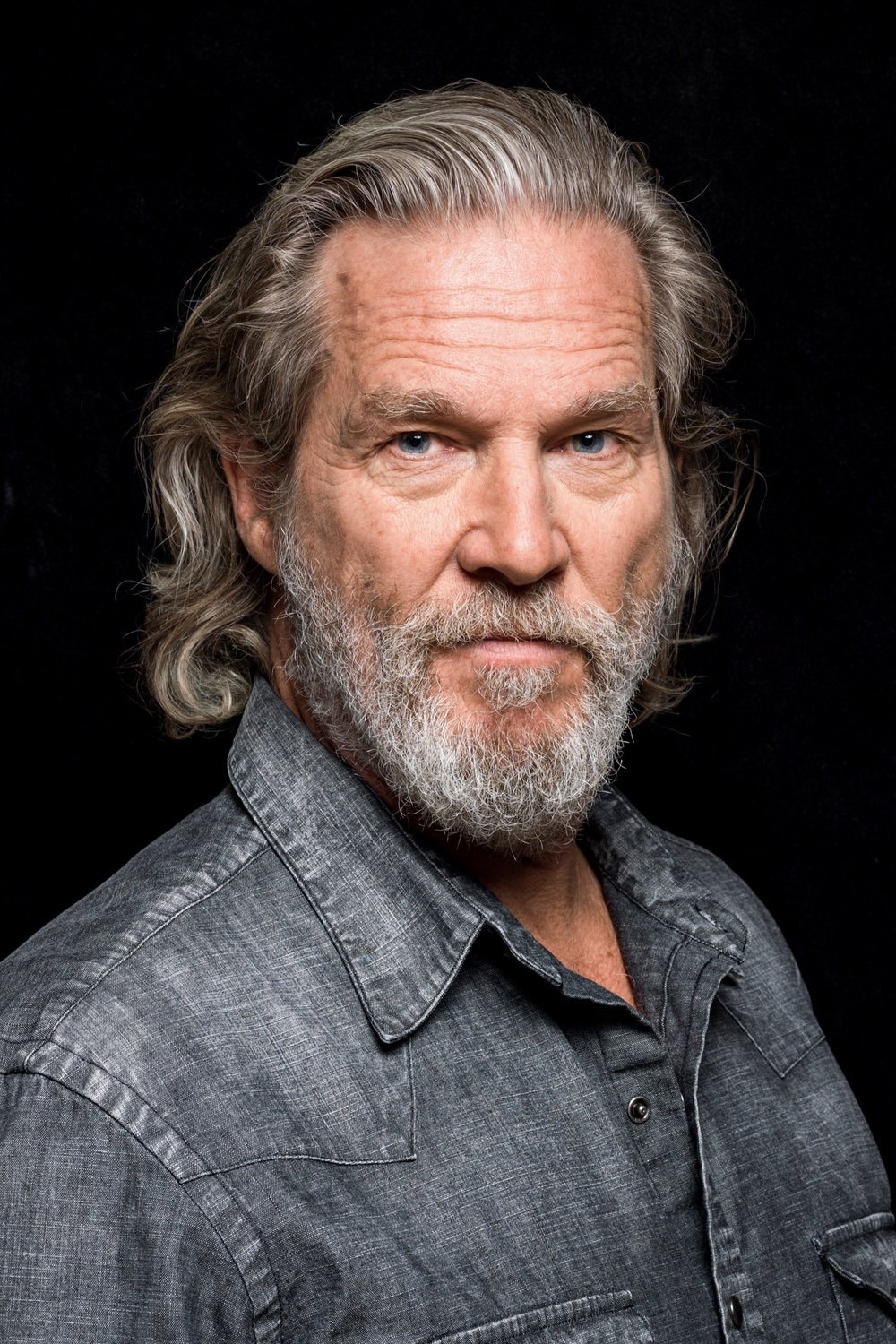
Jeff Bridges wore a heavy mustache and beard as Rooster Cogburn in ‘True Grit’. The layered texture helped the camera capture age and grit without heavy prosthetics, which streamlined the daily setup for lighting and makeup crews.
He has appeared with varied facial hair across dramas and comedies, including a goatee in ‘The Big Lebowski’. Publicity stills and anniversary screenings often use these distinct looks to separate eras of his career.
Charlie Chaplin
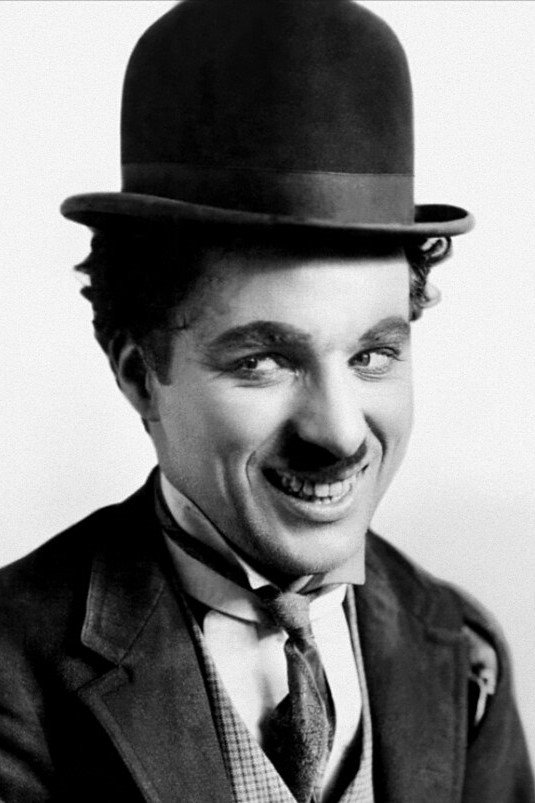
Charlie Chaplin’s toothbrush mustache defined the Tramp character through films like ‘City Lights’ and ‘Modern Times’. The small size allowed full visibility of mouth and cheeks, which kept expressions readable in silent storytelling.
The mustache became a key part of costume kits for screenings and stage tributes. Archival posters and restored prints preserve the exact shape, keeping the image consistent for new viewers who discover the classics.
Clark Gable
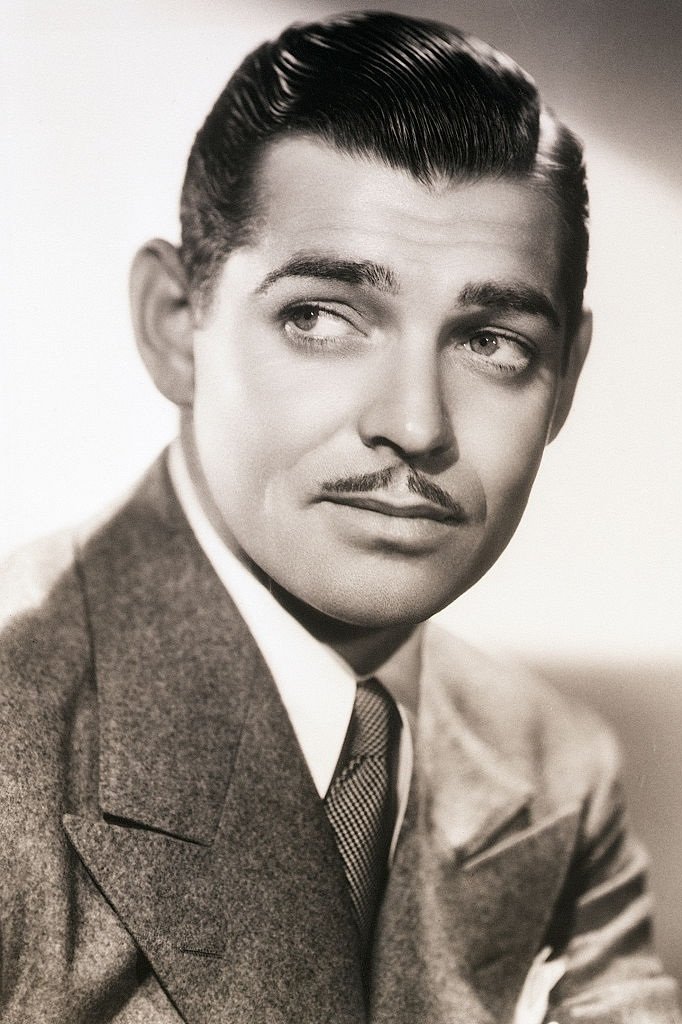
Clark Gable’s pencil mustache set a standard for leading men in studio era hits such as ‘Gone with the Wind’ and ‘It Happened One Night’. The thin line matched tailored suits and formal wear, which helped studios market a polished image.
Photographers often lit close ups to emphasize the line, and fan magazines shared grooming diagrams that echoed the style. The look appears in retrospectives and museum exhibits, where it represents a distinct period of Hollywood fashion.
Share your favorite screen beards and mustaches in the comments so everyone can compare notes.