Celebs Who Were Killed by Their Own Fans


Fame can bring incredible support, but it can also attract people who take admiration to a dangerous place. These tragedies show how crossing the line from fandom into fixation can end in violence, changing entertainment and sports forever and prompting new approaches to security and privacy.
Below are ten cases where admiration curdled into obsession and a celebrity paid the ultimate price. Each story notes who the victim was, how the fan got close enough to act, and what happened next, including legal outcomes and industry changes that followed.
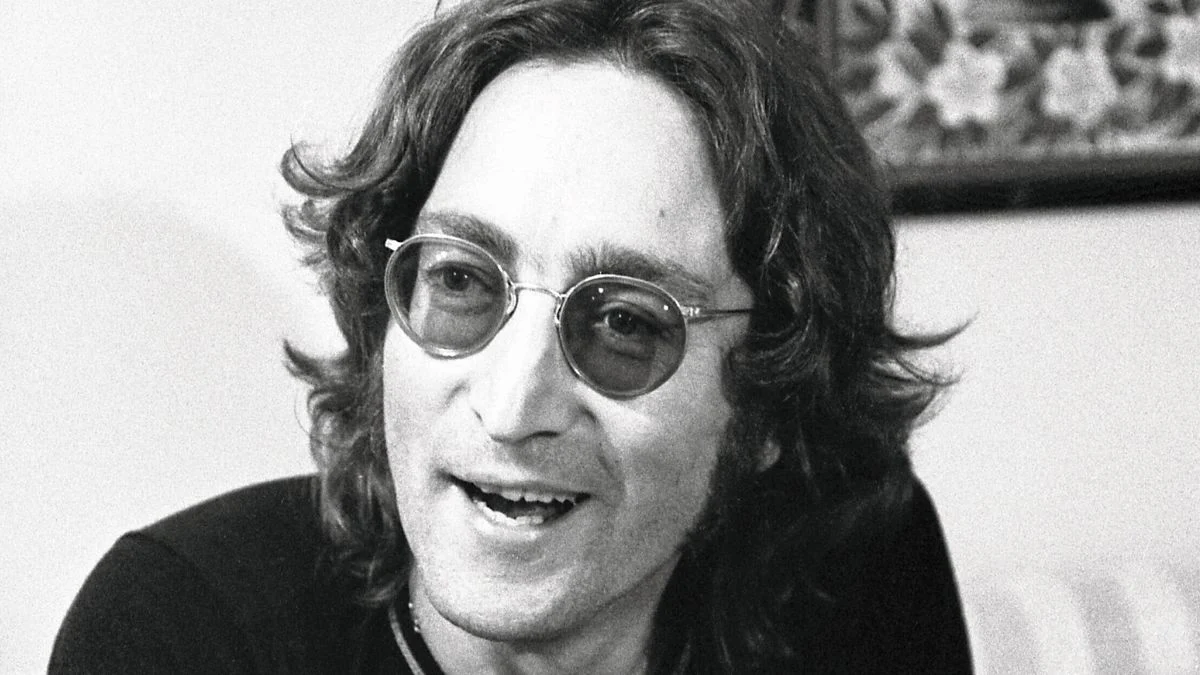
John Lennon
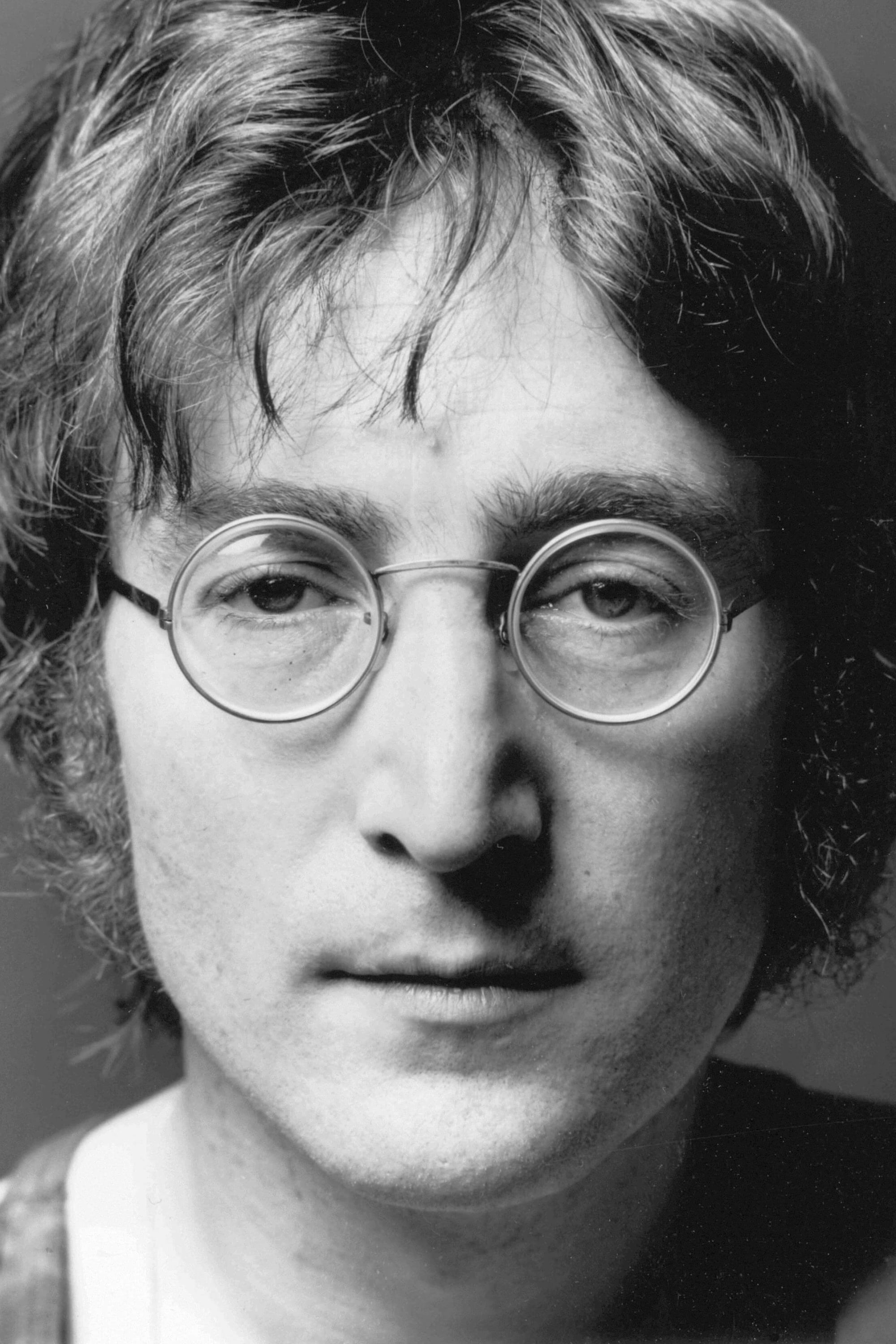
John Lennon was returning home to the Dakota in New York City on December 8, 1980, when a fan who had waited outside the building shot him. The killer had approached Lennon earlier that day to ask for an autograph, then came back that night and opened fire as Lennon walked through the entrance with Yoko Ono.
Police arrested the shooter at the scene. The case led venues, labels, and publicists to rethink how and where artists interact with crowds, even in seemingly casual spaces like sidewalks and lobbies, and it remains a reference point in modern threat-assessment training for public figures.
Selena Quintanilla
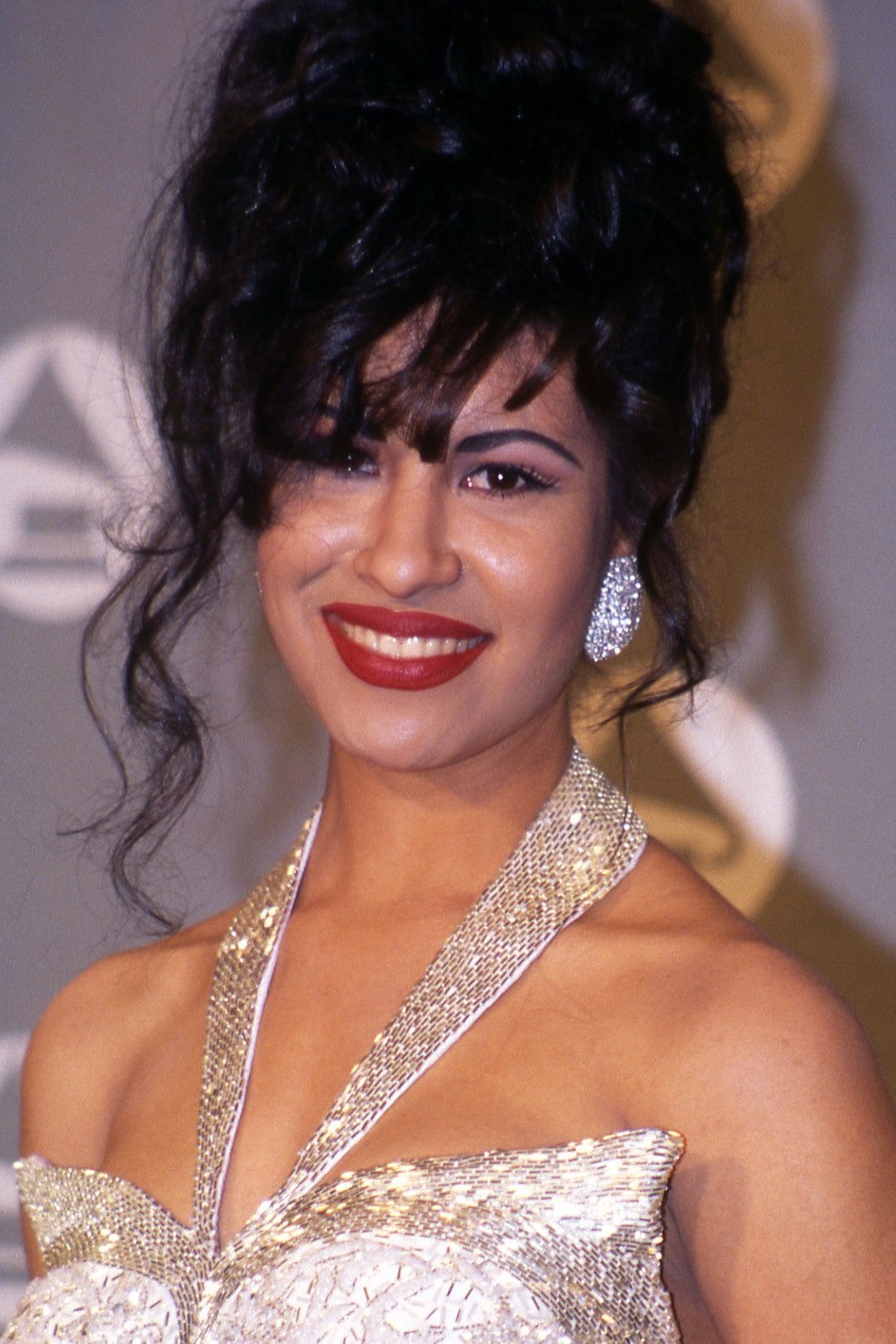
Selena Quintanilla was 23 when she was killed in Corpus Christi, Texas, by the president of her own fan club. The fan had been confronted over missing funds tied to Selena’s boutiques and support organizations, and lured the singer to a motel under the pretense of handing over documents.
After the shooting, the assailant barricaded herself in a vehicle for hours before surrendering. The conviction that followed resulted in a life sentence. Selena’s death spurred artists and management teams to add stronger financial controls and to separate fan engagement from business operations.
Rebecca Schaeffer
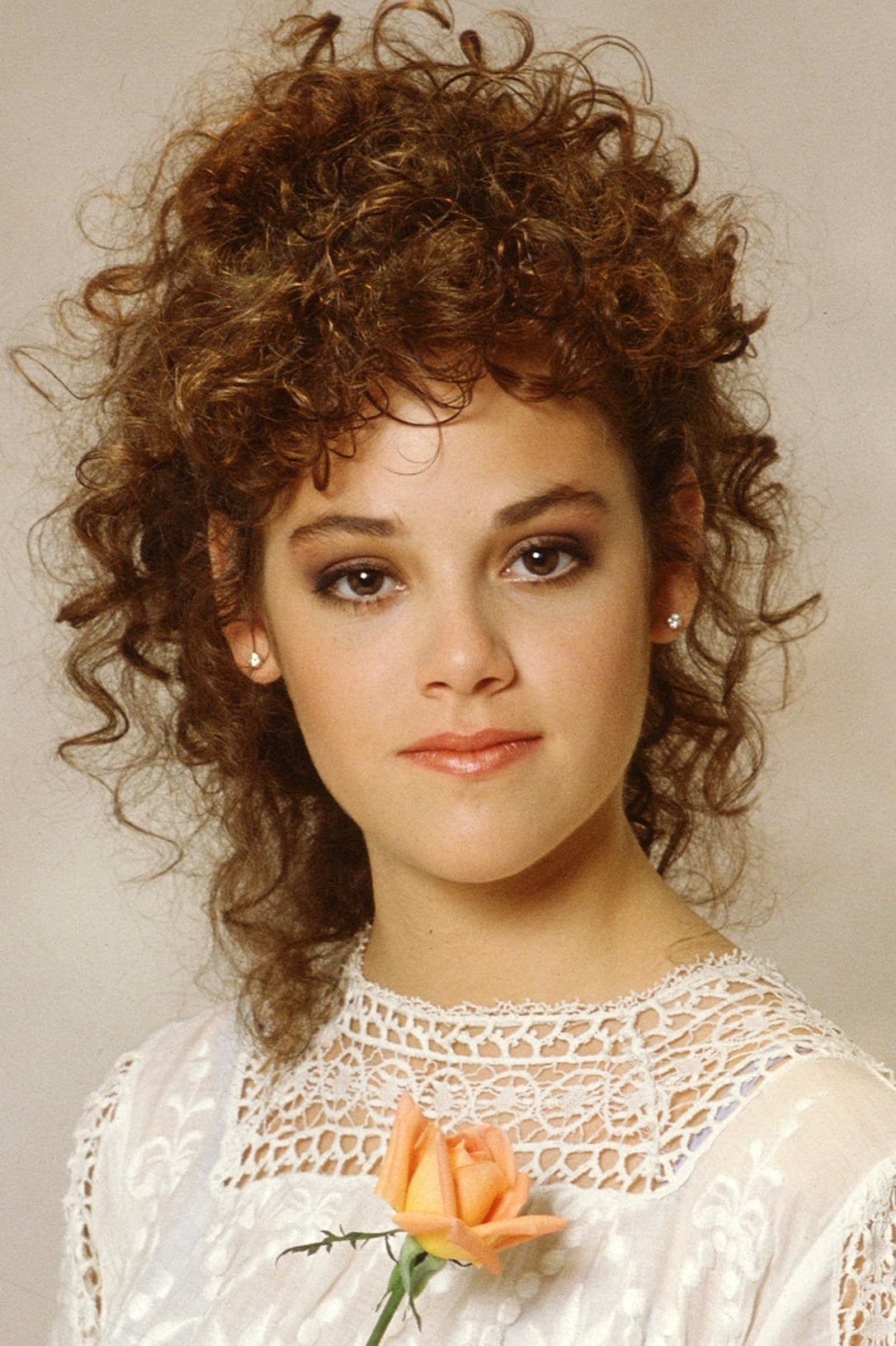
TV actress Rebecca Schaeffer was murdered at her West Hollywood apartment by a fan who had tracked down her home address. He had sent letters for years, then traveled to Los Angeles, first posing as a delivery visitor, returning again and shooting her at the door.
The case directly influenced new anti-stalking laws and restrictions on releasing personal data from government records. Studios and agencies responded by tightening set access, enhancing mail screening, and expanding privacy protections for their talent rosters.
Christina Grimmie

Singer Christina Grimmie was greeting fans at an Orlando venue on June 10, 2016, when an obsessed fan stepped forward in the meet-and-greet line and shot her. Grimmie’s brother tackled the attacker, who then took his own life, but the artist died of her wounds.
Her death prompted concert halls, festivals, and fan conventions to revise entry procedures. Many events added magnetometers, bag checks, and stricter rules around post-show meetups, and some organizers moved to supervised photo lines run by trained security.
Dimebag Darrell
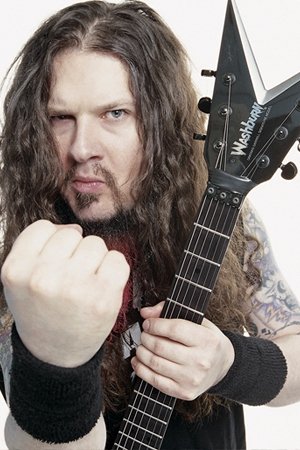
Guitarist Dimebag Darrell was performing with Damageplan in Columbus, Ohio, when a fan rushed the stage and shot him. Witnesses reported the attacker shouted grievances tied to the musician’s former band as he fired before being stopped by law enforcement.
Multiple people were killed in the incident, leading clubs to rework stage-front security, add barricades, and position trained personnel at side access points. The shooting remains a core case study for live-music security planning in small and mid-size venues.
Andrés Escobar
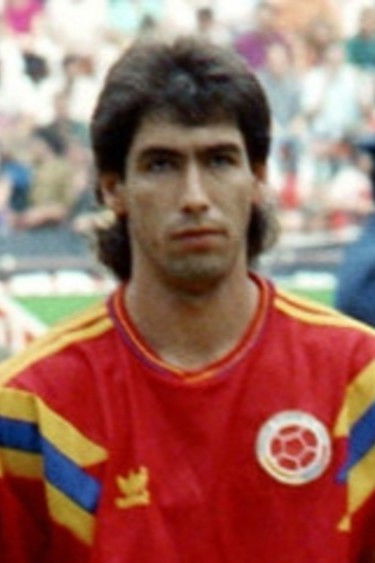
Colombian defender Andrés Escobar was shot and killed in Medellín ten days after the 1994 World Cup match in which he scored an own goal. Men confronted him outside a nightclub as public anger swirled, and a shooter opened fire during the argument that followed.
A driver involved received a prison sentence. The killing became a global warning about how fan fury, gambling losses, and criminal elements can collide around sports, and it led football bodies to reinforce player protection guidelines during and after major tournaments.
Albert Ebossé
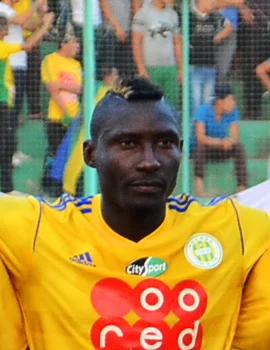
Cameroonian striker Albert Ebossé died after being struck by a projectile thrown from the stands following an Algerian league match. The incident occurred as players left the pitch amid angry scenes after a home defeat.
League authorities suspended competition and ordered stadium reviews, while teams adopted more robust exit corridors and crowd-control protocols. The case is often cited in stadium safety trainings focused on post-match risk when emotions run highest.
Gianni Versace
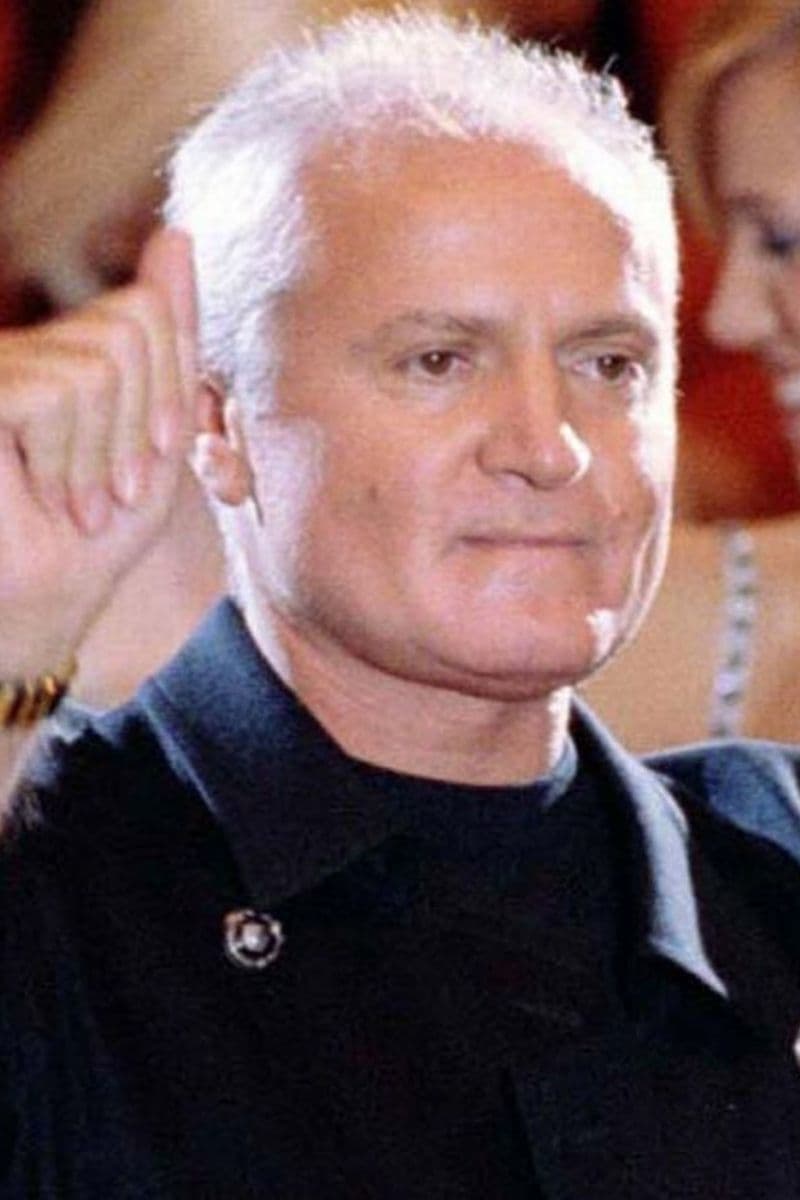
Designer Gianni Versace was shot outside his Miami Beach home by a man who had trailed high-profile figures and moved within circles of celebrity culture. Versace was attacked on his doorstep after a morning walk, in a killing that concluded a cross-country spree.
The man took his own life days later as police closed in. The murder drove conversations about residential security for public figures, including exterior camera coverage, controlled perimeter approaches, and coordination between private guards and local law enforcement.
Nipsey Hussle
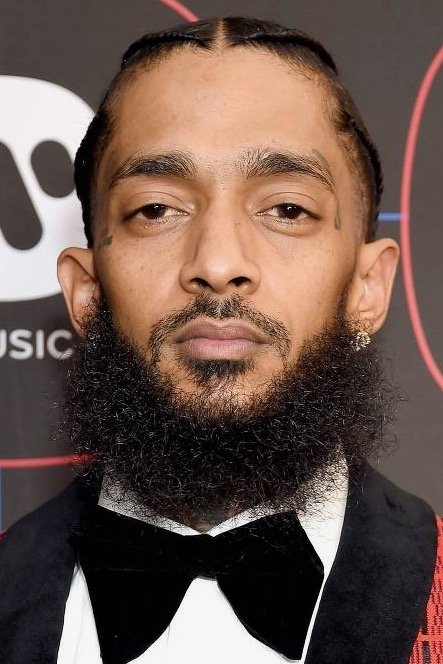
Rapper and entrepreneur Nipsey Hussle was shot outside his Los Angeles store by a man who had long known his work and moved in the same scene. The confrontation unfolded at close range in a public setting frequented by fans and neighborhood residents.
A jury later returned a murder conviction. The aftermath accelerated efforts in music and sports to map everyday routines that draw crowds, add trained security in retail and community spaces, and coordinate with local officials on conflict-de-escalation planning.
Chung Ling Soo (William Ellsworth Robinson)
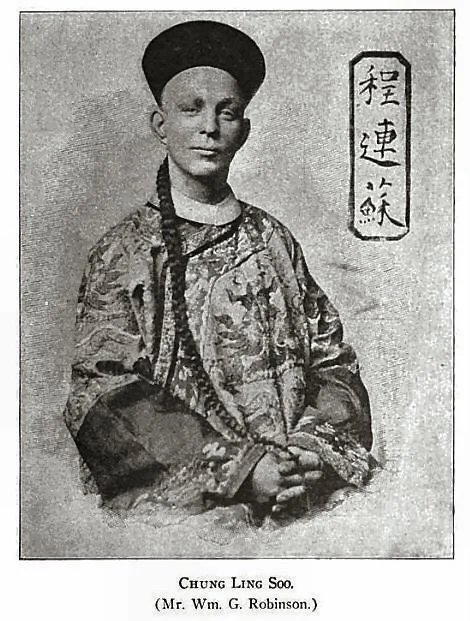
Magician Chung Ling Soo, whose real name was William Ellsworth Robinson, was performing his famous bullet catch trick in London in 1918 when the illusion went fatally wrong. A fan in the audience had tampered with one of the stage firearms beforehand, and when Robinson attempted the stunt, he was struck by a real bullet. He collapsed on stage in front of a shocked crowd and later died from his injuries.
The incident prompted theaters to reassess access to props and backstage areas, especially when firearms or pyrotechnics were involved. Robinson’s death also pushed magicians and stage managers to implement stricter controls over equipment storage and to introduce verification procedures before and after shows to ensure no outside interference could compromise an illusion.
Share your thoughts below on how fan safety and celebrity security should evolve to prevent tragedies like these.