Great Movies That Bombed at the Box Office Because the World Wasn’t Ready for Them


Some movies show up with ideas and styles that do not match the moment they land in. Audiences pass, critics argue, and accountants panic, even as the films lay down tracks that later become the way forward for everyone else. Time has a habit of catching up to work like this, and when it does, you can suddenly see how far ahead these filmmakers were aiming.
This list looks at films that struggled to sell tickets in their original runs, often because of timing, marketing choices, or themes that felt out of step with the day. Budgets, grosses, release patterns, and studio decisions tell a story of difficult debuts that later turned into touchstones, restorations, and reappraisals. The numbers did not flatter them at first, but the details explain why they were such a hard sell when they debuted.
‘Blade Runner’ (1982)
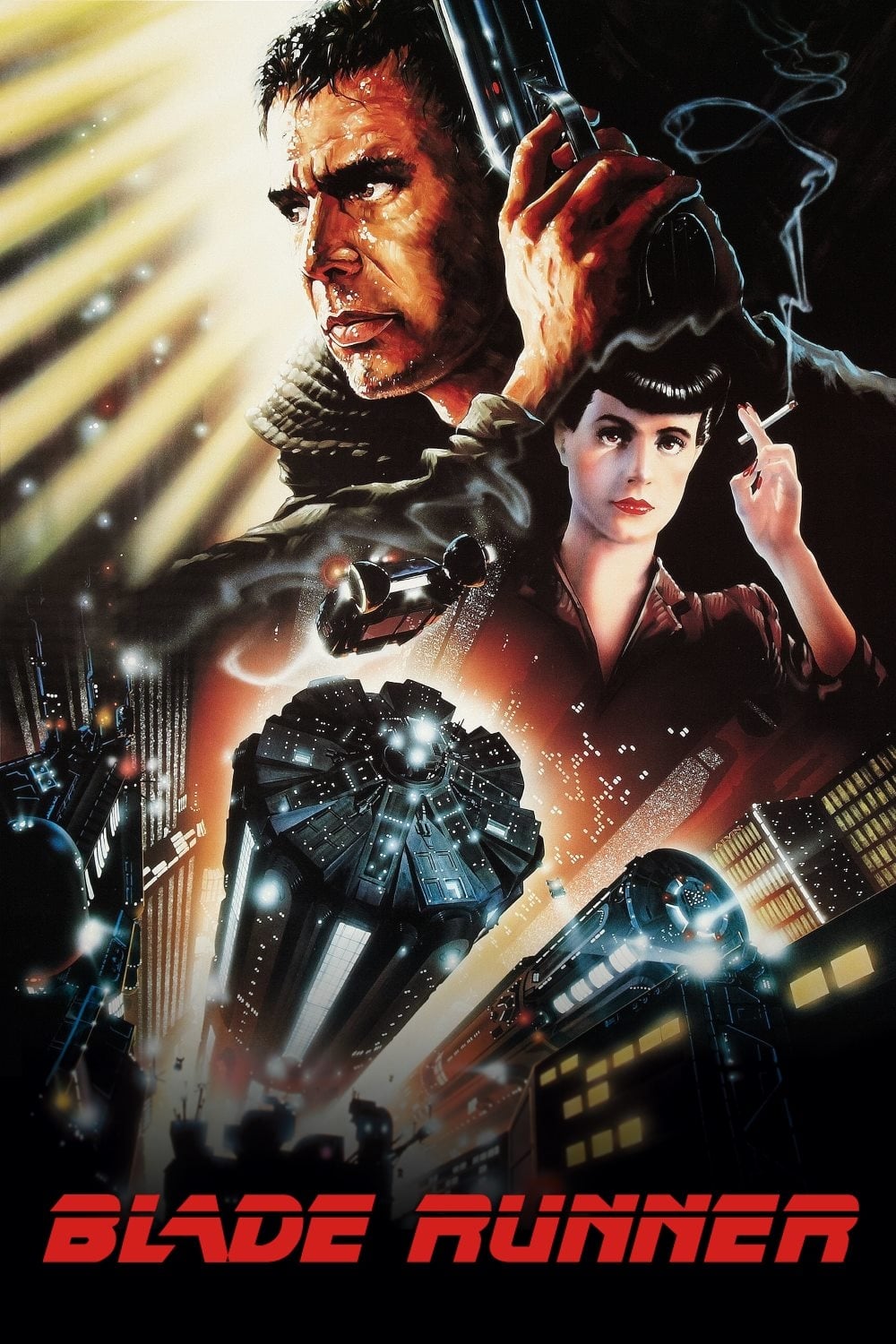
Ridley Scott’s science fiction film opened in the summer heat of 1982, the same season audiences flocked to ‘E.T. the Extra Terrestrial’. It carried a budget in the neighborhood of thirty million dollars and finished its domestic run short of that figure. Reviews at the time were mixed, the theatrical cut used a studio mandated voiceover and a different ending, and the R rating narrowed the potential audience.
The film’s practical effects, model work, and production design set a dense urban future that became a template for later science fiction. Multiple cuts followed over the years, including a director approved version that removed the voiceover, and the film earned two Oscar nominations for its craft. Home video and revival screenings helped it find the large audience that eluded its first release.
‘The Thing’ (1982)
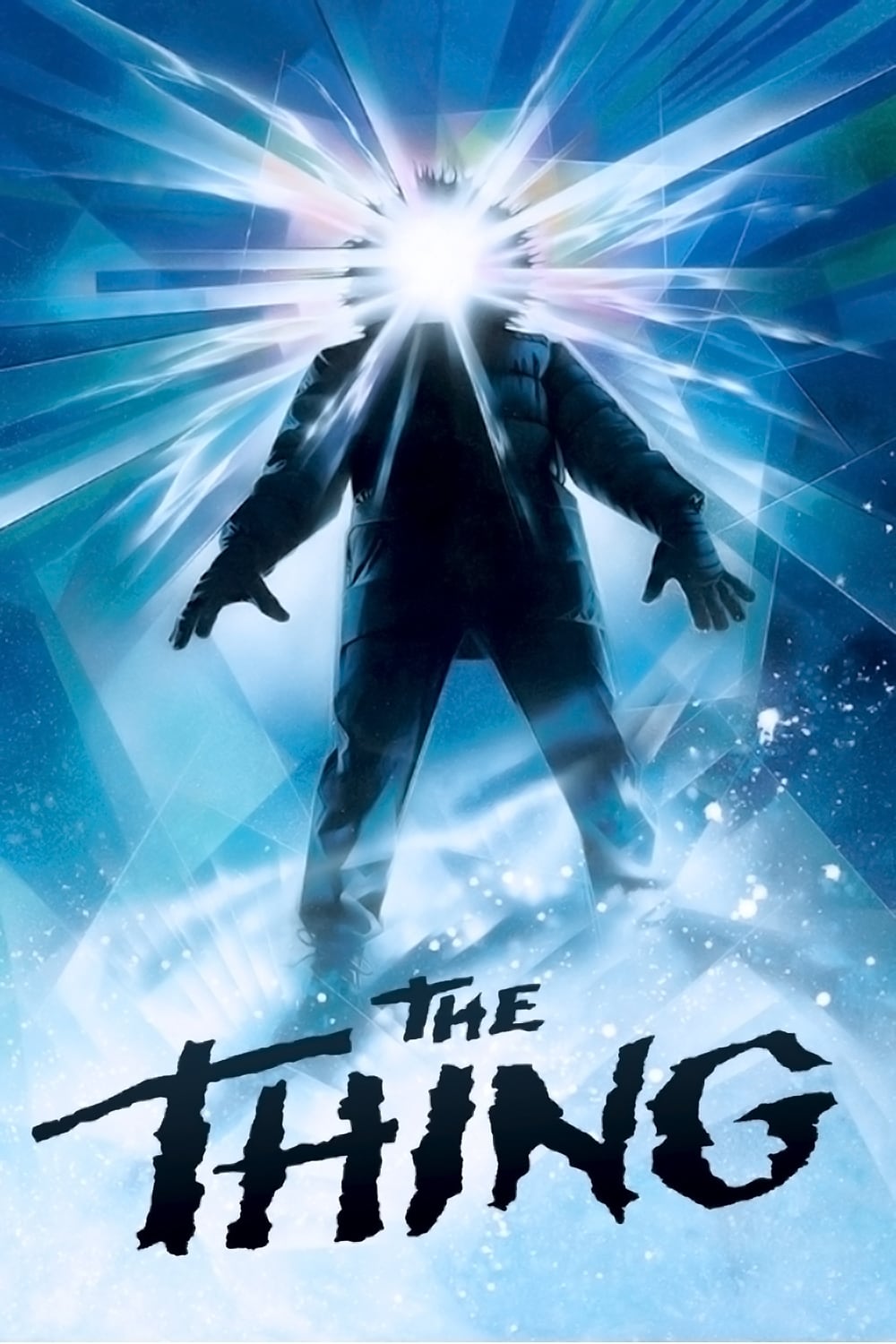
John Carpenter’s Antarctic horror film arrived less than two weeks after ‘E.T. the Extra Terrestrial’, and it asked audiences to embrace paranoia and body horror rather than friendly aliens. The budget was around fifteen million dollars and the domestic gross hovered under twenty million, which disappointed Universal given expectations for a summer genre play.
Rob Bottin’s practical effects work demanded long setups and intense makeup sessions that pushed the production. Reviews at the time flagged the violence, and the bleak tone worked against family oriented summer crowds. Television airings, home video, and later special edition releases helped shift the picture’s fortunes and put its craft in proper context.
‘Brazil’ (1985)
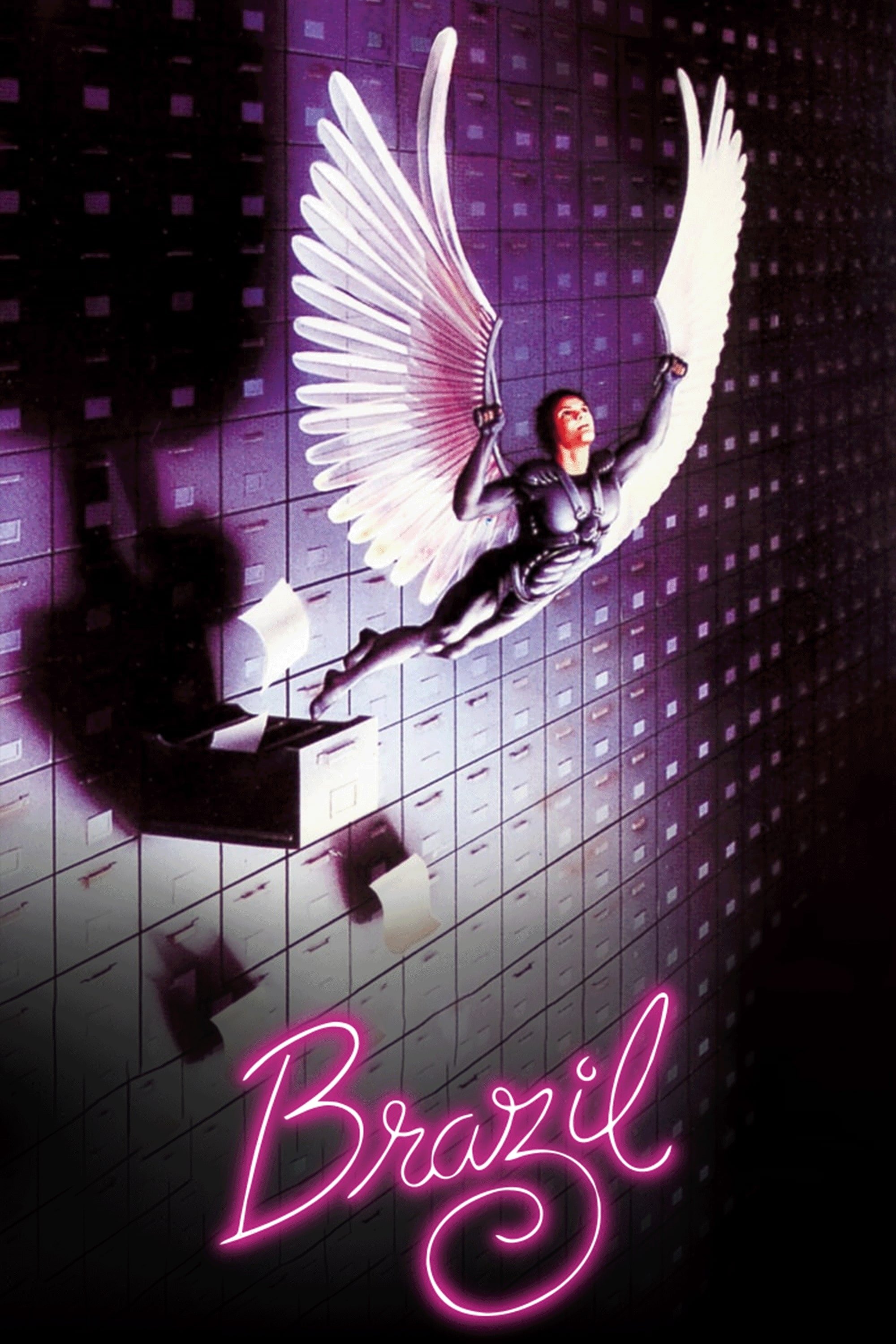
Terry Gilliam’s dystopian satire became a case study in studio battles. Universal and the director disagreed over the ending, which delayed the film’s United States release and limited its rollout. The budget sat in the mid teens and the domestic gross fell below that number, which kept it off many screens when it needed a wider push.
The production used elaborate miniatures, practical sets, and intricate art direction to visualize a bureaucratic future. Awards attention followed for screenplay and design, and the existence of competing cuts made the film a frequent subject in film schools and retrospectives. The final studio approved release schedule meant many markets discovered it late, long after the moment when a larger audience might have found it.
‘Fight Club’ (1999)

David Fincher’s adaptation opened in the fall with a budget above sixty million dollars and a domestic gross well below that mark. Marketing was cautious given the subject matter, theatrical bookings reflected concern after high profile school shootings earlier that year, and the R rating reduced the number of showtimes per day.
The film’s sound design and visual techniques drew one Oscar nomination, and its release on DVD exploded at a time when home libraries were growing fast. The book’s author toured with the film in select cities, which helped it build an audience city by city. Theatrical underperformance eventually gave way to strong catalog sales and steady campus screenings.
‘The Iron Giant’ (1999)
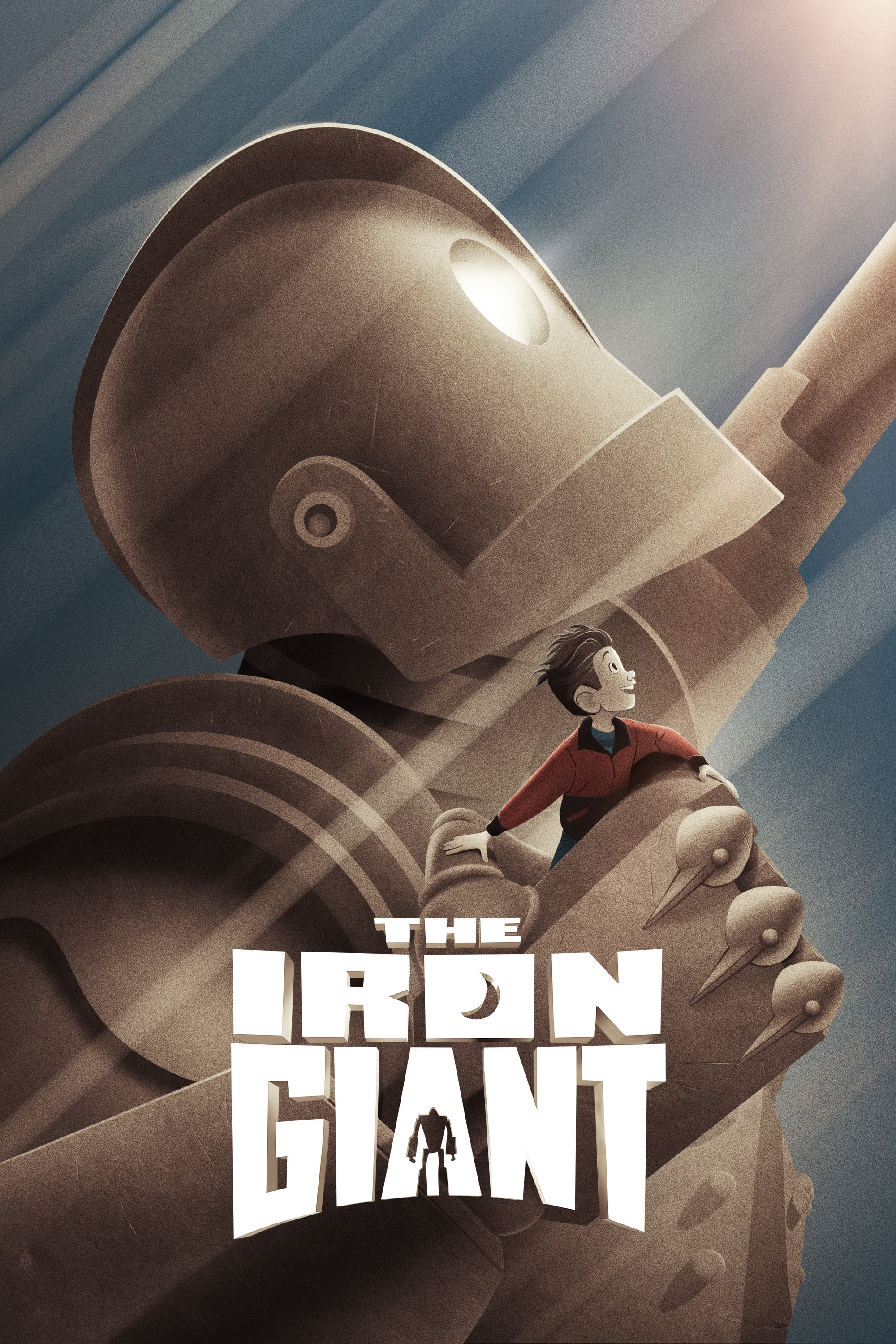
Warner Bros. released Brad Bird’s animated feature with minimal marketing spend during a crowded late summer window. The budget was about seventy million dollars and the worldwide gross ended far short of that number. Many families did not realize it was in theaters until it was already leaving.
Animators praised the movie’s blend of traditional drawing and computer assisted techniques, and it earned top honors from animation groups even without a dedicated Oscar category at the time. Television play and a later signature edition expanded its reach, and the character’s design showed up in later studio projects and crossovers that kept interest alive.
‘Donnie Darko’ (2001)
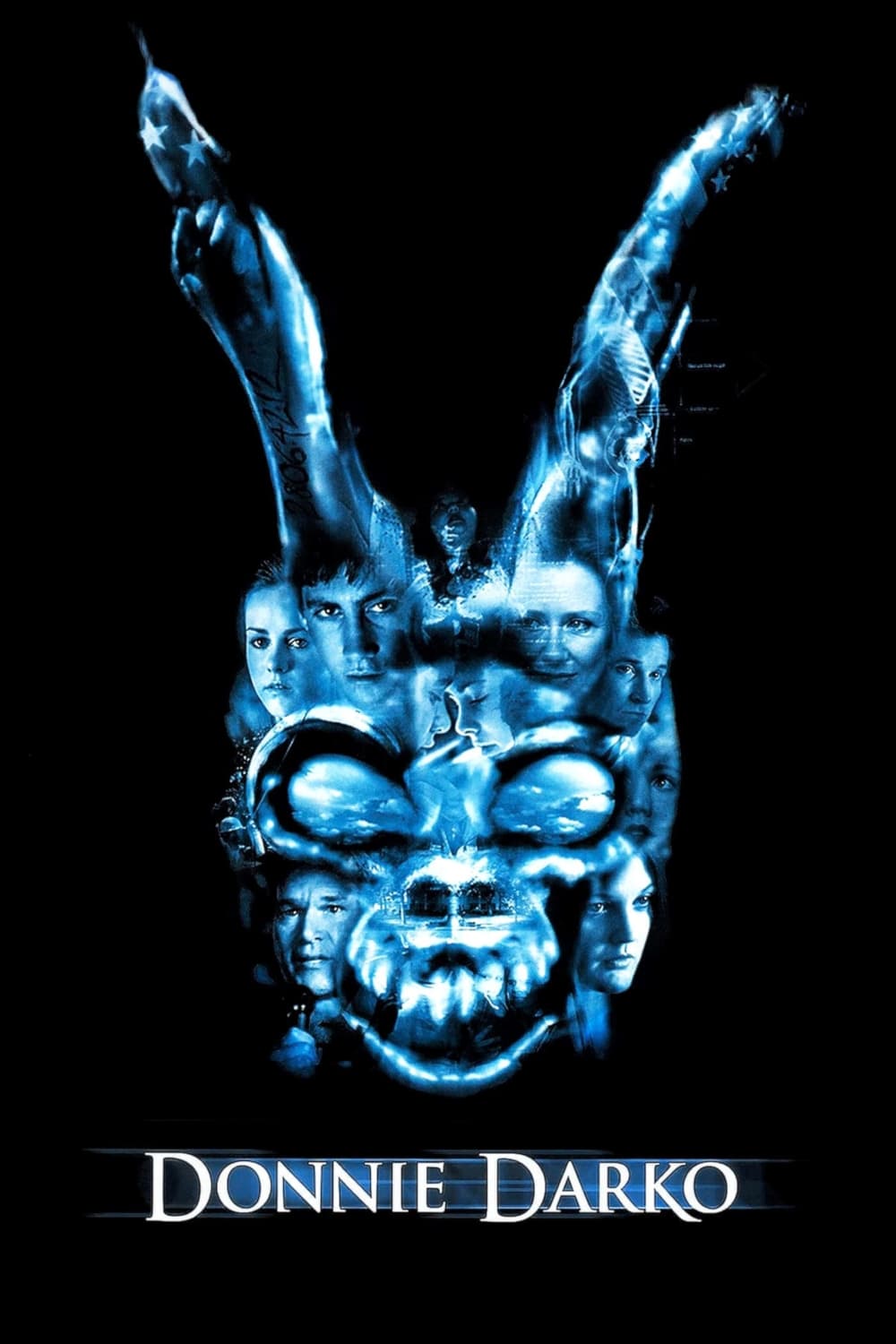
Richard Kelly’s debut film released in the United States only weeks after the September attacks. A key plot element involved a falling jet engine, which led to a cautious marketing approach and a very limited theatrical run. The budget was under five million dollars and the initial domestic gross barely scratched that figure.
A strong soundtrack release and a director’s cut helped the film build visibility. Midnight screenings became common in college towns, DVD rentals kept it in circulation, and international markets discovered it later. The small first run turned into a long tail that many distributors noticed when planning future specialty releases.
‘The Shawshank Redemption’ (1994)
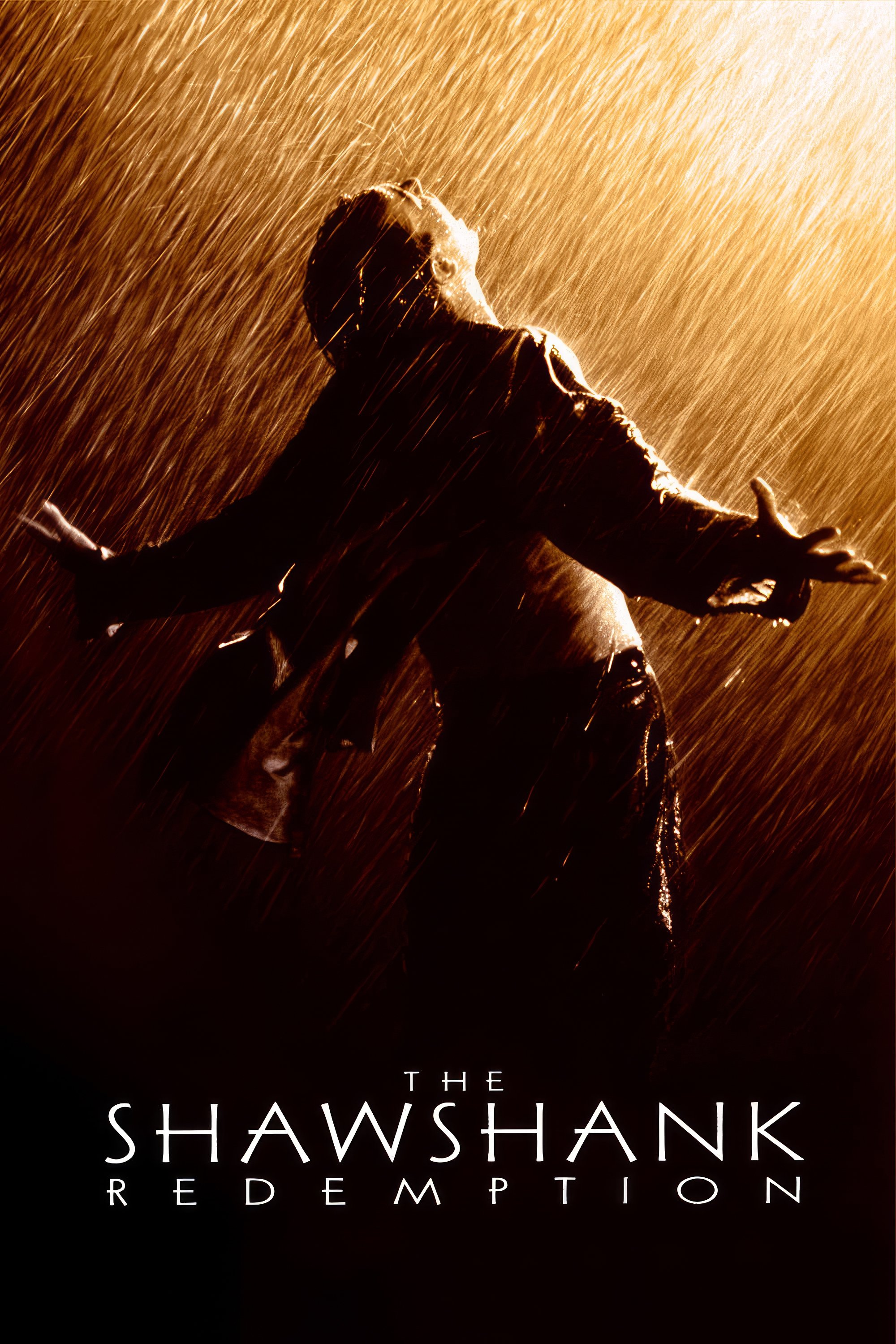
Frank Darabont’s prison drama had a modest opening and expanded slowly, but it never caught fire during its first run. The film competed with ‘Pulp Fiction’ and ‘Forrest Gump’ in the same awards season, and its title confused some audiences. The domestic gross grew over time yet remained underwhelming in relation to its awards attention.
Seven Oscar nominations brought it back to theaters, and cable television programmers aired it frequently, which helped it build a wide audience. Video rentals stayed strong for years, and many territories saw rereleases that did not happen in the original window. The path from quiet box office to enduring familiarity ran through living rooms rather than multiplexes.
‘Citizen Kane’ (1941)
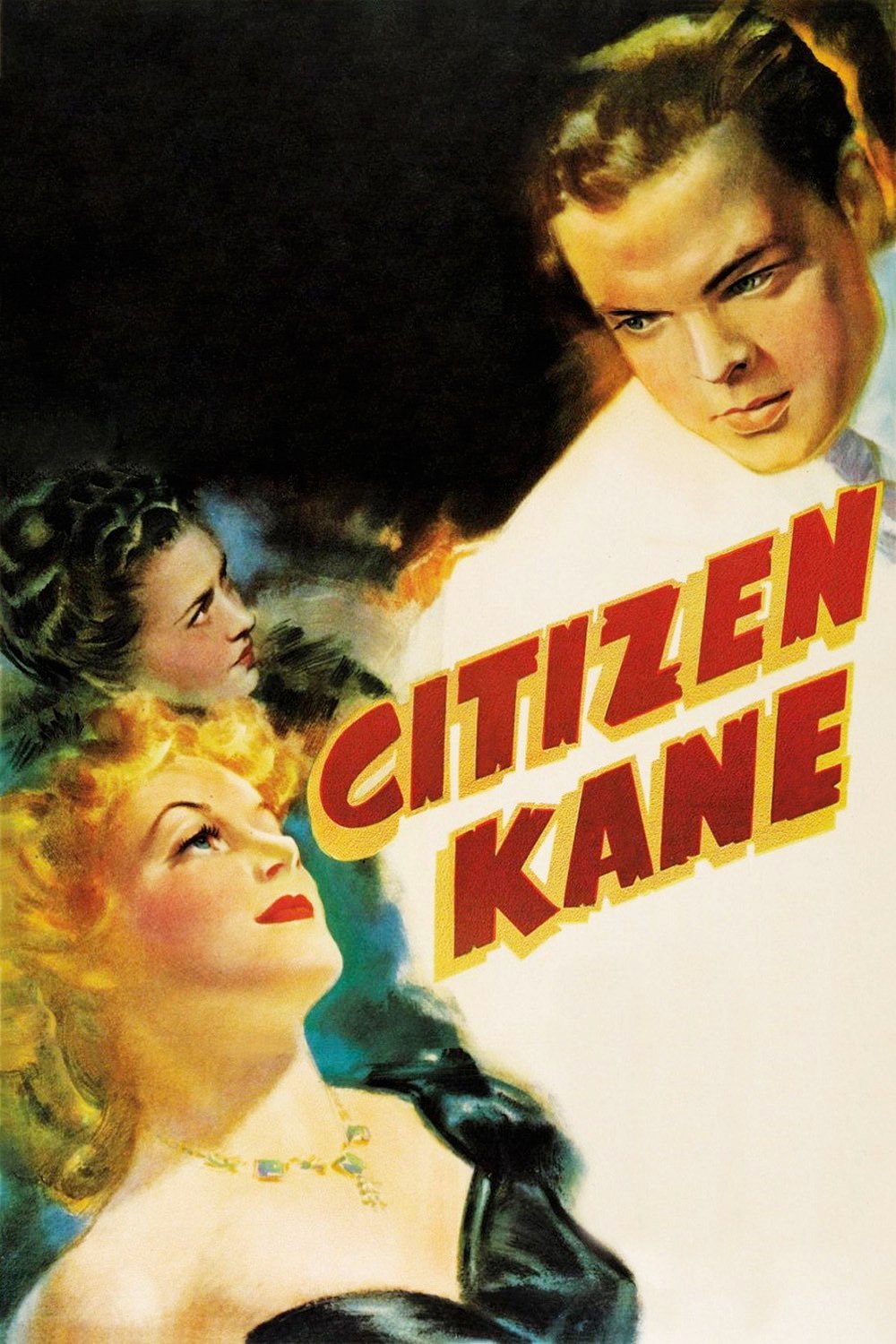
Orson Welles made his feature debut with final cut control, which was rare for a first time director. The film’s budget was under one million dollars and its initial release faced newspaper boycotts linked to William Randolph Hearst. The studio recorded a loss on the theatrical run despite strong reviews in some cities.
It received nine Oscar nominations and won for screenplay. Decades later it was among the first selections for the National Film Registry. The combination of limited early bookings and political pressure kept it from commercial success, yet preservation efforts ensured it remained accessible to later audiences and scholars.
‘It’s a Wonderful Life’ (1946)
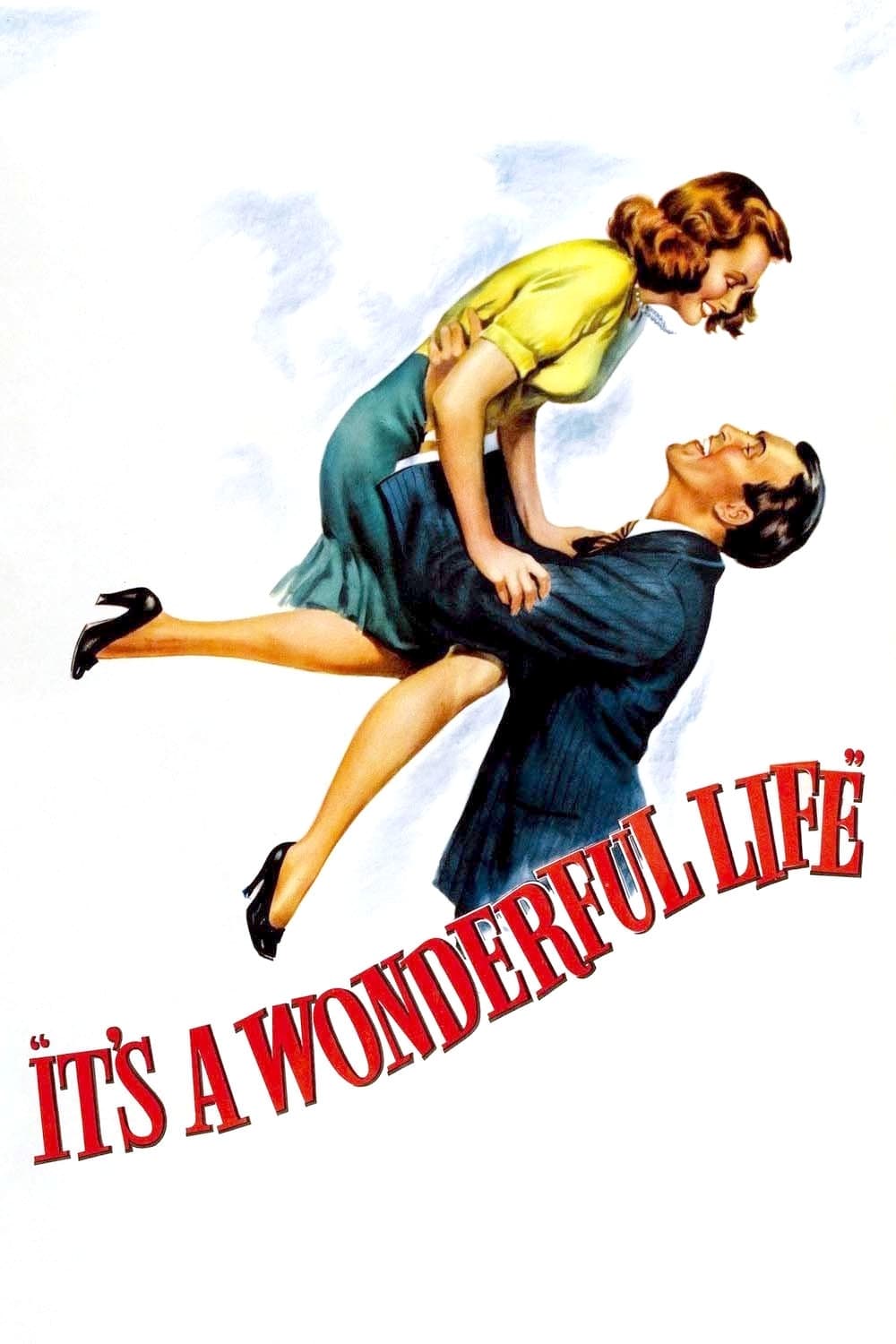
Frank Capra’s postwar drama cost over three million dollars and did not recoup its production and marketing expenses during its initial run. Competing holiday releases and shifts in postwar audience tastes made the season crowded. The studio tallied a significant loss even with five Oscar nominations.
A later copyright lapse led to frequent television broadcasts during the holidays, which introduced it to viewers who missed the original release. Restoration work and anniversary screenings followed, and modern home video formats kept it in print. The journey from red ink to winter staple happened outside the box office ledger that first judged it.
‘Heaven’s Gate’ (1980)
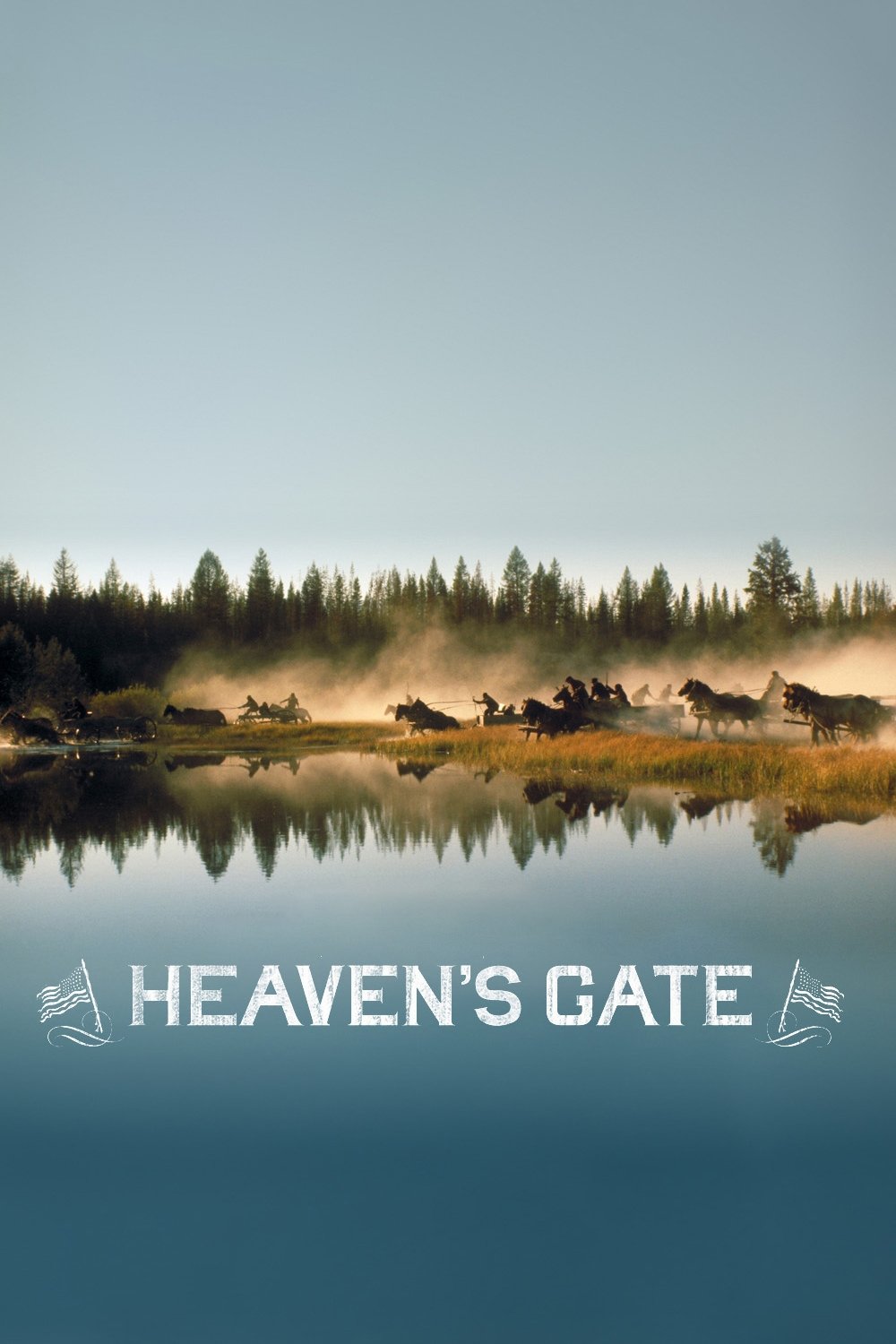
Michael Cimino’s western suffered a troubled shoot, with schedule extensions and overruns that pushed the budget into the mid forties. United Artists released a long cut to poor reviews, pulled it, and then issued a shorter version that still failed to attract audiences. The domestic gross landed in the low single digit millions.
The film’s financial collapse reshaped studio decision making and ownership at United Artists. Decades later, a full restoration premiered at festivals and on disc, which allowed viewers to see the original scope and music cues. The release saga became a cautionary tale in production classes and studio boardrooms.
‘Metropolis’ (1927)
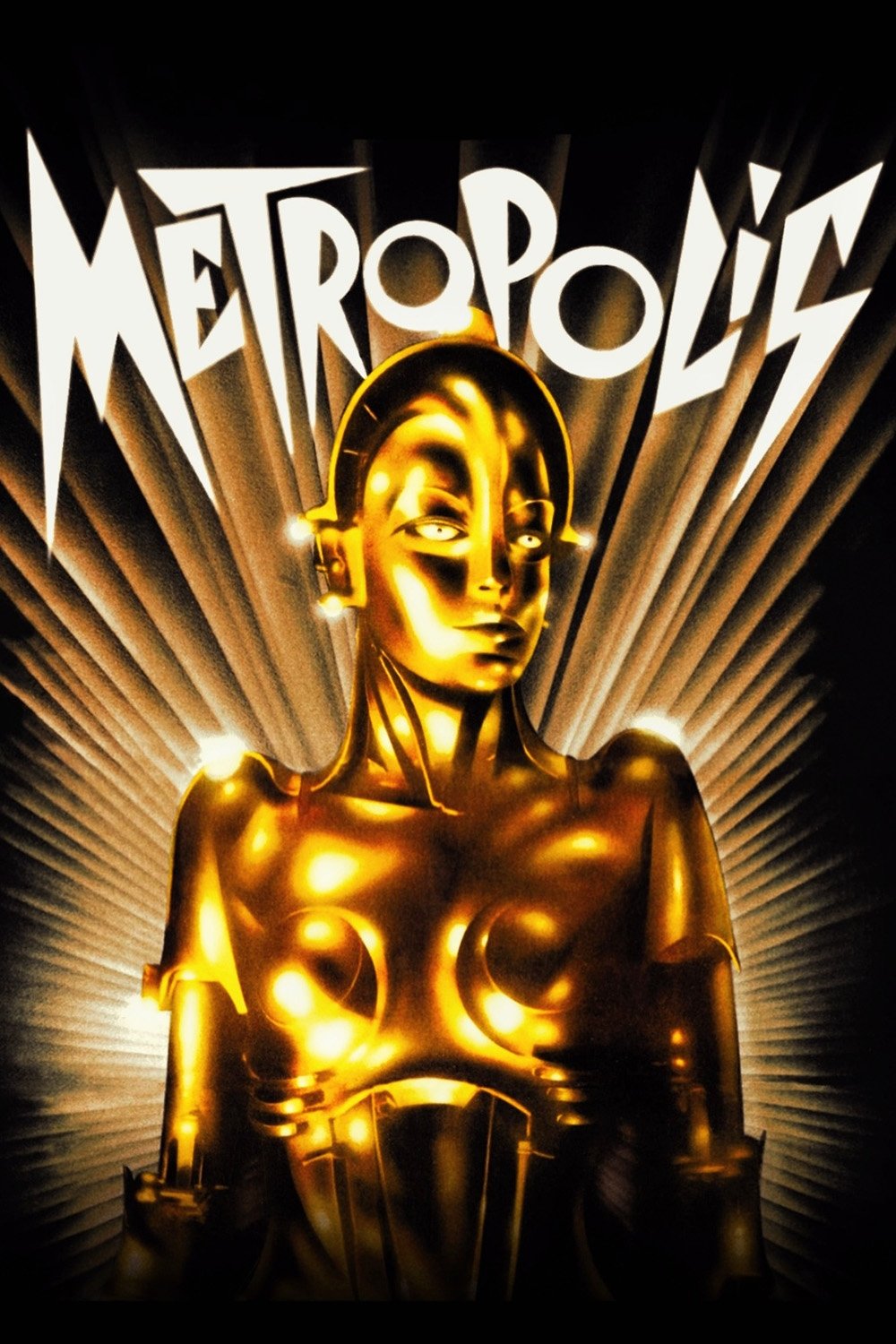
Fritz Lang’s science fiction epic was one of the most expensive films of the silent era, funded by UFA at a cost counted in millions of Reichsmarks. It opened to mixed reactions and sluggish ticket sales, and distributors in Germany and the United States cut significant portions to improve pacing and lower running time for exhibitors.
Restoration efforts over the decades pieced together lost footage from archives in multiple countries. A near complete version surfaced after a long search, and new scores accompanied modern screenings. What did not work with audiences in its first release found fresh life through patient archival work and repertory programming.
‘Speed Racer’ (2008)
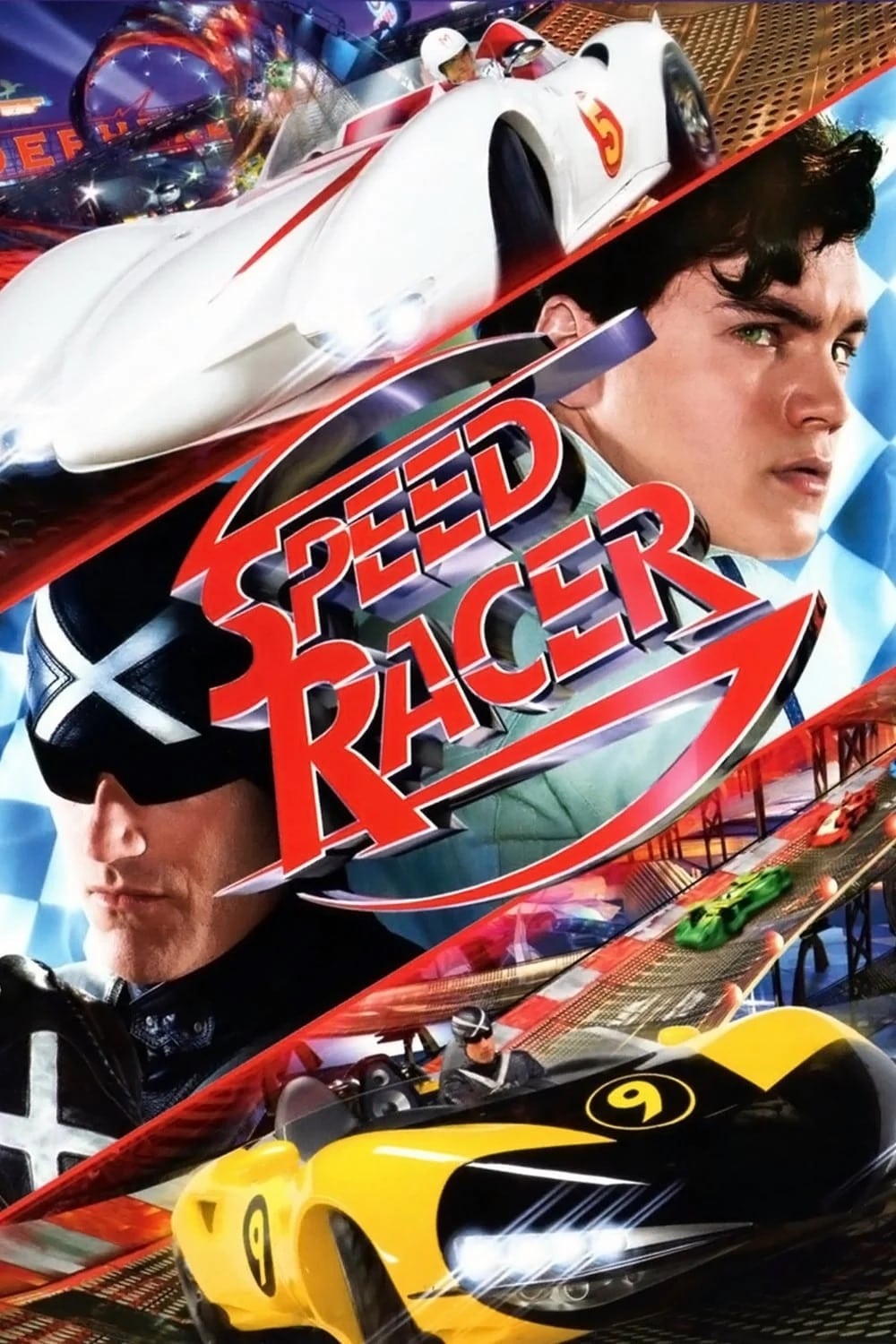
The Wachowskis brought the classic anime to live action with a production budget around one hundred twenty million dollars. It opened in May against tentpole competition and finished its worldwide run under that budget figure. Reviews were divided and marketing struggled to explain the film’s hyper stylized approach to families.
The movie used extensive digital backlot techniques and layered compositions that prefigured later virtual production methods. Over time, festival retrospectives and home video remasters highlighted the technical craft and the detailed editing patterns in the racing sequences. Theatrical receipts did not reflect the scale of experimentation on display.
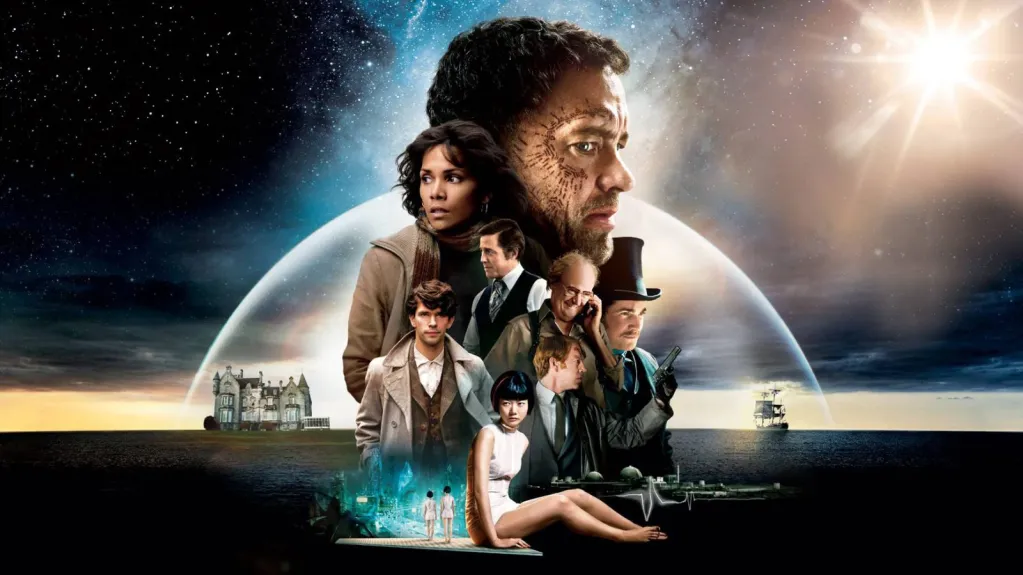
‘Cloud Atlas’ (2012)
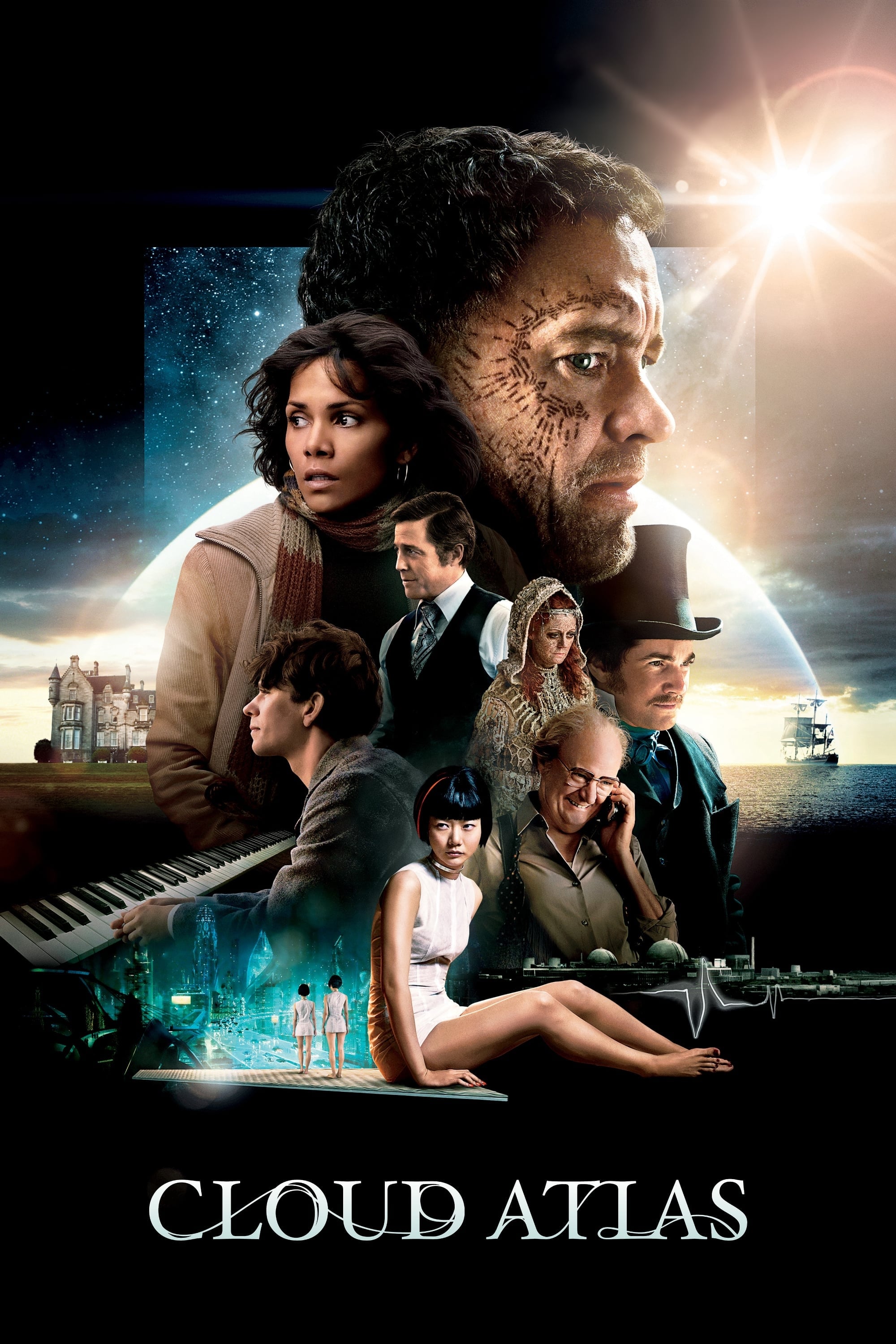
This ambitious adaptation used an international financing plan and a production budget that topped one hundred million dollars. The film opened soft in North America and performed unevenly overseas, and the total worldwide gross landed close to its reported costs. The long running time and complex structure made scheduling and marketing a challenge.
Multiple directors shared duties across six interwoven storylines, and cast members played several roles across eras. The production built elaborate sets in Germany and used practical makeup work for character transformations. Later critical conversations focused on structure and craft, but theatrical play remained limited by showtime counts and word of mouth.
‘Children of Men’ (2006)
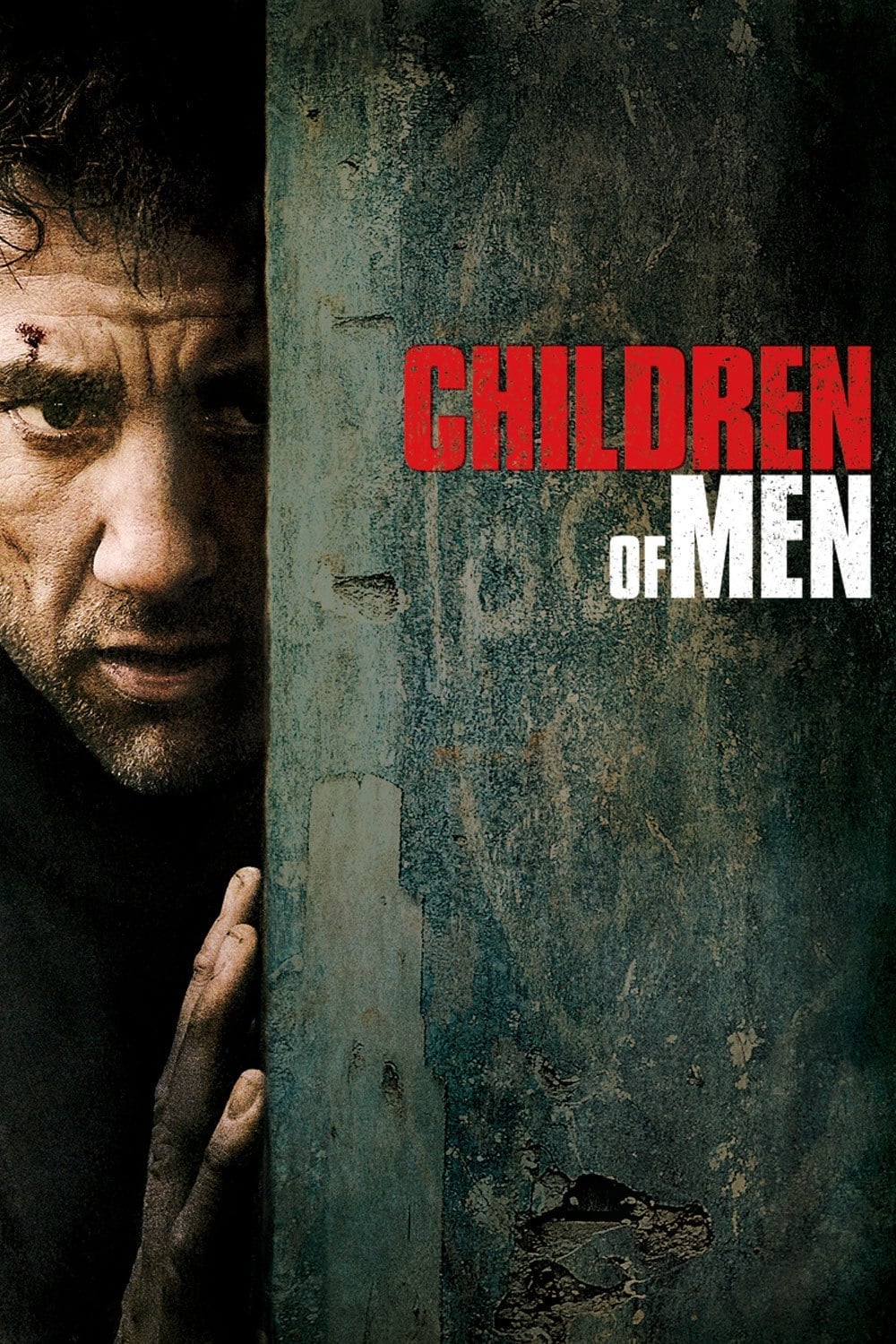
Alfonso Cuarón’s near future thriller carried a budget in the mid seventies and earned less than that worldwide in its original run. A winter platform release strategy built reviews rather than big opening weekend numbers, and the R rating kept younger audiences away.
Remarkable single shot sequences required custom rigs and months of planning, and the movie earned three Oscar nominations. The real world resonance of its immigration and fertility crisis themes grew in later years, which kept it in the syllabus for courses on cinematography and production. Theatrical underperformance stood in contrast to its long lasting influence behind the camera.
‘Scott Pilgrim vs. the World’ (2010)
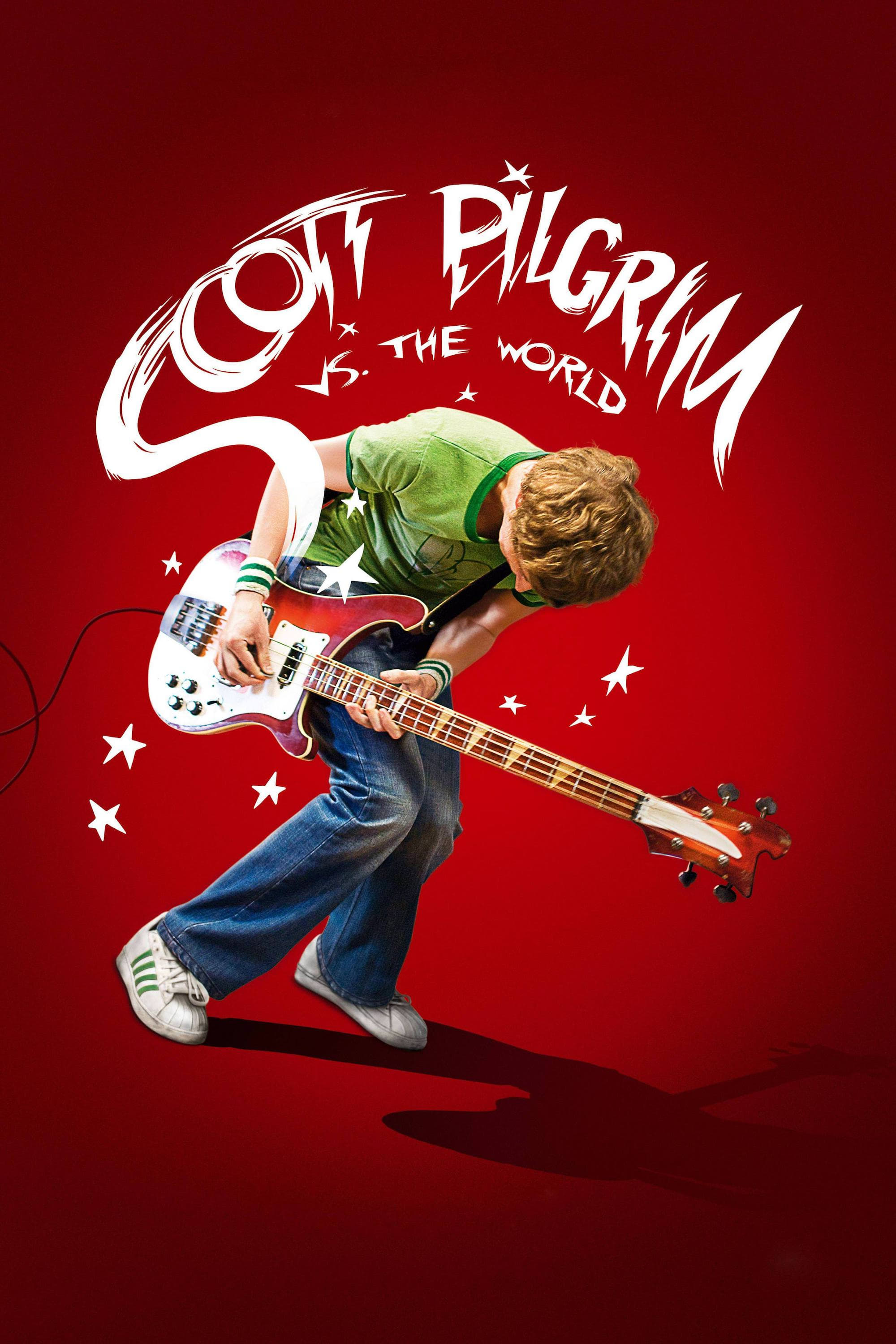
Edgar Wright’s adaptation opened with a budget around eighty five million dollars and closed worldwide below fifty. It debuted amid major late summer releases and struggled to break beyond fans of the graphic novels. The campaign leaned on stylistic flair that did not translate to four quadrant appeal.
The film’s panel animation, whip pans, and musical battles required intricate sound and visual planning. Cast members who were early in their careers later became household names, which brought new viewers back to the movie on streaming and disc. Concert events, game tie ins, and an animated follow up extended the life that the theatrical run could not deliver.
‘Blade Runner 2049’ (2017)

Denis Villeneuve’s sequel arrived with a production cost well north of one hundred fifty million dollars and an R rating. The domestic opening was solid but not explosive, and the worldwide total ended below the level needed for a film of that size after marketing and exhibitor splits. The long running time also limited the number of daily showings in many multiplexes.
Roger Deakins’ photography earned an Oscar and the film also won for visual effects. The production built huge practical sets and used exacting miniatures for cityscapes, which gave it a tactile feel rarely attempted at that scale. Theatrical results lagged behind the ambition and craft that later found appreciation on large format home displays.
Share your own picks in the comments and tell us which box office misses you think audiences finally caught up to.