10 Things You Probably Didn’t Know About ‘Se7en’

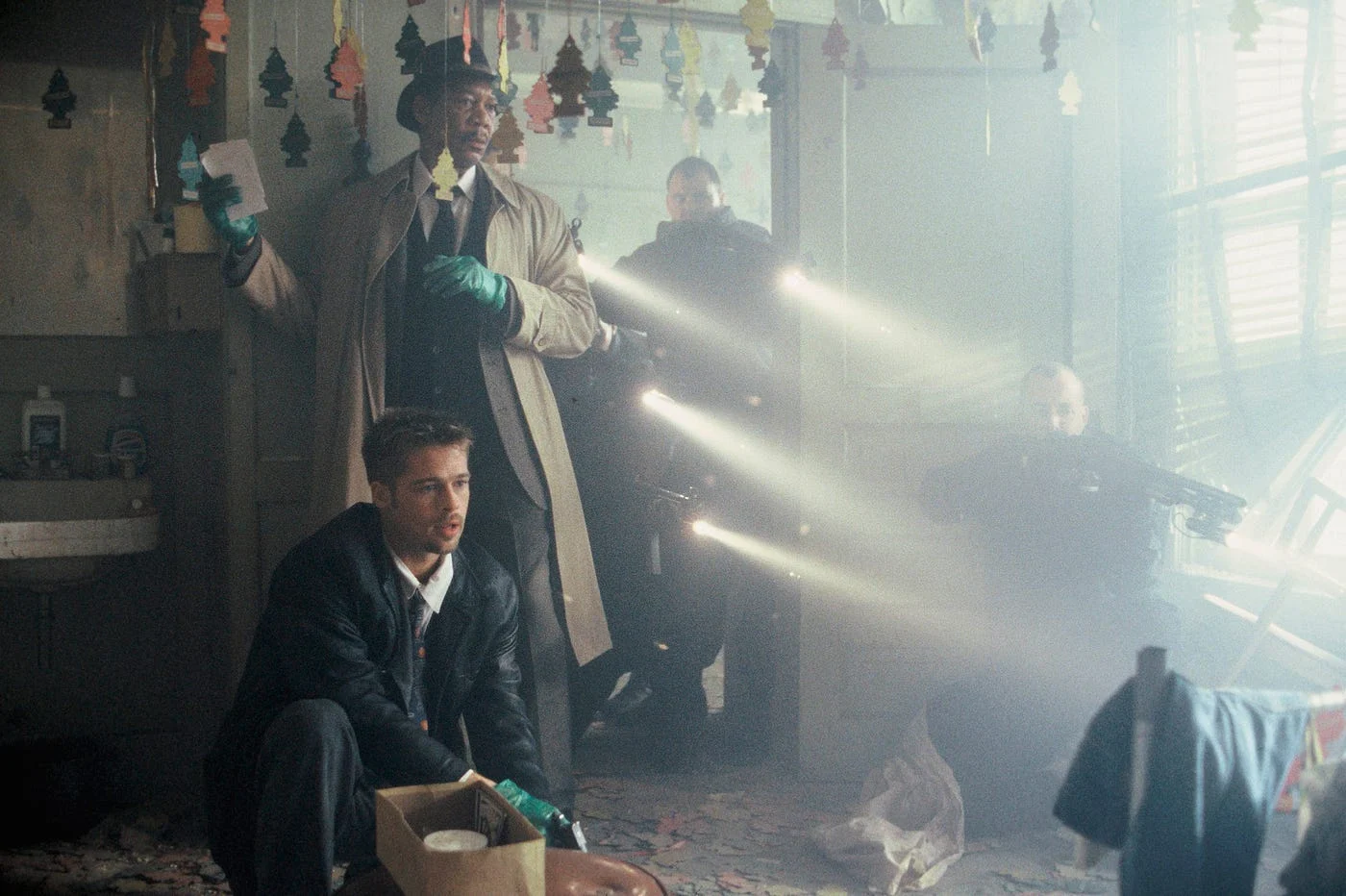

When David Fincher’s ‘Se7en’ hit theaters in 1995, it shocked audiences with its grim atmosphere, chilling murders, and unforgettable twist ending. Starring Brad Pitt, Morgan Freeman, and Kevin Spacey, the movie followed two detectives hunting a serial killer who based his crimes on the seven deadly sins. With its dark tone and relentless tension, ‘Se7en’ quickly became a landmark in the crime thriller genre and remains one of the most talked-about films of the 1990s.
But the movie’s path to the big screen was filled with surprising decisions, behind-the-scenes struggles, and creative risks that helped shape its legacy. From casting choices to production details, there’s much about ‘Se7en’ that even longtime fans may not know. Here are ten things you probably didn’t know about this iconic thriller.
The Ending Was Almost Changed
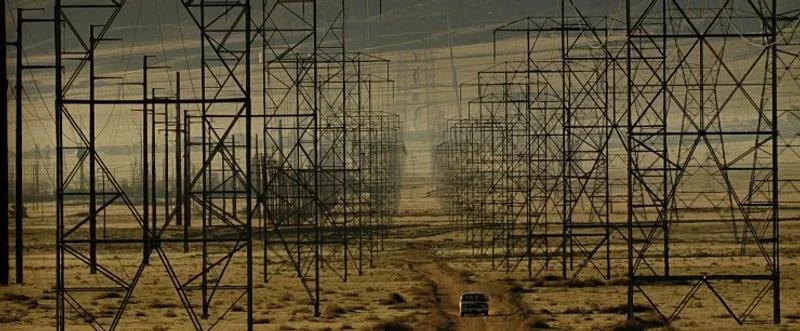
The shocking finale involving the box was not always guaranteed to stay in the film. Studio executives were hesitant about such a bleak ending and suggested alternatives, including one where the killer was stopped before completing his plan.
Director David Fincher and Brad Pitt insisted on keeping the original conclusion, believing it was essential to the film’s impact. Their determination preserved one of the most haunting finales in movie history.
Kevin Spacey’s Name Was Left Out of the Opening Credits
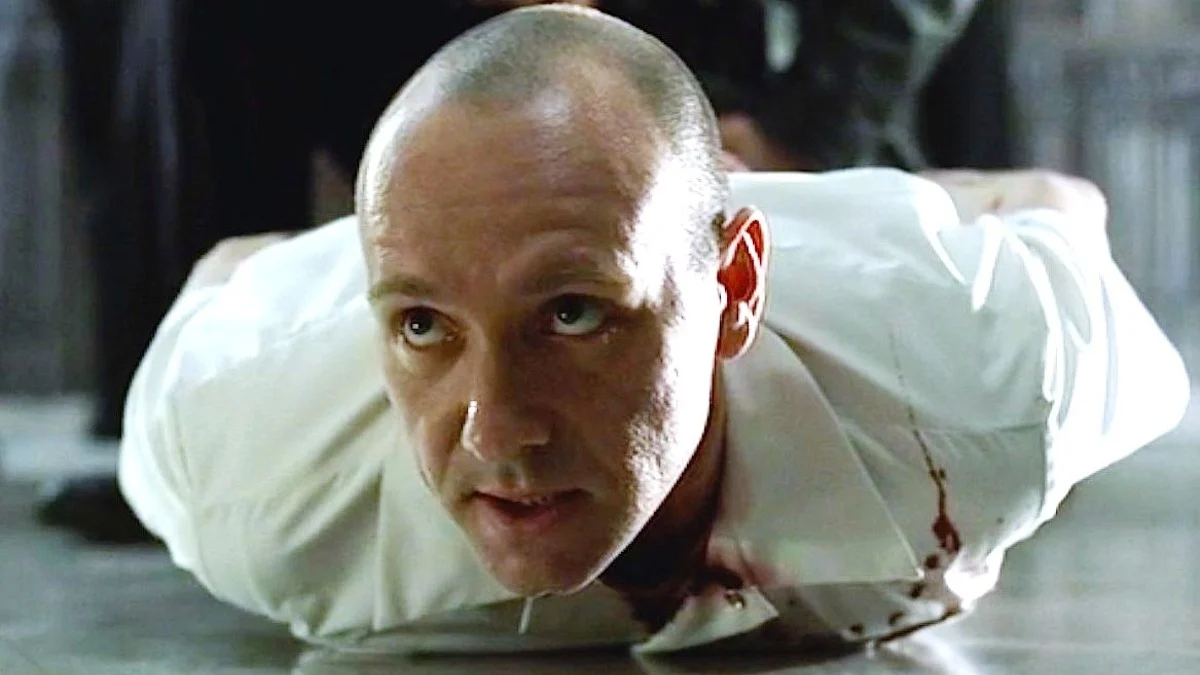
To keep his role a complete surprise, Kevin Spacey’s name did not appear in the opening credits. Instead, audiences were only introduced to his character when he appeared on screen more than halfway through the movie.
This decision heightened the suspense and made his sudden arrival in the police station even more shocking. It was a bold move that contributed to the film’s effectiveness as a psychological thriller.
The Opening Titles Took Weeks to Create
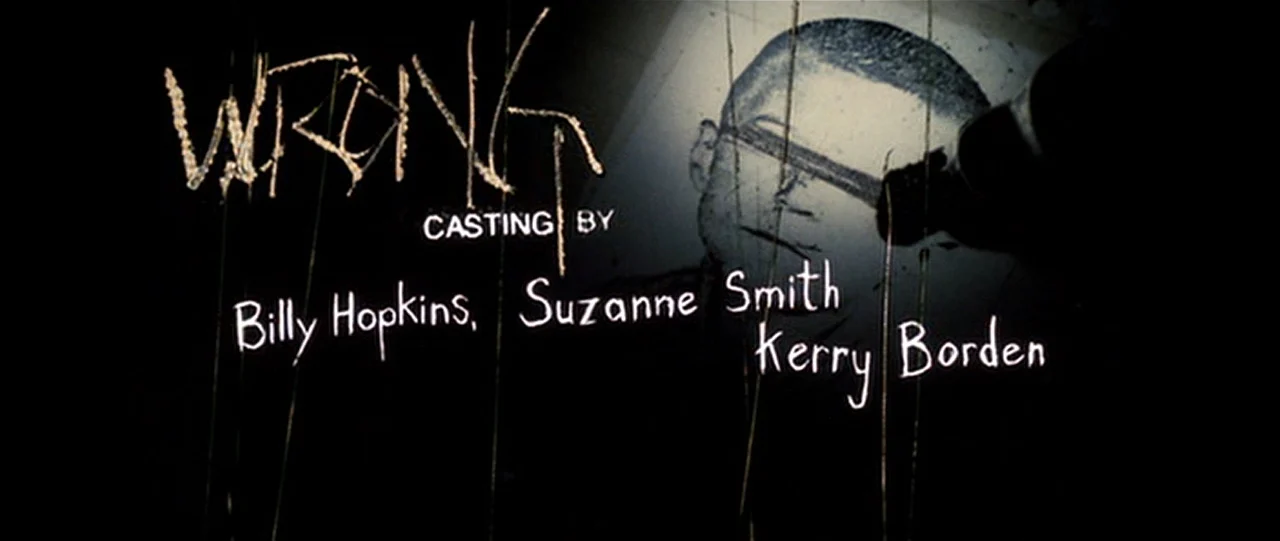
The unsettling opening credits sequence, filled with scratchy handwriting and disturbing imagery, took two full weeks to assemble. Graphic designer Kyle Cooper created the sequence to give viewers an immediate sense of dread.
The handwritten journal pages used in the credits were actually filled with real, detailed notes written by the crew. This attention to detail made the sequence feel authentic and set the tone for the grim story to follow.
Brad Pitt Injured His Hand During Filming
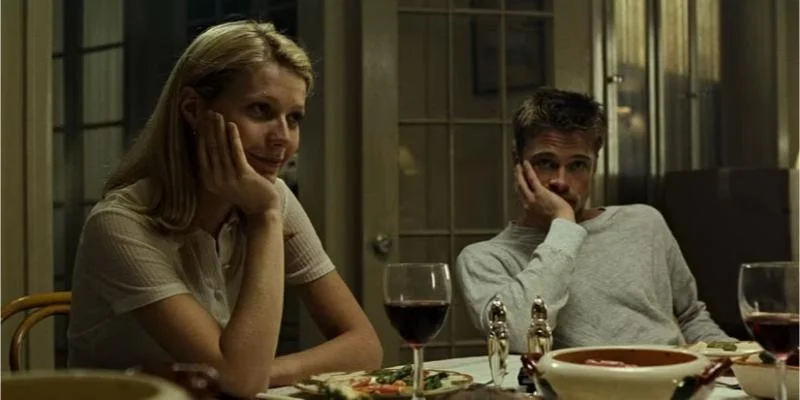
During the chase scene where Detective Mills pursues John Doe, Brad Pitt slipped and put his arm through a car windshield, badly injuring his hand. The injury required surgery and stitches but was incorporated into the film.
As a result, Mills wears a cast for much of the movie. What could have been a setback ended up adding realism to the character’s physical and emotional struggles.
The Notebooks Cost Thousands to Make
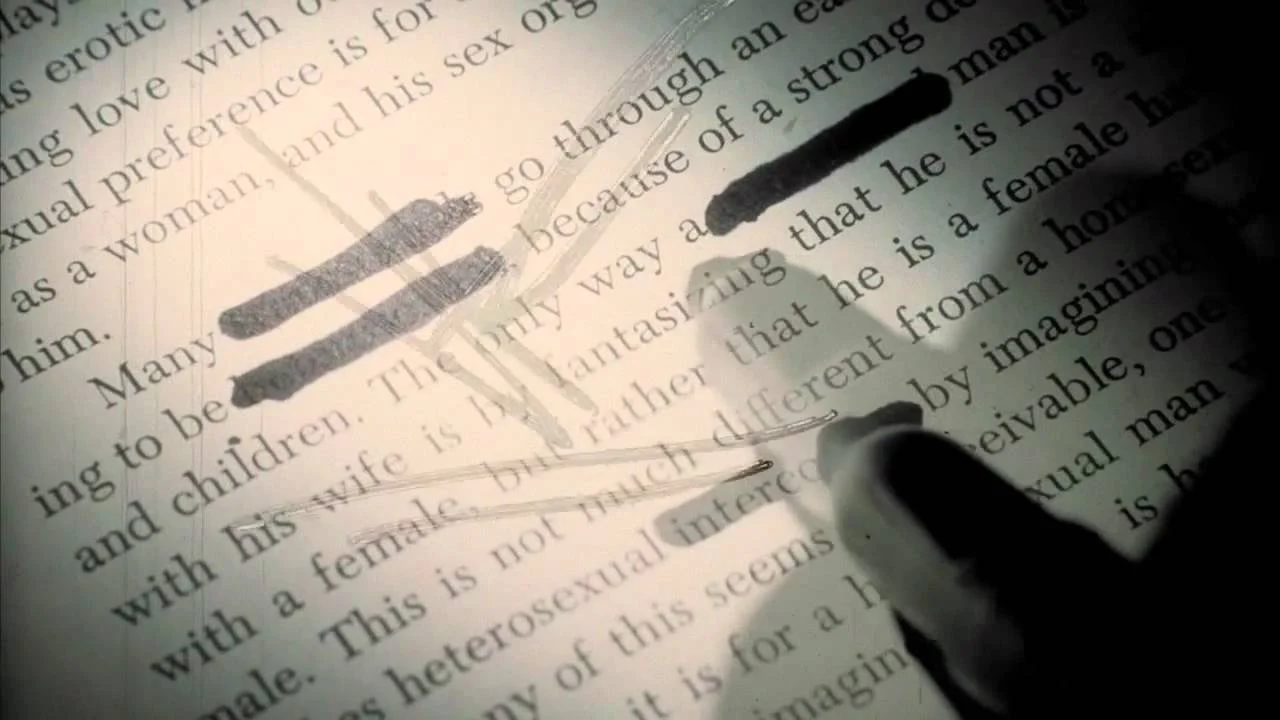
The killer’s disturbing journals were not just props filled with scribbles. Each notebook was meticulously handwritten by production assistants over the course of months. The team created thousands of pages filled with detailed, eerie writing.
The cost of producing these notebooks was estimated at tens of thousands of dollars. Although only glimpsed briefly on screen, the level of detail added authenticity to John Doe’s world.
David Fincher Took the Project After a Bad Experience
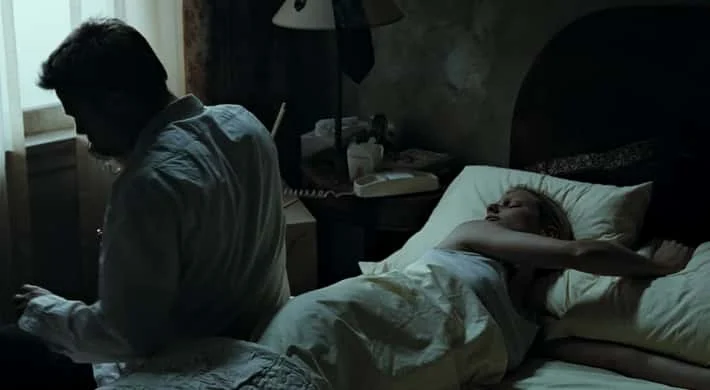
Fincher had previously directed ‘Alien 3,’ a troubled production that left him frustrated with Hollywood. He initially turned down ‘Se7en,’ but after reading the script with the original ending included, he changed his mind.
The film allowed Fincher to reestablish himself as a bold filmmaker with a distinctive vision. Its success set the stage for the acclaimed career he would build afterward.
The Movie Was Filmed in Constant Rain
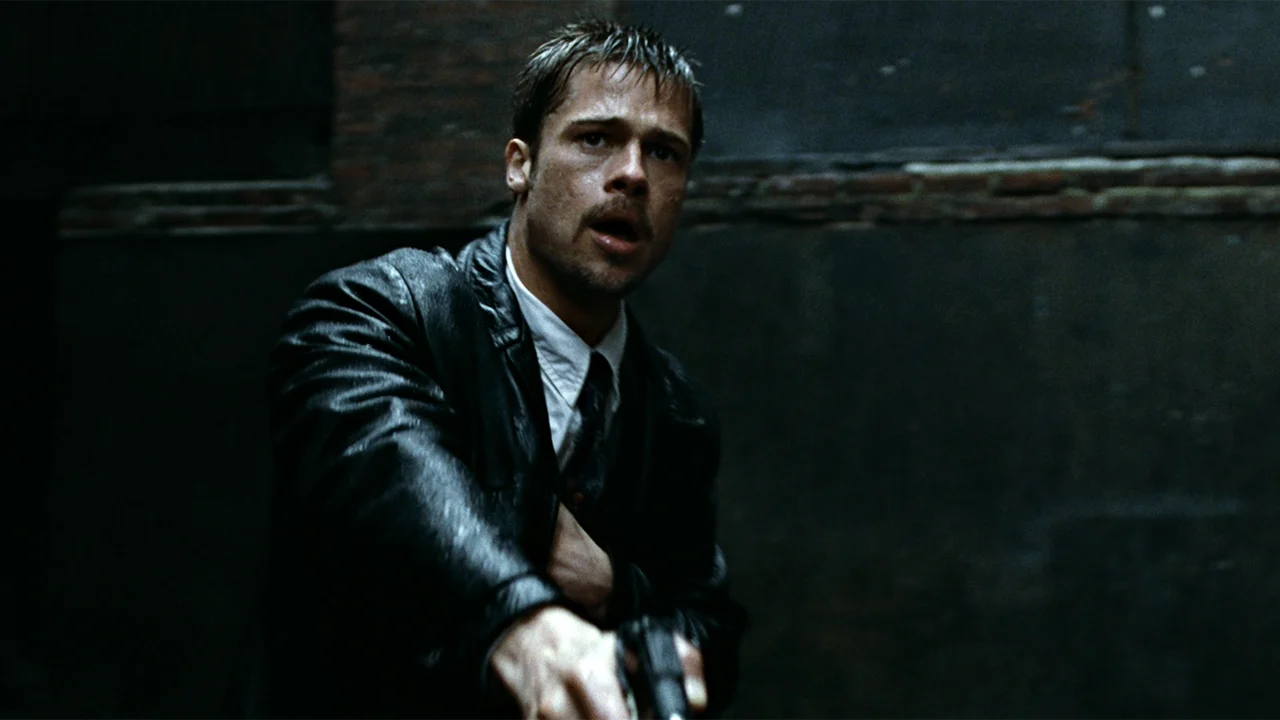
To create a sense of oppression and decay, Fincher insisted on shooting most exterior scenes in the rain. This gave the unnamed city a bleak, unrelenting atmosphere that felt both realistic and nightmarish.
Rain machines were used to ensure consistency throughout production. The gloomy weather became a symbolic backdrop for the moral rot explored in the story.
Morgan Freeman Almost Turned Down the Role
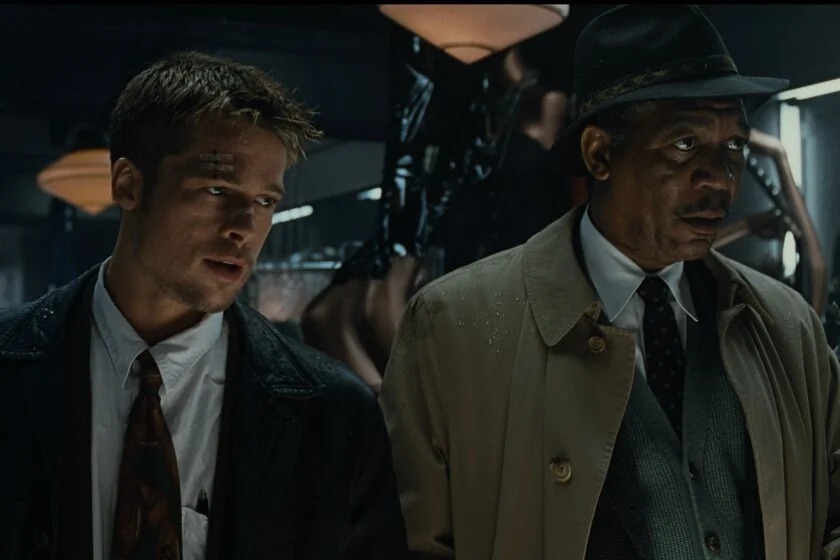
Morgan Freeman initially considered declining the role of Detective Somerset, feeling the script was too dark. However, he eventually accepted after recognizing the depth of the story and the strength of the character.
His calm, thoughtful performance provided the perfect contrast to Brad Pitt’s fiery Mills. Together, they formed one of the most memorable detective duos in cinema history.
The Ending Was Shot Multiple Ways
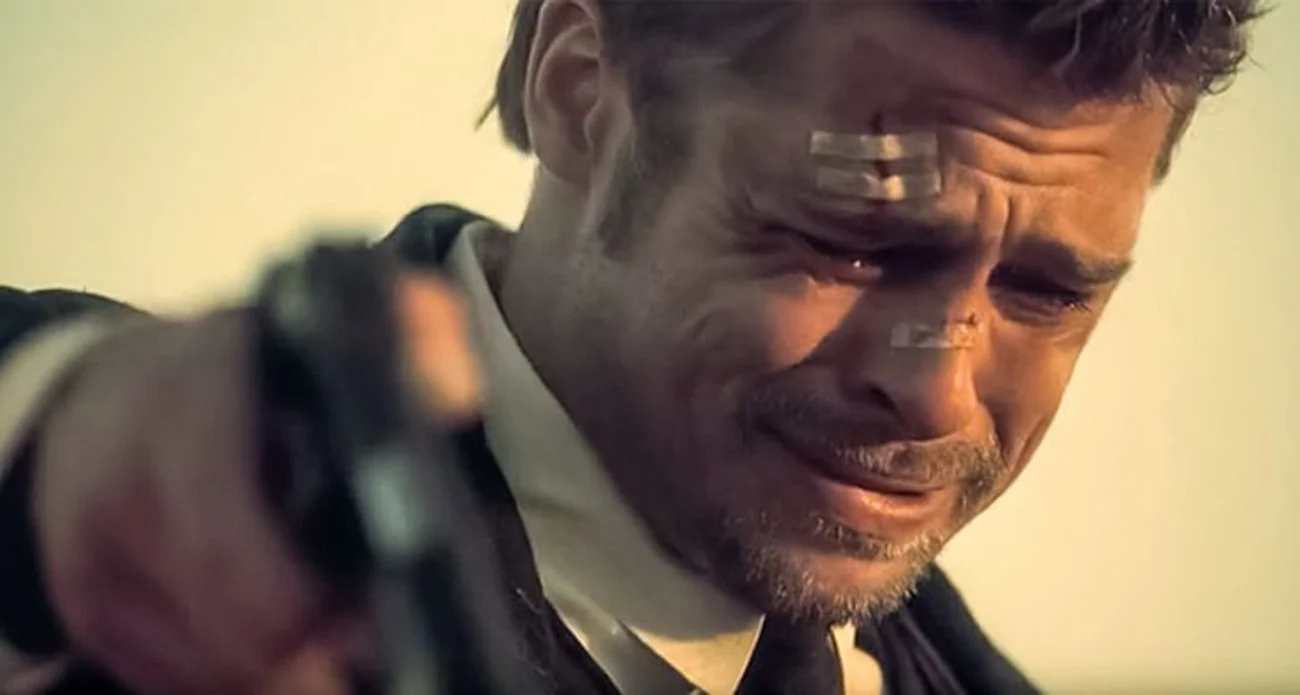
Although Fincher and Pitt fought for the iconic ending, alternate versions were filmed at the studio’s request. One involved Somerset killing John Doe instead of Mills, while another ended on a more ambiguous note.
Ultimately, test screenings proved that the original conclusion was the most powerful. The final cut remains one of the most shocking endings ever seen in a Hollywood thriller.
The Film Influenced Countless Crime Thrillers
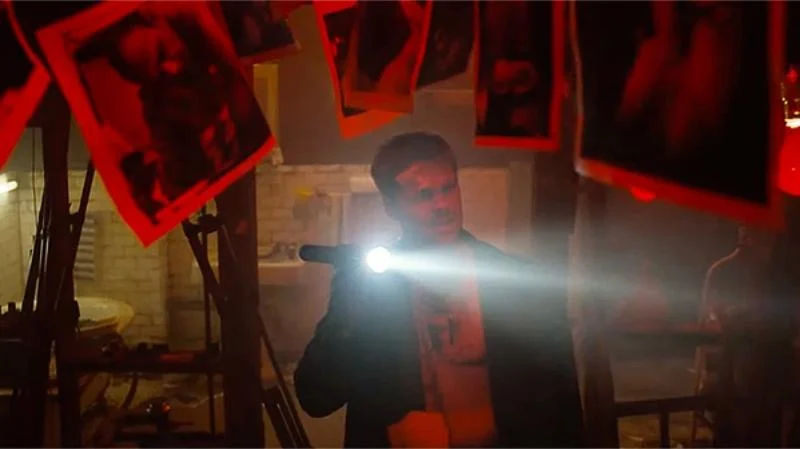
‘Se7en’ had a massive influence on the crime and thriller genres. Its gritty visual style, bleak atmosphere, and shocking storytelling inspired films and TV shows for years to come.
From its haunting cinematography to its shocking moral questions, the movie pushed boundaries and showed that mainstream audiences were willing to embrace darker stories. Its legacy can still be seen in modern thrillers that strive to capture the same intensity.
Which of these behind-the-scenes details about ‘Se7en’ did you find most surprising? Share your thoughts in the comments!