LGBTQ+ Icons Who Broke Barriers in the ’70s & ’80s


The 1970s and 1980s reshaped what visibility looked like for LGBTQ+ people. In politics, sports, music, film, and art, a new wave of figures pushed for representation and legal change while navigating intense public scrutiny. Many faced real risk and career fallout, yet their work opened doors that had been closed for generations.
These decades also saw the rise of organized activism and the AIDS crisis, which demanded urgent cultural and policy responses. The people below changed laws, created symbols, built organizations, and put queer lives on the front page. Their actions set foundations that still guide advocacy and storytelling today.
Harvey Milk
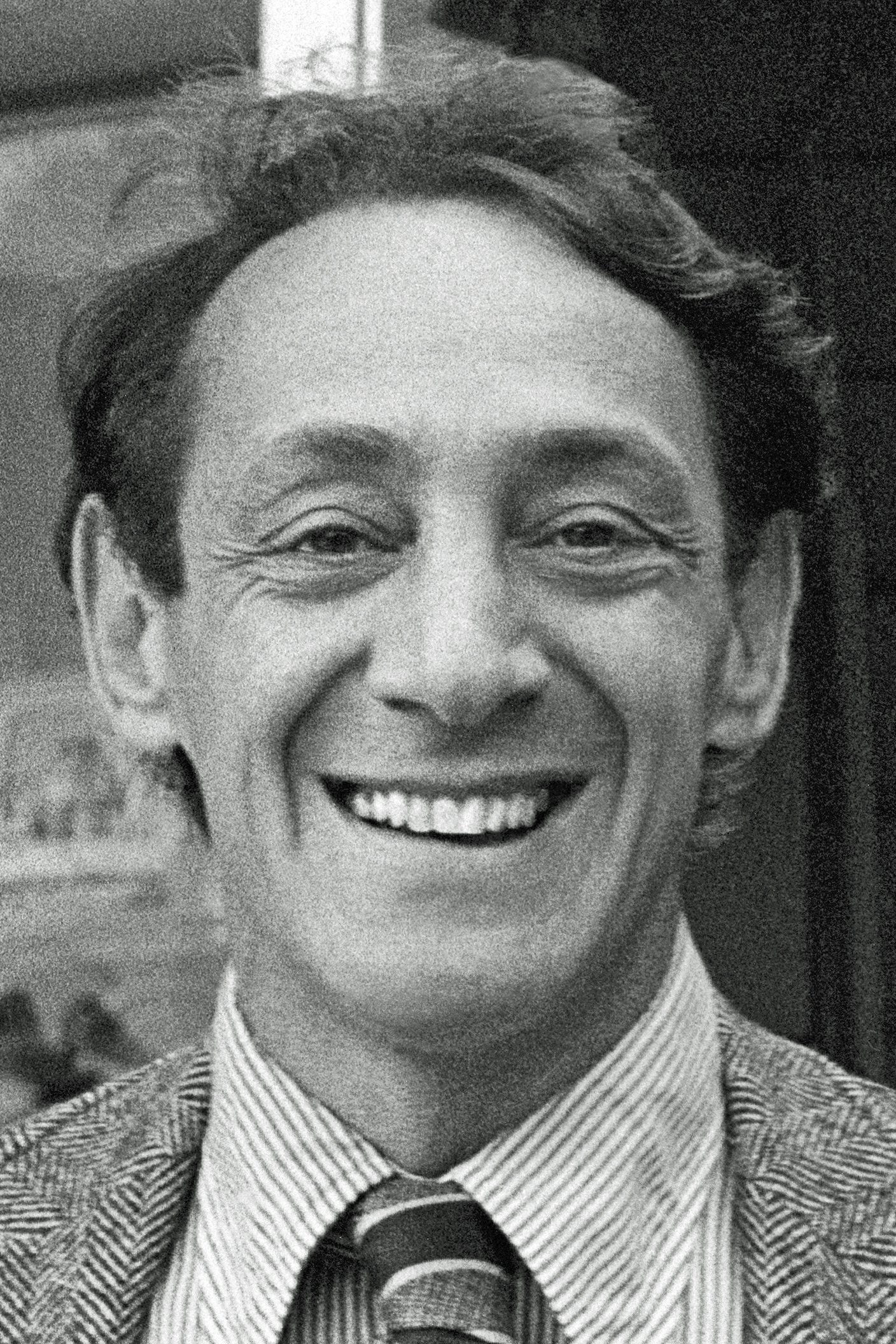
Harvey Milk won a seat on the San Francisco Board of Supervisors in 1977, becoming the first openly gay man elected to public office in California. He championed a city ordinance that protected people from discrimination based on sexual orientation and built coalitions with labor and immigrant communities.
His assassination in 1978 alongside Mayor George Moscone led to national attention on anti gay violence and civil rights. Milk’s campaigns, speeches, and organizing model became templates for LGBTQ+ candidates and local rights ordinances across the country.
Marsha P. Johnson
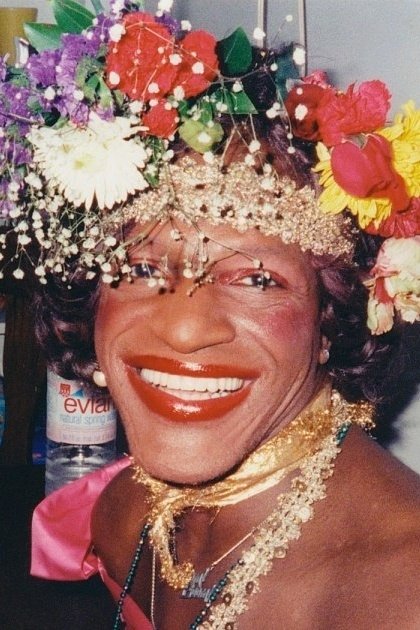
Marsha P. Johnson helped found Street Transvestite Action Revolutionaries in 1970 with Sylvia Rivera to support queer and trans youth who were unhoused. Through the 1970s she organized at pride events and supported survival services for her community in New York City.
In the 1980s she joined AIDS protests and mutual aid efforts as the crisis escalated. Her work connected trans rights, racial justice, and AIDS activism and kept the needs of the most marginalized at the center of street level organizing.
Sylvia Rivera
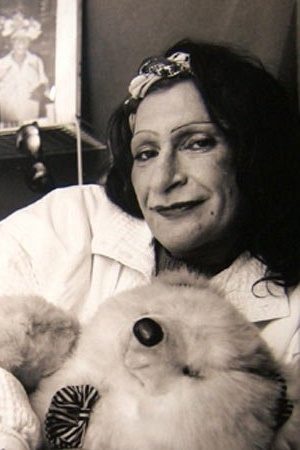
Sylvia Rivera co created Street Transvestite Action Revolutionaries to provide housing and material aid for young queer and trans people. She pressed early gay rights groups to include protections for gender nonconforming people and for those living in poverty.
Rivera’s speeches in the early 1970s and her return to activism in the 1990s are often cited, but her advocacy in the 1970s and 1980s kept trans issues present in marches and meetings. She pushed for inclusive nondiscrimination language and for resources that reached people outside elite circles.
Billie Jean King
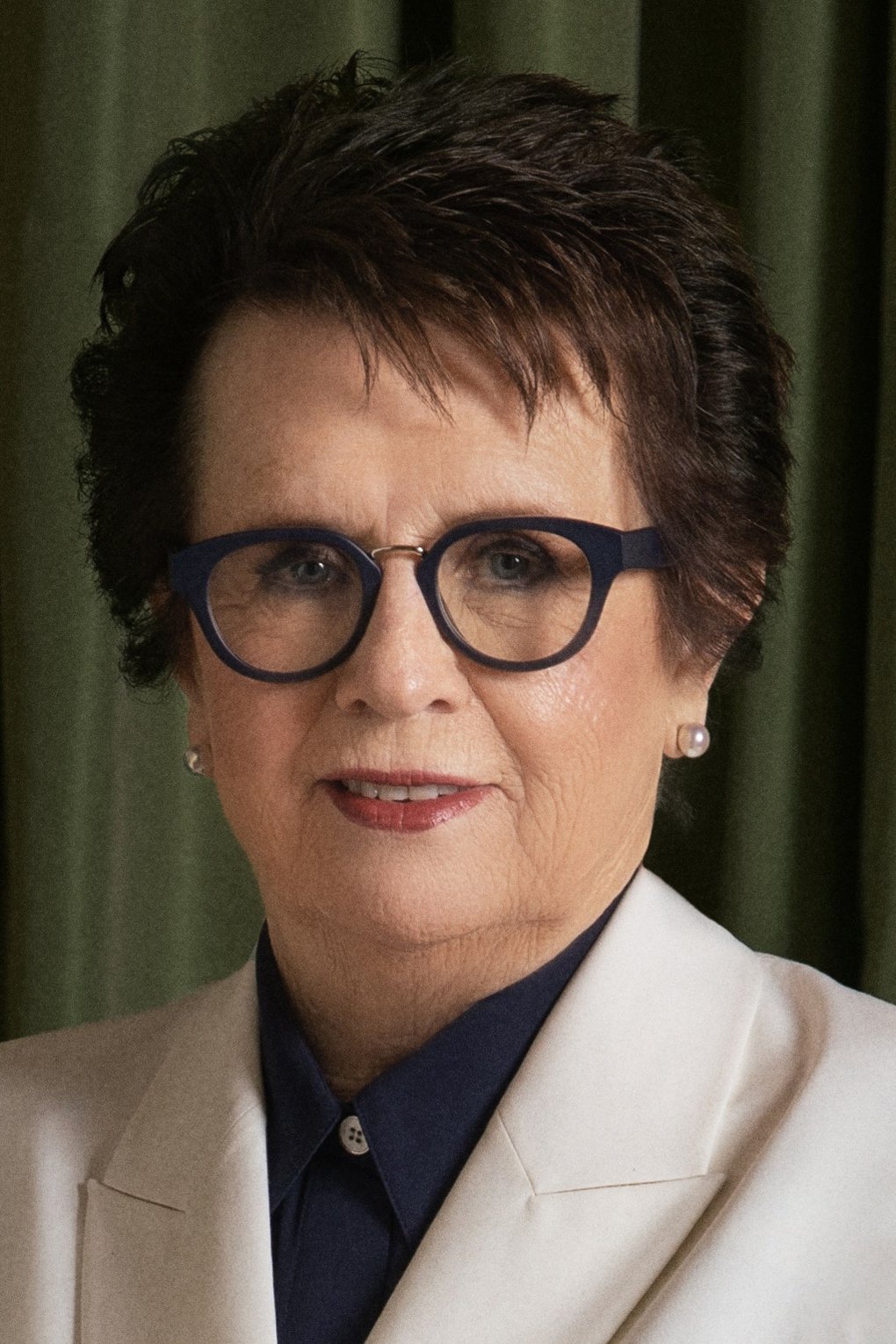
Billie Jean King publicly acknowledged a same sex relationship in 1981 after a palimony lawsuit brought the matter into the media. She lost endorsements but continued to compete and to advocate for equality in sports.
King had already helped launch the Women’s Tennis Association and the Women’s Sports Foundation in the 1970s. Her visibility after 1981 made corporate and governing bodies confront how they treated openly queer athletes and laid groundwork for future policies on inclusion.
Martina Navratilova
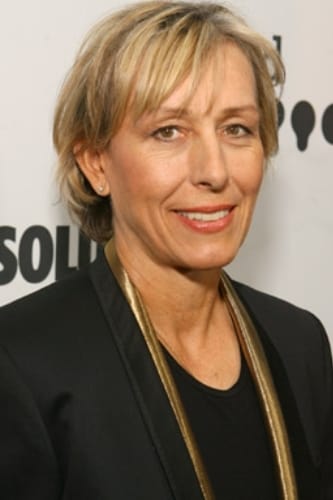
Martina Navratilova came out publicly in 1981 while at the top of professional tennis. She continued to win major championships and set records, showing that open identity and elite performance could stand together in global sports.
Navratilova’s media interviews and later speeches encouraged athletes to live openly and pushed broadcasters and sponsors to change how they spoke about sexuality. Her stance influenced team policies, player associations, and coverage that reached millions.
Renée Richards
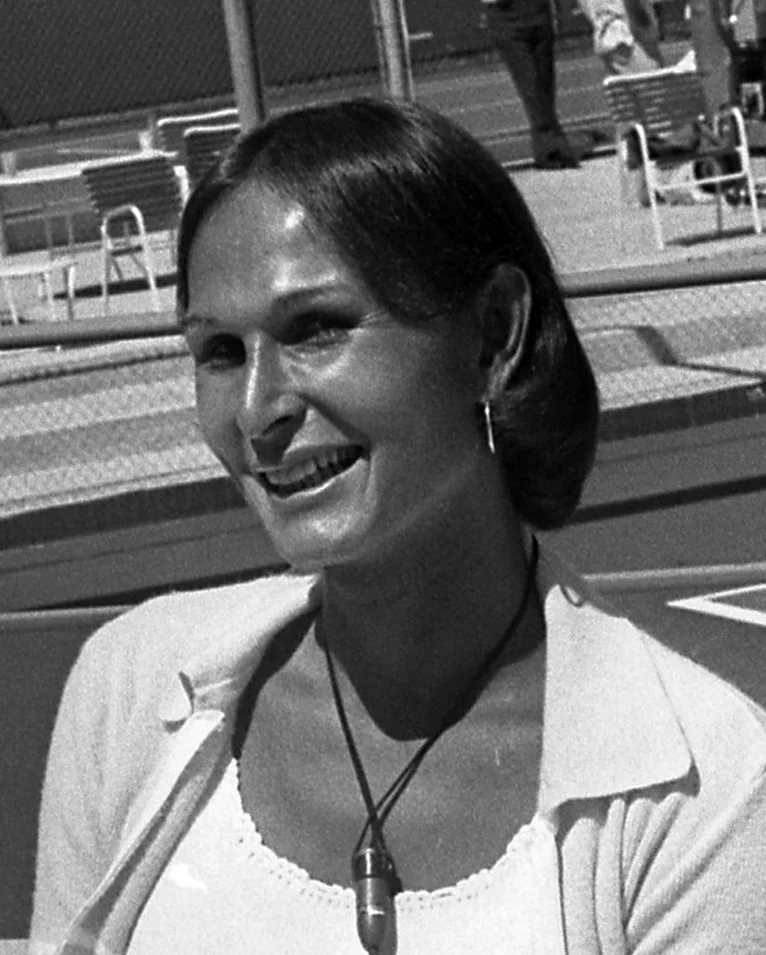
Renée Richards won a landmark legal case in New York in 1977 that affirmed her right as a trans woman to compete in the women’s draw at the US Open. She then played professional tennis and later coached at the highest levels.
Her case forced sports bodies to craft eligibility rules for trans athletes and brought medical privacy and fairness into policy discussions. The precedent shaped how federations and courts approached gender verification and participation for decades.
Larry Kramer
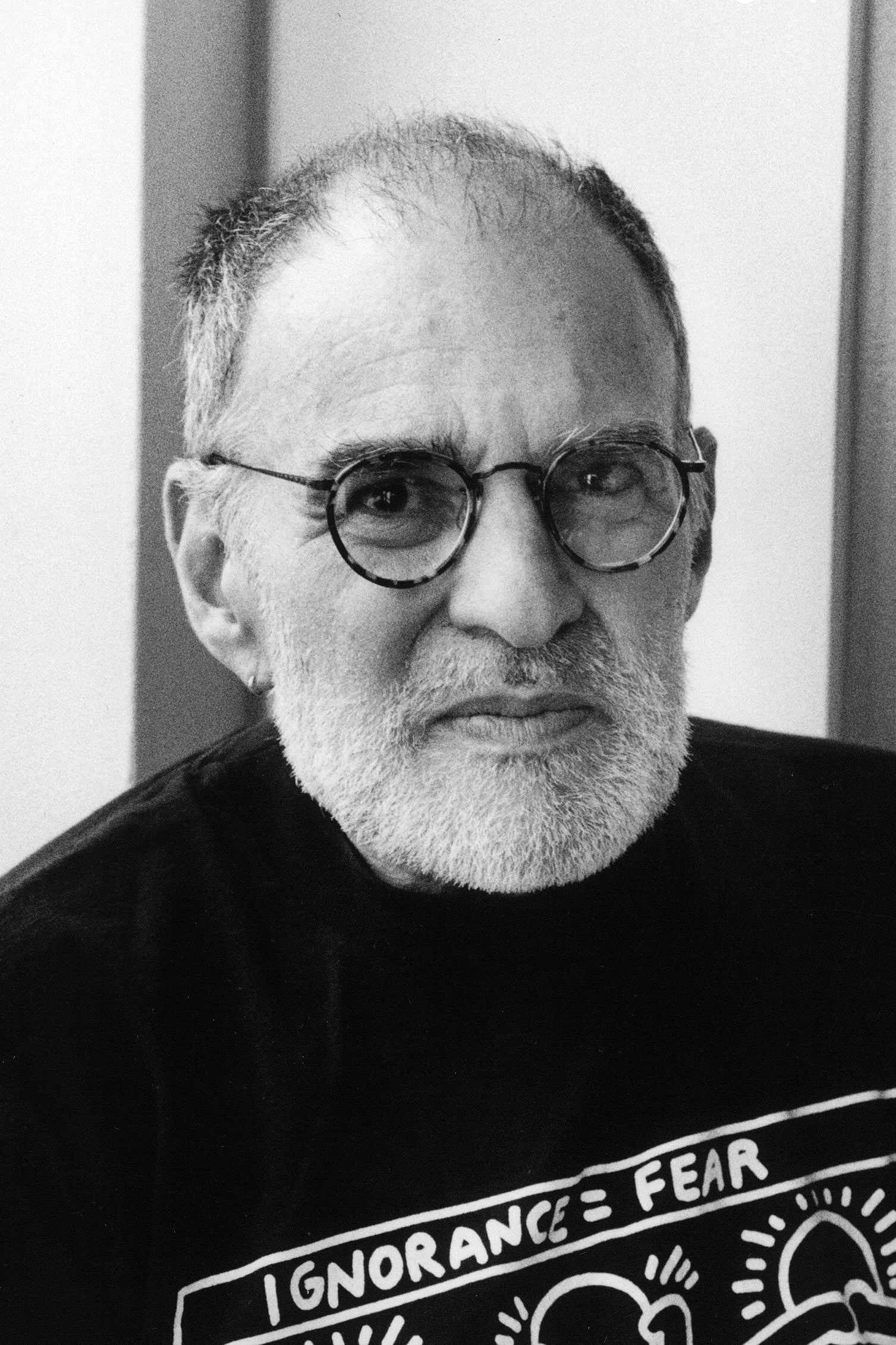
Larry Kramer helped start Gay Men’s Health Crisis in 1982 to provide services and information during the emerging AIDS epidemic. After disagreements over strategy, he helped found ACT UP in 1987 to demand faster government action, research, and access to treatment.
Kramer’s speeches, essays, and theater work galvanized direct action that changed drug approval timelines and public health messaging. His approach linked activism with concrete policy targets and shifted how patient groups engaged with regulators and pharmaceutical firms.
Vito Russo
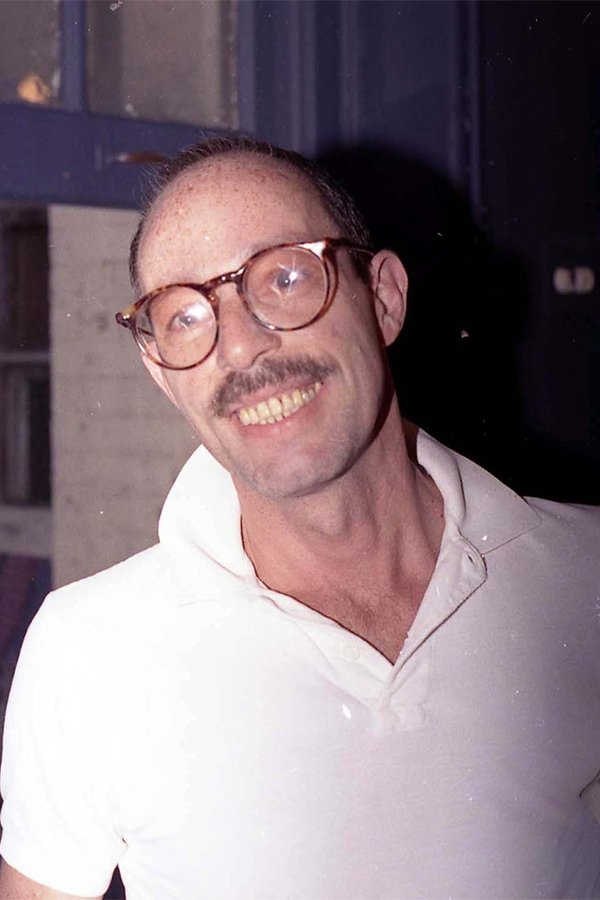
Vito Russo published The Celluloid Closet in 1981, documenting how film depicted queer characters and storylines across decades. He co founded GLAAD in 1985 to monitor media coverage and to push for fair and accurate representation.
Russo traveled widely with lectures that trained viewers to analyze stereotypes and to demand better portrayals. His frameworks informed newsroom guidelines and entertainment industry practices that evolved through the late 1980s and beyond.
Rock Hudson
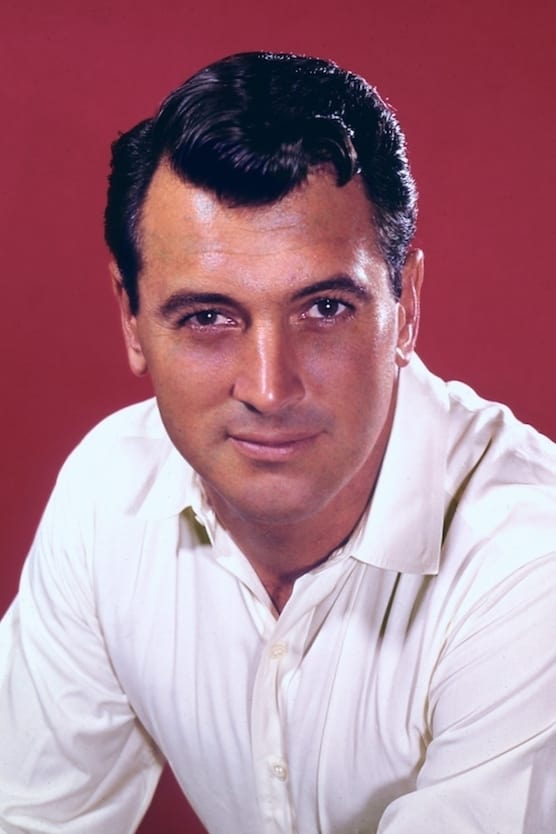
Rock Hudson disclosed his AIDS diagnosis in 1985, becoming the first major Hollywood star to put a public face to the disease. News coverage reached audiences that had not engaged with the crisis and encouraged donations and policy attention.
His illness and death that year spurred fundraising campaigns and changed how broadcasters and politicians spoke about AIDS. The shift helped move funding and accelerated research efforts that followed in the late 1980s.
Keith Haring
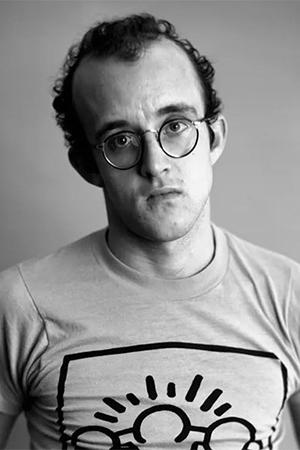
Keith Haring used public art and posters to communicate safe sex messages and to support AIDS education in the 1980s. He partnered with community health groups and schools to place accessible graphics where they would be seen.
Haring created a foundation in 1989 to assist organizations serving children and those affected by HIV and AIDS. His model of using cultural platforms for health outreach informed later campaigns that combined art, education, and fundraising.
Robert Mapplethorpe
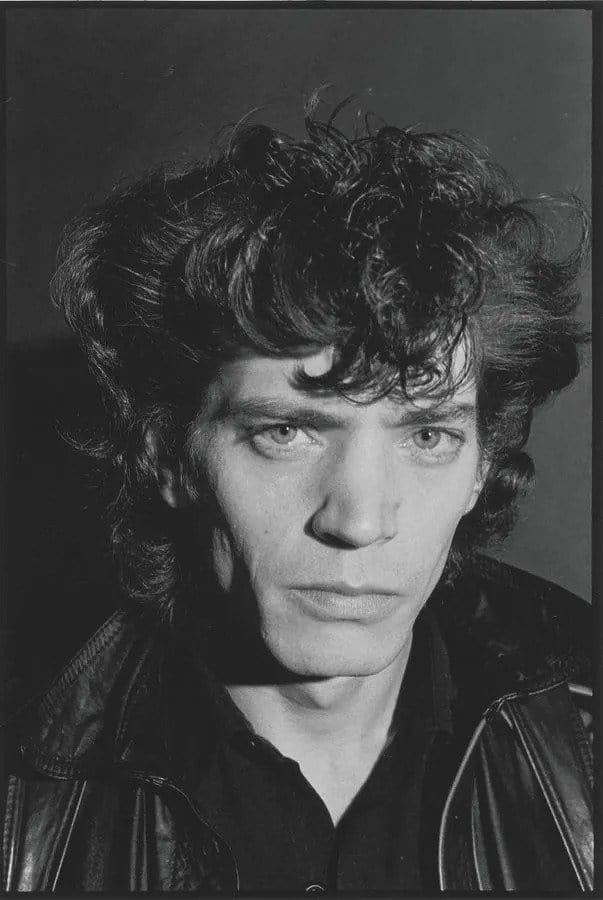
Robert Mapplethorpe’s photography of queer desire and leather subculture toured museums in the late 1980s. Exhibitions became flashpoints in national debates over public arts funding and censorship.
These debates forced institutions and courts to define standards for art support and community values. The outcomes affected grant making rules, museum programming, and the visibility of queer artists across the United States.
Freddie Mercury
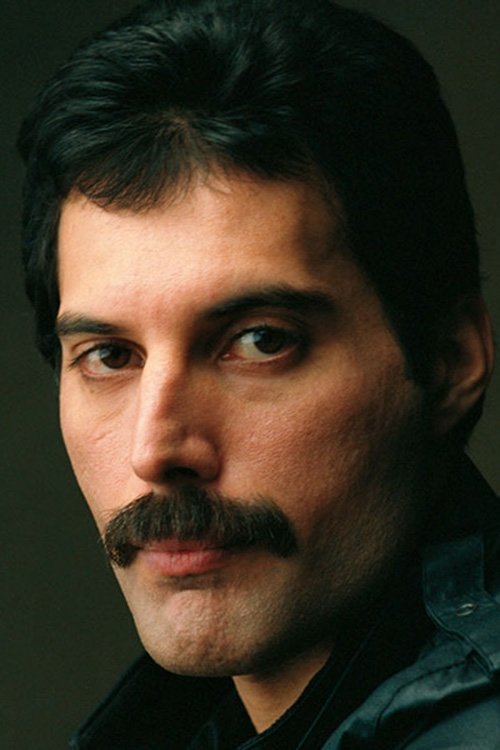
Freddie Mercury fronted Queen through the 1970s and 1980s with a theatrical style and powerful vocals that reached global audiences. He worked across genres and performed at major events including Live Aid.
Media coverage of his illness in 1991 and his final statement acknowledging AIDS moved global attention to the epidemic’s toll. Memorial concerts and royalties later supported research and care, and the scale of response showed how a superstar’s story could drive public health action.
Elton John
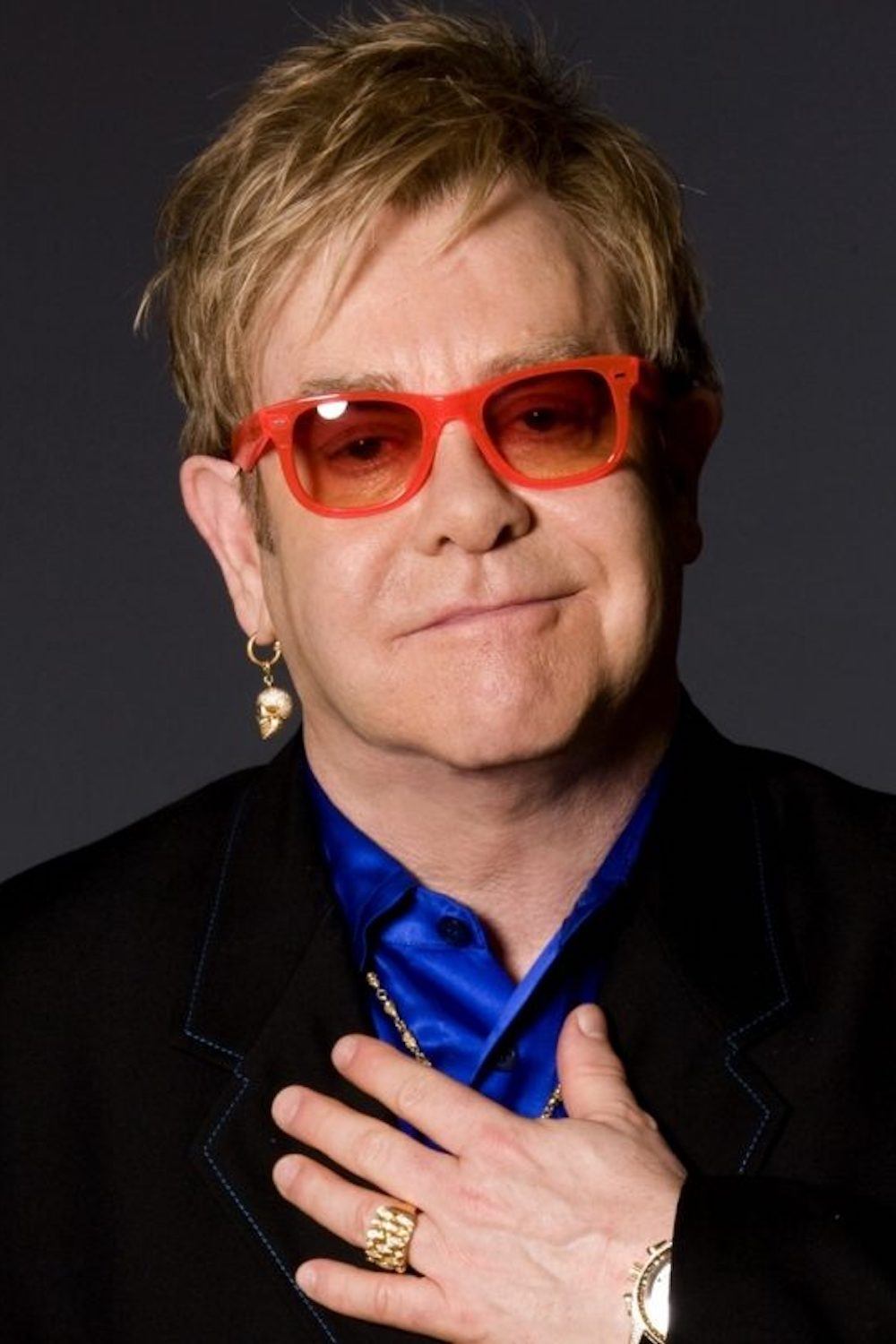
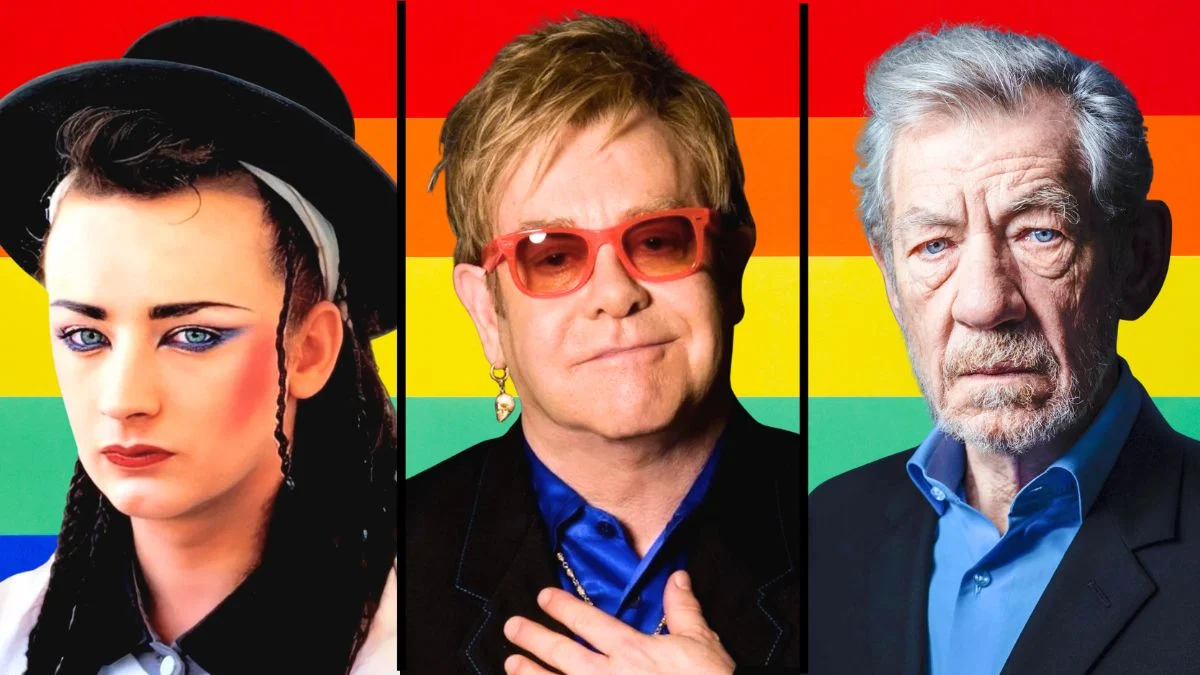
Elton John stated publicly in the 1970s that he was bisexual and then identified as gay in 1988. He remained one of the biggest acts in music while speaking about sexuality in mainstream interviews.
His later foundation would become a major AIDS funder, but even in the 1980s his visibility and touring power drew media to charity concerts and benefit singles. His career provided a clear example of an openly queer artist maintaining commercial success through shifting public attitudes.
Boy George

Boy George led Culture Club in the early 1980s with an androgynous look and candid discussion of attraction to men. Music videos and television appearances brought gender nonconforming style into homes around the world.
Interviews and coverage of the band’s tours prompted conversations about gender expression and sexuality among young audiences. Broadcasters and editors began updating language and style guides to reflect these changes.
Sylvester
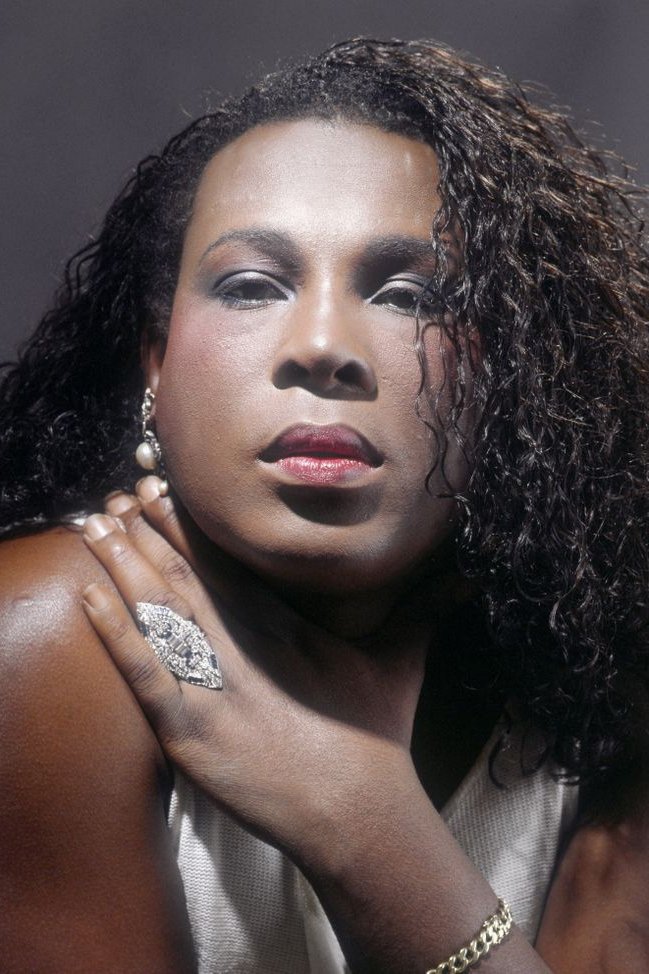
Sylvester scored disco hits in the late 1970s while performing in glamorous gowns and makeup and working with the San Francisco trans community. He appeared on national television and toured internationally.
He directed royalties and estate funds to HIV and AIDS organizations when few stars spoke openly about the crisis. His music continued to be used at pride events and health campaigns, linking dance culture with activism.
Patrick Haggerty

Patrick Haggerty released Lavender Country in 1973 with support from a Seattle community group. The album is recognized as the first openly gay country record and it addressed love, loss, and daily life without hiding language.
Haggerty’s local shows and radio appearances created space for queer voices in a genre known for conservative gatekeeping. The record’s later rediscovery helped scholars and fans trace a longer history of queer country music.
Tom Robinson

Tom Robinson wrote and performed Glad to Be Gay in 1978 and made it a staple of live shows and festivals. The song became a rallying point for British LGBTQ+ rights events.
Through radio work and organizing with anti racist and anti fascist groups, Robinson tied queer rights to broader social movements. His public speaking and touring offered a template for mixing music with consistent political messaging.
Alison Bechdel

Alison Bechdel launched Dykes to Watch Out For in the early 1980s and built a long running comic about lesbian life and community networks. A 1985 strip introduced a simple rule about how women are represented on screen that later became known as the Bechdel test.
Her syndicated reach brought everyday queer characters into bookstores and newspapers. Librarians, teachers, and journalists used her work to discuss representation in media and to expand collections that reflected queer readers.
Armistead Maupin
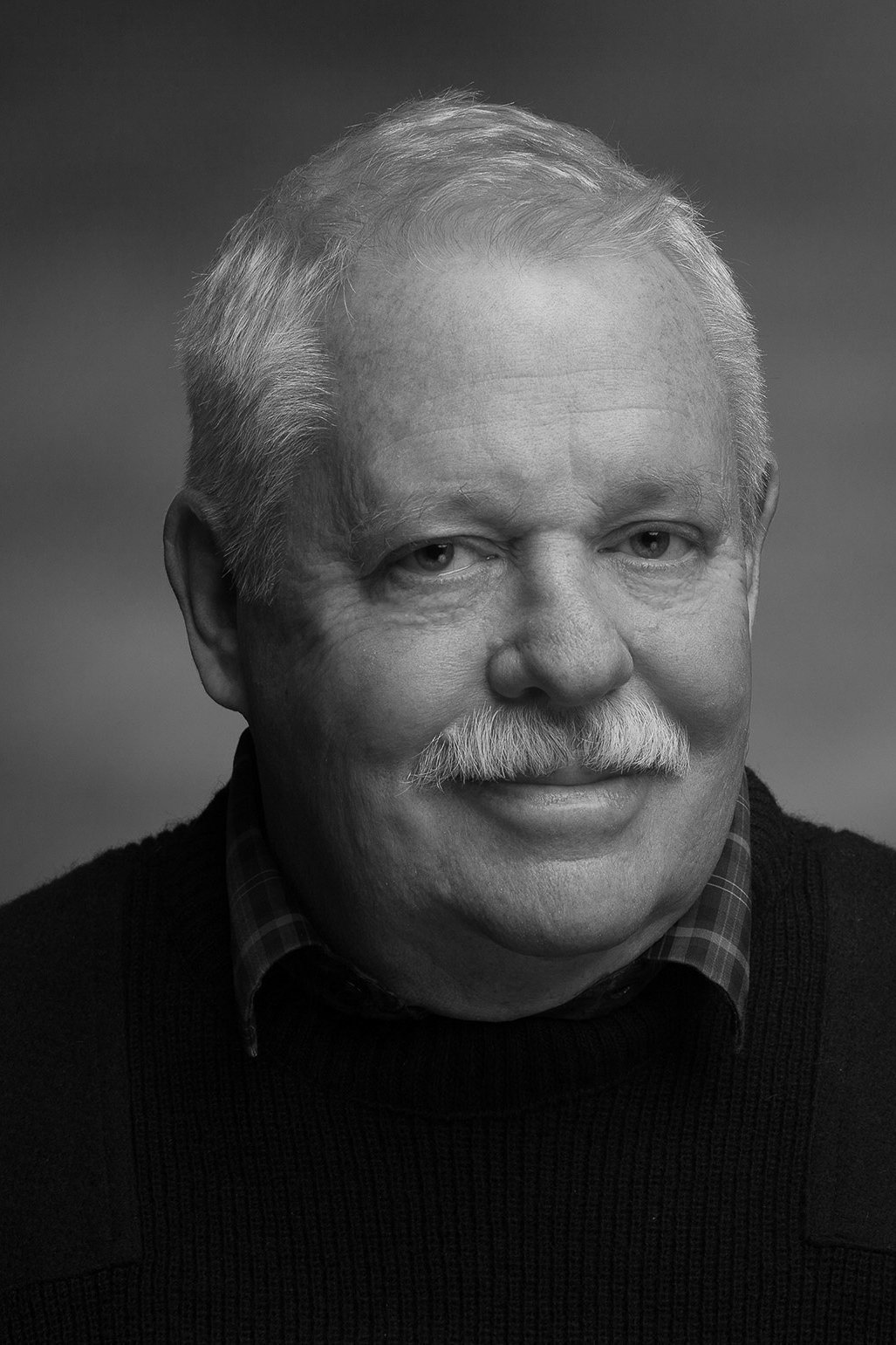
Armistead Maupin began serializing Tales of the City in 1976 in a major daily newspaper. The stories followed a diverse cast that included gay and trans characters and treated their relationships as part of the fabric of city life.
The books that grew from the serial reached national audiences through the 1980s. The popularity of the series encouraged publishers and editors to invest in queer themes for mainstream readers.
Pedro Almodóvar
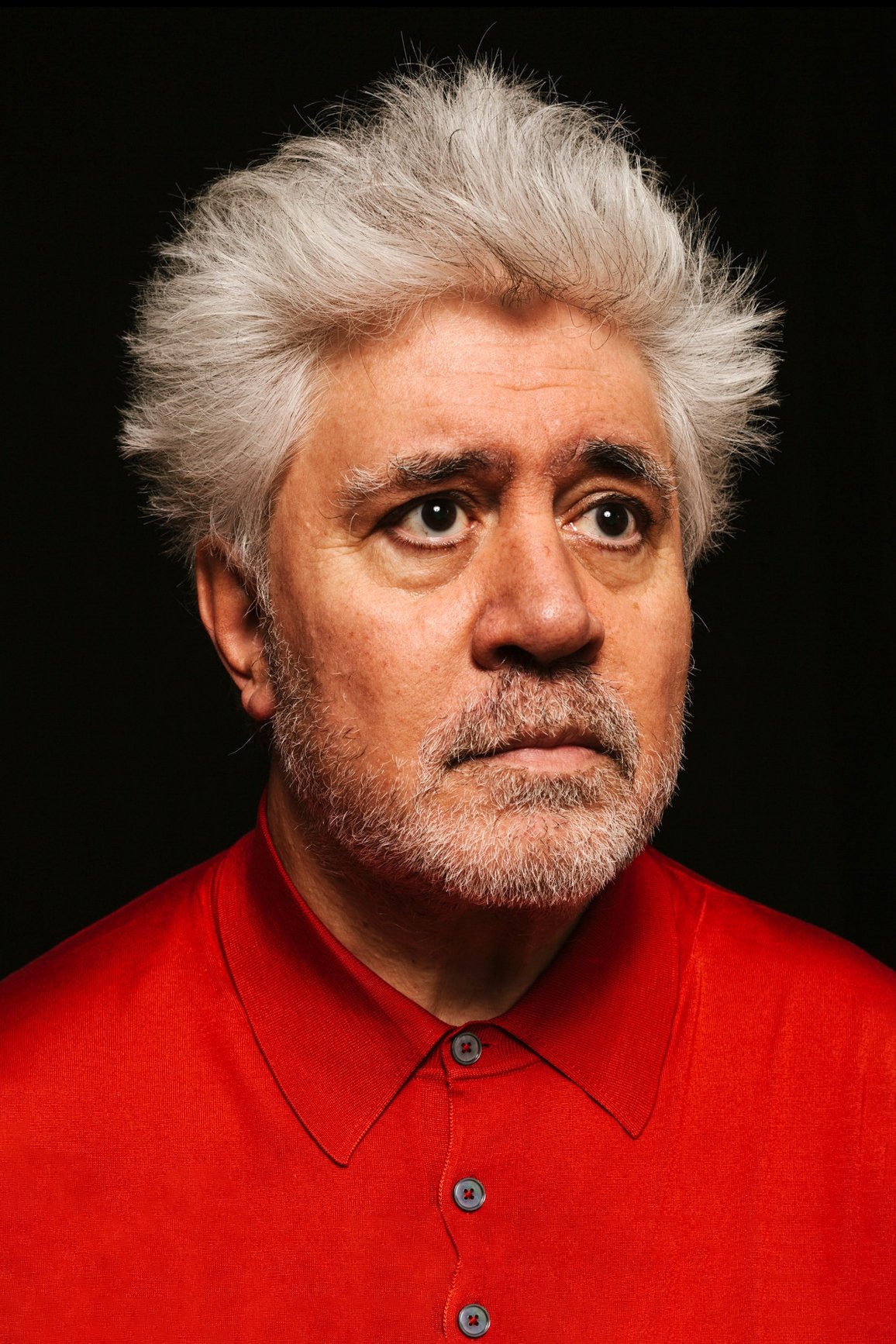
Pedro Almodóvar emerged from Spain’s cultural opening after the Franco era and released films in the 1980s with central queer characters. Titles like ‘Law of Desire’ placed gay relationships at the heart of the story and used humor and melodrama to reach wide audiences.
His production company nurtured talent and built an international distribution pipeline. Success at festivals and in theaters showed that Spanish cinema with openly queer themes could compete globally.
John Waters
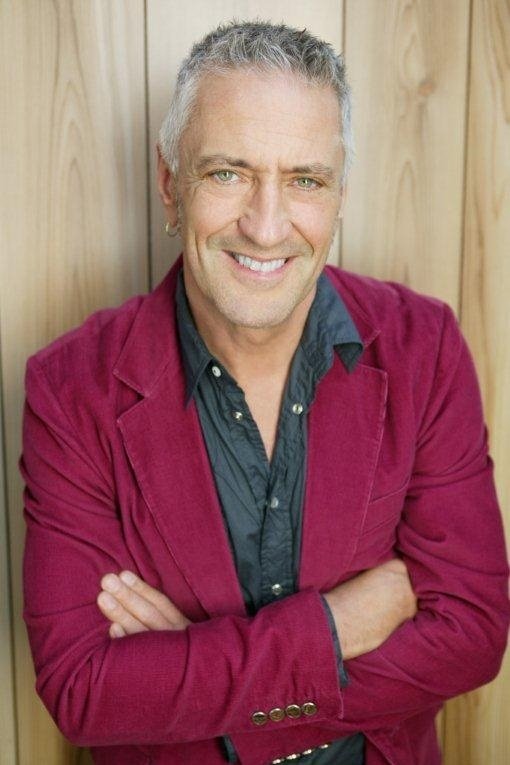
John Waters collaborated with the performer Divine and brought drag into cult cinema in the 1970s. By 1988 he released ‘Hairspray’, which brought that sensibility to a family audience and led to a long life for the story on stage and screen.
Waters filmed in Baltimore with local crews and cast and proved that queer independent filmmaking could move into mainstream distribution. His work influenced studio casting decisions for queer roles and expanded the market for queer led stories.
Gilbert Baker
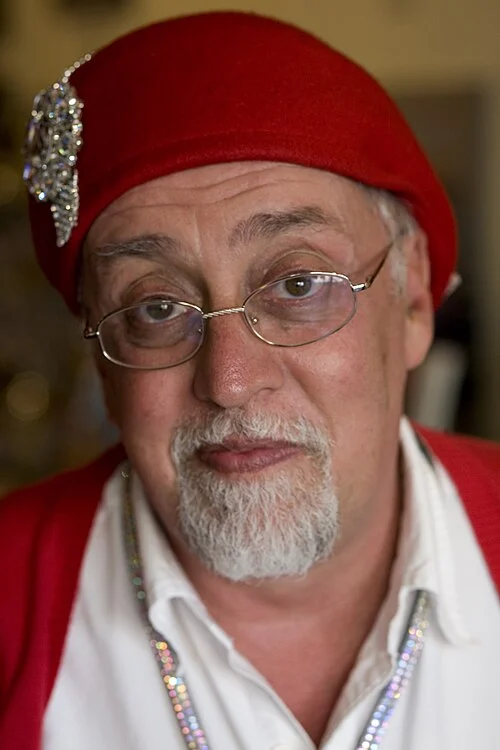
Gilbert Baker designed the rainbow flag in 1978 for San Francisco’s Gay Freedom Day. The first version carried eight colors, each associated with an idea such as life or spirit.
As demand grew, the flag was simplified and manufactured at scale for marches and community centers. The design became a universal symbol used by cities, schools, and companies to mark pride events and inclusive policies.
Angela Morley
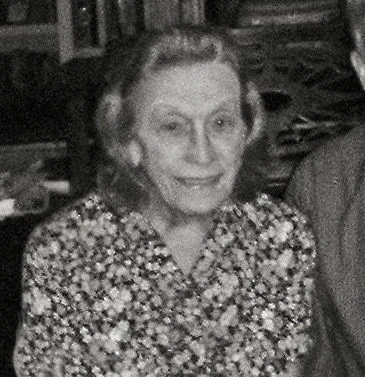
Angela Morley, a British composer and orchestrator, received Academy Award nominations in 1974 and 1976. She is widely cited as the first openly trans person nominated for an Oscar.
Morley worked on major film and television projects and mentored younger musicians. Her credit lines and awards made trans achievement visible within mainstream music departments.
Ian McKellen
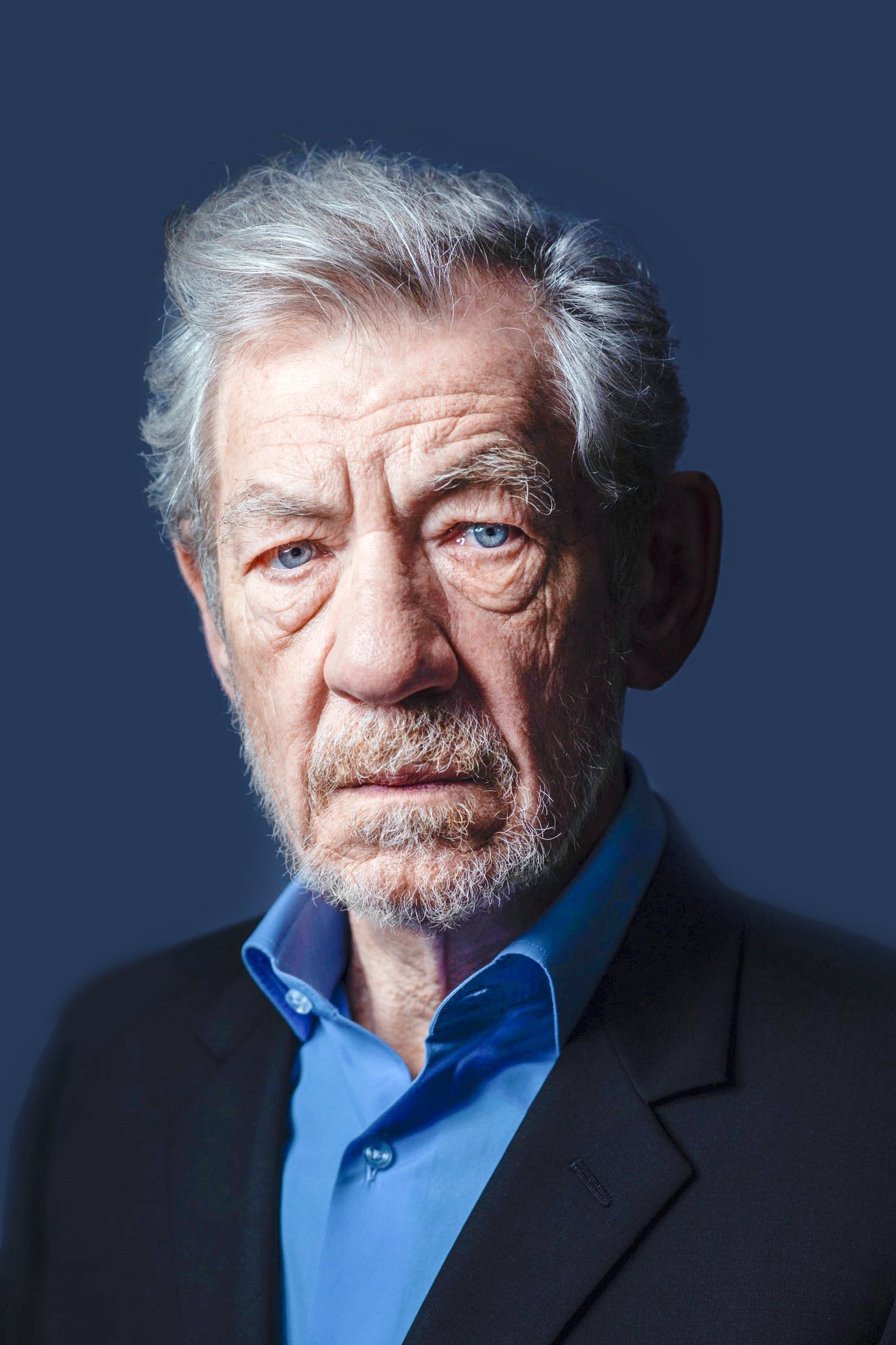
Ian McKellen came out publicly in 1988 during the fight against Section 28 in the United Kingdom. He used interviews and public meetings to argue against the law’s restrictions on discussing homosexuality in schools and local authorities.
He then helped found the UK group Stonewall in 1989 to push for legal reforms and services. His involvement showed how a leading stage and screen actor could move directly into policy advocacy while staying active in a prominent career.
Share your picks and additions from the era in the comments so we can keep building this history together.