20 Actresses Who Went From Loved to Hated



Public favor can shift quickly. An early breakout role or a hit franchise can turn someone into a household name, then one project or a string of headlines can send attention in the opposite direction. These changes usually come from a mix of public statements, casting choices, legal issues, or online pile ons that accelerate the shift.
What follows are twenty actresses whose careers or reputations faced sharp turnarounds, with the specific events that drove the change and what happened next. The focus is on verifiable moments such as firings, lawsuits, casting controversies, box office results, and industry responses that shaped their public standing.
Anne Hathaway
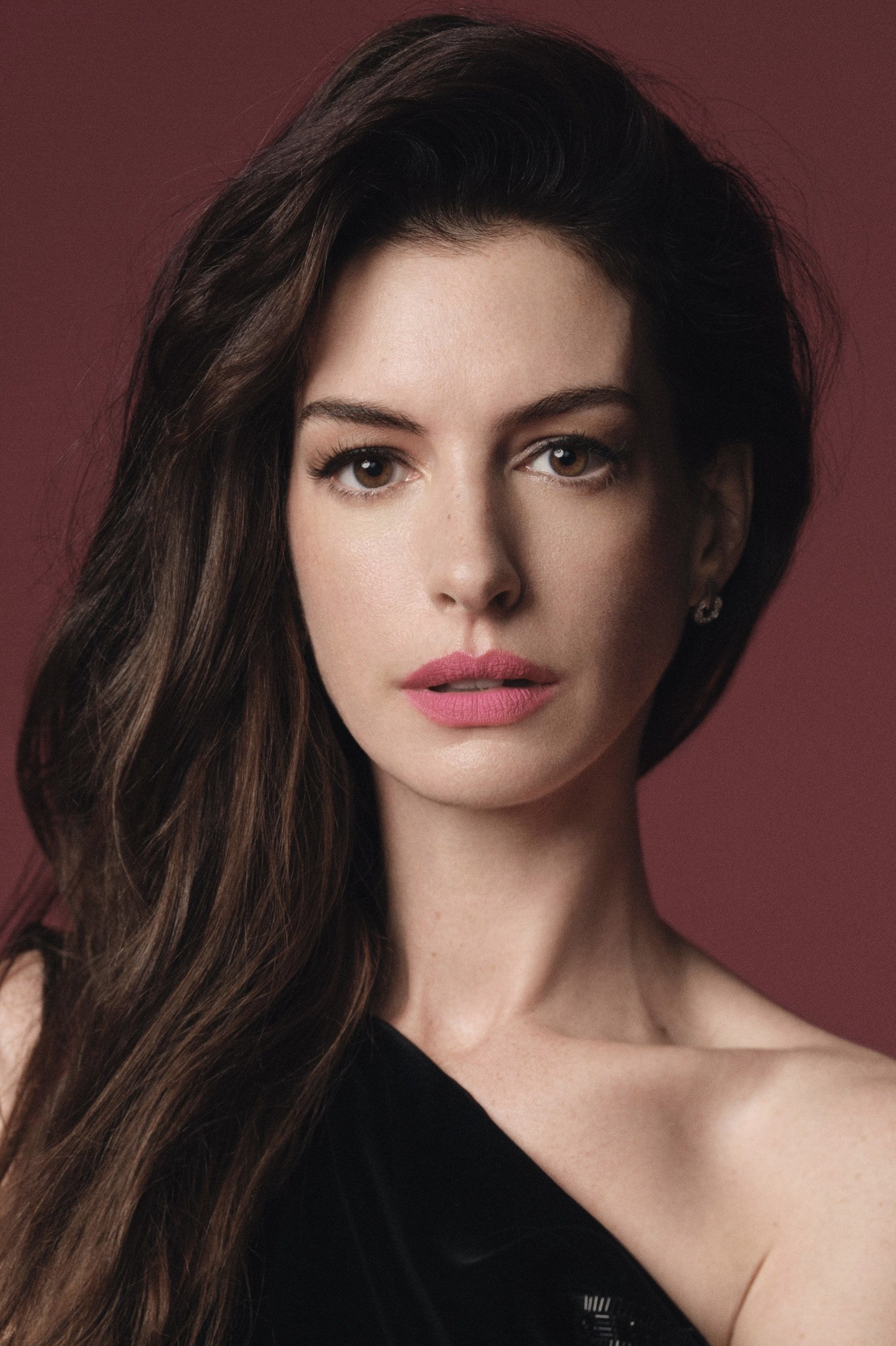
Her image soared after early hits like ‘The Princess Diaries’ and awards attention for ‘Les Misérables’. During that awards season she became a staple of red carpets and talk shows, and online chatter intensified around her ubiquity and presentation, which fueled a wave of negative attention that was widely discussed at the time. The shift did not hinge on one single incident but rather a sustained period of visibility that generated a backlash.
In the years that followed she continued to book major projects including ‘Interstellar’ and a return to high profile comedies and dramas. Industry recognition remained steady with nominations and wins, while social media sentiment fluctuated. The key outcome was that her hiring remained strong, showing that studio demand outlasted the online negativity.
Gwyneth Paltrow
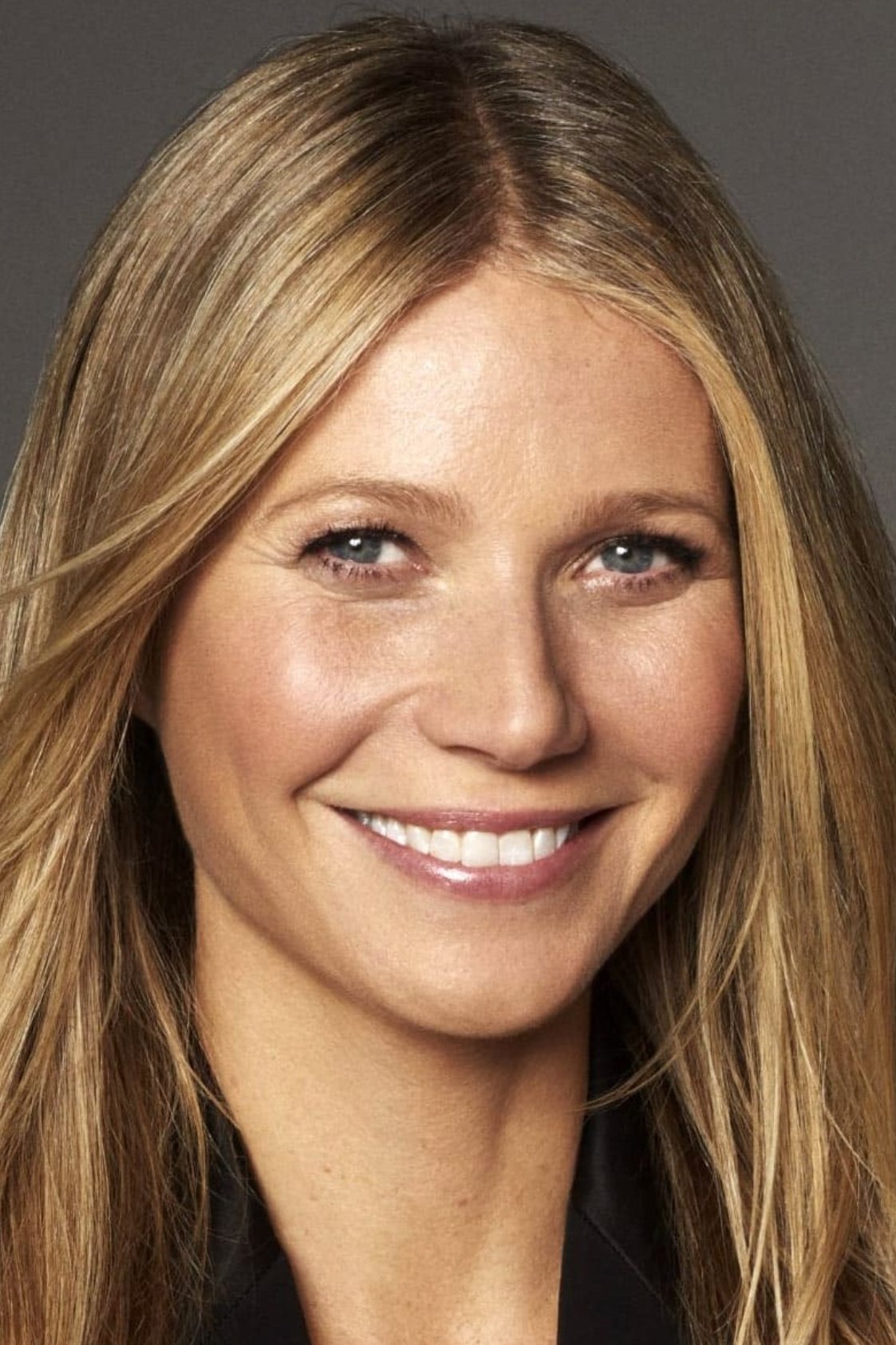
She moved from Oscar winner for ‘Shakespeare in Love’ to wellness entrepreneur with the launch of Goop. The brand drew criticism from medical professionals over health claims, and regulators scrutinized specific products and marketing practices. Public debate about celebrity wellness shaped coverage of her business more than her acting.
In 2023 she went to trial in a civil case over a skiing collision and the jury found she was not at fault. Despite that legal win, the long running conversation around her brand kept her in headlines that were less about films and more about lifestyle claims. Acting remained occasional, while the company defined the narrative around her public image.
Brie Larson

After acclaim for ‘Room’ she took on ‘Captain Marvel’, which came with intense online pushback before release and targeted audience campaigns on rating sites. The film opened globally and became one of the highest grossing titles of its year, which demonstrated strong market demand alongside polarized commentary.
Later she returned in ‘The Marvels’ which earned around two hundred million worldwide and marked a low point for the franchise at the box office. Discussion around her interviews and promotional quotes mixed with broader franchise fatigue, creating a feedback loop between social media reaction and performance that reshaped how some audiences discussed her roles.
Amber Heard

Public perception changed most during the 2022 defamation trial with Johnny Depp. The jury ruled in favor of Depp on three statements and awarded damages, and ruled in Heard’s favor on one counterclaim with damages as well. The televised nature of the proceedings amplified every development across platforms and news outlets.
In the aftermath projects were delayed or recut, and distribution decisions became a barometer of perceived risk. The case concluded with a later financial settlement between the parties, and her participation in franchise work drew heightened scrutiny. The legal record and studio responses together drove the long shift in sentiment.
Katherine Heigl
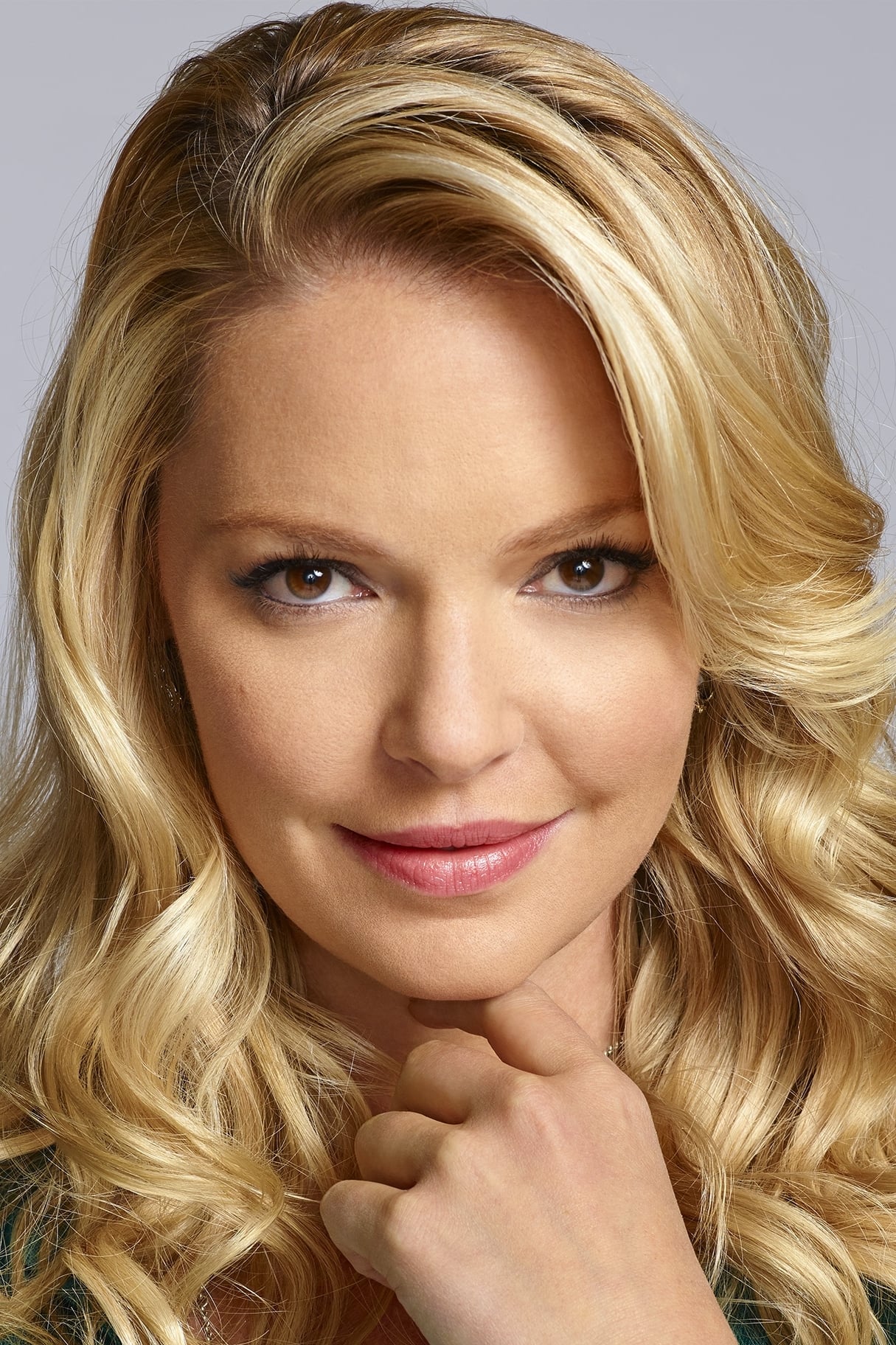
She rose quickly with ‘Grey’s Anatomy’ and ‘Knocked Up’, then drew headlines after publicly withdrawing from Emmy consideration in 2008 while citing her material that season. Comments about creative partners and reported set tensions contributed to a reputation that industry outlets dissected for years.
She exited ‘Grey’s Anatomy’ in 2010 and moved into new series and films with mixed results. Trade reports repeatedly referenced her earlier statements when discussing new projects, which kept the narrative active. More recently she has worked in television again with steadier output, while the earlier period remains a common case study in reputation whiplash.
Kristen Stewart
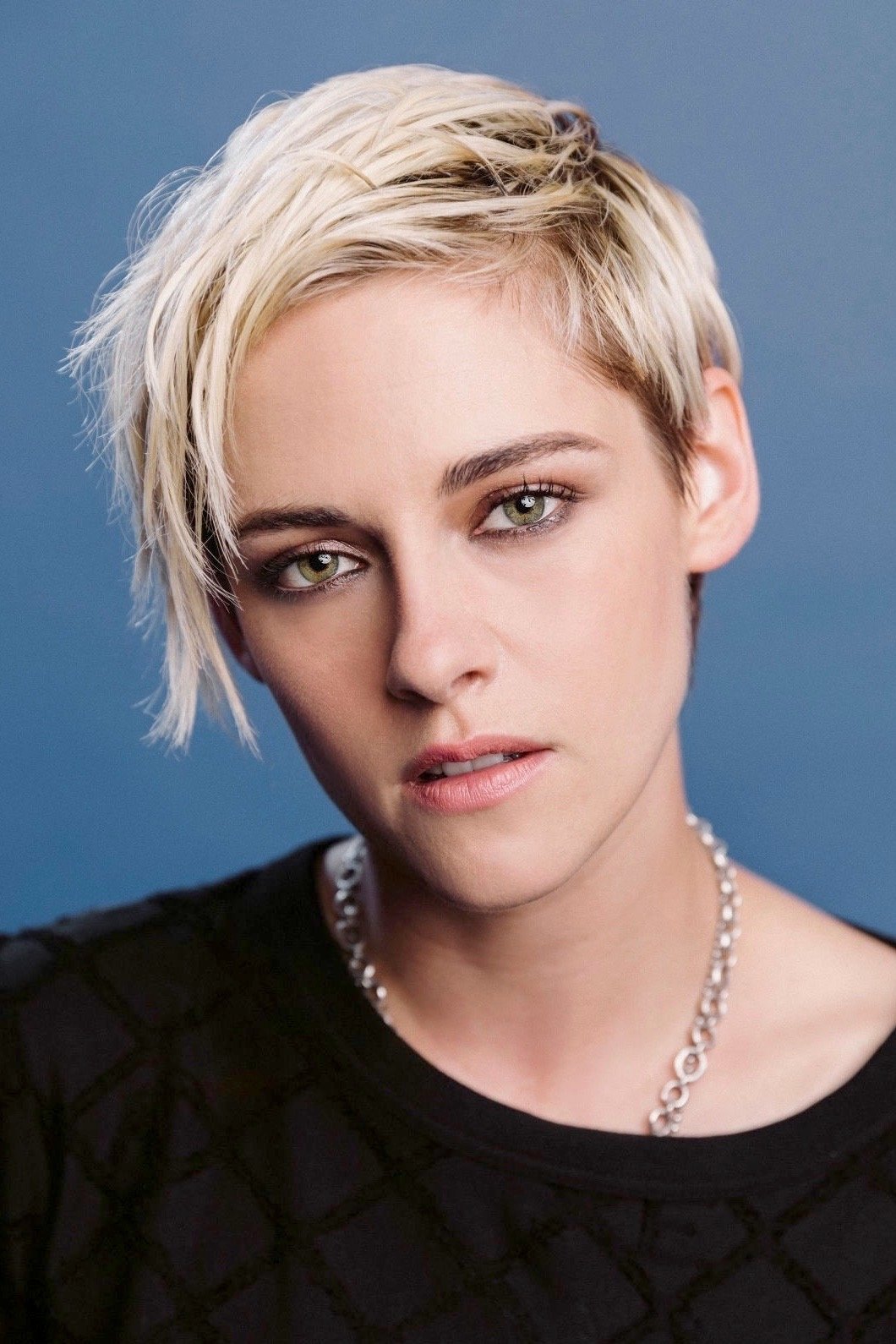
The ‘Twilight’ era made her one of the most visible stars in the world, then photos in 2012 of an affair with director Rupert Sanders led to widespread coverage and public apologies. The story affected a high profile relationship and became a dominant tabloid topic for months.
After the fallout she pivoted toward independent cinema, earned a historic César Award in France, and later returned to major prestige with ‘Spencer’ which brought an Oscar nomination. The trajectory shows an initial backlash followed by a deliberate rebuild through critic favored work that reframed how audiences discussed her craft.
Megan Fox

She became globally recognizable through ‘Transformers’. In 2009 and 2010 tensions with the franchise’s director became public and she did not return for the next installment, which changed the arc of her breakout momentum. Coverage of the split emphasized remarks made in interviews and the production’s response.
She later reestablished herself with ‘Teenage Mutant Ninja Turtles’ and steady genre roles. Industry conversations about treatment on sets and power dynamics also reframed parts of her earlier exit, which brought new context years after the initial backlash. Work volume and visibility increased again as that reassessment spread.
Scarlett Johansson
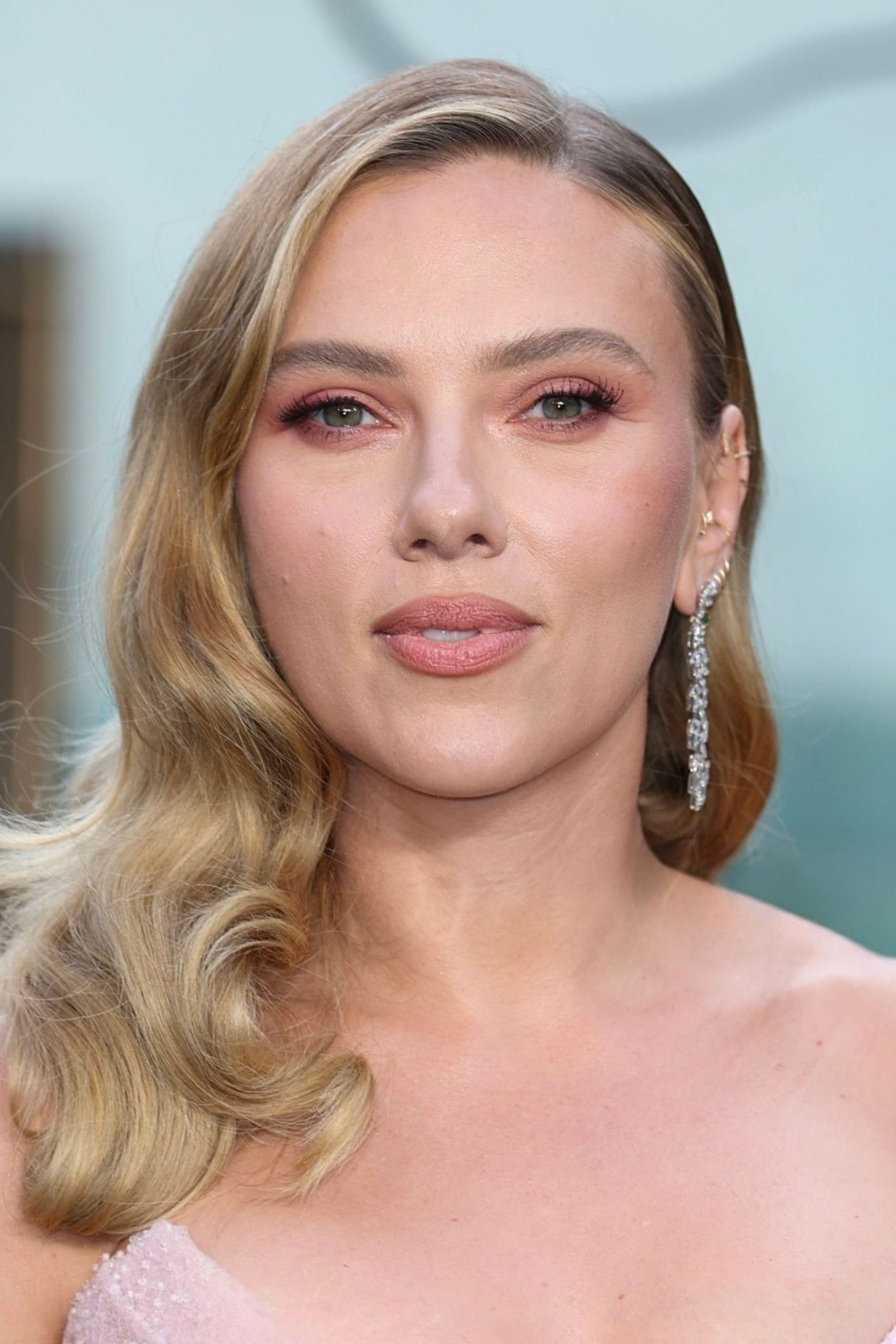
Casting in ‘Ghost in the Shell’ in 2017 sparked a major debate about whitewashing and representation. In 2018 she was attached to ‘Rub and Tug’, a project about a transgender man, and withdrew after criticism, which further intensified the discussion around her casting choices.
Despite the controversy she maintained a strong release slate, including an Oscar nominated double year with ‘Marriage Story’ and ‘Jojo Rabbit’. Public conversation around her interviews and choices remained active, but her awards recognition and box office results showed continued demand from studios and filmmakers.
Gina Carano
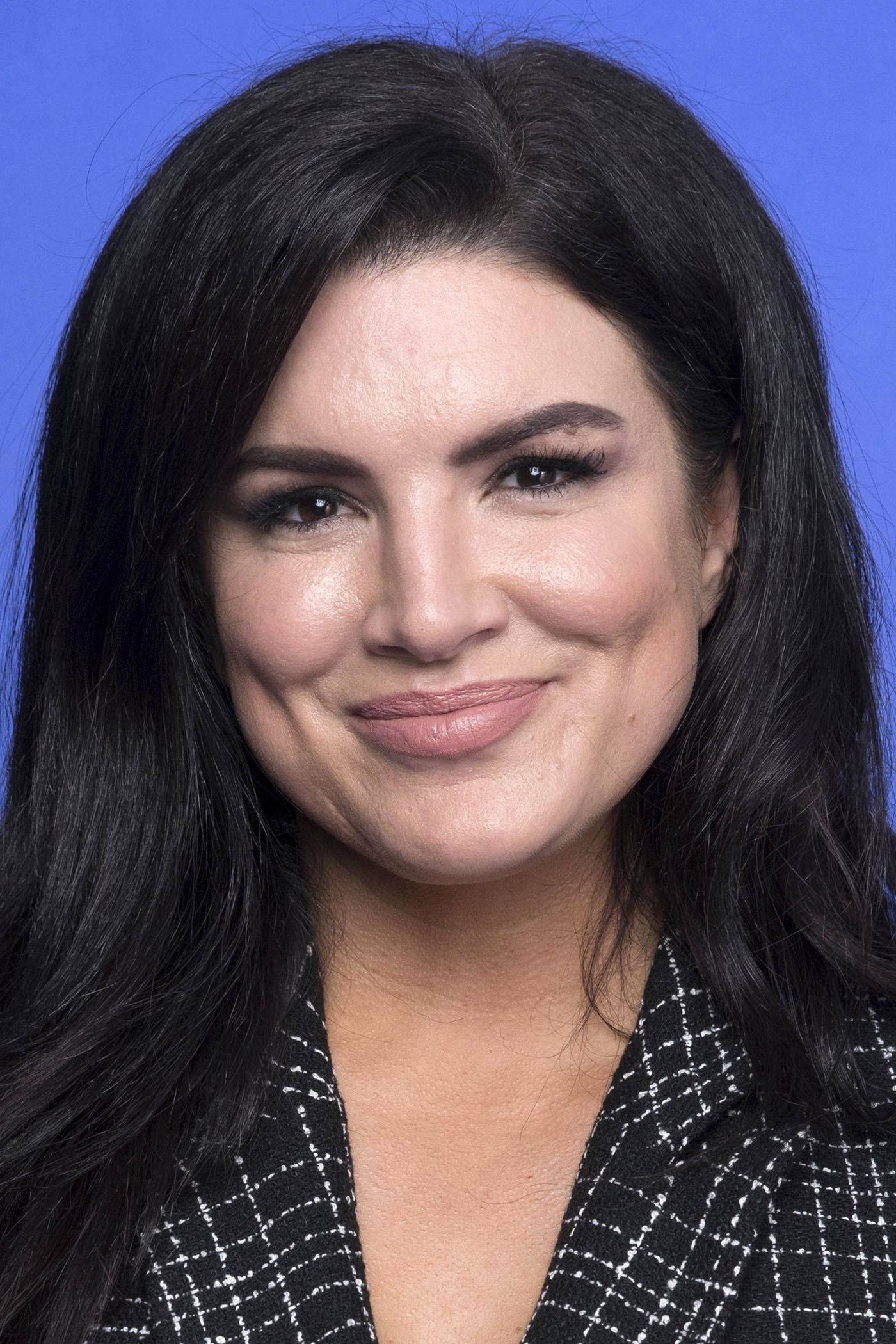
Her role on ‘The Mandalorian’ made her a fan favorite, then posts on social media in early 2021 led Lucasfilm to state she was no longer employed on the series. Her agency also parted ways with her around the same time, which had an immediate effect on mainstream opportunities.
She moved into independent projects backed by alternative media companies and continued public speaking on the issues that prompted her exit. The shift from a flagship franchise to niche distribution marked a clear turn in career path, driven by corporate decisions in response to online and internal backlash.
Evangeline Lilly

In March 2020 she posted messages that downplayed pandemic precautions, then issued an apology and later posted support for protests against mandates in early 2022. The posts drew sharp reactions during a period when castmates and studios were promoting safety protocols.
Her work in the ‘Ant Man’ series continued, though press tours frequently included questions about her statements. The cycle illustrates how off screen views can overtake project promotion, especially when public health policy is involved, and how a franchise can proceed while the surrounding publicity remains contentious.
Lea Michele

Her breakout in ‘Glee’ made her a mainstream star, then in 2020 former costars described negative experiences working with her. She posted a public apology and lost at least one sponsorship within days, which demonstrated how quickly brand partners react when on set conduct becomes a trending topic.
In 2022 she joined ‘Funny Girl’ on Broadway and delivered a commercially successful run that extended the production. Even with that turnaround, articles about the show often revisited the earlier accusations, showing how reputational narratives can persist alongside new achievements.
Gal Gadot

During the first months of the pandemic she organized the ‘Imagine’ video with other celebrities. The reception was largely critical, with commentary focusing on celebrity tone during a global crisis. Later statements on the Israel and Gaza conflict also drew intense reactions, which kept her social posts under close scrutiny.
Her acting slate continued with action features and streaming releases. Box office and streaming performance varied, and marketing cycles often had to address past online controversies. The pattern shows how social media choices can become a recurring frame for coverage beyond any single project.
Bella Thorne
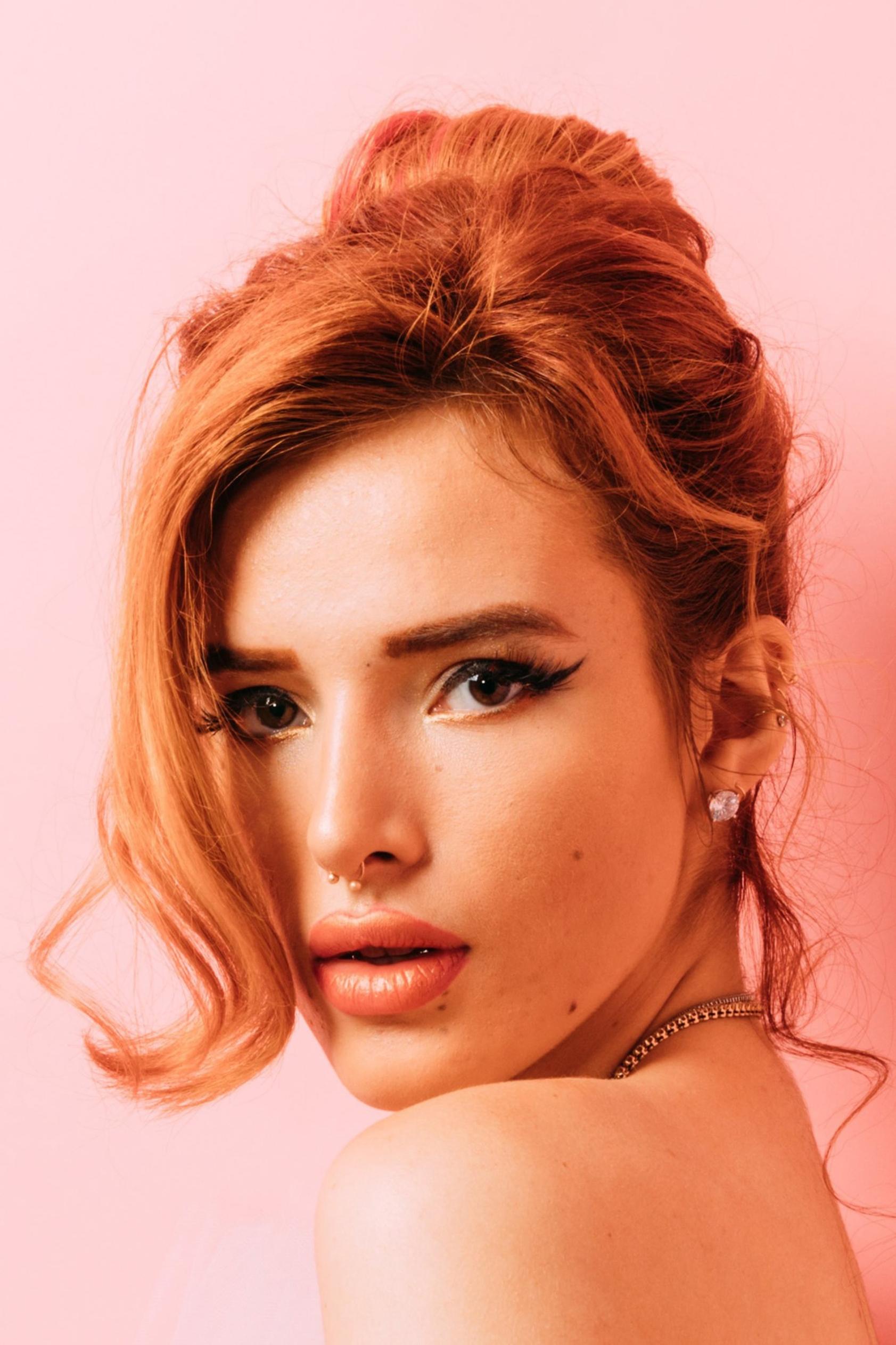
In 2020 she joined OnlyFans and reportedly set a platform revenue record within a day. The move coincided with changes to platform policies soon after, and many creators argued that those changes hurt their earnings, which directed frustration at her.
She issued clarifications and apologies about her intentions and continued to work in independent films and music. The episode is frequently cited in creator economy discussions about the impact of large celebrity accounts on payment systems and policy shifts that affect smaller earners.
Letitia Wright
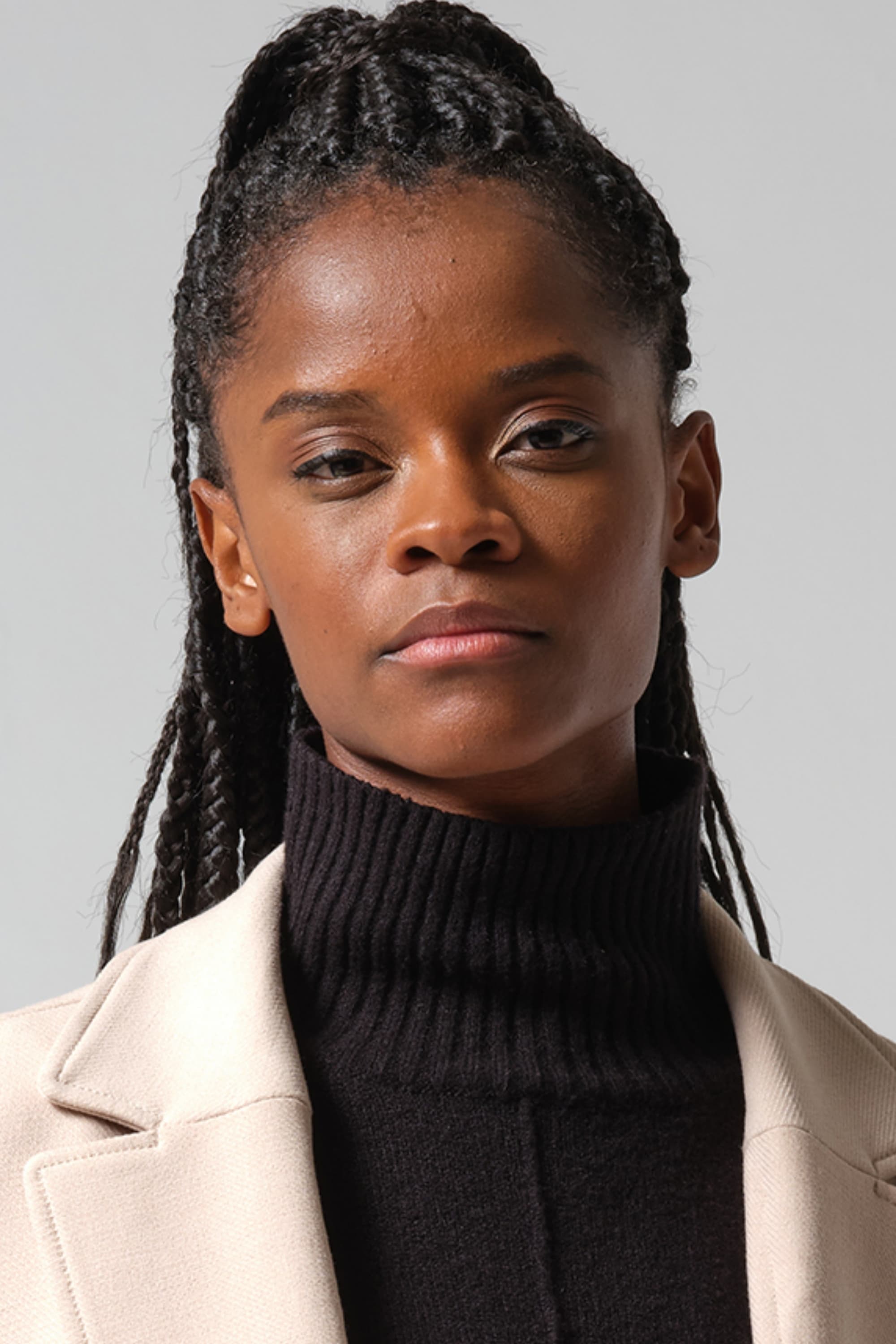
In late 2020 she posted a video that questioned vaccines and later deleted it, saying she raised concerns rather than making claims. Reports the next year suggested on set debates about vaccination, which she denied, but the conversation remained active through the filming of ‘Black Panther Wakanda Forever’.
The sequel opened in 2022 with strong global grosses and she led the film after the death of Chadwick Boseman. Press coverage mixed box office analysis with renewed attention to her earlier posts, which shows how a social media event can follow an actor across promotion cycles.
Roseanne Barr
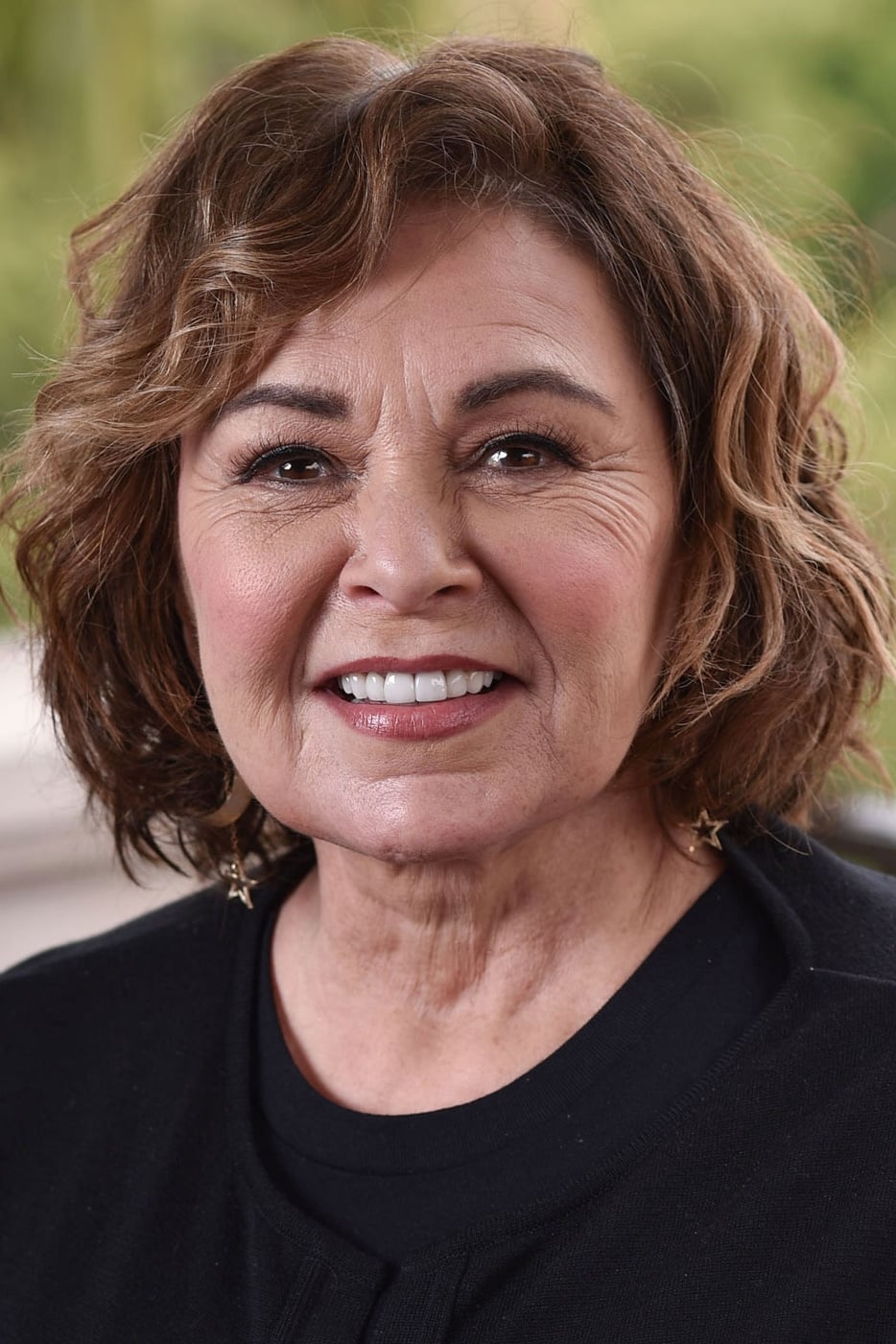
The 2018 revival of ‘Roseanne’ premiered with huge ratings, then ABC canceled the show after she posted a racist tweet. The network quickly moved ahead with ‘The Conners’ without her, which was a rare example of a top rated series removing its star due to conduct.
She pursued stand up and interviews afterward, but mainstream network work did not resume. The case is often used in discussions about corporate tolerance thresholds and how swiftly broadcasters can act when a star’s social media causes advertiser risk.
Constance Wu

In 2019 she posted frustration about the renewal of ‘Fresh Off the Boat’, which surprised fans who celebrated the milestone. The tweets were deleted and she explained that personal circumstances made the news difficult at the time, but the initial reaction had already spread widely.
She later discussed mental health and returned to work with new projects while promoting a memoir in 2022. The incident remains a reference point for how quickly tone on social platforms can turn, especially when a message conflicts with audience expectations for a beloved show.
Lindsay Lohan
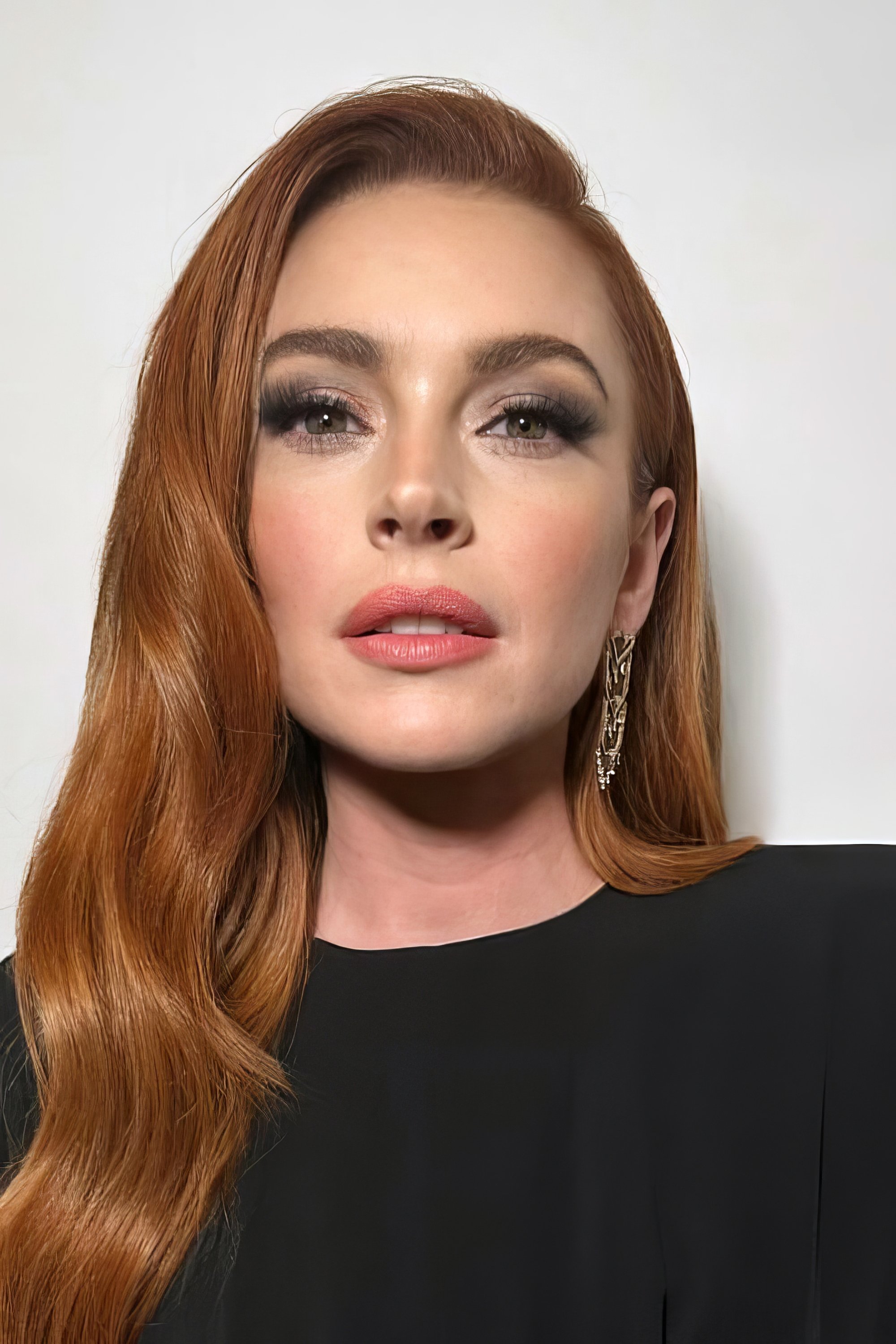
She was one of the most popular young stars in the mid 2000s with films like ‘Mean Girls’ and ‘Freaky Friday’. A series of legal issues and rehab stays between 2007 and 2013 affected insurability and reliability in the eyes of producers, which reduced the number of major studio offers.
She has since worked internationally and made a holiday film comeback on streaming in 2022 with ‘Falling for Christmas’. The arc shows how legal and insurance factors can reshape casting opportunities, and how targeted projects can rebuild familiarity with audiences over time.
Winona Ryder
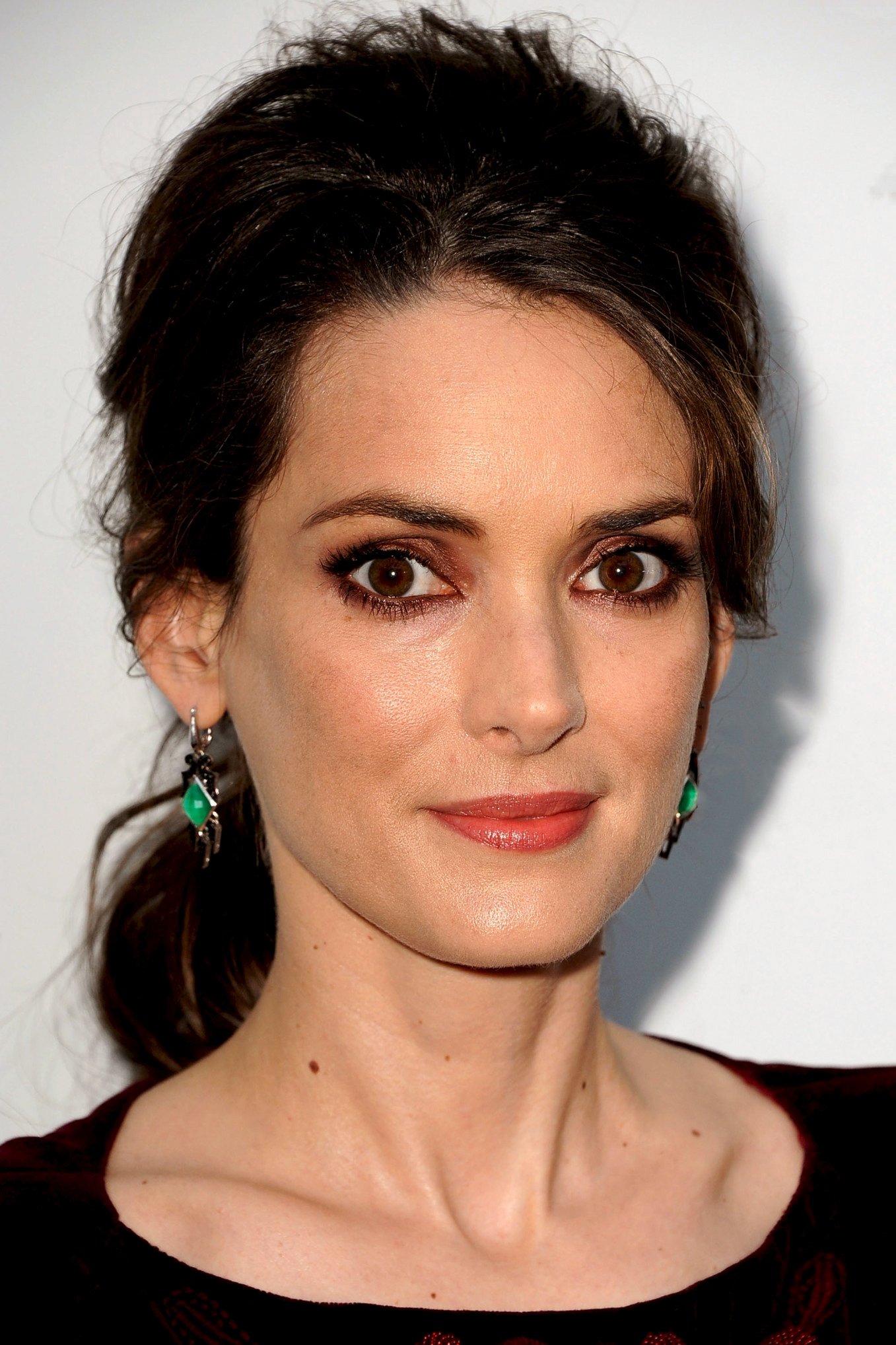
Her early career included a long run of acclaimed performances and major hits. In 2001 she was arrested and later convicted for shoplifting, receiving probation and community service, which led to a pause in high profile roles while coverage focused on the case.
Years later she returned to prominence with ‘Stranger Things’, which reintroduced her to a new generation. The long gap illustrates how a legal case can temporarily derail studio casting while not ending a career, especially when a later vehicle connects with a wide audience.
Jada Pinkett Smith
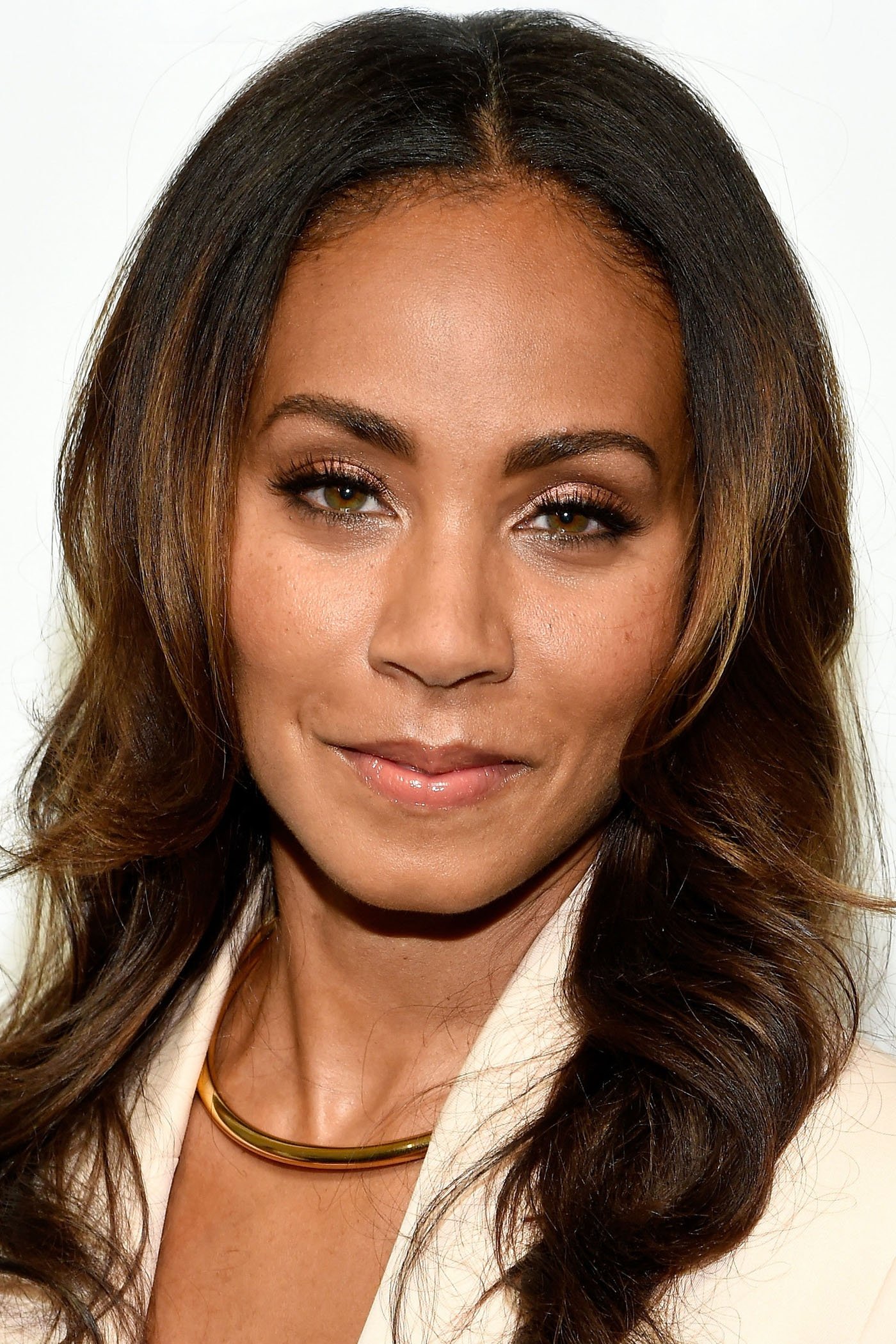
She had steady success across films and television and also as the host of ‘Red Table Talk’. After the Oscars ceremony in 2022 she became a central figure in the aftermath of the onstage incident involving Will Smith and Chris Rock, which generated enormous online debate about responsibility and response.
In 2023 she released a memoir that revealed long standing personal details, prompting fresh waves of commentary. The combination of viral live television and subsequent disclosures kept her in the center of cultural conversations, which reshaped the tone of public discussion around her.
Asia Argento
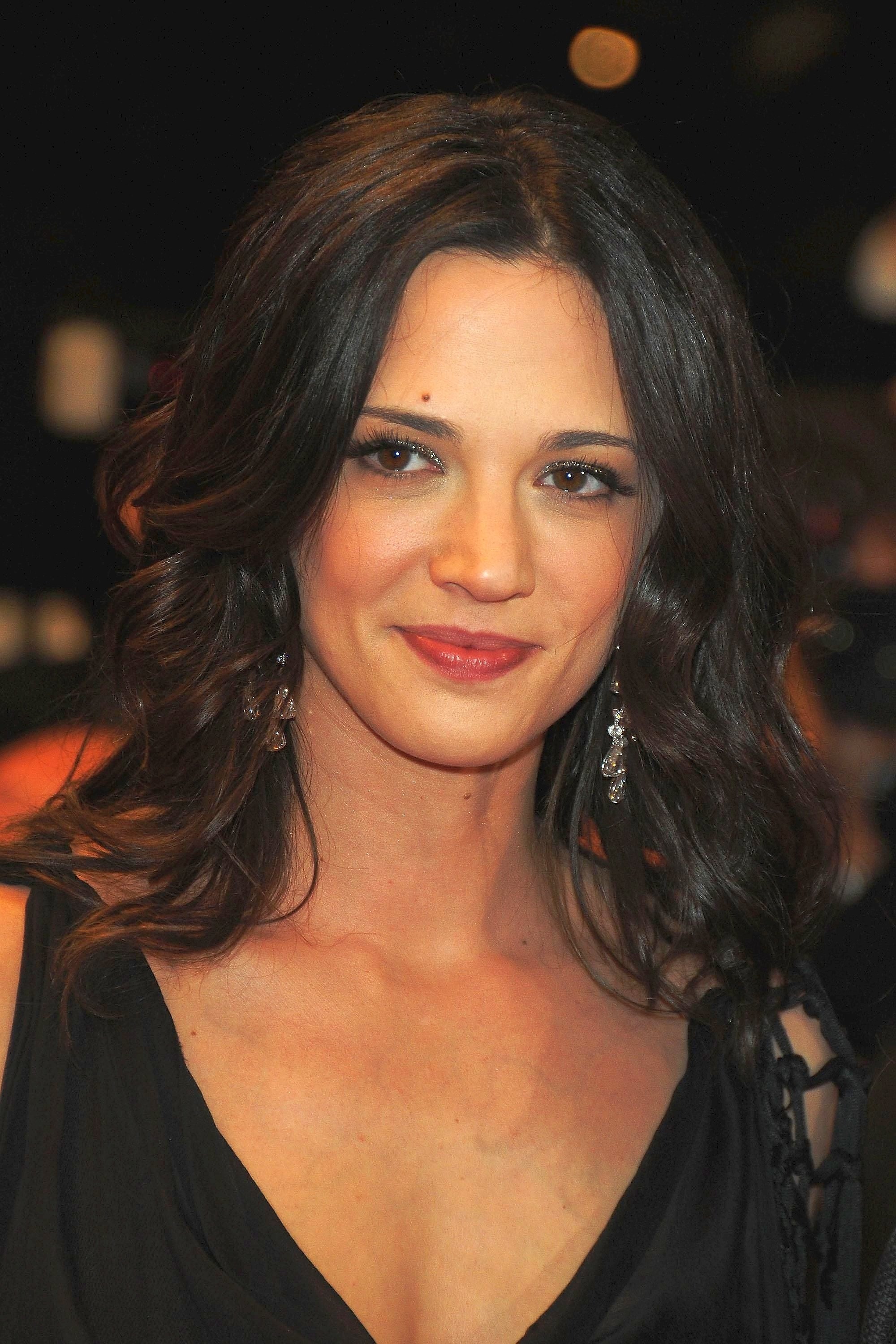
She was a leading figure in early reporting around the MeToo movement. In 2018 a news report detailed an accusation by actor Jimmy Bennett regarding an encounter years earlier when he was a minor, and also reported a financial settlement. She denied wrongdoing but acknowledged the settlement, and lost television work in Italy around that time.
The aftermath involved legal statements and changes to her professional roles, including removal from judging duties for final episodes that season. The reversal in public standing was driven by the tension between earlier advocacy and the later allegation, which kept attention on legal and ethical questions rather than new creative projects.
Share your thoughts on how public perception changes this fast and tell us which examples we should cover next in the comments.