15 Classic “Woke” TV Shows That Were Ahead of Their Time

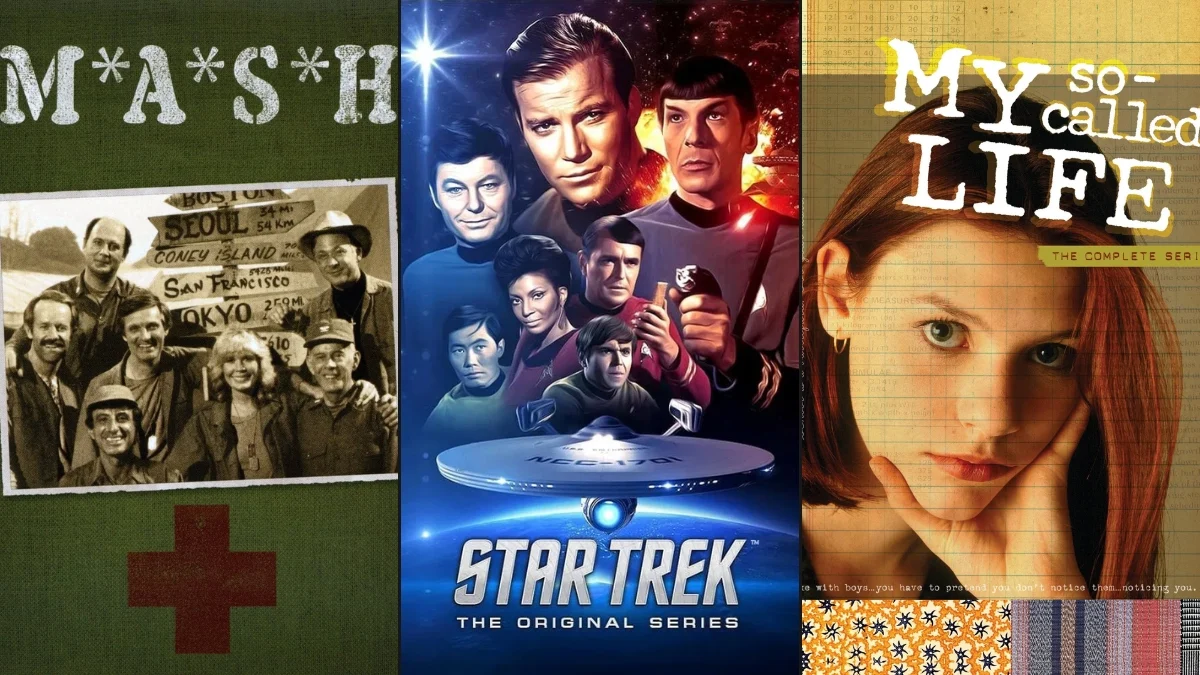

Television has long been a place where difficult topics meet everyday life. Long before social media discussions, a number of classic shows put issues like race, gender, sexuality, and inequality on screen through specific characters, storylines, and episodes that viewers could follow week to week. These series used the tools of network TV such as recurring ensembles, bottle episodes, and holiday specials to introduce ideas that were uncommon in prime time at the time.
This list highlights shows that documented social change with on-screen detail. You will find episode titles, character names, and production facts that show exactly how these series placed subjects like civil rights, reproductive health, and LGBTQ+ lives into popular entertainment. Each entry focuses on concrete elements such as cast, setting, and notable plots that made the themes visible to millions of households.
‘Star Trek’ (1966–1969)
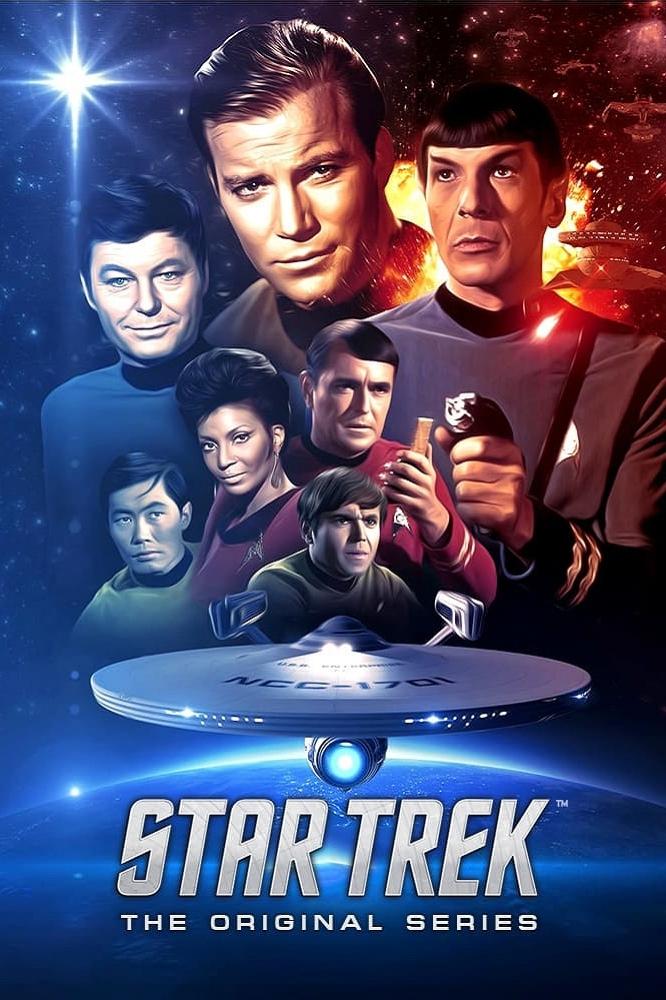
The original series presented a racially and culturally diverse bridge crew that included Lieutenant Uhura, Lieutenant Sulu, and Ensign Chekov working as equals on the USS Enterprise. The episode ‘Plato’s Stepchildren’ featured one of the earliest widely viewed interracial kisses on American network television between Captain Kirk and Lieutenant Uhura, and ‘Let That Be Your Last Battlefield’ used alien characters with split-color faces to examine institutional prejudice.
Writers and producers placed women and people of color in command and communications roles as routine parts of the mission. The show’s Prime Directive created a recurring framework for debates about intervention, sovereignty, and cultural respect, while episodes like ‘The City on the Edge of Forever’ and ‘A Taste of Armageddon’ used science fiction settings to discuss war, pacifism, and moral responsibility.
‘All in the Family’ (1971–1979)
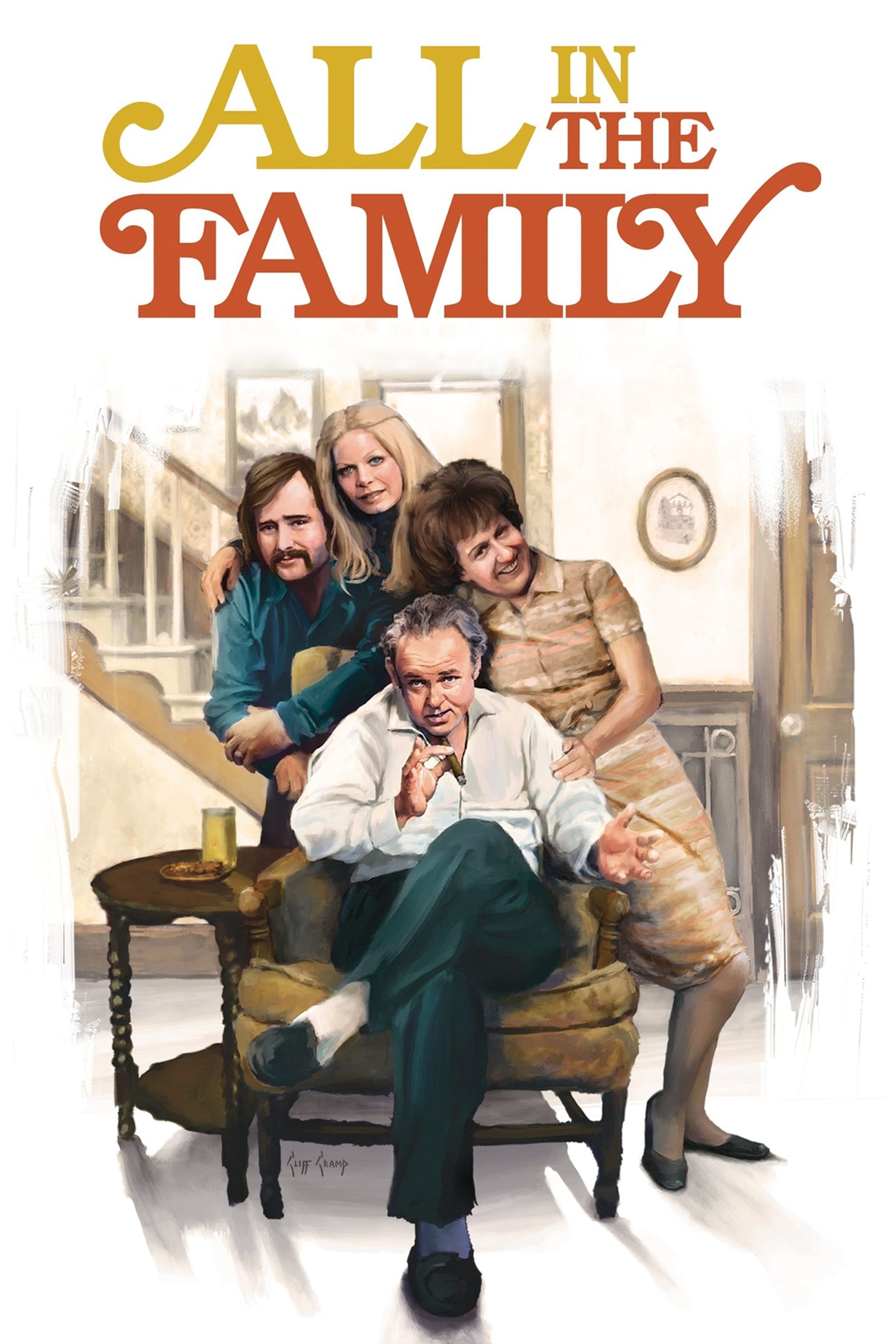
This sitcom centered on Archie Bunker and his family in Queens as scripts directly used contemporary language and conflicts to address racism, sexism, and homophobia in a domestic setting. Episodes such as ‘Edith’s 50th Birthday’ brought sexual assault into a prime time story, and ‘Judging Books by Covers’ confronted stereotypes about gay men within the Bunker living room.
The show’s format introduced characters whose views clashed in specific scenes set around the dinner table and the neighborhood bar. Its success led to multiple spin-offs including ‘The Jeffersons’ and ‘Maude’, which allowed writers to continue topics like upward mobility and reproductive rights with new leads and workplaces while keeping continuity across the shared TV universe.
‘Maude’ (1972–1978)
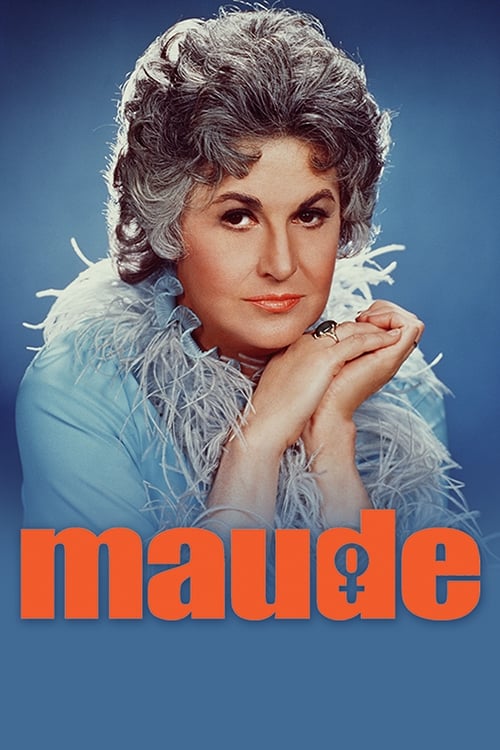
‘Maude’ placed a middle-aged feminist lead at the center of a family and community that often debated policy and health care in living room conversations. The two-part story ‘Maude’s Dilemma’ aired in prime time and depicted the title character choosing an abortion with medical guidance and family discussion, which prompted network advisories and affiliate choice on scheduling.
Scripts also covered mental health treatment, menopause, and local politics through Maude’s bids for office and interactions with neighbors. The series used its ensemble to show intergenerational conversations about therapy, medication, and women’s autonomy, grounding each subject in doctor visits, campaigns, and city meetings rather than abstract speeches.
‘M*A*S*H’ (1972–1983)
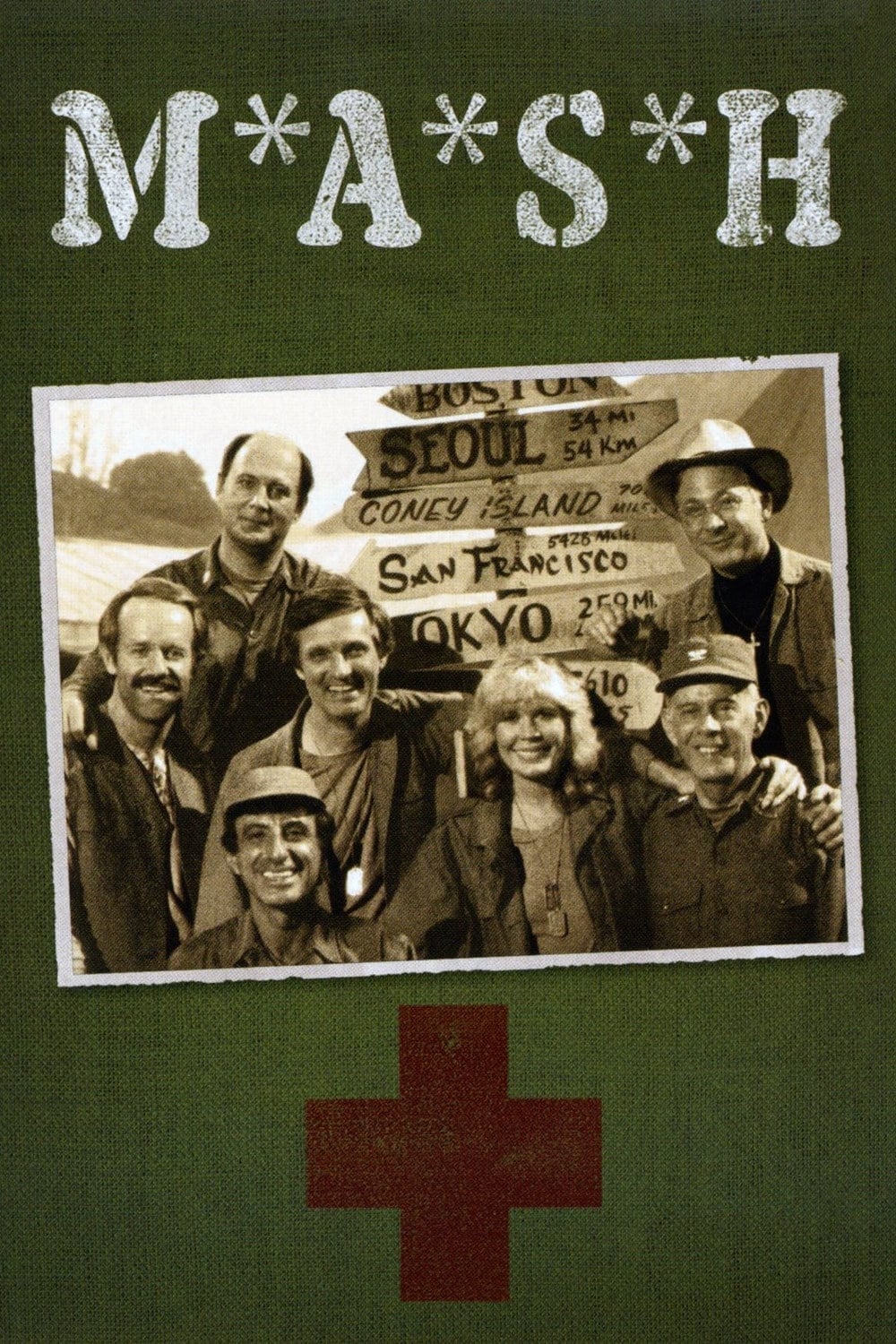
Set at the 4077th Mobile Army Surgical Hospital, the show used battlefield operations, triage, and post-op wards to examine the human cost of war. The episode ‘George’ dealt with a soldier targeted for being gay and documented command procedures and unit responses, while the character Maxwell Klinger used cross-dressing to attempt a Section 8 discharge, placing gender presentation and military policy into recurring plots.
Medical ethics appeared through storylines about blood shortages, triage decisions, and psychiatric care with visits from Major Sidney Freedman. Writers used patient charts, field surgeries, and military paperwork to present debates about authority, conscience, and care standards, and the production often adapted real medical practices to fit the show’s narrative cases.
‘The Jeffersons’ (1975–1985)
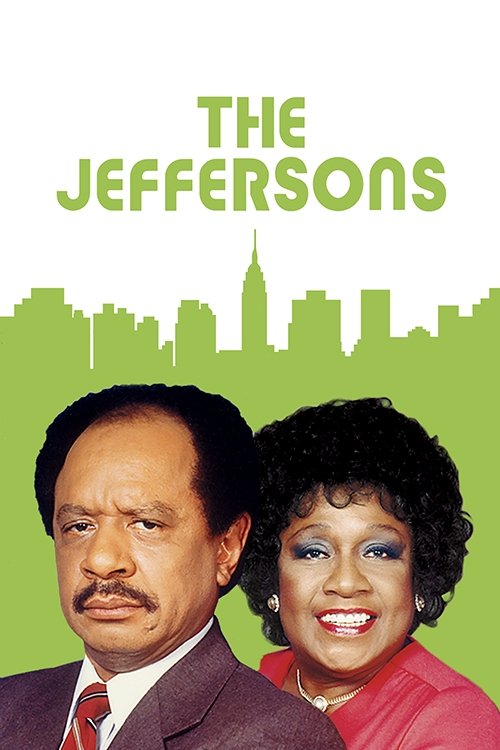
As a spin-off of ‘All in the Family’, this series followed George and Louise Jefferson after the family’s move into a luxury high-rise. Storylines featured an interracial marriage between neighbors Tom and Helen Willis and brought issues like housing discrimination, business ownership, and interclass relations into regular plots through the Jeffersons’ dry-cleaning chain and building community.
The ensemble included Florence Johnston, Mother Jefferson, and daughter-in-law Jenny Willis, which let scripts stage conflicts and reconciliations in apartments, offices, and restaurants. Episodes tracked specific business decisions, lease negotiations, and extended family events to show how money, status, and race intersected inside a new social environment.
‘Good Times’ (1974–1979)
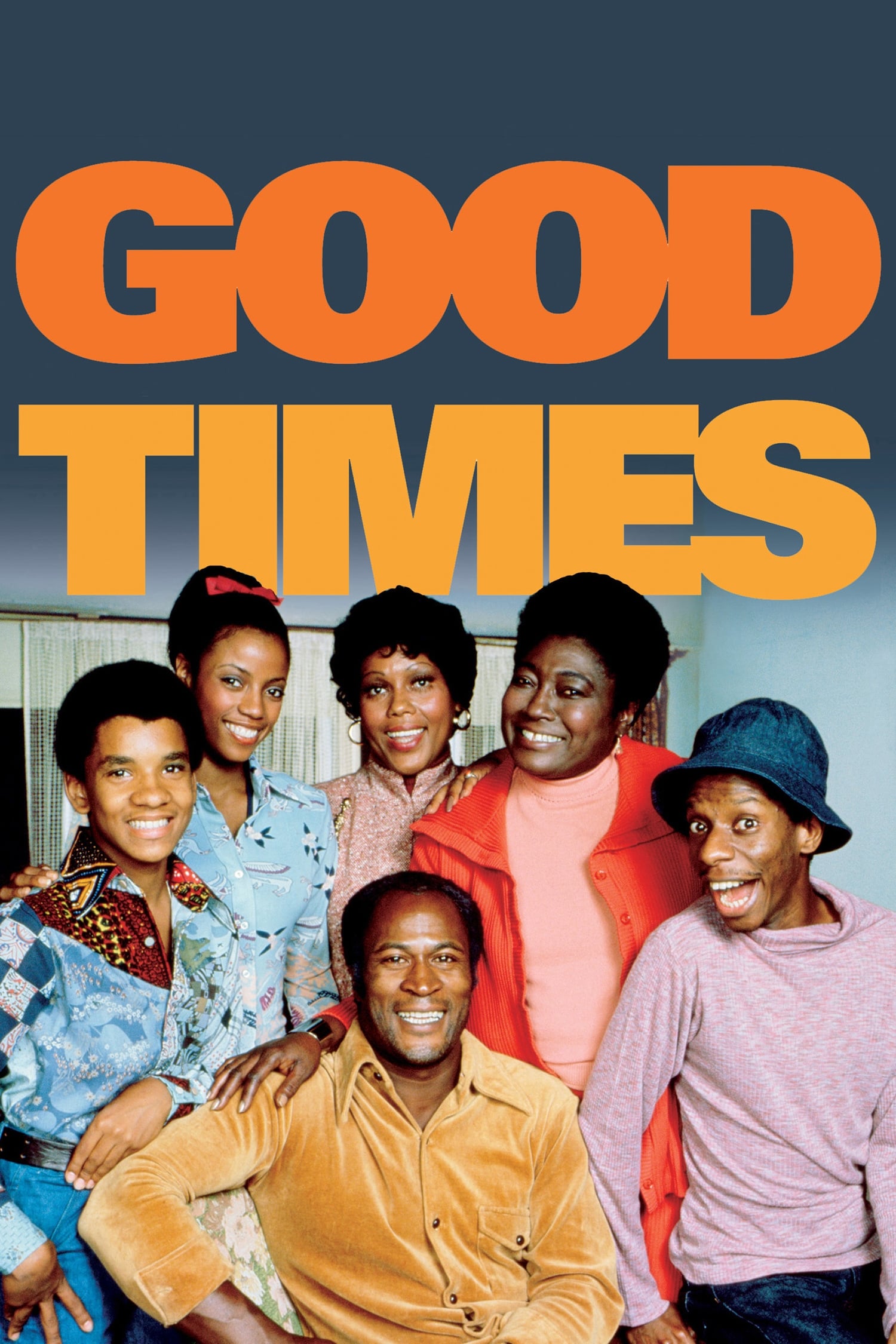
This family sitcom focused on the Evans household in a Chicago public housing project and showed daily life with rent deadlines, school issues, and community organizing. Plots addressed policing, unemployment, and food costs, using the apartment set and building hallways to stage tenant meetings and neighborhood discussions.
Characters Florida and James Evans, along with their children J.J., Thelma, and Michael, allowed stories to explore generational views on education, work, and activism. The show frequently included church gatherings, block events, and job interviews to document concrete steps families used to navigate government programs and local institutions.
‘The Mary Tyler Moore Show’ (1970–1977)
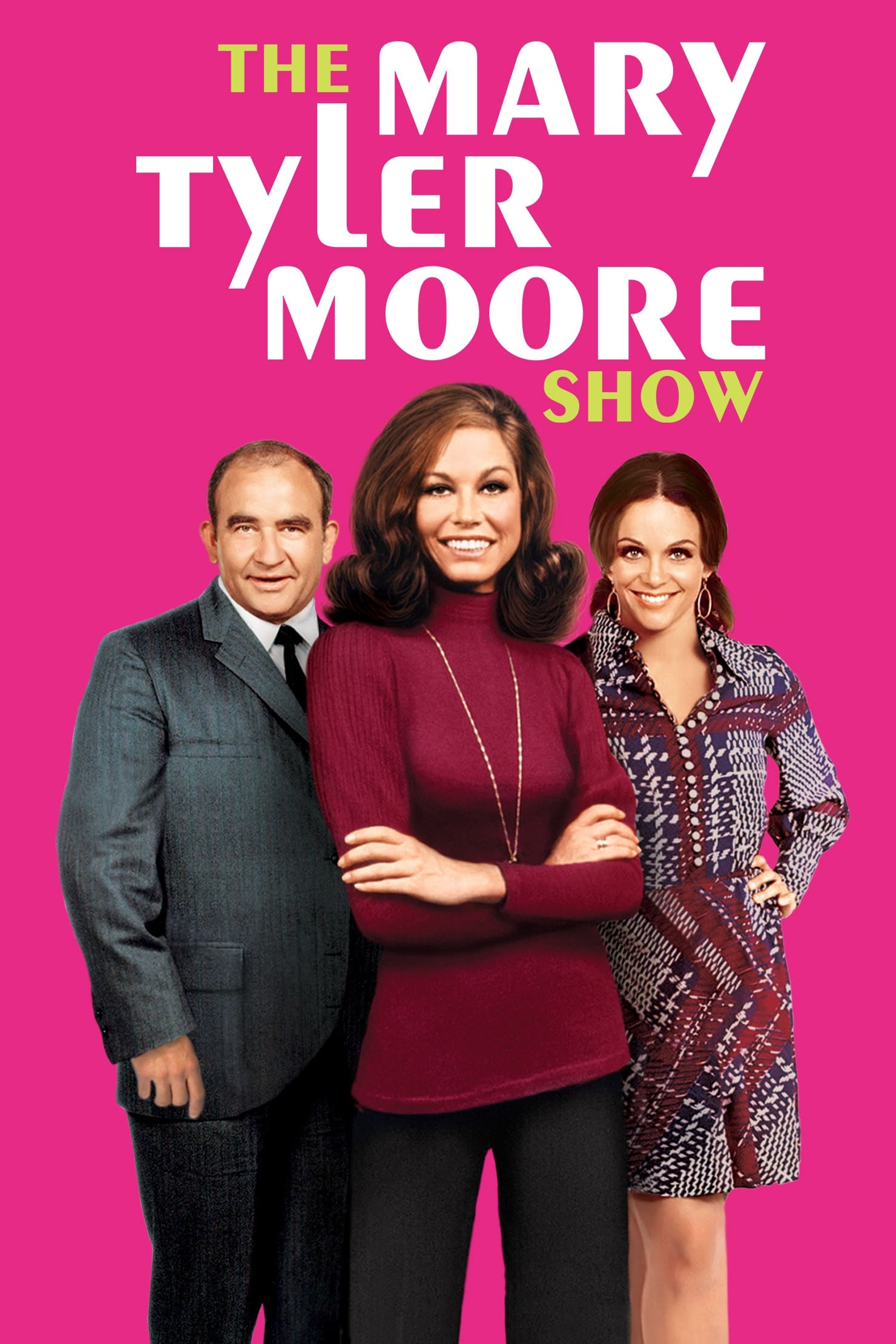
Mary Richards worked as an associate producer and later producer at the WJM newsroom, and scripts outlined how hiring, promotions, and pay worked inside a television station. Episodes depicted workplace policies on equal pay and job titles and showed Mary negotiating responsibilities with Lou Grant, Murray Slaughter, and Ted Baxter.
The series used staff meetings, newsroom deadlines, and on-air mishaps to explore how professional expectations affected a single woman’s life. It also introduced spinoffs with characters like Phyllis and Rhoda, extending subjects such as independent living, dating, and career mobility into new apartments and offices with the same production universe.
‘The Golden Girls’ (1985–1992)

Set in a shared Miami home, the show used roommates Dorothy, Blanche, Rose, and Sophia to discuss aging, health, and relationships. The episode ’72 Hours’ followed Blanche through an HIV test after a blood transfusion and included clear explanations about transmission and waiting periods, while ‘Isn’t It Romantic?’ introduced a lesbian friend of the family and examined friendship boundaries.
Stories often involved living wills, long-term care, immigration status, and property rules within homeowner associations. The format featured doctor visits, support groups, and community boards, which allowed the show to present legal paperwork, medical guidance, and caregiving logistics as part of each week’s plot.
‘Designing Women’ (1986–1993)
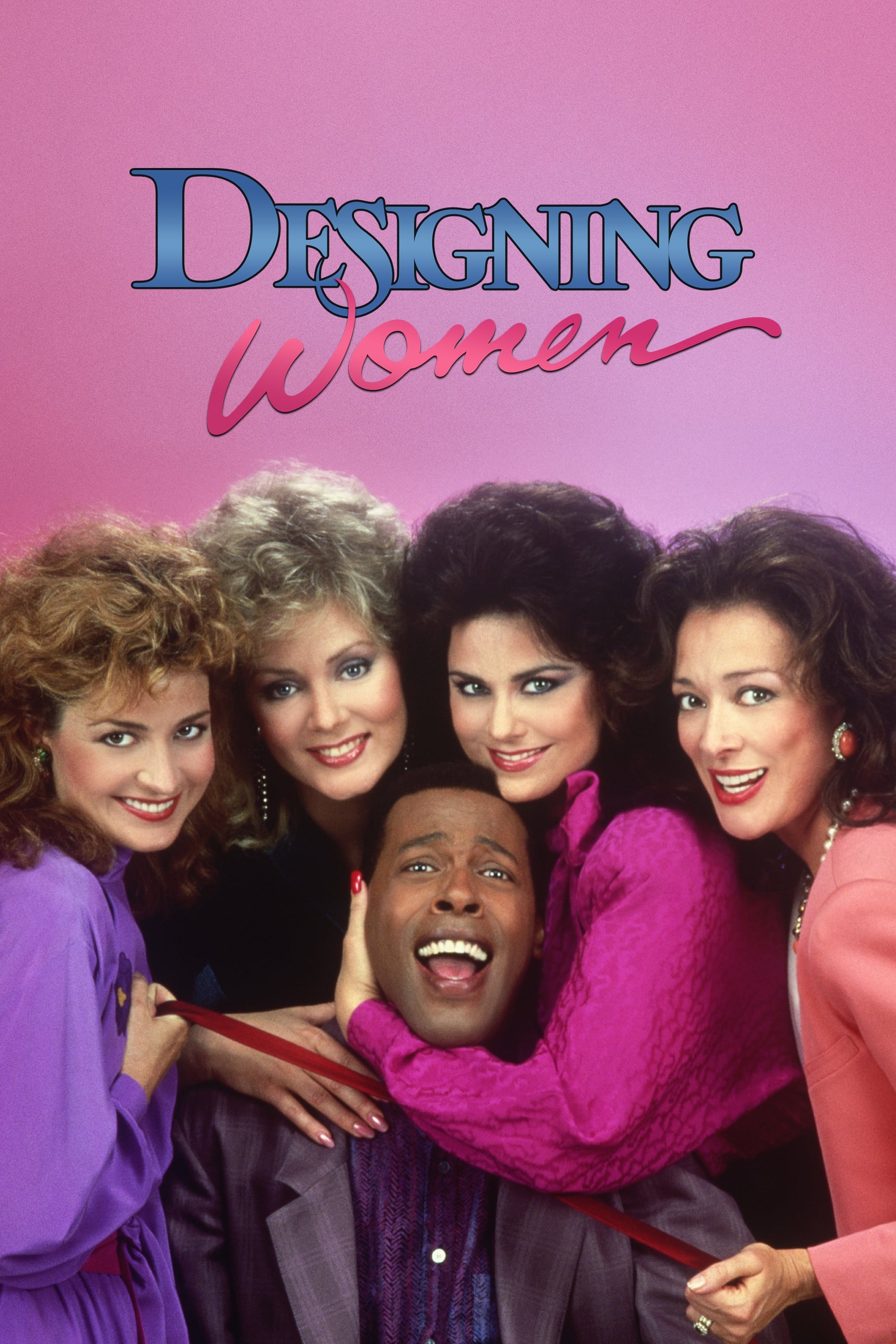
This Atlanta-based ensemble centered on a small design firm that brought clients, policy debates, and church groups into the office. ‘Killing All the Right People’ featured a young man with AIDS seeking help with funeral plans and included precise information about care and stigma, while another episode tackled sexual harassment through a client dispute that detailed complaint steps.
The show regularly placed legal and health facts into dialogue, such as explanations of workplace policies, insurance, and hospital visitation. By using business contracts, client meetings, and civic events, scripts documented the practical side of advocacy and the ways professional women operated through networks, paperwork, and procedure.
‘Cagney & Lacey’ (1981–1988)
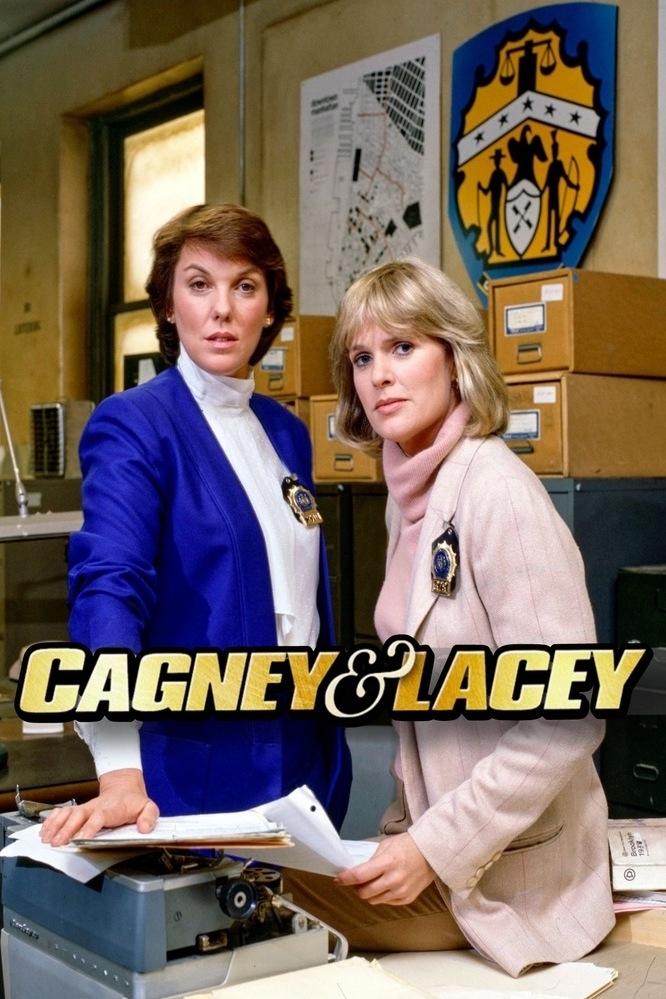
This police procedural followed Detectives Christine Cagney and Mary Beth Lacey as partners whose cases covered sexual assault, domestic violence, and workplace discrimination. Episodes documented investigative steps such as intake interviews, evidence collection, and precinct procedures while also showing union rules and promotion boards that shaped the detectives’ careers.
The series included storylines on reproductive health, addiction, and caregiving that intersected with shift schedules and departmental policy. It also addressed accusations and rumors about the partners’ personal lives, which allowed scripts to show how internal culture, media coverage, and command decisions affected women in law enforcement.
‘A Different World’ (1987–1993)
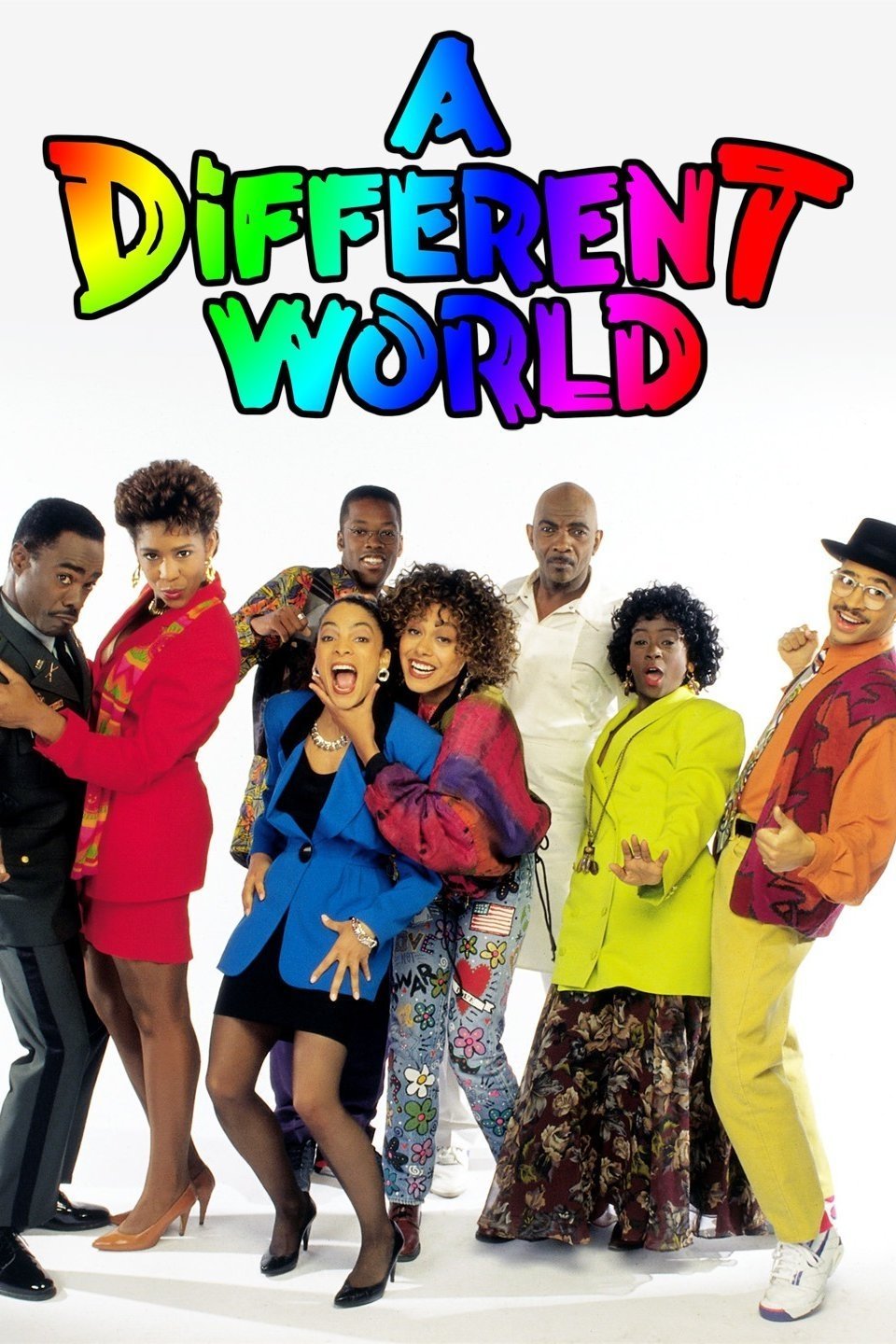
Set at the fictional Hillman College, a historically Black institution, the series focused on classes, dorm life, and student government as students engaged with campus activism. Storylines covered apartheid divestment, financial aid, and community service, and ‘No Means No’ addressed date rape by showing campus reporting pathways and peer responses.
Recurring characters such as Whitley Gilbert, Dwayne Wayne, Freddie Brooks, and Ron Johnson gave the show a wide range of clubs and majors, which let scripts explore career fairs, internships, and academic probation. Episodes frequently featured faculty advisory meetings, health center visits, and administrative appeals that tracked how policies worked in practice.
‘My So-Called Life’ (1994–1995)
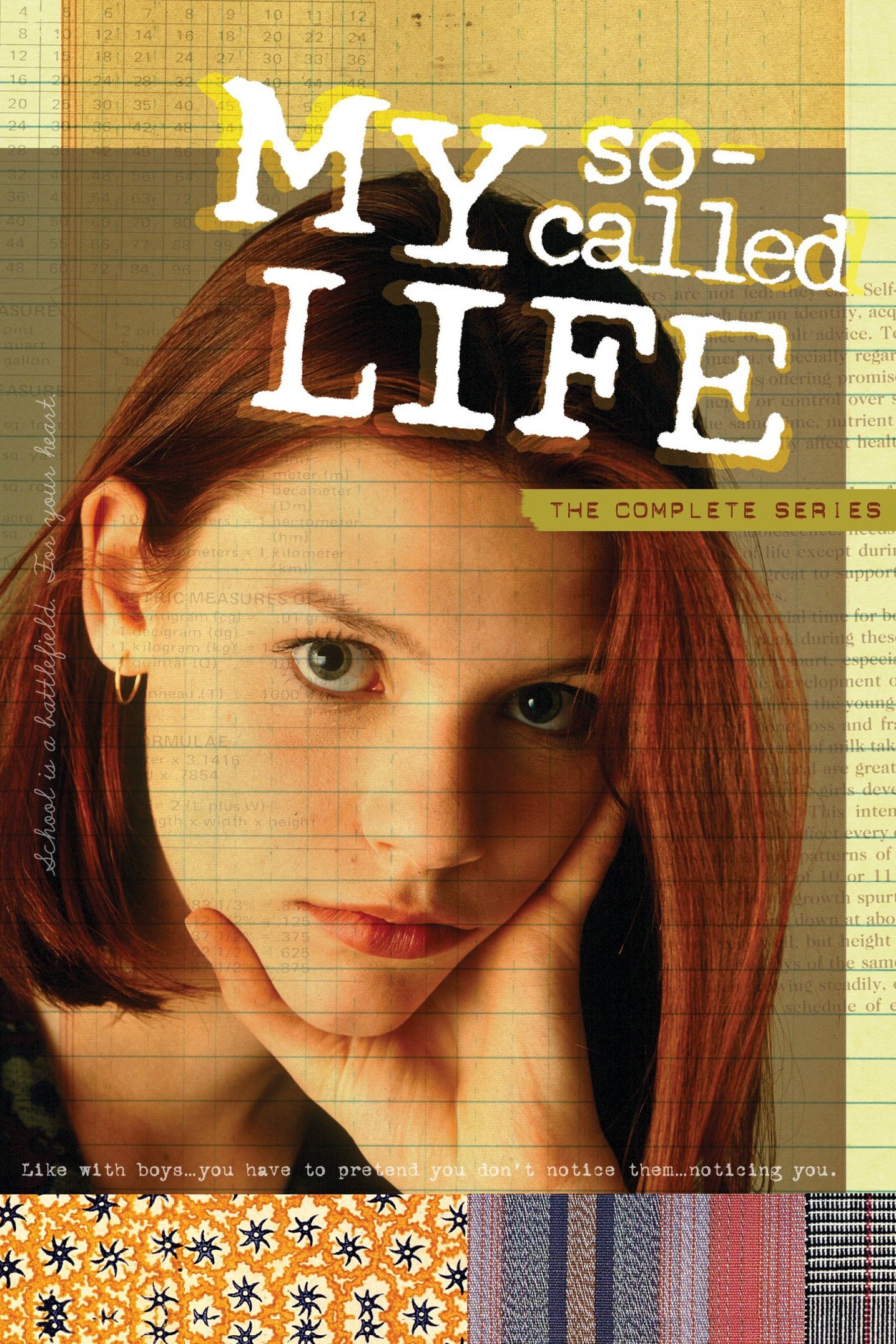
The series followed Angela Chase, her family, and friends through school and home settings that reflected real administrative processes. Rickie Vasquez, a queer Latino teen, faced homelessness and safety concerns in ‘So-Called Angels’, which showed hotline procedures, shelter access, and school intervention steps.
Episodes also examined school policies on rumors and weapons, parent-teacher communication, and peer mediation. The show used journals, detention slips, and guidance counselor meetings to present how institutions respond when teens need help, and it documented the effects of those responses on attendance, housing, and relationships.
‘Soap’ (1977–1981)
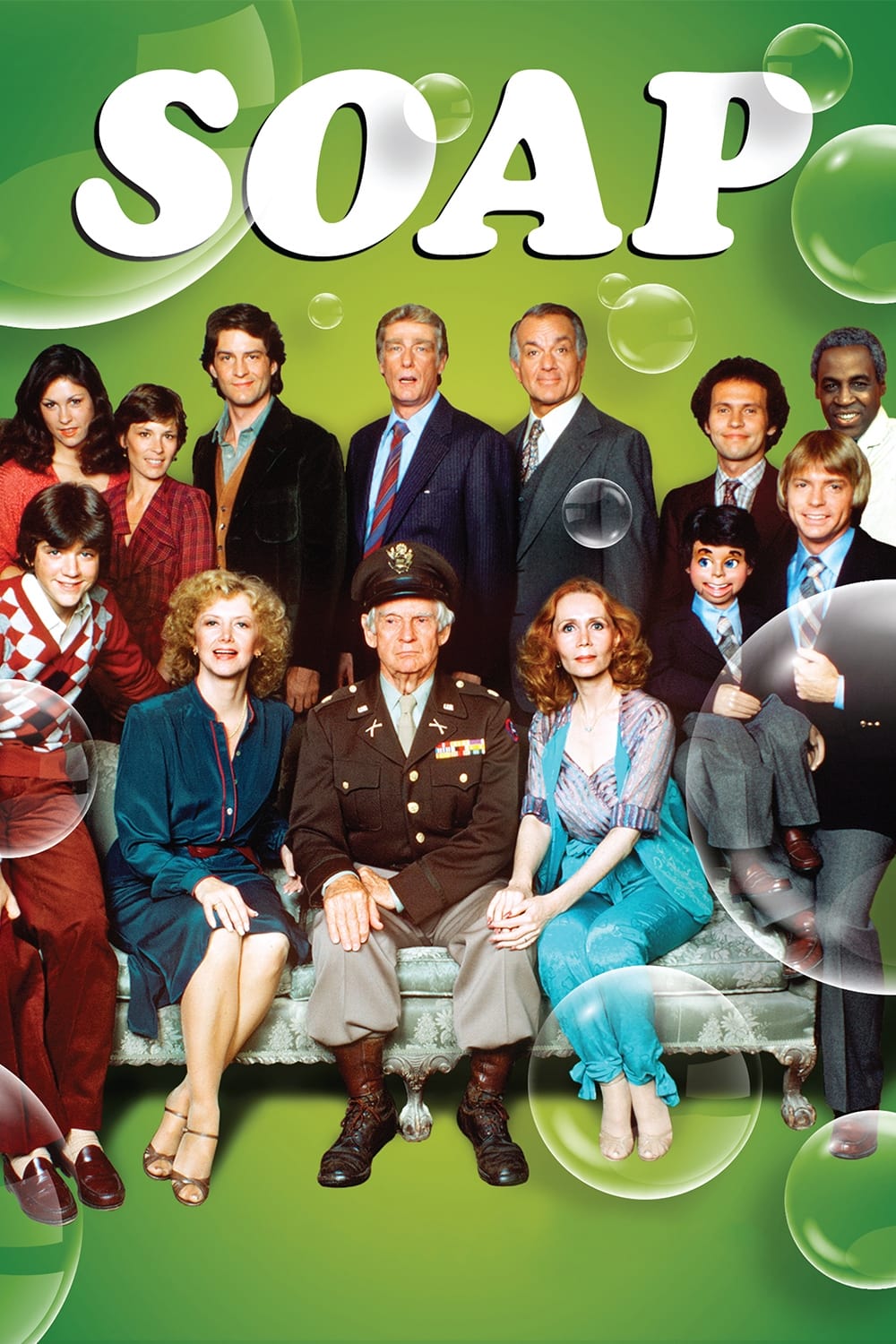
This serialized comedy introduced Jodie Dallas as one of the first recurring gay lead characters in a network prime time ensemble. Early storylines included Jodie’s plans for gender confirmation surgery, legal custody questions, and relationships that were handled through hospital consultations and courtroom scenes.
The show framed its social content inside a continuing narrative that tracked marriages, adoptions, and family disputes through formal paperwork and hearings. By keeping detailed subplots running across many episodes, writers showed how medical advice, legal standards, and family obligations shaped the character’s decisions.
‘Murphy Brown’ (1988–1998)

News anchor Murphy Brown led the investigative magazine ‘FYI’, and episodes regularly depicted newsroom ethics, source protection, and editorial decisions. A major arc followed Murphy choosing single motherhood and included scenes about prenatal care, workplace accommodations, and on-air commentary that became part of a national debate with elected officials.
The series invited real journalists and public figures to appear as themselves, which allowed scripts to show booking practices, live tapings, and network standards in detail. The office setting provided clear depictions of contracts, ratings pressure, and legal review that shaped what went on air and how the staff covered public policy.
‘The Fresh Prince of Bel-Air’ (1990–1996)
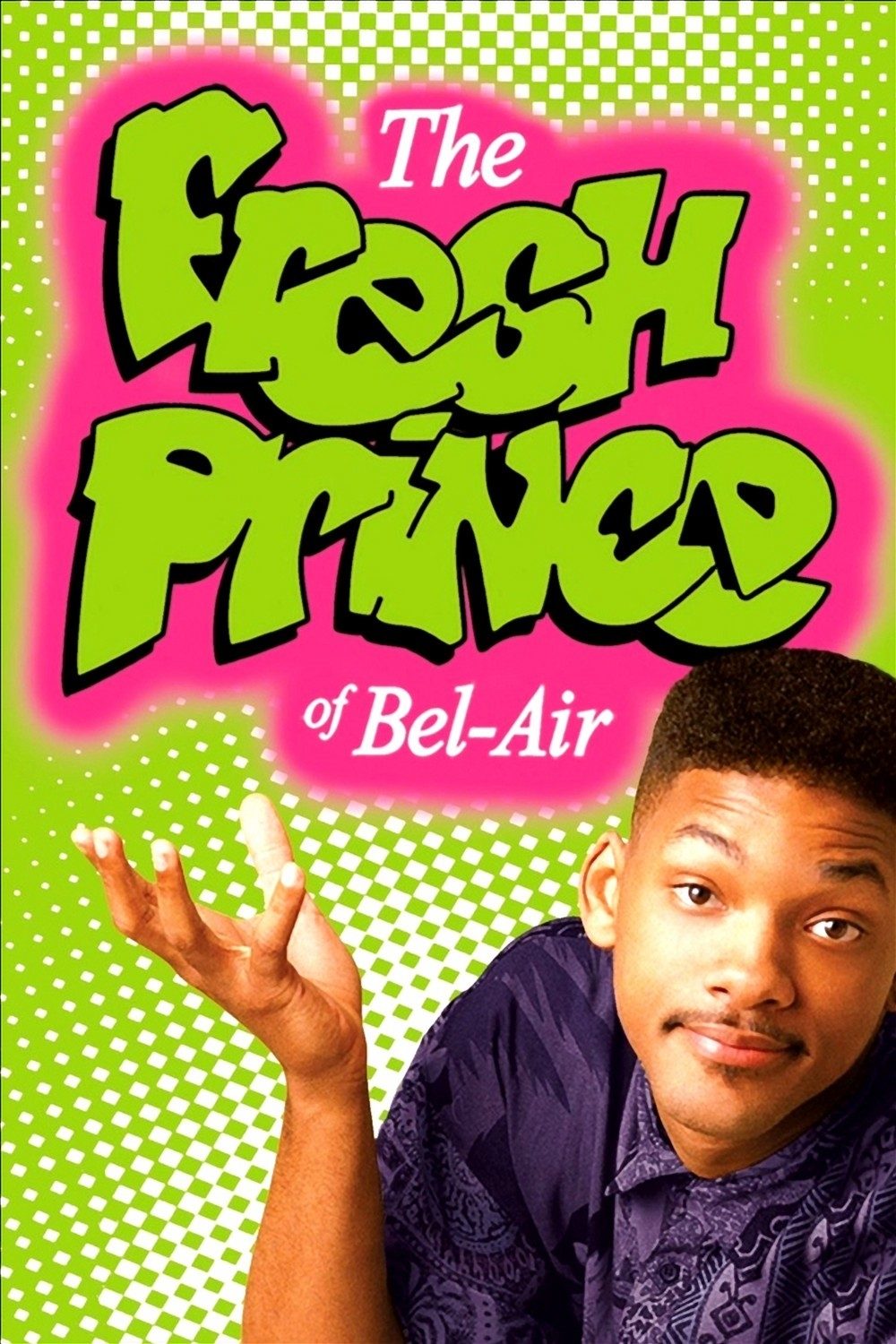
The Banks family’s Bel-Air home became a setting to explore race and class through specific situations such as private school admissions, country club rules, and policing. ‘Mistaken Identity’ showed Carlton and Will being pulled over in a borrowed car and followed the process from the traffic stop to the station, including identification, calls, and release.
Other episodes documented topics like absentee parenting, gun violence, and health with doctor visits and counseling sessions. The show used its extended family and recurring friends to stage conversations about scholarships, fraternity pledging, and neighborhood ties, noting how rules and expectations change across communities.
Share the shows you would add to this list in the comments so everyone can compare notes and keep the conversation going.