5 Ways ‘The Prestige’ Aged Poorly (& 5 Ways It Aged Masterfully)

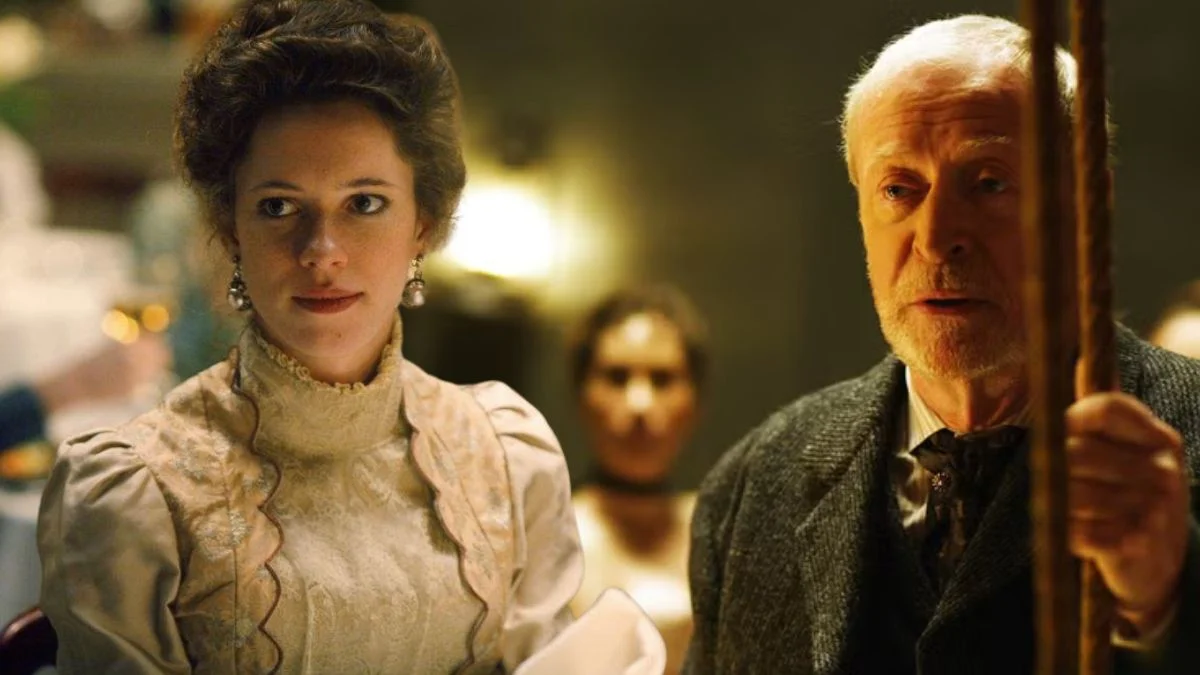

There is a lot to unpack in ‘The Prestige’ and it starts with the way the story is built around the rivalry between two magicians in Victorian London. The film weaves journals, courtroom scenes, and stage shows into a tight story about deception and sacrifice that still sparks detailed conversations about clues and methods. Viewers who revisit the film often focus on how its structure supports a series of reveals that make sense once you track who knows what and when.
Time also highlights choices that feel different now. Some elements stand out as polished examples of craft and planning while others reflect limited perspectives that were common in mid 2000s studio films. Looking at specific parts of the movie helps show what holds up with precision and what looks dated against current expectations.
Aged Poorly: Limited roles for women
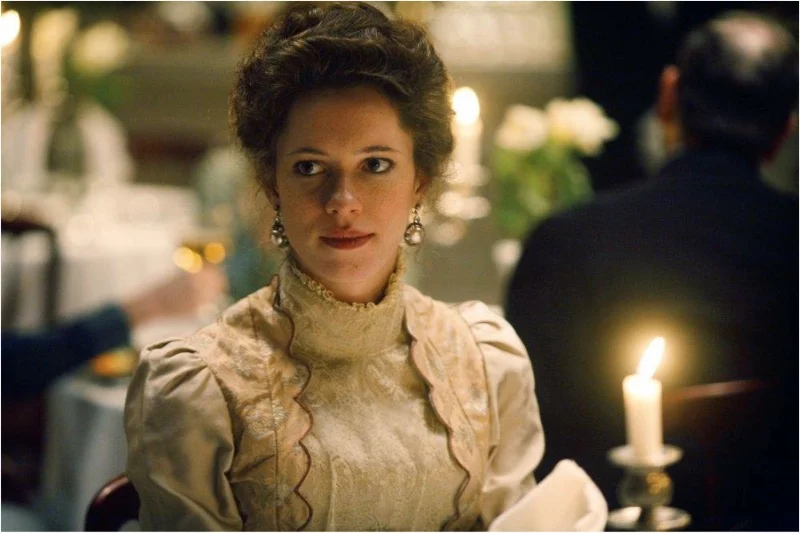
Sarah Borden and Olivia Wenscombe serve specific plot functions tied to the feud between Robert Angier and Alfred Borden. Sarah marries Borden and becomes the person who notices the inconsistency in his affections while Olivia moves between Angier and Borden as an assistant and messenger who carries secrets. Their scenes move key turns in the story forward but they rarely drive independent goals that are not connected to the two leads.
The script positions their choices as catalysts for the magicians rather than as fully explored arcs. Sarah discovers the truth about Borden through domestic moments and Olivia is introduced through theatre work and backstage exchanges that pass information between rivals. The central chess match remains anchored to Angier and Borden which limits the narrative space for Sarah and Olivia beyond the rivalry.
Aged Masterfully: Dual diaries and the Pledge Turn Prestige structure
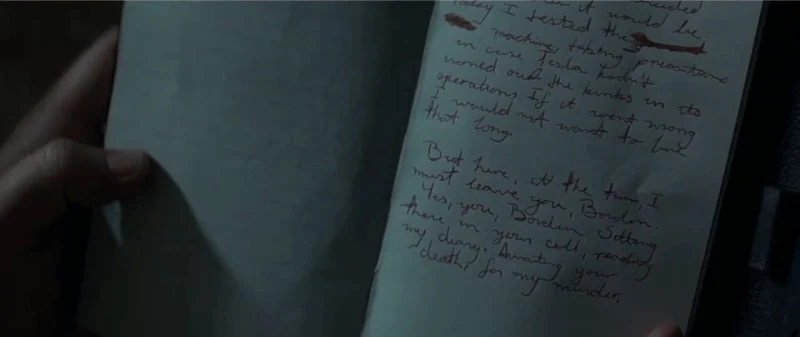
The film uses a layered diary device where Angier reads Borden’s journal and Borden reads Angier’s journal. Each account withholds specific facts that only become clear when the other perspective is revealed. This interlocking approach lets the plot move across time and location while preserving the chain of cause and effect that ties the two men together.
The story is also organized around the three parts of a stage illusion called the pledge, the turn, and the prestige. Courtroom testimony and prison scenes frame these sections and the diaries fill the gaps with rehearsals, performances, and experiments. The result is a narrative that tracks who is observing, who is performing, and where the misdirection occurs in each sequence.
Aged Poorly: Historical persona and cultural portrayal around Ching Ling Soo
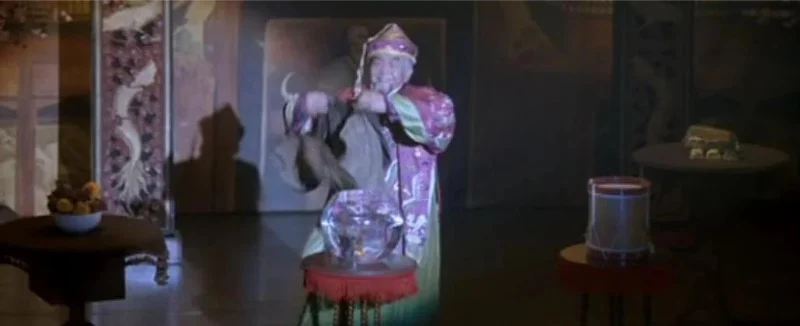
The film features a memorable example from stage magic history in which a performer presents a lifelong persona as a Chinese magician. This depiction references the real case of William Ellsworth Robinson who adopted the stage identity Chung Ling Soo. In the movie this example is used to show how a magician can hide a secret in plain sight by living the act off stage.
The scene communicates the method without exploring the cultural implications of a white American passing as Chinese in historical entertainment. It includes period mannerisms and language cues that reflect the era but does not provide additional context on how this practice functioned within real theatre traditions. The reference appears as a lesson for Angier and Borden rather than a subject examined on its own terms.
Aged Masterfully: Period production design and practical stage mechanics
The setting covers theatres, workrooms, and a research site in Colorado Springs, all built with details like trap doors, water tanks, cabinets, and fly systems that match stage technology of the time. Props such as birdcages, locked cabinets, and rope rigs appear in rehearsals and show cues to ground illusions in physical methods that magicians actually used.
Recognition from major awards included nominations for cinematography and art direction. Costumes place characters in distinct roles like theatre owners, engineers, and stagehands with textiles that read as work wear or evening attire. Sets and wardrobe together create a consistent world that matches the craft of late Victorian entertainment.
Aged Poorly: Scientific plausibility of the Tesla machine
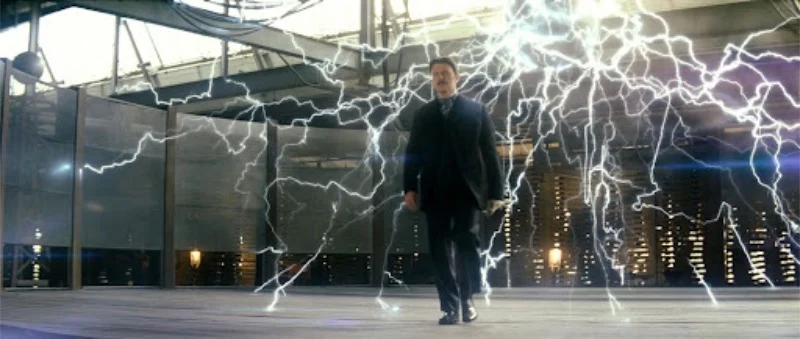
Nikola Tesla is shown building a device that creates a second Angier across space. Tesla’s historical work centered on alternating current, high voltage experiments, radio, and wireless power transmission. The film makes clear that the machine in the story is a fictional invention that goes beyond recorded experiments and that shapes the final act of the plot.
Cloning as a scientific term involves biological replication and developmental time rather than instant duplication of a fully formed adult with the same memories. The movie presents immediate material duplication which functions as a fantasy technology to enable the transported man performance. The contrast between the fictional device and documented science places this element in the realm of imaginative storytelling rather than plausible research.
Aged Masterfully: Casting that fits character function and plot design
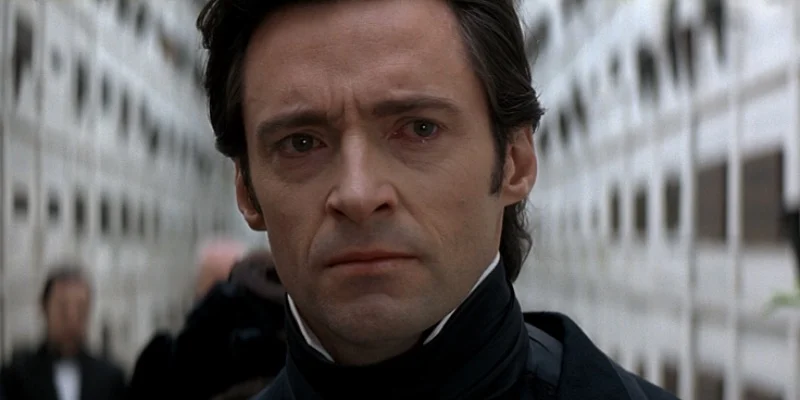
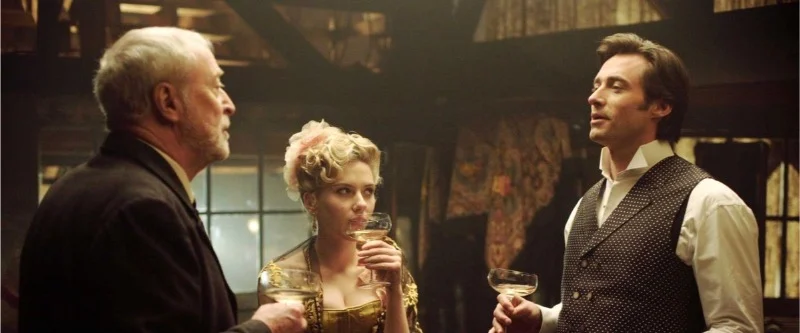
Hugh Jackman plays Robert Angier, a showman who pursues the transported man at any cost, and Christian Bale plays Alfred Borden and the assistant known as Fallon who together embody the secret at the center of the story. Michael Caine appears as John Cutter, a theatre engineer who explains methods and builds apparatus. Scarlett Johansson portrays Olivia Wenscombe who moves between the rivals, and Rebecca Hall portrays Sarah Borden who confronts the truth at home.
David Bowie portrays Nikola Tesla and Andy Serkis portrays his assistant Alley during the Colorado Springs chapter. The roles align with specific tasks in the plot such as diary authorship, misdirection on stage, and engineering support in workshops and labs. This alignment lets the story assign each performer a clear place in the machinery of the rivalry.
Aged Poorly: Limited on screen diversity in principal roles
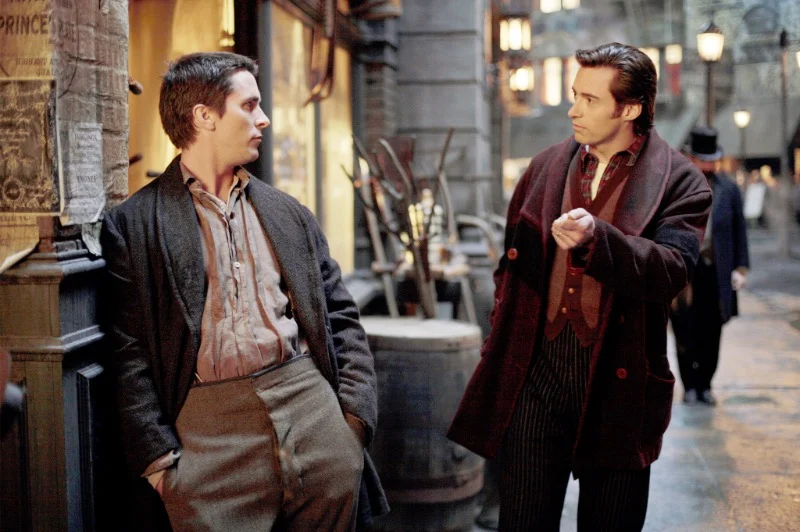
The primary cast is largely white and British or American, with few speaking parts for people outside that group. Theatre audiences, crew, and townspeople appear in background scenes but do not receive named roles or sustained dialogue that expands representation.
The story’s locations are London stages and workrooms plus a research compound in Colorado. Within those spaces the credited characters who drive plot points come from a narrow demographic range. That concentration results in few opportunities for varied cultural perspectives within the narrative.
Aged Masterfully: Themes of sacrifice and identity anchored to concrete actions
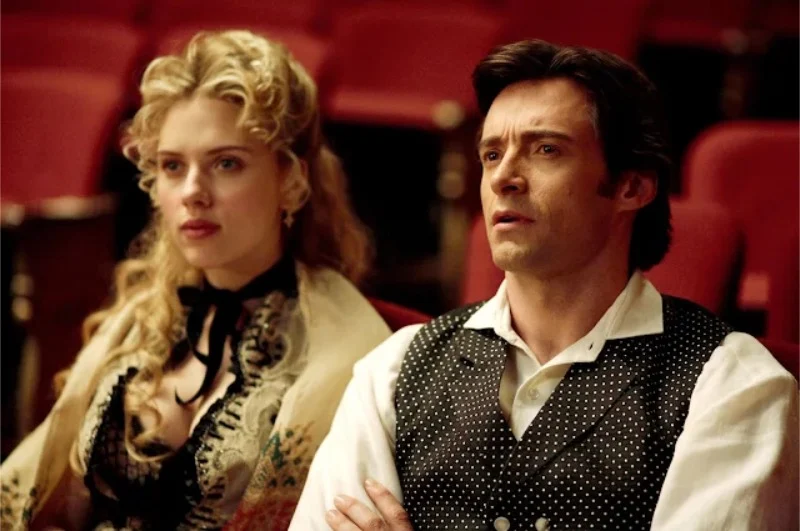
Borden’s life is built around a concealed twin who shares a single identity and a marriage, which explains inconsistent behavior that other characters notice. After Angier shoots off two of Borden’s fingers during a stage incident, the twin removes two fingers to maintain the shared persona. The secret controls their schedules, relationships, and even handwriting, and it underpins the logistics of the transported man.
Angier adopts a nightly routine that requires a life to end in a water tank beneath the stage while an identical Angier appears in the balcony. The show relies on stagehands, hidden locks, and a trap system that keeps the device concealed from the audience. These actions turn obsession into tangible procedures rather than abstract statements and they shape the consequences seen in the final scenes.
Aged Poorly: Same year release alongside ‘The Illusionist’ created overlap
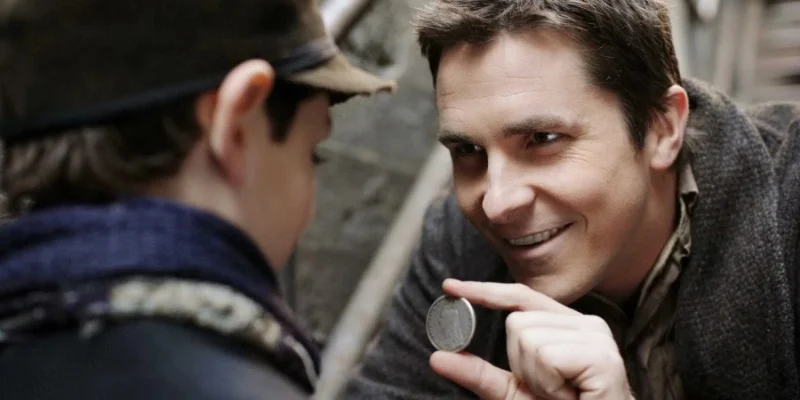
In the United States, ‘The Illusionist’ reached theatres in August 2006 and ‘The Prestige’ opened in October 2006. Both movies focus on magicians in the same general historical period and both include romantic entanglements that affect onstage choices. Marketing and coverage in that year often discussed the pair together because the subjects and timing were closely aligned.
The overlap meant that trailers, posters, and media features for two period magician films appeared within the same season. Audiences who saw both encountered similar stage settings and similar vocabulary like cabinet illusions and misdirection. The proximity of release dates created surface similarities that shaped how viewers first encountered ‘The Prestige’.
Aged Masterfully: Rewatch clues planted across dialogue, props, and blocking
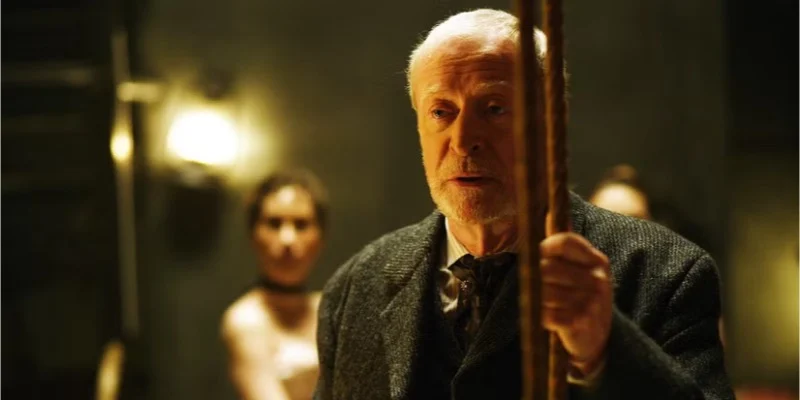
Early lines establish the method before the reveal. Cutter describes the role of a double during a demonstration with a vanishing bird and a crushed cage. Sarah tells Borden that some days he loves her and other days he does not, which matches the presence of two people living one life. Fallon stays close to Borden’s child and often stands with little dialogue which preserves the disguise in busy backstage scenes.
Props and staging reinforce the solution. Keys, gloves, and a notebook with a cipher appear in moments that connect to the twin and to the diaries. Water tanks, top hats scattered outside the lab, and repeated steps beneath the stage point directly to Angier’s method. These clues are placed in plain sight and gain new meaning when the viewer tracks the routine with the full set of facts.
Share your take on which parts of ‘The Prestige’ held up best and which parts did not in the comments.