10 Things You Probably Didn’t Know About ‘The Green Mile’

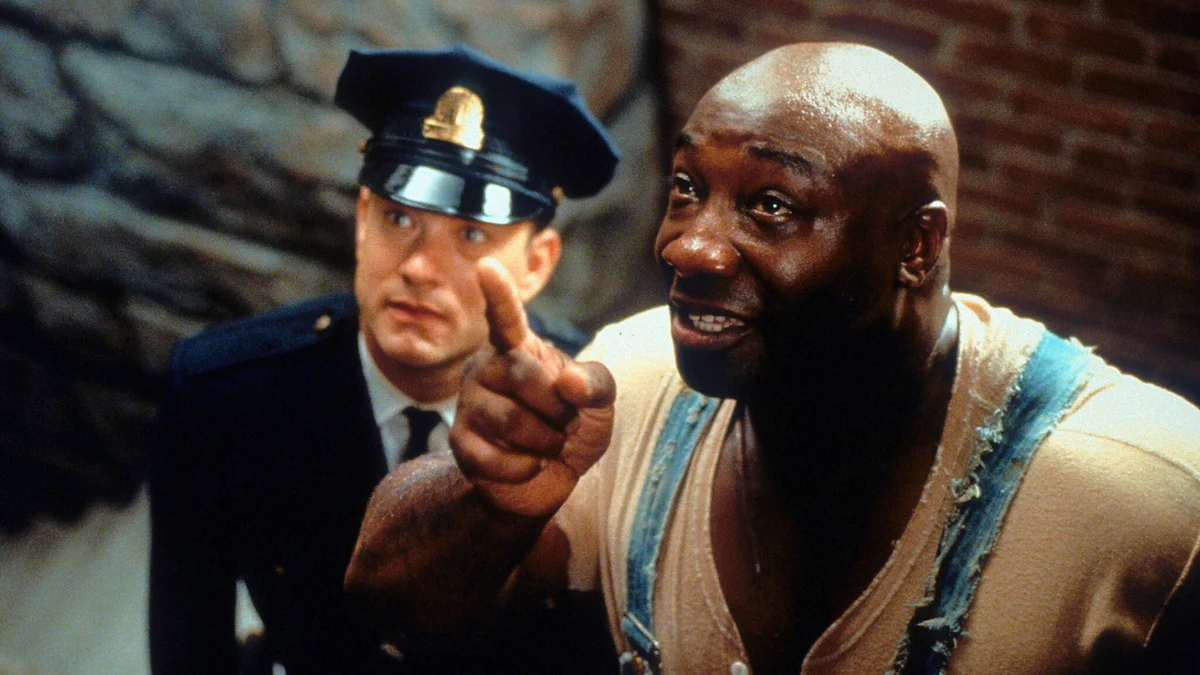

When ‘The Green Mile’ was released in 1999, it quickly established itself as one of the most emotional and memorable films of its era. Directed by Frank Darabont and based on Stephen King’s serialized novel, the movie told the story of a death row guard, Paul Edgecomb, and his extraordinary encounters with an inmate named John Coffey, who possessed miraculous healing powers. With powerful performances from Tom Hanks, Michael Clarke Duncan, and a strong supporting cast, the film became both a critical and commercial success.
More than just a prison drama, the movie explored themes of justice, compassion, and the supernatural, leaving audiences deeply moved. Behind its touching story and striking visuals are fascinating behind-the-scenes details that many fans don’t know. Here are ten things you probably didn’t know about ‘The Green Mile’.
Michael Clarke Duncan Was Suggested by Bruce Willis
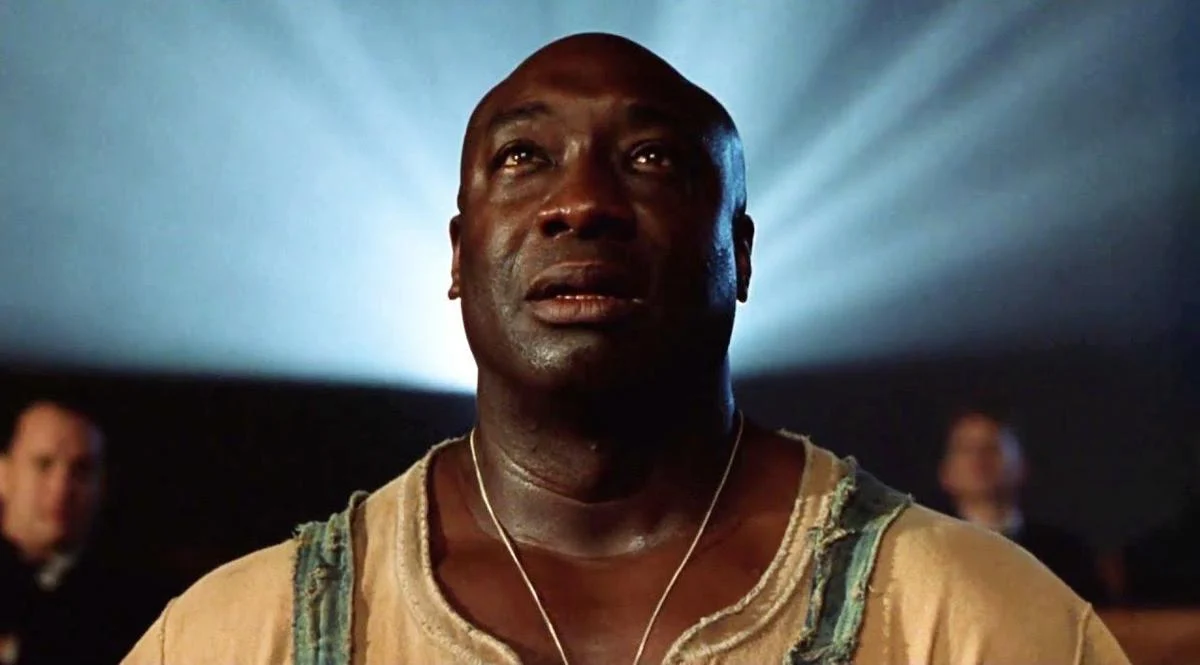
Before landing the role of John Coffey, Michael Clarke Duncan was a relatively unknown actor. Bruce Willis, who had worked with him on ‘Armageddon,’ recommended Duncan for the part to Frank Darabont.
The casting proved perfect, as Duncan delivered a moving performance that earned him an Academy Award nomination for Best Supporting Actor. His portrayal of Coffey remains one of the most heartfelt performances in modern cinema.
Tom Hanks Passed on Another Role to Join

Tom Hanks was originally offered the role of Andy Dufresne in Frank Darabont’s earlier film ‘The Shawshank Redemption,’ but scheduling conflicts kept him from taking it. When ‘The Green Mile’ came along, Hanks eagerly accepted the lead role of Paul Edgecomb.
This collaboration between Hanks and Darabont became a highlight of both of their careers. Hanks’ calm and steady performance provided the perfect balance to Duncan’s emotional portrayal.
The Film Was Shot Almost Entirely on a Single Set
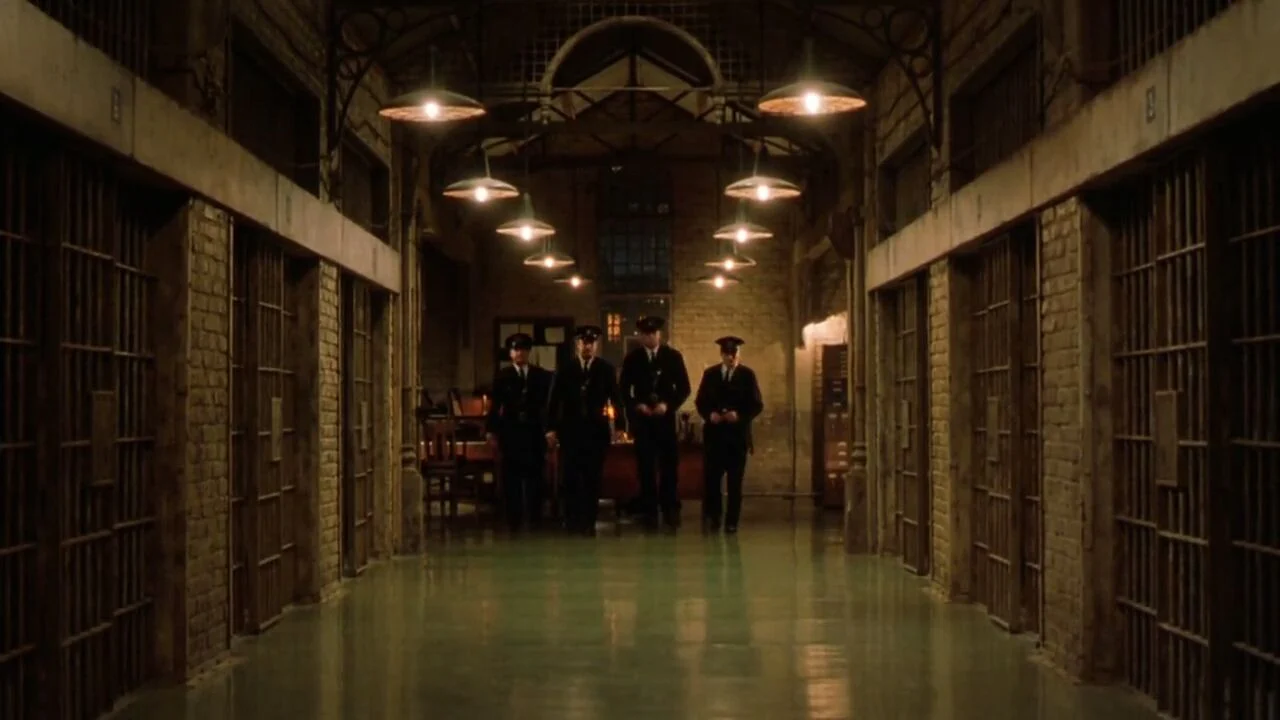
Most of the movie takes place on death row, known as “The Green Mile.” To capture the oppressive atmosphere, the filmmakers built a massive prison set on a soundstage.
The set was designed with long hallways and heavy lighting to emphasize the sense of confinement. Its realism allowed the actors to fully immerse themselves in the environment, making the film feel authentic and claustrophobic.
The Mice Were Specially Trained
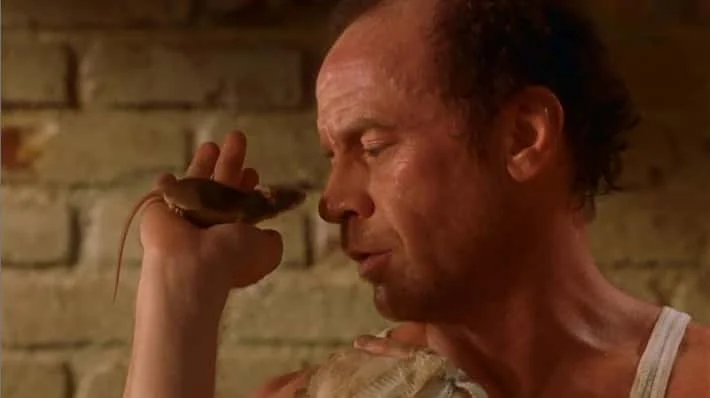
The character of Mr. Jingles, the mouse befriended by inmate Eduard Delacroix, was played by over a dozen different trained mice. Each mouse was trained to perform specific tasks, such as running into a spool or sitting still in an actor’s hand.
Animal trainers spent months preparing the mice, and their performances were so convincing that Mr. Jingles became one of the film’s most beloved elements. The little mouse added warmth and humanity to an otherwise bleak setting.
Stephen King Was Deeply Impressed by the Adaptation
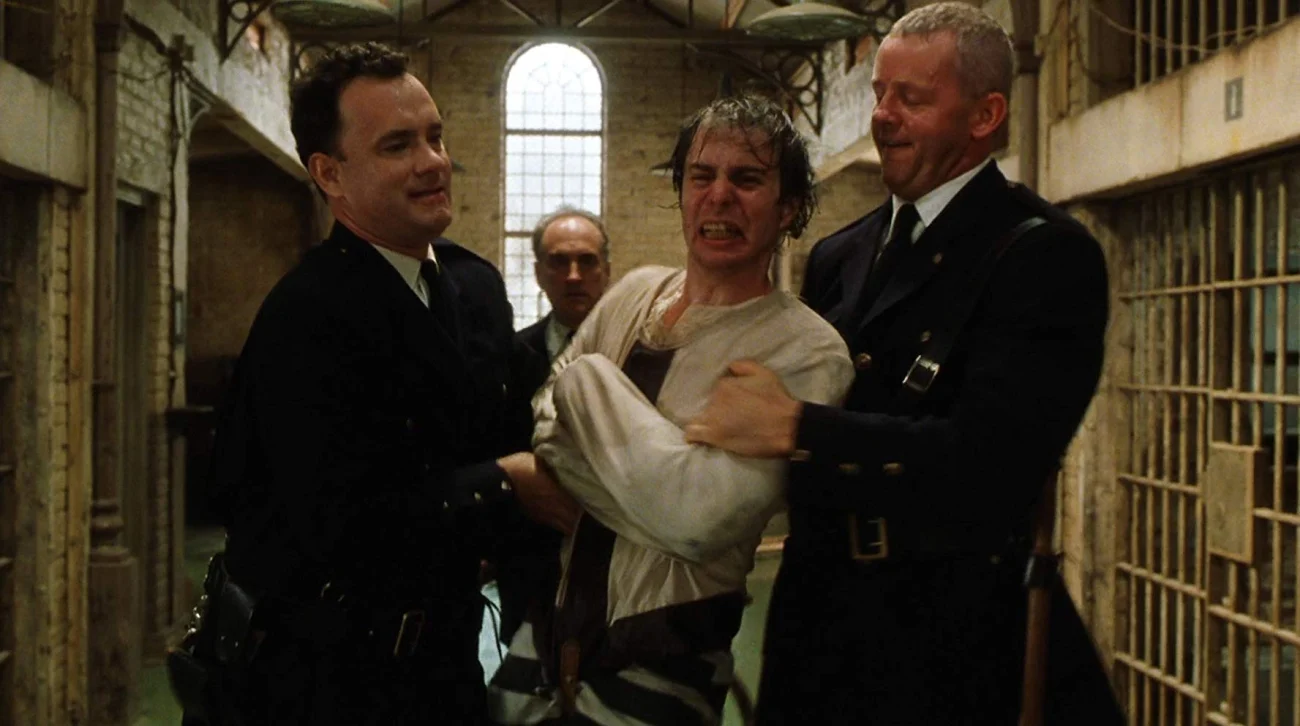
Stephen King is known to be critical of film adaptations of his work, but he praised ‘The Green Mile’ as one of the best. He admired how Darabont captured both the atmosphere of the story and the emotional core of the characters.
King was particularly impressed with Michael Clarke Duncan’s portrayal of John Coffey, which he said exceeded even his own vision of the character. The film became one of the most successful adaptations of his writing.
The Actors Formed Strong Bonds During Filming
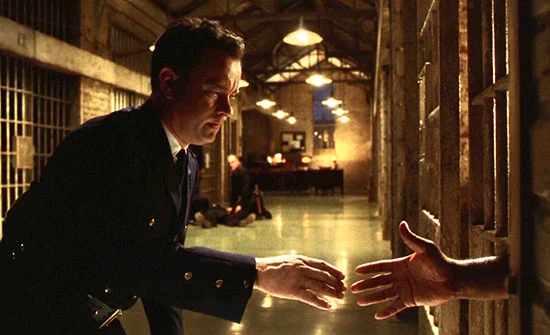
Due to the long shoot and confined setting, the cast developed close relationships off-screen. Tom Hanks, Michael Clarke Duncan, and David Morse often spent time together between takes, reinforcing the sense of camaraderie seen in the film.
These real-life bonds carried into their performances, making the relationships between guards and inmates feel genuine. The atmosphere on set contributed to the movie’s strong emotional resonance.
The Movie Runs Over Three Hours
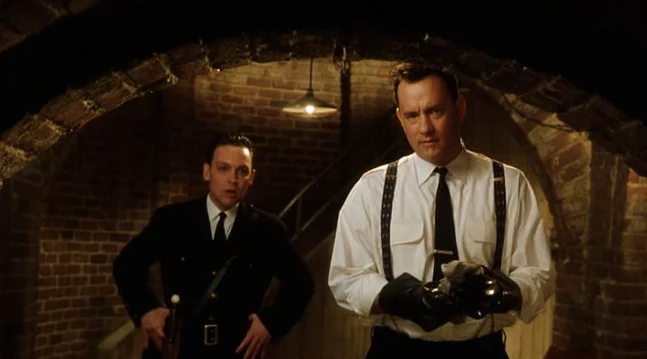
At more than three hours long, ‘The Green Mile’ is one of the longest mainstream Hollywood dramas of its time. Frank Darabont insisted on the extended runtime to fully explore the characters and storylines.
Despite its length, the pacing and emotional weight kept audiences engaged. The film went on to earn multiple Oscar nominations and widespread acclaim, proving that a long runtime didn’t lessen its impact.
Doug Hutchison Was Much Older Than His Role
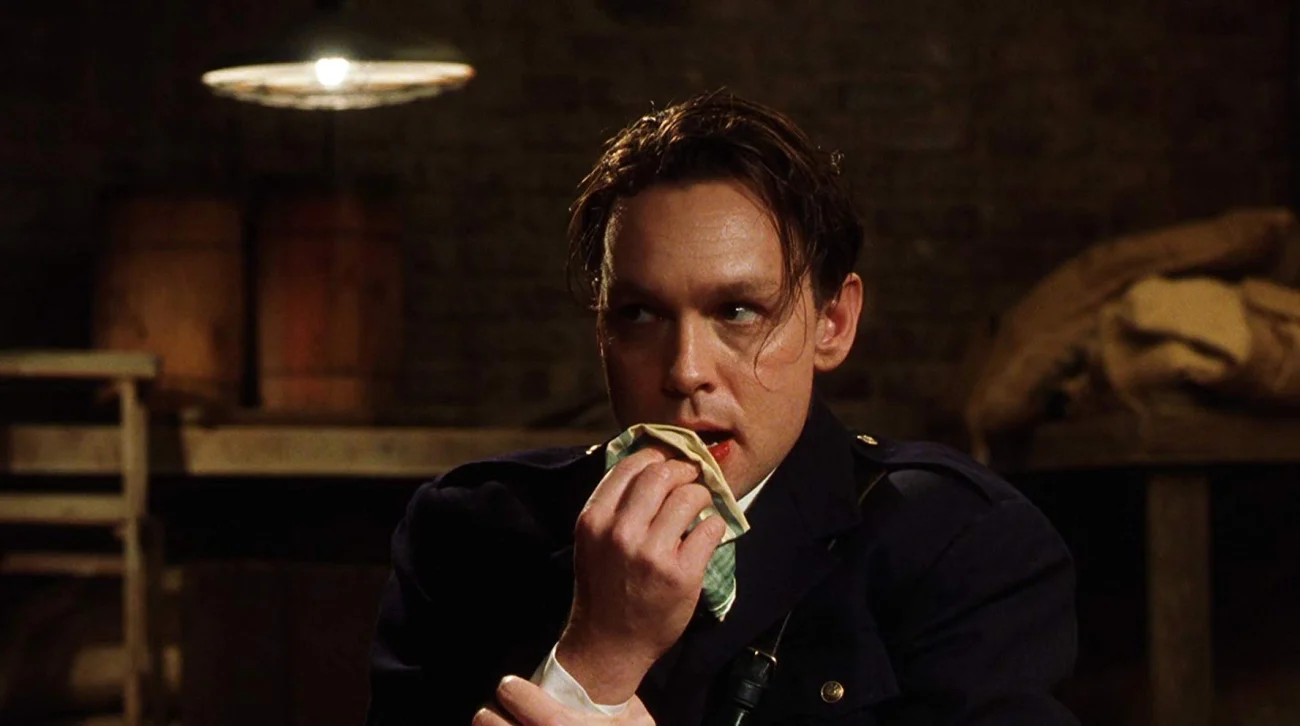
Doug Hutchison, who played the sadistic guard Percy Wetmore, was actually in his late 30s during filming, even though his character was meant to be much younger.
His unsettling performance as the cruel and immature Percy was so convincing that audiences often assumed he was closer to the character’s intended age. Hutchison’s work became one of the standout villainous portrayals of the film.
The Film Was a Major Awards Contender
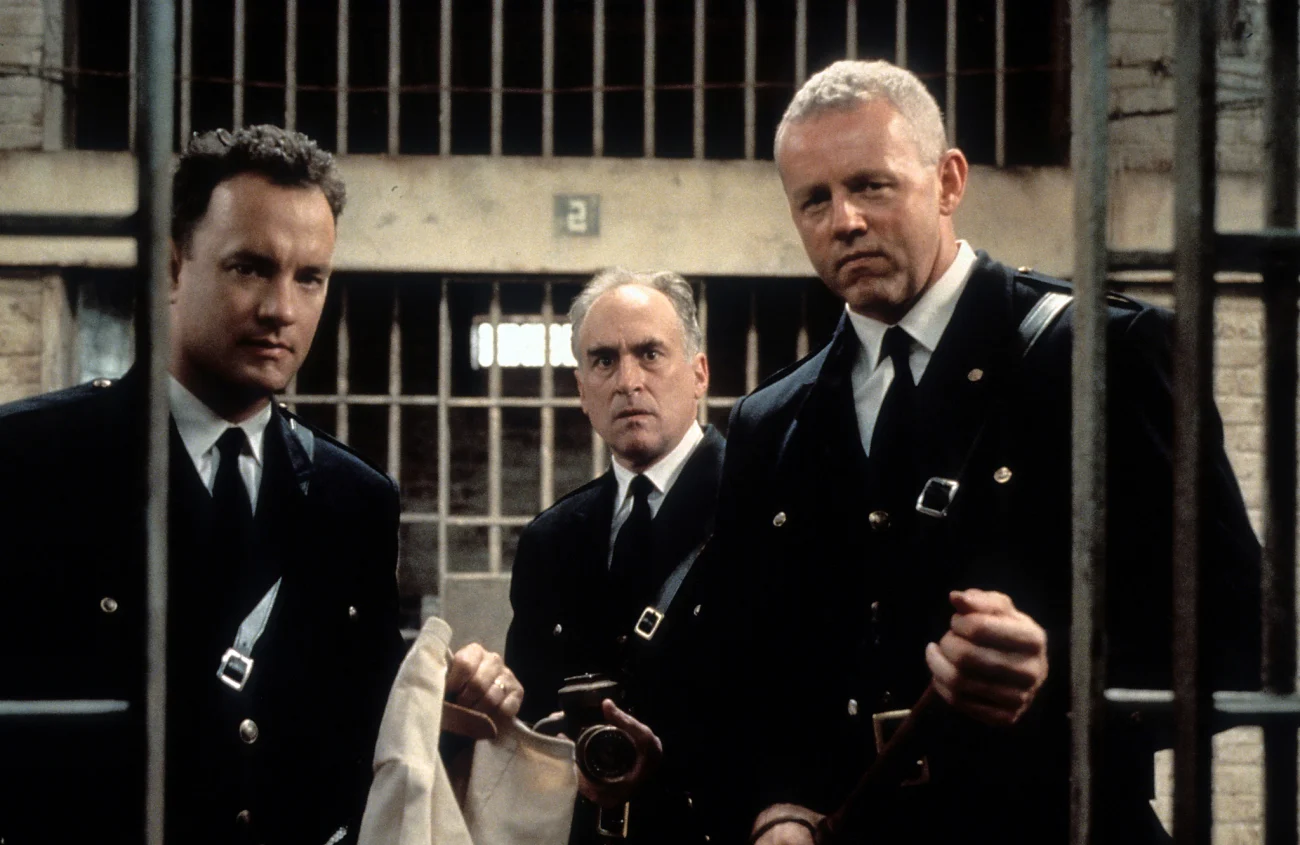
‘The Green Mile’ received four Academy Award nominations, including Best Picture, Best Supporting Actor for Michael Clarke Duncan, Best Sound, and Best Adapted Screenplay. While it did not win, the recognition cemented its place as one of the most respected films of the year.
Its success further proved that Frank Darabont had a gift for adapting Stephen King’s works into meaningful, award-worthy films. The nominations also highlighted the film’s broad appeal to both audiences and critics.
The Title Has a Symbolic Meaning
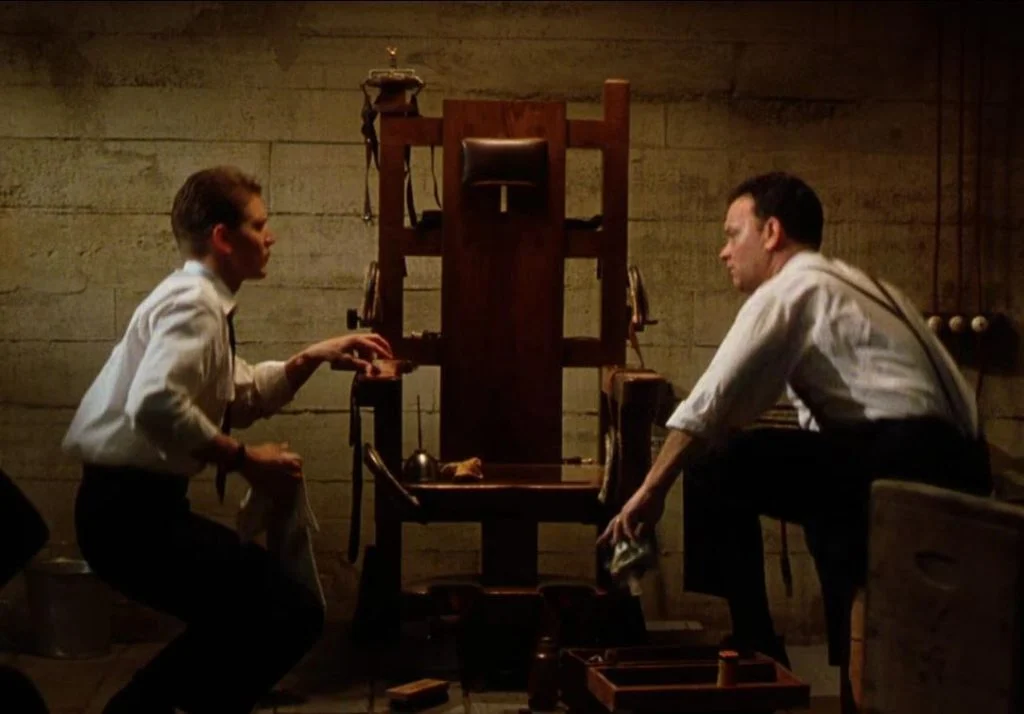
The “Green Mile” refers to the lime-green linoleum floor leading to the electric chair. The phrase was used by prison guards to describe the final walk taken by death row inmates before execution.
This symbolic name reinforced the movie’s themes of mortality and justice. It gave the story a haunting sense of inevitability, making the emotional moments even more powerful.
Which of these behind-the-scenes facts about ‘The Green Mile’ surprised you the most? Share your thoughts in the comments!