The Only Horror Movies With A Perfect Rotten Tomatoes Score


Getting a perfect score is rare in horror because reviews are often mixed and standards change over time. A select group of titles has kept every counted review positive and that puts them in a very small club. These films span different countries, eras, and styles while sharing one thing in common that spotless rating.
To keep things clear, this list sticks to feature length films and TV movies that Rotten Tomatoes classifies as horror. Each entry includes story basics and production details like key crew, cast, and release context so you can see what each film offers and why it continues to be included on the site’s perfect list.
‘The Phantom Carriage’ (1921)
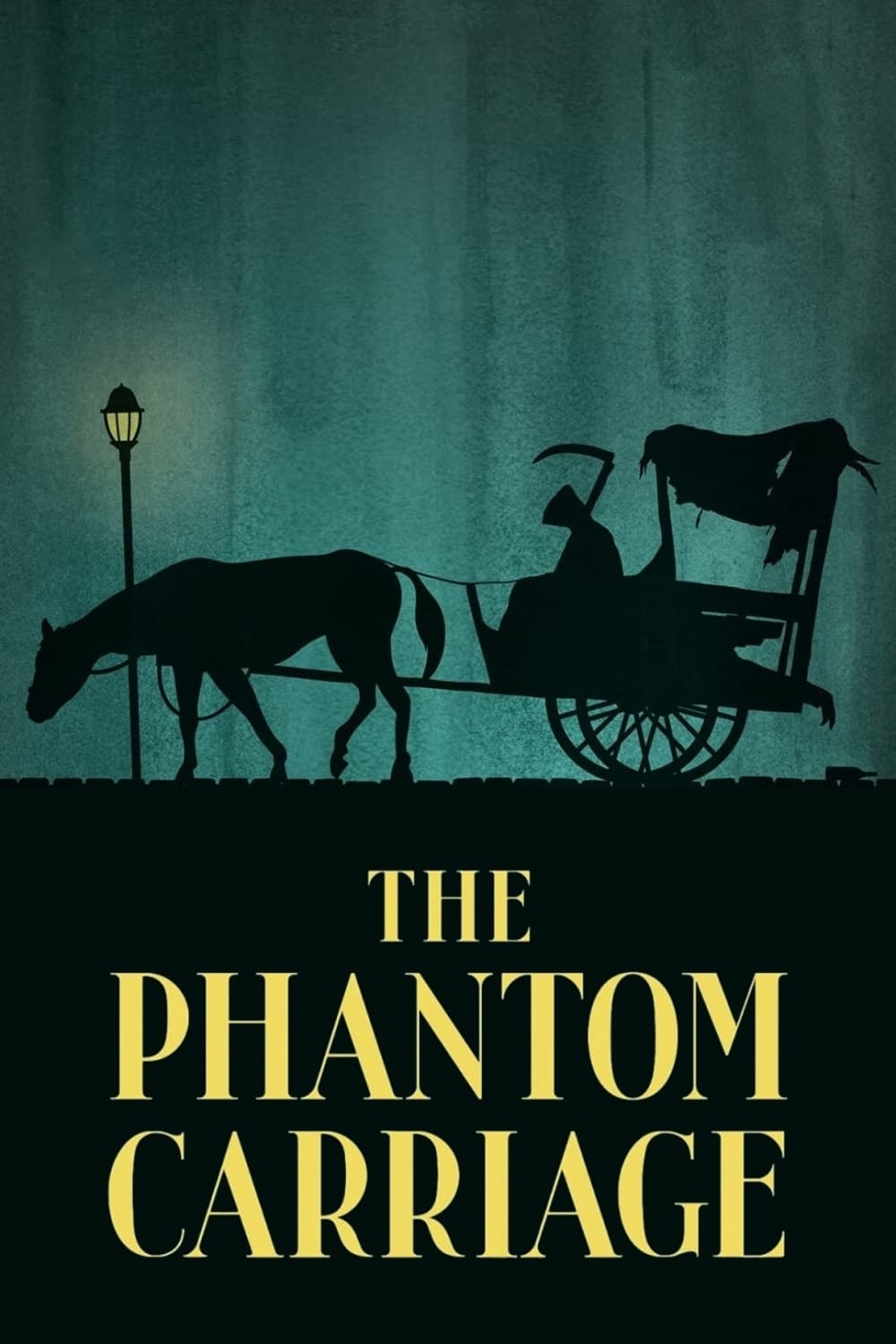
This Swedish silent film adapts Selma Lagerlöf’s novel about a man who dies on New Year’s Eve and must take over as the driver of Death’s cart. Victor Sjöström directs and stars, and the production became known for double exposure techniques that let spirits pass through doors and walls while live action continues around them.
The crew built complex in camera effects with layered negatives and careful choreography that still reads clearly today. The film’s focus on guilt, addiction, and redemption gives the ghost story a moral frame, and its influence can be traced in later European and American horror through camera tricks and somber themes.
‘The Most Dangerous Game’ (1932)

A shipwreck survivor washes ashore on a private island owned by a big game hunter who prefers human quarry. Joel McCrea and Fay Wray lead the cast, with production using jungle sets and night sequences from the team that also worked on ‘King Kong’ and shooting on the same soundstages to maximize resources.
The film runs just over an hour and uses that compact length for a simple hunter and hunted structure. Tracking shots, animal trophies, and cliffside chases keep the action moving while the central premise lays the groundwork for later survival horror stories that echo its setup.
‘Curse of the Demon’ (1957)
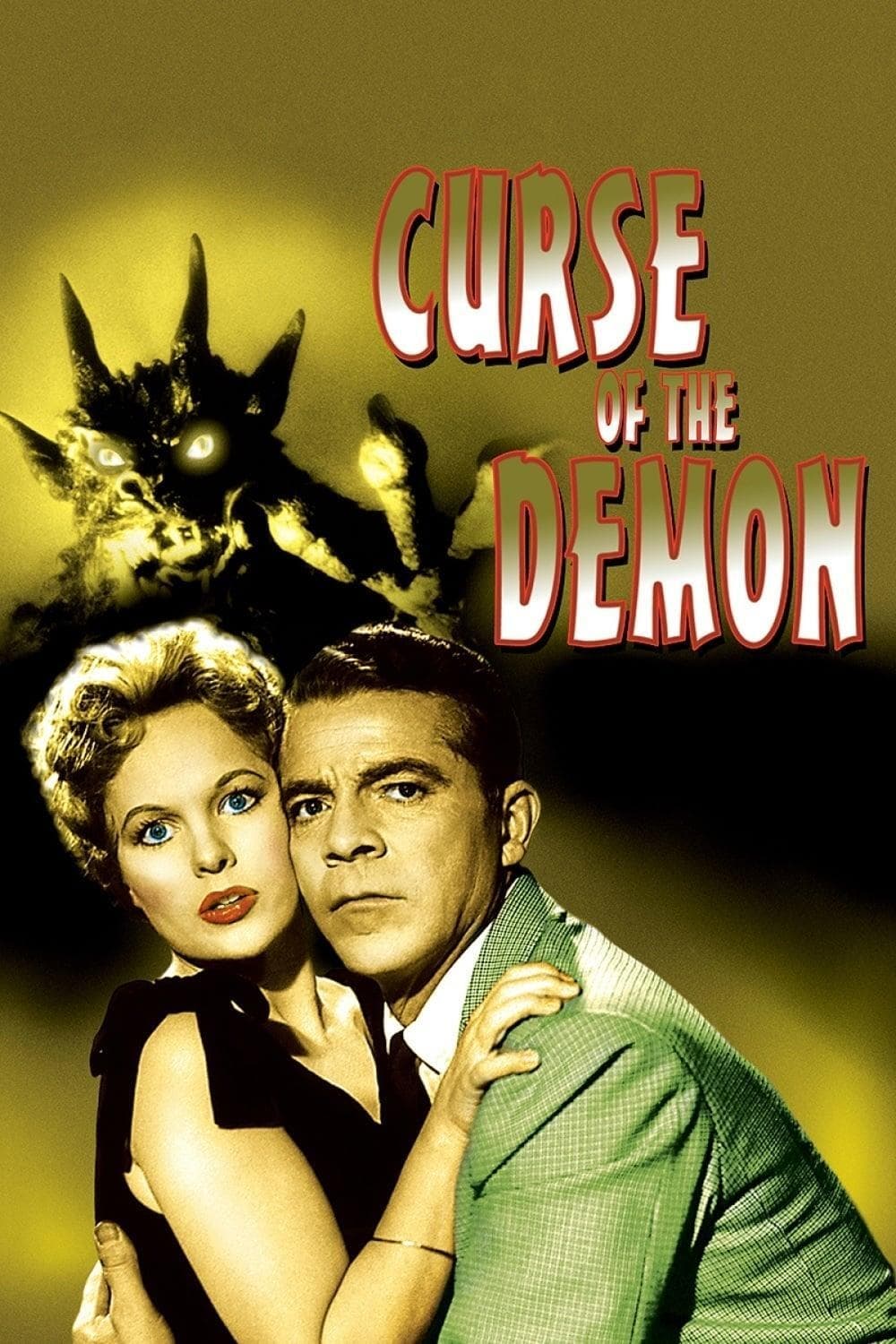
A skeptical psychologist arrives in England to debunk a cult leader and receives a parchment that marks him for death. Jacques Tourneur directs from an adaptation of M. R. James’s story “Casting the Runes,” and the production exists in two versions with different runtimes depending on territory.
The movie blends procedural investigation with occult ritual scenes and storm set pieces. Practical effects, optical shots, and sound design carry the supernatural elements while location photography in country houses and train stations grounds the investigation in everyday settings.
‘Scream of Fear’ (1961)

A young woman in a wheelchair returns to her father’s home and starts seeing his body in places where it should not be. Hammer Films produced the picture with Seth Holt directing and Douglas Slocombe handling the black and white cinematography that emphasizes mirrors, water, and tight interiors.
The story uses forged letters, wills, and medical records to drive a chain of twists that hinge on point of view and access. Christopher Lee appears in a key supporting role, and the film’s lean runtime keeps each clue and reveal tightly timed between dialogue scenes and night searches.
‘Ghostwatch’ (1992)
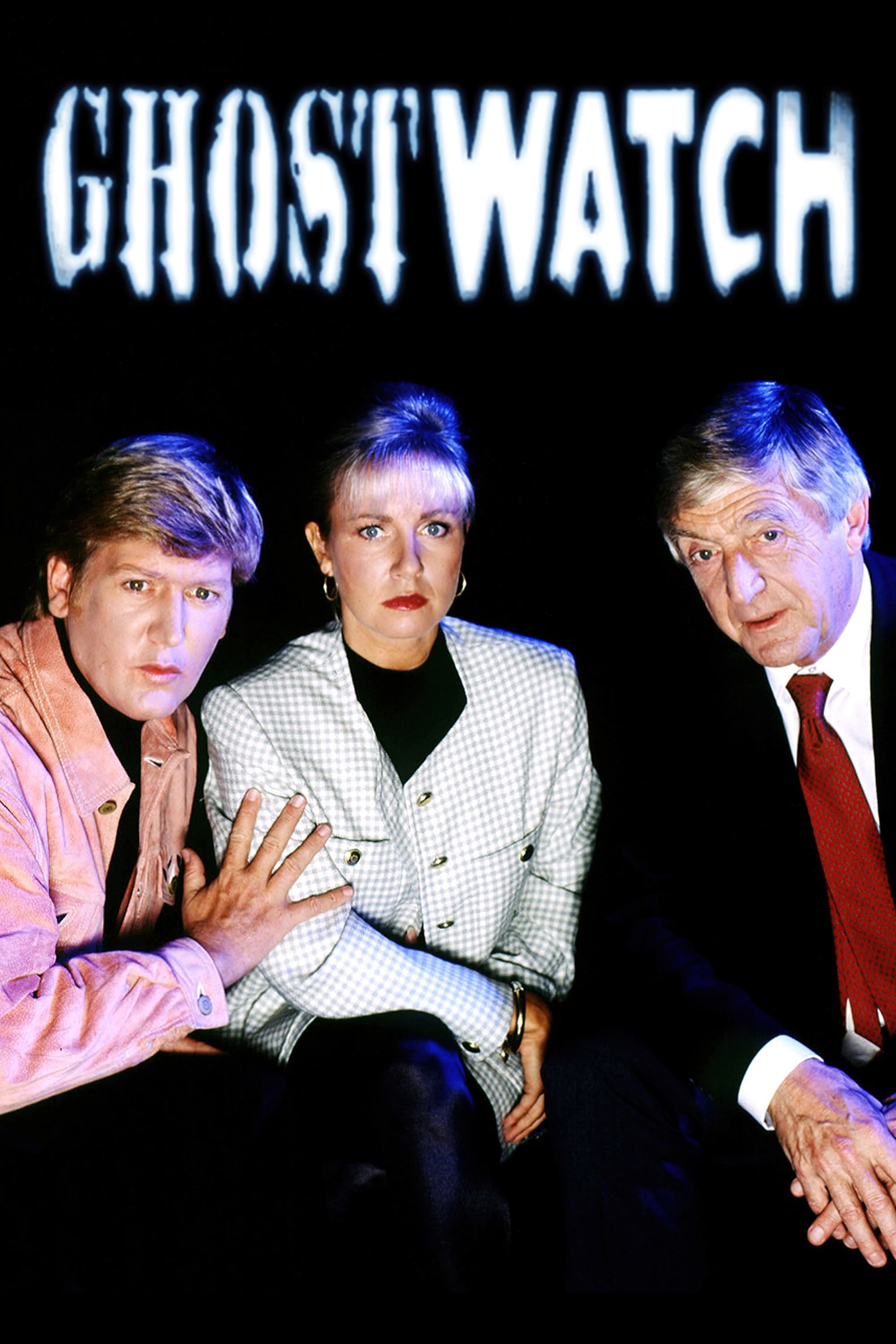
This BBC TV movie presents a live broadcast from a suburban house that appears to be haunted and frames the night as a studio anchored investigation. Familiar presenters play themselves and move between phone calls, pre recorded segments, and a roving camera inside the house while a family reports activity.
The production design uses a modest living room and hallway that allow the crew to plant recurring visual cues in the background. The format anticipates later found footage techniques with on air graphics, call screeners, and camera glitches that let the story escalate in a way that feels like a genuine television special.
‘One Cut of the Dead’ (2017)
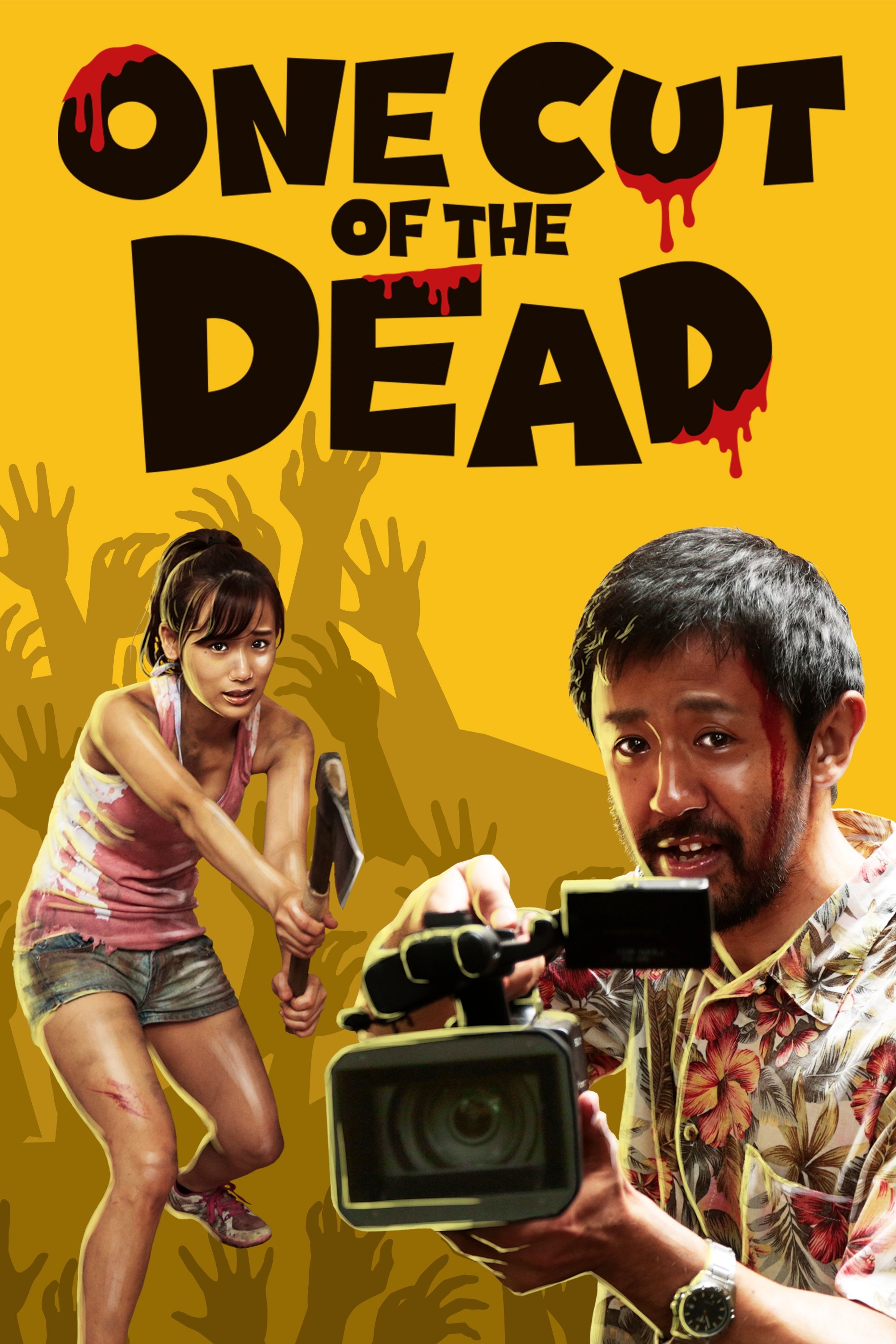
A low budget film crew shoots a zombie movie inside an abandoned facility and gets interrupted by real attackers while the camera keeps rolling. Writer director Shin’ichirō Ueda built the project with a small team, and the opening section unfolds in a single continuous take that sets up the rest of the structure.
The second half reveals how props, staging, and last minute fixes made the opening sequence possible. The production leans on quick rewrites, handheld rigs, and improvised solutions on set, which turns the behind the scenes process into part of the story while staying within a modest budget.
‘Creep 2’ (2017)
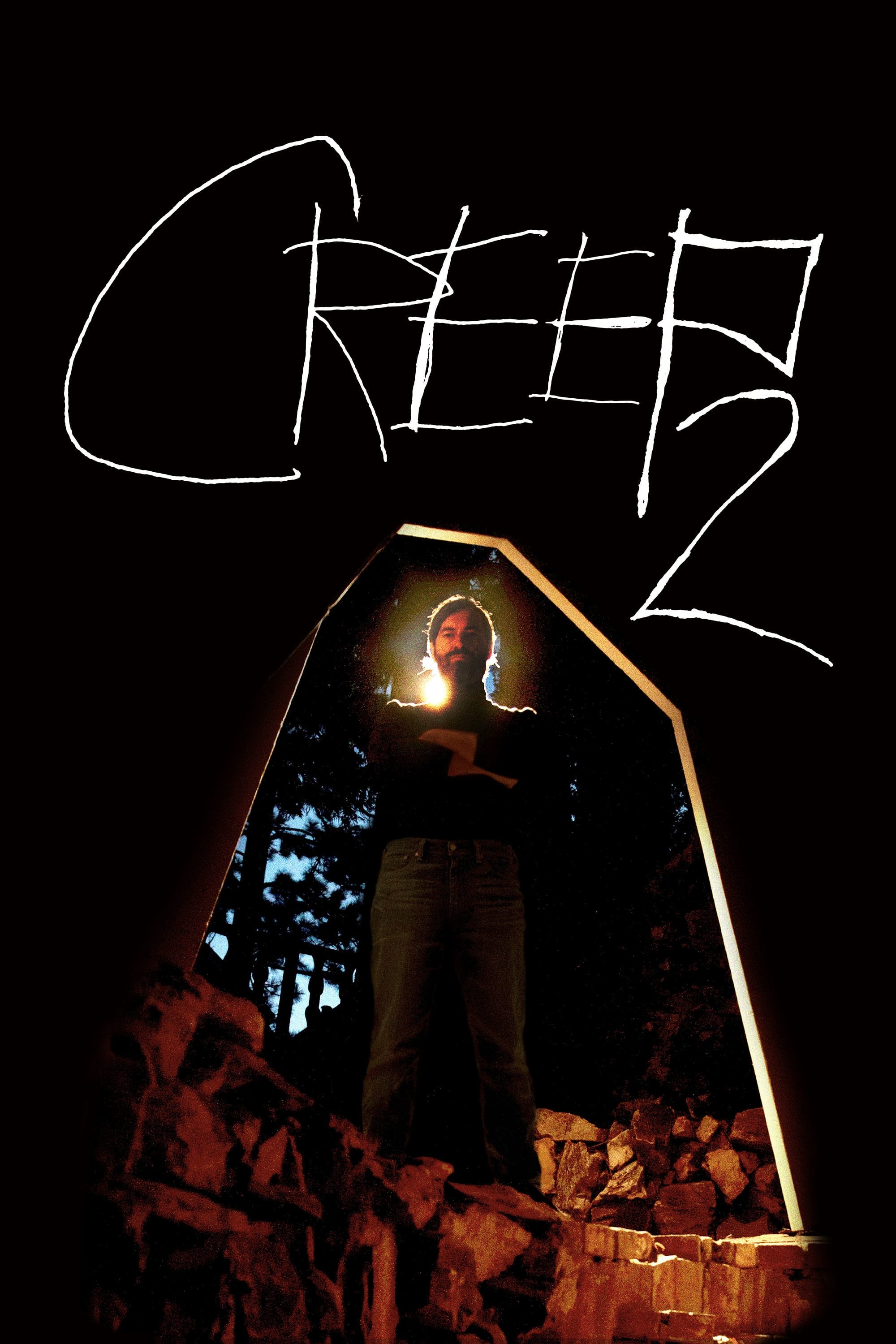
A video artist answers an online ad from a man who claims to be a serial killer and documents their meeting in a remote house. Patrick Brice directs, and the movie continues the found footage approach with Mark Duplass and Desiree Akhavan carrying long dialogue exchanges that play out in real time.
The production favors practical coverage over heavy editing and keeps the camera within the characters’ control. Locations are limited to a few rooms and nearby outdoor spots, which concentrates the story on conversation, confessions, and staged tests that the pair set for each other as the night goes on.
‘His House’ (2020)
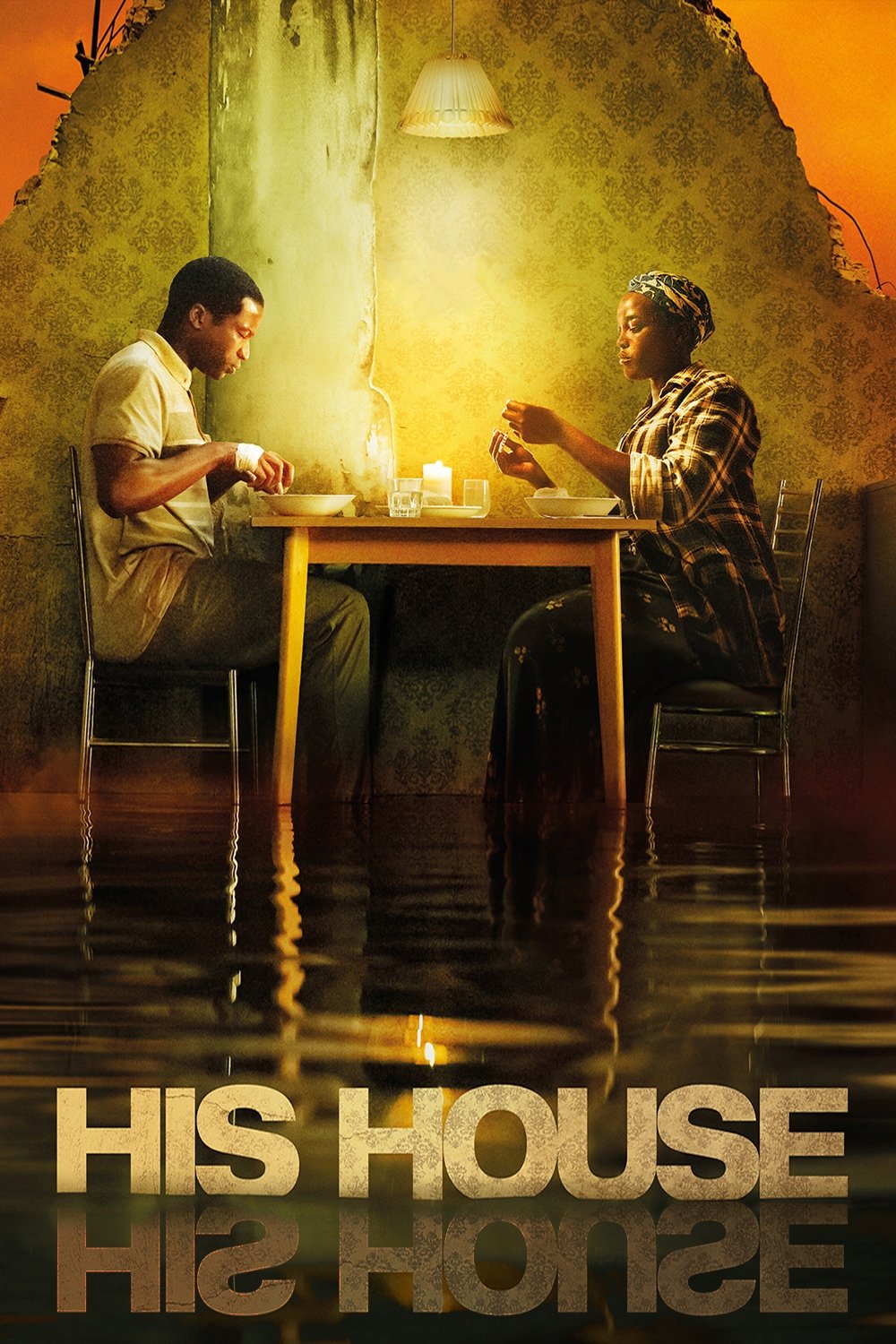
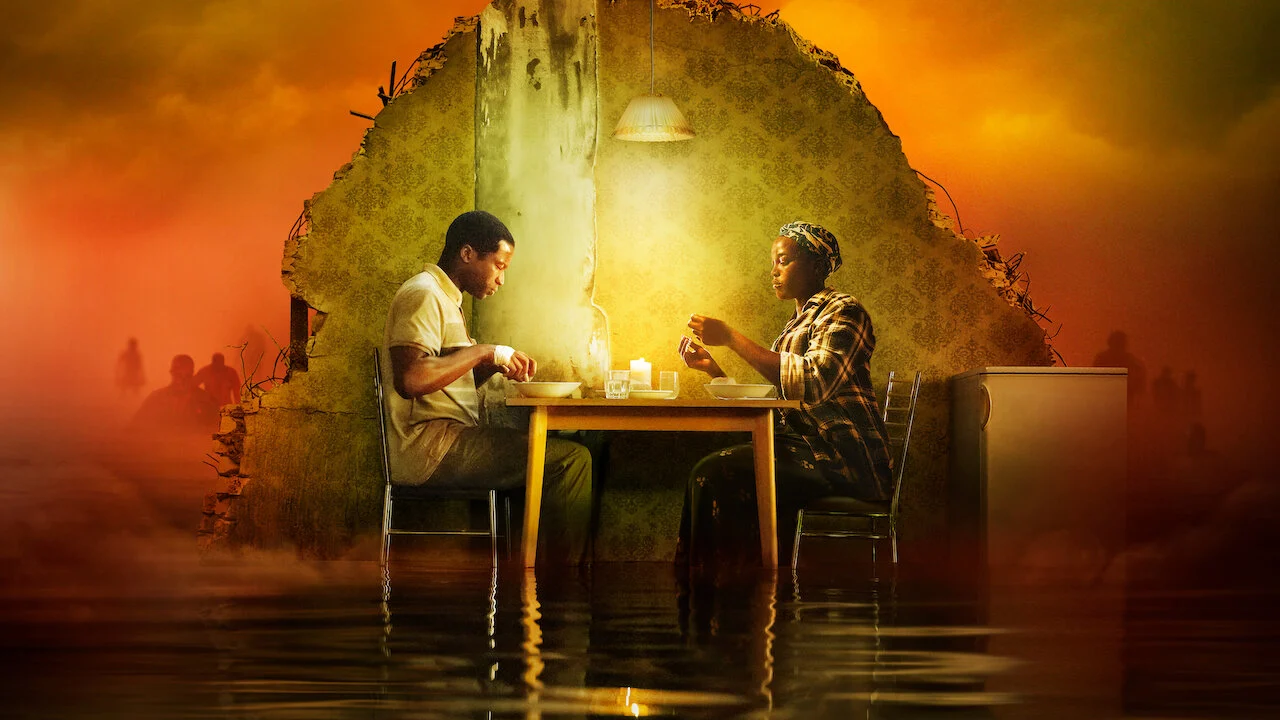
A refugee couple from South Sudan moves into public housing in England and begins to experience disturbances connected to their journey and the home. Remi Weekes directs, with Wunmi Mosaku and Ṣọpẹ Dìrísù leading a cast that places the haunted house narrative inside a real world immigration process.
The film uses peeling wallpaper, hidden crawl spaces, and water damage to stage apparitions that track with the couple’s paperwork deadlines and interviews. Flashback sequences fold into the present with match cuts and practical makeup effects, and the production balances social services offices with nighttime scares in the flat.
‘Dawn Breaks Behind the Eyes’ (2021)
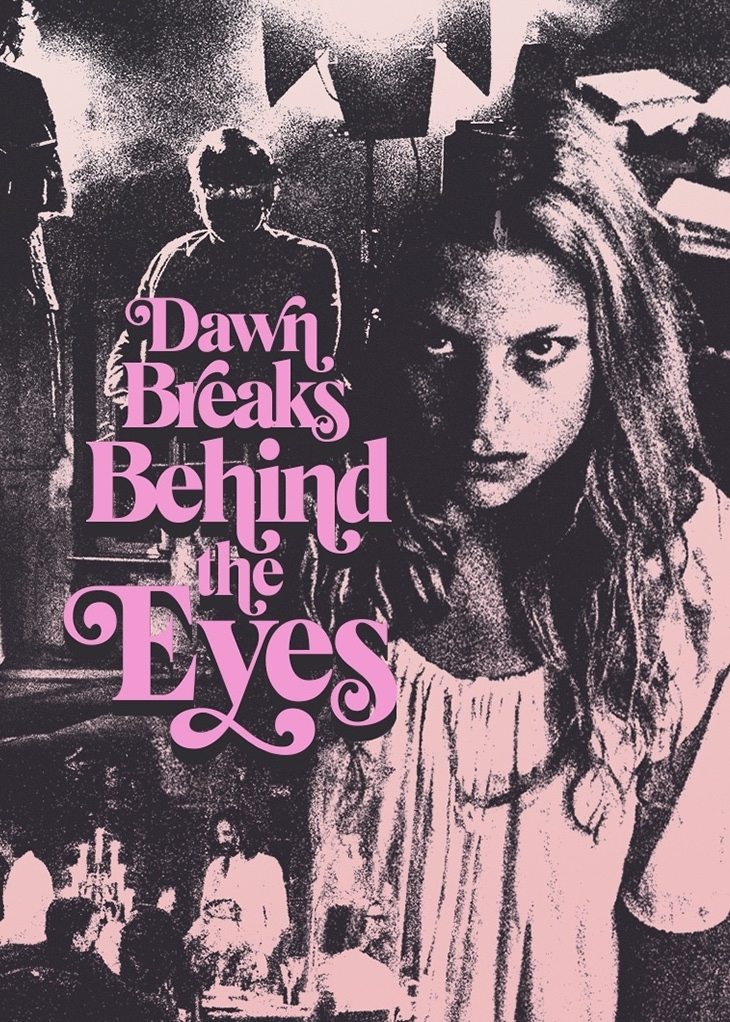
Two couples converge on a decaying German castle where identities shift and genres slide between gothic and modern narratives. The movie uses saturated lighting, split structures, and a compact runtime to explore metafictional layers that reference European horror imagery without relying on direct pastiche.
The crew shot in a real castle location and augmented rooms with stylized set dressing and lens choices that create a soft focus shimmer. Chapter breaks and perspective switches let the story reframe earlier scenes, and the score moves from organ textures to contemporary cues as the point of view changes.
Share your favorite perfect score horror titles in the comments and tell us which one on this list you plan to watch next.