The Best Celebrity Game Show Hosts of All Time

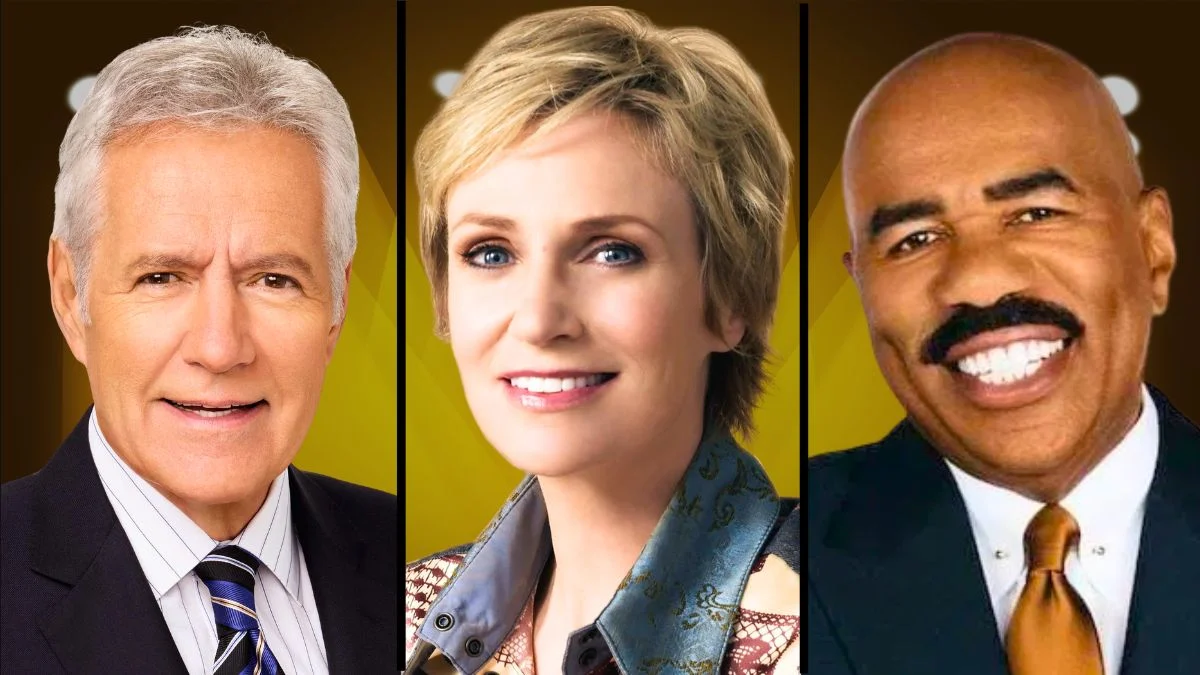

Game shows have been a constant part of television history, bringing quick rules, clear goals, and memorable faces into living rooms around the world. The host is the guide who explains the formats, keeps the pace moving, and makes sure contestants and viewers understand what is at stake in every round.
These hosts have overseen everything from quiz boards and survey walls to briefcases and spinning wheels. They introduced rules, explained lifelines, handled judging, and kept gameplay fair. Many also bridged daytime and primetime, proved adaptable across multiple formats, and helped their shows expand into specials and international versions.
Alex Trebek
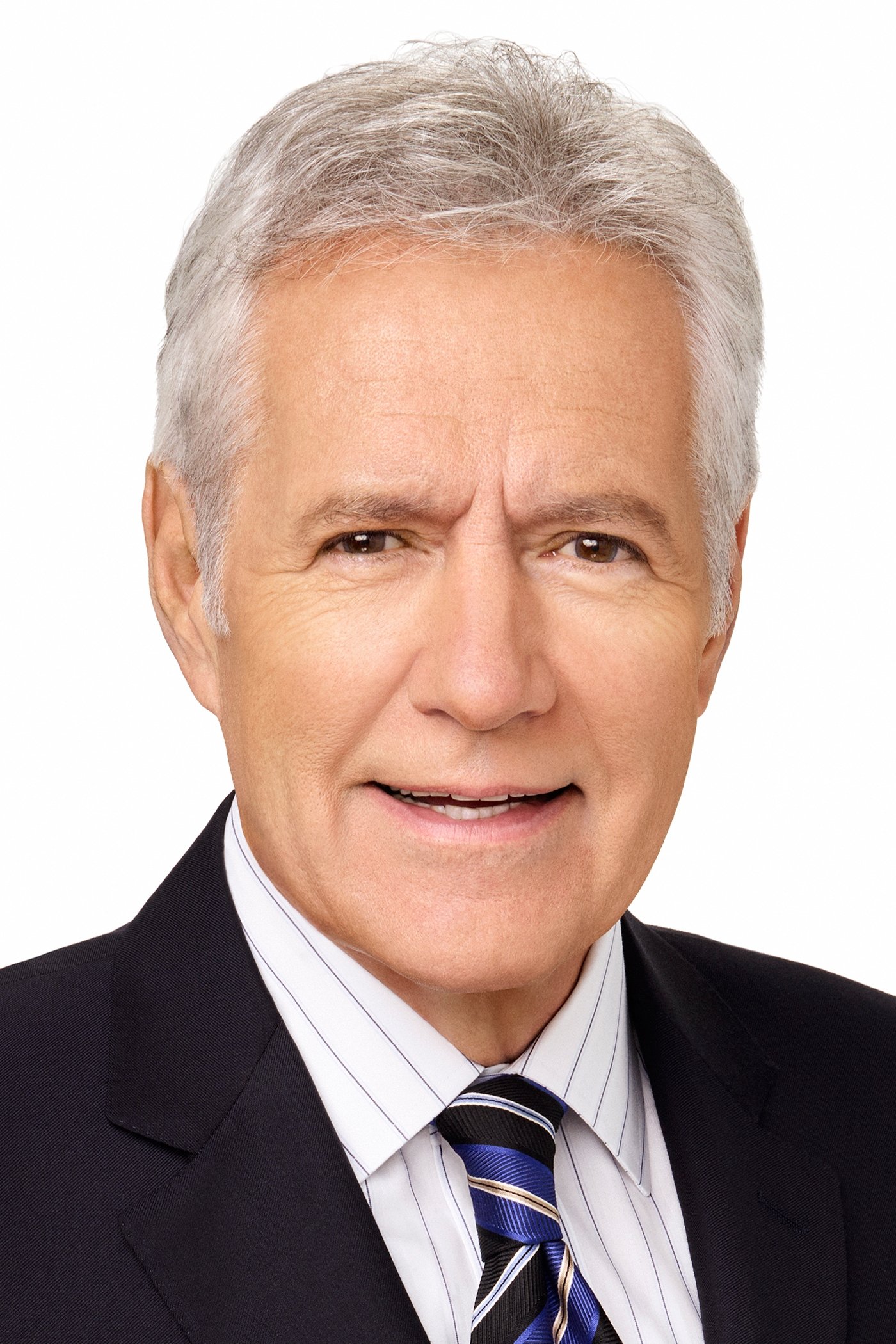
Alex Trebek anchored ‘Jeopardy!’ for decades and handled the show’s clue-and-response format with clear explanations of categories, Daily Doubles, and Final Jeopardy procedures. He also fronted shows like ‘High Rollers’ and ‘Classic Concentration’, bringing experience from quiz and puzzle formats.
Under his watch, ‘Jeopardy!’ refined its signaling and adjudication standards, from clue acceptance to tiebreaker rules. He hosted teacher, college, and celebrity tournaments as well as special events, which helped the show sustain a steady cadence of seasonal championships.
Bob Barker
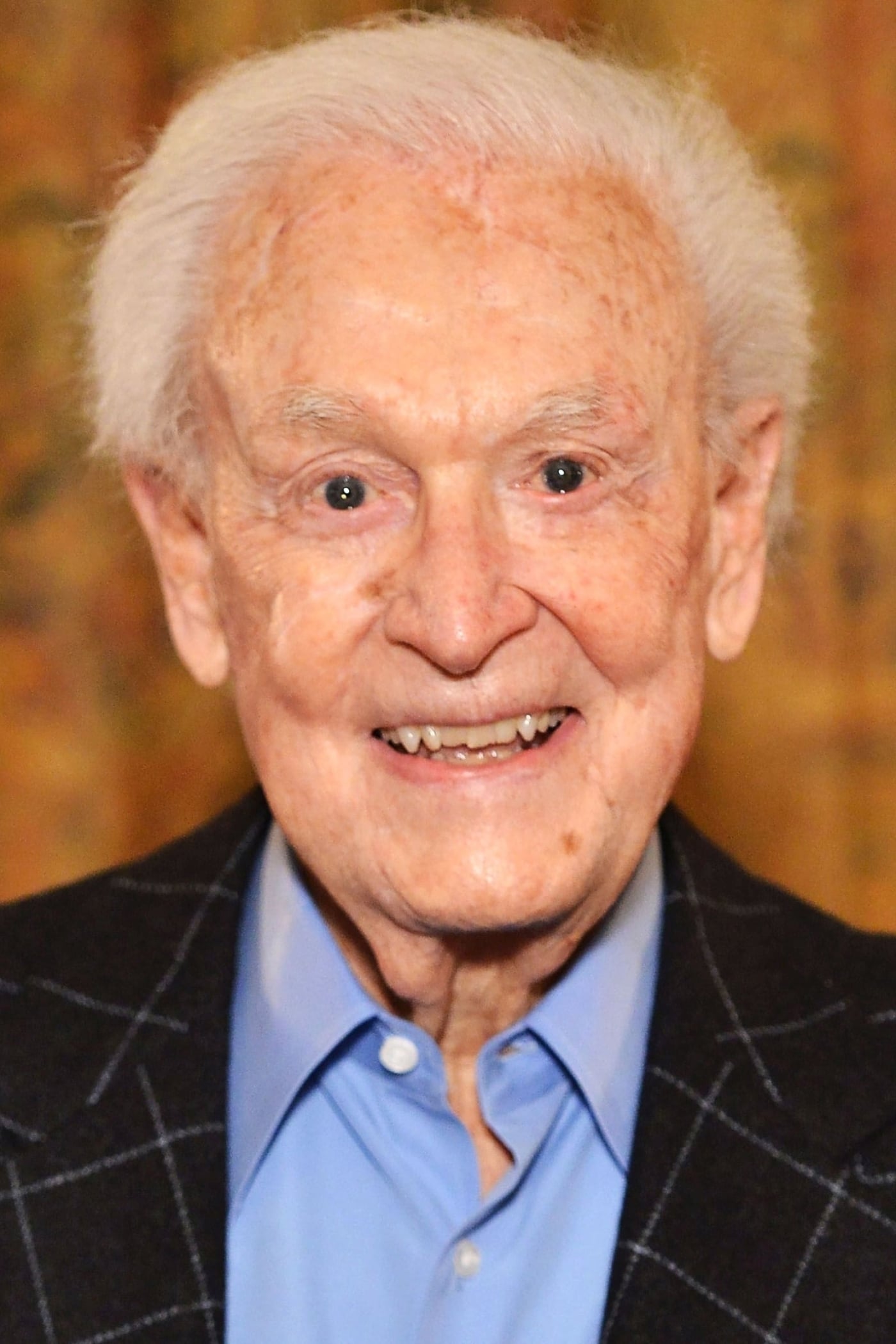
Bob Barker modernized ‘The Price Is Right’ with precise descriptions of pricing games, showcases, and rules for bids and tie situations. Before that, he hosted ‘Truth or Consequences’, gaining years of live audience experience that translated to daytime success.
He closed each broadcast with a consistent animal welfare reminder, which became a recognizable sign-off. During his tenure, ‘The Price Is Right’ rotated dozens of pricing games and regularly adjusted prize structures, and he guided contestants through each format change with step-by-step clarity.
Pat Sajak

Pat Sajak led ‘Wheel of Fortune’ through countless episodes, explaining toss-up rounds, bonus rounds, and the evolving consonant and vowel rules. He first hosted daytime episodes before moving to the syndicated version that reached a wide audience.
He worked closely with the puzzle board and timing elements as the show updated technology and gameplay. He also handled special theme weeks and traveling episodes, keeping the same core rules while adapting to venue changes and guest formats.
Drew Carey
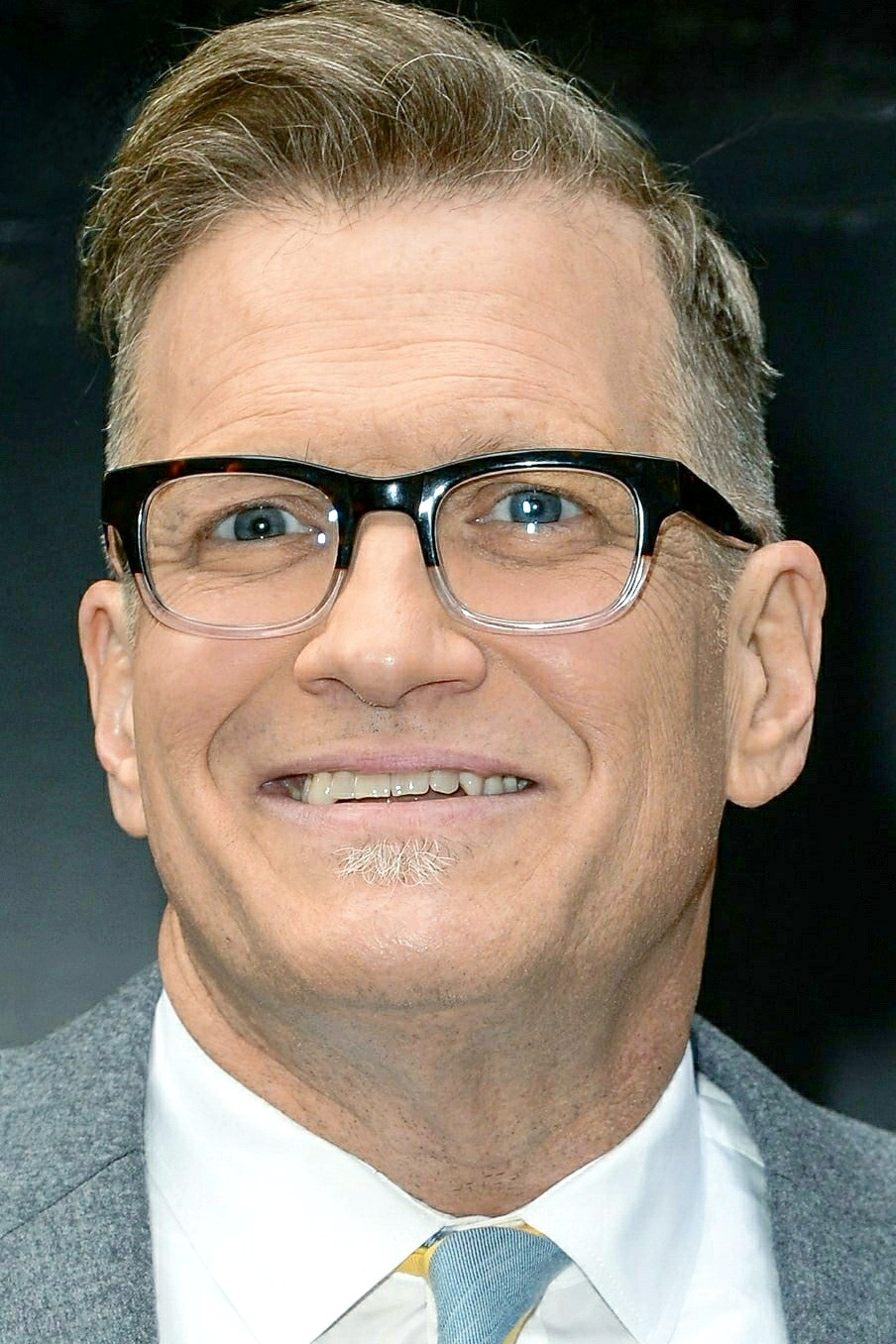
Drew Carey succeeded Bob Barker on ‘The Price Is Right’ and kept the show’s long list of pricing games organized for new generations of viewers. He clearly explained rules for classics like Plinko and One Bid, as well as newer additions and rotating games.
He integrated technology updates such as digital displays and refreshed showcases while maintaining the core bidding structure. He also hosted special primetime events and themed weeks, which required adjusted prize packages and revised pacing for different time slots.
Steve Harvey
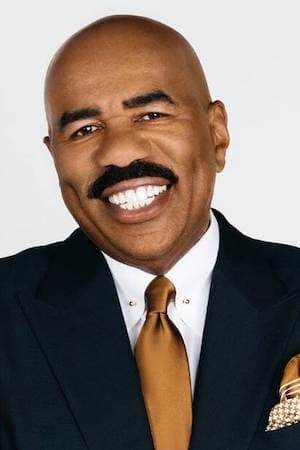
Steve Harvey took over ‘Family Feud’ and centered gameplay around survey questions and fast money rounds. He emphasized clear timing, strict pass or play enforcement, and concise instructions that ensured both teams understood their options.
He also fronted ‘Celebrity Family Feud’, which kept the same rules while modifying prize structures for charity. His version sustained a consistent episode rhythm that balanced face-offs, conferring at the podium, and speed-round flow for the final segment.
Regis Philbin
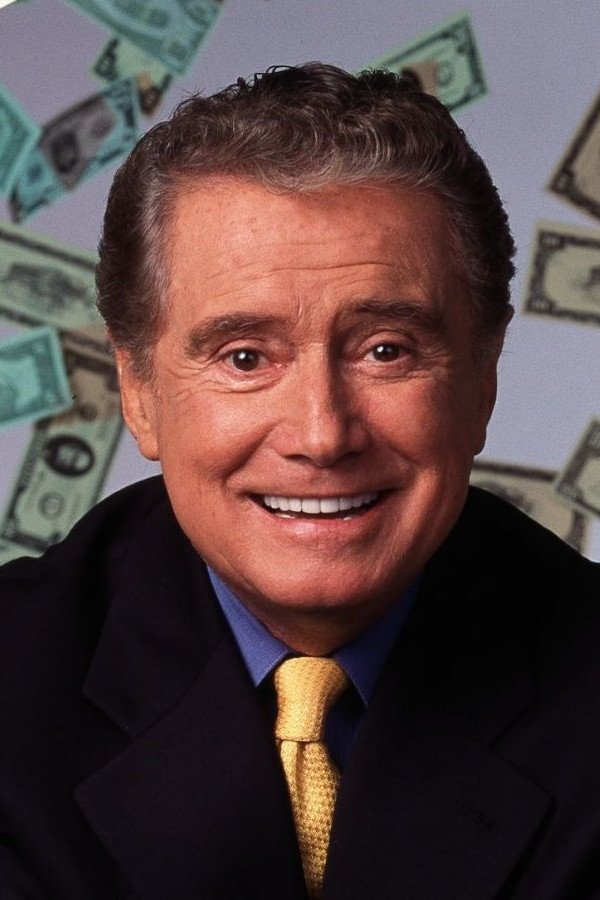
Regis Philbin hosted ‘Who Wants to Be a Millionaire’ during its primetime surge, carefully stating question values, lock-in procedures, and lifelines like Phone a Friend and Ask the Audience. He established a clear cadence for reading questions and confirming answers.
He later presided over special editions and returned for anniversary events as the format evolved with different money ladders and time elements. He also led ‘Million Dollar Password’, connecting classic word-association gameplay to modern production while keeping scoring transparent.
Howie Mandel
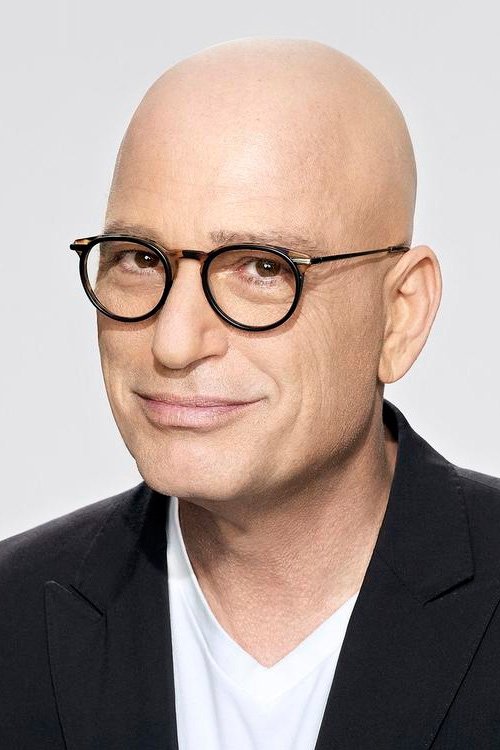
Howie Mandel introduced audiences to the bank offer mechanics of ‘Deal or No Deal’. He explained the suitcase elimination structure, how banker offers are calculated from remaining cases, and the decision points that define each episode.
He returned for revivals that expanded the format into new settings while maintaining the core open-the-case sequence. He also hosted special versions with altered prize ranges and twists, showing how the basic decision tree could scale across different episode lengths and platforms.
Wayne Brady
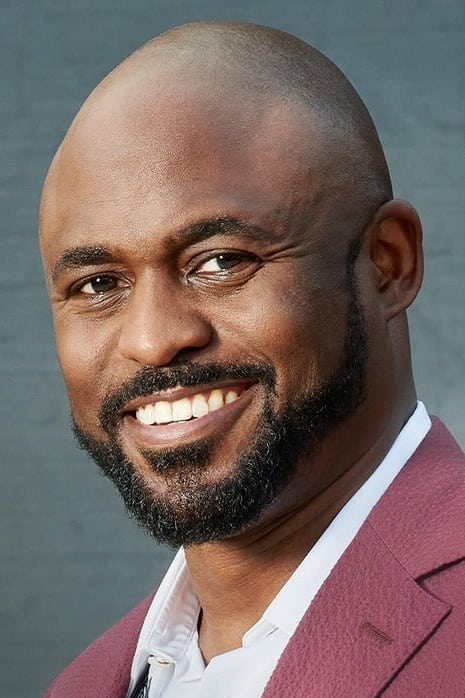
Wayne Brady guides ‘Let’s Make a Deal’, laying out the rules for quick trades, zonks, and the Big Deal of the Day. He manages a fast set with frequent prize reveals and split-second decisions, keeping contestants on track as options multiply.
He has also led karaoke and improv-infused formats such as ‘Don’t Forget the Lyrics’, where he explained scoring based on correct lyric completion and lock-ins. His game management covers audience participation segments and real-time prize swaps while preserving clear eligibility and redemption steps.
Ken Jennings
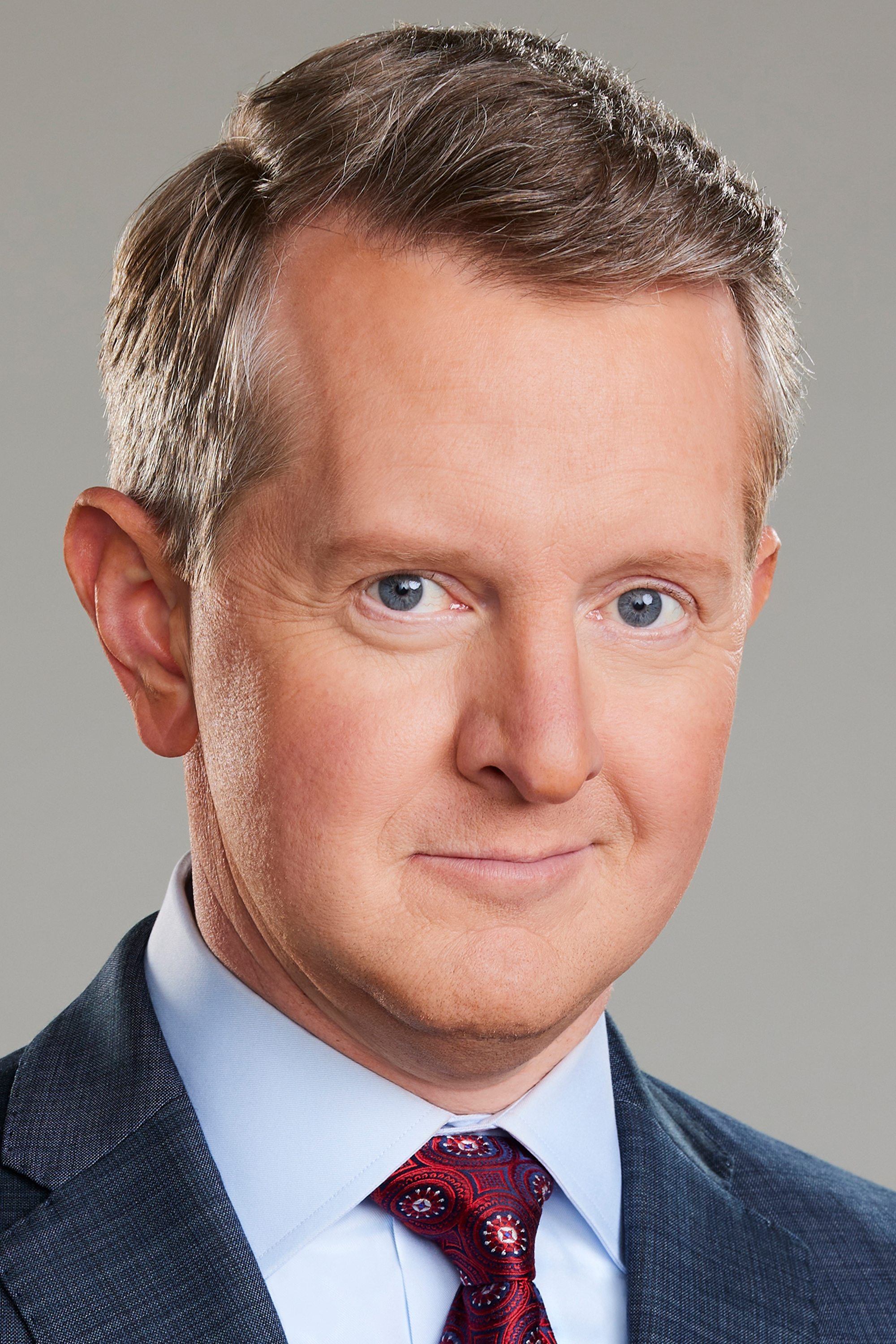
Ken Jennings hosts ‘Jeopardy!’ and brings deep familiarity with the lockout buzzer system, clue ruling standards, and tournament structures. As a former contestant with the longest regular-play streak, he provides concise reminders about category wording and answer phrasing.
He also anchors seasonal events like ‘Jeopardy! Masters’ and themed competitions with modified brackets and seeding. He maintains consistent rules for Daily Double wagering and board control while adapting to special formats that use leaderboards and aggregate scoring.
Richard Dawson
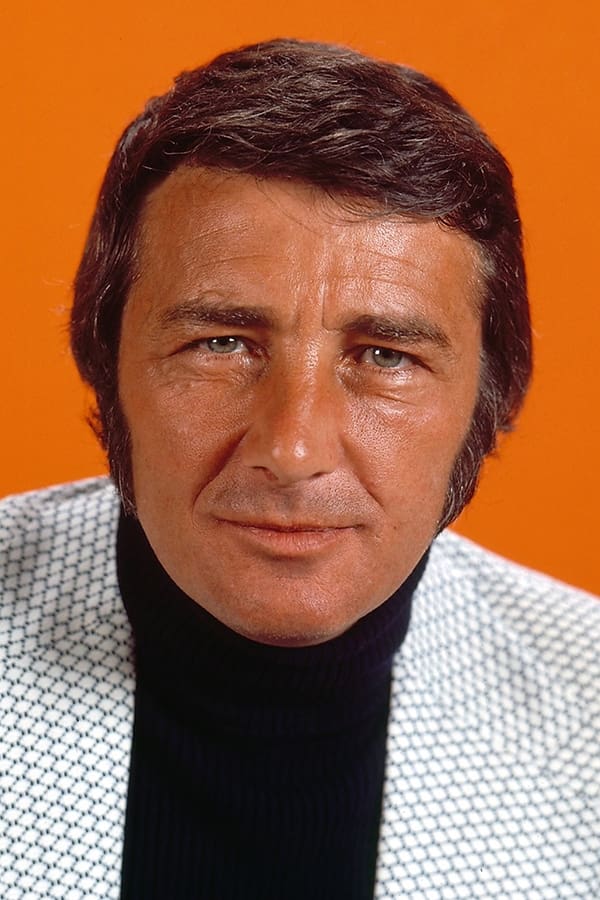
Richard Dawson launched ‘Family Feud’ with straightforward briefings on face-off rules, strike counts, and steal attempts. He kept the show’s survey phrasing consistent so contestants understood how to target top answers.
He returned for a later run and continued to oversee the same fast money structure and family lineup procedures. His years on ‘Match Game’ gave him additional perspective on panel-driven game mechanics, which helped him handle cross-show specials and charity editions.
Gene Rayburn
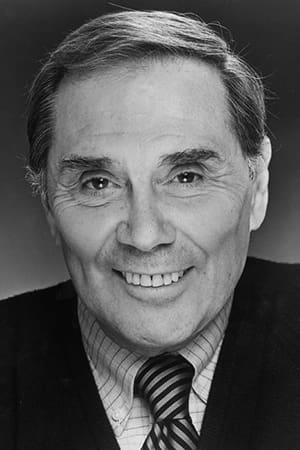
Gene Rayburn helmed ‘Match Game’, guiding fill-in-the-blank gameplay with a clear split between contestant answers and panel responses. He used a staggered Reveal structure so viewers could follow scoring as matches accumulated.
He presided over daytime and nighttime versions with slightly different pacing and prize tiers. He also coordinated super match and head-to-head rounds, which added a second-stage scoring element that built on the first round’s results.
Allen Ludden
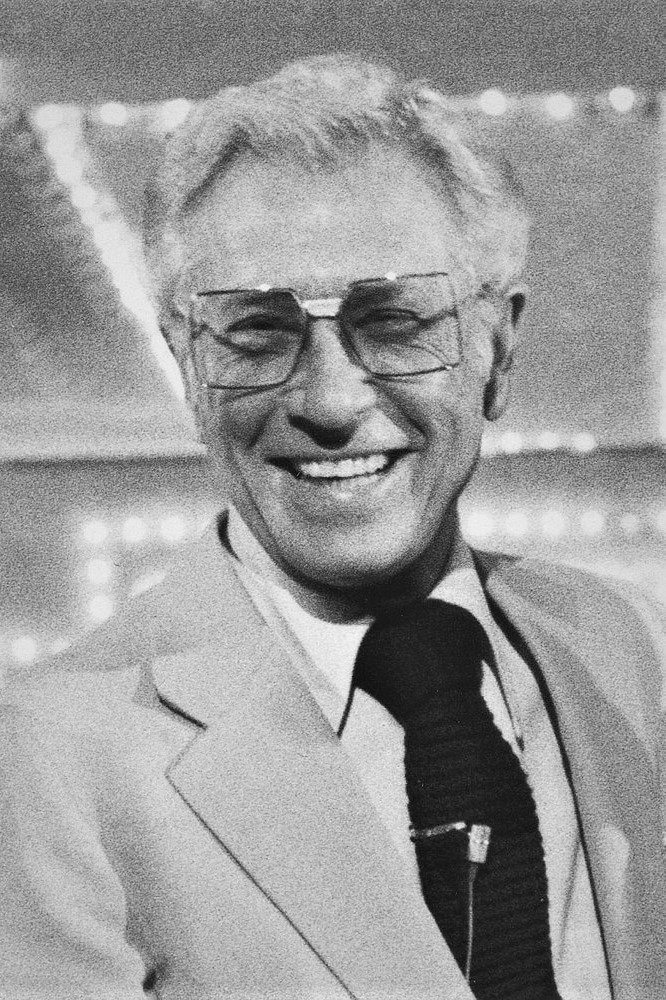
Allen Ludden hosted ‘Password’ and explained the one-word clue rule with precision. He kept track of illegal clues, timing, and the handoff between contestants and celebrity partners, which kept the word-association gameplay crisp.
He returned for updated versions that added lightning rounds and higher stakes while keeping core rules intact. He also anchored special tournaments and weeklong matchups, adjusting the scoreboard and carryover conventions to fit multi-episode arcs.
Monty Hall
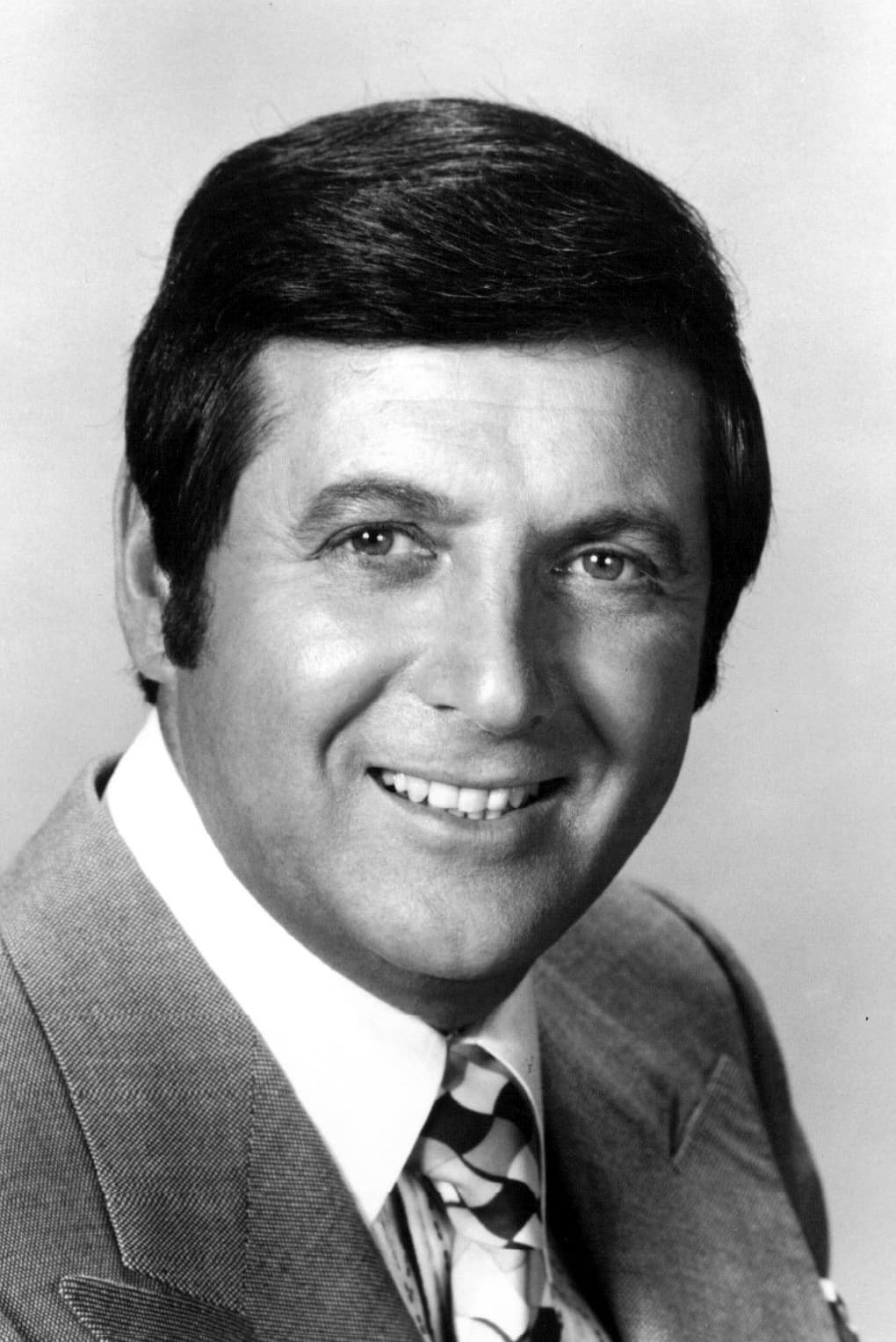
Monty Hall co-created and hosted ‘Let’s Make a Deal’, where he laid out the choice structures that define the show. He made sure contestants understood the odds behind small prizes, cash offers, and curtain reveals before they committed to a trade.
His format became famous for probability discussions later known as the Monty Hall problem. He also managed large audience participation segments, selecting traders and verifying eligibility while cueing rapid-fire prize substitutions and endgame offers.
Wink Martindale
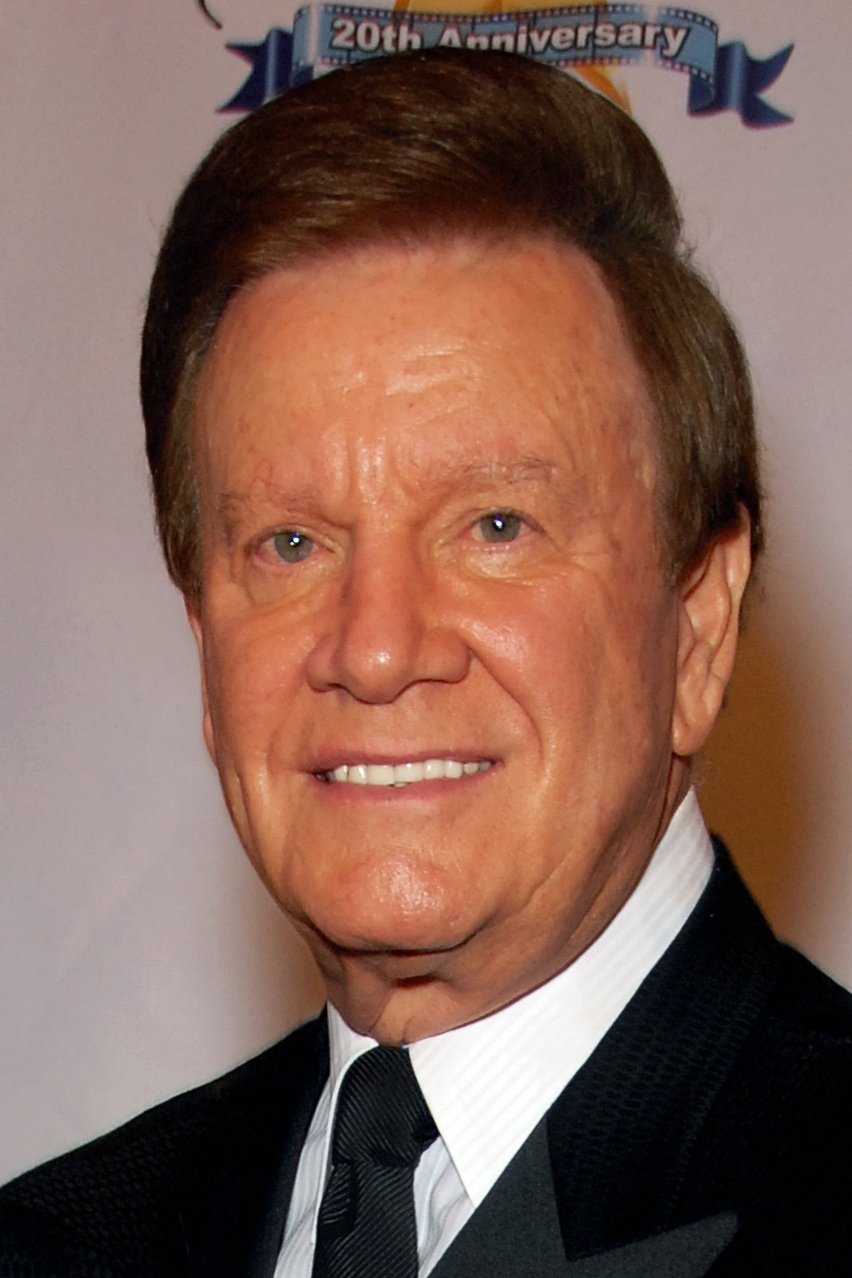
Wink Martindale stewarded ‘Tic-Tac-Dough’ and ‘Gambit’, two formats that turned trivia and cards into clear win conditions. He explained categories, pot carryovers, and the risk-reward choices that allowed players to press or pass.
He hosted numerous other shows across decades, adapting to different judging systems and prize budgets. He kept gameplay legible even when bonus rounds added multipliers, side bets, or sudden-death tiebreakers.
Chuck Woolery
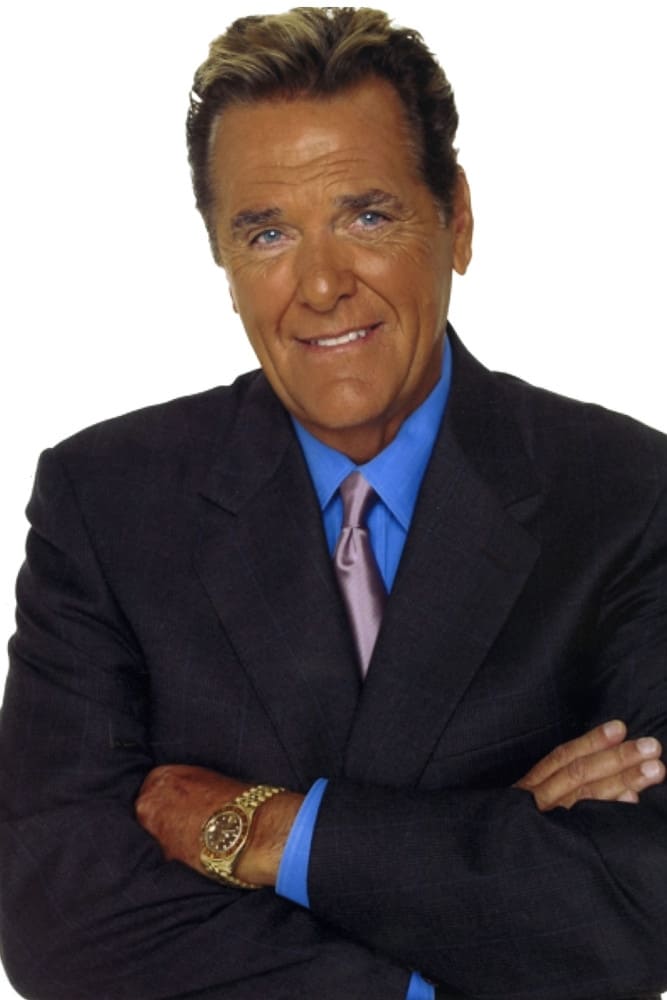
Chuck Woolery was the original host of ‘Wheel of Fortune’, handling the puzzle mechanics and cash wedge explanations in the show’s early years. He later guided ‘Lingo’, where he clarified five-letter word rules, duplicate letter handling, and ball draw scoring.
He also presided over formats that blended dating or chat elements with game structure. Across shows, he maintained clear turn order and end-of-round procedures so contestants could follow scoring and advancement.
Tom Bergeron
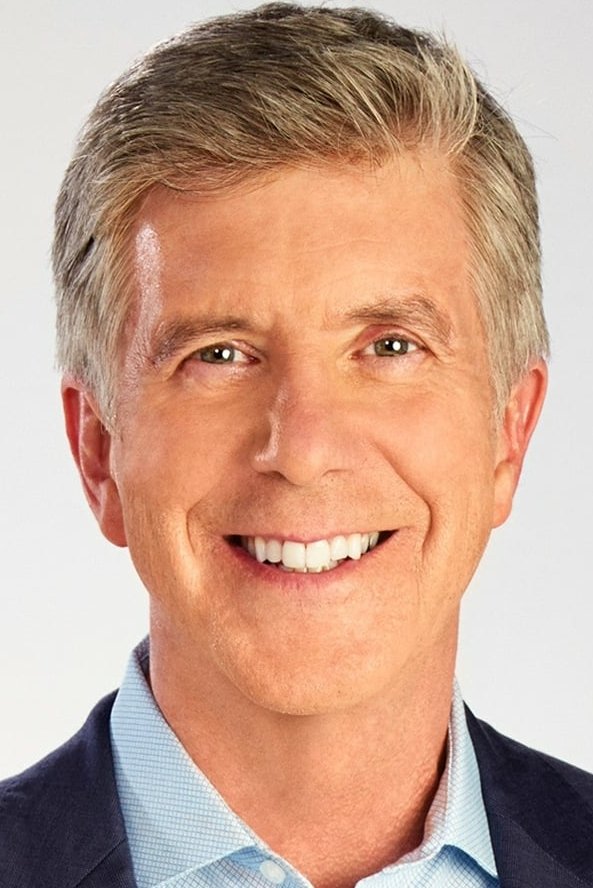
Tom Bergeron fronted the ‘Hollywood Squares’ revival, coordinating a nine-panel board with bluffing and secret square bonuses. He explained the agree or disagree decision and tracked wins through tic-tac-toe style paths.
He also managed tournament weeks and charity specials with modified stakes and extra rounds. His version balanced rapid question flow with panel banter while keeping the core board mechanics easy to follow for first-time viewers.
Peter Marshall

Peter Marshall hosted the original ‘Hollywood Squares’, establishing the baseline rules for the grid, panel calls, and square control. He set the pattern for how clues were delivered and how contestants confirmed or challenged answers.
His tenure covered changes in prize levels and endgames while maintaining a consistent board rhythm. He also handled special weeks with themed panels, which required tighter timekeeping and clear handoffs between squares.
Bob Eubanks
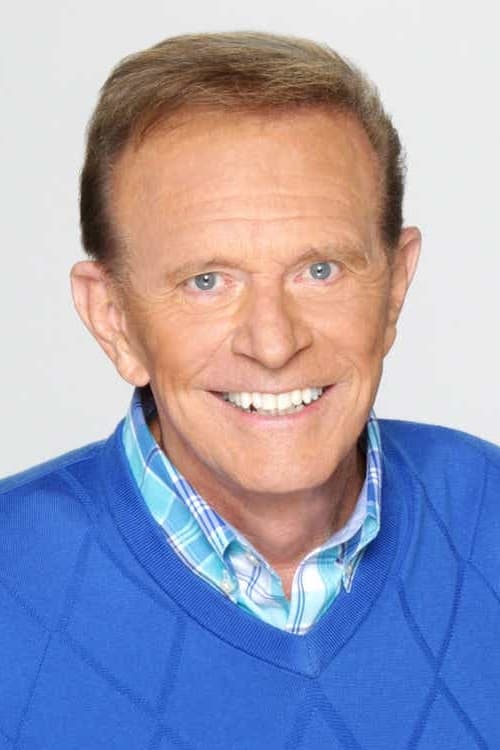
Bob Eubanks led ‘The Newlywed Game’ and made the Q and A format easy to track. He explained how couples earned points for matching answers and how ties were broken at the end of an episode.
He later hosted ‘Card Sharks’, a higher-lower card prediction game that relied on odds awareness and control questions. He kept both formats brisk by clarifying when players could change a base card and when control shifted after incorrect calls.
Bill Cullen

Bill Cullen hosted the original ‘The Price Is Right’ and set early standards for bidding orders, showcases, and overbid rules. He went on to lead ‘Blockbusters’ and ‘Chain Reaction’, two word-heavy formats with clear path-to-win structures.
He handled pilot episodes and format tweaks across many series, helping set timing marks for toss-ups, bonuses, and sudden-death finishes. His work created a template for how hosts can move among quiz, puzzle, and pricing genres while keeping rules consistent.
Jane Lynch
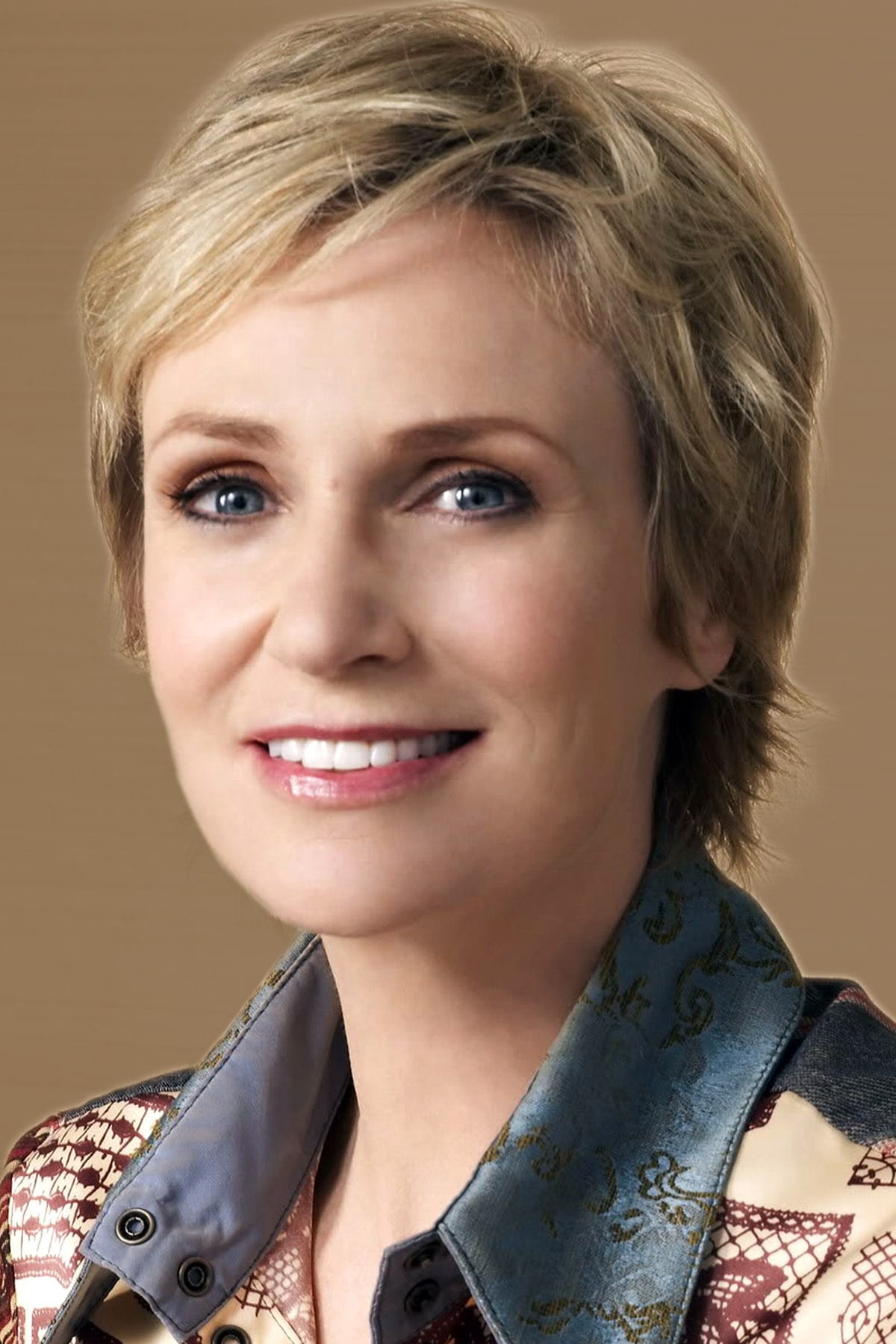
Jane Lynch hosted ‘Hollywood Game Night’, explaining party-style games with time limits, point values, and team rotations. She ensured that each mini-game had a concise rules briefing so viewers learned new mechanics quickly.
She later led ‘The Weakest Link’ revival, where she guided money chains, vote-off procedures, and final head-to-head quizzes. She balanced quick pacing with strict enforcement of pass rules and answer confirmation, which kept the elimination format clear from start to finish.
Share your picks for the all-time great game show hosts in the comments.