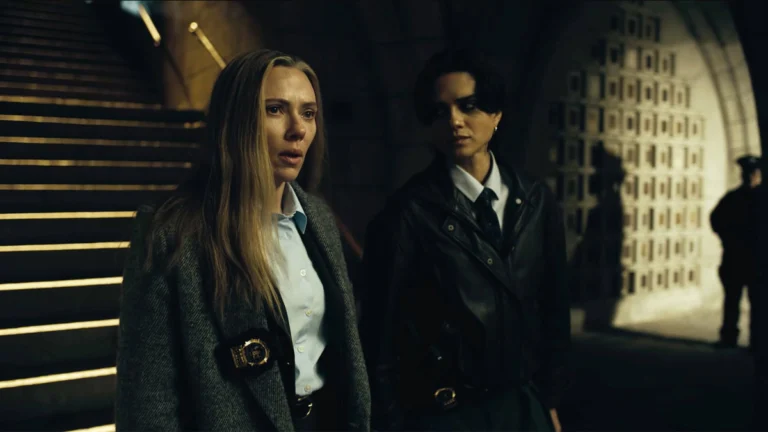
Tilda Swinton’s Career: From ‘Caravaggio’ to ‘The Room Next Door’

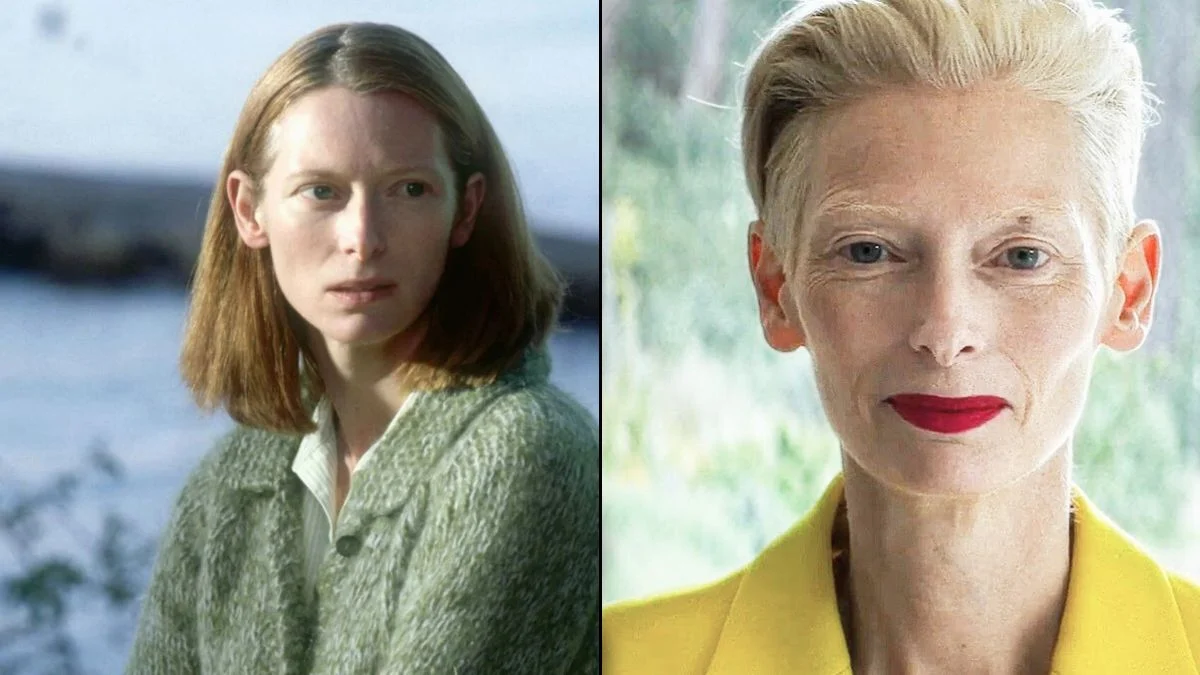

Tilda Swinton is one of the most unique actors working today. With her striking looks and incredible range, she transforms completely for every role she takes on. She moves easily between small independent films and huge Hollywood blockbusters, always bringing a special quality to her characters. Swinton is known for being a chameleon, and her career shows a deep commitment to the art of acting.
Her filmography is filled with bold choices and long-term partnerships with visionary directors. From her early work with Derek Jarman to her frequent collaborations with Luca Guadagnino, Wes Anderson, and Jim Jarmusch, Swinton has built a career on artistic risk-taking. She avoids being put in a box, playing everything from ancient sorcerers and rock stars to desperate mothers and eccentric aristocrats. Her body of work is a masterclass in versatility and creative courage.
‘Caravaggio’ (1986)
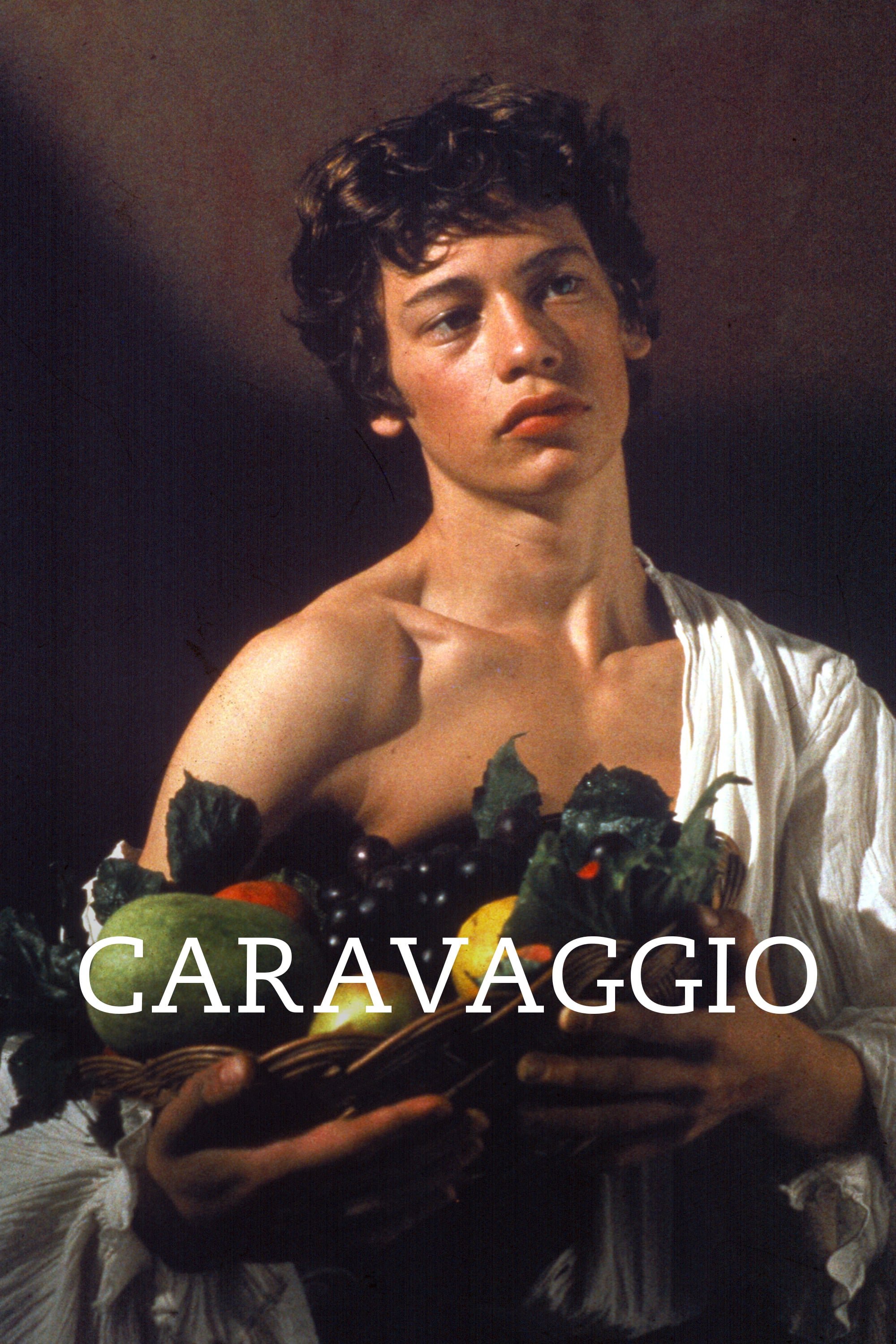
This film marked Tilda Swinton’s feature debut and the start of her collaboration with director Derek Jarman. She portrays Lena, one of the models for the famous Italian painter Caravaggio. The story revolves around a complex love triangle involving the artist, Lena, and a boxer named Ranuccio.
‘Caravaggio’ is a highly stylized and fictionalized look at the painter’s life. It sets his story in a modern context, blending past and present. Swinton’s role as Lena introduced her to the world of art-house cinema and established the bold, unconventional path her career would follow.
‘Egomania: Island Without Hope’ (1986)
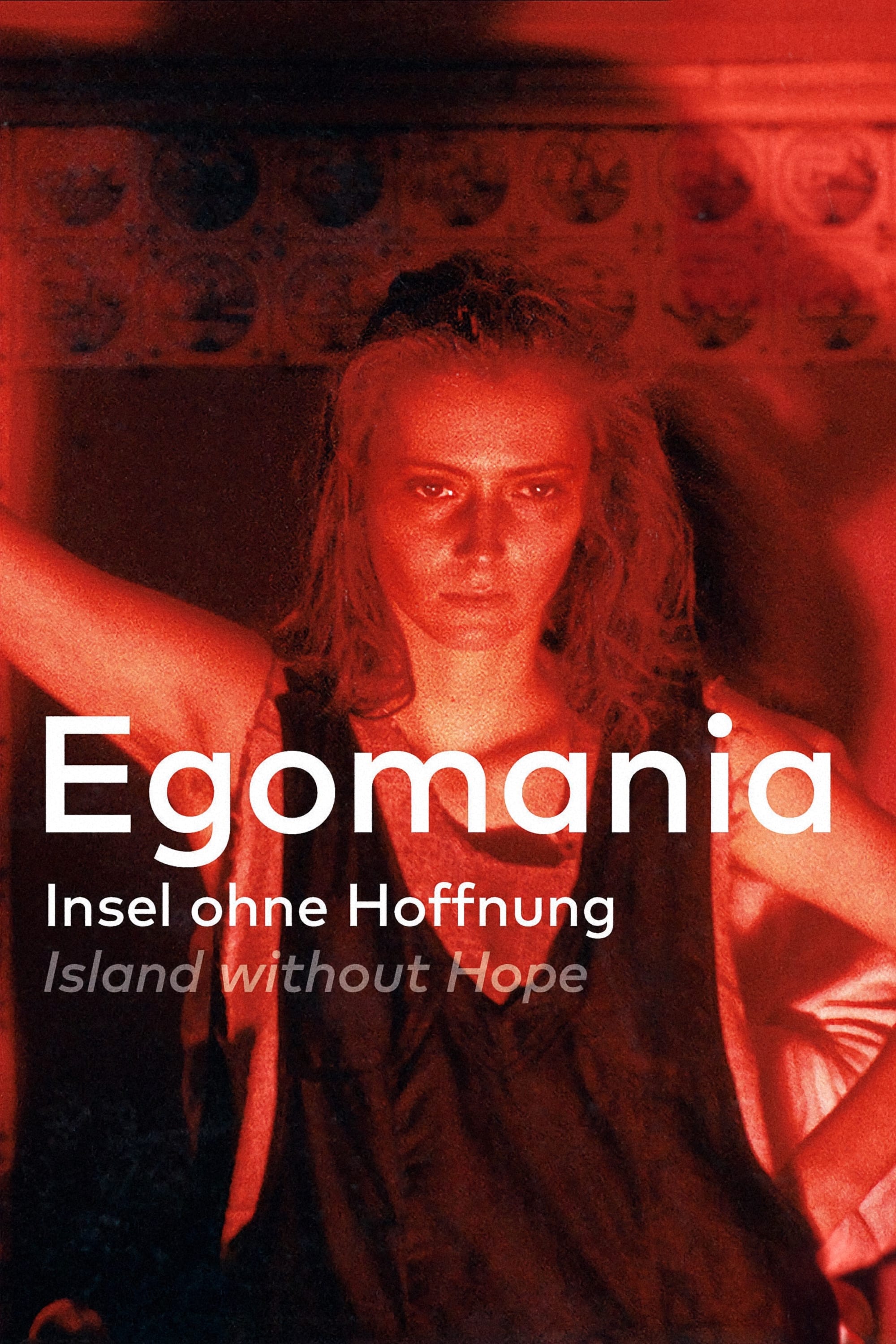
In this experimental German film, Swinton plays Sally. The movie is a surreal and dramatic piece directed by Christoph Schlingensief. It centers on a group of people on an isolated island, dealing with love, betrayal, and madness.
The film’s style is theatrical and over-the-top, fitting the director’s unique vision. Swinton’s part in ‘Egomania’ further demonstrated her early interest in avant-garde projects that challenged traditional storytelling.
‘Aria’ (1987)
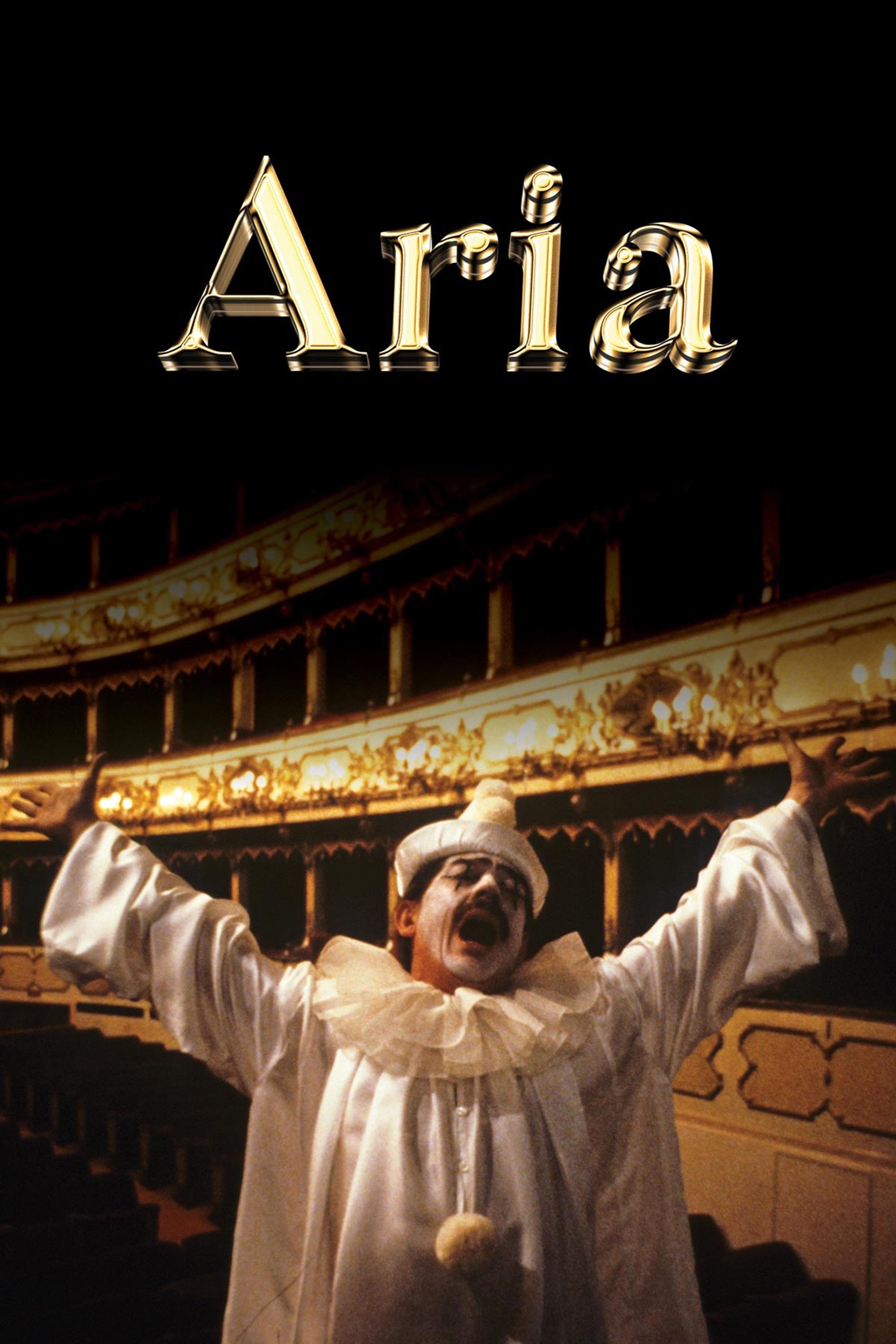
‘Aria’ is an anthology film where ten different directors created short segments based on famous opera arias. Tilda Swinton appears in the segment directed by Derek Jarman, which is set to “Depuis le jour” from Gustave Charpentier’s ‘Louise’.
In her segment, she plays a young girl experiencing a moment of pure joy and fantasy. The film itself is a collection of diverse visual interpretations of classic music. Swinton’s brief but memorable appearance continued to build her reputation in the world of experimental film.
‘Friendship’s Death’ (1987)
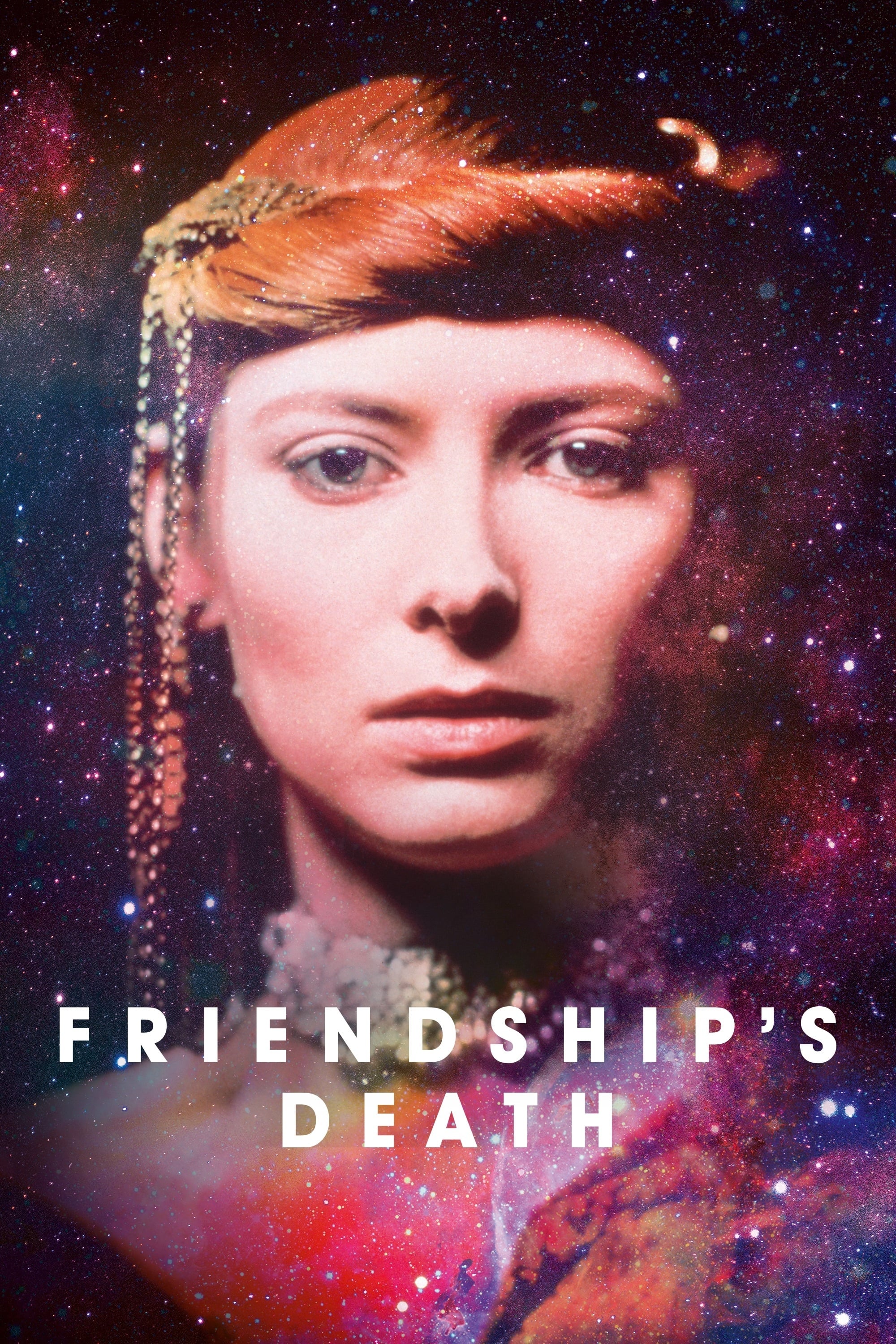
Tilda Swinton takes on the lead role of Friendship, an extraterrestrial android on a peace mission to Earth. She accidentally lands in Amman, Jordan, during the Black September conflict of 1970. There, she has long conversations with a British journalist about what it means to be human.
Directed by Peter Wollen, the film is a thoughtful science-fiction story that focuses more on ideas than special effects. Swinton’s performance as the logical and curious android is central to the movie’s exploration of humanity, war, and compassion.
‘The Last of England’ (1987)

This is another experimental film from director Derek Jarman. Tilda Swinton is part of an ensemble cast in a movie that presents a bleak vision of a country in decay. The film has no clear narrative and is instead a collage of powerful images and sounds.
‘The Last of England’ is a passionate and angry critique of Thatcher-era Britain. Swinton’s presence in the film, though part of a larger tapestry, is striking. Her work here solidified her as a key figure in Jarman’s cinematic world and a fearless performer.
‘Play Me Something’ (1989)
In this film, Swinton plays a hairdresser. The story is set at an airport on the Scottish island of Barra, where a group of travelers is stranded. A mysterious storyteller entertains them with a tale of love in Venice.
The film blends the reality of the waiting travelers with the fantasy of the story being told. It’s a charming and unusual movie directed by Timothy Neat. Swinton’s role is small but contributes to the film’s unique atmosphere.
‘War Requiem’ (1989)
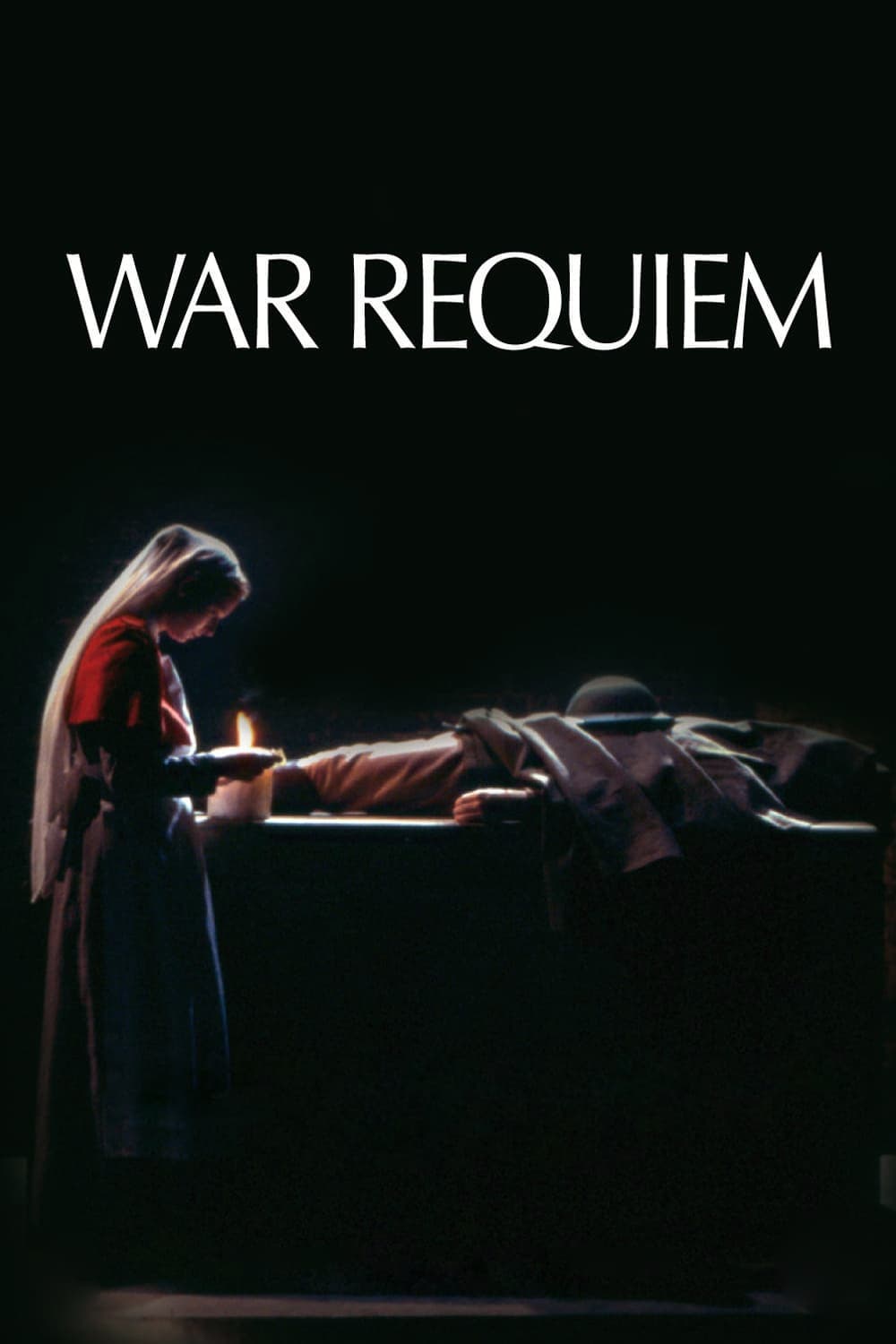
Derek Jarman’s ‘War Requiem’ is a visual interpretation of Benjamin Britten’s musical piece of the same name. The film features no dialogue, with the music and poems by Wilfred Owen telling the story. Tilda Swinton portrays a nurse attending to wounded soldiers.
It is a powerful anti-war film, with Laurence Olivier in his final screen role reciting Owen’s poetry. Swinton’s performance is silent but deeply moving, conveying the grief and horror of war through her expressive face and actions.
‘The Garden’ (1990)

Continuing her work with Derek Jarman, Swinton appears as the Madonna in this deeply personal and symbolic film. The movie was made after Jarman was diagnosed with HIV, and it reflects his thoughts on life, religion, and persecution.
‘The Garden’ is a visually rich and dreamlike film, shot near Jarman’s own home and garden. Swinton’s portrayal of the Madonna is just one part of a complex and challenging cinematic experience that addresses themes of love, suffering, and faith.
‘Edward II’ (1991)
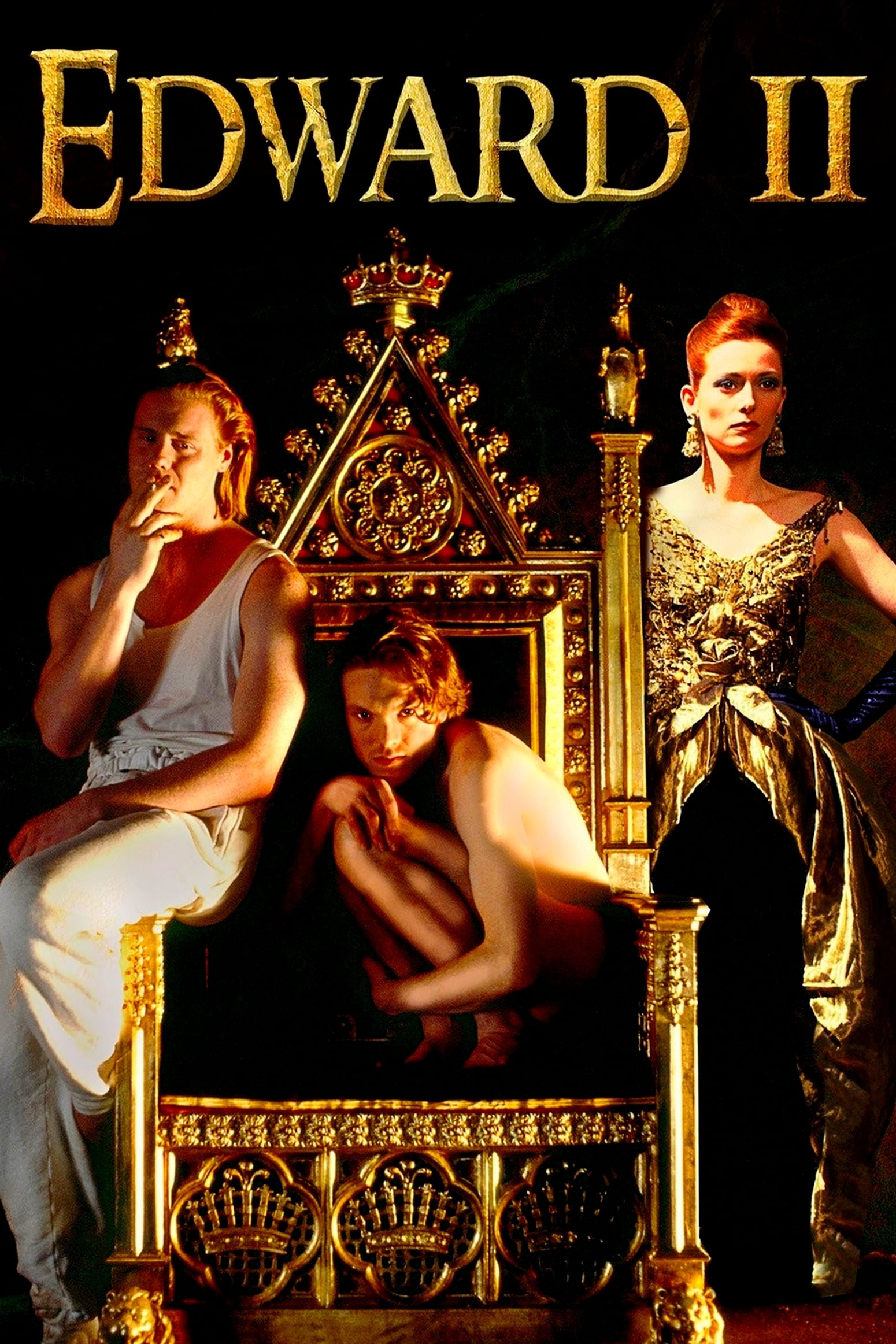
In this adaptation of Christopher Marlowe’s play, Tilda Swinton plays Queen Isabella. The story follows the tragic downfall of King Edward II, whose love for his favorite, Piers Gaveston, leads to conflict with his queen and nobles.
Derek Jarman’s version is a bold and modern take on the classic text, using contemporary costumes and settings. Swinton’s performance as the scorned and vengeful Isabella is powerful and complex, earning her critical acclaim.
‘Orlando’ (1992)
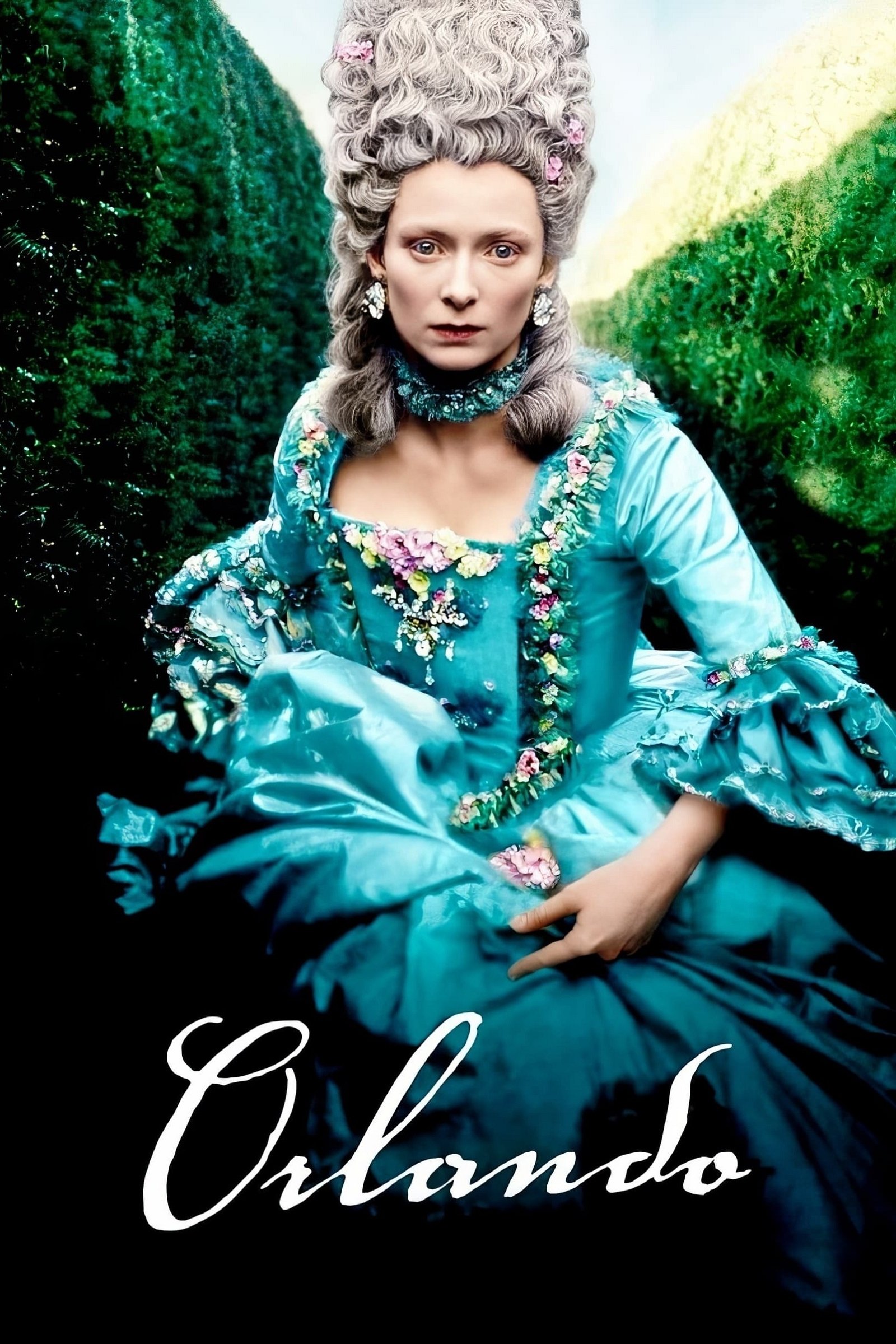
‘Orlando’ is perhaps Tilda Swinton’s breakout role. She plays the title character, an English nobleman who lives for centuries without aging and at one point mysteriously changes from a man into a woman. The film is based on Virginia Woolf’s famous novel.
Directed by Sally Potter, the movie is a visually stunning journey through English history, exploring themes of love, identity, and the constraints of gender. Swinton’s androgynous look and captivating performance made her the perfect choice for the role, and it brought her international recognition.
‘Blue’ (1993)
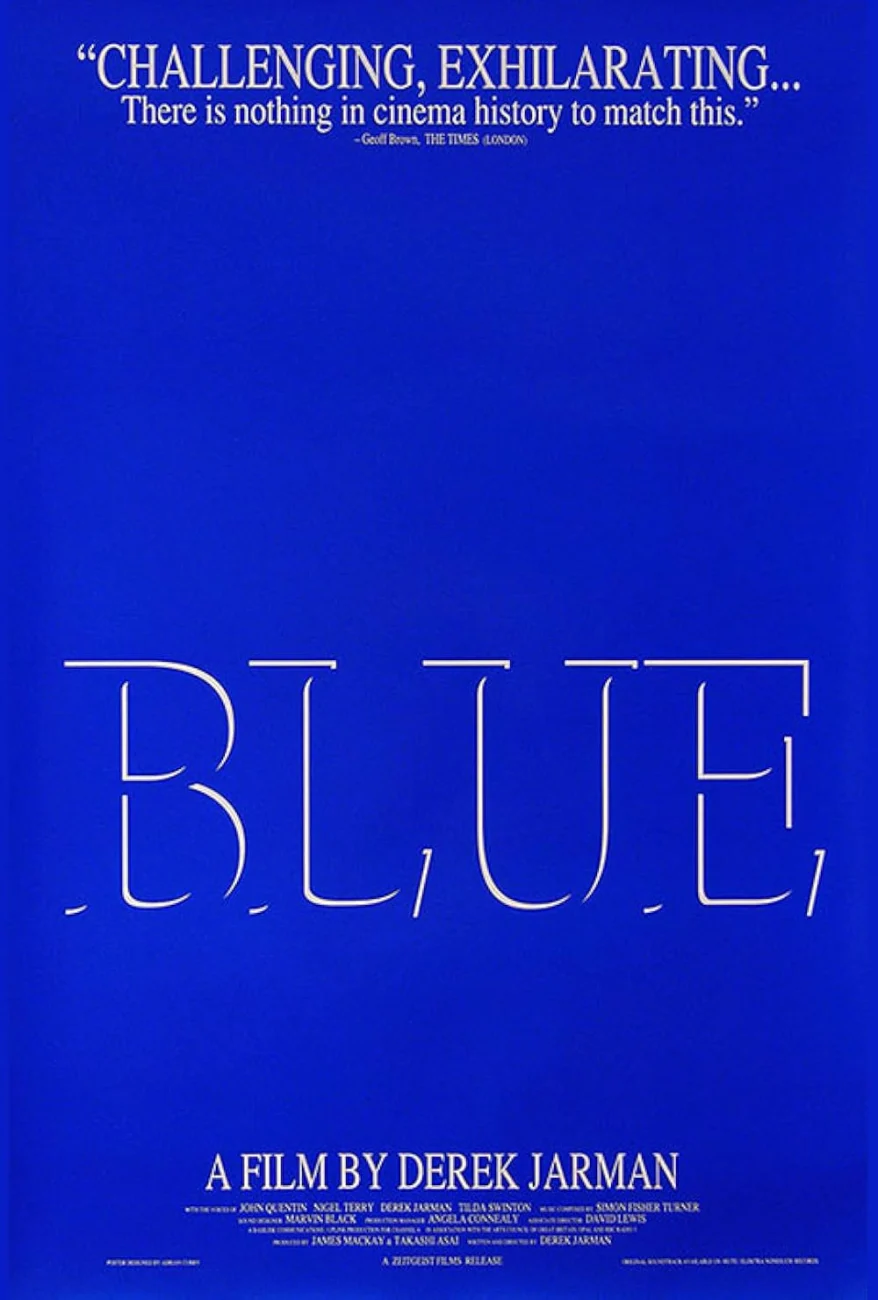
This is one of the most radical films from director Derek Jarman. For its entire runtime, the screen shows only a solid, unchanging blue color. The soundtrack consists of voices, including Swinton’s, sound effects, and music.
The film is a meditation on Jarman’s experience with AIDS, which had caused him to lose his sight, leaving him with visions of blue. Swinton’s narration is a key part of this deeply moving and immersive audio-visual experience, which serves as the director’s final testament.
‘Wittgenstein’ (1993)
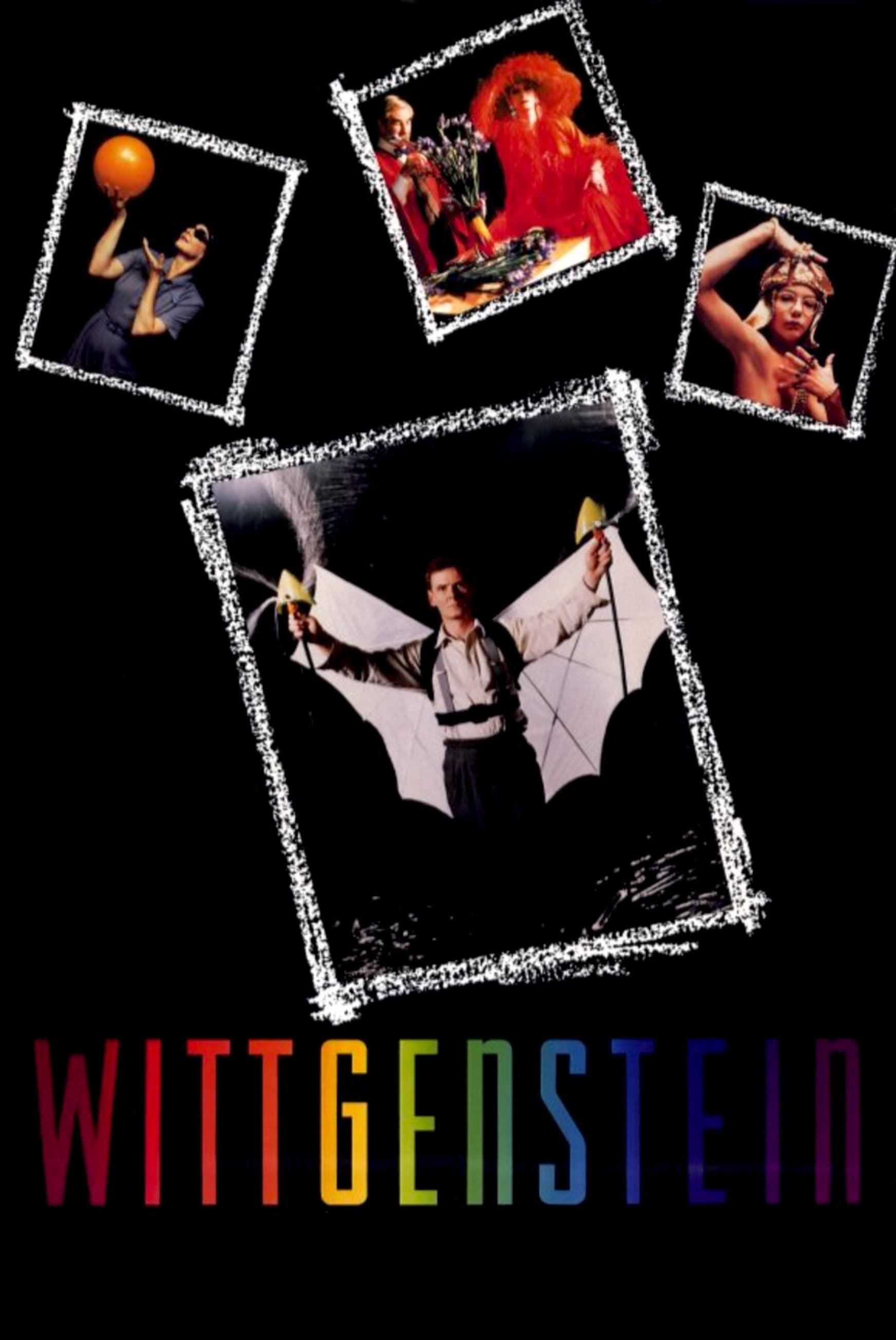
In another collaboration with Derek Jarman, Swinton plays Lady Ottoline Morrell. She was an influential English aristocrat and patron of the arts who was a friend of the philosopher Ludwig Wittgenstein.
The film is a playful and unconventional biography of Wittgenstein, using a minimalist and theatrical style. Swinton portrays Lady Ottoline with flair and eccentricity, fitting perfectly into the film’s unique and intellectual world.
‘Female Perversions’ (1996)
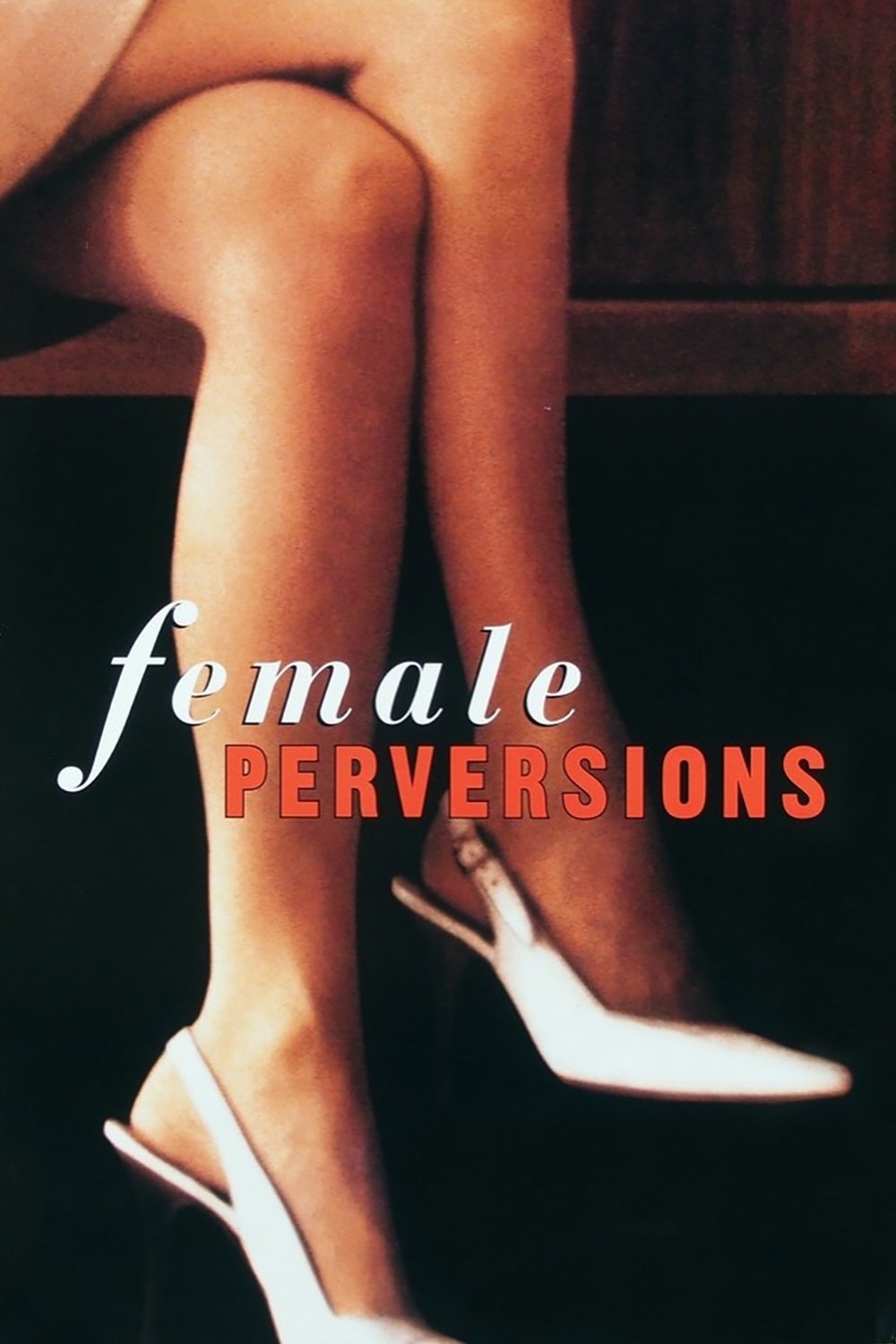
Tilda Swinton stars as Eve Stephens, a successful and ambitious lawyer who seems to have her life perfectly under control. However, beneath the surface, she struggles with anxiety and a series of personal and professional pressures that threaten to unravel her.
The film explores the complex inner lives of women and the societal expectations placed upon them. Swinton’s performance captures the character’s internal conflict, showing the cracks in her polished exterior as her world begins to fall apart.
‘Conceiving Ada’ (1997)
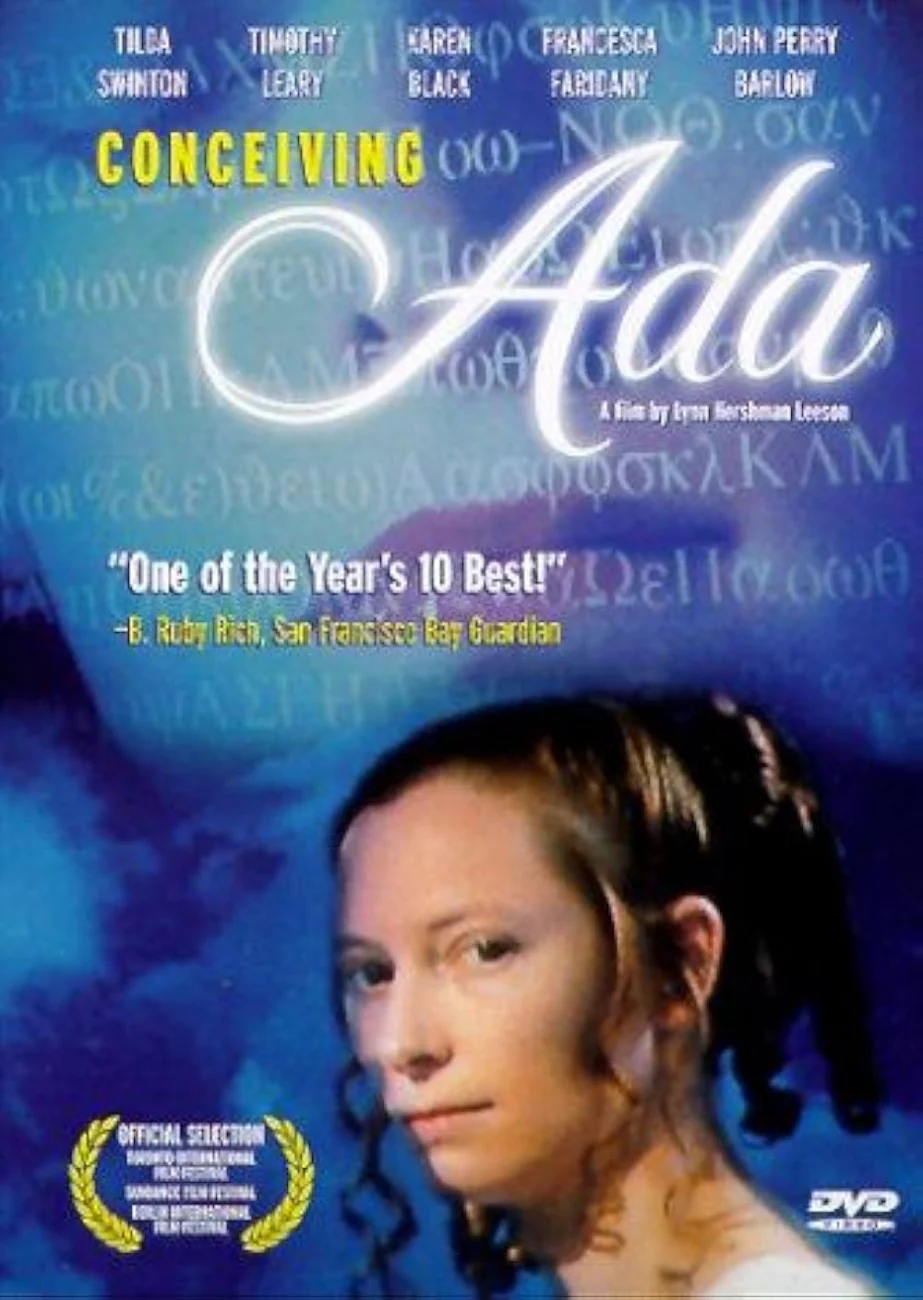
Swinton plays Ada Augusta Byron King, Countess of Lovelace, who is widely regarded as the world’s first computer programmer. The story centers on a modern-day computer scientist who finds a way to communicate with Ada in the past.
This film by Lynn Hershman Leeson explores the intersection of history, technology, and female genius. Swinton portrays Ada’s brilliant and troubled mind, bringing the historical figure to life in a way that connects her pioneering work to the digital age.
‘Love Is the Devil: Study for a Portrait of Francis Bacon’ (1998)

This film depicts the turbulent relationship between the famous British painter Francis Bacon and his lover, George Dyer. Tilda Swinton plays Muriel Belcher, the sharp-tongued and witty owner of the private drinking club where Bacon and his friends gathered.
Swinton is nearly unrecognizable in the role, fully embodying the character’s abrasive and colorful personality. Her performance provides a crucial part of the backdrop for the destructive love affair at the center of the film.
‘The Protagonists’ (1999)
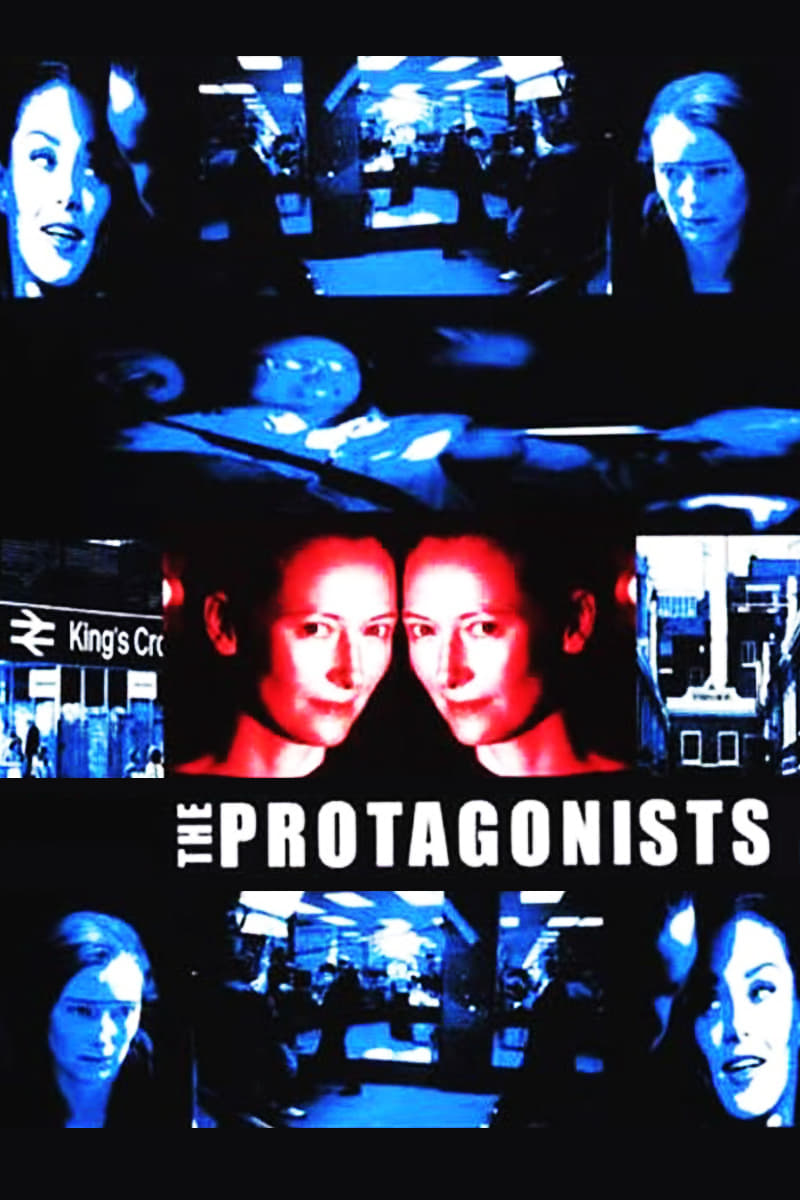
In this Italian film by Luca Guadagnino, Tilda Swinton plays an actress, credited as “Actress.” An Italian film crew, led by Guadagnino, travels to London to re-enact a real-life murder with a cast of actors.
The film blurs the line between documentary and fiction as the actors get to know the real people involved in the original crime. Swinton’s appearance marks the beginning of her fruitful collaboration with director Luca Guadagnino.
‘The War Zone’ (1999)
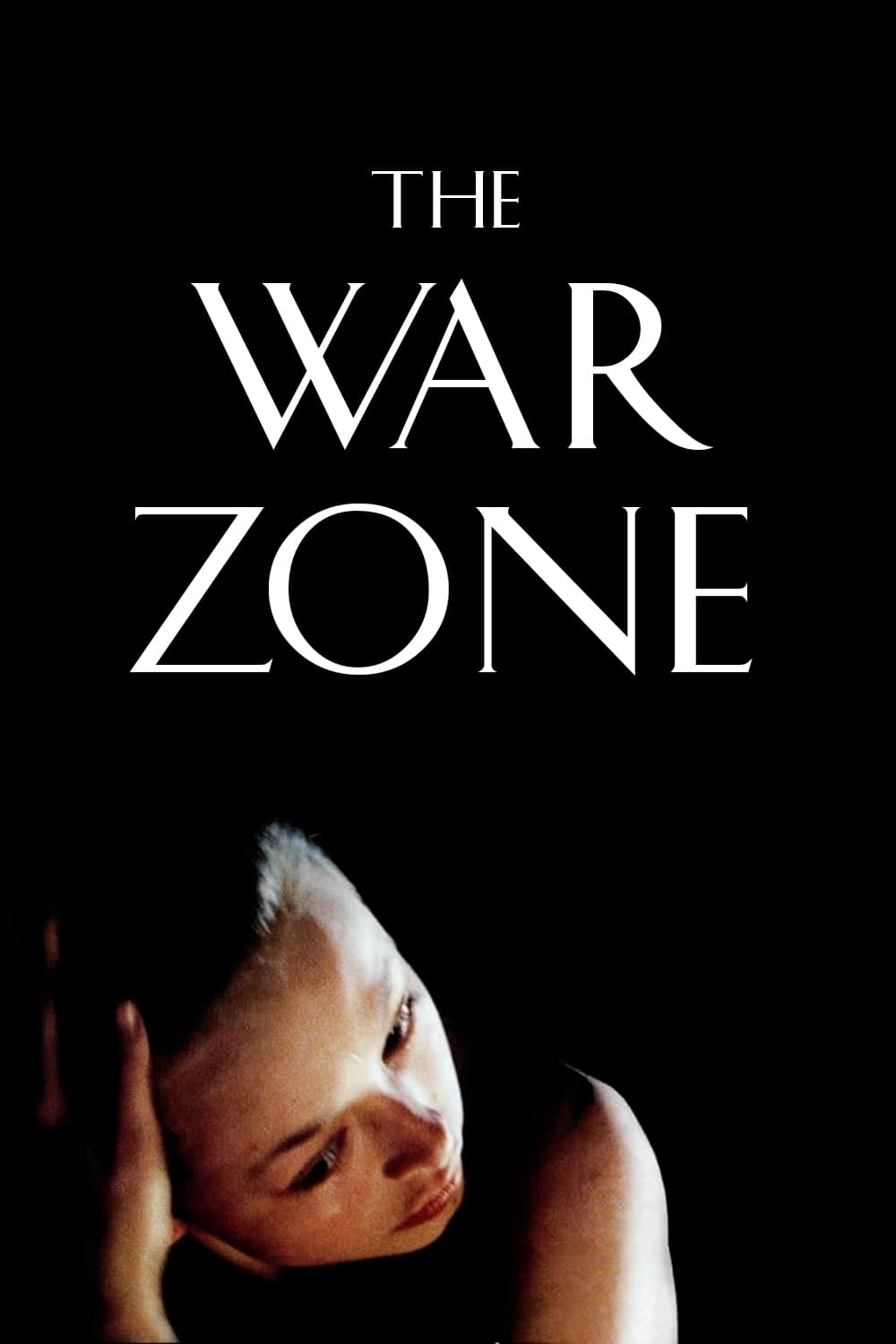
Directed by actor Tim Roth, this powerful drama tells the story of a family torn apart by a dark secret. Tilda Swinton plays Mum, the pregnant mother of a family that has just moved to the remote English countryside. The story unfolds through the eyes of her teenage son, who discovers a terrible truth.
The film is a difficult but compelling look at family trauma. Swinton gives a subtle and heartbreaking performance as a woman who is both a victim and an enabler, contributing to the film’s raw emotional impact.
‘The Beach’ (2000)
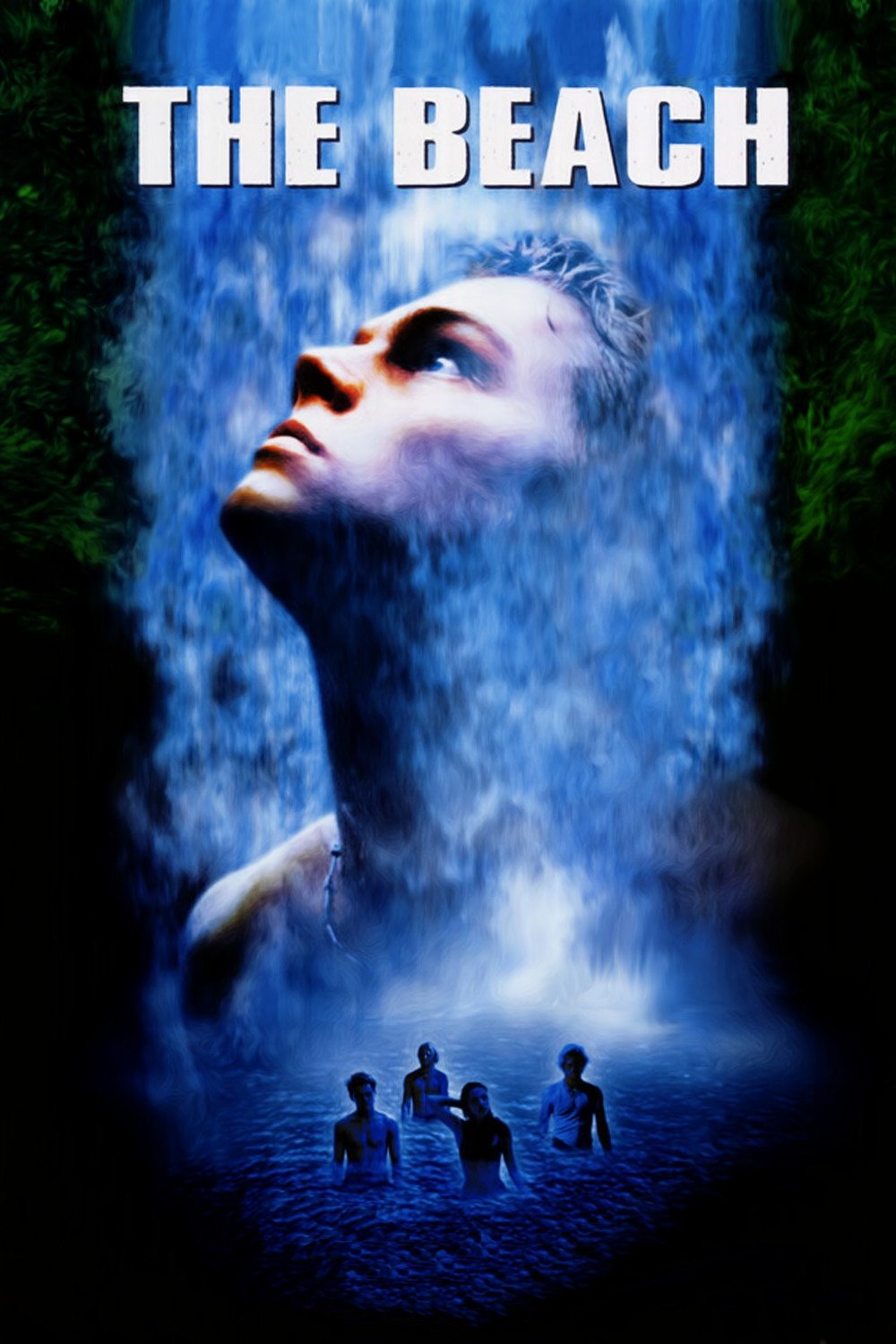
In this adventure drama starring Leonardo DiCaprio, Tilda Swinton plays Sal, the charismatic and authoritarian leader of a secret community on a hidden beach in Thailand. Her character is a true believer who will do anything to protect their isolated paradise.
Directed by Danny Boyle, ‘The Beach’ was a major mainstream film that introduced Swinton to a wider global audience. Her portrayal of the increasingly unstable Sal is both magnetic and menacing, showcasing her ability to command the screen in a commercial Hollywood production.
‘Possible Worlds’ (2000)

This Canadian science-fiction film stars Tilda Swinton as Joyce, a woman who exists across multiple parallel universes. A detective investigates the theft of a man’s brain and discovers that the victim is alive in other realities, each with a different version of Joyce.
The movie is a complex and philosophical puzzle that explores themes of identity, consciousness, and love. Swinton skillfully plays the different versions of her character, making each one distinct yet connected, anchoring the film’s mind-bending narrative.
‘The Deep End’ (2001)
Swinton stars as Margaret Hall, a mother who goes to extreme lengths to protect her son after she believes he has killed his lover. She hides the body, but soon a blackmailer appears, pulling her deeper into a world of crime and danger.
For her role in this gripping thriller, Swinton received a Golden Globe nomination. Her performance is a masterful display of quiet desperation and fierce maternal instinct, making the audience feel every moment of her stress and fear.
‘Vanilla Sky’ (2001)
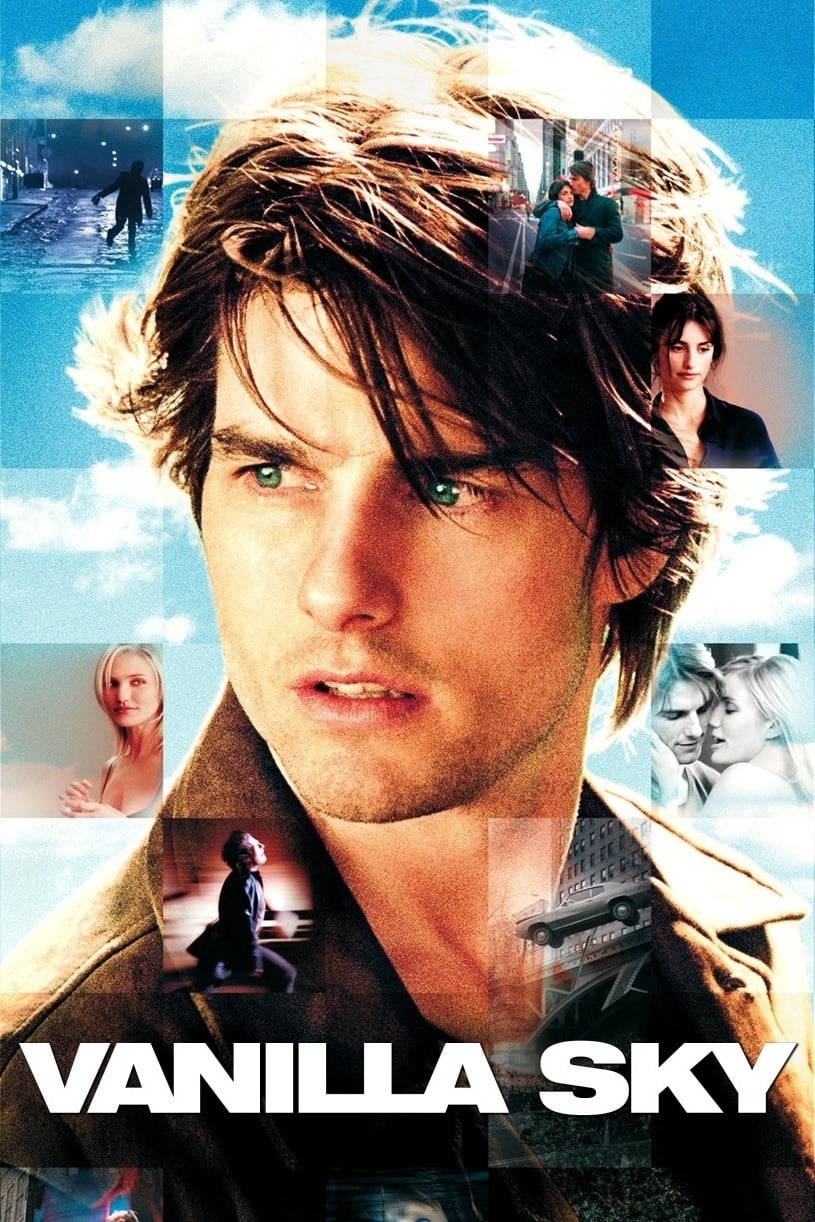
In this psychological thriller directed by Cameron Crowe, Tilda Swinton has a supporting role as Rebecca Dearborn. The film stars Tom Cruise as a wealthy publishing magnate whose life is turned upside down after a disfiguring car accident.
Swinton’s character is a doctor from the “Life Extension” corporation that plays a key role in the film’s mysterious and twisting plot. Though her screen time is brief, her presence adds to the movie’s unsettling and surreal atmosphere.
‘Adaptation.’ (2002)

Directed by Spike Jonze and written by Charlie Kaufman, this unique film stars Nicolas Cage as Kaufman himself, struggling to adapt a book about orchids. Tilda Swinton plays Valerie Thomas, a studio executive who is keen to turn the book into a conventional Hollywood movie.
‘Adaptation.’ is a clever and funny film about the creative process. Swinton’s portrayal of the practical and profit-focused studio executive provides a great contrast to the artistic anxieties of the main character.
‘Teknolust’ (2002)
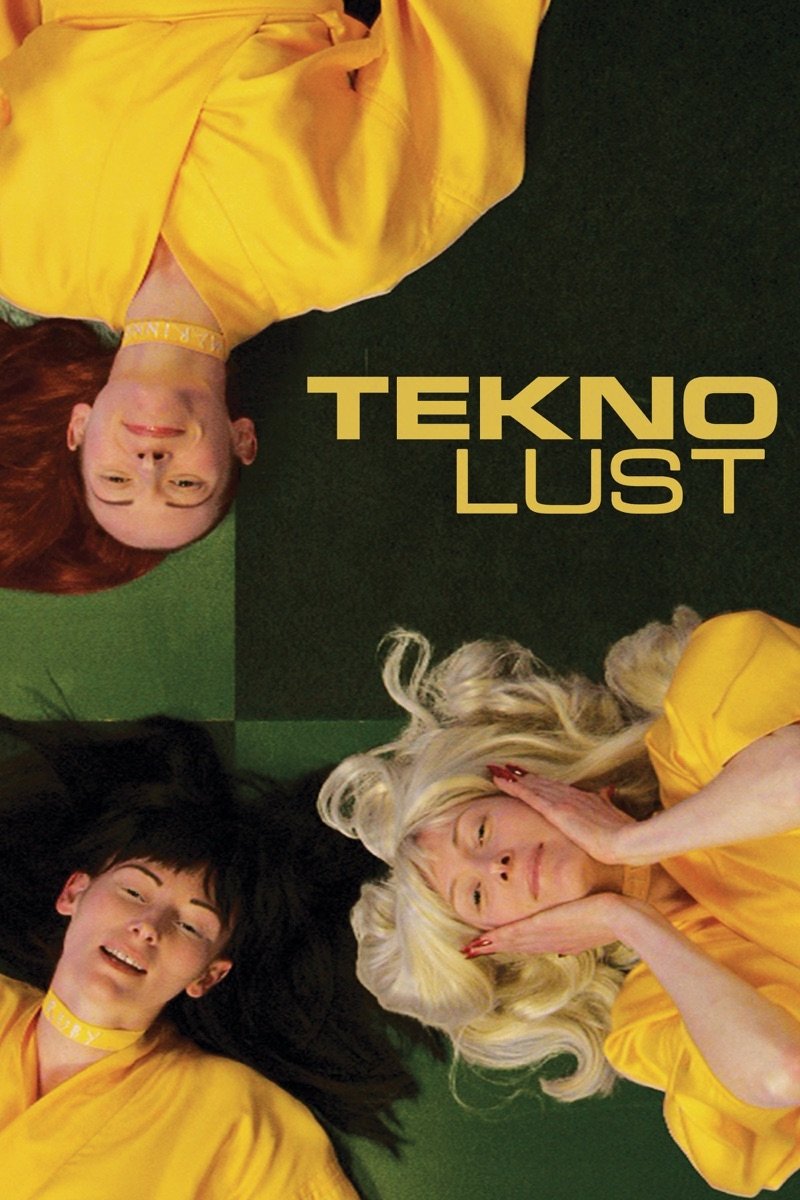
In another collaboration with director Lynn Hershman Leeson, Swinton takes on four roles. She plays Rosetta, a biogeneticist, and her three self-replicating androids named Ruby, Marinne, and Olive. The androids must venture into the real world to obtain the human genetic material they need to survive.
This quirky and intelligent film explores themes of technology, identity, and human connection. Swinton’s ability to play four distinct characters, each with their own personality, is a remarkable showcase of her versatility.
‘The Statement’ (2003)

This thriller is about a former Nazi collaborator in France who has been hiding for decades with the help of the Catholic Church. Tilda Swinton plays Annemarie Livi, a determined judge who is leading the investigation to bring him to justice.
Swinton acts alongside Michael Caine in this tense cat-and-mouse story. Her character is relentless and sharp, representing the new generation’s desire to uncover past crimes and hold people accountable for their actions.
‘Young Adam’ (2003)
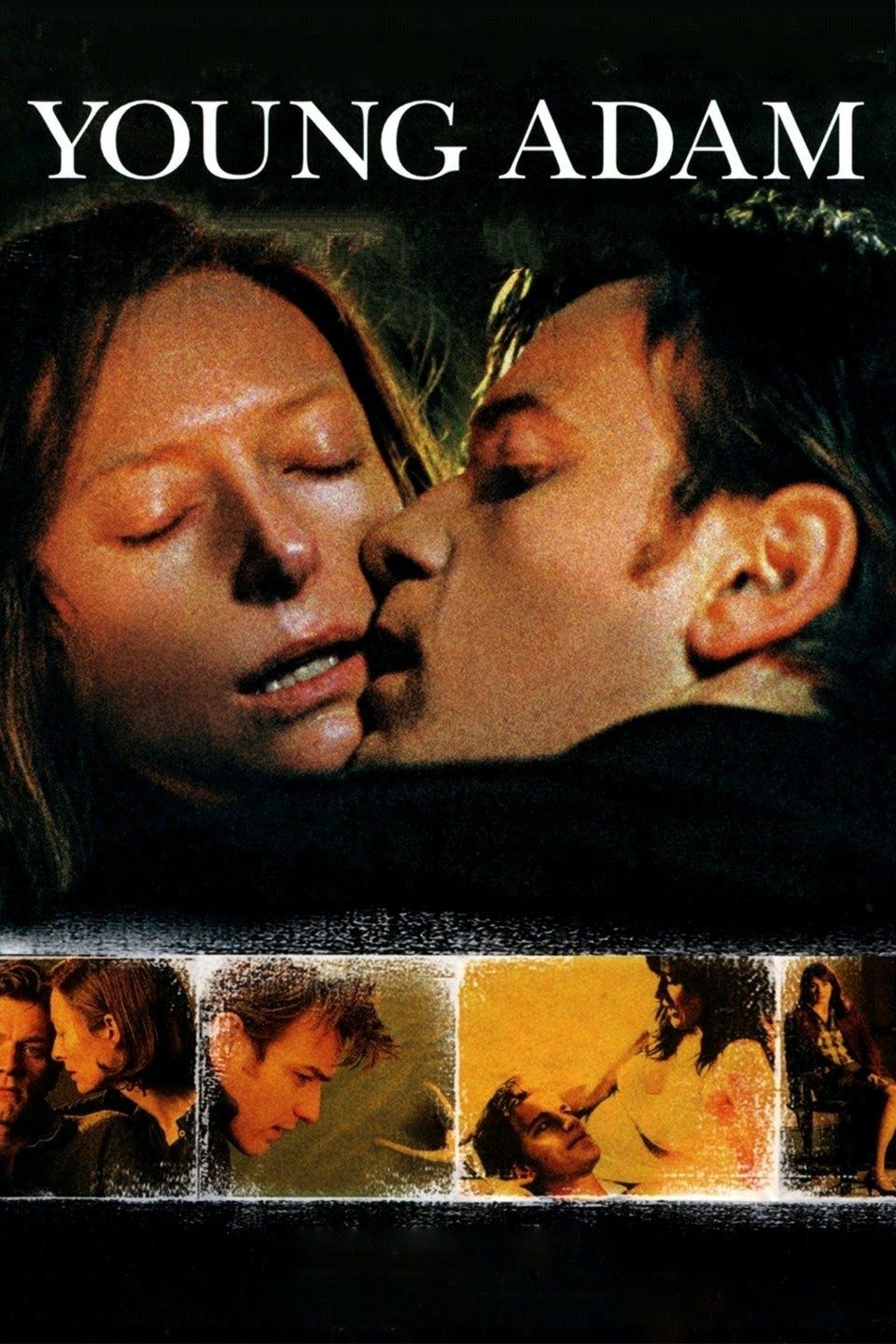
Set on the canals of 1950s Scotland, ‘Young Adam’ stars Ewan McGregor as a drifter who takes a job on a barge. Tilda Swinton plays Ella Gault, the barge owner’s wife, who becomes involved in a tense and destructive affair with the new worker.
The film is a dark and atmospheric drama that explores themes of desire and guilt. Swinton delivers a raw and powerful performance as a woman trapped in a loveless marriage, capturing her character’s longing and eventual despair.
‘Broken Flowers’ (2005)
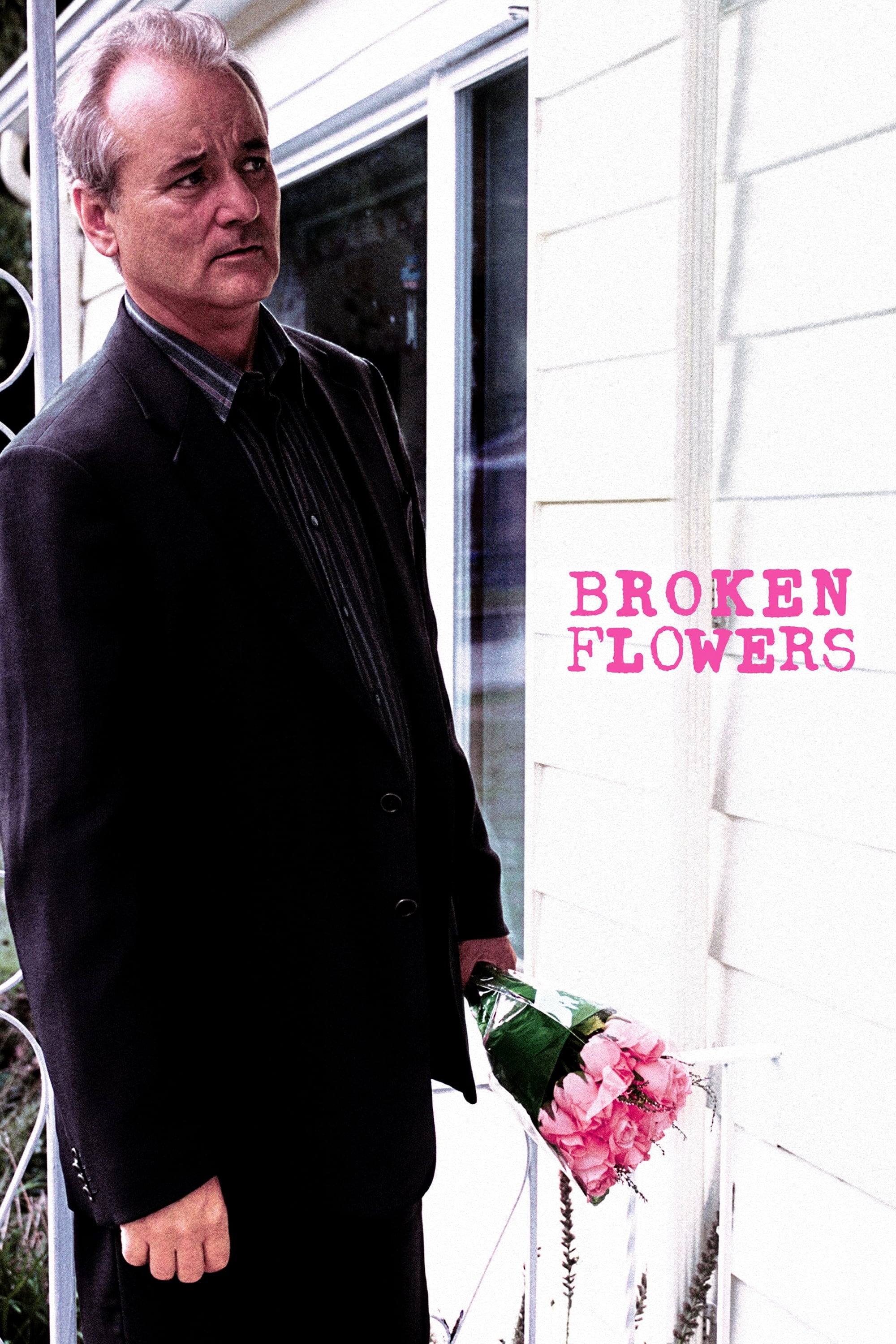
In this Jim Jarmusch film, Tilda Swinton plays Penny. The story follows an aging bachelor, played by Bill Murray, who receives an anonymous letter telling him he has a son. He then goes on a road trip to visit his former lovers, trying to figure out which one sent the letter.
Swinton’s character is one of the ex-girlfriends he visits, now living a rough life in a country home surrounded by biker friends. Her performance is short but memorable, creating a vivid and slightly tragic character in just a few scenes.
‘Constantine’ (2005)
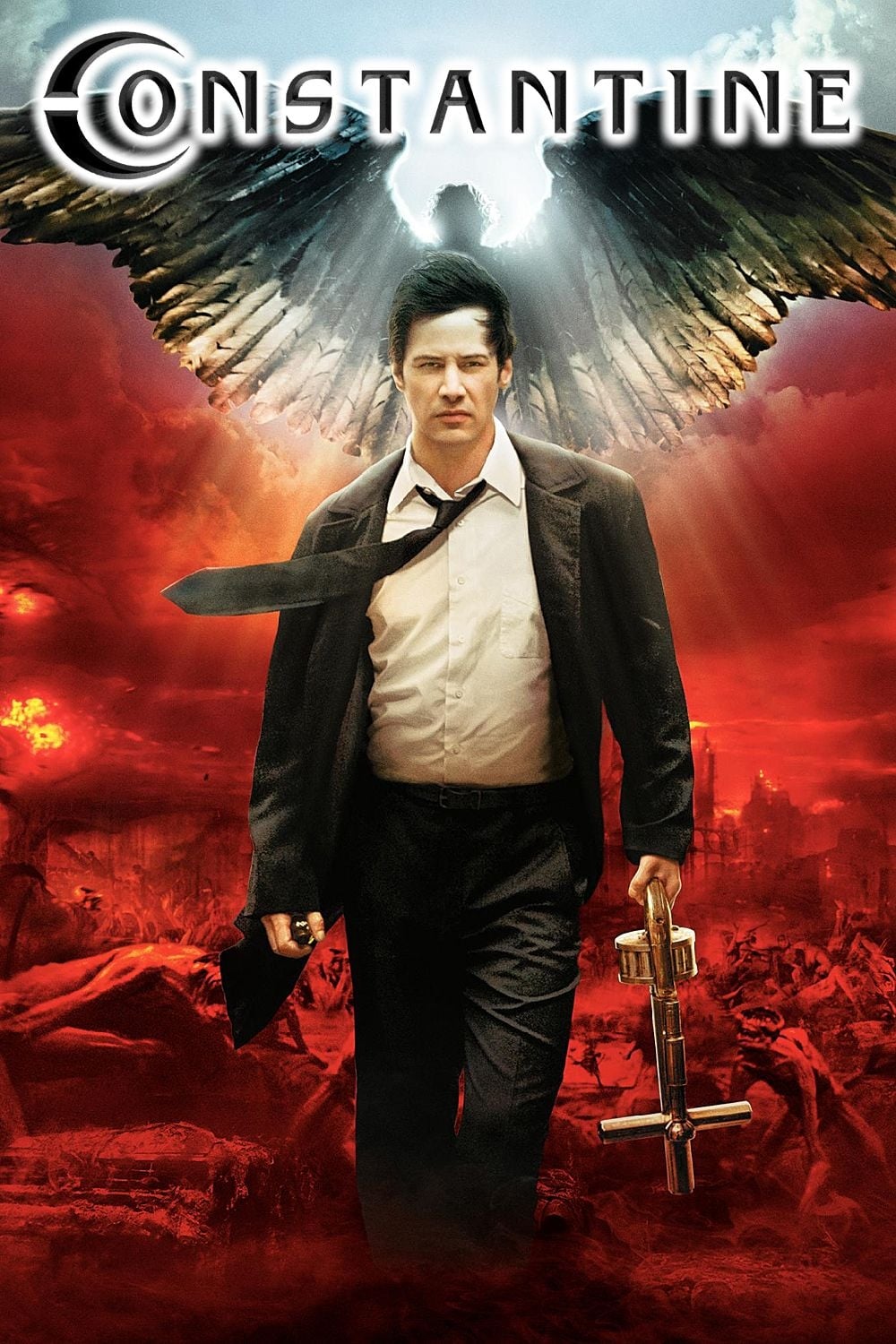
Tilda Swinton takes on the role of the androgynous archangel Gabriel in this supernatural action film. Based on the ‘Hellblazer’ comic books, the movie stars Keanu Reeves as John Constantine, a cynical occult detective who battles demons.
Swinton’s portrayal of Gabriel is one of the film’s most striking elements. She presents the angel as an arrogant and morally ambiguous being, blurring the lines between good and evil and creating a truly unforgettable character.
‘Thumbsucker’ (2005)

This indie comedy-drama is about a teenager who still sucks his thumb. Tilda Swinton plays Audrey Cobb, his mother, who works as a nurse and is obsessed with a TV soap opera star. She and her husband struggle to understand and help their son with his habit.
‘Thumbsucker’ is a quirky and heartfelt coming-of-age story. Swinton’s performance is both funny and touching, capturing the anxieties and desires of a suburban mother trying to find her own identity while raising a family.
‘The Chronicles of Narnia: The Lion, the Witch and the Wardrobe’ (2005)
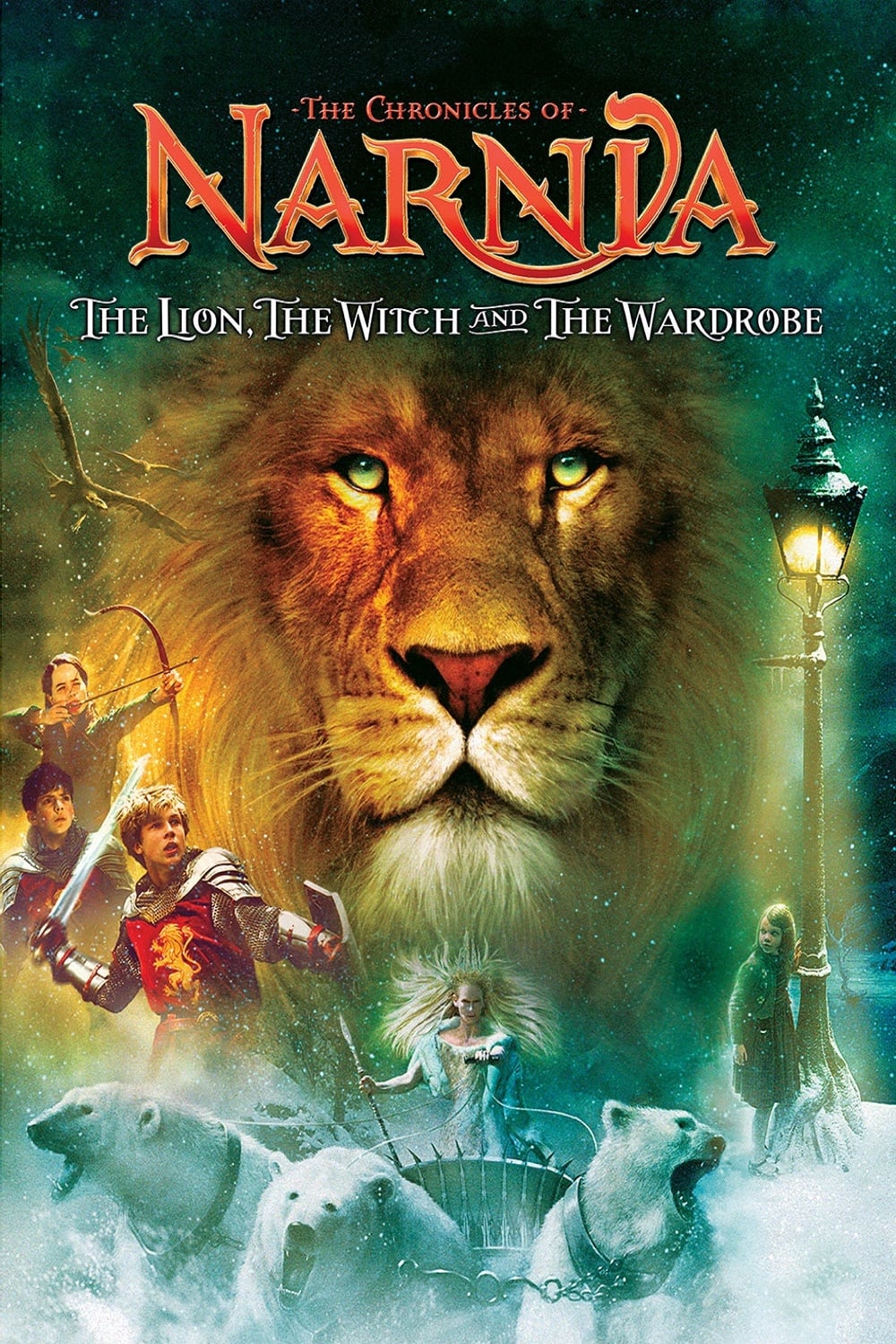
Swinton delivered one of her most iconic performances as Jadis, the White Witch, in this major fantasy blockbuster. As the cruel and powerful ruler of Narnia, she has plunged the land into an endless winter and turns her enemies to stone.
Her portrayal of the White Witch is chilling and unforgettable, making her a terrifying villain for a generation of young viewers. The role solidified Swinton’s status as a mainstream star who could bring her unique artistic sensibility to a big-budget franchise.
‘Stephanie Daley’ (2006)
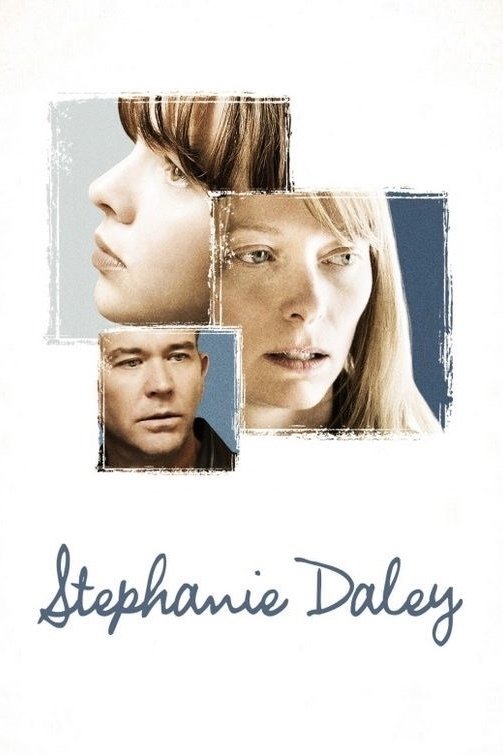
In this independent drama, Tilda Swinton plays Lydie Crane, a pregnant forensic psychologist. She is hired to interview a teenage girl named Stephanie Daley, who is accused of hiding her pregnancy and killing her newborn baby.
The film is an intense and emotional exploration of motherhood, denial, and trauma. Swinton gives a nuanced and empathetic performance as a woman who forms a complex bond with the young girl she is investigating, all while dealing with her own fears about becoming a mother.
‘The Man from London’ (2007)
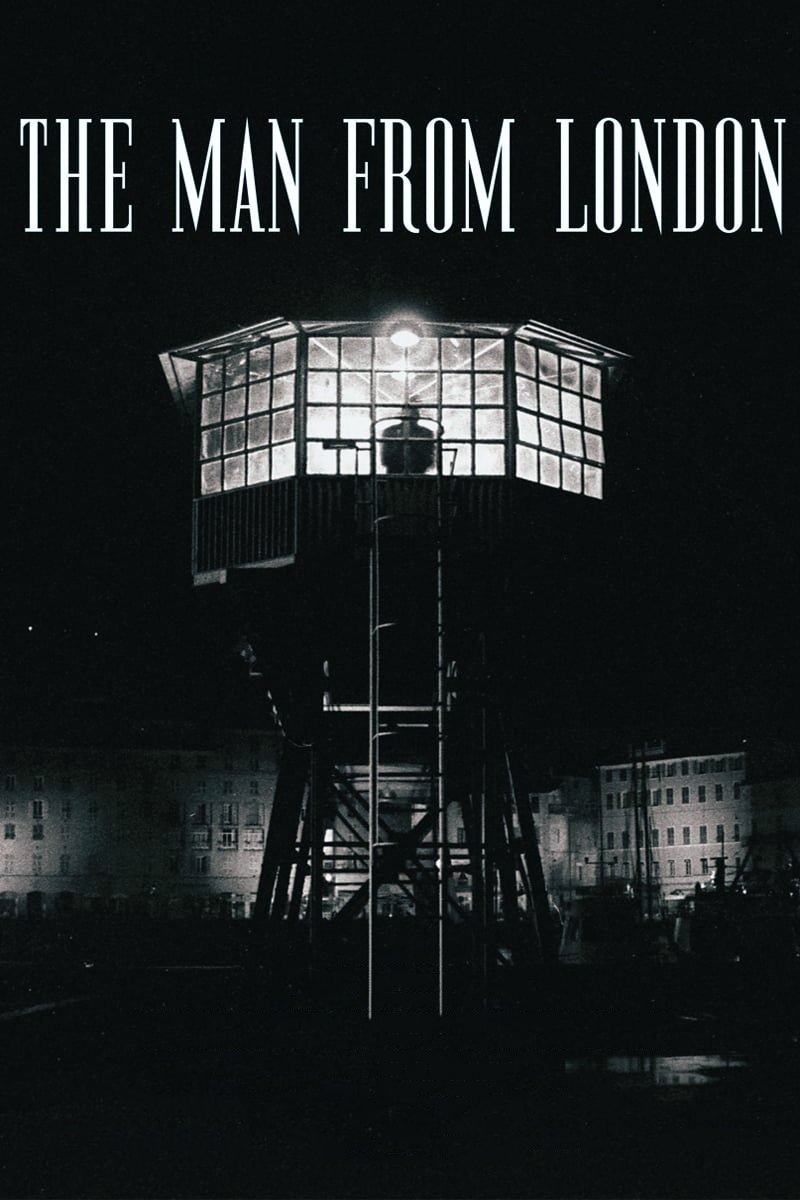
This slow-paced, black-and-white art-house film is directed by the Hungarian master Béla Tarr. The story follows a railway switchman who witnesses a murder and recovers a suitcase full of money from the water. Tilda Swinton plays Camélia, the man’s wife.
The film is known for its long, meditative takes and mysterious atmosphere. Swinton’s role is largely non-verbal, but she conveys a deep sense of weariness and concern for her husband as their lives are changed by his discovery.
‘Michael Clayton’ (2007)
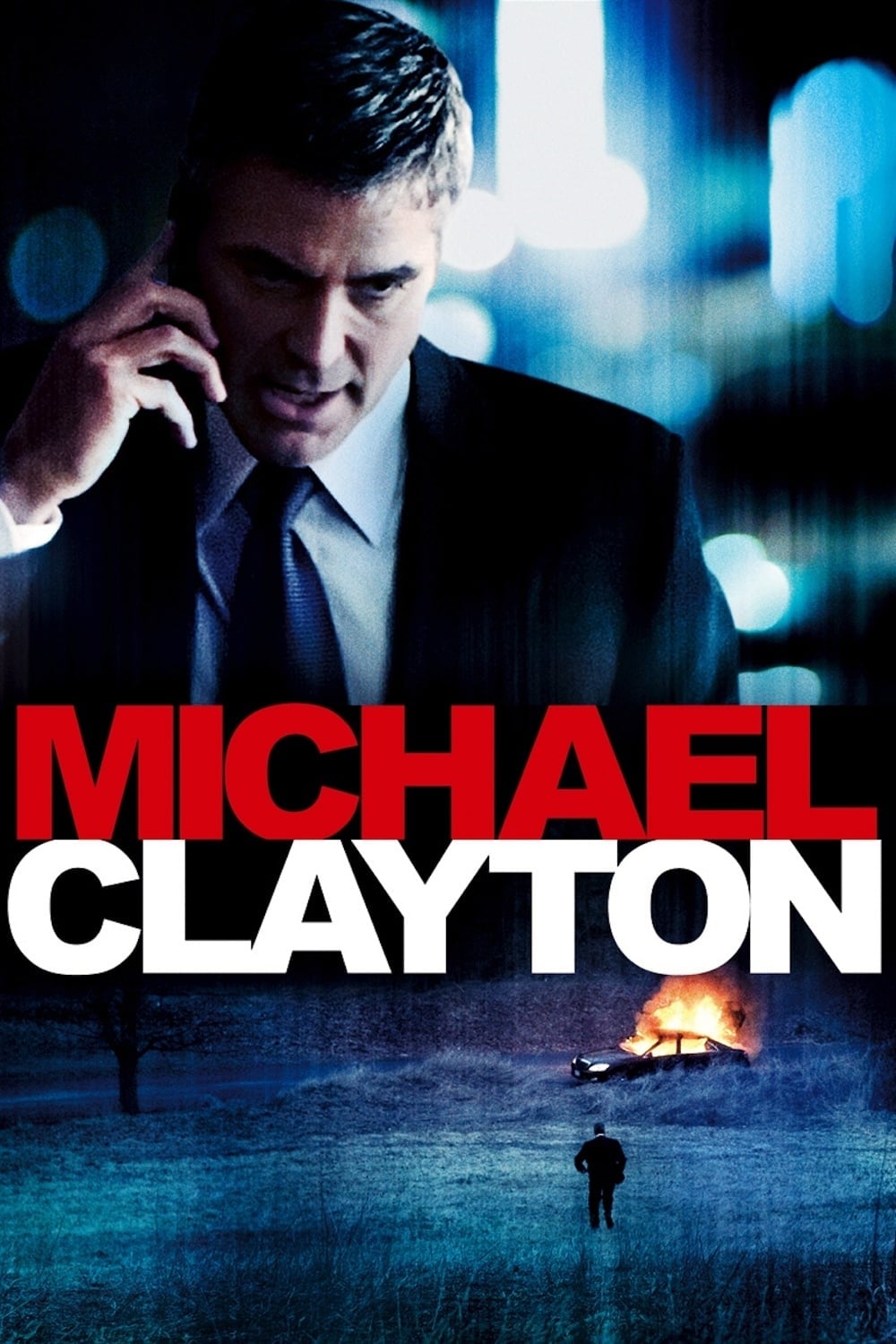
Tilda Swinton won the Academy Award for Best Supporting Actress for her role as Karen Crowder in this legal thriller. She plays a brilliant but ruthless corporate lawyer who is overseeing a multi-billion dollar lawsuit and will stop at nothing to protect her company’s interests.
Her performance is a masterful portrait of ambition and anxiety. Swinton brilliantly shows the character’s public mask of confidence while revealing her private moments of panic and desperation, creating a complex and unforgettable villain.
‘Burn After Reading’ (2008)

In this dark comedy from the Coen brothers, Tilda Swinton plays Katie Cox, the cold and unfaithful wife of a CIA analyst played by John Malkovich. When a disc containing her husband’s memoirs falls into the hands of two clueless gym employees, a series of chaotic and hilarious events ensues.
Swinton perfectly captures the character’s icy and perpetually annoyed demeanor. She is a key part of the film’s ensemble of selfish and foolish characters, and her performance adds to the movie’s sharp, cynical humor.
‘The Curious Case of Benjamin Button’ (2008)
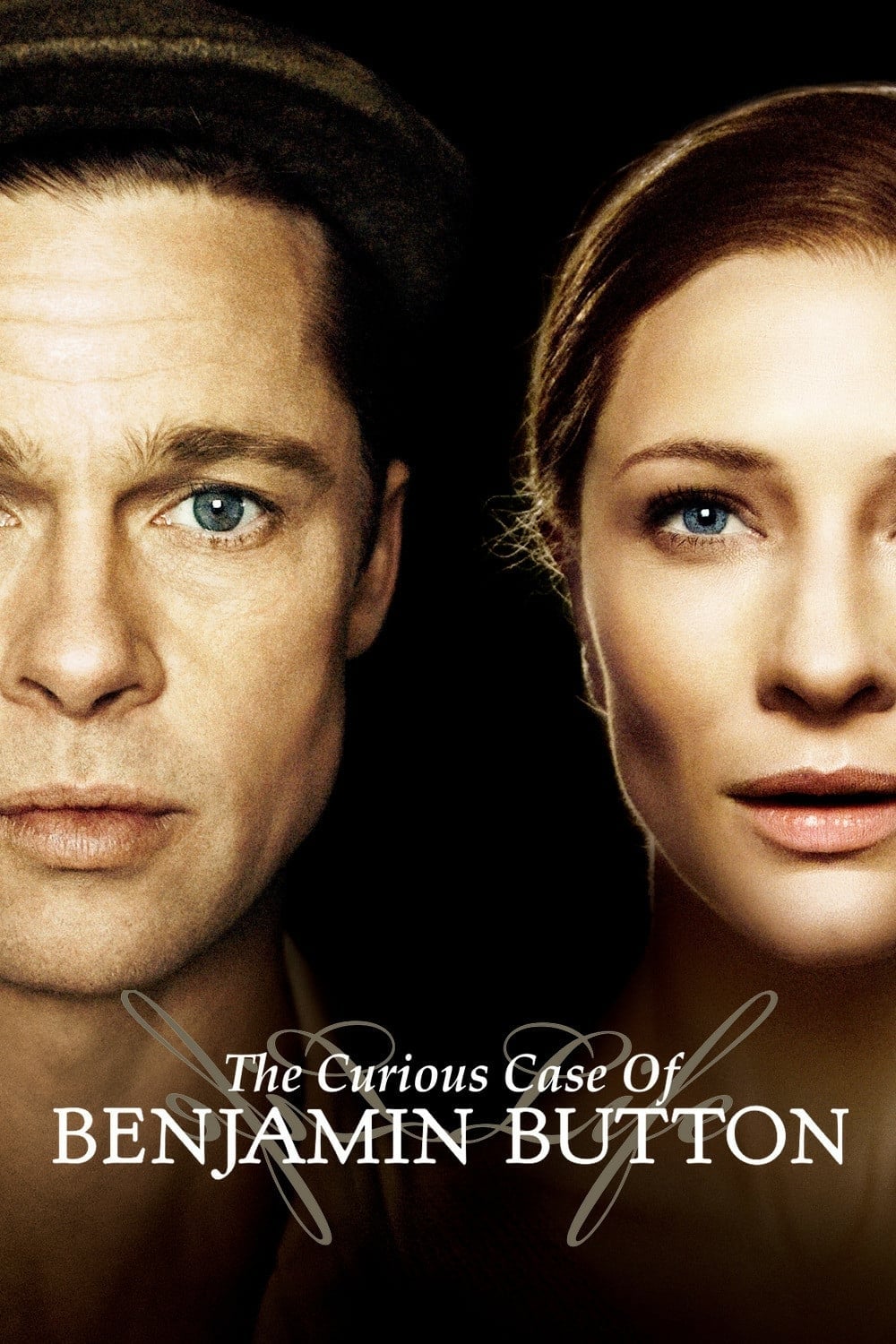
Directed by David Fincher, this film tells the story of a man who ages in reverse. Tilda Swinton plays Elizabeth Abbott, the wife of a British diplomat. She has a brief but meaningful affair with Benjamin Button when they meet at a hotel in Russia.
Her character represents a specific moment in Benjamin’s long and unusual life. Swinton brings elegance and a sense of quiet sadness to the role, creating a memorable chapter in the film’s epic love story.
‘Julia’ (2008)
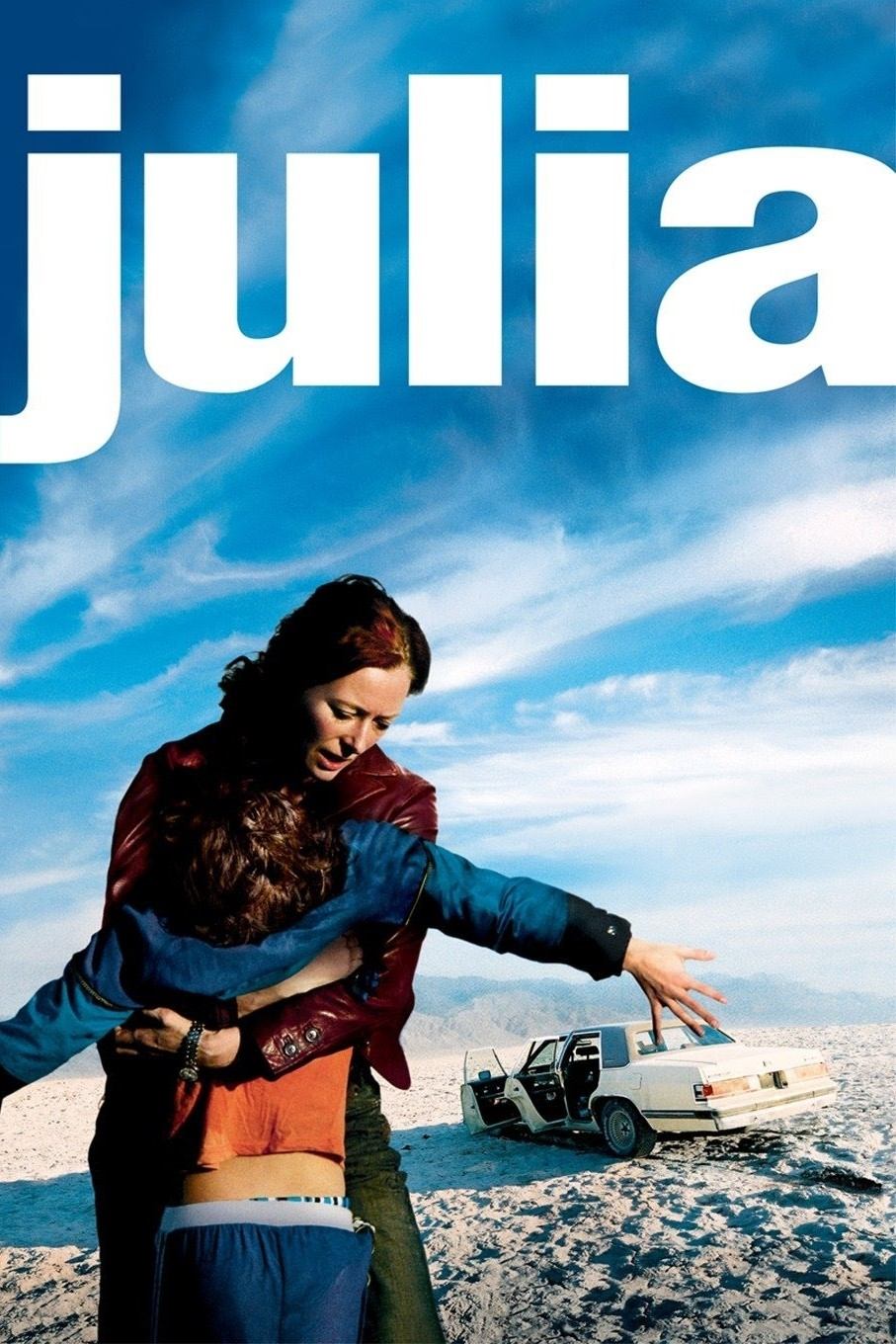
Swinton delivers a powerhouse performance as Julia, a reckless alcoholic whose life is spinning out of control. Desperate for money, she gets involved in a clumsy kidnapping plot that goes horribly wrong, forcing her to go on the run with a young boy.
This gritty and intense thriller rests entirely on Swinton’s shoulders. Her portrayal of Julia is raw, fearless, and unflinching, taking the character from a pathetic mess to an unlikely protector in a tour-de-force performance that many critics consider one of her best.
‘I Am Love’ (2009)
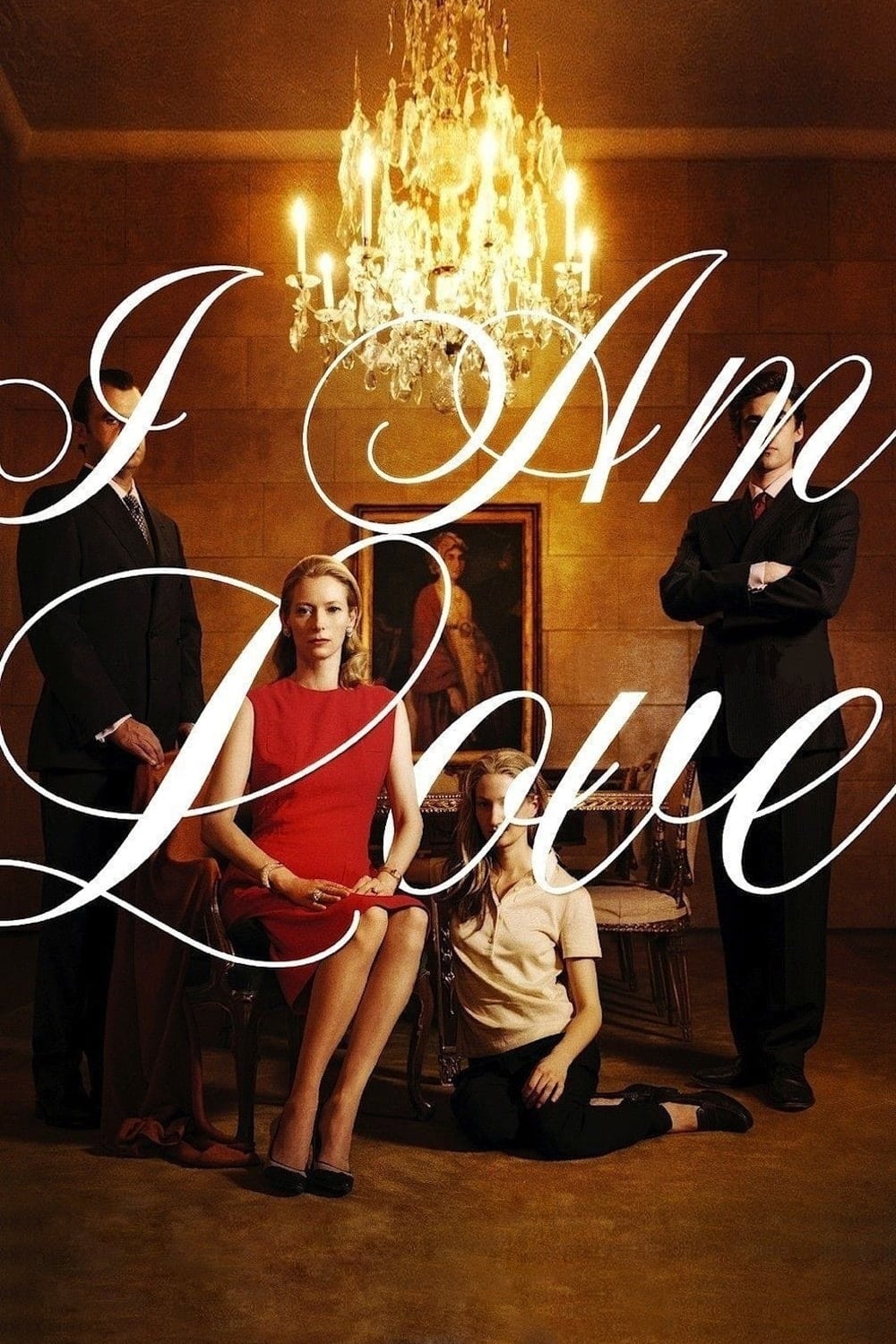
In this visually stunning Italian drama directed by Luca Guadagnino, Swinton plays Emma Recchi. She is the Russian-born wife of a wealthy Italian industrialist, living a life of luxury but feeling emotionally empty. Her world is turned upside down when she falls into a passionate affair with her son’s friend, a talented chef.
Swinton, who also produced the film, gives a powerful and nuanced performance, largely speaking Italian and Russian. The film is a feast for the senses, and her portrayal of a woman’s sensual and emotional awakening is at its heart.
‘The Limits of Control’ (2009)
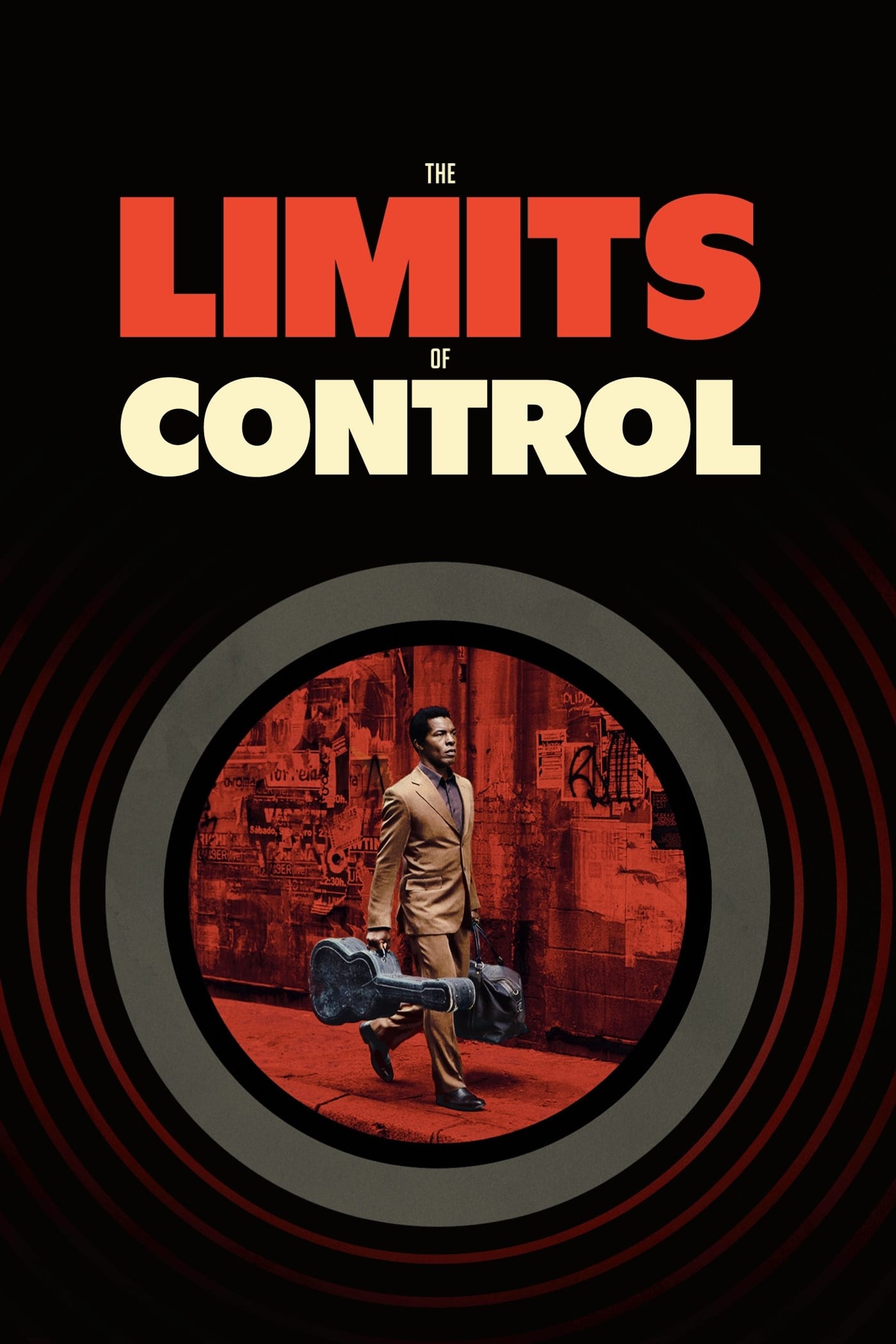
This is another collaboration between Tilda Swinton and director Jim Jarmusch. The film is a minimalist and mysterious thriller about a lone man on a secret mission in Spain. Along the way, he meets a series of strange contacts who give him cryptic instructions.
Swinton plays one of these contacts, credited as “Blonde.” She appears in a striking blonde wig and a white trench coat, delivering her lines with a cool, enigmatic style. Her scene adds another layer to the film’s puzzling and meditative journey.
‘The Chronicles of Narnia: The Voyage of the Dawn Treader’ (2010)
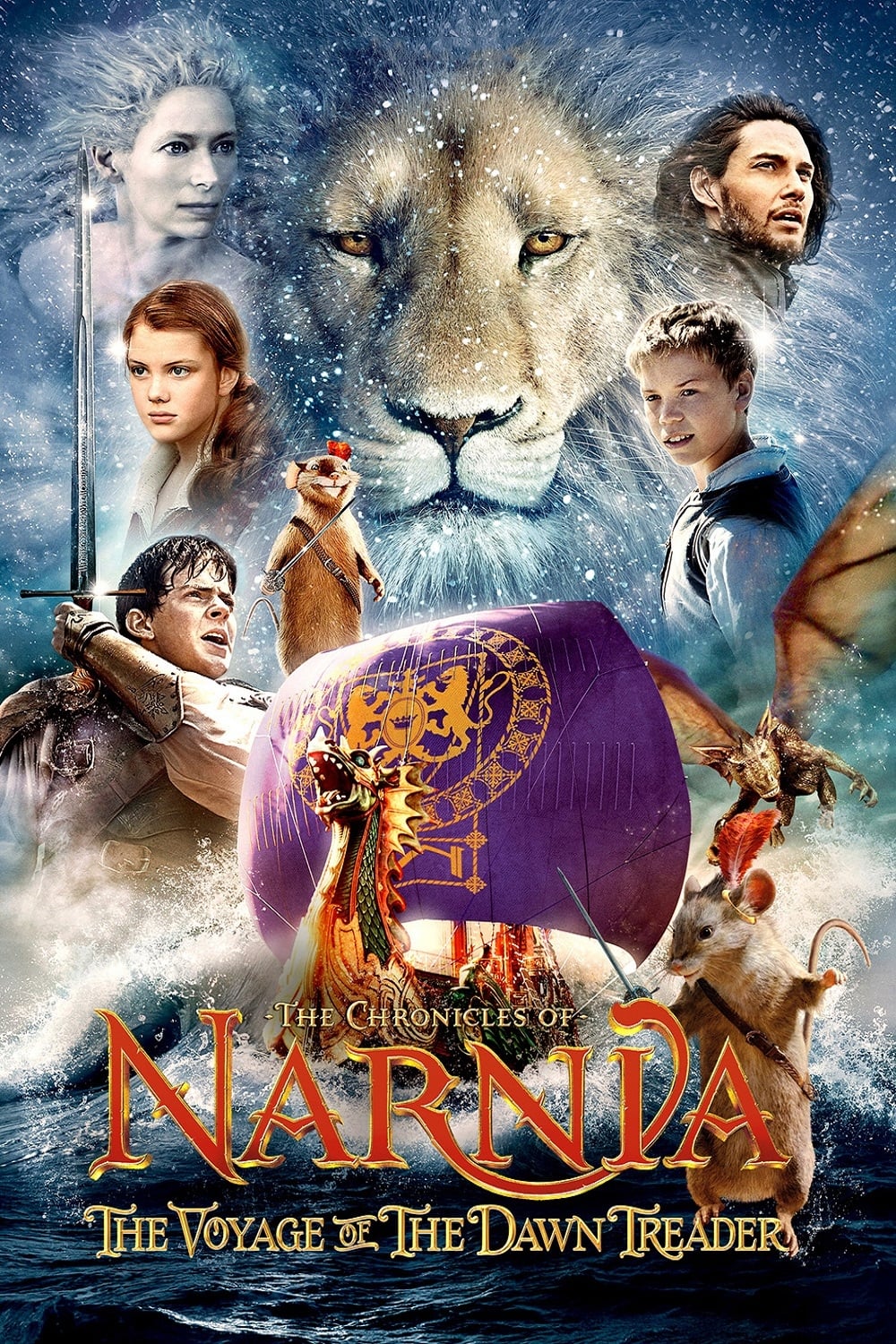
Tilda Swinton reprises her role as the White Witch in the third installment of the ‘Narnia’ series. Although the witch was defeated in the first film, she appears in this one as a hallucination, tempting one of the main characters with evil thoughts.
Her brief appearance serves as a ghostly reminder of the evil that always threatens Narnia. Even in a small role, Swinton’s powerful presence brings a sense of menace and danger back to the fantasy world.
‘We Need to Talk About Kevin’ (2011)
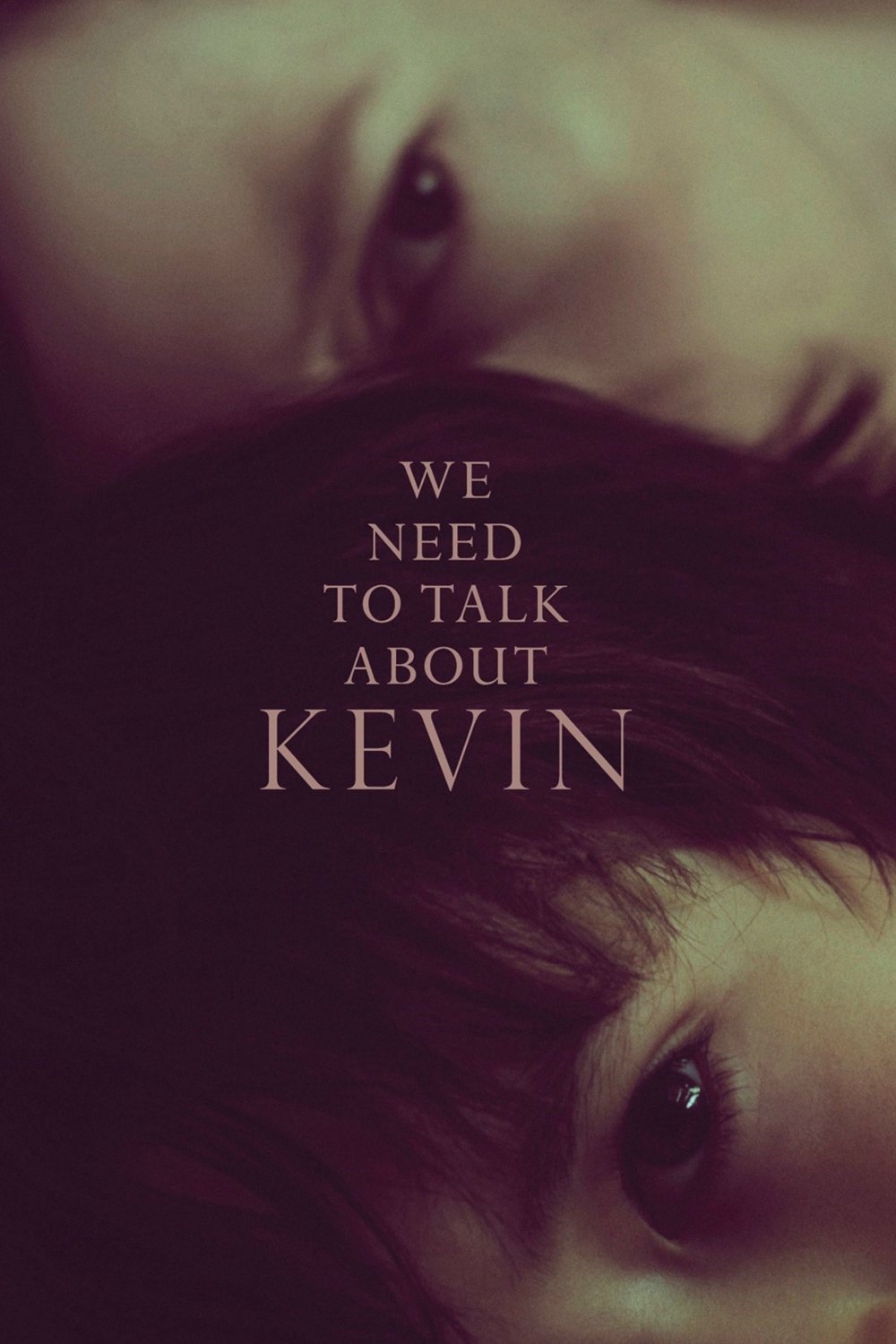
Swinton gives a critically acclaimed performance as Eva Khatchadourian, the mother of a teenage boy who commits a horrific act of violence. The film follows Eva as she struggles with her grief and guilt, looking back on her difficult relationship with her son from his birth to the day of the tragedy.
This is a dark and disturbing psychological drama. Swinton’s portrayal of a mother’s torment is devastating and complex, exploring her feelings of alienation and possible responsibility for her son’s actions. It is widely regarded as one of the most powerful performances of her career.
‘Moonrise Kingdom’ (2012)
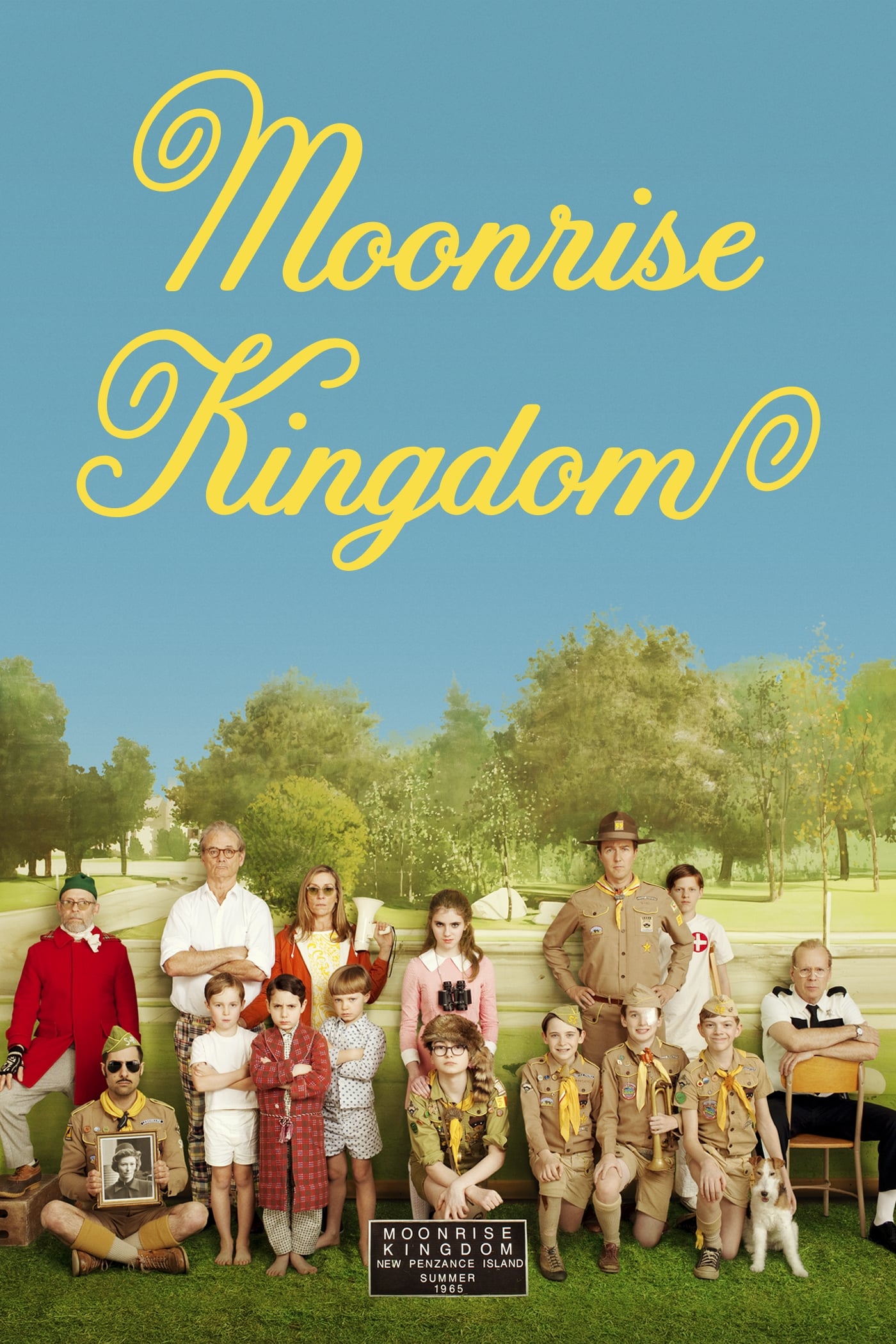
In this charming Wes Anderson film, Tilda Swinton plays a stern and bureaucratic character simply named Social Services. She is called to a small New England island to handle the case of a troubled orphan boy who has run away from his scout camp.
Dressed in a severe blue uniform, Swinton’s character represents the cold and impersonal adult world that the young runaway couple is trying to escape. Her deadpan delivery is a perfect fit for the director’s quirky and highly stylized cinematic universe.
‘Only Lovers Left Alive’ (2013)

Tilda Swinton stars as Eve in this cool and stylish vampire film by director Jim Jarmusch. Eve is a centuries-old vampire, living in Tangier and deeply in love with her musician husband, Adam, who lives in Detroit. When Adam falls into a deep depression, Eve travels to be with him.
The film is a moody and romantic look at eternal love and art. Swinton’s portrayal of Eve is elegant, wise, and full of life, even after centuries of existence. She and her co-star Tom Hiddleston have incredible chemistry as the ancient, world-weary lovers.
‘Snowpiercer’ (2013)

In this sci-fi action film from director Bong Joon-ho, Swinton undergoes a radical transformation to play Minister Mason. In a future where the world has frozen over, the last of humanity lives on a perpetually moving train, divided by class. Mason is the cruel and fanatical second-in-command, enforcing the brutal social order.
With prosthetic teeth, a strange haircut, and a thick accent, Swinton is completely unrecognizable. Her performance is both terrifying and darkly comedic, creating a truly memorable and grotesque villain who spouts propaganda about her “preordained position” in the train’s ecosystem.
‘The Zero Theorem’ (2013)
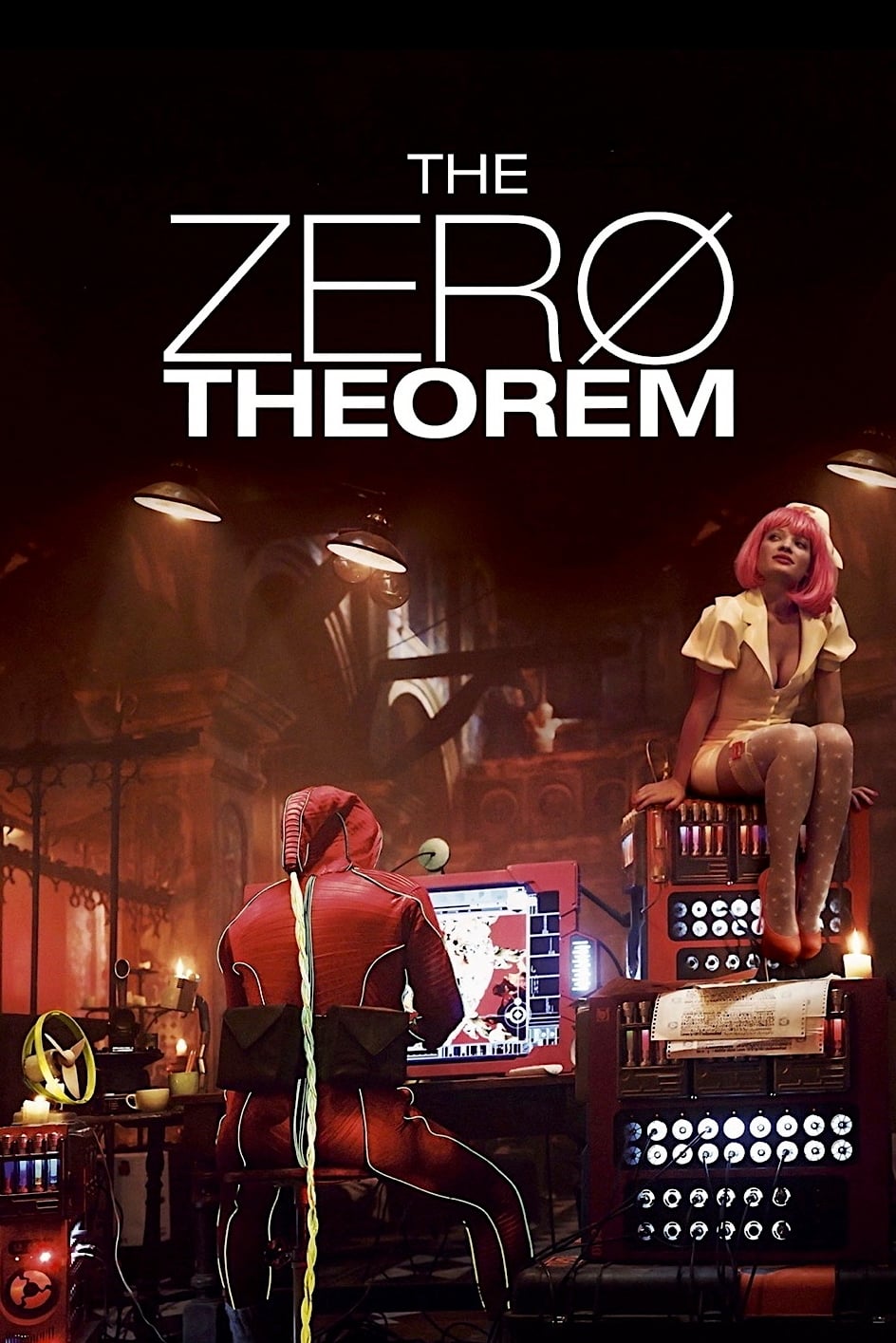
This science-fiction film by director Terry Gilliam is set in a vibrant but dystopian future. It centers on a reclusive computer genius who is trying to solve a formula that will determine the meaning of life. Tilda Swinton plays Dr Shrink-Rom, a virtual reality therapist who appears as a rapping computer program.
Her character is designed to analyze and assist the protagonist, but she does so with a quirky and energetic style. Swinton’s brief, high-energy cameo is one of the many bizarre and imaginative elements in Gilliam’s visually packed film.
‘The Grand Budapest Hotel’ (2014)

For her second collaboration with Wes Anderson, Swinton was made unrecognizable by heavy prosthetics and makeup. She plays Madame D., an 84-year-old dowager who is one of the wealthy patrons of the hotel and the lover of the concierge, M. Gustave H.
Her mysterious death early in the film sets the entire madcap plot in motion. Though her screen time is very short, her transformation into the elderly and eccentric Madame D. is one of the most talked-about aspects of the movie.
‘A Bigger Splash’ (2015)

Reuniting with director Luca Guadagnino, Swinton stars as Marianne Lane, a famous rock star who is recovering from throat surgery and cannot speak. She is on a quiet vacation with her boyfriend on a remote Italian island when their peace is shattered by the arrival of her loud and manipulative ex-lover.
Swinton’s performance is almost entirely silent, forcing her to convey a huge range of emotions through her body language and facial expressions. It’s a magnetic and powerful performance that proves she doesn’t need words to command the screen.
‘Trainwreck’ (2015)

In this comedy starring Amy Schumer, Tilda Swinton once again transforms herself completely. She plays Dianna, the ruthless and hilariously blunt editor-in-chief of a men’s magazine. With tanned skin, a stylish blonde wig, and a conventional look, Swinton is almost impossible to recognize.
She delivers some of the film’s funniest and most cutting lines with a perfect deadpan delivery. Her performance was so different from her usual roles that many audience members didn’t even realize it was her until the credits rolled.
‘Doctor Strange’ (2016)
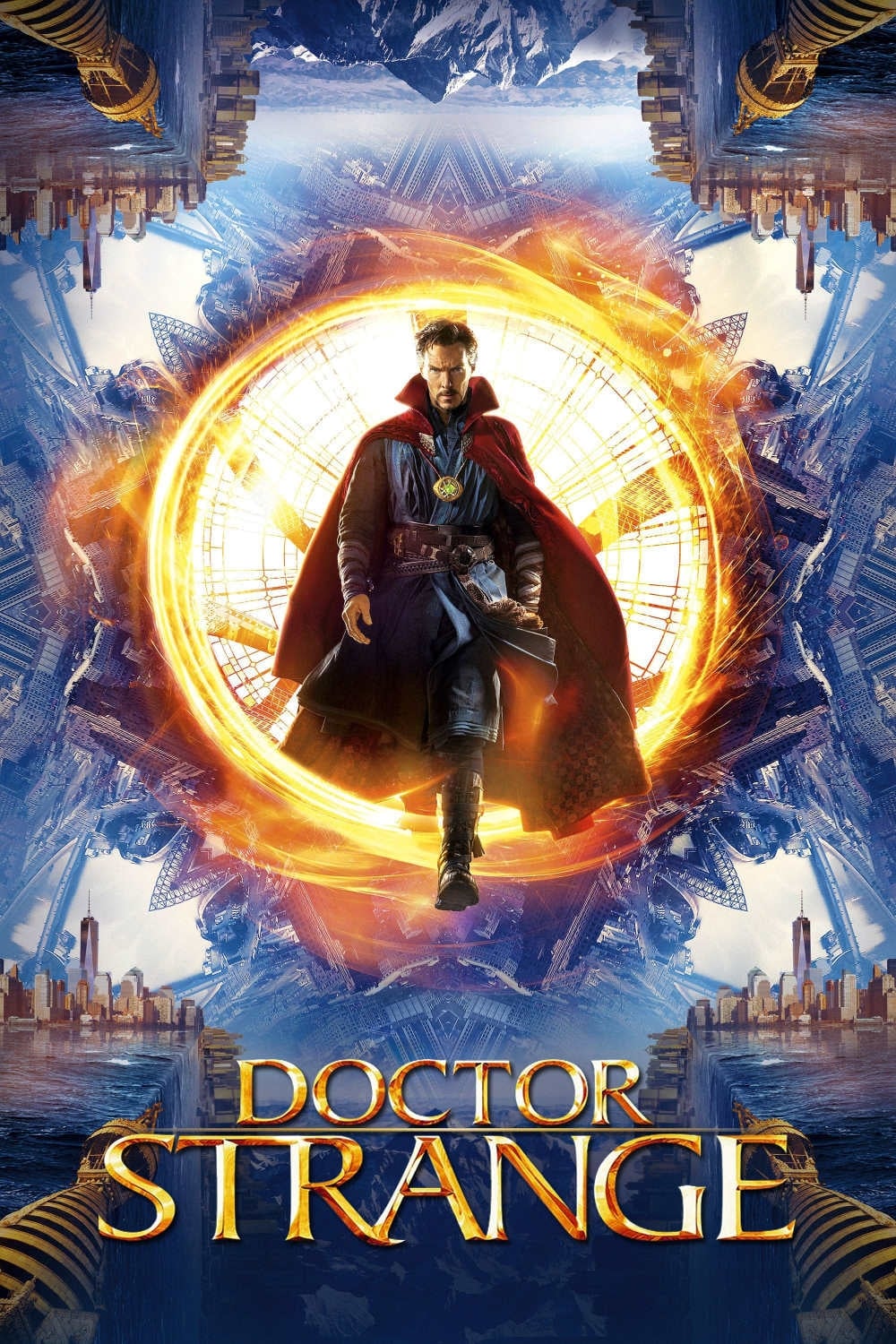
Swinton joined the Marvel Cinematic Universe as the Ancient One, the powerful and wise Sorcerer Supreme who trains Doctor Strange in the mystic arts. The character was originally portrayed as an Asian man in the comics, and her casting sparked some controversy, but her performance was widely praised.
She brings a serene and otherworldly quality to the role, portraying the Ancient One as an ancient Celtic mystic. Swinton perfectly balances the character’s immense power with a sense of humor and deep wisdom, making her a memorable mentor figure in the superhero genre.
‘Hail, Caesar!’ (2016)
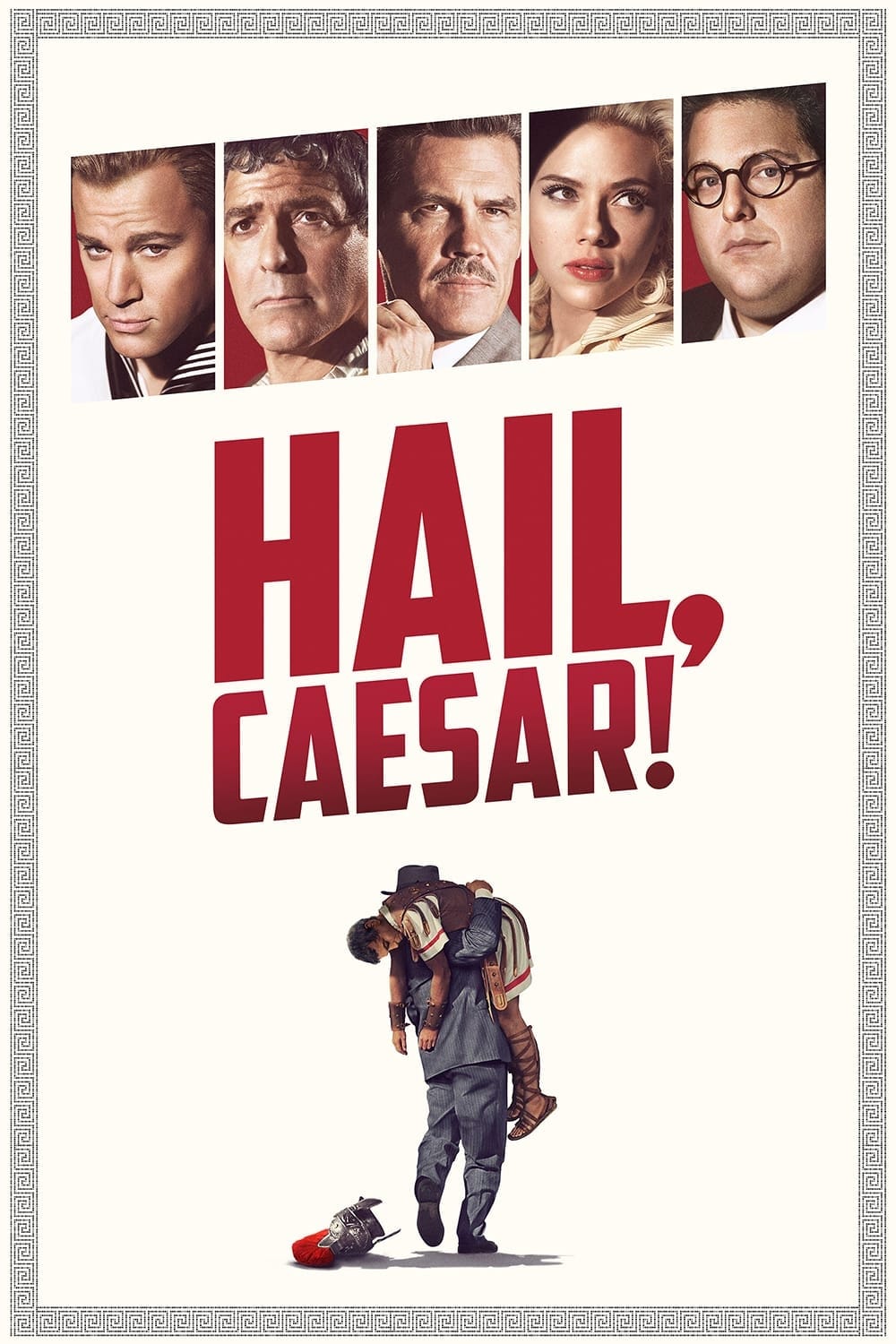
In her second film with the Coen brothers, Tilda Swinton plays a dual role. She portrays both Thora Thacker and Thessaly Thacker, identical twin sisters who are rival gossip columnists in 1950s Hollywood. The two sisters are constantly trying to outdo each other to get a scoop.
Swinton masterfully creates two distinct personalities for the feuding twins, one more sophisticated and the other more aggressive. Her performance is a hilarious send-up of the powerful celebrity journalists of Hollywood’s golden age.
‘Okja’ (2017)
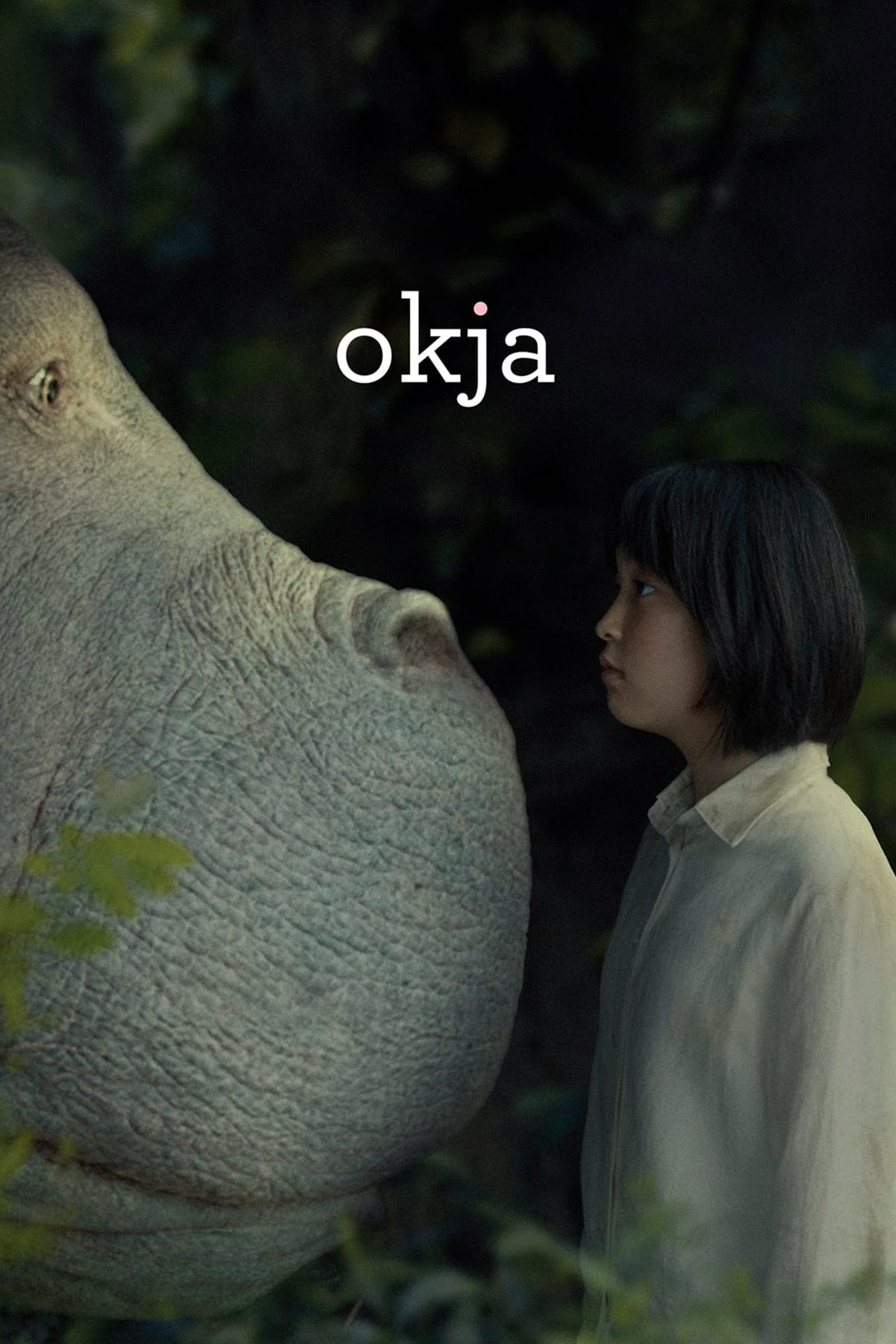
In her second collaboration with director Bong Joon-ho, Swinton again plays a dual role. She is Lucy Mirando, the image-obsessed CEO of a powerful corporation, and also her more ruthless twin sister, Nancy. The company has created giant “super-pigs,” and the film follows a young girl’s quest to save her beloved super-pig, Okja.
As Lucy, Swinton is a quirky and awkward public figure, desperate to be liked. As Nancy, she is all brutal, bottom-line business. Her performances satirize corporate greed and the emptiness of public relations, adding a layer of dark comedy to this touching and adventurous film.
‘War Machine’ (2017)

This satirical war film stars Brad Pitt as a four-star general in charge of the war in Afghanistan. Tilda Swinton has a small but impactful role as a German politician who questions the general’s strategy and the entire purpose of the war.
In her brief scene, she challenges the film’s protagonist with sharp, intelligent arguments. Her character represents a voice of reason and skepticism in a world of military ambition and political posturing.
‘Isle of Dogs’ (2018)

Tilda Swinton lends her voice to another Wes Anderson film, this time an animated one. In this stop-motion feature set in a dystopian Japan, all dogs have been exiled to an island. Swinton voices a pug named Oracle, who is known for her ability to understand television.
Oracle is one of the many unique dog characters that the young human hero meets on his quest. Swinton’s vocal performance adds to the rich and detailed world of the film, fitting perfectly into its quirky ensemble.
‘Suspiria’ (2018)

In this remake of the classic horror film, Tilda Swinton teams up with director Luca Guadagnino for a truly ambitious project. She plays three different roles: Madame Blanc, the lead choreographer of a prestigious Berlin dance academy; Dr. Josef Klemperer, an elderly male psychoanalyst; and Helena Markos, the ancient and grotesque witch at the heart of the coven.
Her transformations are incredible, especially her portrayal of Dr. Klemperer, for which she was credited under a fake male name. The multiple roles showcase her stunning range and her commitment to disappearing completely into her characters.
‘Avengers: Endgame’ (2019)
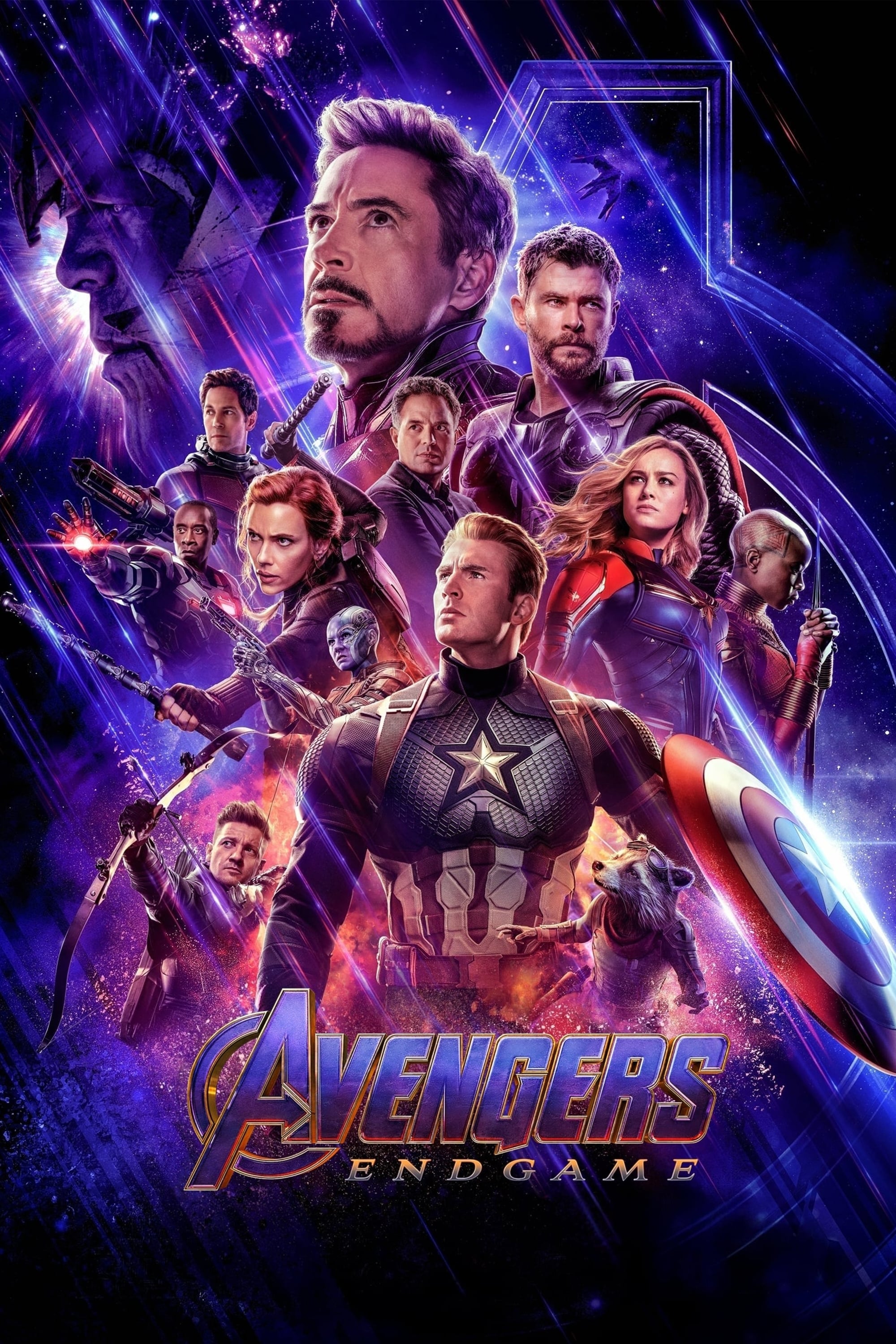
Swinton reprised her role as the Ancient One in the climactic finale of Marvel’s Infinity Saga. She appears in a key scene where the heroes travel back in time to the events of the first ‘Avengers’ movie. The Hulk must convince her to give him the Time Stone.
Her conversation with the Hulk is a crucial moment, as she explains the dangerous consequences of altering timelines. Her calm wisdom and immense power are once again on full display, and her return was a welcome surprise for fans of the franchise.
‘The Dead Don’t Die’ (2019)
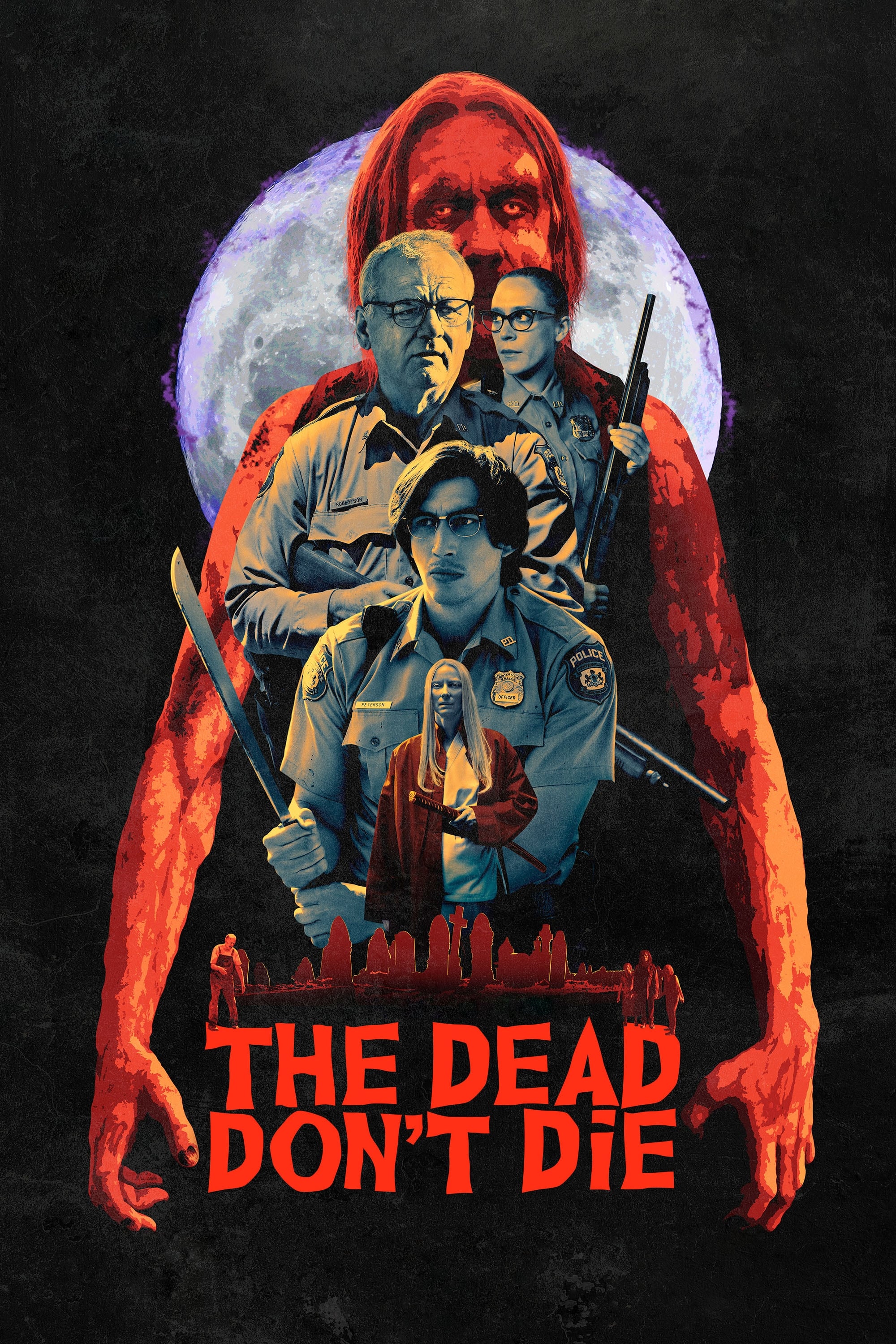
In her fourth film with director Jim Jarmusch, Swinton plays Zelda Winston, the strange new undertaker in a small town that is suddenly overrun by zombies. Zelda is an eccentric figure who is oddly skilled with a samurai sword and seems to know more than she is letting on.
Swinton’s performance is otherworldly and comedic. Her character is a hilarious mystery, with her Scottish accent and peculiar habits, making her a standout in a star-studded cast that includes Bill Murray and Adam Driver.
‘The Personal History of David Copperfield’ (2019)

In this vibrant and funny adaptation of the Charles Dickens novel, Tilda Swinton plays Betsey Trotwood. She is David’s eccentric and formidable great-aunt who takes him in after he runs away from his miserable life.
Swinton is perfectly cast as the donkey-hating, no-nonsense Betsey. She brings a wonderful mix of humor, strength, and hidden warmth to the character, making her a memorable and beloved figure in David’s life.
‘The Souvenir’ (2019)
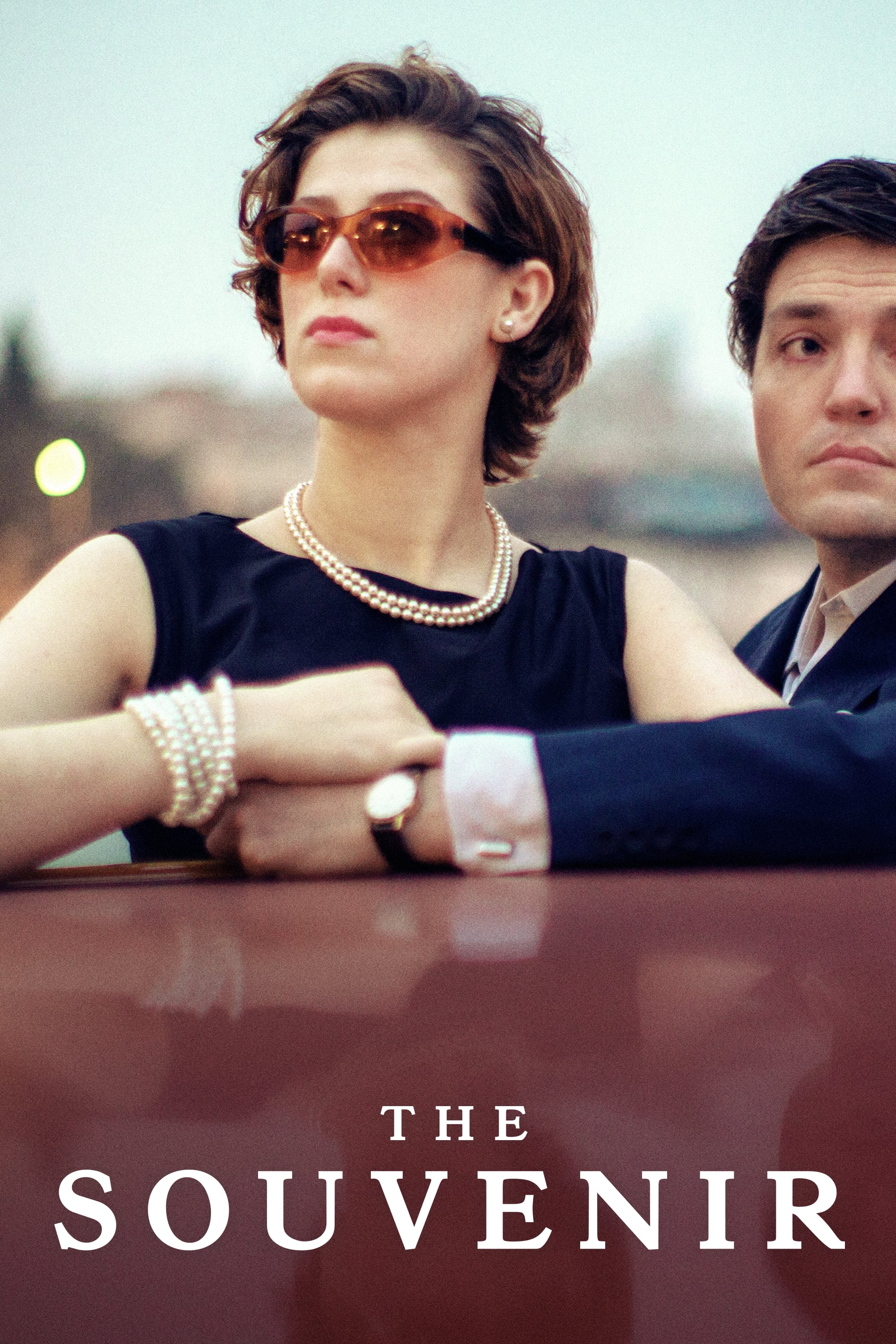
Directed by Joanna Hogg, this semi-autobiographical film stars Swinton’s own daughter, Honor Swinton Byrne, as a young film student in the 1980s. Tilda Swinton plays Rosalind, the student’s elegant and quietly concerned mother.
Her performance is a model of subtlety and restraint. She portrays a mother who is supportive but also worried about her daughter’s destructive relationship with an older man. It’s a gentle and deeply felt performance that captures the delicate dynamic between a mother and her adult child.
‘Last and First Men’ (2020)
This unique science-fiction film is the only feature directed by the late composer Jóhann Jóhannsson. It is a meditative and visually stunning piece about a future human race, two billion years from now, that is on the verge of extinction. Tilda Swinton serves as the film’s narrator.
Shot in black and white, the film shows massive, abstract monuments from the former Yugoslavia. Swinton’s calm and haunting voice delivers the message from the future, creating a powerful and hypnotic cinematic experience that is part art installation, part philosophical reflection.
‘The Souvenir: Part II’ (2021)
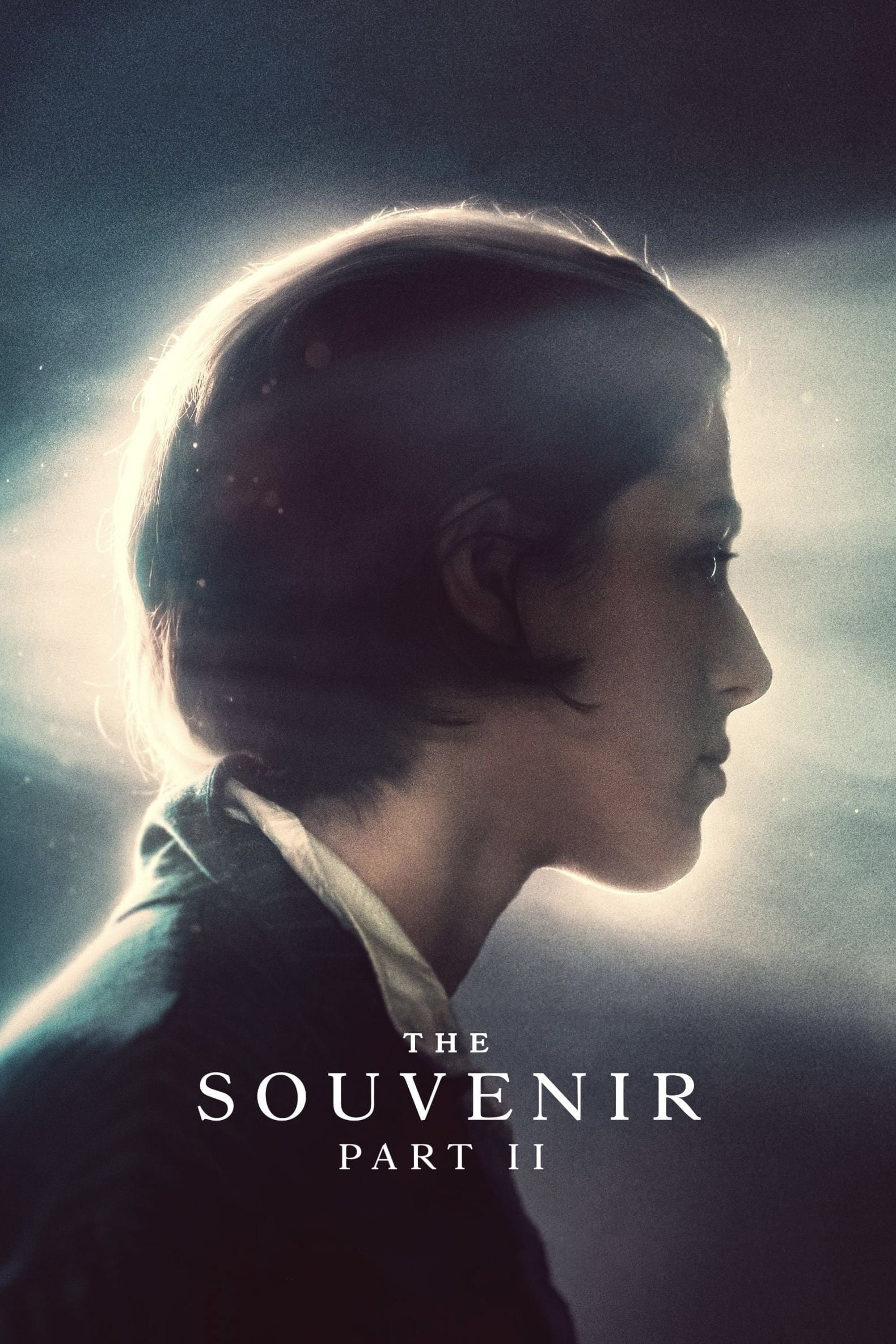
Tilda Swinton reprises her role as Rosalind in the sequel to Joanna Hogg’s acclaimed film. This movie follows her daughter, Julie, in the aftermath of the tragic events of the first film, as she channels her grief into making her graduation film project.
Once again, Swinton provides a quiet, supportive presence as the mother. Her scenes with her real-life daughter have a natural and authentic feel. She portrays Rosalind’s gentle guidance and unconditional love with beautiful subtlety.
‘The French Dispatch’ (2021)

In her fourth live-action film with Wes Anderson, Swinton plays J.K.L. Berensen, a writer and art critic for the titular magazine. Her character narrates a segment of the film about a criminally insane painter, his prison guard muse, and the greedy art dealers who discover him.
Swinton delivers a hilarious, fast-paced lecture to a small audience, complete with a slide show. Her performance is a whirlwind of eccentric gestures and rapid-fire dialogue, perfectly capturing the quirky, intellectual humor of Anderson’s style.
‘Memoria’ (2021)

In this mysterious and meditative film from Thai director Apichatpong Weerasethakul, Tilda Swinton plays Jessica Holland. She is a Scottish woman living in Colombia who begins hearing a strange, loud banging sound that no one else can hear. Her quest to understand the sound takes her on a journey into memory and the landscape itself.
The film is a slow, quiet, and deeply immersive experience that challenges the viewer to pay close attention. Swinton’s performance is incredibly subtle and hypnotic, drawing the audience into her character’s strange and singular sensory world.
‘Three Thousand Years of Longing’ (2022)
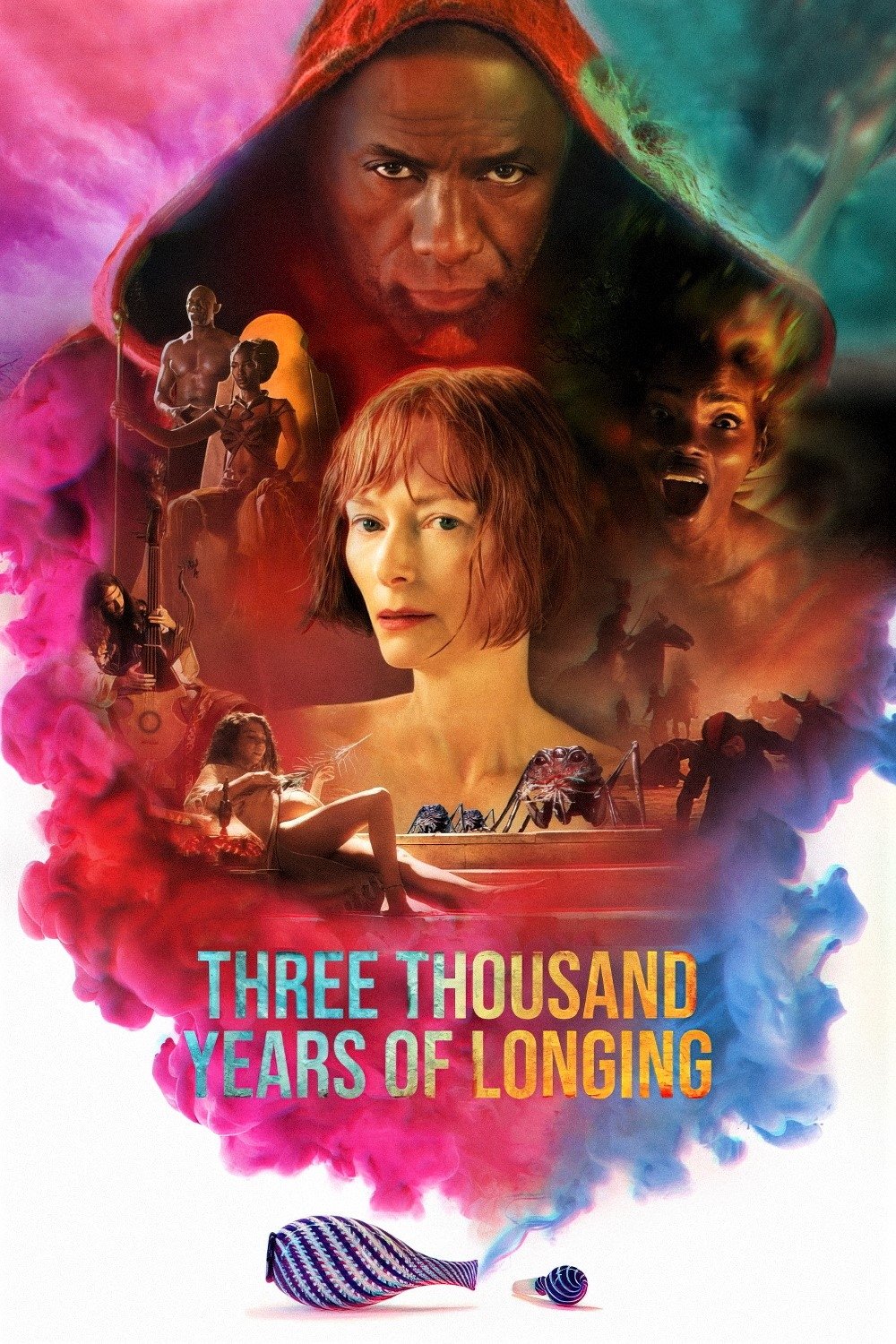
Directed by George Miller, this fantasy film stars Tilda Swinton as Dr. Alithea Binnie, a solitary academic who studies stories. While on a trip to Istanbul, she buys an old bottle and accidentally releases a Djinn, played by Idris Elba. The Djinn offers her three wishes in exchange for his freedom.
The film is a conversation-driven fable about the nature of storytelling, love, and desire. Swinton’s character is intelligent and cautious, and her interactions with the powerful Djinn are at the heart of this visually spectacular and thoughtful fairy tale for adults.
‘The Eternal Daughter’ (2022)
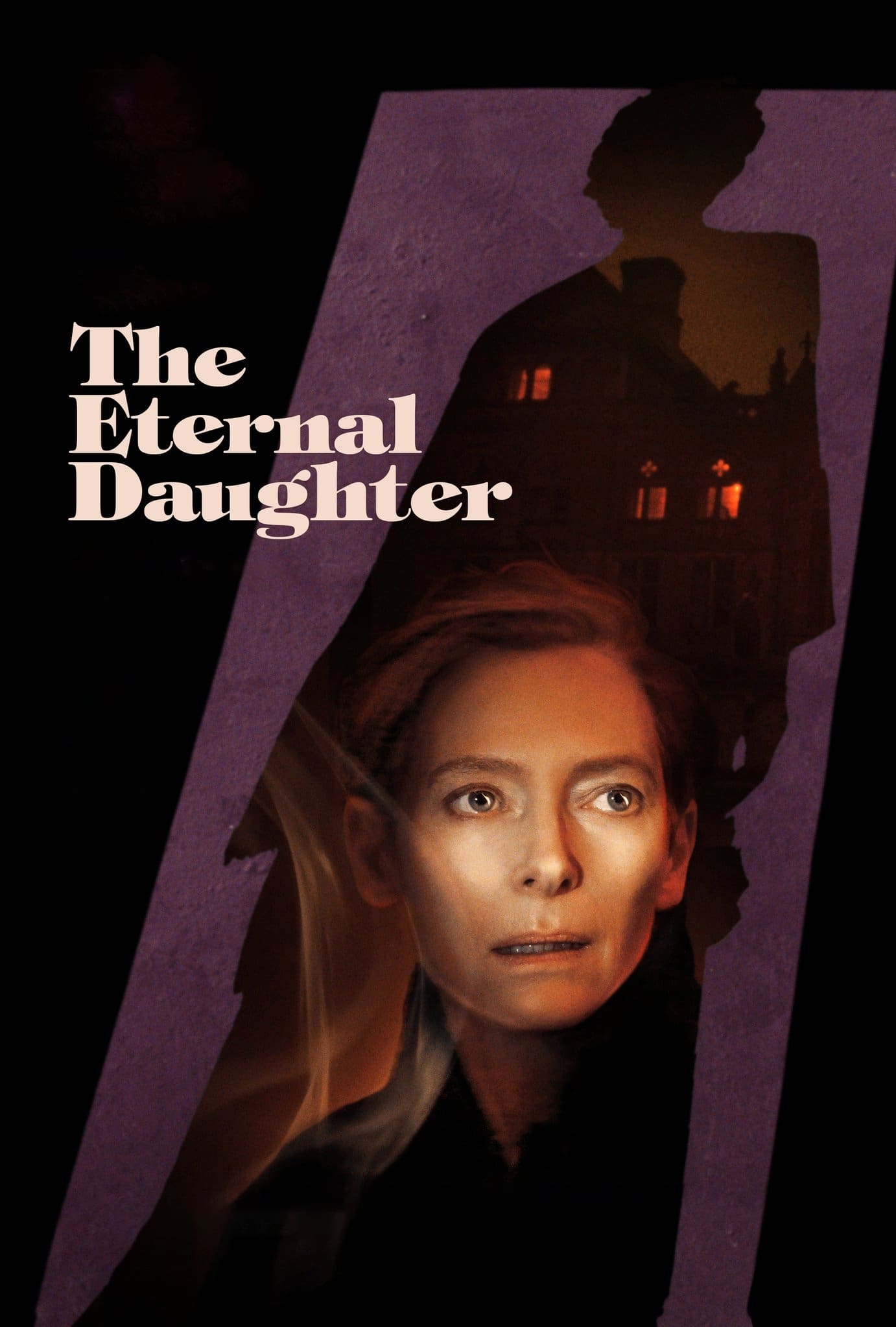
In her third film with director Joanna Hogg, Swinton takes on a challenging dual role. She plays Julie, a filmmaker, and also Rosalind, Julie’s elderly mother. The two travel to a mysterious, empty hotel in the English countryside for a birthday trip.
The film is a haunting and atmospheric ghost story that explores themes of memory, grief, and the relationship between a mother and daughter. Swinton’s ability to play both characters, often in the same scene, is a stunning technical and emotional achievement.
‘Guillermo del Toro’s Pinocchio’ (2022)
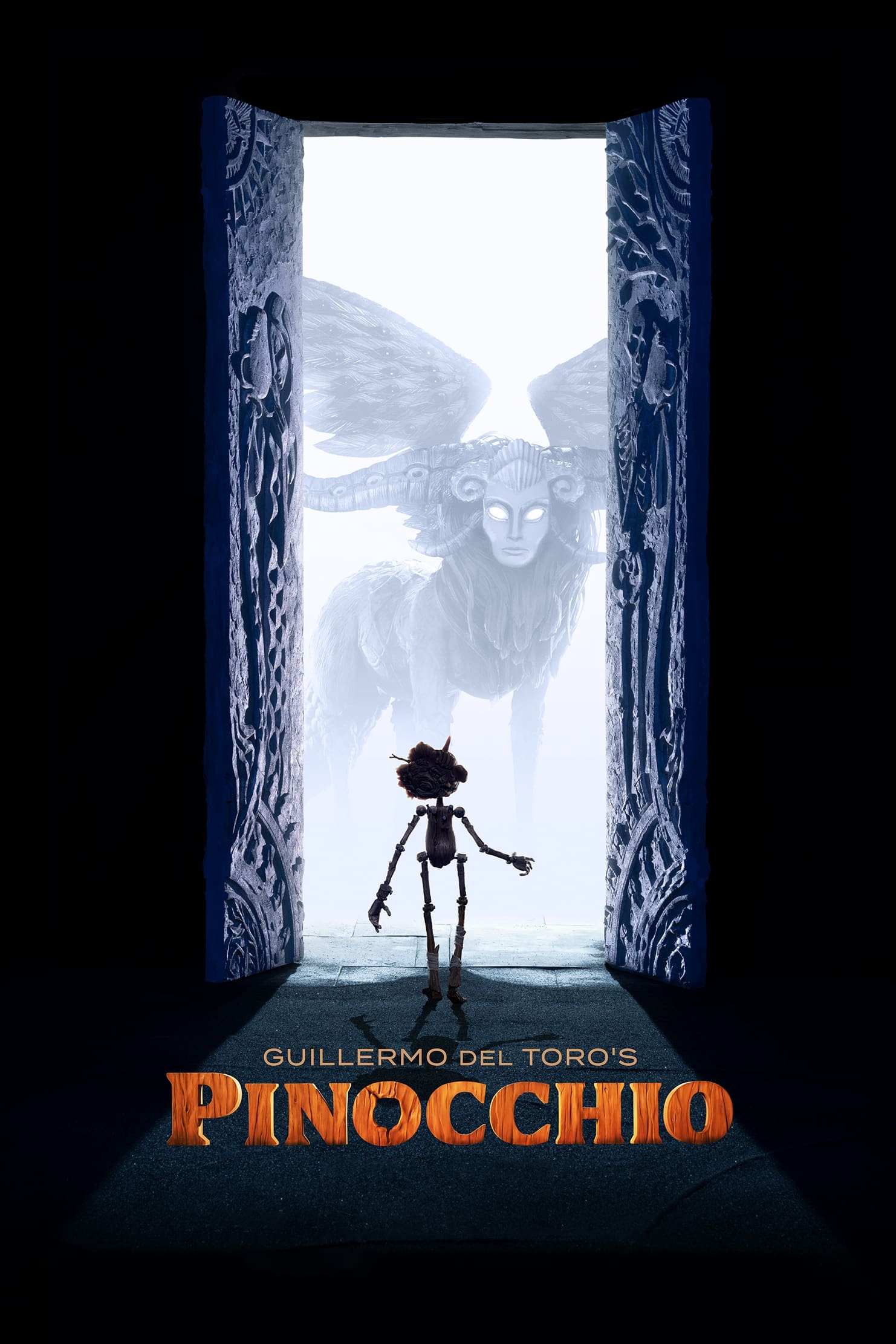
In this dark, stop-motion animated version of the classic tale, Swinton voices two magical beings. She is the Wood Sprite, who gives life to Pinocchio, and also her sister, Death, who oversees the afterlife.
The characters represent the forces of life and death, and Swinton gives them distinct but connected voices. Her calm, ethereal tones are perfect for these powerful and ancient spirits, adding to the film’s beautiful and melancholic atmosphere.
‘Problemista’ (2023)

In this surreal comedy, Swinton plays Elizabeth, the erratic and demanding art critic boss of an aspiring toy designer from El Salvador. To keep his work visa and stay in the country, he must endure her chaotic whims and impossible tasks.
Swinton’s performance is a force of nature. With wild red hair and a commanding presence, she creates a character who is both monstrous and strangely compelling. It is a hilarious and over-the-top performance that steals every scene she is in.
‘Asteroid City’ (2023)

Continuing her regular collaboration with Wes Anderson, Swinton plays Dr. Hickenlooper. She is a scientist at the observatory in the desert town where the film is set. The story takes place during a Junior Stargazer convention that is spectacularly interrupted by an alien visitation.
As Dr. Hickenlooper, Swinton delivers Anderson’s precise, deadpan dialogue with expert timing. Her character helps explain the cosmic events that unfold, contributing another memorable performance to the director’s unique ensemble casts.
‘The Killer’ (2023)
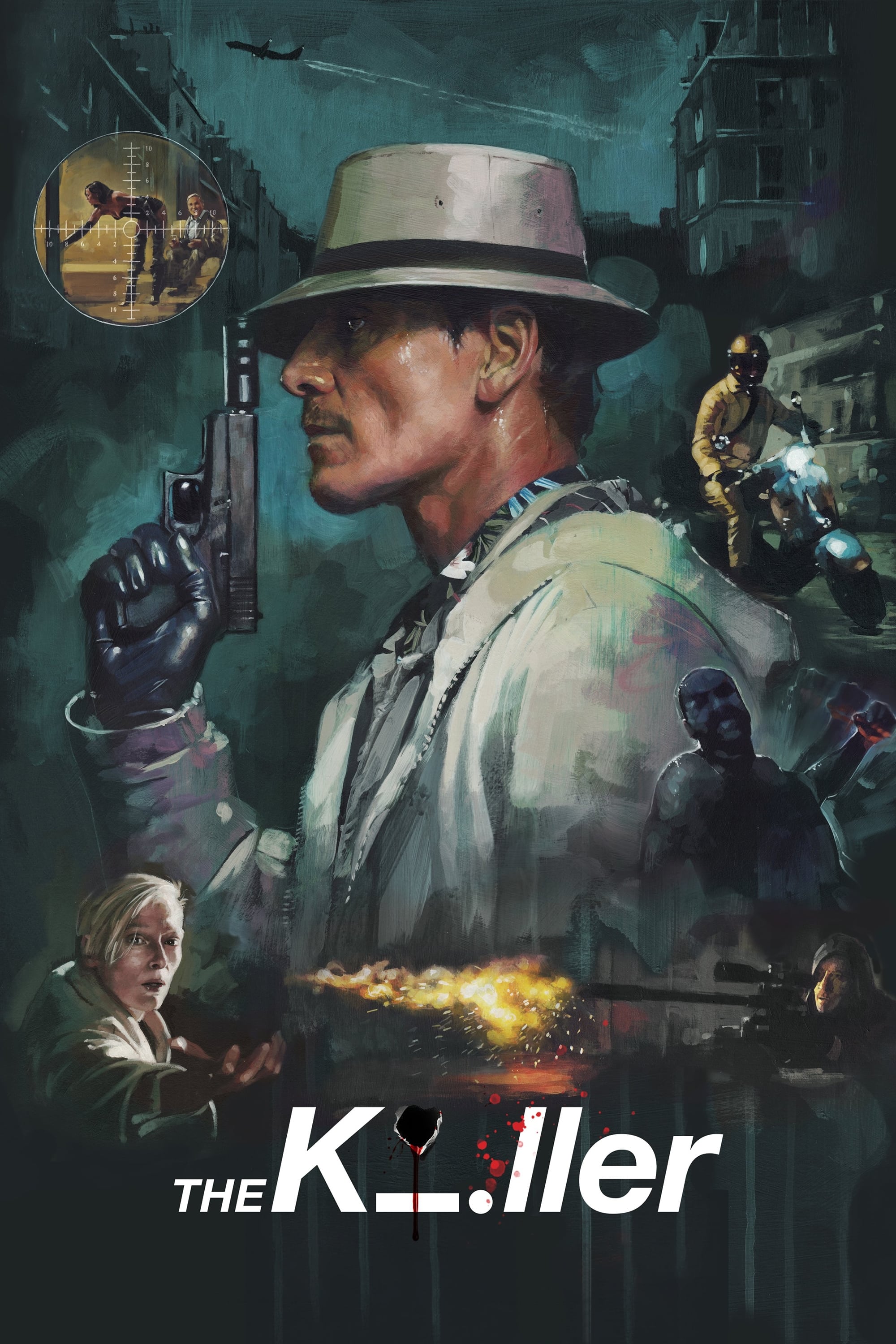
In this sleek thriller from director David Fincher, Tilda Swinton has a memorable single-scene role. She plays “The Expert,” another assassin who the titular killer, played by Michael Fassbender, tracks down during his quest for revenge.
Her scene is a long, tense dinner conversation where the two professional killers face off. Dressed impeccably, Swinton’s character is cool, intelligent, and resigned to her fate. It’s a brief but powerful performance that highlights her ability to make a huge impact with limited screen time.
‘The End’ (2024)
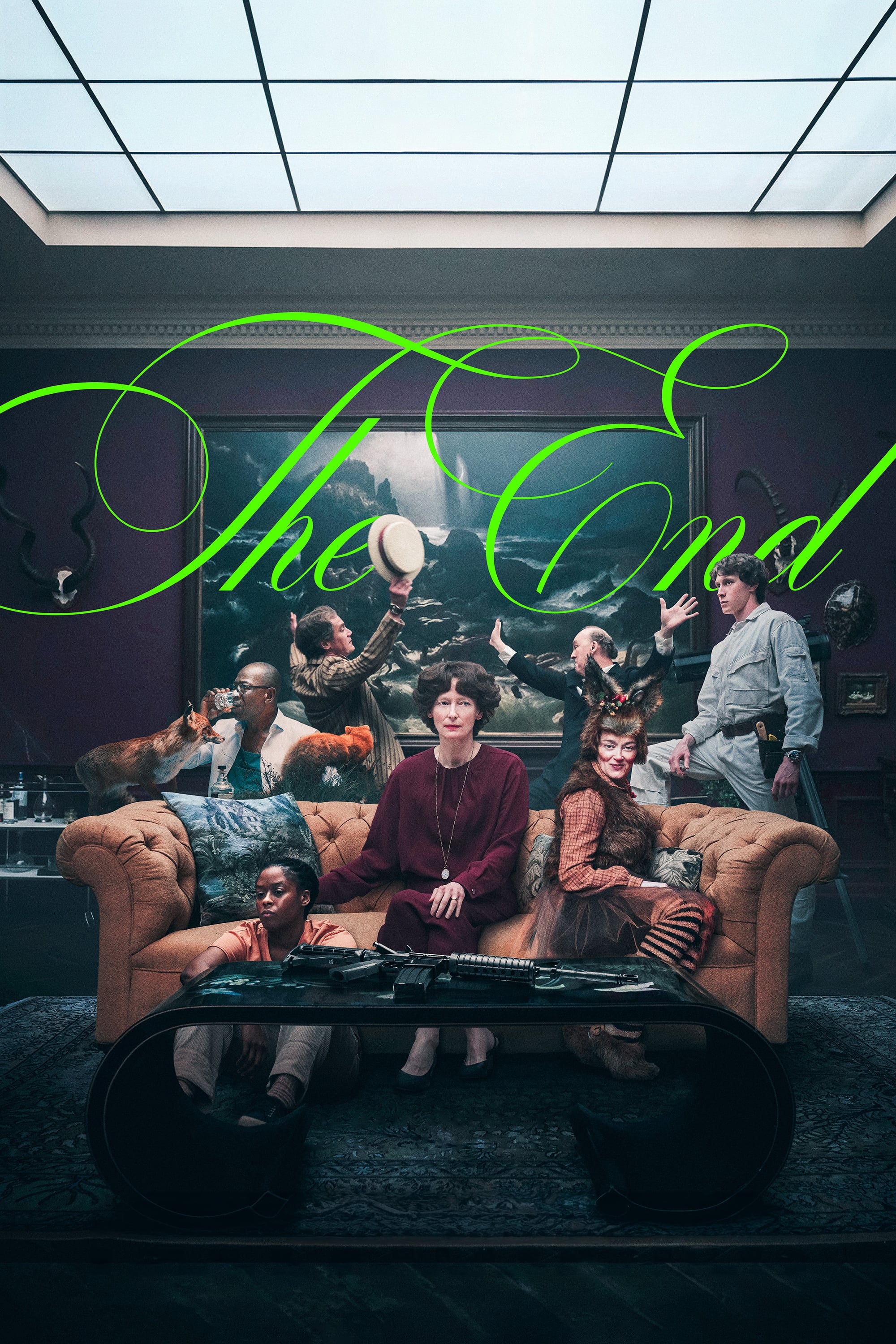
This apocalyptic musical film directed by Joshua Oppenheimer imagines a world where a wealthy family has been living in an underground bunker for twenty years after the end of the world. Tilda Swinton plays the mother of the family.
The film explores the dynamics of this isolated family through song and dance as they prepare to finally face the world outside. Swinton’s role as the matriarch is central to this unique and highly anticipated project, which blends dark themes with the musical genre.
‘The Room Next Door’ (2024)
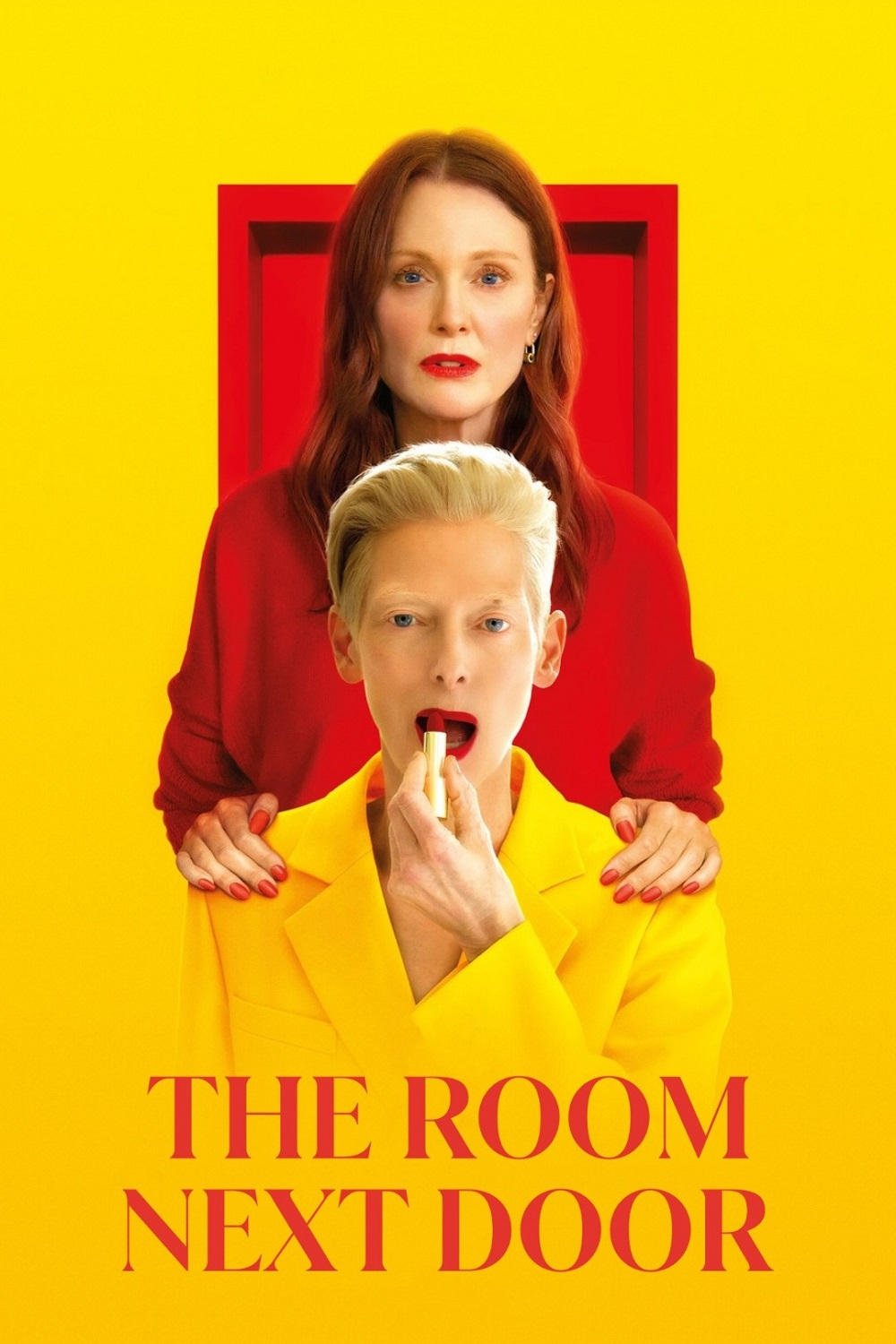
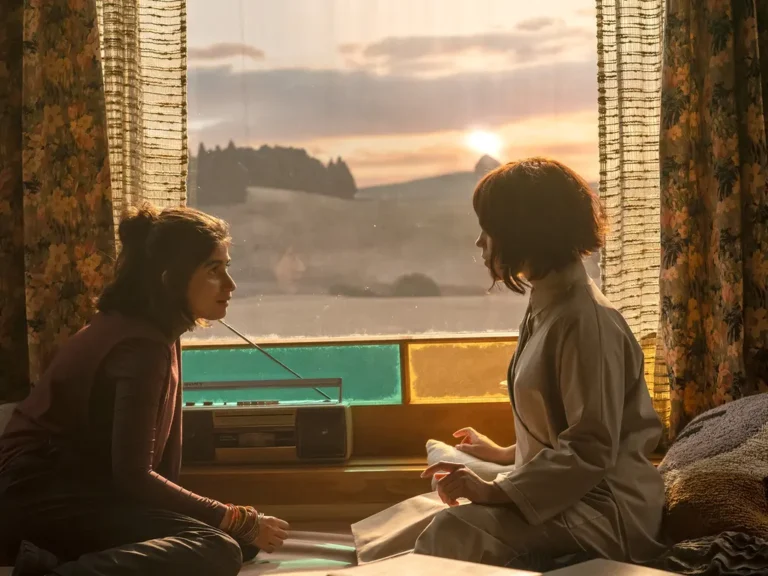
This film marks Tilda Swinton’s first English-language feature with the celebrated Spanish director Pedro Almodóvar. She plays Martha, a successful writer who has a deep but complicated relationship with her friend Ingrid, a fellow writer played by Julianne Moore.
The story centers on the fractured friendship between the two women, set against a backdrop of life, death, and misunderstandings. The film promises to be a powerful drama, with Swinton and Moore bringing their immense talents to Almodóvar’s signature style of vibrant, emotional storytelling.
Which Tilda Swinton transformation has been your favorite to witness on screen? Share your thoughts in the comments below.