5 Things About ‘Casablanca’ That Made Zero Sense and 5 Things About It That Made Perfect Sense

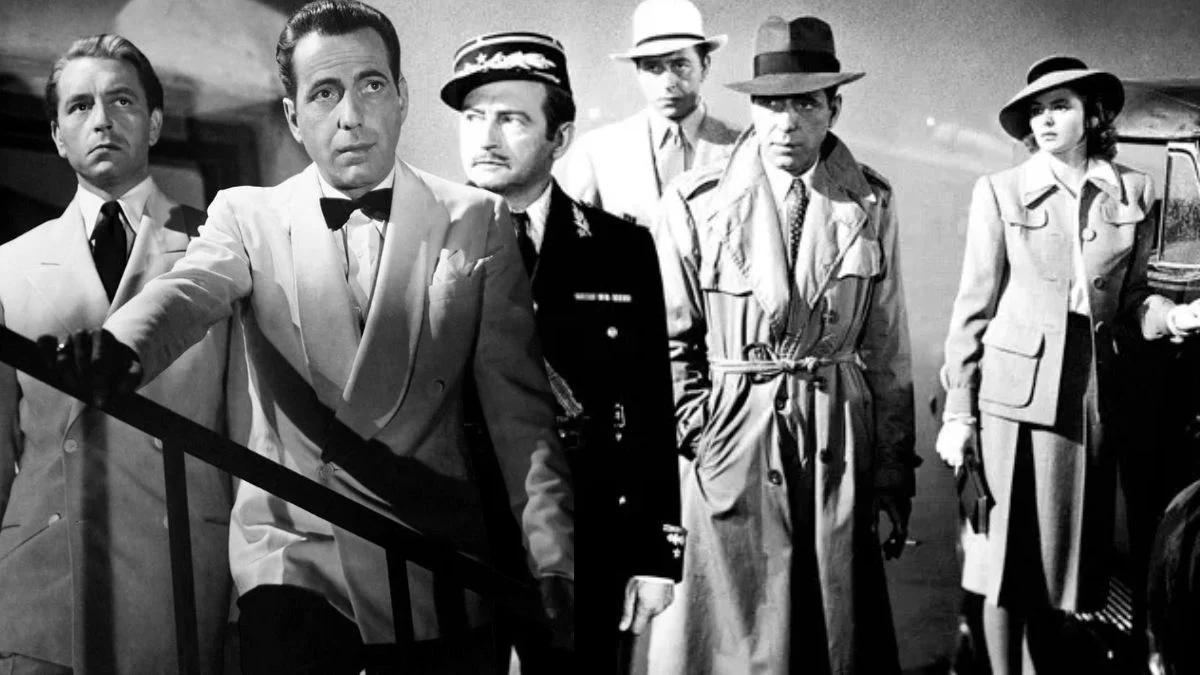

Few films wear their history as plainly as ‘Casablanca’. Set in a city that sat between war and escape, it mixes spies, refugees, and a famous nightclub with a tight web of papers and permissions. The story moves fast, yet the backdrop it uses was real and complicated, shaped by armistice rules, colonial bureaucracy, and the scramble to reach safe shores.
Looking closely at what the film shows and what the era required reveals places where the plot bends reality and places where it mirrors it with striking accuracy. Here are ten focused snapshots that set the record straight, alternating between what strains the facts and what fits the record.
Zero Sense: The All Powerful Transit Papers
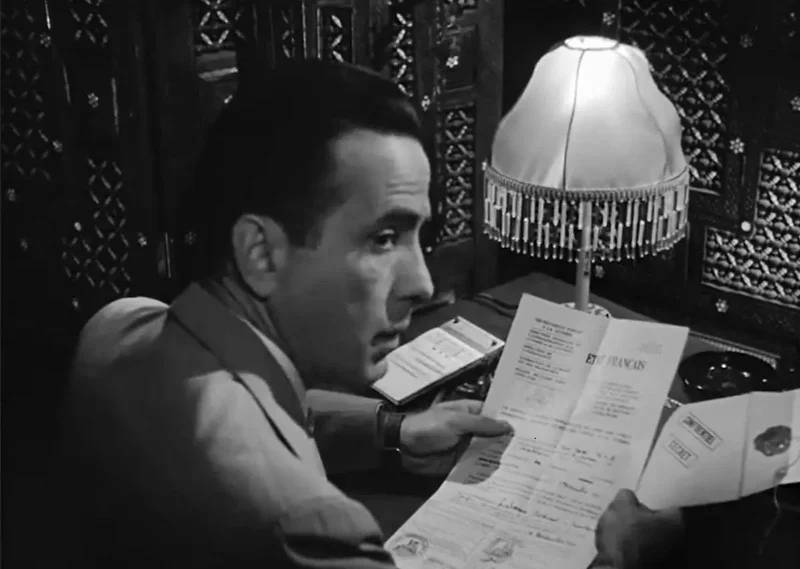
The film treats a single set of papers as an all access pass that overrides local police and foreign armies. In real life, travel out of French Morocco required multiple documents that had to line up exactly, including an exit visa from French authorities, a transit visa for Spain, and an entry or transit visa for Portugal, as well as a ticket onward. Any one office could halt the journey and officials did void papers when orders changed.
Refugees typically collected stacks of stamps from consulates, prefectures, and rail or airline desks, and many carried separate laissez passer notes for checkpoints. Inspections happened at airports, ports, and internal barriers and travelers faced rechecking at each stage. No single document guaranteed passage everywhere and absolute immunity from questioning did not exist under wartime controls.
Perfect Sense: Casablanca As A Refugee Bottleneck
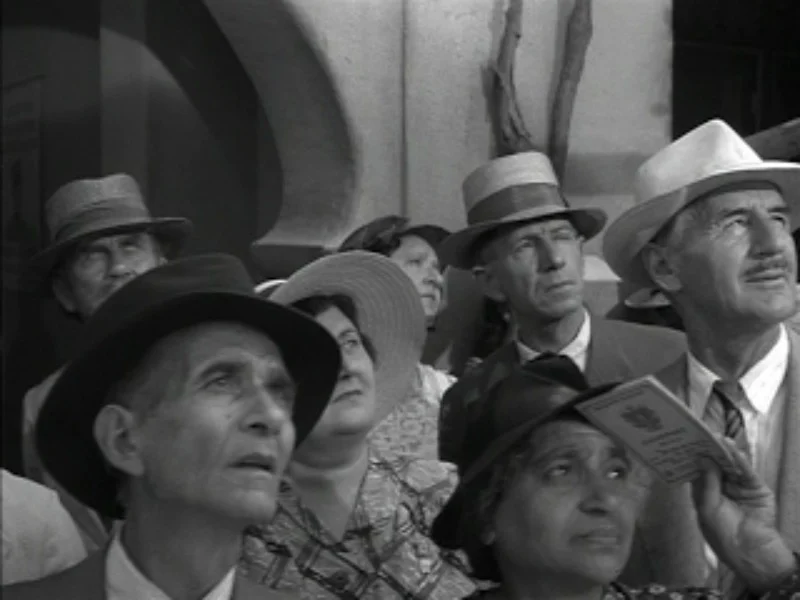
Casablanca served as a choke point for people fleeing occupied Europe who were trying to reach Lisbon and then cross the Atlantic. Ships and planes leaving for Portugal had limited capacity and consulates faced long lines, so applicants waited weeks or months with temporary residence permits that needed renewal.
Local hotels, cafes, and boarding houses filled with displaced families, black market fixers, and informers, which matches the crowded mix on screen. Currency controls, curfews, and police checks were part of daily life in the city, and the path out depended on a chain of approvals that could stall at any step.
Zero Sense: A Gestapo Major Running The Show
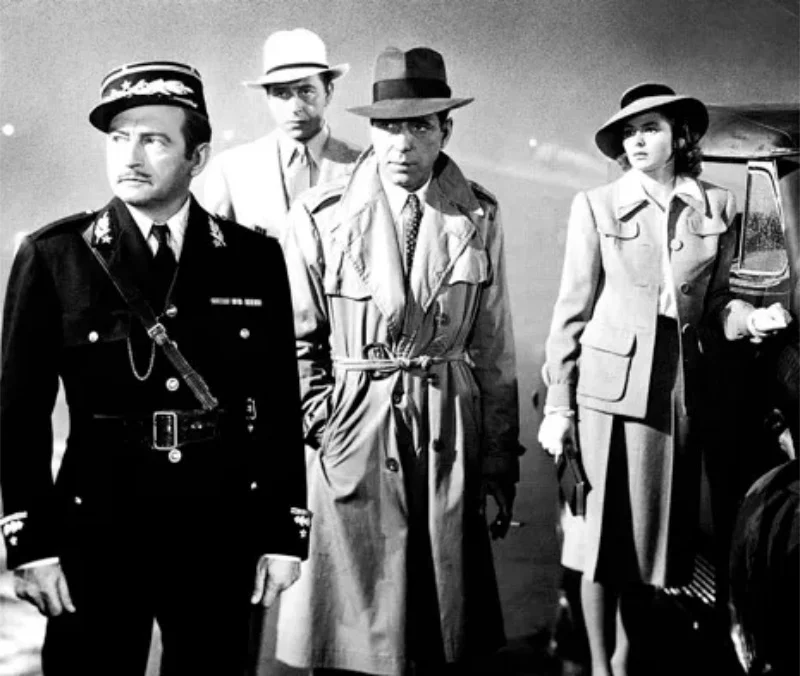
German military police did not hold formal policing authority in French Morocco before the Allied landings in late 1942. The protectorate was administered by Vichy appointed officials and French colonial police, who managed arrests, searches, and visas under local decrees and colonial law.
German pressure could arrive through diplomatic channels or commissions, and German officers did influence high profile cases. Even so, routine orders, arrests, and curfews were handled by Vichy aligned authorities on the ground. A single foreign officer directing day to day policing in the city center goes beyond documented jurisdiction.
Perfect Sense: Vichy Control In French Morocco
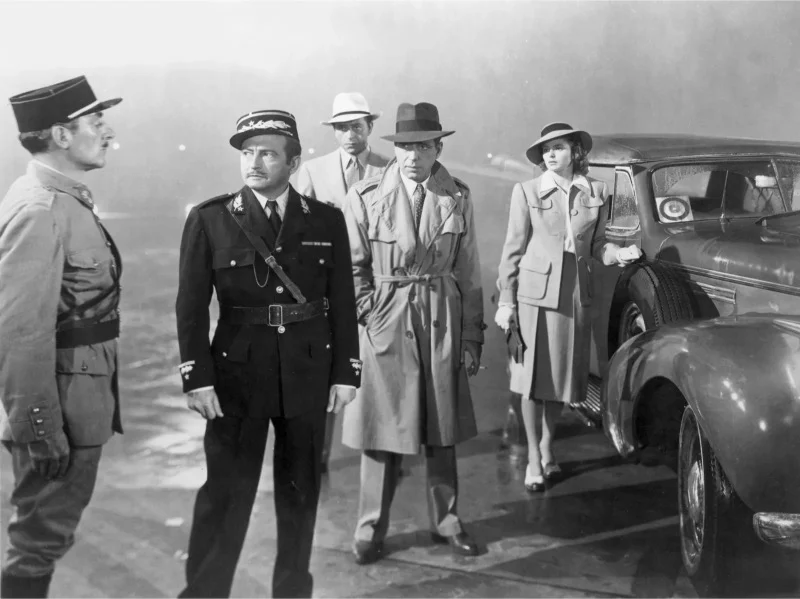
After the 1940 armistice, French Morocco remained under the Vichy government, which kept its colonial administration, police, and courts intact. Local prefects and commissioners enforced travel restrictions, censored communications, and monitored political activists, while promising public order and cooperation with armistice obligations.
Officials issued exit visas, detained suspects, and controlled access to ports and airfields. Corruption and favoritism were common in permit systems, and bribery around travel papers was a known risk. The movie depiction of a smooth talking police chief who uses red tape, favors, and sudden raids reflects documented practices in the protectorate.
Zero Sense: Laszlo Moving Around Publicly
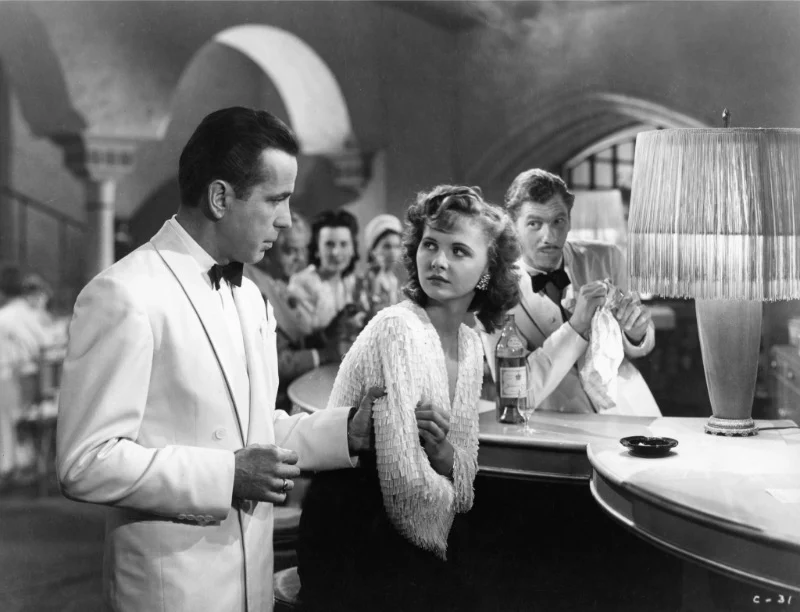
The story presents a globally known resistance organizer who attends popular venues under his real name and meets openly with contacts. In practice, prominent dissidents tried to keep a low profile, shifted lodging often, and relied on couriers and coded messages, since both Vichy services and foreign agents tracked public spaces.
Wanted figures usually carried well made forgeries and avoided repeated patterns such as daily visits to the same cafe or consulate window. Musical outbursts and crowded scenes drew informers, and public appearances risked detention for identity verification that could last days, which made such visibility rare for a high value target.
Perfect Sense: The Black Market And Paper Trails

Wartime North Africa saw an active trade in documents that moved people past gates and counters. Forgers produced altered birth records, work cards, and residency papers, while brokers coached applicants on which consulate to try first and which clerk to approach with a gift. Police cracked down on forgers, yet demand stayed high and arrests did not end the trade.
Exit and transit permits created opportunities for middlemen, since each form had fees, interviews, and expiry dates that could collide. People who ran cafes, nightclubs, or import businesses often served as informal fixers, connecting travelers to lawyers, typists, and ticket offices for a cut. This network resembles the channels shown around the nightclub and the rival operator across the street.
Zero Sense: The Paris Timeline And Wedding Ring
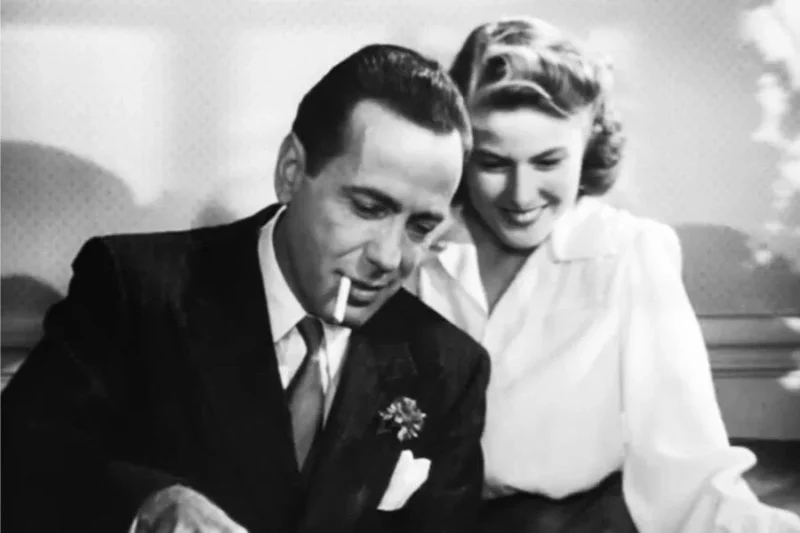
The Paris backstory hinges on sudden news about a spouse presumed dead that arrives at the last possible moment. Communication lines during the fall of France were broken by evacuations and censorship, so prison or camp status updates rarely reached civilians quickly. Confirmation of survival typically came through delayed lists, neutral intermediaries, or the Red Cross.
Train departures out of Paris were chaotic and documentation requirements changed without notice, so couples were separated with little chance to exchange verified information. Marriage paperwork, identity cards, and travel authorizations did not travel with the speed the plot suggests during the days around the evacuation.
Perfect Sense: The Fall Of France And Broken Lines
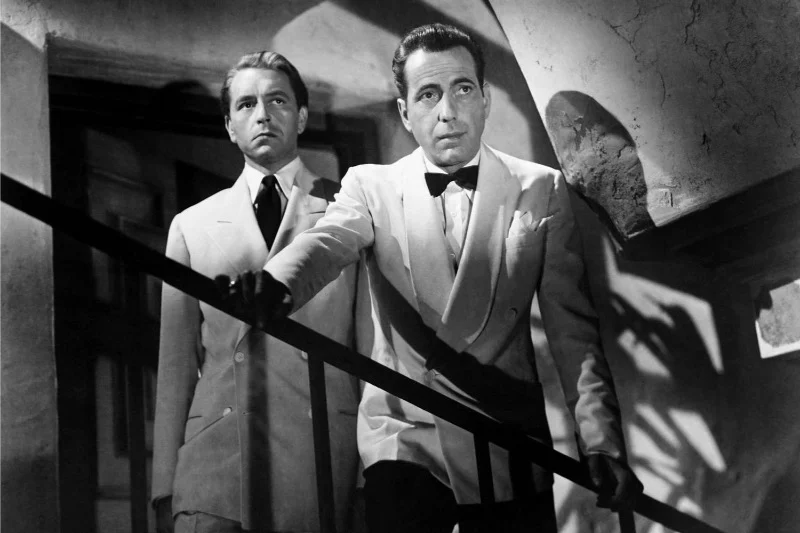
When German forces approached Paris in June 1940, rail lines south filled with civilians who carried what they could and left apartments and plans behind. Consulates and ministries moved or shut their doors, and mail routes were disrupted, so people relied on rumors and months old letters to make life changing choices.
Many refugees did not know whether relatives were alive, detained, or already gone from the country. Stories of last minute decisions at stations and roadsides were common during the exodus, which matches the film use of hurried departures, half messages, and promises made without reliable news.
Zero Sense: A Neutral American Owning The Hottest Club
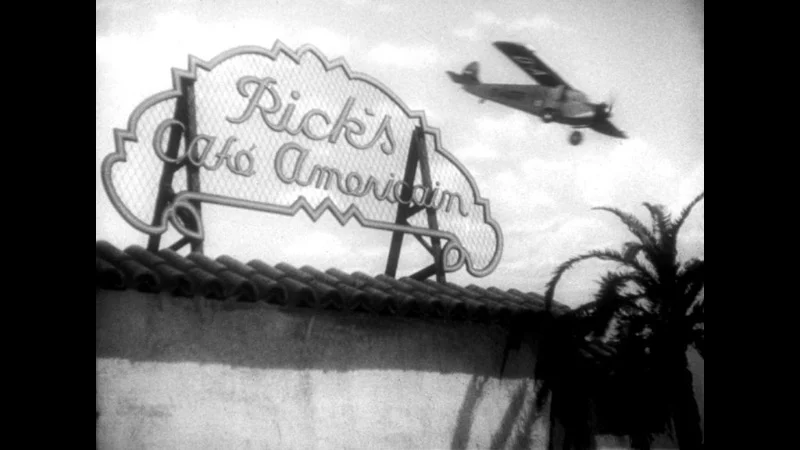
An American who is known for past involvement in foreign conflicts would have drawn attention from local authorities who vetted business licenses and watched foreign nationals. Nightclubs needed alcohol permits, music permissions, and compliance with curfews, and gambling rooms drew added scrutiny and periodic closures.
Supply lines for imported liquor and fine goods were restricted by wartime shipping and rationing, which made a lavish venue difficult to maintain without official tolerance. A high profile establishment that openly hosts illicit gaming while inspectors look on stretches the limits of routine oversight in a controlled port city.
Perfect Sense: Rick’s War Backstory And A Safe Front
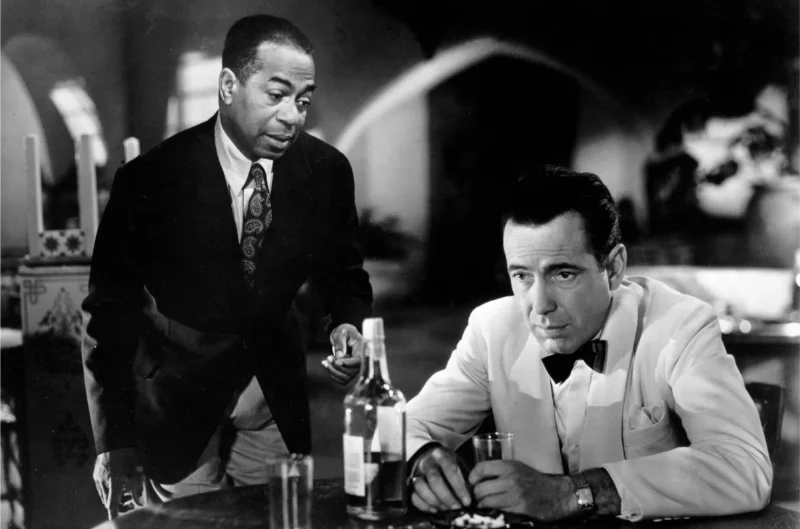
Veterans who had supported causes abroad often settled in colonial cities where neutral passports and crowded ports offered cover. Running a bar or cafe provided cash flow, a reason to meet many people without raising suspicion, and a way to hear about tickets and papers before others did.
Keeping a public stance of neutrality reduced risk during random checks and gave room to negotiate with officials who valued calm streets and reliable tax receipts. The mix of private caution and public hospitality that surrounds the nightclub aligns with how expatriate owners protected themselves while navigating wartime rules.
Share your own favorite detail from ‘Casablanca’ that either puzzled you or lined up with history in the comments.