Hollywood Celebrities Who Are Against AI

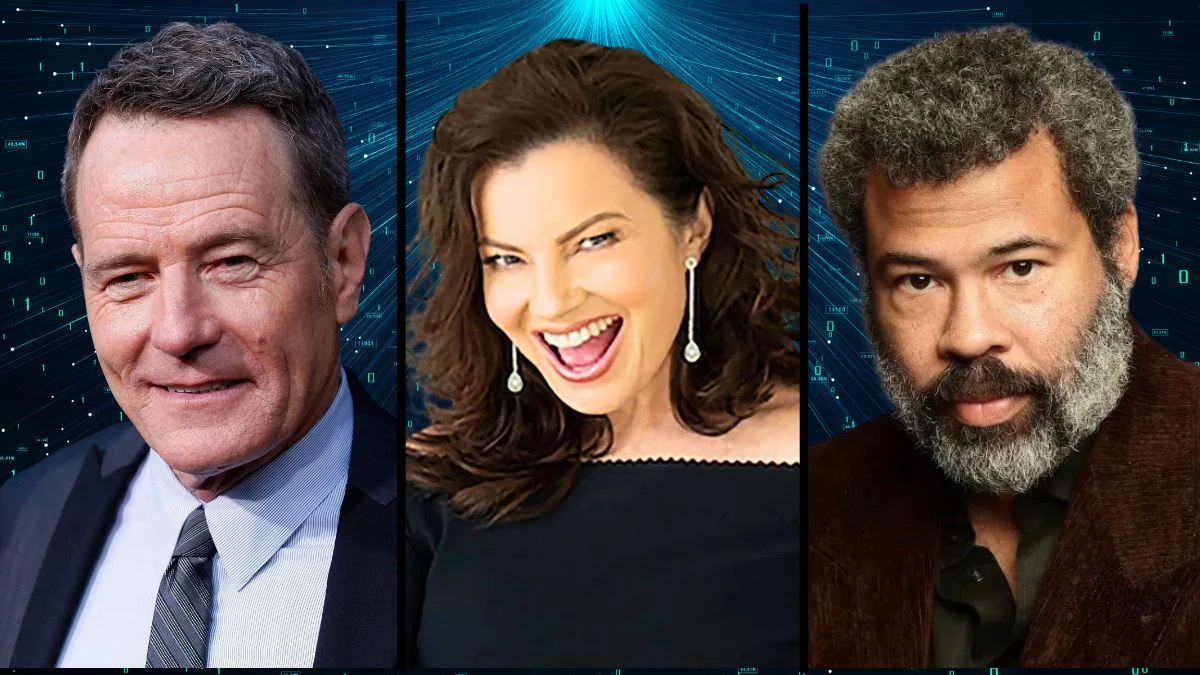

Artificial intelligence is changing how movies and TV get made, and not everyone in Hollywood is cheering it on. Many actors, writers, and directors have pushed back, saying they want consent and fair pay before anyone clones their face, voice, or style. Others warn that deepfakes and voice cloning can trick audiences and damage trust in the people who make the work.
These concerns became front-page news during recent labor fights, but they go well beyond contracts. Stars have raised alarms about unauthorized ads, fake voices pulled from old recordings, and proposals to scan performers once and reuse them forever. Here are the household names speaking up and the specific actions they have taken.
Scarlett Johansson
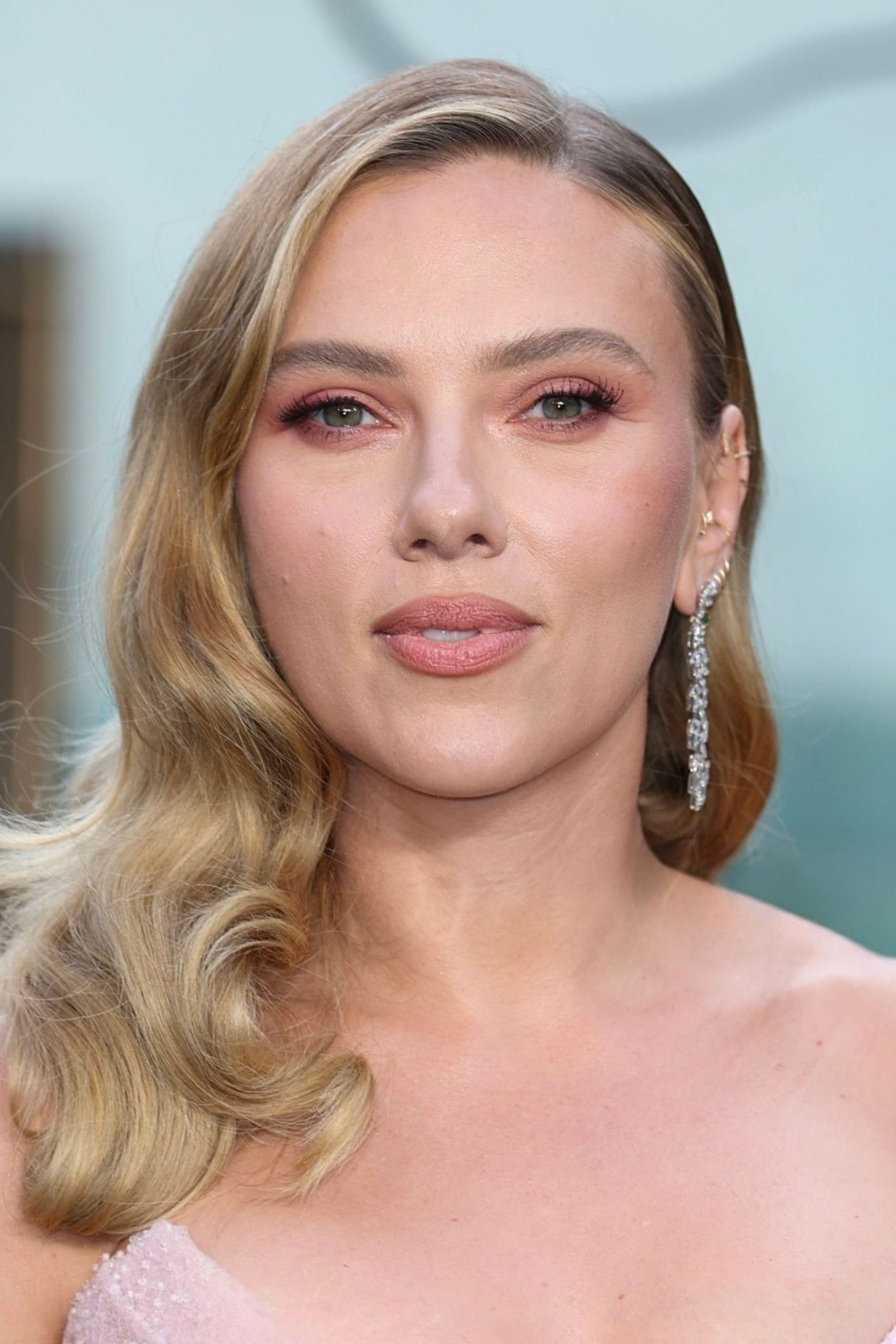
Johansson challenged the use of a voice that sounded like hers in a high-profile AI assistant and demanded it be removed. Her team also sent formal legal notices asserting that any use of her likeness or voice requires permission and compensation.
Her stance centers on consent and control. She has a long history of guarding her image rights and has pushed for clearer rules on how companies gather data and build synthetic voices that resemble real people without approval.
Keanu Reeves
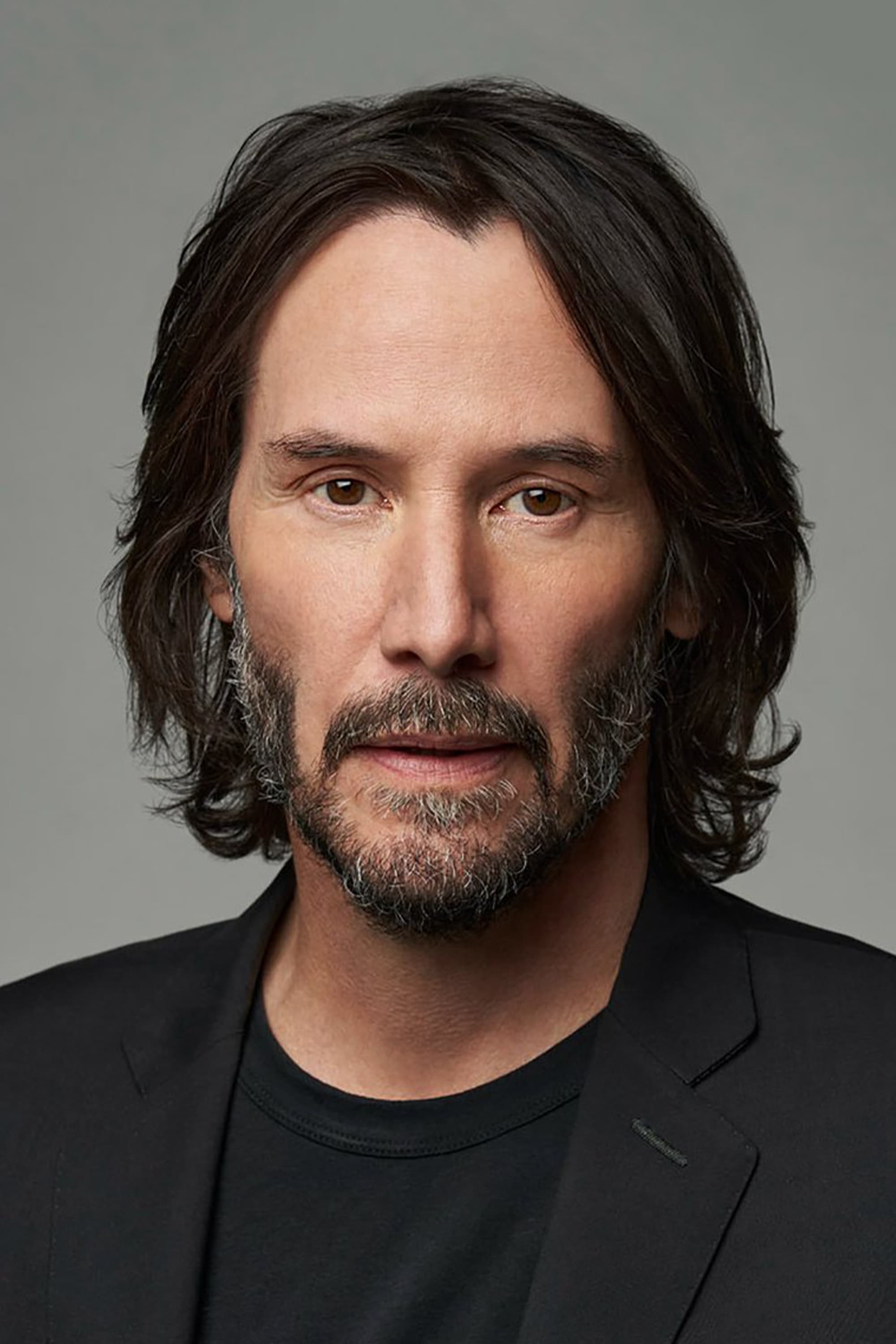
Reeves has contract language that blocks studios from digitally altering his performances. He has talked about earlier experiences where postproduction tweaks changed his acting and made him feel he had lost control over his work.
He has also warned about deepfakes erasing an actor’s agency. By insisting on written protections up front, he encourages colleagues to review every clause tied to digital scans, body doubles, and synthetic edits of scenes in films like ‘The Matrix’ and ‘John Wick’.
Justine Bateman
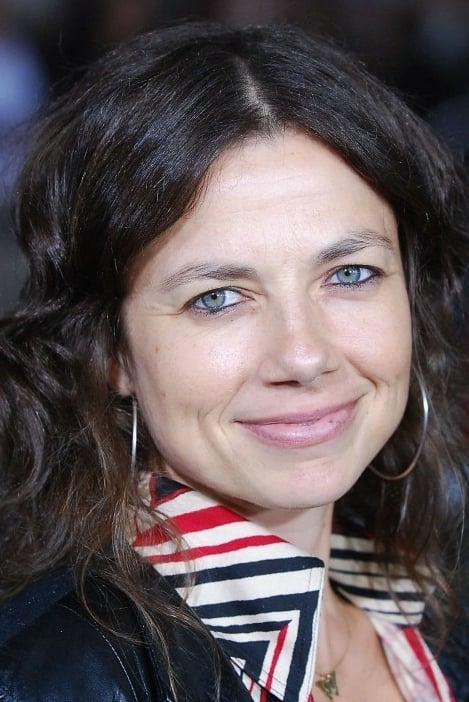
Bateman has advised performers on AI issues and urged unions to reject deals that allow scanning actors for later reuse. She has explained how background actors can be captured on set, then recreated in future projects without fresh pay if contracts are loose.
She provides practical guidance on contract language, audit rights, and data retention. Her focus is on informed consent, clear limits on training data, and guaranteed payment if a digital replica appears in anything beyond the original project.
Bryan Cranston
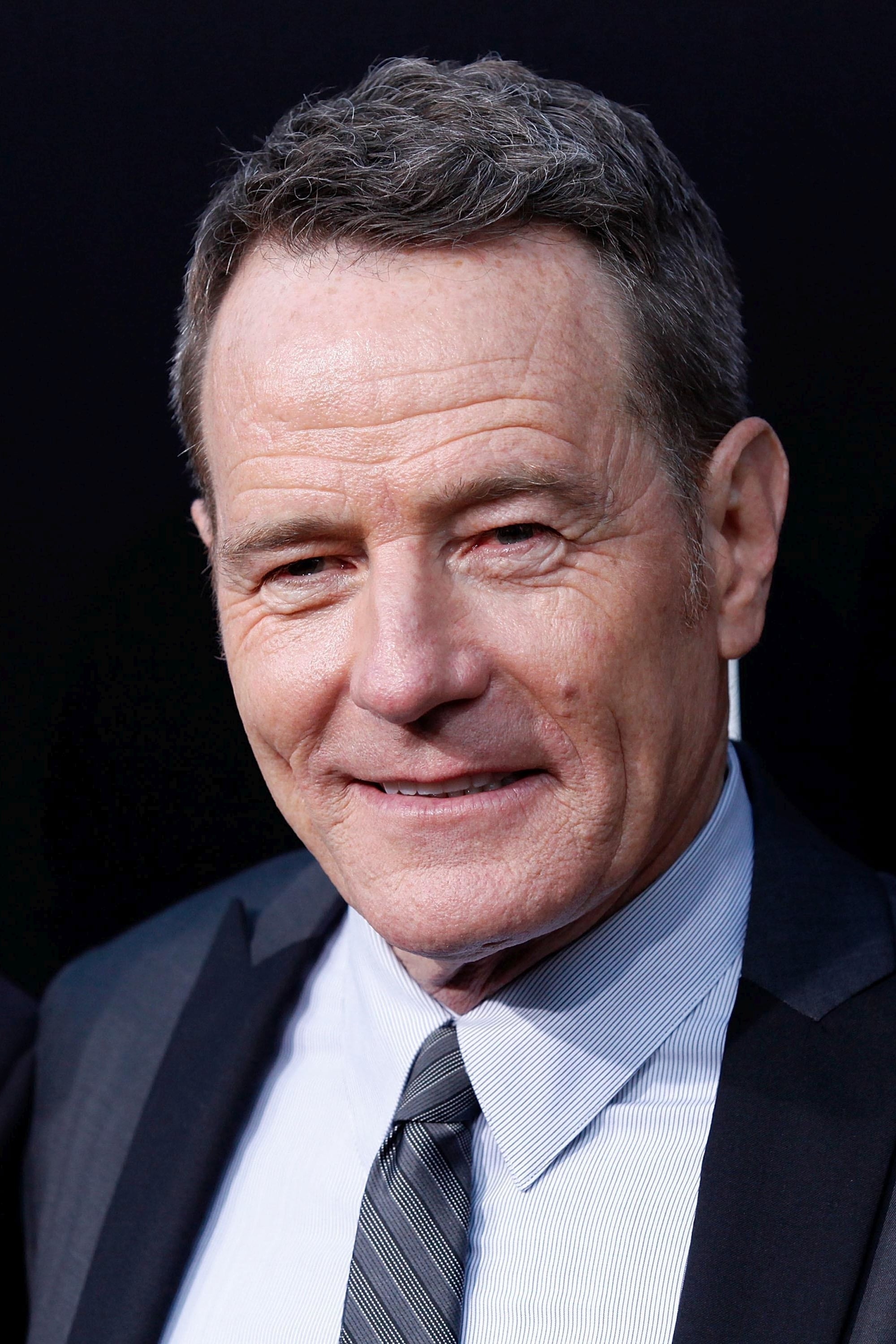
Cranston called out studio proposals that would let AI replace working actors and writers. He has used public rallies to argue that human jobs and livelihoods are at stake if scans and digital doubles become a default substitute for hiring people.
He frames the issue as a labor and creativity problem. Actors should have the power to say no to scans, and if they say yes, they should be paid whenever their digital image or voice shows up, from background shots to marketing for shows like ‘Breaking Bad’.
Fran Drescher
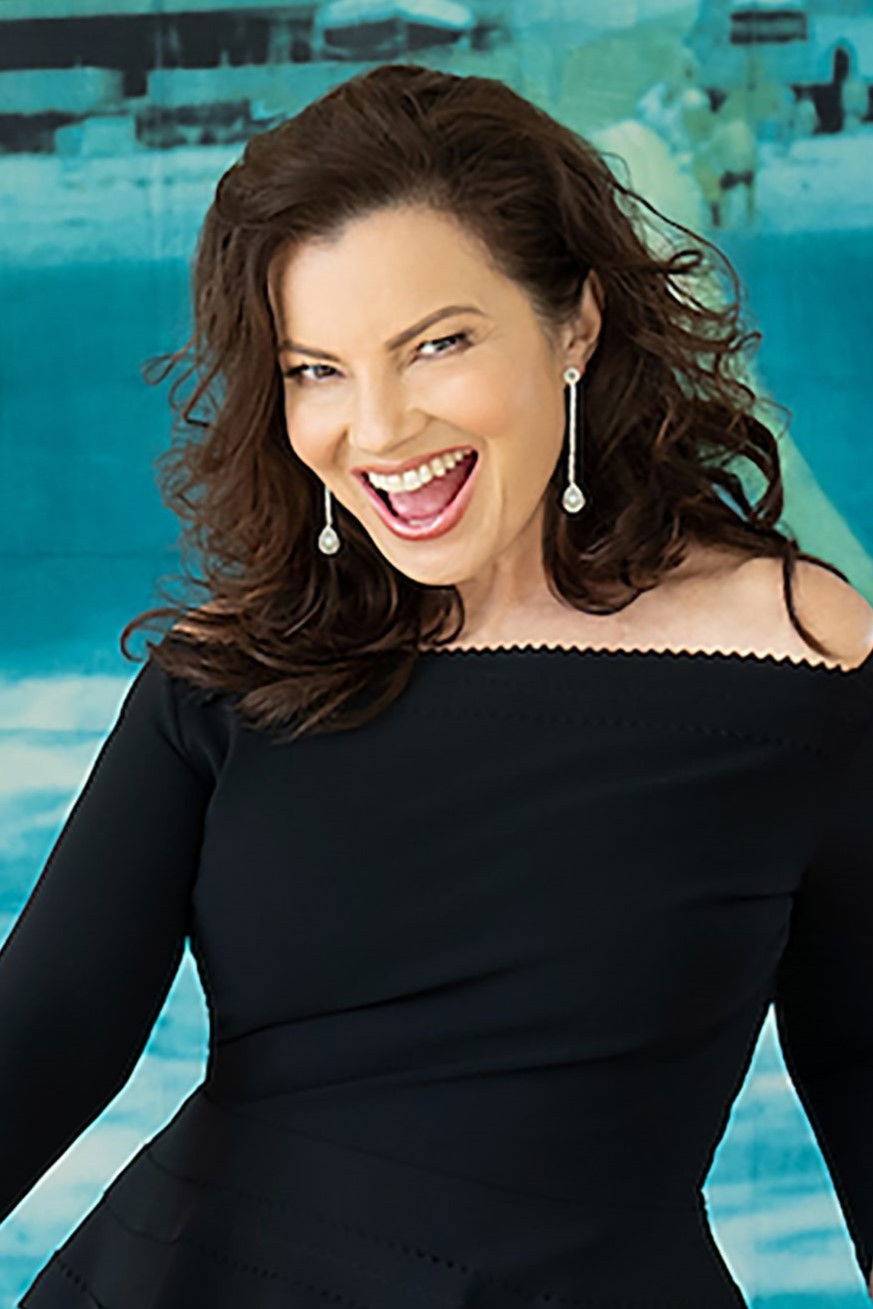
As SAG-AFTRA president during negotiations, Drescher made AI protections a core demand. She highlighted how scanning and storage of performers’ images could allow reuse across projects without fresh consent.
She pushed for guardrails such as clear approvals, data deletion policies, and pay for every reuse of a replica. Her messaging helped make protections around digital likeness and voice a standard part of modern film and TV contracts.
Sarah Silverman
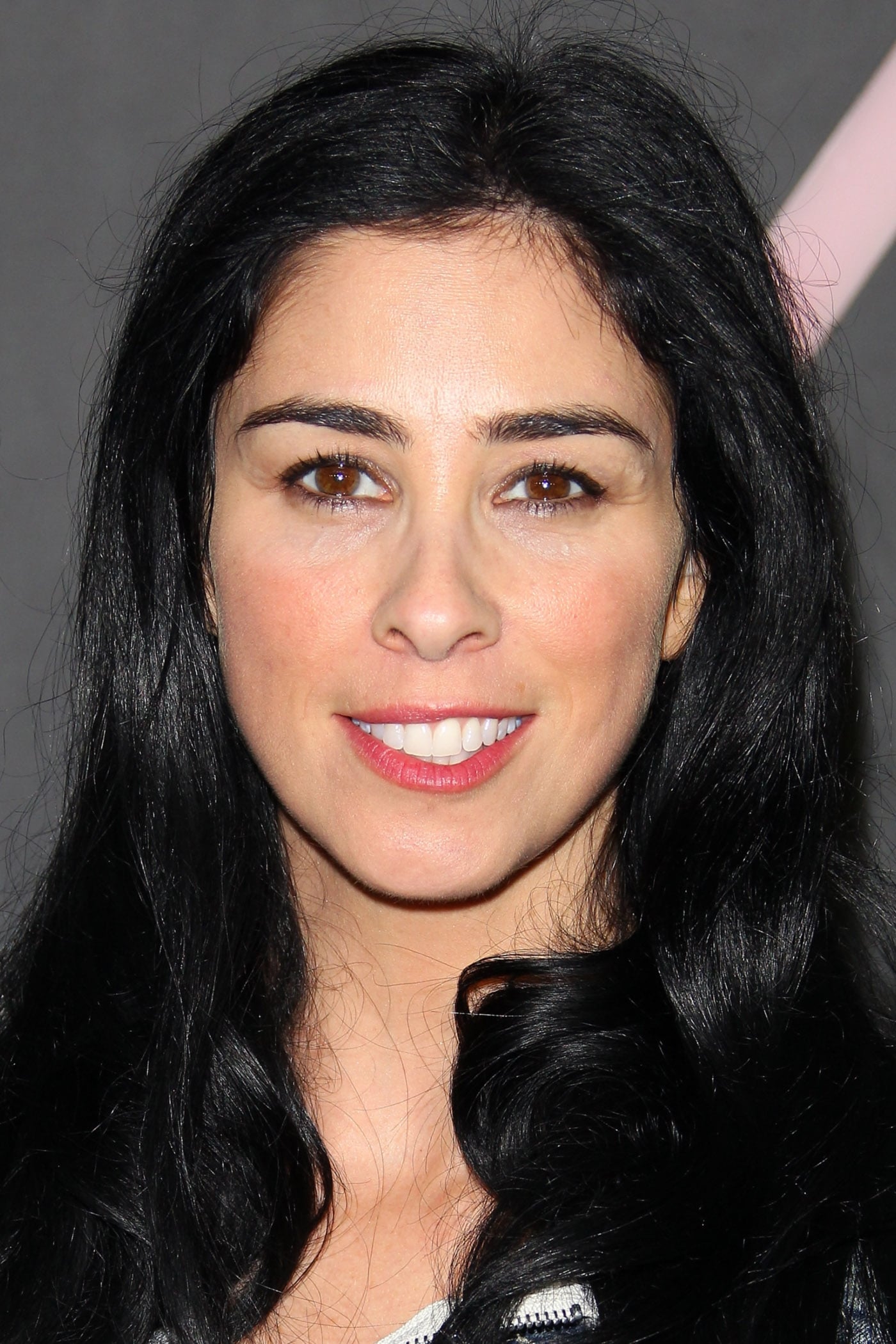
Silverman filed lawsuits over AI companies training on books and stand-up material without permission. Her cases argue that scraping creators’ work to build models is a commercial use that needs a license.
Her actions put attention on how datasets are compiled. She has pressed for transparency about training materials, ways to opt out, and ways to get paid when models learn from a comedian’s voice, timing, or written style used in specials and series like ‘I Love You, America’.
Tom Hanks
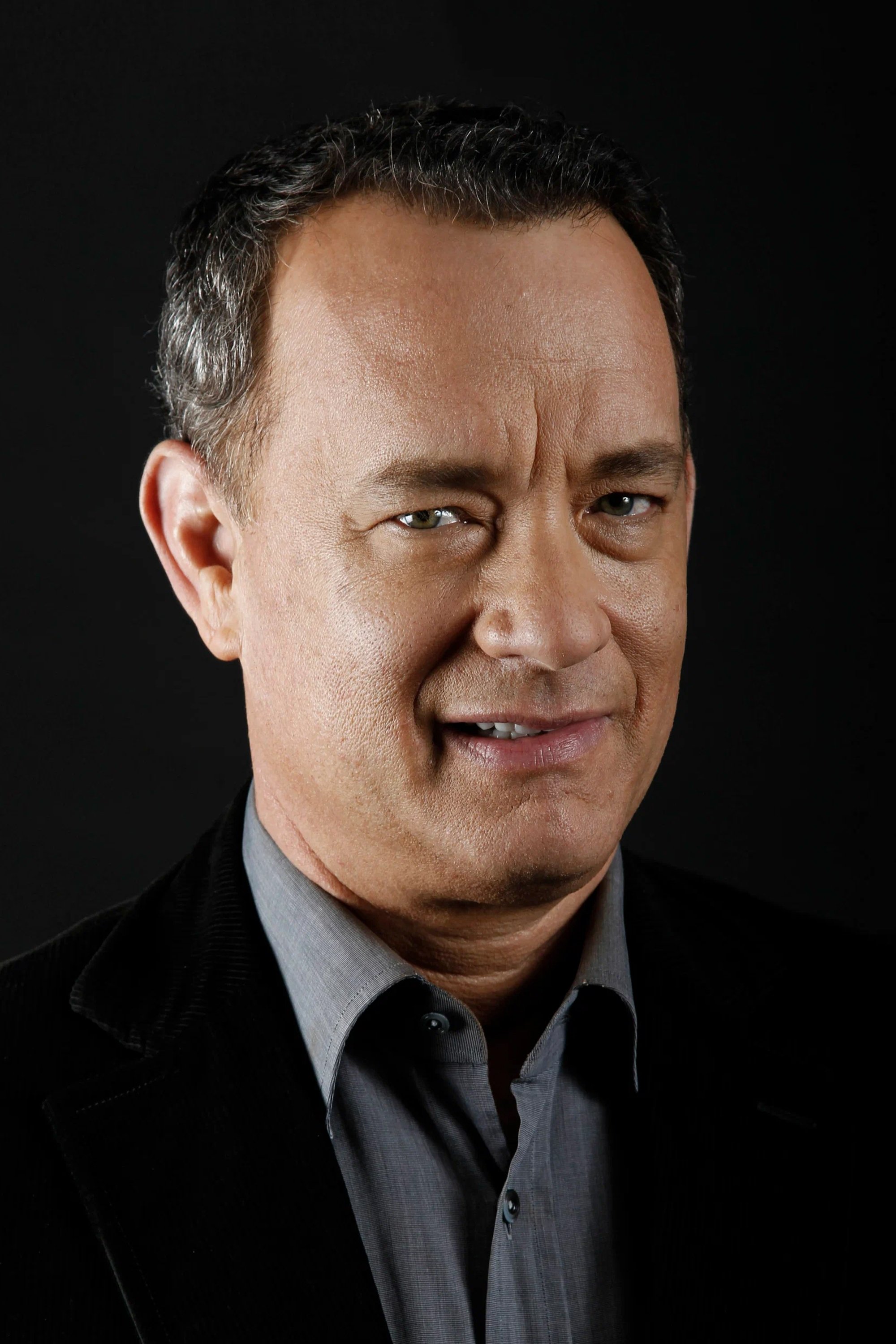
Hanks warned fans about an AI video ad that used his face without consent. He has also talked about how digital de-aging and cloning could let companies keep generating performances long after an actor stops working.
He advocates for legal clarity on who owns a person’s face and voice. He explains that even if technology can keep a performer “on screen” forever, each use needs clear permission and compensation, whether it is a new film or a promotion unrelated to ‘Forrest Gump’ or ‘Here’.
Stephen Fry
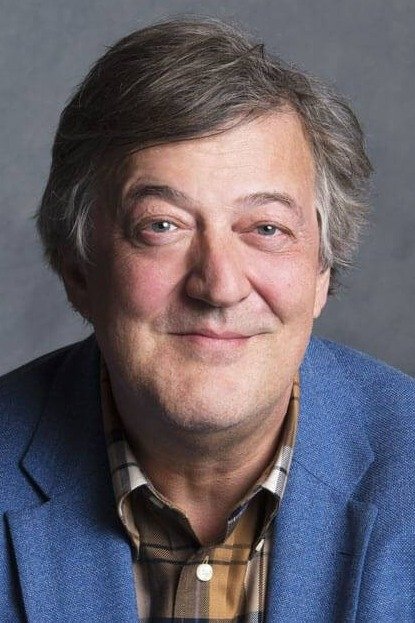
Fry discovered an AI model mimicking his voice using old audiobook recordings. He publicly objected and described how easy it is to generate convincing narration that sounds like him without his knowledge.
He uses the example to teach about consent and provenance. If an audiobook performance can seed thousands of fake readings, companies must track sources, disclose training data, and give voice actors a way to license or block synthetic use in projects beyond ‘Stephen Fry in America’.
Samuel L. Jackson
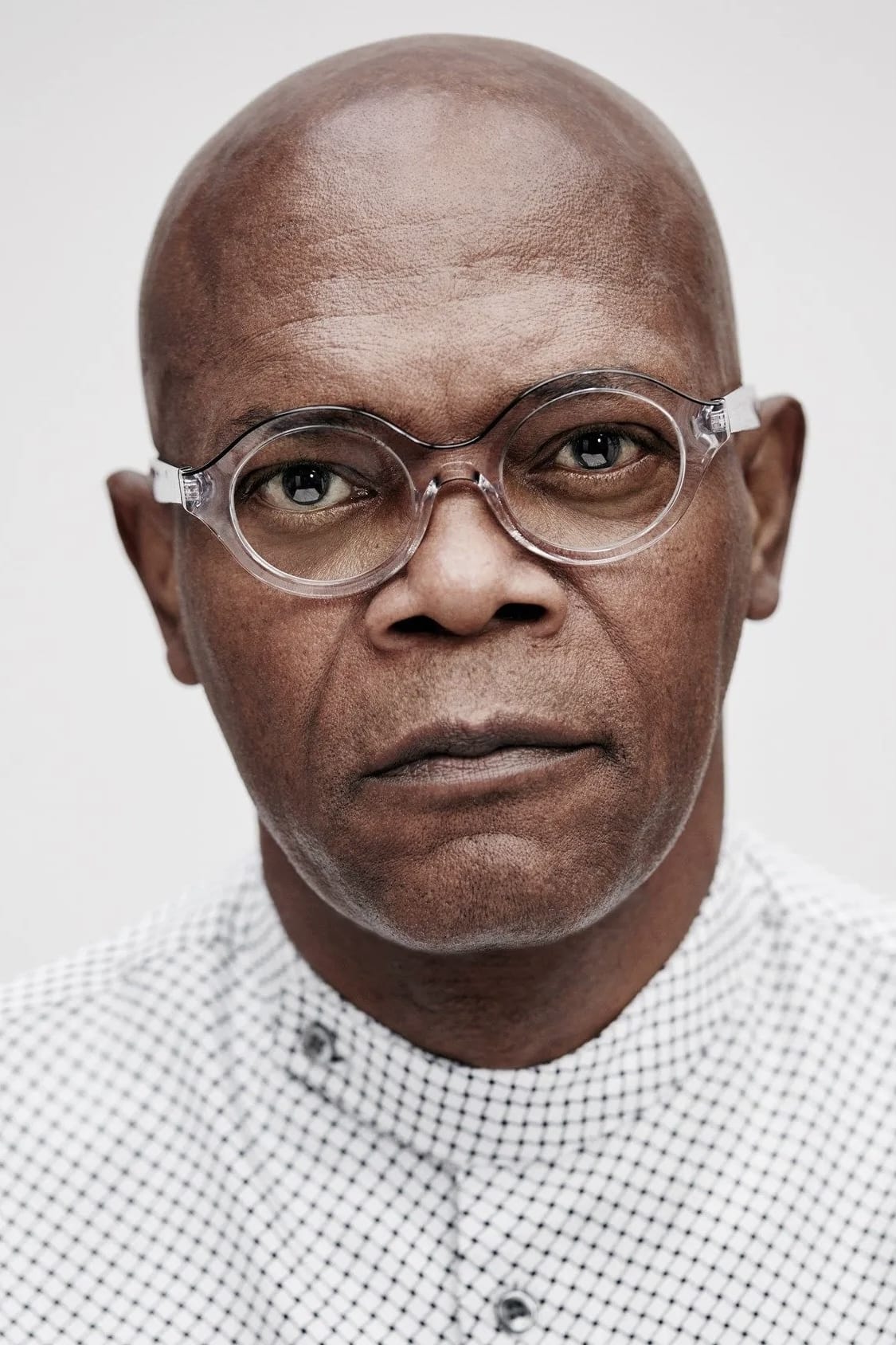
Jackson reviews contracts and crosses out any language that grants perpetual rights to his image or voice. He has said scans done for big franchises should not become a free pass to reuse him in future projects.
He points to common wording that hides broad permissions. His advice to younger actors is to negotiate limits on scans, set expiration dates, and require fresh pay for new uses, whether the work relates to ‘Star Wars’ or ‘Secret Invasion’.
Jordan Peele
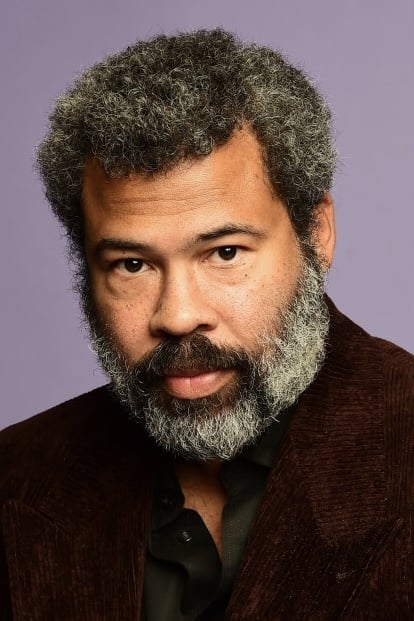
Peele produced a widely shared public-service video that used a deepfake to warn about misinformation. He explained how easy it is to put convincing words in someone else’s mouth and why audiences should be skeptical.
He emphasizes media literacy and watermarking. Filmmakers should disclose synthetic elements, and platforms should flag digitally altered clips so viewers understand when a public figure in a video is not actually speaking, even if it appears as polished as ‘Get Out’ promos.
Lisa Kudrow
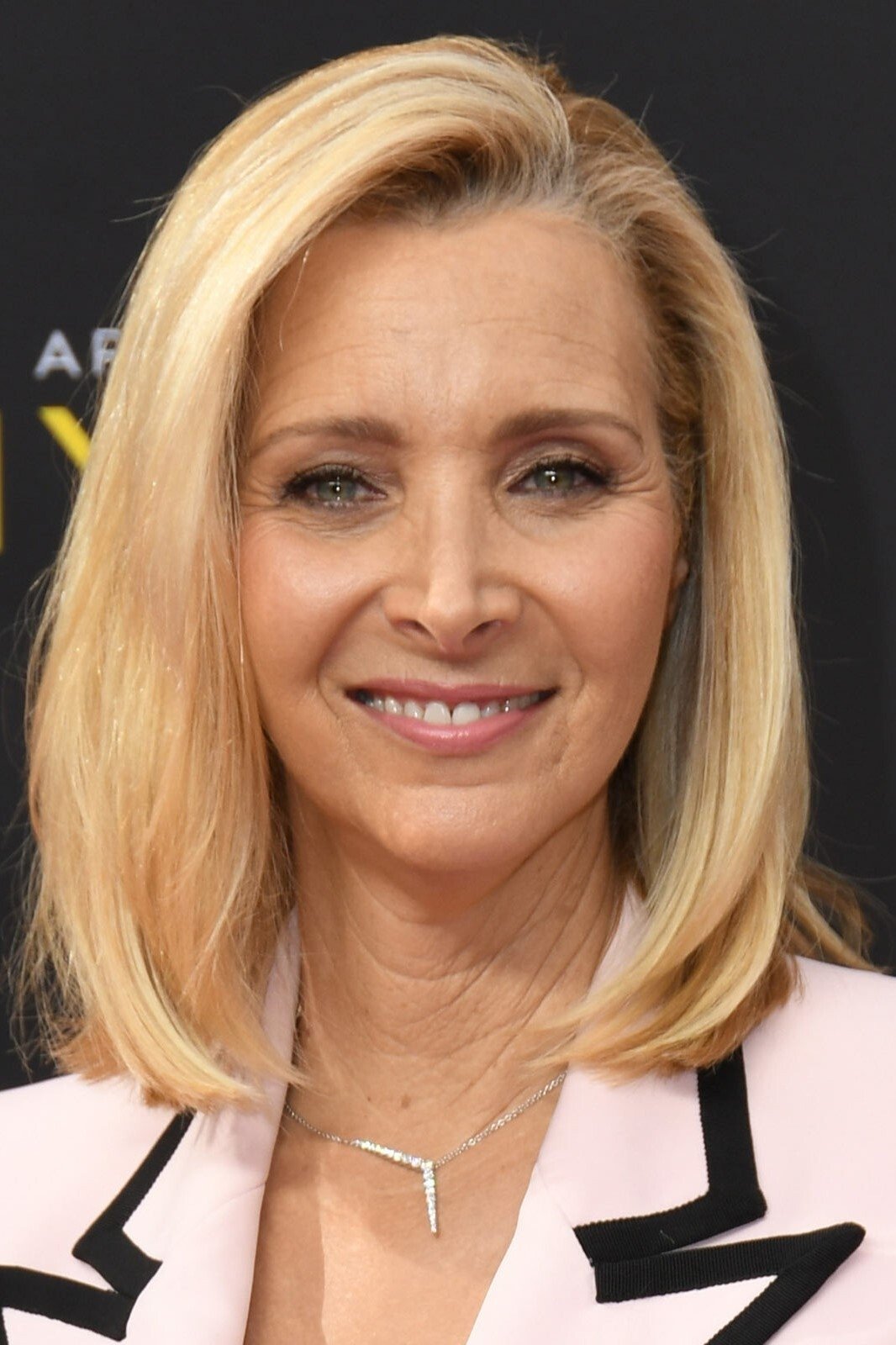
Kudrow criticized the normalization of de-aging and cloning in high-profile movies. She questioned what work would remain for emerging actors if studios can recycle familiar faces at every age with AI.
Her concern is workforce churn. If models keep older stars evergreen, casting may shrink for new talent. She has called for policies that safeguard opportunities for up-and-comers instead of defaulting to digital stand-ins that imitate performances from ‘Friends’-era popularity.
Tyler Perry
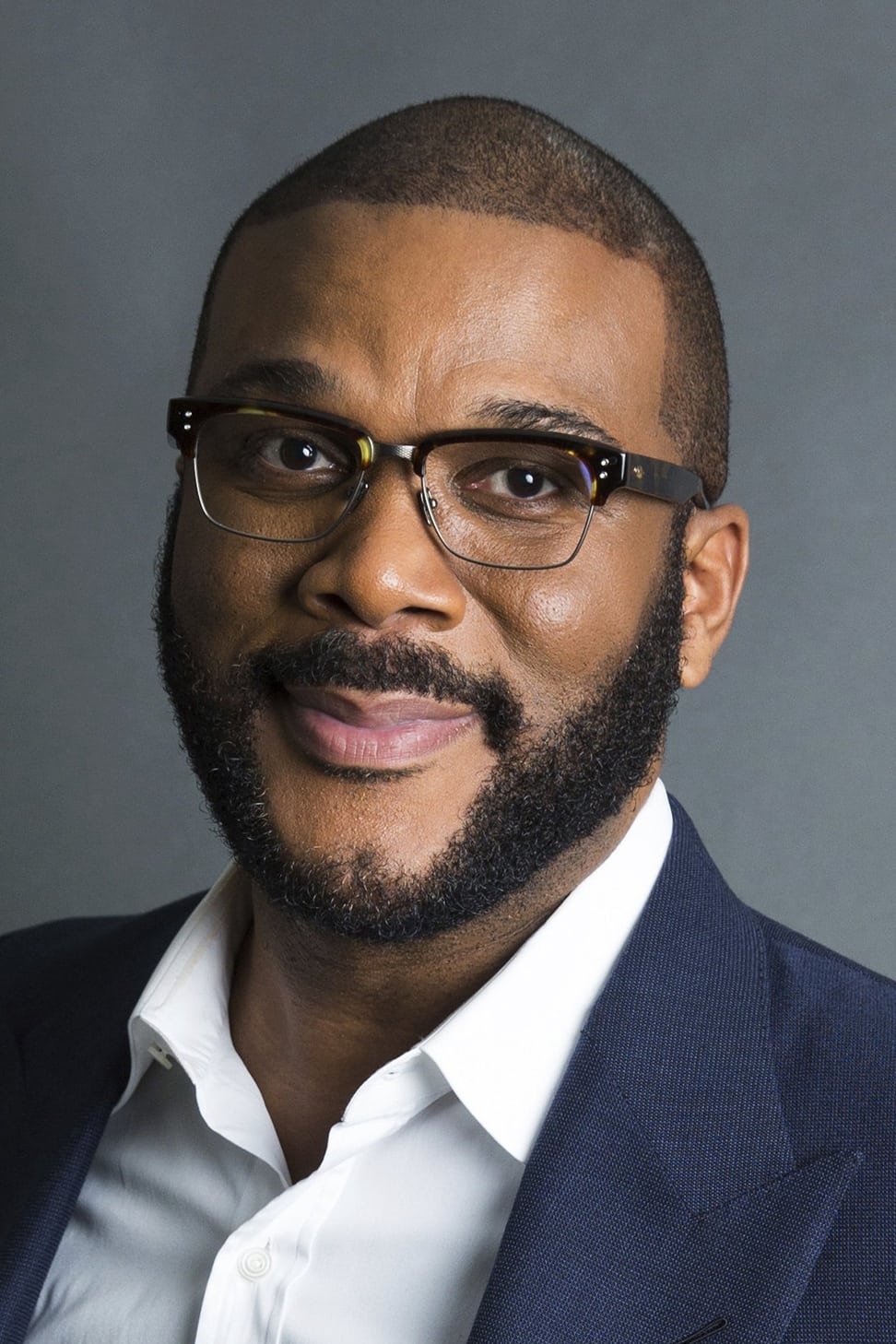
Perry paused a major studio expansion after testing new AI video tools and concluded they could displace jobs across departments. He urged the industry to set rules before widespread rollout.
He notes that tools able to generate footage can change budgeting for shoots, sets, and postproduction. His position is that any adoption should include retraining plans, job protections, and agreements on when AI may assist or when crews must be hired on projects like ‘A Madea Homecoming’.
Charlie Brooker
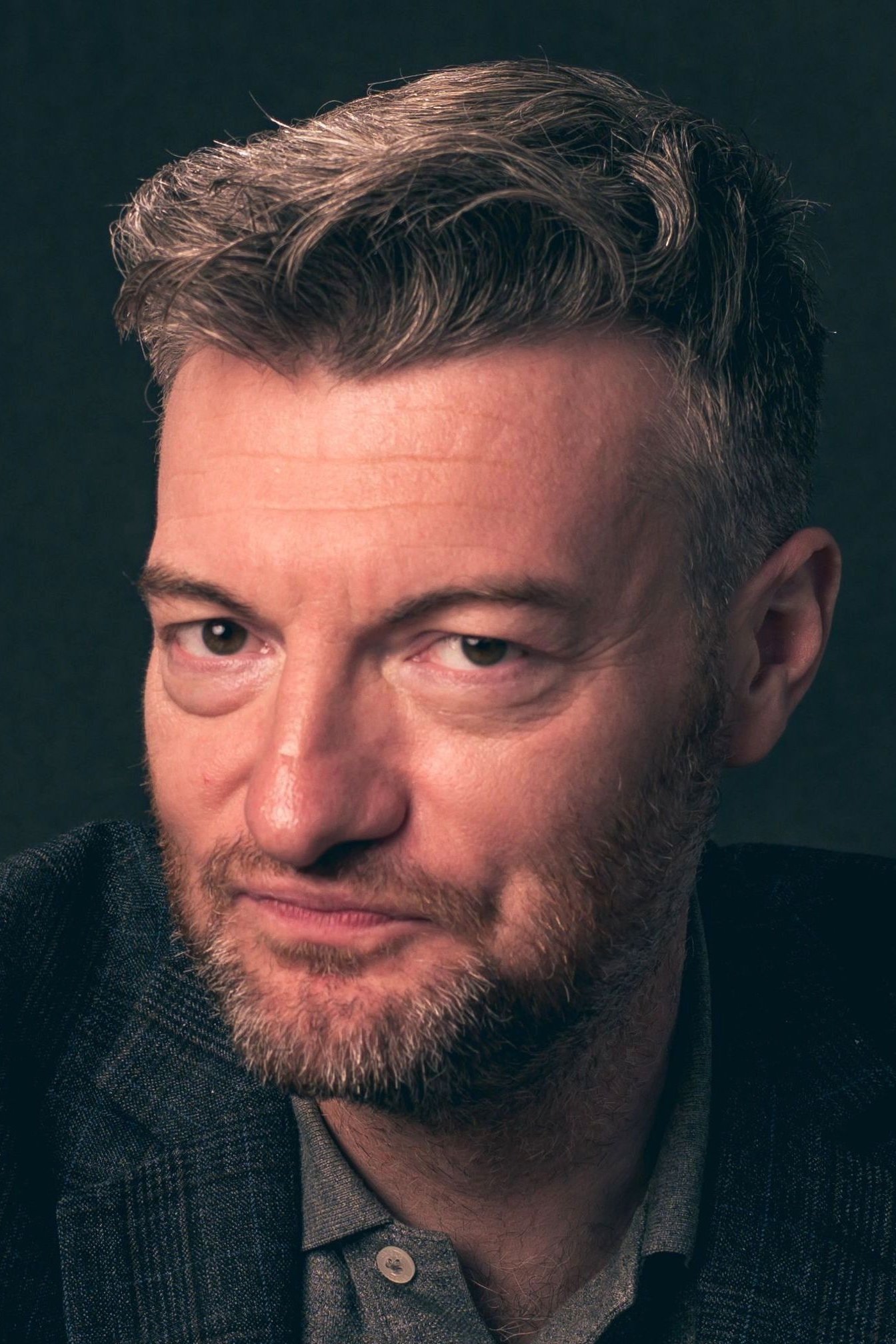
Brooker tested an AI to write a ‘Black Mirror’ episode and rejected the result as derivative. He has said executives using these tools to replace writers misunderstand what storytelling requires.
He supports responsible boundaries, not blanket bans. Writers rooms on shows like ‘Black Mirror’ need humans to create risks, specificity, and character nuance. Any tool use should be disclosed and must never count as original authorship in credits or payments.
James Cameron
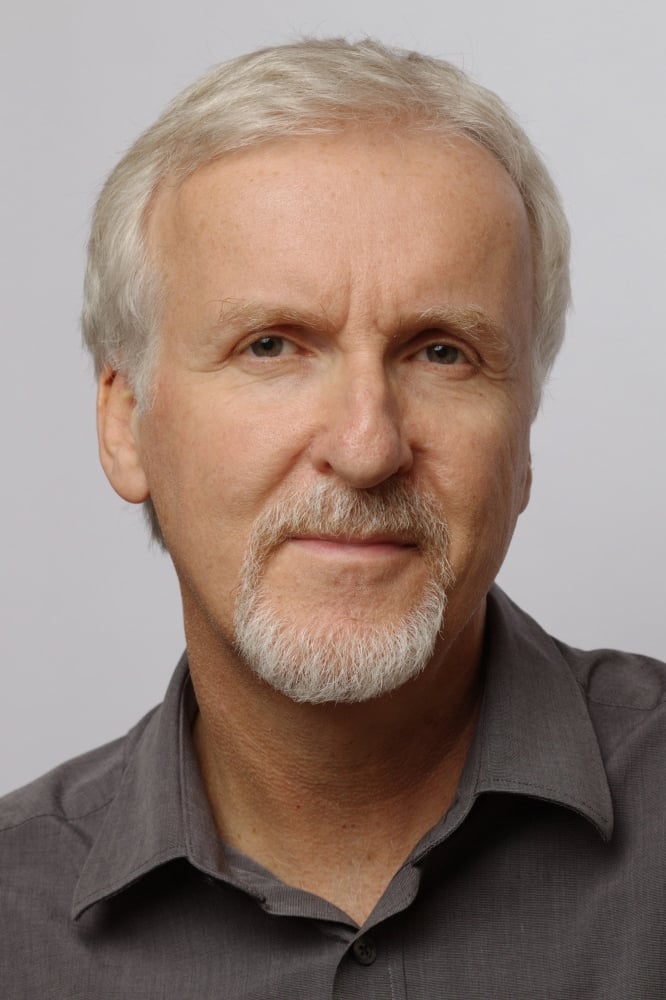
Cameron has warned about AI’s dangers when mixed with weapons systems and has rejected the idea that AI can replace filmmakers or actors. He says new tools can assist workflows but should not substitute human decision making.
He has asked for safeguards and accountability while exploring careful uses in areas like previs. Even on tech-heavy films like ‘Avatar’, he argues that the heart of the work remains human and that contracts should reflect that by protecting performers’ likeness and voice.
Tim Burton
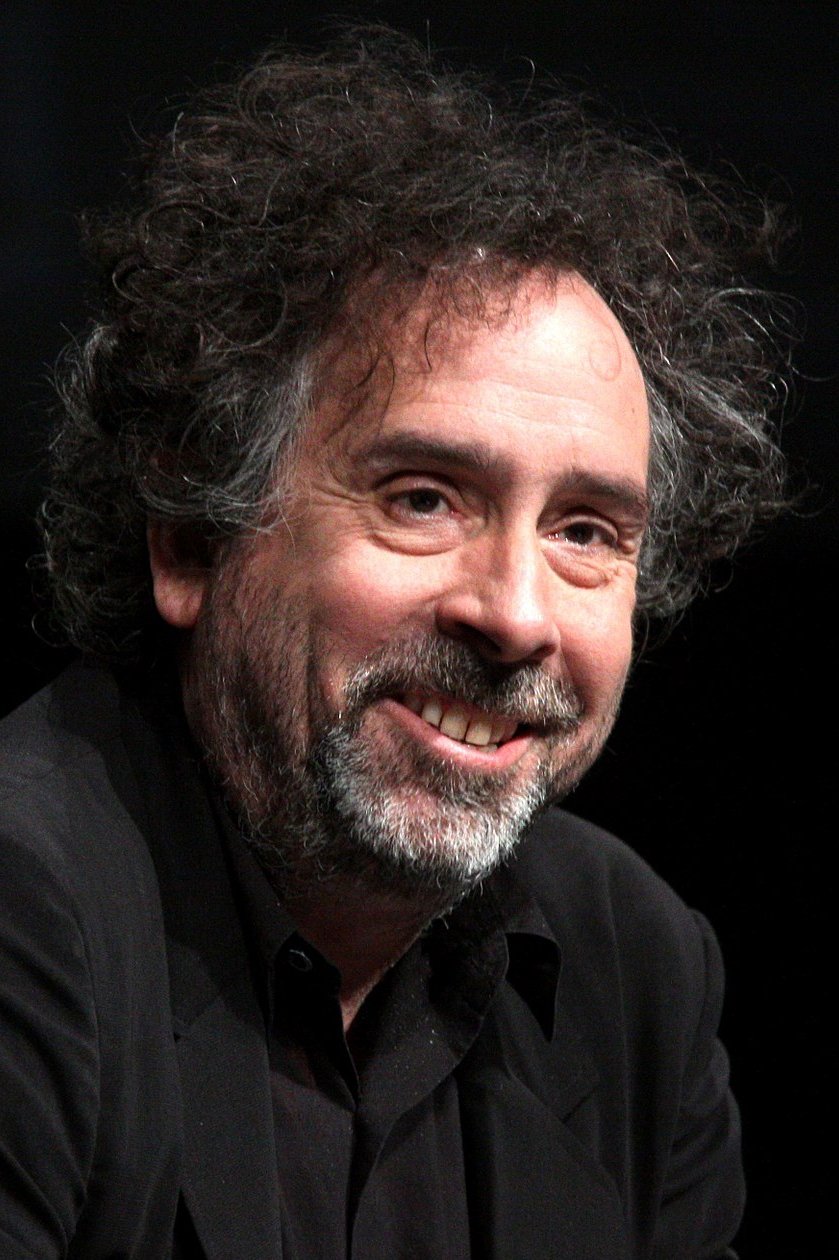
Burton criticized AI art that imitates his style and said it felt like watching a machine lift the essence of his work. He described it as unsettling rather than flattering.
His complaint underscores style appropriation. If a model can mass-produce images that look like ‘The Nightmare Before Christmas’ concept art, creators need legal tools to stop unauthorized style cloning and licensing systems that pay artists when their signature look is used.
Andy Serkis
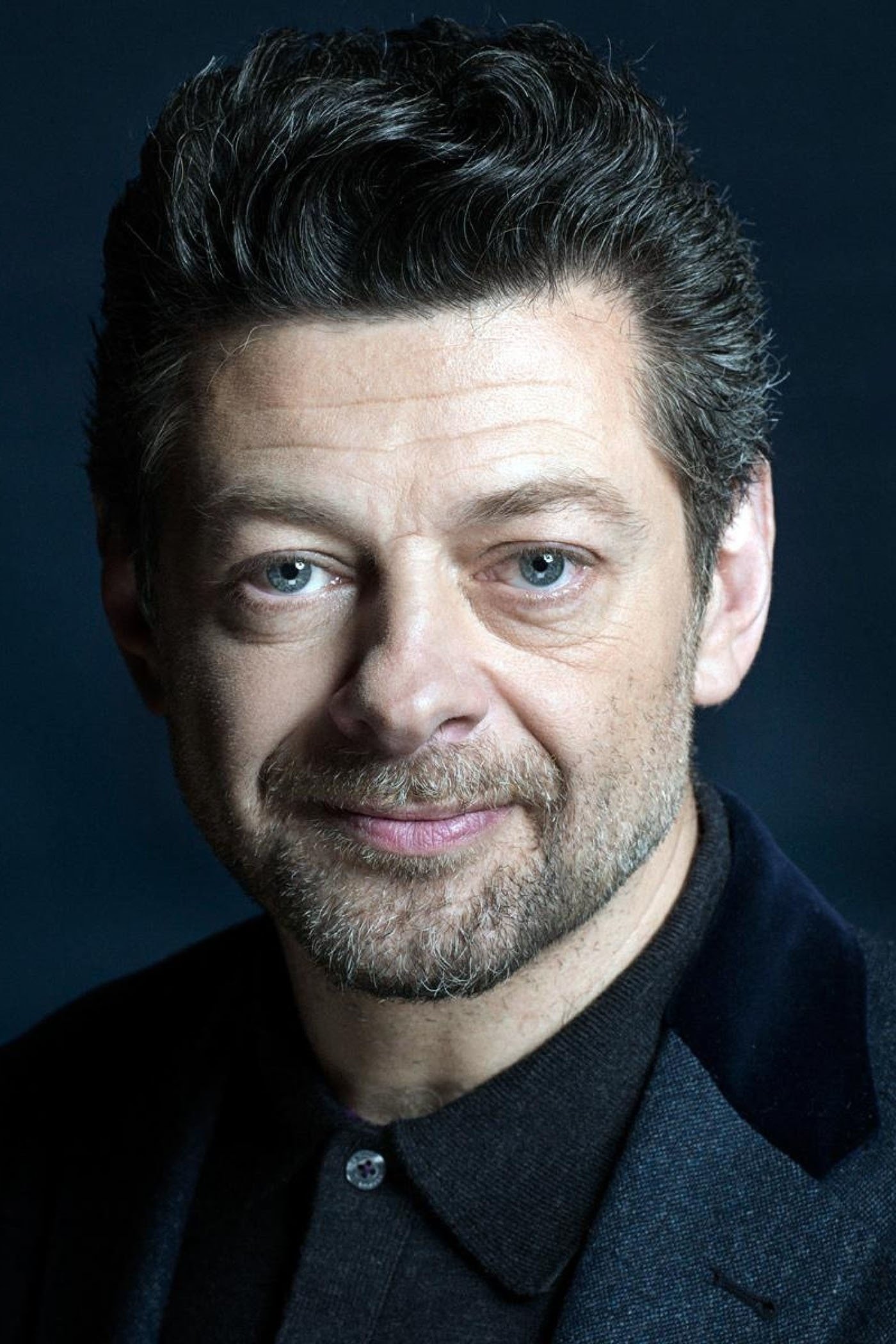
Serkis has been scanned many times for performance-capture roles and says that does not equal consent for reuse. He wants performers to retain control of libraries of scans and movements created for specific films.
He argues that capture sessions for roles like those in ‘The Lord of the Rings’ or ‘Planet of the Apes’ must be tied to explicit, limited purposes. Any future use should require new permission and pay, with clear audit trails for data storage and access.
Brian Cox
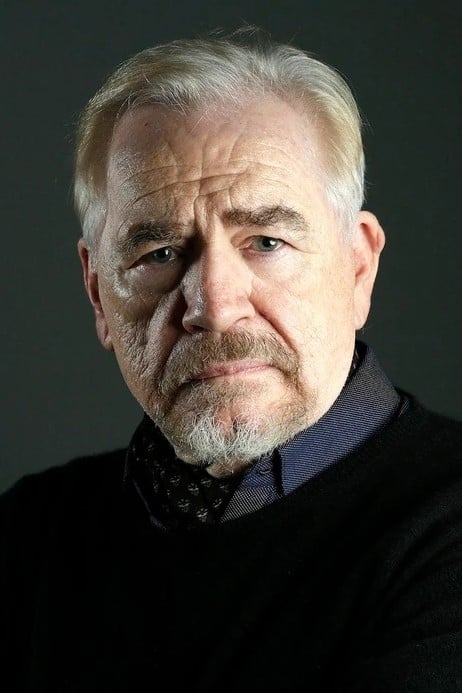
Cox has joined rallies warning that AI can undercut actors if it repurposes their images without approval. He backs union efforts to make informed consent and compensation non-negotiable.
He also stresses education for performers about contract language. On shows like ‘Succession’, cast members engage with complex deals, and he advocates sharing that knowledge so background and day players can protect themselves just as effectively.
John Cusack
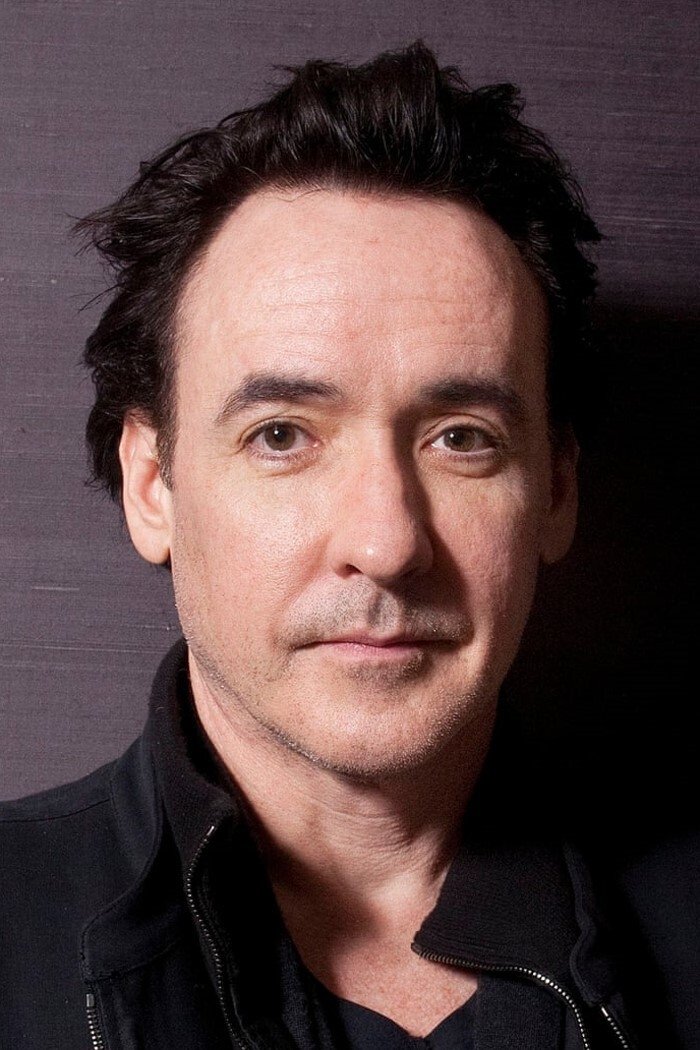
Cusack has labeled some proposed uses of AI as identity theft, especially scanning background actors for one day and using their likeness indefinitely. He calls for removing any perpetual reuse clauses from contracts.
He points to the broader issue of fair pay and transparency. If a studio wants a digital double later, it should hire the person again. He frames this as basic ethics and labor rights, not a technical debate tied to films like ‘Say Anything’.
Steve Coogan
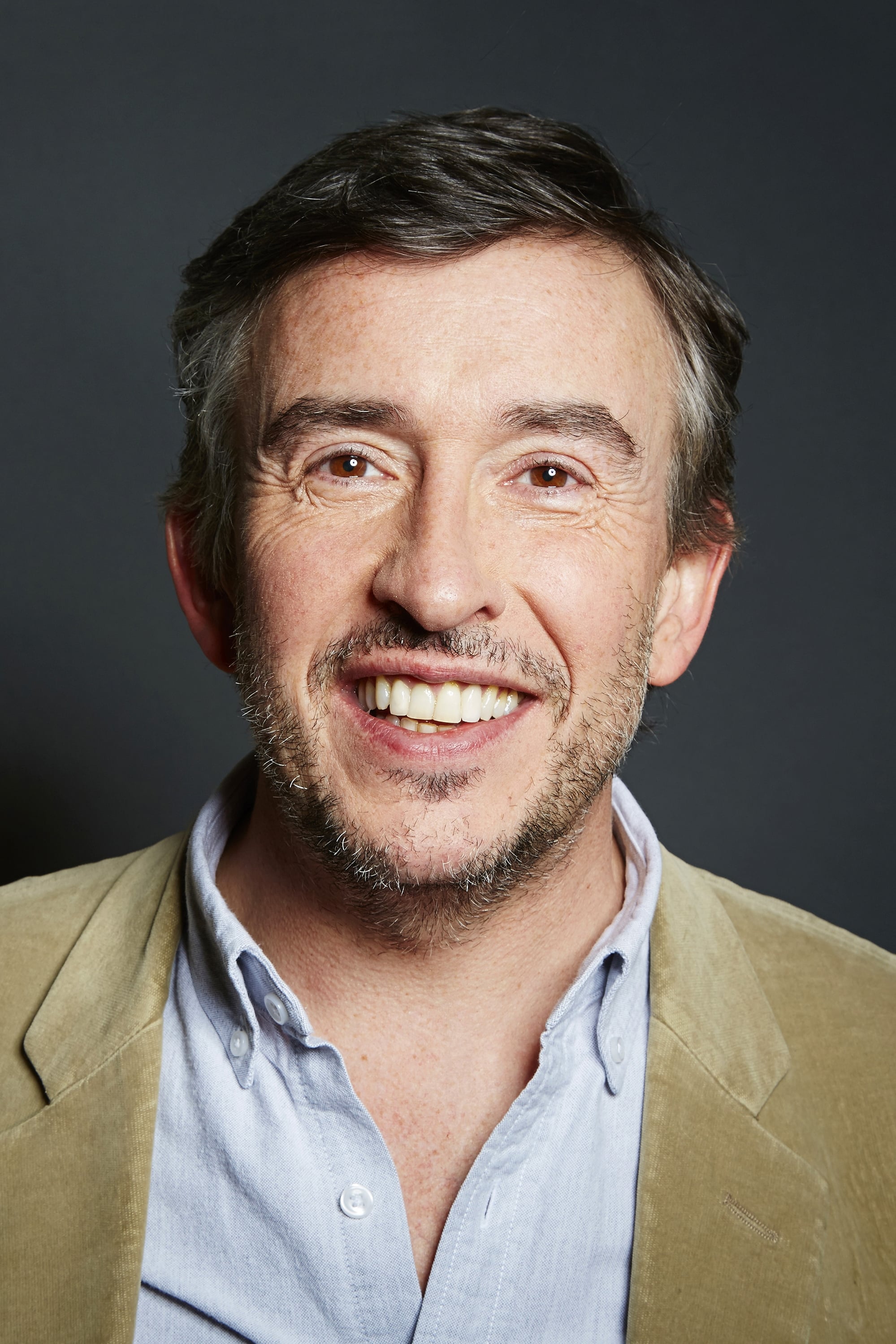
Coogan has supported efforts in the UK to strengthen rules around deepfakes and digital replicas. He has urged lawmakers and industry groups to require consent, clear labeling, and meaningful penalties for misuse.
His focus is policy and enforcement. Campaigns backed by performers and groups like Equity aim to stop scraping and unlicensed cloning, and to build licensing frameworks that pay actors when their image or voice appears in new work beyond ‘Philomena’ or ‘Alan Partridge’ projects.
Nicolas Cage
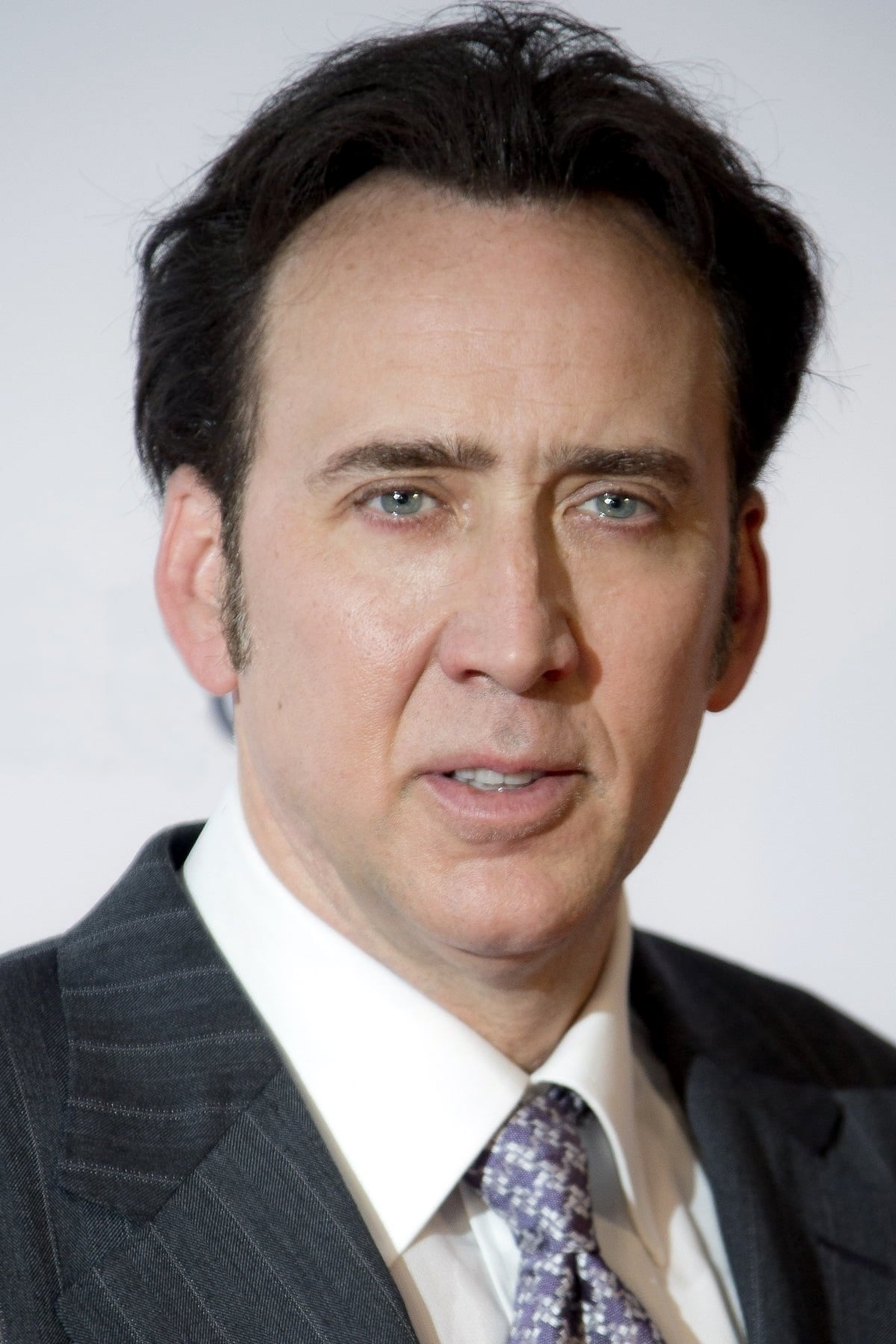
Cage has warned that letting AI manipulate an actor’s performance is a dead end for art. He argues that robots cannot reflect the human condition and that tiny compromises can eventually replace truth in acting.
He wants strict guardrails on voice cloning, dubbing tech, and performance edits. If a film needs changes, he says the actor should be part of them, rather than approving a pipeline that blends synthetic lines into scenes from movies like ‘Dream Scenario’.
Share which names you think belong on this list and how you feel about AI in entertainment in the comments.