20 Major Celebrities Who Got Cancelled by Gen Z

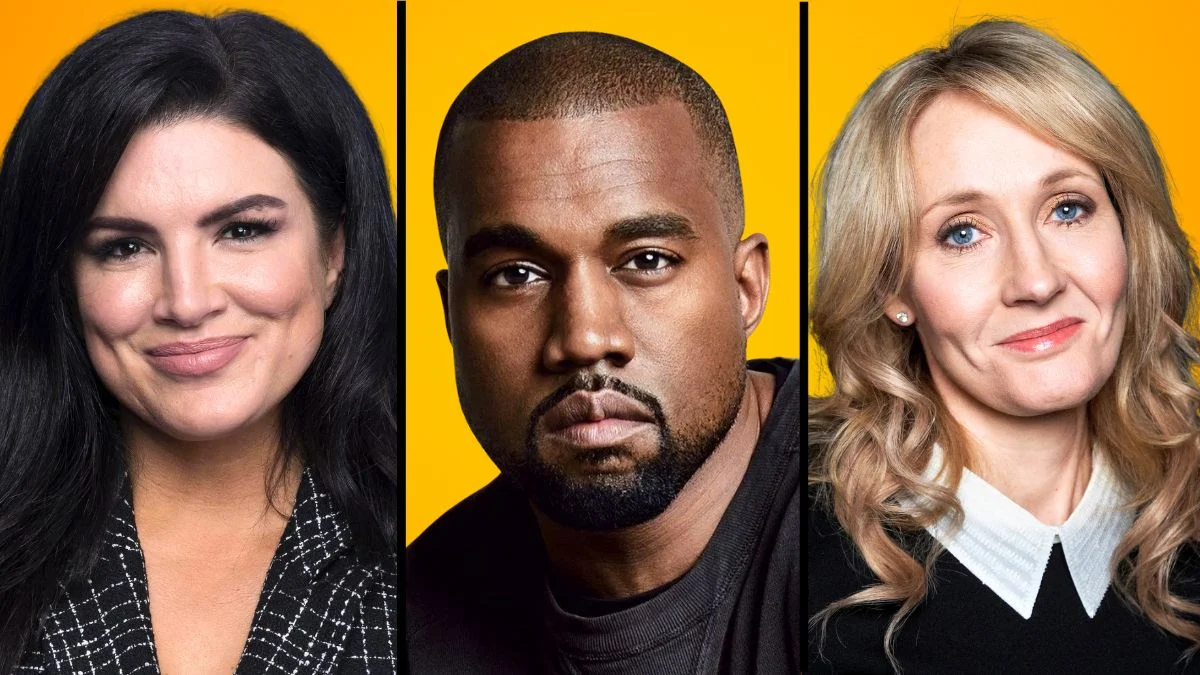

Gen Z spends a lot of time online and reacts fast when public figures cross lines they care about. That means backlash can escalate quickly when something said or done clashes with values around inclusivity, safety, or accountability. The reaction often shows up first on TikTok and X, then spreads into real life through boycotts, petitions, and event or ticket pushback.
This list looks at high profile cases where younger audiences led or amplified the callouts. Each entry focuses on what triggered the backlash and what happened next, including brand moves, project changes, and public responses. These moments vary in outcome, but every example shows how Gen Z pressure can reshape careers in very visible ways.
Ye
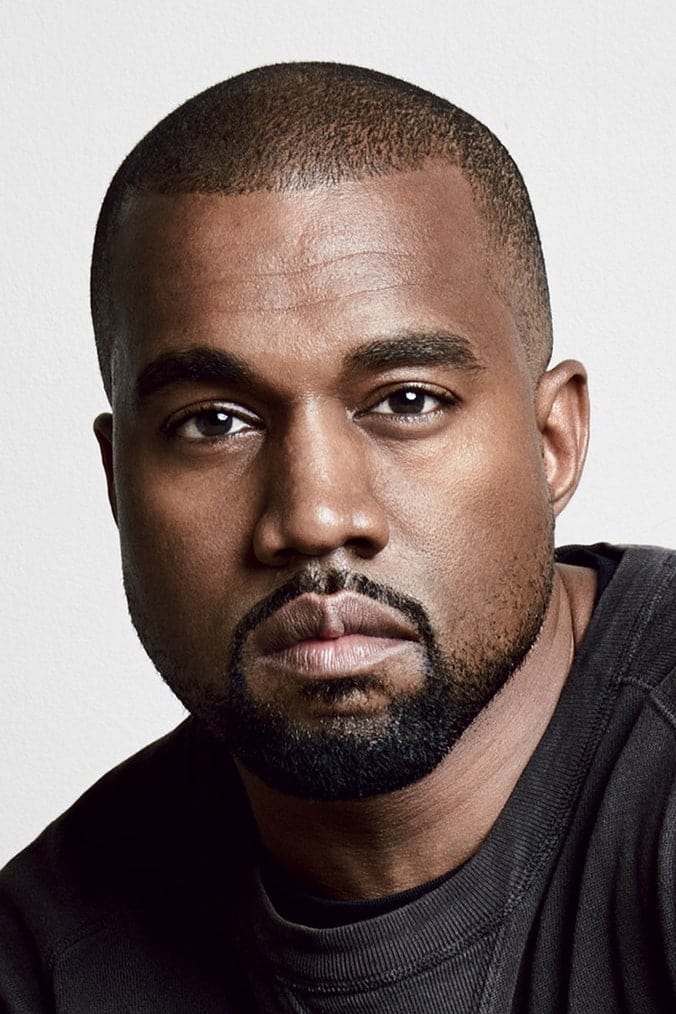
Ye posted antisemitic comments on social platforms and repeated them in interviews. The remarks led to widespread boycotts among younger consumers and major corporate partners ended their relationships, including a large footwear deal and fashion collaborations. Retailers removed products and talent agencies cut ties, which rapidly changed his business footprint.
Streaming numbers and interest in new releases continued but younger audiences drove sustained pushback through hashtags and creator videos. Concert plans and brand launches faced scrutiny, and campus groups publicly distanced themselves from his work during event planning and booking conversations.
J.K. Rowling
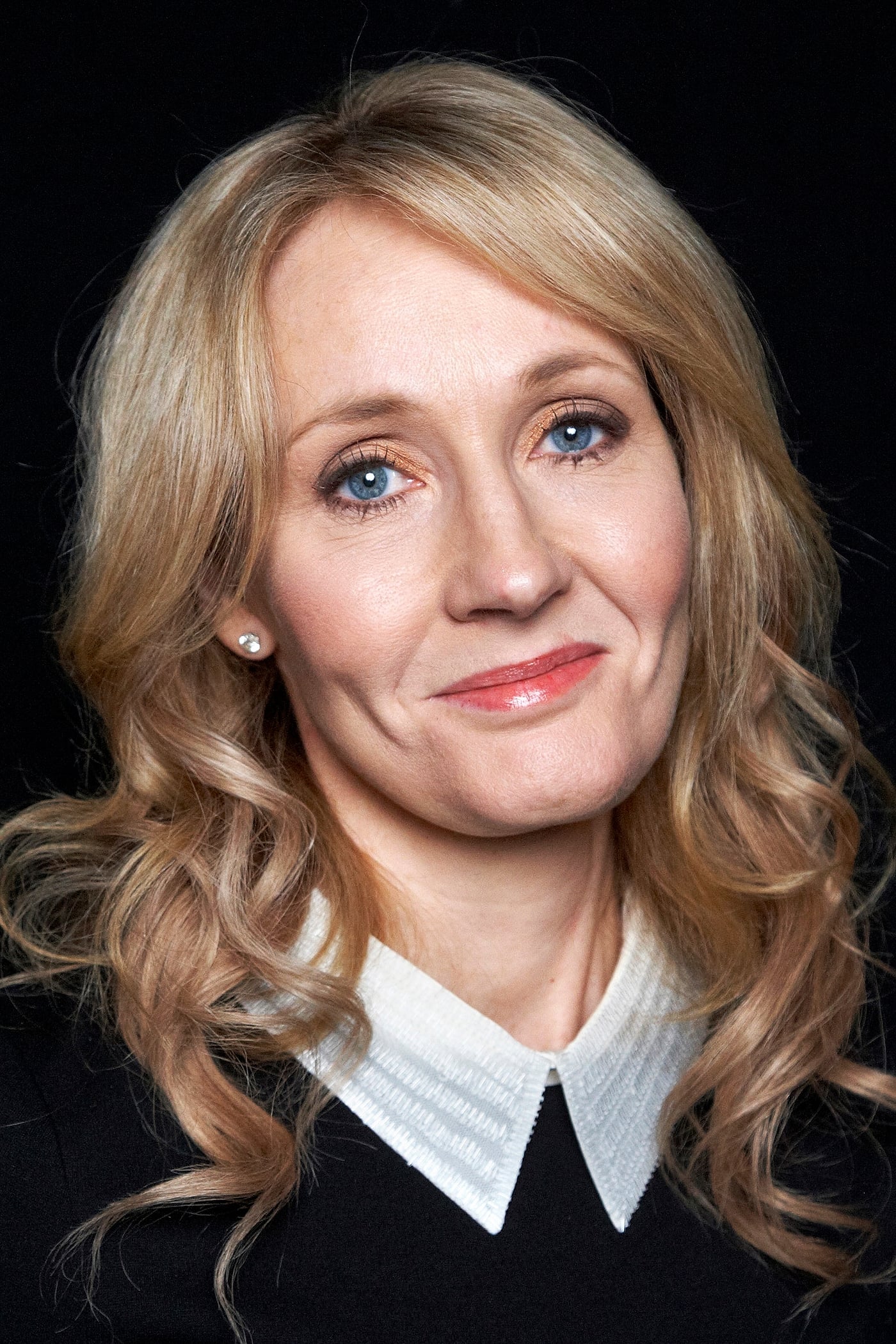
Comments and essays about sex and gender sparked strong criticism from younger readers and LGBTQ groups. Hashtags calling for boycotts trended for long stretches, and fan communities organized donation drives to trans charities when new projects connected to the wizarding world appeared.
Calls to skip new franchise content circulated widely, and some conventions adjusted programming around author involvement. Many younger fans created guides to enjoy the universe without purchasing new products linked to the author, and streamers added content warnings or context segments in related videos.
James Charles
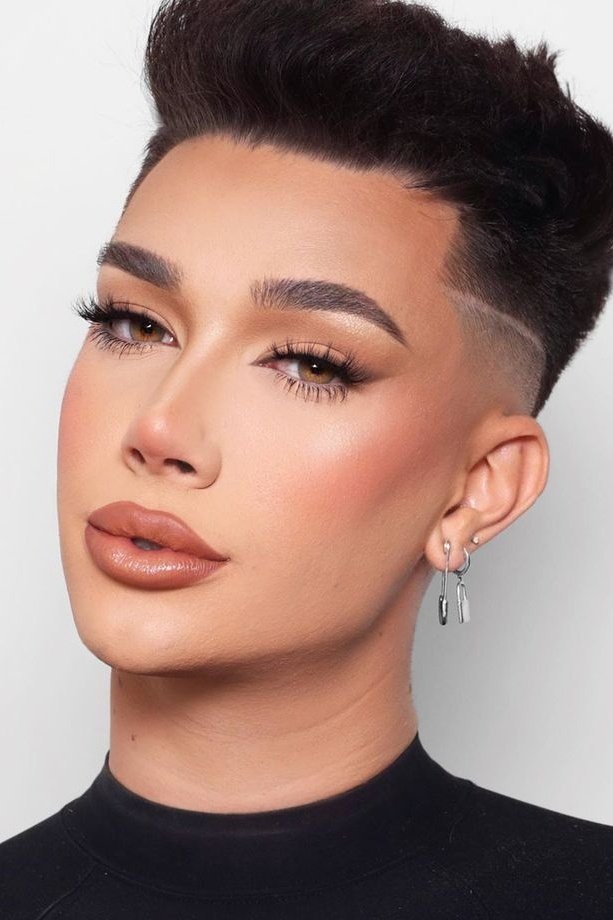
Multiple allegations from minors surfaced about inappropriate messaging. After public statements and apologies, cosmetics partners paused or ended collaborations and a major retailer pulled his palette from stores. His YouTube channel was temporarily demonetized, which affected revenue and visibility in recommendations.
Subscriber counts dropped during the height of the controversy and brands shifted to other creators for launches. He later attempted a return with new creator projects, while younger viewers and watchdog accounts continued to track updates and responses across platforms.
Logan Paul
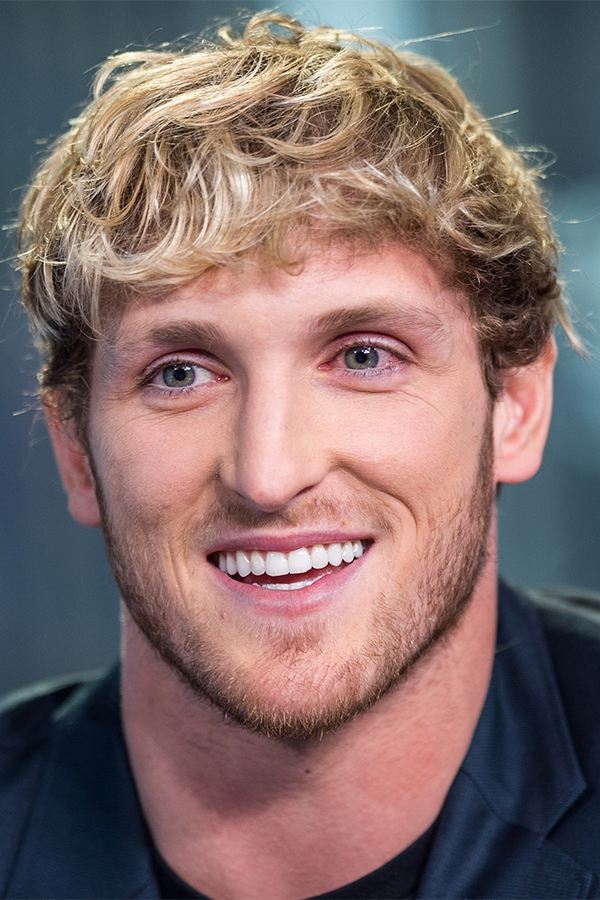
A video filmed in Japan’s Aokigahara forest drew intense criticism from younger viewers and other creators. Advertising privileges were reduced and premium projects were canceled at the time. He issued apologies, donated to suicide prevention efforts, and adjusted content policies on his channel.
Years later a crypto project connected to his brand faced investor complaints. Gen Z creators posted explainers and timelines, which kept pressure on the situation. He announced plans for restitution and legal steps while younger audiences evaluated the follow through before engaging with new ventures.
Ellen DeGeneres
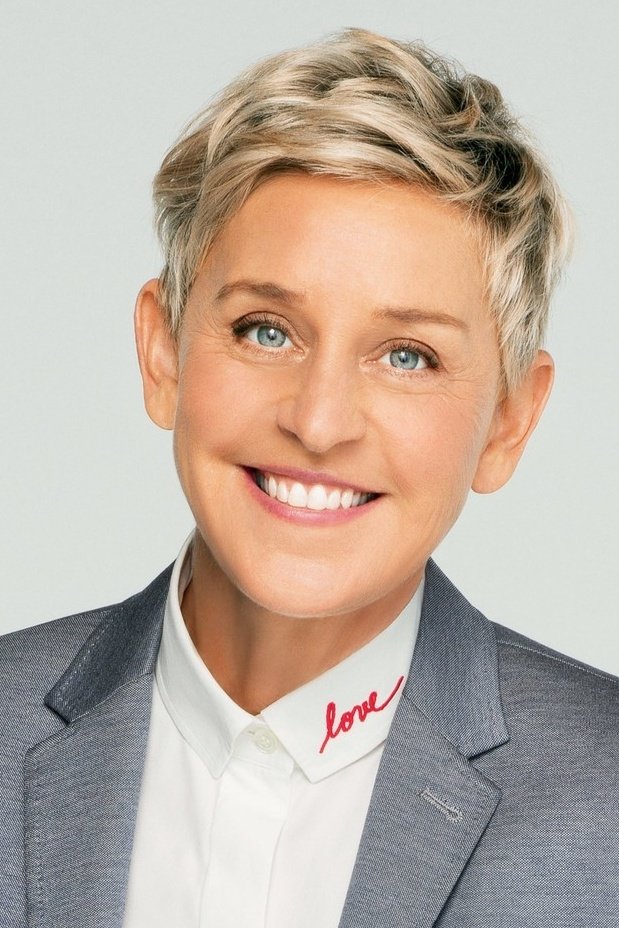
Reports about a toxic workplace environment on her daytime show led to an internal investigation. Executive changes followed and the host issued an on air apology. Ratings declined as viewers, many of them younger, shared clips and testimonies across TikTok and X.
Sponsors reviewed placements and some reduced spend during the fallout. The show ended after a final season and the host shifted to stand up dates and smaller projects. Younger audiences often cite the case as an example of how behind the scenes culture can affect viewer loyalty.
DaBaby
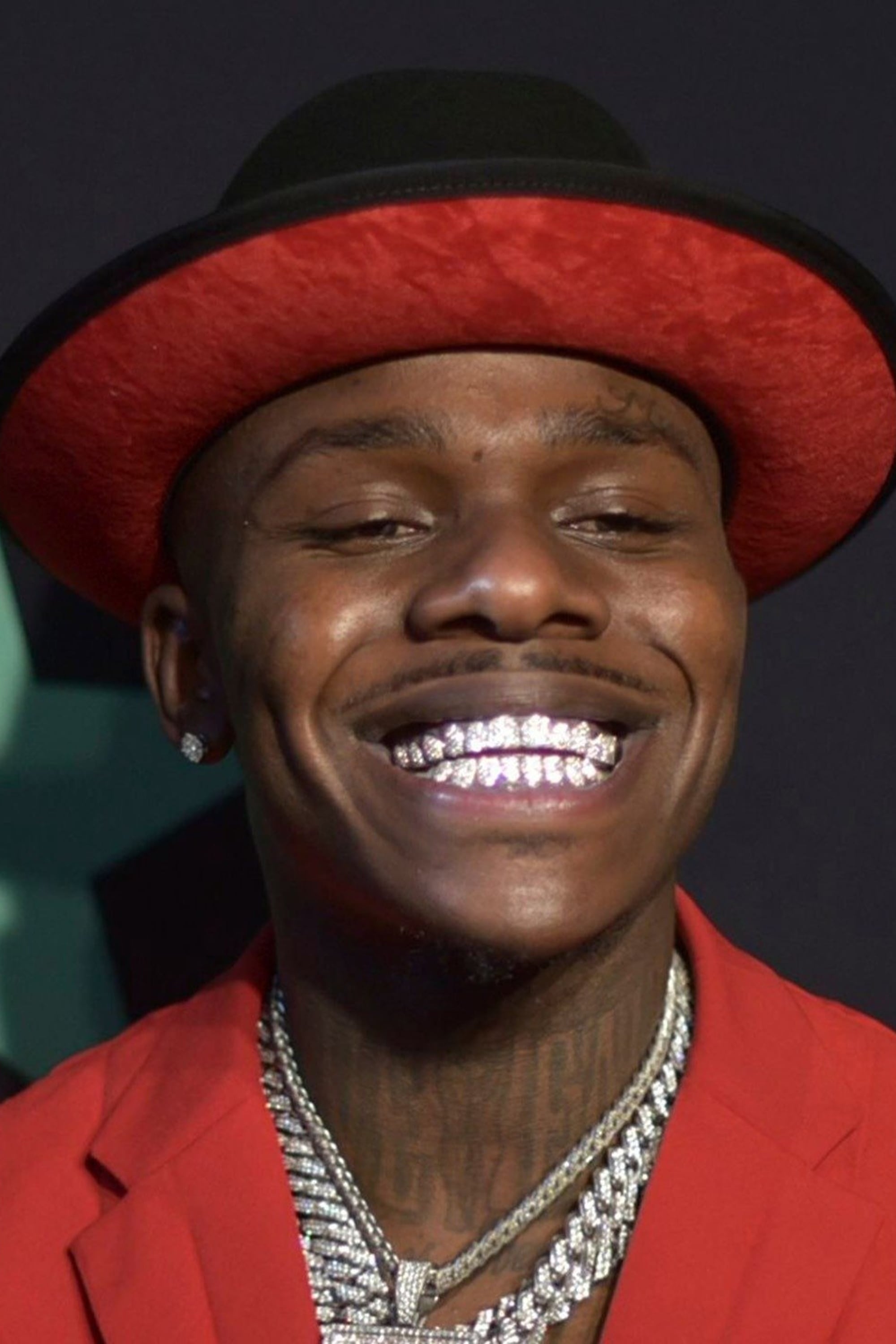
Comments made on stage at a major music festival were widely condemned by LGBTQ organizations and younger fans. Festival lineups removed him from scheduled appearances and brand partners stepped back from collaborations. He apologized in statements and videos, then deleted some posts as the backlash continued.
Radio play and playlisting took a short term hit while the story stayed in the news cycle. Younger listeners pushed for accountability across campus events and student run concerts, which affected booking decisions through the following season.
Doja Cat
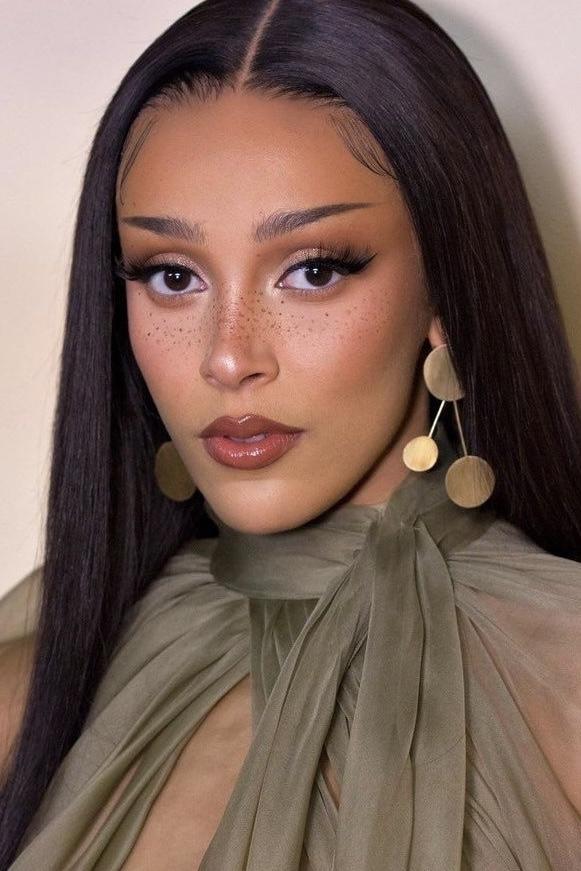
Old chat room activity and a track title drew criticism in one wave of backlash, followed by a separate conflict where she told fans not to call themselves by a common fandom name. The second episode led to a sharp drop in followers and a loud debate among younger listeners about parasocial expectations.
Brand partnerships continued but social metrics shifted as stan accounts stopped promotion. Album rollouts still performed strongly on charts, while teen and college listeners used the moment to discuss boundaries between artists and fan communities.
Lizzo
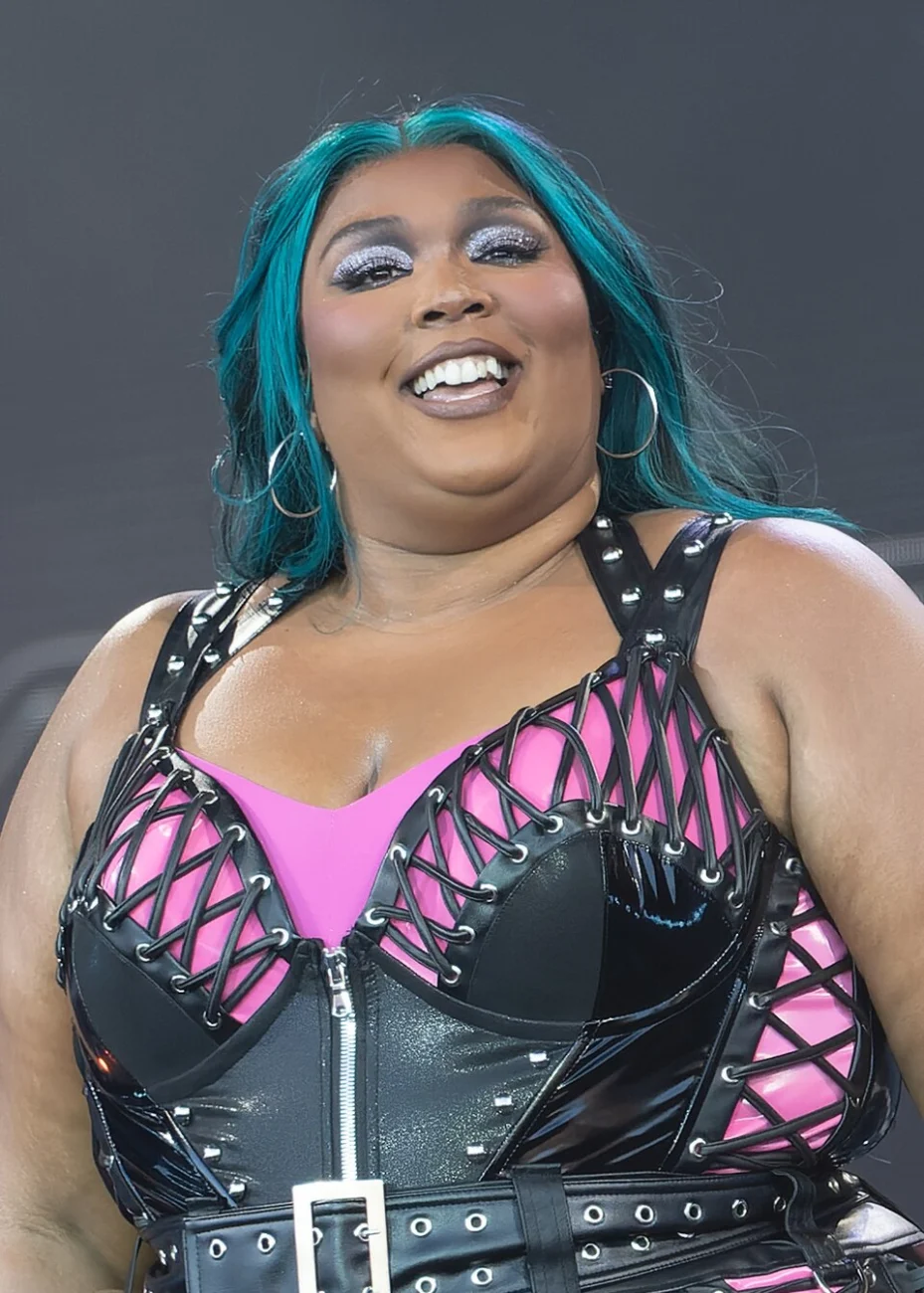
Former dancers filed a lawsuit alleging harassment and hostile work conditions. She denied the allegations and her legal team moved to dismiss some claims while parts of the case continued. Some events distanced themselves and online campaigns urged sponsors to wait for court outcomes before new deals.
Playlisting and radio play saw mixed movement, and searches for the case spiked among younger listeners. College event planners reviewed bookings and student groups weighed statements against ongoing litigation before inviting performances.
Gina Carano
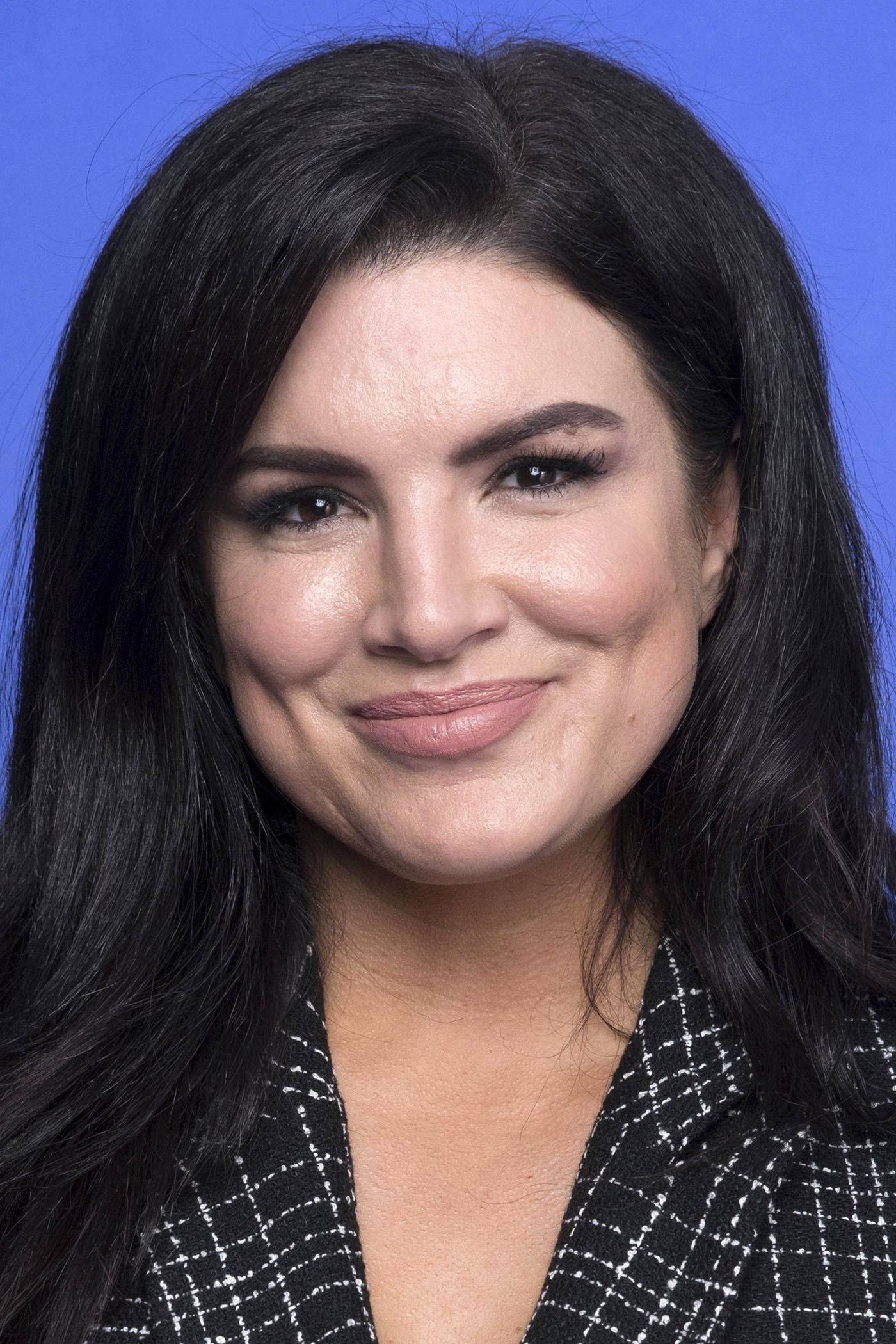
Social media posts comparing political divisions to historic persecution prompted strong backlash. The studio behind a hit space adventure series ended her role and stated she was no longer employed. Planned merchandise and character arcs stopped and fan accounts shifted speculation to other characters.
She signed with a new production company and released an independent film. Younger viewers continued to reference the case in debates about workplace policies for public figures who represent family franchises with global audiences.
Shane Dawson
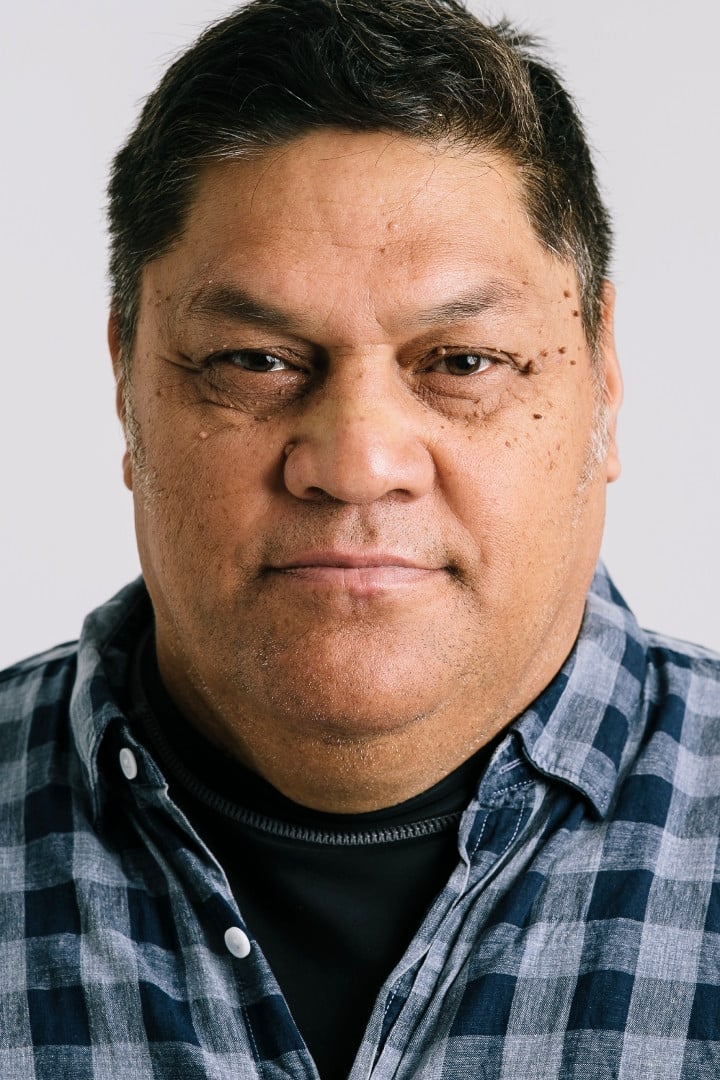
Old videos with racist jokes and inappropriate content resurfaced and spread widely. His channels were demonetized and a major retailer pulled his books. He posted apology videos and took a long break from uploads.
When he returned, his new videos focused on docu style content and collaborations with longtime partners. Younger viewers remained divided, and commentary channels used the case to discuss platform policies and brand safety rules.
David Dobrik
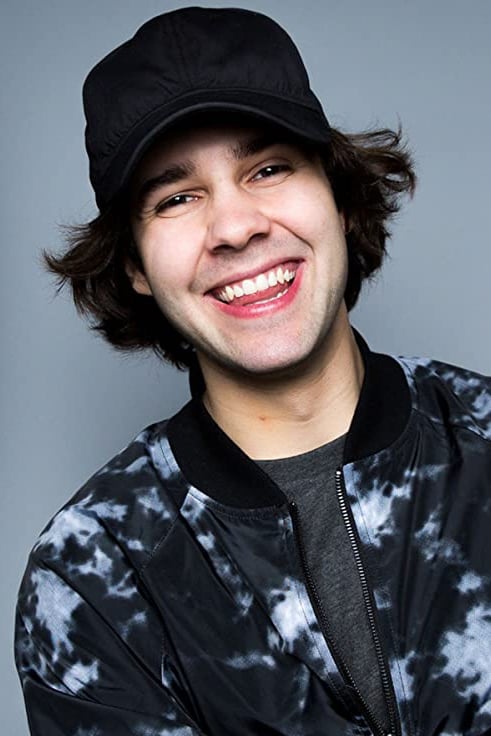
A report detailed allegations of sexual assault by a Vlog Squad member during a video shoot. Sponsors ended deals and his photo sharing app lost investors. YouTube suspended monetization on his channels and he posted multiple apology videos.
He paused uploads and later returned with stricter production guidelines. Student groups and creator communities adopted clearer safety policies for shoots, and younger viewers watched closely for changes in how stunts and party content get filmed.
PewDiePie
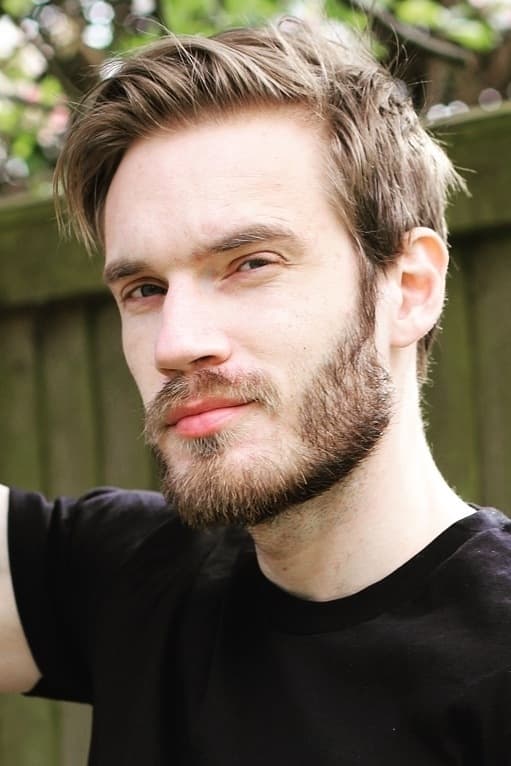
Videos that included antisemitic jokes and imagery led to backlash and major partners walked away. His premium series was canceled and he addressed the issues with apologies and explanations. The incident became a reference point for brand suitability in creator marketing.
Younger audiences tracked subsequent controversies and platform actions, including demonetizations and community guideline strikes. He maintained a massive following while advertisers and creators used the case in tutorials about avoiding harmful humor.
Armie Hammer
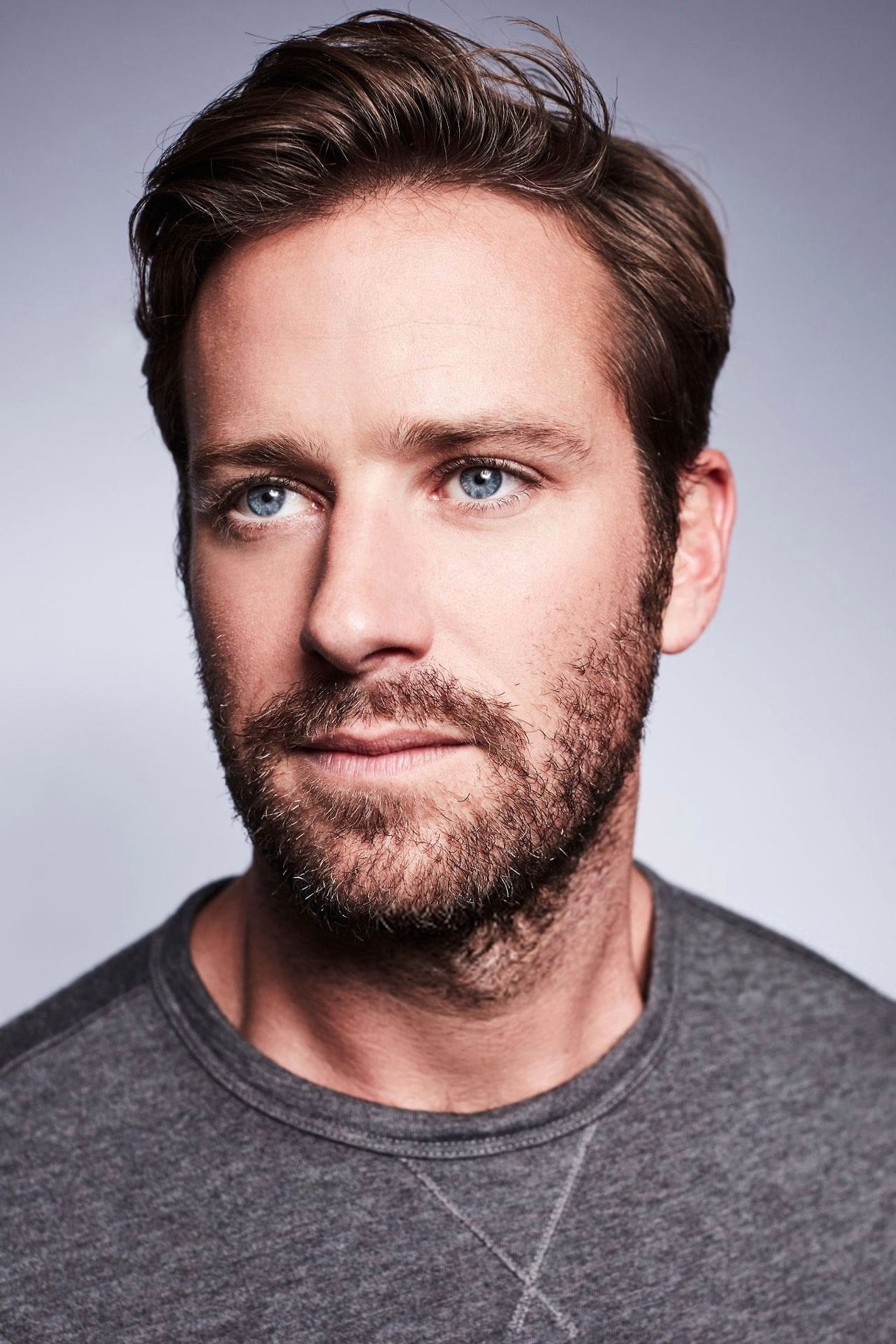
Allegations of abuse and disturbing messages surfaced and spread across social media. He left several film and television projects and his agency dropped him. He denied criminal wrongdoing and later sought treatment as public attention increased.
Studios recast roles and edited marketing materials to limit his presence. Younger viewers followed documentary coverage and case updates, while streamers adjusted thumbnails and recommendations on titles where he appeared.
Ansel Elgort
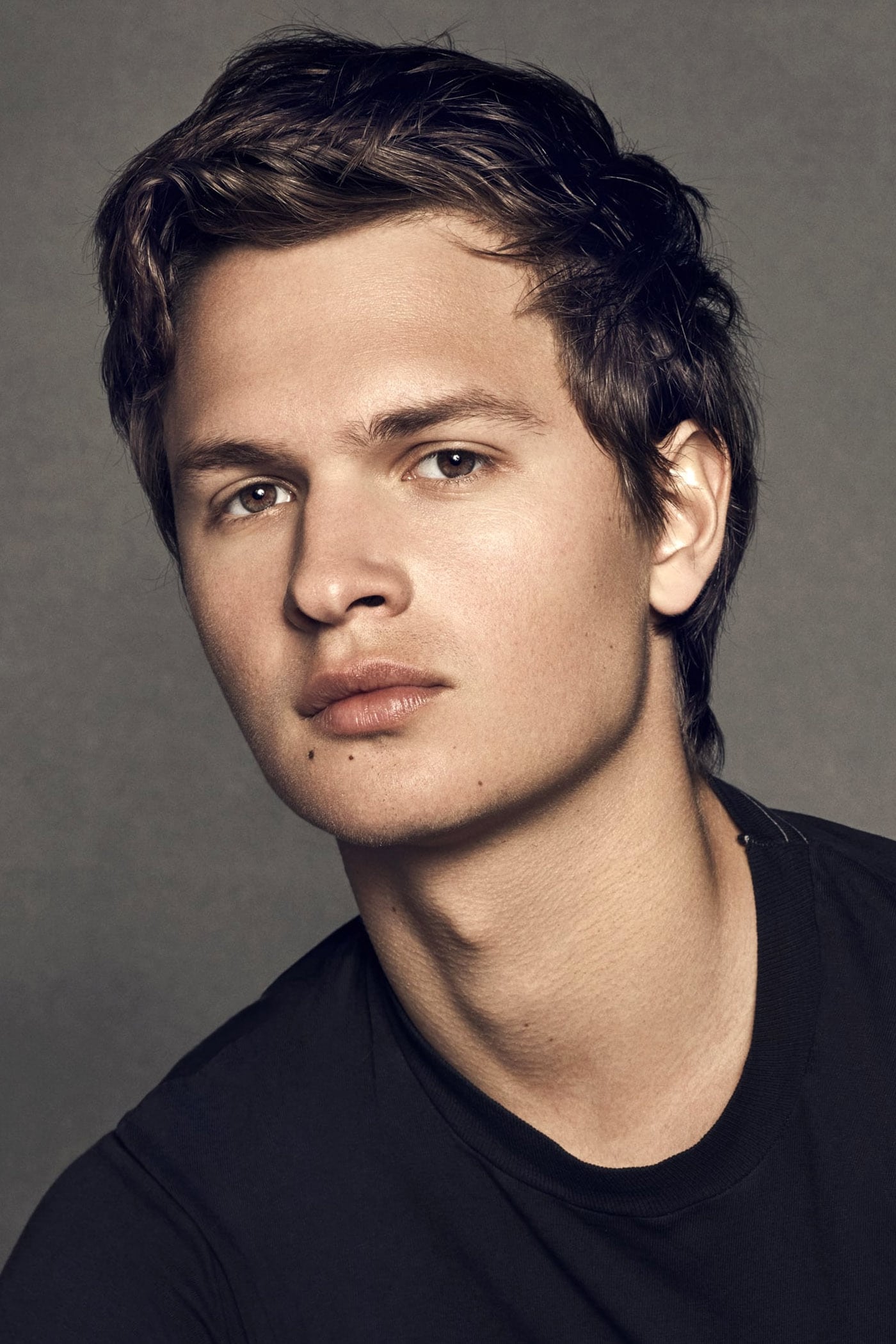
A woman accused him of sexual assault and he denied the allegation, stating the relationship was consensual. He paused social posting and reduced press appearances around a major musical release.
The studio continued with the film while younger viewers debated whether to support it. Campus screenings included content warnings and student film boards held discussions about separating individual performances from wider casts and crews.
Chrissy Teigen
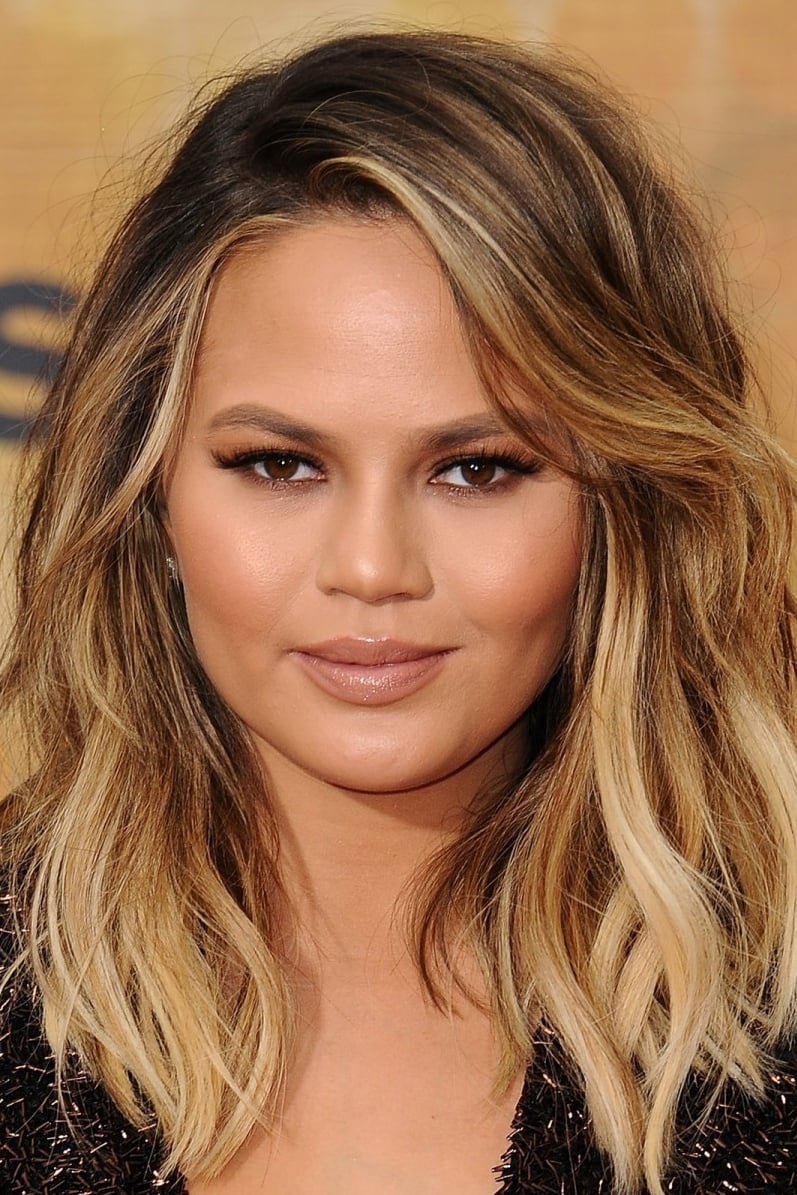
Past messages targeting several public figures resurfaced and led to widespread criticism. She issued lengthy apologies and stepped away from social media for a period. Retail partners halted cookware and lifestyle collaborations during the peak of the backlash.
She later returned with new projects and continued philanthropic work. Younger audiences pointed to the case when discussing the long memory of screenshots and the difference between apology statements and changed behavior.
Camila Cabello
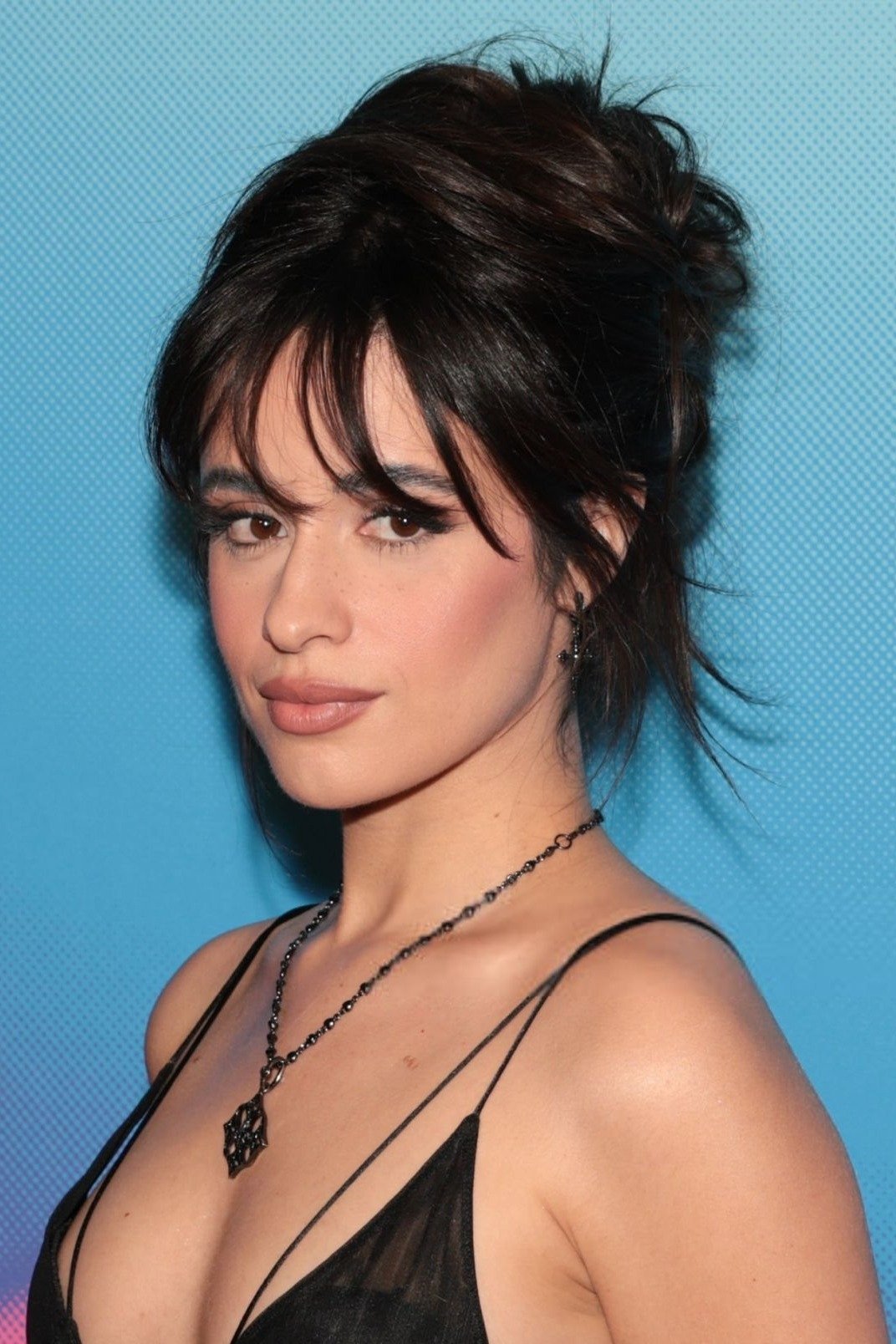
Old posts containing racist language were uncovered from her teenage years. She apologized and said she had taken antiracism education and worked to support organizations focused on equity. The episode circulated widely among younger listeners and fan communities.
Brand campaigns paused overt references to online discourse while music releases continued. High school and college groups referenced the case in diversity training materials for student clubs and event committees.
Chris Pratt
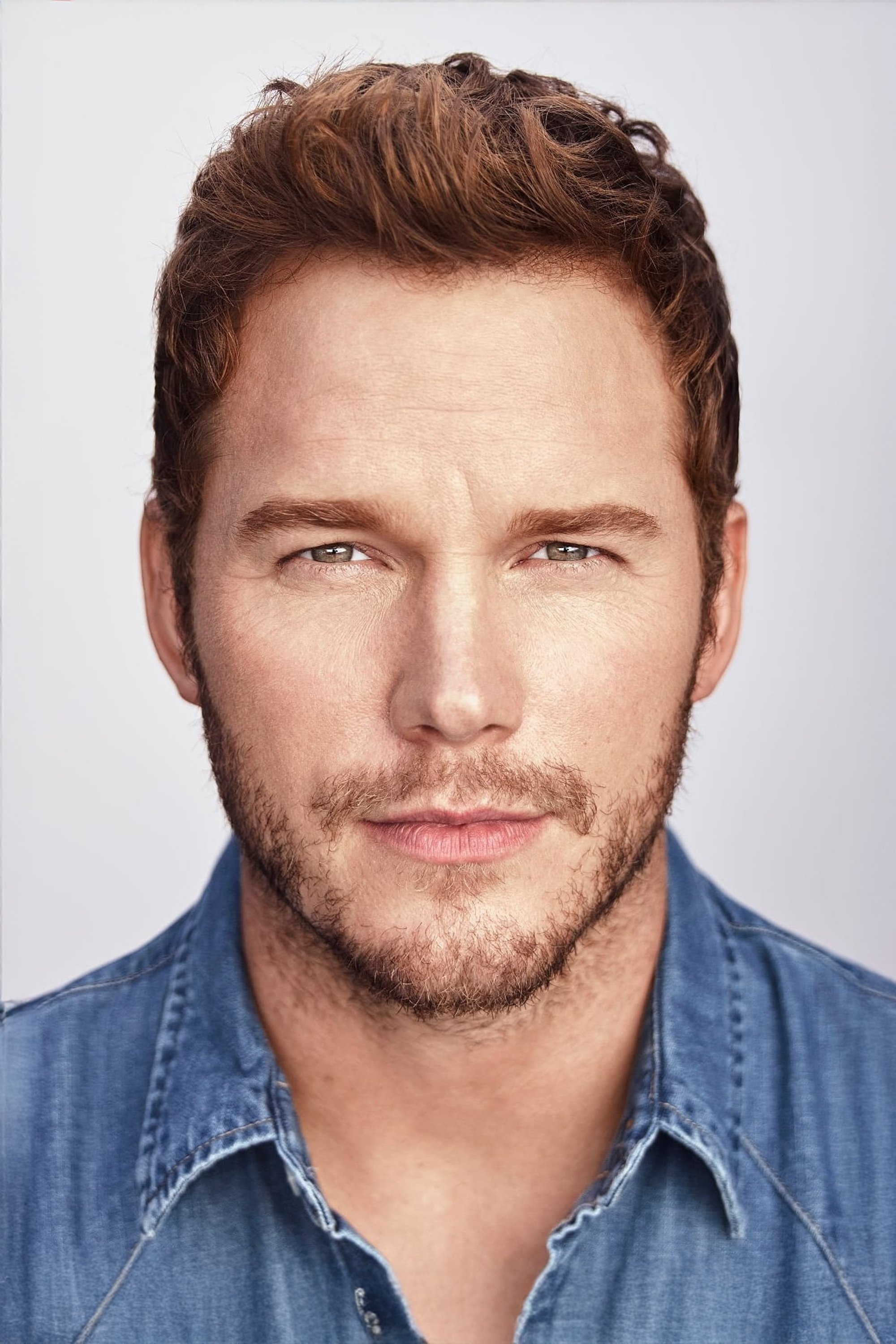
Online speculation about a church affiliation and its stance on LGBTQ issues led to calls for accountability. He said he did not attend the church in question and other cast members publicly defended him. Younger audiences debated the expectations placed on actors who lead family friendly franchises.
Studio projects continued while the online conversation ebbed and flowed with each new release. Fan events and convention panels received extra moderation to manage contentious questions and keep discussions focused on the films.
Nicki Minaj

Tweets that questioned vaccines drew backlash from health professionals and younger users who shared fact checks. Government officials offered to provide accurate information and the artist posted additional statements about the exchange.
Performances and releases went ahead while the discussion shifted to public health communication and celebrity influence. Campus health groups used the case in workshops on rumor verification and responsible sharing.
Travis Scott
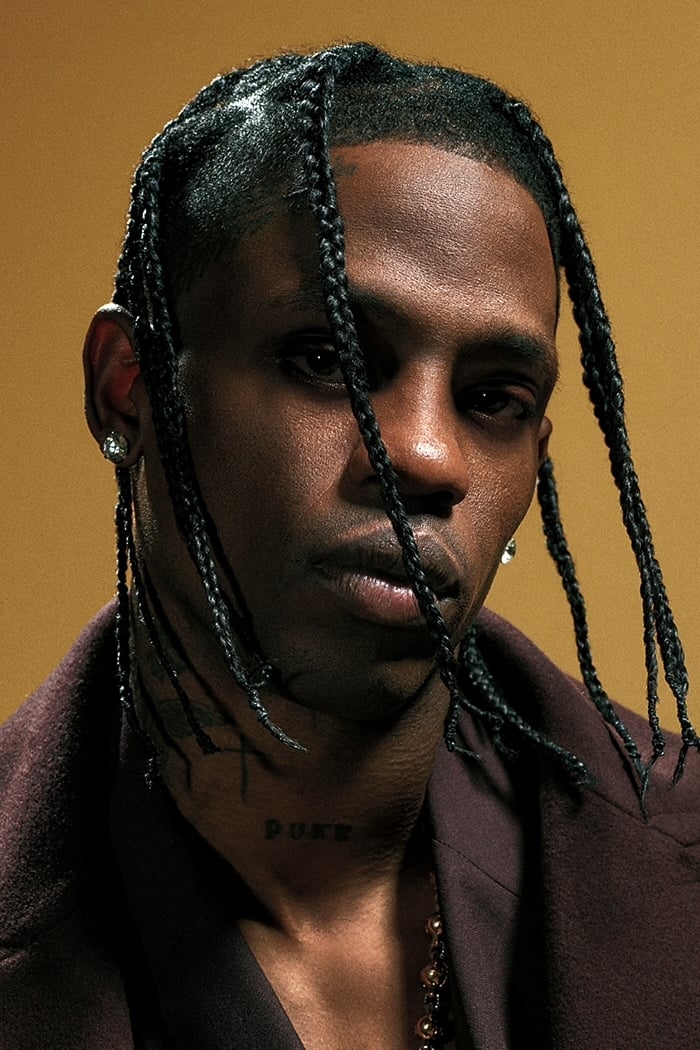
A crowd surge at a music festival led to multiple deaths and hundreds of injuries. Several sponsors paused partnerships and planned shows were canceled or postponed. Lawsuits followed and the artist pledged to work with authorities and support victims.
Younger concertgoers pushed for stronger crowd management and emergency plans at future events. Universities updated safety agreements for student festivals and promoted helplines and reporting tools.
Sia
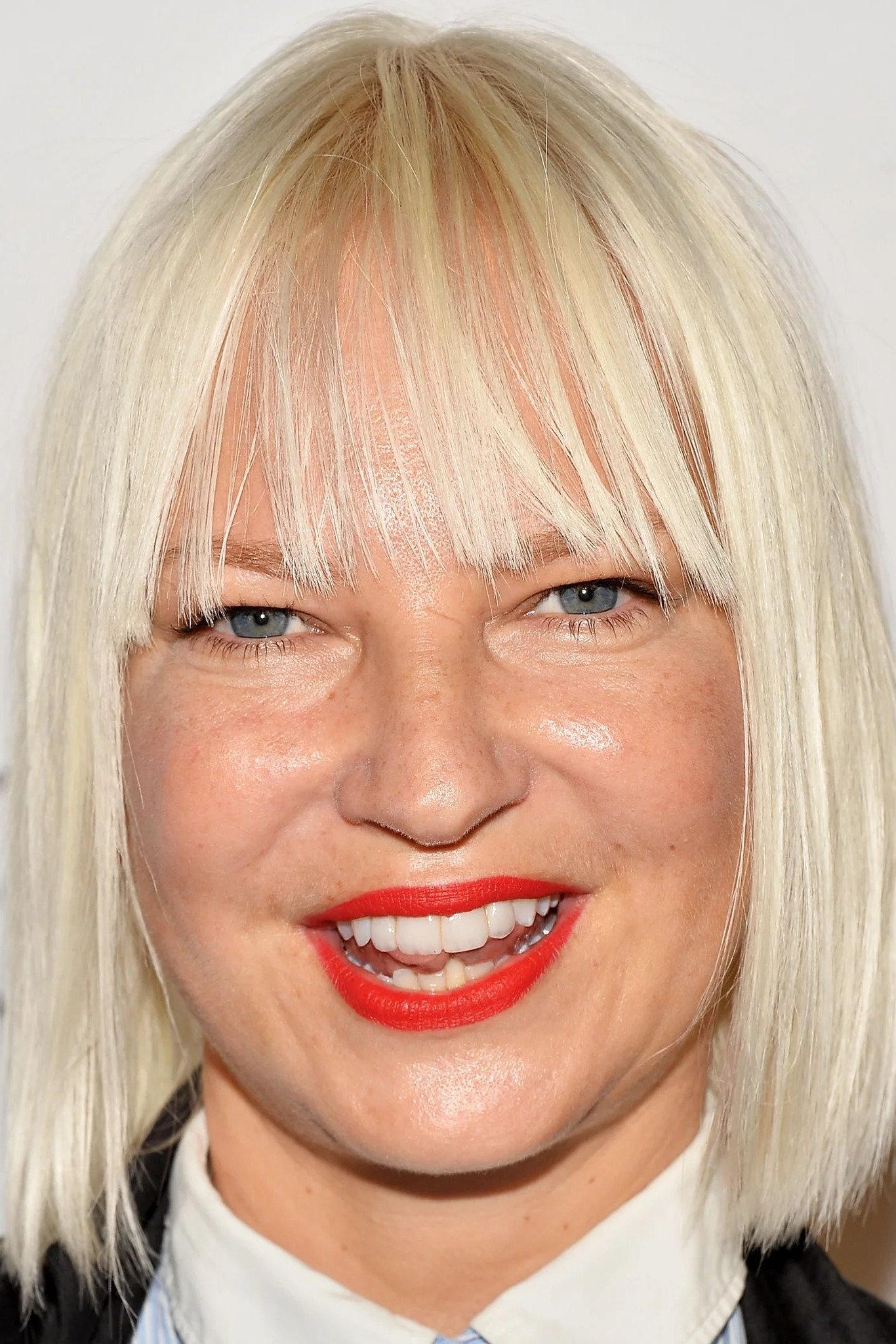
Her film about an autistic character drew criticism for casting and for scenes that depicted dangerous restraint practices. She apologized and later withdrew the film from certain awards considerations. Disability advocates offered guidance on safer portrayals.
Younger viewers shared resources from autistic creators and educators. Streamers added content advisories and discussion guides, and film classes used the case to talk about consultation and representation during preproduction.
Have another name you think belongs here or a case you think we should update, share your thoughts in the comments.