Famous People Most Likely to Live to 100

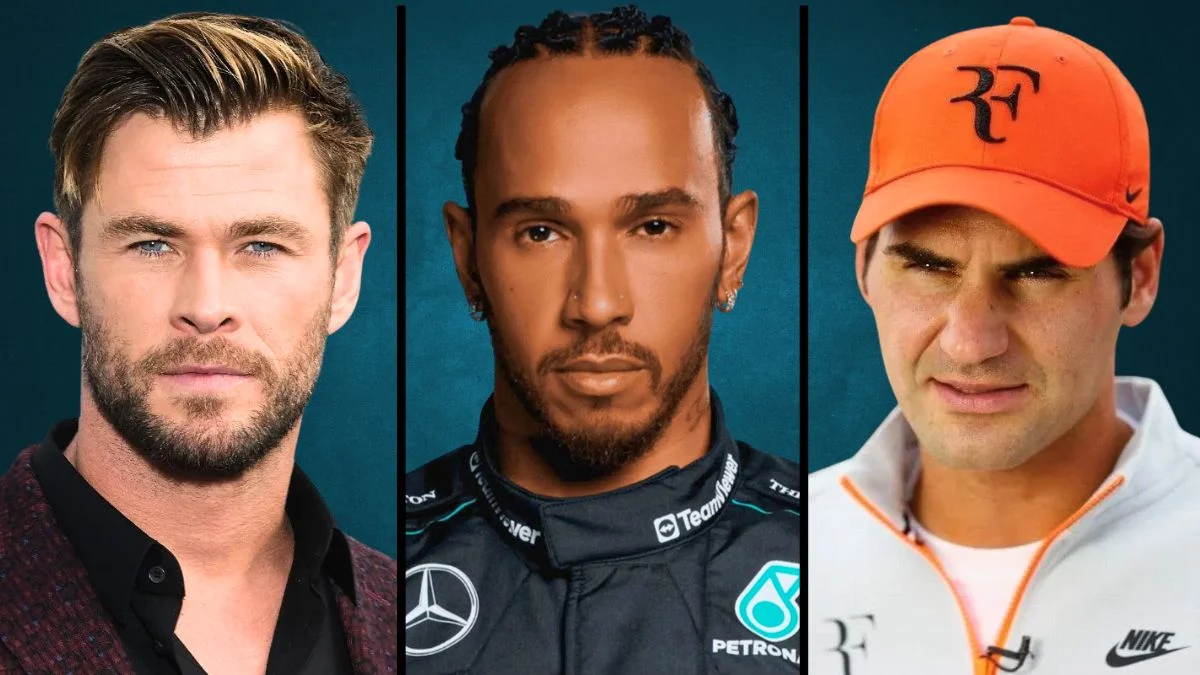

Longevity is never guaranteed, but some public figures stack the odds through consistent fitness, smart nutrition, solid sleep habits, and regular preventive care. Many also build routines that reduce stress, lean on strong social networks, and keep learning new skills, which research links to healthier aging over time.
This list highlights famous people who consistently share or demonstrate habits that support long term health. Each entry focuses on routines, training styles, food choices, recovery practices, and other concrete behaviors that are known to help bodies and minds stay strong well into later decades.
Taylor Swift

Taylor Swift performs marathon length shows that demand high aerobic capacity, vocal stamina, and muscular endurance. Preparing for that schedule involves daily cardio, strength sessions, choreography rehearsals, and strict hydration, which together support heart health and resilience. She avoids heavy drinking during tour cycles and is open about prioritizing sleep before show days, both of which help recovery and immune function.
Away from touring she maintains a balanced routine that mixes running or indoor cycling with lighter movement on rest days. She has also described periods of careful nutrition planning during intense work windows, which helps stabilize energy and blood sugar through long performances and travel.
Beyoncé

Beyoncé trains with a mix of dance rehearsals, cardio intervals, core work, and progressive strength training. That combination improves metabolic health, bone density, and posture while supporting powerful stage movement. She has publicly used structured meal plans during preparation phases and has promoted plant forward eating through a wellness venture with trainer Marco Borges.
Her performance schedule includes full run throughs that simulate show intensity, which is a proven way to build specific endurance. She schedules recovery through stretching, mobility, and deliberate rest windows between productions, which reduces injury risk and keeps training consistent year after year.
Zendaya

Zendaya’s career keeps her in constant dance based movement that builds coordination, balance, and cardiovascular fitness. She has spoken about choosing a vegetarian approach, which when planned with legumes, whole grains, nuts, seeds, and a variety of vegetables can supply adequate protein and fiber for long term health.
Her work often requires learning new routines and roles, an ongoing mental challenge that supports cognitive flexibility. Combining creative practice with regular low impact training and adequate sleep forms a routine that is sustainable over decades rather than cycles of overtraining and burnout.
Tom Brady

Tom Brady’s TB12 program focuses on resistance bands, core strength, mobility, and consistent hydration with electrolyte management. He emphasizes nutrient dense foods, lean proteins, and high fiber produce, while avoiding smoking and limiting alcohol, habits linked to lower cardiovascular risk.
Post career he continues daily training with a focus on pliability work and prehab. Attention to sleep quantity, morning light exposure, and recovery techniques like soft tissue work supports hormone balance and keeps inflammation in check, which are important as athletes transition into later decades.
Cristiano Ronaldo

Cristiano Ronaldo maintains low body fat through structured strength training, repeated sprint work, and strict nutrition planning. He avoids alcohol and prioritizes hydration and sleep, including scheduled naps during heavy training blocks, which helps muscle repair and performance consistency.
He is known for regular cold water immersion and mobility sessions after matches. These routines reduce soreness, preserve range of motion, and support season long durability, all of which translate into healthier joints and heart function over time.
Lionel Messi

Lionel Messi has worked with performance nutritionists to shift toward whole foods, seasonal produce, and careful pre match fueling. That approach stabilizes energy and reduces gastrointestinal stress during high intensity play. He combines technical drills with short interval conditioning, which improves aerobic and anaerobic capacity.
His training emphasizes flexibility and hip stability to protect against soft tissue injuries. Consistent mobility work and steady strength maintenance allow him to accumulate years of play with fewer long layoffs, which supports long term musculoskeletal health.
Novak Djokovic
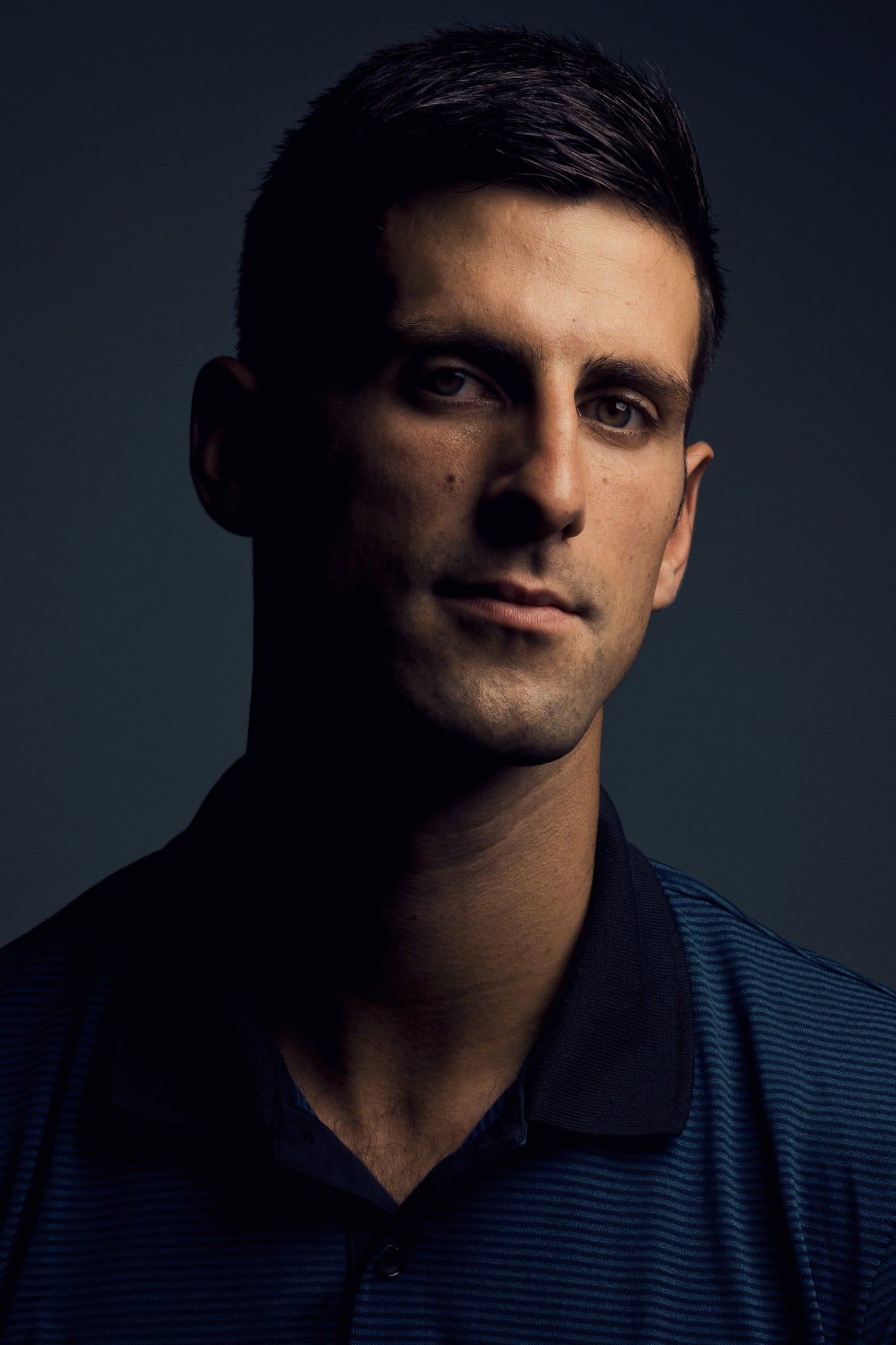
Novak Djokovic follows a gluten free diet tailored to his needs, with emphasis on vegetables, fruits, legumes, nuts, and quality oils. He times meals around matches to aid digestion and performance. His training blends on court movement patterns with breath work and mindfulness, which can lower stress hormones and improve focus.
Djokovic also prioritizes sleep and uses structured recovery, including stretching and low intensity sessions after tournaments. The combination of individualized nutrition, mental training, and careful loading is designed for sustainability through later athletic years and beyond.
Serena Williams
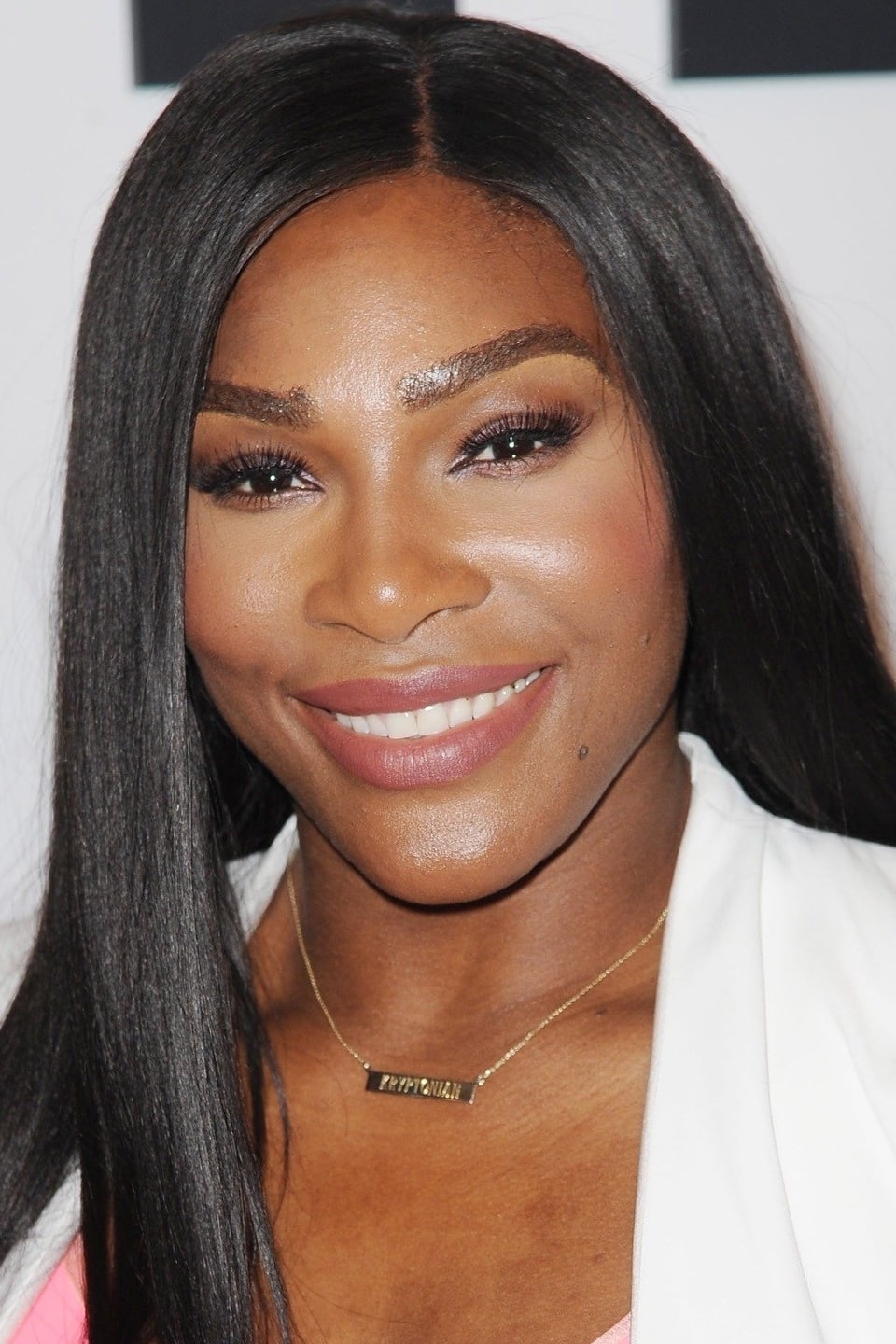
Serena Williams built her career on periodized strength training, sprint intervals, and targeted mobility, which together raise bone density and maintain lean mass. She has incorporated plant forward eating at times and leans on balanced macronutrients for training and recovery demands.
Since stepping back from full tour schedules she maintains active routines while also focusing on sleep and family time. Continued resistance work and regular movement are key for long term metabolic health, especially for women as hormone profiles change with age.
Simone Biles

Simone Biles performs at a level that requires exceptional power to weight ratio, core strength, and joint stability. Her practices include progressive tumbling, plyometrics, and heavy emphasis on mobility and prehab, which protect the spine, hips, and shoulders.
She also speaks openly about mental health and uses structured rest periods between competitions. Intentional recovery and support systems reduce burnout and keep training consistent, which is critical for long term health even after elite competition ends.
Naomi Osaka

Naomi Osaka combines strength training, movement based warmups, and on court intervals to support speed and endurance. She pays attention to fueling with complex carbohydrates and lean protein around training blocks to aid muscle repair and steady energy.
She has taken time away from competition to prioritize mental well being and has returned with clearer boundaries around schedules and travel. That type of stress management supports better sleep, healthier cortisol patterns, and more sustainable training over many years.
Michael Phelps
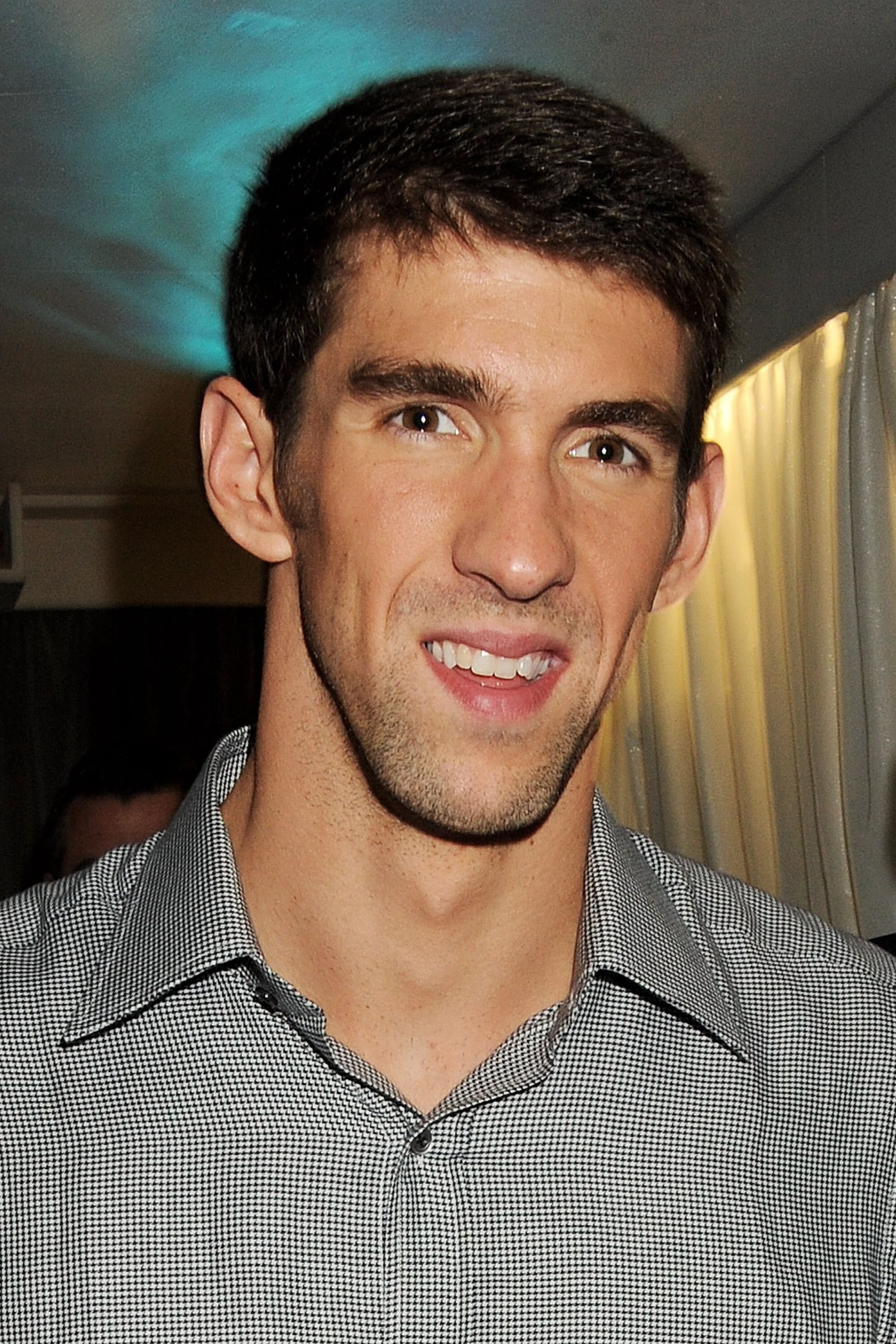
Michael Phelps built extraordinary aerobic capacity through high volume swim training that protects joints while challenging the cardiovascular system. Swimming is a lifelong activity with low impact on knees and hips, which makes it a strong foundation for healthy aging.
In retirement he maintains active routines and has become a voice for mental health care and therapy. Regular movement, structured sleep, and ongoing attention to mental wellness together form a protective base for long term health.
Roger Federer

Roger Federer relied on efficient footwork, rotational strength, and balanced training that limited overuse injuries. His programs included coordination drills, mobility work, and steady strength sessions rather than constant maximal loads.
He continues to stay active with tennis and family activities. Moderate intensity exercise most days of the week, combined with social engagement through sport, supports heart health and cognitive function well into later decades.
Kylian Mbappé

Kylian Mbappé trains for acceleration, top speed, and repeated sprint ability. His schedule includes resistance training for hamstrings and glutes, which protects against muscle strains, and agility drills that build neuromuscular control.
He follows structured team nutrition plans with emphasis on hydration, electrolyte balance, and recovery meals after matches. Consistency in these basics helps maintain performance and reduces injury risk across long seasons.
Erling Haaland

Erling Haaland pairs heavy compound lifts with sprint and jump work to build strength and power. He is known for attention to sleep and recovery routines, including evening wind down habits that support quality rest.
Careful fueling with protein rich meals and complex carbohydrates after training aids muscle repair and keeps glycogen replenished. This disciplined approach supports durability and stable body composition through his prime years and beyond.
LeBron James

LeBron James invests in year round training that blends strength, mobility, and low impact conditioning. He has long emphasized recovery through sleep, soft tissue work, and cold therapy during heavy game schedules.
His nutrition includes balanced meals timed around practices and games to support energy and muscle maintenance. Continued focus on flexibility and core stability helps protect joints and spine health, which are essential for healthy movement later in life.
Chris Paul
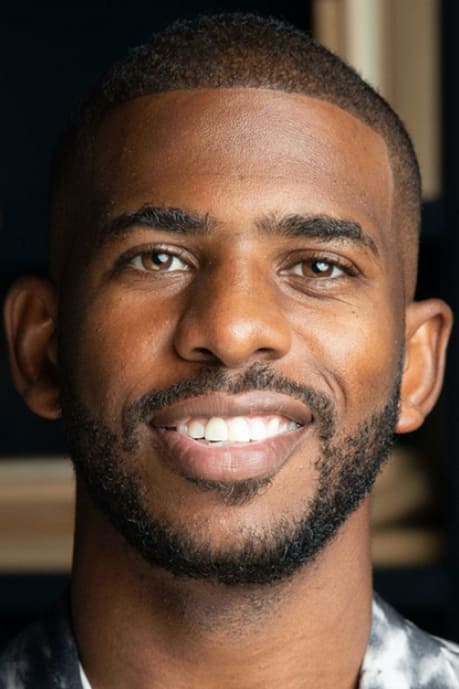
Chris Paul adopted a fully plant based diet during his career and reported improvements in recovery and energy. A well planned plant based pattern with legumes, whole grains, vegetables, fruit, nuts, and seeds supplies fiber, antioxidants, and adequate protein.
He pairs that nutrition with mobility work, balance drills, and strength sessions that target knees and ankles. Maintaining strong connective tissue and joint stability supports long term function for daily life after professional sport.
Lewis Hamilton
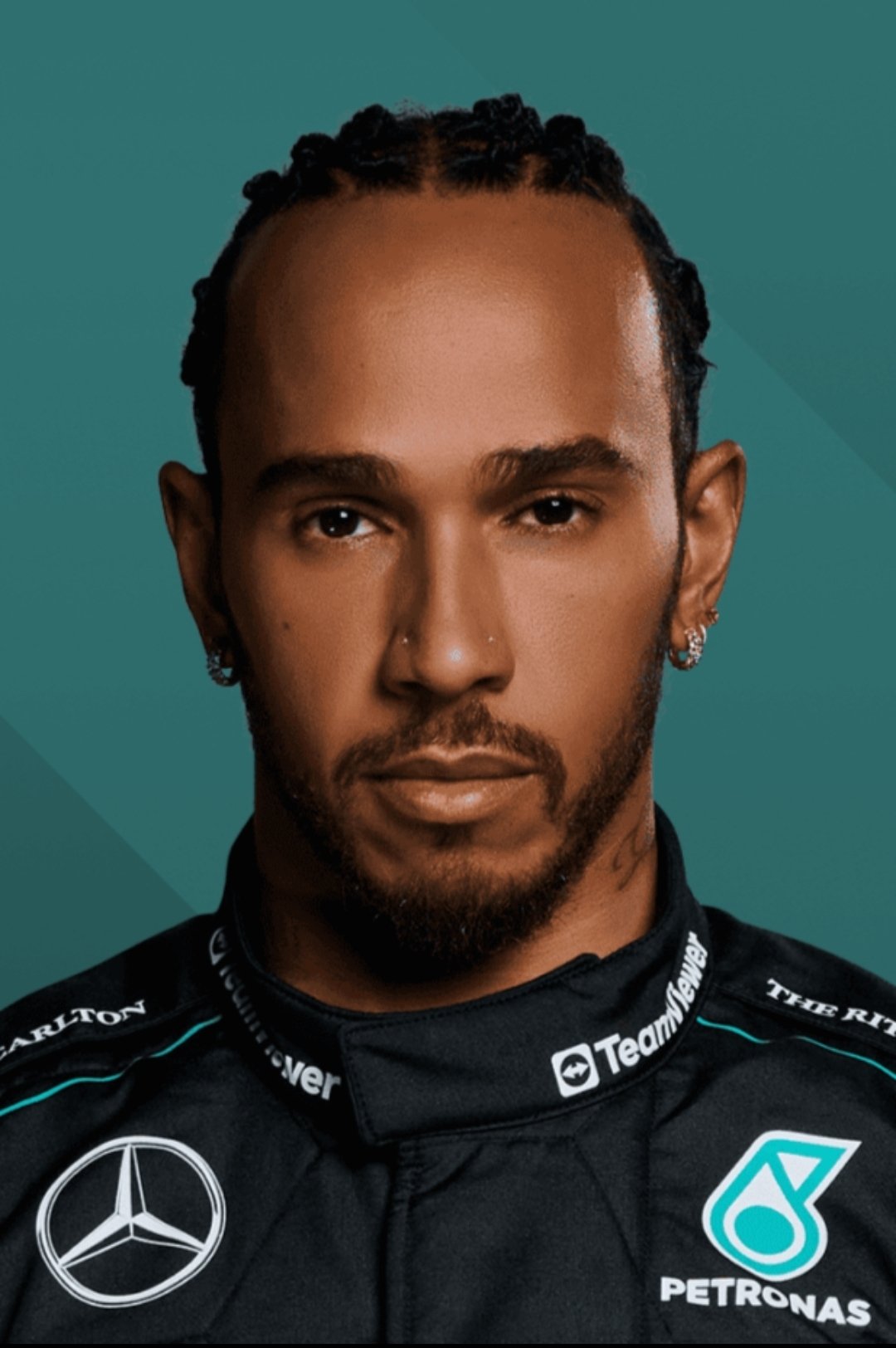
Lewis Hamilton follows a vegan diet and continues rigorous training that includes strength, cardio, and reaction drills. Plant based eating rich in legumes, leafy greens, and whole grains provides fiber and micronutrients that support cardiovascular health.
His job demands elite focus and stress management, so he uses structured sleep schedules and mindfulness practices to keep reaction times sharp. Consistent routines around travel and time zones protect circadian rhythm, which supports hormone balance and recovery.
Alex Morgan
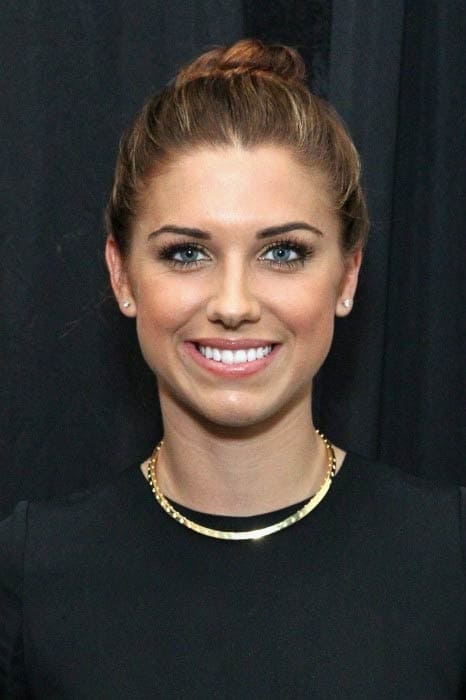
Alex Morgan maintains high aerobic fitness through interval running, pitch sessions, and gym work focused on posterior chain strength. She pays close attention to injury prevention with hip and core stability programs that protect knees and ankles.
Nutrition planning around training includes carbohydrate timing and adequate protein for muscle repair. She also builds in active recovery and mobility days, a pattern that sustains performance across long competitive cycles and supports healthy aging.
Mark Zuckerberg

Mark Zuckerberg trains regularly and has taken part in jiu jitsu competitions, which require strength, flexibility, and anaerobic endurance. Grappling sports also improve grip strength, a simple metric associated with functional aging.
He runs, sets annual mileage goals, and tracks progress, which promotes consistency. A blend of strength work, zone two cardio, and skill based training supports heart health and maintains lean mass, two pillars of healthy longevity.
Tim Cook

Tim Cook is known for early mornings that start with exercise and long outdoor walks. Regular morning activity helps regulate circadian rhythm and improves sleep quality at night.
He keeps a tight schedule with standing desks and frequent movement during the day, which reduces sedentary time. Short bouts of walking and light activity between meetings help blood sugar control and support long term cardiovascular health.
Jeff Bezos
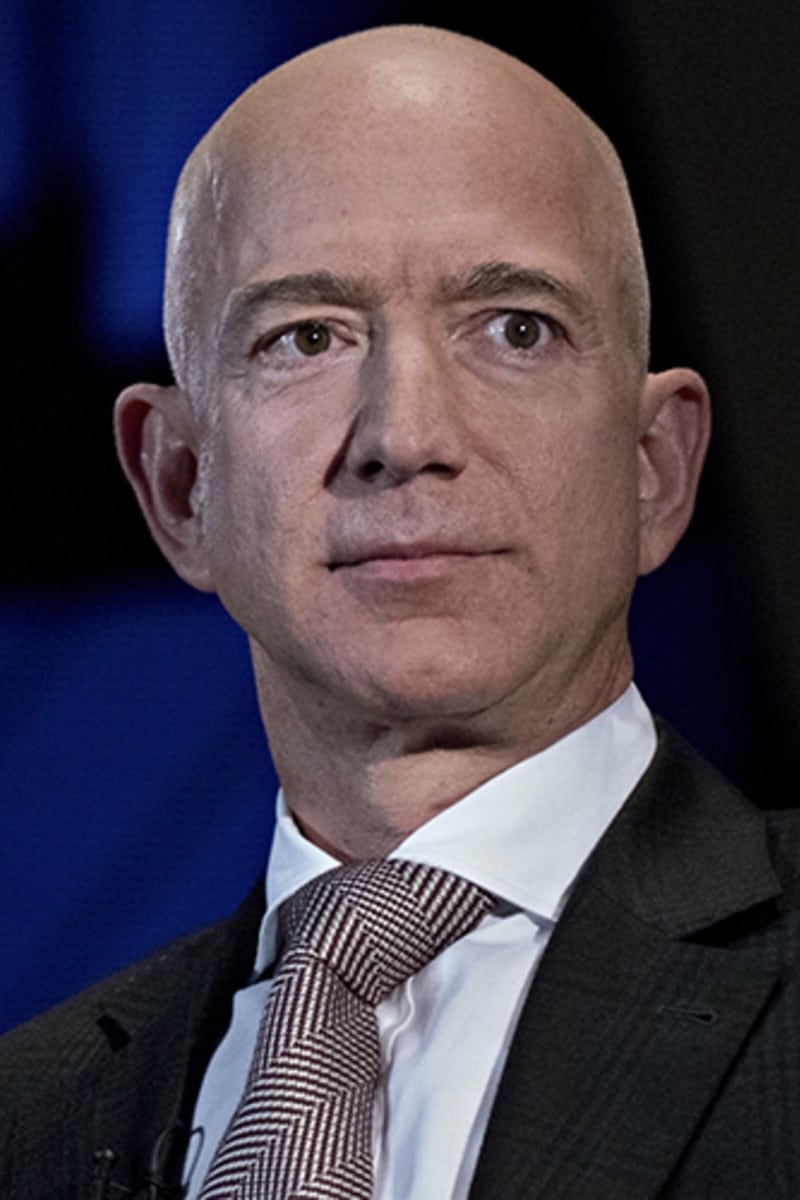
Jeff Bezos has publicly focused on strength and conditioning in recent years with structured gym training. Resistance training preserves muscle mass and bone density, which are key predictors of healthy aging.
He also emphasizes adequate sleep and recovery time. Pairing consistent strength work with good sleep and thoughtful nutrition supports metabolic health and sustained energy across busy work and travel schedules.
Dwayne Johnson
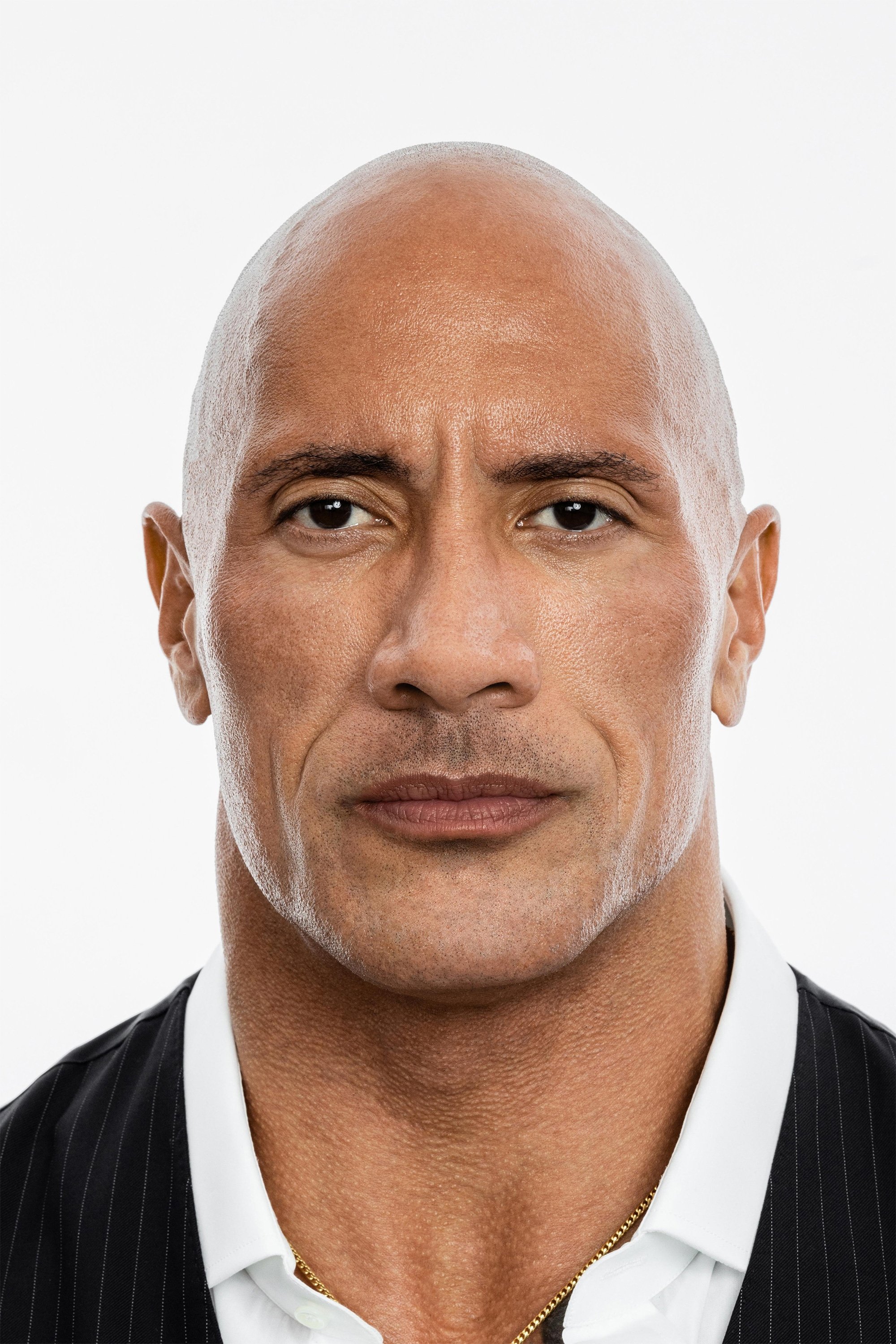
Dwayne Johnson follows a highly consistent strength program with progressive overload, balanced by mobility and warmup routines to protect joints. He plans meals with lean proteins, complex carbohydrates, and plenty of vegetables to support intense training.
Consistency is his hallmark, with scheduled sessions even during filming. Routine and planning reduce decision fatigue and help maintain health behaviors through changing environments and time zones.
Chris Hemsworth

Chris Hemsworth trains with a mix of functional strength, interval cardio, mobility, and outdoor activities like surfing. Functional compound lifts and bodyweight work build practical strength and support joint stability.
He has shared structured meal plans through a fitness platform that emphasize whole foods and adequate protein. The combination of varied training, outdoor movement, and balanced nutrition supports long term heart health and muscular endurance.
Margot Robbie

Margot Robbie works with trainers who emphasize a blend of resistance training, Pilates, and mobility. That mix builds core strength, posture, and flexibility without excessive joint stress.
She uses balanced nutrition with attention to protein intake during training phases and focuses on hydration. Steady routines and moderate intensity sessions make fitness sustainable through filming and travel, which supports healthy habits over many years.
Emma Watson

Emma Watson has spoken about using yoga and meditation as core parts of her routine. Regular yoga practice improves flexibility, balance, and stress management, all of which support long term joint health and sleep quality.
She pairs movement with mindful routines and reading, activities that support cognitive health. Consistent low impact exercise and attention to mental well being form a foundation for healthy aging alongside balanced nutrition and good sleep.
Share your picks in the comments and tell us who else you think has the habits to make it to the century mark.