Top Heist and Bank Robbery Movies


Heist and bank robbery movies mix planning, pressure, and precision into stories that follow crews on both sides of the law. From carefully staged break ins to improvised getaways, they turn blueprints and tools into the building blocks of suspense. Many are grounded in real cases or well researched tradecraft, which adds detail to the setups and consequences that follow.
This list gathers films that center on bank robberies, armored car hits, and high stakes heists that hinge on timing and nerve. You will find classic capers, gritty crime sagas, and true story adaptations that map out everything from the first stakeout to the last safe opening. Each entry highlights who made it, what the job targets, and the techniques that drive the plot.
‘Heat’ (1995)
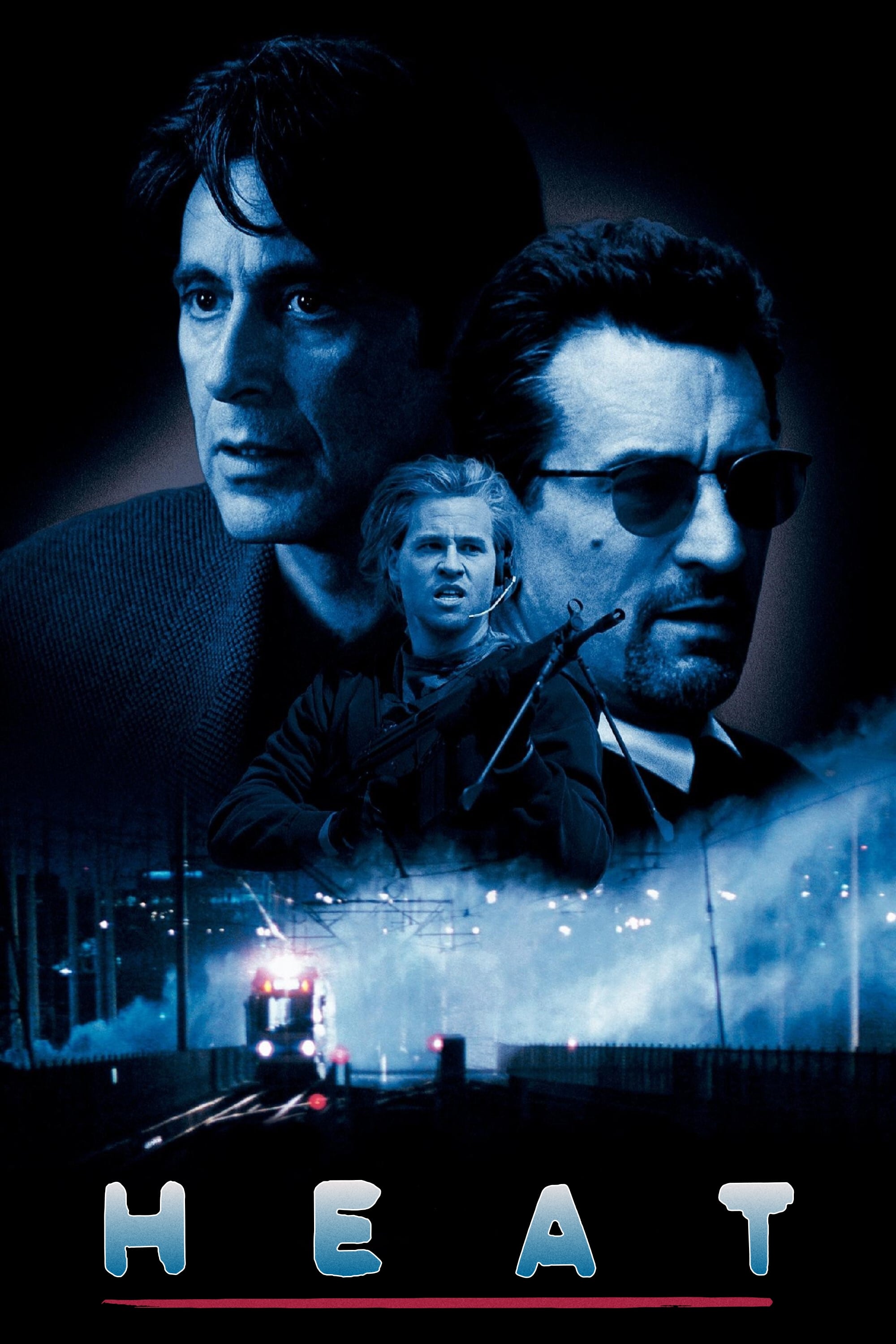
Michael Mann directs a Los Angeles crime saga that follows a disciplined crew led by Neil McCauley and the detective determined to stop them, Vincent Hanna. The film tracks surveillance, counter surveillance, and crew discipline, from armored car hits to a downtown bank job that triggers a prolonged street firefight.
Mann drew on the real career of a Chicago thief with the same name as the character and earlier explored the material in the television film ‘L.A. Takedown’. The production staged large scale urban action with live sound recording to capture the report of gunfire across city blocks, while also detailing planning rituals like rehearsals, timelines, and heat checks.
‘Inside Man’ (2006)
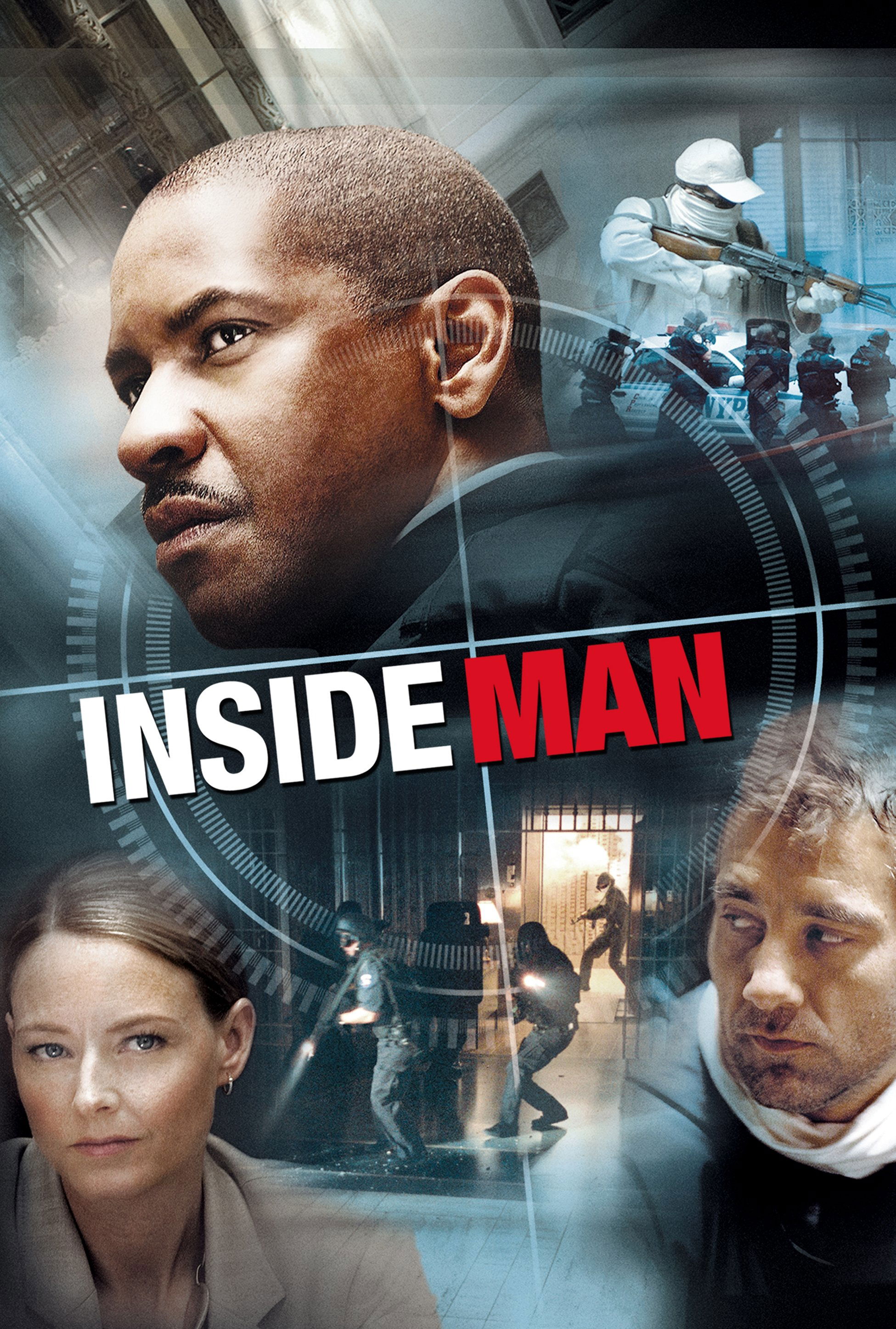
Spike Lee stages a Manhattan bank siege led by a robber who calls himself Dalton Russell, who forces hostages and thieves to dress alike to obscure identities. Detective Keith Frazier manages negotiations while the robbers target a specific safety deposit box connected to wartime secrets.
The script builds the robbery around construction dust, false walls, and a controlled exit where perpetrators blend into the released hostages. The bank’s founder becomes central to the motive, and the film uses interviews, time jumps, and a hidden in plain sight tactic to explain how the crew removes sensitive evidence without leaving ordinary cash trails.
‘The Town’ (2010)
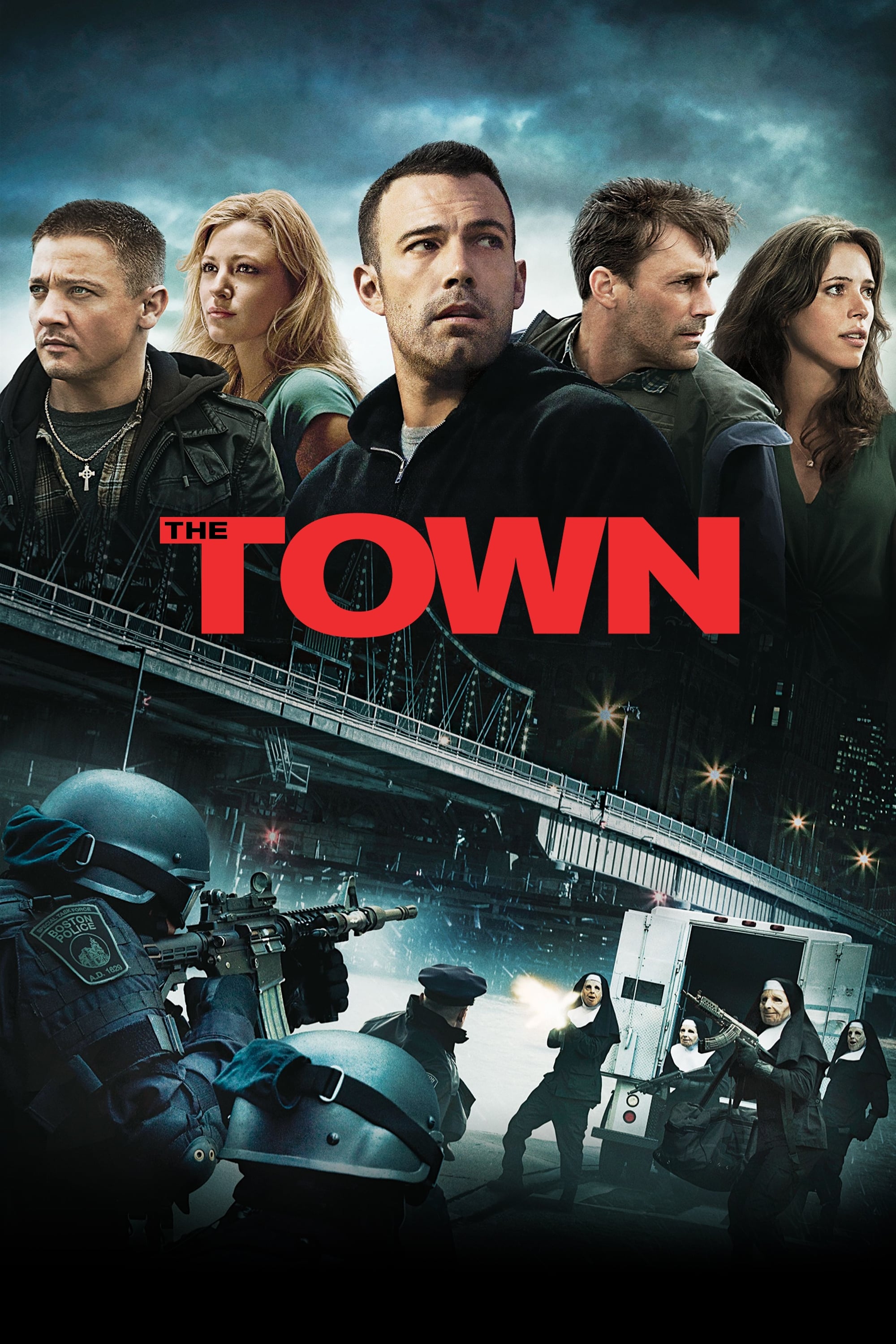
Ben Affleck directs and stars in a story set in Charlestown, Boston, where a tight crew escalates from small branches to armored trucks to a cash vault under a stadium. FBI agent Adam Frawley leads a widening investigation that ties robberies to a neighborhood network of fixers and fences.
The film adapts the novel ‘Prince of Thieves’ and maps out routine checks like switch cars, bleach cleanups, and police radio monitoring. The Fenway Park sequence details secure entry, cash room access, and escape routes through service corridors, while earlier hits show the crew’s evolving disguises and tactics.
‘Dog Day Afternoon’ (1975)
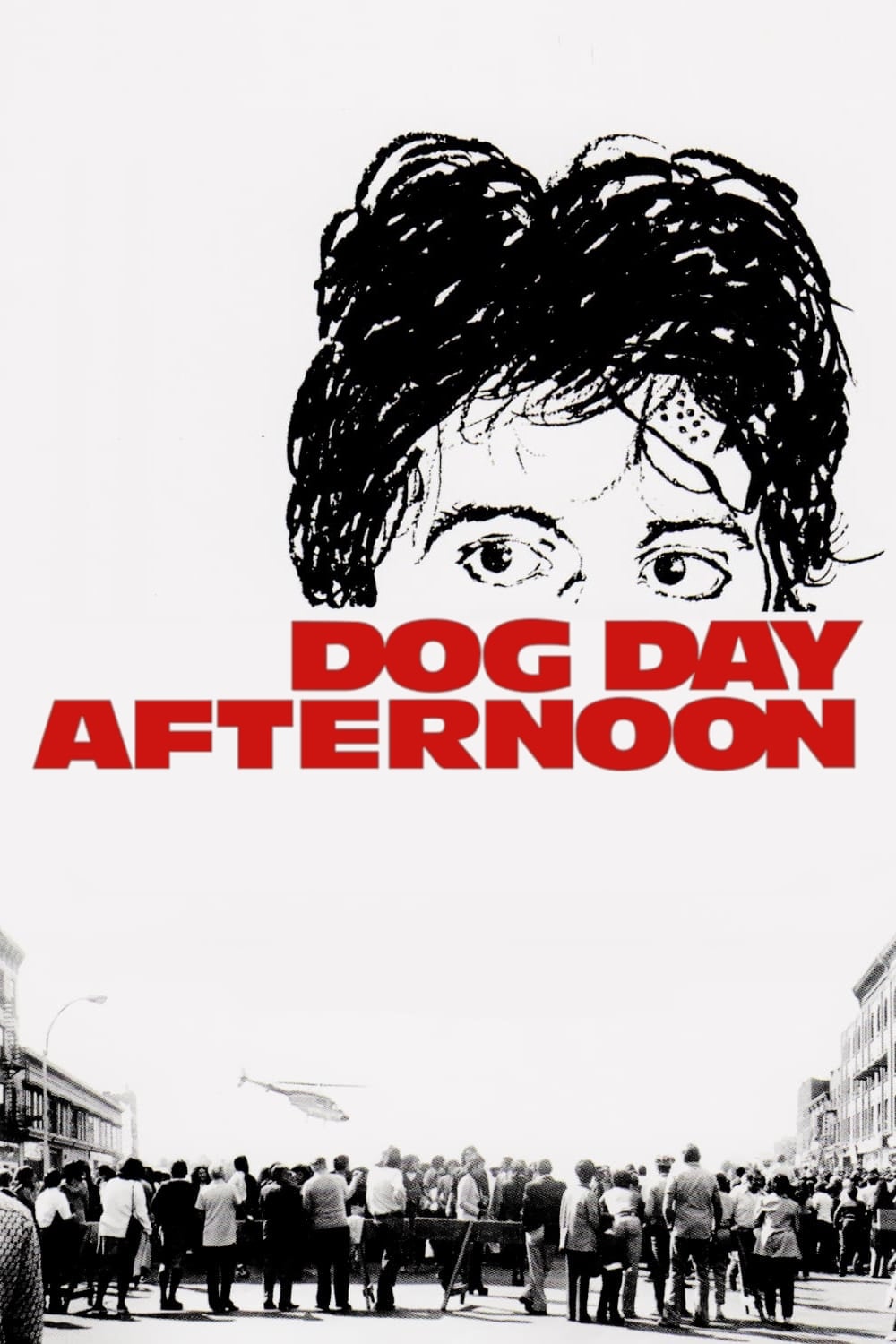
Sidney Lumet recreates a Brooklyn bank robbery that turns into a prolonged hostage standoff under live media coverage. The story follows two would be robbers who find themselves pinned down as crowds form and television cameras broadcast every move.
The film draws from a real case and documents how improvised crimes collide with police procedure and news cycles. Negotiation strategies, shifting leverage, and transport logistics become the core mechanics, with the final airport transfer hinging on federal jurisdiction and the chain of command on scene.
‘Point Break’ (1991)
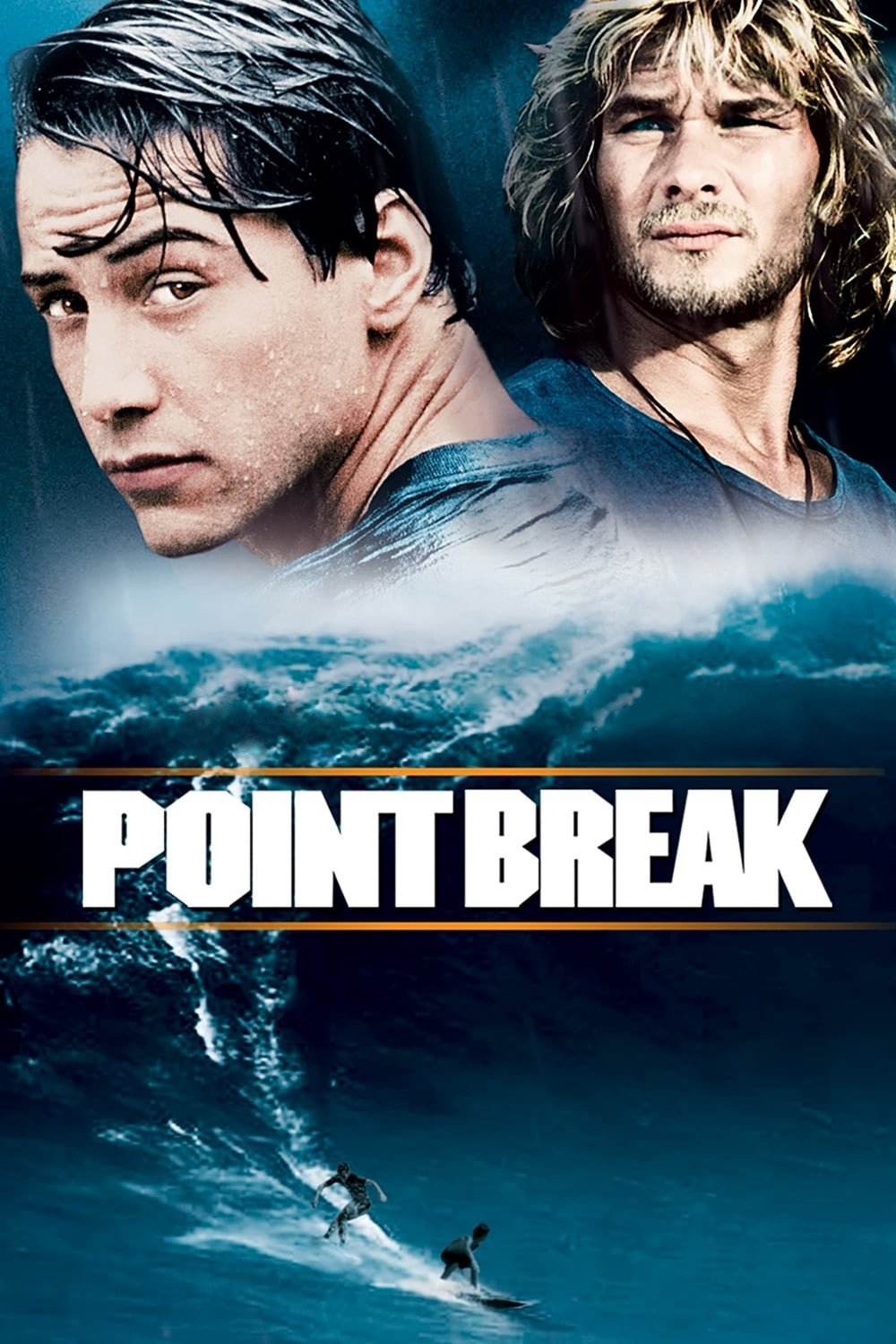
Kathryn Bigelow’s crime thriller follows an undercover FBI agent who infiltrates a crew of surfers suspected of a series of rapid in and out bank robberies. The group’s calling card is a set of masks of former presidents, which helps them control attention and conceal identity during short duration hits.
The heists emphasize strict time limits inside the building, minimal interaction with vaults, and reliance on fast exits through pre scouted streets. The investigation uses dye pack awareness, marked money tracking, and surveillance of unusual cash flows in beach communities to connect robberies to the suspects.
‘The Bank Job’ (2008)
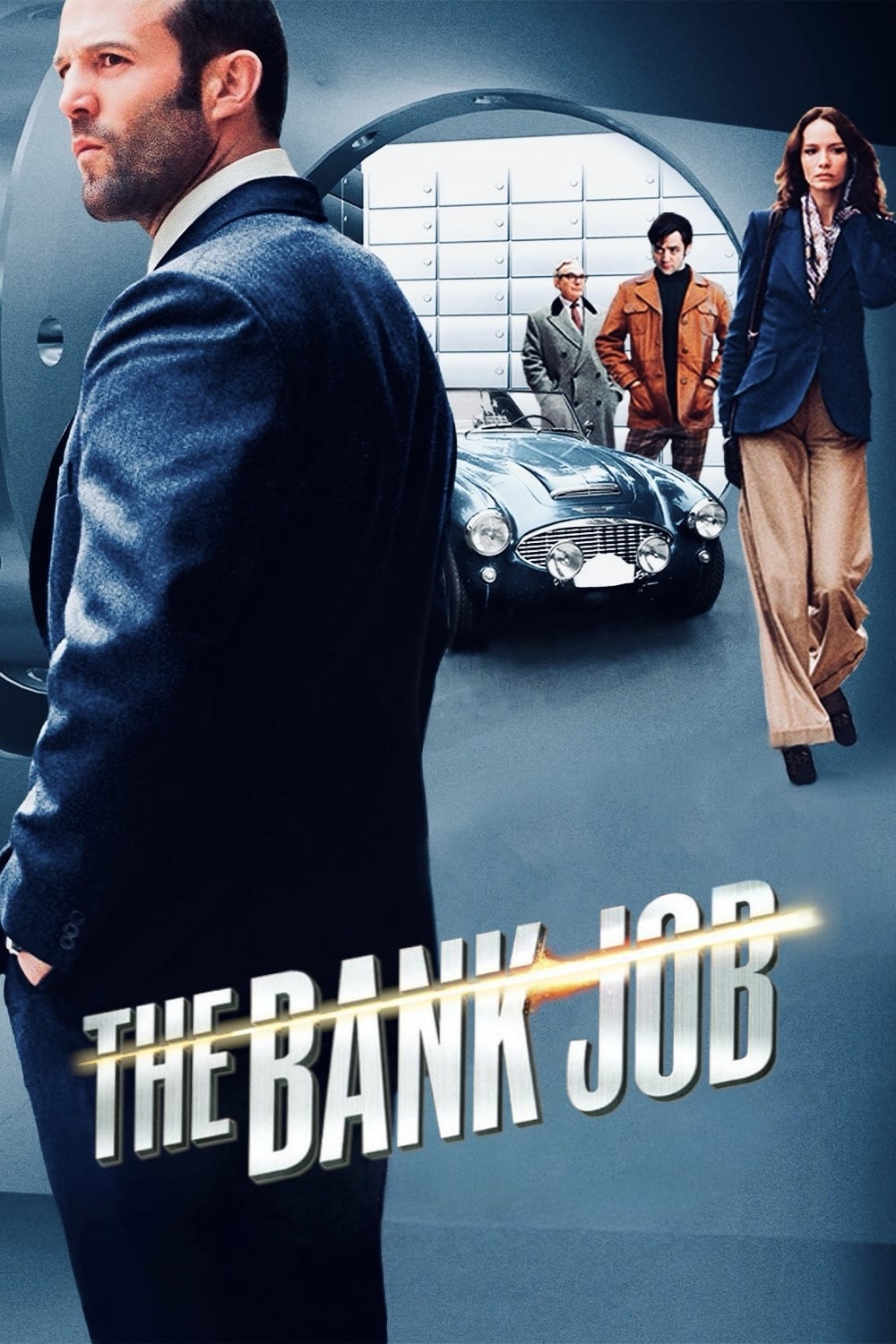
Roger Donaldson dramatizes the Baker Street burglary in London, where thieves tunneled from a shop under the street into a bank’s safe deposit vault. The crew exploited a rooftop lookout and cutting tools, while communicating by radio and managing drilling noise during a holiday weekend.
The plot links certain deposit boxes to compromising materials and suggests pressure from state services that want sensitive items removed without official exposure. The film shows fire service equipment, jack strategies, and improvised shoring as the team inches through soil and concrete to breach the vault chamber.
‘Rififi’ (1955)
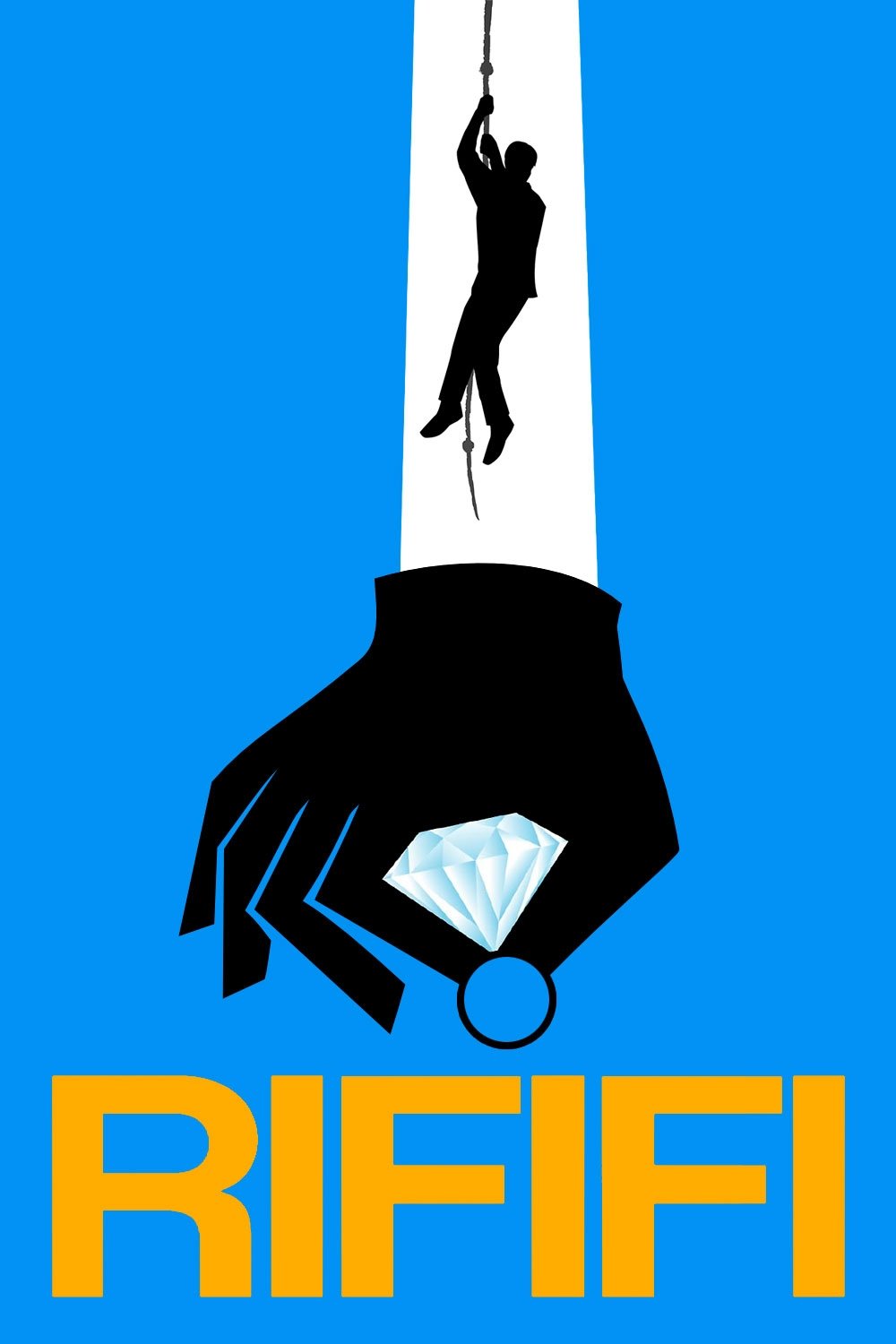
Jules Dassin’s film centers on a Paris jewelry store job executed after meticulous surveillance and toolmaking. The centerpiece is a long, nearly silent break in where the thieves muffle every sound, lower a ceiling section, and neutralize alarms before working on the safe.
Adapted from an Auguste Le Breton novel, the story lays out stakeouts, floor plan study, and the mechanical steps needed to enter a protected space. The crew uses vacuuming to catch plaster dust, umbrella deflection for debris, and coded schedules for entry and exit to avoid routine patrols.
‘The Asphalt Jungle’ (1950)

John Huston adapts W. R. Burnett’s novel into a procedural about planning and executing a jewel robbery in a Midwestern city. The narrative shows how financiers, corrupt officials, and hired specialists assemble a job and how risk shifts once the safe is open.
Casting includes Sterling Hayden and a breakout appearance by Marilyn Monroe, and the film pays close attention to tools, escape driving, and the breakdowns that follow a single mishap. Police tactics like photo arrays and pressure on small time associates close the net as the crew scatters.
‘The Killing’ (1956)
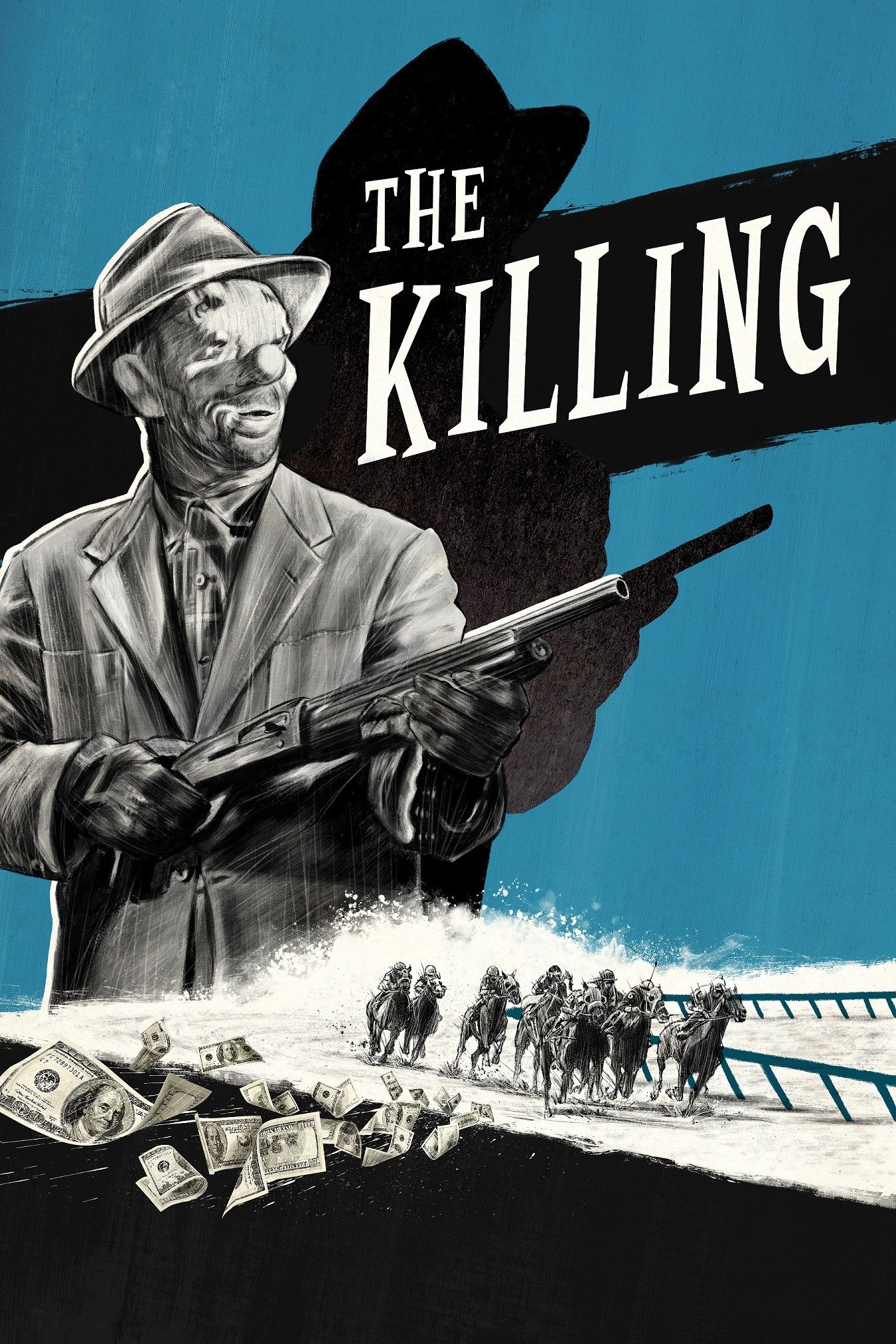
Stanley Kubrick follows a racetrack money room heist told with a nonlinear structure that revisits events from multiple viewpoints. A veteran planner assembles a crew that includes a sharpshooter and an inside man to create a timed diversion for access to the counting area.
Based on the novel ‘Clean Break’, the film shows disguises, locker drops, and the risk of loose talk inside an apartment complex. A final sequence with an airport baggage cart underscores how small errors in packaging and containment can collapse an otherwise sound plan.
‘Thief’ (1981)
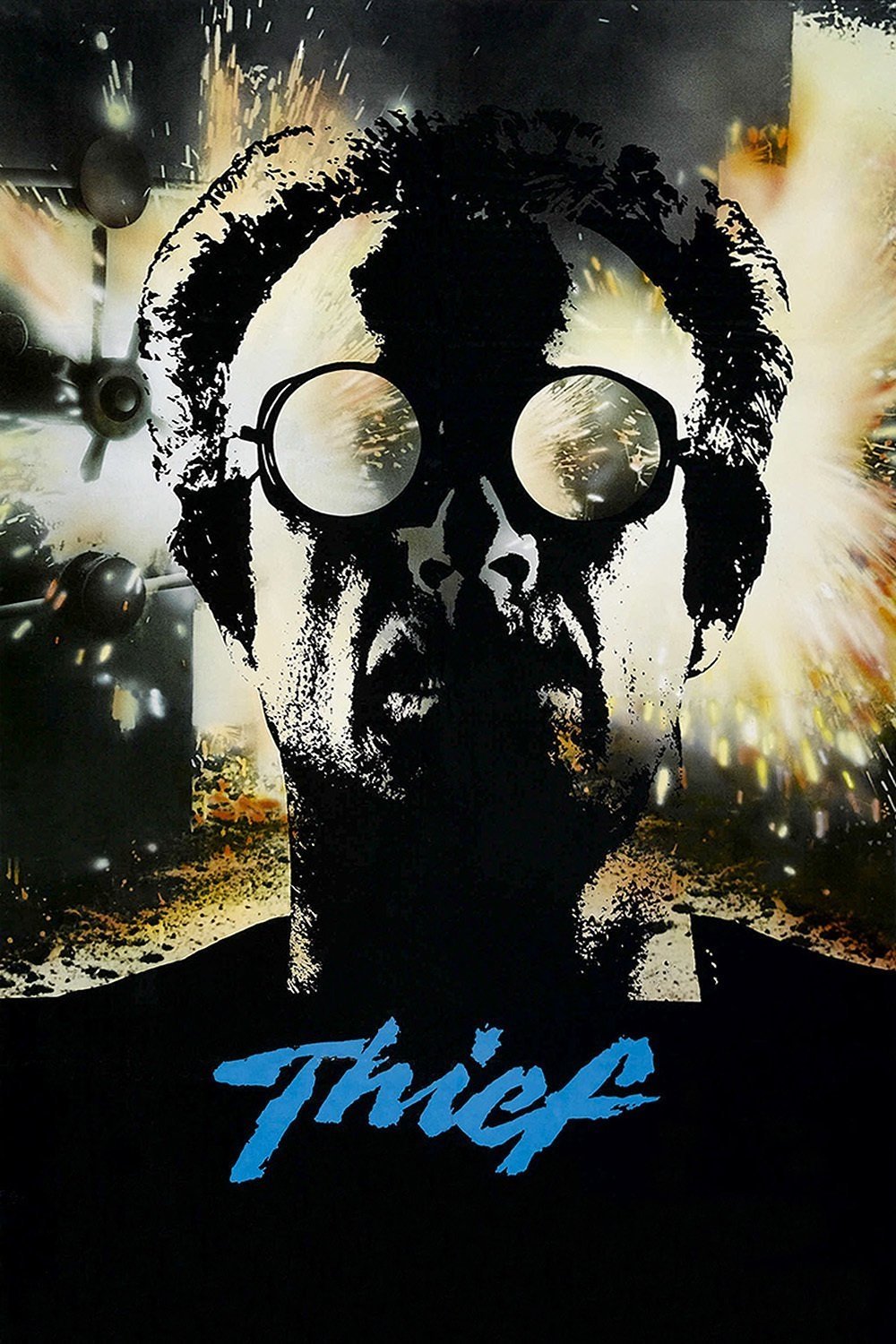
Michael Mann’s debut with James Caan presents a professional safecracker who uses industrial tools like oxy lances and hydraulic spreaders to open high security boxes. The Chicago setting supports a routine of casing, night work, and strict cash handling.
The script draws on Frank Hohimer’s book ‘The Home Invaders’ and uses consultants to support accurate procedure. Details like counterfeit fronts, fence relationships, and time delay safes shape both the jobs and the pressures that come from taking on a larger organized backer.
‘Hell or High Water’ (2016)
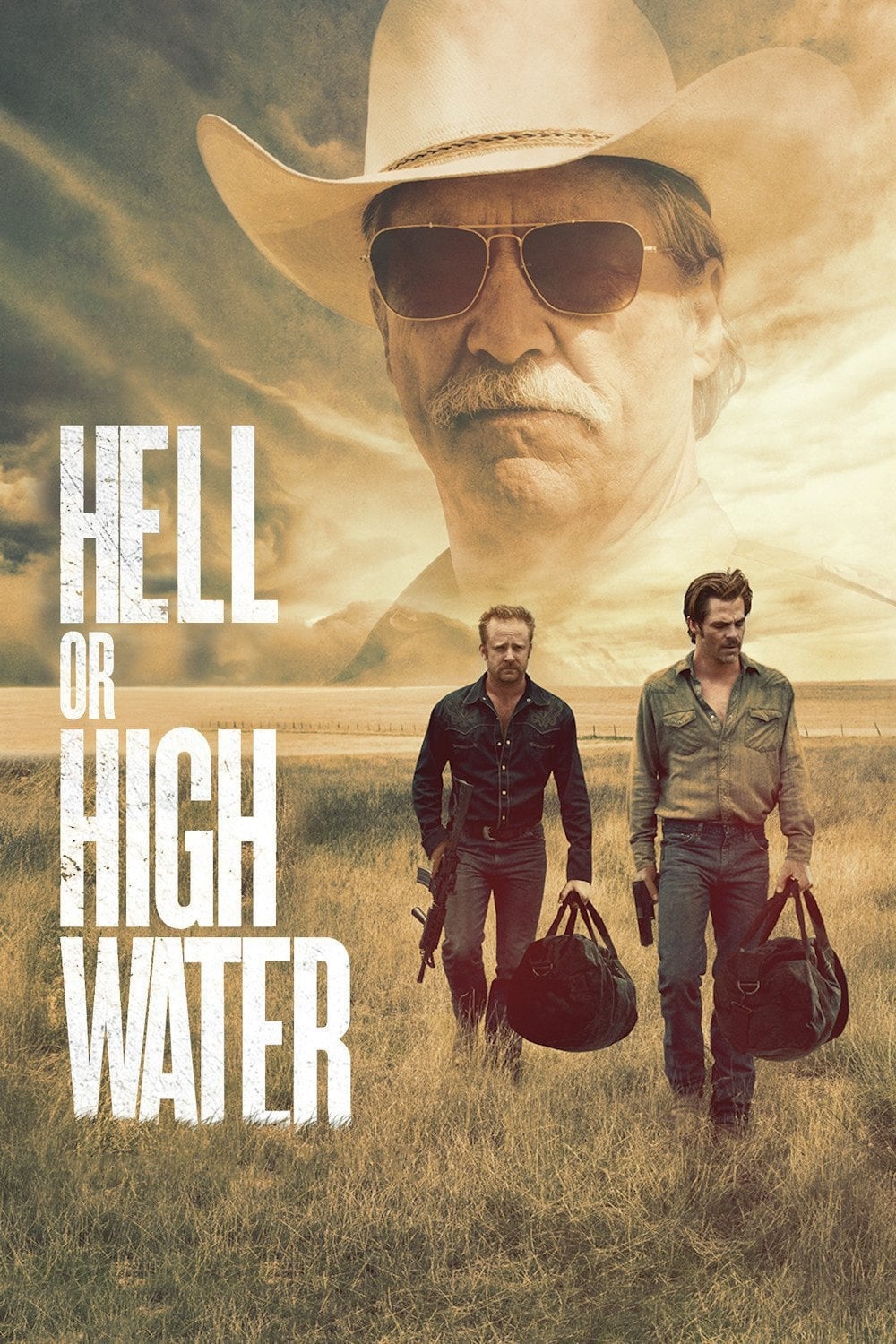
Two brothers rob small branches of a regional bank across rural Texas, converting small bills and avoiding marked money while Rangers track patterns and vehicle swaps. Motive connects to liens on family land, which explains their interest in a specific institution.
Taylor Sheridan’s script maps the geography of low traffic counties and the crew’s habit of hitting when lines are short. Law enforcement pieces together notice of similar notes, cash exchange records, and witness statements, which narrows the search area to a handful of roads and towns.
‘Set It Off’ (1996)
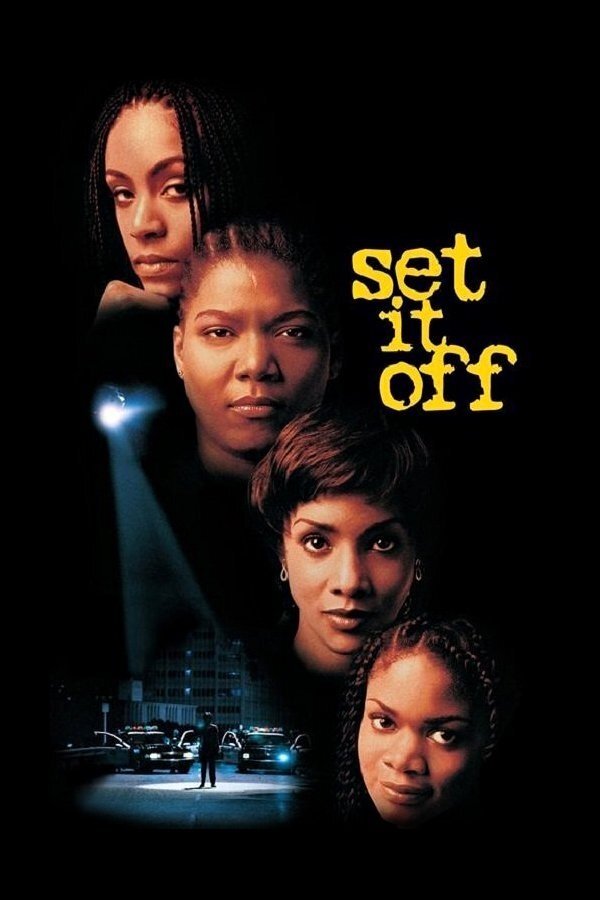
Four friends in Los Angeles plan a series of bank robberies after setbacks at work and home leave them with few options. The group studies camera placement, exit routes, and timed entries to maximize speed and reduce exposure.
Their operations escalate as law enforcement closes in, and the film pays attention to getaway car swaps, dye pack checks, and cash storage between jobs. Bank security responses, from silent alarms to branch level panic protocols, shape each attempt and the outcomes for the crew.
‘Quick Change’ (1990)
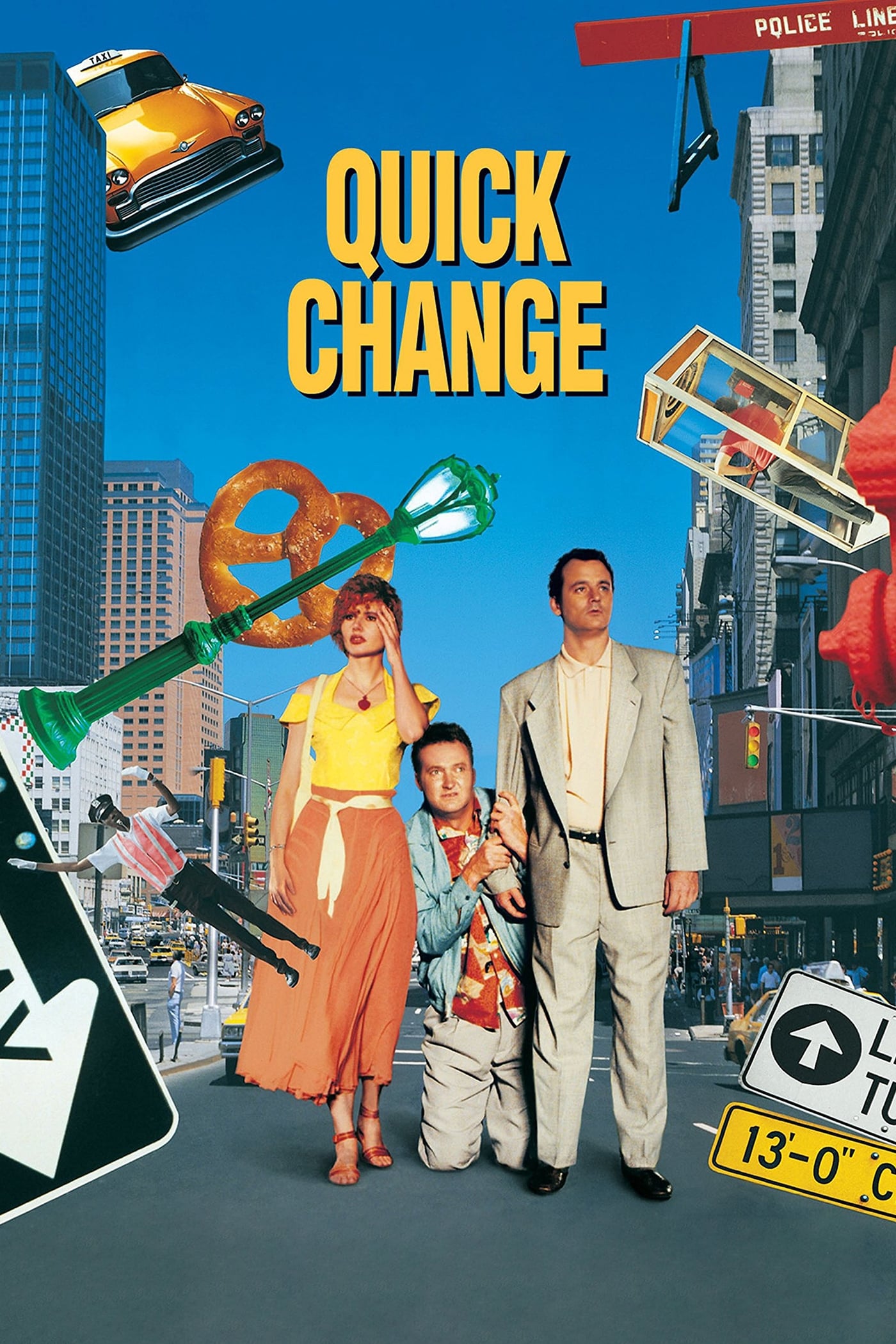
A precise Manhattan bank robbery uses a clown disguise to confuse witnesses and gain early control before an orderly exit. The larger challenge becomes crossing the city to reach an outgoing flight while avoiding police checkpoints and construction detours.
Adapted from Jay Cronley’s novel, the film explains how misdirection, scripted phone calls, and staged hostage appearances help the robbers leave the building undetected. The second half turns logistics into the main obstacle, with transit routes and lost baggage creating delays that threaten the schedule.
‘Public Enemies’ (2009)
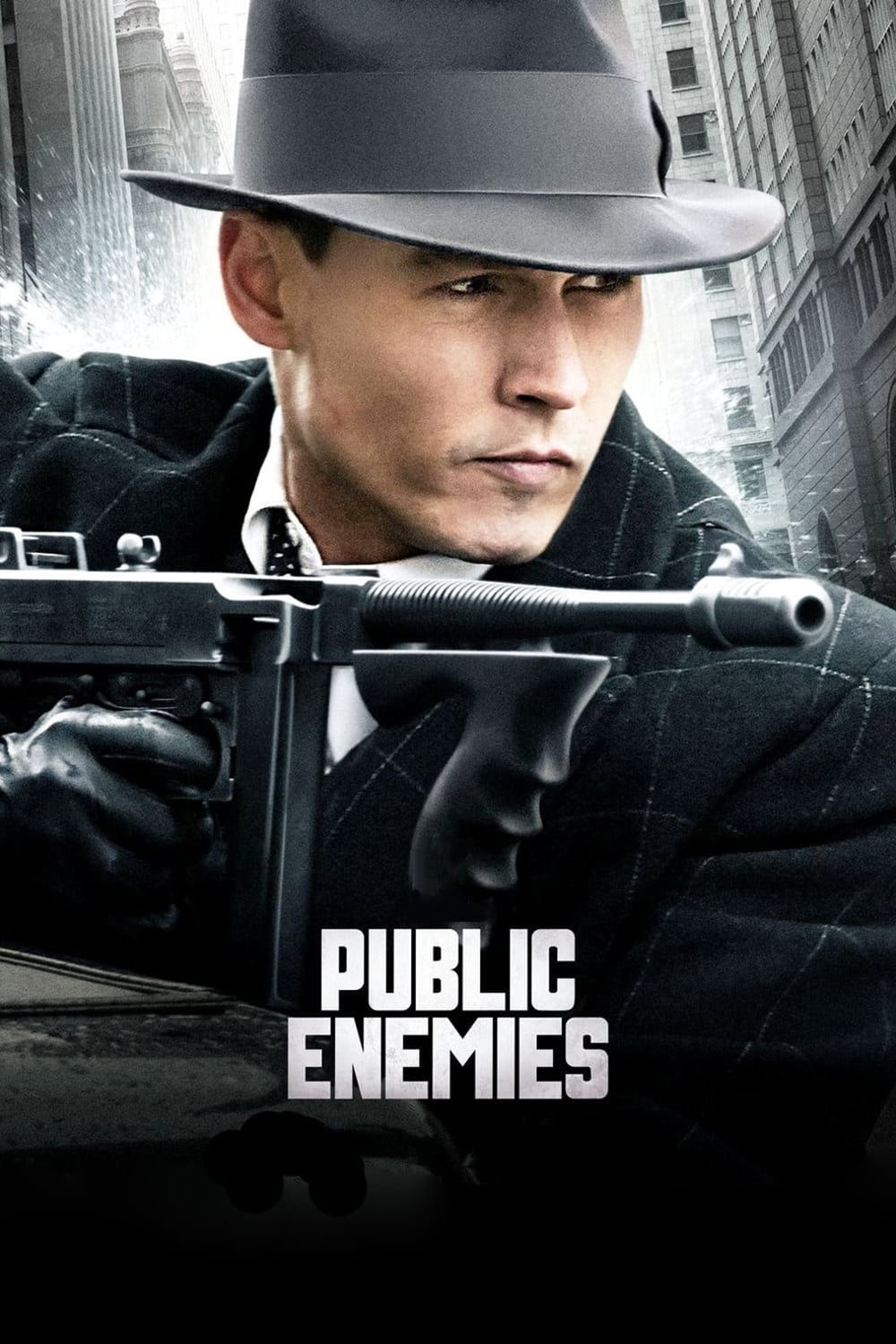
Michael Mann follows federal efforts to stop bank robber John Dillinger and contemporaries as they move across the Midwest. Robberies are presented with details like crowd control, counting room access, and switching vehicles outside town limits.
The production used real locations tied to the case, including the Little Bohemia Lodge for a botched raid. The film traces the transition from local to federal jurisdiction and shows how new investigative tools and interstate coordination changed the pursuit of traveling crews.
‘Bonnie and Clyde’ (1967)
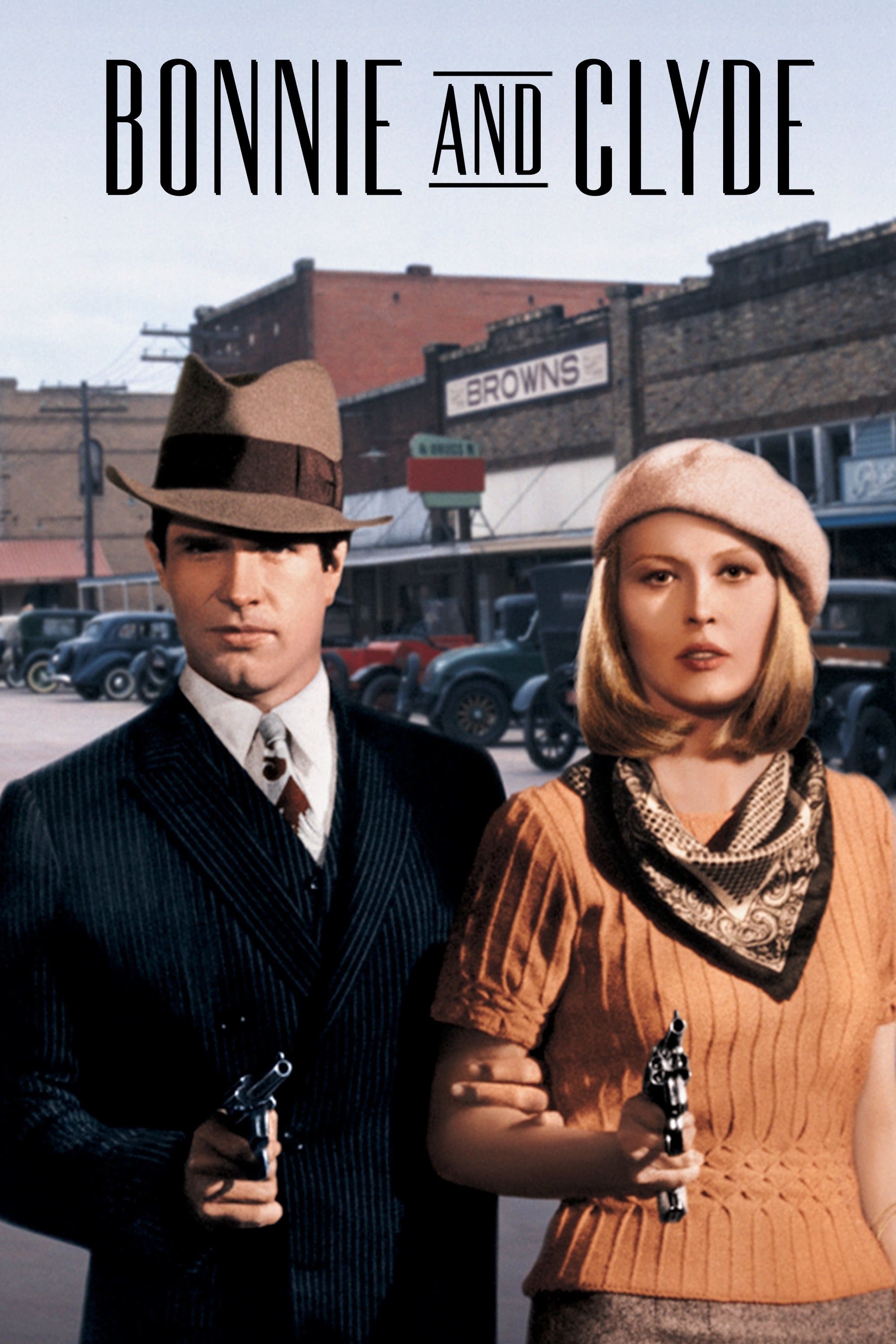
Arthur Penn’s film covers the Barrow gang’s run of robberies during the Great Depression and the growing effort by law enforcement to coordinate across county lines. The crew targets banks and stores, often moving quickly and leaving rural witnesses behind.
The story follows recruitment, safe house use, and the expanding attention that comes with notoriety. Its final ambush sequence is staged as the result of informants and a carefully timed rendezvous point, reflecting how patient surveillance can end a mobile operation.
‘The Thomas Crown Affair’ (1968)

Norman Jewison’s original version presents a wealthy mastermind who assembles teams to rob banks while keeping his own hands clean. An insurance investigator suspects him and runs her own tail, turning the job into a contest of planning and counter planning.
The film shows compartmentalized crews, anonymous drops, and a leadership style that buys distance from direct participation. It also maps the paper trails that follow large cash deposits and the investigative value of lifestyle analysis when names are kept off operational documents.
‘Den of Thieves’ (2018)
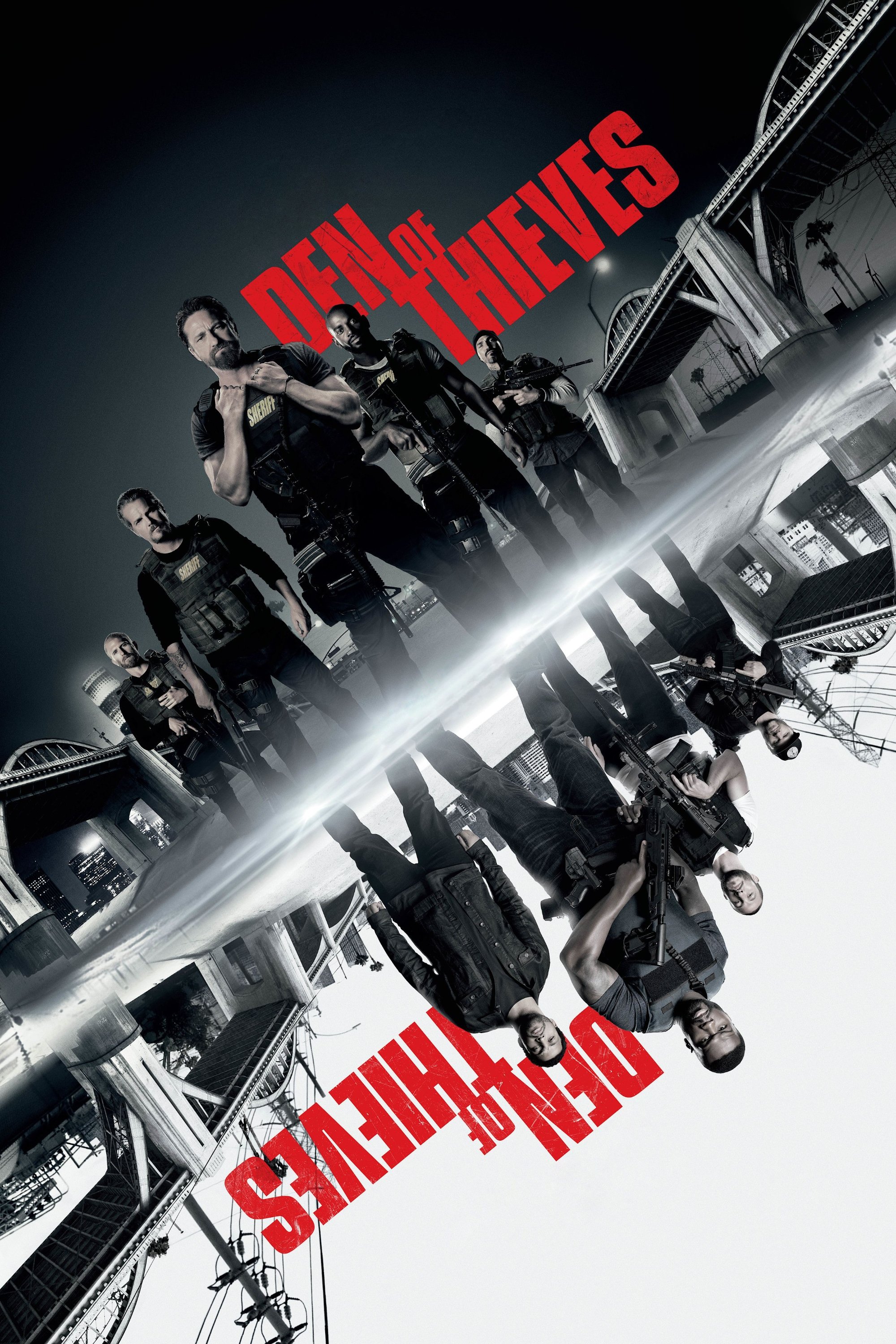
A crew in Los Angeles plans a hit on the Federal Reserve’s downtown facility by exploiting cash destruction routines and off site routing. A county major crimes unit watches their practice hits on armored cars and restaurants and tries to predict the final move.
The plot explains how bearer bonds, serial tracking, and trash removal windows create opportunities inside an otherwise secure system. Street level surveillance, burner phones, and spotters at major intersections become tools for both sides as the job approaches.
‘Baby Driver’ (2017)

A getaway driver with exceptional timing works for a boss who rotates crews for bank jobs and armored car hits around Atlanta. The driver uses music and rehearsed routes to thread through traffic, bridges, and ramps while evading patrol cars.
The film links each job to specific roles like switch driver, crowd control, and bagman, and it shows how dye packs and changed plans can escalate risk. Safe houses, cash counting, and fence introductions appear alongside rules about never meeting the same team twice.
‘Reservoir Dogs’ (1992)
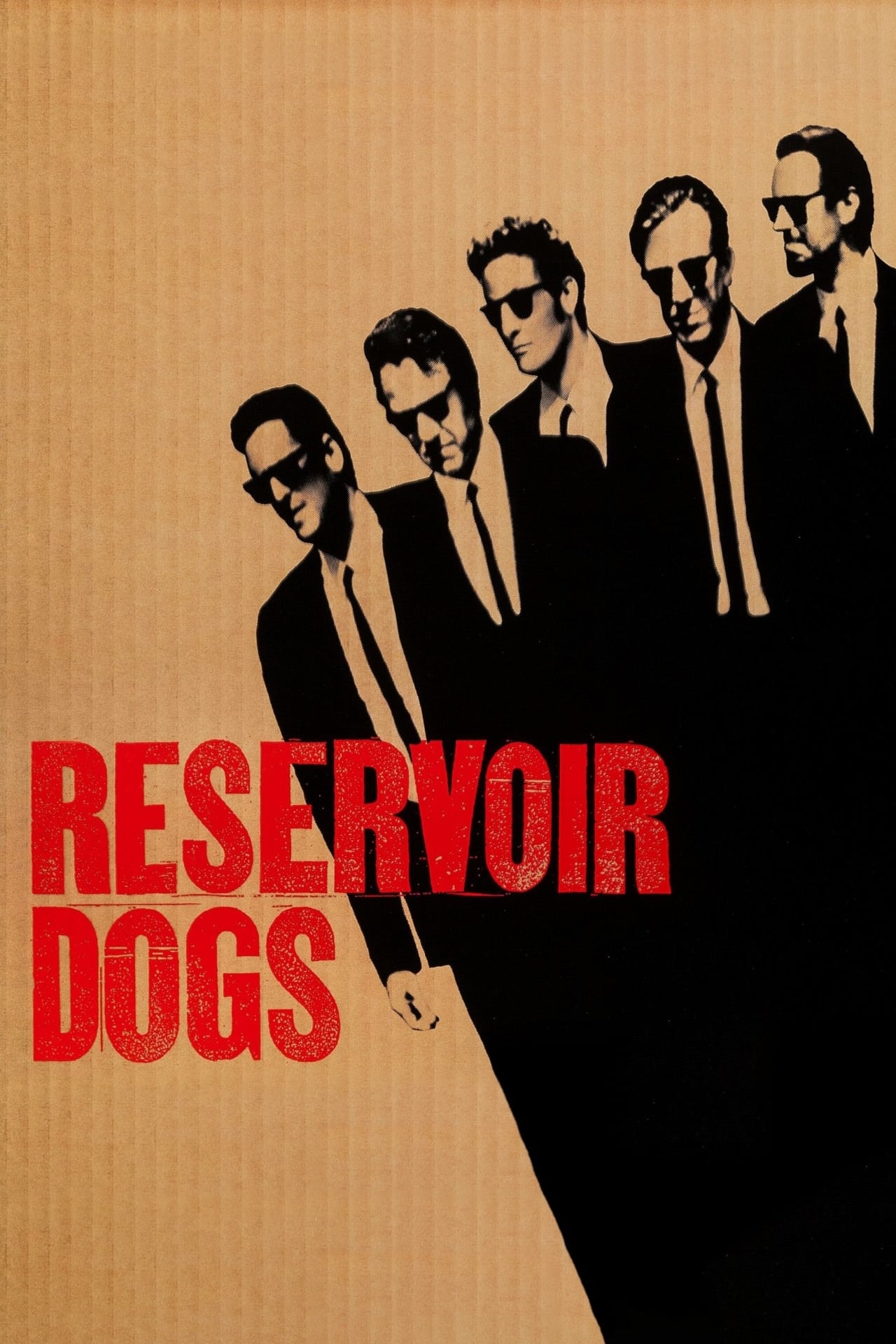
Quentin Tarantino focuses on the aftermath of a botched diamond heist rather than the job itself, revealing the plan and its failure through conversations and flashbacks. The crew’s color coded aliases and a single warehouse location frame the fallout.
Procedural details include how an undercover officer penetrates the team and how a holdout suspect identifies leaks through inconsistent stories. The narrative shows how medical emergencies, getaway timing, and distrust can break down even a tightly organized crew.
‘The Dark Knight’ (2008)

The opening sequence stages a daylight robbery of a mob controlled bank led by the Joker, who uses a plan that eliminates his own accomplices step by step. The crew cuts alarm lines, exploits inside knowledge, and blends their escape into city traffic using a school bus.
The production filmed in Chicago’s financial district and used large format cameras for the opening job. The scene demonstrates how staggered timing and overlapping roles can hide a single organizer’s identity until the last moment of the escape.
‘Sexy Beast’ (2000)

A retired safecracker living in Spain is pressured to return to London for a bank vault job that requires tunneling from a nearby bathhouse. The heist relies on underwater work, demolition charges, and a route through the foundations to avoid the bank’s main security systems.
Preparation covers oxygen supply, flood control, and the problems of cutting through reinforced structures beneath busy streets. The recruitment sequence and planning meetings show how intimidation and reputation can assemble a team even when the risk is unusually high.
‘Charley Varrick’ (1973)
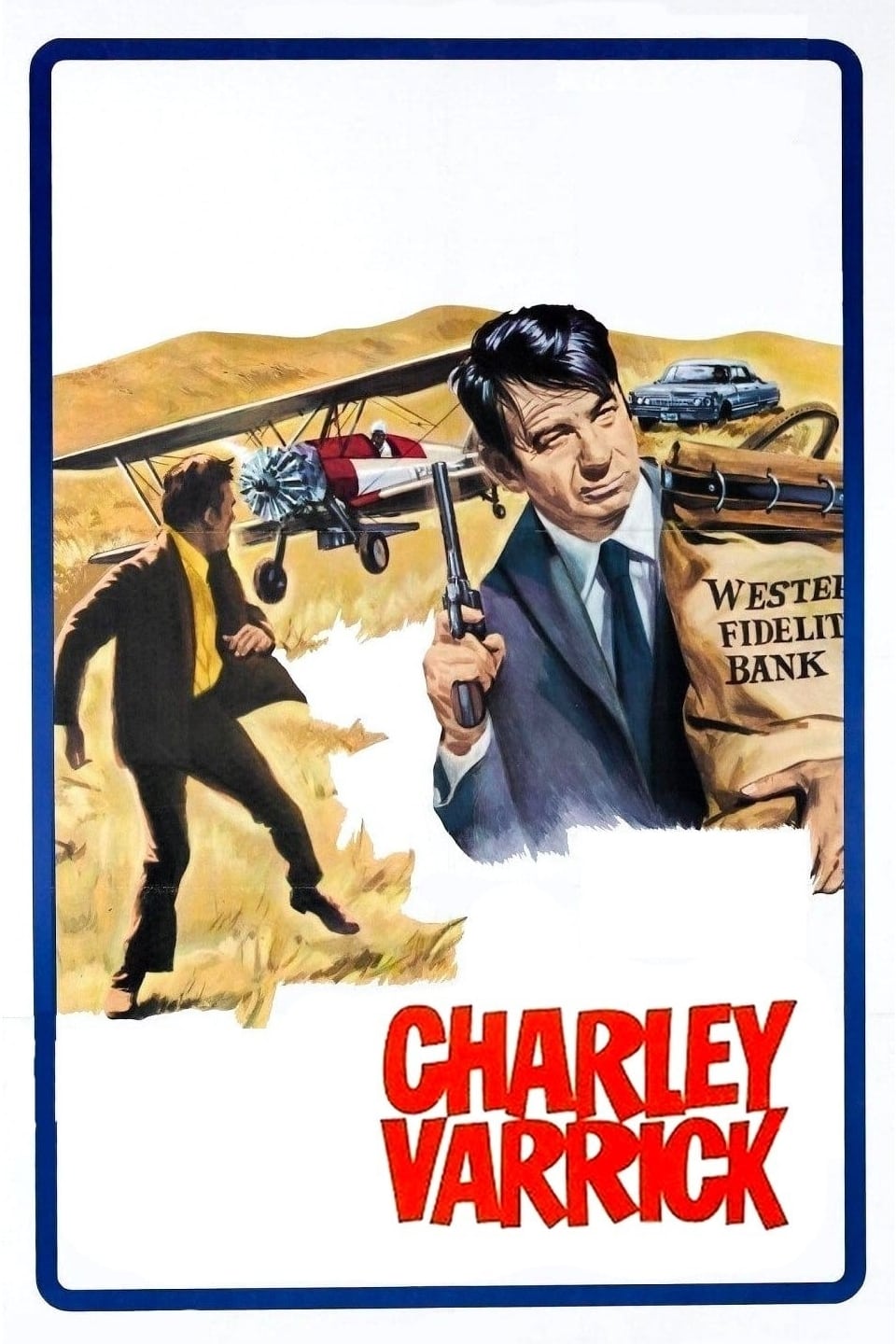
Don Siegel directs Walter Matthau as a small time operator who robs a rural bank and accidentally takes mob money, triggering a pursuit by both law enforcement and organized crime. The job itself is simple, but the aftermath becomes a study in how to disappear with marked cash.
The film details identity changes, counterfeit fronts, and the dangers of spending hot money too quickly. Varrick’s method relies on patience and a plan to convert the take without drawing attention from the bank’s powerful clients or the investigators watching for serial numbers.
‘The Getaway’ (1972)
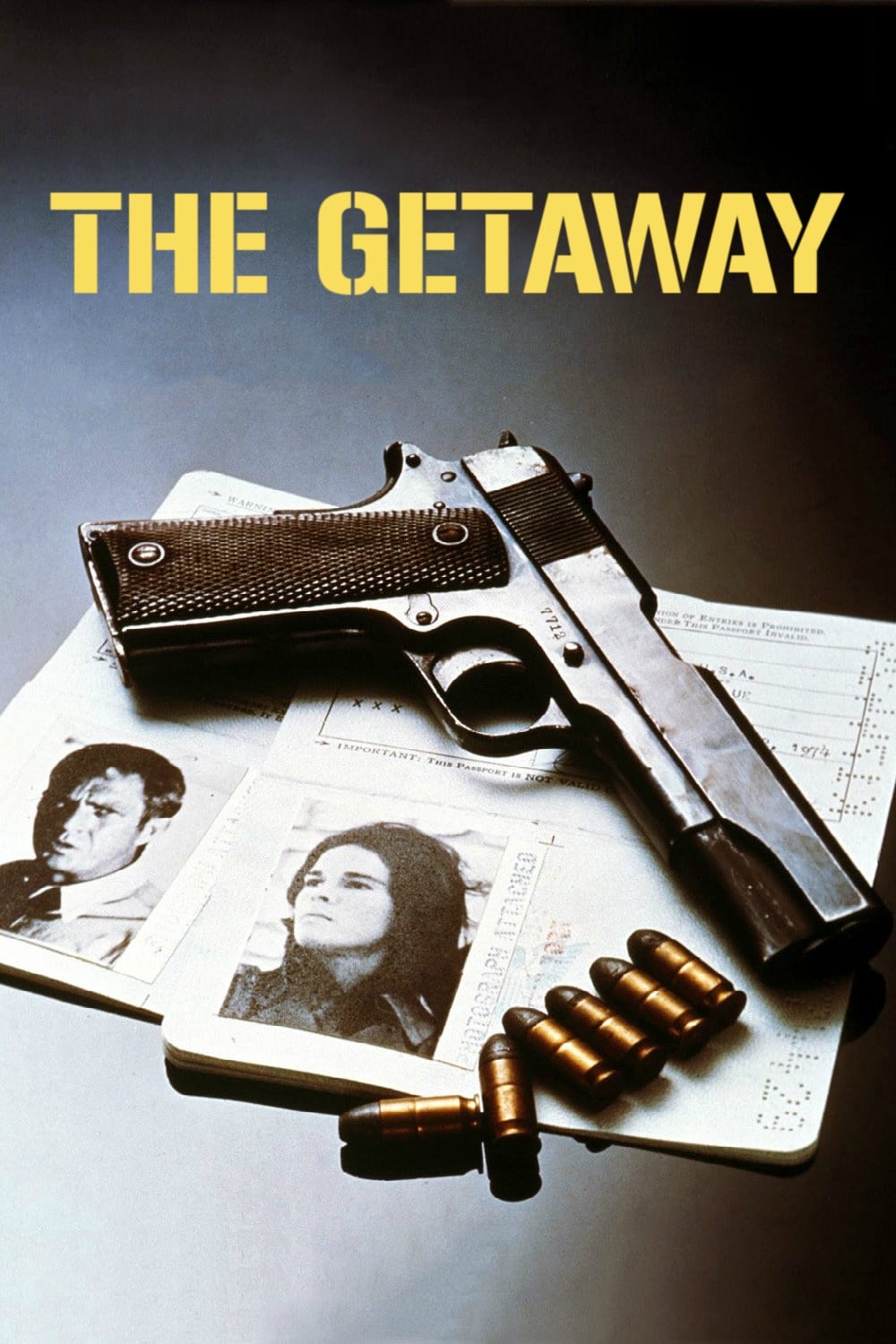
Sam Peckinpah adapts Jim Thompson’s novel about a paroled thief who pulls a bank job in Texas arranged by a corrupt fixer, then fights to reach the border after the plan turns on him. The heist shows coordination with a partner and the chain of events that follows a double cross.
The escape covers motel stashes, baggage lockers, and the hazards of moving through small towns while injured and hunted. The story uses rail yards, bus depots, and pawn shops to illustrate how cash and weapons change hands during a prolonged flight.
‘The Lookout’ (2007)
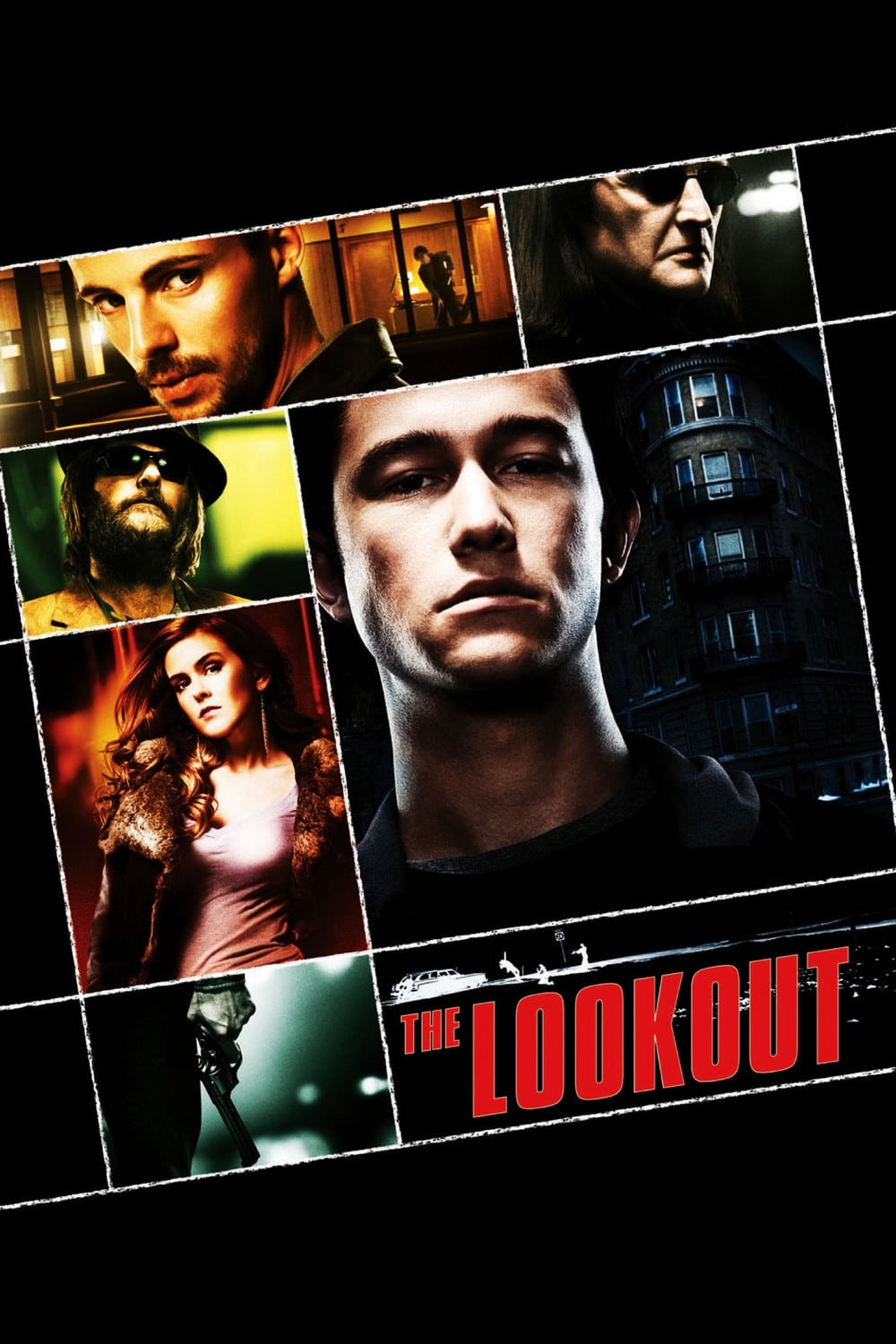
A former high school athlete living with a brain injury works as a night janitor at a small bank and is manipulated into aiding a robbery by a group of thieves. His position gives access to vault schedules and alarm routines, which the crew tries to exploit.
The film focuses on how memory issues affect checklists and how even simple tasks can slip under stress. It also shows how a teller’s habits, manager overrides, and timing of deposits influence both the plan and the response once the alarm is tripped.
‘The Vault’ (2021)
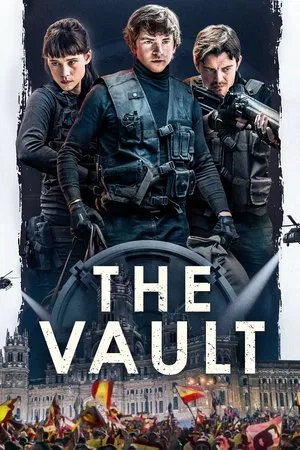
A team targets the Bank of Spain’s underground vault, which is protected by a unique flooding system and pressure sensors. The plan uses a major public event outside the building to conceal movements and relies on engineering knowledge to defeat the security mechanism.
Also released in some regions as ‘Way Down’, the film explains how the vault’s design harnesses groundwater to protect the treasure chamber. The crew studies historic plans, watches guard routines from a cafe across the street, and synchronizes entry with crowd noise and diversions.
Share your favorites and any great omissions in the comments so everyone can swap recommendations for the next big caper night.