Top Global Natural Disaster Movies

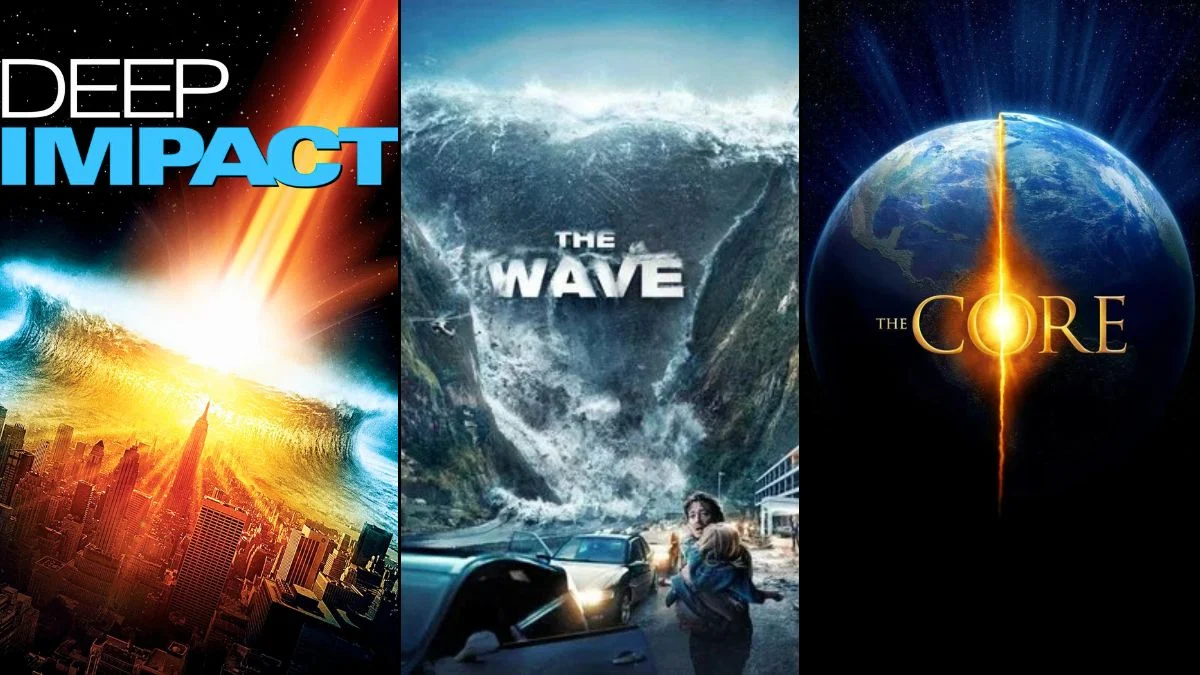

There is something gripping about stories that push the entire planet to the brink. Global natural disaster movies tap into that feeling with tidal waves that climb city skylines, earthquakes that split continents, and space rocks that force everyone to look up. They cross borders fast, place scientists and everyday families side by side, and show how decisions in one corner of the world echo everywhere else.
This list gathers large scale spectacles and grounded survival tales from different countries, styles, and eras. You will find comet scares, superstorms, quakes, tsunamis, and even ancient floods, along with notes on what each film covers and how the production brought the disaster to life. Use it as a roadmap for the next time you want a story where nature takes center stage and the stakes are truly global.
‘The Day After Tomorrow’ (2004)
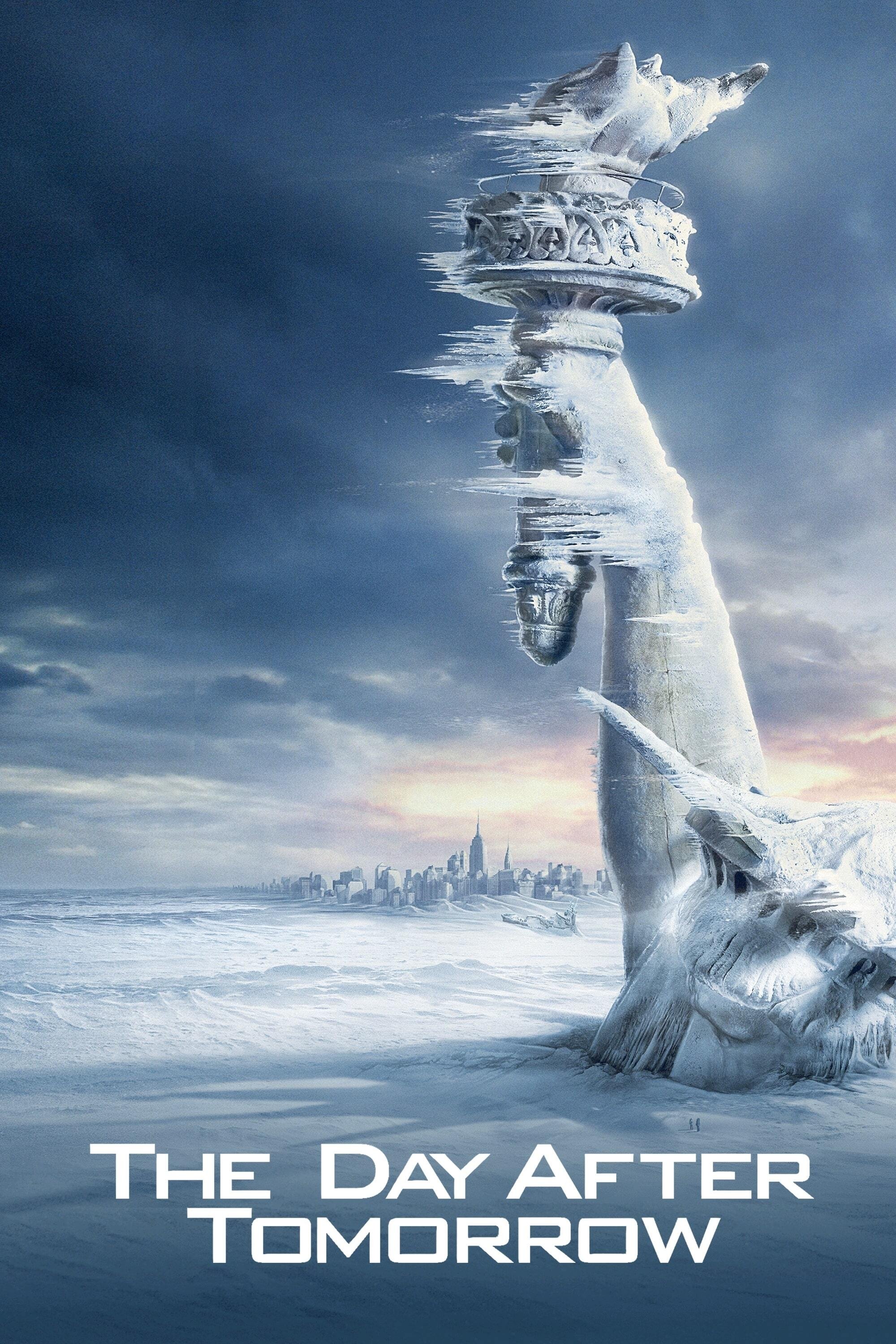
A sudden climate shift triggers a chain of extreme weather events that blanket the Northern Hemisphere. The story follows a climatologist who races from Washington to New York as ocean currents stall, supercells form, and a new ice front advances across cities. Large set pieces show floodwaters in urban streets and survivors sheltering in public buildings while temperatures plunge.
Roland Emmerich directed the film with extensive digital effects and large scale water work on soundstages. Production built detailed city blocks to combine practical flooding with computer generated storms, and the crew relied on research from climate studies to stage events like a massive storm surge and deep freeze sequences.
‘2012’ (2009)
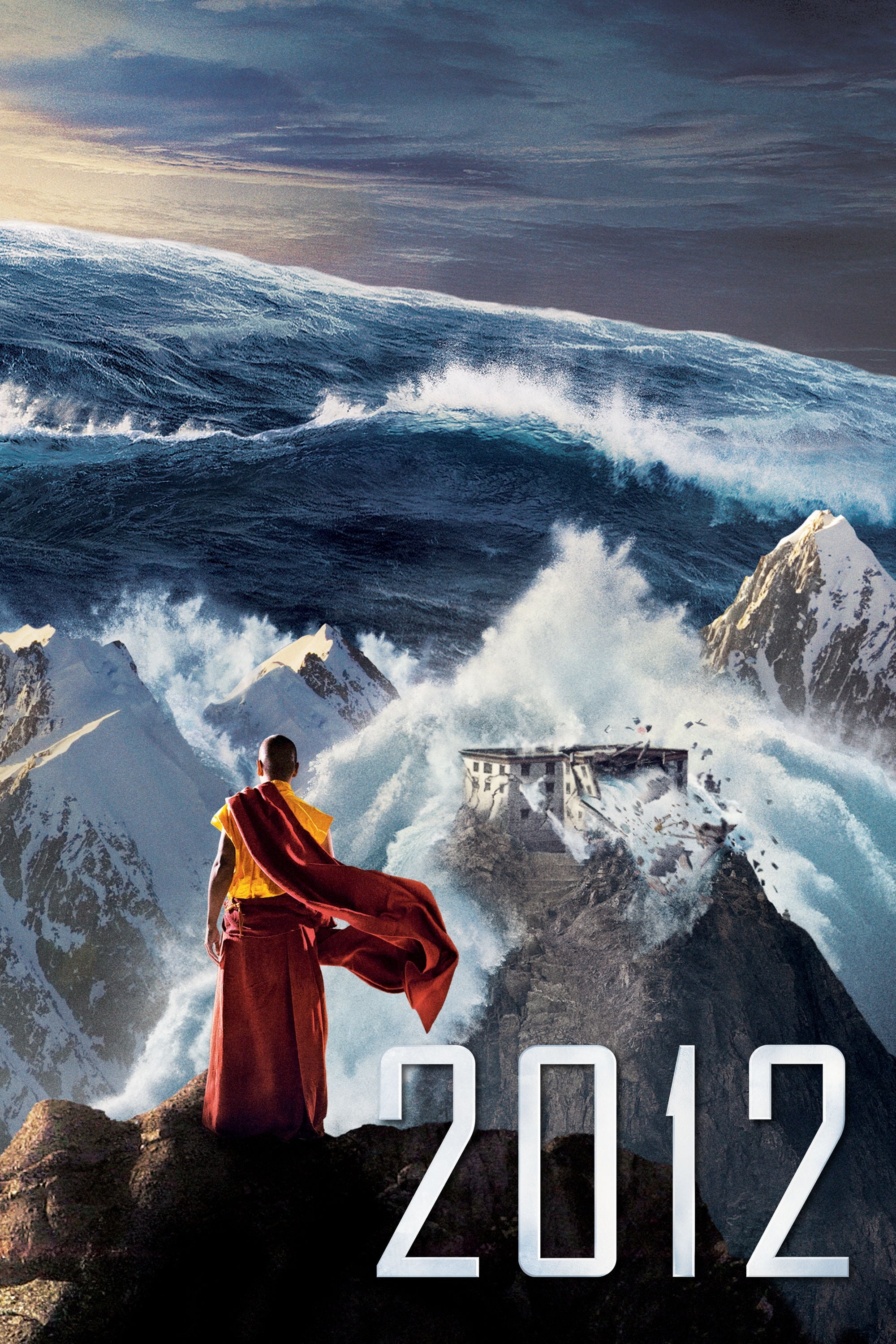
Crustal upheaval threatens to reshape the planet, forcing governments to activate a contingency plan that seats a limited number of people on high elevation vessels. The plot follows multiple families and officials as landmarks collapse and entire regions sink beneath the sea. The story moves across continents to show how a worldwide event tests every system at once.
The film uses a large ensemble and a mix of practical rigs and digital environments to stage collapsing freeways, evacuations, and the launch of massive ships. Roland Emmerich led the production with visual effects teams spread across multiple vendors to deliver destruction shots that cut from intimate escapes to global perspectives.
‘Deep Impact’ (1998)
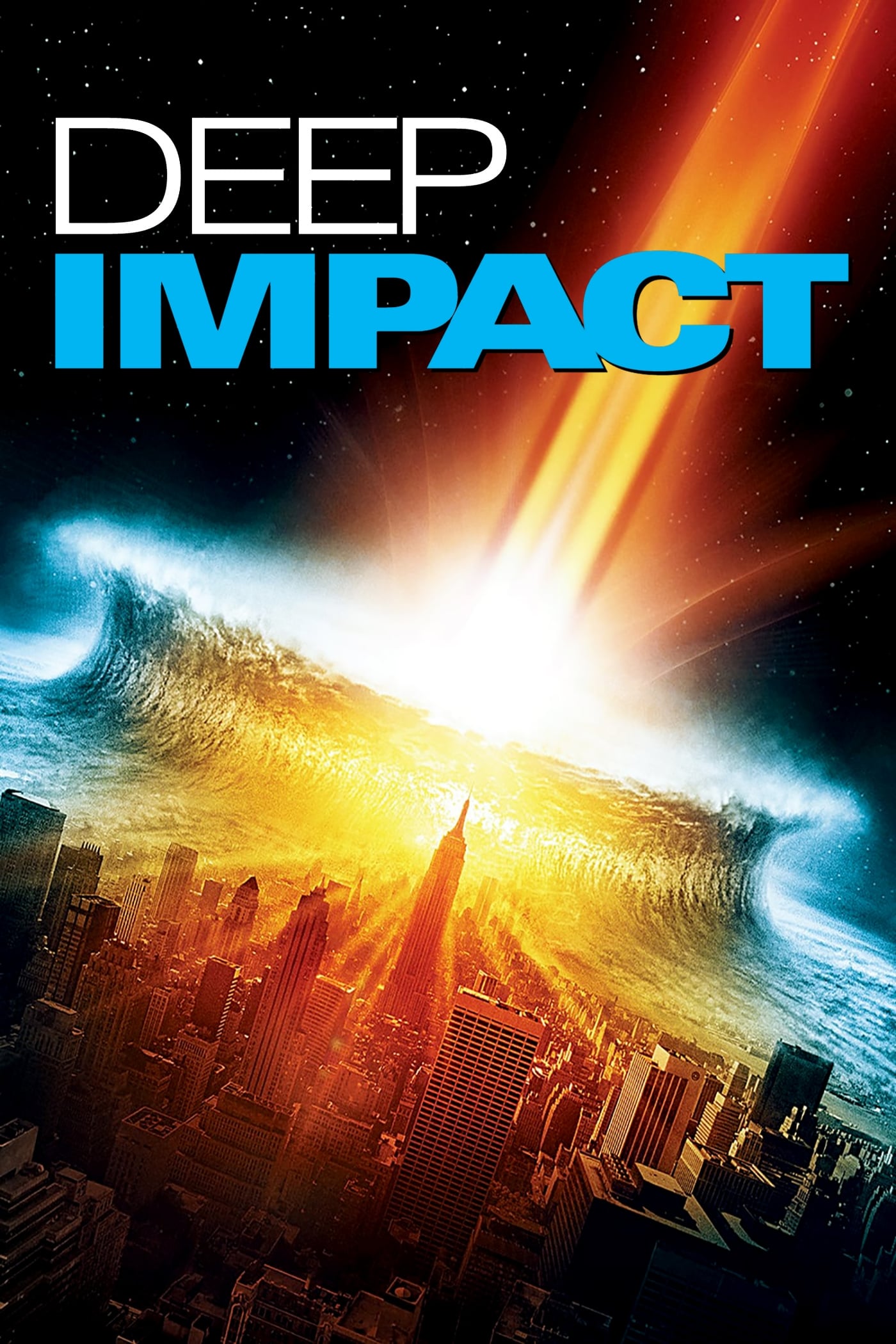
A newly discovered comet is on a collision course with Earth, prompting a joint mission to break it apart and a parallel effort to protect a portion of the population in underground shelters. The film tracks astronauts, reporters, and families as evacuation plans evolve and coastal regions brace for impact.
Production consulted with scientists to depict mission profiles, gravity assists, and the logistics of a last chance intercept. Large water simulations and miniature work created a megatsunami sequence, while sets for government facilities and emergency broadcasts grounded the global scale with familiar details.
‘Armageddon’ (1998)
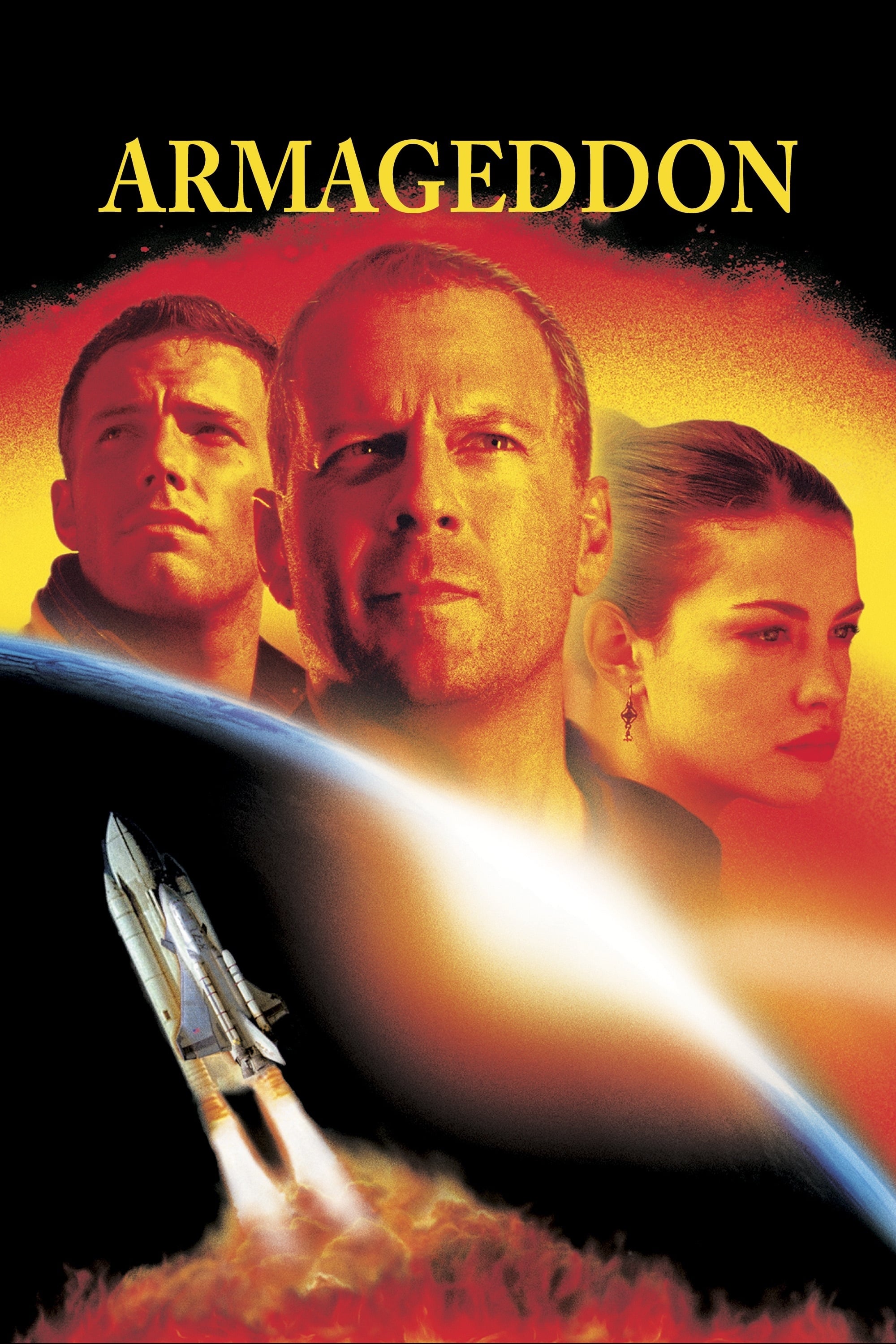
A giant asteroid threatens Earth, and a team of deep core drillers is sent to land on the rock and plant a device to split it. The story alternates between space operations and worldwide preparations for an impact that could end civilization.
Michael Bay directed the film with extensive cooperation from space agencies for training scenes and hardware access. Miniatures, large physical sets, and dense sound design supported the zero gravity action, while worldwide news montages and crowd scenes sold the scale of the crisis.
‘Greenland’ (2020)
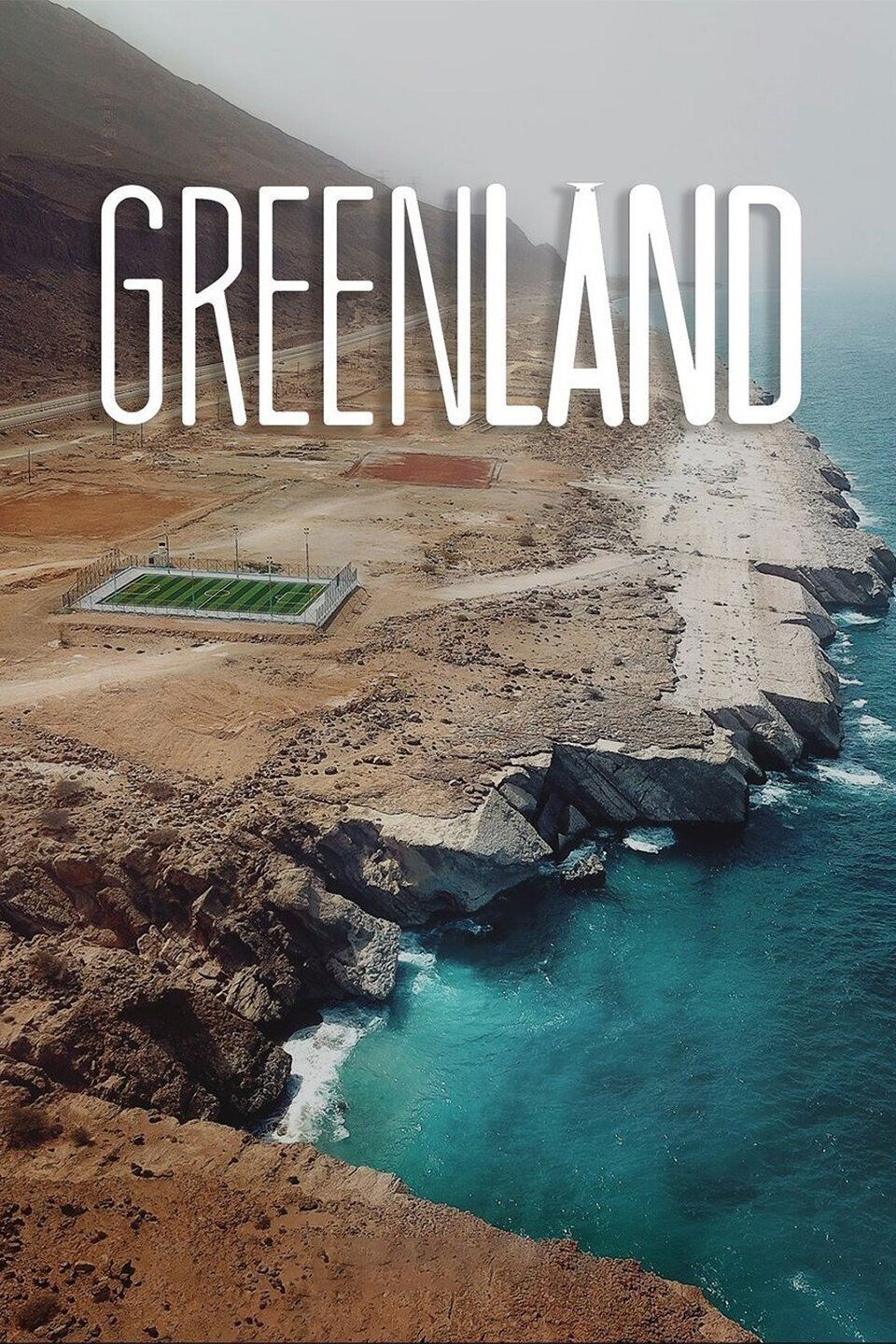
A fragmenting comet begins dropping city killer pieces across the globe, and a family tries to reach a government designated shelter site in the Arctic. The script focuses on evacuation corridors, airlift priorities, and how official alerts move people through checkpoints as impacts hit different time zones.
Ric Roman Waugh directed with handheld intensity and location photography across North America and Europe. Practical explosions, large wind effects, and layered sky plates create the feel of debris streaking overhead, while production design emphasizes shelter infrastructure and emergency messaging.
‘Geostorm’ (2017)
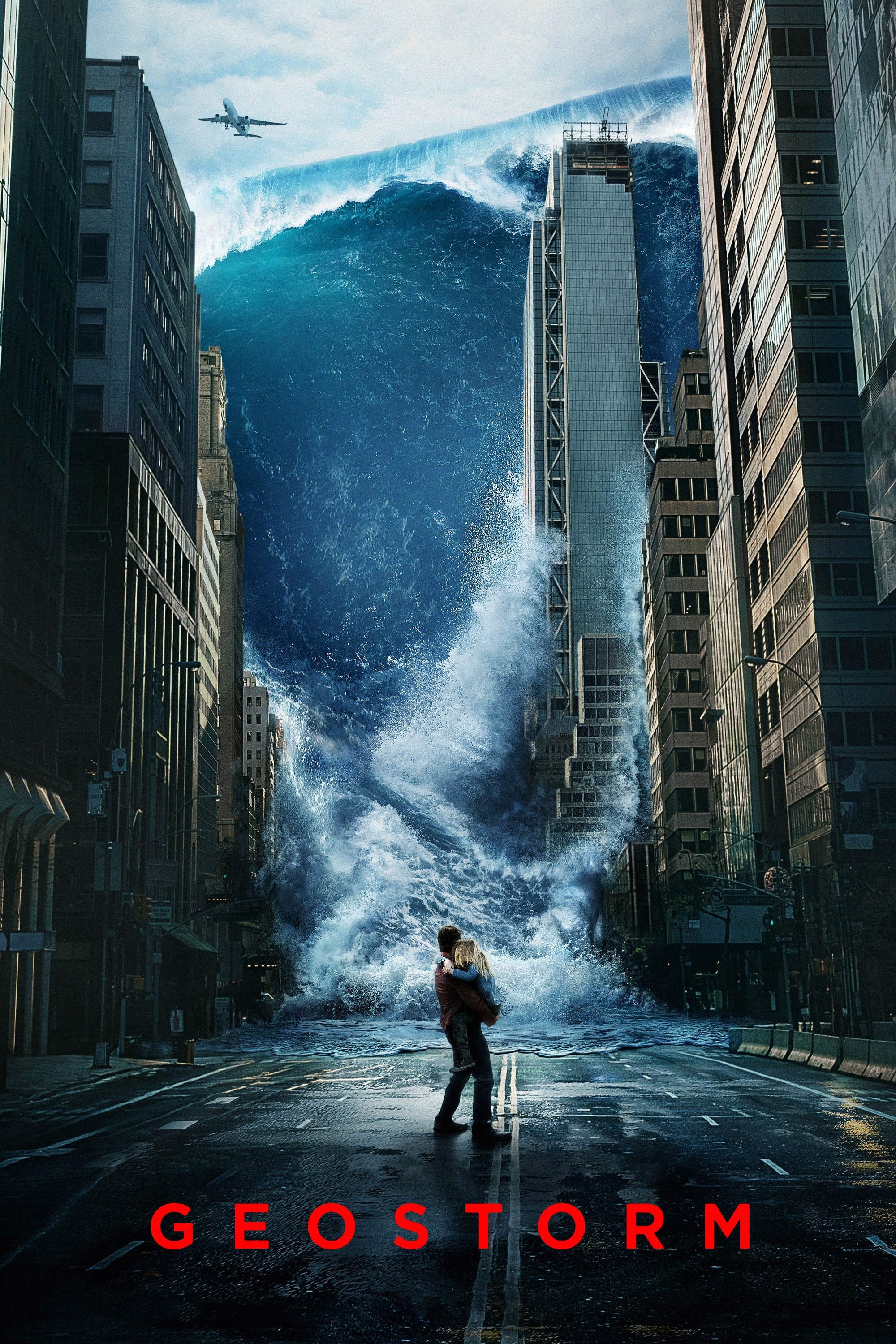
A satellite network designed to control extreme weather goes offline, and rogue events start striking major cities. Hurricanes spin in unusual patterns, heat spikes ignite ground level firestorms, and frozen blasts sweep across populated areas as a team tries to regain command of the system.
Dean Devlin directed with a blend of space station sets and global city recreations on soundstages. The effects pipeline stitched together orbital views, satellite arrays, and storm macros to present weather as a system, and the story visualizes command sequences through holographic interfaces and diagnostic readouts.
‘The Core’ (2003)
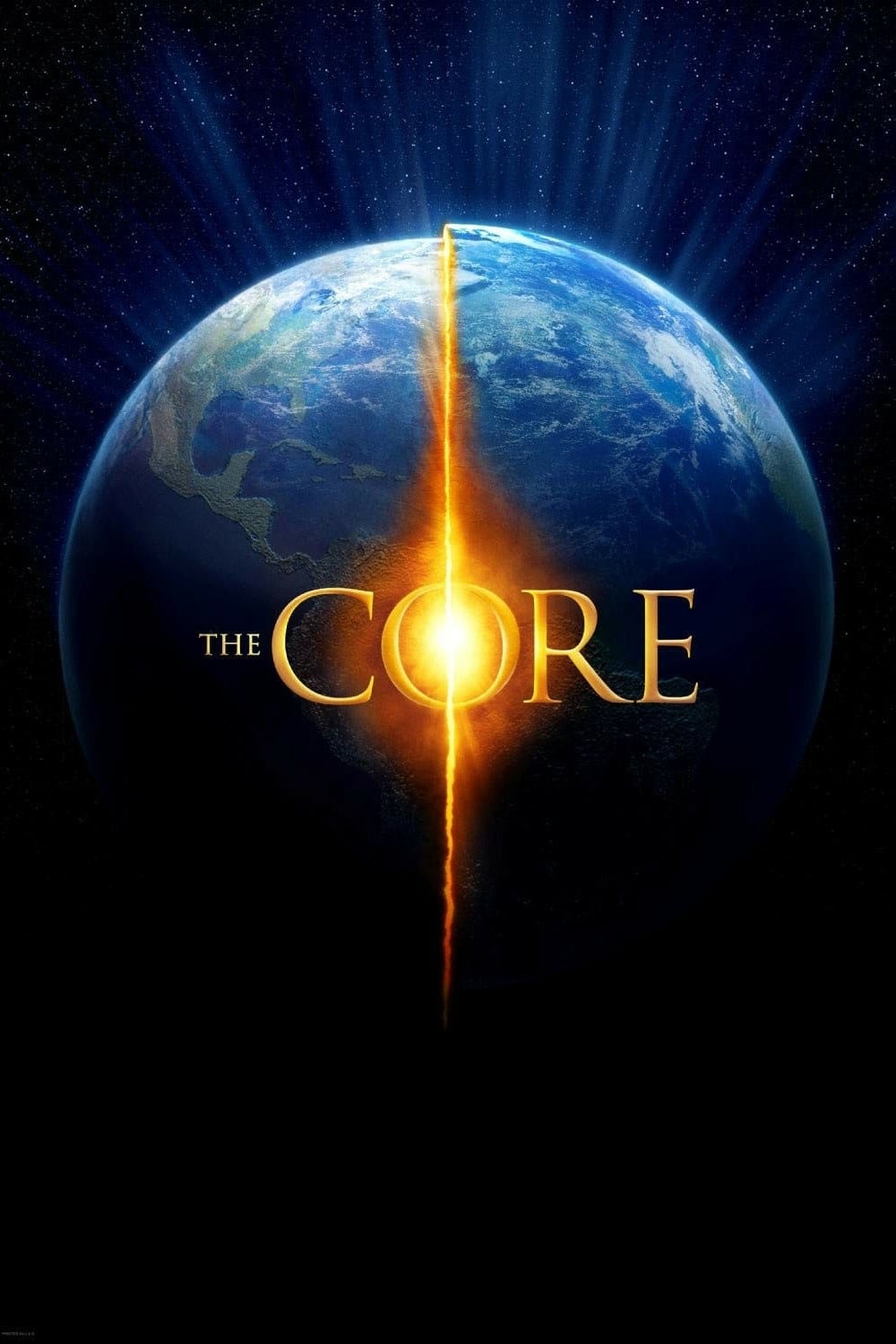
Unexplained failures of navigation systems and atmospheric anomalies point to a problem deep inside the planet. A small crew rides a specialized drilling craft toward the core to restart the geodynamo before surface effects become irreversible.
Sets for the segmented tunneling vehicle were built with mechanical gimbals to mimic pressure waves and seismic jolts. The film uses wide shots of city skylines and animal navigation patterns to hint at global consequences, then narrows into metallic corridors where sensors, thermal shields, and seismic charts drive each step.
‘Waterworld’ (1995)
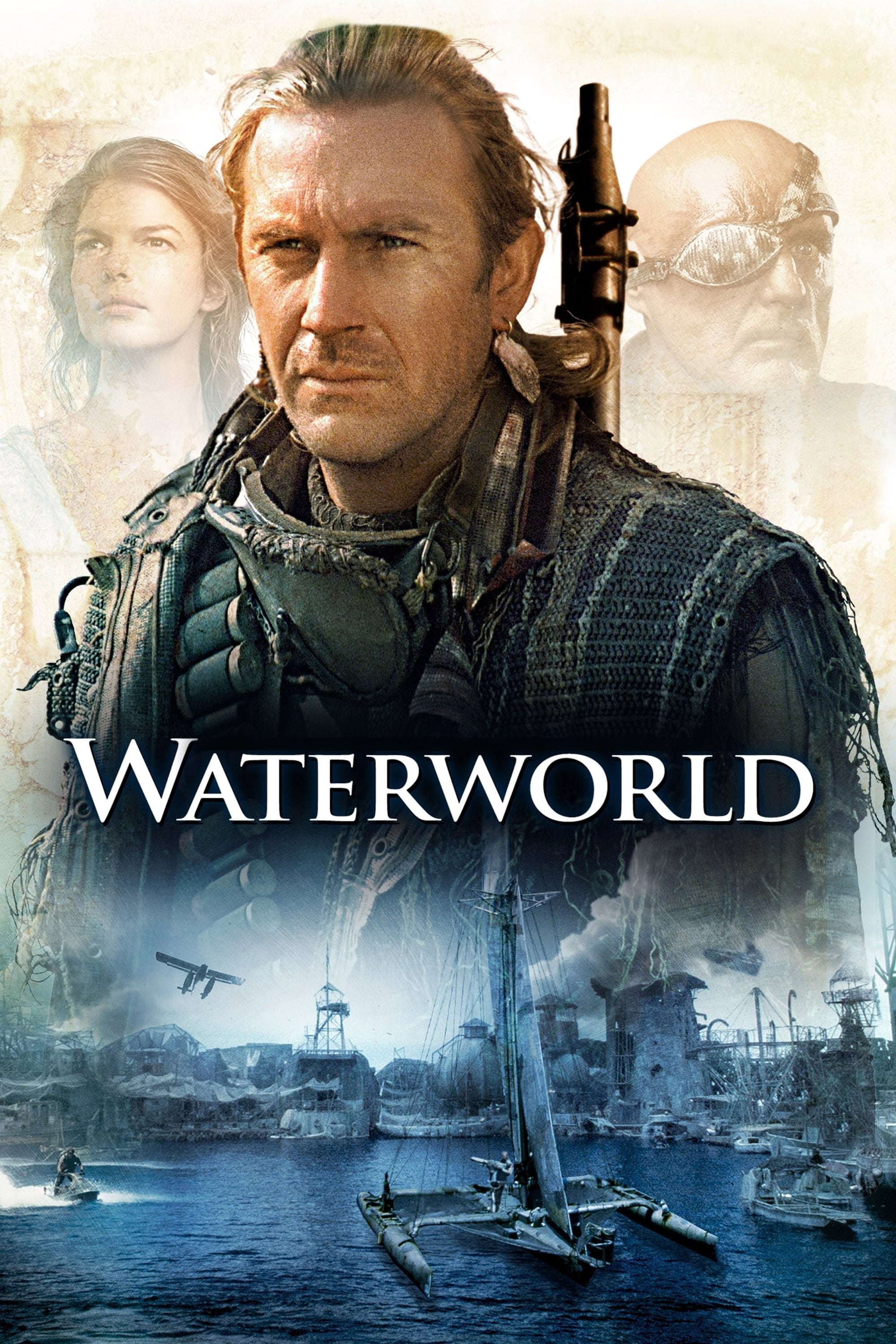
Sea levels have risen to cover almost all land, and human communities survive on floating atolls and makeshift trimarans. The plot follows a drifter who trades, fights, and searches for a rumored patch of dry ground as factions compete for fuel and fresh water.
Filming took place on large ocean sets near Hawaii with full scale floating structures that needed constant maintenance and towing. The production relied on practical sail rigs, underwater photography, and extensive stunt work to show life in a world where every resource and every map matters.
‘The Wandering Earth’ (2019)

Facing a solar crisis, an international coalition builds planet size thrusters to push Earth onto a new trajectory. The plan triggers quakes, ice formation, and engine failures, sending rescue teams into frozen megacities and underground control hubs.
The film adapts a Liu Cixin story and showcases large Chinese visual effects teams delivering engine arrays, planetary shots, and cavernous facilities. Miniatures, detailed suits, and bilingual signage emphasize a joint global effort, while score and sound design reinforce the rumble of thousands of synchronized drives.
‘The Wandering Earth II’ (2023)
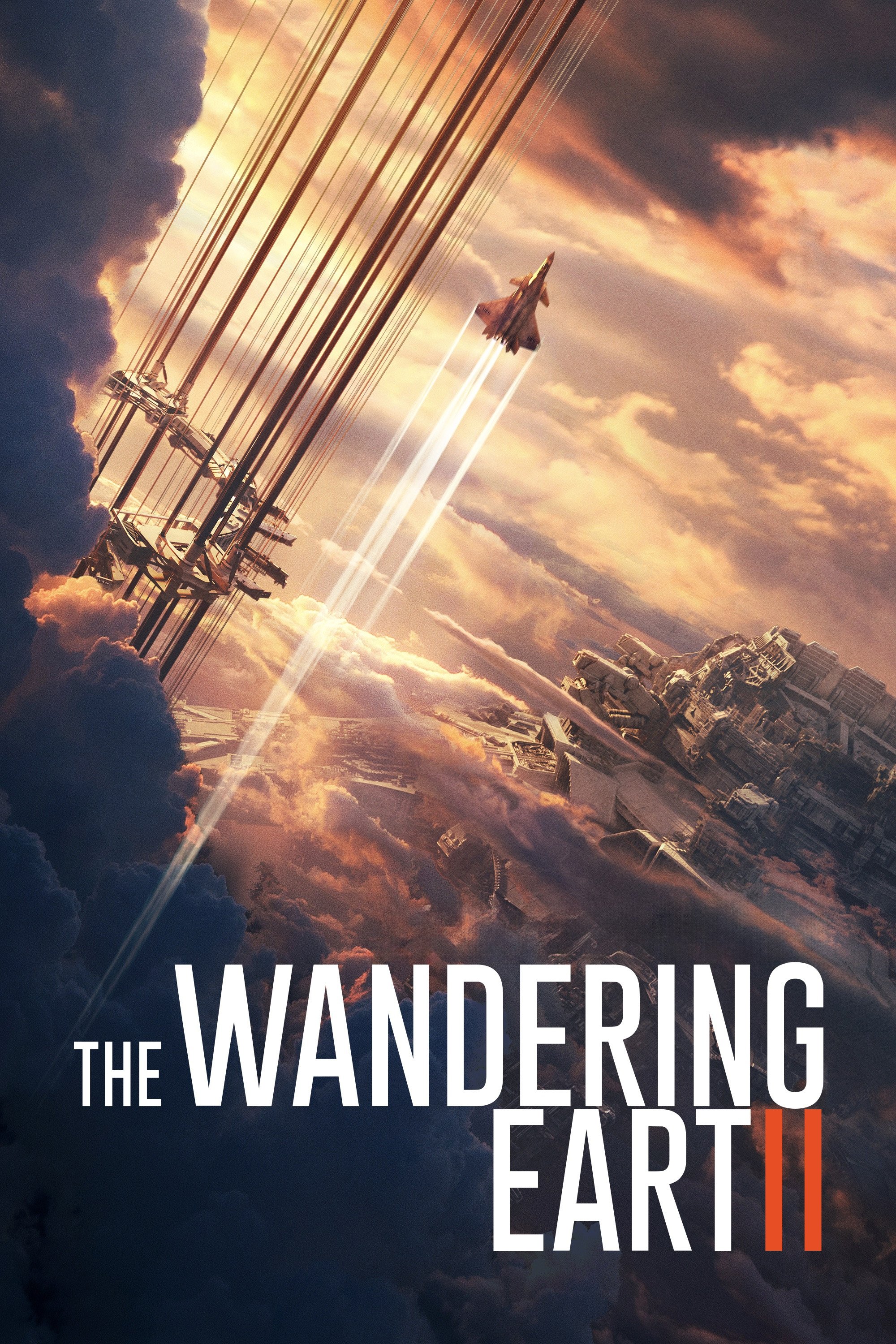
This prequel explores early phases of the planetary rescue with moon projects, space elevators, and public debates about digital continuity. Accidents, debris impacts, and system tests push engineers and crews as they try to hold a risky plan together.
Production scales up control rooms, launch pads, and metro sized engine halls, combining location work with virtual sets. The film adds new hardware concepts, expands international roles, and uses large crowd scenes to show how policies shift when a long emergency becomes daily life.
‘Knowing’ (2009)
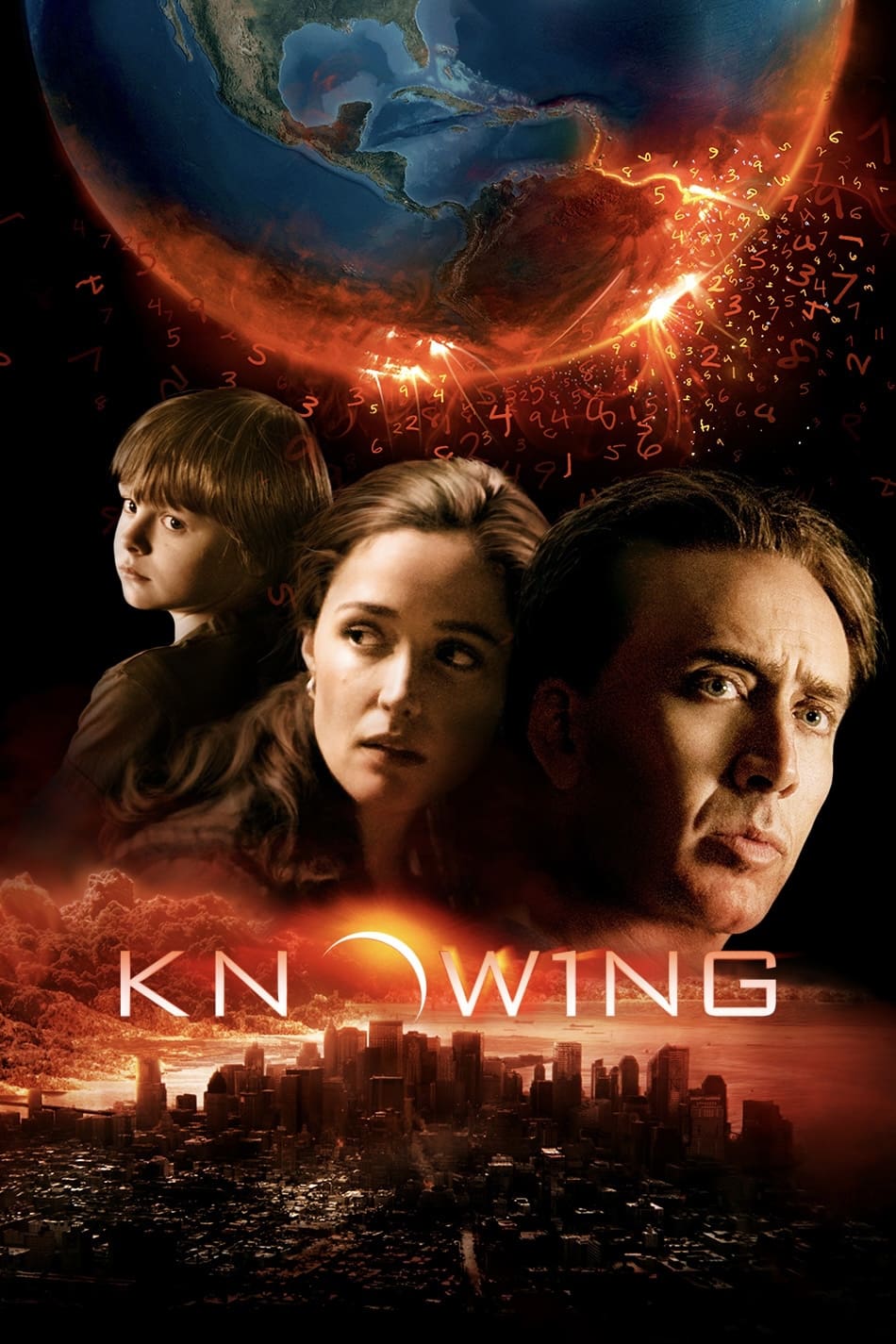
A time capsule note appears to predict major disasters with precision, culminating in a solar event that threatens the entire planet. A professor follows the pattern while authorities respond to a rising count of incidents on land, at sea, and in the air.
Filming in Australia used long takes for crash sequences and wide aerial views for wildfire spreads. The story mixes numeric puzzles with heliophysics concepts, and visual effects teams built glowing coronal ejections and radiant sky fields that signal what is coming.
‘Melancholia’ (2011)

A newly discovered planet enters the inner solar system on a path that may intersect with Earth. The film watches two sisters and their family as the sky changes color, tides shift, and scientific updates fail to offer certainty.
Lars von Trier directed with a focus on mood and physical signs of approaching catastrophe, using slow motion tableaux and classical music cues. Effects artists created a luminous planetary body and atmospheric halos that recur as quiet markers of an unavoidable collision.
‘Don’t Look Up’ (2021)

Two astronomers find a comet headed for Earth and try to move officials, media, and industry toward a workable deflection plan. Press briefings, social feeds, and market bets compete with launch windows as the clock runs down.
Adam McKay directed an ensemble that moves from labs to command centers to late night stages, with production shooting in Massachusetts locations dressed as government corridors and mission floors. Visual effects render the comet from discovery images to naked eye visibility, while the script details payload choices and mission profiles.
‘San Andreas’ (2015)
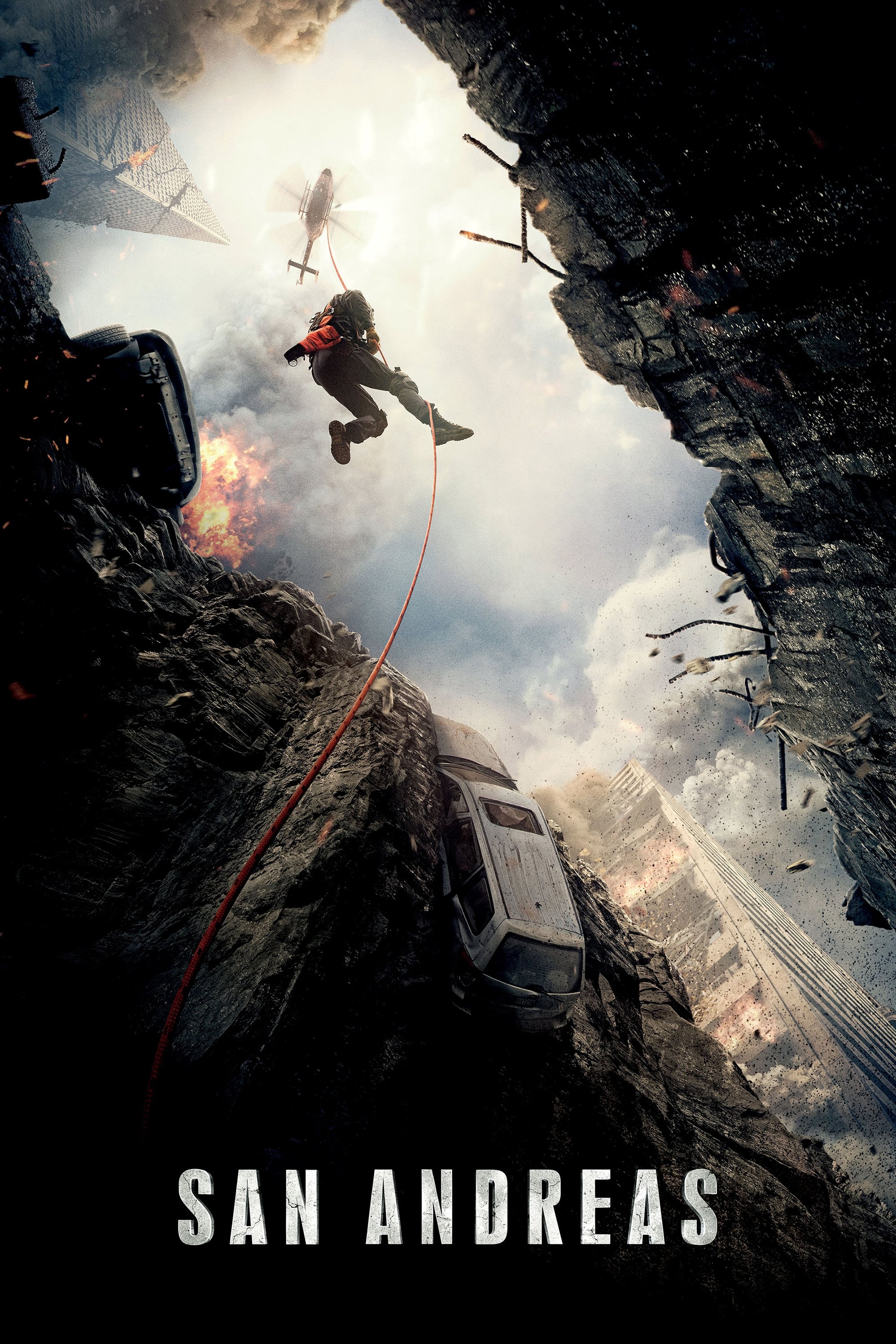
A major rupture along a well known fault triggers widespread damage across California. A rescue pilot and a seismic researcher navigate aftershocks, dam failures, and coastal waves as emergency services coordinate city evacuations.
Brad Peyton directed with large digital destruction sequences and practical rigs for tilting buildings, submerged streets, and rotorcraft landings. Consultants provided input on fault behavior and early warning systems, and sound stages hosted water tanks and breakaway concrete for sustained rescue set pieces.
‘Dante’s Peak’ (1997)
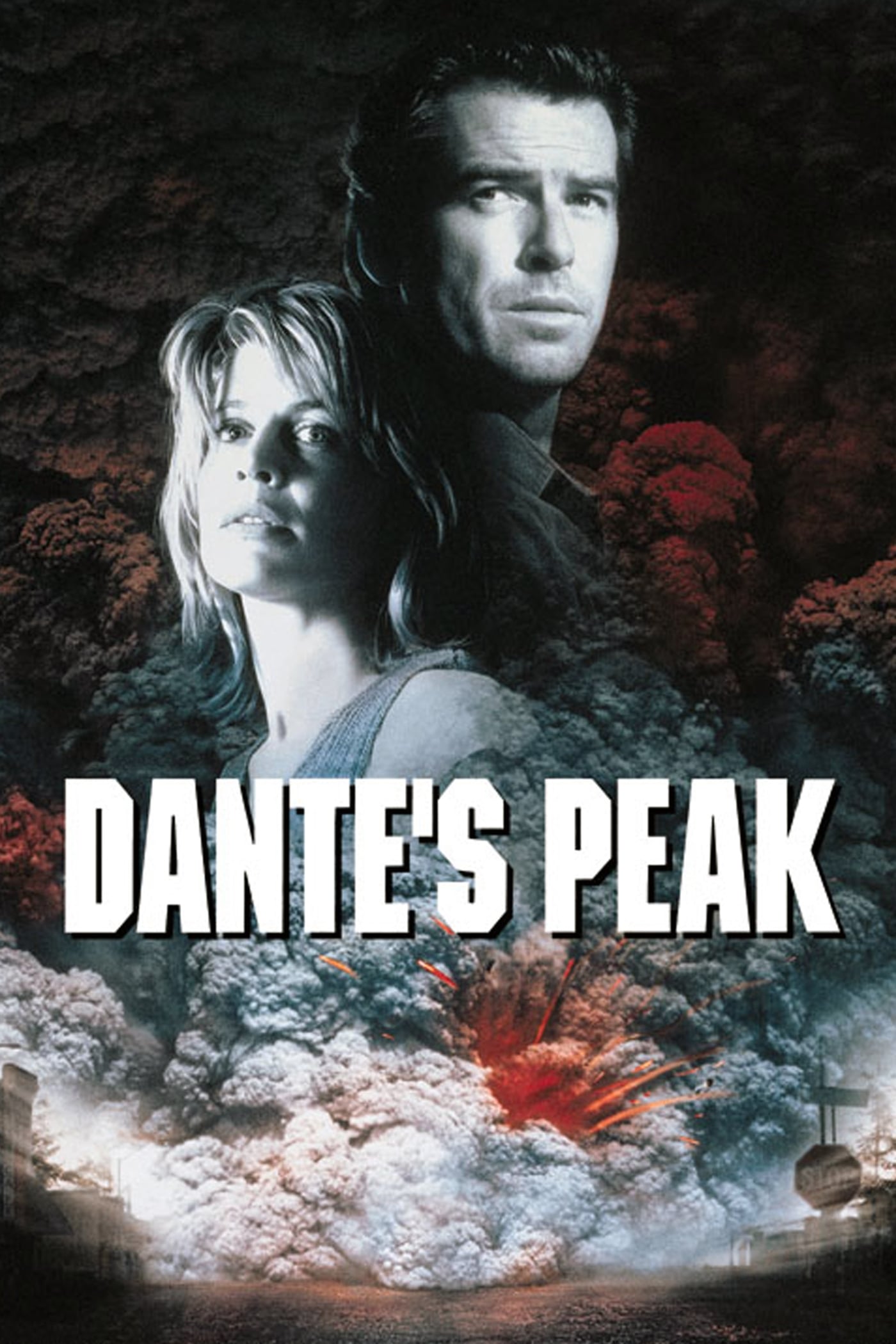
A small mountain town sits beside a restless volcano that shows signs of awakening. A visiting volcanologist, local officials, and families manage evacuations, ashfall, lahars, and bridge failures as the eruption progresses.
The production shot in the Pacific Northwest with miniature work for lava channels and full scale effects for ash and acidified water. The film presents field methods like gas sampling, seismic arrays, and ground deformation surveys that inform alert levels and road closures.
‘Volcano’ (1997)
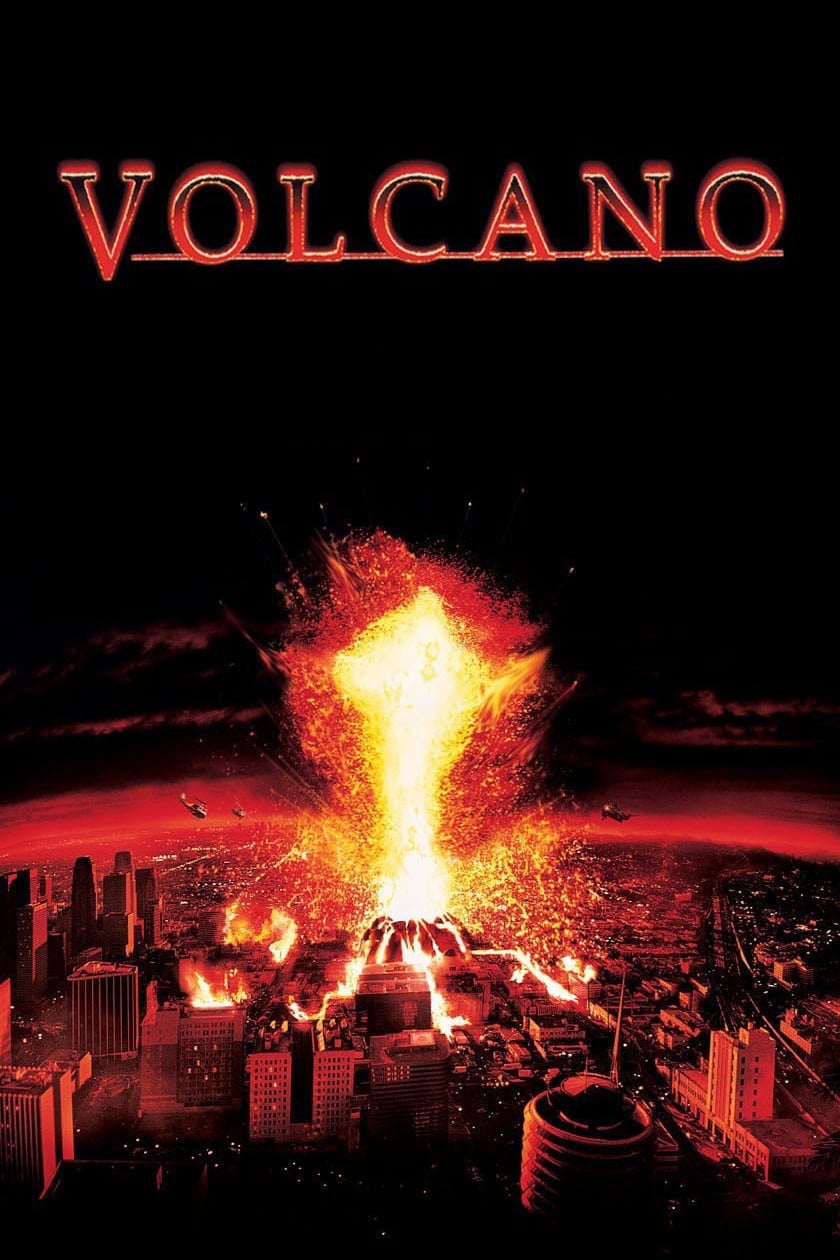
A new vent opens beneath Los Angeles and sends lava through streets, tunnels, and storm drains. Emergency managers try to redirect flows, build barriers, and keep the city moving while a volcanic cone rises in a dense urban grid.
Filming recreated major intersections on a backlot with heated gels and practical pours to simulate lava movement. Engineers and geologists advised on containment strategies, giving the set pieces a process focus with culverts, concrete walls, and transit shutdowns.
‘The Wave’ (2015)
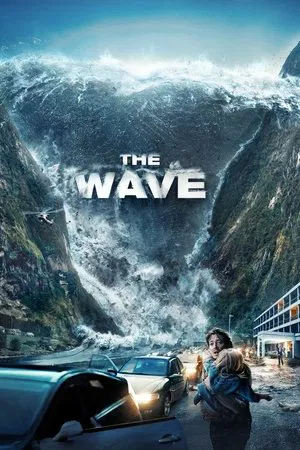
A rockslide in a Norwegian fjord sends a displacement wave toward a tourist town. Residents and geologists work through warning intervals, siren protocols, and evacuation routes as the wave approaches.
Shot on location in western Norway, the film blends scenic photography with digital water and large indoor tank work. Local hazard data informs the scenario, and the story follows both family decisions and official response inside a national early warning framework.
‘The Quake’ (2018)
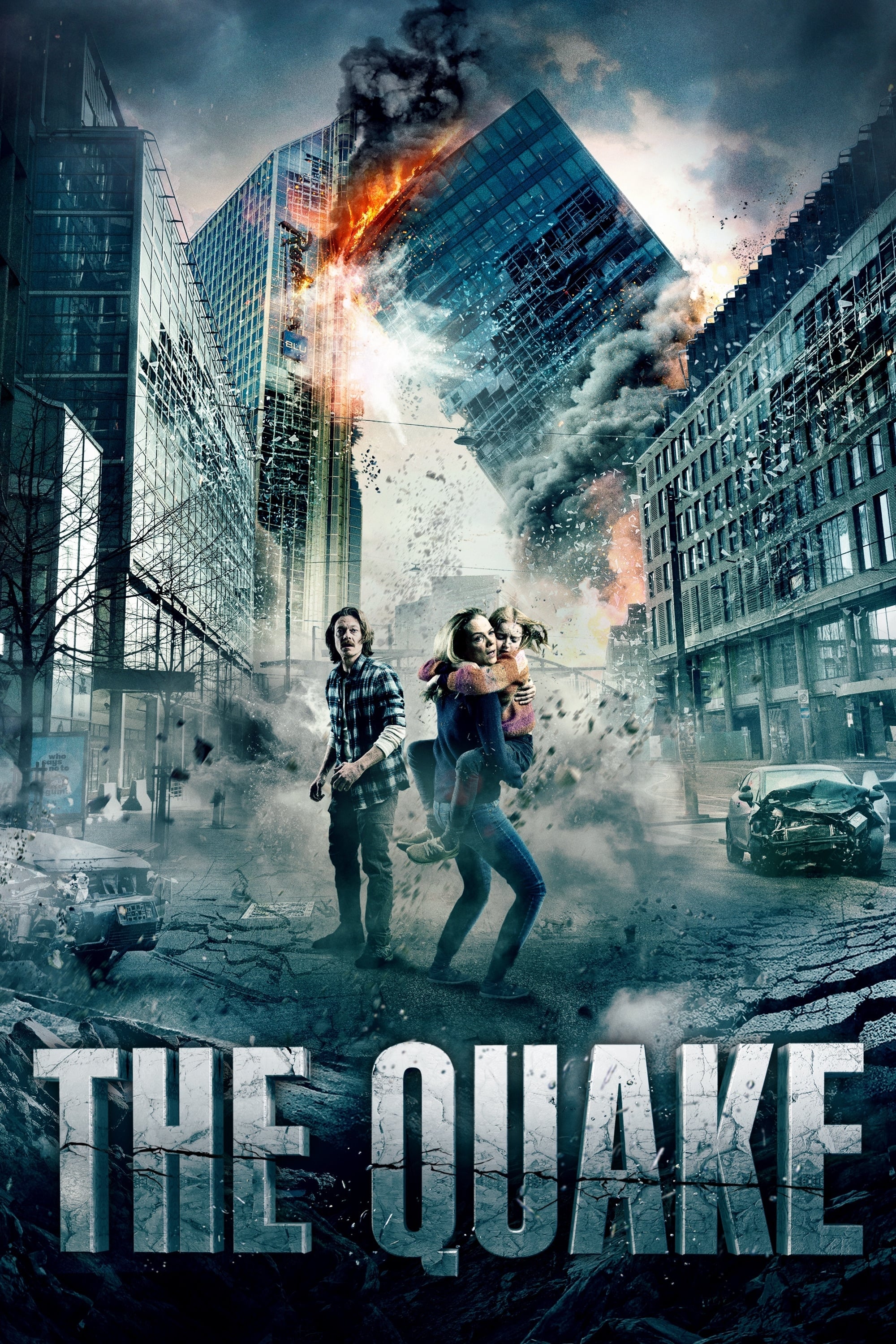
This Norwegian follow up shifts to an urban fault that threatens the capital. Seismologists look for precursors and pressure patterns while bridges, tunnels, and glass towers face peak shaking.
Production used city permits for street closures and integrated miniature collapses with computer animation. The film emphasizes structural engineering details, building codes, and search operations that take over once the shaking stops.
‘Tidal Wave’ (2009)
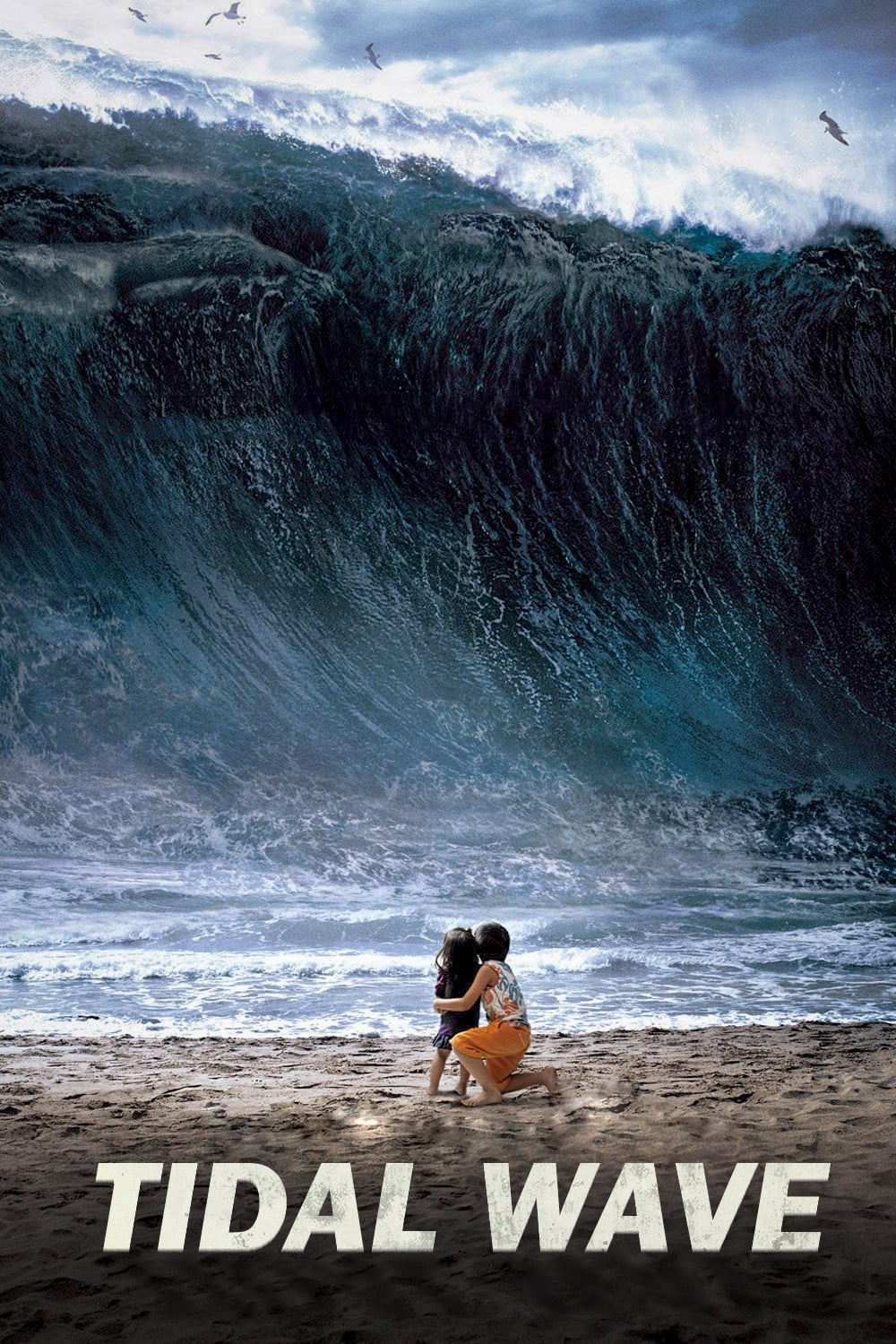
Also known as ‘Haeundae’, this Korean disaster film follows several groups in a coastal city as a massive wave forms offshore. Harbor workers, tourists, and first responders move through beach festivals and crowded markets before alarms send everyone uphill.
The crew shot on waterfront locations and used a mix of water tanks and digital surf to place breakers inside familiar streets. Practical debris and wire work sell the force of incoming water, and the script shows how a warning chain moves from scientists to public announcements.
‘The Impossible’ (2012)
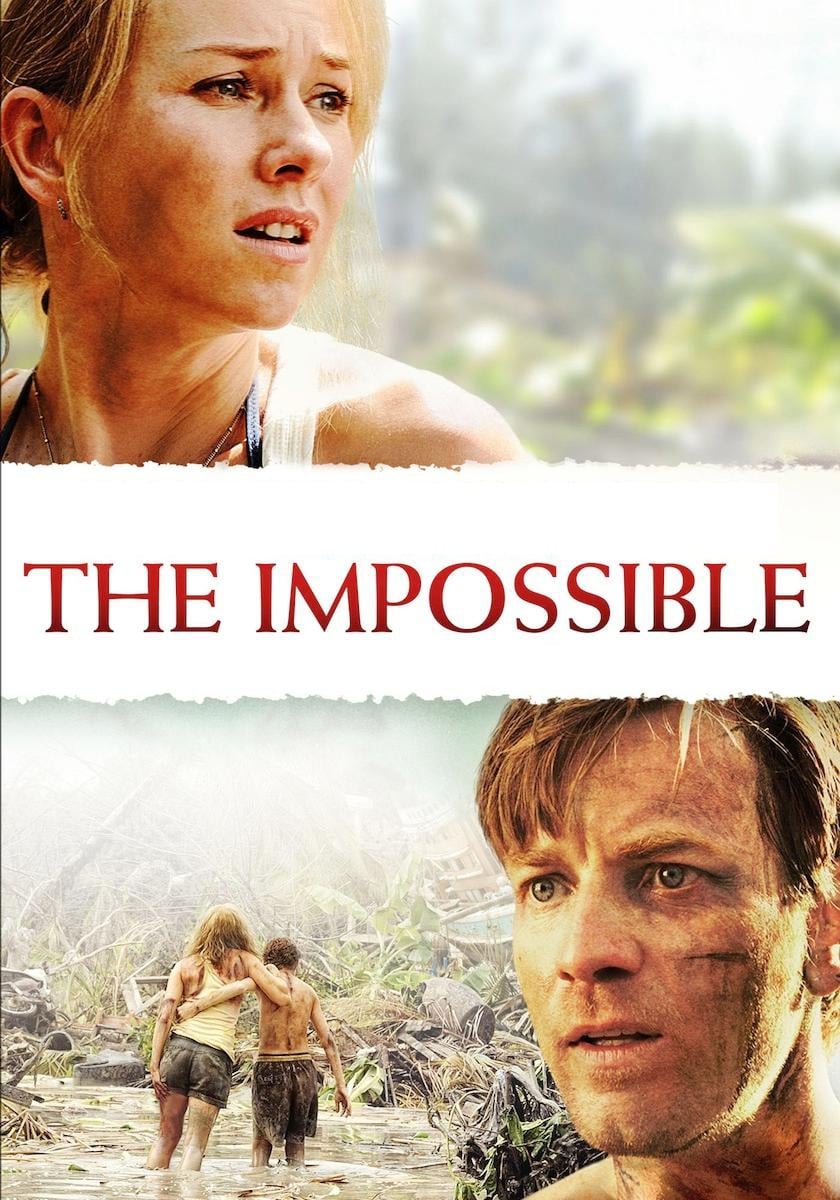
Based on a true account of a family caught in the Indian Ocean tsunami while on vacation in Thailand, the film tracks hospital searches, aid station lists, and survivor registries. It shows how local communities and international teams organize transport, triage, and communication in the days after landfall.
Production filmed in Thailand and Spain with large water rigs, set extensions, and careful sound mixing to present the violence of moving water. Makeup and practical effects show injuries and debris, while location work in real clinics and resorts adds authenticity to the recovery process.
‘Pompeii’ (2014)
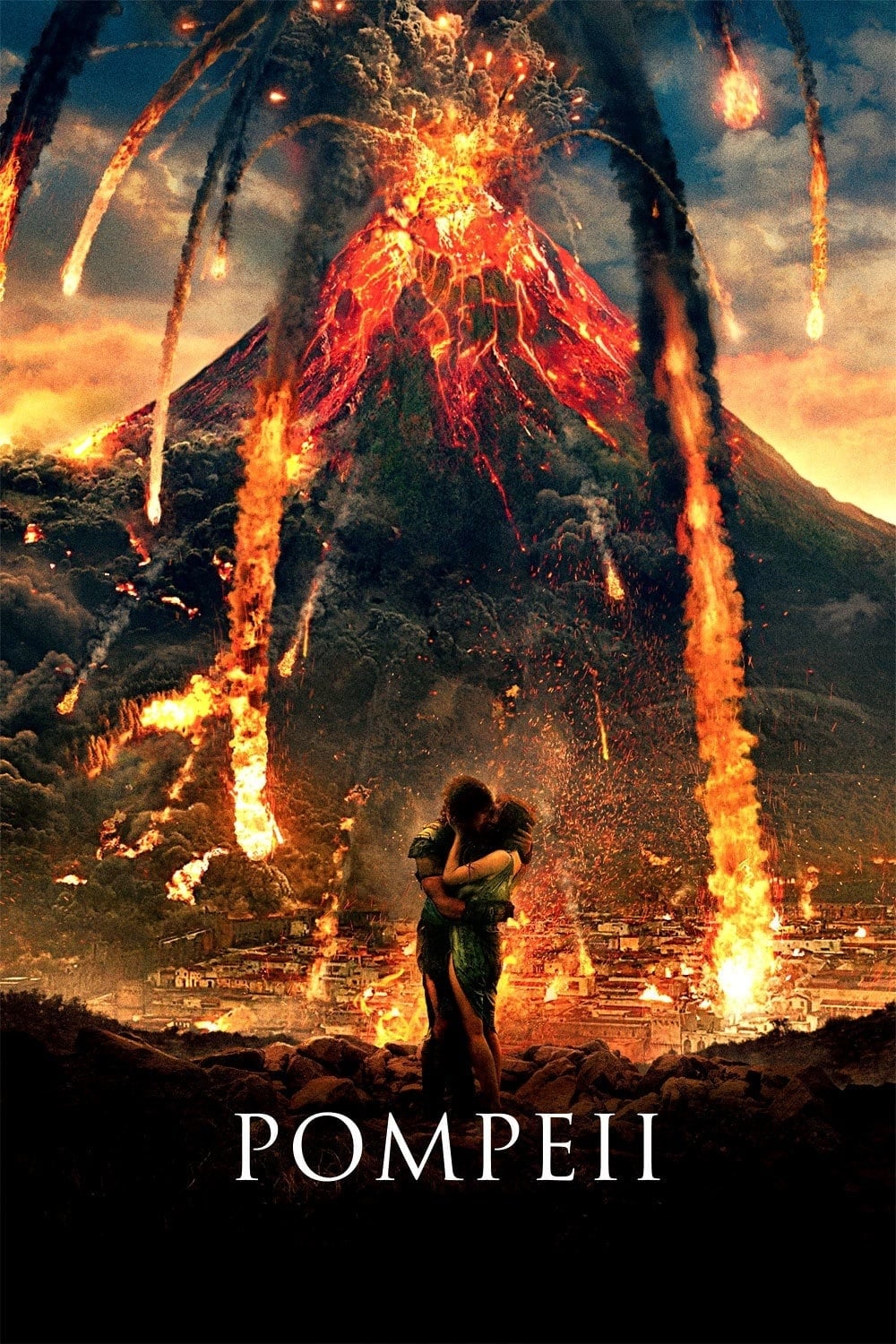
Set in the Roman city beneath an active volcano, this historical drama builds toward an eruption with earthquakes, ash rain, and pyroclastic flows. The narrative follows gladiators, merchants, and officials as the ground shakes and evacuation routes clog.
The film recreates streets, villas, and the arena with research from archaeological finds, then overlays ashfall and fire through digital effects. Stereoscopic photography and large sets provide scale, and the final act maps known eruption phases to the city layout.
‘The Perfect Storm’ (2000)
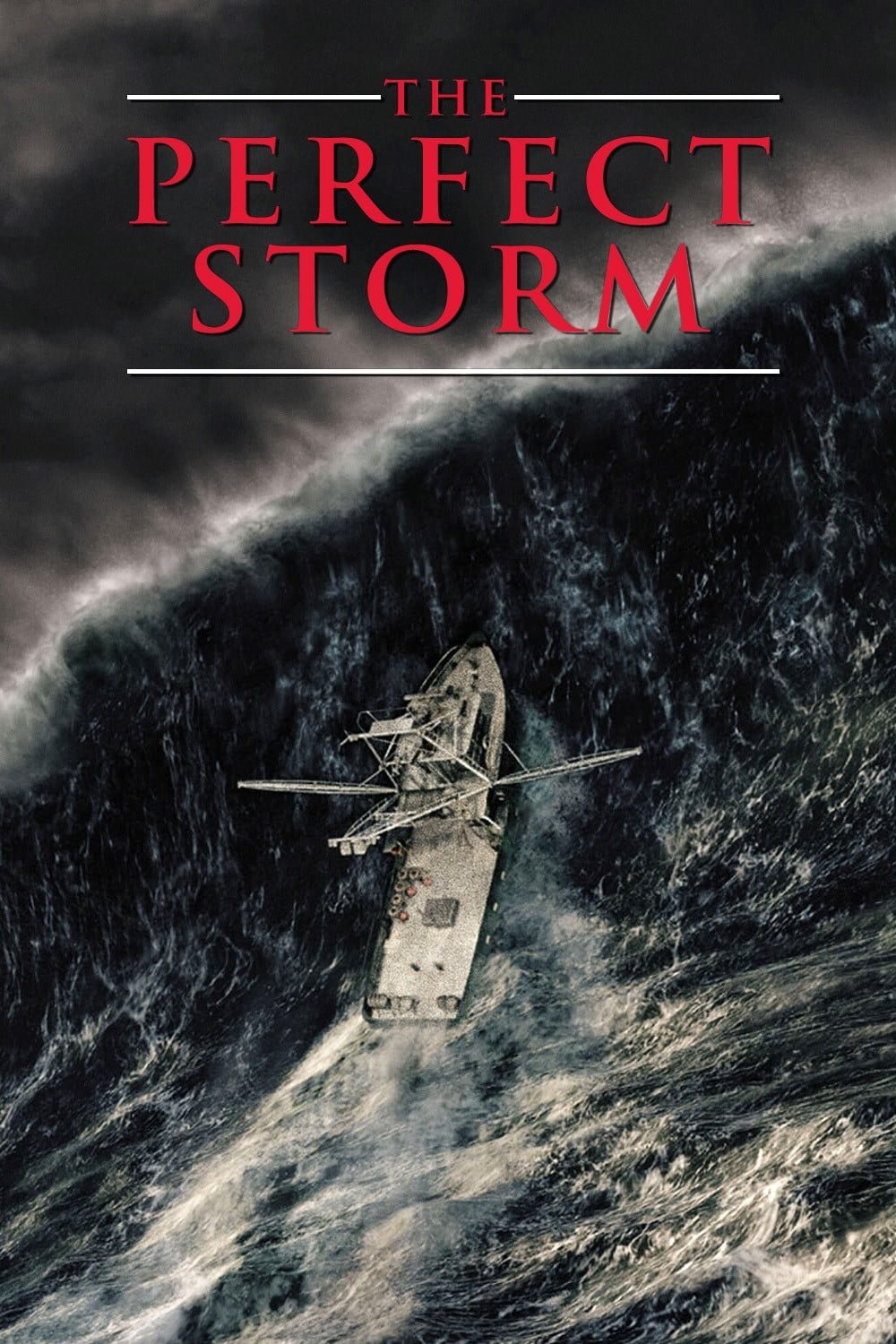
A fishing crew heads into the Atlantic where multiple weather systems combine into an unusually powerful cyclone. The story alternates between vessel operations, coastal rescue units, and meteorologists tracking satellite loops and buoy data.
Digital ocean simulations and large gimbaled boat sets enabled towering wave shots that could hold long takes. The film uses maritime radio traffic, chart tables, and weather briefings to show decision points, while coastal location work brings in real harbors and rescue stations.
‘Flood’ (2007)
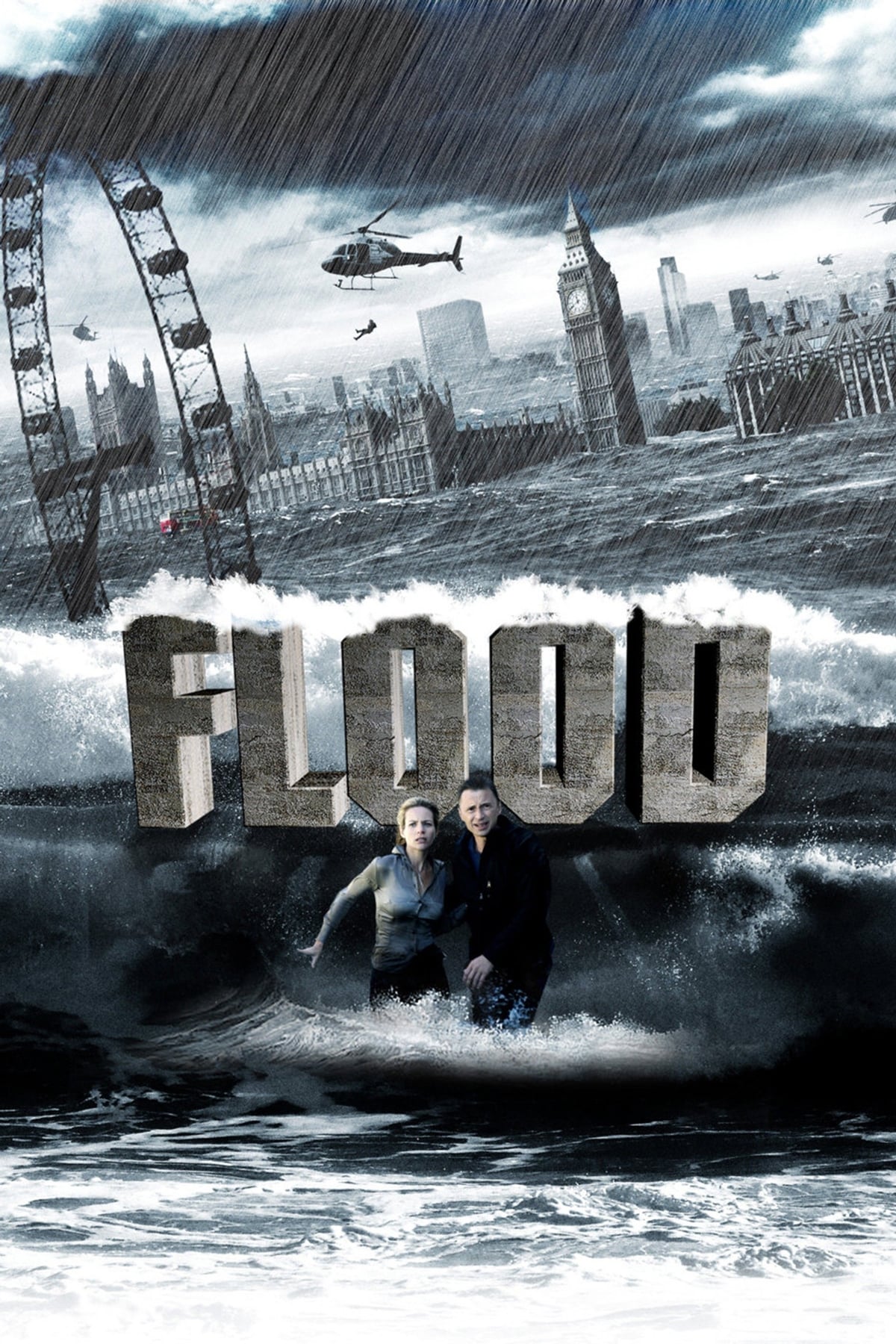
A severe storm surge threatens London, testing the capacity of the Thames Barrier and the city’s emergency planning. Engineers, officials, and residents confront rising water as gates, pumps, and transport lines run at maximum load.
Based on a novel by Richard Doyle, the film built control room sets and riverside locations to stage barrier operations and breach scenarios. Visual effects extend the waterline through landmarks, while the script covers chain of command, shelter sites, and power grid risks.
‘Into the Storm’ (2014)
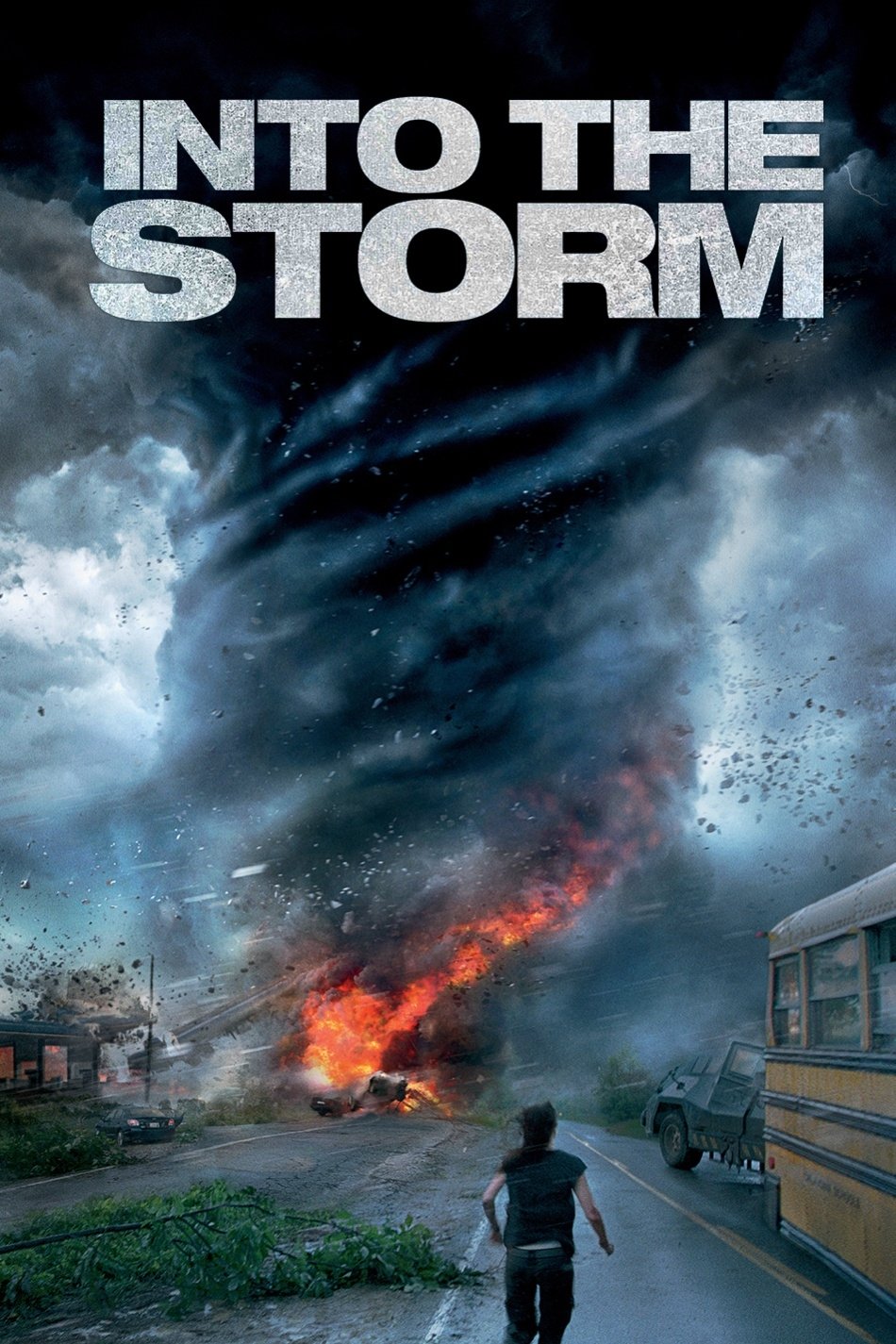
A concentrated tornado outbreak hits a midwestern town, with a school ceremony turning into a fast moving evacuation. The plot weaves professional storm chasers, students, and first responders as multiple cells merge into a larger system.
The production used wind machines, rain towers, and debris cannons for interior shots, then layered digital vortices onto practical dust and cloud plates. Found footage elements place cameras on vehicles and lifts, which helps track rotation, wall clouds, and sudden path changes.
‘Contagion’ (2011)
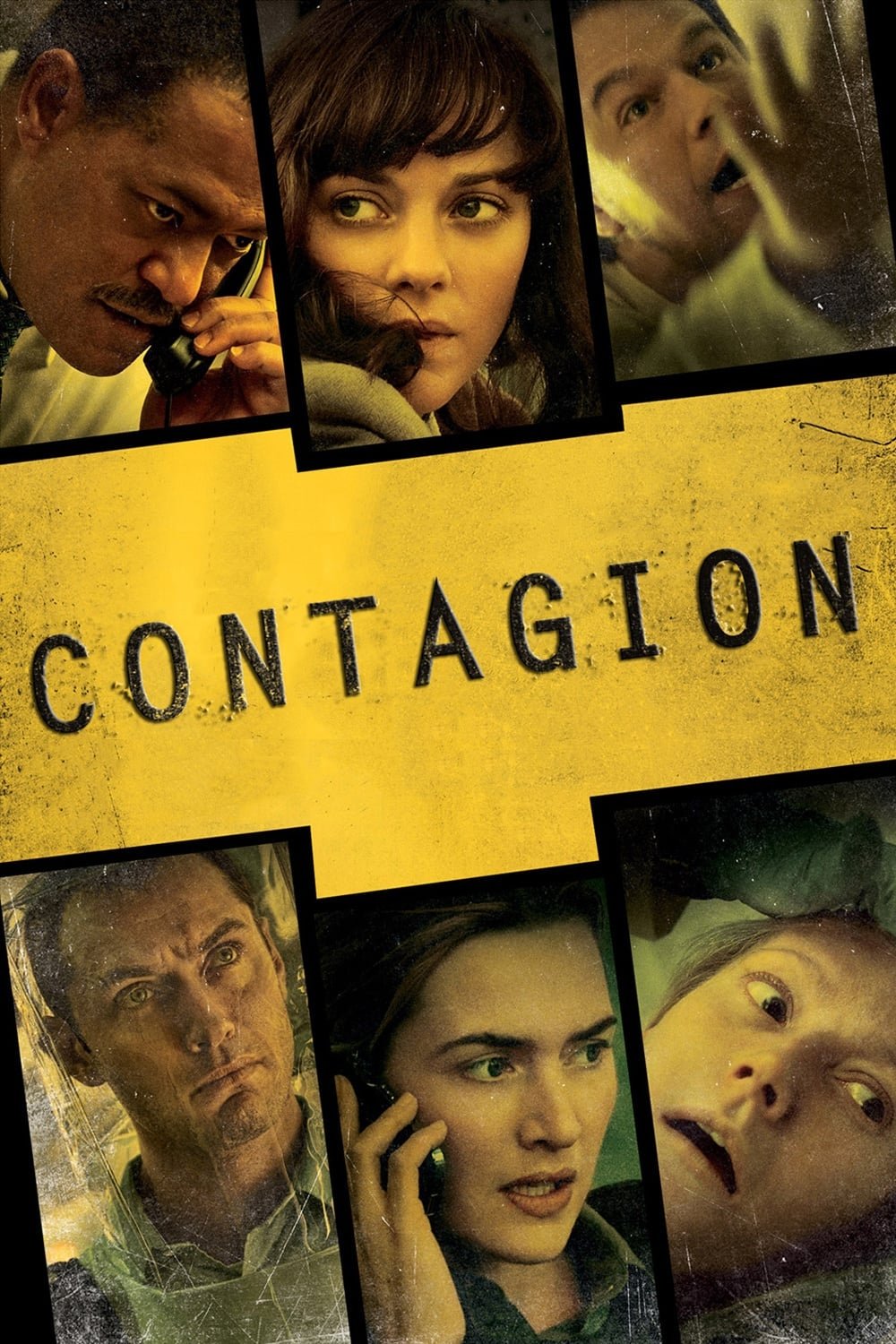
A novel virus emerges and spreads through air travel and daily contact, leading to a worldwide public health emergency. The film follows epidemiologists, clinicians, and agency leads as they trace patient zero, model transmission, and accelerate vaccine development.
Steven Soderbergh directed with on location shoots across several countries, using real labs and public health offices for access to workflow and terminology. Consultants informed procedures like contact tracing, serology, and cold chain distribution, and the narrative shows how international cooperation stabilizes the response.
Share your favorite global disaster picks in the comments and tell us which tense survival story or planet scale spectacle we should add next.