Top Virus/Pandemic/Epidemic/Infection Movies



Outbreak stories hit close to home because they follow doctors, families, and whole communities as they face something that spreads fast and changes everything. The films below cover lab investigations, field response, quarantine decisions, and the social fallout that comes with a disease that moves quicker than the people trying to stop it.
You will find thrillers set in city streets, sealed labs, speeding trains, and isolated cabins. Some draw from real pathogens while others imagine new ones with unusual transmission and symptoms. Each title sticks to the nuts and bolts of how people detect, track, and contain an infection and how systems bend or break under pressure.
‘Contagion’ (2011)
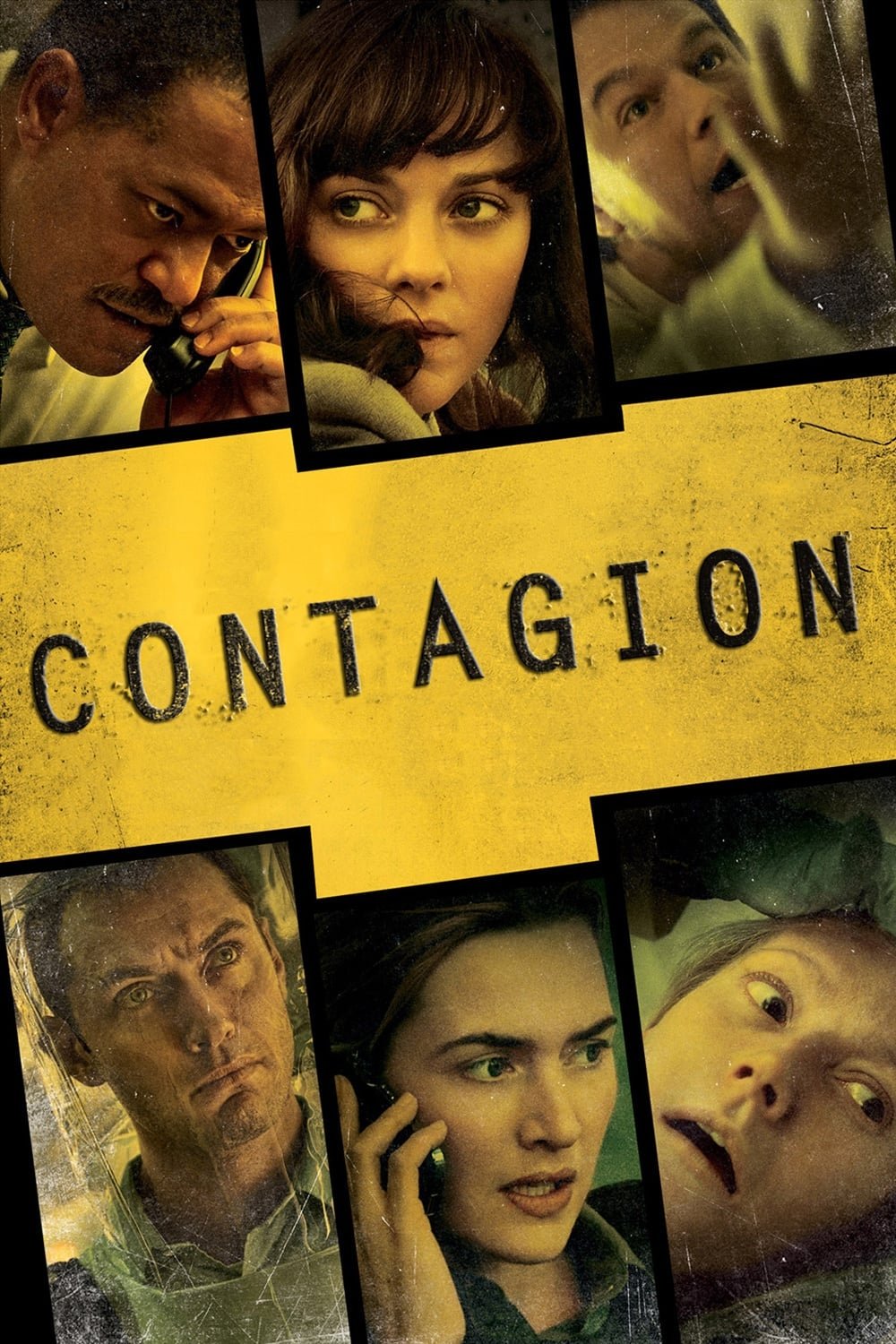
Steven Soderbergh’s film follows a novel respiratory virus as it emerges, spreads through global travel, and triggers coordinated work by public health agencies. The story tracks case investigation, contact tracing, modeling, vaccine development, and the communication challenges around risk and misinformation.
The cast includes Matt Damon, Kate Winslet, Marion Cotillard, Jude Law, Laurence Fishburne, and Gwyneth Paltrow. Scenes move between Minneapolis, San Francisco, Atlanta, and Hong Kong, with the Centers for Disease Control and Prevention and the World Health Organization featured through consultants who advised on technical details.
‘Outbreak’ (1995)
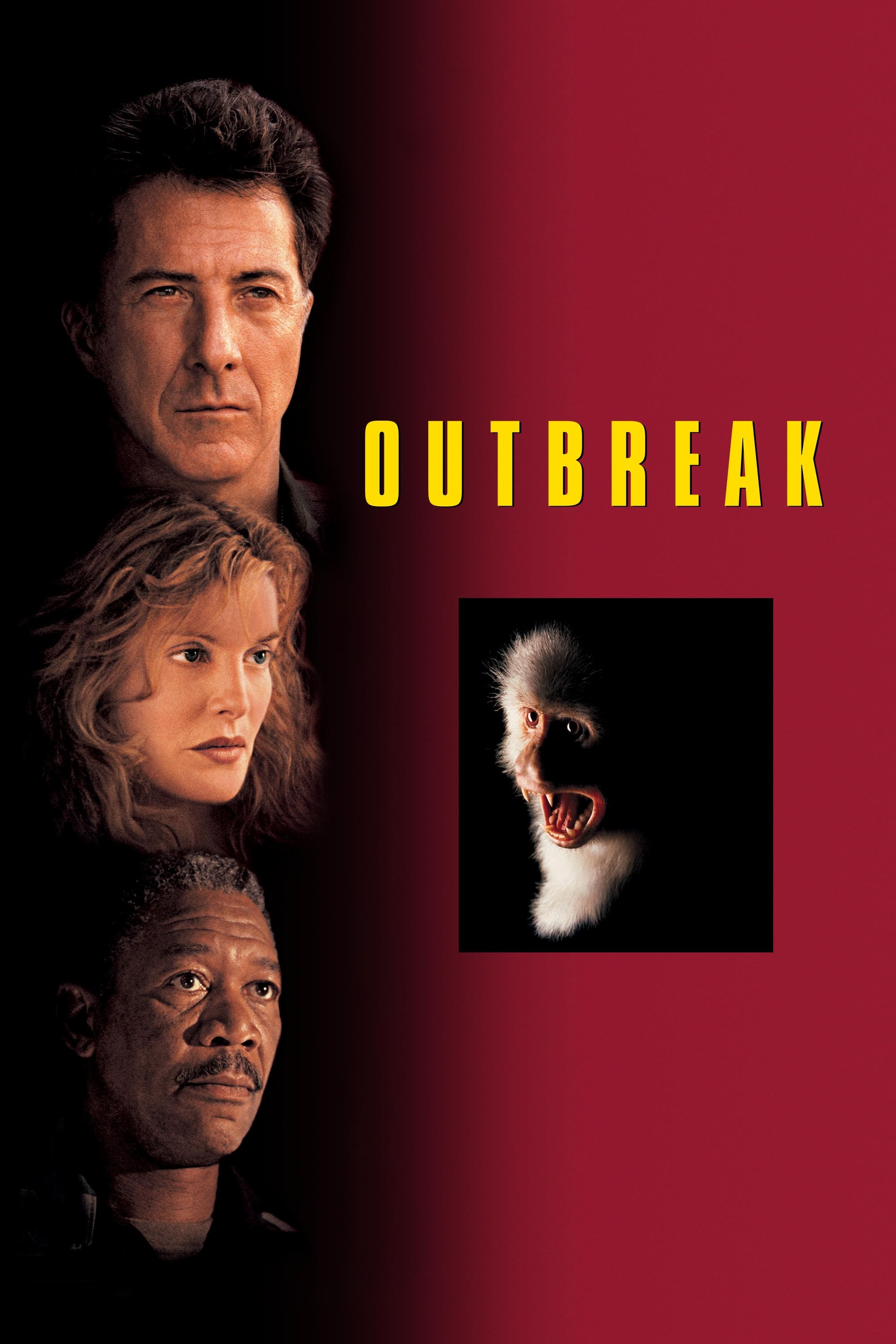
A hemorrhagic fever appears in a small California town after a pathogen is smuggled from Central Africa, and a team of military and civilian doctors races to identify the source. The plot shows patient zero tracing, movement restrictions, and the logistics of setting up cordons and field hospitals.
Wolfgang Petersen directed, with Dustin Hoffman, Rene Russo, Morgan Freeman, Cuba Gooding Jr., Kevin Spacey, and Donald Sutherland in key roles. The film uses the fictional Motaba virus to examine conflict between containment goals and hard choices about air drops, quarantine orders, and jurisdiction.
’12 Monkeys’ (1995)
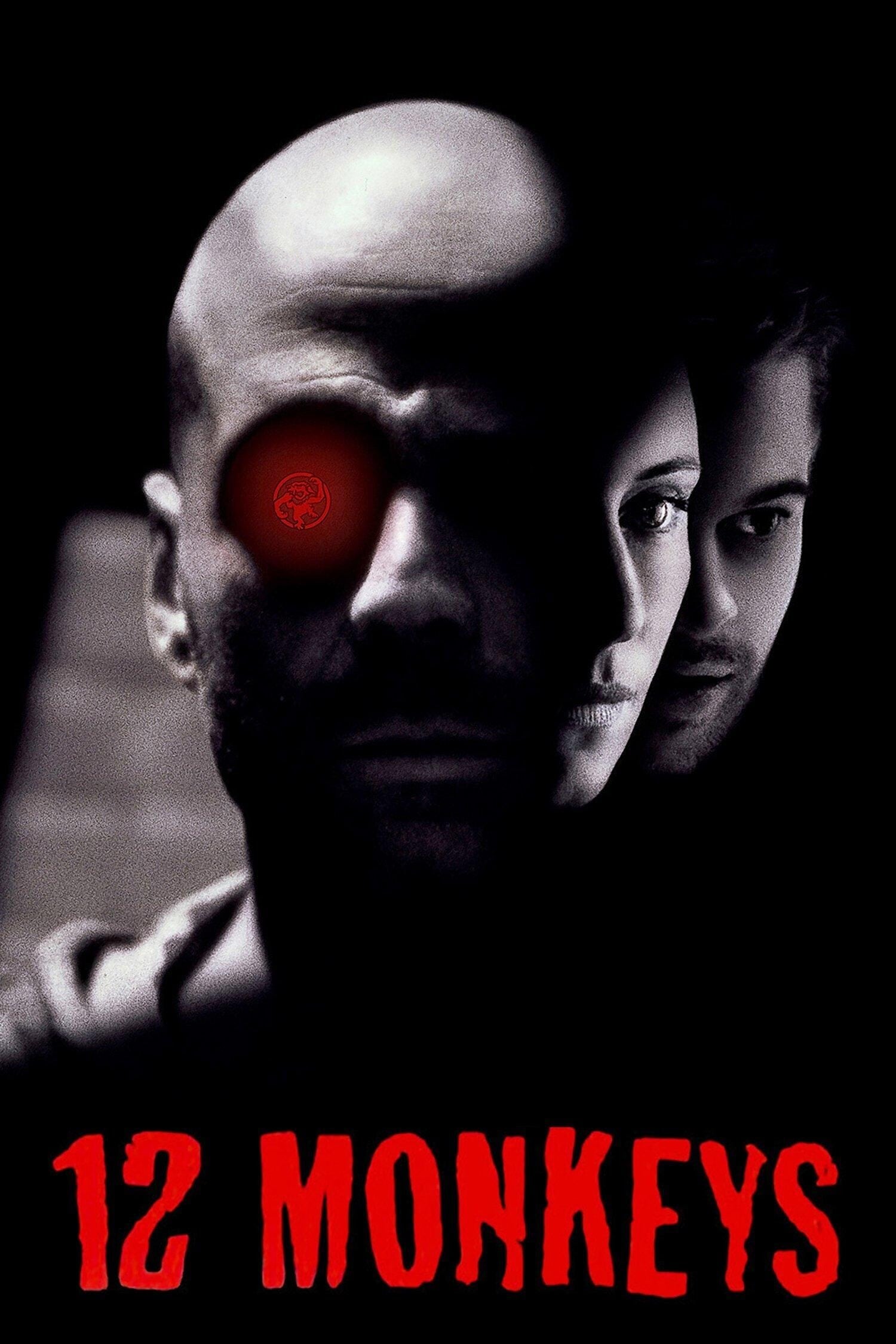
A prisoner is sent back in time to collect information about a devastating pandemic so scientists can analyze the pathogen’s origin. The narrative centers on memory reliability, early warning signs that authorities miss, and the difficulty of fixing a future with data from a chaotic past.
Terry Gilliam directed and Bruce Willis, Madeleine Stowe, and Brad Pitt star. The film takes place across Philadelphia and Baltimore and draws inspiration from the short film ‘La Jetée’, using time travel as a framework for disease surveillance and cause mapping.
‘I Am Legend’ (2007)
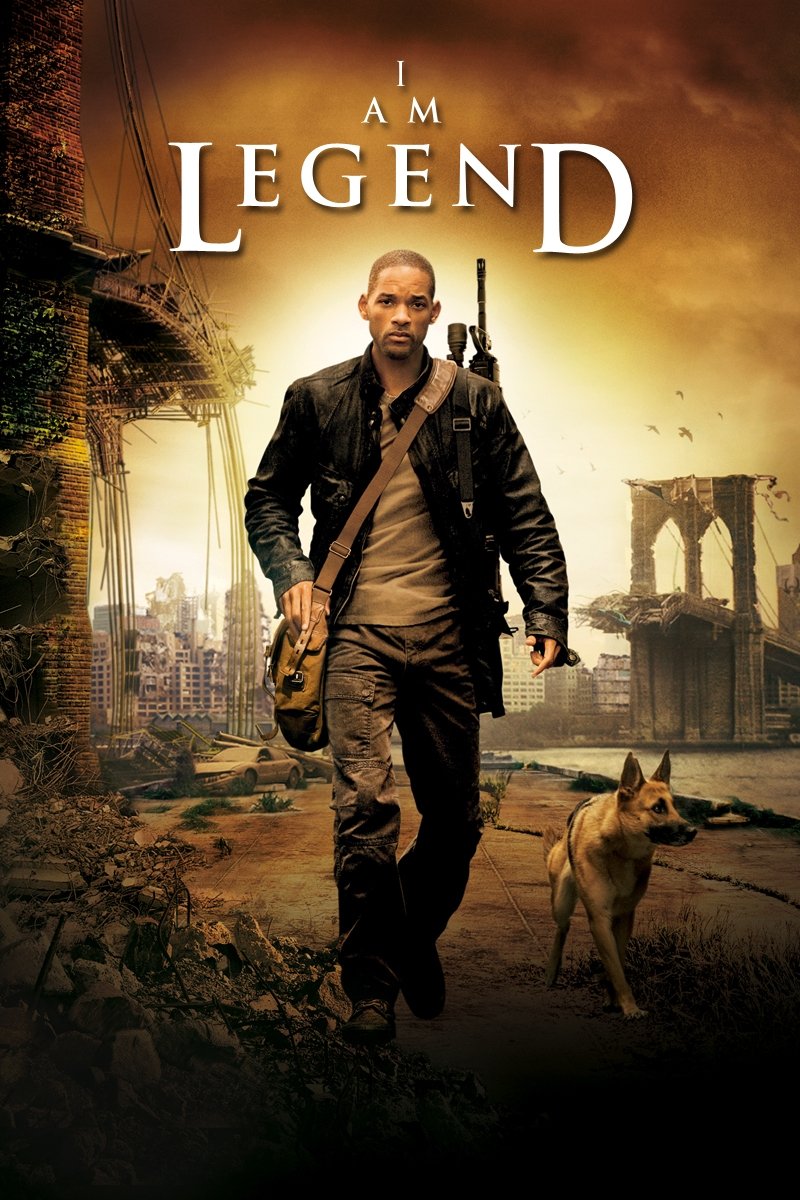
A virologist remains in an empty New York City and runs daily experiments to study an engineered virus that altered most of the population. The film follows his lab protocols, field captures, and attempts to culture and test variants in a search for a workable therapy.
Francis Lawrence directed, based on the novel by Richard Matheson, with Will Smith leading the cast. Extensive on location work shut down portions of Manhattan, including bridge sequences and deserted avenues that frame the city as a long term containment zone.
‘World War Z’ (2013)
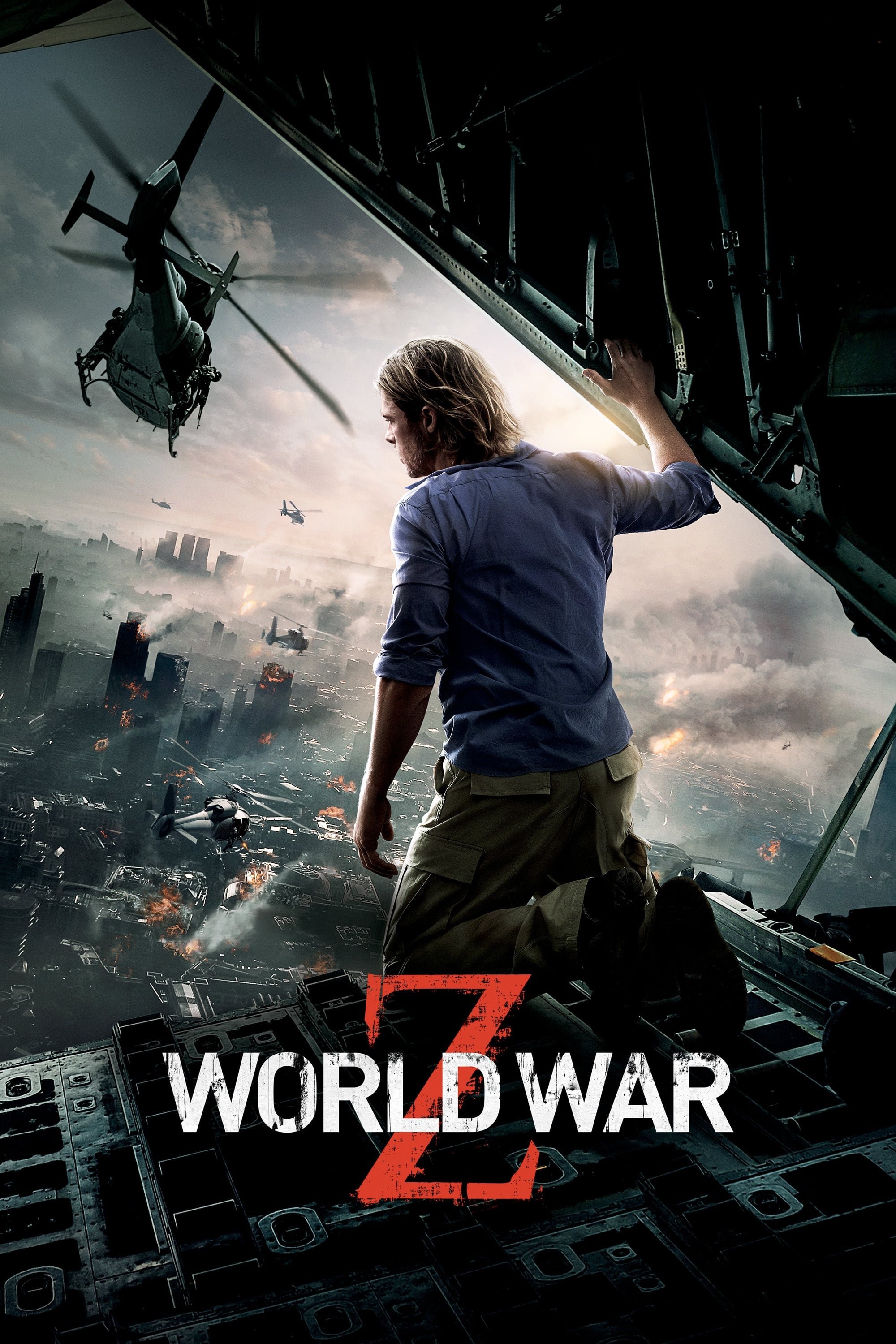
A former United Nations investigator crosses multiple countries to trace how a fast spreading infection moves through cities and transport hubs. The investigation leads through military bases, refugee centers, and research facilities where he gathers practical clues for a stopgap response.
Marc Forster directed and Brad Pitt stars, with locations spanning South Korea, Jerusalem, and Wales. The production adapts the book by Max Brooks and features a reworked final act in a World Health Organization facility that highlights small scale tactics inside a biosafety environment.
’28 Days Later’ (2002)
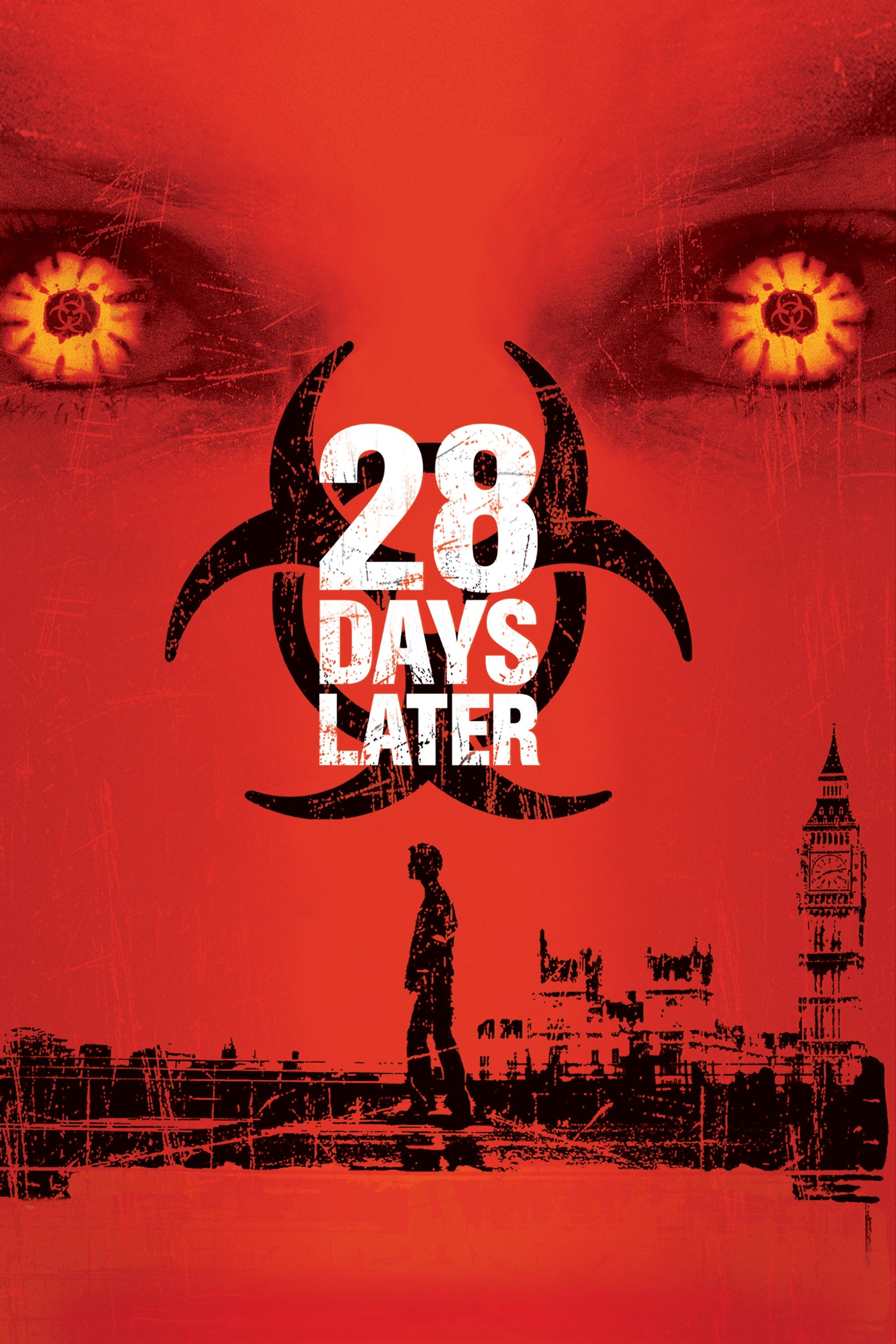
A courier wakes in a deserted hospital and learns that a contagion escaped from a research lab and raced across Britain. The story shows improvised survival routines, ad hoc triage, and the limits of military checkpoints as survivors move from city streets to rural safe houses.
Danny Boyle directed from a script by Alex Garland, with Cillian Murphy, Naomie Harris, Brendan Gleeson, and Christopher Eccleston. Filming used early morning street closures and lightweight digital cameras to depict depopulated London as the virus continues to flare through clusters.
’28 Weeks Later’ (2007)
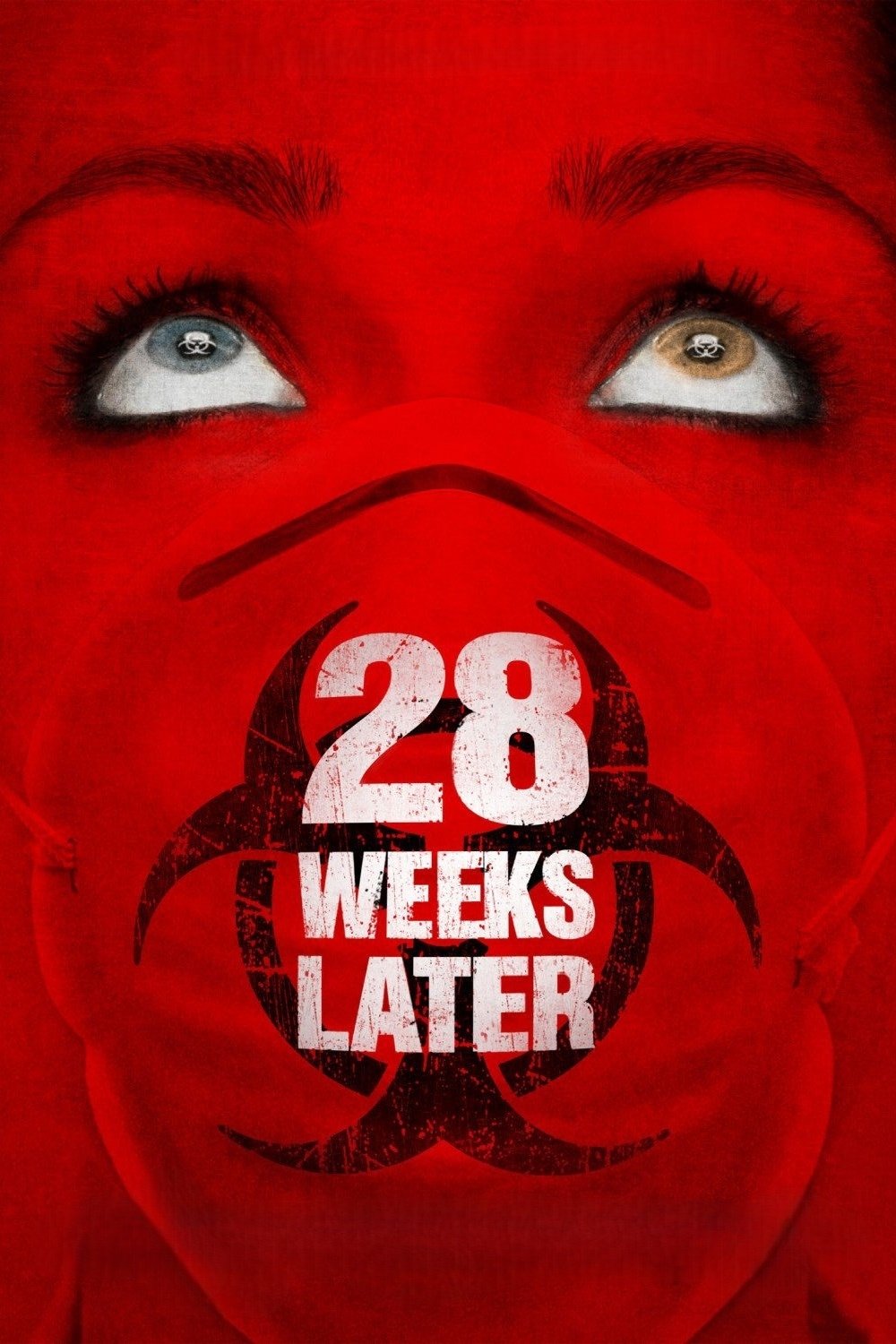
Authorities reopen a secure district and begin repopulation after an initial catastrophe, only for the pathogen to resurface through a household exposure. The film tracks how a localized case breaches layers of security and how evacuation plans struggle once infection enters mixed civilian military zones.
Juan Carlos Fresnadillo directed, with Robert Carlyle, Rose Byrne, Jeremy Renner, Harold Perrineau, Idris Elba, and Imogen Poots. Set pieces move through central London and use aerial surveillance, biometric controls, and blackout protocols to show how countermeasures can fail under stress.
‘The Andromeda Strain’ (1971)
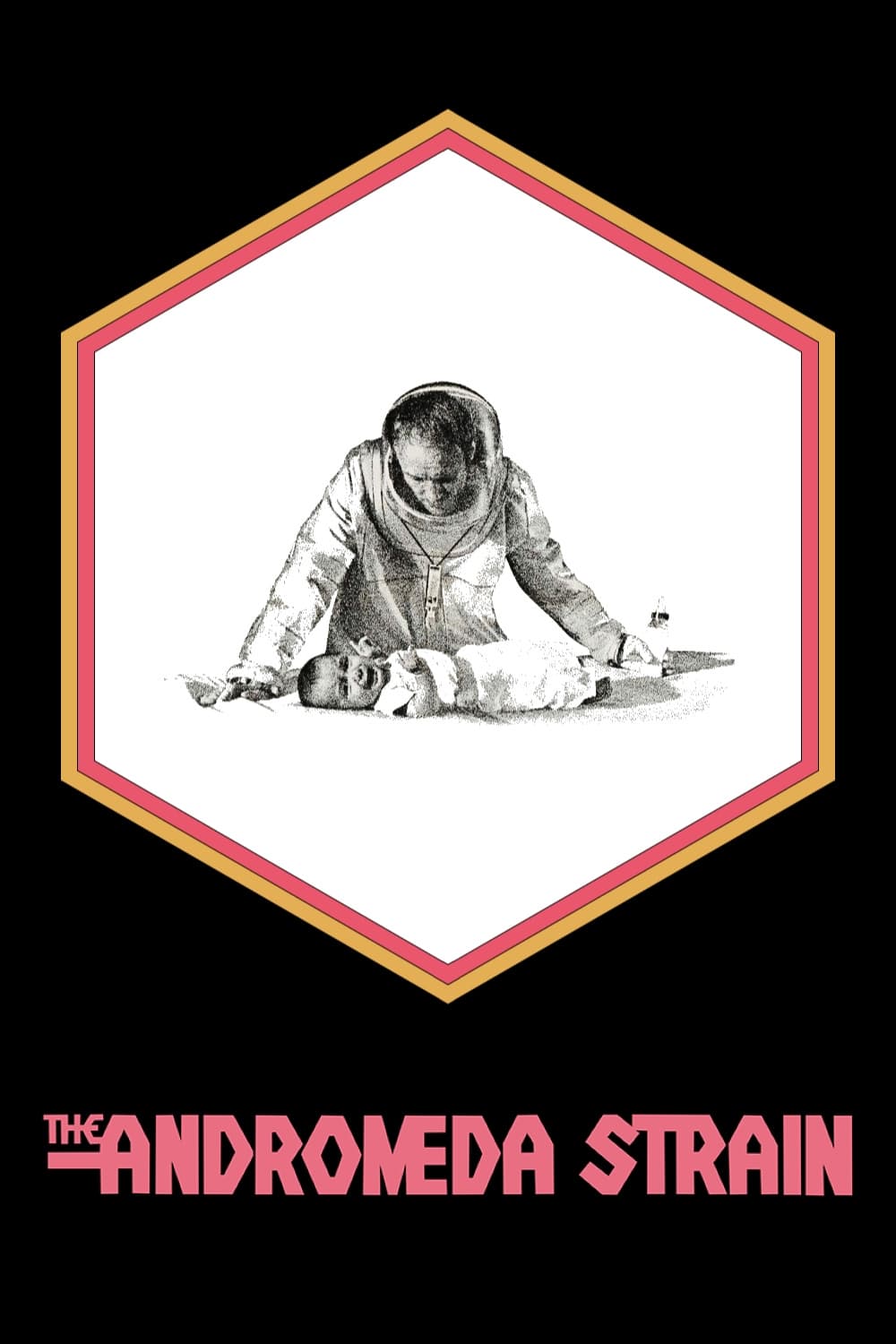
A satellite returns to Earth carrying an unknown microorganism that wipes out a desert town, and a scientific team assembles in a multi level laboratory to investigate. The film follows sampling, culture attempts, pH and growth tests, and a search for a non biological trigger for containment.
Robert Wise directed the adaptation of Michael Crichton’s novel. The production designed the Wildfire facility with color coded levels, robotic arms, and decontamination stages, and it features special effects work that visualizes microscopic structures and automated failsafes.
‘Train to Busan’ (2016)
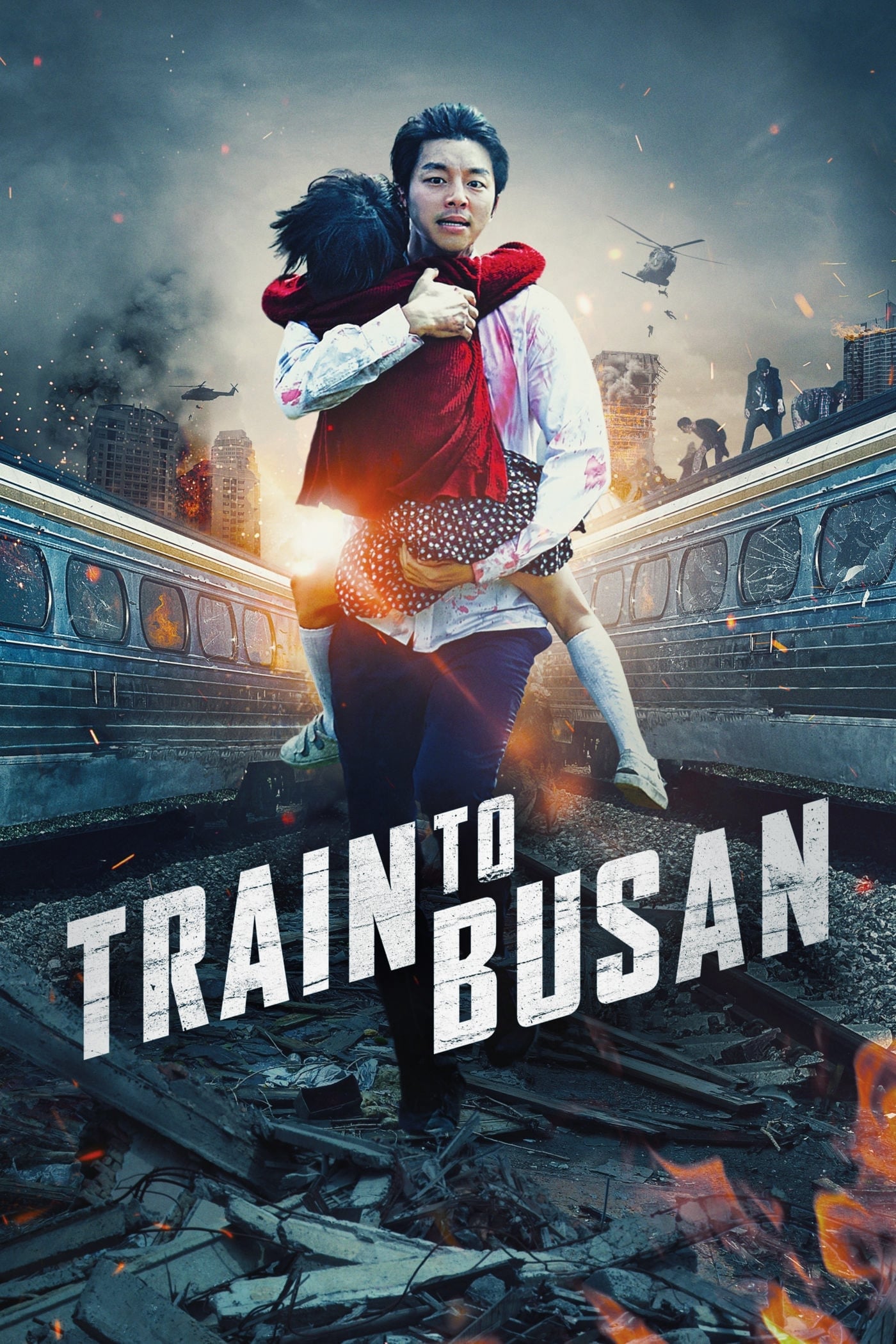
A father and daughter board a high speed train as a nationwide outbreak erupts, and the infection reaches the cars while stations fall offline. The plot tracks how movement between cars, door controls, and stops at intermediate cities change exposure risk for everyone onboard.
Yeon Sang ho directed, with Gong Yoo, Jung Yu mi, Ma Dong seok, and Kim Su an leading the ensemble. The film uses large train sets, coordinated stunt work, and crowd choreography to show transmission in confined spaces and the way information lags behind events during a fast cascade.
‘Carriers’ (2009)
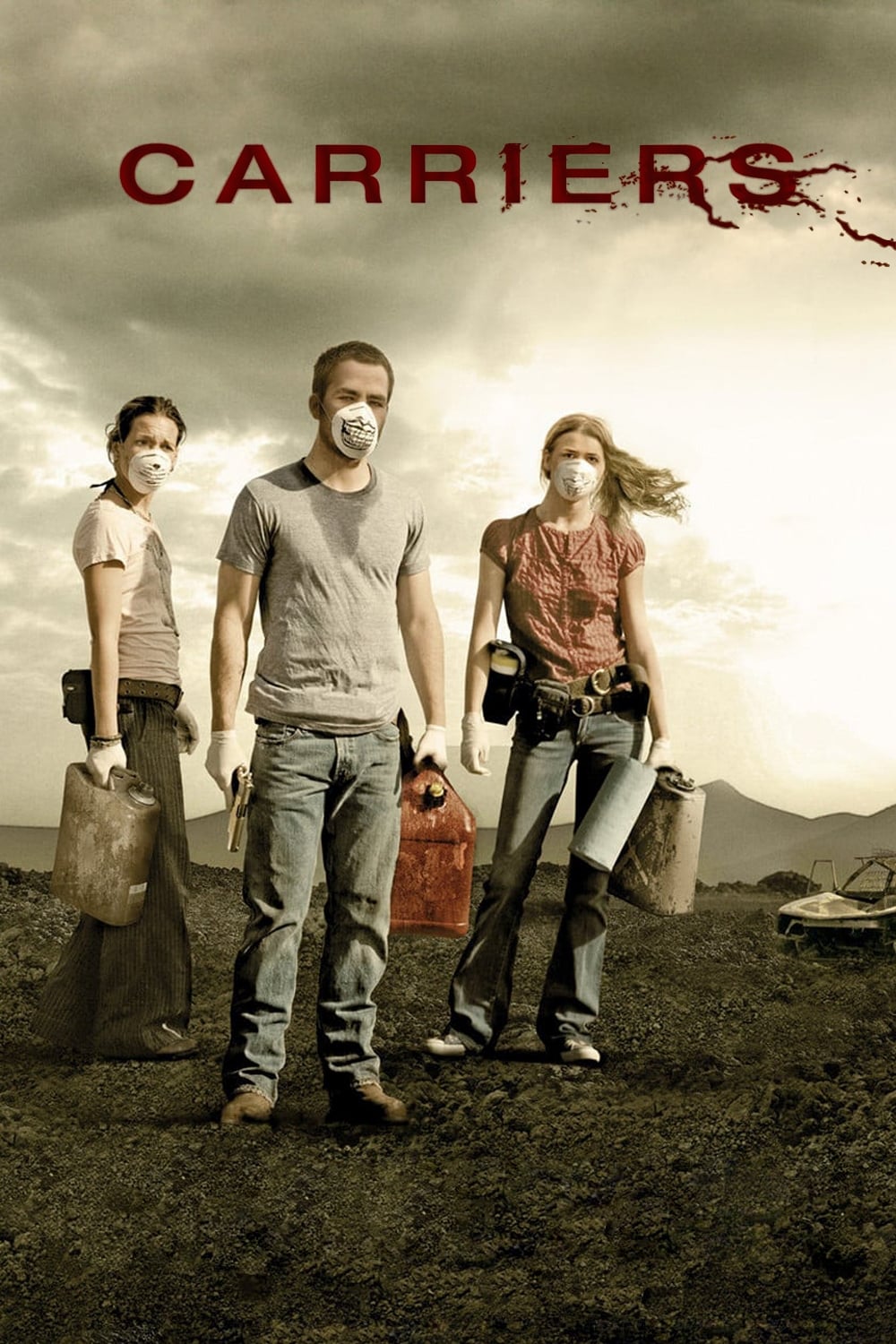
Two brothers and their companions drive across the American Southwest following self imposed rules to avoid exposure during a lethal pandemic. The story uses roadblocks, abandoned resorts, and small town clinics to show how supplies, fuel, and trust erode during prolonged outbreaks.
Alex and David Pastor wrote and directed, with Chris Pine, Lou Taylor Pucci, Emily VanCamp, and Piper Perabo. The film was shot in New Mexico and focuses on decision making under uncertainty, including what happens when homebrew guidelines collide with desperate situations.
‘The Crazies’ (2010)
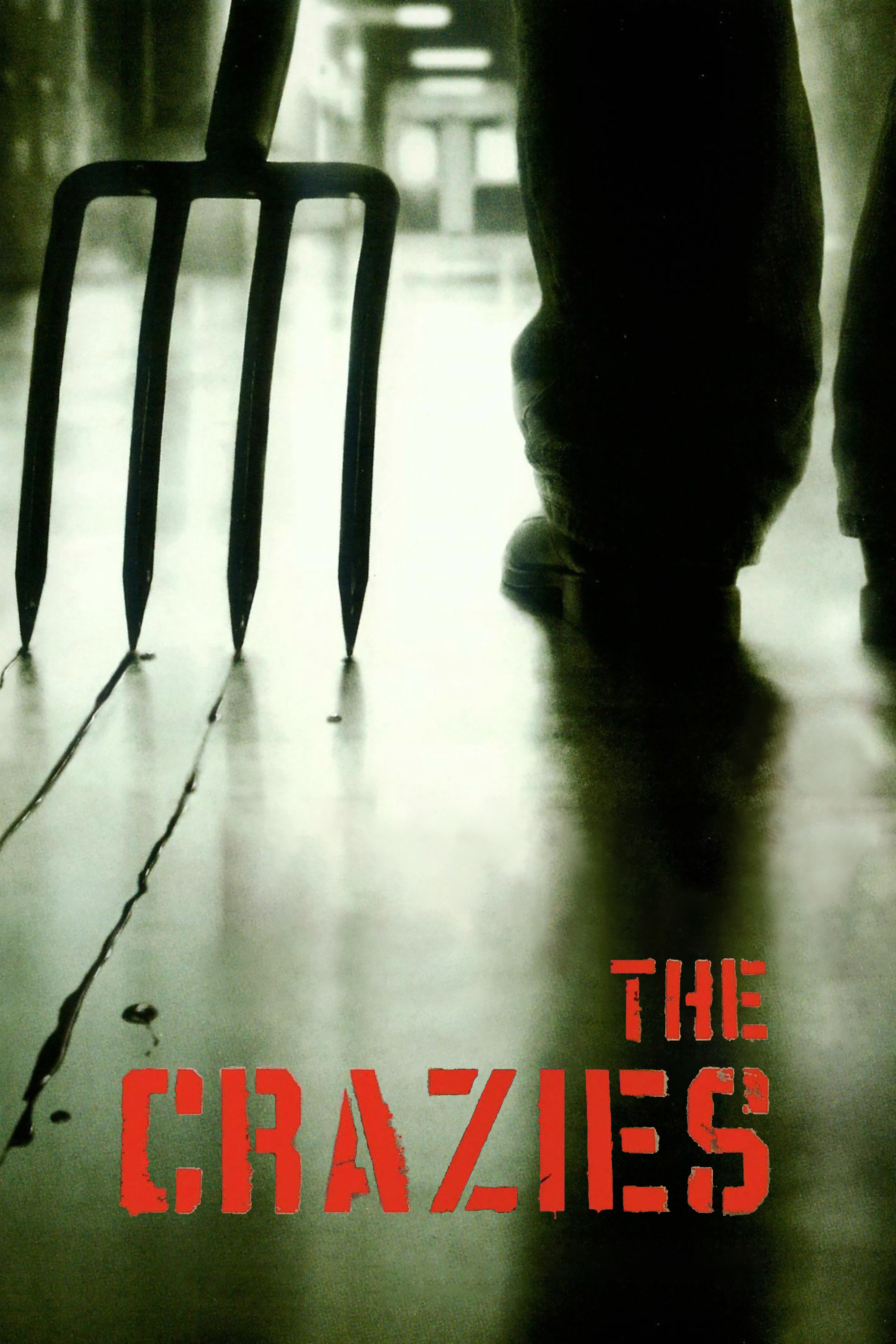
A water contamination event exposes a farming community to a military research agent that triggers violent behavior. Local responders and residents navigate quarantine perimeters, testing sites, and black bag operations as they try to leave the hot zone.
Breck Eisner directed this remake of the George A. Romero film, starring Timothy Olyphant, Radha Mitchell, Joe Anderson, and Danielle Panabaker. The setting centers on an Iowa town and shows rapid shifts from normal life to restricted movement once the agent enters the municipal supply.
‘REC’ (2007)

A television reporter and a fire crew enter a Barcelona apartment building during a late night call, and authorities seal the building after a bite related illness appears. The real time format captures stairwell evacuations, improvised triage, and the way rumors grow in confined spaces.
Jaume Balagueró and Paco Plaza directed, with Manuela Velasco anchoring the footage. The Spanish language production employs found footage techniques to map rooms, doorways, and ventilation shafts while the infection path becomes clearer with each floor searched.
‘Quarantine’ (2008)
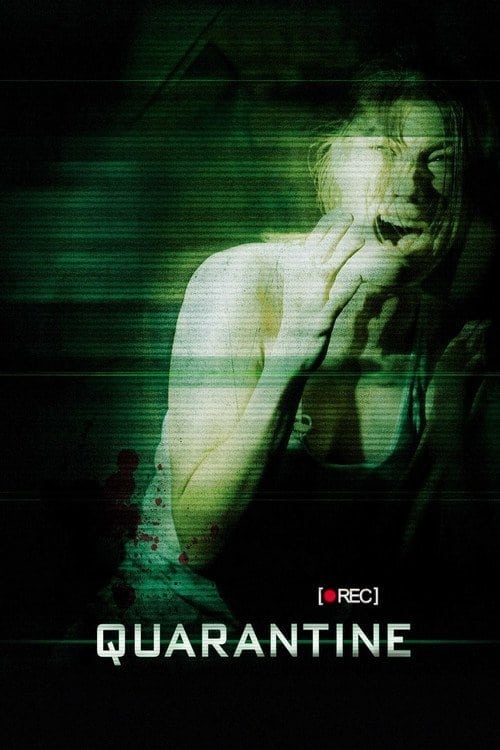
A local news crew covers a routine call in Los Angeles and winds up locked inside a building when residents show acute symptoms after an animal exposure. The story tracks apartment by apartment searches, communications cutoffs, and the official decision to keep everyone inside.
John Erick Dowdle directed this English language retelling of the events from ‘REC’, starring Jennifer Carpenter, Jay Hernandez, and Columbus Short. The remake uses the same confined structure to stage stairwell encounters and blackout sequences that complicate medical assessment.
‘The Girl with All the Gifts’ (2016)

Scientists study children who carry a fungal infection yet retain higher cognitive function, and a security breach forces a small group to cross a changed landscape. The plot weaves field survival with lab ethics as researchers weigh treatment options against wider ecological effects.
Colm McCarthy directed from a screenplay by M. R. Carey based on his novel, with Sennia Nanua, Gemma Arterton, Paddy Considine, and Glenn Close. The production blends classroom scenes, military patrols, and urban overgrowth to examine how a pathogen can alter behavior and environment.
‘Pontypool’ (2008)
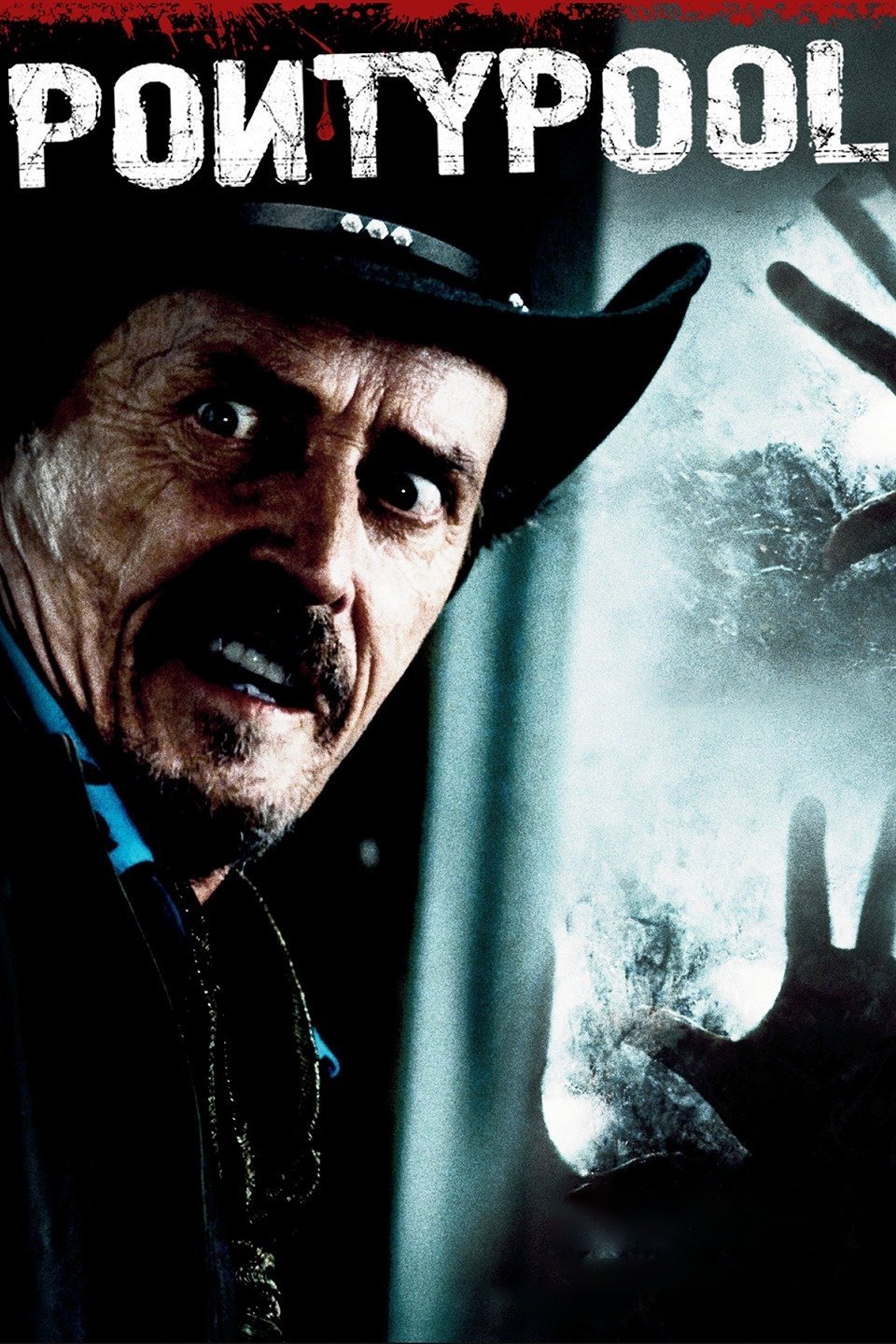
A radio host in rural Ontario receives strange reports of violence as listeners call in, and staff realize that certain words may carry the infection. The crew locks down the studio and experiments with language to disrupt transmission while authorities surround the building.
Bruce McDonald directed, with Stephen McHattie, Lisa Houle, and Georgina Reilly. The adaptation of Tony Burgess’s work uses a single location to show rumor control, emergency broadcasts, and the challenge of issuing clear guidance when language itself may spread disease.
‘Cabin Fever’ (2002)
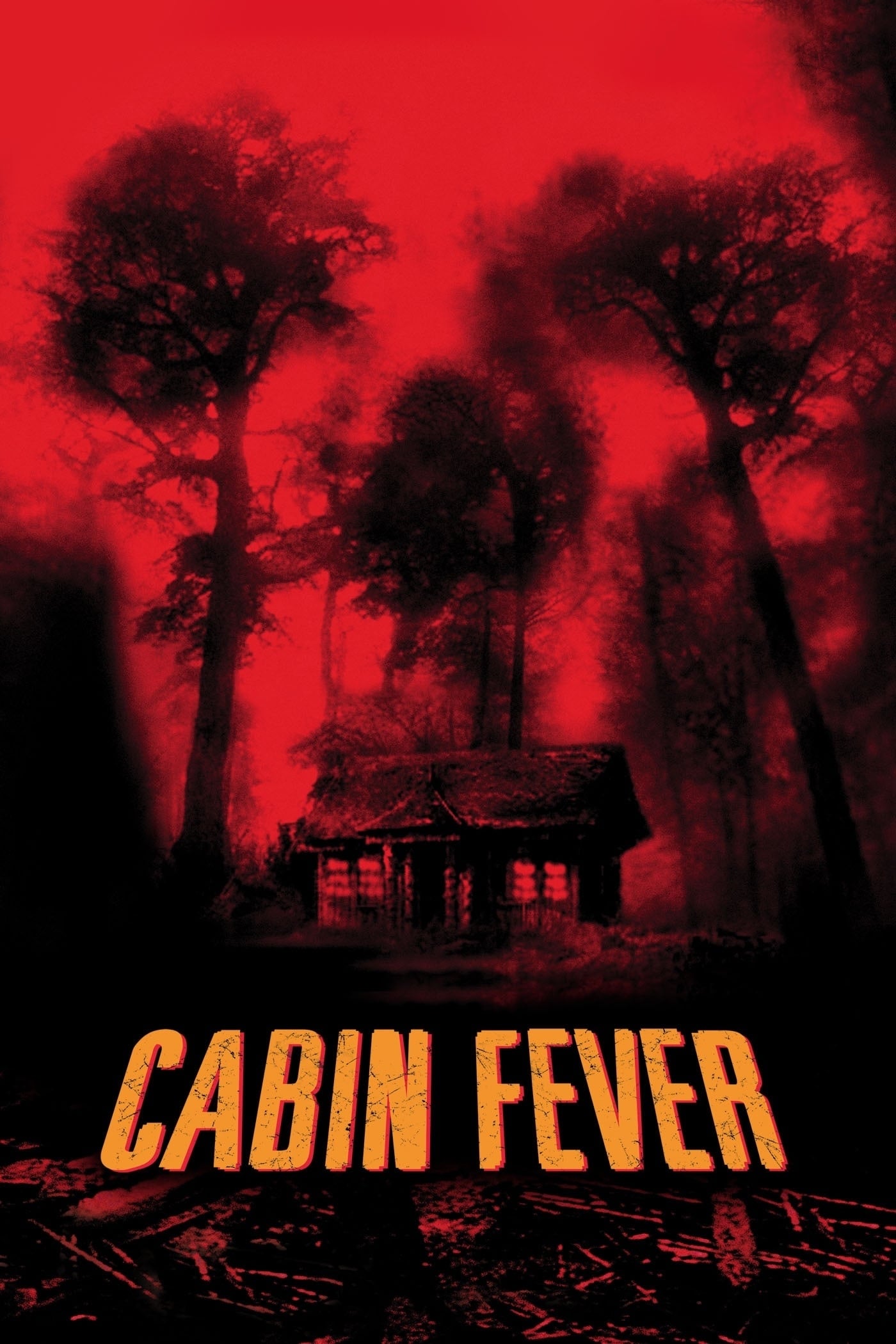
A group of friends rents a cabin in the woods and encounters a flesh eating illness that moves through contact and the local water supply. The narrative shows how a minor cut or shared container can become a vector and how a contaminated source affects nearby businesses.
Eli Roth directed, with Rider Strong, Jordan Ladd, James DeBello, and Cerina Vincent. Practical effects and rural locations emphasize the speed of tissue damage, while side characters from the town illustrate how quickly a small outbreak can lead to vigilante responses.
‘Blindness’ (2008)
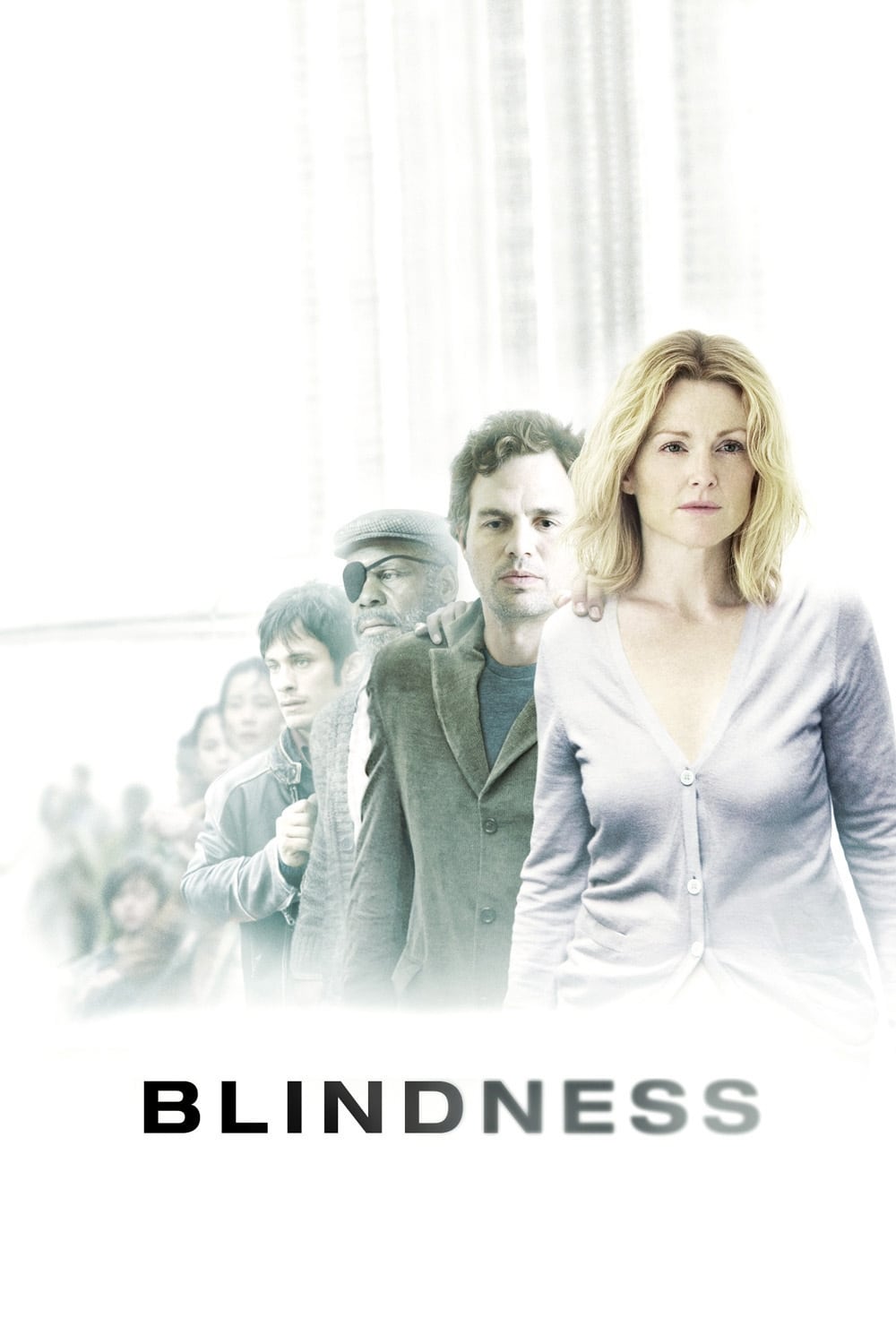
An unnamed city experiences sudden cases of white blindness, and authorities confine the first patients in an improvised facility where conditions degrade. The story examines rationing, sanitation, and basic governance when a large portion of the population loses sight.
Fernando Meirelles directed, with Julianne Moore, Mark Ruffalo, Alice Braga, and Gael García Bernal. The film adapts the novel by José Saramago and uses international locations to present a universal setting where social systems must adapt to a sweeping sensory pandemic.
‘The Flu’ (2013)
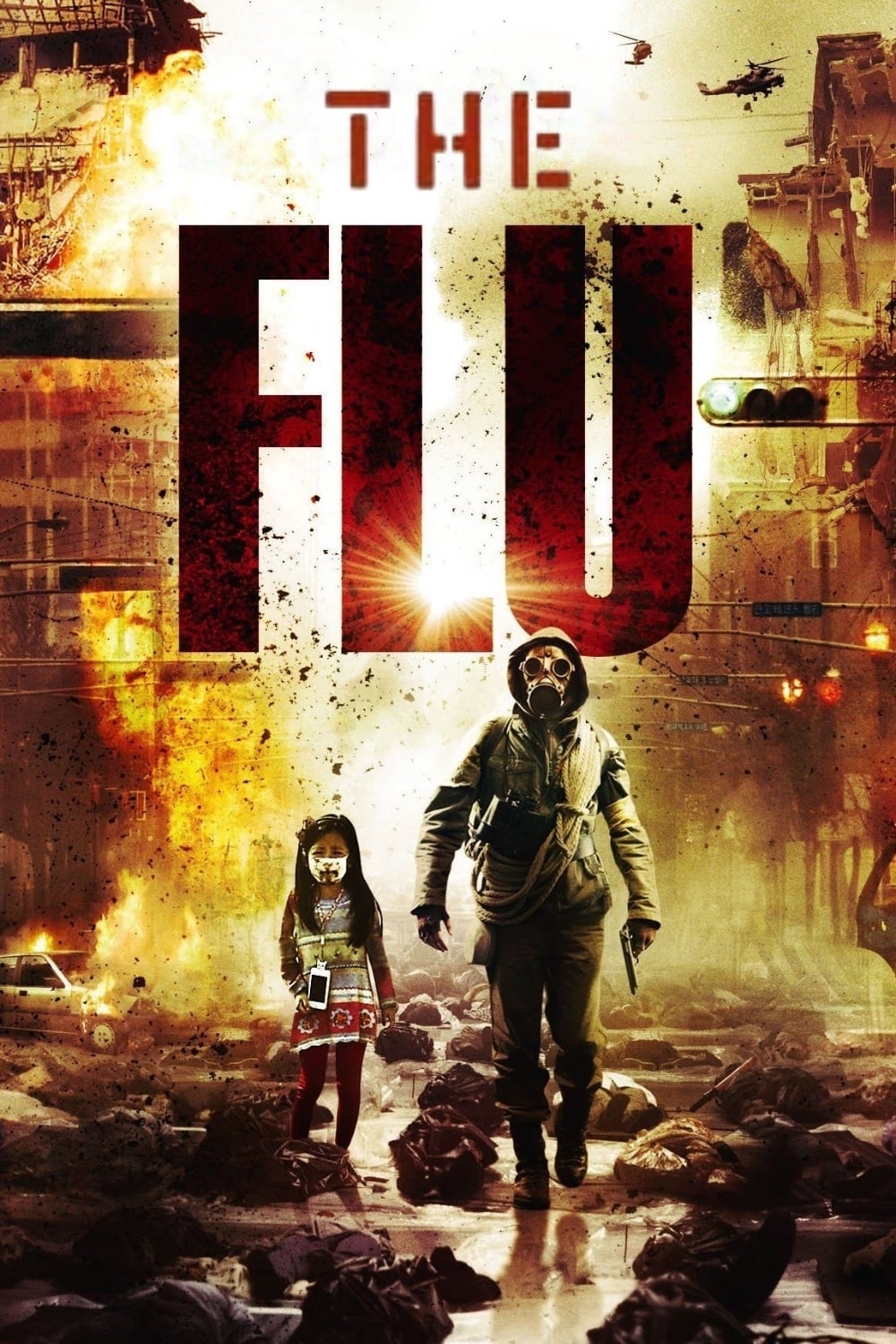
A lethal respiratory illness hits a suburban district near Seoul, and responders try to stop community transmission as hospitals overflow. The plot follows ambulance crews, municipal leaders, and military units as they set up quarantine stadiums and negotiate family separations.
Kim Sung su directed, starring Jang Hyuk and Soo Ae. Large scale crowd scenes and practical effects depict field triage, personal protective equipment, and the tension between rapid lockdowns and humanitarian considerations in a dense urban area.
‘Virus’ (2019)
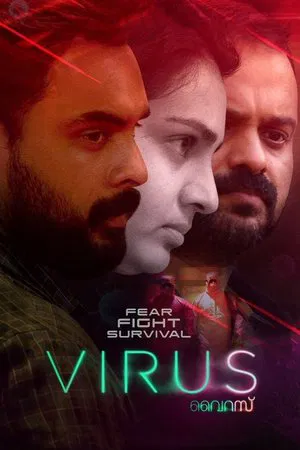
This Malayalam language drama recreates the Nipah outbreak in Kerala and focuses on clinicians, epidemiologists, and administrators who built a contact tracing web in real time. The film details line listing, isolation wards, and the use of press briefings to manage fear.
Aashiq Abu directed with an ensemble that includes Kunchacko Boban, Parvathy Thiruvothu, Tovino Thomas, and Revathy. The production highlights cooperation among public hospitals and local officials and shows how coordinated messaging helped sustain community compliance.
’93 Days’ (2016)
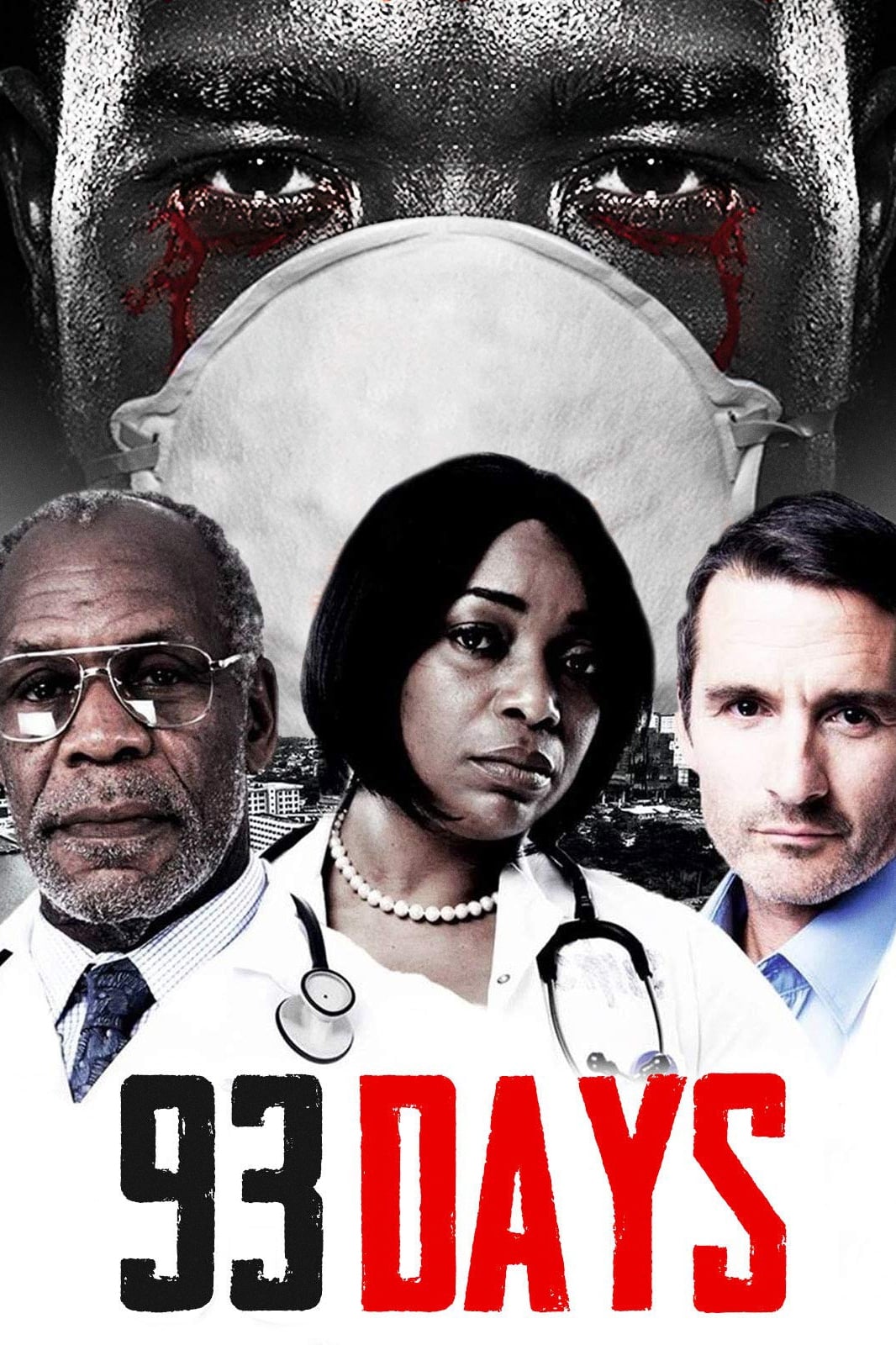
A patient arrives in Lagos carrying Ebola, and a team at a private hospital recognizes the risk and contains exposure despite intense pressure. The film shows border checks, airport alerts, and the creation of specialized wards while honoring frontline workers.
Steve Gukas directed, with Bimbo Akintola, Danny Glover, Somkele Iyamah Idhalama, and Bimbo Manuel. The story centers on the staff at First Consultants Medical Centre and demonstrates how early isolation and clear protocols prevented a larger crisis.
‘The Omega Man’ (1971)
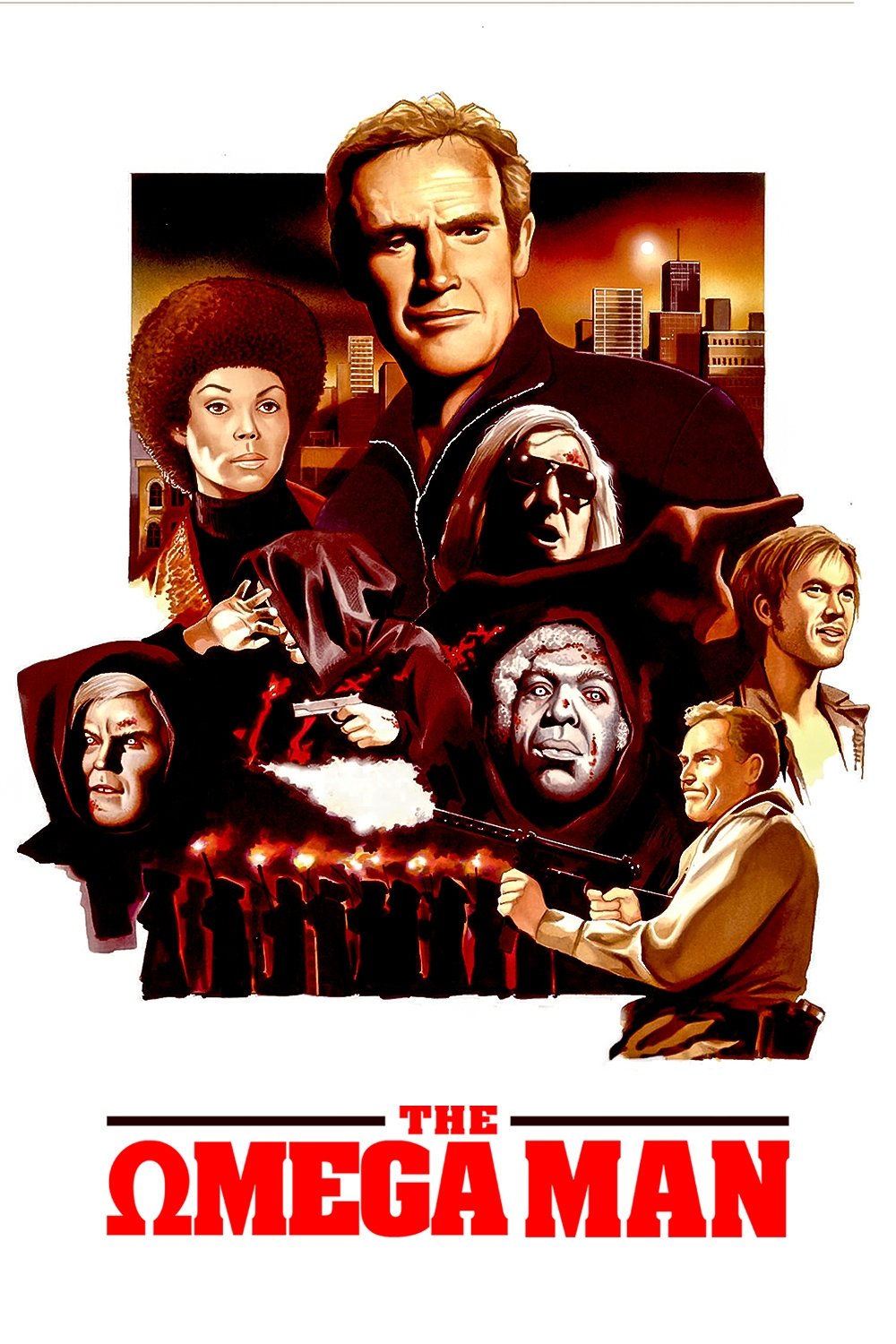
A scientist lives in an emptied Los Angeles and experiments with his own blood while avoiding a nocturnal cult formed by the infected. He uses laboratories, generators, and hidden supply caches to keep research going inside fortified spaces.
Boris Sagal directed, starring Charlton Heston and Rosalind Cash. The adaptation of Richard Matheson’s novel shifts the infected into an organized group and uses downtown locations to explore surveillance, immune carriers, and the search for a reproducible cure.
‘The Last Man on Earth’ (1964)
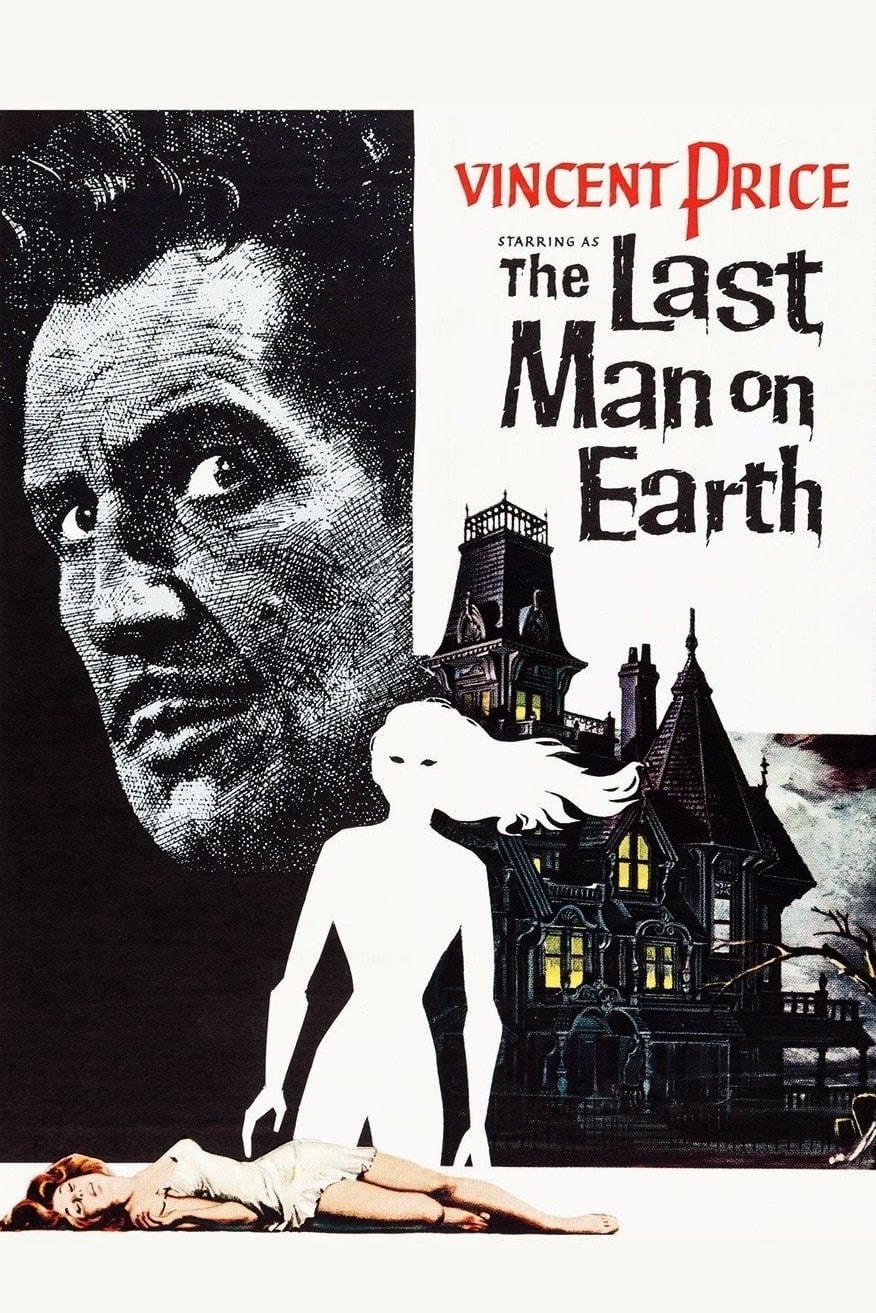
A researcher believes he is the final uninfected person and spends days gathering supplies and nights defending his home. He keeps meticulous records, treats his house as a lab, and tests methods to neutralize the creatures who still bear signs of the original disease.
Ubaldo Ragona and Sidney Salkow directed, with Vincent Price leading the cast. Filmed in Italy, the production presents a methodical approach to survival, including map making, fuel cycles, and planned routes for specimen collection and disposal.
‘Shivers’ (1975)
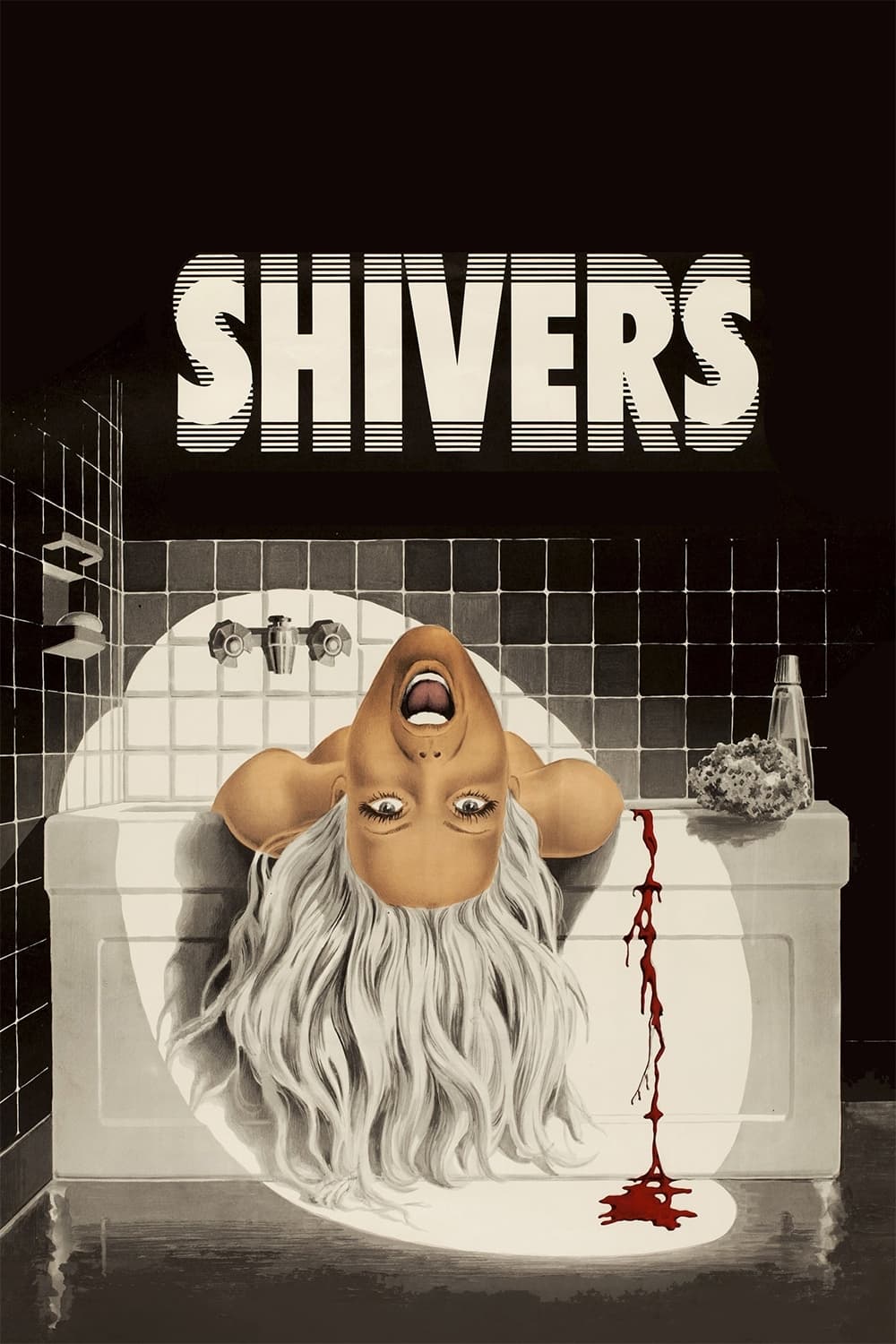
Residents of a modern apartment complex become hosts to an engineered parasite that spreads through intimate contact and alters behavior. The story tracks how a single building can function as an epidemiological microcosm where stairwells, elevators, and ventilation matter.
David Cronenberg directed, with Paul Hampton, Lynn Lowry, and Barbara Steele. The film, also known as ‘They Came from Within’, uses Montreal locations and focuses on vector biology and transmission dynamics in a closed community.
‘Rabid’ (1977)
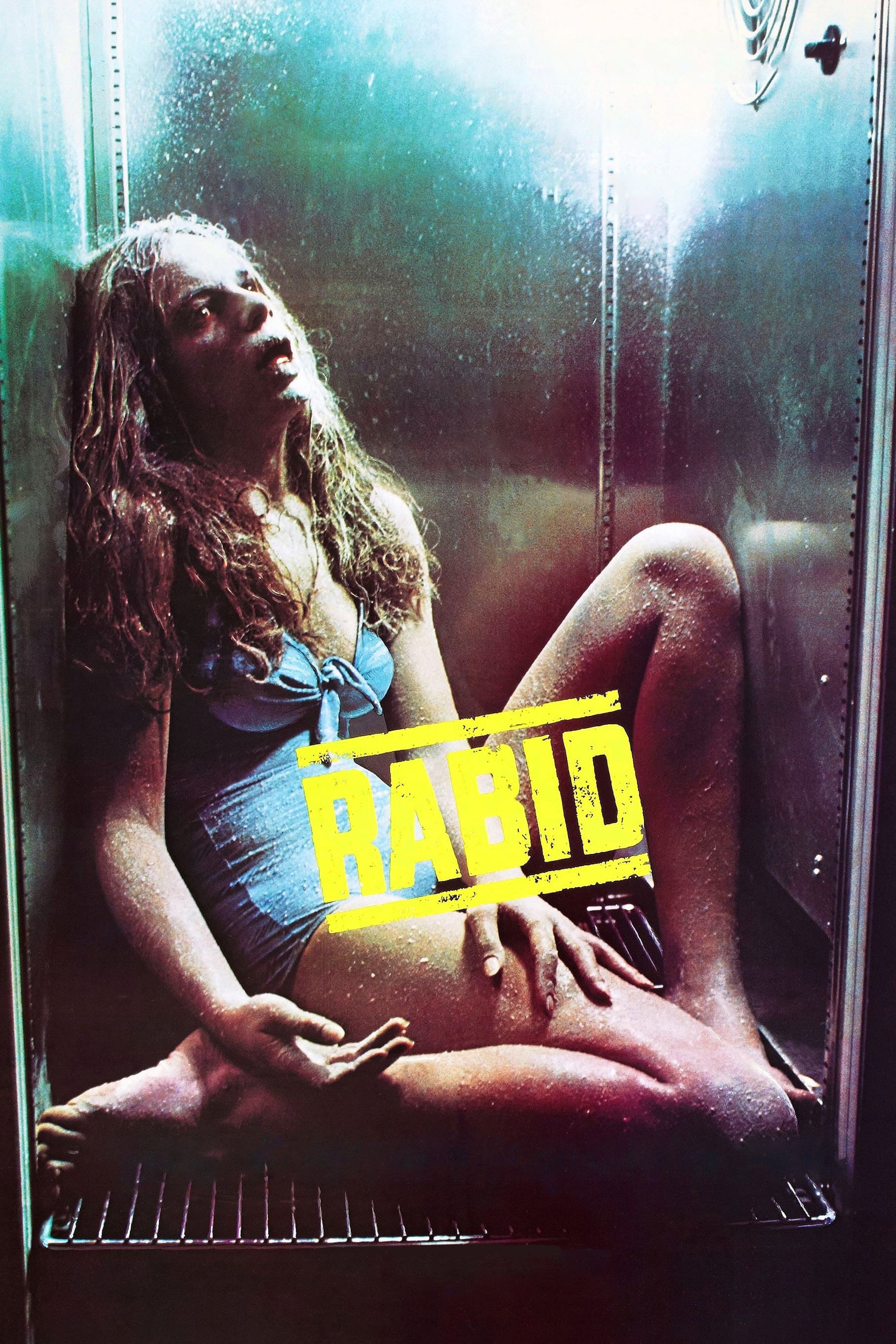
After experimental surgery, a woman develops an unusual appendage that delivers an infection resembling an aggressive form of rabies. Secondary cases appear across the city and authorities struggle with vaccine supply and travel restrictions as panic grows.
David Cronenberg directed, starring Marilyn Chambers, Frank Moore, and Joe Silver. The production uses Montreal and surrounding areas to show checkpoints, clinic lines, and public notices while tracking how a single source case drives a wider emergency.
‘Perfect Sense’ (2011)

A chef and an epidemiologist meet in Glasgow as waves of symptoms remove senses from the population in a consistent sequence. Public health teams monitor patterns while businesses adjust menus, lighting, and service to match each new phase.
David Mackenzie directed, with Ewan McGregor and Eva Green. The film observes social adaptation through restaurants, labs, and city streets and treats the condition as a global event that shifts daily life while researchers look for mechanisms and triggers.
‘The Andromeda Strain’ (1971)
A satellite returns to Earth carrying an unknown microorganism that wipes out a desert town, and a scientific team assembles in a multi level laboratory to investigate. The film follows sampling, culture attempts, pH and growth tests, and a search for a non biological trigger for containment.
Robert Wise directed the adaptation of Michael Crichton’s novel. The production designed the Wildfire facility with color coded levels, robotic arms, and decontamination stages, and it features special effects work that visualizes microscopic structures and automated failsafes.
Share your favorite outbreak thriller in the comments and tell us which one you would add to the list.