Top Movies About Stockholm Syndrome


Stockholm syndrome is the name often used when hostages or victims begin to identify with a captor during a crisis. The concept entered public conversation after a 1973 bank robbery in Sweden where several hostages were reported to have developed sympathy for the robbers. Filmmakers have explored versions of this dynamic across crime stories, romances, and psychological dramas, sometimes leaning on the term and sometimes challenging it.
The movies below cover kidnappings, hostage standoffs, and captivity that create complicated bonds. Some follow real incidents while others use fictional scenarios to study power, coercion, and survival. You will find everything from tense thrillers to intimate character studies, along with animation and international titles that approach the same idea from very different angles.
‘Stockholm’ (2018)

This crime drama is inspired by the 1973 Norrmalmstorg robbery in Sweden that brought the term into public use. Ethan Hawke plays a robber who holds bank employees while negotiating with police, and Noomi Rapace portrays one of the hostages whose shifting responses to the ordeal drew attention from the media.
Writer director Robert Budreau reconstructs key details from reports, including the long standoff inside the bank and the uneasy rapport that formed between captors and captives. The film uses a contained setting to show how fear, bargaining, and perceived acts of protection can blur lines during a siege.
‘Berlin Syndrome’ (2017)
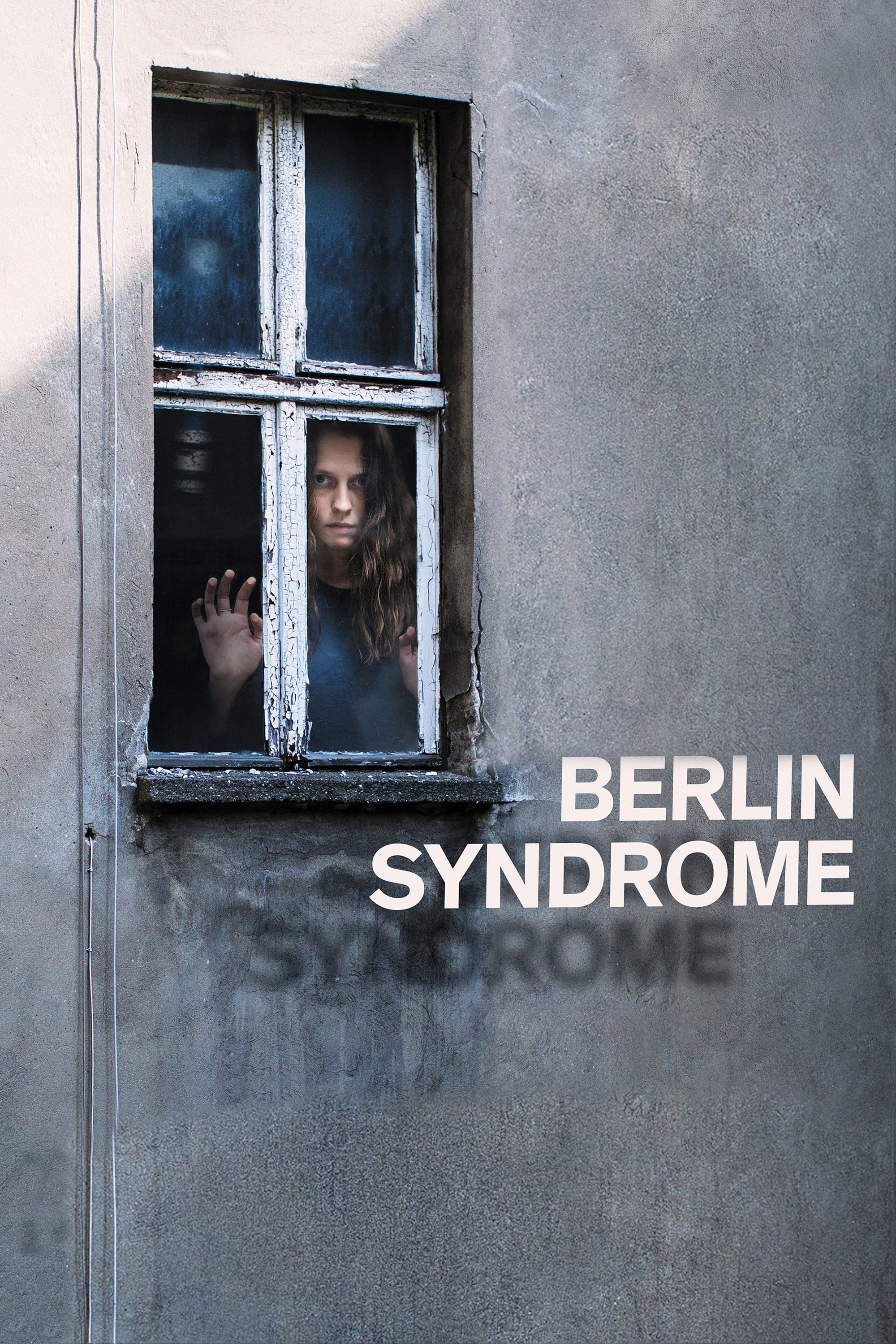
An Australian photographer meets a local teacher while traveling in Germany and wakes to find herself locked inside his apartment. The story follows her prolonged captivity, the routines that are imposed on her, and the psychological strategies she uses to survive.
Director Cate Shortland focuses on control rather than sensational shocks. Teresa Palmer and Max Riemelt play out a relationship that moves between apparent tenderness and calculated cruelty, showing how dependence can be engineered by a captor who controls access to food, information, and light.
‘The Collector’ (1965)
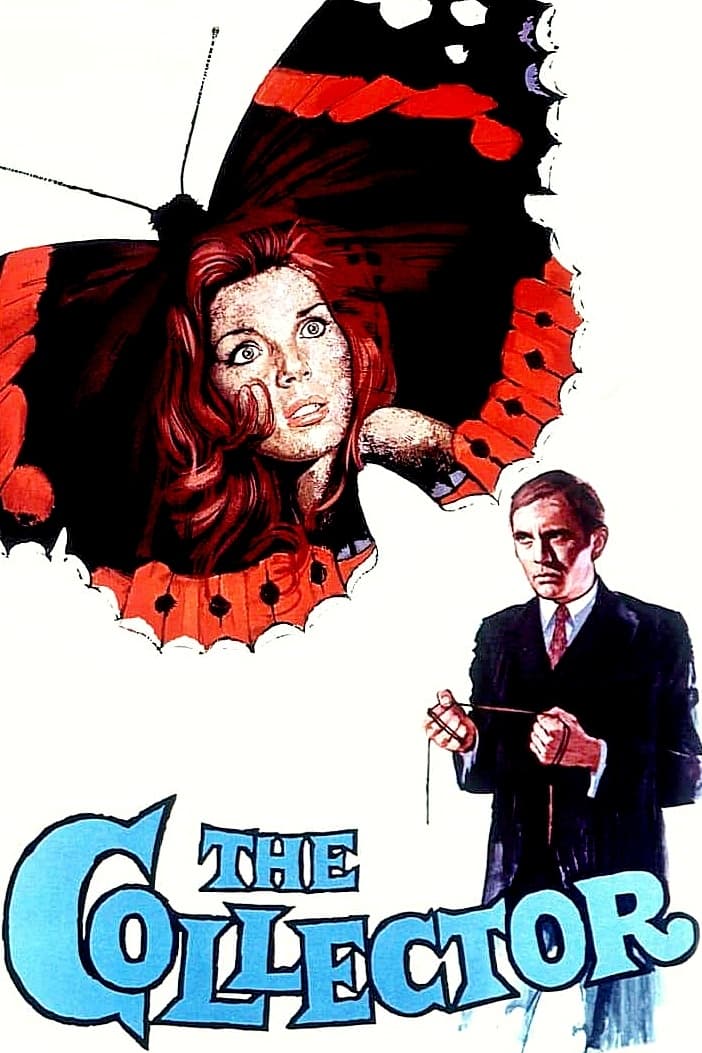
Adapted from John Fowles’s novel, this psychological thriller centers on a butterfly collector who kidnaps an art student and keeps her in a cellar. The film tracks his attempts to earn affection through gifts and rules while ignoring her autonomy and protests.
Directed by William Wyler, the movie places almost every scene in a single house to emphasize confinement. Performances by Terence Stamp and Samantha Eggar highlight a disturbing push and pull where manipulation is disguised as courtship and where captivity is framed as a test of compatibility.
‘Tie Me Up! Tie Me Down!’ (1989)

Pedro Almodóvar’s film follows a recently released psychiatric patient who abducts an actress with plans to make her fall in love with him. What begins as a crime becomes a negotiation over control and desire inside a locked apartment.
Antonio Banderas and Victoria Abril play characters who use care, threat, and dependency as bargaining chips. The movie examines how scarcity of options within captivity can be mistaken for consent, while also showing how attention and caretaking are weaponized by the captor.
‘Beauty and the Beast’ (1991)

This animated classic retells an old folk story in which a young woman is held in a castle by a cursed prince. The plot tracks how access to comfort, shared meals, and small acts of kindness slowly shift her view of the Beast despite the circumstances of her confinement.
The film sparked wide discussion about the effect of isolation and dependence on a captive’s judgment. Songs and set pieces soften the edges, yet the narrative still shows how control of movement and information can create gratitude and attachment in a closed world.
‘Buffalo ’66’ (1998)
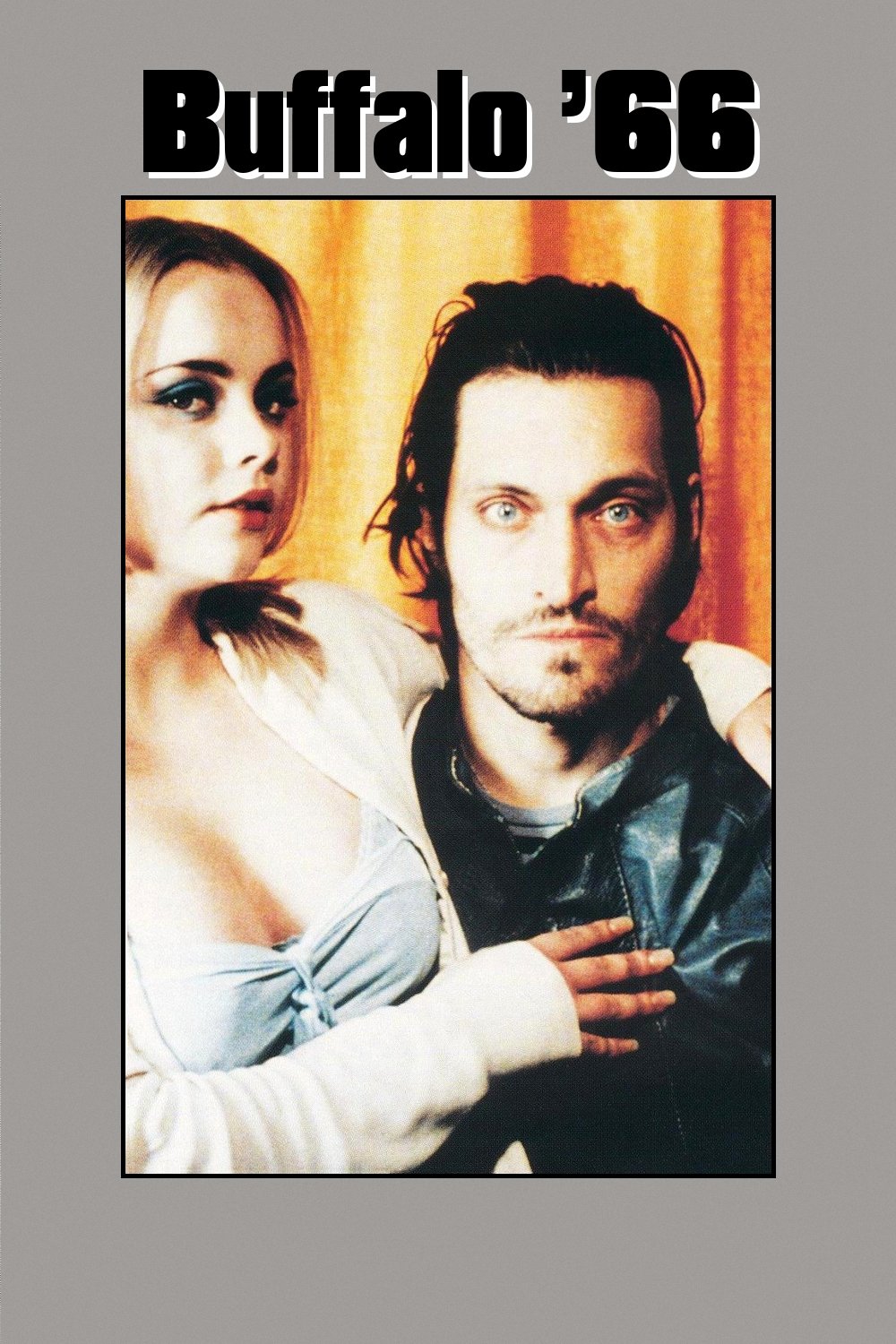
After leaving prison, a man impulsively kidnaps a young woman and forces her to pose as his wife during a visit with his parents. The charade expands into a road trip where the hostage role starts to blur with voluntary companionship.
Written and directed by Vincent Gallo, the movie presents captivity as a series of performances that make space for empathy to take root. Christina Ricci’s character gains leverage by playing along, and the script uses that leverage to explore how dependence and pity can look like affection.
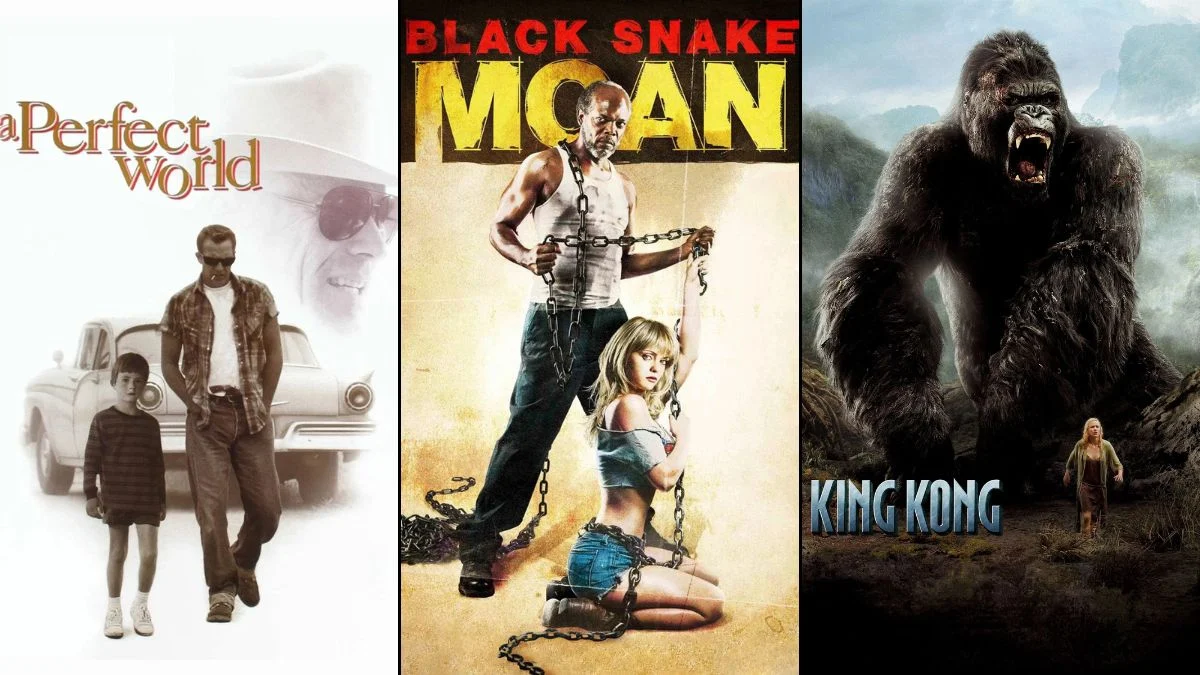
‘A Perfect World’ (1993)
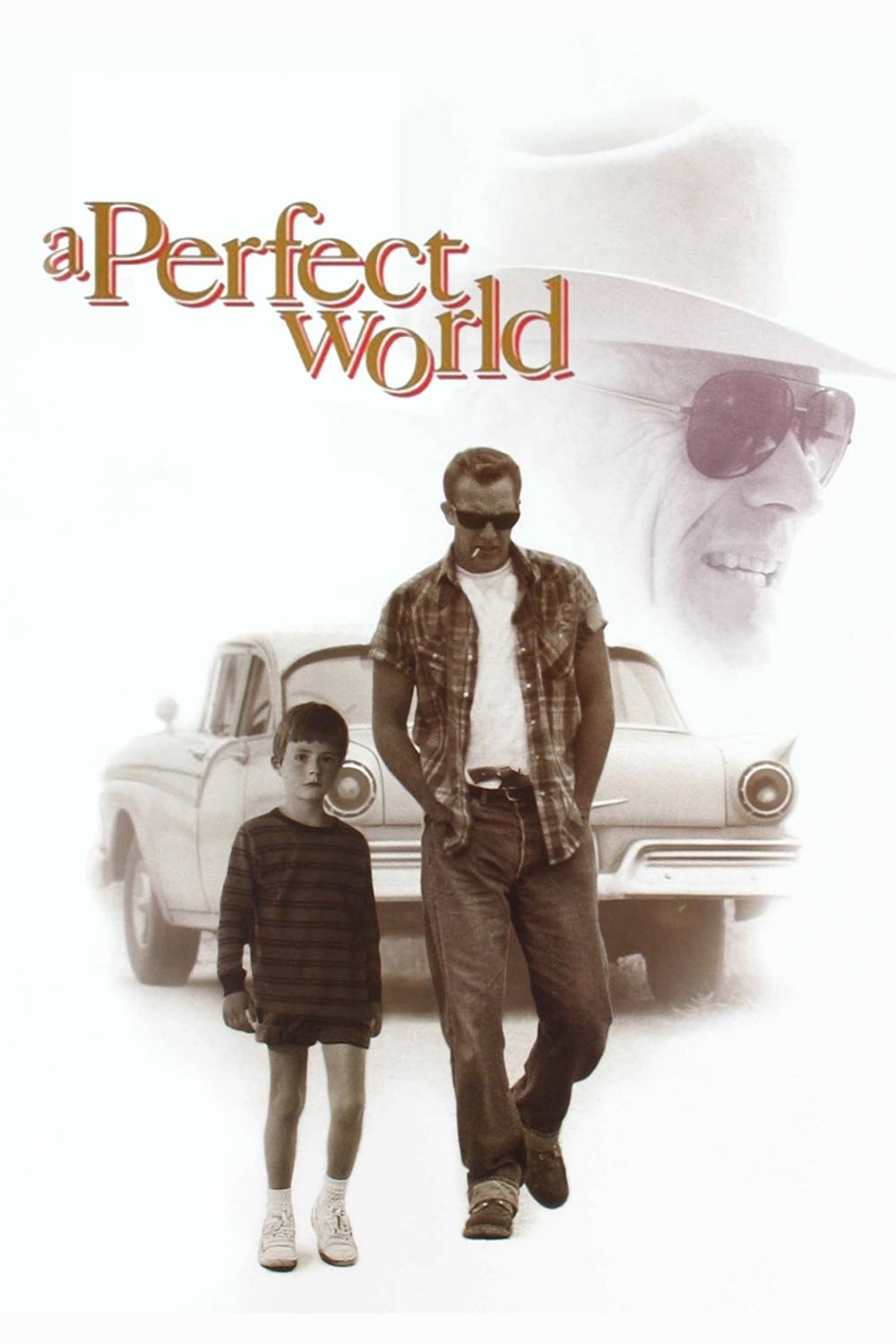
An escaped convict abducts a boy during a chaotic getaway, then becomes a caretaker during their days on the run. The child’s view of the kidnapper grows more complex as they share meals, stories, and stolen moments of freedom.
Directed by Clint Eastwood, the film contrasts the pursuit led by law enforcement with a road story that bonds the captor and the child through routine and attention. The boy’s attachment forms under pressure and limited choice, reflecting a dynamic where the captor provides both danger and protection.
‘The Night Porter’ (1974)
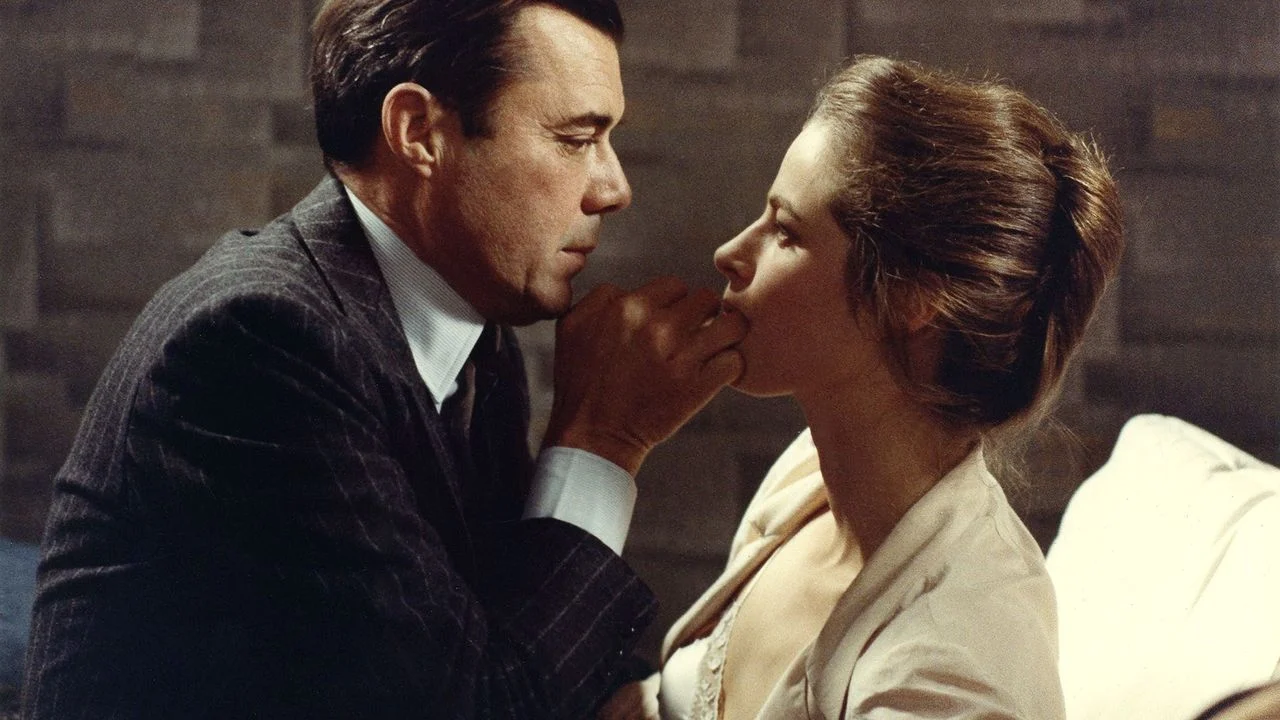
Set in Vienna in the 1950s, this drama follows a former concentration camp guard who encounters a woman he abused during the war. They begin a secret relationship that revives patterns of dominance and submission forged under extreme coercion.
Director Liliana Cavani examines how trauma can entangle memory, guilt, and desire long after captivity ends. Charlotte Rampling and Dirk Bogarde depict a bond that makes sense only inside their shared history, creating a troubling case study of attachment formed in conditions of terror.
‘The Getaway’ (1972)
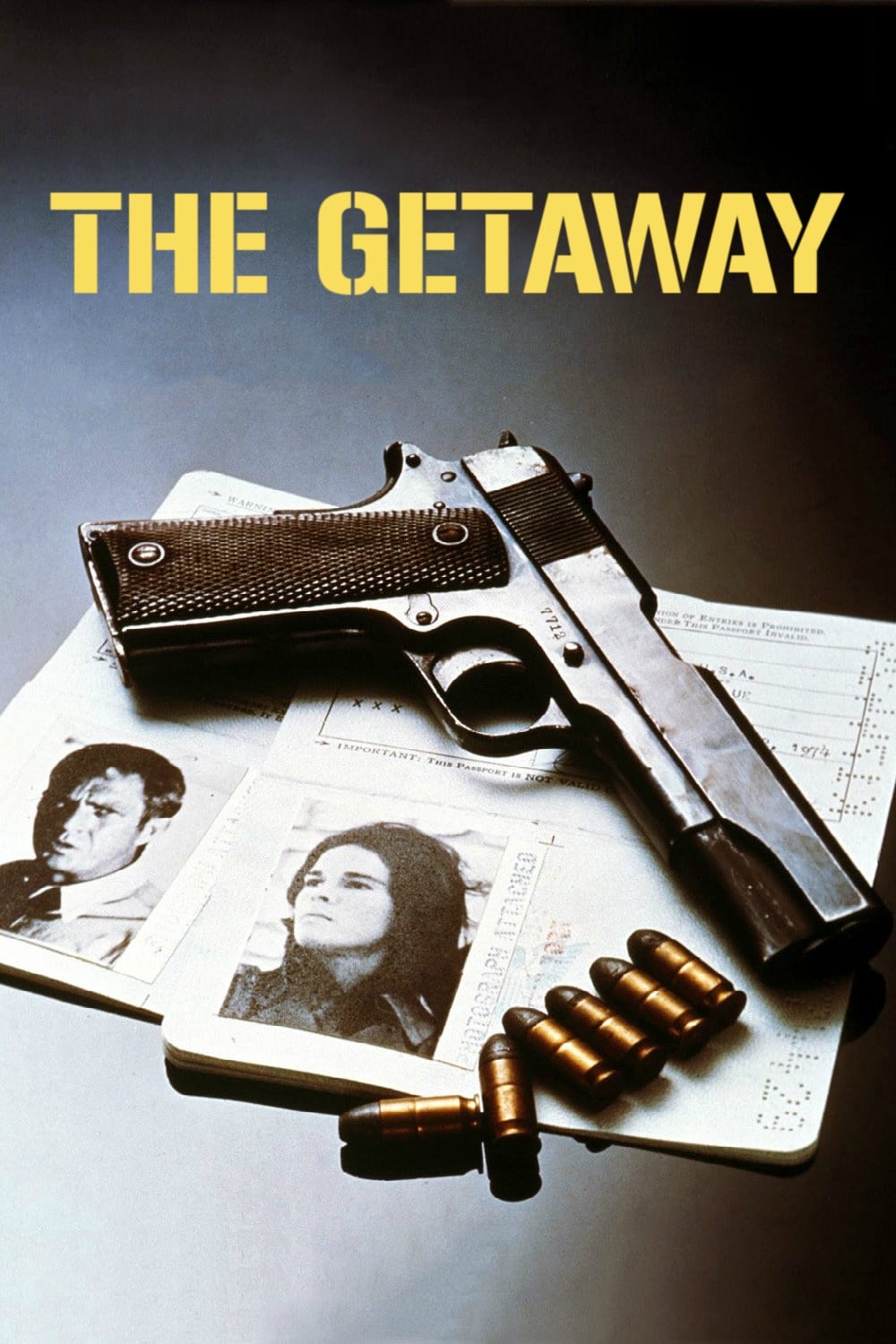
During a violent heist gone wrong, a criminal associates with a couple and takes the wife hostage. While being moved from place to place, she begins to align herself with the kidnapper in order to survive the ordeal.
Sam Peckinpah uses this subplot to show how intimidation mixed with selective kindness can produce cooperation. The hostage’s responses illustrate how a victim may appear to support a captor when escape seems impossible and when the captor controls access to safety.
‘The Disappearance of Alice Creed’ (2009)
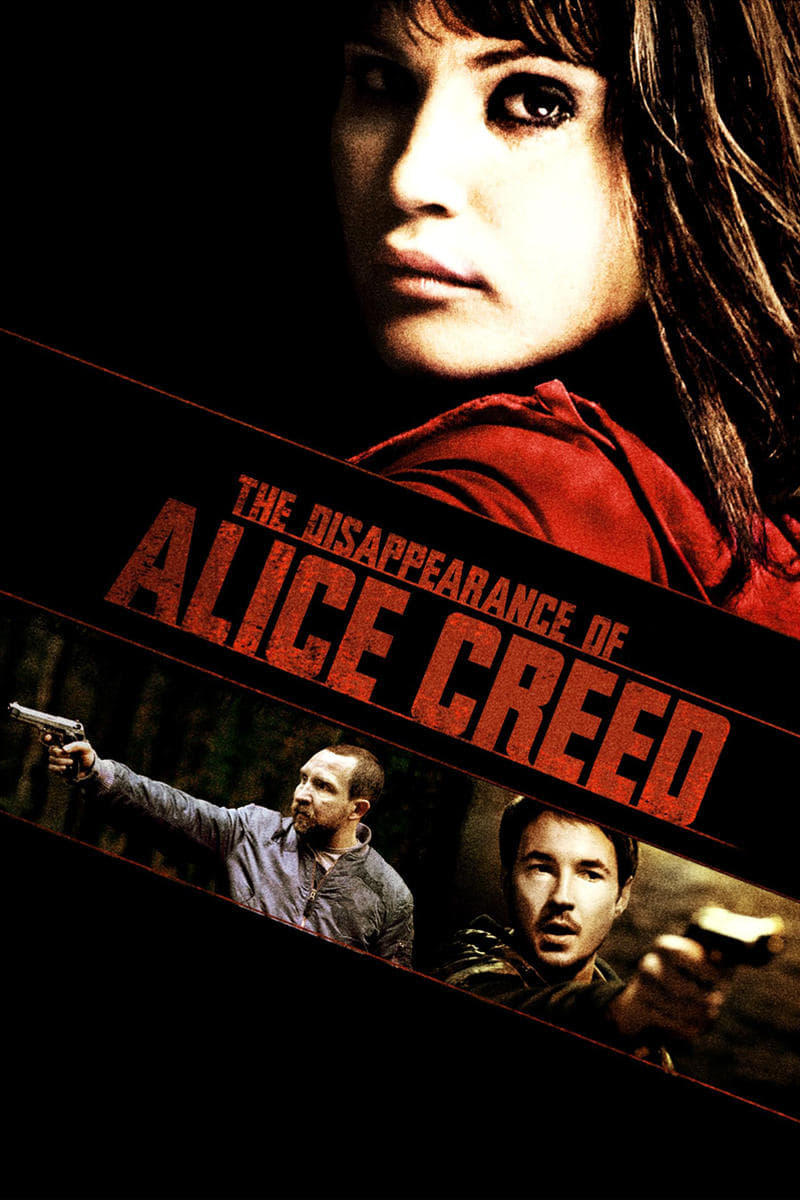
Two men plan and execute a meticulous abduction of a young woman, then confine her to a soundproof room. As the situation frays, shifting loyalties and secret ties complicate the power structure inside the hideout.
Writer director J Blakeson keeps the focus on negotiation and leverage. Gemma Arterton’s character uses observation and small chances to influence her captors, showing how survival can involve outward signs of accommodation that look like attachment from the outside.
‘The Chase’ (1994)

A small time criminal takes a woman hostage by car and speeds toward the border while every television channel follows the pursuit. The enforced proximity inside the vehicle becomes a strange courtship as they trade personal details and navigate roadblocks.
Charlie Sheen and Kristy Swanson play out a relationship shaped by media glare, fear, and improvisation. The film demonstrates how adrenaline, isolation, and constant danger can accelerate bonding, even when the initial connection begins with a weapon and a desperate plan.
‘A Life Less Ordinary’ (1997)
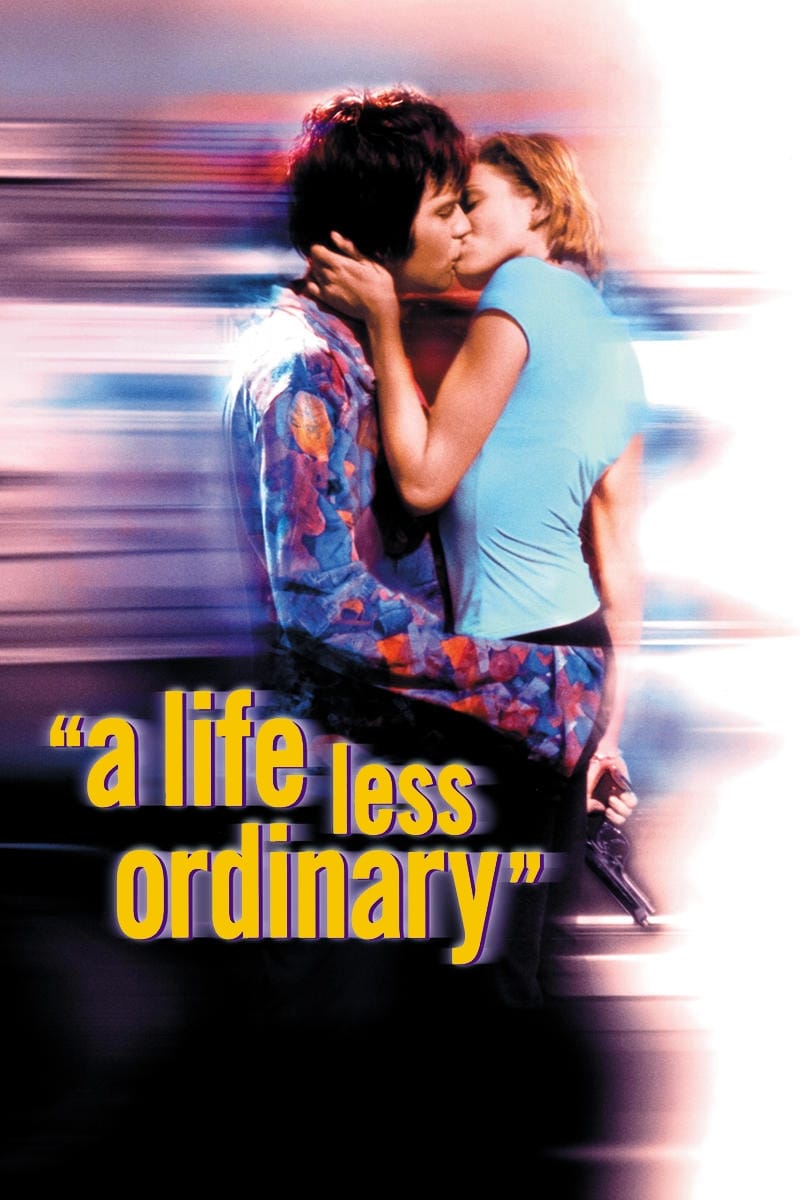
A frustrated worker kidnaps his boss’s daughter in a chaotic attempt to fix his life, then stumbles into an unplanned partnership with her. Their time on the run includes wild schemes, near disasters, and a growing attachment rooted in necessity.
Directed by Danny Boyle, the movie uses a playful tone to examine the mechanics of improvised captivity. Ewan McGregor and Cameron Diaz show how shared risk and limited choices can create the feeling of intimacy, even when the relationship begins with coercion.
‘Black Snake Moan’ (2006)

A troubled young woman is taken in by an older man who chains her inside his house to keep her from harming herself. The story follows the uneasy routine that forms between caretaker and captive, along with the community’s wary response.
Samuel L. Jackson and Christina Ricci play characters who redefine restraint as treatment while blurring consent. The film uses music, meals, and caretaking to show how dependence can feel like loyalty when options are controlled by someone else.
‘Sweet Hostage’ (1975)
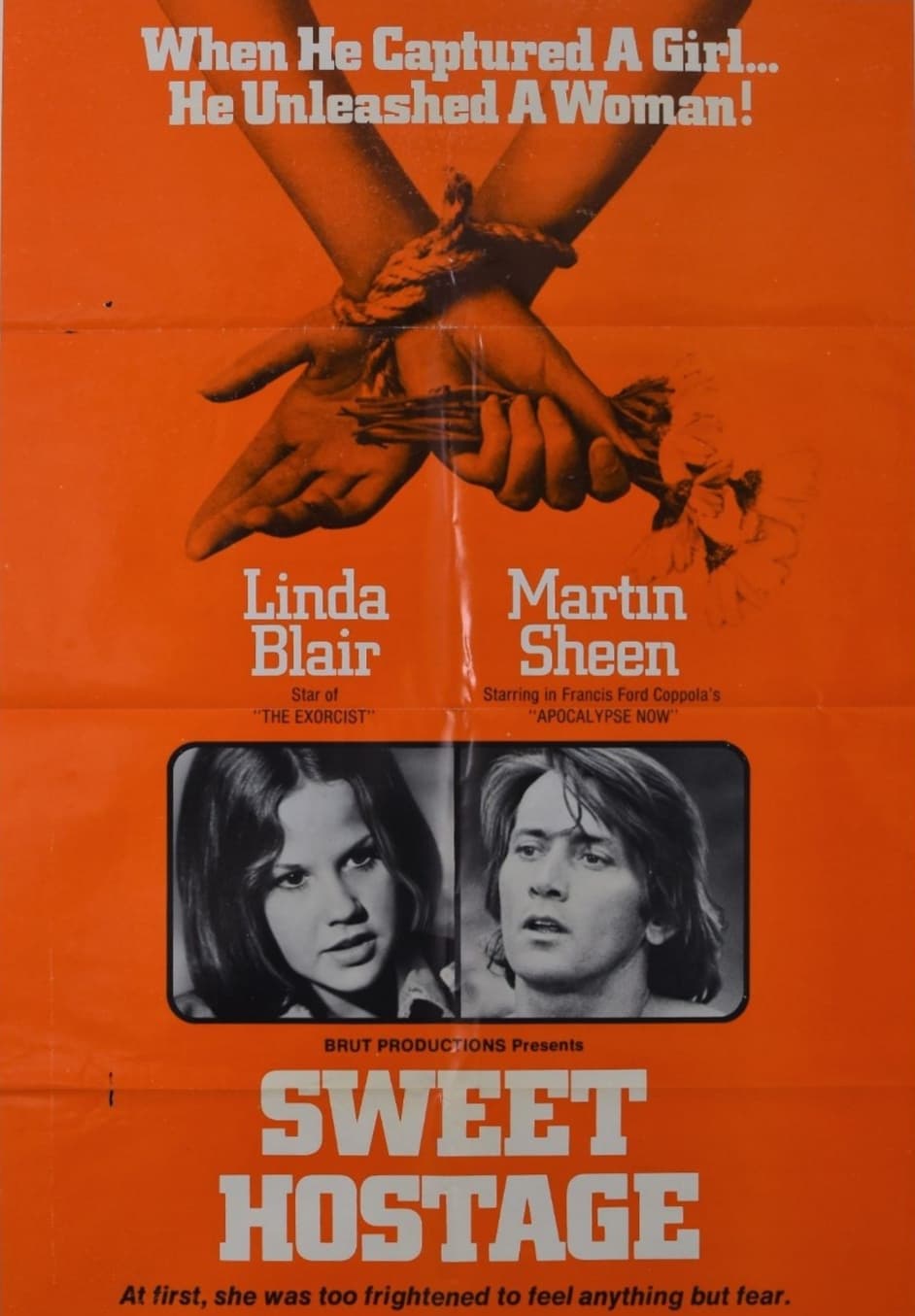
In this made for television drama, a teenage girl is abducted by a mentally unstable escapee who takes her to a remote cabin. Days of conversation and isolation produce a bond that confuses the line between victim and companion.
Starring Linda Blair and Martin Sheen, the film presents captivity as a classroom for the captor’s romantic fantasies. The hostage adapts to survive, and the script shows how compliance can look like affection when escape seems out of reach.
‘La orca’ (1976)
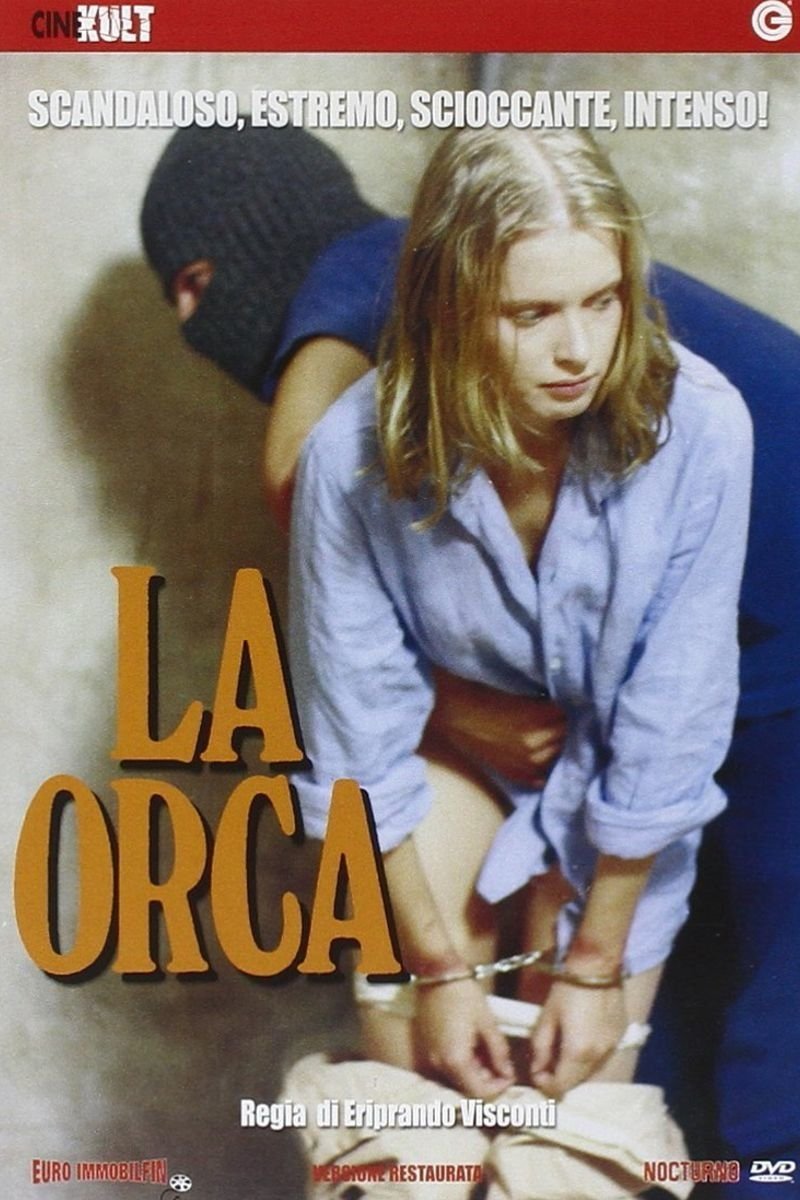
This Italian thriller centers on the abduction of a wealthy student by a small group of men who hide her in an abandoned building. Over time she begins to show sympathy for one of the kidnappers, which disrupts the group’s plan and hierarchy.
The movie presents the hostage environment in domestic terms, with chores, meals, and whispered conversations replacing open violence. That routine gives the captive and one captor space to create a fragile alliance that looks like attachment under stress.
‘Hounds of Love’ (2016)

Set in 1980s Perth, this crime drama follows a teenager abducted by a sadistic couple. The victim studies the pair’s relationship and begins to exploit fractures between them to seek a chance at freedom.
Director Ben Young crafts a portrait of coercive control where apparent tenderness is part of a cycle of abuse. The film shows how a captive may mirror a captor’s emotions and needs as a survival tactic, which can be mistaken for genuine attachment by those in power.
‘The Captive’ (2014)
A young girl disappears and is held for years by her abductor while her family and police continue to search. The captor allows limited outside contact and constructs a controlled world that keeps her dependent and unseen.
Atom Egoyan structures the narrative across multiple timelines to show how manipulation can sustain long term captivity. Ryan Reynolds, Mireille Enos, and Rosario Dawson play characters who struggle with the hidden ties that keep the victim aligned with her captor.
‘Labor Day’ (2013)

An escaped convict enters the home of a single mother and her son and persuades them to shelter him during a holiday weekend. As hours turn into days, tasks like cooking and repairs build a routine that gradually reshapes their feelings toward the intruder.
Directed by Jason Reitman and based on Joyce Maynard’s novel, the film uses domestic detail to show how proximity and care can feel like safety even when freedom is limited. The mother’s growing trust illustrates how dependence and fear can coexist in an improvised captivity.
‘Highway’ (2014)

In this Hindi language drama, a young woman is kidnapped on the eve of her wedding and taken across northern India by a small gang. The journey removes her from a controlled urban life and forces a relationship with her chief captor.
Directed by Imtiaz Ali, the film uses landscapes and travel to mirror a shift in power between captive and kidnapper. Alia Bhatt and Randeep Hooda depict a bond that forms under duress and limited choice, raising questions about freedom when every road is guarded or unknown.
‘Patty Hearst’ (1988)
Paul Schrader’s film dramatizes the abduction of media heiress Patty Hearst by the Symbionese Liberation Army in 1974 and her later participation in the group’s activities. The script follows her confinement in a closet, the indoctrination efforts, and the famous bank surveillance footage.
Natasha Richardson portrays a young woman whose responses became the subject of legal and psychological debate. The film presents the timeline of captivity, group dynamics, and public reaction to show how forced isolation and messaging can reshape identity and apparent loyalty.
‘Out of Sight’ (1998)
A bank robber and a federal marshal end up stuck together in a car trunk during an escape, then cross paths again as they chase each other across the country. Their first meeting places one character at the mercy of the other, which colors every conversation that follows.
Directed by Steven Soderbergh, the movie explores a flirtation born inside a crime where control keeps changing hands. The story shows how a brief period of enforced proximity can spark attraction that lingers even after the immediate threat ends.
‘Tangled’ (2010)

This animated retelling of the Rapunzel story follows a girl abducted as an infant and raised in a tower by the woman who stole her. The captive is taught to fear the outside world and to rely completely on her captor for safety and guidance.
The film details the tactics that maintain control, including isolation, false warnings, and conditional affection. As Rapunzel encounters new people, the narrative tracks how loyalty built under abduction can be replaced by a clearer view of manipulation.
‘King Kong’ (2005)

A film crew travels to a remote island where a giant ape seizes an actress and carries her into the jungle. The captive and the creature share a series of quiet moments that temper their initial fear and aggression.
Director Peter Jackson uses the bond between Ann Darrow and Kong to show how communication and protection can grow inside a dangerous captivity. The relationship complicates the rescue mission and reframes the creature as both threat and guardian.
‘Dog Day Afternoon’ (1975)
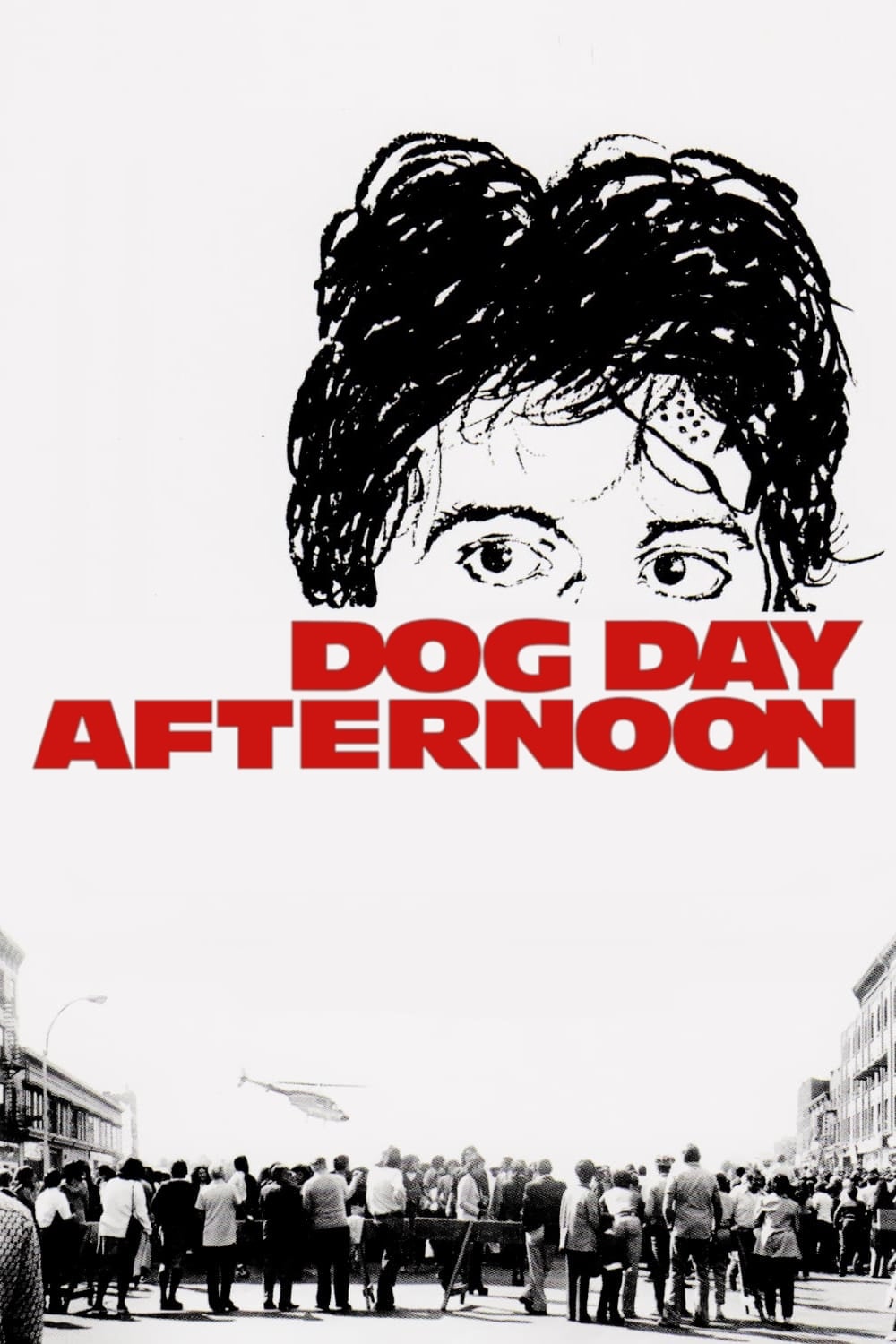
A bank robbery in New York spirals into a public hostage crisis over a summer afternoon. As the standoff stretches on, several employees begin to treat the robbers with familiarity and even humor while the crowd outside cheers the criminals.
Sidney Lumet’s film uses real time pacing to observe how shared food, conversation, and common enemies can create a fragile sense of community inside a siege. That dynamic illustrates how hostages may adapt to a captor when the immediate alternative appears to be violence from outside forces.
‘Stockholm, Pennsylvania’ (2015)
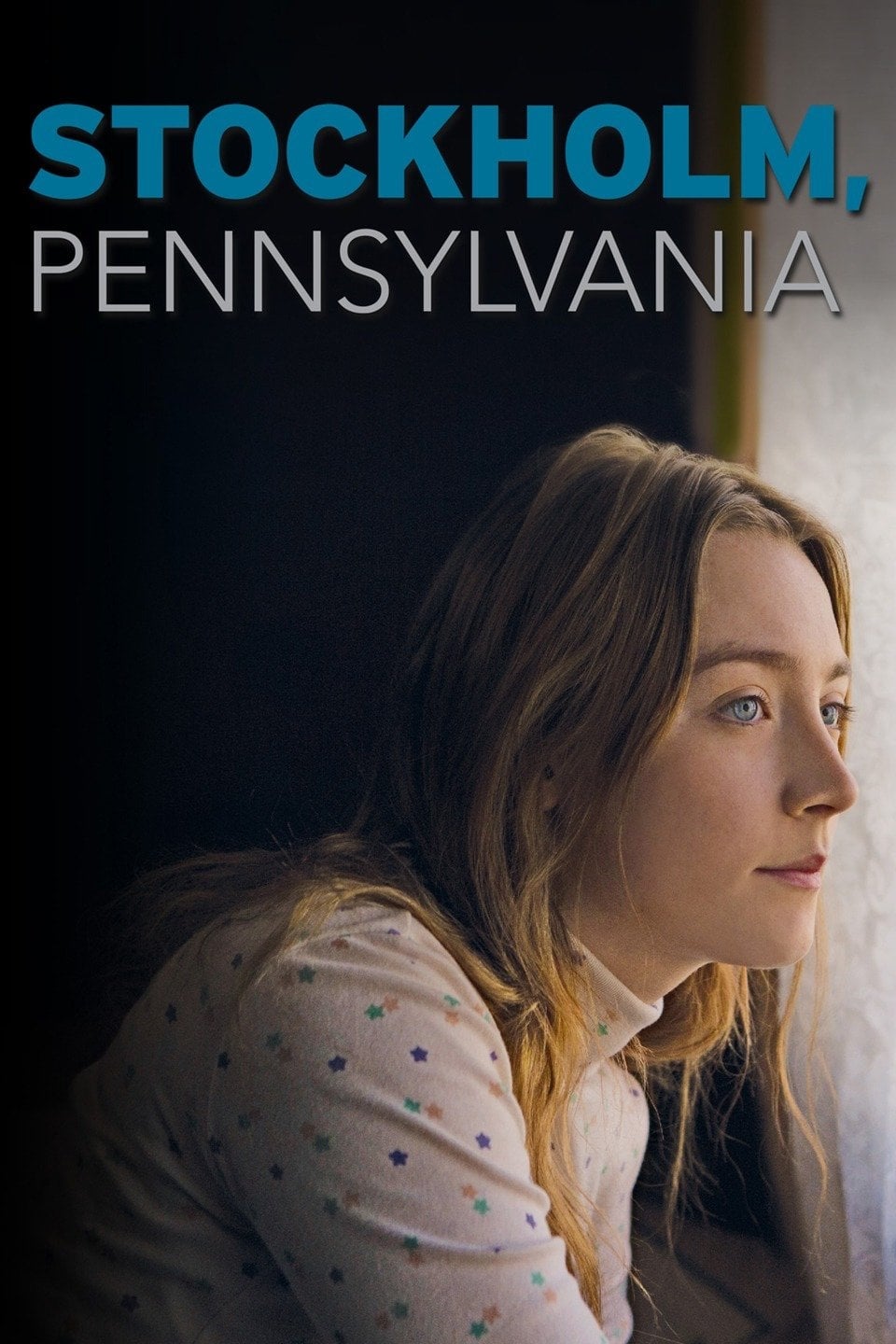
After spending years in captivity, a young woman is rescued and returned to her parents, yet she struggles to adjust because her strongest attachment is to the man who took her. The drama follows therapy sessions, family attempts at reconnecting, and the lasting pull of the captive’s former routines.
Written and directed by Nikole Beckwith, the film studies what happens after the door opens and a victim must rebuild a self that formed under control. Saoirse Ronan’s character demonstrates how long exposure to a captor’s rules can create loyalties that do not disappear with rescue.
Share your picks in the comments and tell us which movies you think portray this complicated dynamic most convincingly.