25 Great Films Undermined by Poor Acting


Sometimes a film nails craft, world building, and scale, yet the performances draw the most debate. This list looks at well regarded or technically impressive movies that drew consistent criticism for acting choices, from miscasting to wobbly accents to on set creative strategies that did not quite land for everyone. The aim is to give helpful context on what the films did well and why certain performances became talking points.
Each pick highlights concrete elements such as awards recognition, box office impact, and production decisions that shaped how the acting was received. You will also find the specific aspects that critics and audiences flagged, like chemistry that never sparks or vocal choices that clash with tone. These films are still worth watching for what they achieve, yet the acting notes below explain why the conversation around them never went quiet.
‘Bram Stoker’s Dracula’ (1992)
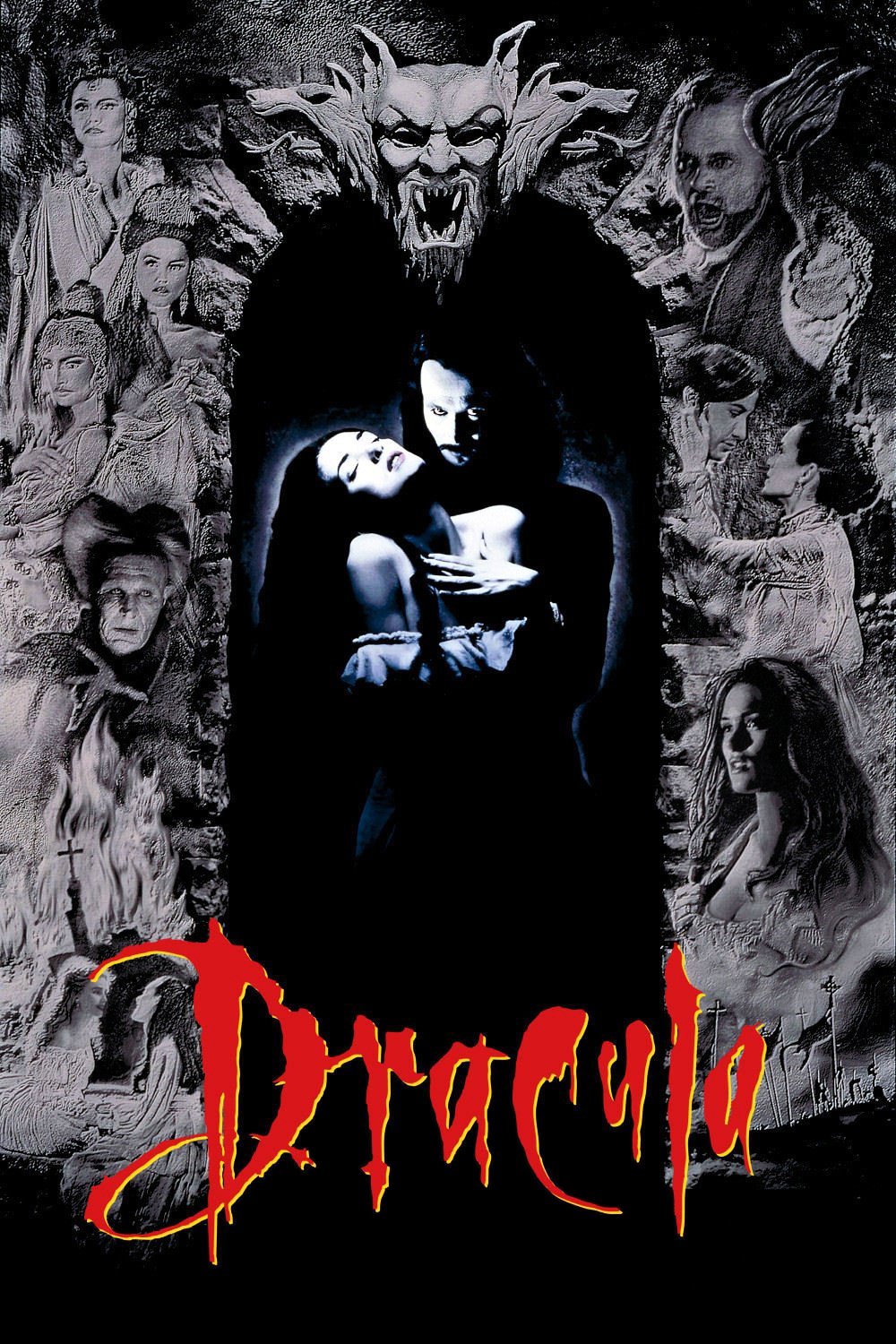
Francis Ford Coppola’s gothic spectacle is celebrated for lavish production design, inventive practical effects, and award winning makeup and costumes. The film revitalized classic vampire imagery for a new generation and delivered a bold visual interpretation of the novel.
The acting became a recurring discussion point due to accent work and line delivery that many viewers found uneven. Keanu Reeves’s attempt at an English accent drew the most attention, which often distracted from the film’s strong craft and meticulous period detail.
‘The Godfather Part III’ (1990)
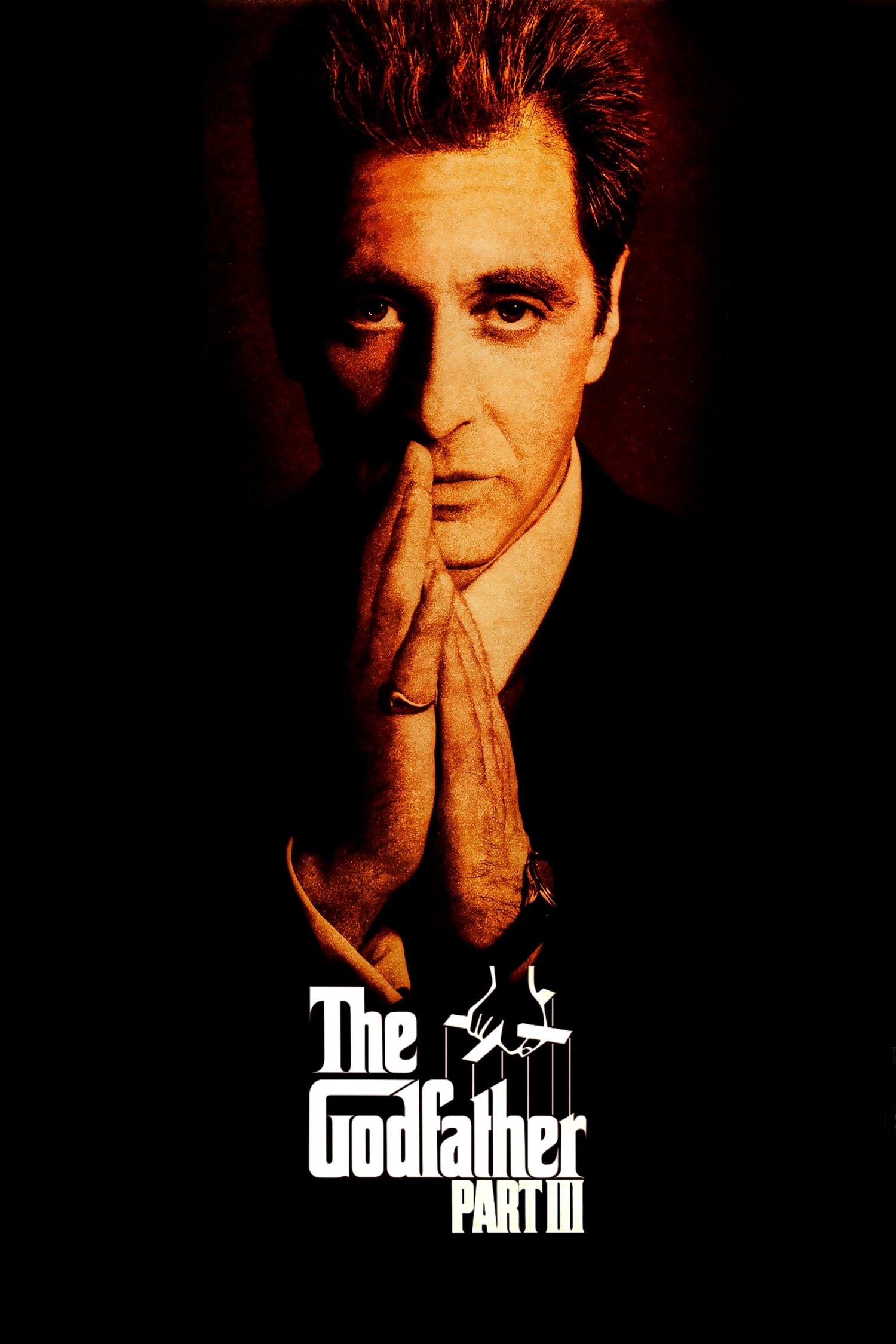
The third chapter returned to an iconic world with prestige behind the camera and a sweeping story about legacy and power. It received major awards attention and remains an essential capstone for the saga’s chronology.
Acting became the lightning rod, especially Sofia Coppola’s performance, which many critics said struggled to match the intensity around her. That perception shaped the movie’s reputation despite its ambitious scope and careful continuation of the Corleone narrative.
‘Gangs of New York’ (2002)
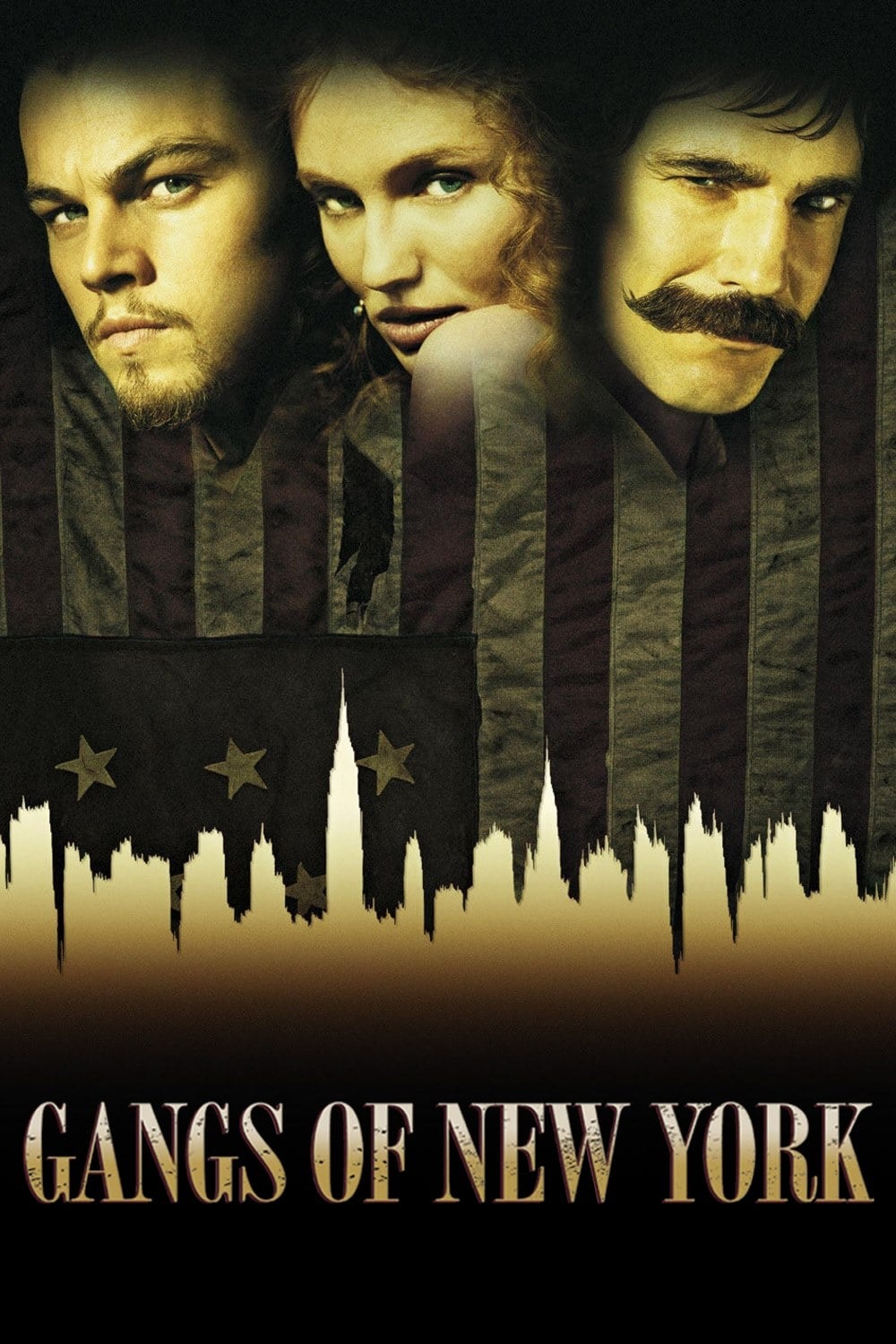
Martin Scorsese’s historical epic earned wide acclaim for production scale, costume work, and a vividly realized Five Points. Its awards tally and meticulous world building turned it into a significant modern period piece.
The romantic subplot drew persistent complaints about chemistry and casting, with Cameron Diaz’s performance frequently cited as misaligned with the film’s grit. Those concerns often pulled focus from the towering work happening elsewhere in the cast and design.
‘Kingdom of Heaven’ (2005)
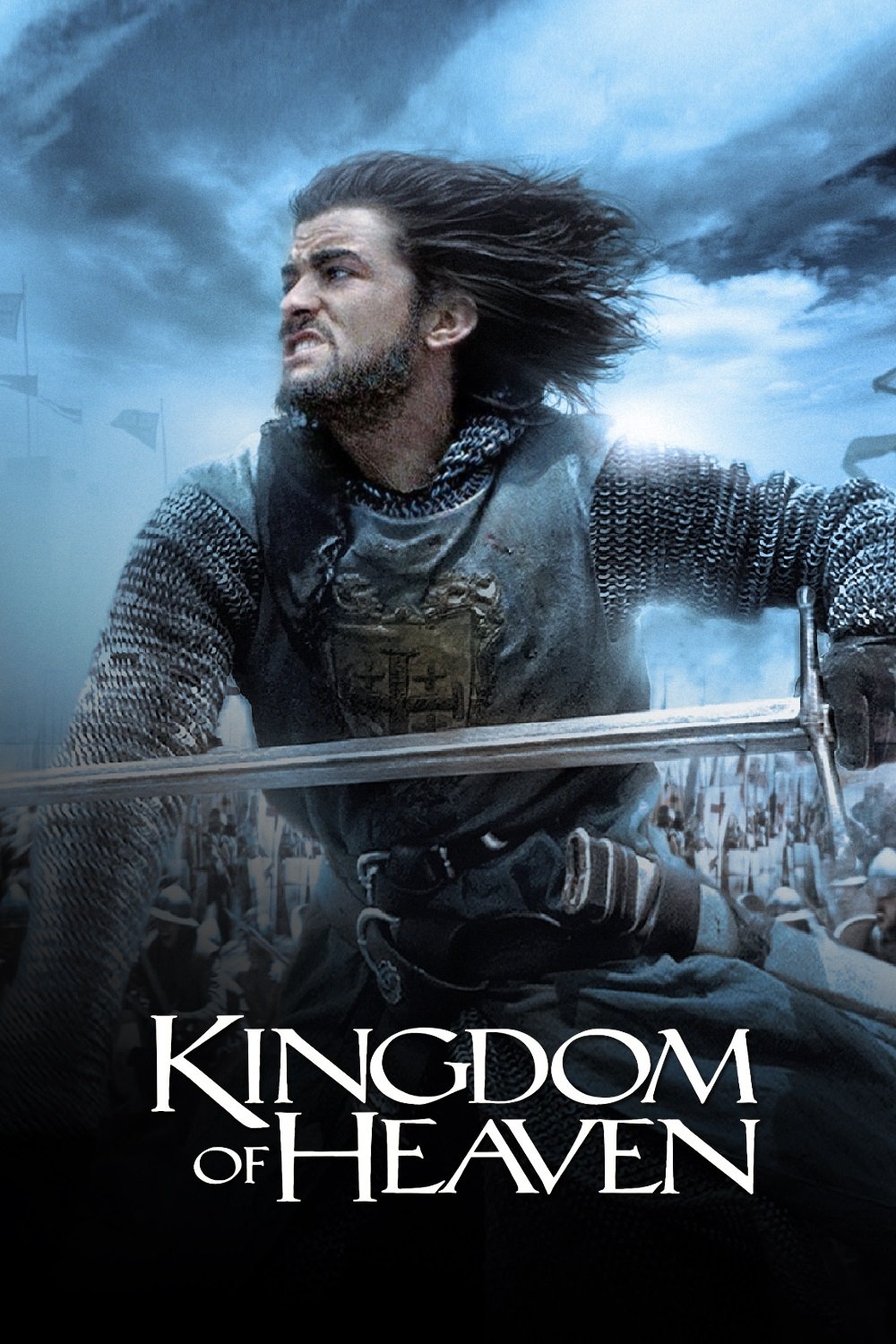
Ridley Scott’s crusades drama is admired for expansive sets, location work, and a director’s cut that deepened character arcs and historical texture. The extended version helped the film’s reputation grow over time.
Early reactions often pointed to Orlando Bloom’s lead turn as too subdued for the weight of the story. That impression, paired with expectations for a commanding central figure, left some viewers feeling that the production values eclipsed the performance at the center.
‘Robin Hood: Prince of Thieves’ (1991)
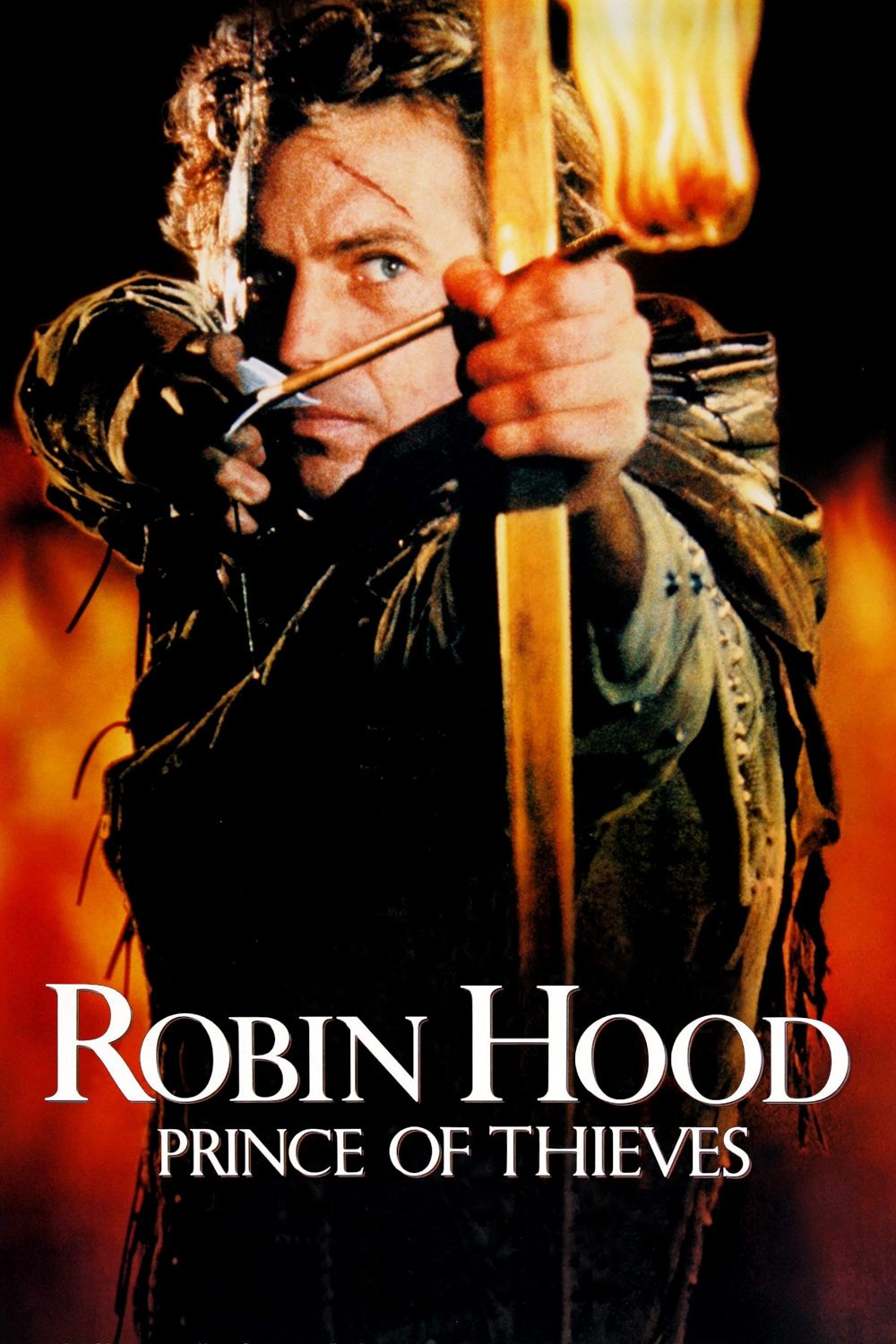
This swashbuckler became a box office phenomenon and remains notable for rousing action, memorable music, and Alan Rickman’s show stopping villainy. Its populist appeal turned it into a defining early nineties hit.
Kevin Costner’s wavering approach to an English accent became a pop culture talking point and a frequent note in reviews. The contrast between grand adventure and inconsistent vocal work made the acting a distraction despite the movie’s energetic momentum.
‘The Untouchables’ (1987)
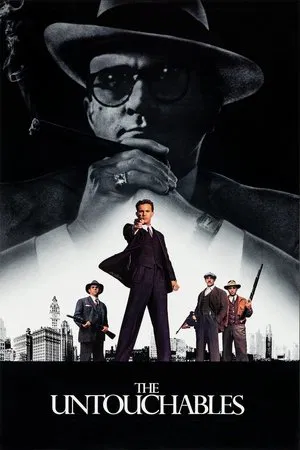
Brian De Palma’s Prohibition era thriller is prized for stylish set pieces, a stirring score, and a celebrated supporting turn that earned top awards. The staircase sequence and period detail are part of crime cinema canon.
Kevin Costner’s stoic approach as Eliot Ness was often criticized as stiff, especially beside more colorful performances. That comparison fed a narrative that the movie’s polish and supporting cast outshone its lead.
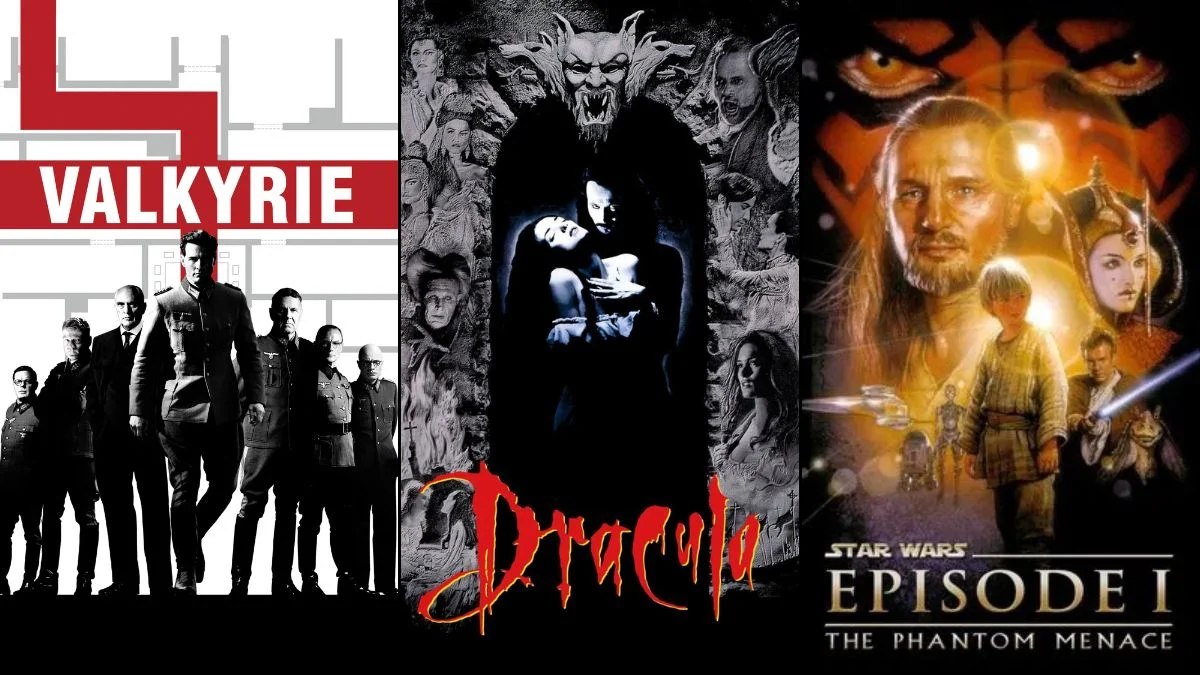
‘Valkyrie’ (2008)
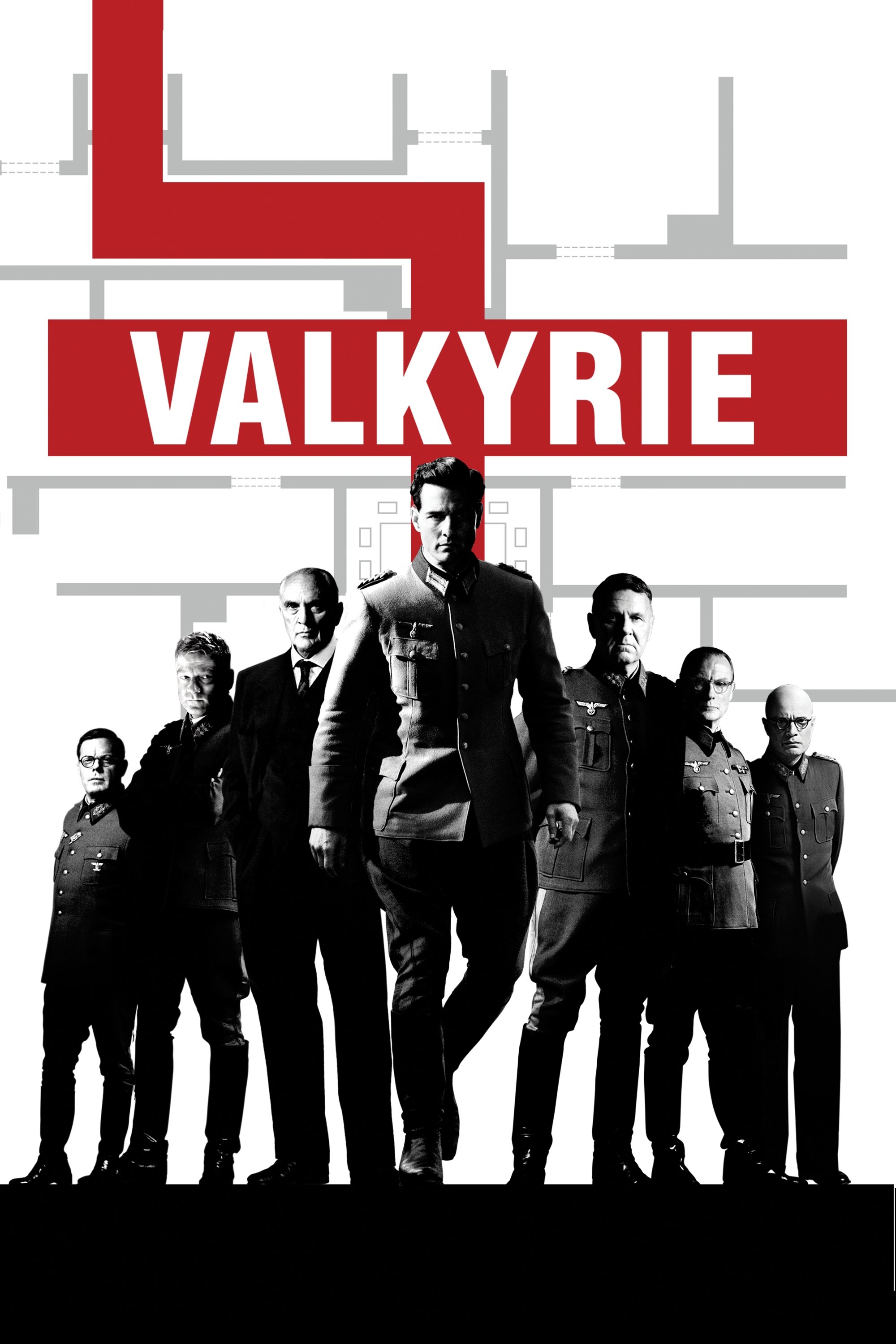
This World War II thriller presents a tense look at the plot against Hitler and benefits from crisp pacing and careful attention to military procedure. The production recreates uniforms, locations, and logistics with precision.
Tom Cruise’s decision to keep his American voice while playing a German officer became a frequent sticking point. Viewers and critics noted that choice as a barrier to immersion, which kept discussion of the performance alive long after release.
‘Star Wars: Episode I – The Phantom Menace’ (1999)
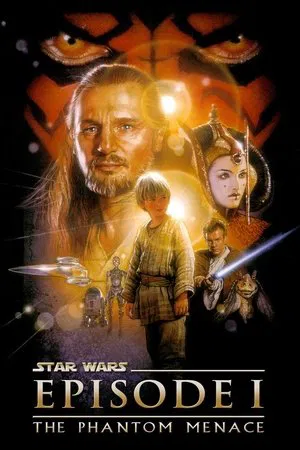
The first prequel pushed digital effects forward and introduced a new generation to the saga’s lore, planets, and political backdrop. Its sound and visual craftsmanship earned recognition and influenced industry technology.
Acting and line readings drew steady criticism, particularly around child performance and stilted exchanges. Those concerns frequently overshadowed the film’s technical innovation and intricate world building.
‘The Da Vinci Code’ (2006)

Ron Howard’s adaptation of a global bestseller was a massive commercial event with high profile stars and striking European locations. The film leans on puzzles, art history, and religious intrigue to drive momentum.
Performances were often described as restrained to the point of stiffness, which dulled the urgency of the mystery. Viewers cited a lack of spark between the leads, making the acting a common reason the adaptation felt less propulsive on screen.
‘A Bridge Too Far’ (1977)
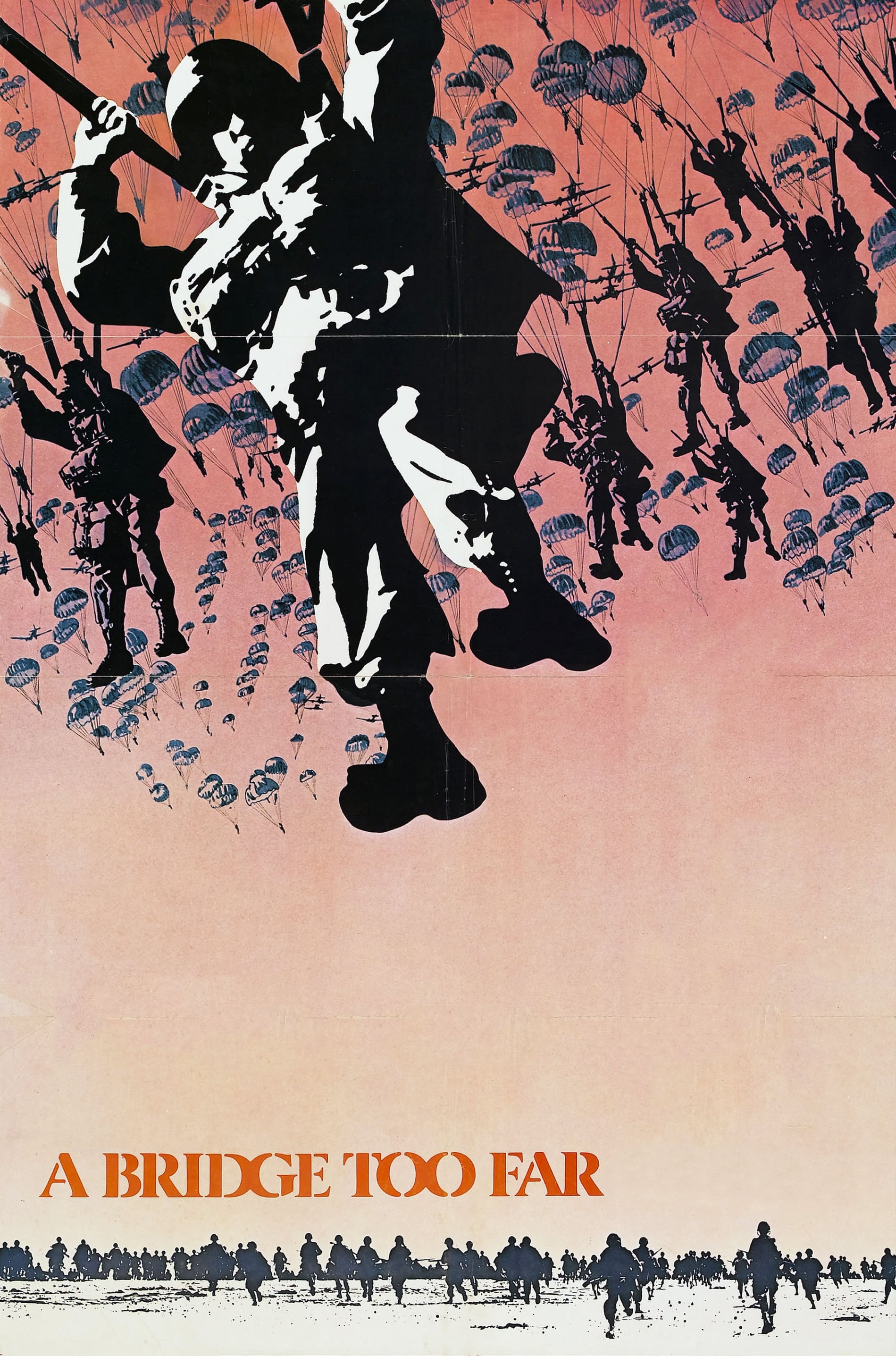
This ensemble war epic is admired for scale, authenticity, and an unwavering attempt to map a complex operation across multiple fronts. The cast, equipment, and staging capture a panoramic view of the campaign.
Ryan O’Neal’s casting as a young American commander drew consistent criticism as misjudged. That miscasting note persisted in discussions of the film, which otherwise stands out for its ambition and attention to military detail.
‘Eyes Wide Shut’ (1999)

Stanley Kubrick’s final feature is celebrated for mood, meticulous composition, and a layered approach to desire and secrecy. Its nocturnal New York and dreamlike pacing keep scholars and fans busy with analysis.
At release, many observers found the central performances detached in a way that undercut emotional stakes. The chilly affect served the concept for some viewers, yet for others it made the acting feel distant and unengaging.
‘Titanic’ (1997)
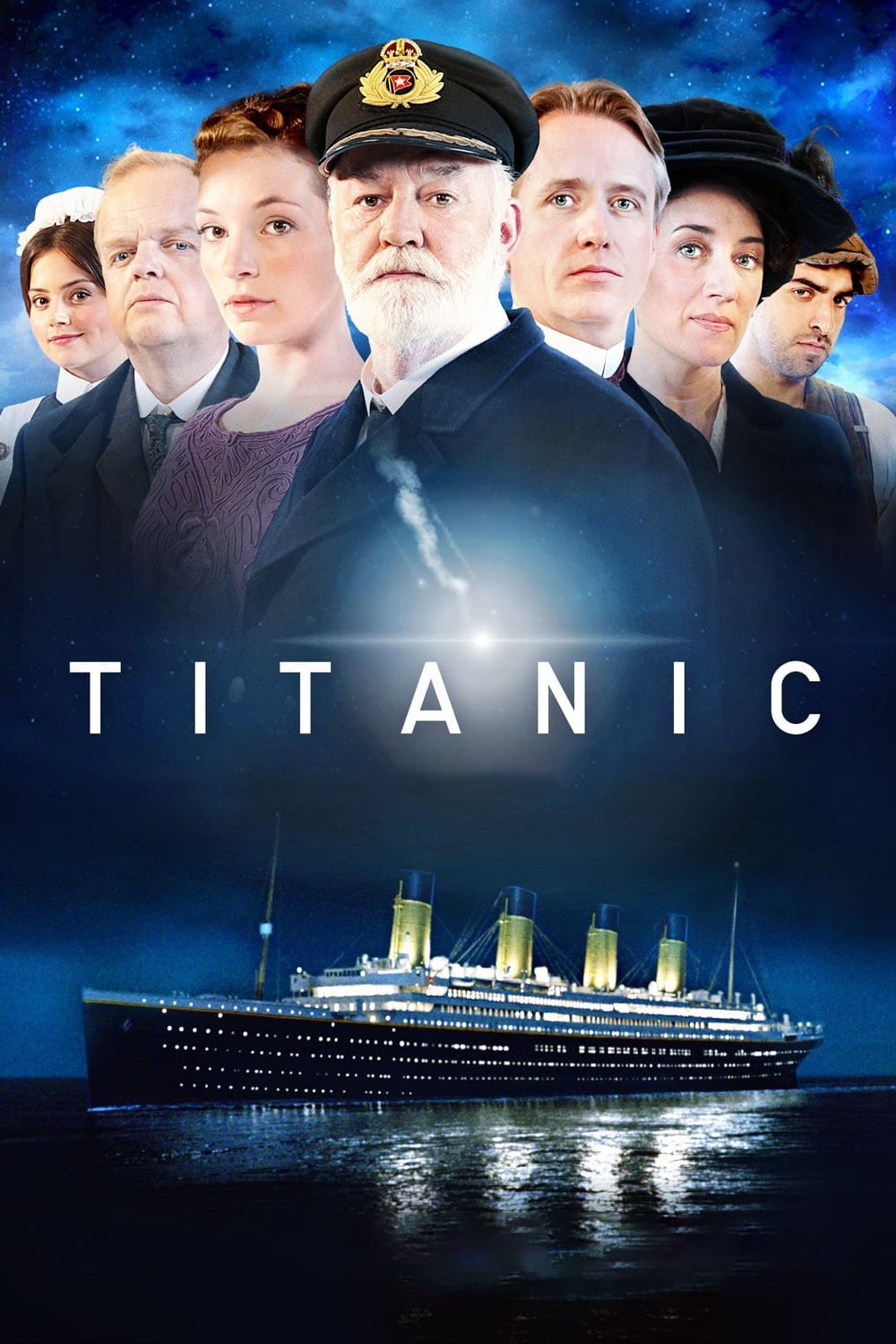
James Cameron’s landmark romance and disaster epic combined cutting edge effects with classic melodrama and won top industry honors. The reconstruction of the ship and the set piece choreography remain benchmarks.
Acting and dialogue were sometimes criticized as overly earnest, which many felt softened the impact of the historical tragedy. Those notes did little to halt its cultural footprint, yet they remain part of the conversation about why the film divides some viewers.
‘Avatar’ (2009)

This science fiction phenomenon pushed motion capture and 3D exhibition into the mainstream and set new technical standards. Its world design, creature work, and environmental themes made it a cultural milestone.
Critics often described the acting as muted, with characters that felt secondary to spectacle. That perception created a gap between the movie’s visual triumphs and the emotional connection that some audiences wanted from the performances.
‘Superman Returns’ (2006)
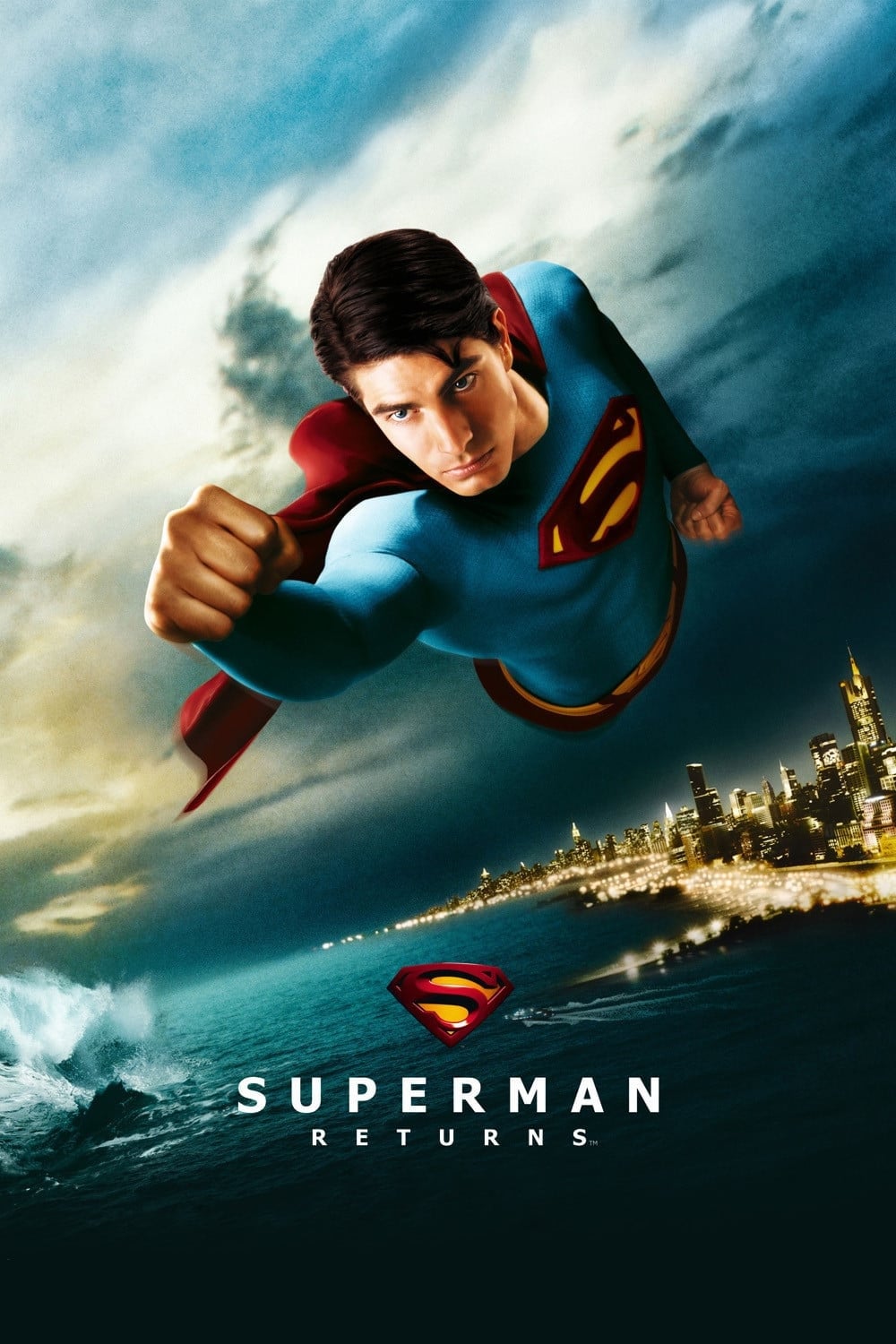
The film pays loving tribute to earlier entries with elegant production design and a soaring musical identity. Its focus on legacy and responsibility gives the story a reflective tone.
Kate Bosworth’s portrayal of Lois Lane frequently drew comments about age fit and energy, with many feeling the newsroom dynamic lacked bite. That acting note became a common reason cited when viewers explained why the film’s craft did not fully translate into excitement.
‘Godzilla’ (1998)

This big budget monster spectacle delivered large scale destruction, a signature creature redesign, and thunderous sound design. The marketing and music tie ins turned it into a late nineties event.
The human cast led by Matthew Broderick was often labeled as too light for the stakes, which weakened audience investment. That mismatch between effects heavy set pieces and underpowered performances is a recurring theme in retrospectives.
‘The Dark Knight Rises’ (2012)
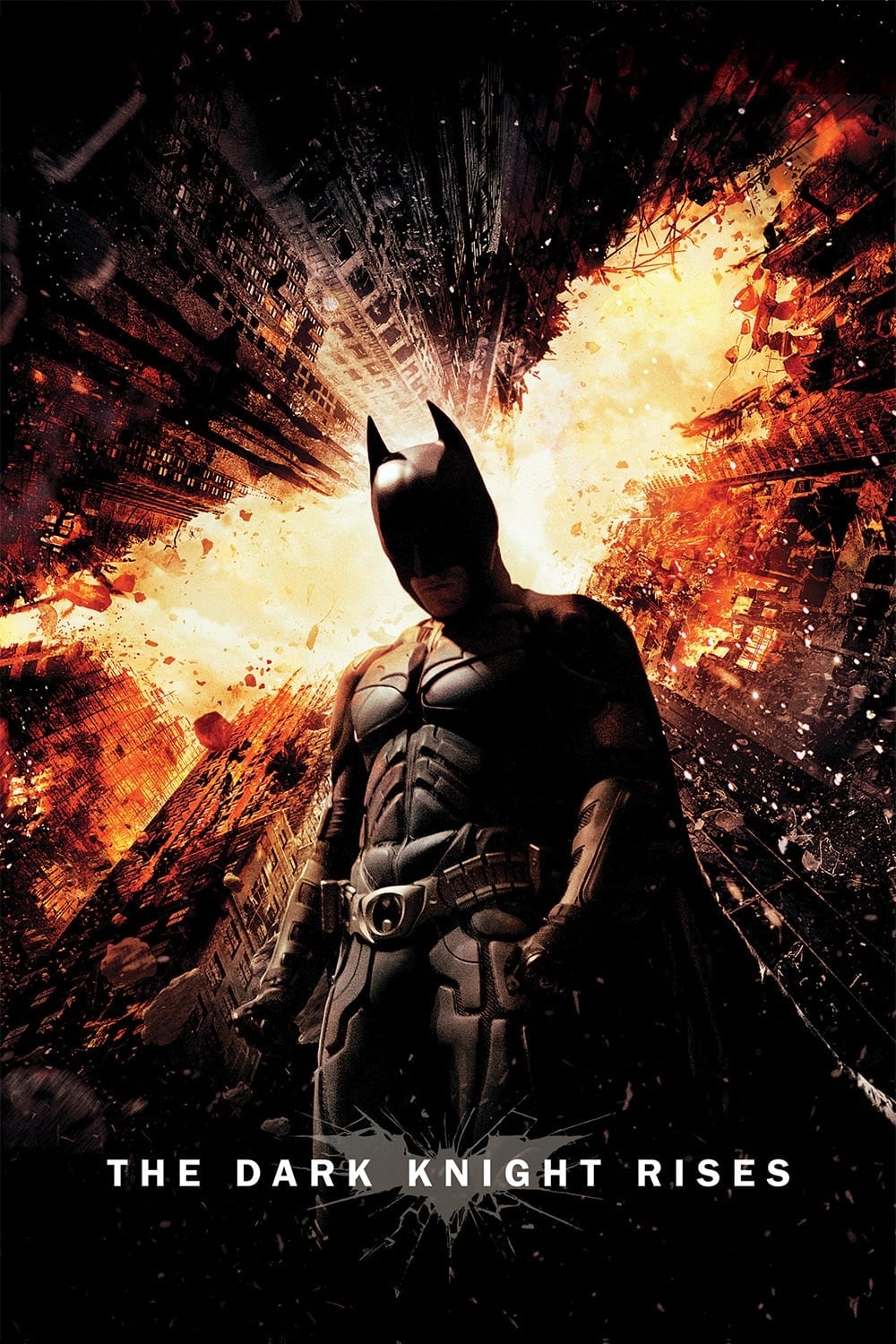
Christopher Nolan’s finale impressed with practical set pieces, a sweeping score, and a city under siege narrative. It closed a groundbreaking superhero trilogy with grand ambition.
A brief but highly visible death scene for Marion Cotillard drew widespread criticism for its staging and delivery. The moment became a meme and a shorthand for how even a polished production can suffer when a key beat does not play convincingly.
‘Les Misérables’ (2012)
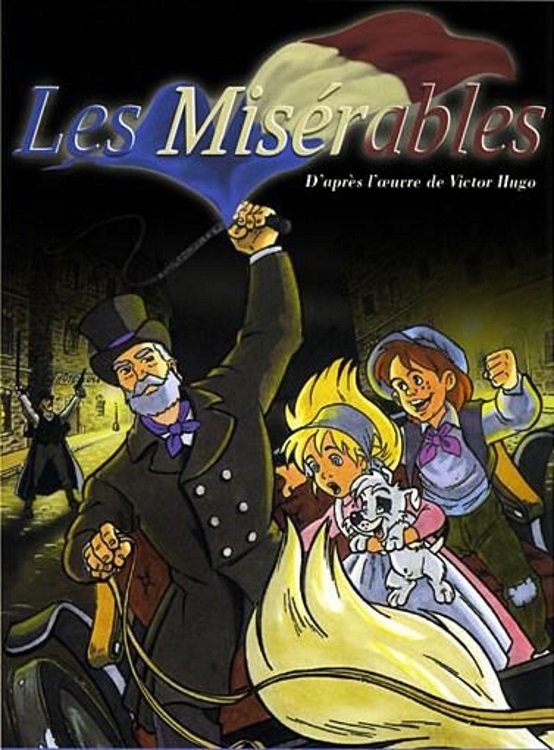
Tom Hooper’s musical adapted a beloved stage phenomenon with bold live on set singing and intimate camerawork. The film achieved major awards success and brought renewed attention to the source material.
Russell Crowe’s vocals were a frequent critique, with many finding the singing approach at odds with the role’s demands. That response kept the acting and performance choices at the center of discussions despite the movie’s dramatic highlights.
‘Spectre’ (2015)

The production mounted globe trotting action, elaborate sets, and practical stunt work that continued the series emphasis on scale. Its opening sequence and classic iconography were widely noted.
Chemistry between Bond and Madeleine was often cited as thin, which made emotional turns feel abrupt to some viewers. Those acting concerns lingered in assessments of why the spectacle did not always translate into dramatic weight.
‘Public Enemies’ (2009)
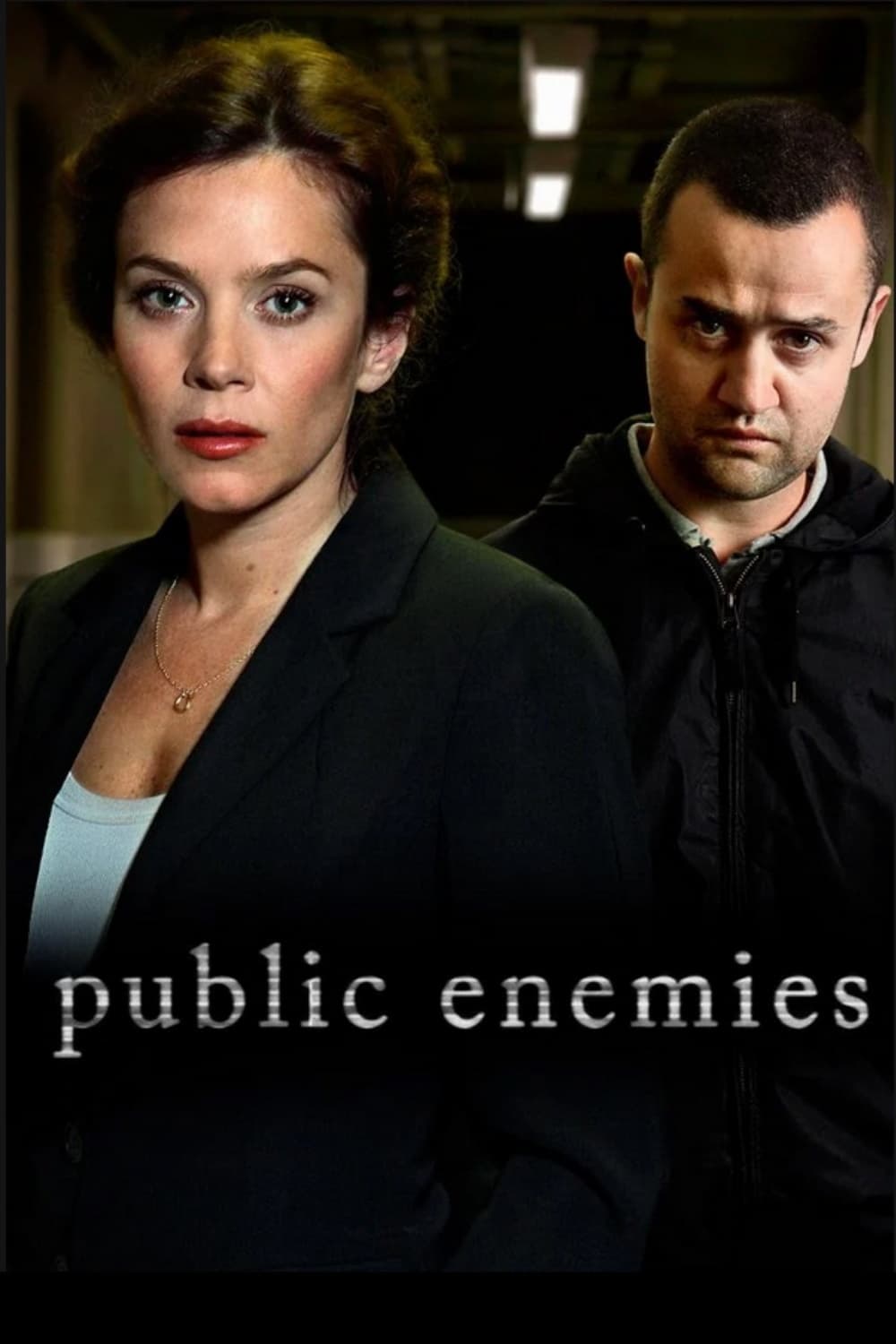
Michael Mann’s crime drama explored the hunt for John Dillinger with a meticulous period look and early digital cinematography. The commitment to detail in weapons, wardrobes, and locations gave it documentary like texture.
Christian Bale’s portrayal of Melvin Purvis drew comments for a reserved style that many read as flat rather than steely. That reaction fed the view that the film’s surface precision outpaced its character engagement.
‘Prometheus’ (2012)
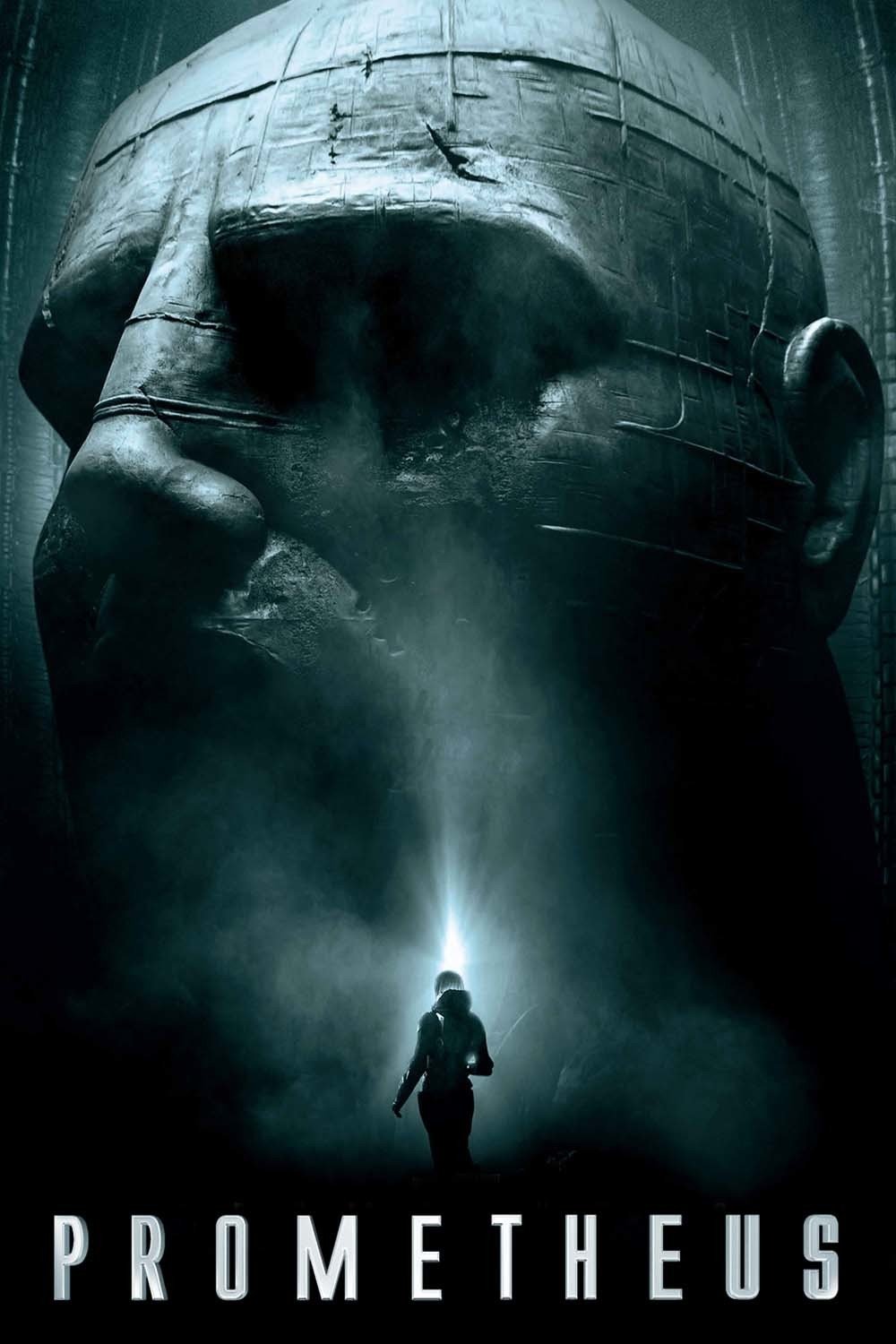
Ridley Scott returned to a signature universe with visionary design, eerie atmospherics, and striking creature concepts. The production delivered memorable imagery and a confident sense of scale.
Performances and line readings became a sticking point, especially in moments that depend on awe and scientific curiosity. Viewers frequently pointed to choices that felt out of sync with the tone, which kept the acting in the spotlight as a flaw.
‘Memoirs of a Geisha’ (2005)

This adaptation is renowned for sumptuous costumes, polished cinematography, and a carefully crafted sense of place. The score and visual presentation earned significant accolades.
Acting in English by a multinational cast drew criticism for stilted rhythms that cooled the drama. That response often overshadowed the film’s attention to craft and the care taken with sets and wardrobe.
‘House of Gucci’ (2021)
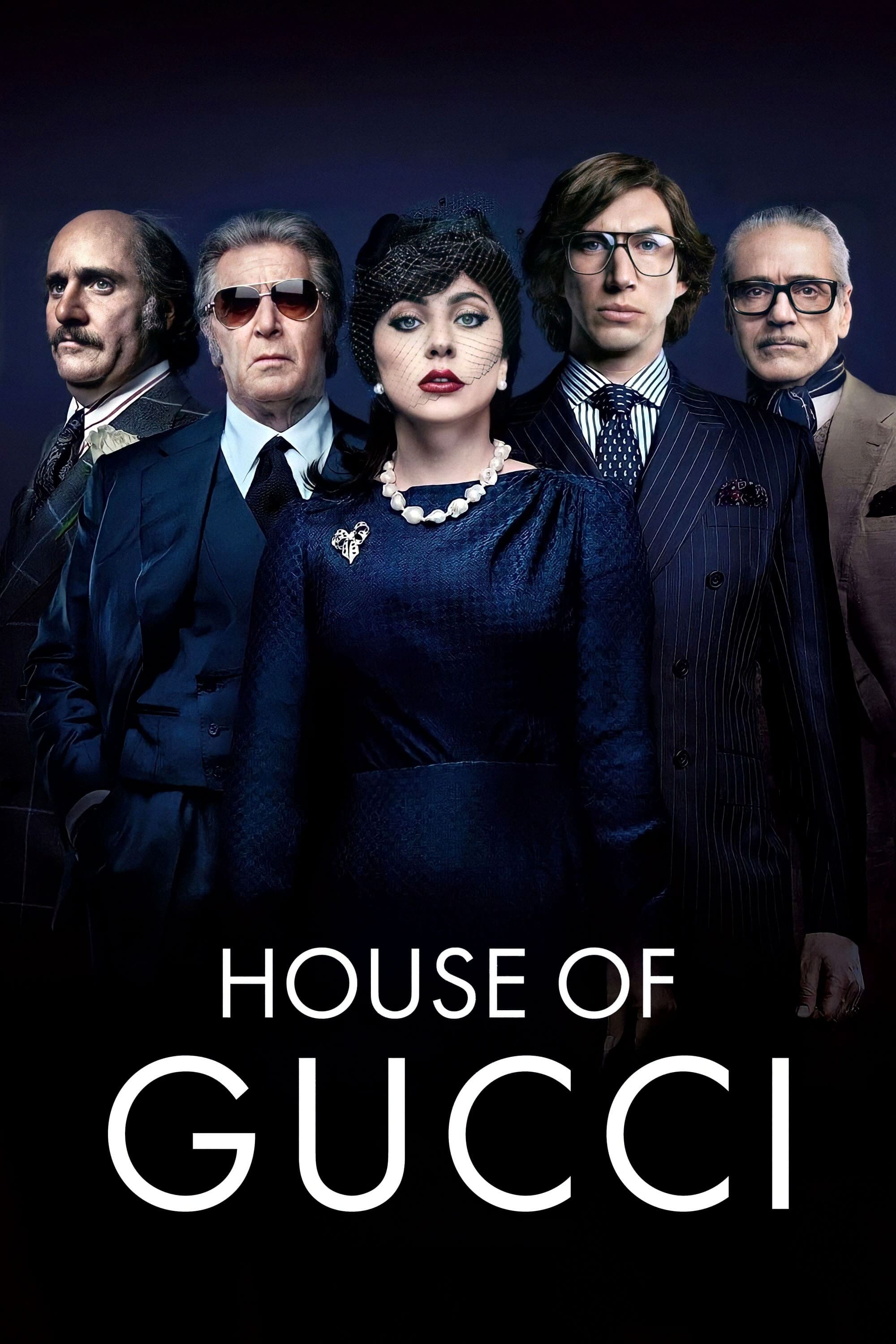
Ridley Scott’s true crime saga delivered a lavish portrait of fashion and power with detailed period styling. The production invests heavily in music, locations, and a textured family business backdrop.
Accents and performance tones became a constant talking point, with several portrayals drifting into caricature for many viewers. Those choices kept the acting at the center of the cultural conversation even as the film’s design work drew praise.
‘Cloud Atlas’ (2012)
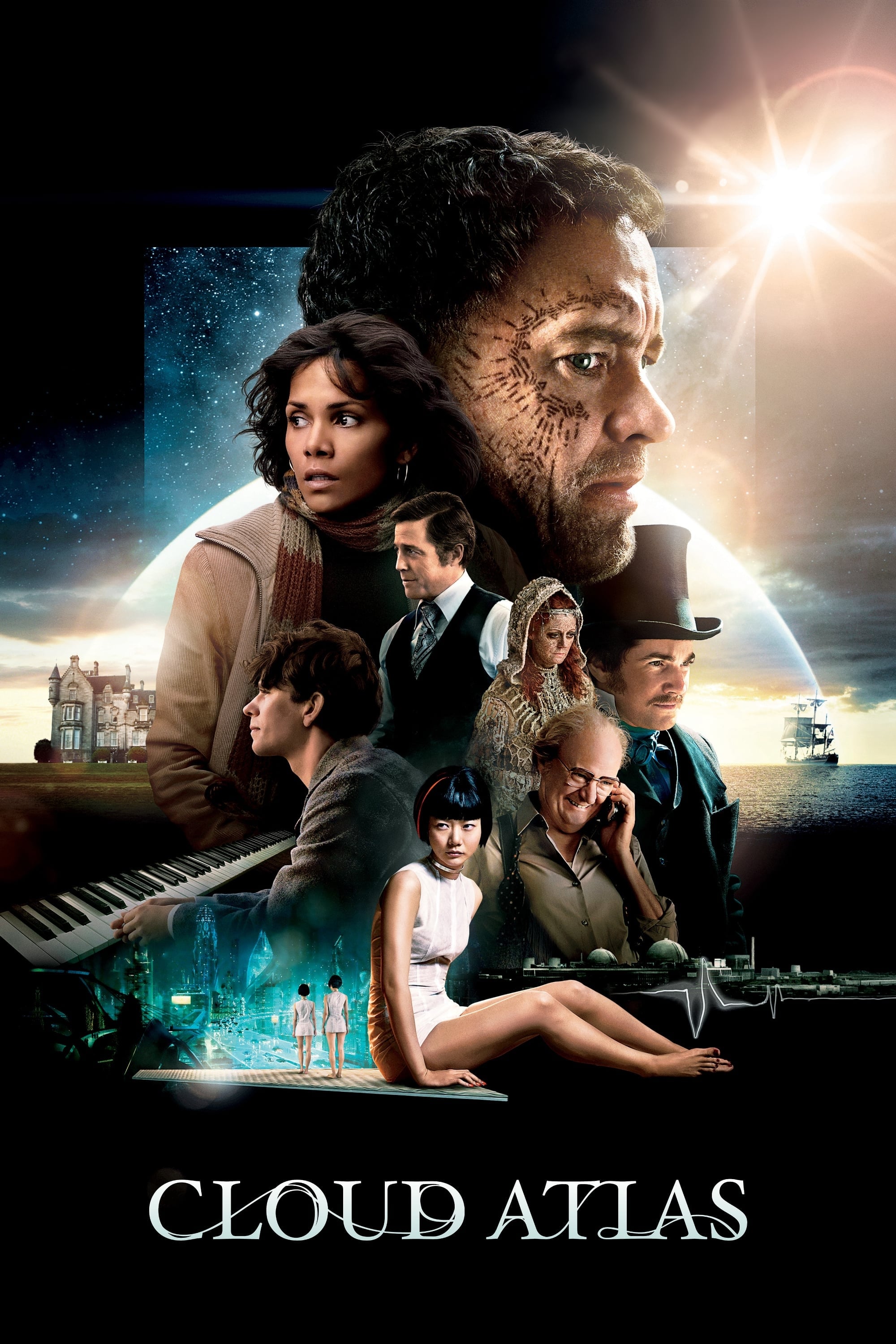
This multi timeline epic is admired for ambition, intricate editing, and a thematic throughline about connection across eras. Its makeup and production design support a demanding narrative experiment.
Some performances were hampered by heavy prosthetics and accent work that limited expressiveness. That constraint made it harder for audiences to connect with characters across stories, turning acting into a frequent caveat in otherwise respectful appraisals.
‘Cold Mountain’ (2003)
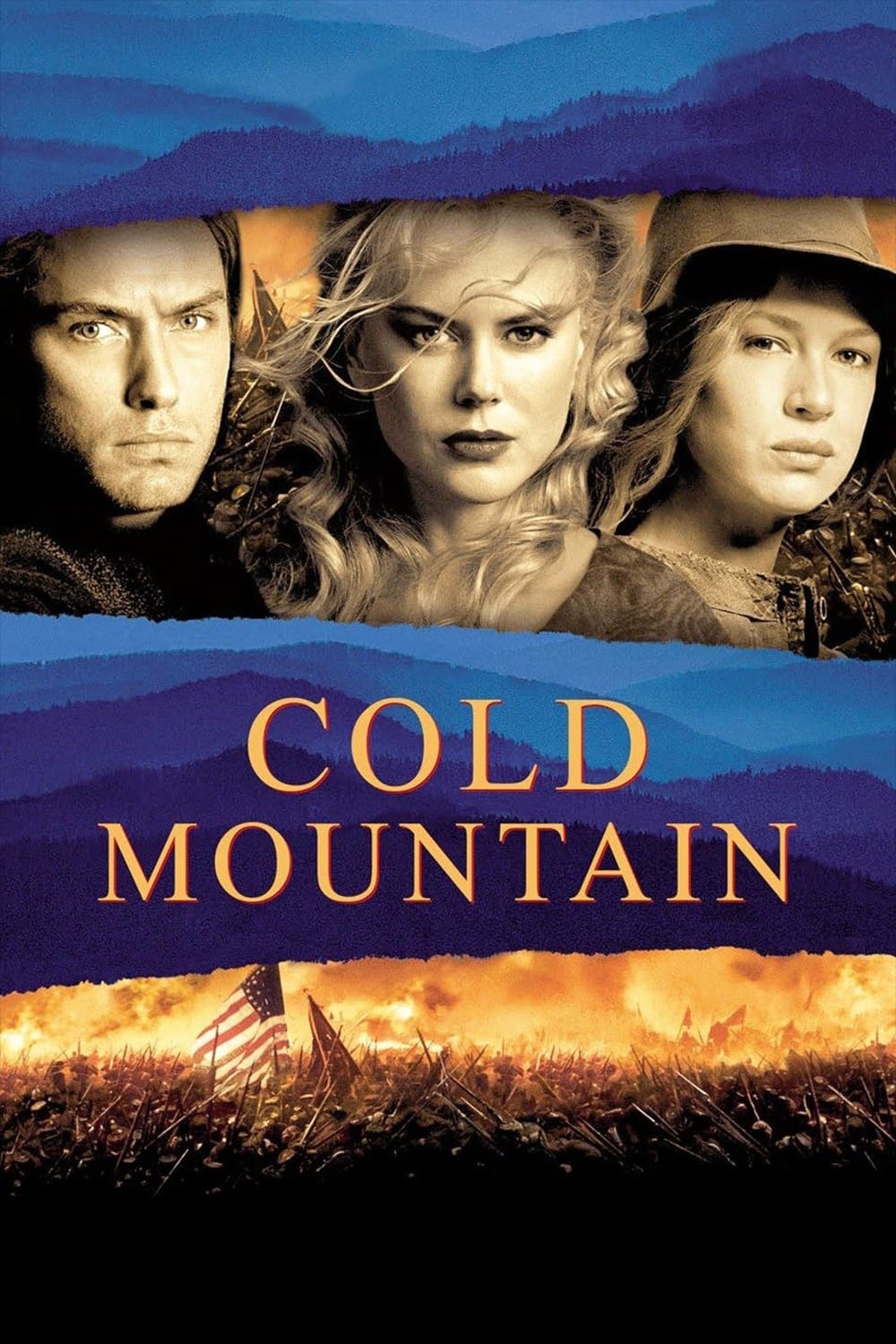
Anthony Minghella’s Civil War drama features careful period recreation, a lyrical score, and award winning supporting work. The film balances romance, survival, and the home front with serious craft.
Lead accents and vocal choices drew mixed notices, which for many viewers blunted the intimacy of key scenes. Those notes remained a steady part of the film’s legacy alongside acknowledgment of its technical strengths.
‘The Good Shepherd’ (2006)
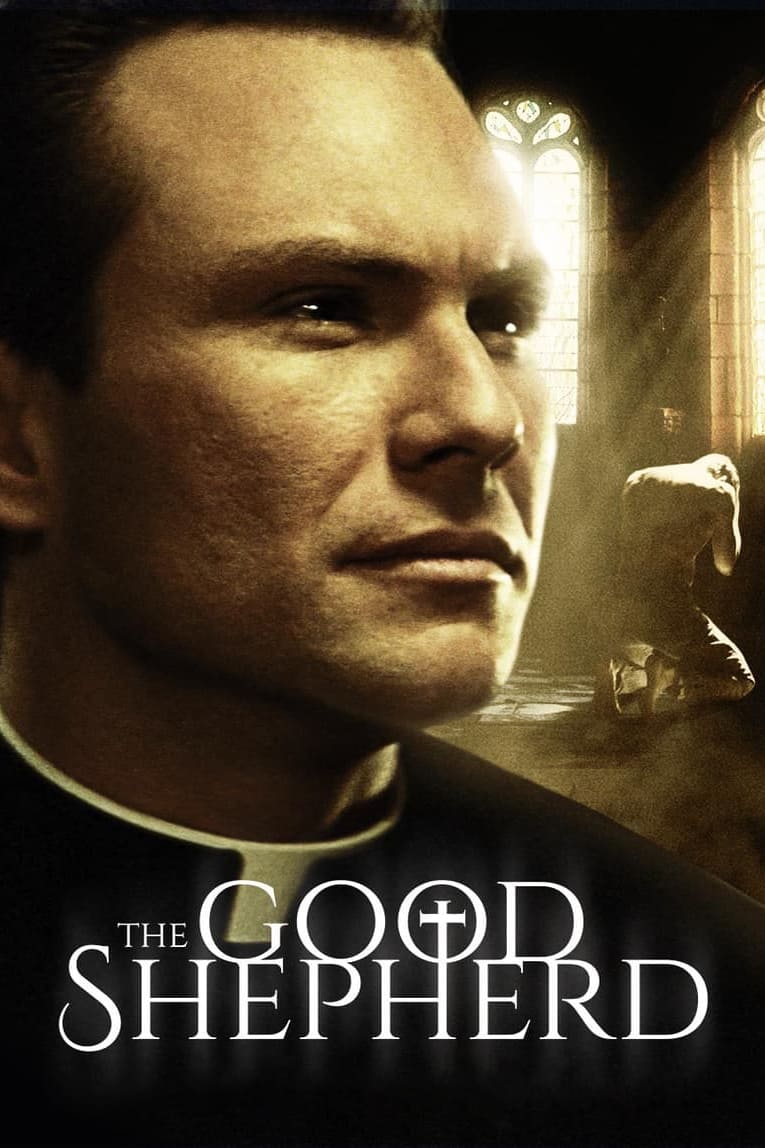
Robert De Niro’s espionage chronicle is praised for patient world building, subdued color palettes, and an intricate look at institution over self. The movie aims for procedural realism in tracing the rise of an intelligence service.
Matt Damon’s intentionally opaque performance was often read as emotionally vacant, which limited audience investment. That perception fixed the acting as the main reason the film’s meticulous detail felt remote rather than absorbing.
Share the films you would add to this list in the comments.