20 Best Movies of All Time, According to AI

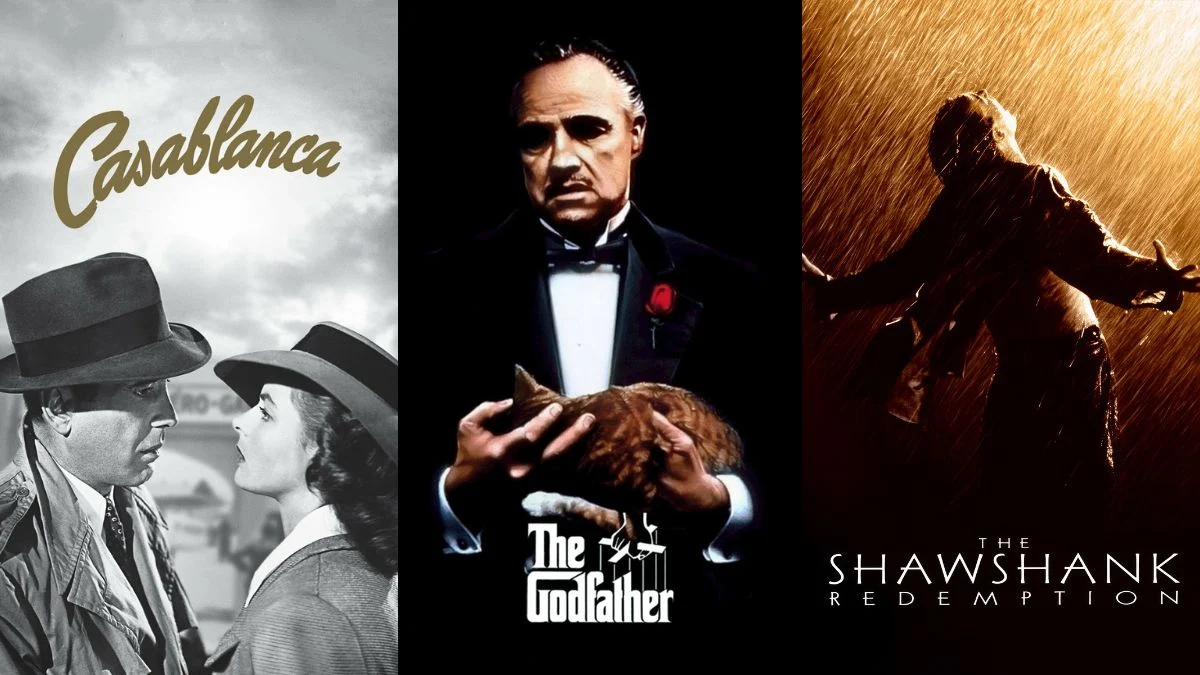

I asked AI to name the best movies of all time and to explain why these specific titles endure across generations and genres. The goal was simple and practical, to surface films that shaped how movies are made and how audiences experience stories on screen.
What follows is the list AI returned, built from global impact, technical innovation, and sustained influence. Each entry includes clear context about production choices, craft breakthroughs, and the ways these films continue to be used in classrooms, archives, and studios.
‘Citizen Kane’ (1941)
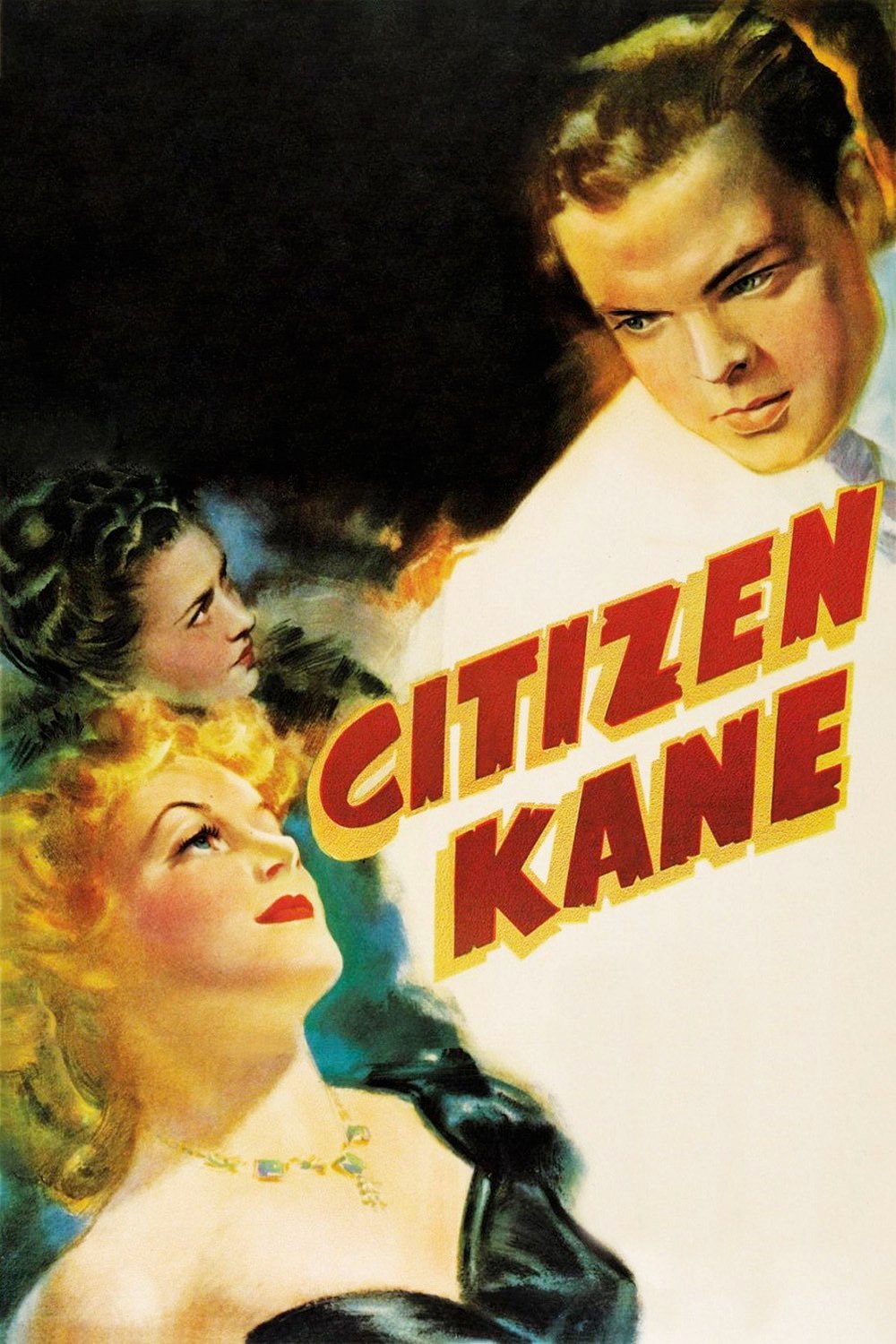
Orson Welles made his feature debut with creative control over script, direction, and performance, and the production used deep focus cinematography by Gregg Toland along with layered sound to support a multi viewpoint narrative. Set construction allowed low angle shots with visible ceilings, and transitions carried the story across interviews and memories.
The plot drew attention from powerful media figures, which affected early promotion and distribution. Over time the film entered teaching curricula, and its camera placement, lighting, and editing choices became standard examples in film craft courses and manuals.
‘The Godfather’ (1972)
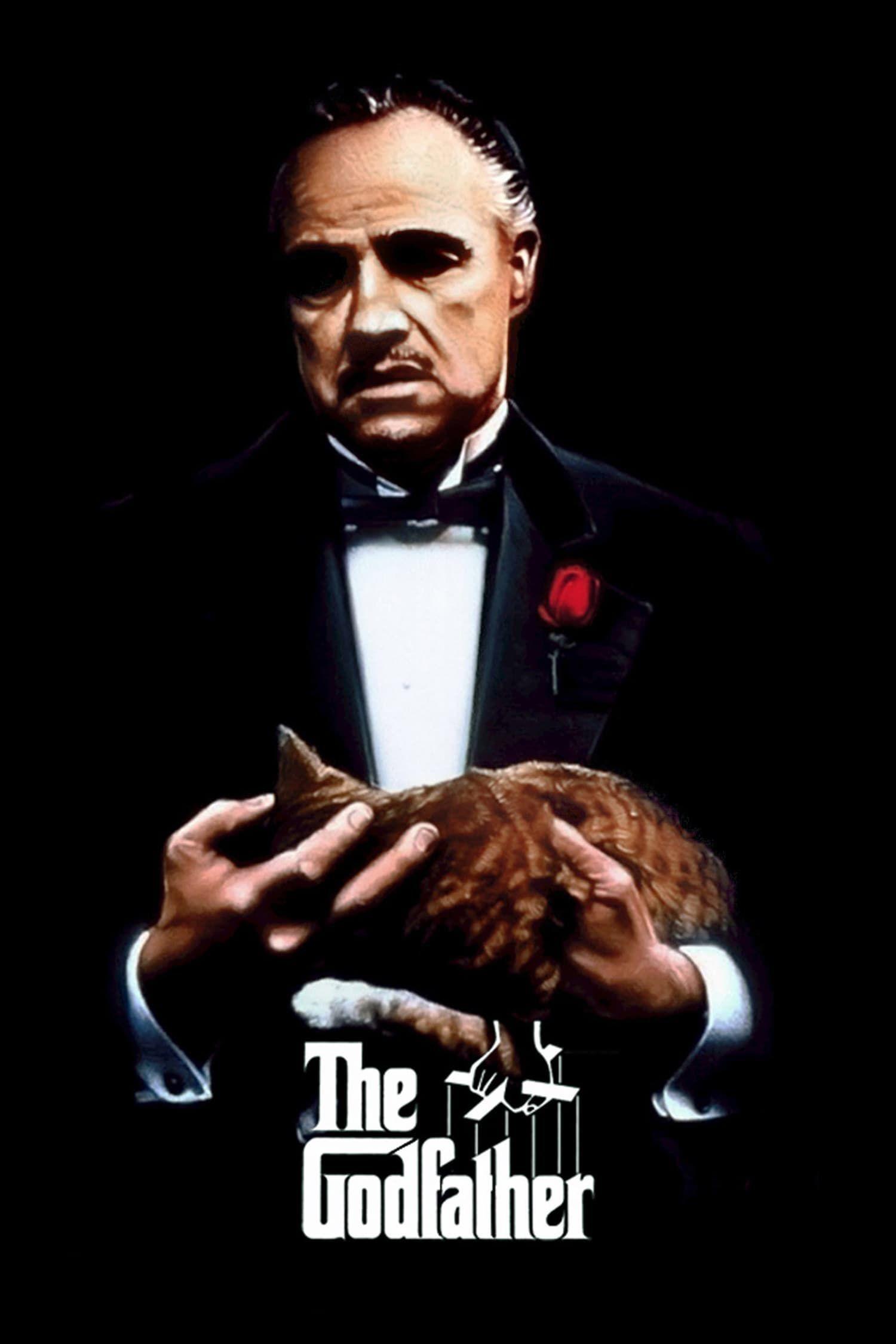
Francis Ford Coppola adapted Mario Puzo’s novel with a focus on family structure inside organized crime, using careful period design, Nino Rota’s music, and Gordon Willis’s low key photography. Casting assembled Marlon Brando, Al Pacino, and a wide ensemble that shaped later crime dramas.
Studios studied its approach to adult storytelling and long form character arcs. Classroom discussions often break down the opening office scene and the restaurant sequence for blocking, sound, and tension, and ongoing restoration work maintains reference quality elements for new releases.
‘The Godfather Part II’ (1974)
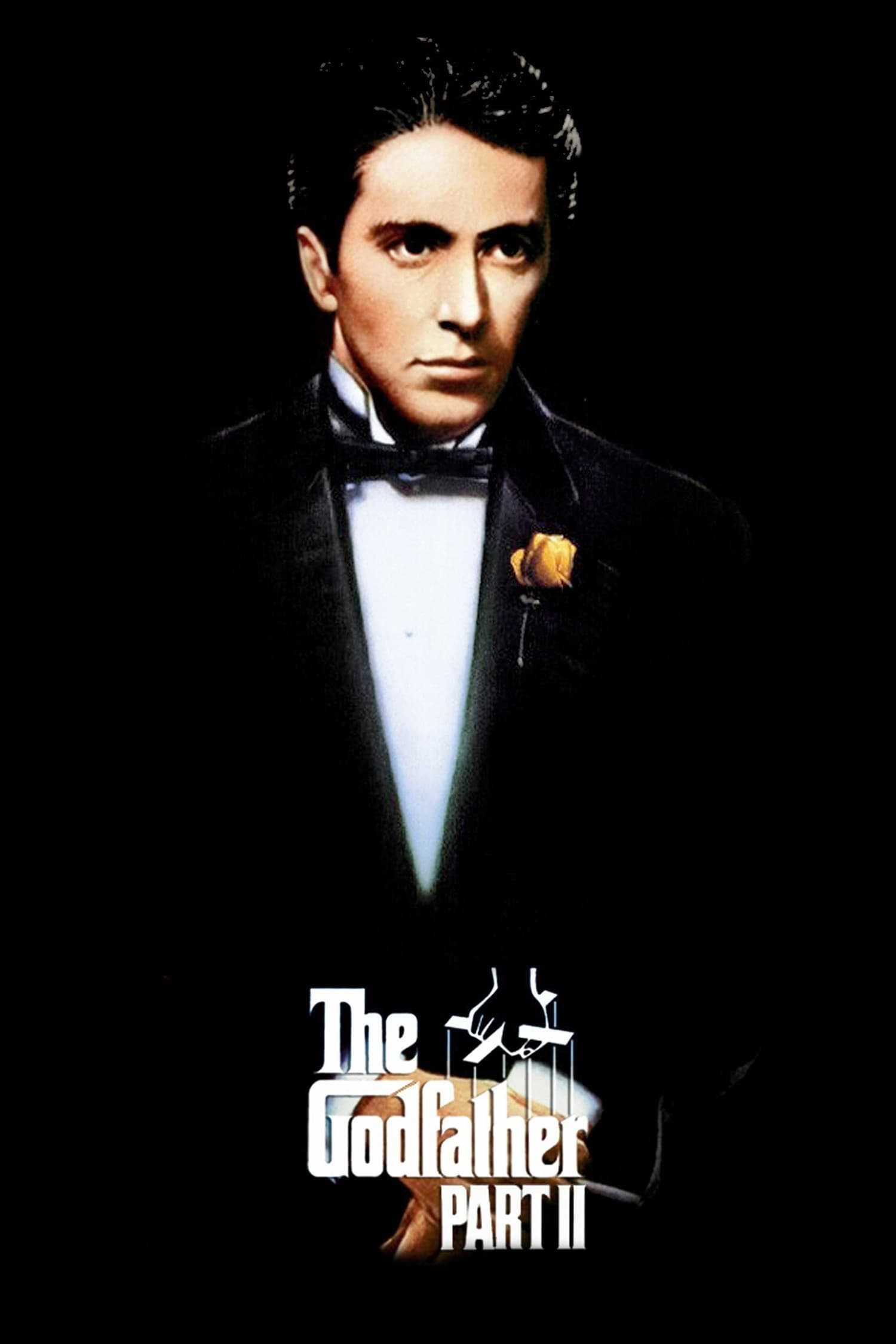
This companion film runs two timelines in parallel, showing the rise of young Vito Corleone and the consolidation of Michael Corleone’s leadership. Distinct color palettes and locations separate the eras while cross cutting connects patterns of loyalty, migration, and power.
Editors use its structure to teach temporal contrast and mirrored character beats. Performances by Al Pacino and Robert De Niro demonstrate different approaches to the same family legacy, and the production established a model for sequels that expand themes rather than repeat events.
‘Casablanca’ (1942)
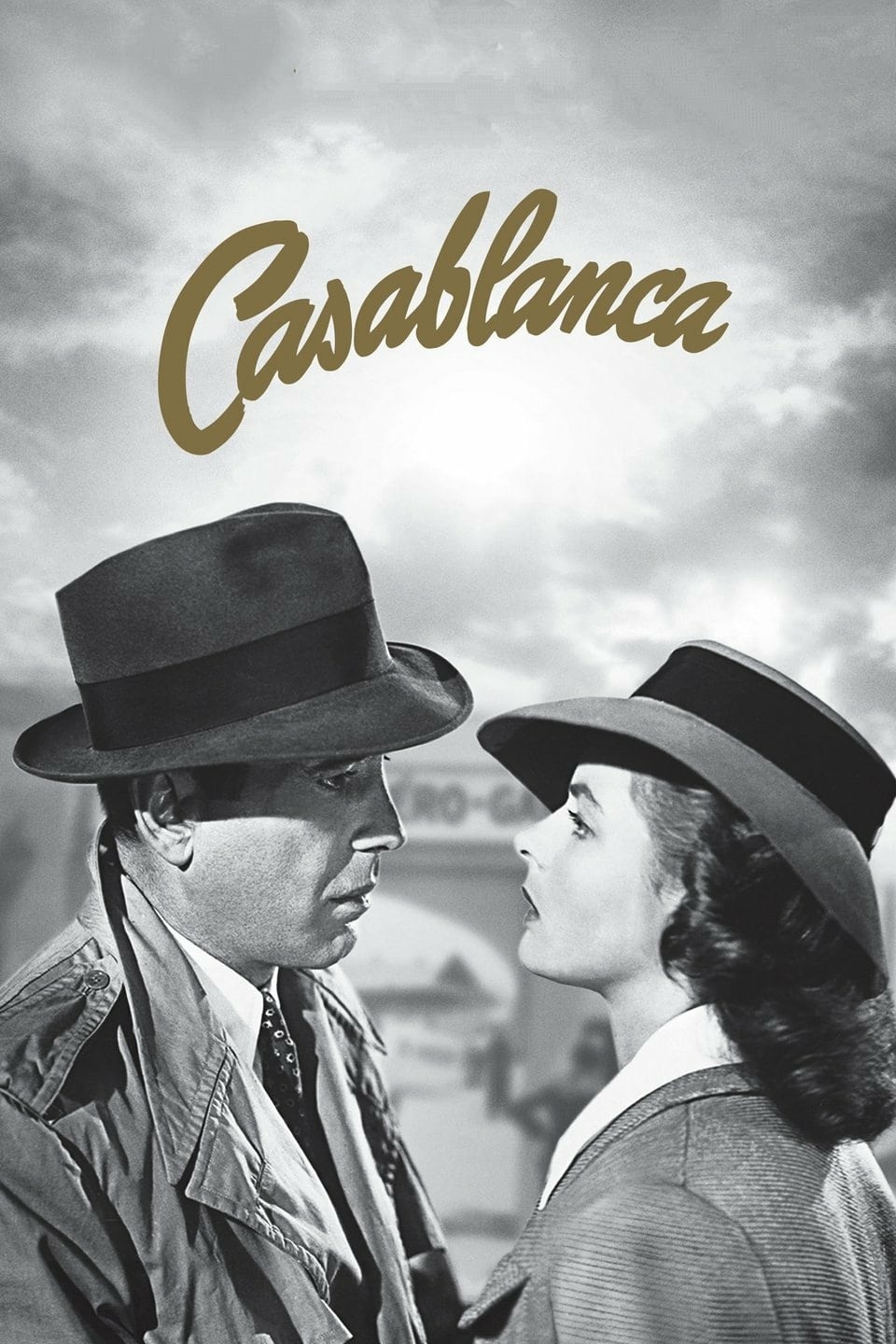
Set in wartime Morocco, this studio classic balances romance, suspense, and political stakes through a screenplay developed by Julius and Philip Epstein and Howard Koch. Max Steiner’s score and the café set give recurring characters a stable home base for intersecting subplots.
Humphrey Bogart and Ingrid Bergman lead an international supporting cast that reflects the period setting. The final airport scene is studied for staging and optical effects, and frequent repertory screenings keep the dialogue and music in active public memory.
‘Seven Samurai’ (1954)
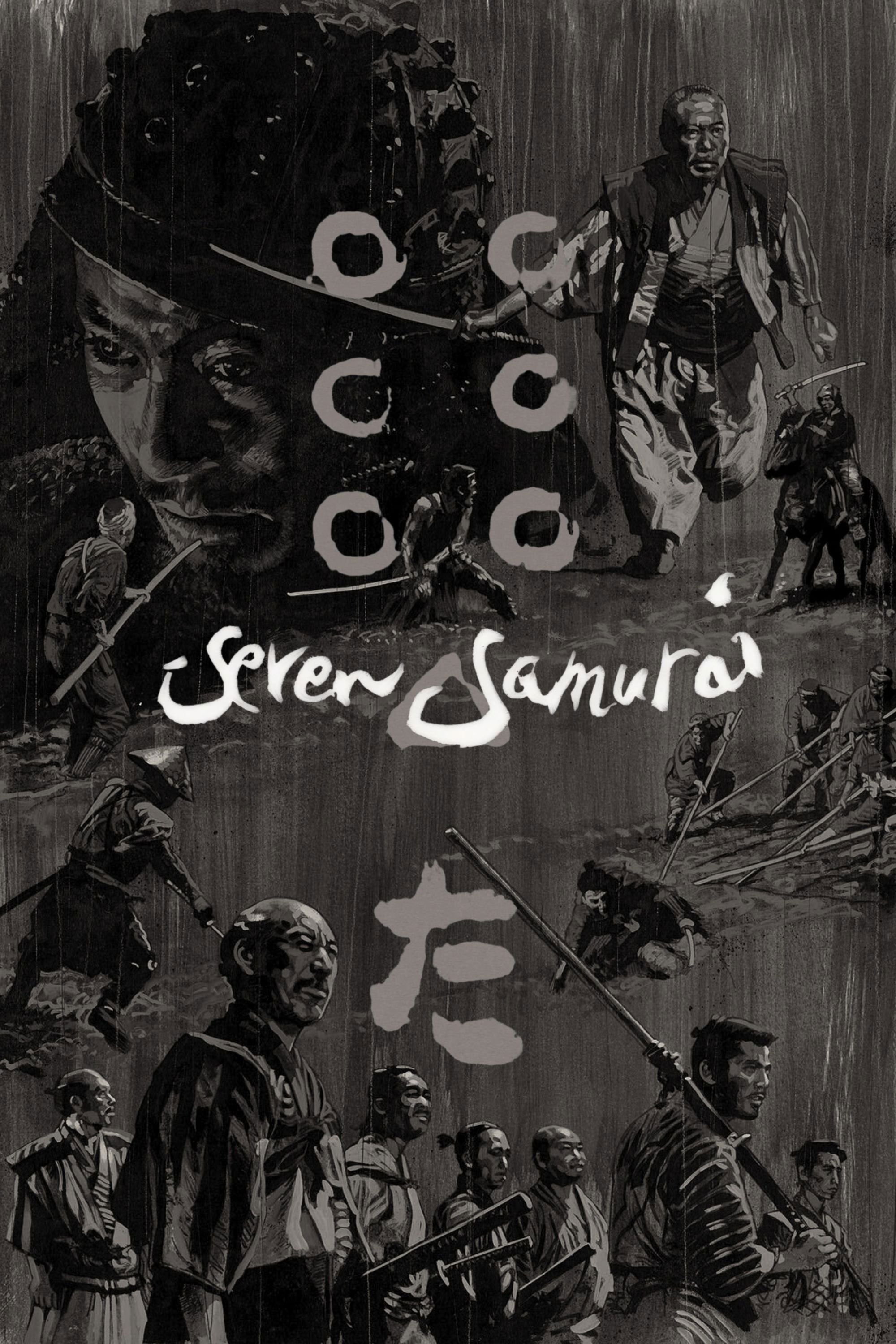
Akira Kurosawa’s adventure epic follows villagers who hire masterless samurai to defend their fields, using multiple cameras, telephoto lenses, and controlled weather effects to capture movement and geography. Composer Fumio Hayasaka assigns musical identities to characters and groups, reinforcing strategy and stakes.
The team assembly structure became a template for later ensemble action stories. Attention to armor, terrain, and water created a tactile look that many productions reference when designing large scale combat sequences and location logistics.
‘Psycho’ (1960)
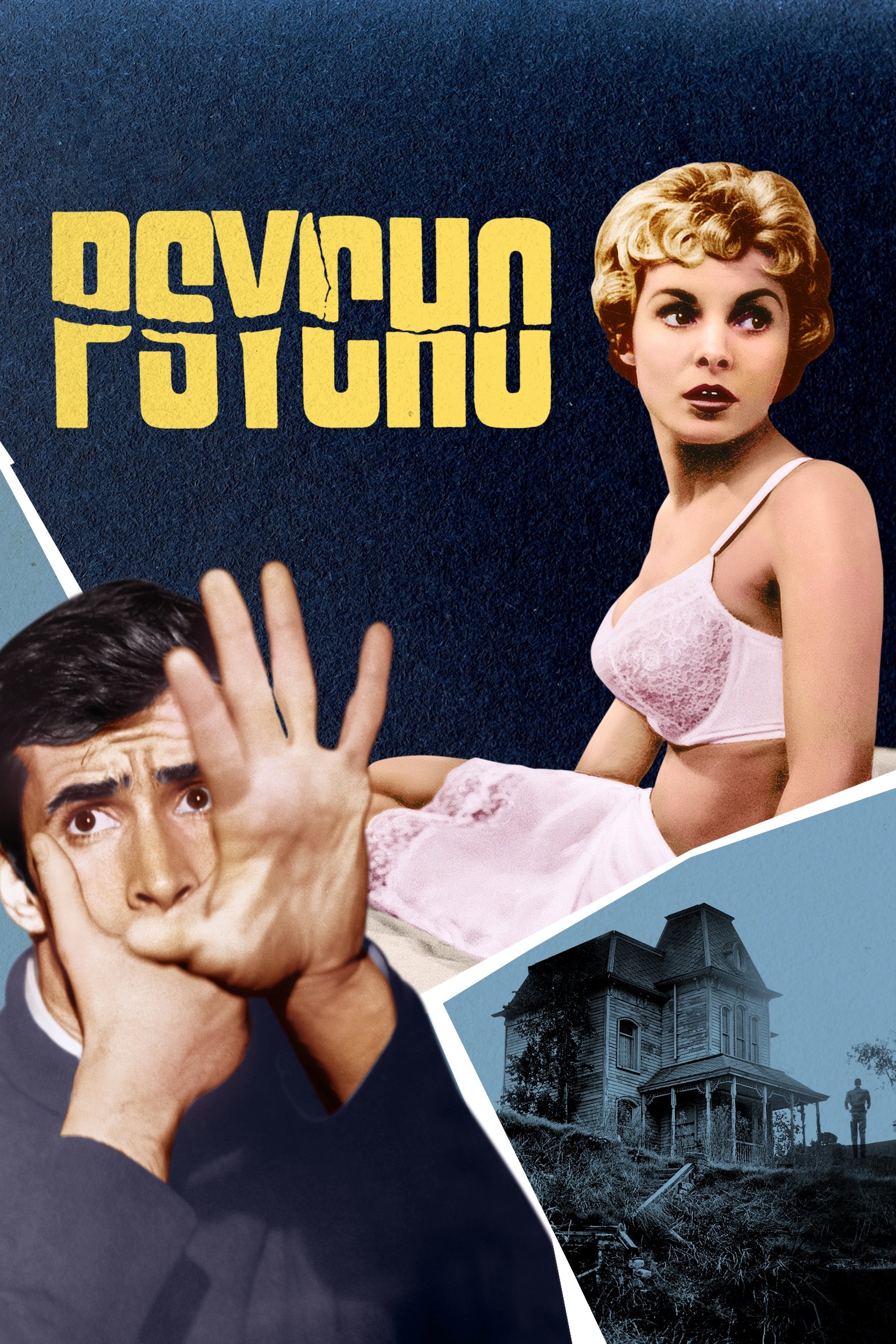
Alfred Hitchcock produced this black and white thriller with a lean budget and a crew experienced in fast paced television work. The shower sequence uses rapid edits, precise effects, and Bernard Herrmann’s strings to create intensity without graphic imagery.
Marketing urged audiences to see the film from the beginning and kept plot details secret, which shifted expectations for suspense. The narrative pivot at the midpoint remains a core example of point of view control in writing and editing classes.
‘The Wizard of Oz’ (1939)
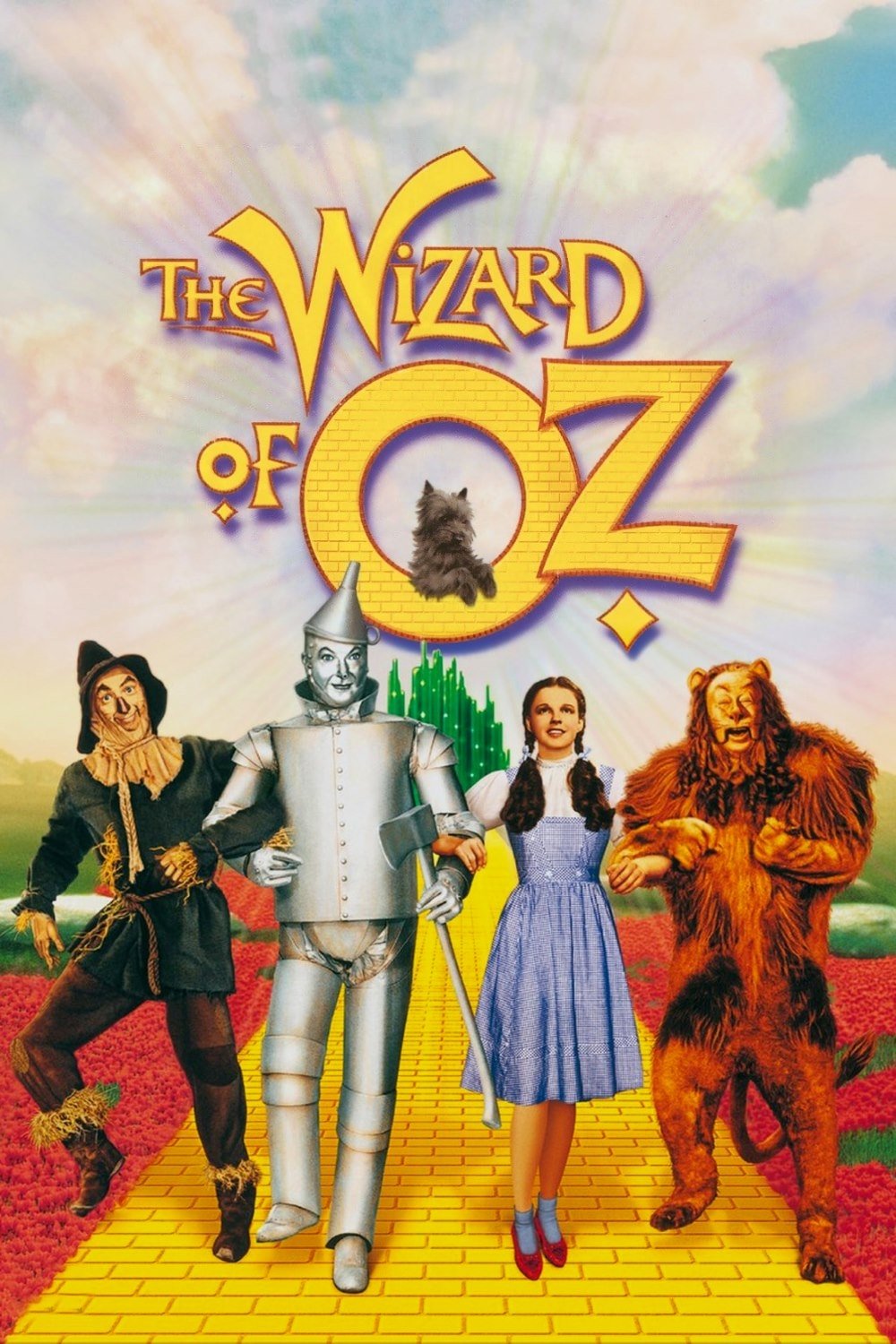
This musical fantasy follows a Kansas farm girl swept into a vivid land, with a famous shift from sepia to color that showcases early three strip processes. Songs by Harold Arlen and Yip Harburg, along with specialized costumes and makeup, created memorable characters and travel set pieces.
Multiple directors and writers contributed while the studio maintained a consistent tone across sequences. Reissues and television airings expanded its reach, and archives preserve original negatives, music elements, and wardrobe for exhibitions and research.
‘Lawrence of Arabia’ (1962)
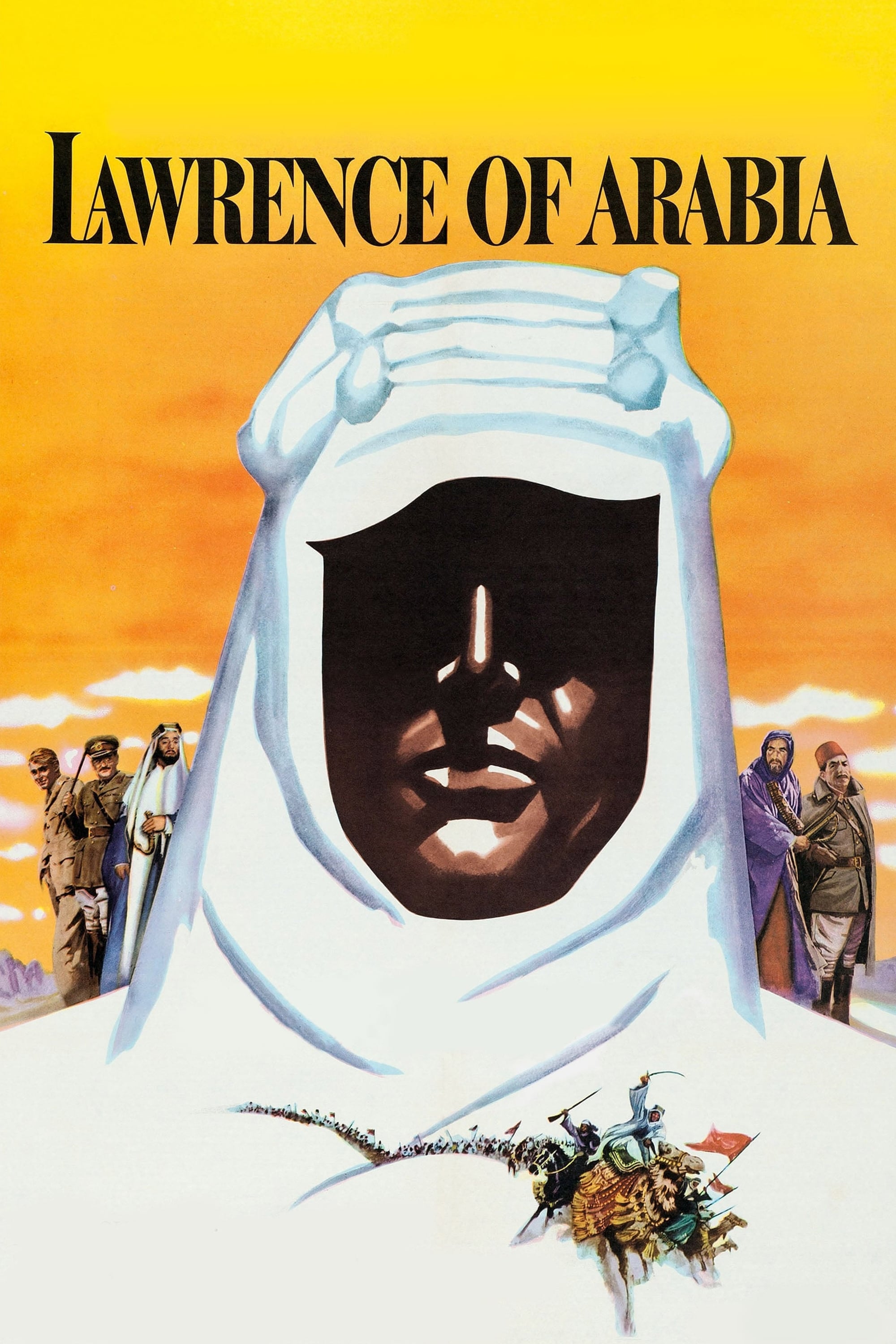
David Lean’s historical epic tells the story of T. E. Lawrence and the Arab Revolt using large format photography, long takes, and panoramic desert locations to emphasize scale and isolation. Peter O’Toole’s performance works with Maurice Jarre’s themes to carry long, dialogue light passages.
Restoration teams often cite this title when discussing color timing and element repair. The film influenced adventure cinematography with horizon compositions and daylight exteriors, and it continues to prompt study of historical portrayal in narrative features.
‘Schindler’s List’ (1993)
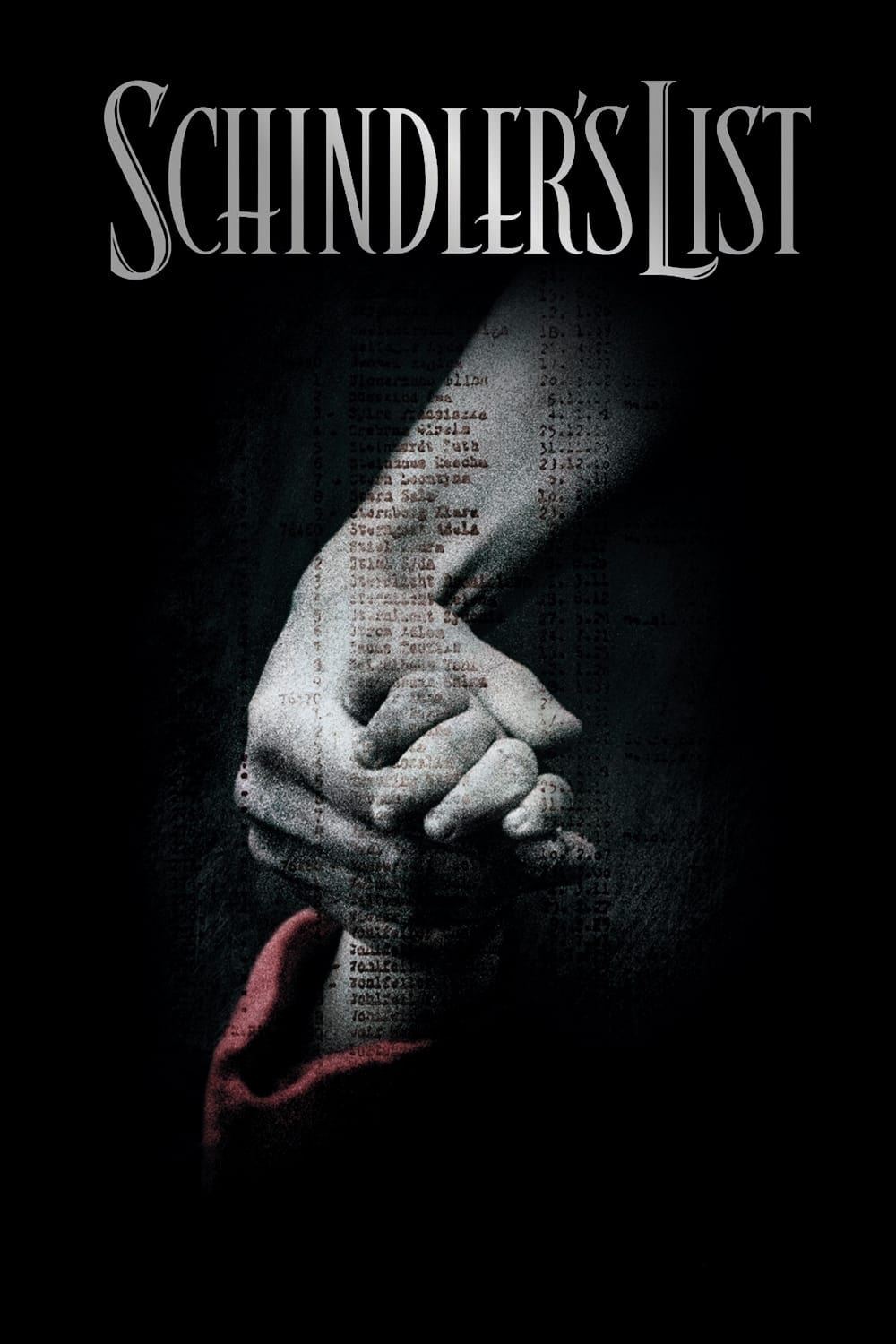
Steven Spielberg chose monochrome photography with selective color to present a historical account of rescue during the Holocaust. Handheld cameras, naturalistic lighting, and extensive location work create immediacy, and John Williams’s score with violin solos by Itzhak Perlman adds a central musical voice.
Education programs use the film and its associated testimony recordings to teach about genocide and moral responsibility. Preservation releases include interviews and historical materials that support classroom use and archival study.
‘Pulp Fiction’ (1994)
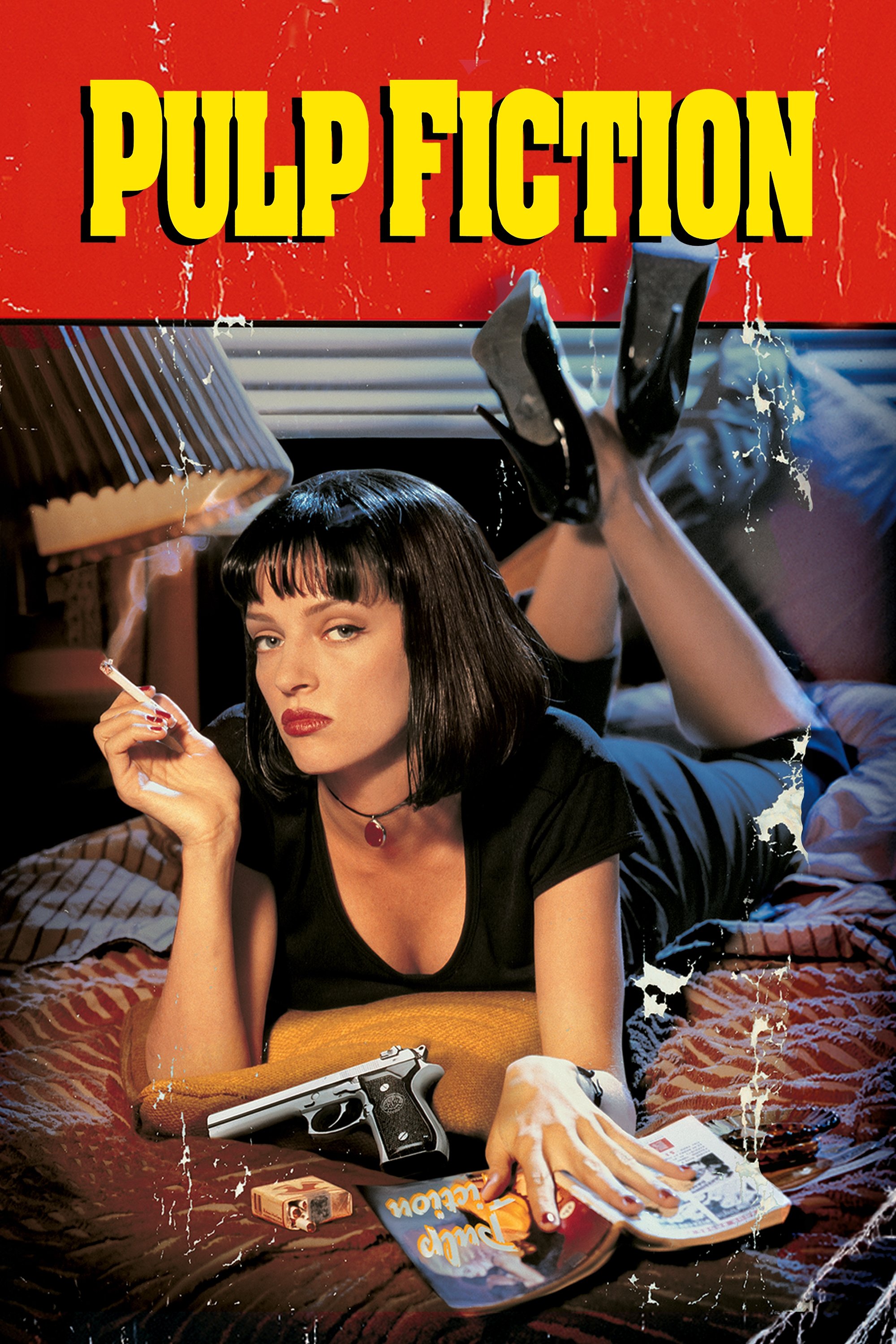
Quentin Tarantino structures interlocking crime stories that circle back on one another, with a soundtrack that frames tone shifts and character entrances. Dialogue heavy scenes unfold in confined spaces, which highlights timing and rhythm for performers and editors.
Independent distribution changed after its strong festival run and theatrical performance. The chapter based approach influenced later films and series that experiment with non linear order, and the movie’s success expanded opportunities for mid budget genre blending projects.
‘The Shawshank Redemption’ (1994)
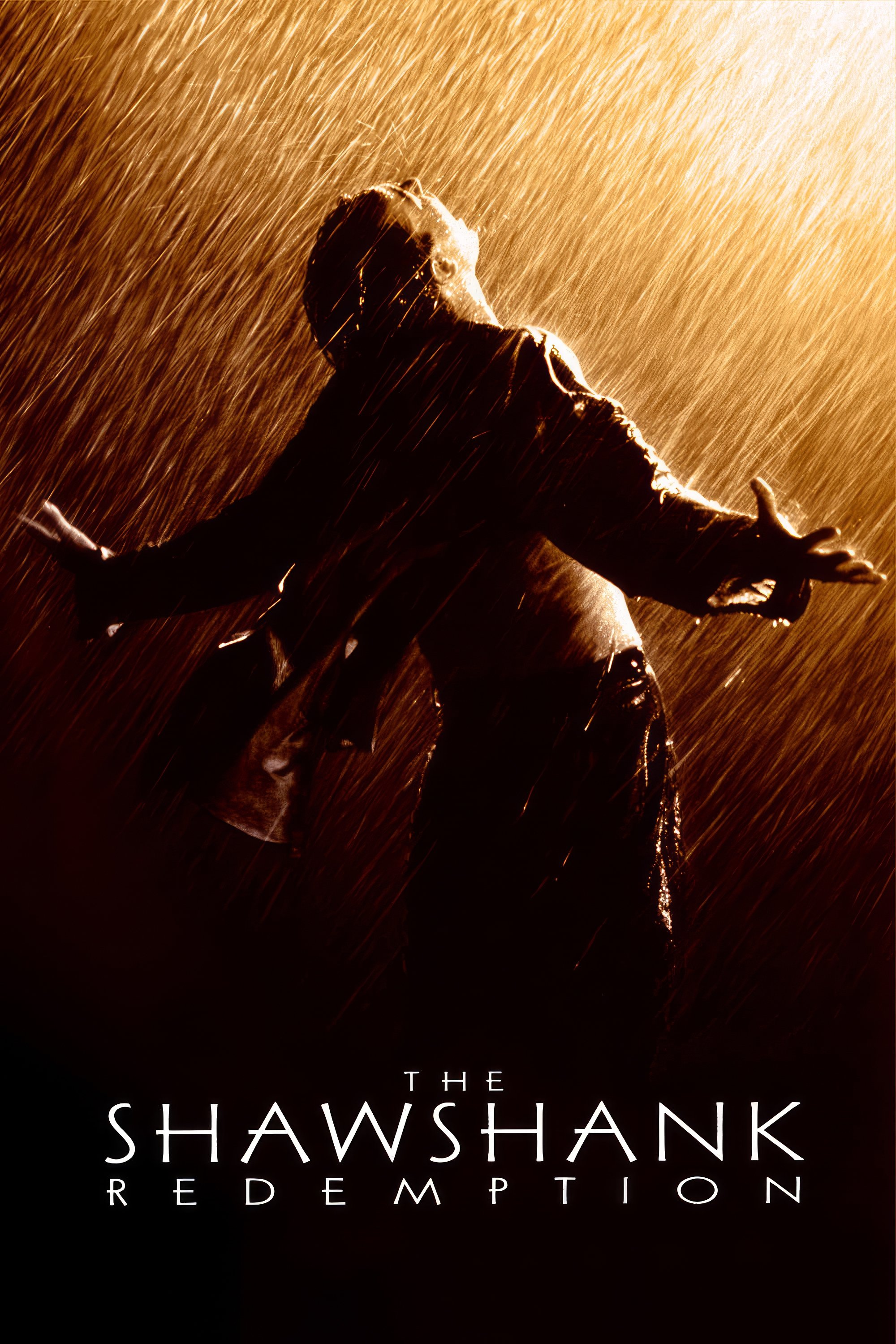
Adapted from a Stephen King novella, this prison drama focuses on patient planning and a friendship formed under long sentences. Production used a decommissioned prison for full control of corridors, yards, and lighting, and Thomas Newman’s score supports steady pacing.
The film gained a large following through repeat broadcasts and home media, which increased tourism at the primary location site. Writing classes reference its narration and reveals as examples of clear setup and payoff within a restrained setting.
‘Goodfellas’ (1990)
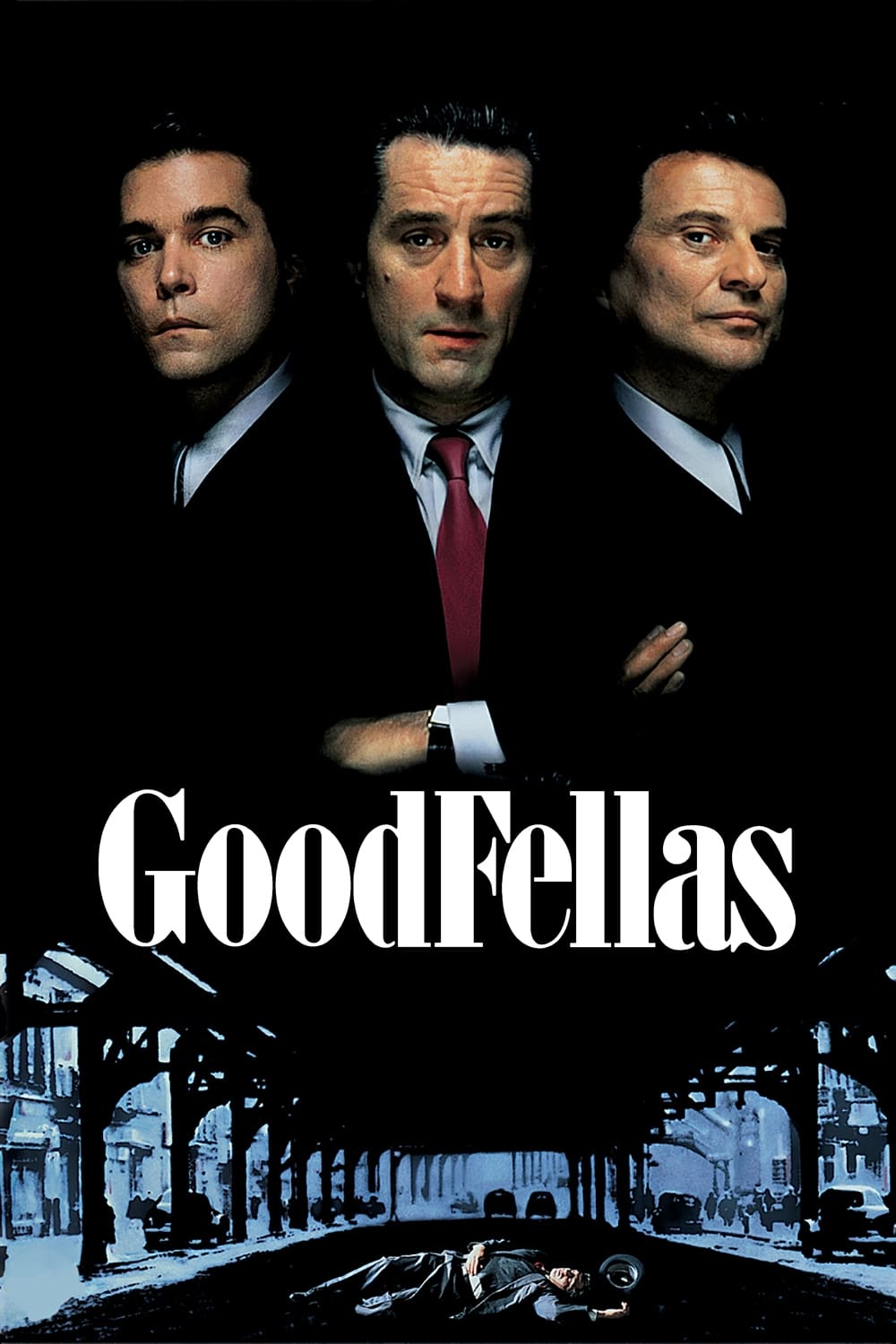
Martin Scorsese’s crime saga tracks life inside a mob crew using voice over, needle drop music, and long takes that move through crowded spaces. The Copacabana tracking shot and rapid editing during drug sequences provide case studies in camera choreography and sound design.
Editors analyze how rhythm shifts as lifestyle pressure increases and collapses. Food preparation, domestic routines, and work scenes ground the story in everyday detail, which later television and film used when portraying organized crime from an insider view.
‘Spirited Away’ (2001)
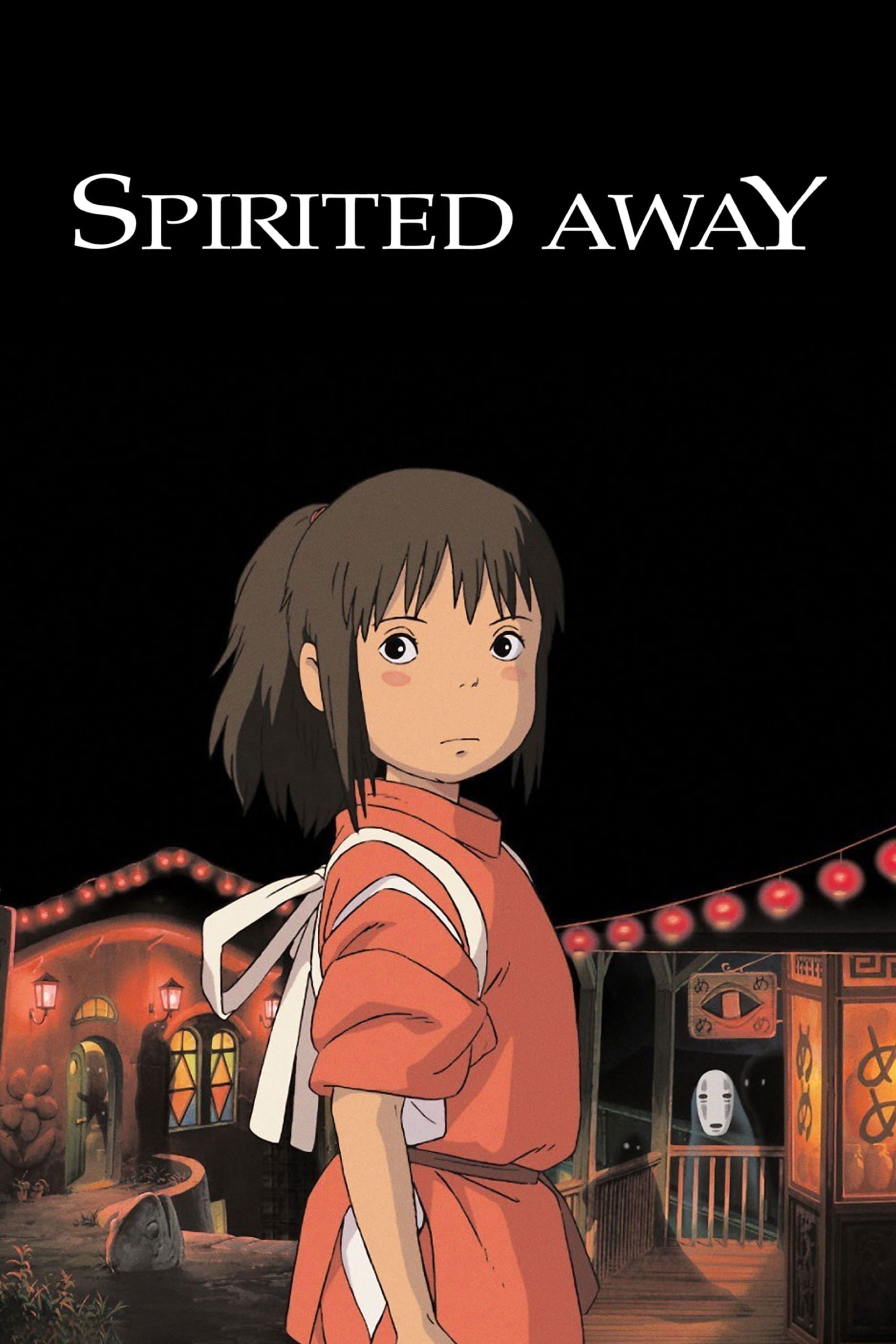
Hayao Miyazaki’s animated feature follows a girl who enters a spirit world while her parents are transformed, combining hand drawn animation with limited digital tools to preserve a painterly look. Joe Hisaishi’s music supports a dreamlike pace and gentle transitions between settings.
The film opened wider global distribution for contemporary Japanese animation and won major international awards for animation. Studio Ghibli’s published art books and exhibitions provide process drawings and layout materials that document how the world was built on screen.
‘Parasite’ (2019)

Bong Joon Ho’s social thriller brings two families together through work and proximity, using a purpose built house set with precise sight lines and elevation changes to choreograph reveals. Music and sound design shift as the story moves from dark comedy toward tightly staged conflict.
The film won top festival prizes and became the first Korean feature to win the Academy Award for Best Picture. Its success expanded distribution for Korean cinema and reinforced the market for subtitled releases in multiplexes around the world.
‘Star Wars’ (1977)
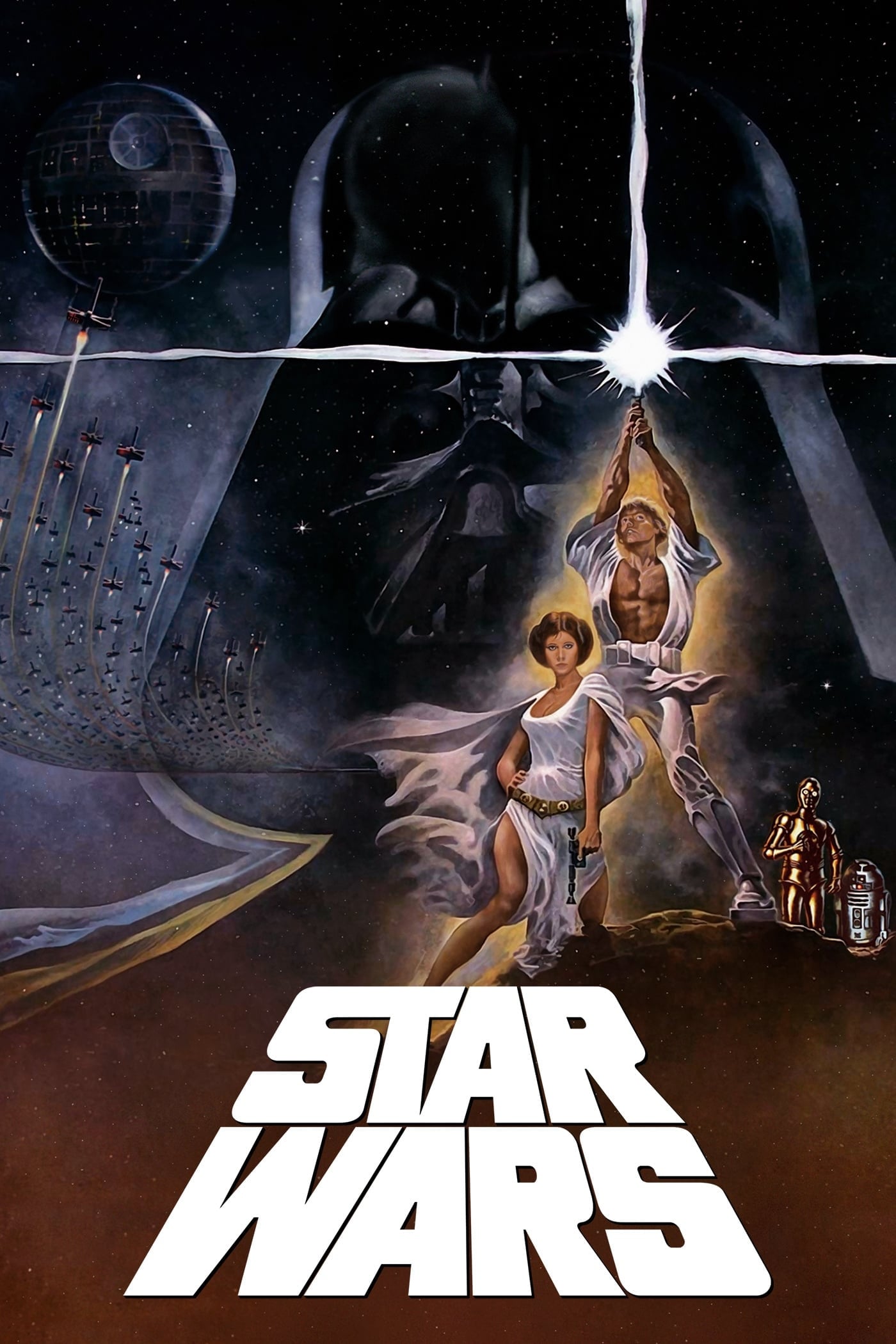
George Lucas created a space adventure that merged serial storytelling with new visual effects methods, and Industrial Light and Magic built motion control rigs to capture dynamic model shots. John Williams’s orchestral themes give characters and factions clear musical identities.
The release reshaped studio planning around merchandising and sequels. Sound designers advanced techniques for engines, lasers, and creature voices, and later restorations and special editions continue to spark discussion about archival versions and authorial intent.
‘The Matrix’ (1999)
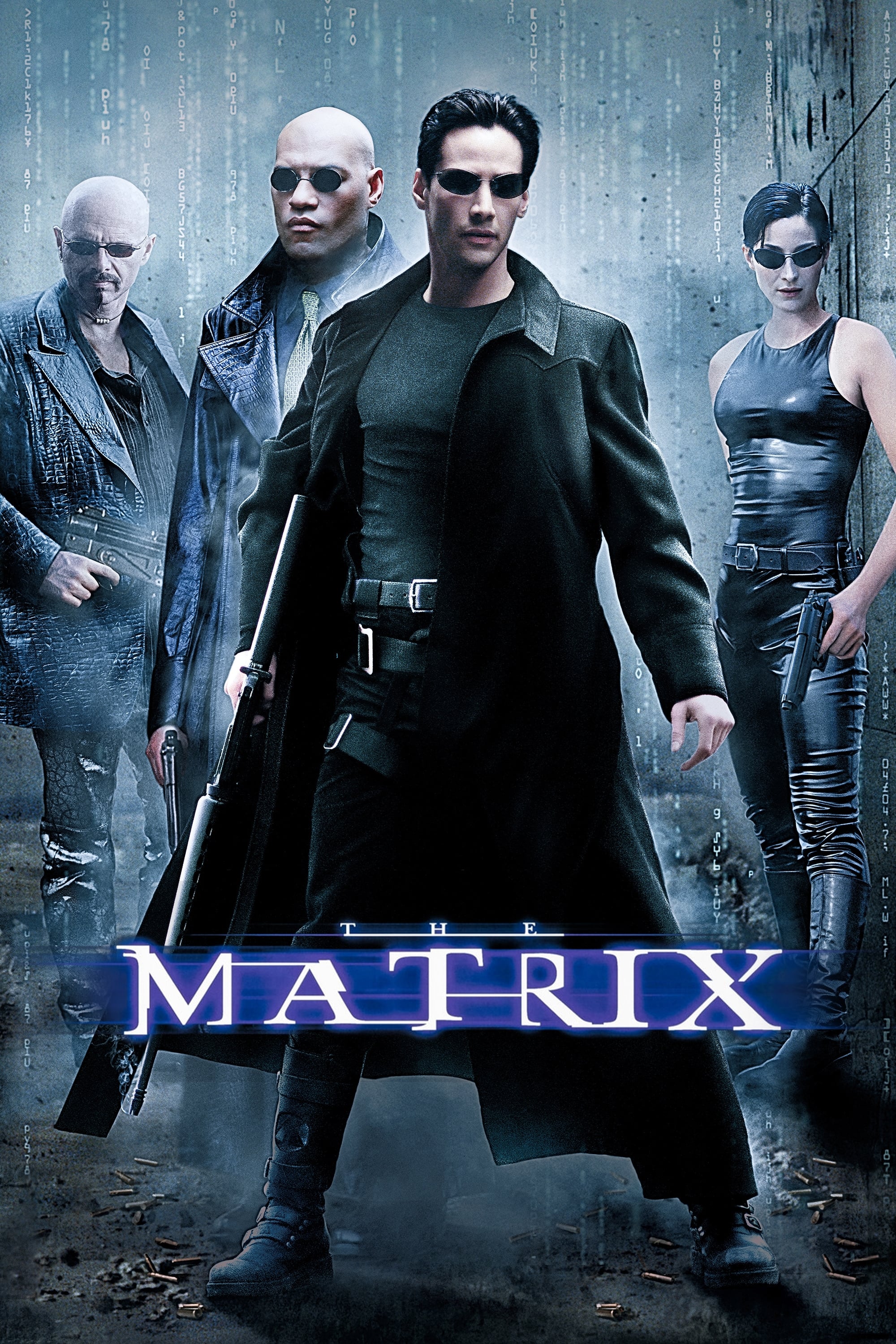
The Wachowskis blended cyberpunk ideas with Hong Kong style action and wire work, introducing bullet time with multi camera arrays that freeze and move around slowed motion. Costume and set design create a strong contrast between simulated and real environments.
The film accelerated western interest in complex fight choreography and visual effects integration. Its terms and imagery entered common speech in technology conversations, and games and animation extended the story world across formats.
‘City of God’ (2002)
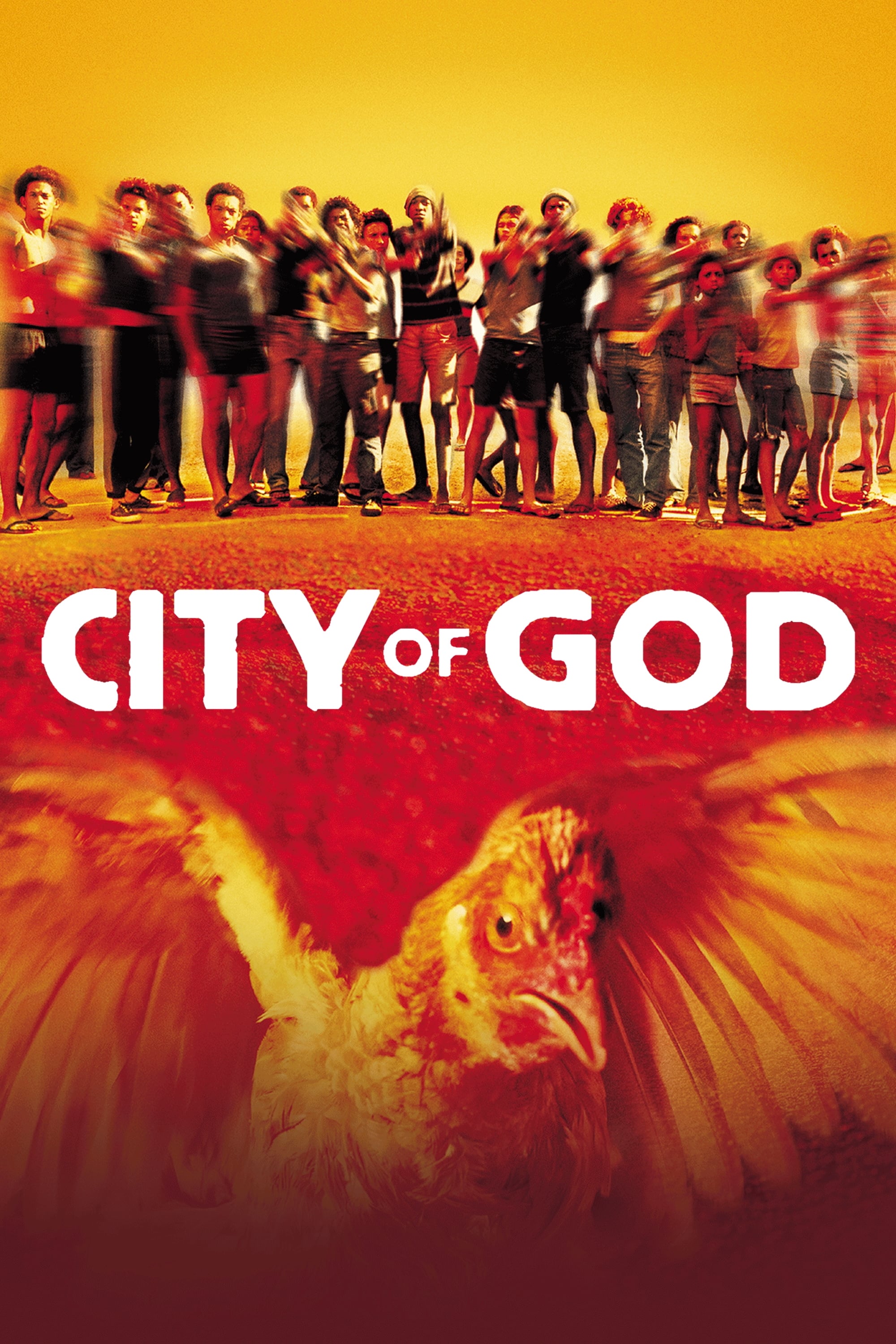
Fernando Meirelles and Kátia Lund adapted Paulo Lins’s novel about youth in the favelas of Rio de Janeiro, casting many first time actors from local communities. Handheld cameras, natural light, and rapid editing create energy while tracking multiple character arcs.
International attention followed its release, bringing focus to Brazilian cinema and the social issues presented through personal stories. Workshops held during casting and production provided training, and the film remains a common case study in adaptation and community based filmmaking.
‘Apocalypse Now’ (1979)
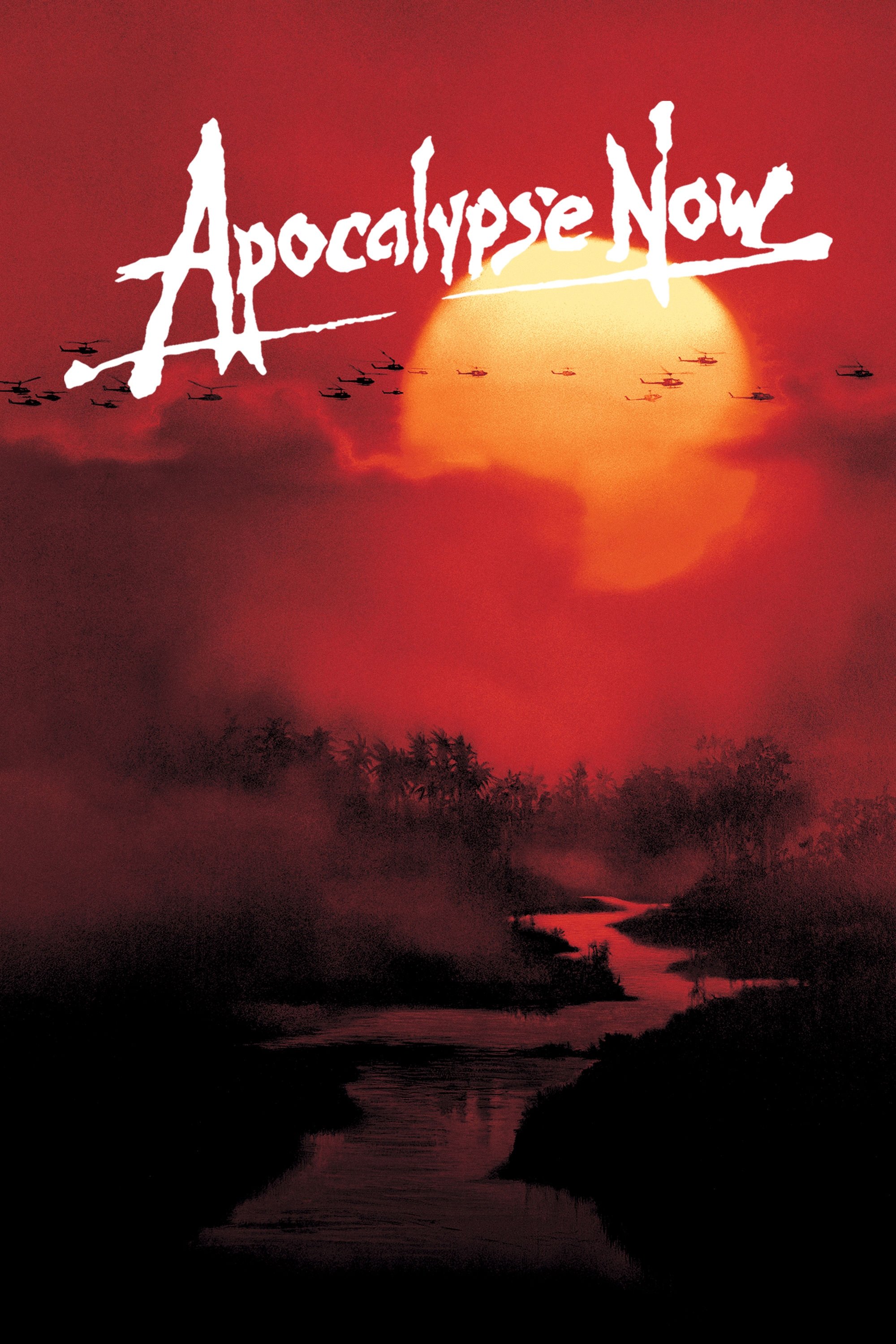
Francis Ford Coppola reimagined a literary source as a war odyssey set along a river journey, facing difficult weather, health issues, and schedule disruptions during production. Multichannel sound mixing placed viewers inside helicopters, boats, and jungle environments.
Multiple cuts exist, which lets students compare pacing, theme emphasis, and editorial choices. A companion documentary presents extensive footage from the set, offering a rare view of large scale location filmmaking under pressure.
‘Vertigo’ (1958)
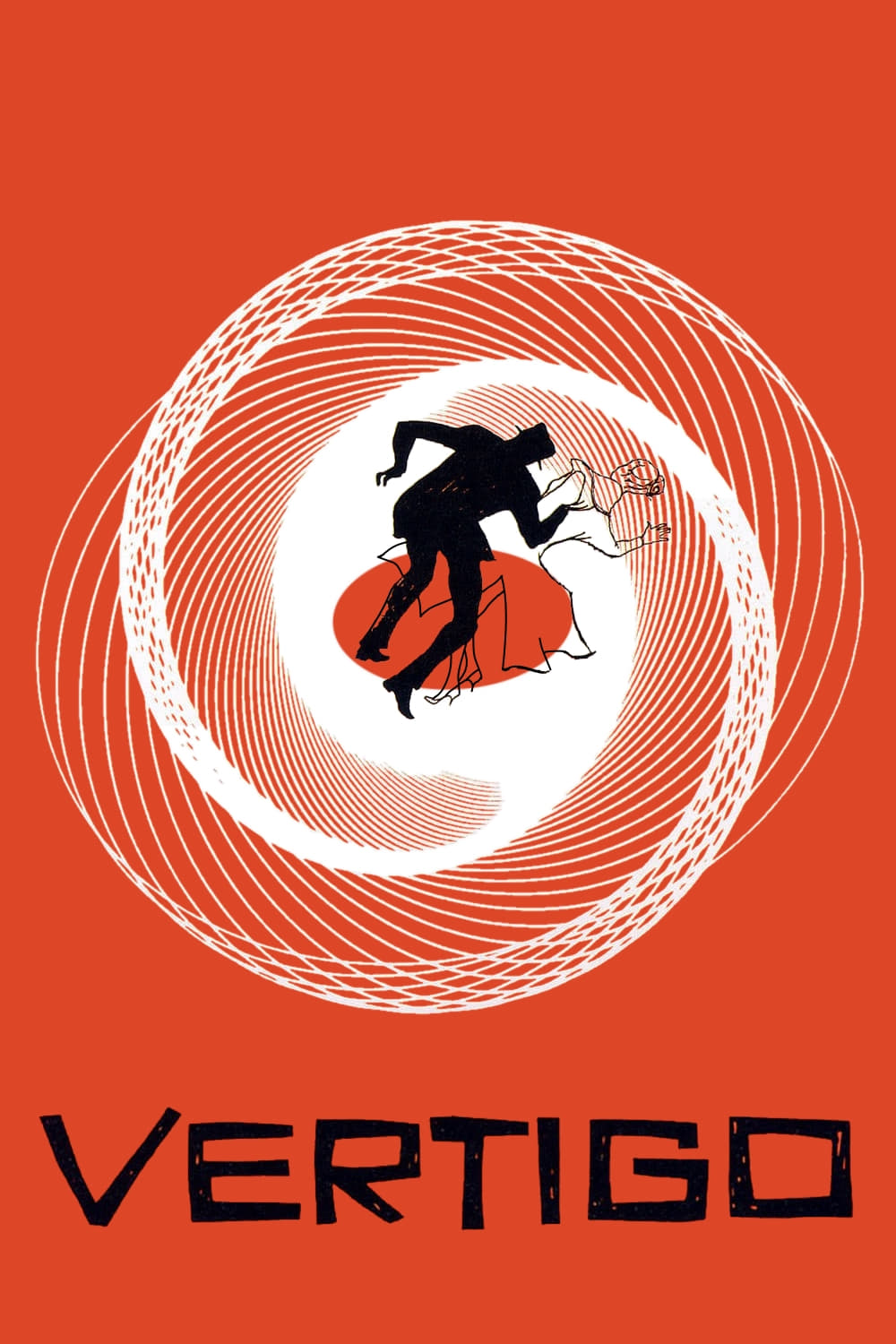
Alfred Hitchcock visualizes fear of heights using a dolly zoom that changes perspective while the subject remains centered. Bernard Herrmann’s score builds mood with recurring motifs, and San Francisco locations anchor the story to real streets and landmarks.
Rights issues kept the film out of circulation for a period, and later restorations improved sound and color. Scholars often discuss its treatment of identity, memory, and obsession, and mapped tours of its locations continue to draw visitors.
’12 Angry Men’ (1957)
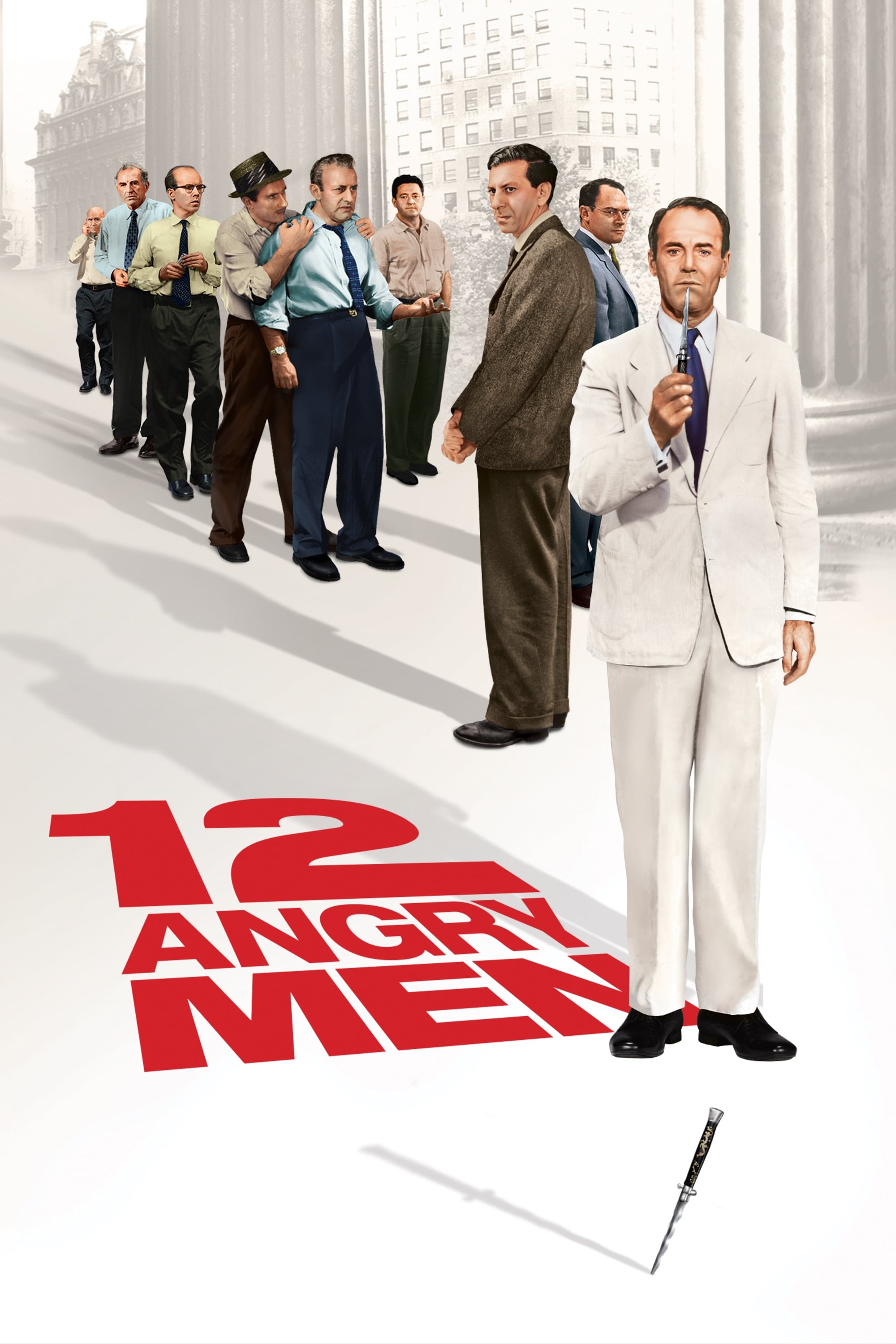
Sidney Lumet’s courtroom drama is set almost entirely in a jury room, where camera placement and lens choices shift from wider views to closer angles as tension rises. Production design uses windows, fans, and weather to change atmosphere without moving locations.
Business and law classes use the film to teach group dynamics and decision making under pressure. Stage adaptations and training workshops continue to borrow its structure to practice argument mapping, evidence testing, and conflict resolution.
Tell us which AI picks you agree with and which films you would add in the comments.