Michael Caine Hails This Director as “The Greatest All-Round Movie Talent of Our Time”

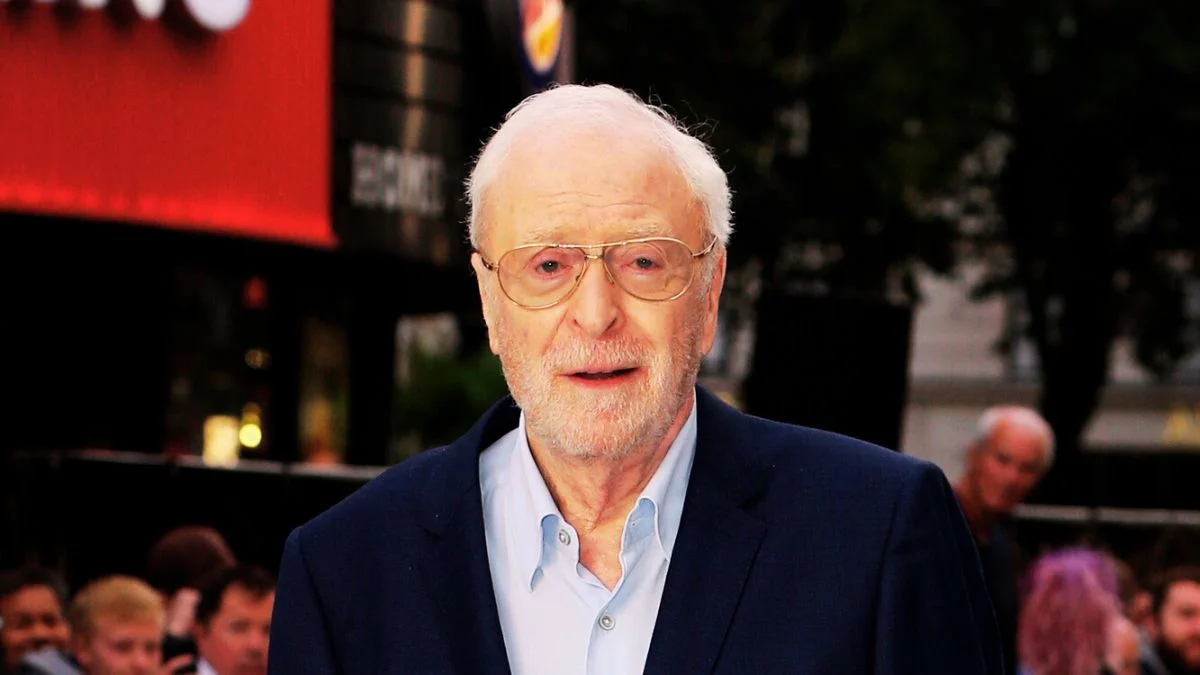

Michael Caine has often spoken about the moments in his career that felt like pure luck, and one of the biggest came in 1975. That year, he landed a job working with his cinematic hero, John Huston, a director whose films had amazed him since he was a child.
Even better, the project he joined had originally been meant for another of Caine’s idols, Humphrey Bogart.
In his memoir Blowing the Bloody Doors Off, Caine explained the experience: “I twice had the tremendous experience of being directed by the man I regarded as the greatest all-round movie talent of our time, the late great John Huston: fifteen-time Academy Award nominee, director of my childhood heroes, director of three of my all-time favourite childhood movies—The African Queen, The Treasure of the Sierra Madre, The Maltese Falcon.”
For Caine, growing up during the Blitz in London, films were a form of escape. He remembered sitting in darkened cinemas while sirens wailed outside and ration books dictated daily life.
So when he got the chance to work with Huston, it must have felt like stepping onto another planet.
Caine’s first collaboration with Huston was on The Man Who Would Be King, where he played Peachy Carnehan, a role Huston had originally written for Bogart twenty years earlier. He described the opportunity as a dream come true.
The two worked together again in 1981 on Escape to Victory, a mix of war movie and sports drama, where Caine shared the screen with Sylvester Stallone. Although the second film didn’t reach the same heights as their first collaboration, Caine said the true reward was simply working with Huston again.
“He was very gentle with actors because he loved being one himself,” Caine wrote. “And he had an aura about him—charisma maybe, or star quality—that seemed effortlessly to command attention and respect. It was John who taught me not to expect constant input from a director—and that the quality of a director’s input could not always be measured by the number of times he interacted with me or the number of words he threw in my direction.”
Huston’s career is legendary. Born in 1906, he was an actor, screenwriter, and director who made some of Hollywood’s most enduring classics.
His career spanned over six decades, and he directed films like The Maltese Falcon (1941), widely regarded as one of the first great film noirs; The Treasure of the Sierra Madre (1948), which earned him Oscars for Best Director and Best Screenplay; and The African Queen (1951), starring Humphrey Bogart and Katharine Hepburn, for which Bogart won his only Academy Award.
Huston was known for his adventurous spirit, often filming in real locations in challenging conditions, and he brought a mix of toughness and humanity to his films that few directors could match.
Caine clearly learned a lot from his time with Huston, lessons that stayed with him for decades. He carried that experience into some of his most acclaimed roles, including his Oscar-winning performances in Hannah and Her Sisters and The Cider House Rules.
In Caine’s eyes, Huston wasn’t just a legendary director—he was a mentor and almost a father figure, whose guidance shaped Caine’s approach to acting and filmmaking.
Looking back, Caine described working with Huston as a transformative moment in his life. “For me, it was a chance to learn from one of the greatest minds in cinema, and to be part of movies that I had loved since I was a child. It was a reminder that talent, hard work, and a little luck can take you from the streets of London to the sets of some of the most iconic films ever made.”
Have something to add? Let us know in the comments!