5 Ways ‘Die Hard’ Aged Poorly (& 5 Ways It Aged Masterfully)

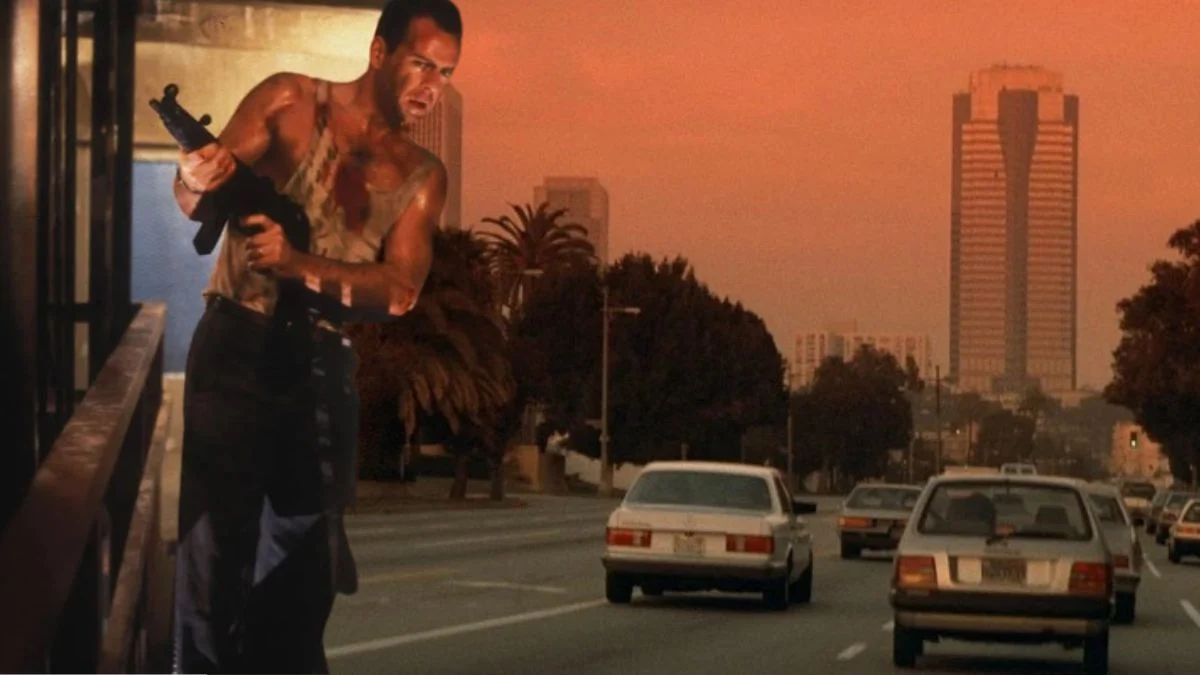

Action fans still return to ‘Die Hard’ because it shaped how single location thrillers work. Set over one long night in a Los Angeles high rise, it built a clear timeline, a contained space, and a chain of problems that push forward scene by scene. The result is a movie that many later productions echoed in structure, from hostage stakes to radio chatter and tight floor by floor geography.
Time has also highlighted details that feel locked to the era that made it. Office technology, building security, and certain police procedures look very different today. Other choices keep paying off because of the way the production was planned and executed, from stunt work to camera language and the smart use of a real skyscraper.
Aged Poorly: Office Tech That Dates the Nakatomi Setting
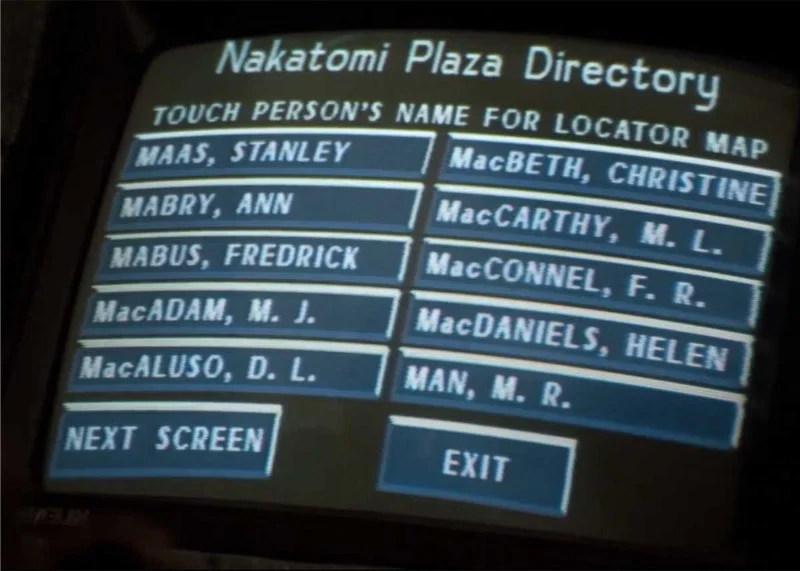
The corporate setting runs on analog phone trunks, a building PBX, and bulky CRT monitors. Security and communications rely on wired lines and two way radios rather than mobile devices or building wide Wi Fi. The plot hinges on cutting telephone service at a street level panel, which reflects how many commercial buildings routed calls through physical switching hardware at the time.
Modern Class A towers typically use distributed antenna systems, badge based access control tied to software, and layered network monitoring. Emergency communications now include redundant mobile and digital channels, which makes a complete cutoff far harder. The movie’s reliance on line cuts and desk phones marks a clear snapshot of late twentieth century office infrastructure.
Aged Masterfully: Practical Stunts and Effects Hold Up Onscreen
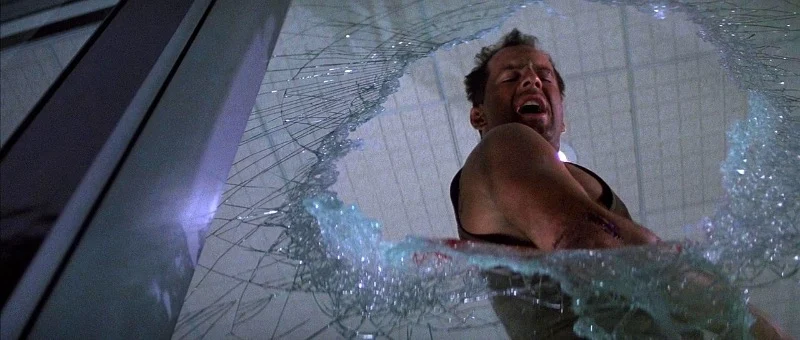
The production leans on in camera work, real pyrotechnics, and extensive use of squibs. Glass breaks, elevator impacts, and fireball plates were photographed with stunt performers on controlled sets and in the actual office tower. Miniatures supplement a few wide shots, yet most action beats were captured at full scale with careful rigging and safety planning.
Practical methods give weight to falls, recoil, and debris fields that the camera can catch from multiple angles in the same setup. Because the effects exist physically in the frame, there is consistent lighting on smoke and particles, which helps the footage blend from shot to shot. The approach lets the action read clearly decades later on high resolution home releases.
Aged Poorly: Law Enforcement Protocols Feel Out of Step
Jurisdiction handoffs between city police and federal agents are portrayed as abrupt and personality driven. The armored vehicle push on the front steps ignores standard reconnaissance, building assessments, and coordinated vertical entry plans that teams now train to follow. Negotiation windows, perimeter control, and media management unfold with minimal command structure shown on screen.
Contemporary responses to high rise incidents generally coordinate tactical, fire, and medical units through a unified command post. Building systems data, camera feeds, and badge logs tend to be pulled early to map occupants and routes. The movie compresses these steps to keep the pace moving, which leaves procedures that look simplified compared with current practice.
Aged Masterfully: Real Skyscraper Geography Grounds Every Beat

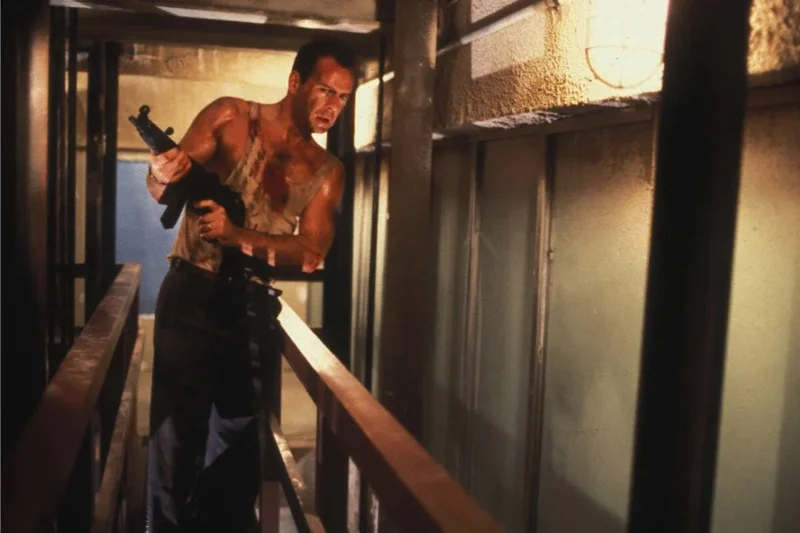
The team shot extensively at Fox Plaza, using real elevator banks, stair cores, mechanical spaces, and unfinished floors. Floor plans repeat in ways that match an actual high rise, so stair counts, hallway lengths, and roof access points line up from scene to scene. The camera often reuses the same corridors from new angles, which reinforces a mental map for viewers.
Because the locations are real, spatial continuity stays intact when the story shifts between lobby, roof, and intermediate levels. Set dressing marks progress with construction areas, executive suites, and server rooms that reflect different build out stages inside one property. This consistent geography keeps the action readable without relying on explanatory dialogue.
Aged Poorly: Hollywood Vent Crawls and Building Myths
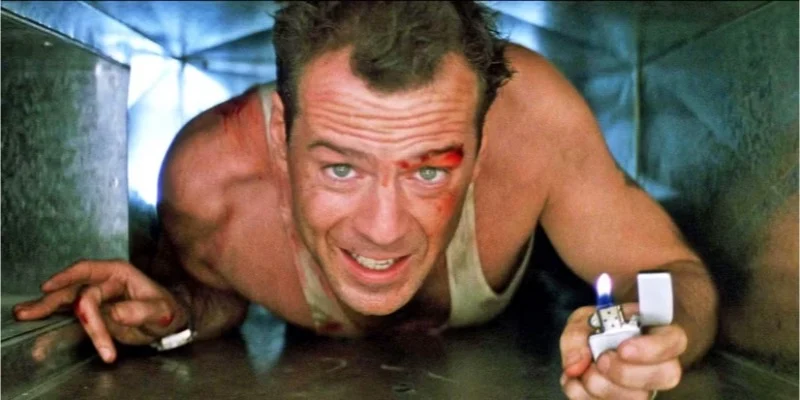
Several escapes depend on traversing air ducts sized large enough for a person to move through and strong enough to bear full weight. In most commercial towers, supply and return ducts are sized for airflow rather than human passage, and thin sheet metal or fiberglass boards will not support a crawling adult. Grilles and registers are also secured to prevent entry from public areas.
Drop ceilings and plenum spaces are likewise not designed for load. Ceiling tiles and lightweight grids sit under fire sprinklers, cable trays, and conduit, which creates hazards that make travel impractical. The movie uses oversized vents and accessible shafts to enable stealthy movement that building standards do not support in typical installations.
Aged Masterfully: Tight Timeline and Objective Driven Structure
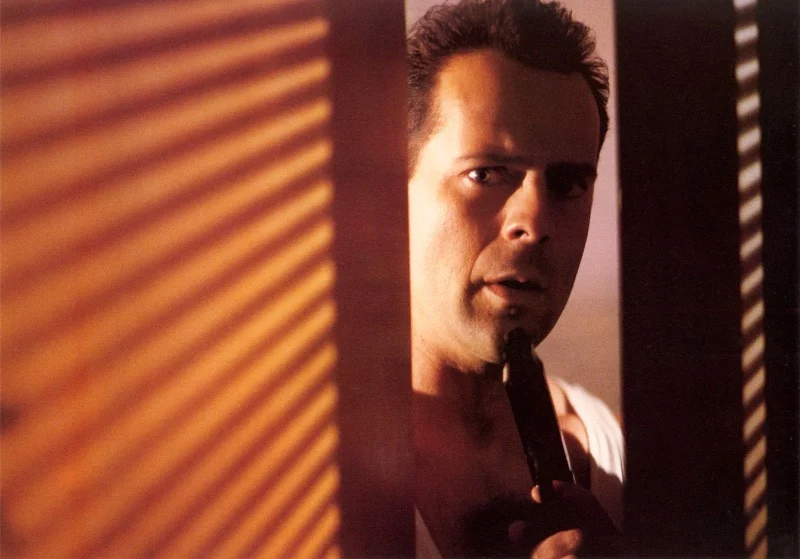
The story unfolds almost in real time over one night, which keeps cause and effect straightforward. Goals change in small increments, from avoiding detection to recovering a radio, then to preventing a breach, and finally to stopping an escape. Each new objective links directly to the previous setback, so momentum never stalls.
The contained window lets the film track resources with clarity. Ammunition, explosives, radios, and hostages are all counted and repositioned across scenes, and the script calls back to earlier plants when those items return. This inventory style plotting gives the action clear stakes that remain easy to follow.
Aged Poorly: Gender Balance and Character Distribution
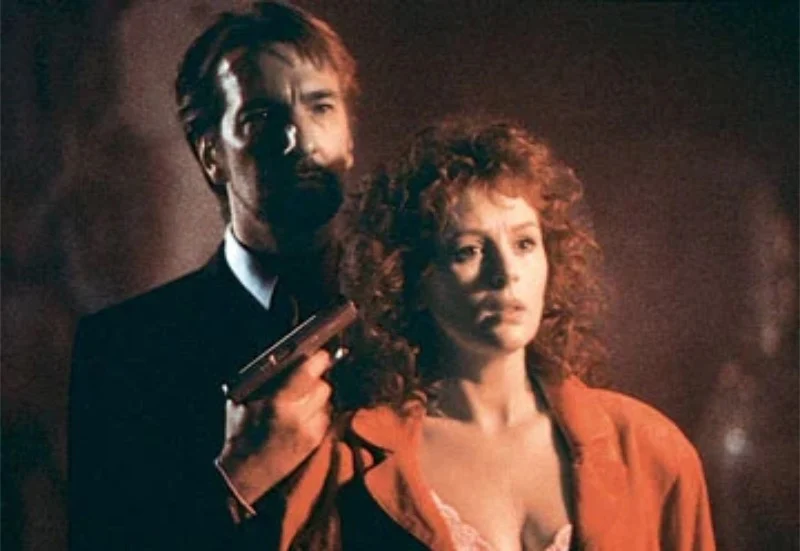
Holly Gennaro is a capable executive with decision making authority, yet the ensemble gives limited screen time to female colleagues or responders. The newsroom subplot adds a second prominent woman in a domestic context, while most tactical, criminal, and corporate roles go to men. The cast list skews heavily male across leadership positions on both sides of the conflict.
Corporate offices and police command rooms today tend to show broader representation in leadership. Newsroom staffing also reflects a wider range of on air and editorial roles for women. The movie’s character mix shows the industry’s casting patterns of its era rather than the staffing composition seen in similar workplaces now.
Aged Masterfully: Cinematography That Embraces Night and Glass
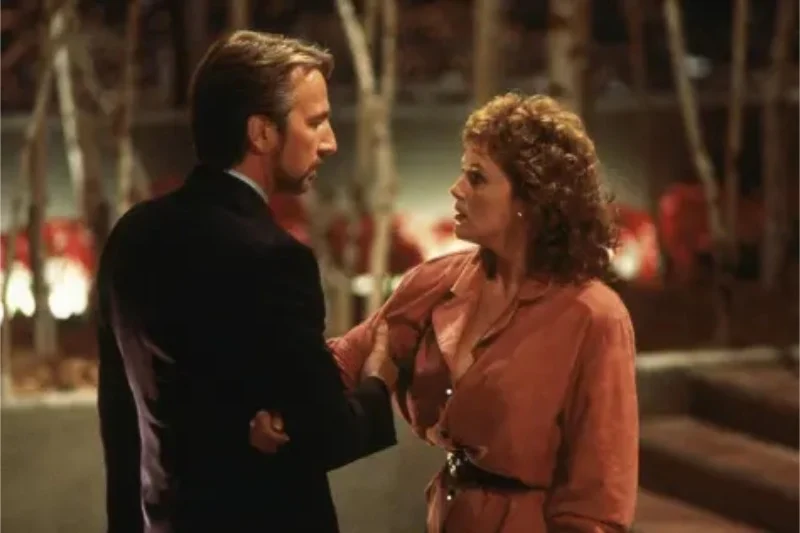
The team shot on 35 mm with anamorphic lenses, which captures wide frames while holding highlight detail from city lights and building interiors. Practical fluorescents and practical lamps are visible in many shots, and exposure choices preserve the contrast between bright offices and dark service areas. Reflections on glass walls are managed with careful angles so the crew stays hidden while the skyline remains visible.
The camera uses tracking moves, crane work, and handheld beats to switch energy without losing orientation. Lens flares and specular highlights come from real fixtures in the space rather than added graphics. The negative’s resolution supports modern restorations, which lets current viewers see texture in materials like concrete, steel, and glass without artifacting.
Aged Poorly: Vault Hacking and Computer Portrayals
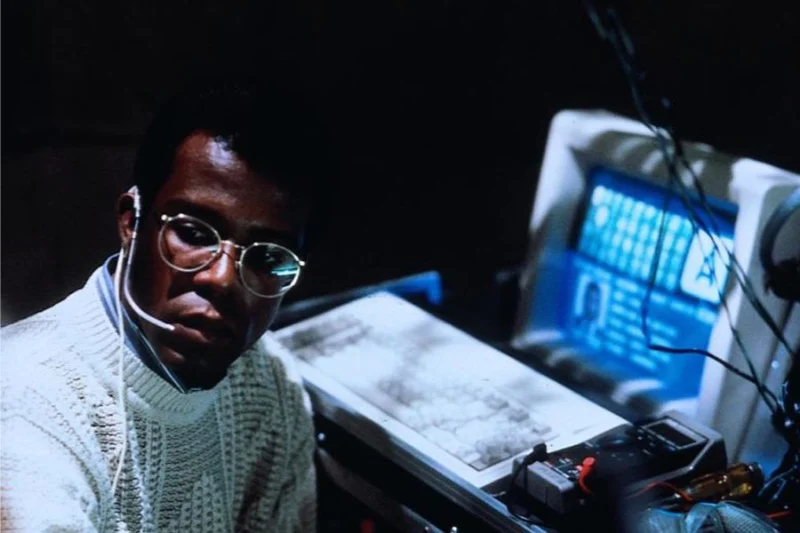
The heist centers on a multi layer electromagnetic lock with a final safeguard that the crew defeats with a portable decoder. Real world vaults mix mechanical locks, time delays, and alarmed enclosures, and they are not typically bypassed by a single plug in device under field conditions. The depiction compresses multiple disciplines into a quick visual solution.
Computer terminals and building systems appear as simple text displays or blinking lights with minimal authentication. Modern access controls rely on encrypted protocols, event logging, and network segmentation that resist a one step intrusion. The movie reduces complexity so that viewers can track progress without technical exposition.
Aged Masterfully: Influence That Shaped Later Action Setups
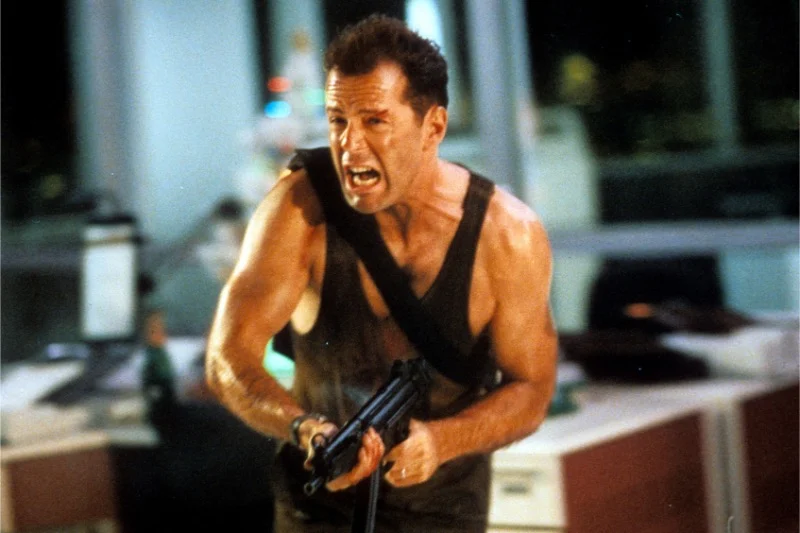
‘Die Hard’ popularized the single location siege driven by a lone protagonist and a coordinated crew with clear goals. Studios and marketers quickly used the shorthand to pitch new projects as variations on the template, which led to runs of films and episodes that adopt the same structure in different environments. The format extends across skyscrapers, airports, ships, and sports arenas.
Sequels and spiritual cousins continued to reuse the core toolkit. Radio negotiations, stairwell cat and mouse beats, elevator traps, and roof showdowns all became familiar building blocks. Titles from ‘Die Hard 2’ and ‘Die Hard with a Vengeance’ to entries like ‘Speed’, ‘The Rock’, and ‘Mission Impossible’ era set pieces carry elements that trace back to the original template.
Share your favorite example of what holds up or does not in ‘Die Hard’ in the comments.