Top 25 Movie That Are As Good as The Books


Sometimes a film matches the impact of its source because the adaptation understands what to keep and what to change. Screenwriters often restructure timelines, compress side characters, or shift point of view while preserving the core arc that readers know. Many of the most successful versions bring the author into the process or draw directly from the book’s dialogue and chapter beats so the story lands the same way on screen.
This list gathers films that reflect their books with care through faithful plotting, smart consolidation, or scene work that mirrors memorable chapters. You will see projects that kept original endings, included signature lines, and captured settings with accurate production design. Details such as award recognition, box office performance, and specific adaptation choices show how each movie aligned with what readers found on the page.
‘The Godfather’ (1972)
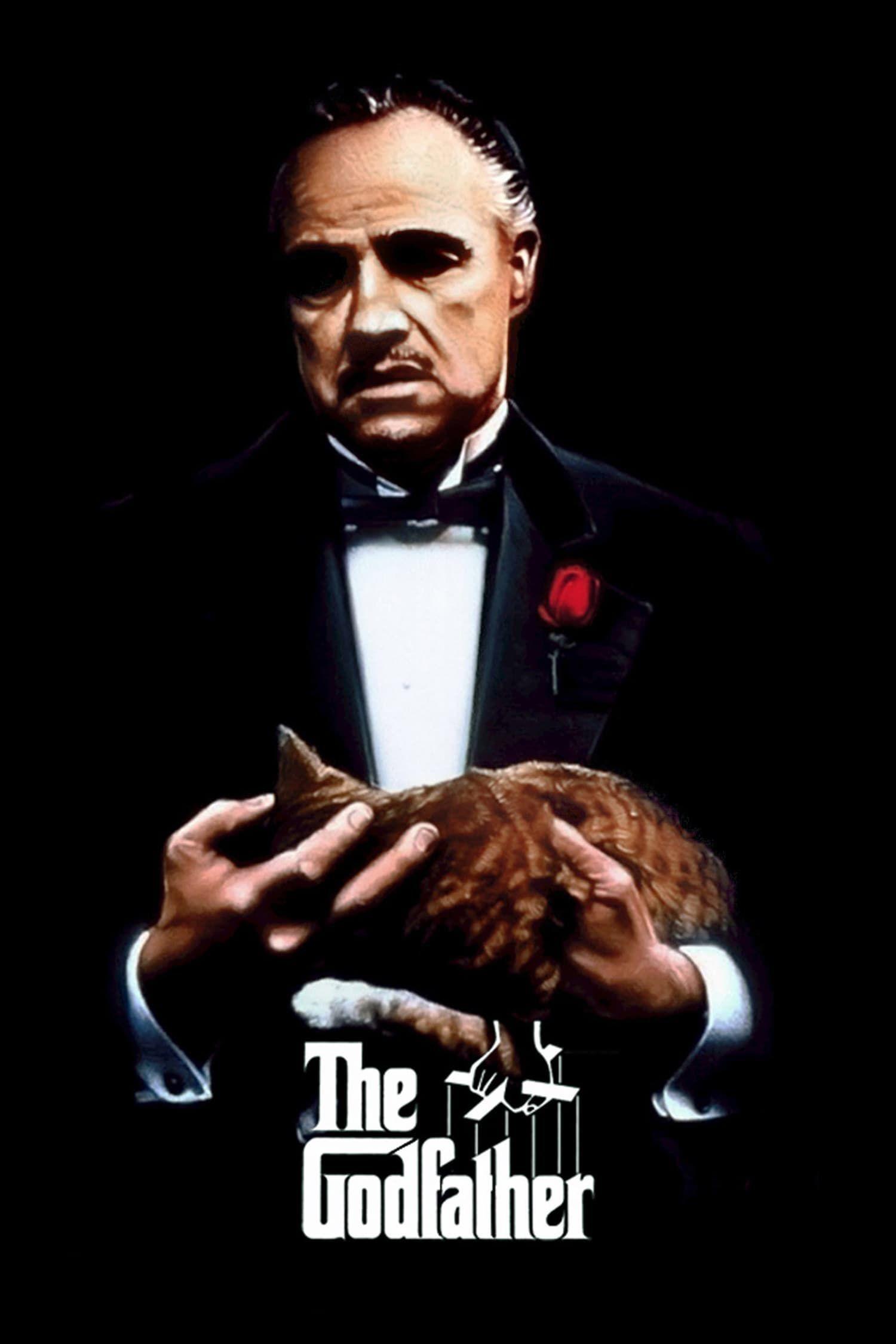
Mario Puzo’s novel introduced the Corleone family, outlining alliances, rituals, and the business structures behind organized crime. The book tracks Michael’s reluctant path into leadership while filling in family history and East Coast power dynamics.
Francis Ford Coppola adapted the story with Puzo as co writer, lifting major dialogue and the Sicily chapters that shape Michael’s transformation. The film keeps the wedding opening and the restaurant scene intact and won multiple Academy Awards including Best Picture, while also launching a sequel that continued material from the later parts of the book.
‘To Kill a Mockingbird’ (1962)
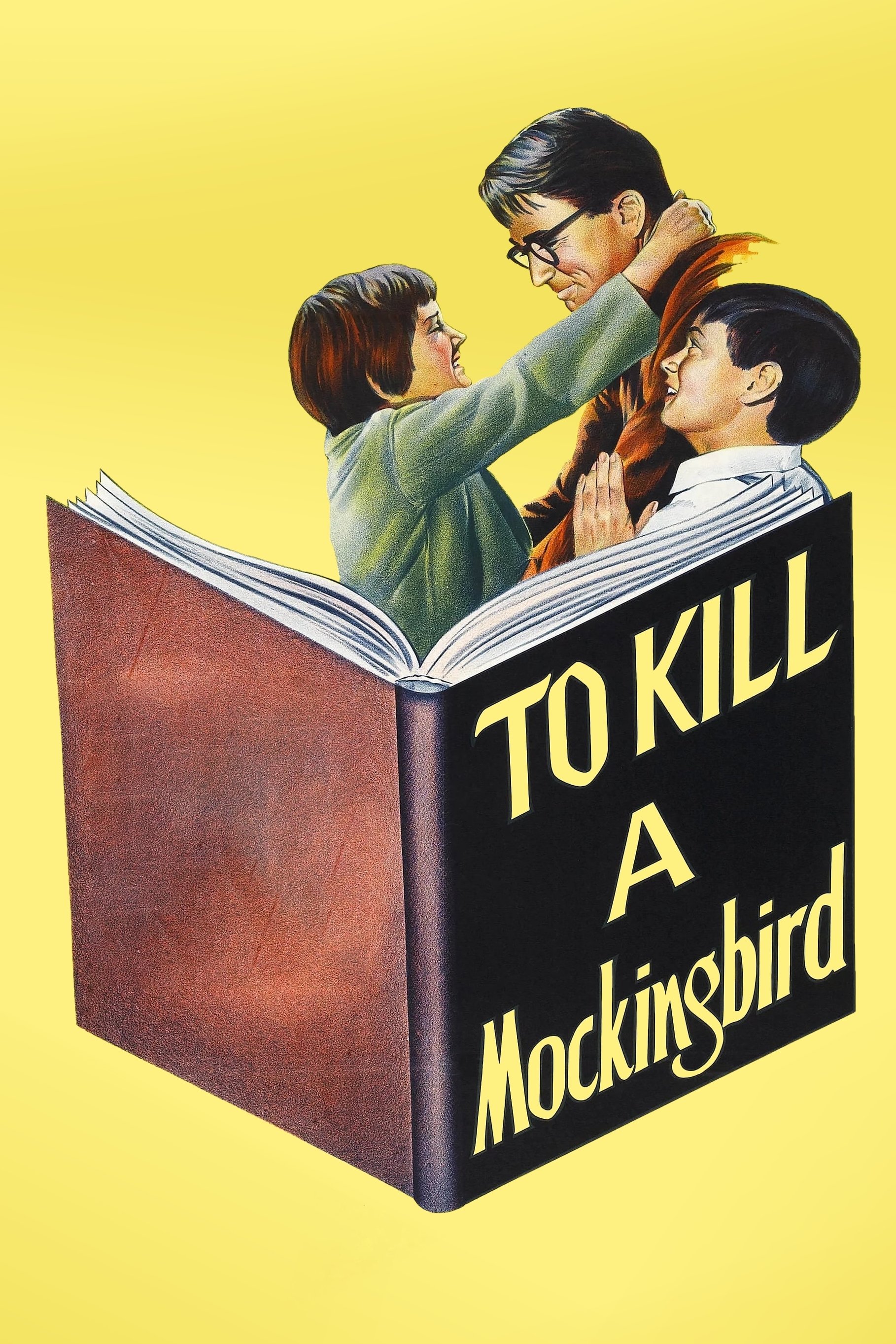
Harper Lee’s novel follows Scout Finch as she observes a small town trial and her father’s defense of Tom Robinson. The book uses a child’s perspective to cover themes of justice, community pressure, and moral education.
The film centers on the same trial and preserves major sequences such as the courthouse testimony and the nighttime encounter at the jail. Gregory Peck’s portrayal of Atticus Finch anchors the adaptation and earned an Academy Award, and the production recreated Maycomb with period accurate sets that match the book’s Depression era setting.
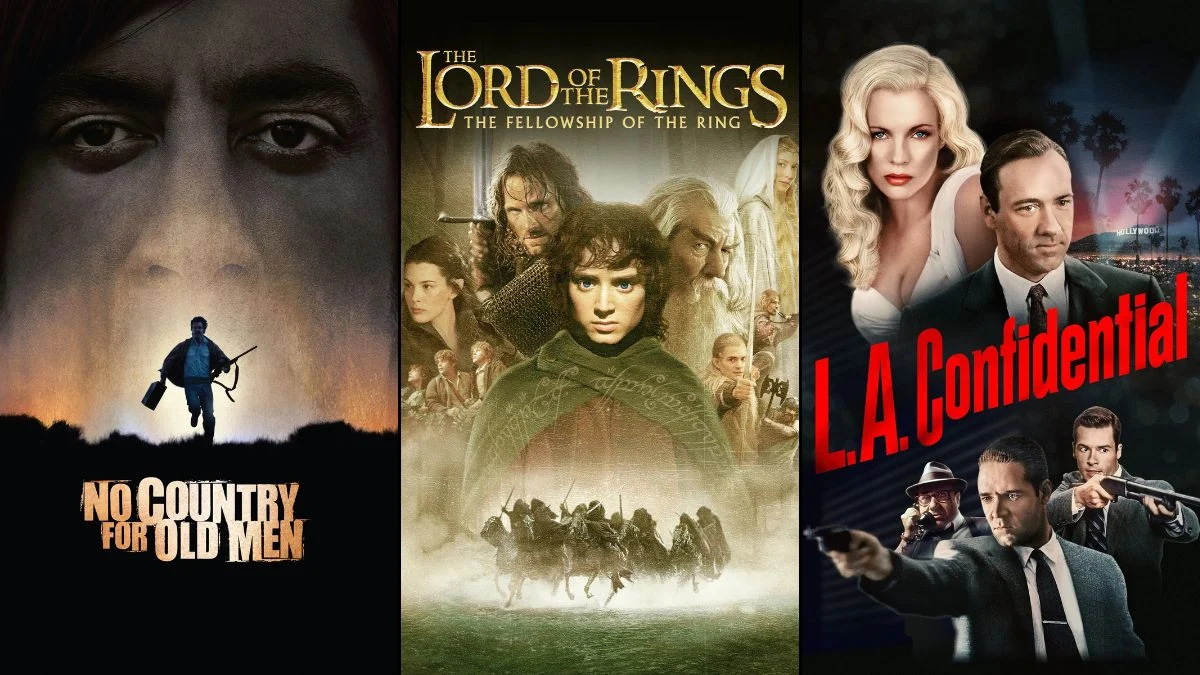
‘No Country for Old Men’ (2007)
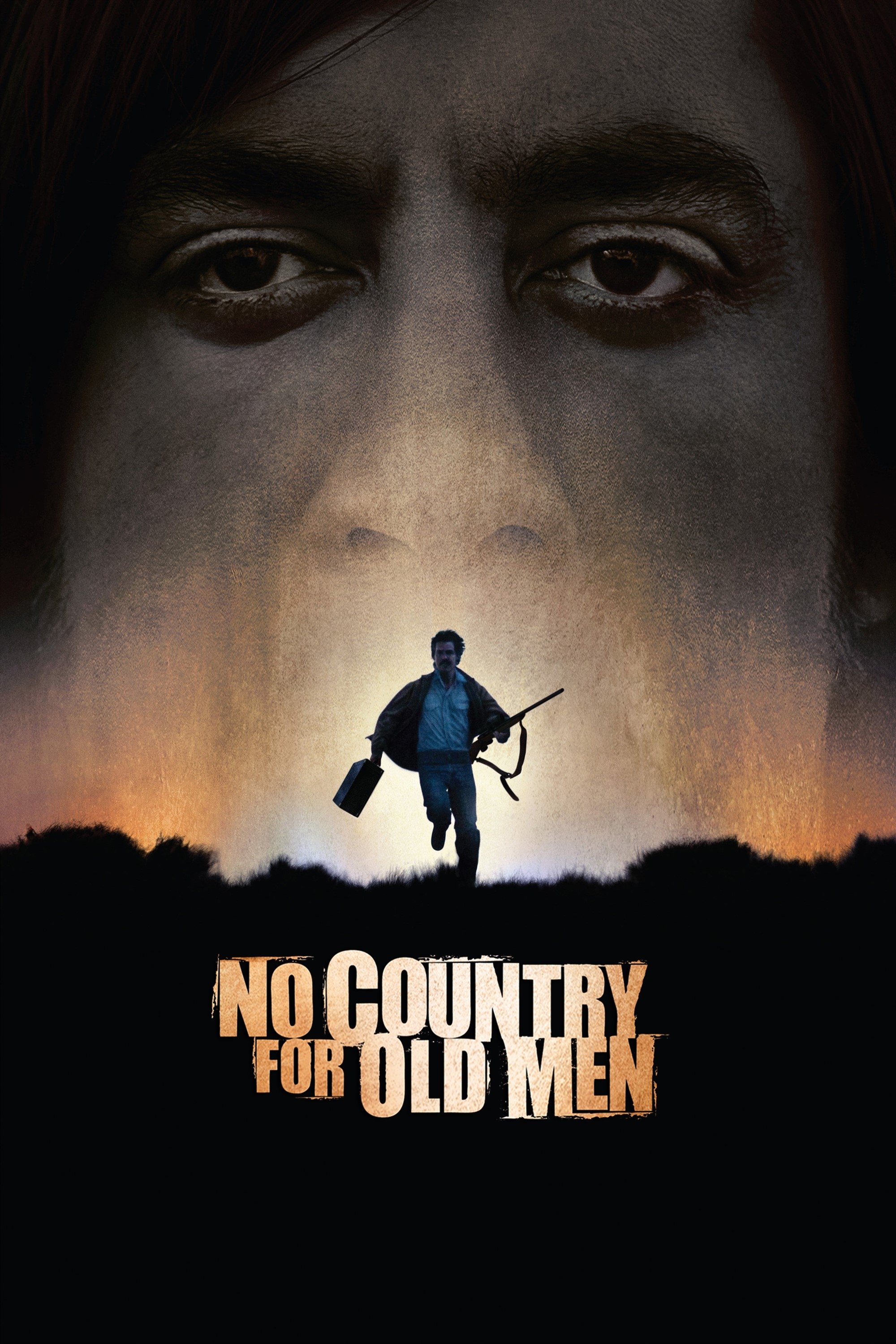
Cormac McCarthy’s novel presents a West Texas man who finds drug money and is pursued by a relentless killer, with a sheriff reflecting on changing times. The text alternates between terse action and the sheriff’s meditative chapters.
The Coen brothers lifted long stretches of dialogue and kept the novel’s spare tone, including the offscreen handling of a key confrontation. The movie mirrors the book’s structure by using Sheriff Bell’s voice and quiet scenes to frame the violence and won multiple Academy Awards including Best Picture.
‘The Lord of the Rings: The Fellowship of the Ring’ (2001)
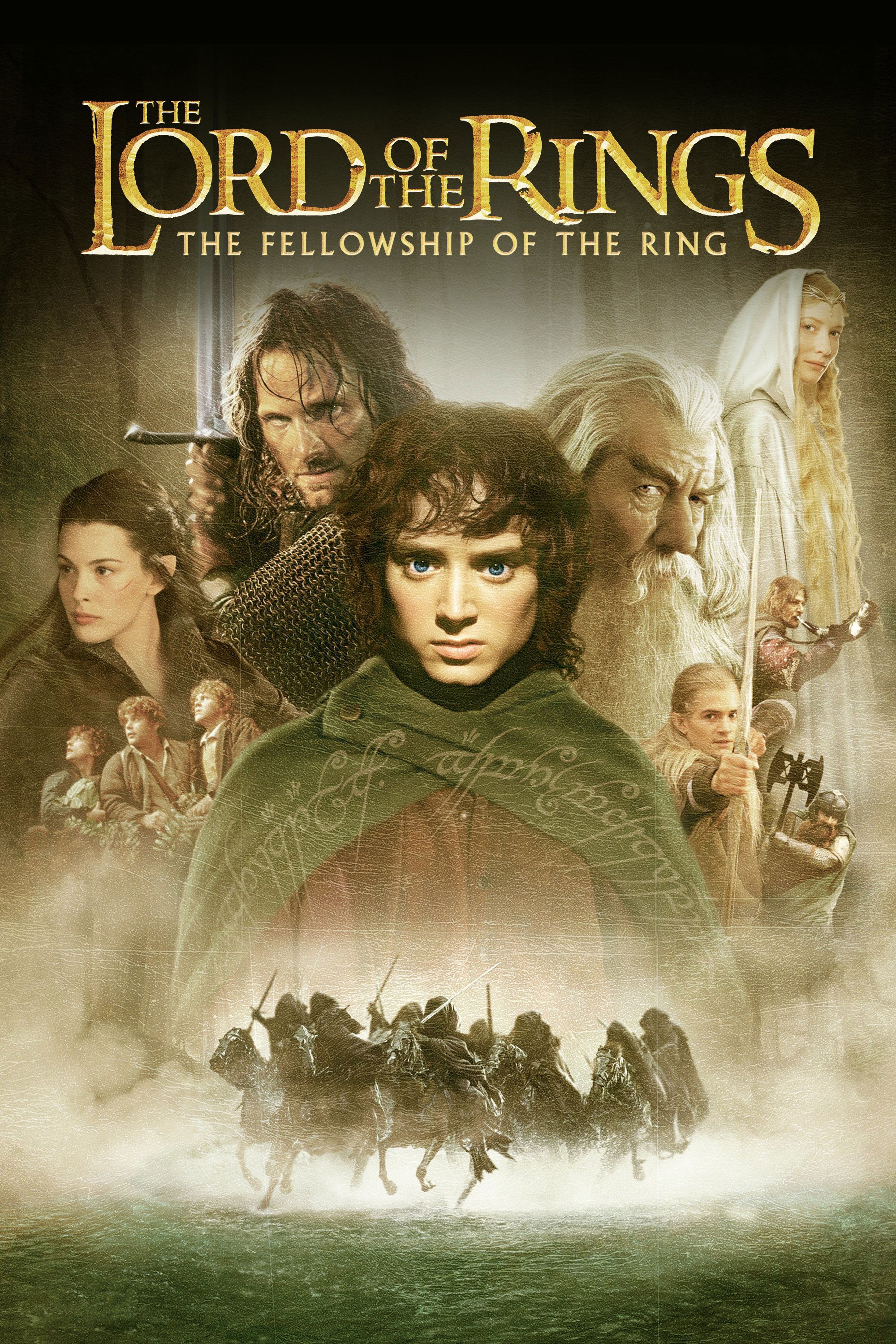
J. R. R. Tolkien’s first volume sets up the quest to destroy the One Ring, introducing the Shire, Rivendell, and the fellowship. The book lays out languages, maps, and lore that define Middle earth.
The film follows the same journey beats from the Shire to the breaking of the fellowship and keeps hallmark moments like the Council of Elrond and the Moria sequence. Practical sets, miniatures, and location shooting in New Zealand achieved environments described in the text, and the script condensed songs and appendices while retaining the main narrative line.
‘The Silence of the Lambs’ (1991)
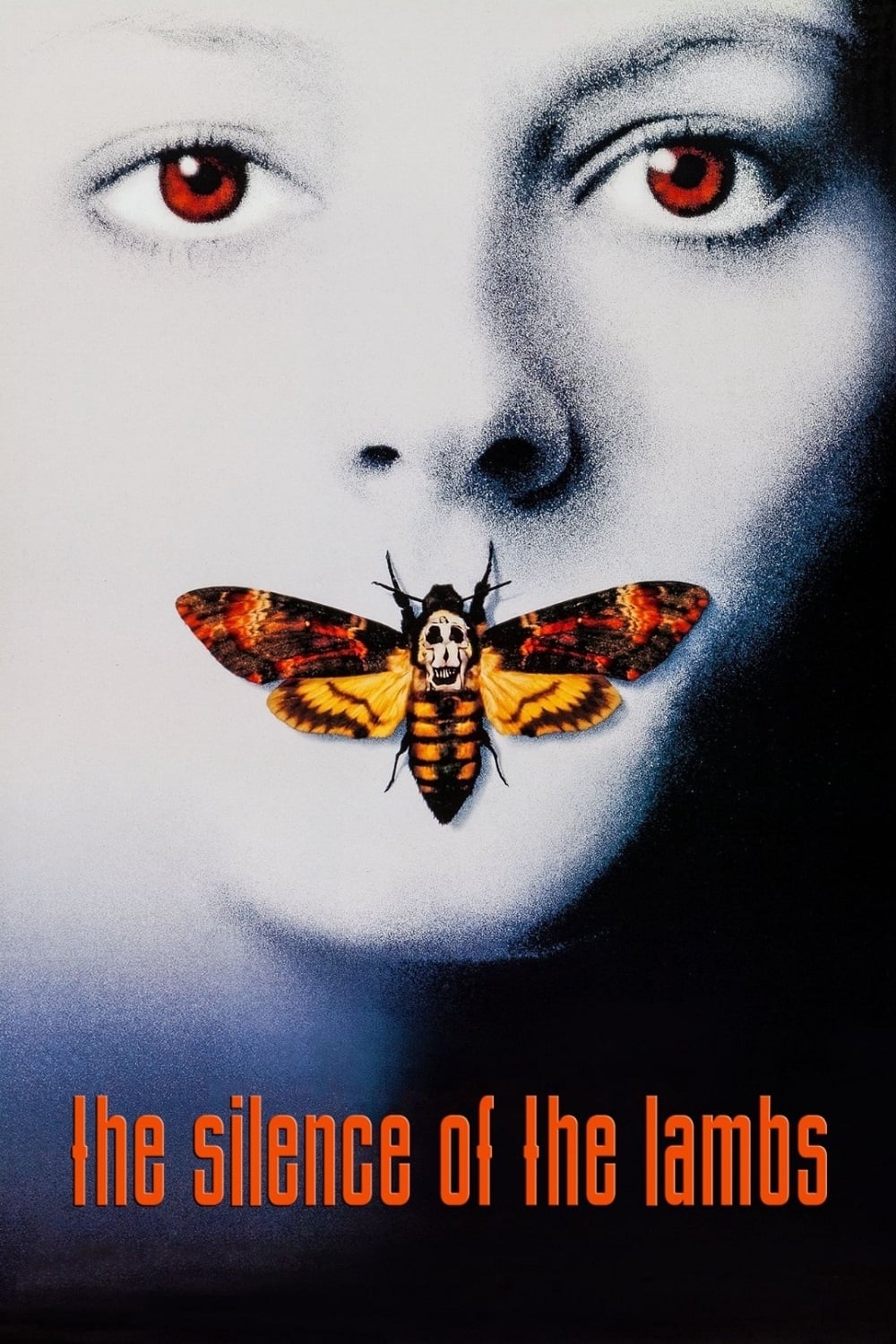
Thomas Harris’s novel pairs FBI trainee Clarice Starling with Dr. Hannibal Lecter during the pursuit of a serial killer. The book balances investigative procedure with psychological exchanges that reveal backstory.
The movie preserves Lecter’s interviews with Clarice almost verbatim and stages the basement rescue with the same night vision detail found in the book. It earned the top Academy Awards for film, director, actor, actress, and screenplay, reflecting how closely it translated the novel’s structure to screen.
‘Gone Girl’ (2014)
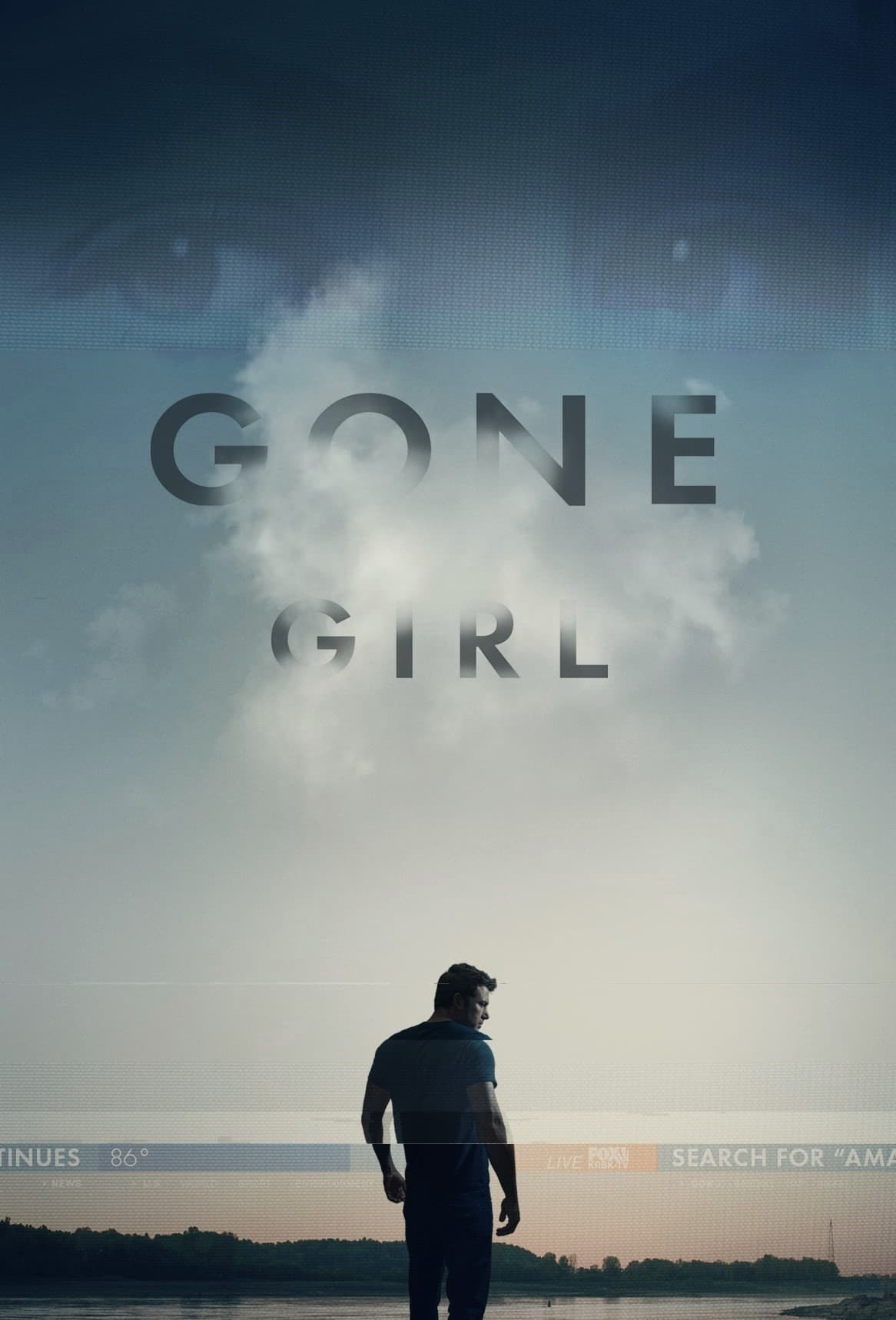
Gillian Flynn’s novel uses alternating diary entries and present day chapters to chart a marriage gone wrong and a disappearance that turns into a media event. The text plays with unreliable narration and timeline flips.
The film keeps the two perspective format and maintains the mid story reveal at the same structural point. Flynn adapted her own book, ensuring character motivations and key set pieces remained intact, and the production reproduced locations like the abandoned mall and the lake house to match the novel’s descriptions.
‘The Shawshank Redemption’ (1994)
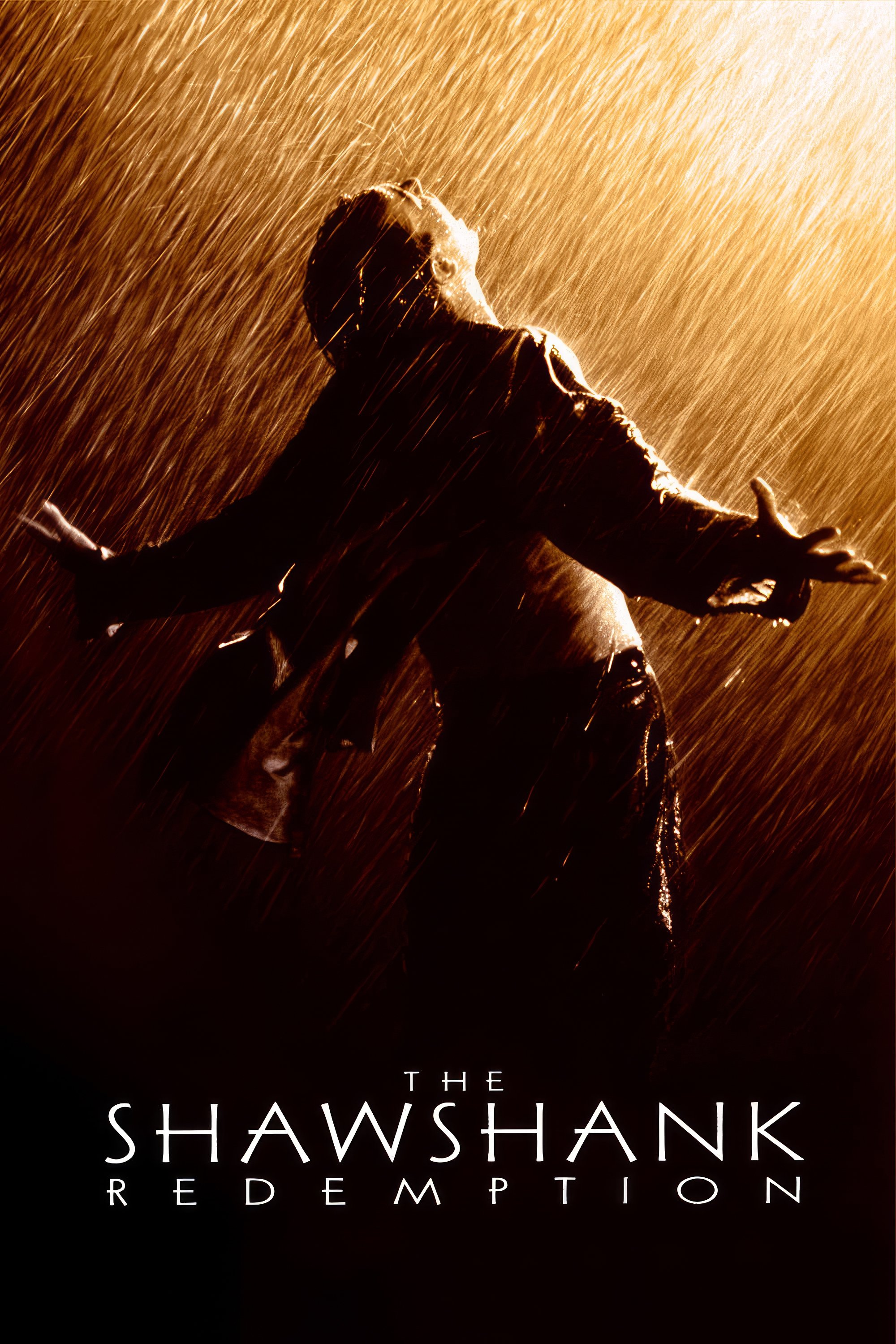
Stephen King’s novella tells of banker Andy Dufresne’s life in prison and his friendship with Red, emphasizing hope and careful planning. The story appears in the collection Different Seasons and is narrated by Red.
The film retains Red’s narration to mirror the book’s voice and recreates signature elements such as the rock hammer, the library campaign, and the final reunion on the beach. The adaptation expands scenes without changing outcomes, aligning closely with the novella’s events and tone.
‘Fight Club’ (1999)

Chuck Palahniuk’s novel blends consumer culture critique with an underground fighting movement and a narrator whose identity fractures. The story uses short, punchy chapters and recurring motifs.
The film carries over the twist, the rules of the club, and the Project Mayhem escalation while translating the book’s refrains into visual cues and voiceover. It reproduces key scenes such as the support groups and the office confrontations and keeps the central relationship dynamics from the novel.
‘The Princess Bride’ (1987)
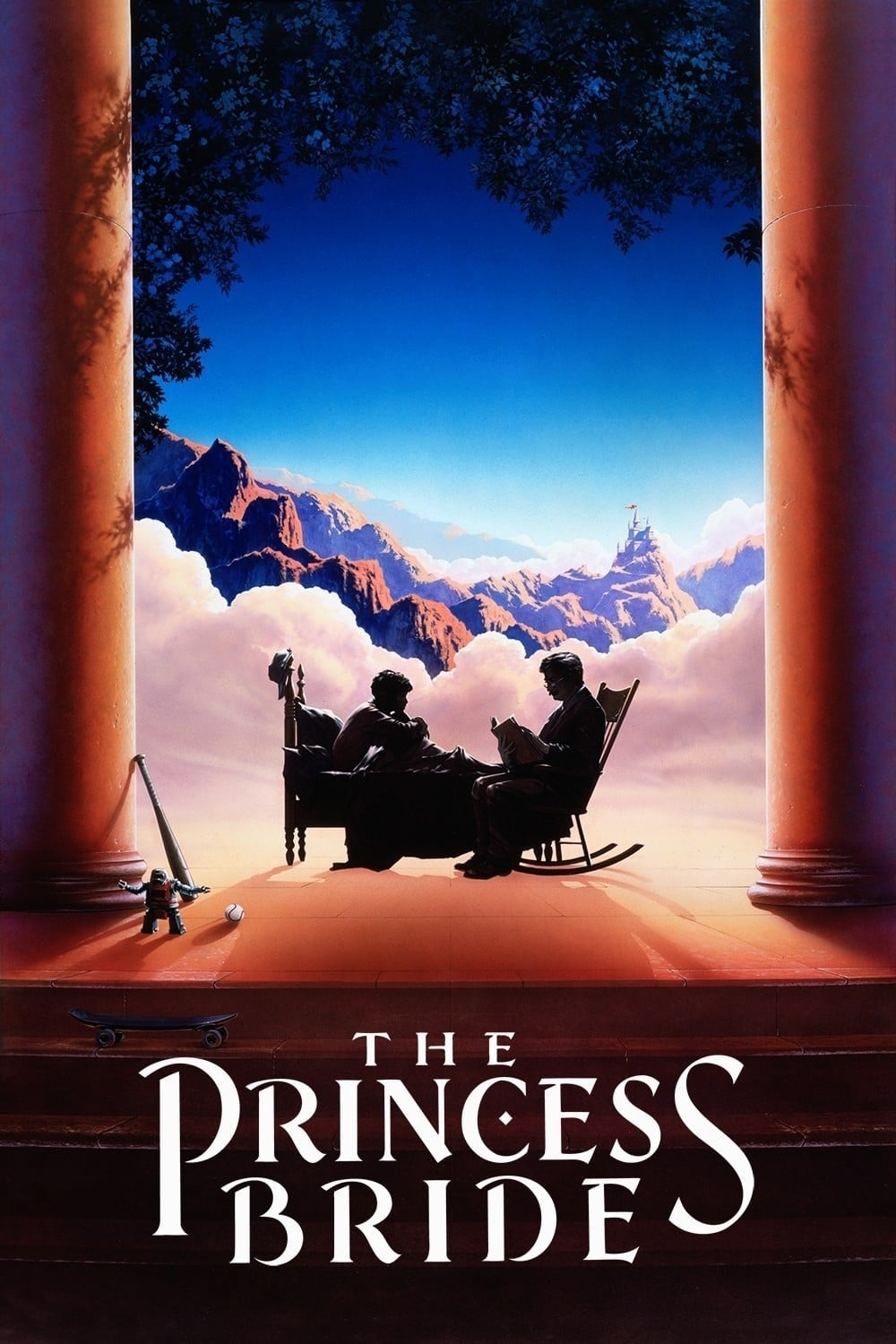
William Goldman’s book presents a fairy tale adventure with fencing, giants, and a framed storytelling device. It mixes romance and satire while moving briskly through set pieces.
The movie keeps the story within a story setup with a grandfather reading to his grandson and stages the Cliffs of Insanity, the Fire Swamp, and the duel with careful attention to the book’s lines. Goldman adapted his own work, so the dialogue and comedic timing reflect the original text.
‘Little Women’ (2019)
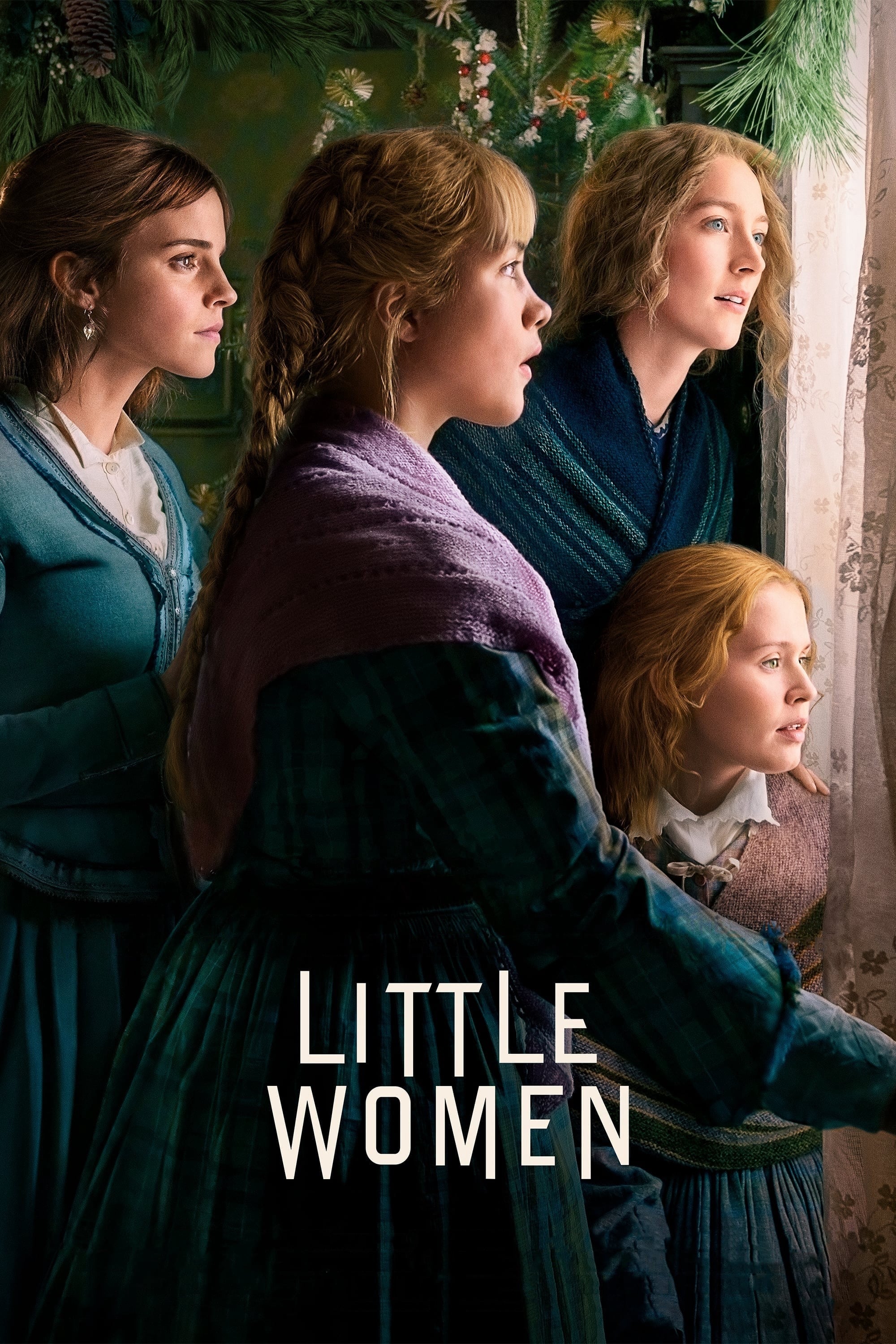
Louisa May Alcott’s novel follows the March sisters as they grow into adulthood with an emphasis on work, art, and family ties. The book’s events cover writing, travel, and personal milestones.
The film preserves the characters’ ambitions and uses a non linear structure to align key chapters thematically. It features details from the text like Jo’s publishing negotiations and Amy’s painting studies and recreates period settings and costumes that match the Civil War era backdrop.
‘The Wizard of Oz’ (1939)
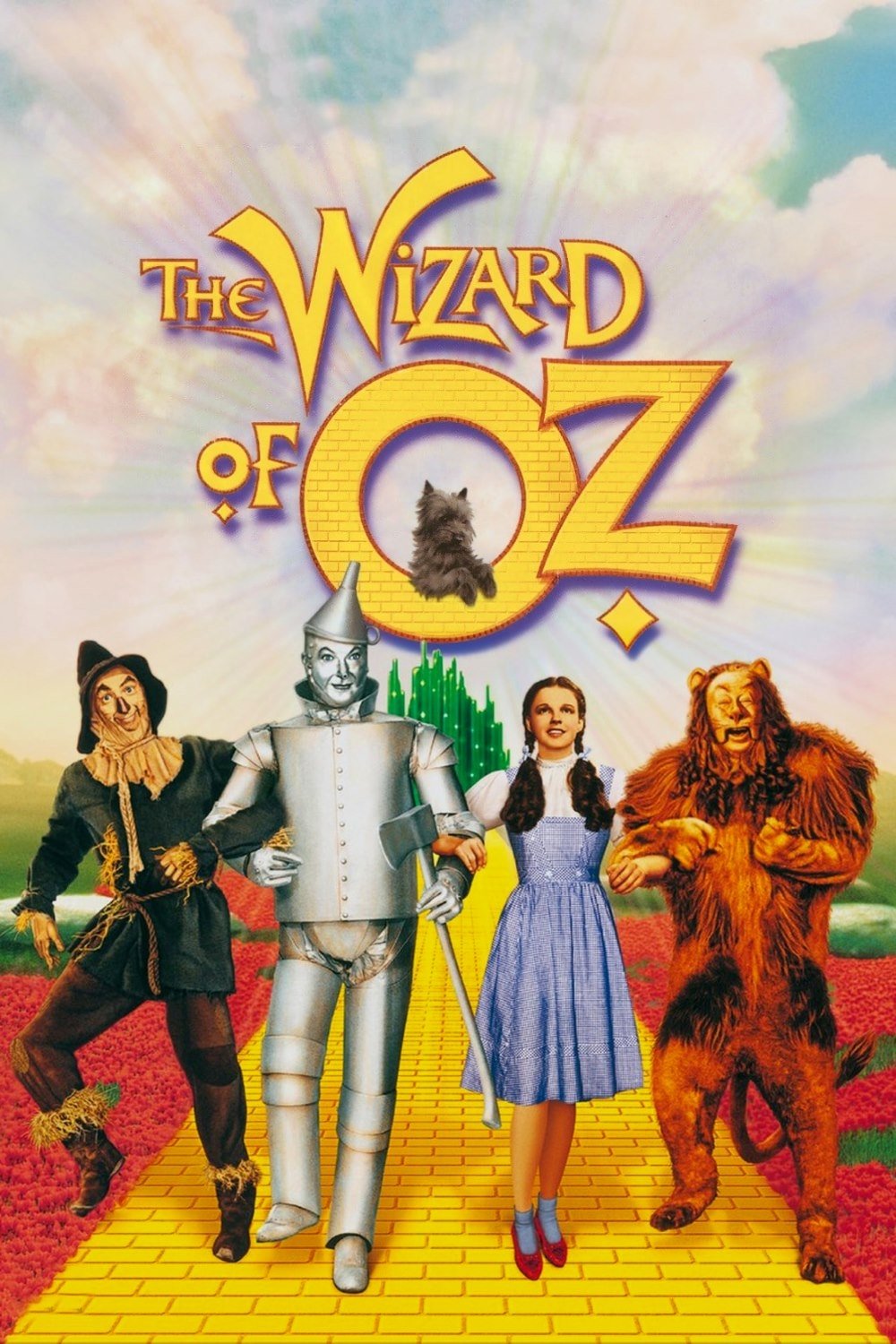
L. Frank Baum’s book sends Dorothy to a land of unusual rules and companions as she searches for a way home. The original story includes silver shoes and a set of trials on the road.
The film keeps the journey format and the companions with their wishes and adds musical numbers that match the episodic chapter progression. The production designed Munchkinland and Emerald City to visualize locations described in the book and carried over the cyclone opening and the reveal about the Wizard’s methods.
‘Jurassic Park’ (1993)
Michael Crichton’s novel explores cloning technology and a theme park filled with resurrected dinosaurs that break containment. The text includes scientific exposition and multiple viewpoints.
The film follows the park tour setup, the power failure, and the T rex and raptor sequences while simplifying subplots for clarity. Animatronics and pioneering digital effects brought the animals to life and the screenplay kept the core ethical questions and the island setting from the book.
‘The Big Sleep’ (1946)
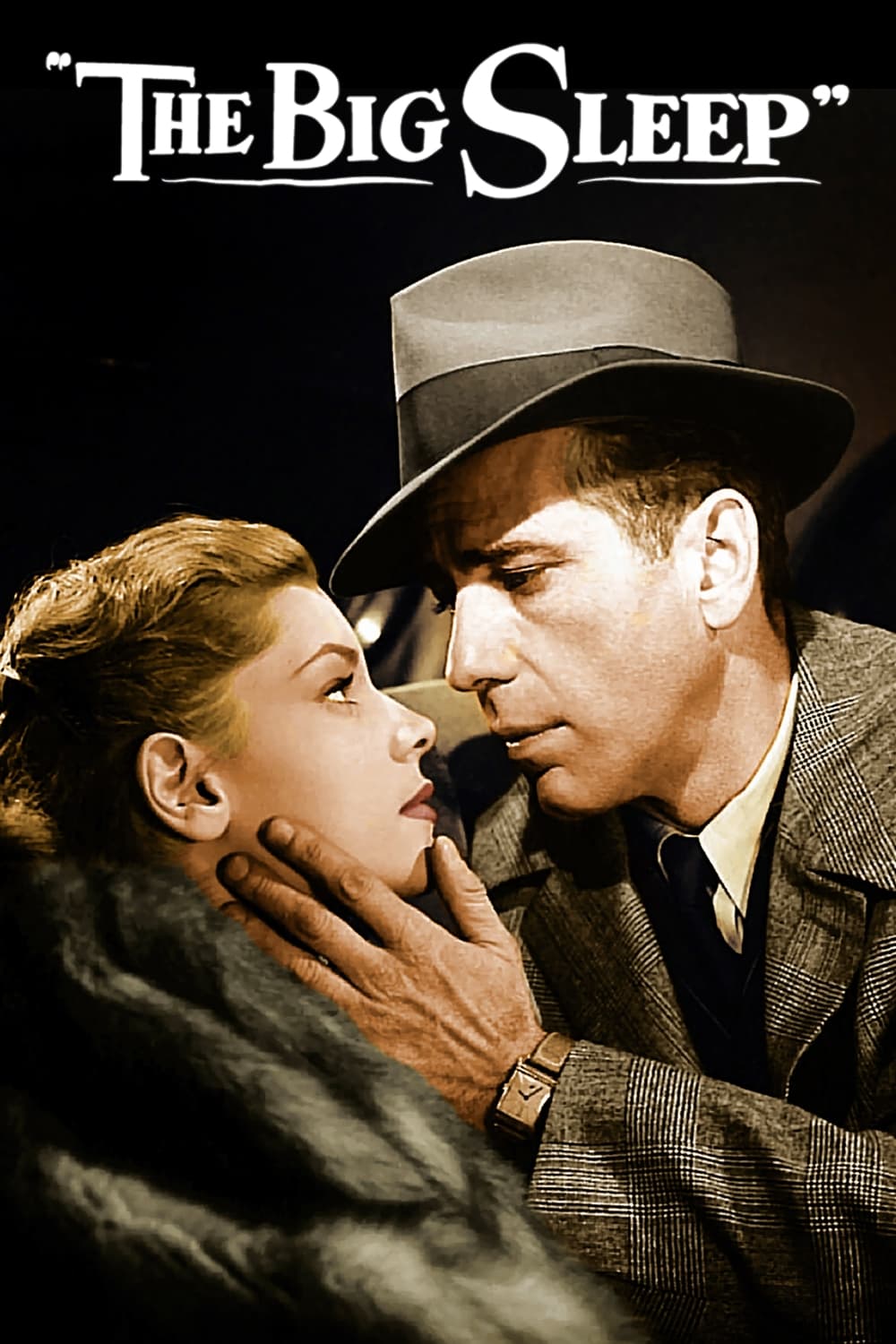
Raymond Chandler’s novel introduces private detective Philip Marlowe working a blackmail case that expands into murders and cover ups. The book is known for its dialogue and Los Angeles atmosphere.
The film retains Marlowe’s investigation steps and much of the clipped conversation style, while threading the same labyrinth of clues. It translates the mansion, bookstore, and night time stakeouts to the screen and keeps the central family dynamics that drive the case.
‘L.A. Confidential’ (1997)

James Ellroy’s novel follows three LAPD officers whose paths cross through a scandal, a massacre, and a corruption network. The book uses short chapters and shifting perspectives.
The movie streamlines the plot while preserving the trio’s arcs and the major set pieces, including the Nite Owl investigation and the final confrontation house. Production design recreates early 1950s Los Angeles and the script keeps key motives and alliances that structure the novel.
‘The Green Mile’ (1999)
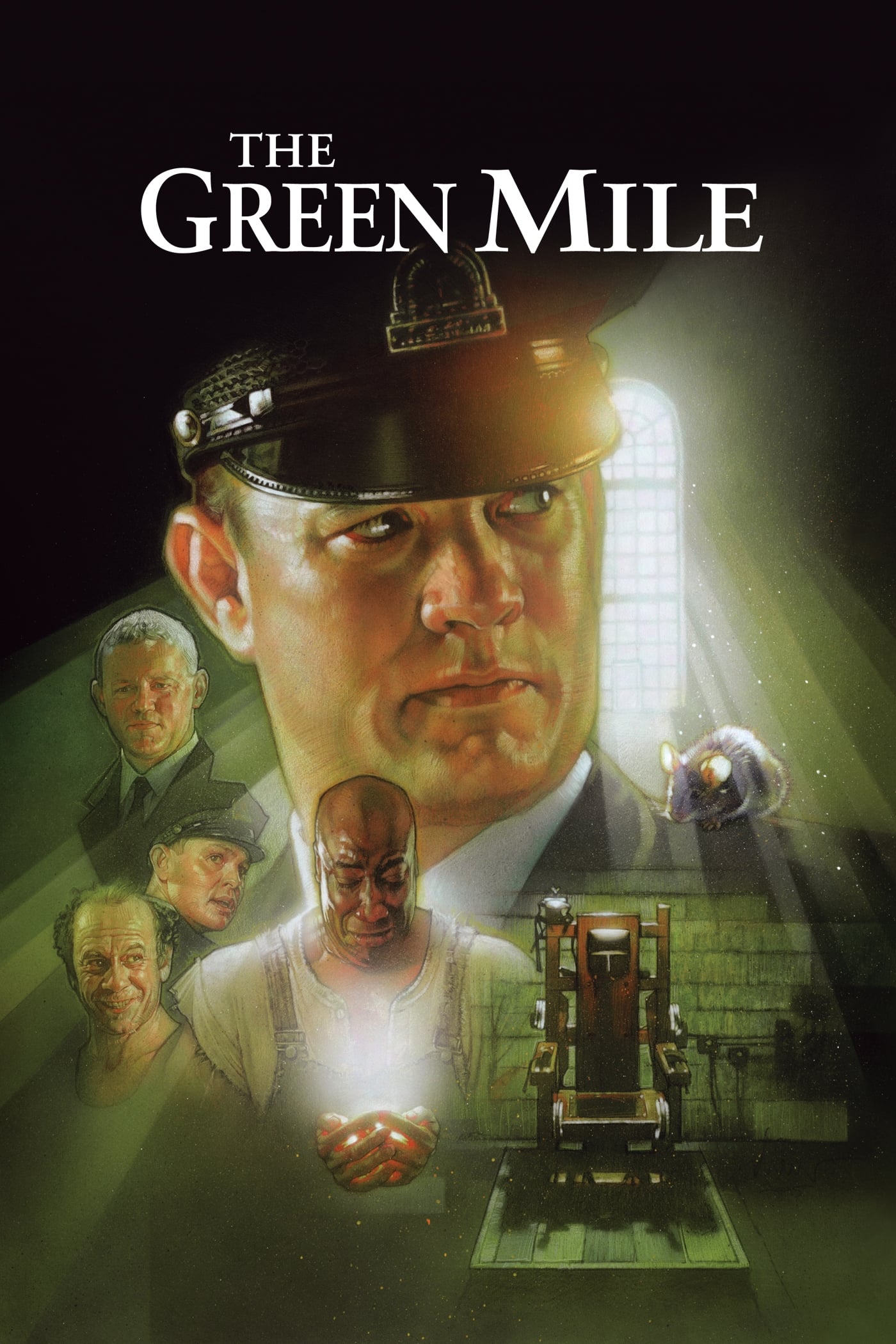
Stephen King’s serial novel is set on a prison death row and details the arrival of John Coffey and the events that follow. The book is told by a former guard looking back.
The film keeps the framing device and many chapter beats such as the mouse subplot, the healing episodes, and the transfer sequence. The adaptation runs long to fit the serialized structure and maintains the emotional through line that connects the guards to Coffey.
‘The Maltese Falcon’ (1941)
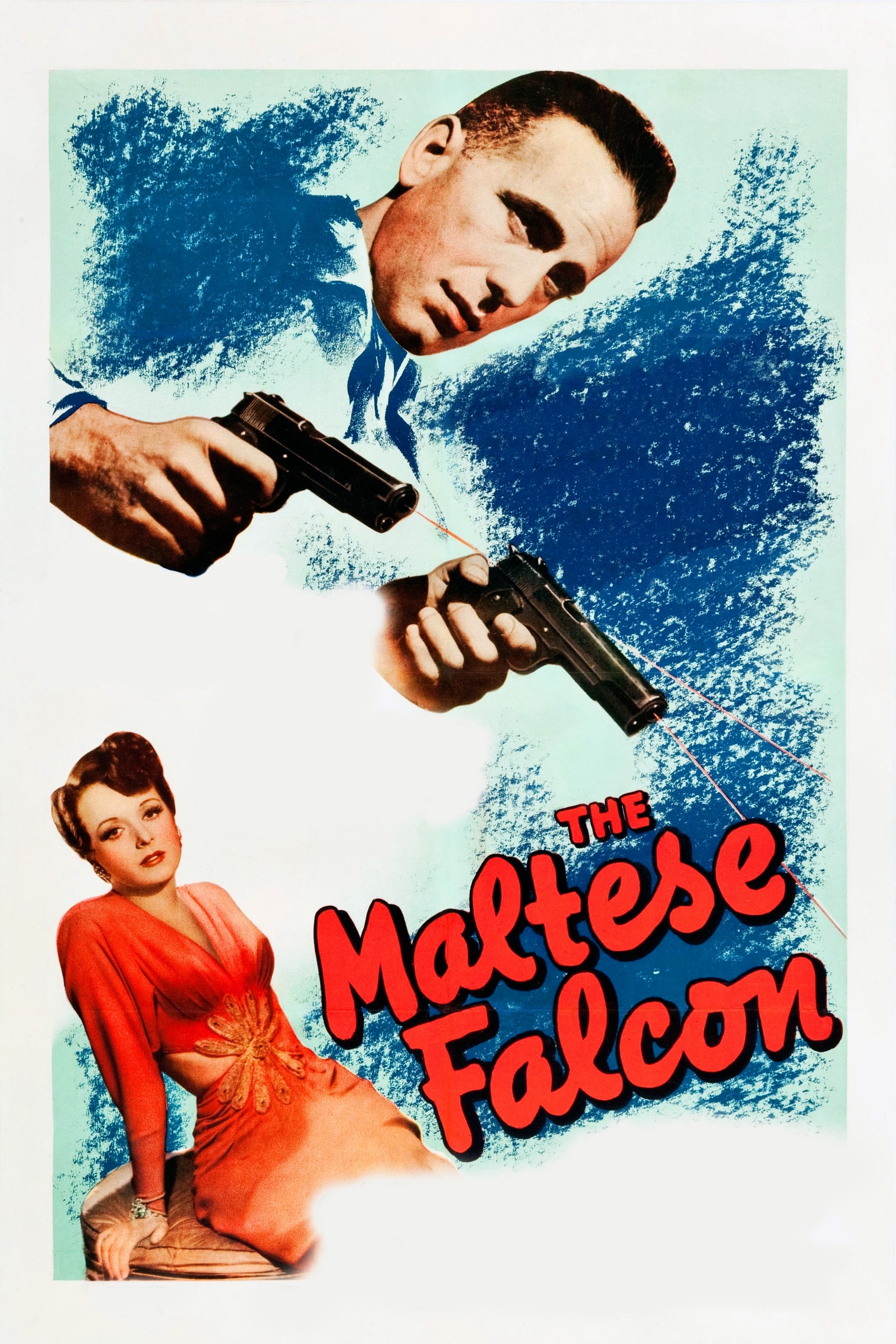
Dashiell Hammett’s novel centers on detective Sam Spade and a search for a valuable statuette that draws in multiple rivals. The text is direct and dialogue heavy.
The film uses much of the book’s conversation and pacing and keeps the San Francisco setting and the key apartment and office scenes. It preserves the double crosses and the final handoff, aligning closely with the plot mechanics that drive the novel.
‘The Exorcist’ (1973)

William Peter Blatty’s novel chronicles a possession case and the priests who respond to it, using medical and theological inquiry before the climactic ritual. The book builds tension through investigation.
The movie keeps the Georgetown setting and the staged progression from tests to the exorcism itself. Blatty adapted the screenplay, so character arcs and major scenes such as the bedroom confrontations and the staircase remain consistent with the text.
‘Harry Potter and the Prisoner of Azkaban’ (2004)
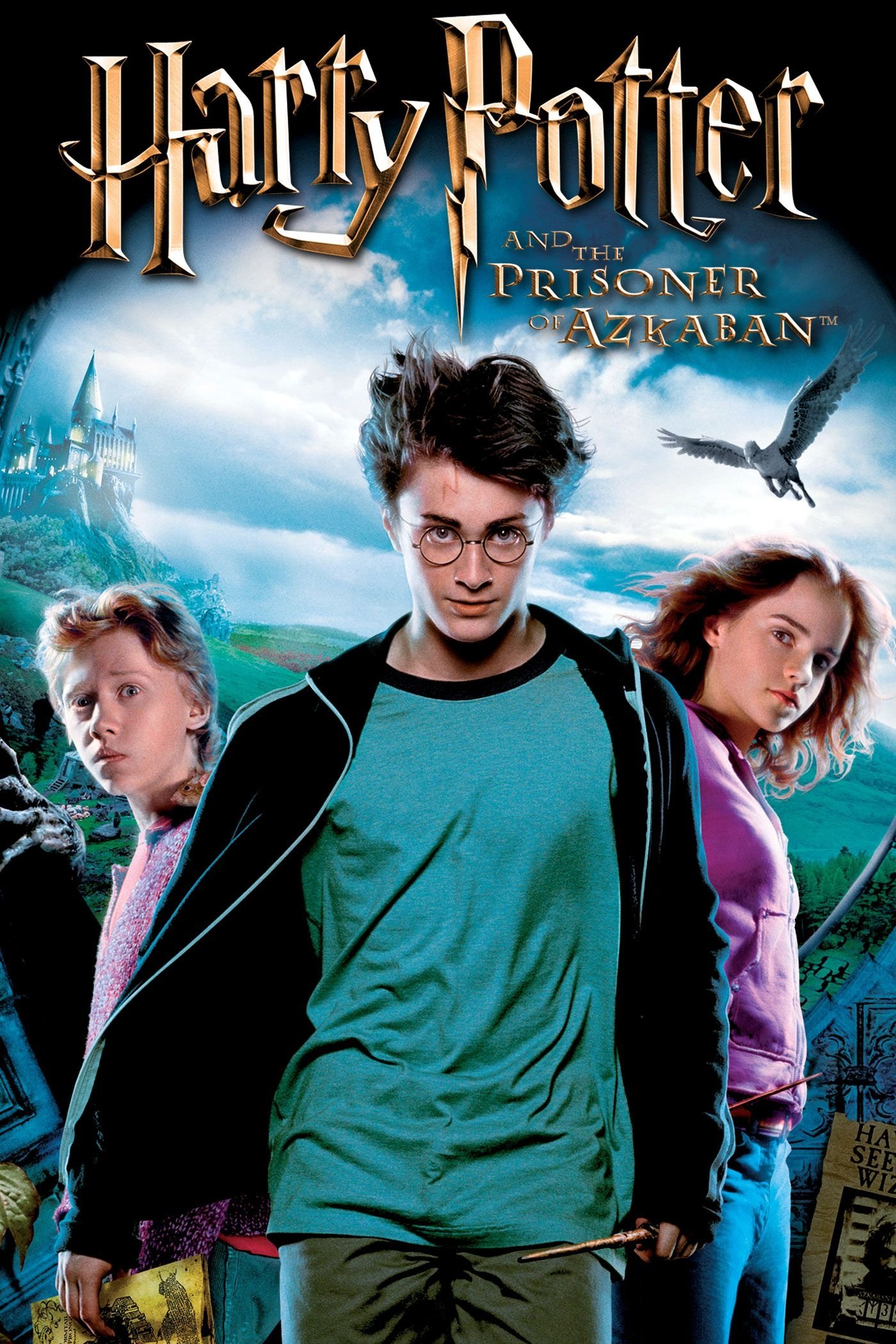
J. K. Rowling’s book shifts the series into darker territory with a focus on a fugitive, a new Defense Against the Dark Arts teacher, and the mysteries around the past. Time travel elements structure the final act.
The film follows the school year framework and preserves key beats like the Marauder’s Map, the Patronus lessons, and the Shrieking Shack revelations. Visual choices modernize the look while keeping plot turns and the time loop resolution that match the novel’s chapters.
‘The Hunger Games’ (2012)
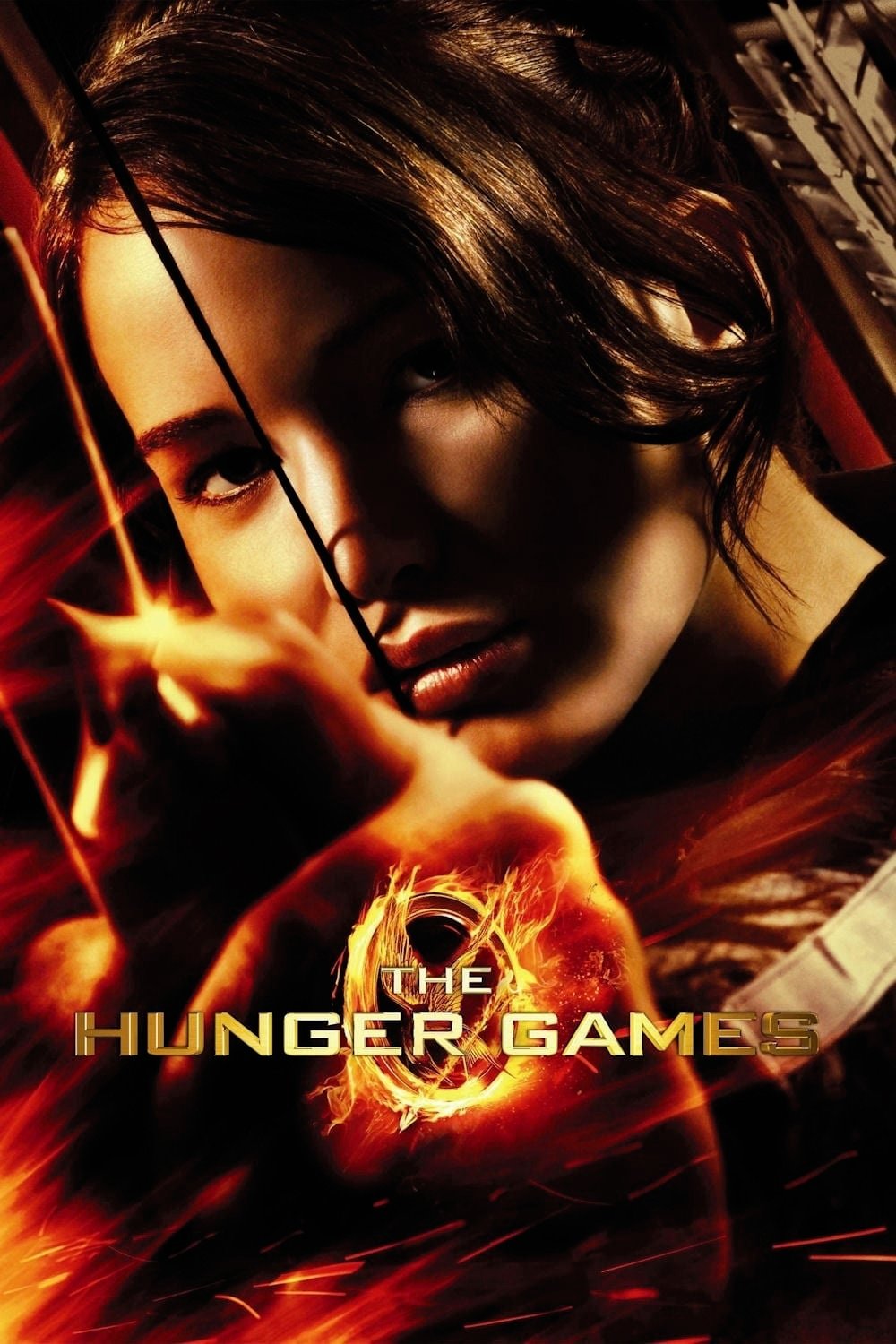
Suzanne Collins’s novel presents a televised survival contest that functions as political control, told through Katniss’s first person perspective. The book details district life and training.
The film translates the perspective through handheld camerawork and keeps the Reaping, the training scores, and arena alliances. It preserves designs such as the District Twelve seam setting and the Capitol’s heightened fashion while keeping the same outcome and alliance structure as the book.
‘The Remains of the Day’ (1993)
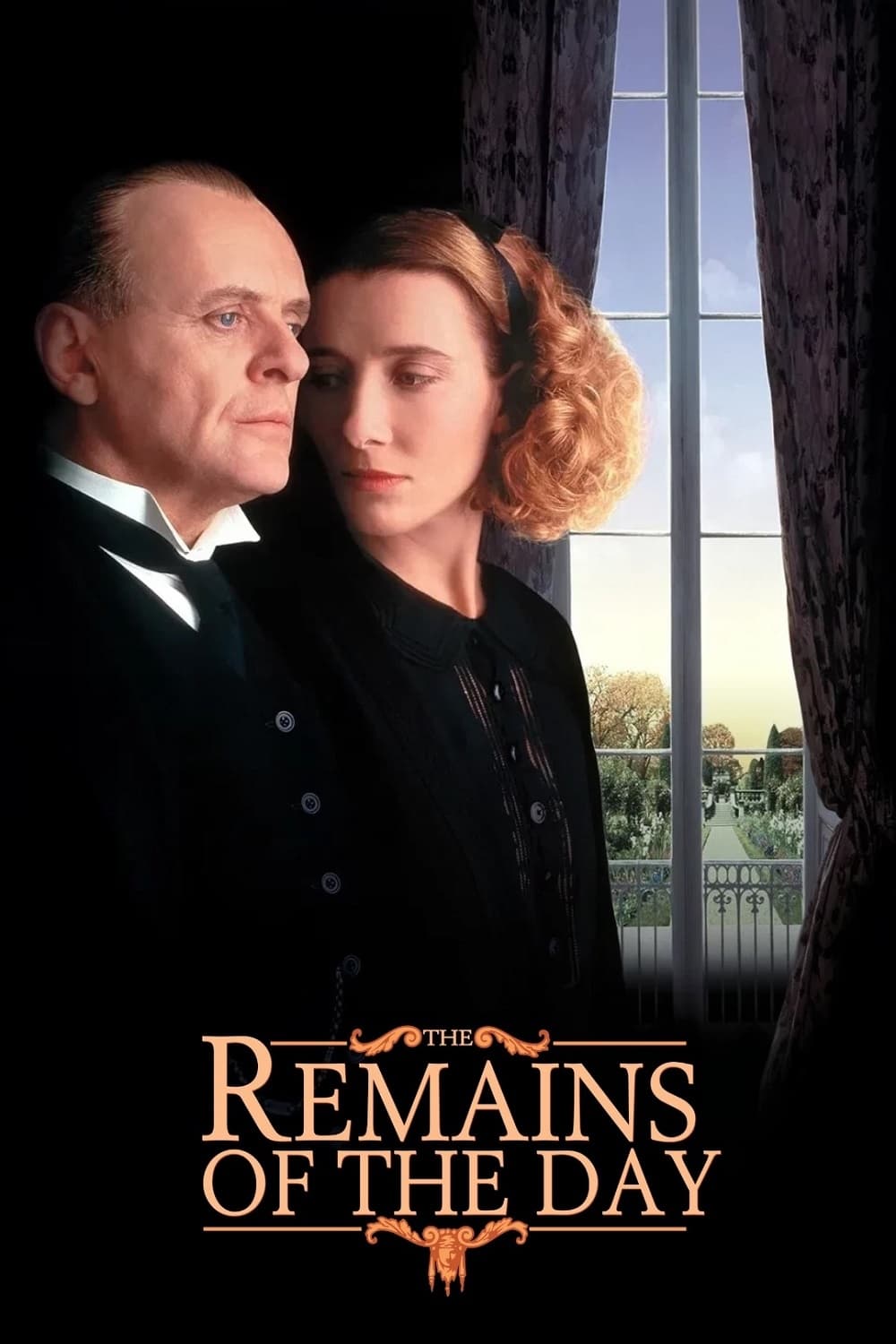
Kazuo Ishiguro’s novel follows a butler reflecting on career choices and missed connections during a road trip in postwar England. The narrative moves between present travel and past service.
The film mirrors the restrained tone and uses quiet scenes to present the same memories and the country house environment. It keeps the key historical subplot and focuses on the professional code described in the book, using location shooting to match the setting.
‘The English Patient’ (1996)
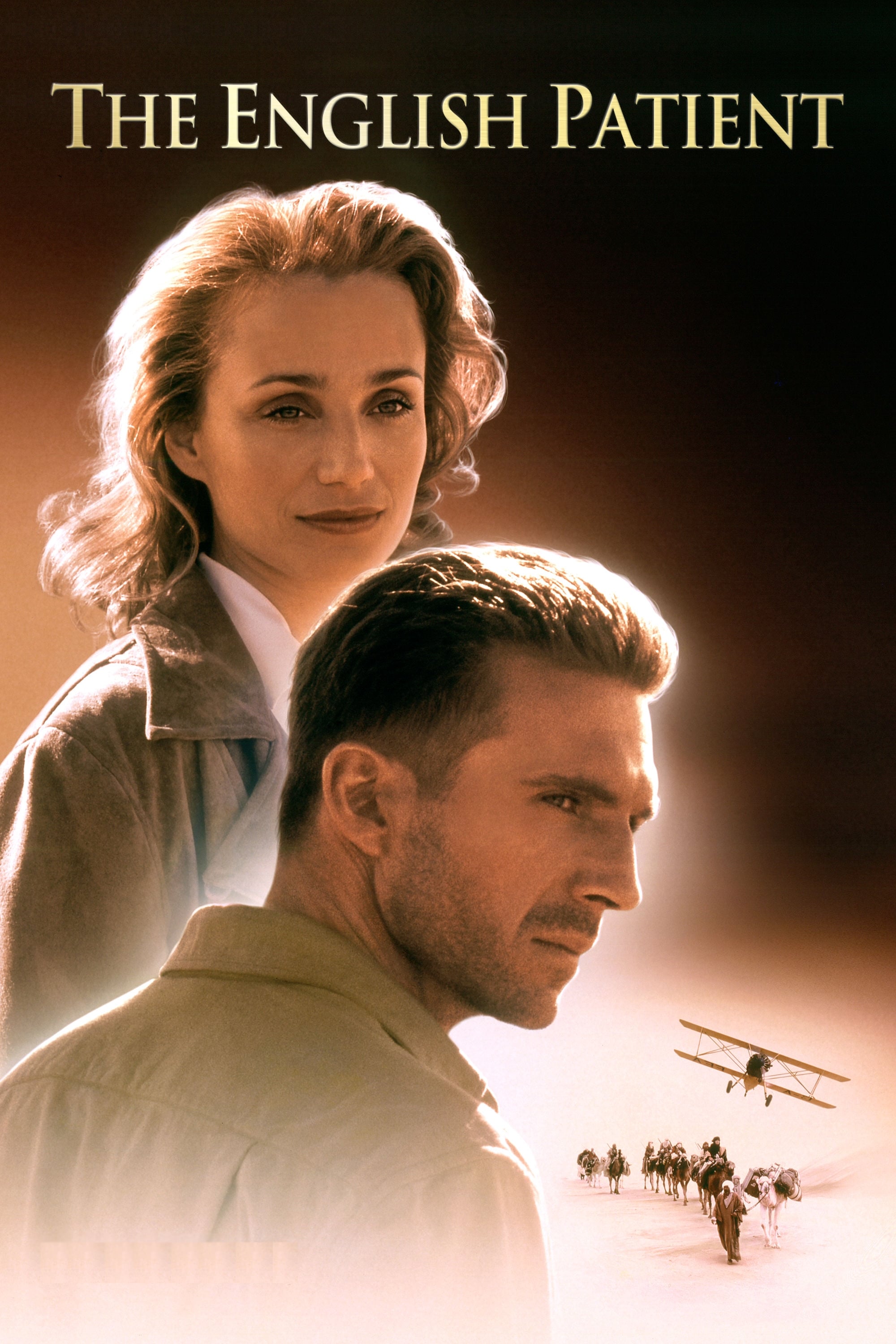
Michael Ondaatje’s novel interlaces stories of a burned cartographer, a nurse, and others in Italy near the end of World War Two. The book shifts time and location to reveal identities gradually.
The film preserves the mosaic structure with desert flashbacks and the Italian monastery present and includes the same mapmaking and expedition details. It won multiple Academy Awards and keeps the character relationships and artifacts that connect the timelines as in the novel.
‘One Flew Over the Cuckoo’s Nest’ (1975)

Ken Kesey’s novel is set in a psychiatric hospital and told through the observations of a patient known as Chief Bromden. The book presents ward routines and the arrival of a disruptive new inmate.
The film relocates the perspective to a more external view while keeping the same conflicts and therapy sessions. It retains the basketball games, work details, and ward outings that appear in the book and earned major Academy Awards, showing how closely the storyline followed the original.
‘Stand by Me’ (1986)
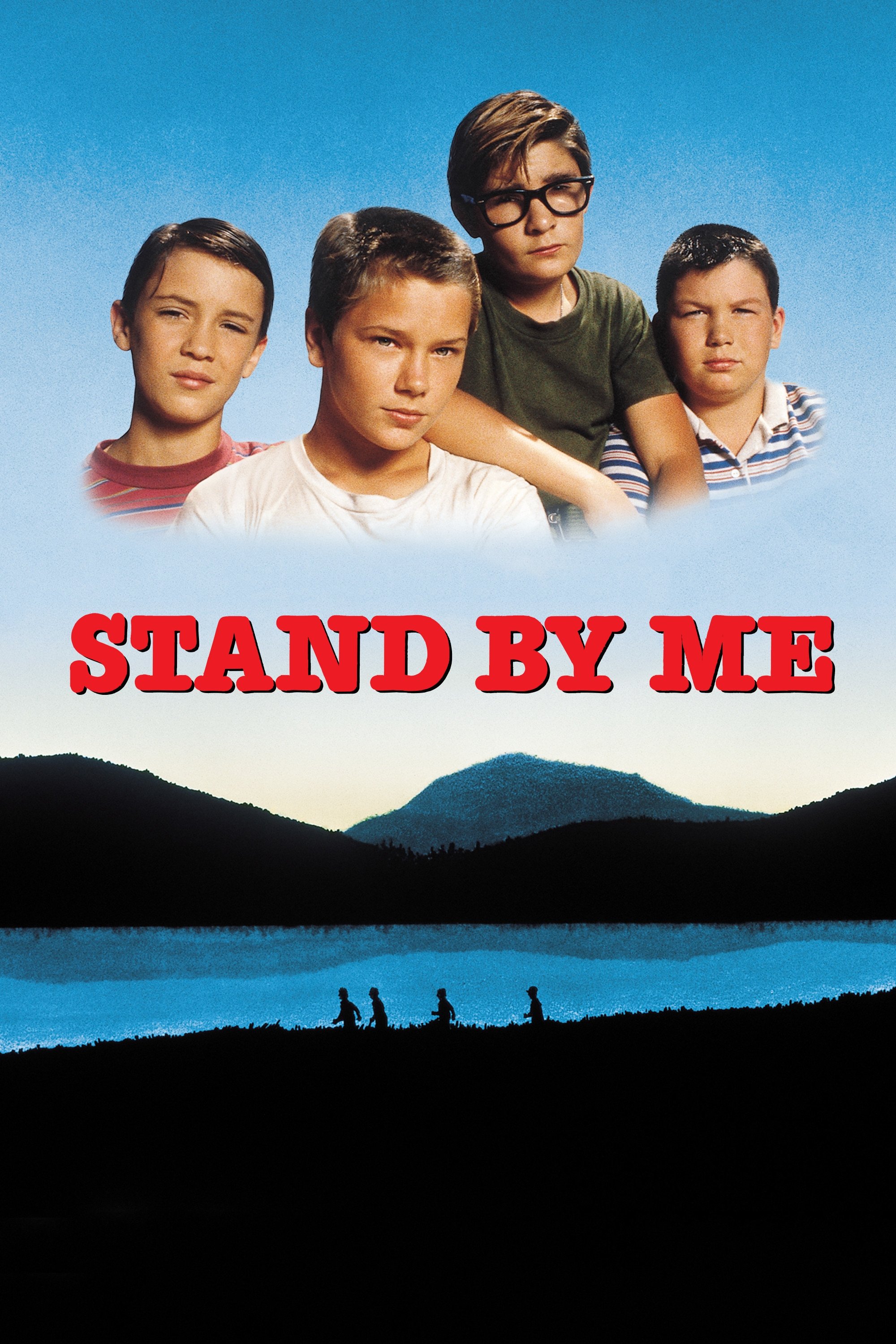
Stephen King’s novella The Body follows four boys on a journey to find a missing kid outside a small town in the 1960s. The story uses memory and narration to frame the trip.
The film keeps the narrator device and the same stops along the tracks including the bridge crossing and the junkyard sequence. It matches the period music and town layout and preserves the friendship dynamics and closing reflections drawn from the text.
‘The Devil Wears Prada’ (2006)
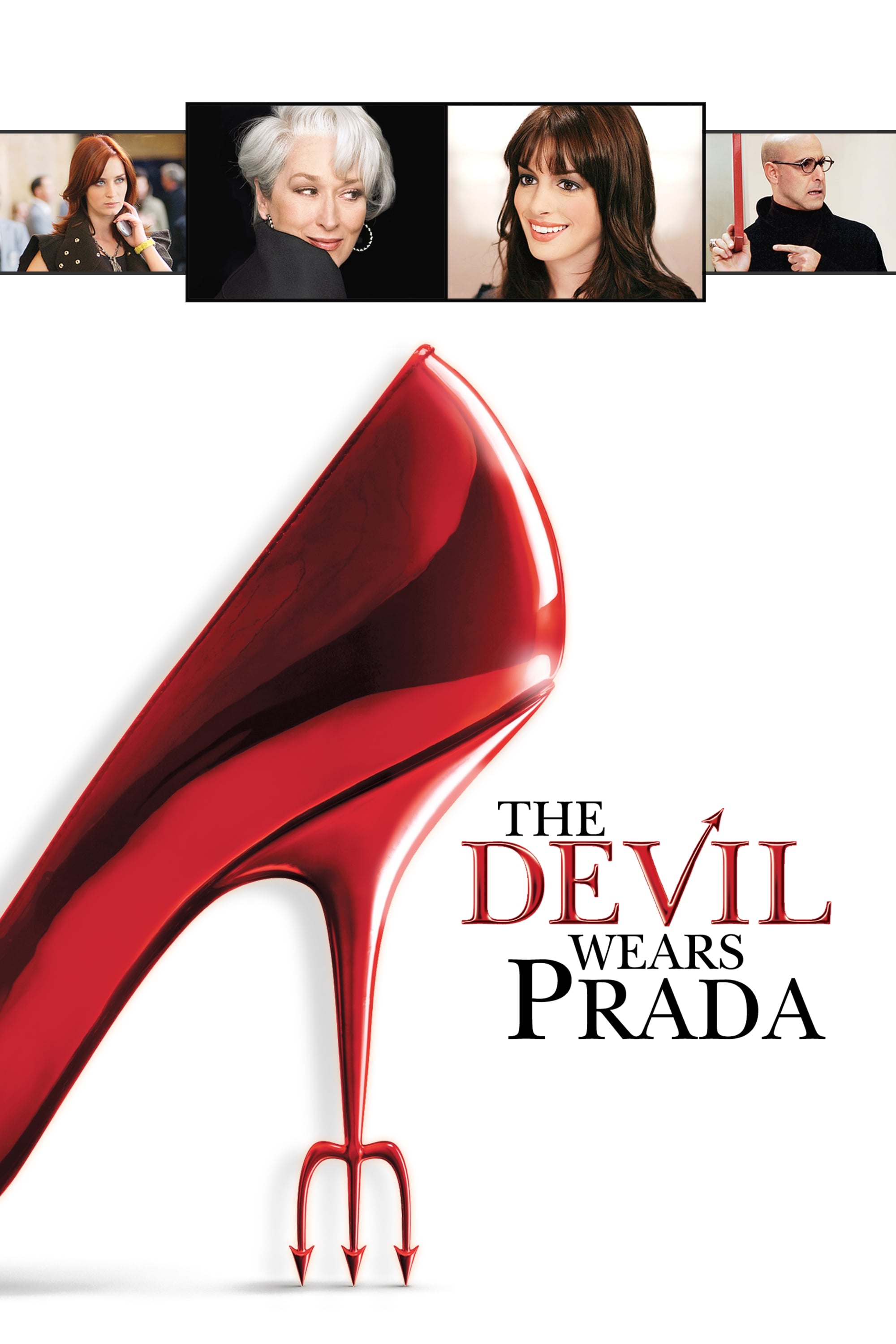
Lauren Weisberger’s novel charts a recent graduate’s year assisting a powerful fashion editor, detailing schedules, travel, and industry demands. The chapters track tasks and personal trade offs.
The film keeps key assignments, runway season timing, and specific Paris trip logistics, while consolidating coworkers for clarity. It reproduces the office hierarchies and wardrobe emphasis from the book and follows the same career decision points that close the story.
‘Life of Pi’ (2012)
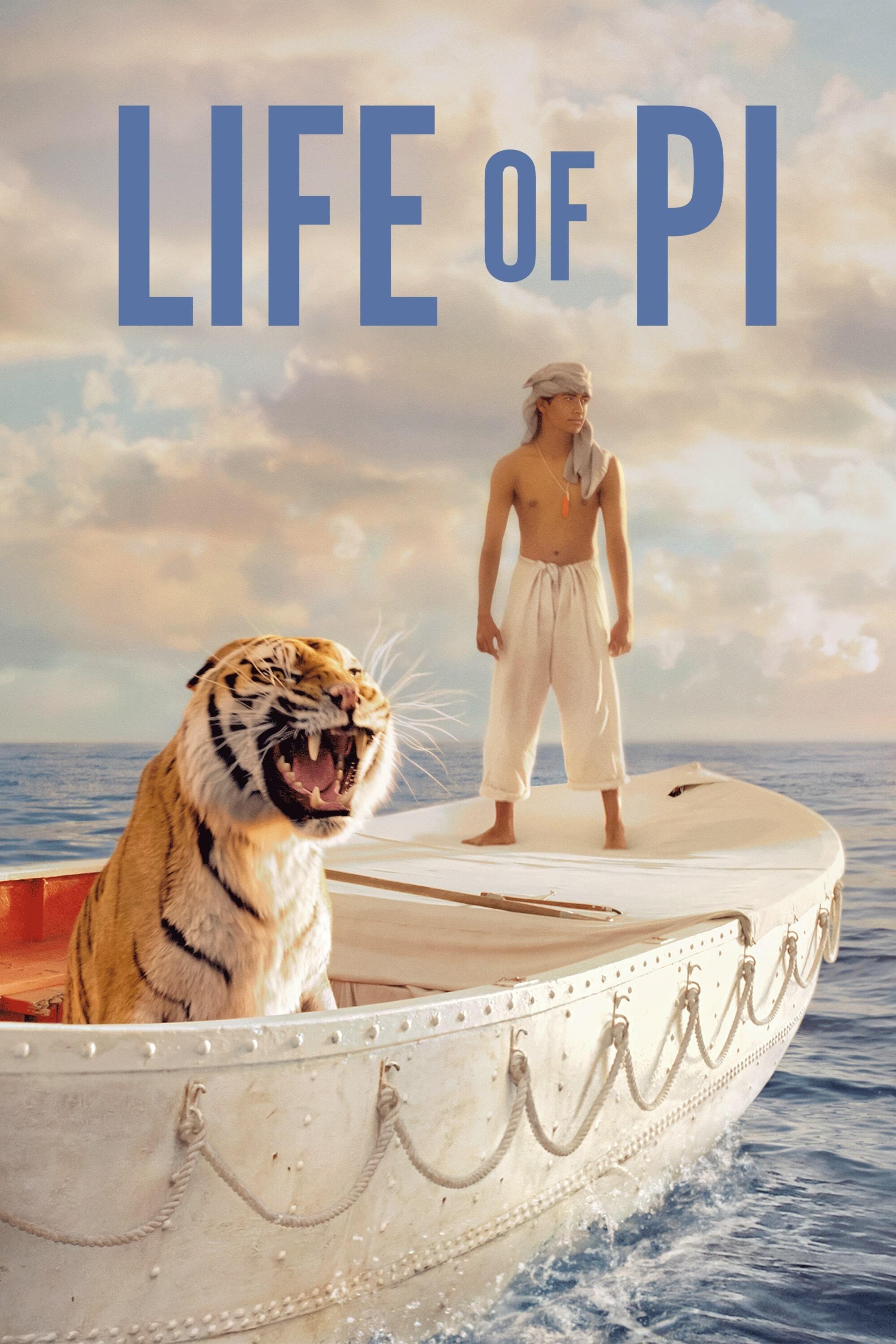
Yann Martel’s novel tells of a shipwreck survivor who shares a lifeboat with a Bengal tiger, with chapters that examine faith and storytelling. The text blends survival details with allegory.
The film keeps the framing device with an adult narrator and uses visual effects to represent the island, the storms, and the ocean encounters described in the book. It preserves the alternate account discussion and the final interview scenes, aligning with how the novel presents multiple possibilities.
‘The Princess Bride’ (1987)
William Goldman’s book presents a fairy tale adventure with fencing, giants, and a framed storytelling device. It mixes romance and satire while moving briskly through set pieces.
The movie keeps the story within a story setup with a grandfather reading to his grandson and stages the Cliffs of Insanity, the Fire Swamp, and the duel with careful attention to the book’s lines. Goldman adapted his own work, so the dialogue and comedic timing reflect the original text.
Share your favorite book to film matches in the comments and tell everyone which ones worked best for you.