5 Things About ‘Indiana Jones and the Last Crusade’ That Made Zero Sense and 5 Things About It That Made Perfect Sense

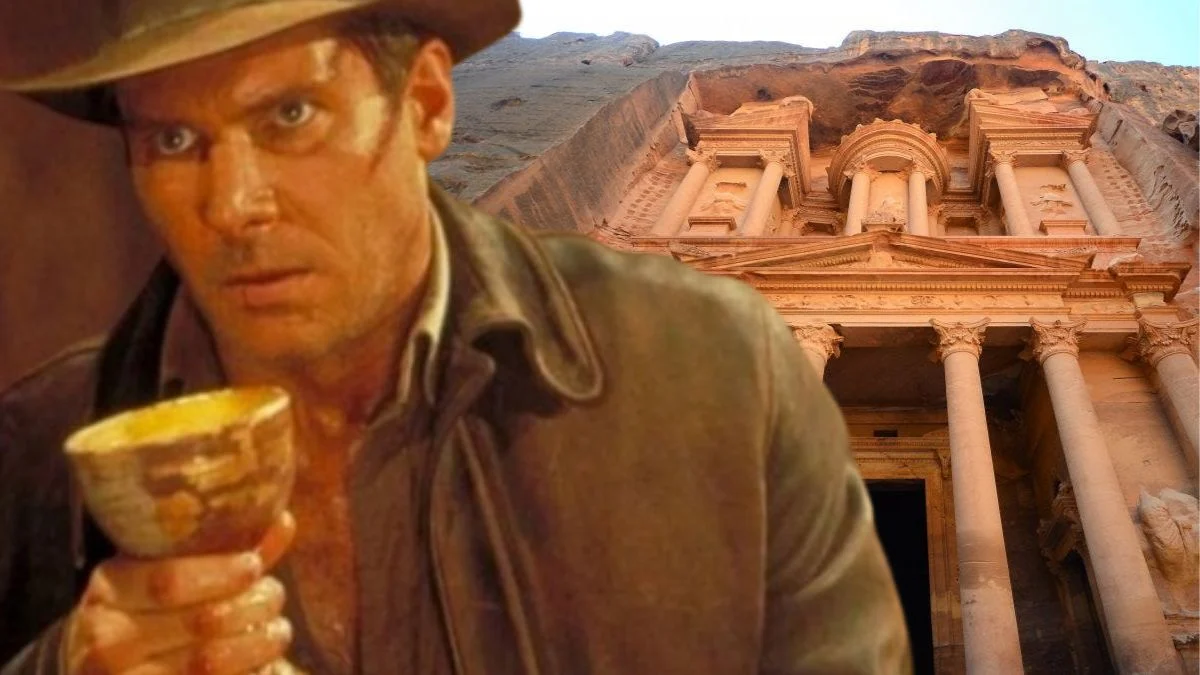

‘Indiana Jones and the Last Crusade’ sends its archaeologist hero across a trail of ancient riddles while the world around him shifts under real geopolitical pressures. The story moves from a boyhood prologue in Utah to clues in Venice to a race through Central Europe and into the deserts near Alexandretta, weaving artifacts, family history, and a sacred quest.
Along the way the film stacks historical details, religious traditions, and pulp legend into a fast moving puzzle box. Some pieces fit neatly with known facts and long standing conventions, while others bend logistics and technology in ways that create gaps a careful viewer can measure.
Zero Sense: Passenger zeppelin
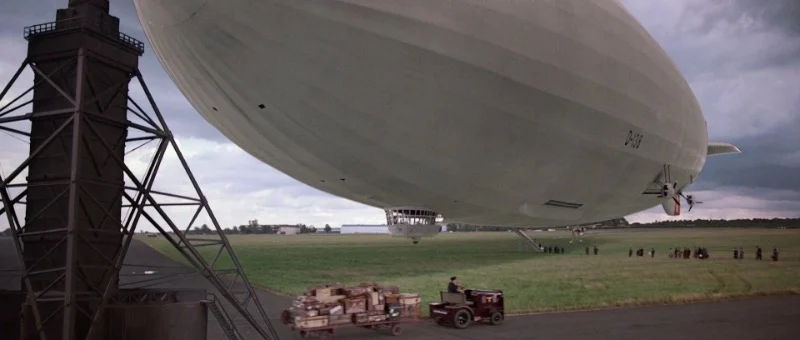
Commercial passenger zeppelin service ended after the Hindenburg disaster, which means a scheduled German airship quietly lifting off with paying travelers in 1938 does not match the real state of air travel at the time. The only large German rigid airship still flying then operated on test and propaganda missions and did not run routine passenger routes. Germany also lacked access to helium, so hydrogen remained the lift gas, which placed strict safety and operational limits on flights.
The film also shows a parasite aircraft available for a quick getaway, yet civil zeppelins did not carry detachable planes for passenger use. Parasite fighters flew from dedicated military airships in separate programs and those experiments were not part of commercial operations. Real airship routes required specific mooring facilities and long approach corridors, not impromptu course changes that hopscotch toward the Mediterranean.
Perfect Sense: Latin spelling test
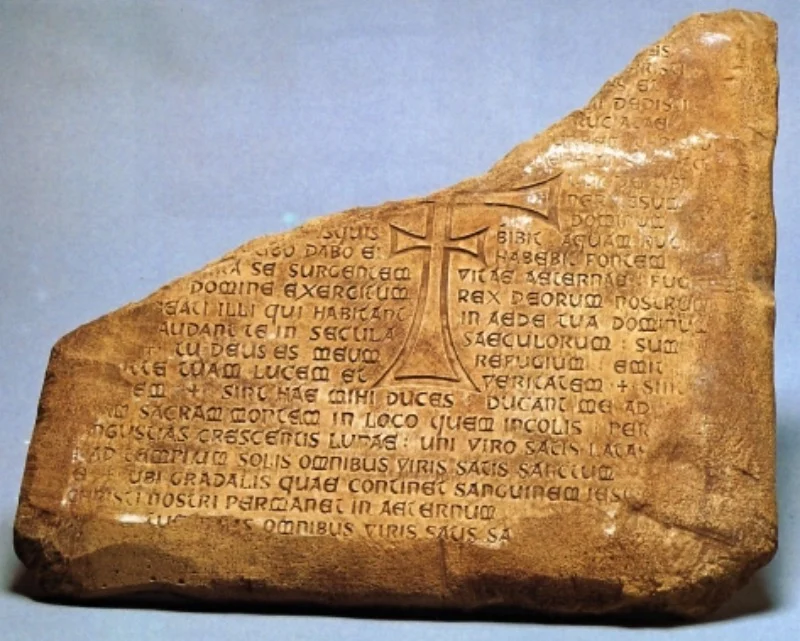
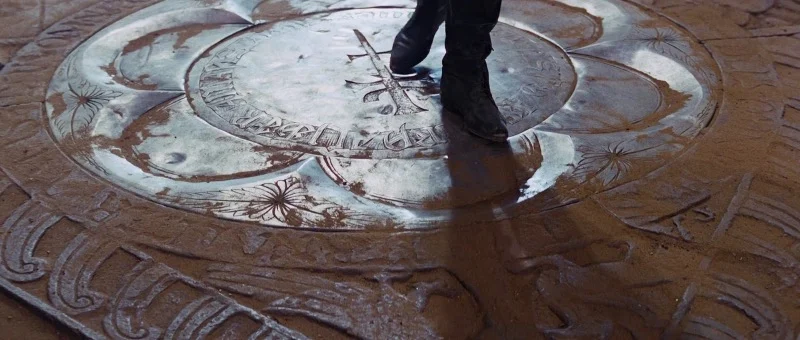
The floor puzzle that requires the correct spelling of the divine name uses Latin orthography. In classical and medieval Latin the letter J is not a separate character, so the form that appears is written with I at the start. That detail explains why the correct first step is on the I panel rather than on a J.
The set also displays the period pattern of letter usage where U and V share forms. Inscriptions and manuscripts from ecclesiastical contexts often preserve these conventions. The puzzle therefore reads like a piece of church Latin rendered into a physical obstacle, which fits the guardians who built it.
Zero Sense: Petroleum in Venice catacombs
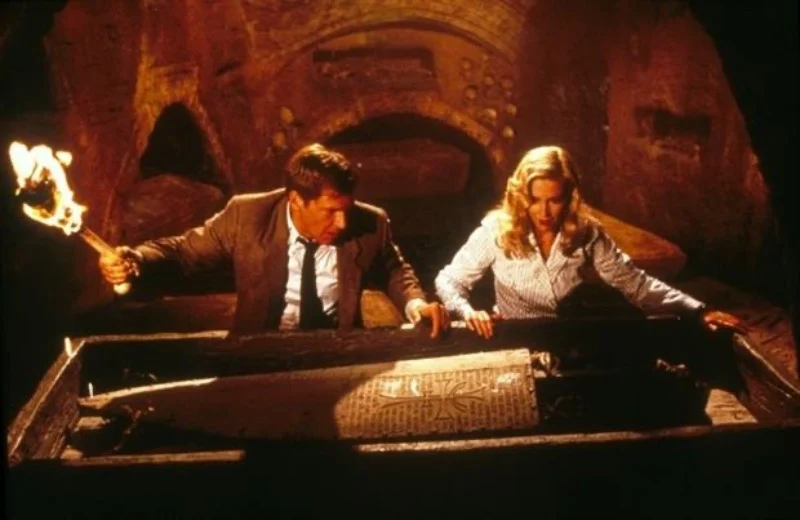
The catacombs beneath the Venetian church are shown flooded with petroleum that ignites from a tossed match and burns in a controlled sheet across the surface. In enclosed spaces crude oil vapors can accumulate above the liquid and an open flame would ignite the vapor cloud first, which creates a flash fire rather than a neat ribbon of flame that follows characters down corridors. The effect looks striking yet the behavior of flammable vapors in confined chambers would be far less forgiving.
Venice sits on timber piles driven into saturated ground and relies on foundations that do not leave roomy basements full of liquid. Storing or channeling large volumes of petroleum under a working church would threaten supports and create persistent seepage through walls and floor joints. Venetian infrastructure in historic districts did not include pooled petroleum beneath sanctuaries, so the setting functions as a dramatic device rather than a plausible local feature.
Perfect Sense: The Republic of Hatay
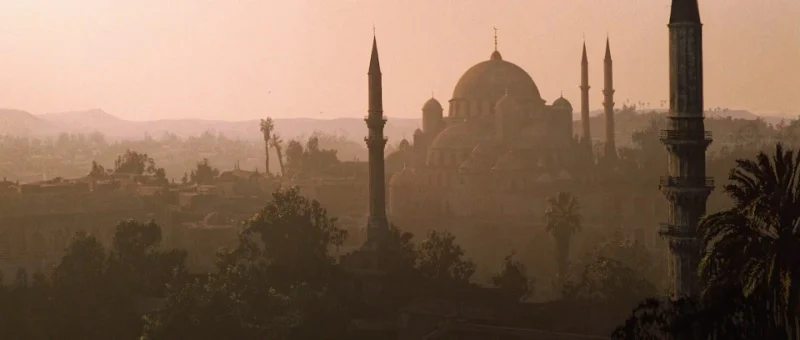
The expedition operates under the authority of the Republic of Hatay, a short lived state that existed near the Syrian border before it joined Turkey. Its capital Alexandretta controlled routes between the Levant and Anatolia, which makes it a credible staging point for a convoy moving men and equipment into rugged interior terrain.
The timing fits a period when European powers were active in the Eastern Mediterranean and when local leadership sought leverage through outside partners. Using real place names like Alexandretta and Iskenderun grounds the overland march and places the fictional canyon within reach of known supply lines and military escorts of that moment.
Zero Sense: Venice boat chase geography
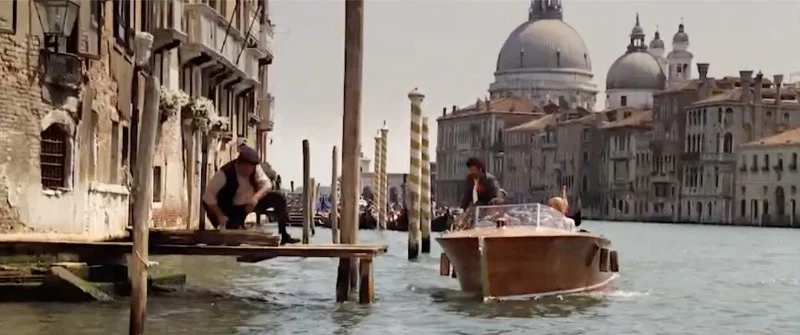
The chase leaves narrow canals and arrives at open water with a massive ship propeller cutting through small boats in a tight channel. The historic canal network connects to the lagoon through specific passages and traffic moves at measured speeds under bridges that constrain wakes and maneuvering. Industrial propeller hazards of that scale do not sit inside the centro storico where depths and infrastructure are not designed for heavy screw wash.
The Grand Canal and its feeders are shallow by deep water standards and lined with fragile quay walls and centuries old foundations. A spinning propeller of that diameter would drag in debris and damage nearby structures, and it would not be operating within a space used by gondolas and vaporetti. The set piece scales up hardware not found in the routes the chase appears to use.
Perfect Sense: The humble cup

The array of vessels includes a plain wooden cup identified as the type a carpenter would have used. In first century Judea everyday drinking cups were typically made of wood or simple ceramics rather than precious metals. Ornate gold chalices belong to later church liturgy and not to the tableware of ordinary people under Roman rule.
The test therefore aligns the correct choice with period materials and common craftsmanship. By rewarding knowledge of historical context over assumptions shaped by medieval ornament, the trial filters out choices that reflect later symbolism and confirms a selection that matches the era described.
Zero Sense: Marcus Brody shift
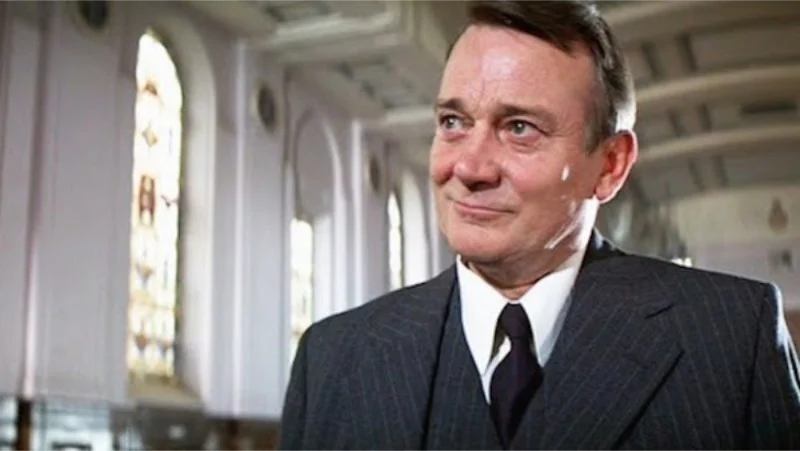
Marcus Brody is introduced in ‘Raiders of the Lost Ark’ as a capable museum director who secures funding, negotiates with government officials, and understands field risks. In ‘Indiana Jones and the Last Crusade’ he becomes separated in a marketplace and struggles with basic travel tasks, which conflicts with the responsibilities and savvy required to run a major collection.
No event in the story explains a sudden change in his professional skill set. A curator who acquires artifacts and manages international shipments must coordinate with dealers, scholars, and customs offices. The sharp contrast between prior duties and new behavior remains unexplained by the plot.
Perfect Sense: Virtues built into the trials
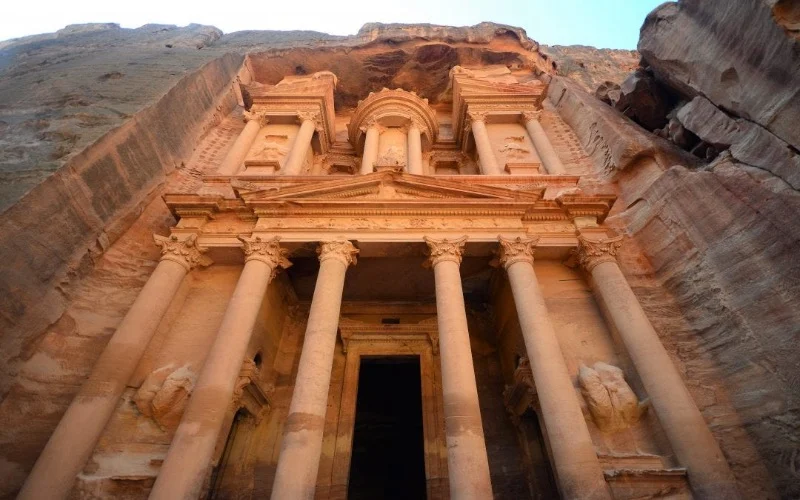
The three challenges embody themes drawn from medieval Grail traditions where humility, right knowledge, and true faith are essential. The penitent step requires a bow, the name puzzle demands literacy in sacred language, and the leap requires trust beyond sight. Each step maps a virtue to a physical test.
The carvings and mechanisms turn abstract lessons into concrete consequences. A wrong move at the first trial punishes pride, a misreading of the board punishes ignorance, and an error at the final table punishes greed. The structure mirrors the way religious architecture encoded teaching through ritual movement and inscription.
Zero Sense: Breadcrumb trail to a secret
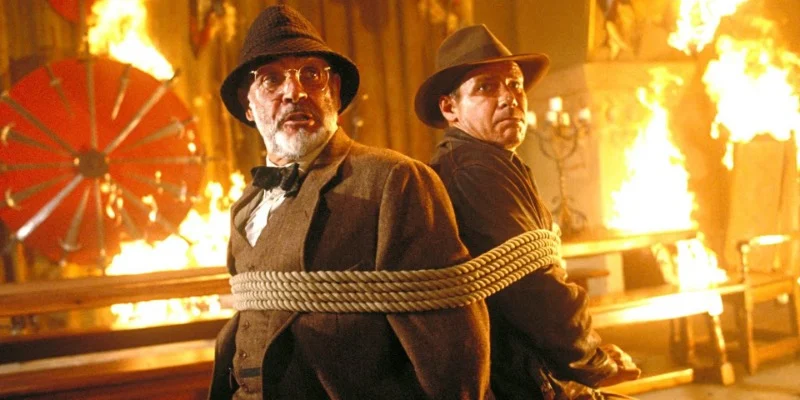
The Brotherhood of the Cruciform Sword attacks searchers in Venice to protect the secret, yet the tomb of a knight inside a public church contains a shield engraved with the route to the destination. Housing that much information in an urban burial site exposes it to discovery by routine repairs or floods and conflicts with the stated mission to keep the path hidden.
The remaining half of the plan sits in a portable notebook that travels through multiple hands during the story. By copying directions and annotations into a single volume, Henry Jones creates a vulnerability that adversaries exploit. The guardians risk the very leak they fear by allowing detailed maps and rubbings to exist outside their control.
Perfect Sense: The seal and the limit
The guardian states that the cup cannot cross the Great Seal and that its power does not extend beyond the temple. That rule ties the miracle to a holy place rather than to a portable object and matches traditions that bind relic power to a shrine.
The collapsing floor begins only when the cup is carried beyond the marked boundary and stabilizes when it remains inside. The temple thus contains both the blessing and its safeguard and prevents the artifact from entering the wider world. The limit preserves the secret while still granting the healing shown on site.
Share your favorite detail or head scratcher from ‘Indiana Jones and the Last Crusade’ in the comments.