5 Ways ‘Casino’ Aged Poorly (& 5 Ways It Aged Masterfully)

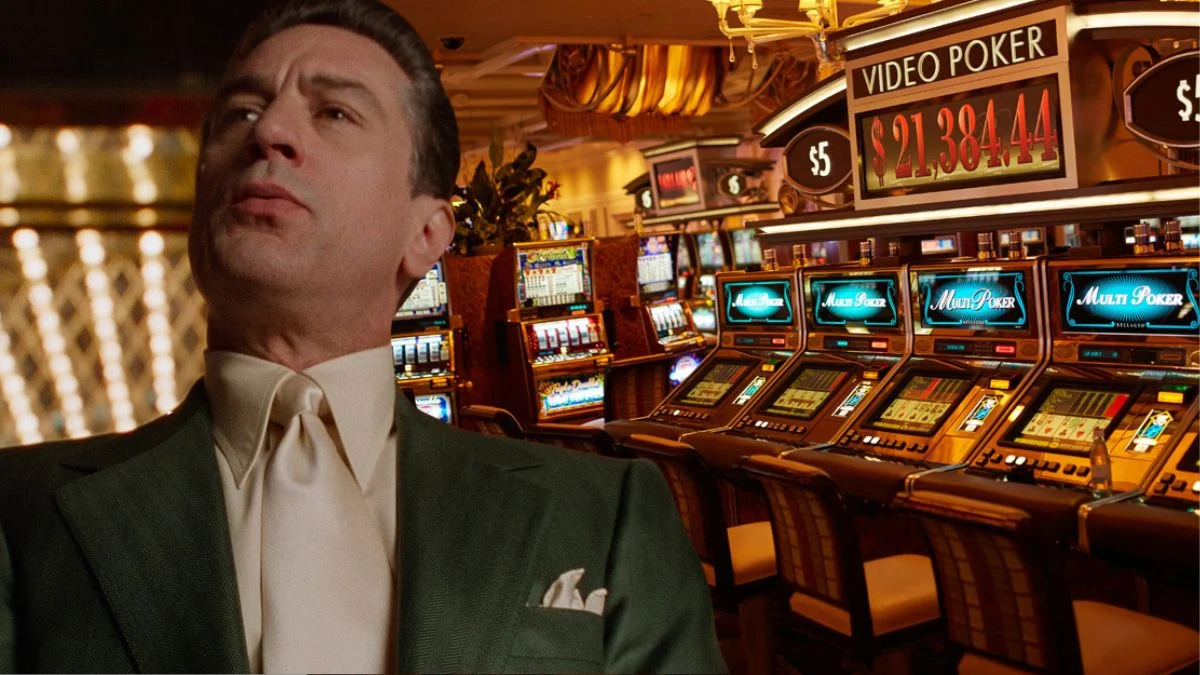

Few films capture the rise and fall of old Las Vegas the way ‘Casino’ does. It tracks the move from street level control to bright corporate polish, and it does it with a level of detail that still turns casual viewers into instant experts on pit bosses and count rooms. The story follows a gambling mastermind and an enforcer whose partnership unravels under pressure from greed, scrutiny, and personal chaos.
Time has changed how some parts of ‘Casino’ land, while other parts feel sharper than ever. The production put cameras on real casino floors, dressed actors in period accurate wardrobes, and filmed procedures that mirrored how skimming and surveillance worked. Looking back now lets us see where the movie reflects its moment and where its craft still sets a high bar.
Aged Poorly: Narrow space for women on screen

The plot centers on Sam and Nicky while Ginger’s path mostly tracks her relationships and addiction. Most named characters with power are men who run tables, back rooms, and Teamsters pipelines. Ginger drives key turns in the story yet the script rarely gives her independent goals outside survival and leverage within those relationships.
The film shows repeated cycles of control, manipulation, and domestic conflict without much exploration of alternatives for a woman trapped in that ecosystem. Viewers see custody fights, coerced choices, and financial dependency play out in scene after scene. The focus reflects the setting yet leaves little room for women who are not tied to the central triangle.
Aged Masterfully: Production design that rebuilds vintage Vegas
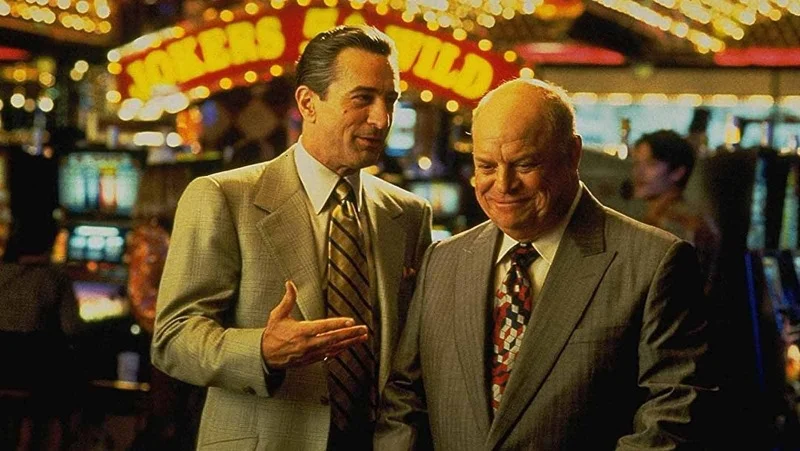
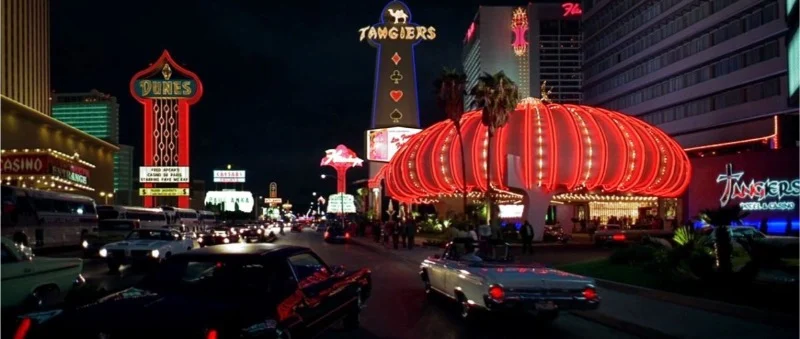
‘Casino’ filmed in working casinos and recreated the look of pre corporate Las Vegas with real tables, slot banks, and back room spaces. Sets match the carpet patterns, ceiling mirrors, and pit layouts that defined the era. The count room stacks, drop boxes, and surveillance stations were staged to mirror actual procedures used at the time.
Costume work tracks character arcs with precision. High end gowns and jewel toned suits mark the burst of easy money while later scenes shift to muted colors as fortunes fade. The wardrobe team used dozens of outfit changes to map social status and to track the move from showgirl sheen to personal and financial collapse.
Aged Poorly: Graphic violence that limits broad replays
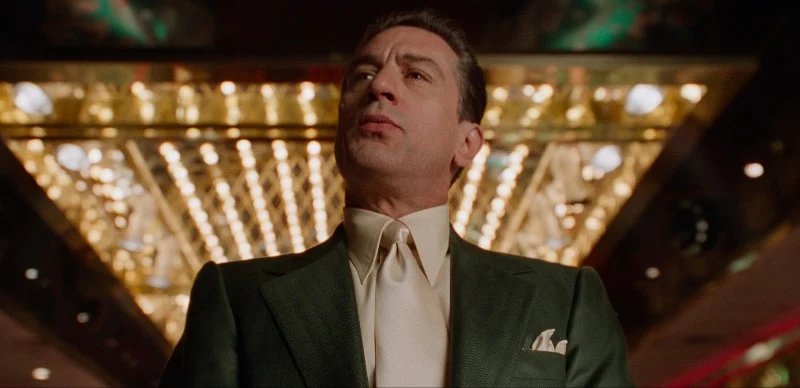
The film contains torture and assault scenes that go far beyond typical network standards. Several broadcasts cut or blur moments to meet airtime rules, which changes the rhythm of the story. Uncut releases preserve the original intensity but reduce the range of places where the movie can be shown.
Makeup and practical effects were designed for maximum impact. The choice matches the ruthless reality of the setting yet creates hurdles for classroom use, airline edits, or daytime slots. That limits casual discovery for new viewers who mostly encounter films through platforms that favor safer content.
Aged Masterfully: Clear lessons on how casinos really work
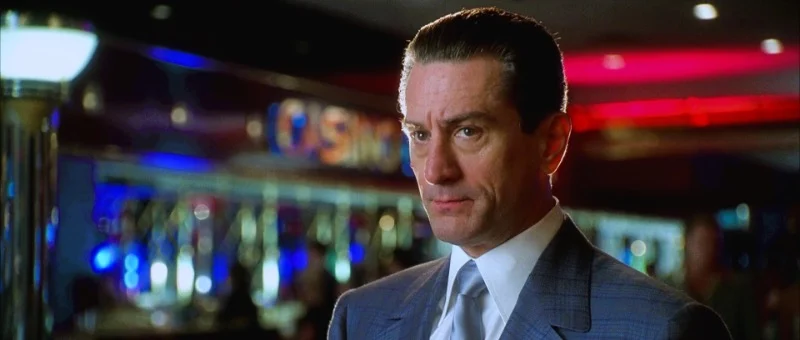
‘Casino’ explains hold percentage, player comps, and pit control with plain language while the camera walks viewers through examples on live floors. The film shows cheater tells, dealer procedures, and the way bosses rotate staff to manage risk. It also shows how the eye in the sky coordinates with security on the ground.
The skimming pipeline is mapped step by step. We see the drop, the count, the handshake out the back, and the split once the cash leaves property. The movie turns technical operations into story beats so the audience learns the business while the plot advances. That clarity still helps viewers understand modern gaming even as technology has changed.
Aged Poorly: Normalized smoking, drinking, and cocaine use
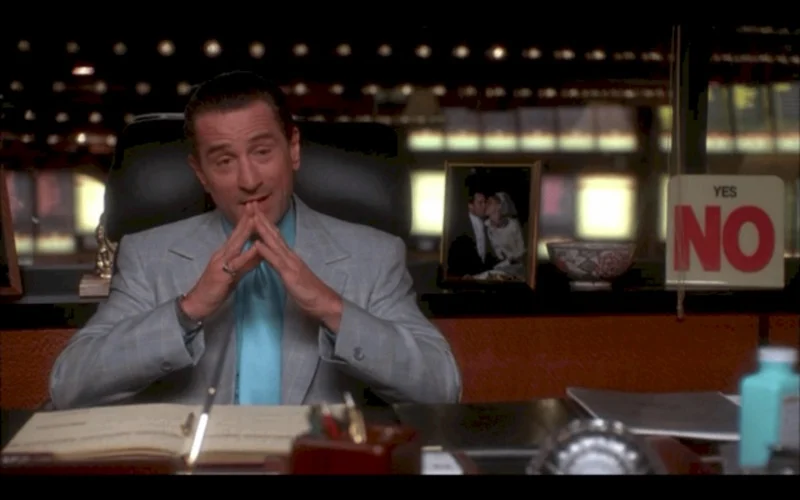
Characters smoke at tables, in offices, and in homes in scene after scene. That mirrors the period yet sits at odds with later restrictions and designated areas inside many properties. The constant presence of smoke and open drinks dates the environment as much as the carpet and signage do.
Cocaine use drives choices and conflicts across the second half. The film shows benders, late night runs, and impaired decision making as routine. Contemporary policies and workplace rules in gaming venues now place stronger limits on staff behavior, which makes the older culture on display feel remote from current practice.
Aged Masterfully: Editing and dual narration that clarify complex events
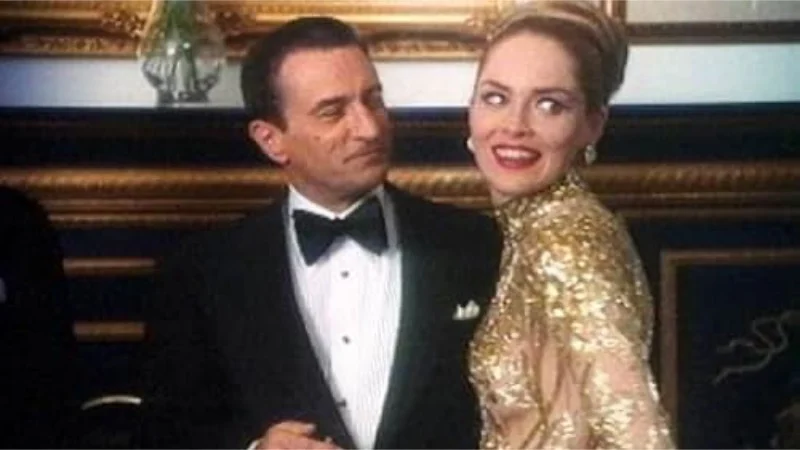
Thelma Schoonmaker’s editing keeps parallel tracks aligned as investigations, love affairs, and business shifts collide. Scenes cut from floor to back room to street without losing the thread of who profits and who pays. The structure turns a dense true crime saga into a readable timeline.
Dual voiceover guides viewers through motives and mechanics. Sam explains the business and public face while Nicky reveals the pressure point side of the operation. The pairing lets the movie jump across months and years while maintaining cause and effect for each major turn.
Aged Poorly: Analog tech that locks the story to a past toolkit

The investigation relies on pay phones, paper ledgers, and physical counters in the count room. Hidden microphones and line taps require in person placement and careful routing. Those tools place the plot firmly in a world before digital surveillance, automated analytics, and modern compliance software.
Casino security now uses high resolution cameras, centralized monitoring, and data driven alerts. Many comp decisions flow through databases rather than pit boss judgment alone. The methods shown in ‘Casino’ remain historically accurate yet no longer reflect how present day properties track risk or rewards.
Aged Masterfully: Performances that anchor character truth
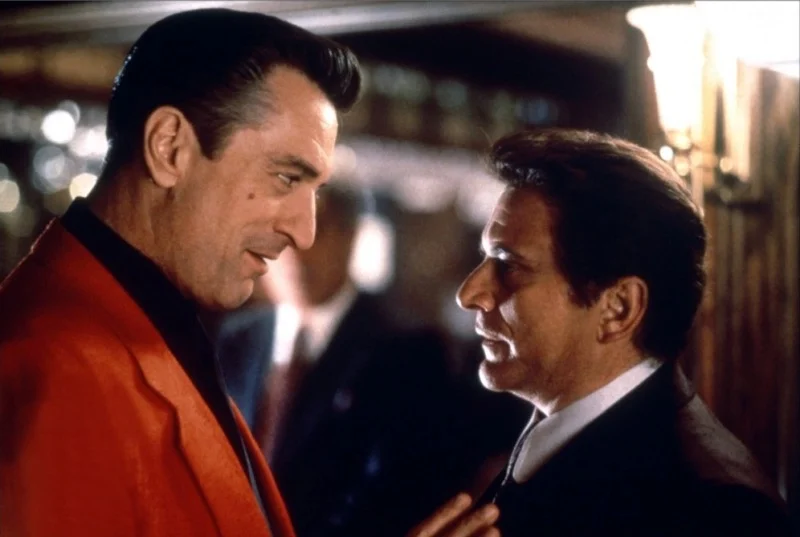
Robert De Niro plays a detail obsessed executive who reads odds like a second language. Joe Pesci brings the volatility and discipline of an enforcer who knows exactly how far protection will stretch. Their scenes together chart the widening gap between business sense and street code.
Sharon Stone builds Ginger from charm and hustle into a portrait of dependency and self sabotage. Her performance earned major award recognition and placed the character at the center of the film’s emotional cost. The three leads turn a procedural about skimming into a human story about control and loss.
Aged Poorly: A very long runtime that competes with current viewing habits
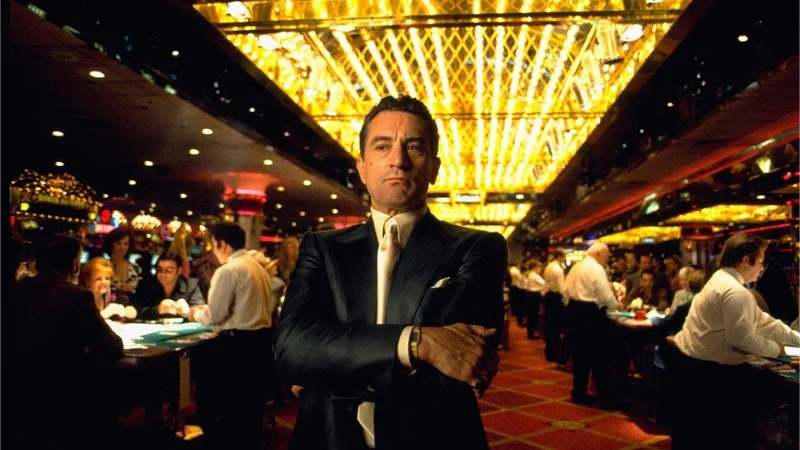
‘Casino’ runs close to three hours including credits. The film covers years of activity and dozens of named figures, which asks for sustained attention in a single sitting. Many new viewers now discover crime epics through limited series that break this volume of story into episodes.
The length affects how often people rewatch the movie. Services and channels favor quick completion metrics and short session windows. A long crime saga can still connect yet it competes with formats that offer smaller nightly chunks of similar material.
Aged Masterfully: Visual style and titles that burn into memory
The opening sequence moves from calm luxury to sudden catastrophe in a single dramatic image. Saul Bass designed the title work with bold typography and fiery motion that set the tone for consequence and collapse. The credits create an identity that viewers remember before the first scene ends.
Robert Richardson’s camera glides through pits and hallways and lands on faces at the moment the stakes turn. Long takes let the audience watch procedures without cuts while quick bursts hit when violence or discovery crashes in. The lighting and composition capture the glare of neon and the chill of back rooms with equal precision.
Share your own take on where ‘Casino’ stumbled and where it still shines in the comments.