Steven Spielberg Reveals the 2 Movie Moments He Wishes He Could Erase

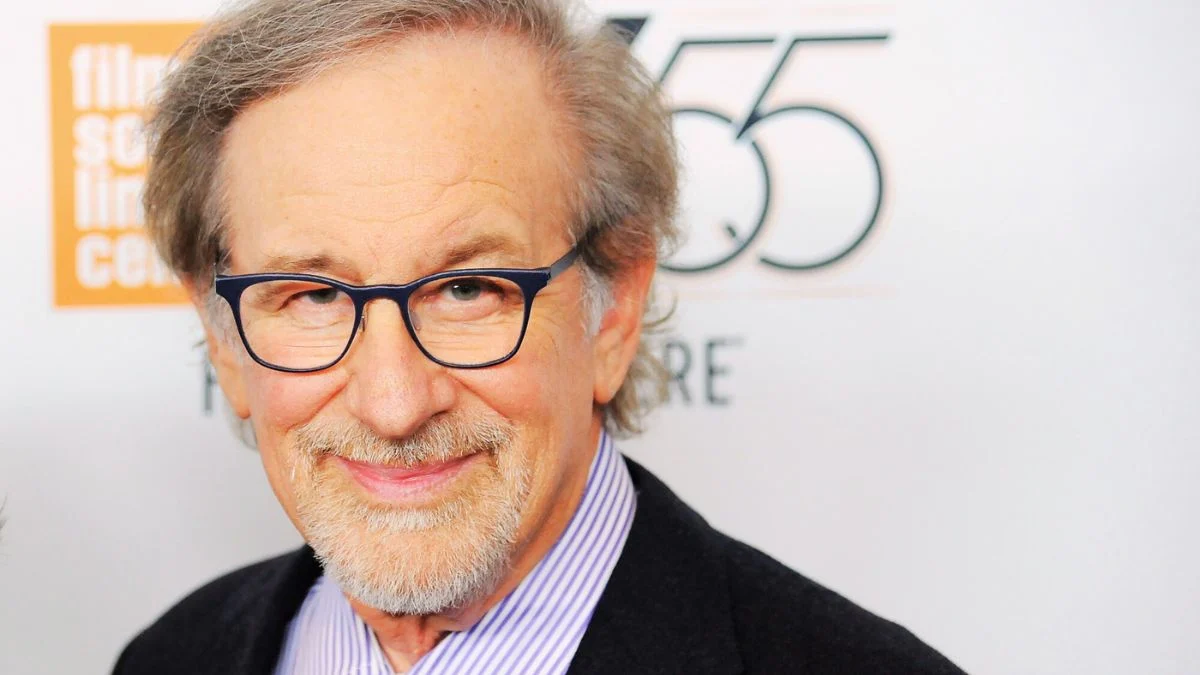

Steven Spielberg is one of the most successful directors in Hollywood history, but even legends have regrets. Over the years, he has admitted there are two moments in his career that still bother him. Both involve scenes that he now feels should never have been changed.
Spielberg first spoke about one of these regrets when looking back at his science fiction hit Close Encounters of the Third Kind. Inspired by a meteor shower he once saw with his father, Spielberg wanted to tell a story about aliens who arrive peacefully instead of threatening the Earth. He said, “If I ever get a chance to make a science fiction movie, I want those guys to come in peace.”
When the film was being made, the studio pushed him to rush production so it could be released in time for the holiday season. Spielberg explained that he was forced to cut the movie in a way he wasn’t fully happy with.
After the movie turned into a huge success, Columbia Pictures allowed him to go back and re-cut the film. But there was one condition. “We’ll give you the money… if you show the inside of the mothership. Give us something we can hang a campaign on.”
Spielberg gave in to the request, adding a scene where Richard Dreyfuss enters the alien ship.
Looking back, the director said it was the wrong choice. “I never should have done [that], because that should have always been kept a mystery, the inside of that ship.” Spielberg had built his reputation on suggestion and restraint.
Revealing too much in Close Encounters took away the mystery. “I should have never messed with the archives of my own work, and I don’t recommend anyone do that.”
The movie itself was praised when it came out, with critics calling it a bold and hopeful take on alien encounters. It earned multiple Academy Award nominations and is still remembered as a milestone in science fiction. But for Spielberg, that extra scene has always been a stain on an otherwise proud achievement.
His second regret came years later with another alien classic, E.T. the Extra-Terrestrial. Released in 1982, the film was an international sensation. Audiences loved the story of a group of kids helping a lost alien return home, and it quickly became one of the highest-grossing films of all time.
Critics praised its emotional depth, its childlike sense of wonder, and John Williams’ unforgettable score. It has since become one of Spielberg’s most iconic works.
However, when the movie was re-released for its 20th anniversary in 2002, Spielberg decided to make changes. He replaced the guns held by government agents with walkie-talkies, hoping to make the film feel less threatening for modern audiences.
At the time, the digital alteration drew mixed reactions. Some appreciated the effort to soften the film, but many felt it was unnecessary.
Years later, Spielberg admitted he regretted it completely. “That was a mistake,” he said at a Time 100 summit. “I never should have done that. ET is a product of its era. No film should be revised based on the lenses we now are, either voluntarily, or being forced to peer through.”
He added, “All our movies are a kind of a signpost of where we were when we made them, what the world was like and what the world was receiving when we got those stories out there. So I really regret having that out there.”
What connects both of these regrets is that Spielberg allowed outside pressures to interfere with his instincts as a filmmaker.
Despite these moments, Close Encounters and E.T. remain two of the most beloved films of his career, celebrated for their heart, imagination, and sense of wonder. But for Spielberg, those two small decisions continue to stand as reminders that sometimes the best choice a filmmaker can make is to leave their own work exactly as it was.
Have something to add? Let us know in the comments!