5 Things About ‘Taxi Driver’ That Made Zero Sense and 5 Things About It That Made Perfect Sense

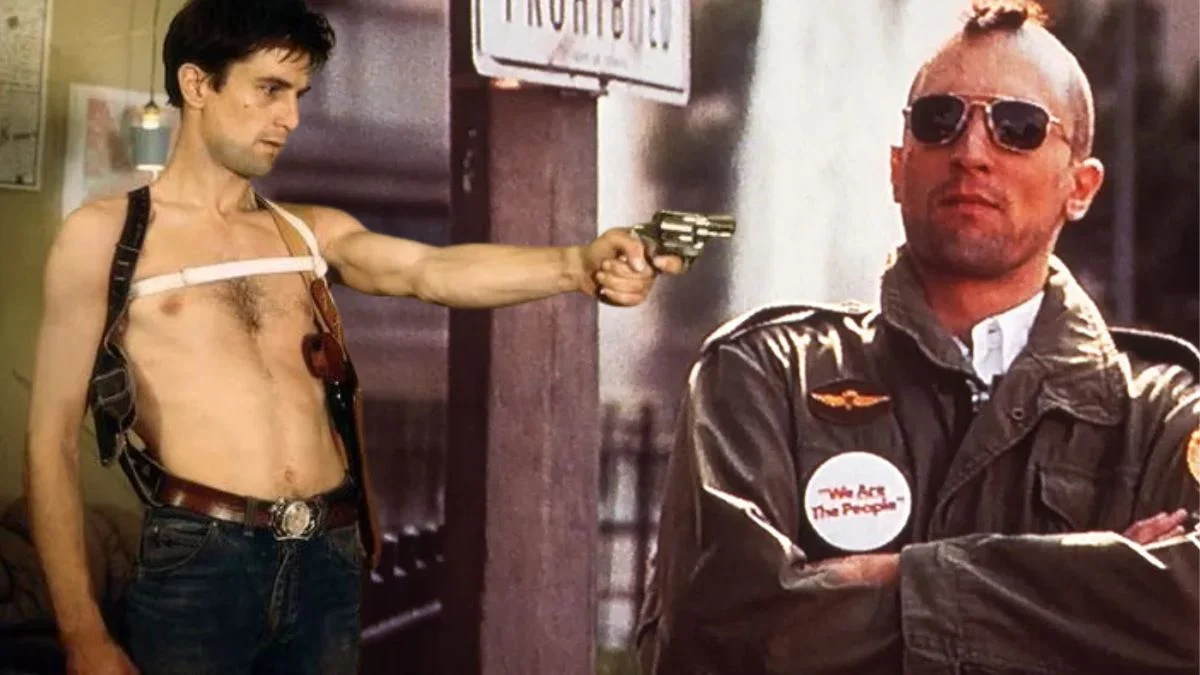

‘Taxi Driver’ follows a night shift cabbie whose isolation and fixation on the city’s uglier corners push him toward violence. The story blends street level detail with a subjective point of view, so some moments feel precise while others bend toward dream logic.
That mix creates questions that viewers still pick apart. Some parts line up with the way New York worked at the time. Other parts leave gaps in procedure, timing, or consequences. Here are five head scratching moments and five elements that fit how the world on screen actually operated.
Zero Sense: No Secret Service follow up
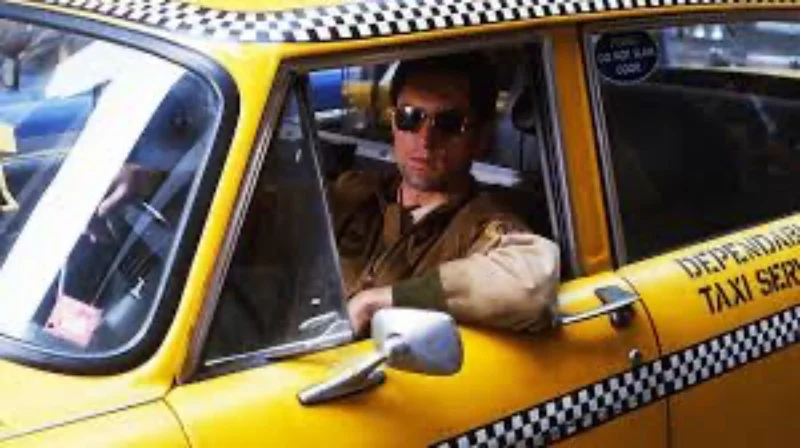
Travis approaches a Secret Service agent at a rally, asks about joining the detail, and supplies a fake name and address. The agent clocks his odd behavior and notes the plate number, which is shown clearly.
In practice, a plate check would point to a licensed medallion and a garage. Contacting an owner operator, visiting a cab stand, or alerting precinct detectives are routine steps. The film shows no visit, no tail, and no interview before the next rally scene, even though the interest in a high profile candidate is explicit on camera.
Perfect Sense: Looser campaign access
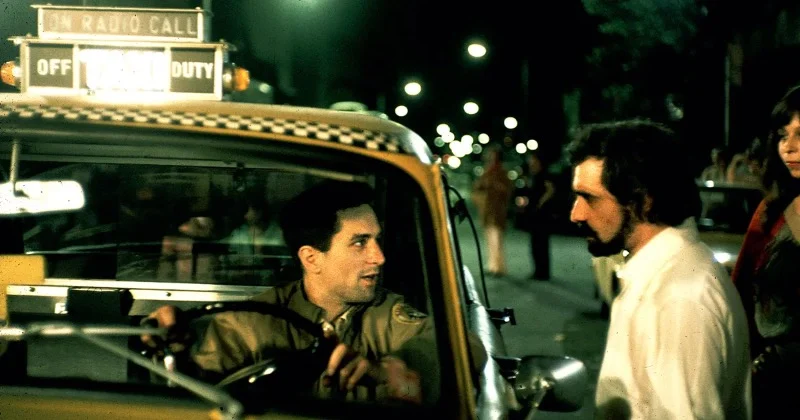
Street level campaign events in that era relied on open sidewalks, rope lines, and a few visible agents. Advance teams focused on crowd flow and route timing, which let people step within a few feet of a candidate during walkabouts and curbside greetings.
The film places Travis right at the barrier in daylight and later at a theater entrance at night. A plain jacket, a clean cabbie haircut, and a quiet posture match the kind of person who could stand close without drawing alarms in an environment that prioritized visibility over intensive screening.
Zero Sense: No charges after an illegal gun spree
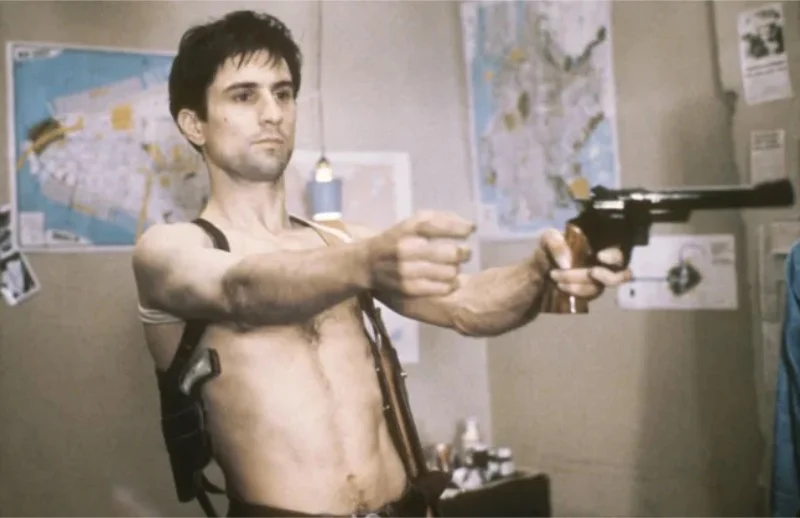
The brothel shootout leaves multiple bodies, and Travis carries unlicensed handguns and a homemade sleeve rig. New York law requires permits and registration, and weapons used in homicides are subject to ballistics work and possession charges.
Even if the killings were treated as self defense while rescuing a minor, the illegal possession and prior attempt to approach a candidate would trigger separate investigations. The coda presents a congratulatory letter and a positive newspaper clipping, but it skips the legal process that would normally follow for the guns alone.
Perfect Sense: Tabloid hero framing
Local papers often boil complex events into a simple narrative built around one photo and a headline. A story about a runaway returned home and a pimp ring disrupted reads clean and fast, especially when police confirm a rescue and a recovered child.
The montage uses a posed apartment photo, a clipped article, and a grateful family letter to show that official statements and tabloid rhythms can elevate a vigilante into a neighborhood savior. That framing can happen even while detectives continue paperwork and internal reviews out of view.
Zero Sense: The prep timeline feels compressed
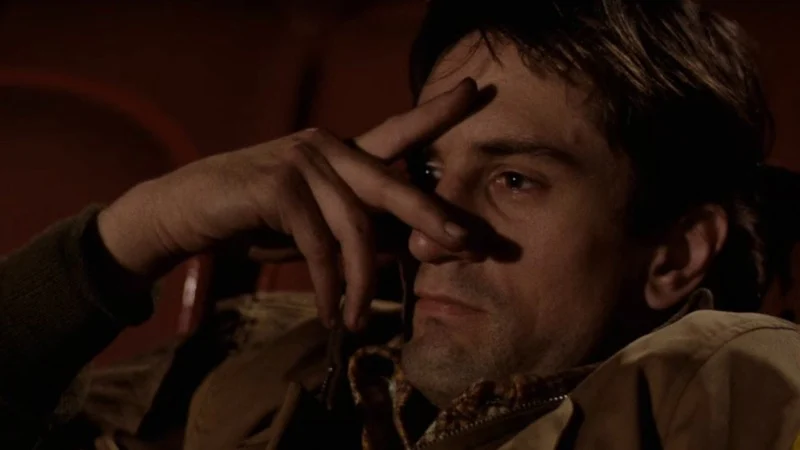
Travis buys multiple pistols, builds a slide rig, practices draws, shaves into a mohawk, stakes out locations, and times a public event. The edit groups these steps tightly, with diary pages and workouts implying rapid progress.
Custom fitting a rig and training with new firearms usually take repeated sessions and adjustments. Surveillance of a rally site also depends on schedules that are fixed only a short time ahead. The film offers few markers for elapsed time, so the sequence lands like a rush that outpaces realistic preparation.
Perfect Sense: Night shift gives cover and hours
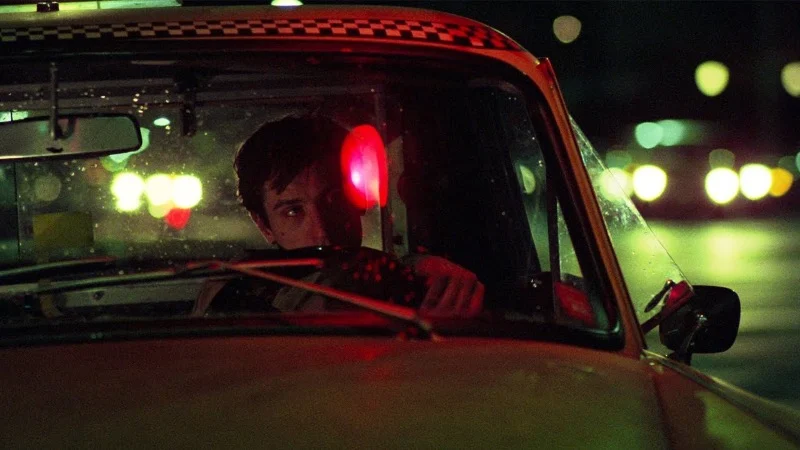
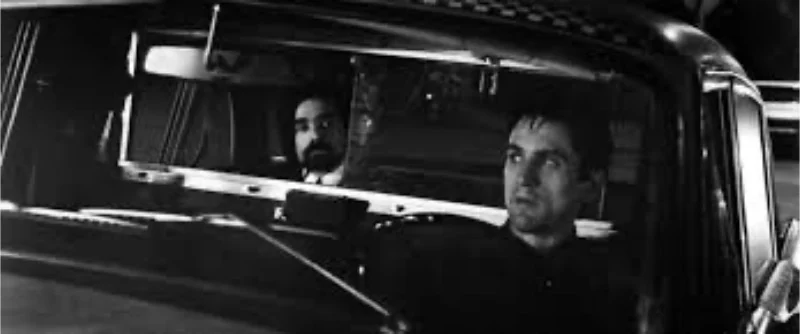
A cabbie working nights can stack long shifts and then vanish for a daytime stretch without coworkers noticing much beyond the garage dispatcher. Cash tips provide untracked income, and the job keeps him mobile across precincts where the same face rarely stands out.
The movie uses empty gyms, vacant hallways, and late night streets to show how someone can rehearse draws, test a mirror rig, and observe targets without attracting attention. The city that never sleeps gives him spaces that are busy enough to blend in yet loose enough to avoid questions.
Zero Sense: Betsy’s sudden return
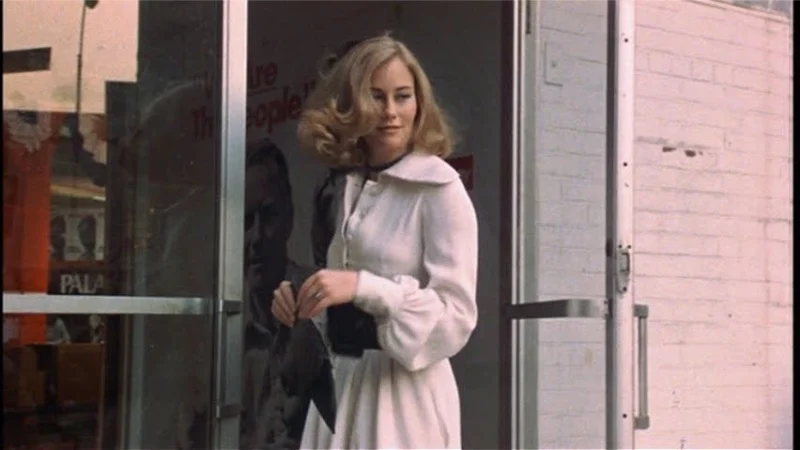
Betsy ends contact after the porn theater date, ignores him at the office, and refuses a follow up call. The film then ends with her in the back seat of his cab, speaking softly and accepting a ride without any shown reconciliation.
There is no scene that builds a change in her view of him as a safe person to be around. The jump leaves out the office gossip, personal reflection, or mutual friend that would explain why she would willingly get in his car again after a very public rejection.
Perfect Sense: Iris’s reluctance to leave
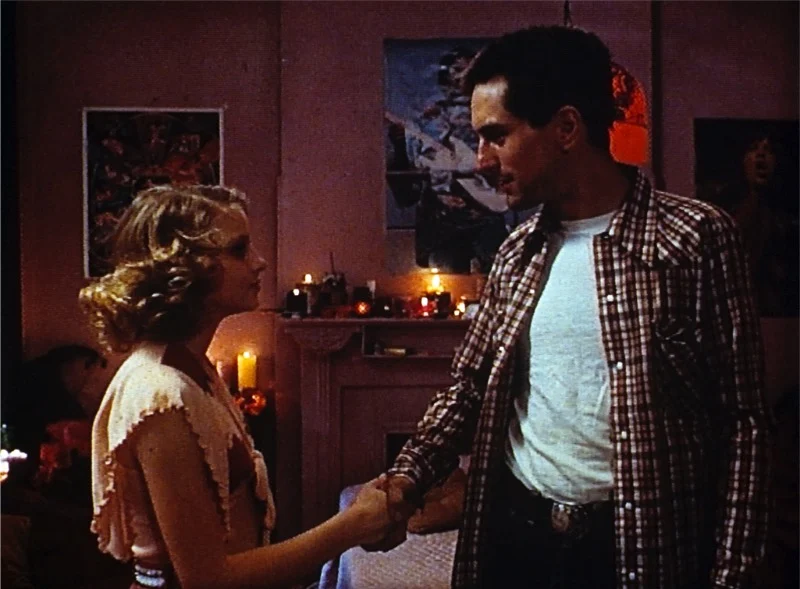
Iris lives under control that mixes cash dependence with emotional pressure. Pimps use small kindnesses, threats, and isolation to keep minors tied to a room and a routine where running away feels riskier than staying.
Her breakfast scene shows a child who likes the attention and the novelty of a normal meal but cannot picture a practical next step. That push and pull mirrors how grooming and coercion work, which explains why a single conversation is not enough to secure a permanent exit.
Zero Sense: Recovery looks too quick and clean
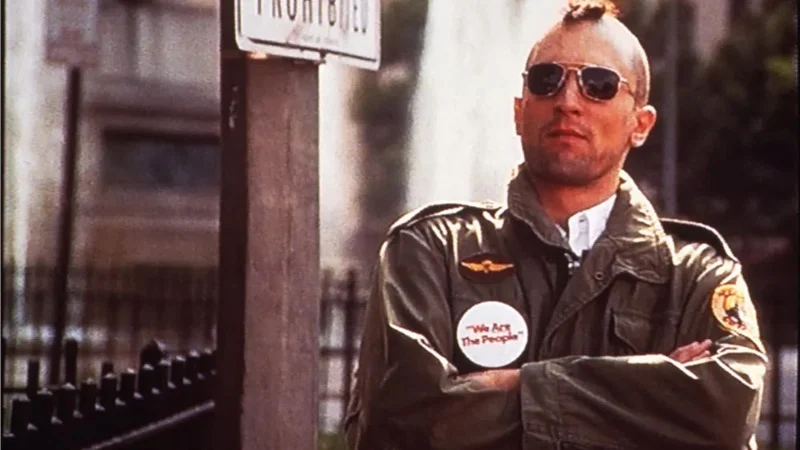
Travis takes bullets to the arm and neck and bleeds out on the floor before police arrive. The next time we see him driving, he navigates traffic smoothly and moves his head and shoulder without visible limits.
Gunshot trauma to the neck can involve nerve damage, infection risk, and extended rehab. Even if surgeries succeed, a return to a commercial driving routine would normally involve medical checks and time off. The film cuts from the crime scene to a working cab with no bridge for those steps.
Perfect Sense: The sleeve rig and gun buys are plausible
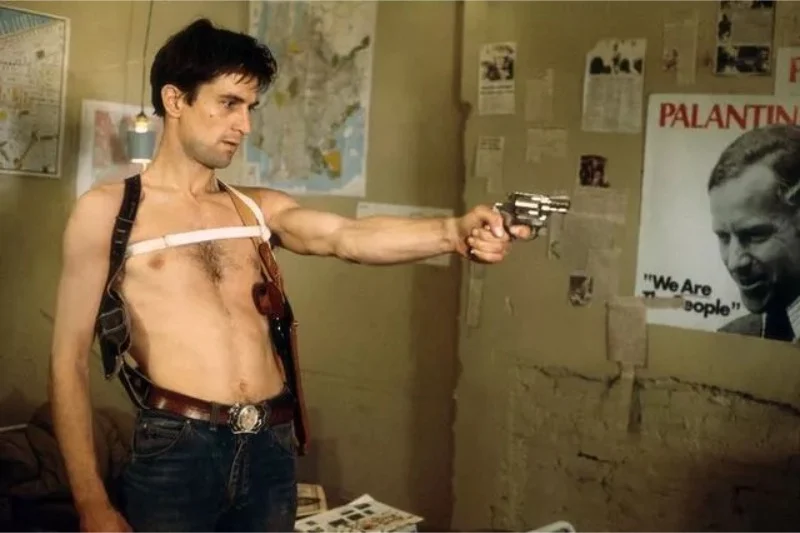
The sliding forearm holster works like real world contraptions that use a spring or gravity to drop a small pistol into the hand. The boxy frame shown on screen tracks with tinkered metal and plywood builds that an untrained but persistent buyer could copy from a sample.
The seller’s trunk inventory and kitchen table demo match off the books transactions that avoid permits entirely. A driver who carries cash and spends little can afford a few low end pistols and spare ammo, which makes the scene’s shopping spree believable within an underground market.
Share your own picks for what did not add up and what fit the world of ‘Taxi Driver’ in the comments.