5 Things About ‘Shutter Island’ That Made Zero Sense and 5 Things About It That Made Perfect Sense

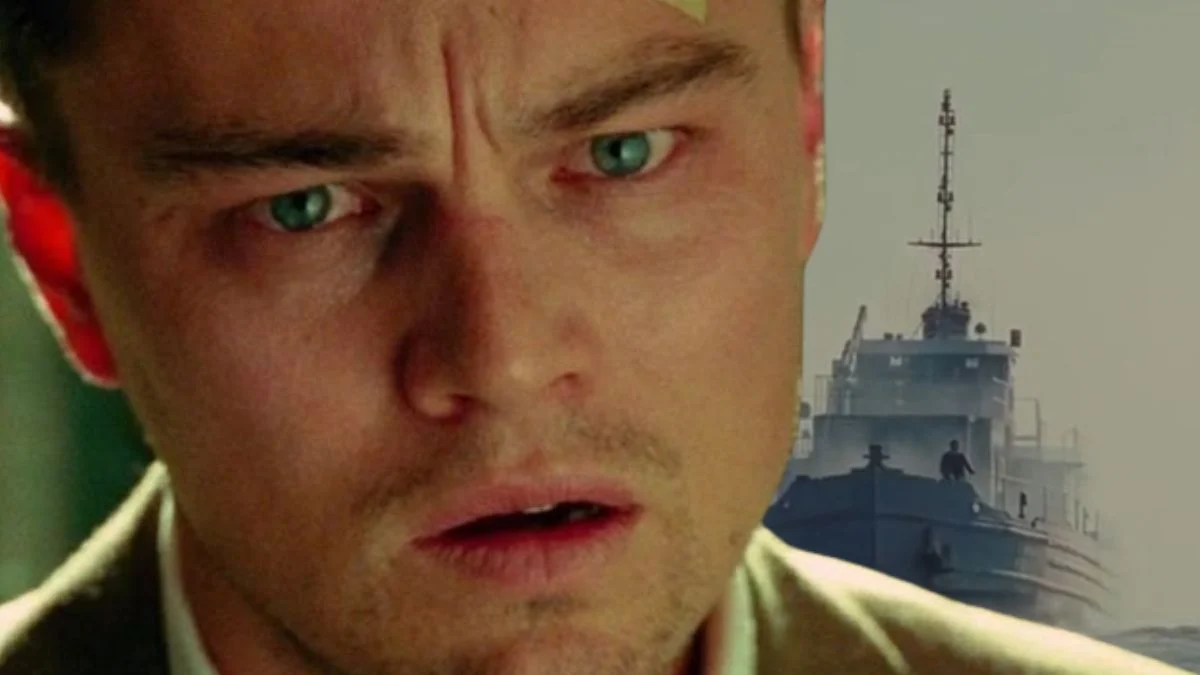

‘Shutter Island’ builds its mystery around a role playing treatment inside a locked psychiatric hospital, which means the story constantly blurs what feels procedural with what serves therapy. That mix can leave certain scenes looking irregular when compared with real world law enforcement or medical standards, while other details line up closely with mid century practice and clinical knowledge. The film is set on an isolated island facility in Boston Harbor and follows a supposed U.S. Marshal who is actually a patient, so every choice the staff makes moves between safety protocol and a controlled clinical experiment.
Looking at the setting through those two lenses helps separate pieces that break from typical operations from choices that match the era’s psychiatry. Below are five elements that do not track well with common procedures and five that fit the medical, legal, or historical context of the time. Spoilers follow for anyone who has not seen ‘Shutter Island’.
Zero Sense: The ferry arrival and weapon handoff

Law enforcement arrivals at secure hospitals normally include a documented transfer of authority, an escort plan, and an immediate inventory of weapons with signatures and logs. The quick surrender of a sidearm without visible paperwork or a standard check conflicts with common handling practices designed to prevent accidental or unauthorized use on medical grounds. The absence of visible chain of custody steps would be uncommon even during the period.
Visitor access to a secure perimeter typically includes metal detection or pat down, verification of credentials, and staging in a controlled entry space. The scene shows a brief introduction and rapid movement into the compound, which compresses steps that facilities use to reduce risk during first contact with staff and patients.
Perfect Sense: A large scale therapeutic role play in a closed ward
By the mid twentieth century some hospitals used elements of psychodrama and milieu therapy where patients enacted scenarios under clinician supervision. The goal was to surface traumatic memories, test reality, and evaluate harm risk before invasive procedures were approved. A facility with full control of the environment could coordinate staff responses, patient schedules, and room access to run a time boxed intervention.
The film’s staged interviews, planted files, and supervised movements reflect how a coordinated unit could run a contained exercise. In that period clinicians were weighing talk based approaches and new drugs against irreversible surgery, so a final comprehensive assessment that simulates a patient’s narrative would align with a hospital trying to avoid a permanent outcome.
Zero Sense: Freedom of movement around Ward C and the lighthouse
Maximum security psychiatric units use layered controls that include locked sally ports, timed rounds, key control logs, and escort policies for all non staff personnel. Unescorted exploration inside a high risk block conflicts with common practice because it introduces unpredictable patient contact and blind spots for staff.
Critical infrastructure such as a lighthouse or power building would be behind keyed or coded access and tracked on a duty log. The portrayal of minimal access control and sporadic supervision at those structures does not match how facilities protect equipment that supports alarms, radios, and lighting for the entire campus.
Perfect Sense: Storm related failures in power and communications
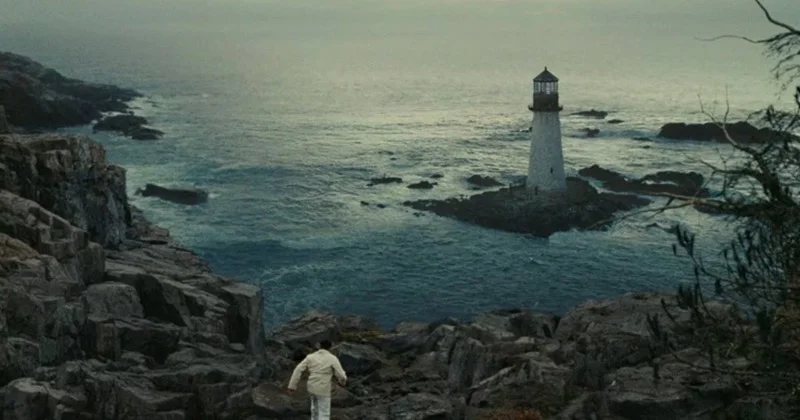
An island facility is vulnerable to severe weather that interrupts ferry service, damages overhead lines, and blocks radio signals with salt spray and heavy rain. Hospitals of the era relied on generators that could handle essential loads but not full campus operations, so partial blackouts and temporary darkness in non clinical corridors would be expected during extended storms.
Paper charts and wired phones remain usable when radio sets and external lines fail, which explains why staff continue working internally while outside contact drops. The story’s reliance on handwritten files and face to face coordination fits how a hospital would function during a multi day weather event without reliable external support.
Zero Sense: The hidden cave meeting with a fugitive patient
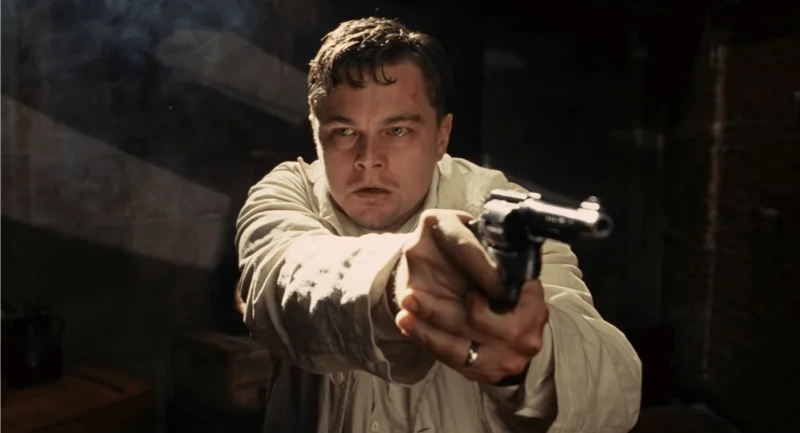
A small island under search with teams on foot and shorelines under observation offers limited hiding options for an untrained person without supplies. Sustaining a hidden campsite inside a sea cave would be difficult because of tidal shifts, wet conditions, and the visibility of smoke or footprints during systematic sweeps.
Search procedures usually divide terrain into grids with assigned teams, timed check ins, and re sweeps of high risk zones such as cliffs and coves. The chance of a long undetected stay in an exposed cave decreases with each pass, which makes the encounter unlikely inside a tightly controlled perimeter.
Perfect Sense: Water as a specific trauma trigger
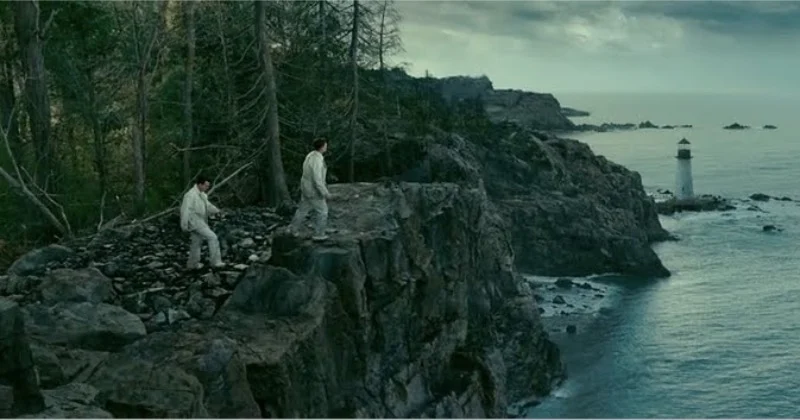
The central patient’s history involves the drowning of his children, and exposure to water can serve as a potent cue that reactivates traumatic memory networks. Clinical observations show that sensory reminders such as sound, temperature, and texture can precipitate flashbacks, dissociation, or panic in people with trauma related disorders.
The film’s repeated use of rain, dripping rooms, and surging surf provides consistent stimuli that would aggravate symptoms. Staff who are running an exposure based assessment might allow contact with controlled water cues to monitor tolerance, dissociation, and the patient’s ability to reality test in the presence of a known trigger.
Zero Sense: Elaborate anagrams and a coded note inside clinical records
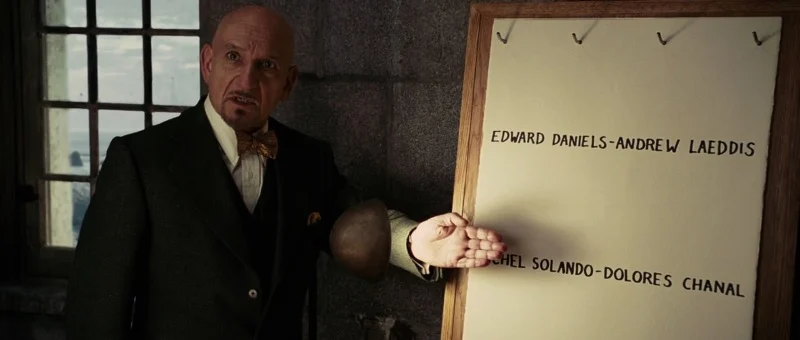
Clinical documentation is written to be clear for treatment teams and legal review. Anagrams and puzzles inside formal files would undermine record integrity and create risk if interpreted incorrectly by different staff. Patients are not typically handed cryptic notes by design during interviews because that can escalate agitation and confusion.
When psychiatric teams test cognition they use structured tools and direct questioning rather than hidden codes layered into charts. Using complex word games as operational clues for a visitor would not reflect standard practice inside a hospital that must preserve accurate records for courts and oversight.
Perfect Sense: Headaches, tremors, and vivid dreams consistent with medication changes
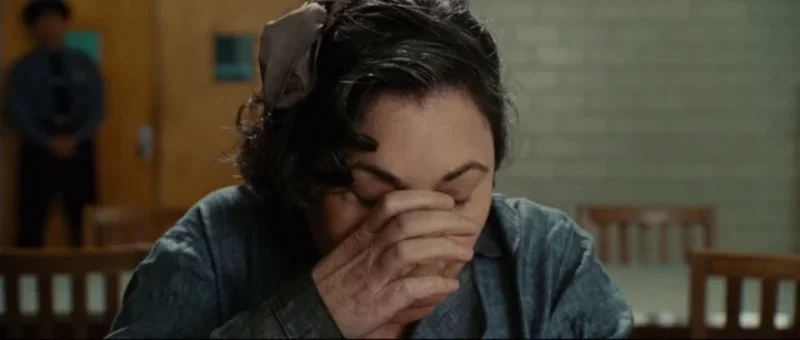
Hospitals often adjust antipsychotics, sedatives, or mood stabilizers under supervision to evaluate baseline symptoms and side effects. Changes in dosage or temporary holds can lead to headaches, sleep disruption, tremor, and intensified dream recall, which are monitored through nursing checks and physician reviews.
If a team plans a short window to test reality without heavy sedation, they would document vitals and mental status while allowing certain discomforts that remain within safety limits. The cluster of physical and sleep effects portrayed is consistent with a deliberate taper or switch done to observe the patient’s unfiltered presentation.
Zero Sense: Staff communication that withholds basic identifiers and plans

In clinical settings professionals introduce themselves with name and role, state the purpose of contact, and give safety briefings that include routes, restricted spaces, and escalation steps. Withholding routine information raises risk and conflicts with informed participation standards for anyone on site, including visiting personnel.
Even during specialized interventions staff keep contemporaneous notes, run huddles, and brief security about movements through high risk areas. Cryptic exchanges that leave participants unsure of rules would not meet common expectations for a secure hospital that must balance therapy with safety.
Perfect Sense: Lobotomy as a last resort after failed interventions

Hospitals in that era still performed lobotomies when a patient was judged persistently dangerous or severely impaired after trials of therapy and medication. Decisions passed through physician review and administrative approval, and consent could involve guardians or institutional authority when patients were found incompetent.
A comprehensive role play that fails to restore sustained reality testing would be logged as an exhausted option. At that point a hospital might proceed to surgery under prevailing standards, especially if the patient cycles back into violent delusions and presents an ongoing risk to self or others despite non surgical care.
Share your take in the comments and tell us which parts of ‘Shutter Island’ you think made zero sense and which parts made perfect sense.