10 Best Movies About Abraham Lincoln, Ranked


Abraham Lincoln’s life has inspired filmmakers for more than a century, from early sound pictures to contemporary historical dramas. These films look at his upbringing, his legal and political rise, the crucible of the Civil War, and the events surrounding his assassination. Together they show how different directors and writers have approached the same figure through courtroom stories, battlefield strategy, and the search for a nation’s moral compass.
This countdown focuses on movies that keep Lincoln at the center or examine the people and events most closely tied to him. You will find theatrical releases alongside notable television films that reached wide audiences. Each entry includes essential details about the story focus, creative team, source material where relevant, and the time period covered, so you can quickly pick the film that matches what you want to learn about Lincoln’s life and times.
‘Abraham Lincoln’ (1930)
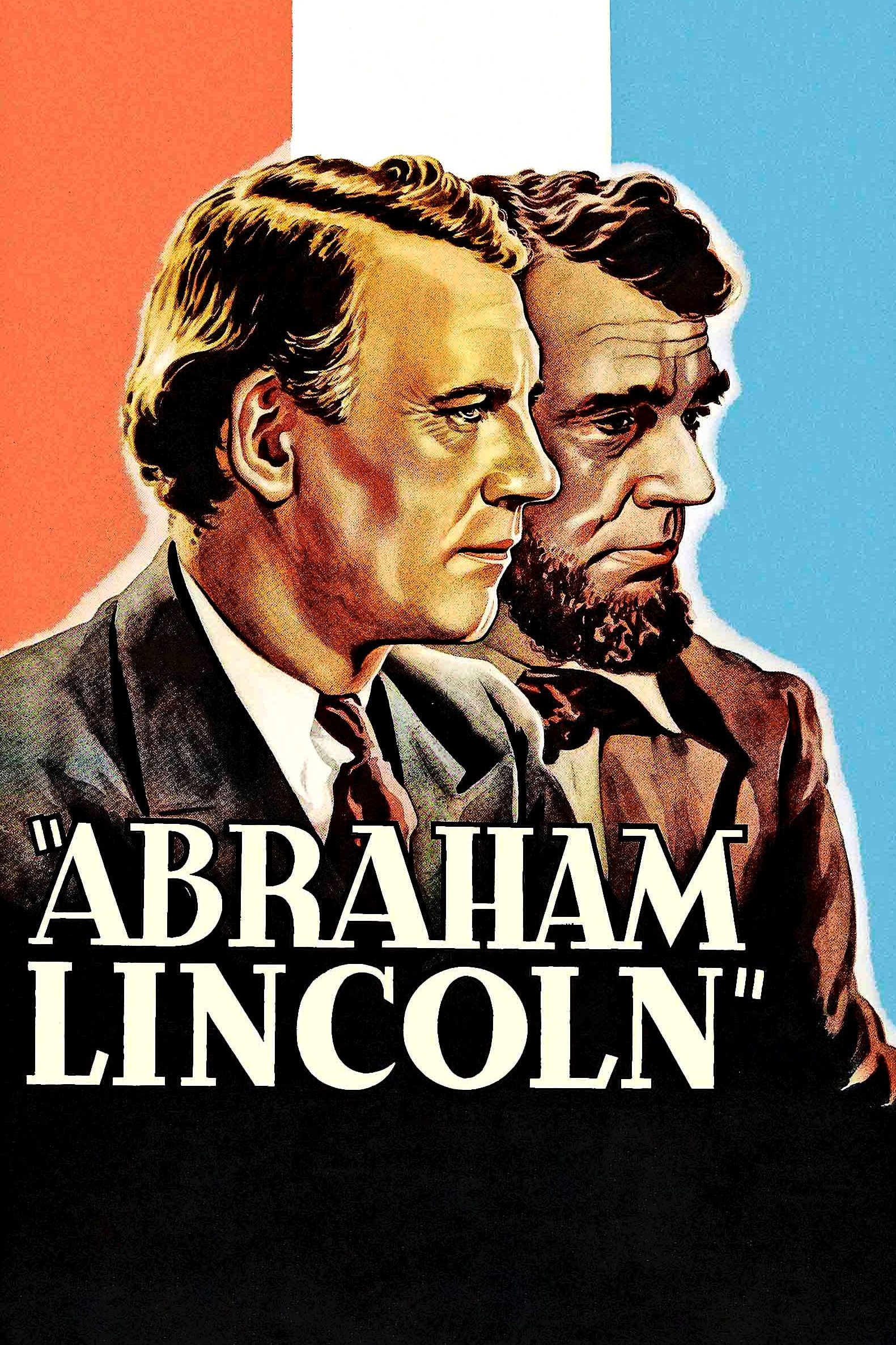
This early sound film from director D W Griffith covers Lincoln’s journey from the frontier to the White House. Walter Huston portrays Lincoln through key milestones that include his courtship of Mary Todd, the Lincoln Douglas debates, and the strain of the Civil War. The film moves steadily toward the night at Ford’s Theatre and presents the assassination as the tragic culmination of a turbulent presidency.
Produced at the dawn of talking pictures, the movie blends staged period recreations with historical pageantry typical of its era. It was released by United Artists and runs under two hours, making it a compact primer on the standard episodes of Lincoln’s biography that studios were already codifying by the early thirties.
‘Saving Lincoln’ (2013)

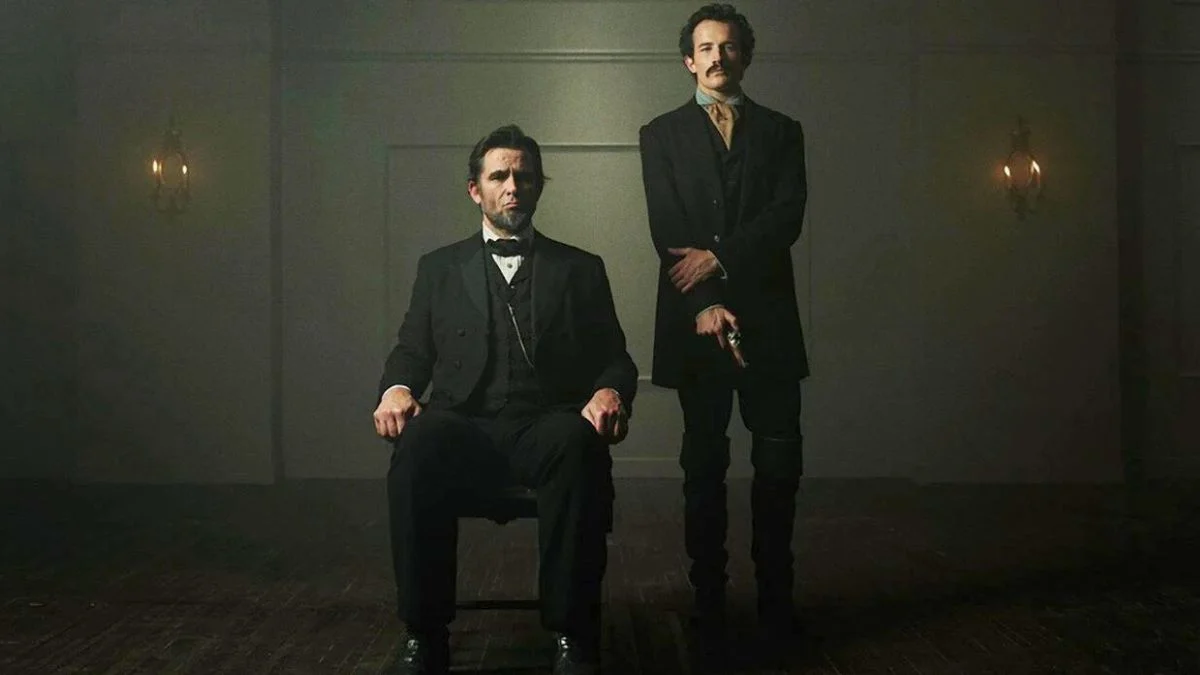
This independent production reframes the presidency through the eyes of Ward Hill Lamon, who served as Lincoln’s friend and self appointed bodyguard. The film follows Lamon from the campaign through wartime Washington as he tries to shield the president from constant danger while juggling his own family life and responsibilities. The story draws on Lamon’s memoirs and contemporary accounts to place the friendship at the center of the narrative.
The movie is notable for a visual technique that composites actors into backgrounds built from period photographs. This approach aims to surround the characters with authentic Civil War imagery while keeping the focus on day to day security threats around the president. The production keeps its settings economical while covering major episodes across Lincoln’s terms.
‘The Better Angels’ (2014)
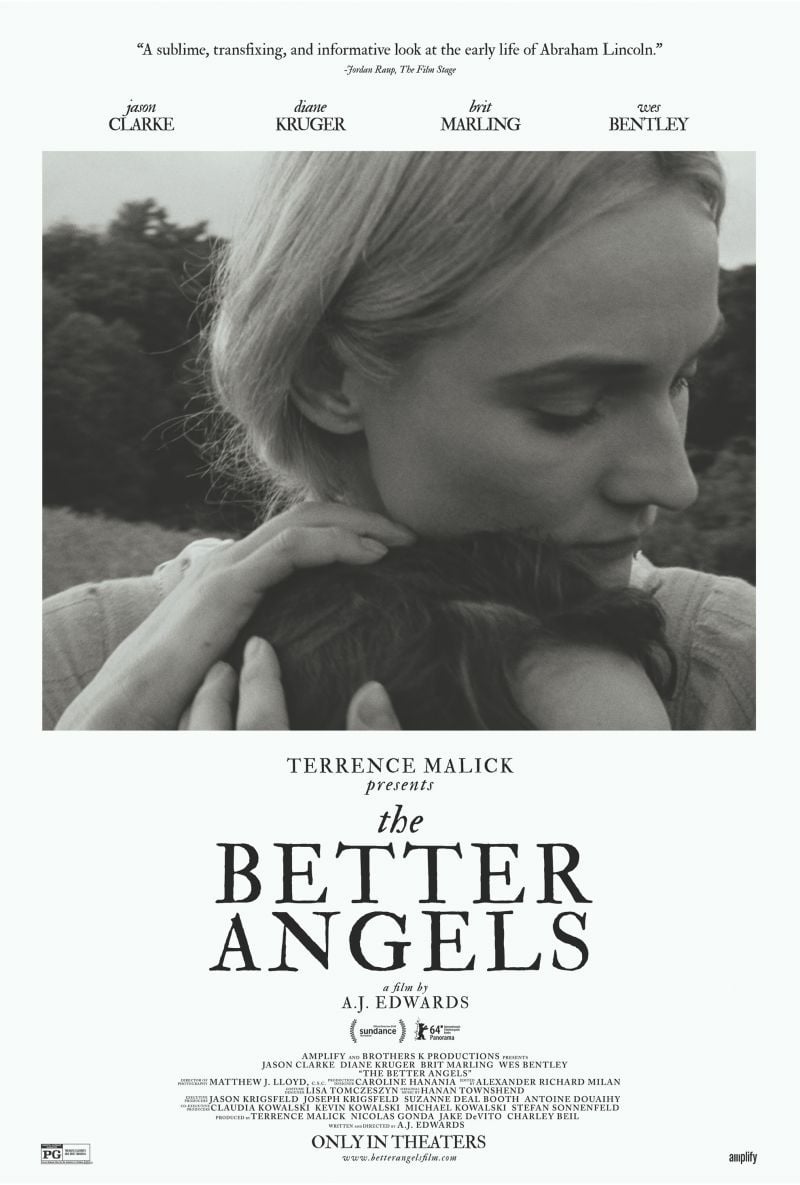
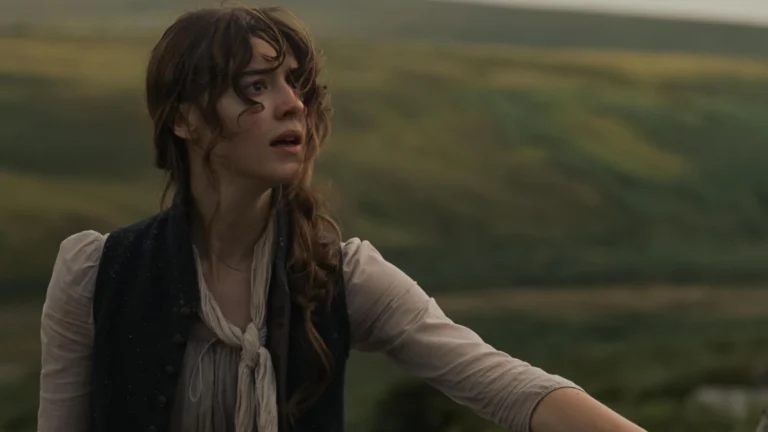
This black and white drama explores Lincoln’s childhood years in the Indiana backwoods during the late 1810s. The story observes his relationships with his birth mother Nancy Hanks Lincoln and his stepmother Sarah Bush Johnston while showing the hardships that shaped his character through farm work, study by firelight, and community ties. The film places particular emphasis on family losses and how they influenced his empathy and self discipline.
Directed by A J Edwards and produced by Terrence Malick, the movie uses quiet scenes, natural settings, and minimal dialogue to portray formative experiences rather than public achievements. Its source materials include reminiscences from relatives such as Dennis Hanks alongside frontier histories that document the Lincolns’ move from Kentucky to Indiana and the rhythms of rural life in that period.
‘Abraham Lincoln: Vampire Hunter’ (2012)
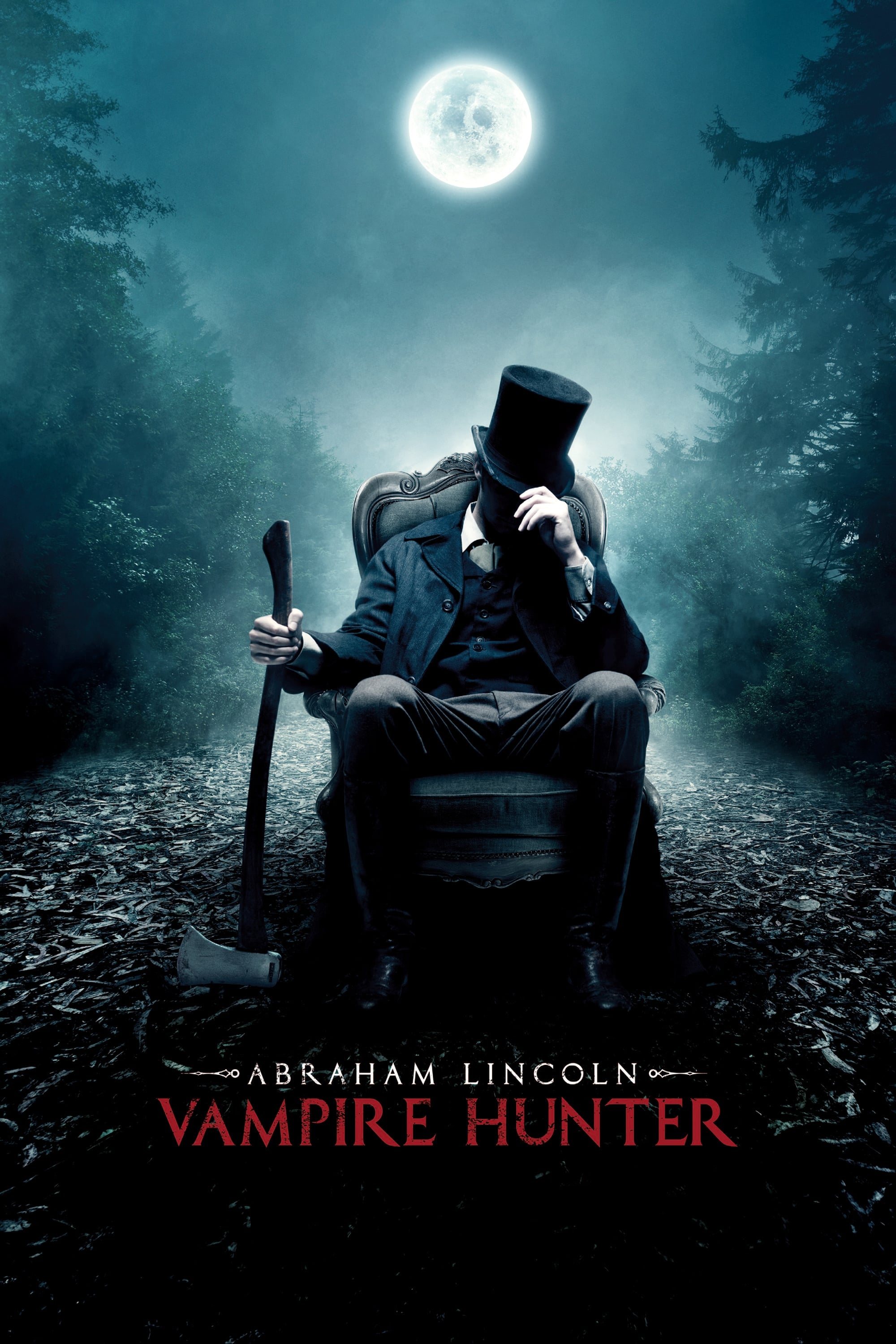
Adapted from Seth Grahame Smith’s novel, this action fantasy imagines Lincoln as a secret slayer of supernatural foes while he pursues a public career. The plot tracks him from his youth through national leadership as he fights undead enemies tied to the spread of slavery. Key historical touchpoints remain in place such as his legal training, his marriage, and the Civil War timeline, but they are blended with stylized combat and genre set pieces.
The film was directed by Timur Bekmambetov and produced with Tim Burton among its partners. It was released in 3D in major markets and features large scale visual effects that rework familiar moments like battles and the railroad as action platforms. Viewers curious about playful alternate history will find recognizable names and dates repurposed for a pulp narrative while the production design leans on mid nineteenth century costuming and architecture.
‘The Conspirator’ (2010)
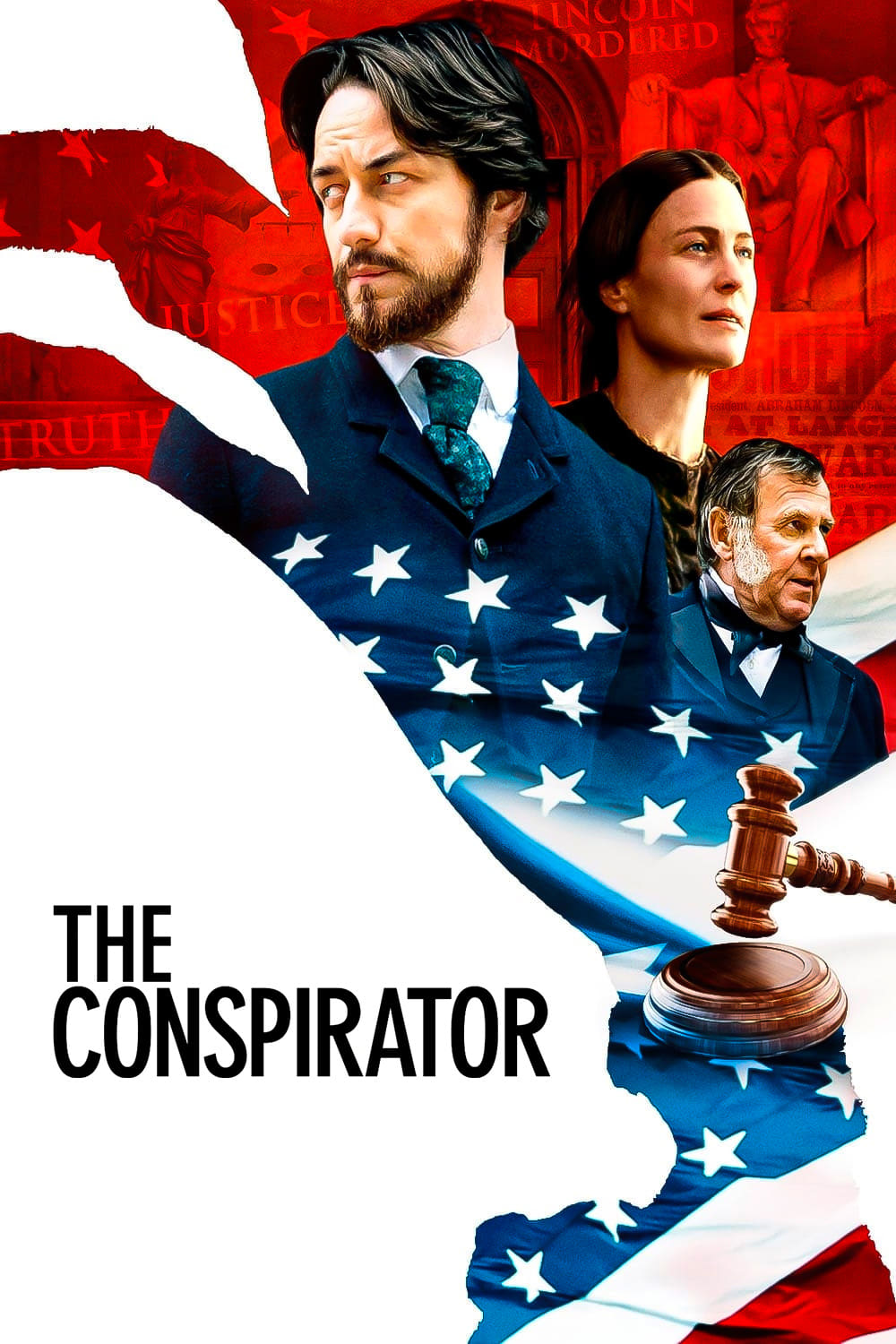
Director Robert Redford focuses on the courtroom aftermath of Lincoln’s assassination through the trial of Mary Surratt. The film follows Union veteran and attorney Frederick Aiken as he defends Surratt against charges that connect her boardinghouse to John Wilkes Booth and his co conspirators. Government officials including Secretary of War Edwin Stanton press for swift justice while the defense argues due process under extraordinary national grief.
The production was mounted by the American Film Company with extensive location work in Savannah to stand in for Washington. Period legal procedure and military tribunal protocols are central to the narrative, and transcripts from the historical record inform the interrogations and testimony. The film serves as an entry point into the legal and political repercussions that unfolded in the weeks after April 14.
‘Abe Lincoln in Illinois’ (1940)
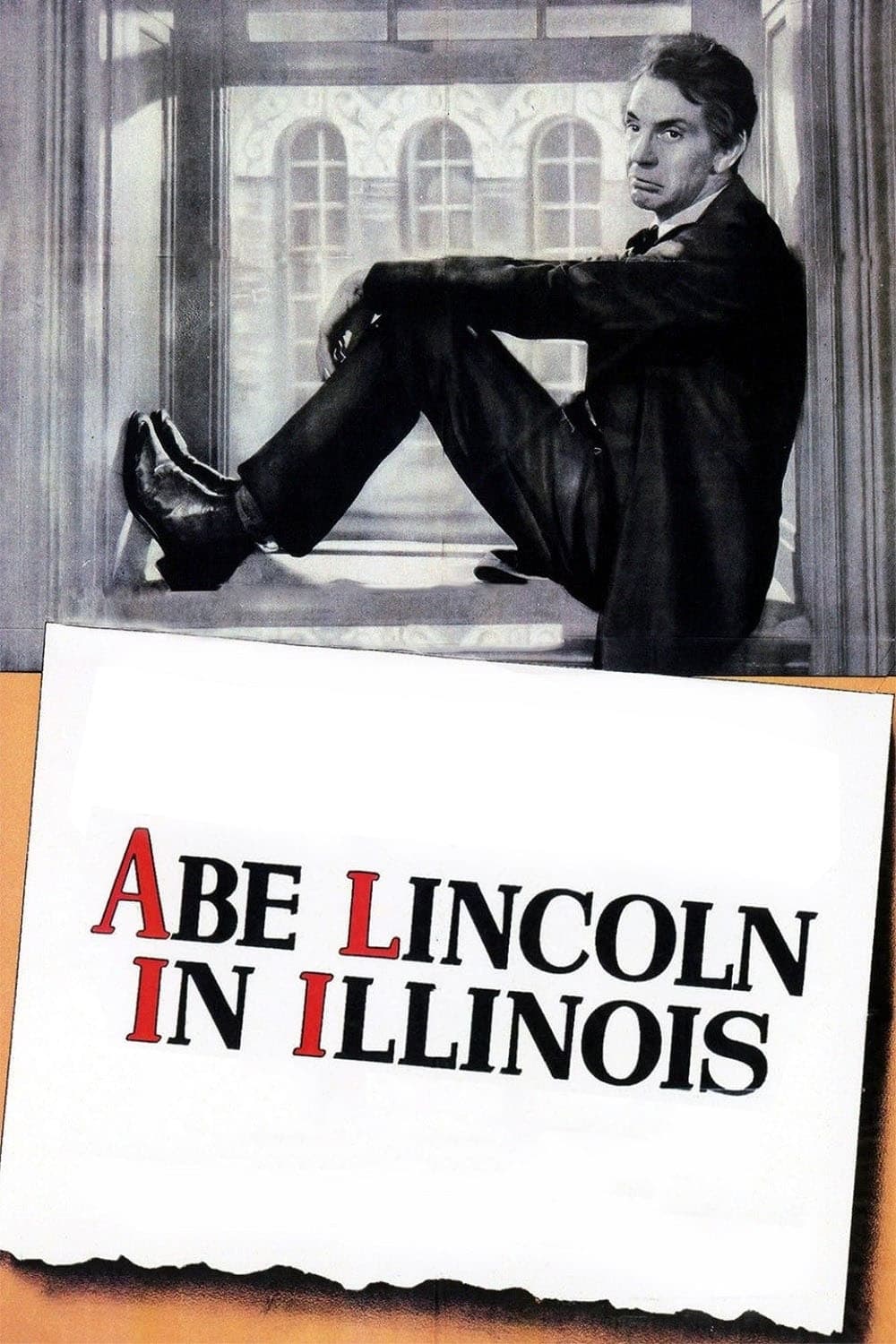
Based on Robert E Sherwood’s Pulitzer Prize winning play, this film traces Lincoln’s growth from New Salem to Springfield and on to his departure for Washington. Raymond Massey portrays Lincoln across his early romances, his law practice, and the debates that brought him to national prominence. The script concentrates on his evolving views on slavery and union as he navigates Illinois politics and rising sectional tensions.
Directed by John Cromwell for RKO, the movie preserves the structure of its stage origins while opening up key scenes such as the river and courthouse settings. It culminates with the farewell address at the Springfield train station and frames the presidency as the next chapter rather than the focus. Costumes, dialect coaching, and props reflect the material culture of the 1830s and 1840s Midwest.
‘The Day Lincoln Was Shot’ (1998)

This television film reconstructs the twenty four hours surrounding the assassination. The narrative switches between Ford’s Theatre preparations, the White House schedule, and John Wilkes Booth’s planning as the clock advances toward the evening performance. Scenes after the shooting follow efforts to save Lincoln and the chaotic response across the city while authorities mobilize to secure the capital.
Adapted from Jim Bishop’s book, the production uses time stamps and intercutting to maintain a precise chronology. It recreates the Petersen House vigil and the manhunt’s first steps while depicting the roles of doctors, guards, and cabinet officials. Broadcast on cable in the late nineties, it served as an accessible overview for audiences interested in a detailed timeline of the event.
‘Killing Lincoln’ (2013)
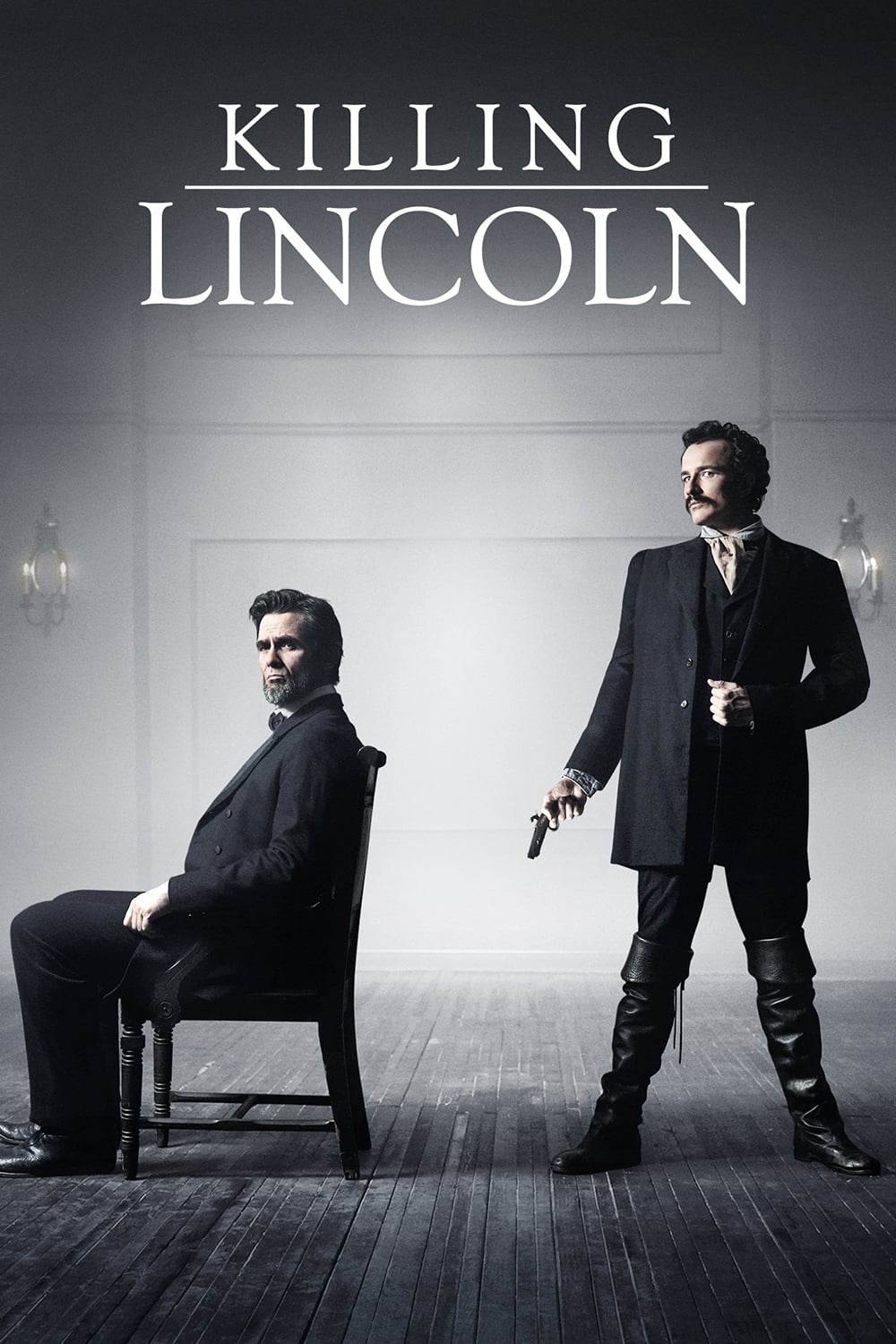
This docudrama adapts the nonfiction bestseller by Bill O’Reilly and Martin Dugard to chart the conspiracy and the assassination. The film covers Lincoln’s second inaugural, the surrender at Appomattox, and Booth’s shifting plans, then follows the escape route through southern Maryland and Virginia. It also emphasizes the investigative work that closed in on Booth and his allies in the days after the shooting.
Produced by Scott Free for National Geographic, the project combines dramatized scenes with narration to guide viewers through dates, locations, and principals. Costume and set work recreates spaces like Ford’s Theatre and the War Department telegraph office, while maps and inserts clarify movements across the region. The approach is designed for clarity around names and routes rather than speculative interpretation.
‘Lincoln’ (2012)
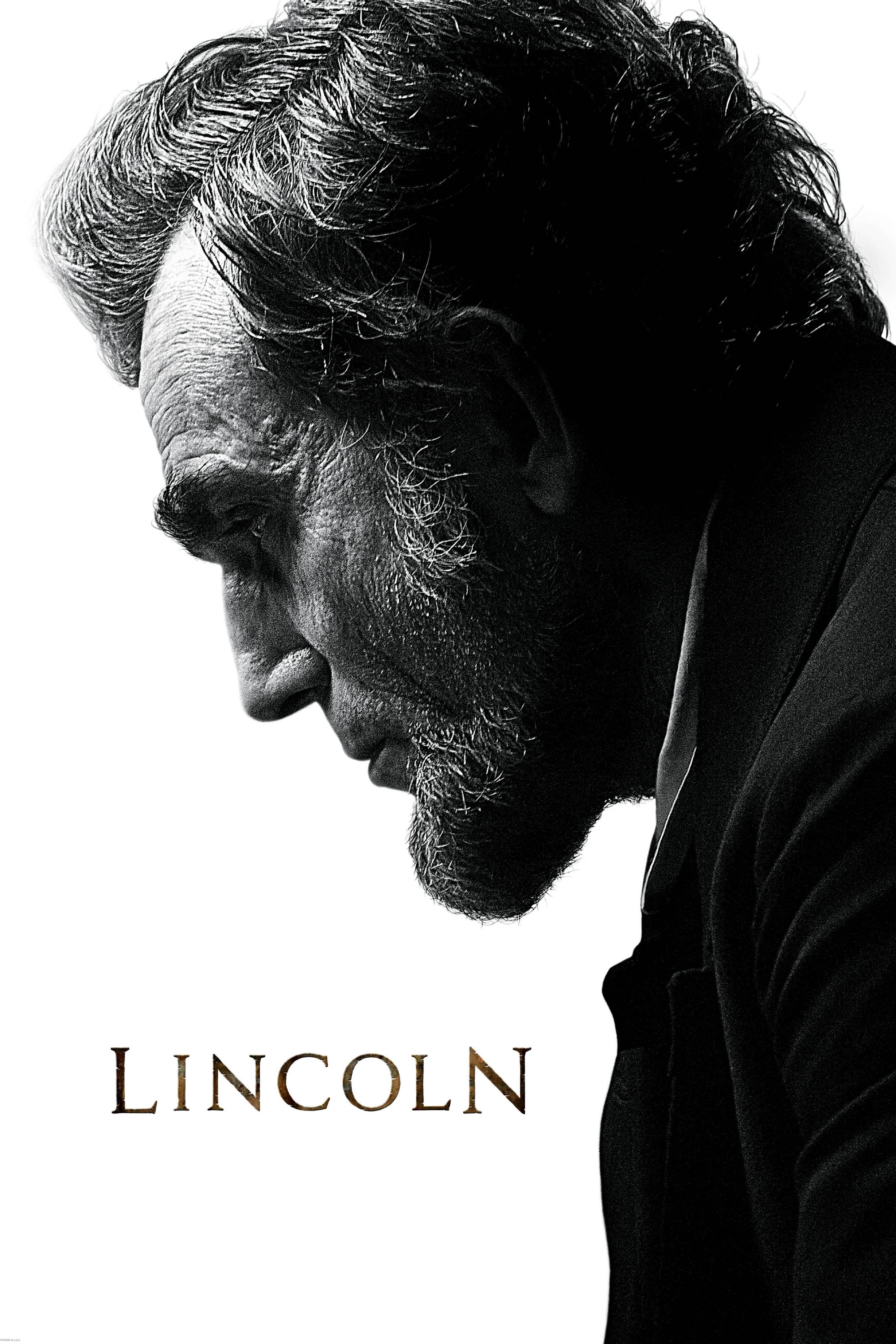
Directed by Steven Spielberg and written by Tony Kushner, this historical drama centers on the final months of Lincoln’s life with a focus on the passage of the Thirteenth Amendment. Daniel Day Lewis portrays the president as he balances legislative strategy with wartime leadership and family pressures. The film tracks floor debates, vote counting, and negotiations with both friendly and hostile factions as the amendment moves through the House.
The screenplay draws primarily from Doris Kearns Goodwin’s research in the book Team of Rivals while condensing events to concentrate on one legislative objective. Production teams recreated interiors like the White House, the Capitol, and military offices using period furnishings and documents. The movie received multiple Academy Award nominations and won for Best Actor and Production Design, reflecting its emphasis on detailed performance and material authenticity.
‘Young Mr. Lincoln’ (1939)
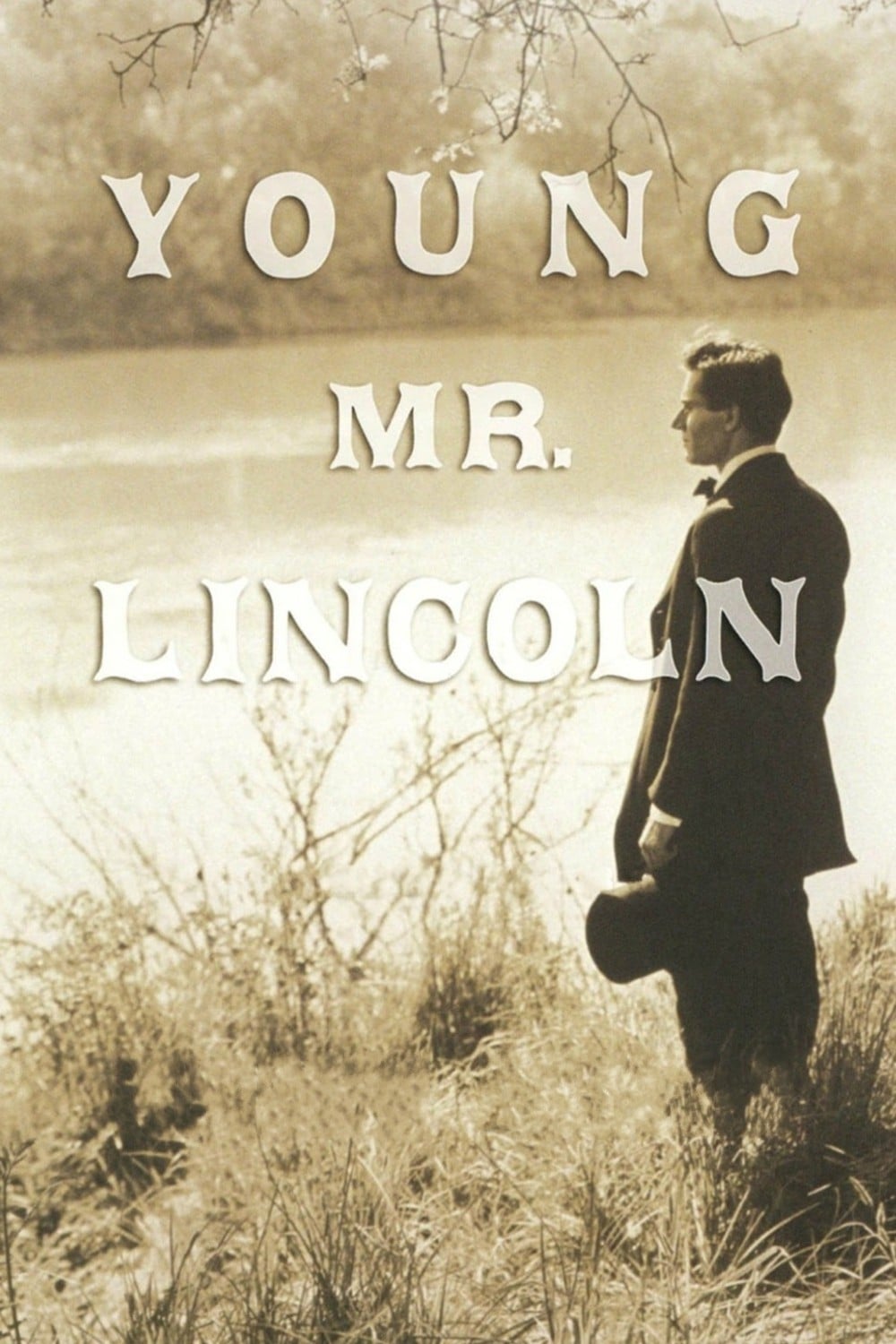
John Ford’s film follows Lincoln’s early legal career in Illinois with Henry Fonda in the lead role. The plot centers on a murder case in which a mob threatens the accused and Lincoln works to ensure a fair trial. Through hearings and a climactic courtroom sequence, the movie shows how his skills in evidence, rhetoric, and mediation established a reputation that would carry into politics.
Shot on locations and studio sets that evoke frontier towns and river landscapes, the film lays out a compact slice of biography rather than a cradle to grave account. It was produced for Twentieth Century Fox and is frequently cited in film histories for the way it pairs an episodic story with a strong sense of place and procedure. The focus on legal method gives viewers a close look at how Lincoln solved problems long before the presidency.
Share your favorite Lincoln film moments in the comments and tell us which titles you think belong on this list.