5 Things About ‘No Country For Old Men’ That Made Zero Sense and 5 Things About It That Made Perfect Sense

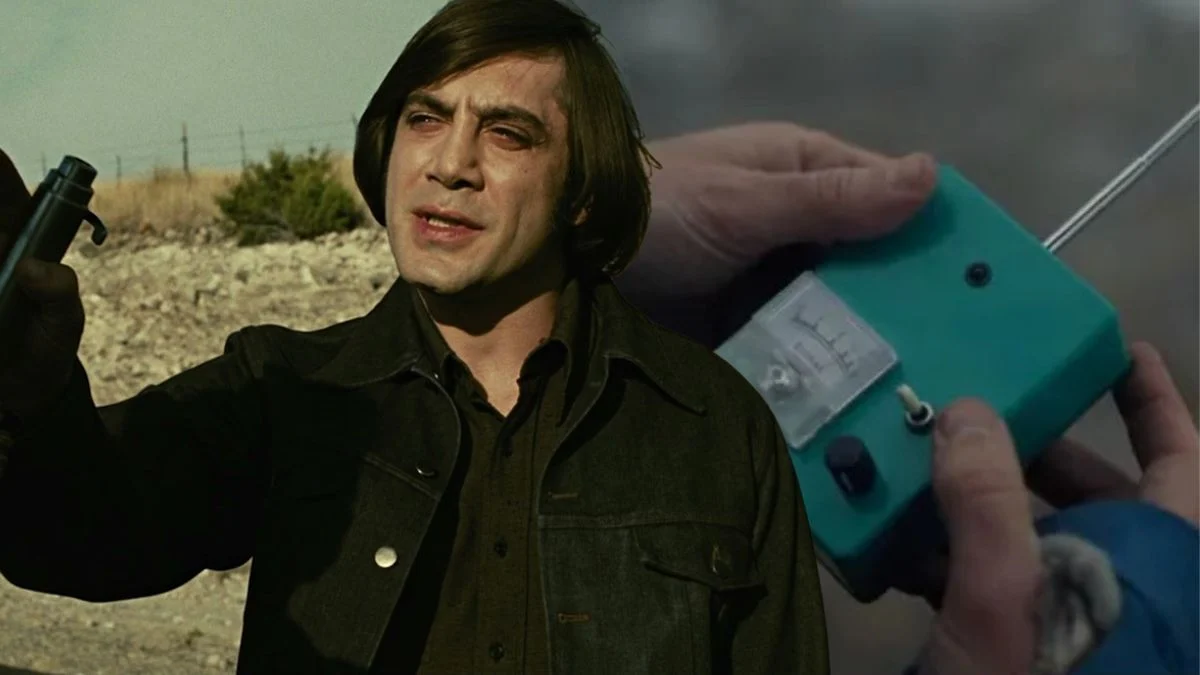

The world of ‘No Country for Old Men’ is both precise and puzzling. The story follows a hunter who finds a drug deal gone wrong, a hired killer who stalks him, and a sheriff who tries to understand the violence that follows. The film uses quiet scenes, careful sound design, and spare dialogue to create tension that never lets up.
That restraint leaves room for details that raise questions right next to details that fit together with airtight logic. Some moments seem to defy practical reasoning, while others operate with clear rules that hold from start to finish. Here are five things that feel baffling at first glance and five that work with cold clarity.
Zero Sense: Moss finds the money but misses the hidden tracker
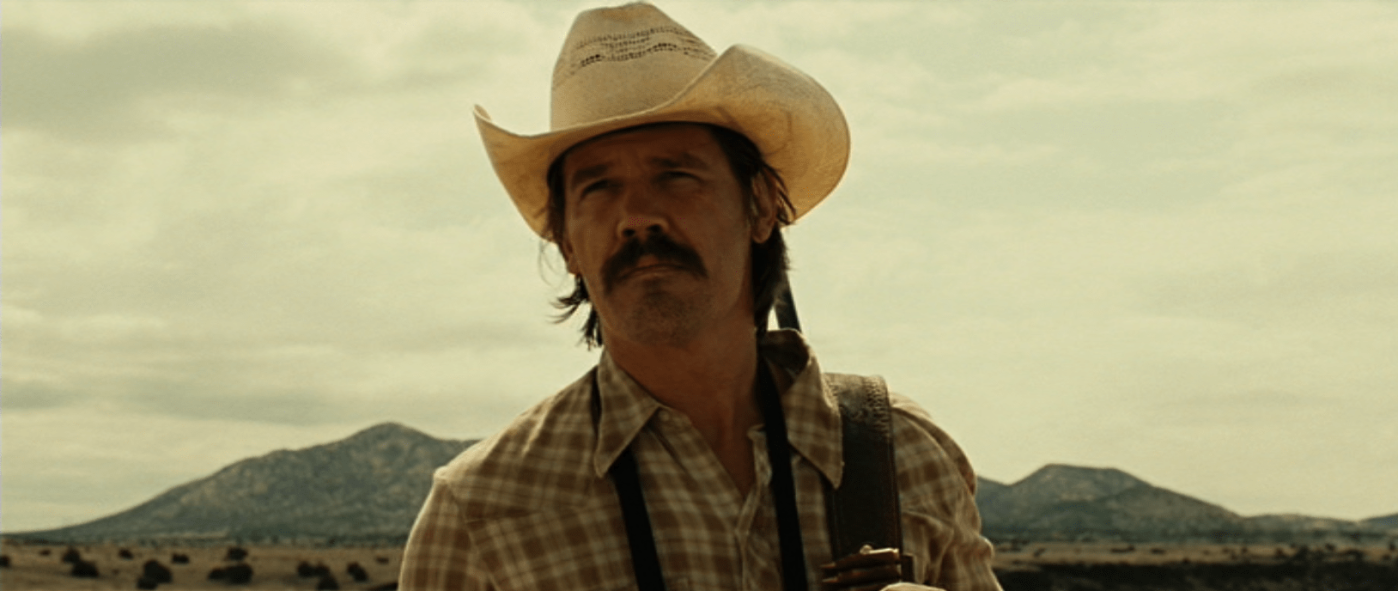
Llewelyn Moss locates the satchel in the desert and checks the cash more than once, yet he does not discover the electronic transmitter tucked inside the lining. The film shows him opening the case in private spaces and organizing supplies, which suggests he had the time to inspect it closely. Even so, the device goes unnoticed until the motel scene where an audible receiver reveals his location.
The result is a chase that accelerates faster than his precautions can handle. His effort to move the money through air vents and change rooms does not matter because the transmitter keeps broadcasting. The gap between his survival skills and his failure to find the device creates a practical inconsistency that drives the plot forward.
Perfect Sense: The transponder and receiver create a believable pursuit
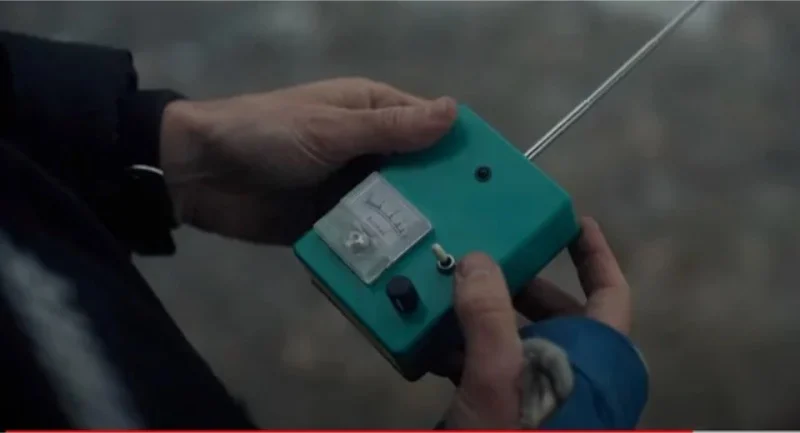
The money contains a compact radio transmitter and Anton Chigurh carries a handheld receiver that measures signal strength. The film repeatedly shows him scanning a room, following beeps, and narrowing distance as the meter climbs. This setup explains how he pinpoints specific doors and even zeroes in on a vent where the cash has been stashed.
Because the transmitter rides with the cash at all times, every relocation attempt simply moves the target rather than removing it. The technology does not need precise coordinates to be effective since a short range homing method is enough in motels and apartments. The chase therefore follows a clear tool and response pattern that holds across scenes.
Zero Sense: Carson Wells appears with insider knowledge that feels too convenient

Carson Wells enters with a full briefing on Chigurh and surprising awareness of Moss and the money. He intercepts Moss in a hospital and later finds him again with minimal setup on how he tracks across towns and borders. The speed and specificity of his movements arrive with little shown groundwork.
This creates a leap where the audience is asked to accept that he can reach the same places as Chigurh without comparable tools on screen. His sudden access to hotels and his confident timelines raise logistical questions. The film gives him authority through dialogue rather than a visible network, which makes his precision land as an unexplained convenience.
Perfect Sense: Competing contractors explain overlapping trails
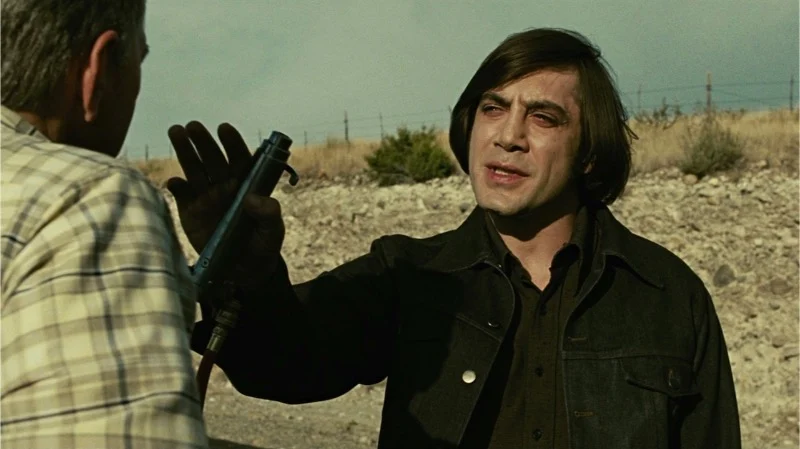
The men who bankroll the deal hire multiple specialists at different points, which places Wells and Chigurh on parallel tasks. Wells presents himself as a professional with contacts, reconnaissance habits, and long familiarity with Chigurh. His calm in public spaces and smooth entries suggest advance calls, paid information, and the use of routine surveillance that does not need to be shown step by step.
Because the same backers have ties to garages, offices, and fixers, it is consistent that Wells can follow paperwork and voices that point toward Moss. The overlap between him and Chigurh reflects a fractured response by the people who lost the money. Their overlapping lines of effort make sense inside an operation that tries more than one solution at once.
Zero Sense: Sheriff Bell’s motel entry leaves the killer’s presence unclear
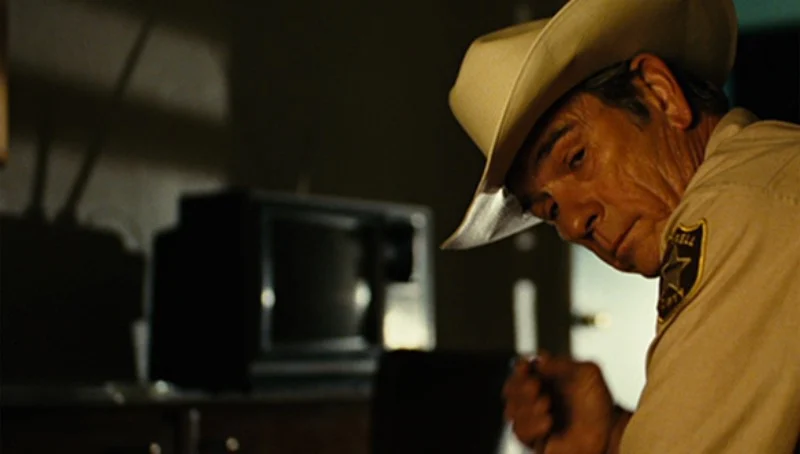
Sheriff Ed Tom Bell enters the Eagle Pass motel where Moss is found dead and notices the blown lock cylinder and the removed vent cover. A glass of milk sits on a table and condensation suggests a recent presence. The camera language hints that someone could be in the room, which makes his cautious sweep feel like it should result in a discovery.
No discovery follows and the scene cuts away without confirming whether Chigurh is inside. The sequence invites the viewer to weigh tiny clues without closure. The way it is staged raises a question the film does not answer in that moment, which makes the logic of the search feel unresolved.
Perfect Sense: The ambiguity reinforces Bell’s distance from the violence
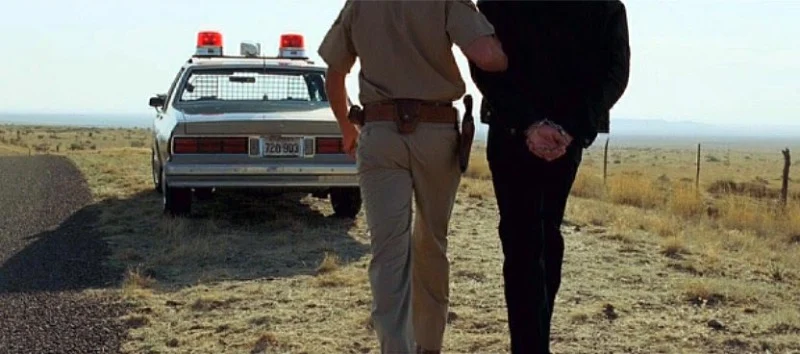
The film consistently positions Bell a step behind events and shows him arriving after bloodshed rather than during it. His motel inspection fits that pattern since he examines traces and contemplates what he missed. The camera holds on his face and on small details, then moves on, which matches a narrative that tracks his growing sense of being out of time with the men he pursues.
By refusing a direct encounter, the scene keeps the sheriff’s role as a reflective observer intact. He catalogs evidence, recognizes methods like the blown cylinder, and then recedes from the center of action. That choice is consistent with every earlier scene where he deals with aftermath rather than arrests.
Zero Sense: Moss dies off screen with only aftermath shown
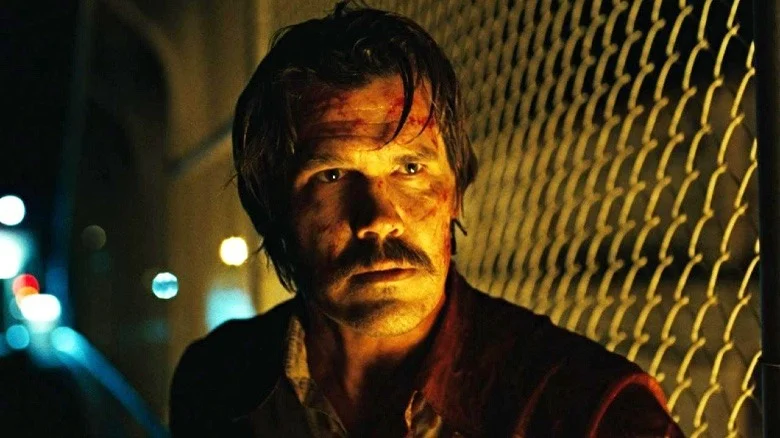
The story builds around Moss as he evades multiple hunters, yet his death is not staged in front of the audience. The camera arrives at a motel after a gunfight and shows law officers and bystanders already gathered. Viewers learn what happened from the layout of bodies and from dialogue rather than from a filmed confrontation.
This absence can feel abrupt inside an otherwise meticulous chase. The film withholds the tactical details of the final shootout with the men who catch up to him. The narrative skips the expected face to face resolution and hands the audience the result as a completed event.
Perfect Sense: The point of view shifts to Bell and to the costs of the job
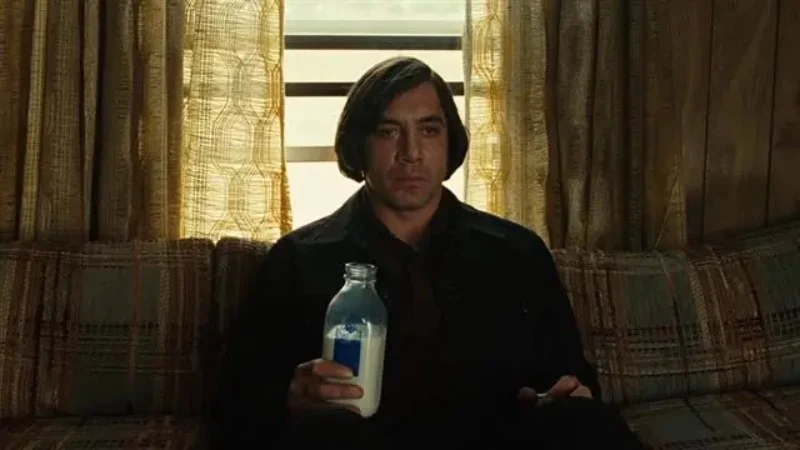
From the start, Bell frames the story with his voice and concerns, so the late focus on aftermath maintains his vantage point. The camera sees what he sees and learns news as he does. The choice to skip the shootout keeps the plot aligned with the man who is always late to a crime scene and thinking about what it means for his life and his community.
This structure places emphasis on consequences rather than spectacle. It highlights the weight of loss on Carla Jean and the weariness that pushes Bell toward retirement. The film uses the omission to preserve a perspective that favors reflection over action.
Zero Sense: Chigurh’s final car crash arrives without setup
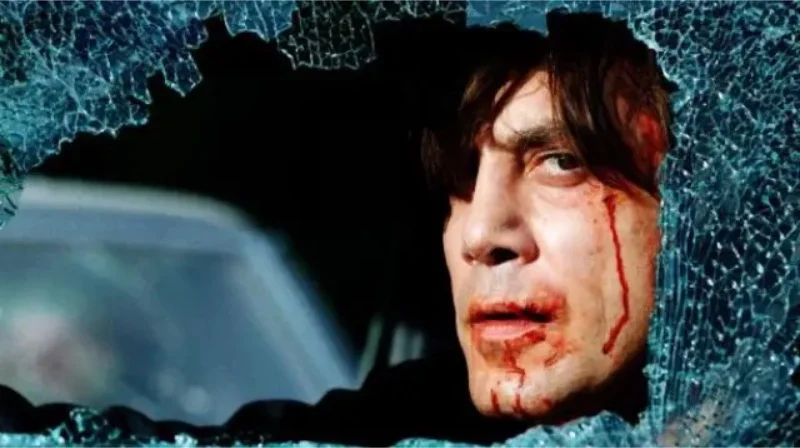
After visiting Carla Jean, Chigurh drives through a residential street and is struck at an intersection by another car. The impact shatters his bone and forces him to improvise a sling with a borrowed shirt from a teenager. The crash interrupts his controlled escapes and happens with no direct tie to the case.
The sudden accident introduces a major injury in a matter of seconds. It breaks the pattern of precision that has defined his movements. The event can feel unrelated to the puzzle of the money and the pursuit and therefore reads as a shock that escapes the plot’s internal planning.
Perfect Sense: Chance governs the world as much as skill or will
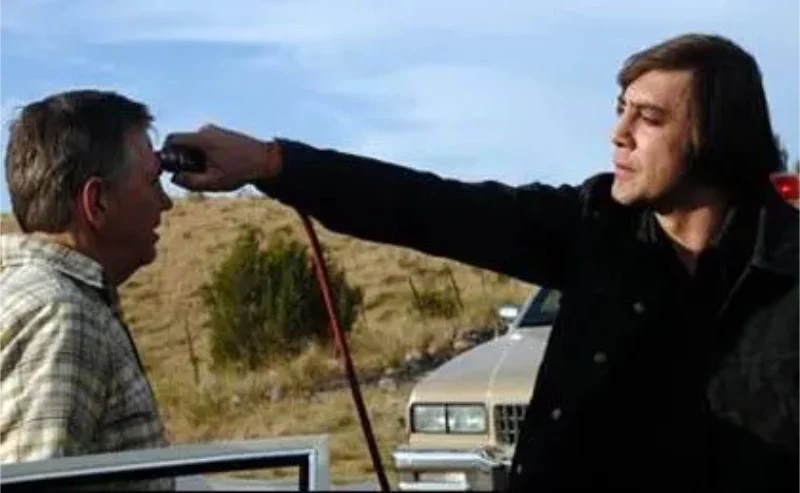
Random outcomes appear throughout the film in coin tosses at counters, stray decisions in the desert, and missed turns at night. The crash fits a world where fate arrives through ordinary intersections as easily as through planned violence. Chigurh responds to the accident by paying the boy for his shirt and instructing both kids to walk away, which shows a rigid personal code even when events slip outside his control.
The scene also closes his arc without police capture while still breaking his aura of invincibility. He is hurt by the same indifferent forces he has invoked at other doors. The narrative uses the crash to show that no one operates beyond risk in this landscape.
Share your own sense and nonsense moments from ‘No Country for Old Men’ in the comments and tell us which scenes stayed with you the most.