Cillian Murphy on the “Revolutionary” Film That Changed His Acting Forever

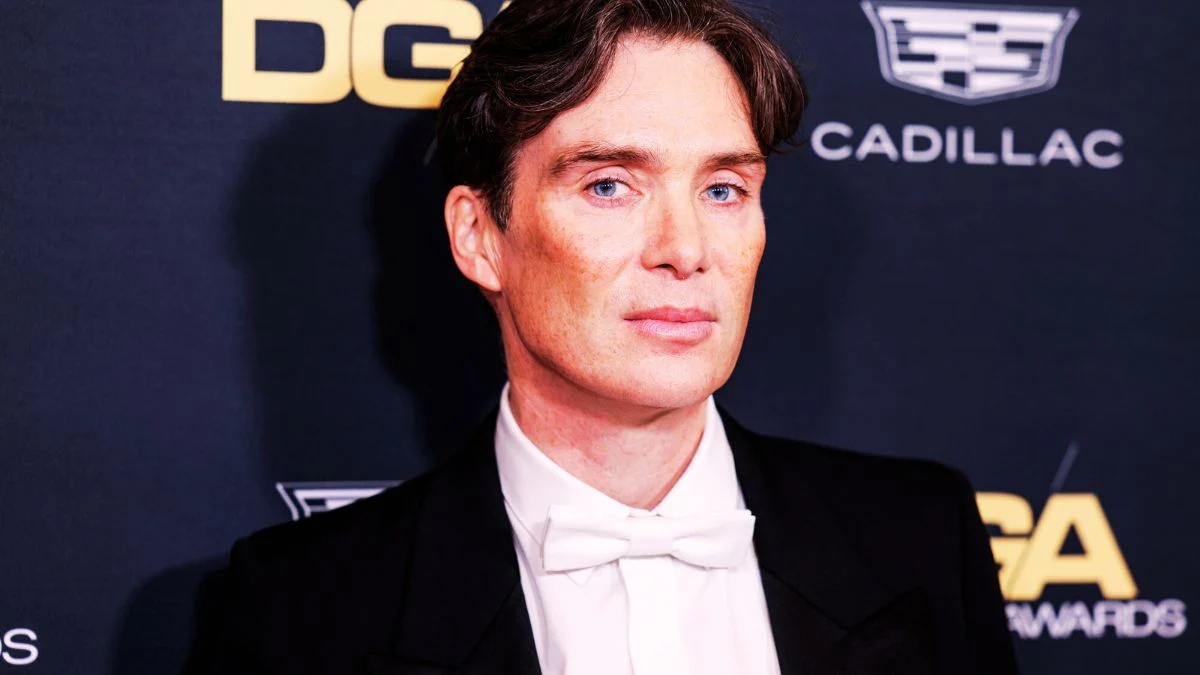

Cillian Murphy has often credited the film The Wind That Shakes the Barley as a turning point in his acting career.
The Irish actor returned to his home country to play Damien O’Donovan, a young man who joins the IRA alongside his brother. Directed by Ken Loach, one of Britain’s most respected social realist filmmakers, the movie received widespread praise, with Murphy’s performance standing out as a highlight.
Murphy reflected on the role in an interview with The Irish Times, saying the experience taught him a completely new approach to acting. “That was the massive epiphany moment for me, because of the nature of how Ken shoots,” he explained.
“We didn’t have a script, and because you didn’t know what was coming you couldn’t analyse it or prepare. You just had to let go, be available and be in the moment.”
Before working with Loach, Murphy admitted he had a habit of overthinking his performances and being too hard on himself.
“It was revolutionary for me, and I’ve applied that to all work that I’ve done since,” he said. “It was the most valuable lesson I’ve ever learned on a set.”
Ken Loach is known for creating films and television plays that shine a light on working-class life and social issues. Emerging in the 1960s with groundbreaking TV dramas like Cathy Come Home and Up the Junction, Loach has remained a major voice in British cinema.
His films, including Poor Cow and Kes, often explore the struggles of ordinary people and highlight failures of the government to support its citizens.
The Wind That Shakes the Barley was also a commercial success. It became the most popular independent Irish film ever released in Ireland, earning €377,000 in its opening weekend and reaching €2.7 million by August 2006.
Critics praised both Loach’s direction and Murphy’s performance. Rotten Tomatoes reported that 90% of 117 critics gave the film positive reviews, noting that “Bleak and uncompromising, but director Ken Loach brightens his film with gorgeous cinematography and tight pacing, and features a fine performance from Cillian Murphy.” Metacritic gave the film an average score of 82 out of 100 based on 30 reviews.
Reviews in major publications were equally positive. The Daily Telegraph described it as a “brave, gripping drama” and said Loach is “part of a noble and very English tradition of dissent.” The Times called it Loach at his “creative and inflammatory best” and gave it four out of five stars.
The Daily Record of Scotland also rated it four out of five, calling it “a dramatic, thought-provoking, gripping tale that, at the very least, encourages audiences to question what has been passed down in dusty history books.”
For Murphy, the film was more than just a role, it was a profound lesson in trusting the moment, letting go of control, and fully committing to his character. These reflections, shared with The Irish Times, mark the project as a key milestone in his career.
Have something to add? Let us know in the comments!