5 Things About ‘Gone With The Wind’ That Made Zero Sense and 5 Things About It That Made Perfect Sense

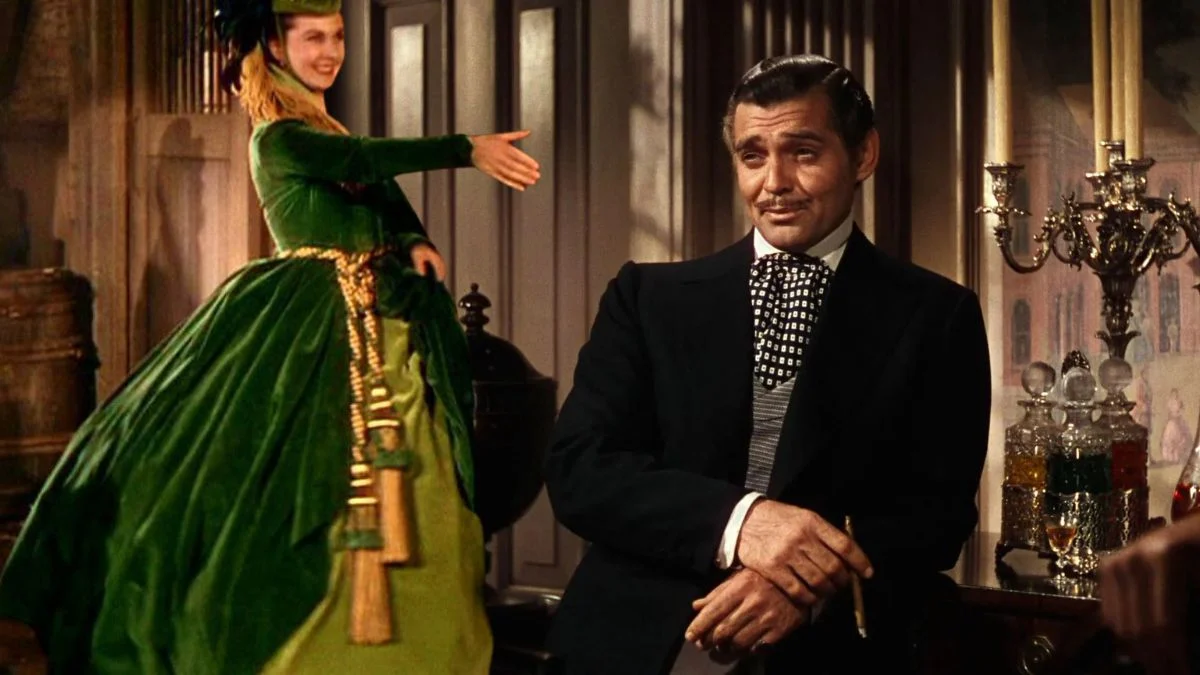

‘Gone With The Wind’ is an American epic set against the Civil War and Reconstruction that combined large scale production with a sweeping personal story. The film drew on real places and events and blended them with studio craft, which means some details track closely with the historical record while others do not.
This list looks at where the movie stretches plausibility and where it reflects period realities with surprising accuracy. Each entry gives concrete context from the era so you can see how the story fits or clashes with what people actually experienced.
Zero Sense: Holiday furlough from a Union prison
The film presents Ashley returning home on a brief Christmas visit after capture. By the middle years of the war, the prisoner exchange system had broken down and paroles for home trips were not granted as a routine matter. Union policy held most prisoners until formal exchange or release under oath, which limited movement.
Travel from a northern camp to Georgia would have required multiple permissions and escorted transport. Rail lines were under military control and civilian travel by Confederate prisoners was tightly restricted. A personal holiday trip from a camp to the Atlanta area does not match standard wartime practice.
Perfect Sense: Cotton collapse and postwar taxes at Tara
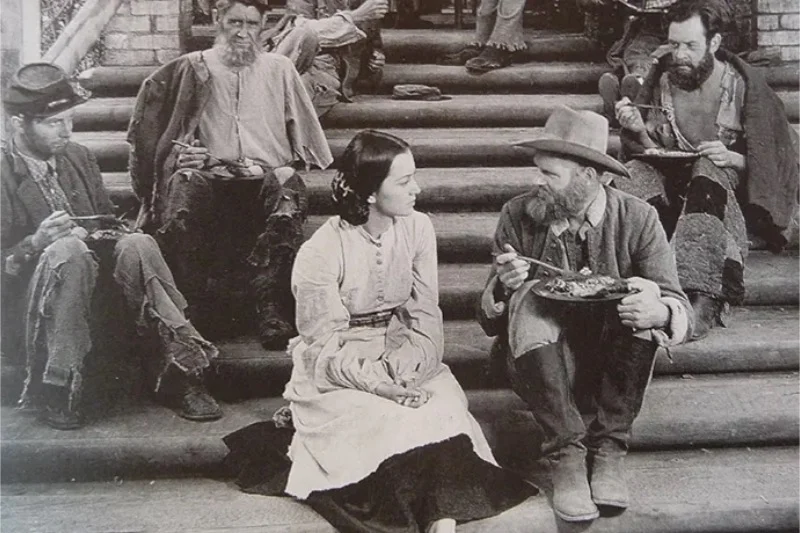
Tara faces heavy property taxes once the fighting ends and cash is scarce. Emancipation removed coerced labor and planters lost credit with factors and merchants. Local governments raised revenue through ad valorem taxes that had to be paid in United States currency, which was hard to secure in farm districts.
Scarlett seeks money through marriage to Frank Kennedy and through business decisions that bring in ready cash. Families in similar positions used marriages, mortgages, and crop liens to cover taxes and keep land. The movie reflects those survival tools that many households adopted during Reconstruction.
Zero Sense: Surgery without anesthesia in a major hospital
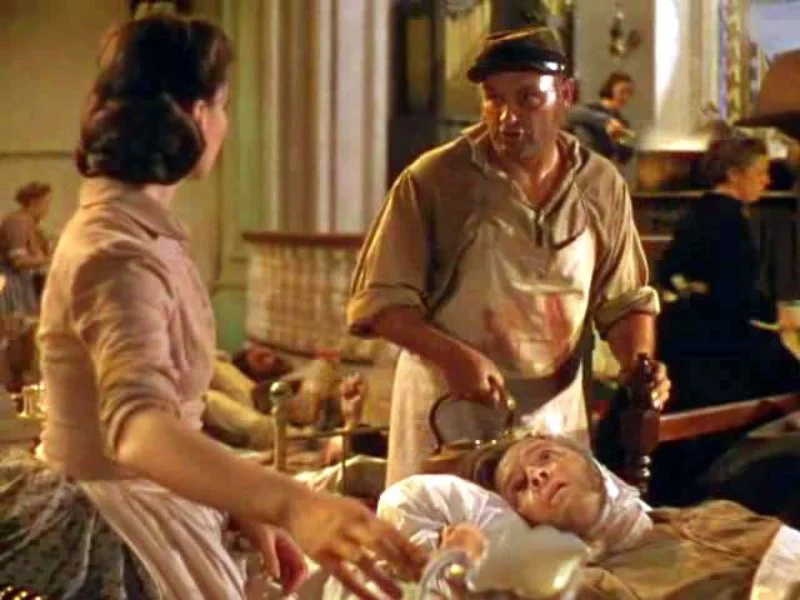
Hospital scenes show amputations performed with no anesthetic at all. Civil War surgeons on both sides widely used chloroform and ether when supplies were on hand. Medical handbooks of the time described measured dosing and careful airway management for procedures in field and general hospitals.
Shortages did occur in some Confederate depots late in the war, yet Atlanta hospitals received medical stores by rail while the city held. Completely unanesthetized major surgery in a large facility would have been the exception and not the norm, which makes the sequence feel out of step with typical practice.
Perfect Sense: The curtain dress and wartime textile reuse
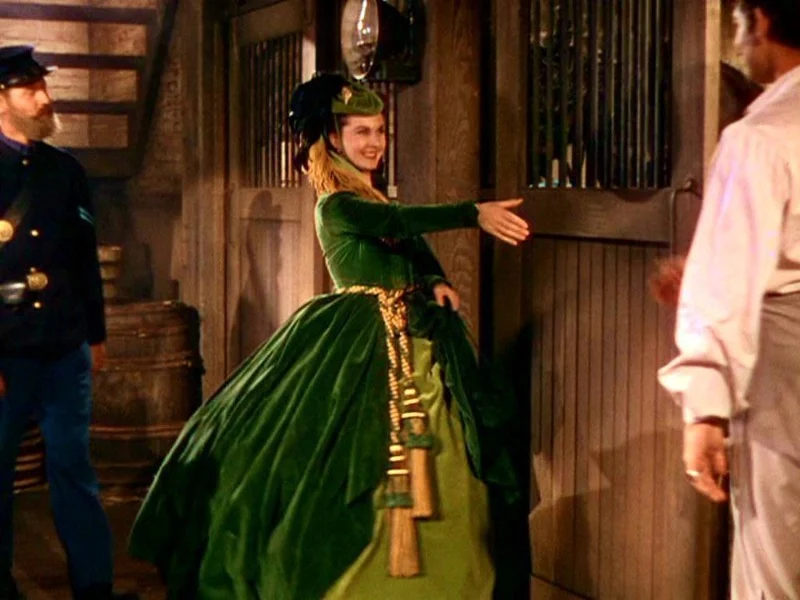
Scarlett turns parlor curtains into a dress to present a respectable appearance. Imported cloth, trimming, and dyes were blocked, so households repurposed textiles they already owned. Women cut up drapes, shawls, and worn gowns to produce garments that could pass muster at public events or official visits.
Domestic guides of the era taught readers to unpick seams, turn fabric, and recover bodices and skirts. The curtain dress shows a make do strategy that families used across cities and farms, which matches how people stretched limited resources when shops could not supply new goods.
Zero Sense: Endless new gowns during a severe blockade
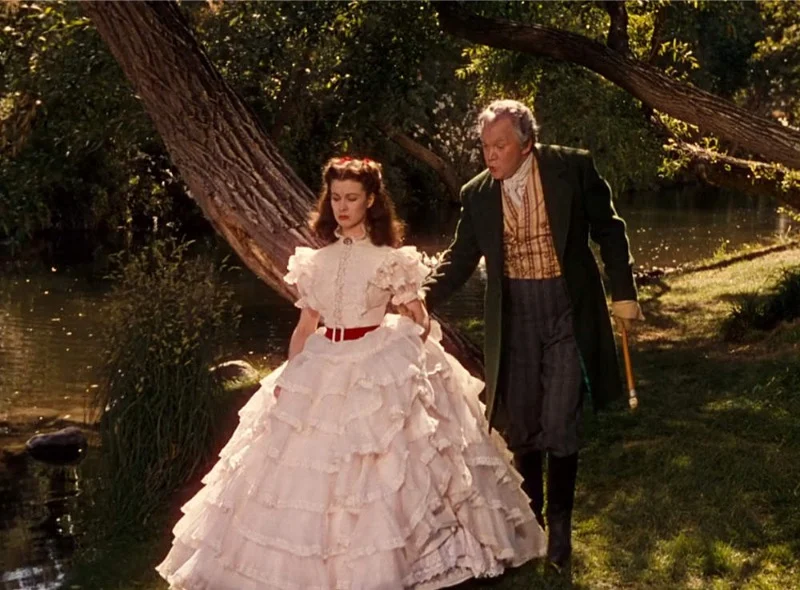
Wartime sequences feature frequent fresh formal outfits at public events. Confederate cities struggled to obtain finished cloth, lace, and notions because coastal trade was cut and many mills were lost. Shops could not stock enough high fashion fabric to support constant wardrobe changes.
Wealthy families did keep prewar wardrobes and could alter older pieces, but replacing entire ensembles with current styles required material that was not available. The steady stream of pristine new looks shown on screen does not align with documented shortages in Atlanta and other urban centers.
Perfect Sense: Blockade running profits and Rhett Butler
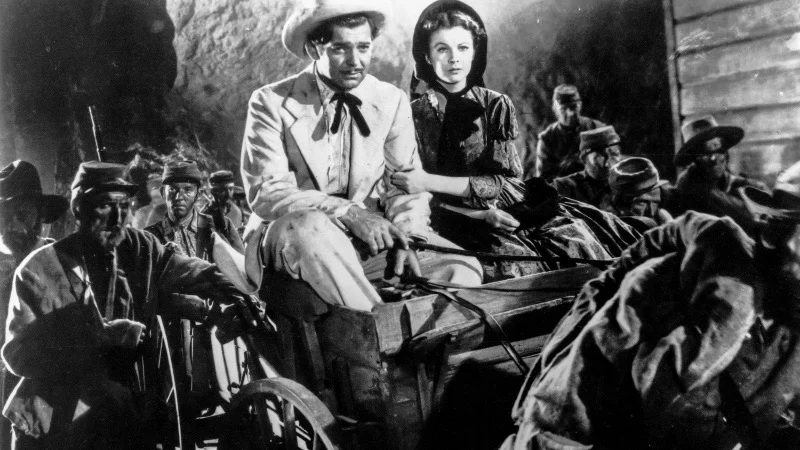
Rhett builds a fortune through blockade running and related trade. Fast steamers moved high value cargo between Southern ports and neutral hubs such as Nassau and Havana, and the return on a successful voyage could be very high. Cargoes included medicines, cloth, and arms that commanded premium prices in Southern markets.
Financiers and captains who prospered then diversified into land, warehouses, and factories as risks increased. The character’s wealth, connections, and shift into peacetime investments match known patterns of wartime traders who turned speculation into long term business.
Zero Sense: Tara’s tax bill payable only in gold
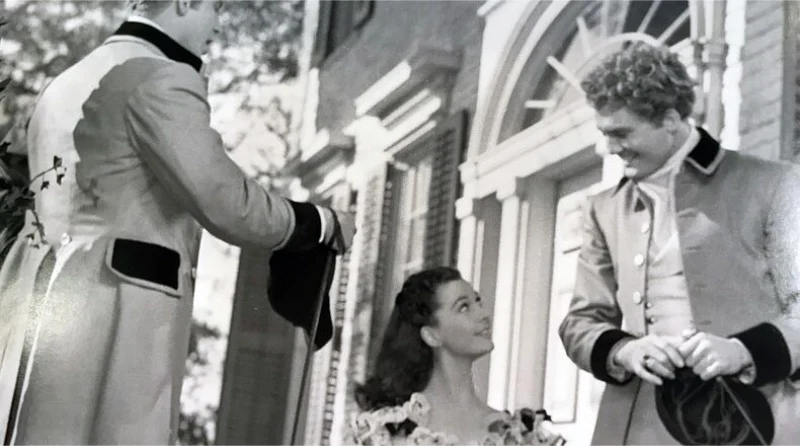
The story frames a property tax that must be paid specifically in gold to save Tara. Reconstruction authorities levied taxes to restart county and state services, and payments were generally accepted in United States currency that circulated widely. A strict gold only requirement was not standard procedure for rural tax offices.
Counties did auction properties for unpaid taxes, yet payment methods usually included greenbacks or bank drafts from reliable banks. The gold only condition raises the dramatic stakes more than it reflects routine tax collection in Georgia during that period.
Perfect Sense: Women running farms and mills after the war
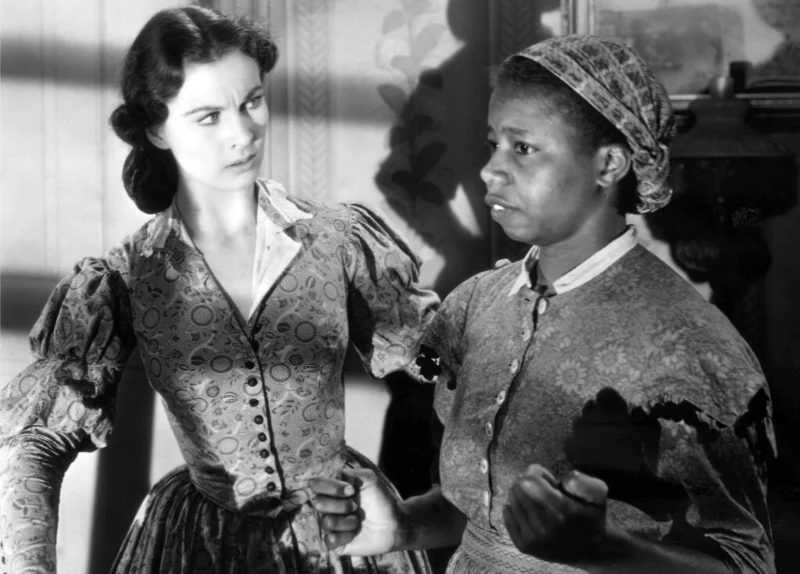
Scarlett operates a lumber mill and manages Tara through crisis. Losses from battle, disease, and imprisonment removed many men from households, which pushed women into roles that had been less visible before. Women took charge of plantations, stores, and small industries to keep families solvent.
Letters, diaries, and newspaper notices from the time show women hiring freed workers, negotiating wages, and dealing with creditors and officials. A woman bargaining for labor and moving into commercial work fits the record of how many Southern families adapted to new conditions.
Zero Sense: A narrow, chivalric framing of night riders
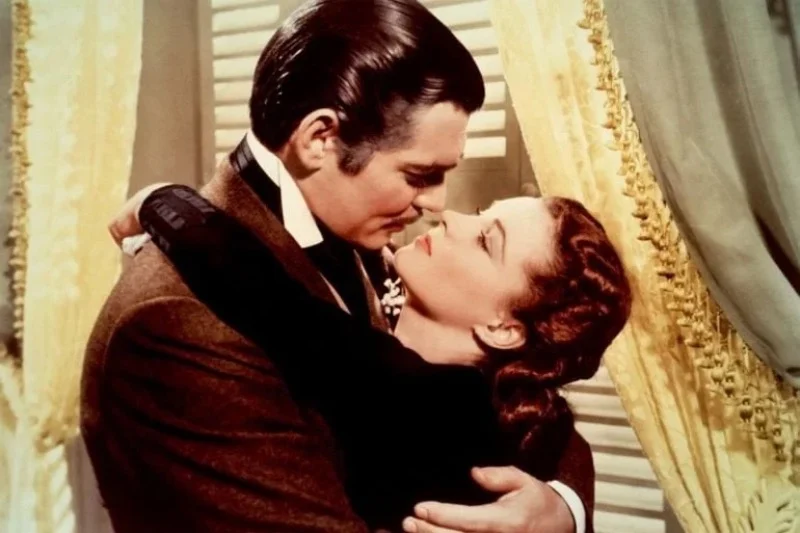
The film treats a postwar night raid as a discreet response to one assault. Organized groups such as the Ku Klux Klan carried out sustained campaigns of intimidation and violence against Black citizens and white allies across multiple counties. Targets included polling places, schools, and community leaders, which shows a broader purpose than a single act of revenge.
Local elites often provided protection or quiet support while federal authorities struggled to enforce the law until stronger measures were applied. The story’s focus on one incident minimizes the organized and strategic nature of that terror, which reduces the scale of what people in those communities faced.
Perfect Sense: Burning of Atlanta and civilian evacuation
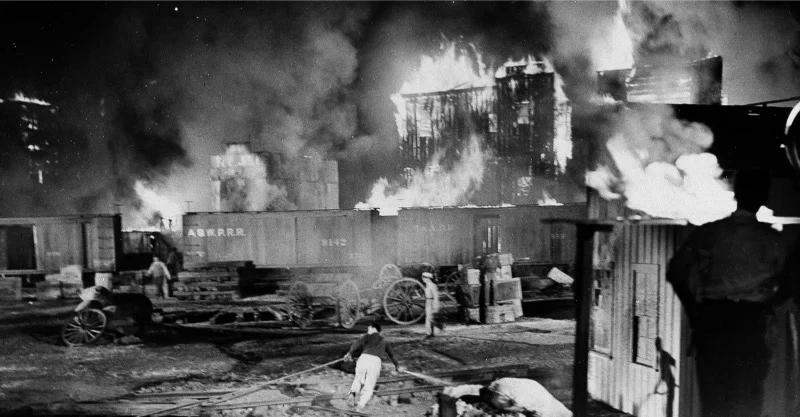
The fall and burning of Atlanta produces firestorms and streams of refugees. Military commands destroyed depots, rolling stock, and warehouses to deny resources to the opposing army, which led to large fires that spread through nearby blocks. The city suffered heavy damage and infrastructure failure that pushed people to leave quickly.
Civilians took any transport they could find and walked when animals and wagons were not available. Crowded roads, makeshift carts, and families heading for farms in surrounding counties match written accounts of the evacuation and the hardship that followed as people searched for food and shelter.
Share your own picks that made zero sense or perfect sense in the comments so we can compare notes.