5 Ways ‘Batman’ Aged Poorly (& 5 Ways It Aged Masterfully)

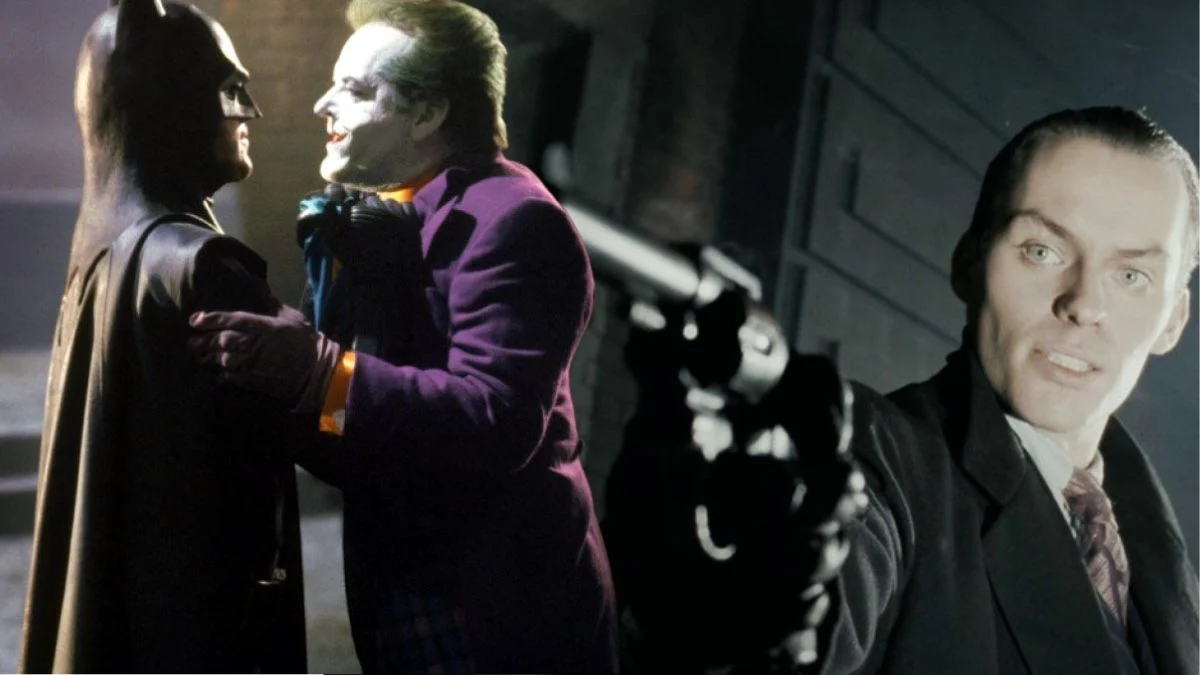

Tim Burton’s ‘Batman’ arrived with a look and scale that pushed superhero movies in a new direction. It mixed pulp visuals with a crime story and introduced a version of Gotham City that felt like a living place rather than a generic backdrop. Viewers discovered a darker take that still moved like a big studio blockbuster.
Over time some choices feel locked to the production methods and studio expectations of that era, while other choices keep paying off because they were built with craft and care. Here are ten focused snapshots of what shows its age and what still works when you revisit the film today.
Aged Poorly: Batsuit Mobility Limits
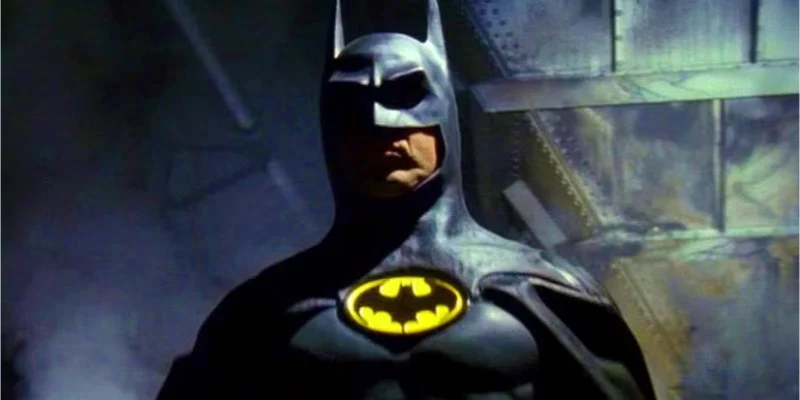
The main suit used foam latex armor that looked imposing on camera but restricted basic movement. The cowl and chest piece created a single rigid unit which made turning the head difficult, so hand to hand scenes rely on straight line strikes, planted feet, and quick cutting to disguise limited range.
Production accounts describe multiple suits built for different tasks such as fighting, standing hero shots, and stunt falls. The design choice protected the performer and kept a consistent silhouette, yet it also shaped how action was staged and filmed on set with careful blocking and camera placement to work around the stiffness.
Aged Masterfully: Gotham Built With Practical Scale
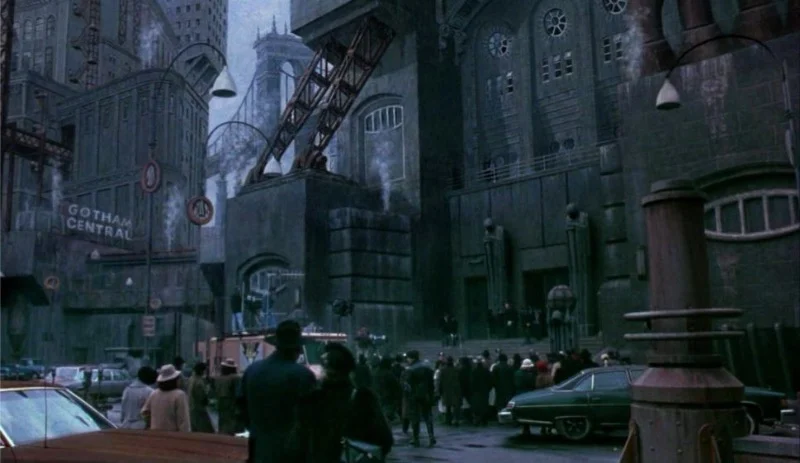
Gotham City was constructed across large stages and backlots at Pinewood with towering facades, full streets, and layered catwalks. Production designer Anton Furst led an approach that combined brutalist shapes, Victorian details, and industrial grime to create a city that photographs with depth from almost any angle.
Miniatures and matte paintings extended that physical world in wide shots. Effects artists blended models with live action plates to build skylines, factories, and the cathedral, which helps the city feel consistent from ground level alleys to aerial views without relying on digital additions.
Aged Poorly: Joker Tied Directly To The Wayne Murder
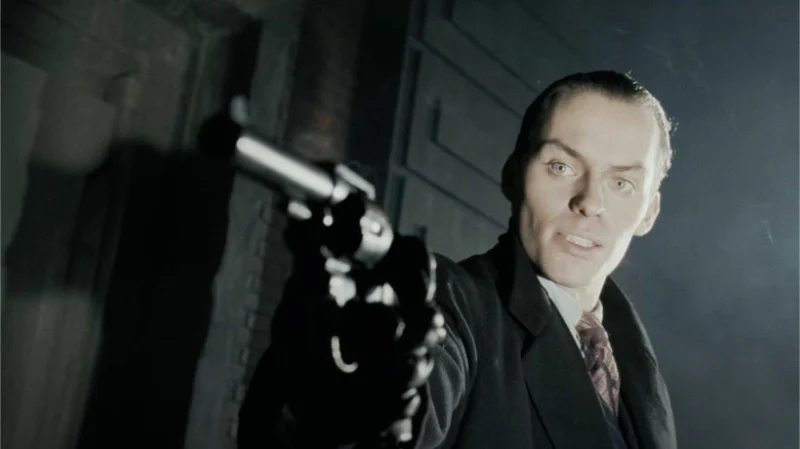
The story identifies Jack Napier as the shooter who kills Bruce Wayne’s parents, which rewrites a core mystery from many comic storylines. The film uses this to create a closed loop between hero and villain, but it departs from versions that keep the murderer unknown or separate from the Joker.
Later screen adaptations stepped away from that linkage and treated the Wayne alley crime differently. As continuity across films and shows grew, this single connection in ‘Batman’ stands out as an outlier, which can make the film’s canon feel isolated next to other interpretations.
Aged Masterfully: Production Design Recognized At The Highest Level
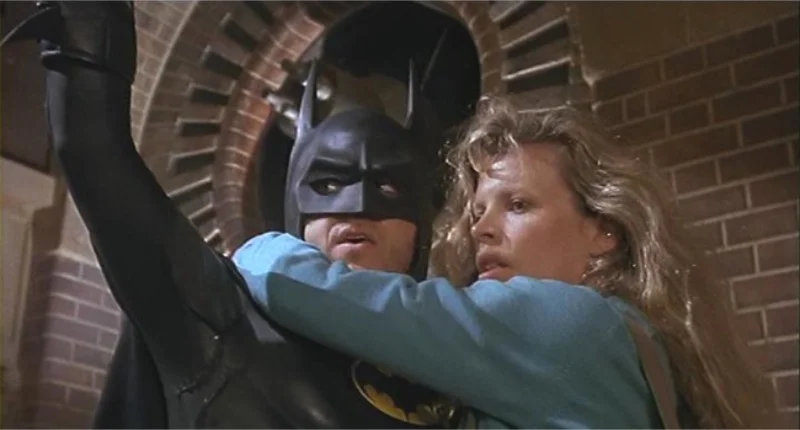
The film’s art direction earned the Academy Award for Best Art Direction, crediting the worldbuilding that runs through sets, props, and signage. That recognition highlights the scale of planning behind every practical element viewers see in police stations, press events, Axis Chemicals, and the cathedral.
The award also reflects how the team unified vehicles, costumes, and city textures into one visual vocabulary. The bat emblem appears in architecture and hardware, patrol cars carry heavy metal trim, and street ads lean into exaggerated retro graphics, which gives even short scenes a coherent identity.
Aged Poorly: Vicki Vale’s Role Skews Toward Peril
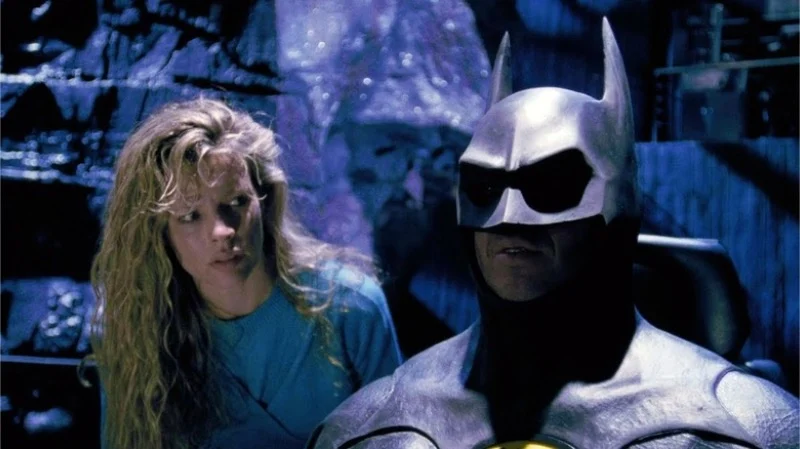
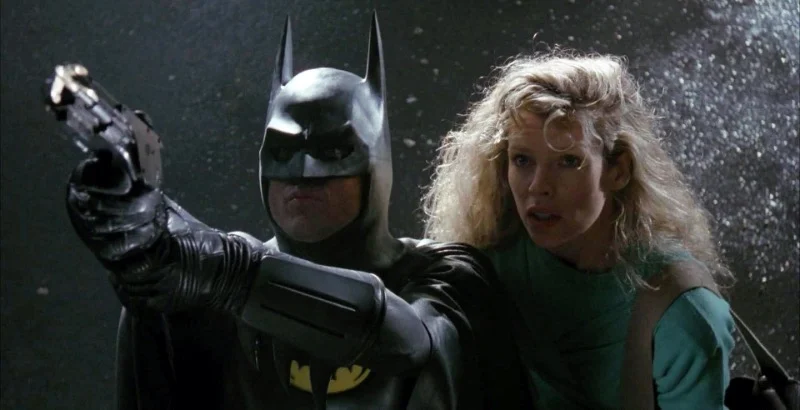
Vicki Vale arrives as a high profile photojournalist with war experience and strong credentials, yet much of her screen time places her in jeopardy. Key sequences include the museum attack and the parade, where her agency narrows to escape attempts and waiting for rescue despite her skills and background.
The script introduces investigative beats such as following chemical poisoning leads and partnering with Knox, then shifts her arc toward romantic stakes and hostage risks. That balance reflects studio adventure norms of the period and can feel limited compared with later depictions of journalists in similar stories.
Aged Masterfully: The Batmobile As A Working Film Machine
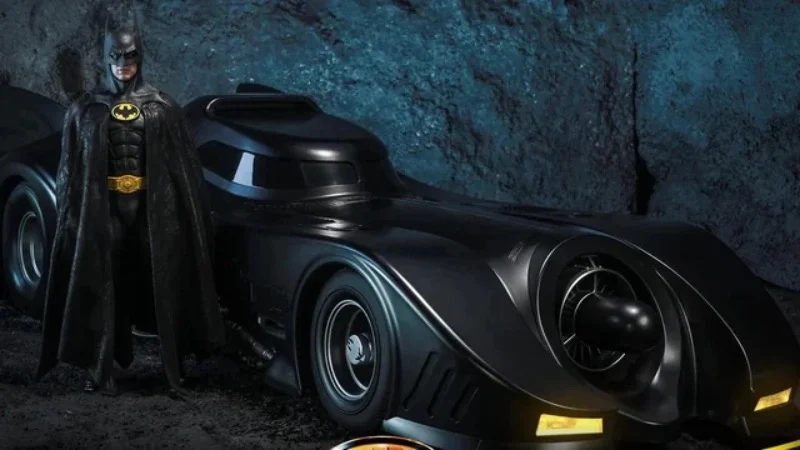
The Batmobile was a functional, drivable build designed specifically for filming. It featured a long central intake, armored canopy, and large rear fins, along with practical effects like flame bursts and a cable assisted pivot turn so the car could execute signature moves on camera without optical cheats.
Having a real car let the crew stage night chases across wet cobblestones and tight alleys with reliable repeatability. The vehicle also supported promotional tours and photo calls, which helped cement its silhouette in posters, toys, and magazine features and kept the design instantly recognizable for audiences.
Aged Poorly: Soundstage Bound Geography Shows Reuse
Many Gotham streets were redressed sections of the same backlot, which optimized schedule and budget while concentrating detail into a few blocks. Repeated corners and alleys appear across different scenes with new signage and lighting, and attentive viewers can map familiar storefronts appearing under new names.
The approach was standard for large productions built on enclosed stages. It does mean chase routes and public spaces sometimes compress into a small footprint, with city scale implied through matte shots rather than on location variety, which can be noticeable during repeated viewings.
Aged Masterfully: Marketing Set A Modern Blockbuster Template

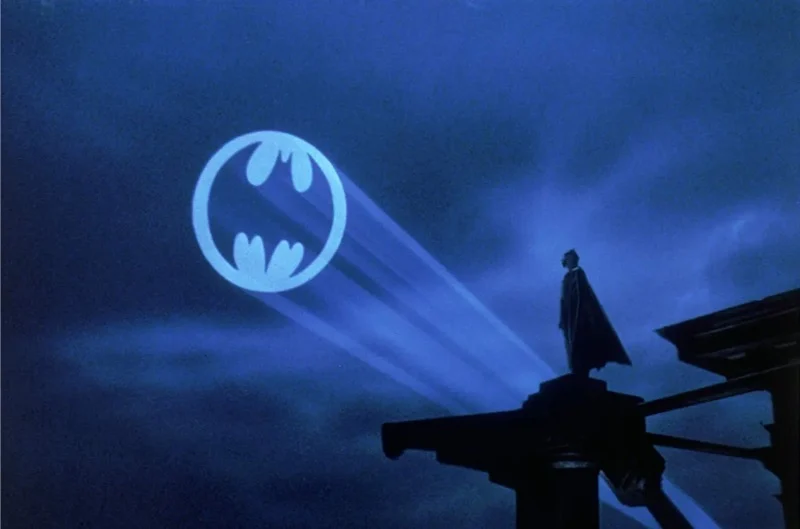
The early teaser cut from unfinished footage played in theaters and drove advance interest without plot exposition. The one sheet using only the bat emblem became a retail fixture and a shorthand for the film, while the logo appeared across apparel, posters, and toys in a coordinated campaign.
Retail partnerships and in store displays supported a long runway of merchandise before and after release. The strategy demonstrated how a clear icon, a short teaser, and consistent visual branding can turn a superhero film into a broader pop culture event that extends beyond the screen.
Aged Poorly: Optical Compositing Artifacts In Aerials
A number of wide shots use optical compositing to place vehicles and characters against skies or city extensions. On modern high resolution displays, faint matte lines and contrast mismatches can appear around the Batwing and some skyline elements, a typical artifact of the analog process used at the time.
These shots were created by photographing multiple elements onto film through successive passes. Each pass introduced grain and slight shifts in exposure, which add halos or edge shimmer when viewed today. The effect is part of the technique’s limitations rather than a mistake unique to this production.
Aged Masterfully: A Complete Crime Story In One Film
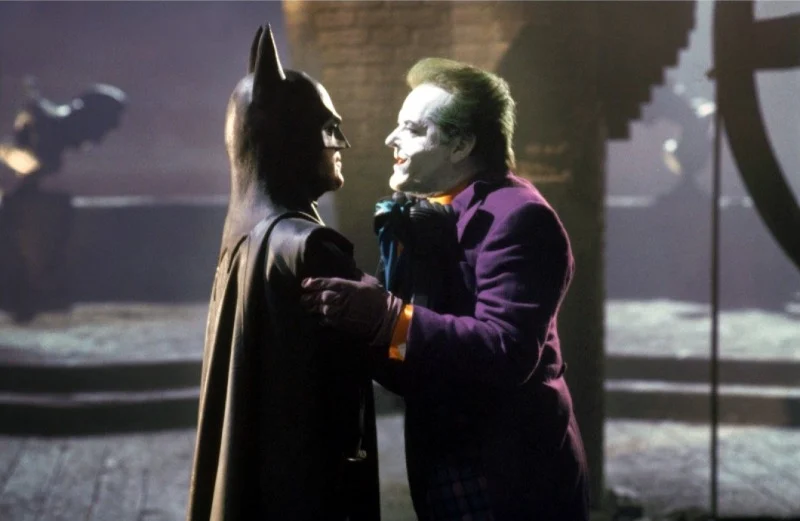
The narrative introduces Gotham’s crime families, follows a chemical plant raid that reshapes the main antagonist, and escalates to public attacks that force a final confrontation. The plot resolves the central conflict at the cathedral and closes on a civic response that signals ongoing cooperation with the vigilante.
This structure lets the film play as a self contained case with clear setup and payoff. New viewers can follow the arc from investigation to climax without prior knowledge, while returning viewers can focus on design details and prop work because the story landmarks are straightforward and well defined.
Share your favorite detail from revisiting ‘Batman’ in the comments and let everyone know what stood out to you.