5 Ways ‘The Wire’ Aged Poorly (& 5 Ways It Aged Masterfully)

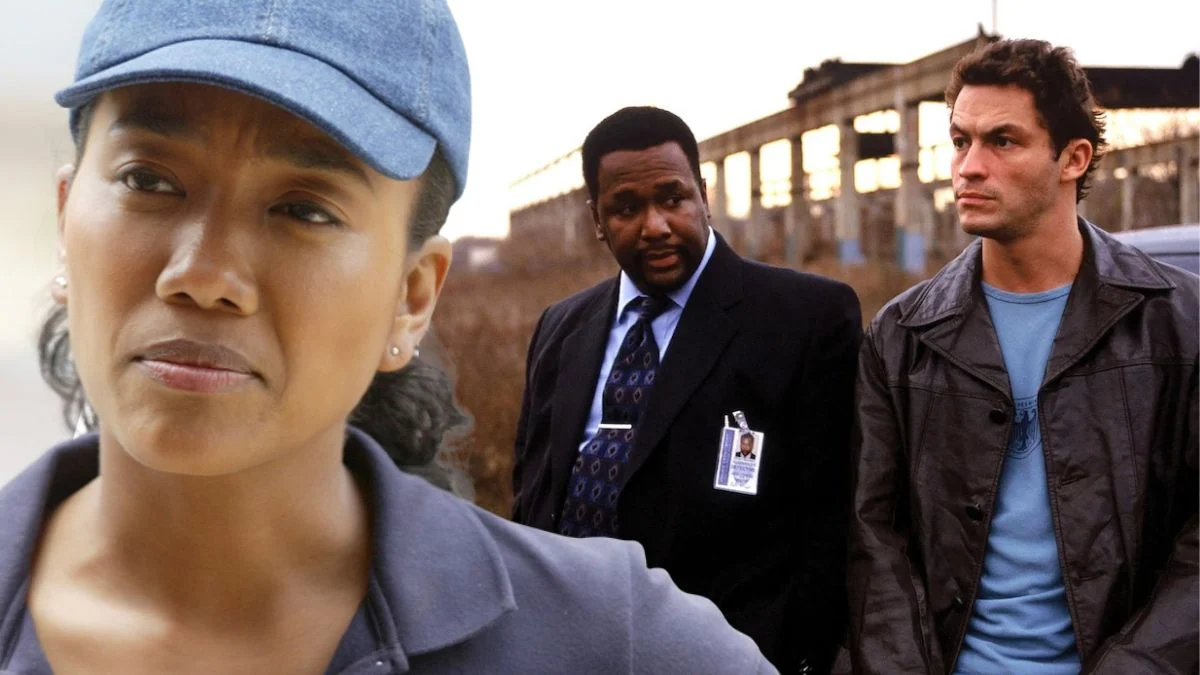

‘The Wire’ set out to map how institutions shape everyday life in one American city, following police, longshoremen, city hall, schools, and a newsroom. Its methods were patient and detailed, building cause and effect through procedures, paperwork, and street level routines rather than quick twists.
Time moves on, though, and some elements now read like a historical snapshot while others feel more useful than ever. Here are five areas where the series shows its age and five where its choices continue to inform how people study cities, media, crime, and policy.
Aged Poorly: Outdated Phones Pagers and Wiretaps
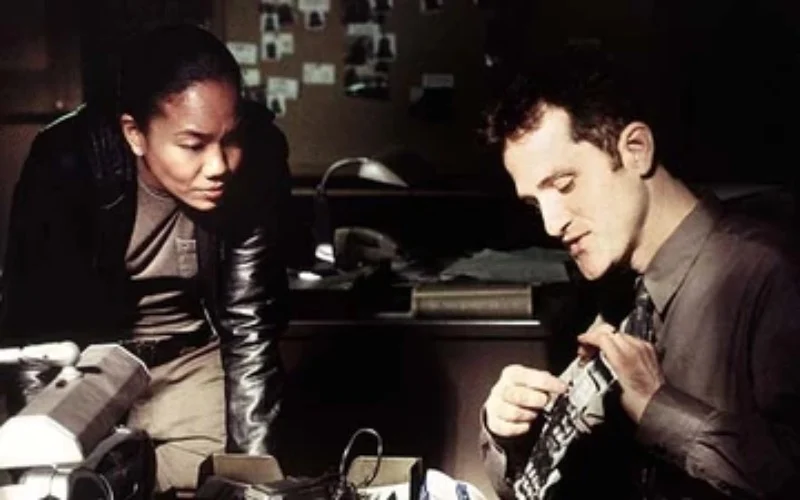
The show leans on pagers, pay phones, and landline taps with pen registers and paper heavy affidavits. Investigators track beeper codes, swap cassette recordings, and pull physical phone records that arrive in boxes. Today most targets carry smartphones and rely on messaging apps, which changes how warrants are written and what kinds of metadata and content are available.
Crew security in the series depends on burner swaps and quick wire cutoffs, which matched the tools of the time. Modern cases often involve device encryption, cloud backups, and geolocation, and they bring new tools into play such as cell site analysis and forensic downloads. The shift reduces the usefulness of some old cat and mouse tactics that once drove entire investigations.
Aged Masterfully: Systemic Focus Across Institutions
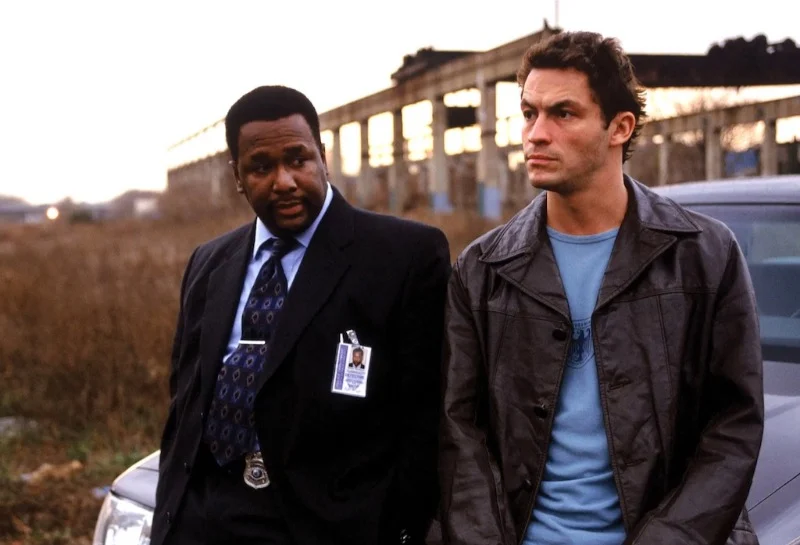
The series organizes its story around incentives in police work, city budgeting, port labor, public schools, and local media. It shows how clearance targets, test benchmarks, procurement cycles, and editorial priorities push people toward certain choices even when no one intends a specific outcome. That structure gives viewers a framework for tracing decisions back to rules and metrics.
Because the show connects those systems across seasons, it works as a case study for public administration, sociology, and urban policy. Classes use scenes to demonstrate how feedback loops form when numbers drive promotions, funding, or headlines, and how changes in one bureau surface in another. The model helps students follow processes rather than only personalities.
Aged Poorly: A Print First Newsroom
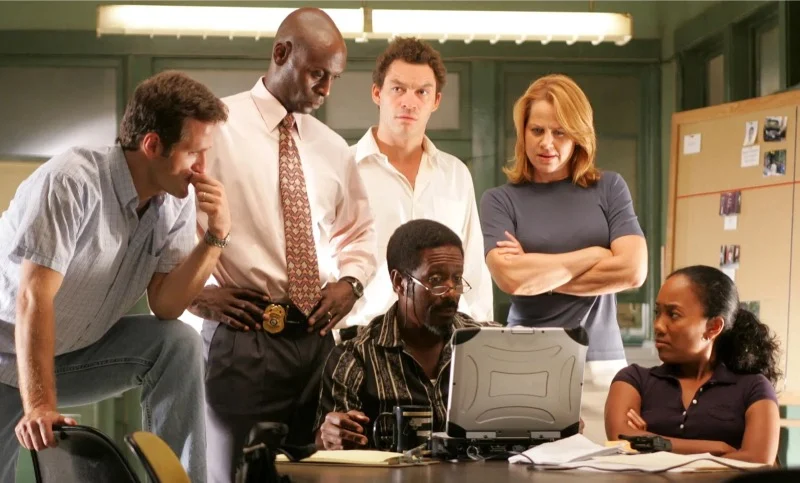
The Sun newsroom runs on a print cycle with late edition deadlines, multiple copy desks, and a front page conference focused on column inches. Reporters work the phones and shoe leather while web publishing sits off to the side. Contemporary newsrooms operate on continuous digital publishing where headline testing, photo crops, and corrections move in real time.
Verification methods in the show involve sources, notes, and editors, which remain core practices. What is missing is the layer of social video checks, reverse image lookups, data scraping, and audience analytics that now shape daily decisions. The business picture has also shifted toward newsletters, podcasts, and diversified revenue, which the series did not need to consider.
Aged Masterfully: Real Baltimore Locations and Casting
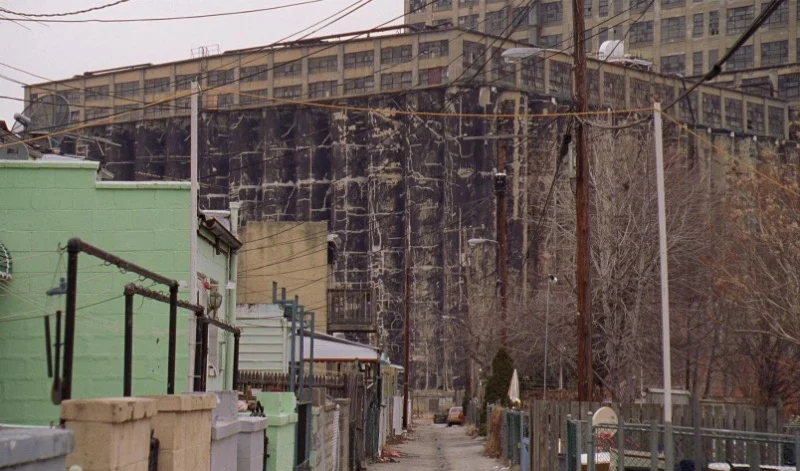
Production shot on actual streets, row houses, schools, the port, and city offices, and it cast many Baltimore residents and local figures in small roles. That choice anchors scenes in real geography, from specific blocks to working piers, rather than generic backlots. Viewers see how corners, alleys, and stairwells function as practical spaces for work and surveillance.
Because those places were filmed during a particular phase of the city, the footage now doubles as a visual record. Urban studies courses and local historians can compare what the camera captured with redevelopment, vacancy shifts, and transit changes that came later. The detail level preserves building textures, traffic patterns, and neighborhood layouts useful for place based research.
Aged Poorly: The Drug Market Has Shifted
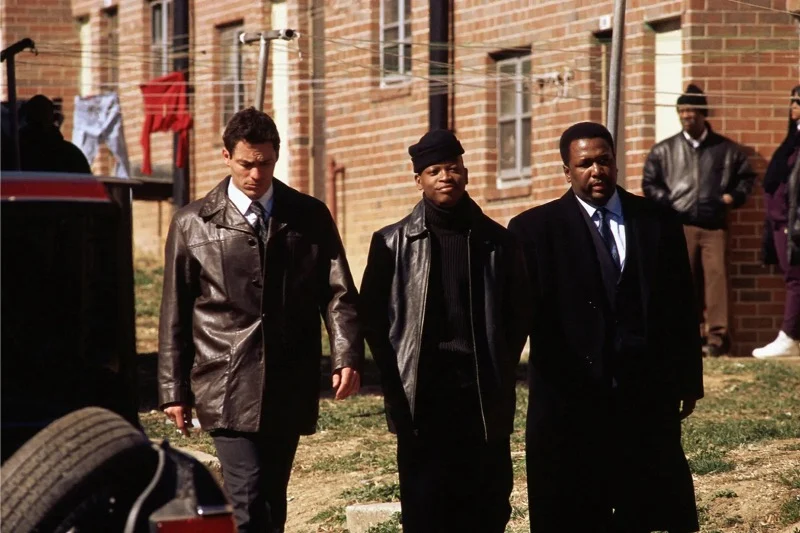
The street economy in the show revolves around heroin and cocaine packaged for hand to hand sales on fixed corners. Many cities later saw synthetic opioids change overdose risks, dosage patterns, and supply chains. That change affects everything from stash management to medical response times, which alters the kinds of scenes that would appear in a present day version.
Distribution today frequently moves through text orders, encrypted messaging, and car based delivery that stays mobile and harder to watch from a single observation post. Crew structures can be smaller and more diffuse, which reduces the visibility of ranked enforcers and lookout lines. The older corner model remains a useful reference but no longer describes the dominant flow in many places.
Aged Masterfully: Long Form Storytelling Structure
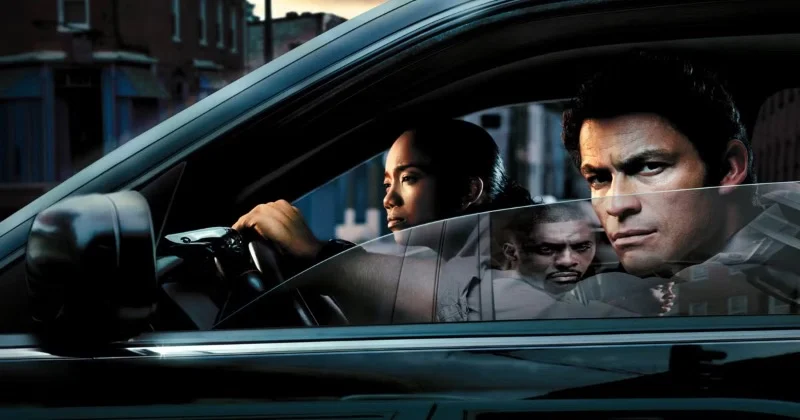
The show advances slowly, letting procedures accumulate until systems reveal their logic. It introduces units, courts, schools, and the newsroom through routine tasks that teach the rules in practice. That approach makes each season function like a section of a long novel where institutions become the plot rather than just the setting.
Later series across crime, politics, and workplace drama have adopted season length arcs that follow policies and metrics as closely as individual backstories. Writers rooms cite the utility of mapping networks, budgets, and jurisdictions to generate story without relying on coincidence. The method remains a reliable way to explain how complex organizations actually operate.
Aged Poorly: Policing Practices Before Body Cameras
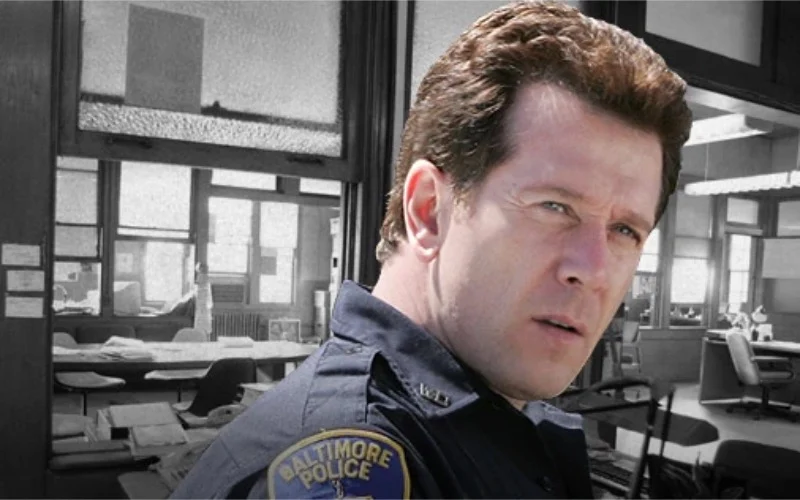
Most officers in the show work without body worn cameras, automatic vehicle locators, or routine public release policies for footage. Departments across the country later adopted cameras with retention rules, audit trails, and disclosure procedures that change supervision and evidence collection. That shift affects pursuit reviews, complaint investigations, and courtroom exhibits.
The series also depicts CompStat style meetings focused on counts, clearances, and year to date comparisons. Many agencies have since modified dashboards to include use of force categories, stop data, and community measures after external reviews and consent decrees. The emphasis on raw numbers in the show reflects an earlier stage of performance management.
Aged Masterfully: Educational Use in Classrooms and Training
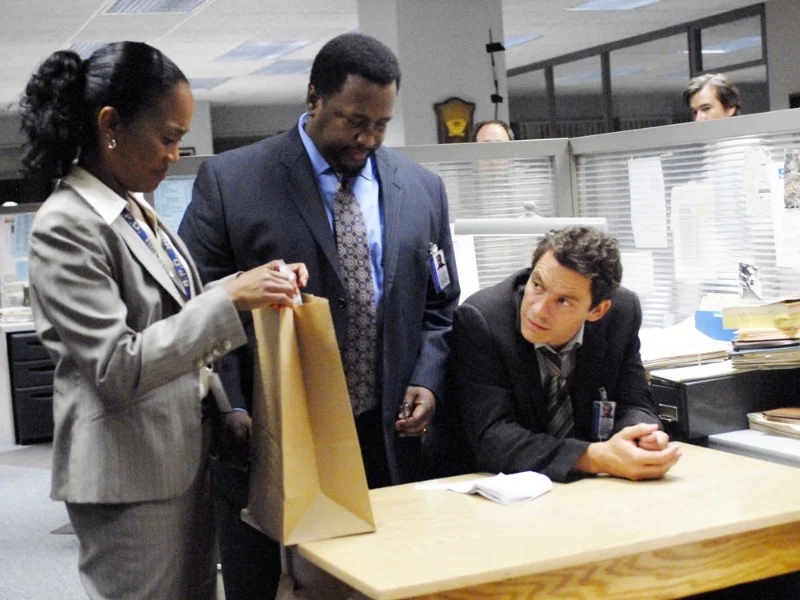
University courses in sociology, criminology, public policy, and media studies use episodes to teach institutional incentives, neighborhood effects, labor relations, and newsroom ethics. Instructors assign scenes to prompt discussions about surveillance law, informant handling, standardized testing pressures, and procurement rules, then tie those scenes to real statutes and budgets.
Professional trainings also draw on the show as a shared reference. Public defenders, prosecutors, and police academies screen selected sequences to examine procedure and cross team communication. Because characters interact across departments and beats, the material supports multidisciplinary exercises that mirror how cases move through complex systems.
Aged Poorly: Limited Gender and LGBTQ Representation

The ensemble features one prominent lesbian lead in Kima Greggs and a small number of women in command roles. Storylines focus more on male crews, police squads, and political aides, which narrows the range of professional and family perspectives shown on screen. That balance reflects casting and commissioning patterns from the period.
Recent crime and workplace dramas present more women and queer characters across leadership, education, media, and street economies. Viewers encountering ‘The Wire’ after those series will notice fewer points of view from women, trans people, and immigrant communities. The gap affects how certain policies and social services appear in the narrative.
Aged Masterfully: Dialogue and City Specific Language
Scripts capture Baltimore speech patterns, police jargon, and corner slang with consistent regional vocabulary. Terms like re up, knockers, and the pit appear in context so meanings become clear through use rather than explanation. The choice keeps exposition light while preserving how people actually talk about their work and their blocks.
Because the language sticks to real places such as Lexington Market, the Terrace, and the port, it ties talk to geography that can be mapped. Transcripts and subtitles preserve phrasing for comparison with oral histories and local reporting. The result is a record of usage that helps researchers track how idioms travel through institutions and neighborhoods.
Share your take on where ‘The Wire’ still teaches the most and where it shows its age in the comments.