


Top 15 Greatest Author’s of All Time




Great writing crosses languages and centuries, and these authors shaped how stories are told and remembered. Their books reached classrooms, libraries, and living rooms across the world, and many sparked new movements in style, subject, and form. You can trace the evolution of poetry, drama, and the novel by seeing how each built on what came before and opened doors for those who came after.
This list spans ancient epics, Renaissance theater, realist masterpieces, modernist experiments, and groundbreaking works from Asia and the Americas. You will find major books that changed national literatures, techniques that reshaped narrative, and careers that influenced not only readers but other writers, translators, and scholars across generations.
William Shakespeare
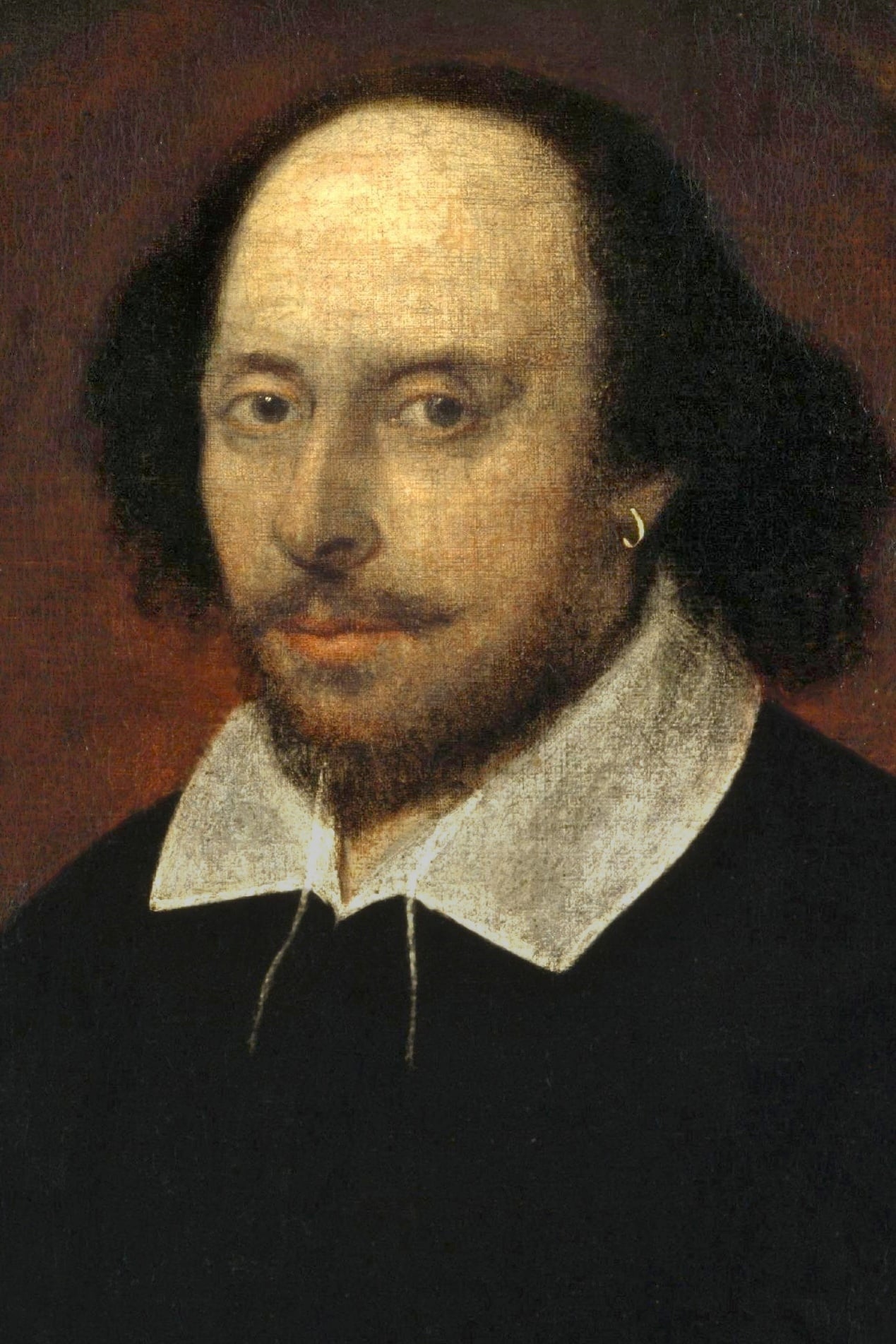
William Shakespeare wrote at least 39 plays and 154 sonnets during the late sixteenth and early seventeenth centuries in England. His comedies, histories, and tragedies were performed at the Globe and Blackfriars theatres, and the First Folio of 1623 preserved many plays that had not appeared in print during his lifetime. His vocabulary and phrasing entered everyday English, and lines from works such as Hamlet and Romeo and Juliet are taught in schools worldwide.
Editors and scholars continue to study questions of authorship and collaboration in plays like Henry VIII and The Two Noble Kinsmen. Modern editions draw on textual variants from quarto and folio printings to present reliable reading texts. Shakespeare’s works are translated into dozens of languages and remain a foundation of theater repertoires on every continent.
Homer

Homer is the name associated with the ancient Greek epics the Iliad and the Odyssey, poems that were composed within an oral tradition and written down sometime before the classical period. The Iliad centers on a phase of the Trojan War, and the Odyssey follows Odysseus on his return to Ithaca. These epics shaped Greek education and influenced later poetry through their use of formulaic language and dactylic hexameter.
The poems provide early examples of extended similes, catalogues, and carefully structured episodes that later authors studied and imitated. Ancient commentators created scholia that explain language and myth, and modern archaeology and philology have added context on Bronze Age settings and oral composition techniques. Translations appear regularly and keep the epics present in contemporary classrooms.
Dante Alighieri
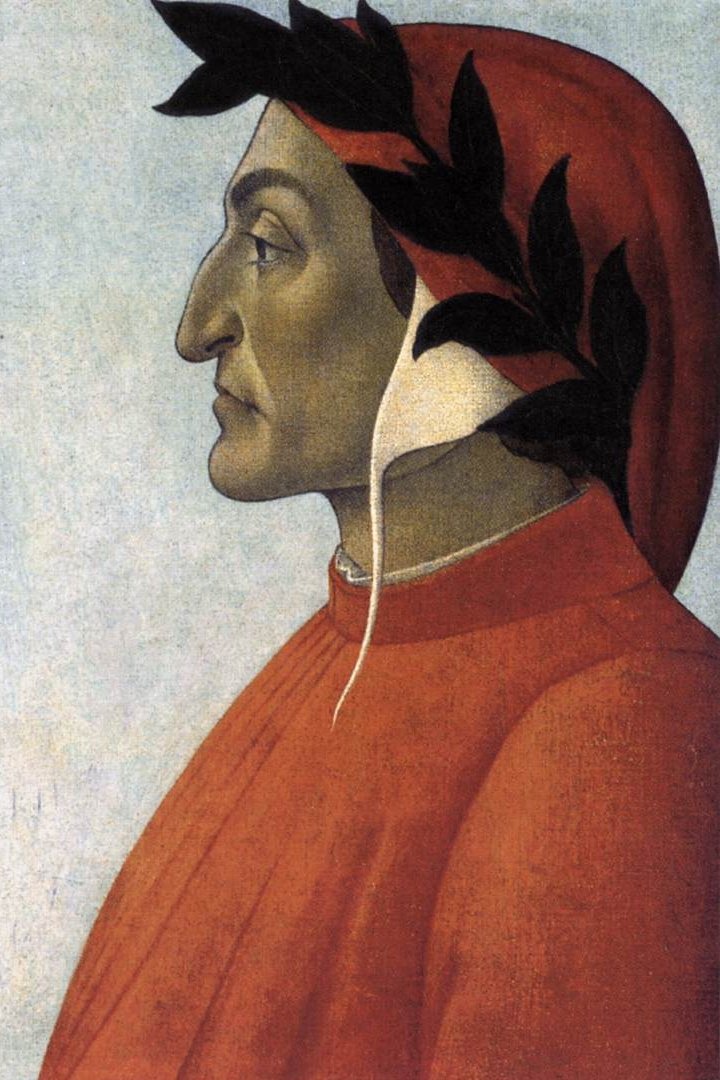
Dante Alighieri completed the Divine Comedy in the early fourteenth century, writing in Tuscan Italian rather than Latin. The poem follows a guided journey through Inferno, Purgatorio, and Paradiso, and it uses terza rima, a linked rhyme scheme that supports the narrative’s movement. The work helped establish Tuscan as a literary standard in Italy and created a detailed moral and theological architecture that later writers engaged with for centuries.
Dante also wrote the Vita Nuova and De vulgari eloquentia, which discuss language and love poetry and provide insight into his ideas about vernacular literature. Commentaries from the Renaissance onward examine historical references and philosophical sources, and major artists have illustrated episodes from the poem. New annotated editions appear frequently for students and general readers.
Miguel de Cervantes
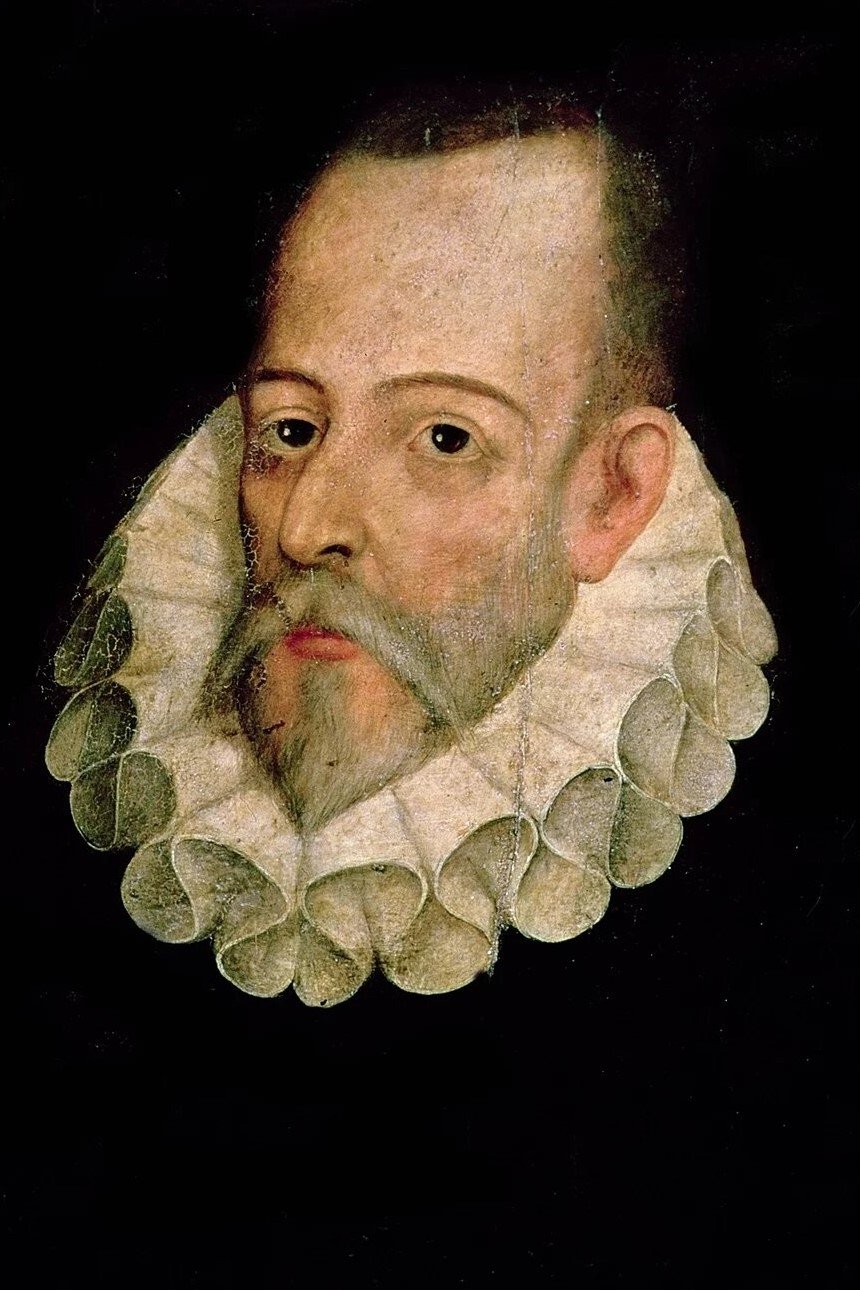
Miguel de Cervantes published Don Quixote in two parts in 1605 and 1615. The novel follows a country gentleman who reads so many chivalric romances that he takes up the life of a knight, with Sancho Panza as his squire. The book experiments with storytelling by including stories within the story and by reflecting on authorship and earlier romances.
Cervantes also wrote Novelas ejemplares and plays that circulated widely in the seventeenth century. Don Quixote became a touchstone for later novelists due to its treatment of reality and fiction and its interplay of voices. Editions and translations remain standard in world literature courses, and the book’s characters and episodes are referenced in many languages.
Leo Tolstoy
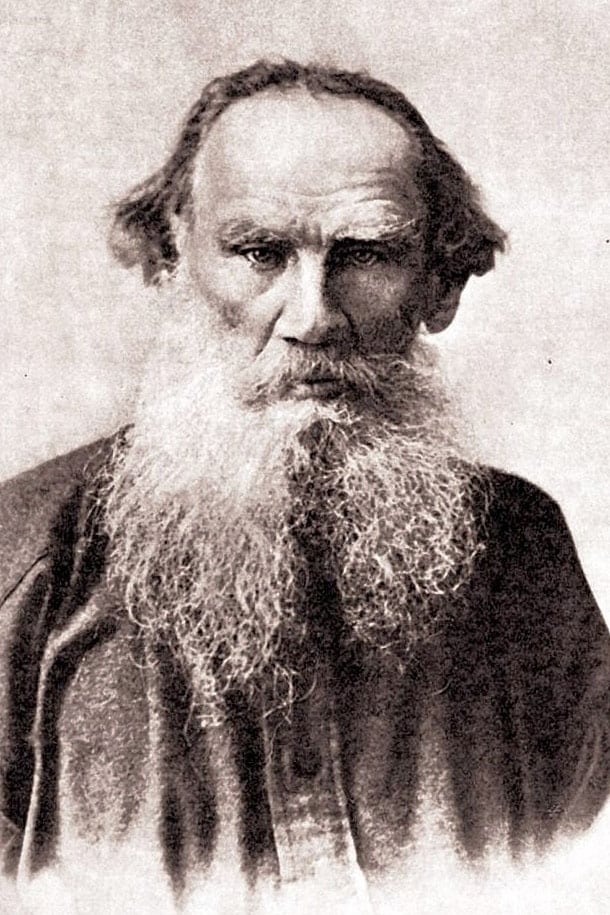
Leo Tolstoy published War and Peace in the eighteen sixties and Anna Karenina in the eighteen seventies, creating large casts and detailed depictions of Russian society. War and Peace combines historical events with fictional families during the Napoleonic Wars, while Anna Karenina examines family life, work, and moral choice. His later essays and the novel Resurrection reflect his interest in ethics and religious thought.
Tolstoy founded schools on his estate and wrote primers and educational materials that were used in rural Russia. His diaries and letters provide information on his writing process and social views, and his manuscripts show how he revised major scenes. Translations continue to refine how English and other languages present his style and names.
Fyodor Dostoevsky
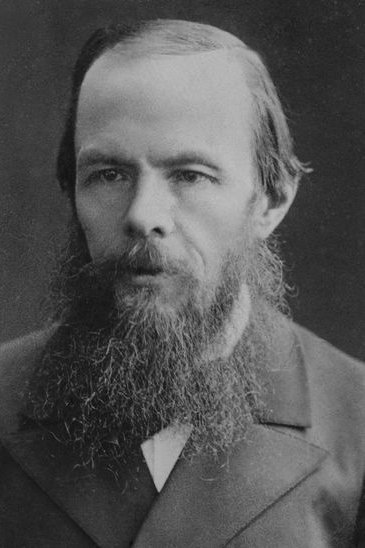
Fyodor Dostoevsky authored Crime and Punishment, The Idiot, Demons, and The Brothers Karamazov. His early arrest and exile in Siberia shaped later works that explore conscience, belief, and social conflict. He published many novels in serial form, which influenced pacing and reader engagement across monthly and weekly installments.
Dostoevsky also edited journals and wrote criticism that responded to Russian politics and European literature. His notebooks reveal character sketches and philosophical dialogues that became central to the novels. New translations regularly revisit his syntax and voices to match contemporary usage while preserving distinctive turns of phrase.
Charles Dickens
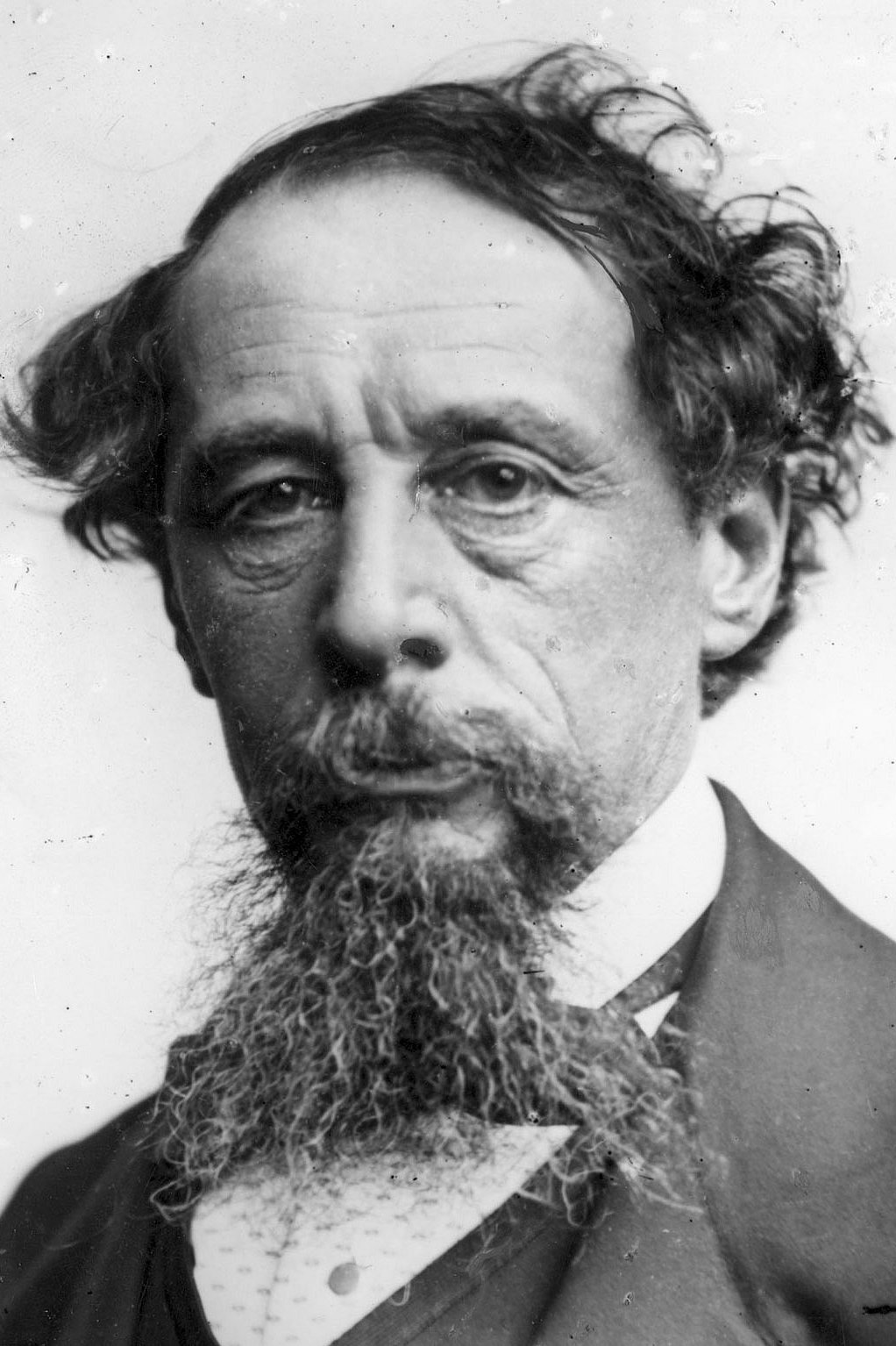
Charles Dickens serialized most of his novels in magazines, reaching readers across Britain and abroad during the nineteenth century. Works such as Oliver Twist, David Copperfield, A Tale of Two Cities, and Great Expectations present memorable characters and capture urban life during industrial change. Public readings conducted by Dickens drew large audiences and helped shape the tradition of author performances.
Publishing history for Dickens includes multiple illustrated editions, each with artists who influenced how readers pictured scenes and characters. Scholars track revisions between serial and book forms to study how plots and endings changed. His impact on social reform debates is documented in journalism and speeches that address workhouses, education, and the legal system.
Jane Austen
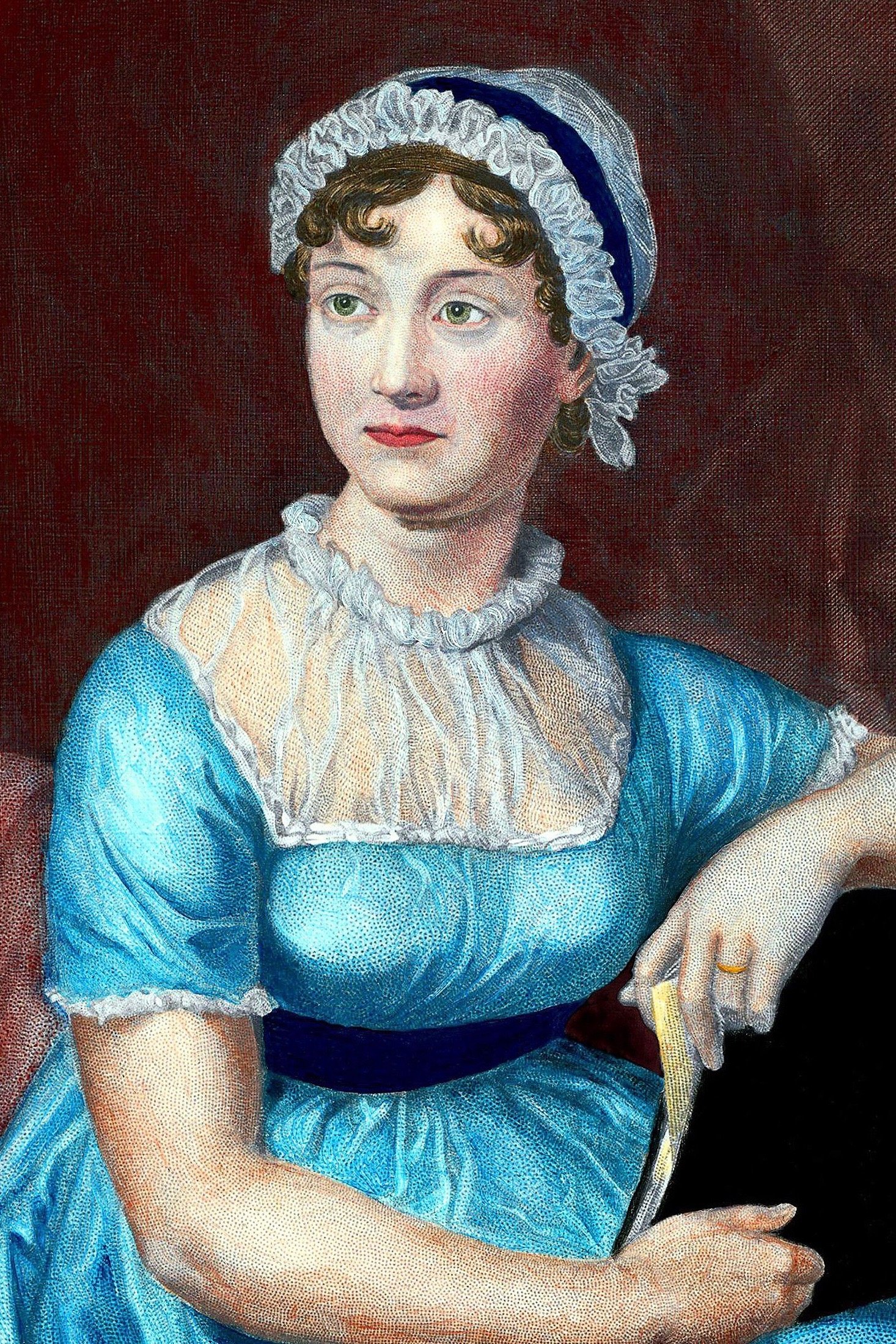
Jane Austen published six major novels between 1811 and 1817, including Sense and Sensibility, Pride and Prejudice, Mansfield Park, and Emma. Her books focus on courtship, property, and family life in the English gentry and use free indirect discourse to convey thought and irony. Manuscripts such as the cancelled chapter of Persuasion show her precision with dialogue and structure.
Austen’s letters offer details about drafting, reading circles, and the publication process with firms like Thomas Egerton and John Murray. Early editions and later collected works chart changes in punctuation and spelling as printing conventions shifted. Regional and global Jane Austen societies maintain archives and host conferences that support ongoing research and teaching.
Mark Twain
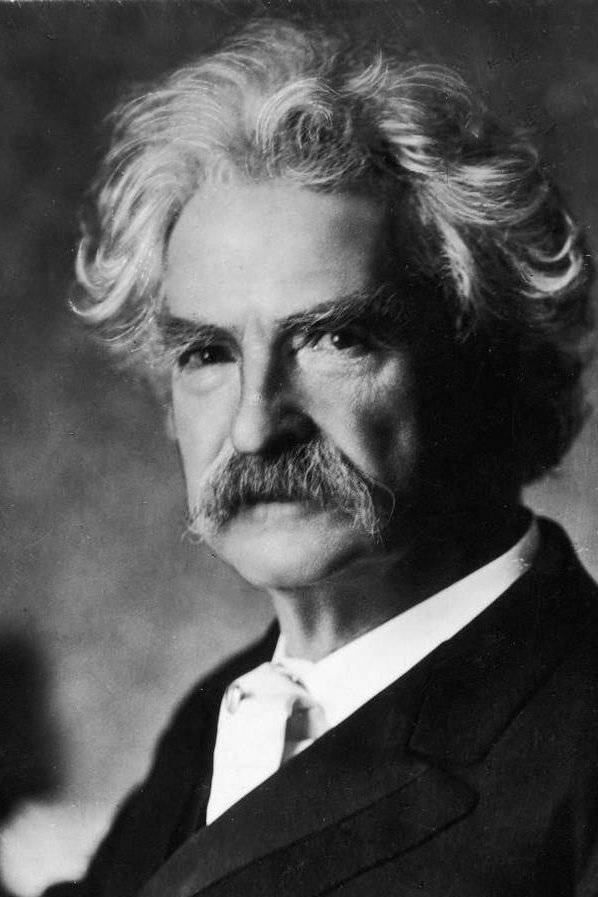
Mark Twain was the pen name of Samuel Langhorne Clemens, who worked as a typesetter, river pilot, and journalist before becoming a novelist and lecturer. The Adventures of Tom Sawyer and Adventures of Huckleberry Finn draw on the Mississippi River setting and use vernacular speech to portray communities along the banks. His travel books such as The Innocents Abroad and Roughing It record journeys through Europe, the Middle East, and the American West.
Twain founded a publishing company and invested in typesetting technology, experiences that influenced both finances and schedules for his books. Collections of letters, notebooks, and speeches document his work habits and public appearances. Scholarly editions compare different states of the texts and provide notes on dialect, place names, and historical background.
Johann Wolfgang von Goethe
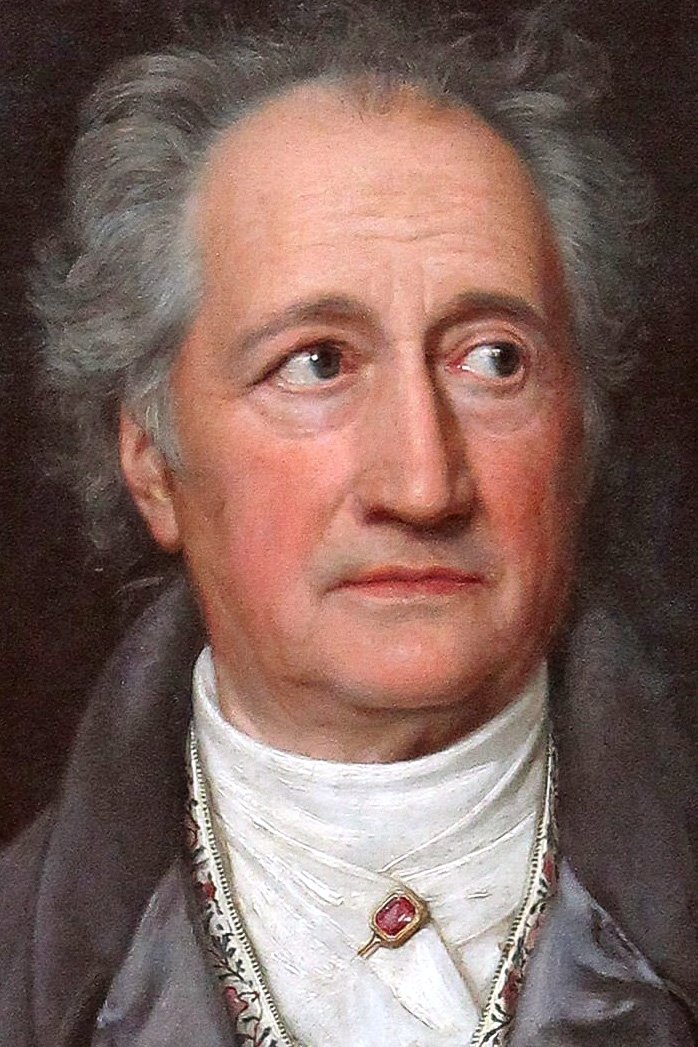
Johann Wolfgang von Goethe produced poetry, drama, prose, and scientific studies across a long career in the German lands. The Sorrows of Young Werther became an early international success and is associated with the Sturm und Drang movement. Faust occupied him for decades and presents a wide range of forms and references from folk tales to classical sources.
Goethe served at the court in Weimar and managed theater productions that shaped German stage practice. His scientific writing on color and plant morphology offers insight into intellectual life beyond literature. Critical editions track many revisions and versions of Faust and related works and provide glossaries for readers encountering historical vocabulary.
Franz Kafka
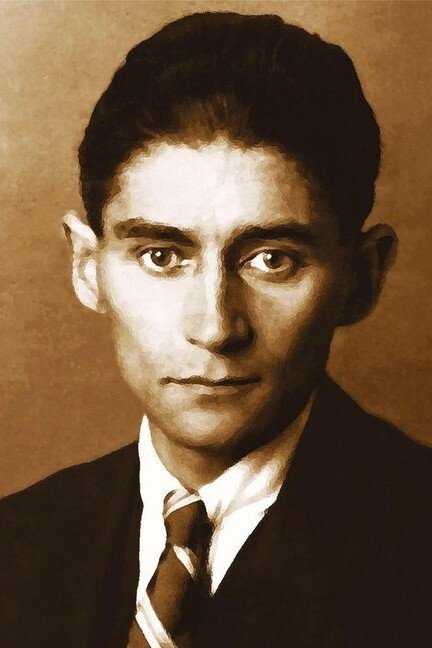
Franz Kafka wrote The Trial, The Castle, and the novella The Metamorphosis while working in insurance in Prague. Much of his fiction remained unpublished during his lifetime. After his death, his friend Max Brod prepared manuscripts and brought the novels to print, which made them widely available to a global audience in the twentieth century.
Manuscript fragments show alternative chapter orders and unfinished scenes that editors have arranged in different ways. Scholars study Kafka’s use of bureaucratic settings and narrative perspective, and archives in Europe preserve letters and notebooks. New editions and translations continue to shape how readers encounter his distinctive prose.
James Joyce
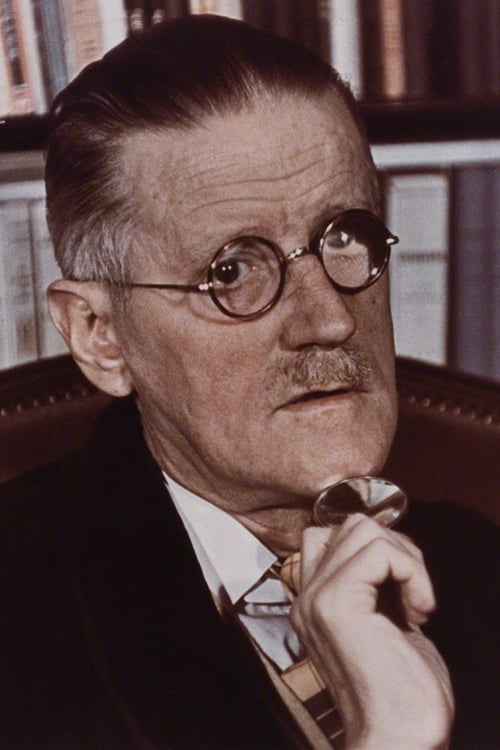
James Joyce created a body of work centered on Dublin, including Dubliners, A Portrait of the Artist as a Young Man, Ulysses, and Finnegans Wake. Ulysses is set on a single day in 1904 and uses episodes that correspond to classical themes. The novel applies stream of consciousness, interior monologue, and stylistic shifts across its chapters.
Censorship histories record legal challenges and publication hurdles for Ulysses, with landmark cases that affected book distribution in English speaking countries. Joyce’s notebooks and schema provide guides to motifs, characters, and structures that aid readers and teachers. Specialized dictionaries and annotations help with phrases in multiple languages that appear throughout the texts.
Virginia Woolf
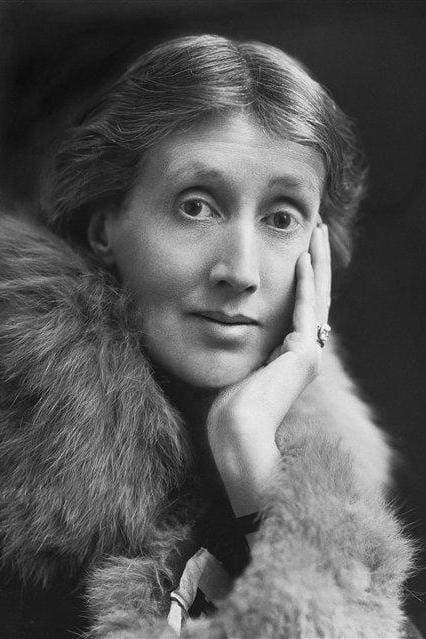
Virginia Woolf published novels such as Mrs Dalloway, To the Lighthouse, and Orlando, along with essays that shaped discussions of women and writing. A Room of One’s Own argues for material conditions that support creative work and remains a standard text in literary studies. Her fiction often uses shifts in viewpoint and time to present memory and perception.
Woolf and her husband Leonard founded the Hogarth Press, which printed her books and works by contemporaries. Diaries and letters provide a record of drafting, reading, and publishing networks in London. Editions with comprehensive notes and timelines assist readers in locating places and historical references within the novels.
Gabriel García Márquez
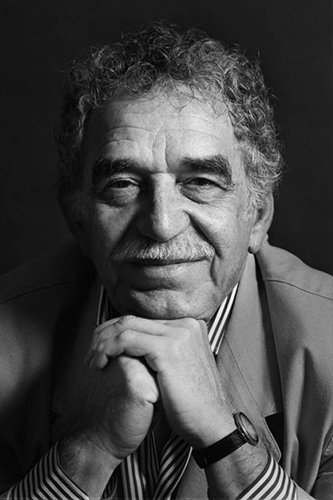
Gabriel García Márquez began as a journalist and published novels and stories that brought international attention to Colombian literature. One Hundred Years of Solitude traces several generations of the Buendía family in the town of Macondo and is associated with the mode known as magical realism. He received the Nobel Prize in Literature in 1982 for a body of work that also includes Chronicle of a Death Foretold and Love in the Time of Cholera.
His nonfiction and speeches document relationships between journalism and fiction in his career. Archives hold drafts and corrected proofs that show changes in structure and phrasing. New translations and anniversary editions introduce his books to readers who are approaching Latin American literature for the first time.
Murasaki Shikibu

Murasaki Shikibu wrote The Tale of Genji in the early eleventh century in Japan during the Heian period. The work follows the life and descendants of Hikaru Genji across more than fifty chapters and presents court life with attention to ritual, poetry, and aesthetics. The narrative uses a mix of Chinese characters and kana scripts that were used in the period.
A diary attributed to Murasaki provides additional information about the court and literary culture. Scholars discuss authorship questions for later chapters and examine painting scrolls that illustrate scenes from the tale. Modern Japanese and international translations make this long narrative accessible to contemporary readers.
Share your own greatest authors in the comments so everyone can compare lists and discover new writers to read.