5 Things About ‘Mad Max: Fury Road’ That Made Zero Sense and 5 Things About It That Made Perfect Sense

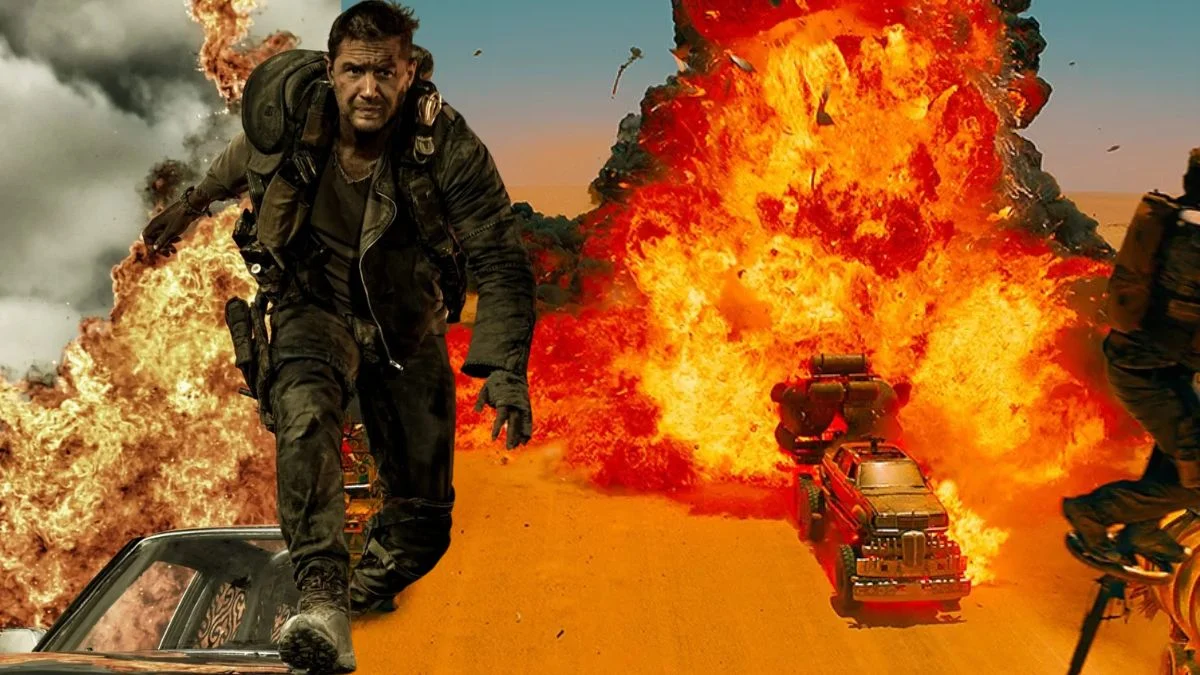

‘Mad Max: Fury Road’ throws viewers into a constant chase where machines roar, sand flies, and every choice feels like it could decide who drinks and who dries out. The world is harsh and specific, with clear rules about water, fuel, and power, and the movie keeps that pressure on every character from the first frame to the last.
Even in a story that lives at full throttle, some details click cleanly while others feel like they bend what we know about engines, medicine, and travel time. Here are five moments that do not add up alongside five that line up neatly with how this wasteland runs and fights.
Zero Sense: Fuel and range

The film shows convoys of heavy vehicles with superchargers, drag slicks, and roof racks stacked with gear covering long distances at high speed. The War Rig alone pulls a main tanker and separate fuel pods across dunes, salt flats, and boggy ground without visible stops for refueling during the longest legs of the run.
Supercharged gasoline engines burn significantly more fuel at sustained high throttle, and soft sand raises rolling resistance which increases consumption again. A multi ton articulated rig with escorts would need frequent refueling points or prepositioned caches to cover the distances shown, yet the route offers only brief pauses and no clear logistics hubs until after the return.
Perfect Sense: The Citadel is the prize

The movie establishes the Citadel as the only visible source of pressurized groundwater, crop terraces, and seed stores in the region. Its lifts and aqueducts let a ruler ration water at will, which explains why people gather below the cliffs and why allied outposts trade fuel and bullets for produce.
Furiosa deciding to take the Citadel rather than vanish into the salt follows the on screen incentives. With Immortan Joe gone, the fortress lacks its central authority and the War Boys are scattered on the road, while the platform lifters and the Wretched inside the rock can shift control quickly once the convoy returns.
Zero Sense: Day and distance

The pursuit cuts from bright day to blue night and back to daylight while the convoy crosses distinct biomes that include dunes, canyons, swampland, and open flats. The time jumps imply a run that spans many hours across terrain that forces frequent slowdowns, yet the pursuers remain tightly bunched with minimal attrition until major set pieces.
Actual desert travel across dunes and salt pans often drops convoy speed due to heat, tire flotation, and navigation checks. A column that large would naturally stretch, and vehicles would need scheduled halts for cooling and tire checks, yet the chase compresses these realities to keep all factions stacked together almost the entire way.
Perfect Sense: War Rig engineering

The War Rig carries armor plates, a plow to clear obstacles, roof stowage for spare wheels, and high mounted intakes to avoid dust ingestion. Its dual fuel architecture with a main tanker and detachable pods gives Furiosa options to dump weight, feed escorts, or bait pursuers, and the cab holds a coded start and kill sequence to deter theft.
Those details match how overland haulers protect assets in harsh environments. Redundant spares, dust conscious intakes, and anti theft interlocks are practical measures, and having modular fuel storage makes tactical sense for a group that treats gasoline as currency while fighting on the move.
Zero Sense: Emergency surgery

After a crash, a perimortem attempt to deliver a baby occurs on the battlefield with no sterile gear, anesthesia, or neonatal support. The procedure happens minutes after traumatic injuries and extreme blood loss, and the team has only crude blades and cloth.
Survival for both mother and infant in such conditions is extremely low because this procedure relies on rapid timelines, sterile technique, airway support, and trained personnel. Without controlled conditions and resuscitation equipment, the chance of a viable outcome is minimal, yet the scene moves directly from extraction to pronouncement with no intermediate care steps available.
Perfect Sense: Control and loyalty

Immortan Joe’s system ties scarce water to public ceremonies and binds fighters through a belief in glorious death and reward. The film shows steering wheels stored like relics, initiation marks branded onto bodies, and ritual moments that frame suicide attacks as honorable service to the group.
These elements map to recognizable tools of control in resource poor societies. Rationing creates dependence, visible rites build identity, and promised rewards beyond life lower the perceived cost of high risk missions, which explains why War Boys engage targets aggressively despite poor odds.
Zero Sense: The Green Place plan

Furiosa sets an initial course for the Green Place based on memories and a childhood map with no current reconnaissance. The group only learns the area has turned into a poisoned bog when they meet riders and later the Vuvulini, which reveals that the objective no longer exists in the form expected.
Operating without fresh information creates predictable risk in a landscape that is changing under drought and contamination. The route commits scarce fuel, weapons, and people to a destination that cannot support them, and the movie provides no evidence of prior scouting, signaling, or verification before the convoy departs.
Perfect Sense: Turning back works
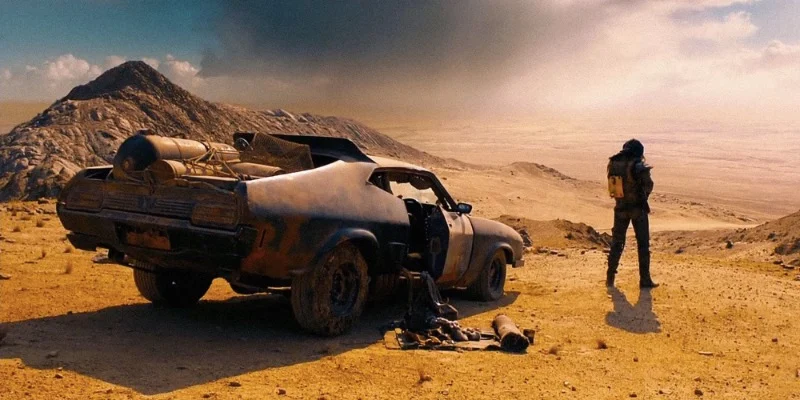
Once the truth about the Green Place is known, the group calculates that the Citadel is exposed because the main war parties are far from home. The return path uses existing tracks, friendly contacts at the pass, and the knowledge that the elevator system controls public water releases, which makes a fast coup more achievable than a blind march across the salt.
This choice also aligns with vehicle and resource math. The convoy can conserve fuel by running light, use captured assets, and arrive at a fortress already straining to function without its leader, while the people below the cliffs are ready to accept anyone who opens the valves and restarts distribution.
Zero Sense: Sound and fire on the move

The Doof Wagon carries a wall of speakers, percussion platforms, and a flame throwing guitar that ignites repeatedly during high speed movement over rough terrain. The setup would need continuous electrical power for amplification and a reliable pressurized fuel line for the flames, all while vehicles bounce, swerve, and absorb impacts.
Large speaker arrays typically require stable mounts and shock protection to keep connections from failing, and flame systems rely on consistent flow and ignition sources. On the vehicle shown, sustained output without frequent faults is unlikely given vibration, dust, and heat, yet the performance continues through prolonged combat without visible maintenance.
Perfect Sense: Pole cat tactics
The raiders who attack from flexible poles extend their reach above defensive fire and exploit vehicle momentum to land and extract quickly. The scene shows counterweights, harnesses, and crews working the bases, which allows precise timing while the poles bend toward targets and snap back for recovery.
That method fits how boarding and rescue operations use leverage and controlled swing to cross gaps while minimizing exposure. With teams at the base to manage rhythm and load, attackers can place fighters onto moving targets, retrieve them with captured goods, and keep pressure on a convoy without stopping their own vehicles.
Share the moment that stood out to you most in the comments and tell us which parts of ‘Mad Max: Fury Road’ made zero sense or perfect sense to you.