5 Things About ‘Blade Runner’ That Made Zero Sense and 5 Things About It That Made Perfect Sense

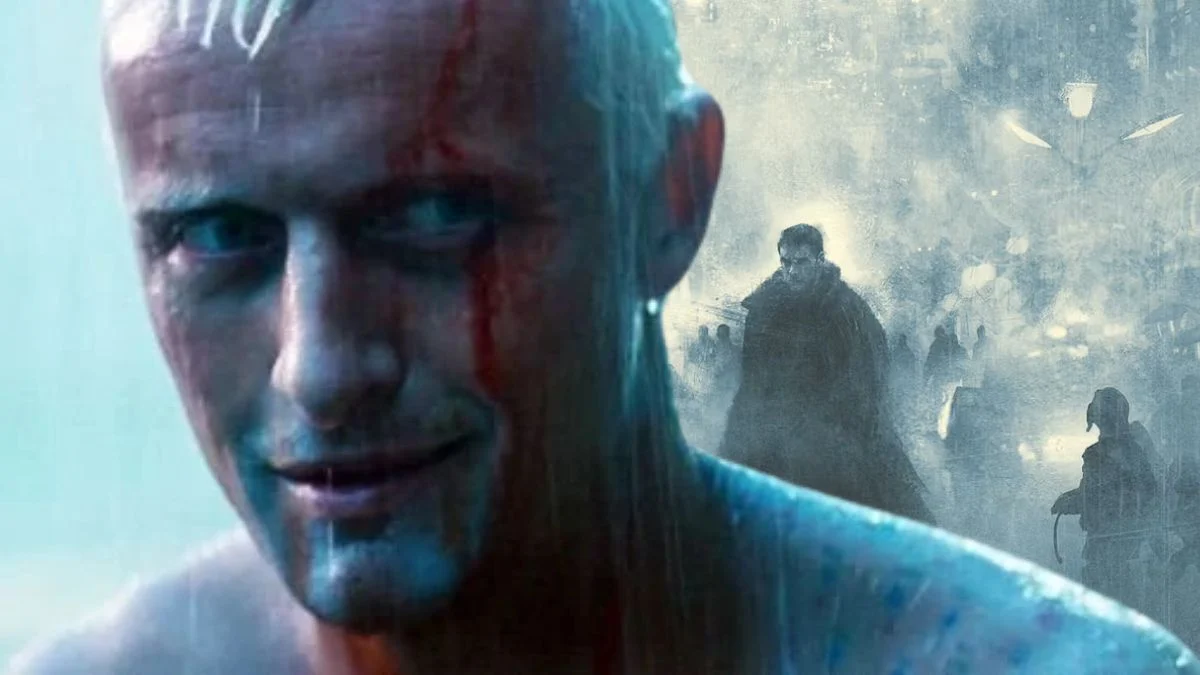

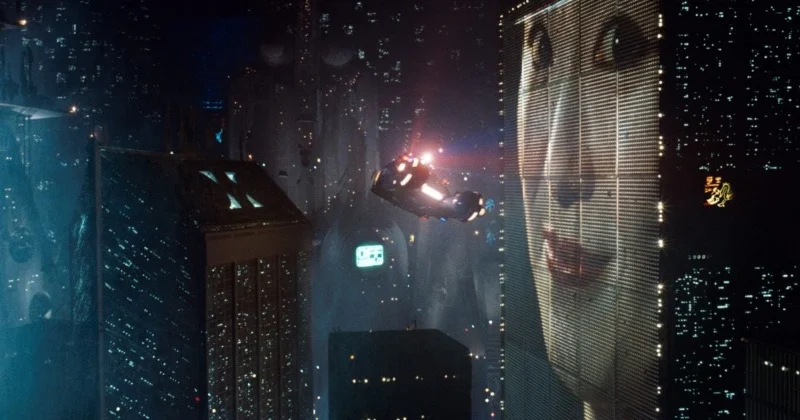
Los Angeles in ‘Blade Runner’ is all steam, neon, and looming towers, and it is packed with details that reward a close watch. The movie layers police work, corporate power, and questions about memory into a single night that changes everyone who survives it. That density makes the story feel alive while also inviting head scratching about how certain moments are supposed to work.
Here are ten focused looks at where the film’s world building stumbles and where it clicks into place. Each entry points to what the movie actually shows on screen or tells us through dialogue and props, so you can track what holds up under scrutiny and what seems to bend the rules of its own reality.
Zero Sense: The photo that sees around corners
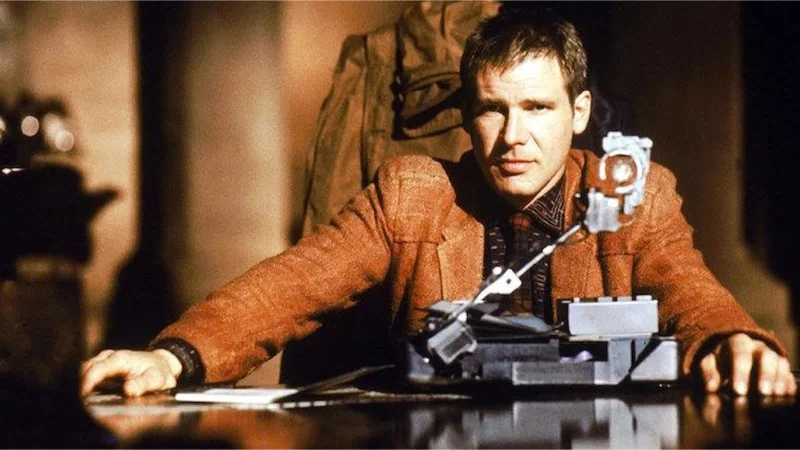
Deckard feeds a flat print into the Esper unit and commands precise moves with numbers and coordinates. The device zooms past the plane of the original image and reveals new information that would not exist in a normal photograph. It even peers into a mirror at an angle that a single lens could not have captured, which creates a result that looks like a new shot rather than an enlargement.
The film never states that the source image is holographic or that the Esper is reconstructing a three dimensional scene from multiple exposures. Standard optics cannot extract a hidden side view from a single frame, so the machine works beyond the limits of the input it is given and delivers a view that a flat photo should not contain.
Perfect Sense: The empathy test
The Voight Kampff device monitors involuntary reactions such as pupil size, respiration, and micro flush in the skin while the subject faces morally provocative questions. In the opening interview with Leon, Holden watches for delayed or blunted empathy responses when the subject hears about harm to animals or distressing social situations. The test looks for a measurable pattern rather than a confession or a memory.
When Deckard tests Rachael, the film notes an unusually high question count before a result. That detail tracks with the idea that a subject who carries implanted memories could display near human baselines for a while. The procedure remains consistent with how a lab would validate a differential diagnosis that depends on small physiological signals over time.
Zero Sense: Tyrell tower security
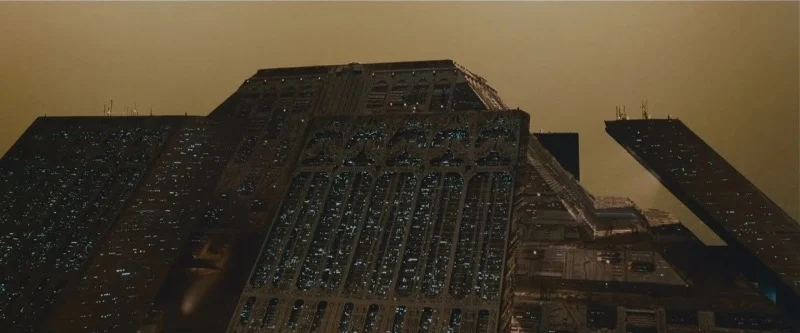
A fugitive who has just attacked an officer resurfaces in the city and soon Tyrell is accessible through a chain of personal favors and unverified escorts. J F Sebastian rides the private elevator with Roy after a chess ploy, and no automated checkpoint or biometric barrier stops them on the way to the top. The building looks impregnable from the outside yet the inner process looks like a concierge system.
Corporate leaders in this world command off world fleets and control advanced genetics, yet the gatekeeping inside their own headquarters relies on trust and face recognition by staff. The contrast between the scale of the enterprise and the simplicity of the last mile entry raises questions about how a corporation of that size manages threat models inside its flagship site.
Perfect Sense: Animals are rare and valuable

Dialogue and props establish a market in artificial animals that replaces what the environment can no longer sustain. A street seller admits a snake is not real because no one can afford a living specimen, and the animal index that Deckard consults lists model numbers and makers instead of species care notes. That points to a supply chain with standard parts and serials rather than breeding and veterinary services.
Owls, snakes, and birds appear as luxury displays or coded status symbols. The film treats ownership as an economic signal in a city where scarcity has pushed real creatures out of reach for most people. The prop economy supports the story’s theme by tying wealth to manufactured life in the same way that replicants are positioned as labor.
Zero Sense: Human wins against stronger replicants
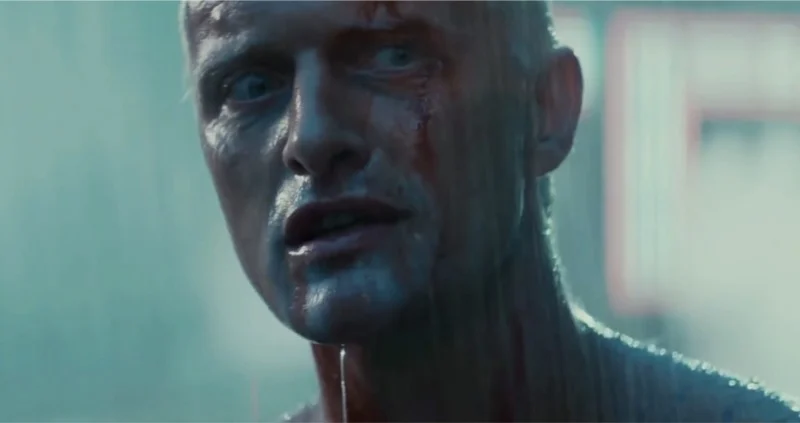
Police files identify the Nexus 6 model as stronger and faster than humans, yet Deckard subdues Zhora in a foot chase and kills Pris after a brief fight. Leon nearly crushes Deckard with one hand, which fits the data, but other encounters end with outcomes that seem generous to a human detective. The variation is sharp when you compare the stated capabilities to how long each fight lasts.
The film shows a firearm designed to deliver heavy stopping power and it shows Deckard using surprise, close range shots, and timing. Even so, the gap in strength and agility would make prolonged grapples one sided if the specs were applied evenly across scenes. The record we are given about the model line does not always align with the survivability shown on the street.
Perfect Sense: Memory implants as behavioral anchors
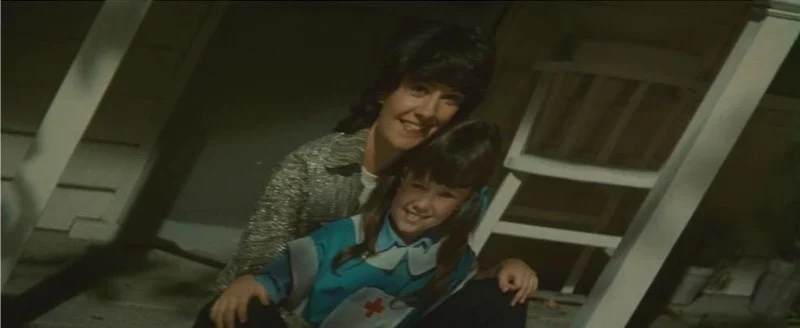
Tyrell explains that Rachael carries a childhood that is not hers and that the memories improve emotional stability. By giving a replicant a past with birthdays, photographs, and family moments, engineers seed expectations that guide choices under stress. The tactic mirrors clinical notes about how coherent personal narratives support self regulation in difficult situations.
The story uses photographs as portable prompts that connect the subject to a script about who they are. That makes the character less volatile in a crowded city and makes detection harder for routine screening, which matches Tyrell’s claim that memory affects the test profile. The approach functions as both product design and risk management inside a society that deploys synthetic workers.
Zero Sense: Eye shine signals
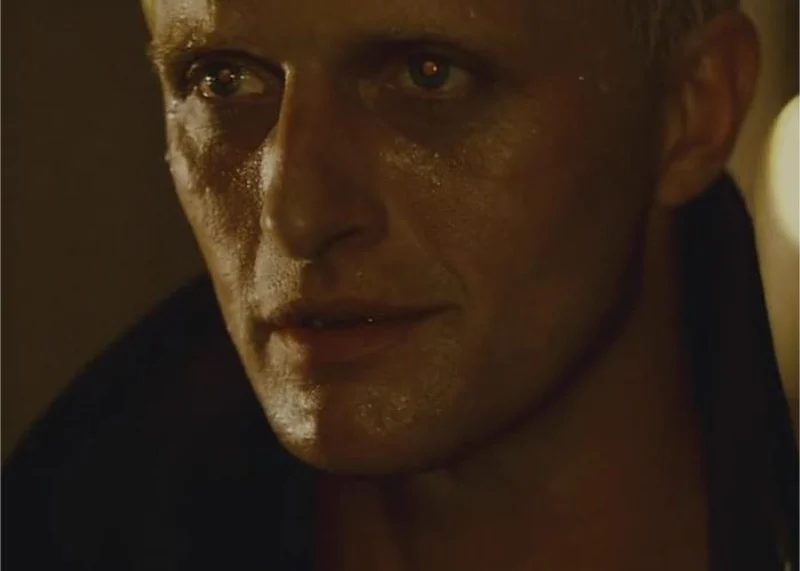
A recurring visual cue places a reflective glow in the eyes of several characters, and viewers often read it as a replicant marker. The cue appears in shots that also include confirmed humans, and it does not appear in many shots that feature confirmed replicants. Because the story never defines the glow within the world, the signal lacks a consistent in story meaning.
Without a stated rule inside the dialogue, the glow becomes hard to use as evidence for identity. The inconsistency makes it unreliable for the audience to interpret character status, since the same lighting condition sometimes marks a human and sometimes marks a replicant. The film gives no on screen device or procedure that explains this effect as a diagnostic tool.
Perfect Sense: Cityspeak and immigrant Los Angeles
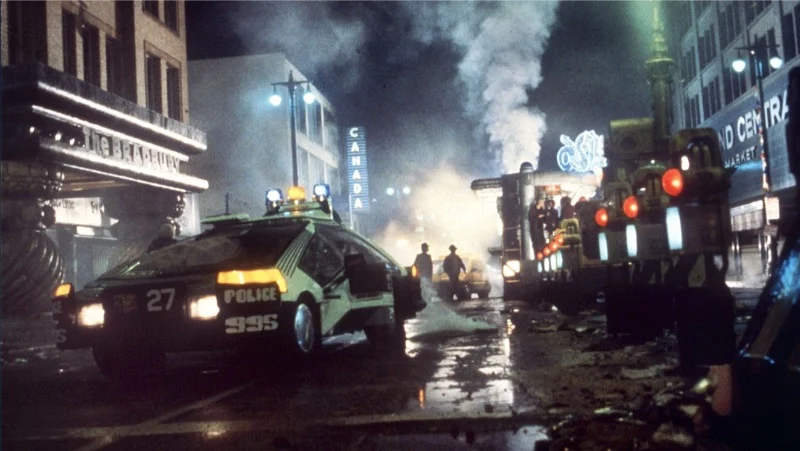
Gaff speaks in a mixed language that borrows from multiple tongues, and signs and ads show scripts from several cultures. Street vendors switch languages while negotiating prices and services, and the police briefings include names and accents from many places. The city has grown by absorbing continuous migration and by reorganizing neighborhoods vertically.
This linguistic blend provides a practical way to communicate across groups that share space but not a single mother tongue. Code switching and loanwords become efficient for work on the street and in the precinct, which matches what happens when communities merge in dense urban cores. The soundscape and signage together document a city that has adapted to constant movement of people.
Zero Sense: Endless rain in Los Angeles
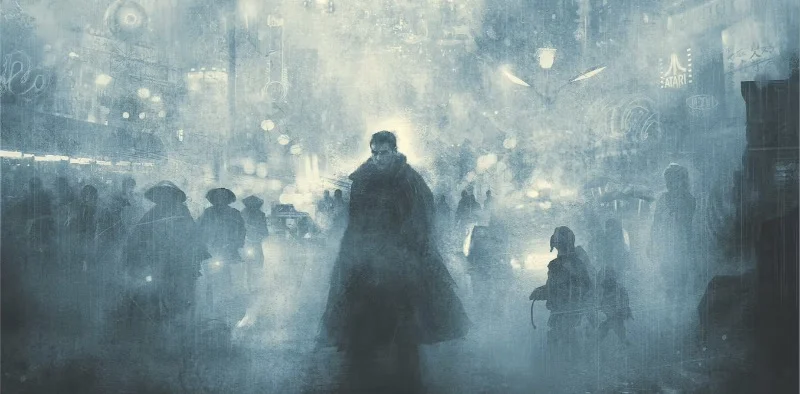
The film’s Los Angeles is drenched at nearly every hour, with steam and runoff pouring across blocks that sit under giant flames from industrial stacks. The real city has a dry climate with seasonal rain, so the on screen pattern reads like a permanent storm system. The story does not include a spoken explanation about a geoengineering project or a known atmospheric failure that would lock in that much precipitation.
A viewer can infer that pollution and heat sources help build a microclimate, but the script does not cite a documented weather shift or a policy that would create continuous rainfall. Police, vendors, and residents operate as if the downpour is normal, yet no character links the condition to a named event or change. The weather stands as a mood that lacks a clear cause inside the text.
Perfect Sense: The four year lifespan
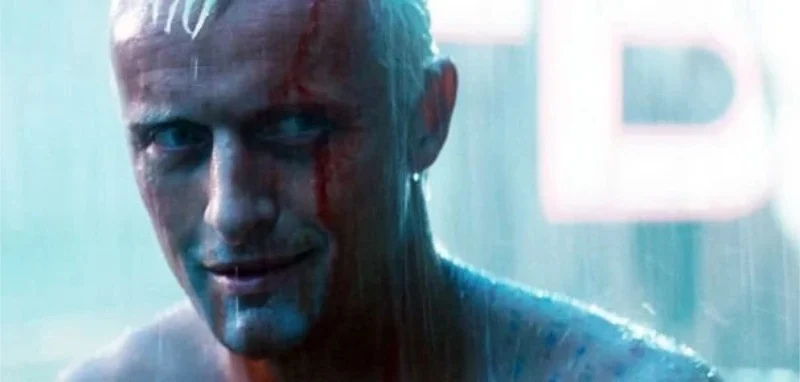
Tyrell tells Roy that the Nexus 6 line will not accept a change that extends life without side effects. The design prevents long term accumulation of emotional experience that could change judgment and stability. By limiting lifespan, engineers reduce the chance that adaptive learning will push the model outside its intended operating envelope in dangerous settings.
The dialogue connects lifespan to cellular processes and to the way the brain encodes memory over time. That framing fits with a control strategy in which a product phase ends before untested behavior appears. The choice is consistent with the corporation’s need to promise reliability to buyers while avoiding liabilities tied to models that become more autonomous with age.
Share your own picks for what did not add up in ‘Blade Runner’ and what the film got right in the comments.