5 Things About ‘Thor: Love and Thunder’ That Made Zero Sense and 5 Things About It That Made Perfect Sense

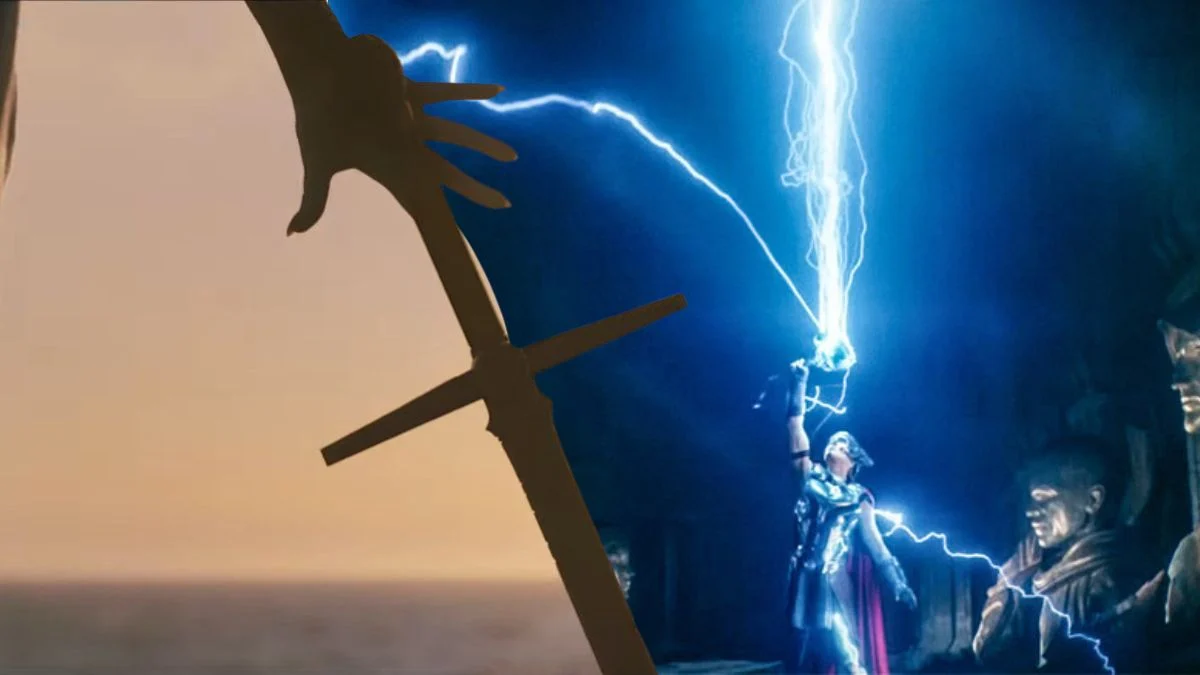

‘Thor: Love and Thunder’ jumps from cosmic quest to intimate farewell while juggling new powers, old weapons, and a threat that targets gods across the universe. It packs a lot of lore into a fast story that revisits past events from earlier chapters in the saga and introduces a few rules of its own.
Some choices line up neatly with what the series has shown before while others sit oddly next to earlier details. Here are five items where the story strains against what came before and five that fit cleanly within the world the films have built.
Zero Sense: Stormbreaker as the only path to Eternity
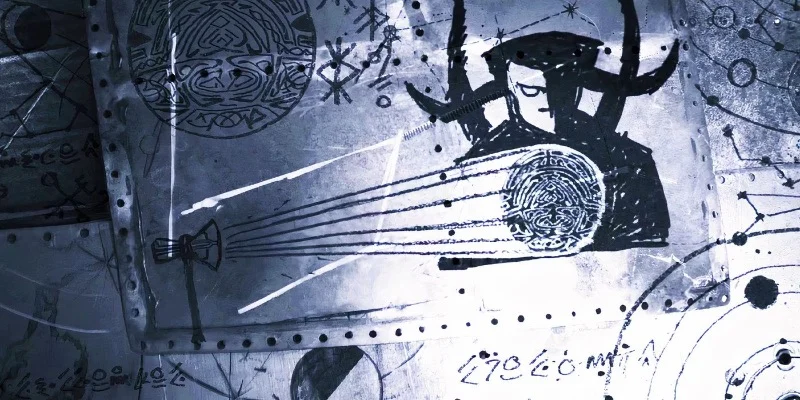
The film establishes that Stormbreaker can summon the Bifrost and that Gorr needs it to reach Eternity. Earlier entries show multiple ways to access the Bifrost that do not depend on this axe, including Heimdall’s sword and a rebuilt bridge seen after the fall of Asgard in ‘Thor: Ragnarok’. The change places a unique key role on Stormbreaker that did not exist before.
The Shadow Realm allows Gorr to move and fight across vast distances using creatures and portals of darkness. Even with that mobility, the plot ties the final gateway to Eternity only to the Bifrost that Stormbreaker creates. This narrows travel options compared with previous depictions of realm crossing and leaves other known methods unused.
Perfect Sense: The Necrosword’s corruption and shadow spawn
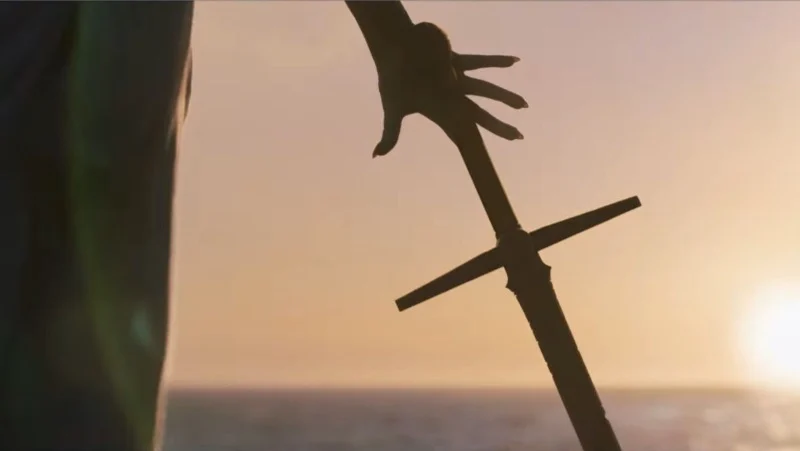
Gorr’s weapon is introduced as an ancient god killing blade that bonds with its wielder and spreads corruption. The film shows a steady physical decline in Gorr and the creation of shadow creatures that obey his will, which follows from the sword’s nature as a source of living darkness.
Scenes across New Asgard and the Shadow Realm display how the blade infects its holder and shapes the battlefield. The more Gorr fights, the more the weapon’s influence grows, explaining his pallor, his endurance in low light locations, and his reliance on monsters that emerge from darkness around him.
Zero Sense: Thor’s sudden ability to share his power with children
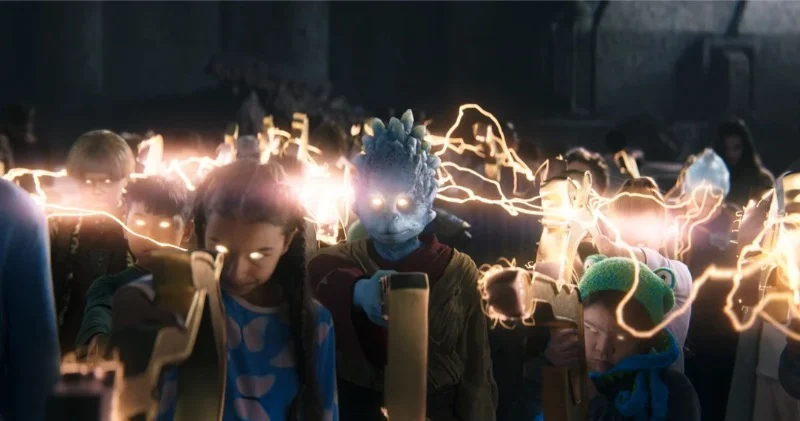
During the final battle Thor temporarily grants the children of New Asgard his lightning power with a spoken invocation. Previous films present worthiness as a strict requirement tied to Odin’s enchantment and to the person wielding Mjolnir rather than to a transferable field of power that Thor can assign at will.
The children channel lightning through found objects and fight shadow creatures under this temporary boon. No prior scene in the saga shows Thor distributing his abilities in this way, and the film does not provide groundwork for this expansion beyond the brief incantation in the moment.
Perfect Sense: Jane’s call to Mjolnir and the reforged hammer
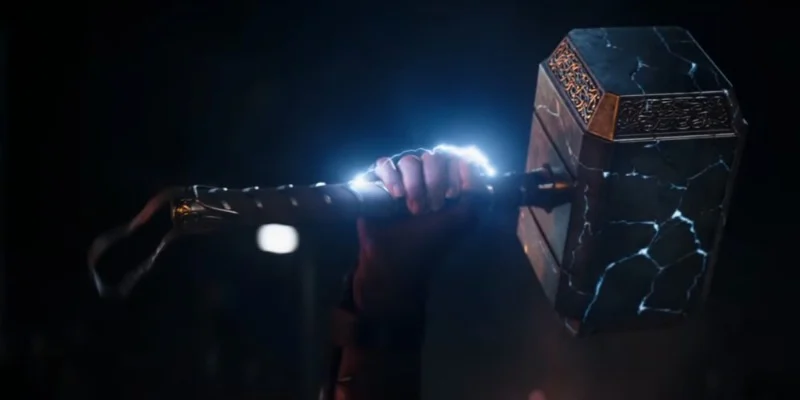
Jane is shown seeking solutions for advanced cancer and visiting New Asgard where the fragments of Mjolnir are displayed. The pieces respond to her presence and reforge, which matches an earlier moment when Thor asked the hammer to protect her, giving the weapon a reason to answer her need later.
The film keeps her transformation consistent with how Mjolnir works by granting the powers and armor of the thunder god to whoever the hammer accepts. New Asgard’s craftsmen preserve the broken pieces and Jane’s arrival completes the reassembly, which accounts for the new shattering and rejoining effect during combat.
Zero Sense: Omnipotence City’s refusal to act in a known crisis
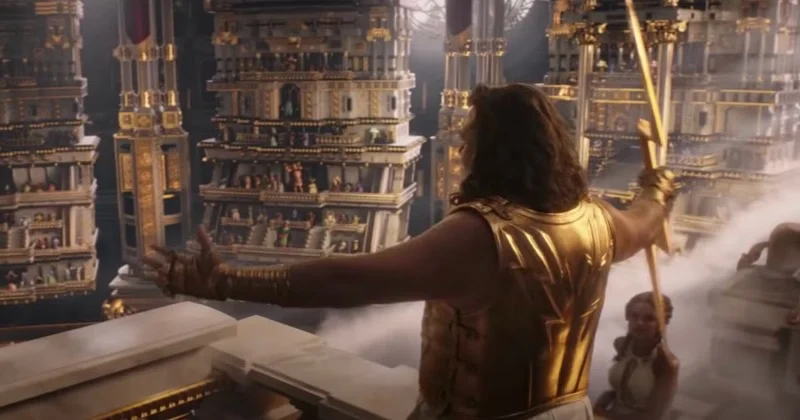
The gathering of gods in Omnipotence City confirms they know about Gorr and his campaign against divine figures. Instead of warning others or organizing to confront the danger, the council chooses secrecy and confinement, even arresting Thor after he asks for aid.
This decision leaves entire pantheons uninformed while a killer who targets their kind is active. The city’s leader displays artifacts and command over many followers, yet the meeting ends without a plan to protect temples, relocate vulnerable communities, or coordinate with Asgard, which sidelines resources the film has already placed on screen.
Perfect Sense: The screaming goats draw from Norse tradition
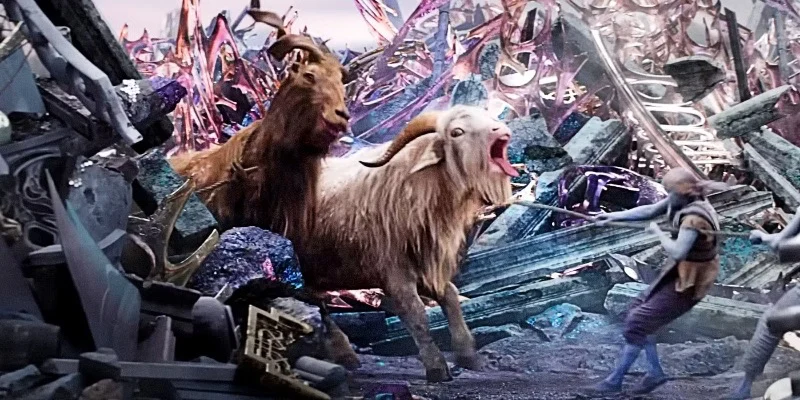
The giant goats that pull the ship are gifts that become transport for Thor and his allies. Their presence reflects the mythic pair Tanngrisnir and Tanngnjostr, which links the film’s cosmic travel to the character’s cultural roots rather than introducing a new creature without context.
Their hardiness, loud personalities, and role as draft animals are consistent with tales where Thor uses goats to power journeys. New Asgard repurposes a tourist craft and the goats tow it through space with resilience that matches the legend, which grounds an outlandish vehicle in established lore.
Zero Sense: Gorr’s strength varies sharply between scenes
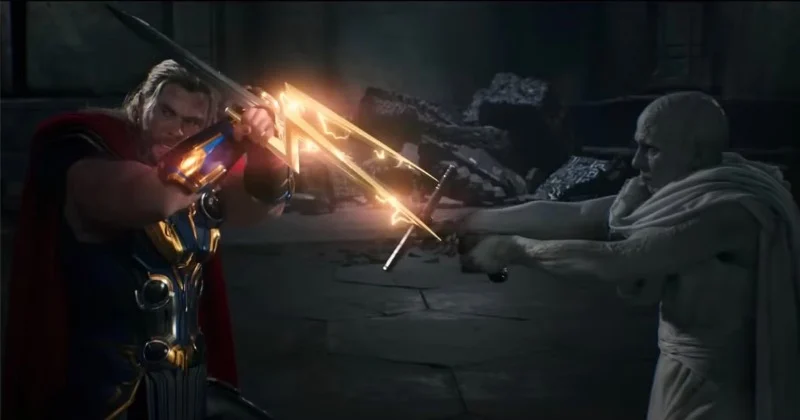
Early in the story Thor discovers the body of Falligar, a colossal deity who fell to Gorr. Reports of more slain gods suggest a wide rampage that crosses many worlds. Despite those feats, later battles show Gorr retreating from smaller teams and stalling while his enemies regroup.
The Shadow Realm ambush in particular gives Gorr the element of surprise and an environment that favors his powers, yet he withdraws without eliminating targets who have hindered him before. The contrast between earlier victories and later outcomes leaves his application of the Necrosword’s might uneven across encounters.
Perfect Sense: Thor’s split from the Guardians follows his arc
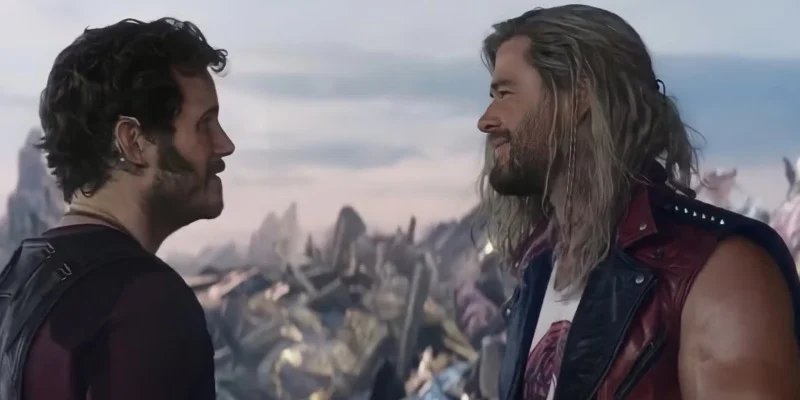
The opening shows Thor traveling with the team from ‘Guardians of the Galaxy’ before parting ways. He answers Sif’s distress call and pursues a threat aimed at gods, which focuses him on a mission that fits his background and responsibilities rather than the broader jobs the Guardians usually take.
This move also reflects his life after ‘Avengers Endgame’ where he searches for purpose beyond the royal role he left behind. The separation gives each group a path that suits their histories and lets the film concentrate on Asgardian affairs, divine politics, and enemies tied to that world.
Zero Sense: Mjolnir weakens Jane while past wielders showed no harm
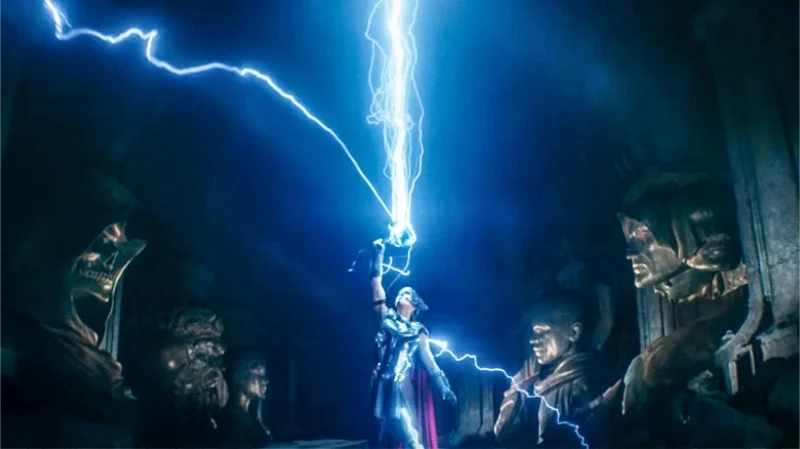
Medical tests in the film show that each transformation into the Mighty Thor interrupts Jane’s treatment and leaves her physically depleted. Her doctors advise against further use because the hammer’s magic counters modern medicine and accelerates her decline between battles.
By contrast, ‘Avengers Endgame’ depicts Steve Rogers wielding Mjolnir repeatedly without health effects. Earlier scenes of Thor himself using the hammer also do not indicate a cost to ordinary stamina. The different outcomes highlight a new rule for the weapon’s interaction with a mortal body that does not match earlier examples.
Perfect Sense: Axl’s inherited sight enables rescue planning
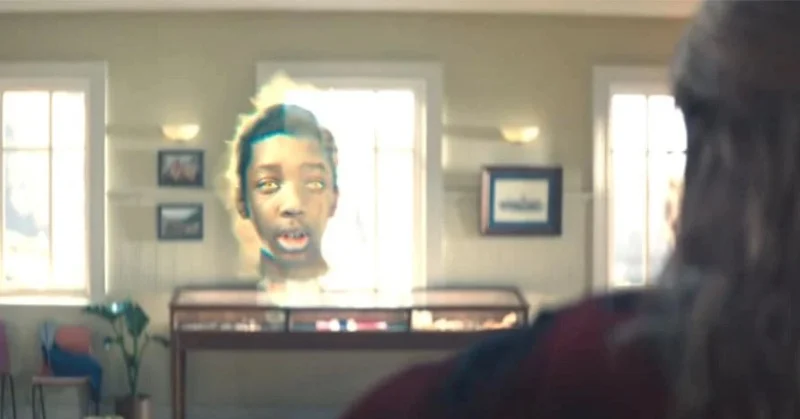
Axl communicates with Thor by projecting his point of view across space, which guides the search for the kidnapped children. Heimdall demonstrated far seeing and the ability to connect across distances in previous films, and Axl’s talent follows from that lineage.
This ability provides location data and visual confirmation of the children’s condition without the Bifrost present. It also explains how the Asgardians maintain contact under pressure, since an heir to Heimdall’s role can observe threats and relay information while the rest of the community prepares defenses and coordinates travel.
Share your own picks that puzzled you or clicked for you in ‘Thor: Love and Thunder’ in the comments.