The Most Iconic Famous Women of the 80s

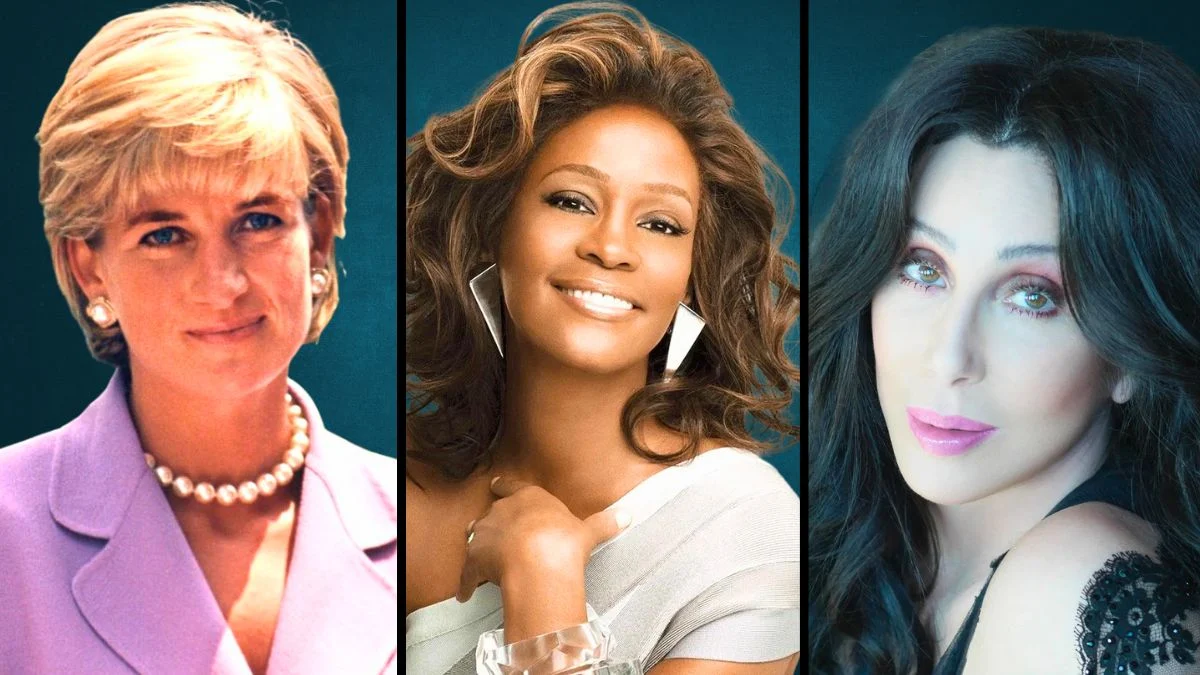

The 80s delivered a wave of women whose work defined music, film, television, sports, fashion, and public life. Their careers crossed borders and mediums, and their impact showed up on charts, in theaters, on runways, in stadiums, and on front pages. This list looks back at what they actually did in that decade, from hit records and box office milestones to firsts in space and politics.
You will see singers who filled arenas, actors who carried major studio releases, broadcasters who built media empires, and leaders who changed policy and public conversation. Each profile focuses on clear facts from the period, so you can trace how these careers rose and how their achievements were measured while the decade unfolded.
Madonna
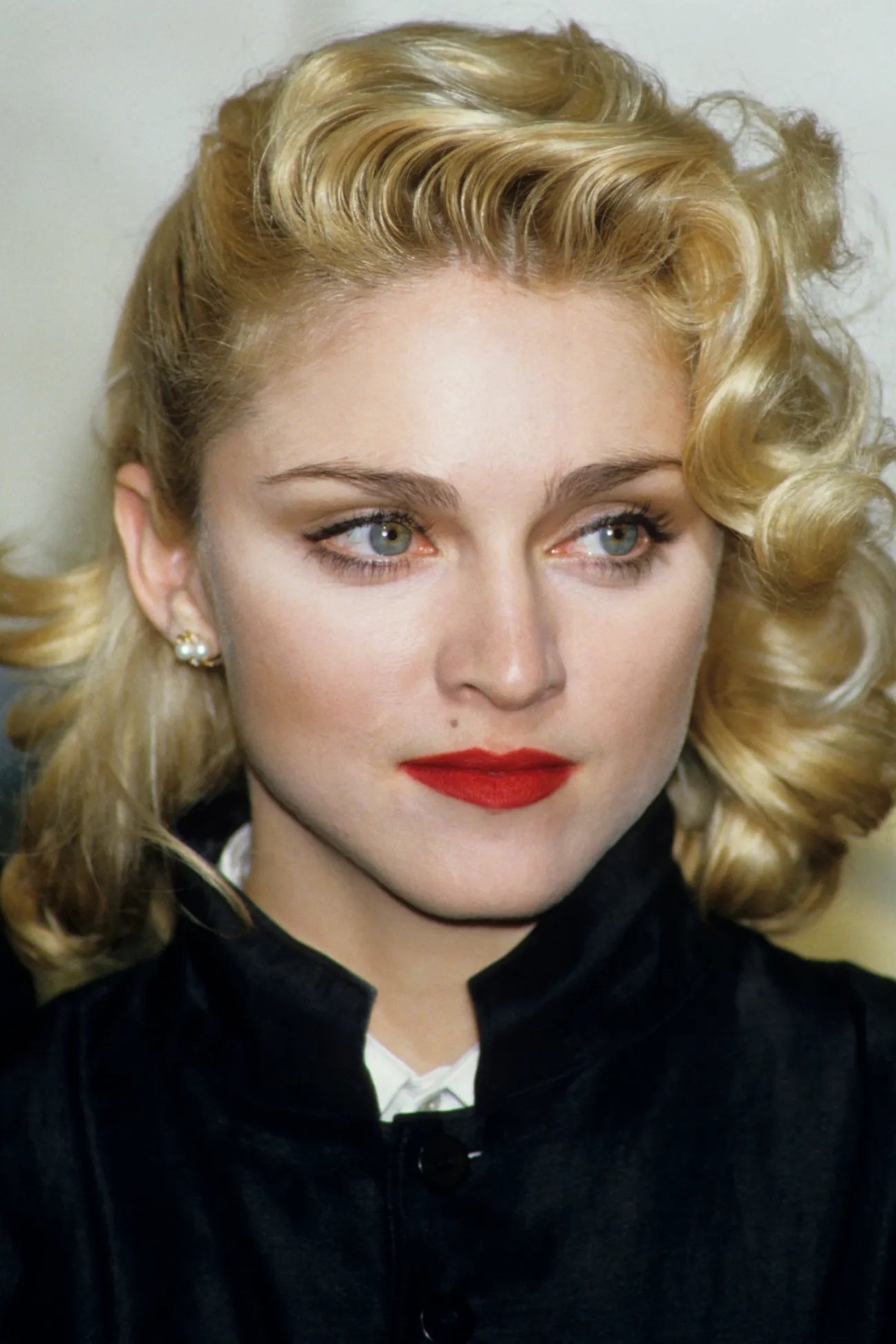
Madonna released blockbuster albums that sent multiple singles to the top of the charts and kept her on radio and television through the decade. She headlined arena tours across North America and beyond, staged music videos that dominated early MTV, and expanded into film with titles like ‘Desperately Seeking Susan’. Merchandise, fashion lines, and a steady stream of singles kept her in rotation in clubs and on television.
Her ‘Virgin Tour’ and later ‘Who’s That Girl’ world run set attendance records for a solo pop act at the time in several markets. She booked major brand partnerships, placed singles in film soundtracks, and produced concert specials for global broadcast. Her team built a template for modern pop rollouts with coordinated releases across radio, video, and retail.
Princess Diana
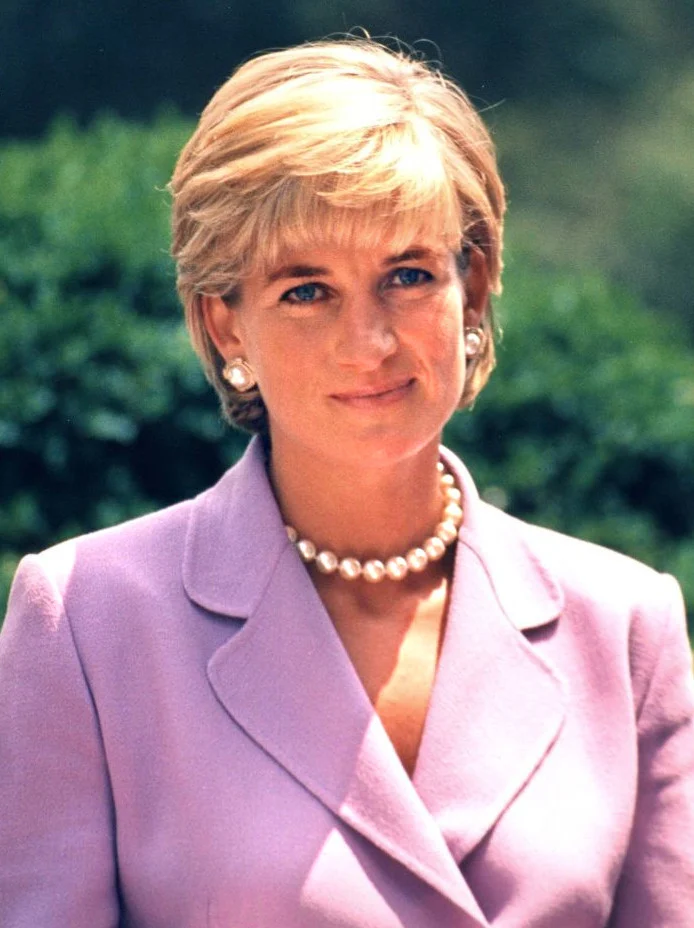
Princess Diana’s wedding drew a record global TV audience and her public schedule quickly expanded to hospital visits, charity events, and international tours. She took on patron roles for dozens of organizations focused on health, youth, and homelessness and used her profile to increase fundraising totals for those groups.
Her work around HIV and AIDS shifted public understanding when she met patients without gloves in front of the press, which health officials cited as an important public education moment. She also supported campaigns for land mine survivors and leprosy treatment and undertook official visits that strengthened cultural and diplomatic ties with Commonwealth countries.
Whitney Houston
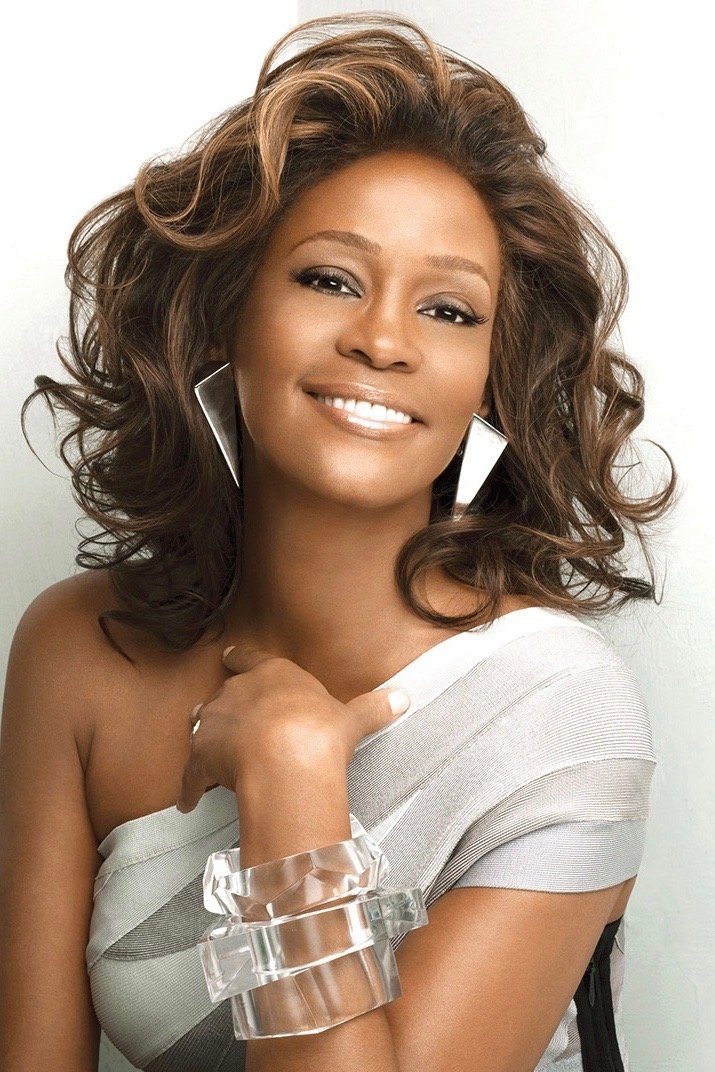
Whitney Houston’s first two studio albums each produced several number one singles on major charts and sold in the tens of millions worldwide. She set a record for the most consecutive number one singles by a solo artist, a mark tracked by chart compilers and trade publications.
Her tours sold out arenas on multiple continents and she collected top awards from recording academies and industry guilds. Network specials and prime time performances lifted TV ratings, and her recordings set radio airplay benchmarks in both pop and adult contemporary formats.
Tina Turner
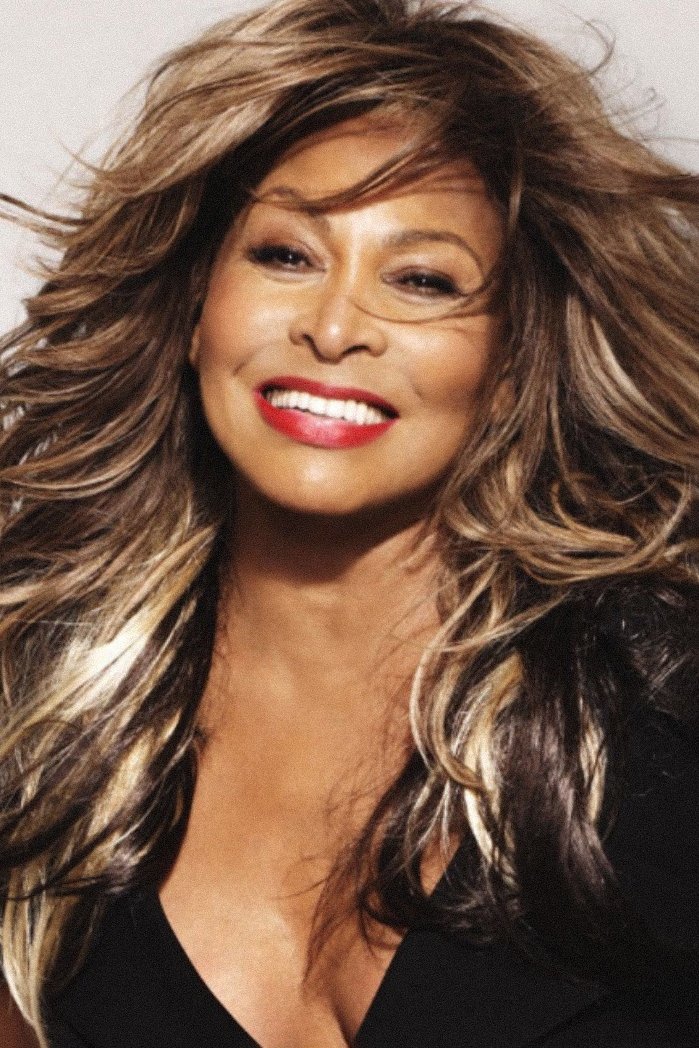
Tina Turner delivered one of the decade’s biggest comebacks with the album that returned her to the top of the charts and earned top industry awards. Singles led playlists on pop and rock radio and fueled a lengthy run of sold out shows across Europe and North America.
She also acted in ‘Mad Max Beyond Thunderdome’, contributed songs to its soundtrack, and released concert films that performed strongly on home video. Her catalog was reissued in several territories, adding to cumulative sales, and she signed major tour sponsorships that put her name in stadiums and arenas worldwide.
Janet Jackson
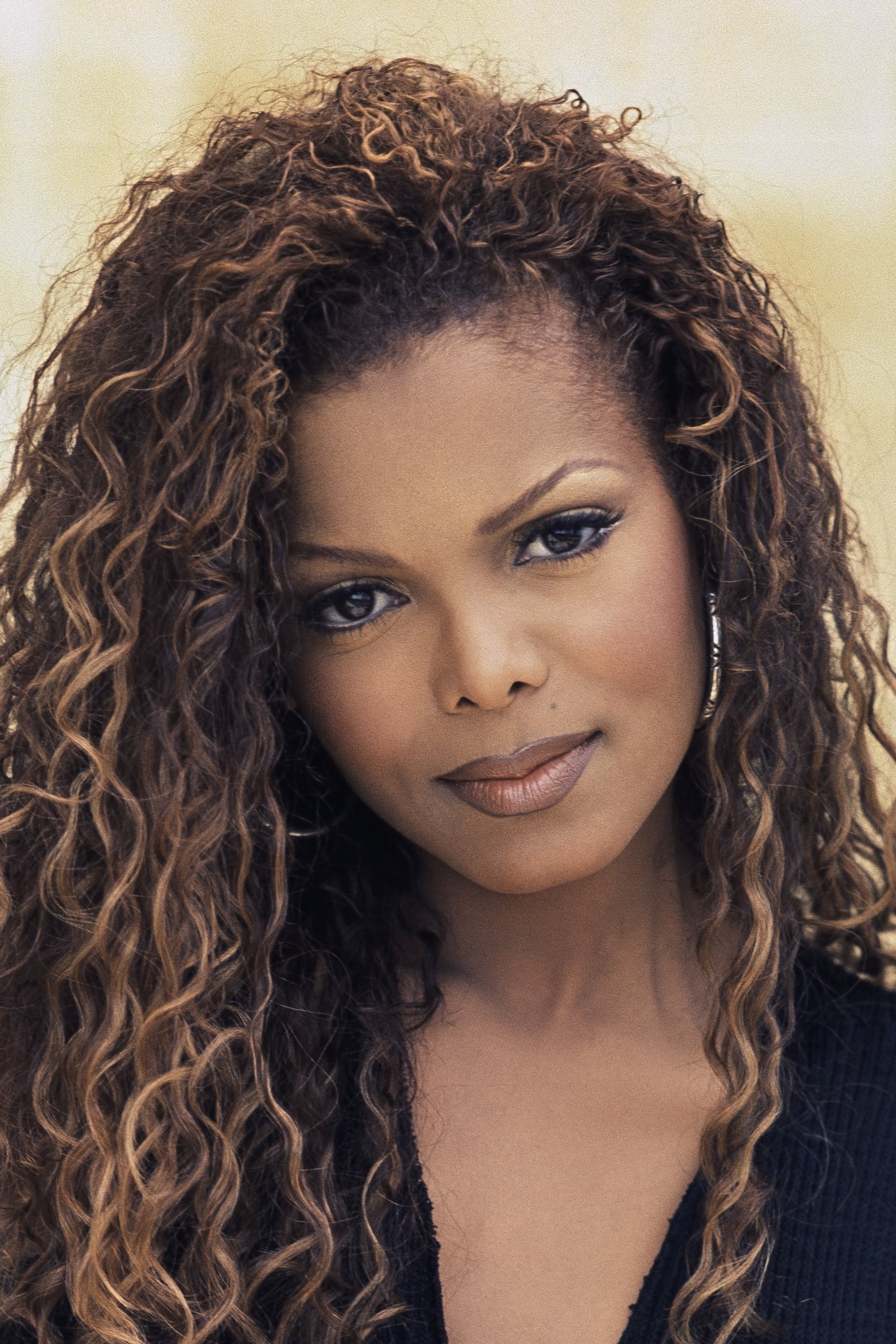
Janet Jackson’s ‘Control’ and ‘Rhythm Nation 1814’ reshaped pop and R and B with tightly produced tracks and choreography built for music television. The albums generated multiple number one hits, and their videos ran in heavy rotation across cable, which boosted sales for singles and full albums.
Her world tour introduced arena scale dance production to a new generation of pop shows. She negotiated a record setting recording contract near the end of the decade and collaborated with producers Jimmy Jam and Terry Lewis on a sound that influenced radio formats and set a model for concept driven music videos.
Cyndi Lauper
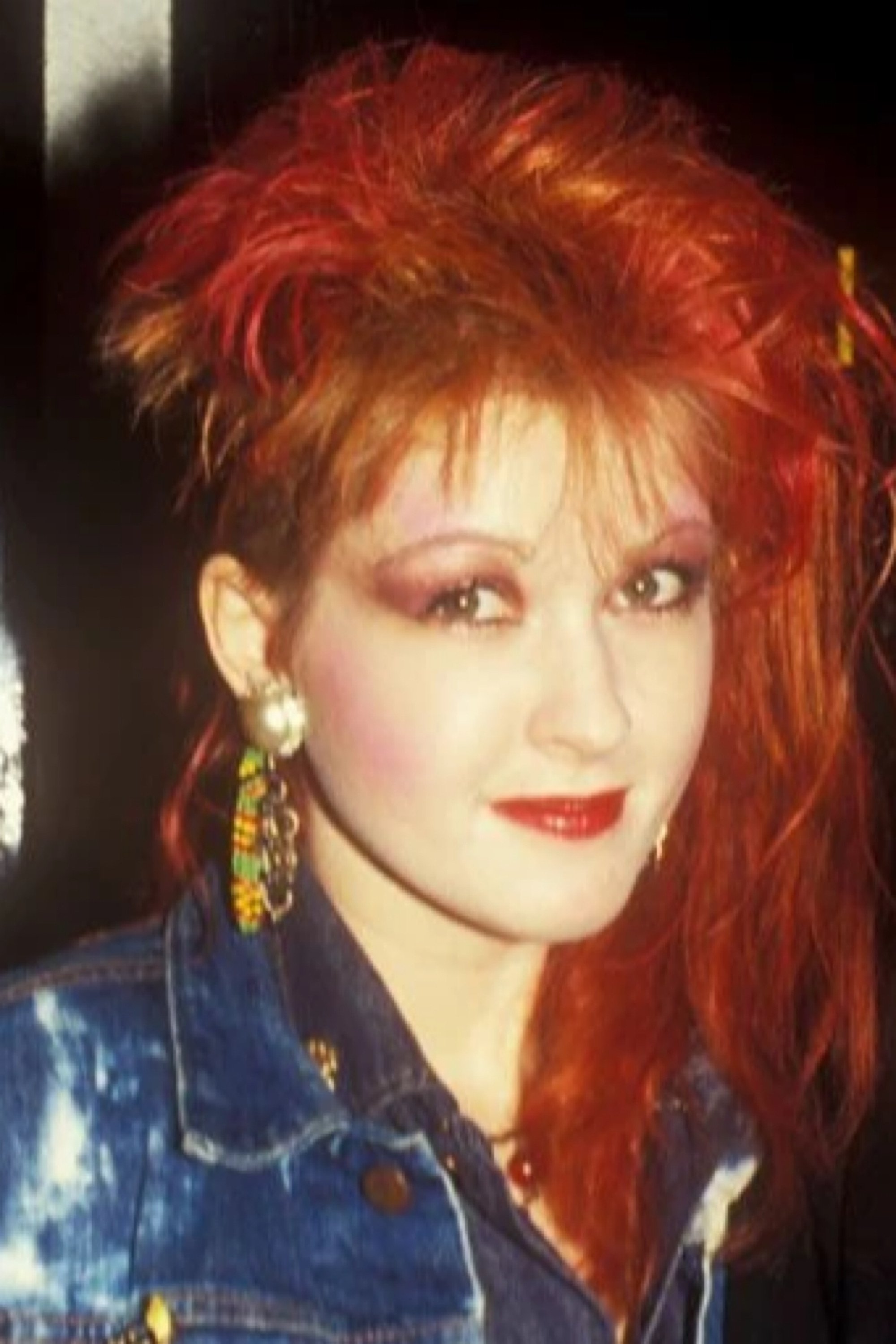
Cyndi Lauper’s debut era produced four top five singles from a single album, a first for a woman artist at the time. Her videos helped define the visual language of pop on cable television, which increased her international profile and drove strong album sales in North America, Europe, and Asia.
She followed with ballads and anthems that kept her on radio and in major televised concerts, including large scale charity broadcasts with global audiences. Lauper worked with fashion stylists and photographers to produce magazine covers and campaigns that broadened her reach beyond music and supported long running tours.
Meryl Streep
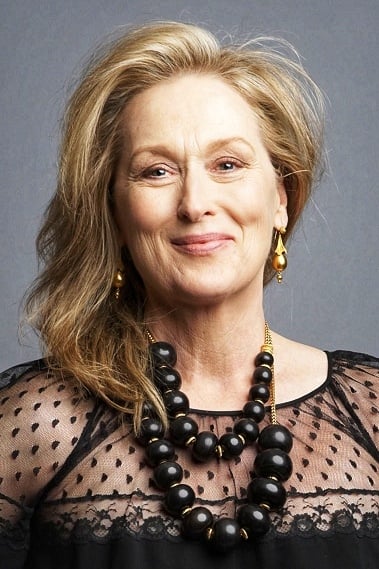
Meryl Streep led studio dramas that earned top nominations and wins from major film academies and critics groups. Her performances in ‘Sophie’s Choice’, ‘Silkwood’, and ‘Out of Africa’ anchored projects that performed strongly with both audiences and awards voters.
She maintained a steady output of leading roles, worked with directors like Mike Nichols and Sydney Pollack, and saw several films cross significant box office milestones. Her nominations accumulated across the decade and placed her among the most recognized actors in industry records.
Sigourney Weaver

Sigourney Weaver headlined ‘Aliens’ and returned as a lead in ‘Ghostbusters’ and ‘Ghostbusters II’, combining action, science fiction, and comedy in a way that drew wide audiences. She also starred in ‘Gorillas in the Mist’ and ‘Working Girl’, which placed her in both dramatic and comedic roles in the same release year.
She earned two acting Golden Globes in one ceremony, a rare achievement recorded by the Hollywood Foreign Press Association. Box office totals for her films placed her among the decade’s most bankable leads, and her projects maintained strong international distribution with long runs on home video.
Molly Ringwald
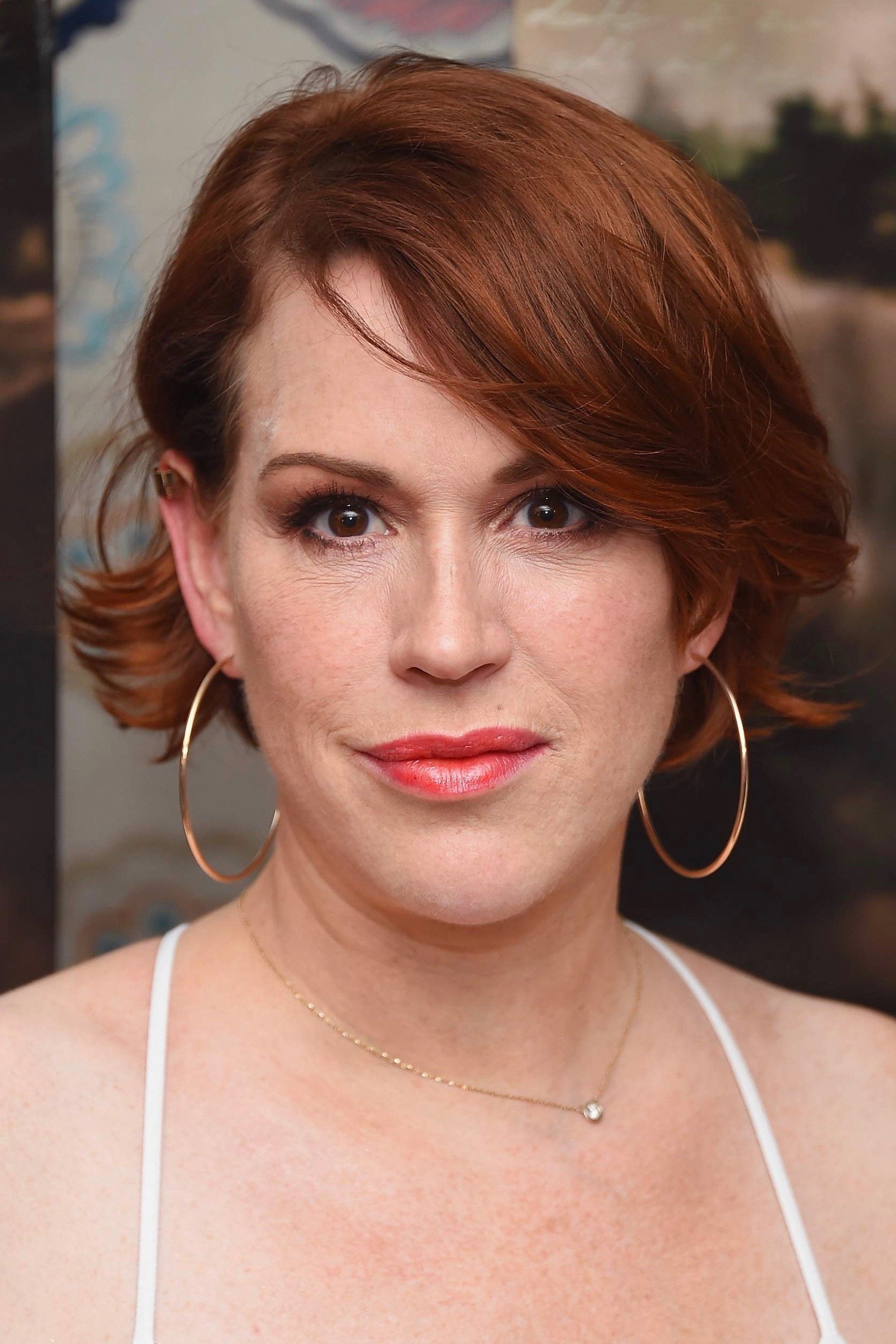
Molly Ringwald became a defining teen lead through collaborations with writer and producer John Hughes, starring in ‘Sixteen Candles’, ‘The Breakfast Club’, and ‘Pretty in Pink’. These films performed well at the box office and on home video, which kept them in steady TV rotation for years.
Her work anchored a cluster of youth oriented studio releases and helped drive soundtrack sales tied to those films. Magazine covers and press tours positioned her as the face of a genre cycle, and her projects supported a broader slate of teen comedies and dramas across the decade.
Brooke Shields

Brooke Shields moved from high fashion campaigns to starring roles in films such as ‘The Blue Lagoon’ and ‘Endless Love’. Her modeling work included high profile denim ads and international magazine covers that made her one of the most recognizable faces of the era.
She balanced film projects with print and television appearances and published a best selling photo book that documented her career. Licensing deals, endorsements, and brand partnerships extended her reach beyond screen credits and kept her visible across multiple media markets.
Michelle Pfeiffer

Michelle Pfeiffer broke through with ‘Scarface’ and followed with hits like ‘The Witches of Eastwick’, ‘Dangerous Liaisons’, and ‘Married to the Mob’. These films earned nominations from major academies and critics groups and showed strong domestic and international box office performance.
She worked across genres, from crime drama to fantasy comedy to period romance, and built a reputation for leading roles in ensemble casts. Press coverage, festival premieres, and award season campaigns kept her in the spotlight and helped establish long term studio relationships.
Whoopi Goldberg
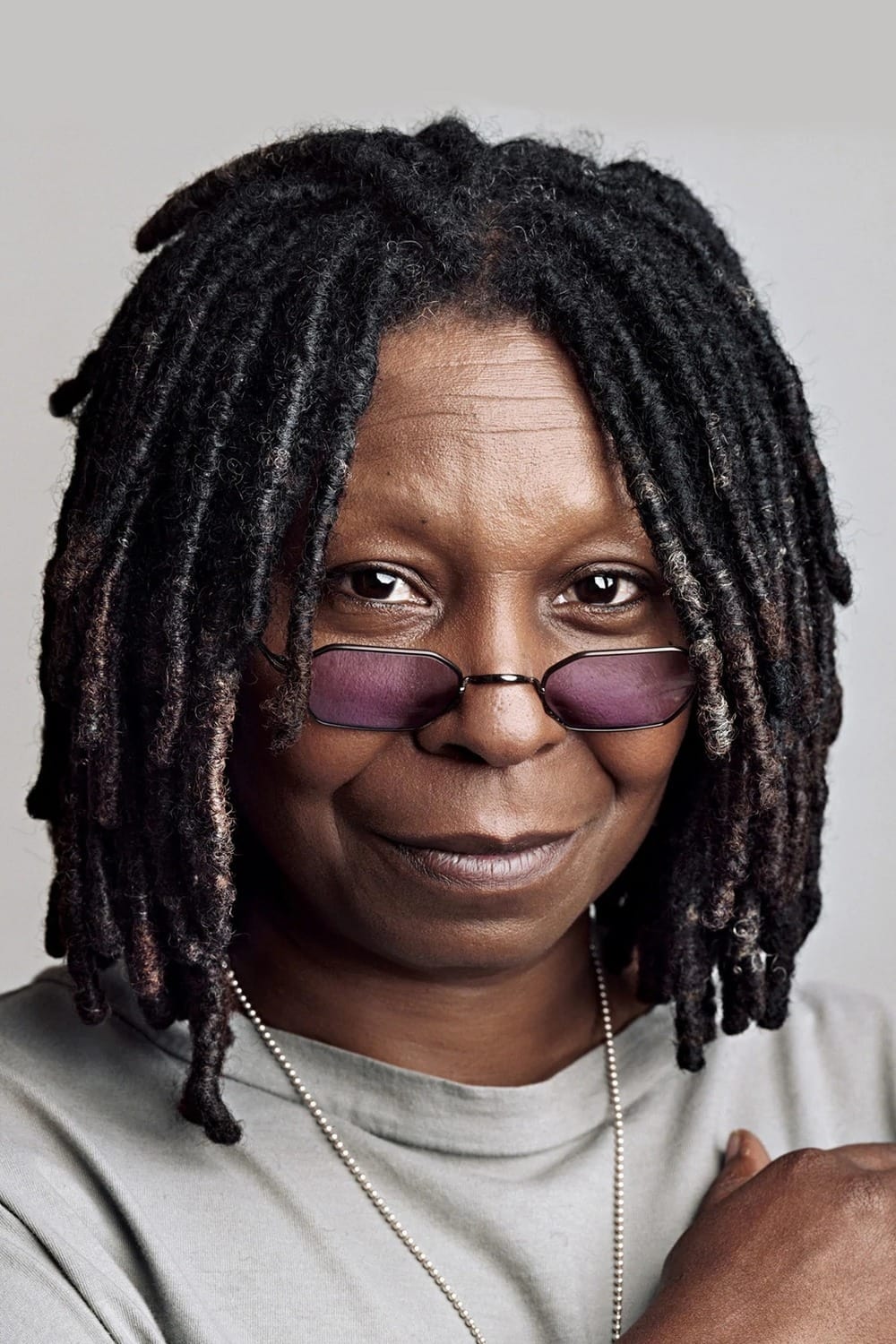
Whoopi Goldberg’s performance in ‘The Color Purple’ brought her an Academy Award nomination and a rapid rise in film offers. She led studio comedies like ‘Burglar’ and ‘Fatal Beauty’ and kept a steady presence on television talk shows and charity specials.
She maintained a stage career with a Broadway run that sold out for months and produced a best selling recording of her show. Her film and stage work brought wins and nominations across several award bodies, and she built a profile that crossed stand up, theater, and film.
Oprah Winfrey
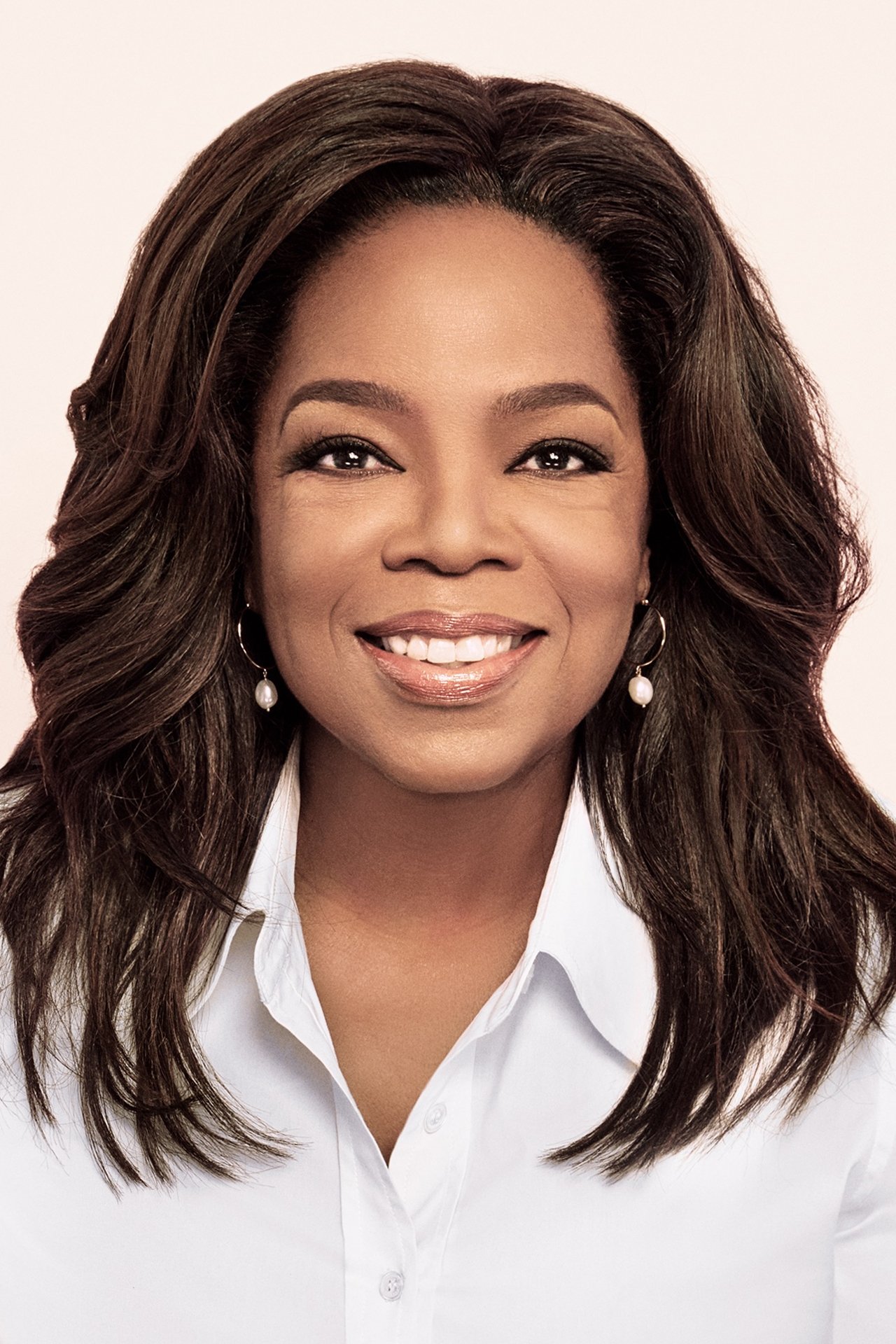
Oprah Winfrey launched ‘The Oprah Winfrey Show’ from a local talk program to a nationally syndicated hit that quickly climbed daytime ratings. She formed Harpo Productions, negotiated ownership terms that increased her control over the program, and expanded into book clubs and specials.
Her performance in ‘The Color Purple’ introduced her to film audiences and earned major award recognition. The daily show built a guest list that blended entertainment, news, and personal stories, which increased affiliate stations and strengthened her influence on publishing and consumer trends.
Cher

Cher balanced music and film with leading roles in ‘Mask’, ‘The Witches of Eastwick’, and ‘Moonstruck’. The last of these brought her the Academy Award for Best Actress and marked a high point in her screen career during the decade.
On the music side she returned to the top tier of the charts with radio singles and frequent video play. She completed large venue tours and secured residencies that sold strong blocks of tickets. Her fashion and television appearances kept her visible between releases and supported ongoing catalog sales.
Jane Fonda
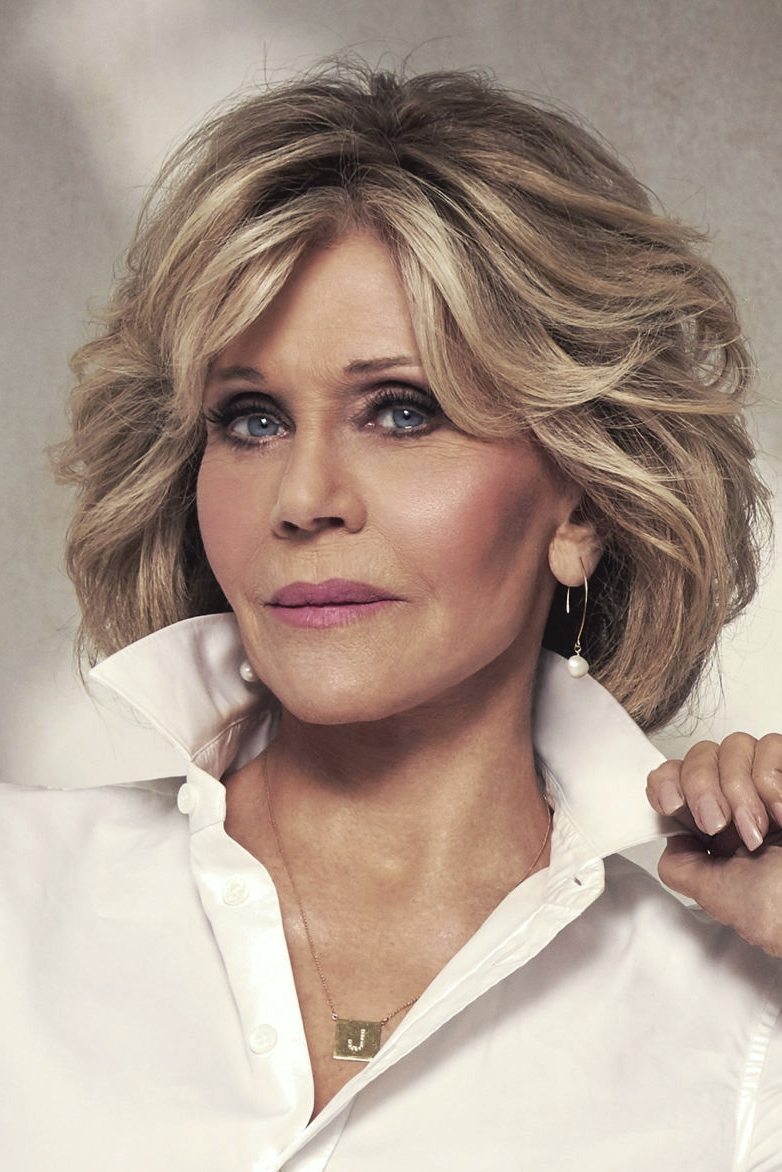
Jane Fonda starred in ‘9 to 5’ alongside a major ensemble and followed with ‘On Golden Pond’, both of which performed strongly at the box office. She remained active in dramas and comedies while taking on producing roles that increased her influence behind the camera.
Her workout video launched a fitness franchise that sold millions of copies on VHS and led to books, audio programs, and branded gear. The program was credited with accelerating the home exercise market and changing how studios approached direct to consumer video.
Margaret Thatcher
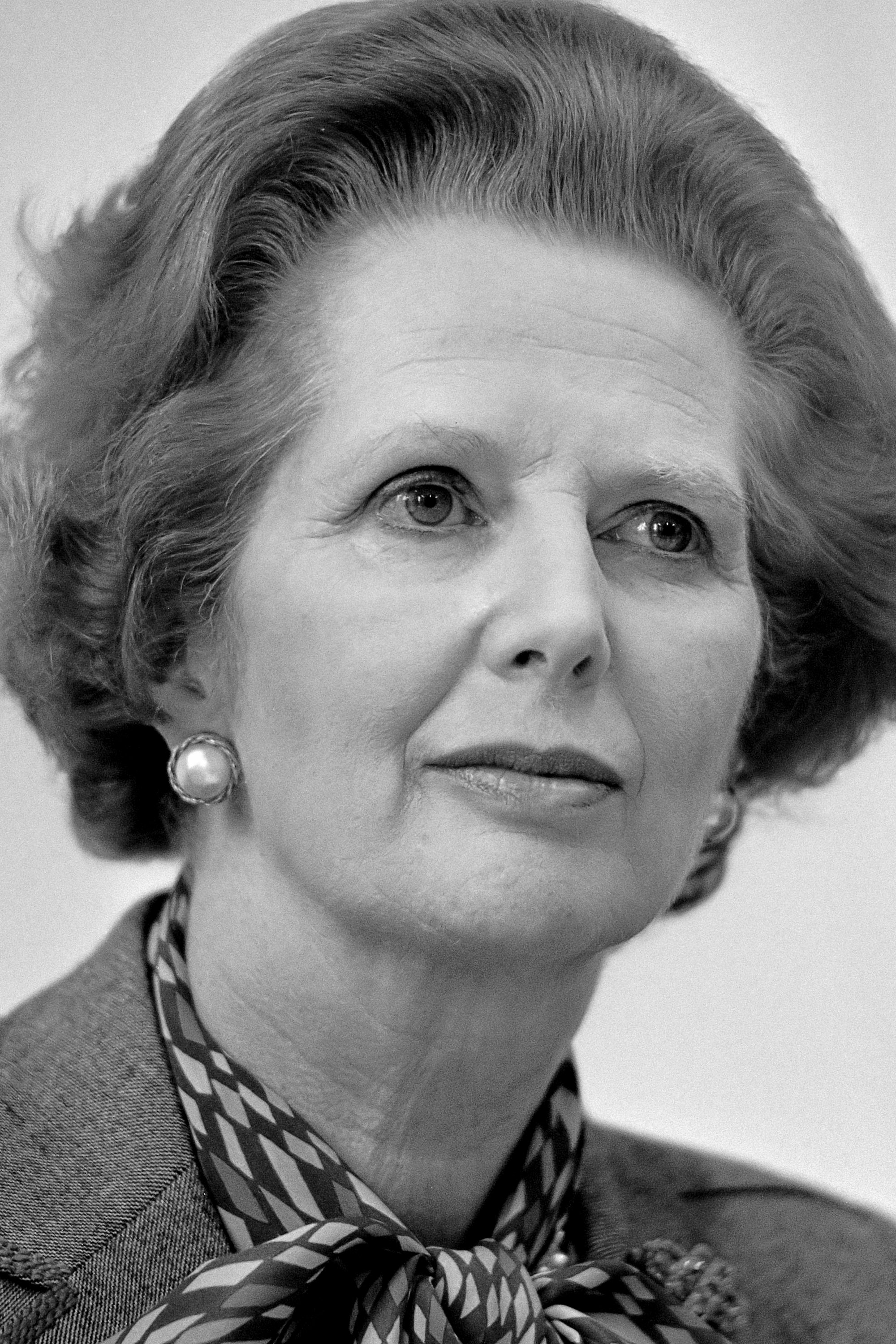
Margaret Thatcher served as Prime Minister of the United Kingdom through the entire decade and led a series of economic and regulatory reforms. Her government managed the Falklands conflict and pursued privatization programs that reshaped sectors like telecommunications and energy.
She negotiated and signed major European agreements and maintained a close working relationship with allied leaders. Parliamentary majorities kept her in office across multiple elections, and cabinet appointments placed more women in senior roles than in prior British governments.
Sally Ride
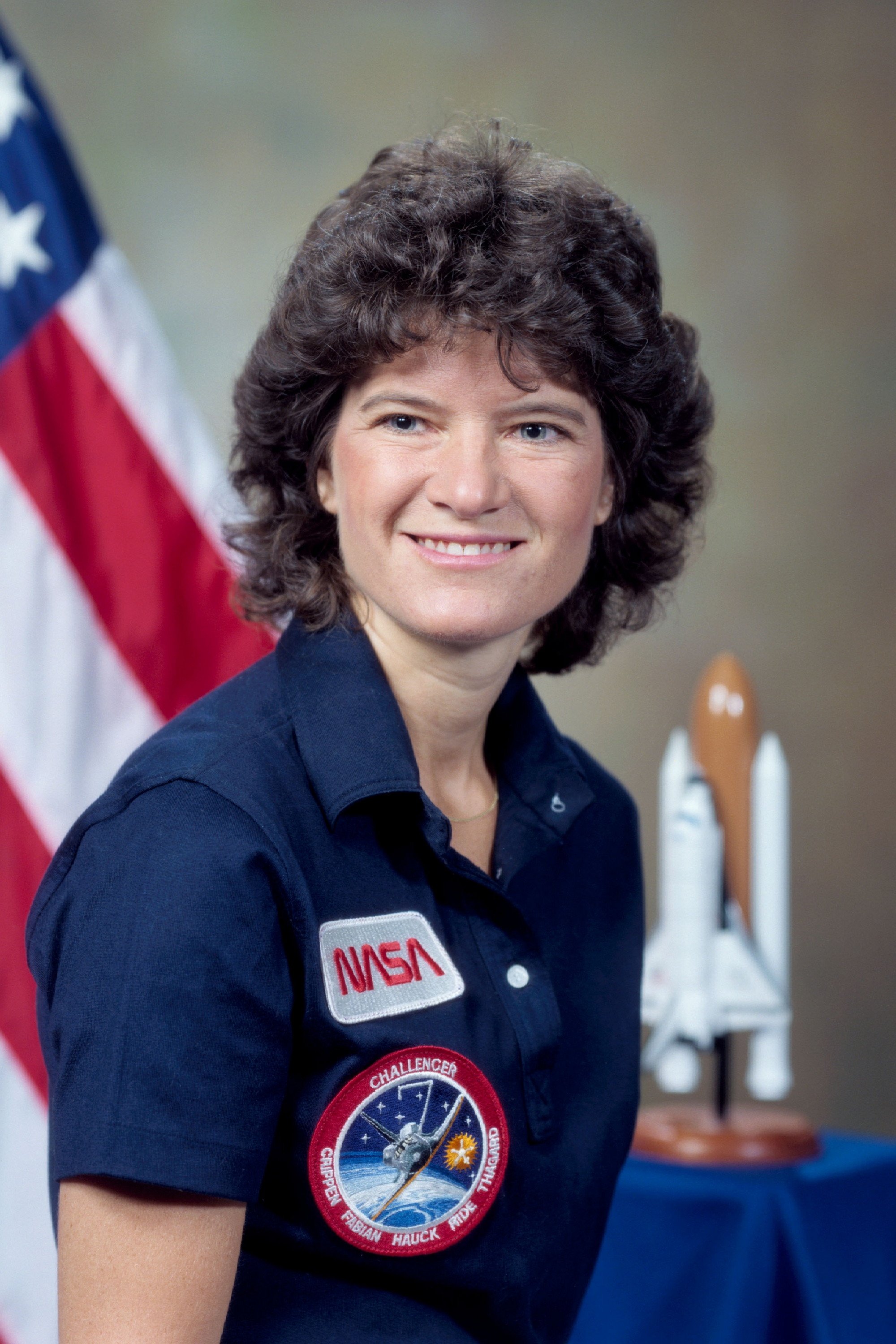
Sally Ride became the first American woman in space as a crew member on the seventh shuttle mission. She later returned for another flight and operated the shuttle’s robotic arm to deploy and retrieve satellites, work that was documented in NASA mission records.
After leaving spaceflight she served on the commission that investigated the Challenger accident and later developed science education programs for girls and young students. She taught at the university level and produced books and materials that brought space science into classrooms across the country.
Grace Jones
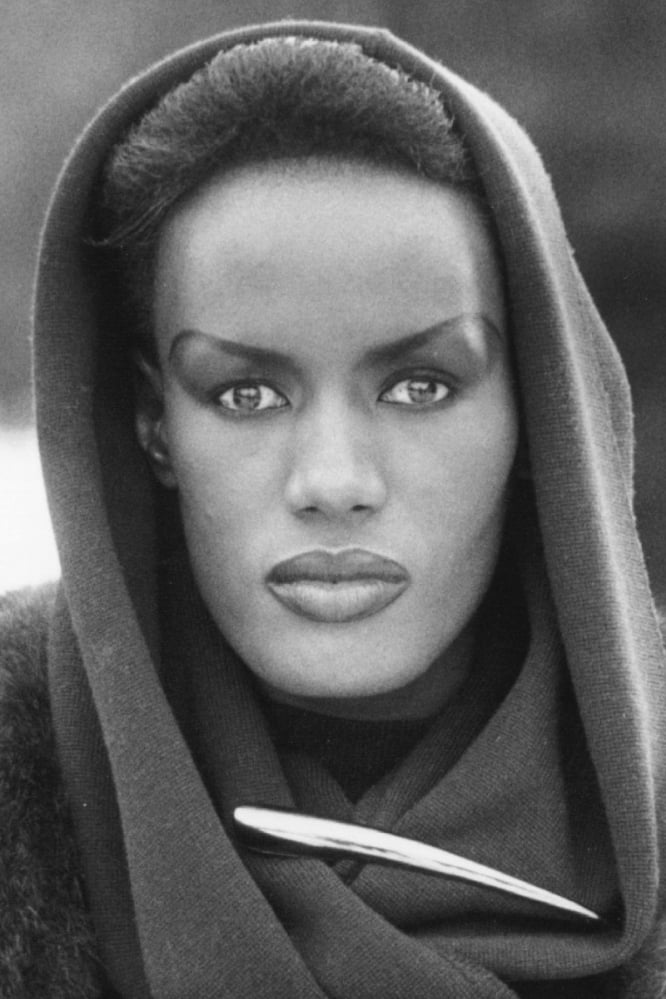
Grace Jones fused music, fashion, and film with albums that became club staples and runway soundtracks. She worked with art directors and photographers to create striking album covers and magazine spreads and maintained a global touring schedule that included major European festivals.
She acted in ‘Conan the Destroyer’ and in the James Bond title ‘A View to a Kill’, which introduced her to audiences who knew her primarily from music and modeling. She collaborated with designers on memorable stage costumes and appeared in televised fashion events that helped shape the decade’s visual style.
Gloria Estefan
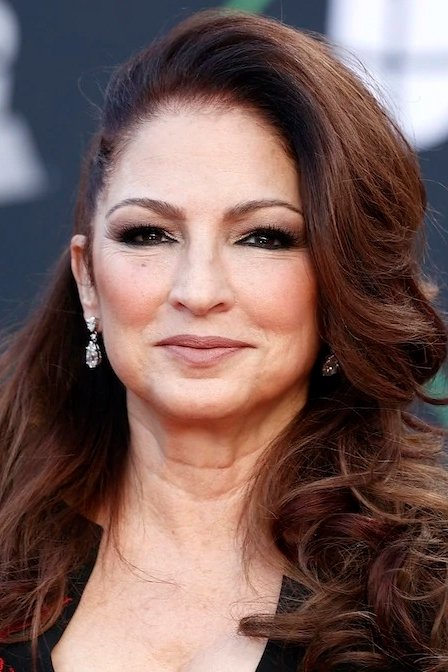
Gloria Estefan fronted Miami Sound Machine and crossed from Latin markets to English language pop with singles like Conga and Anything for You. Her albums moved strong units in the United States and across Latin America and Europe, supported by steady airplay on both pop and adult contemporary formats.
Her tours filled theaters and arenas and brought Latin percussion and dance arrangements to mainstream pop audiences. She co wrote many of her hits and worked closely with producers to blend pop structures with Cuban rhythms, which inspired a wave of bilingual releases from other artists.
Martina Navratilova
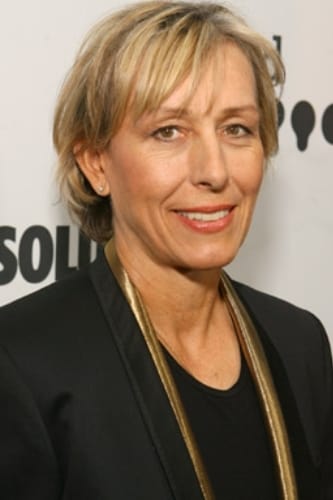
Martina Navratilova dominated women’s tennis through the decade with multiple Grand Slam singles titles and a long winning streak that stretched across surfaces. She won the singles title at Wimbledon many times in these years and added doubles crowns with partner Pam Shriver.
Her rivalry with Chris Evert drew high television ratings and sold out center courts around the world. She also advanced training methods for the tour with strength and nutrition programs that influenced coaching at elite academies and on the professional circuit.
Share your picks for other 80s women who belong on this list in the comments.