20 Movies That Left Audiences Confused

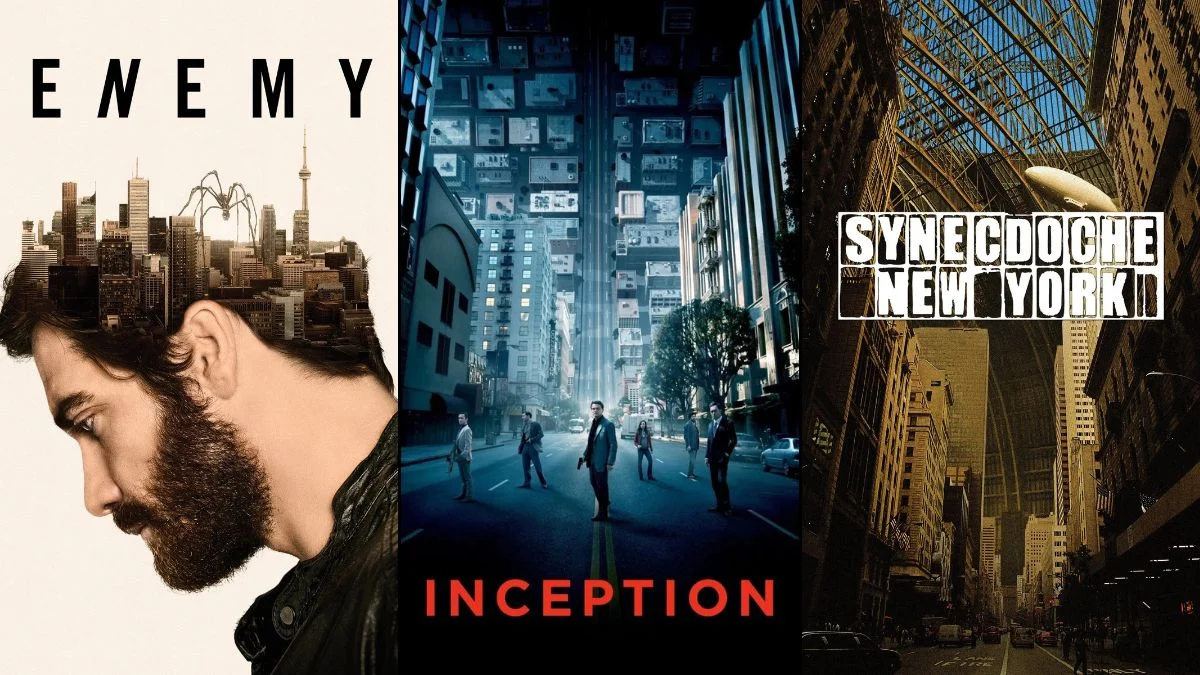

Some films ask you to sit back and enjoy the ride, while others invite you to solve a puzzle as you watch. Twisty structures, unreliable narrators, and timelines that fold over themselves can make a story feel like a maze that you map out piece by piece.
This list rounds up movies that sparked debates in theaters and living rooms because of how they present reality, memory, and time. Each entry explains what the film does on screen that makes viewers work harder to follow the plot, so you can spot the clues that the filmmakers planted from the start.
‘Mulholland Drive’ (2001)
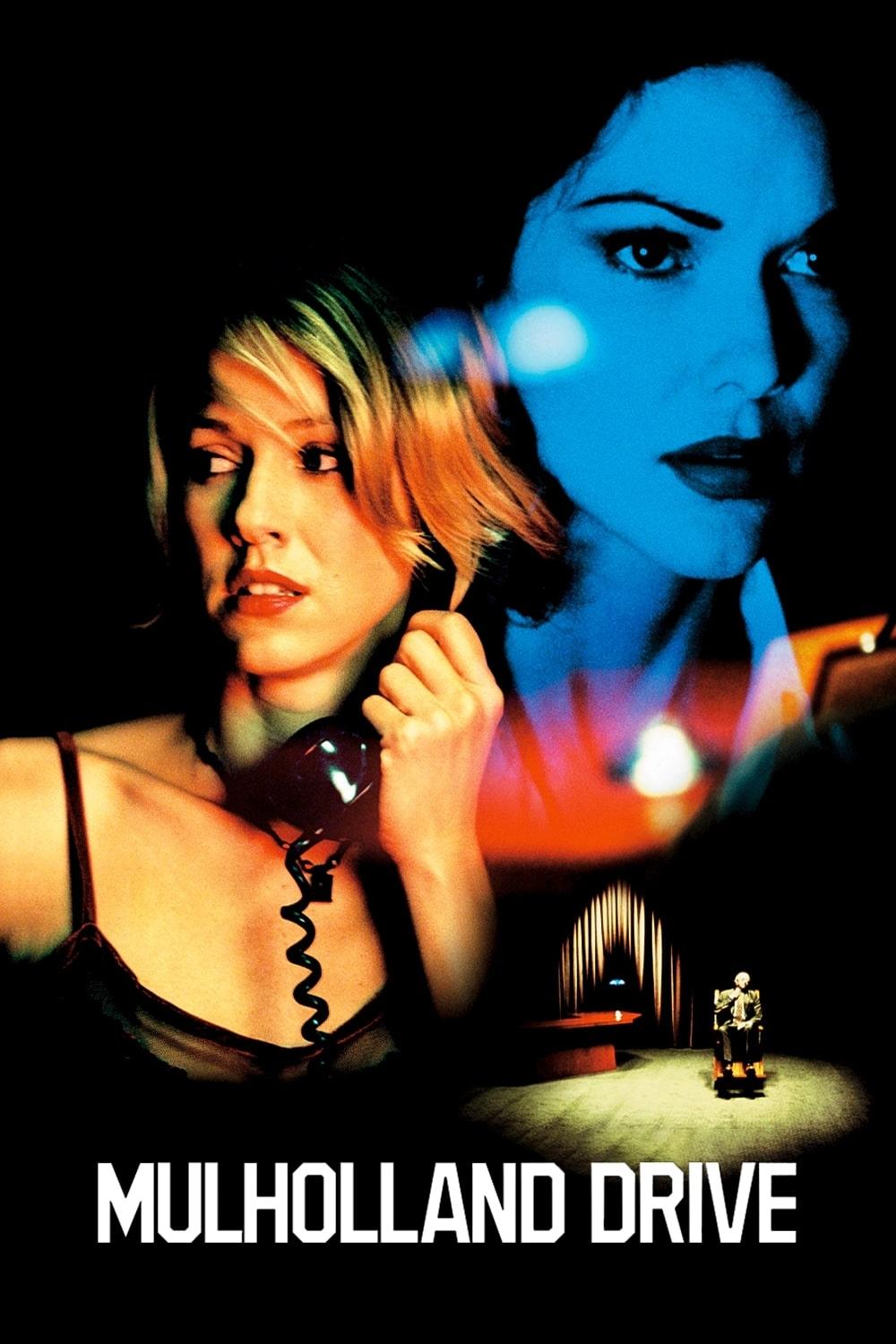
‘Mulholland Drive’ follows an aspiring actor who meets an amnesiac woman in Los Angeles, then drifts into a dream logic world where identities swap and storylines echo each other. The director is David Lynch, and the Club Silencio sequence signals a shift from apparent mystery to a puzzle about performance and reality.
The film uses nonlinear scenes, repeated character names, and mirrored locations to blur the line between fantasy and memory. Props like a blue key and a blue box act as visual markers that connect two halves of the story while refusing a simple one to one answer.
‘Primer’ (2004)
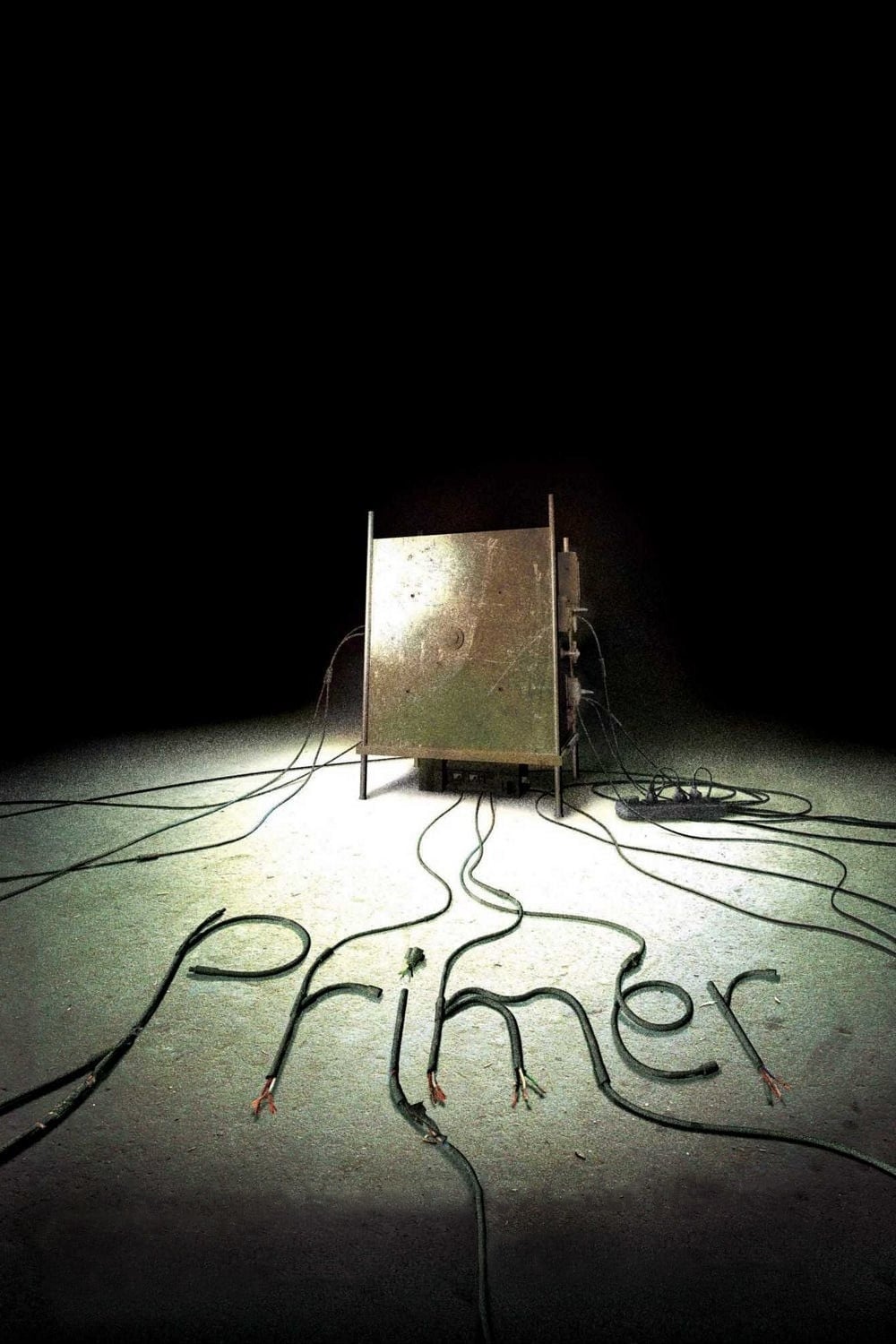
‘Primer’ centers on two engineers who accidentally create a device that allows limited time travel, then build overlapping boxes to exploit their discovery. The film was made on an ultra low budget by Shane Carruth, and it leans on dense technical dialogue that the characters deliver like real shop talk.
Multiple versions of the same person begin moving through the same day, which creates doubles that alter events in small but crucial ways. A pocket recorder, a failsafe box, and a party incident become anchor points that viewers can use to chart the branching paths.
‘Donnie Darko’ (2001)
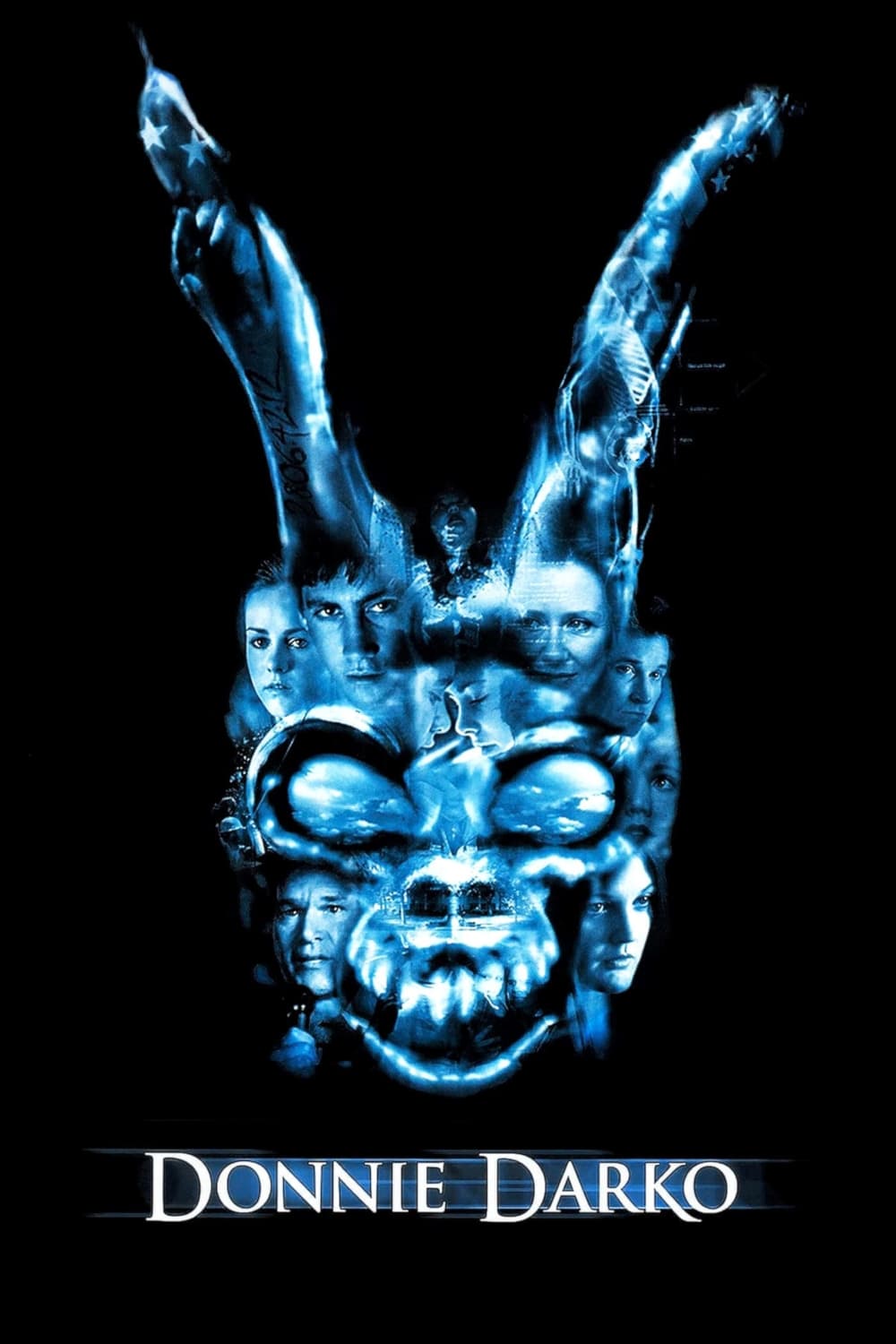
‘Donnie Darko’ follows a teenager who starts seeing a figure in a rabbit suit named Frank after a jet engine crashes into his home. Director Richard Kelly weaves in a fictional book about time travel that provides terms like tangent universe and artifact to frame what the protagonist experiences.
Key scenes with a cellar door, an emergency at a high school, and repeated images of clocks and water help track the flow of cause and effect. The narrative uses manipulated living and manipulated dead concepts to tie character fates to a larger loop.
‘Memento’ (2000)
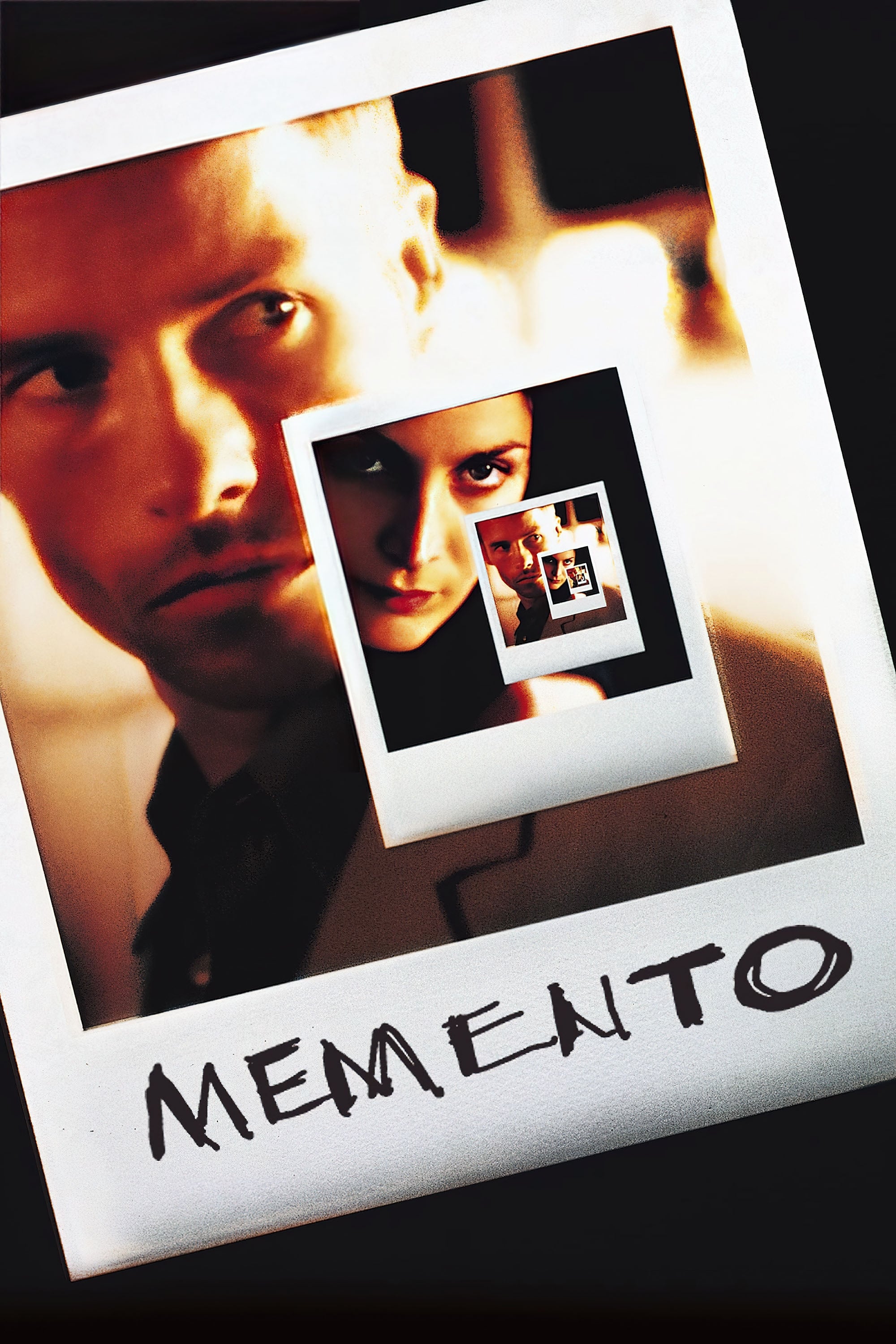
‘Memento’ tells the story of Leonard, who lives with an inability to form new memories and hunts for the person he believes harmed his wife. Christopher Nolan structures the movie with color scenes that run in reverse order intercut with black and white scenes that move forward.
Polaroids, tattoos, and written notes act as a personal database that both guides and misleads the lead character. The final reveal reframes earlier events by showing how selective facts can be arranged into a story that feels complete while leaving gaps.
‘Inception’ (2010)
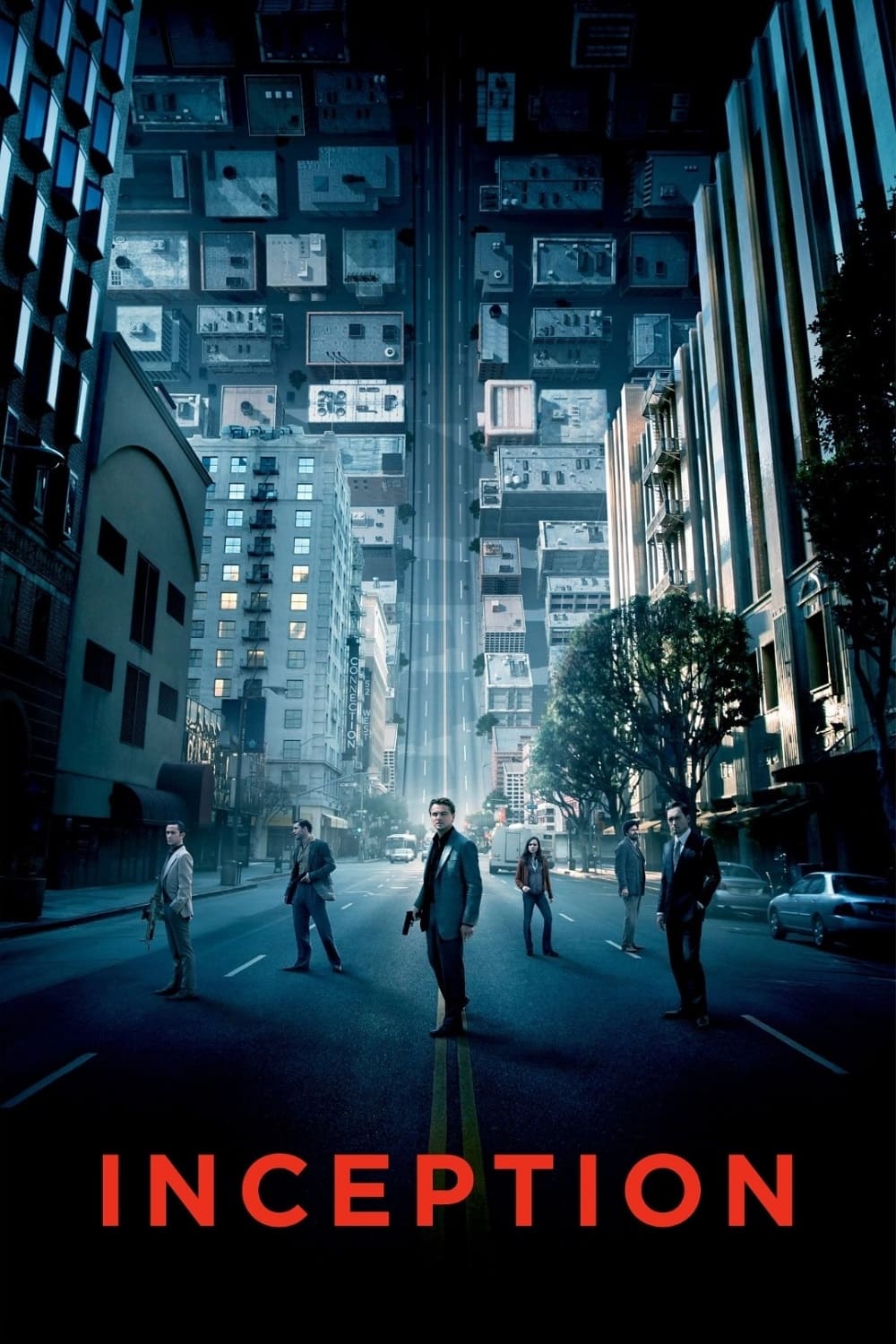
‘Inception’ follows specialists who enter shared dreams to plant an idea in a target’s mind. The team builds dream levels with different time rates, so a minute in one layer stretches into long spans below.
A spinning top totem, a safe, and synchronized music cues help the crew coordinate across planes of consciousness. The film’s cross cutting during the heist makes it possible to track which level you are in by watching gravity, weather, and the presence of a kick.
‘Tenet’ (2020)
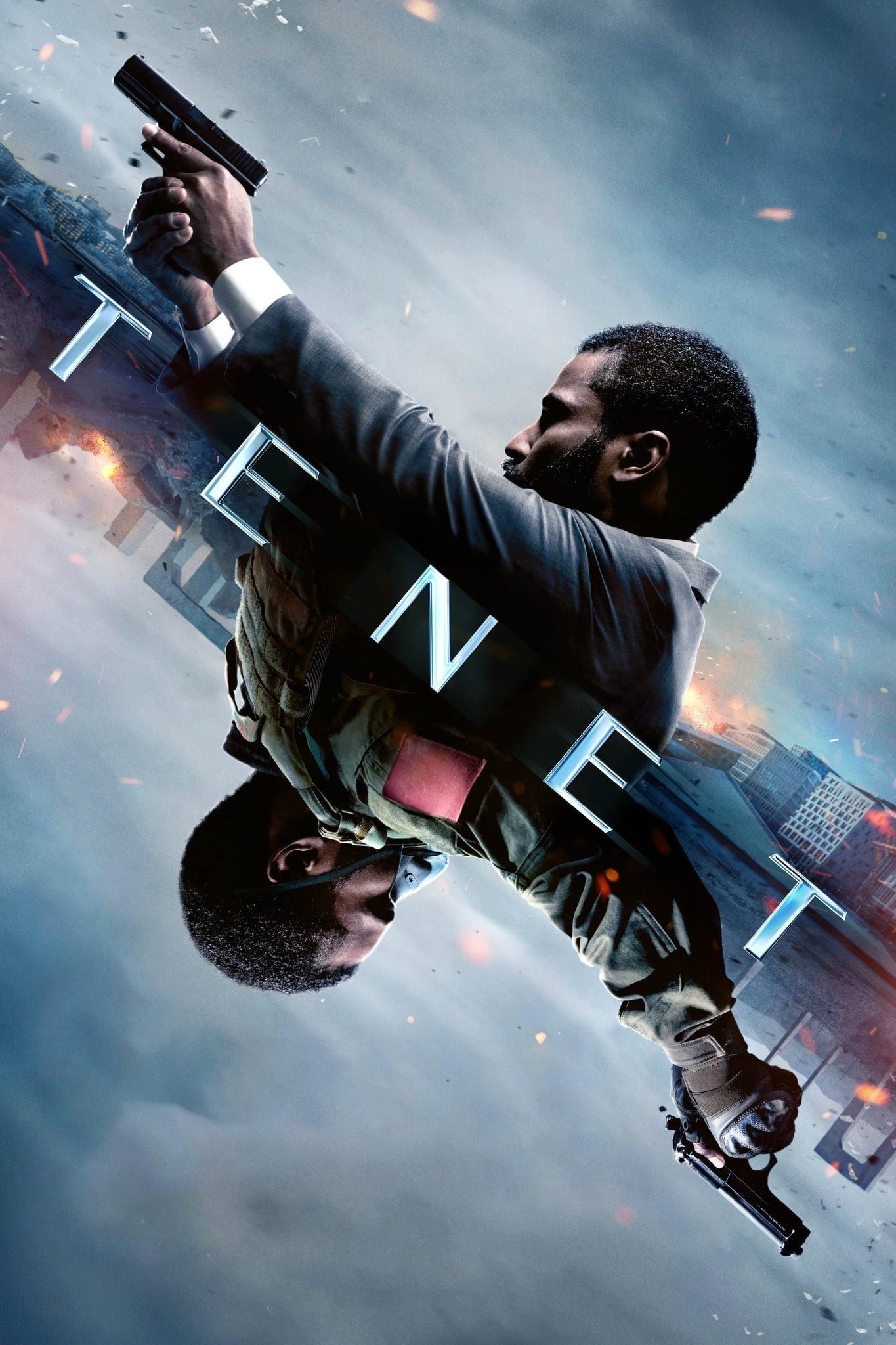
‘Tenet’ revolves around a covert operation to stop a device that can invert the entropy of objects and people. Scenes often play forwards and backwards within the same set piece, which requires attention to the direction of fire, debris, and breathing gear.
A temporal pincer movement shows two teams running the same mission in opposing directions through time. Color coded rooms, a rotating gate, and mirrored injuries provide orientation tools when the action doubles back on itself.
‘2001: A Space Odyssey’ (1968)
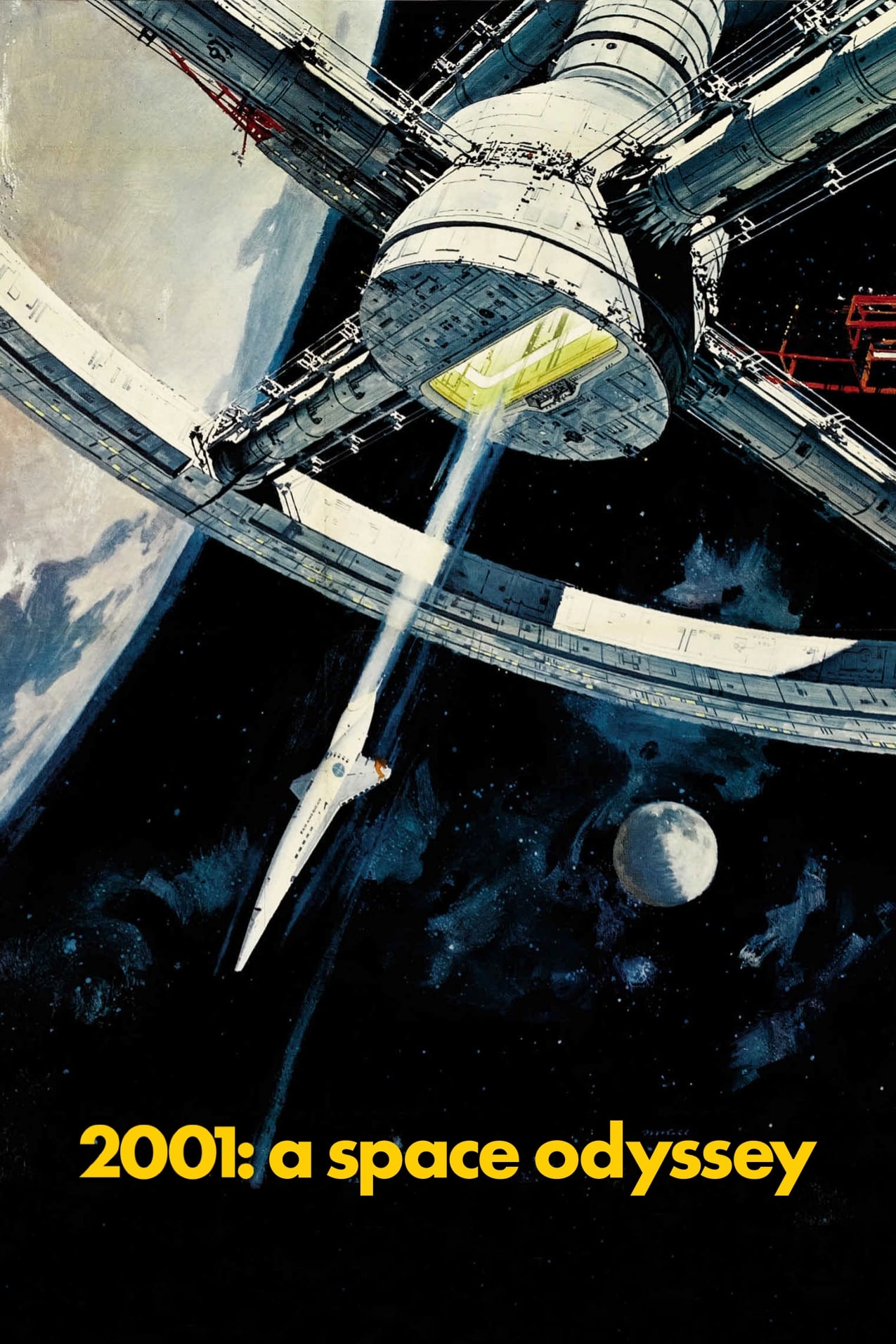
‘2001: A Space Odyssey’ traces a path from early human evolution to a deep space voyage guided by a mysterious monolith. The story moves with long stretches of minimal dialogue and relies on visual storytelling to suggest leaps in understanding.
The HAL 9000 malfunction, a cryptic signal near Jupiter, and a Stargate sequence mark shifts in human perspective. The final room presents symbolic imagery that invites interpretation through production design, editing rhythm, and recurring shapes.
‘Synecdoche, New York’ (2008)
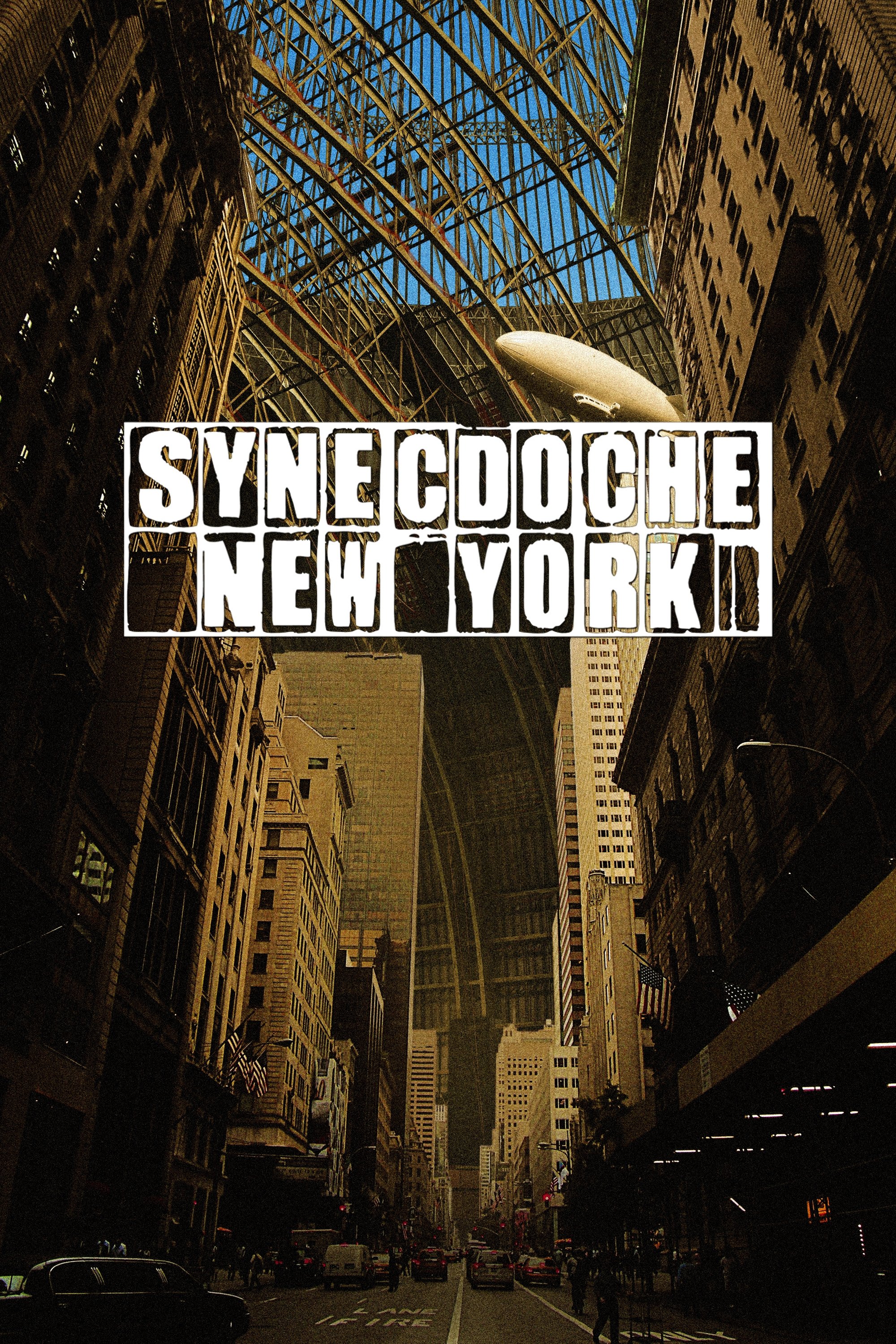
‘Synecdoche, New York’ follows theater director Caden Cotard as he stages a production that recreates his city inside a vast warehouse. Charlie Kaufman builds a nested structure where actors play people who are themselves directing new versions of the same life.
Time moves unevenly, so days pass like years inside the rehearsal while relationships reconfigure with new cast members. Street sets, apartments, and a constantly updated script become a map of a life that cannot be fully captured.
‘Coherence’ (2013)
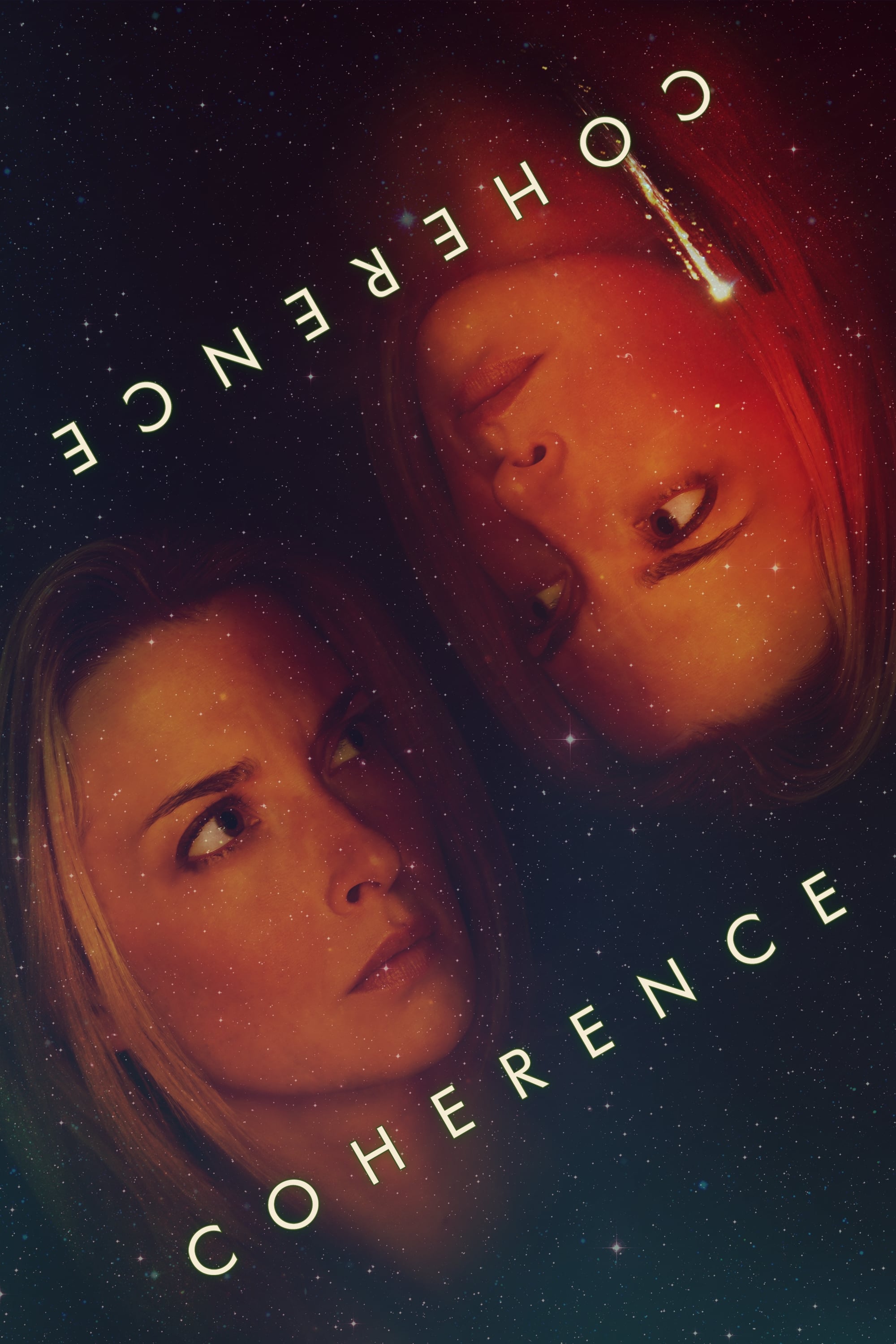
‘Coherence’ takes place during a dinner party on the night a comet passes overhead. Power flickers lead the guests to discover that their house is one of many identical versions separated by boundaries that people can cross.
A numbered box with photographs and glow sticks helps the group try to label which reality they are in. The film uses improvised dialogue and limited locations to foreground tiny continuity tells that signal a shift between versions.
‘Enemy’ (2013)
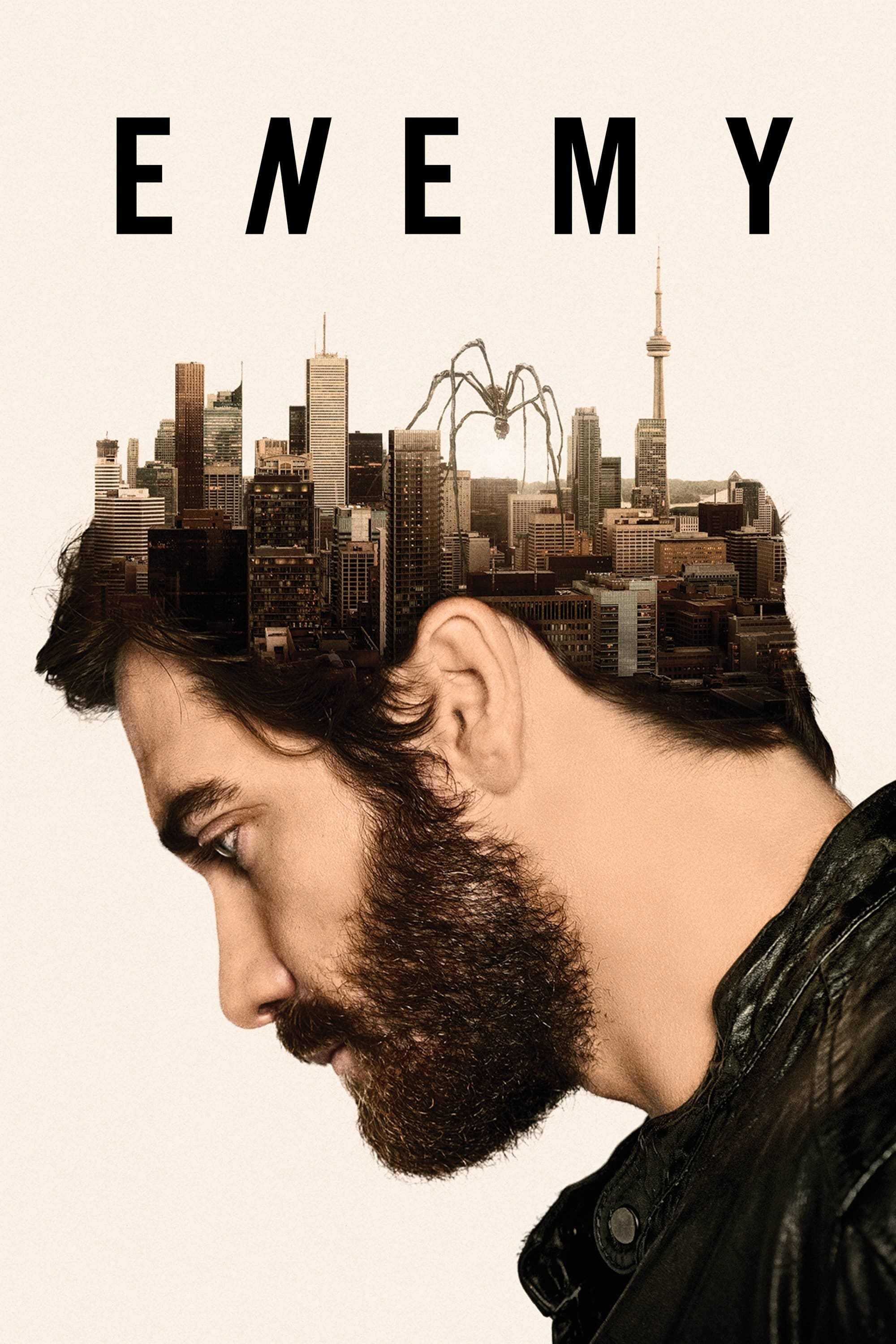
‘Enemy’ follows a history lecturer who discovers an actor who looks exactly like him and decides to make contact. Director Denis Villeneuve threads in recurring spider imagery and atmospheric cues that point to a psychological reading of the double.
Key props like a key, a scar, and a bicycle connect parallel domestic lives that mirror each other. The closing image resets the question of which version of the man we have been following, which turns earlier scenes into clues.
‘The Tree of Life’ (2011)
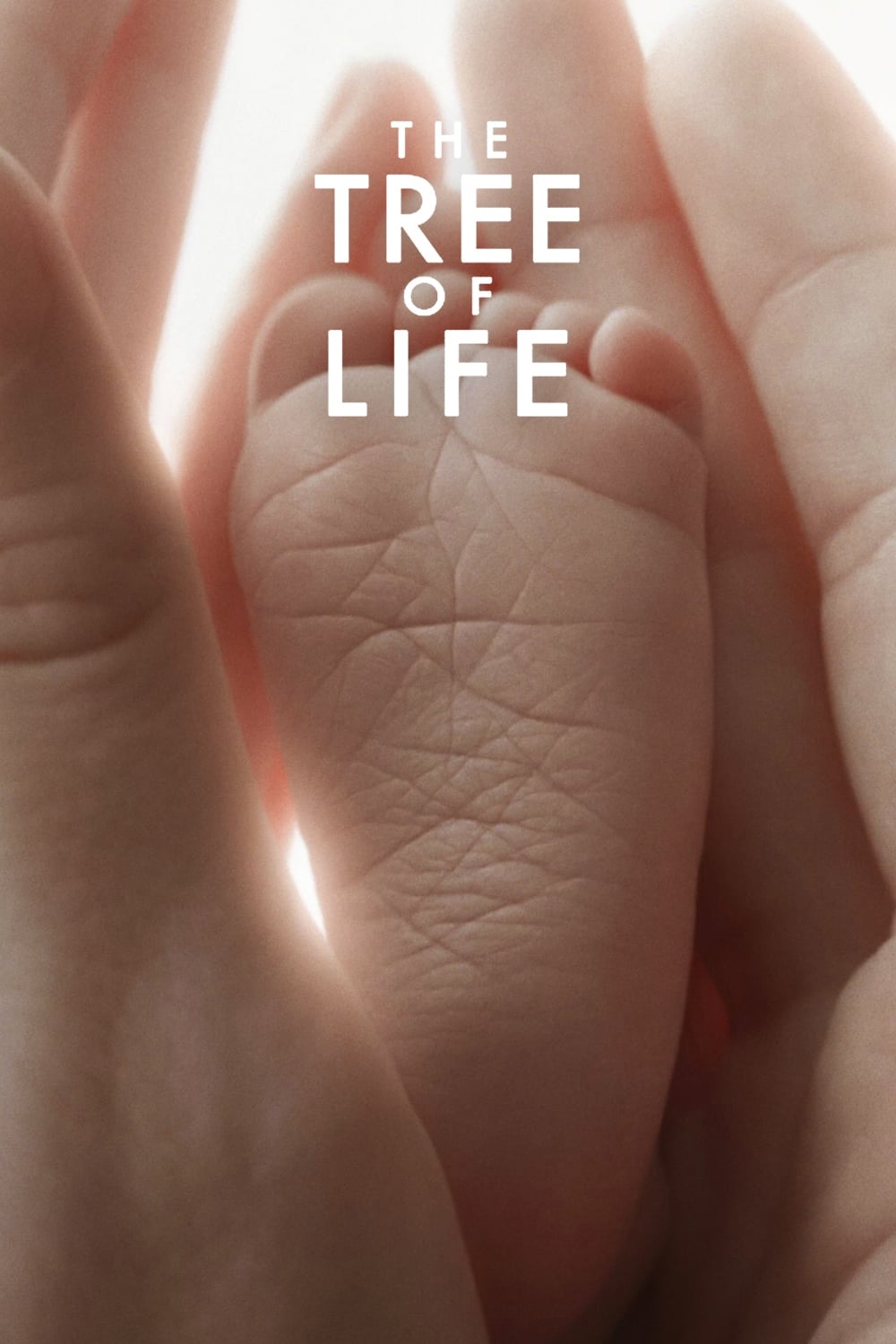
‘The Tree of Life’ portrays a family in Texas through the memories of an adult son who looks back on childhood. Terrence Malick includes sequences that visualize the origin of the cosmos and the emergence of life to place one family within a larger frame.
Natural light, whispered voiceover, and jump cuts create a stream of memory that floats between locations and time periods. The beach finale uses recurring gestures and faces to connect personal loss to images of acceptance.
‘The Fountain’ (2006)
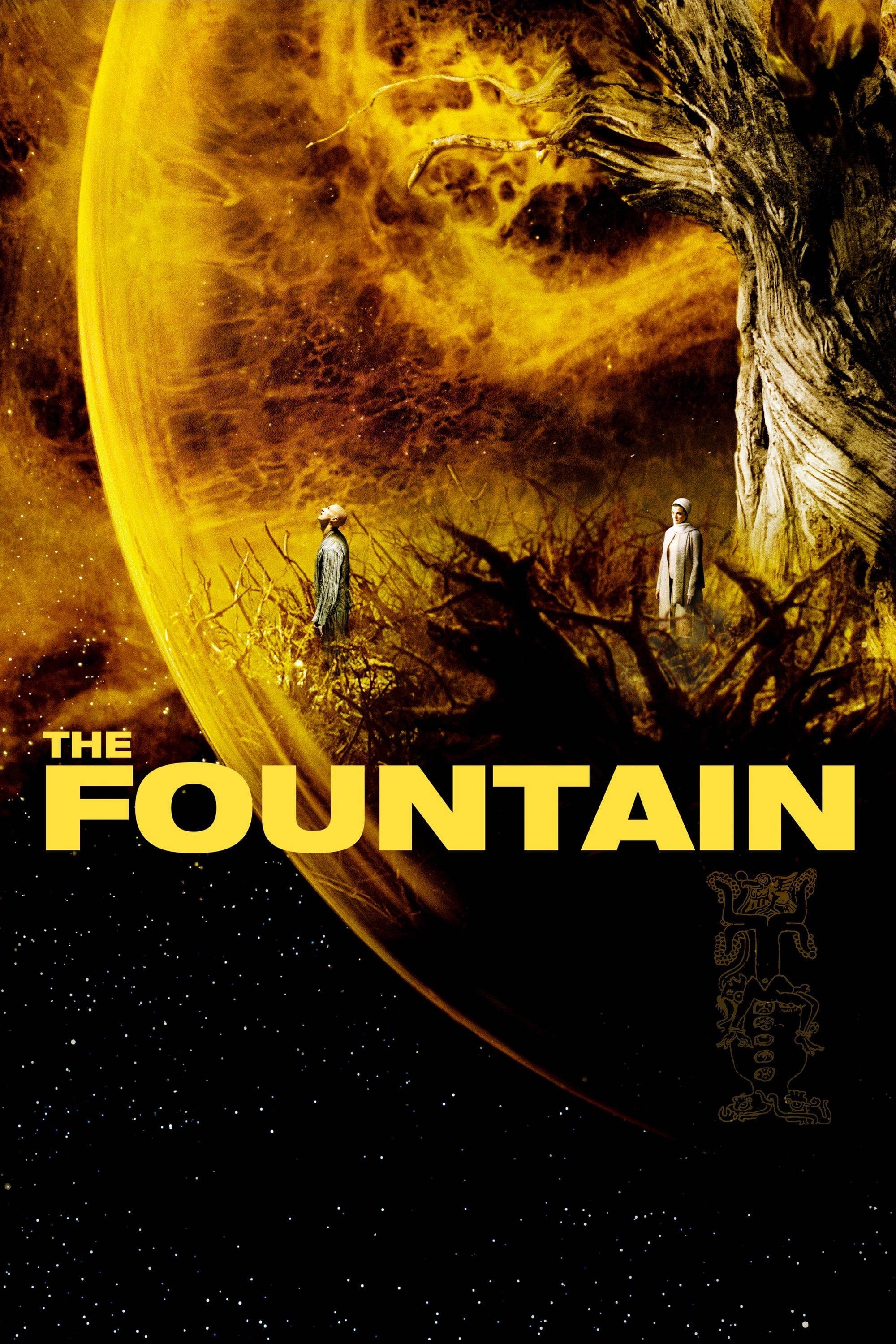
‘The Fountain’ intercuts three stories featuring a scientist, a conquistador, and a traveler near a dying star. Director Darren Aronofsky used macro photography of chemical reactions to create cosmic visuals without computer generated imagery.
Repeated symbols like a ring, a tree, and a nebula tie the three strands together. The score and echoing lines build a pattern that lets viewers align scenes across centuries as variations of one narrative.
‘Annihilation’ (2018)
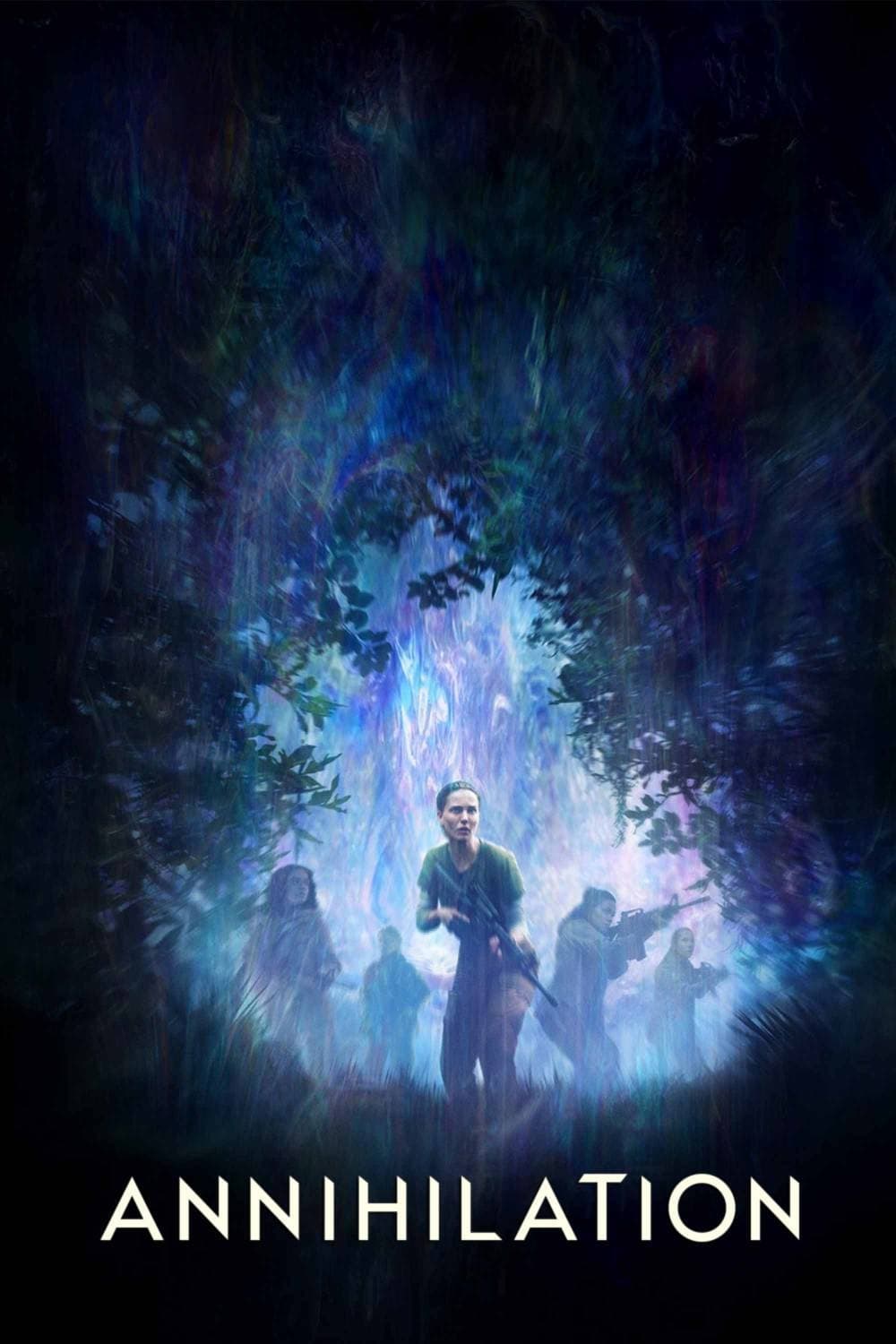
‘Annihilation’ follows a biologist who joins an expedition into a zone called the Shimmer where life forms are being refracted and remixed. Director Alex Garland depicts a changing ecosystem that alters DNA and memory as the team moves toward a lighthouse.
A video camera, a glassy wall, and a scorched tower act as waypoints that show the zone’s effect on people and animals. The final encounter uses choreography and sound design to visualize copying and mutation as a mirror of the lead character.
‘Under the Silver Lake’ (2018)
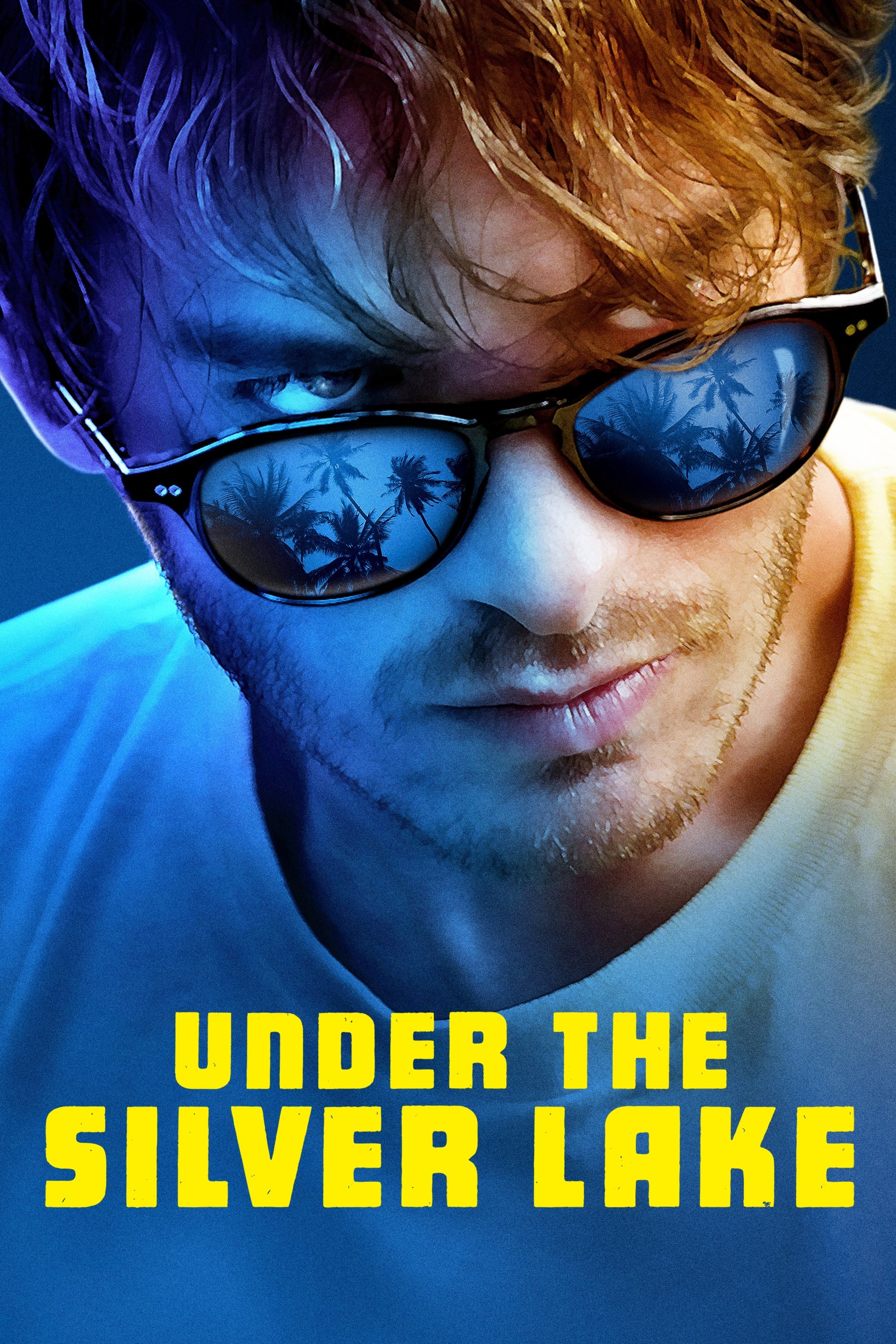
‘Under the Silver Lake’ tracks a young man in Los Angeles who follows a missing neighbor’s trail into a network of hidden messages. The movie layers ciphers into song lyrics, zines, and graffiti that the protagonist tries to decode.
Maps, a cereal box prize, and an old platform video game point to a pattern of clues that crosses decades of pop culture. The subplot with a songwriter links the puzzle to a larger system of messages passed through media.
‘The Machinist’ (2004)
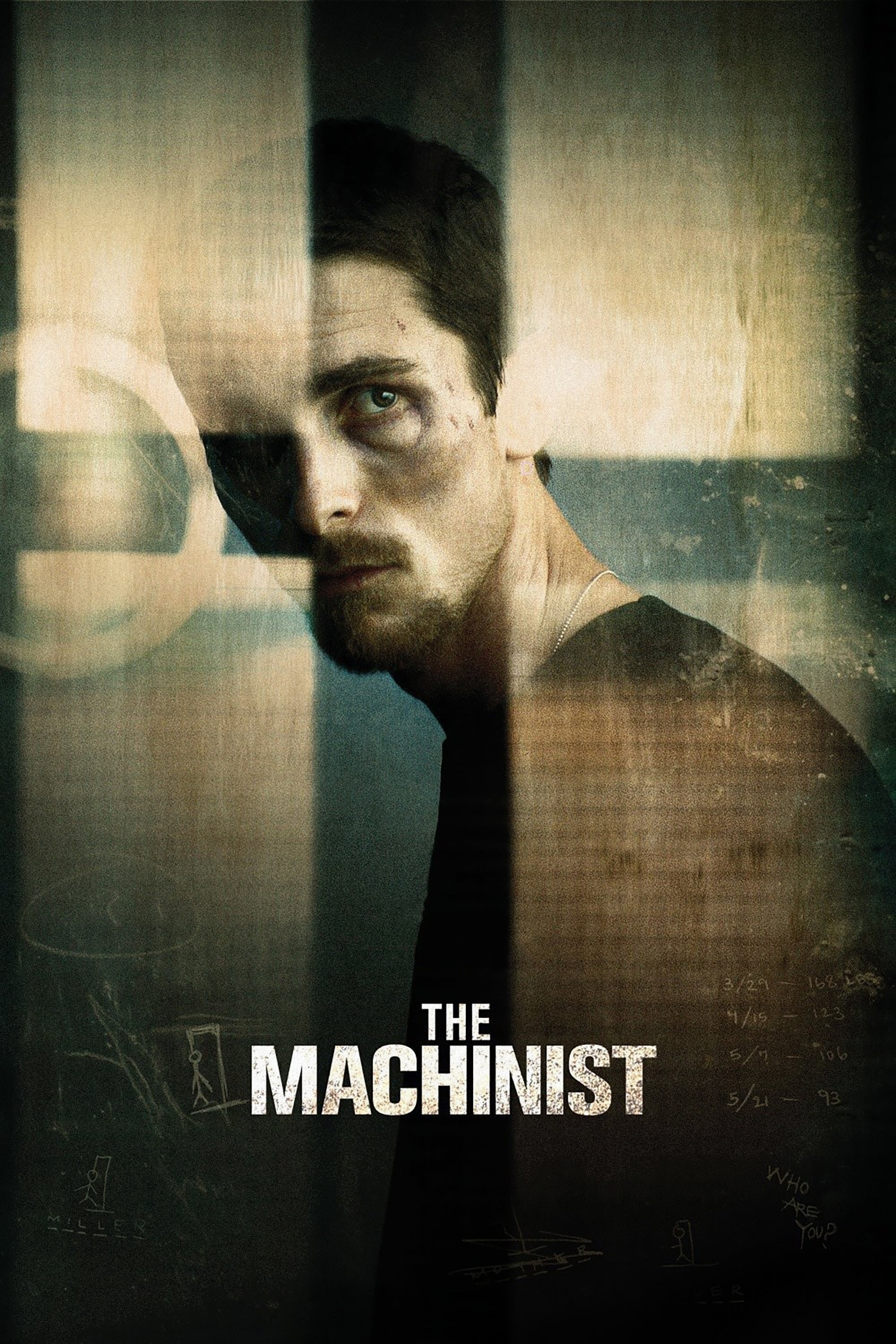
‘The Machinist’ centers on a factory worker who has not slept in a very long time and begins to see a co worker who may not exist. Christian Bale underwent an extreme physical transformation for the role, which emphasizes the character’s deteriorating state.
Post it notes, a photo torn into pieces, and a theme park ride form a trail through the protagonist’s fractured memory. The narrative uses repeated incidents on the shop floor to reveal what he has been avoiding.
‘Shutter Island’ (2010)
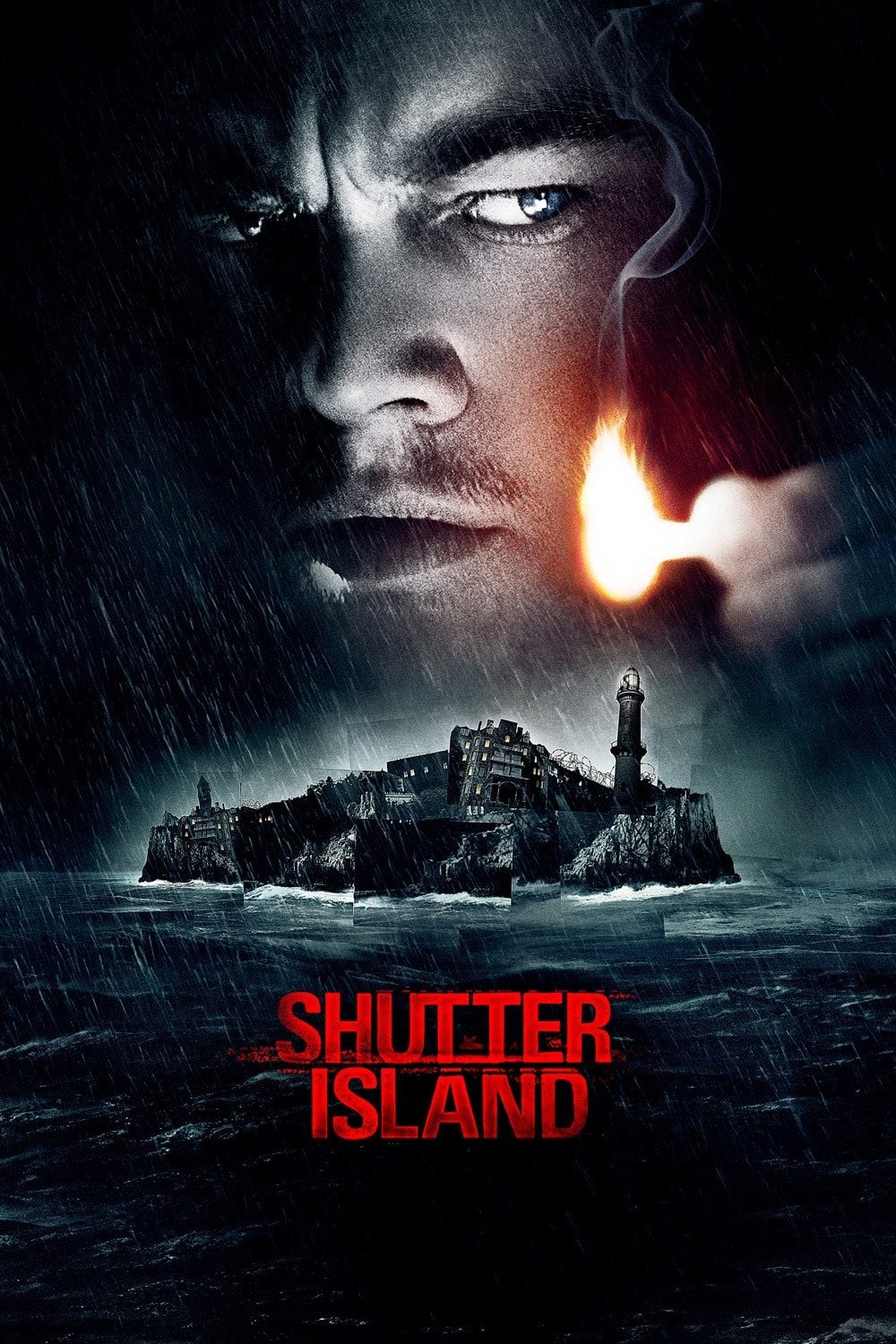
‘Shutter Island’ follows a United States Marshal who visits a hospital for the criminally insane to investigate a missing patient. Martin Scorsese seeds the investigation with names and anagrams that point to an alternate reading of the case.
A lighthouse, storm damage, and patient interviews steer the plot through shifting accounts of what happened. The final conversation uses language that can be taken as either acceptance or continued role play, which keeps the file open in the viewer’s mind.
‘The Holy Mountain’ (1973)
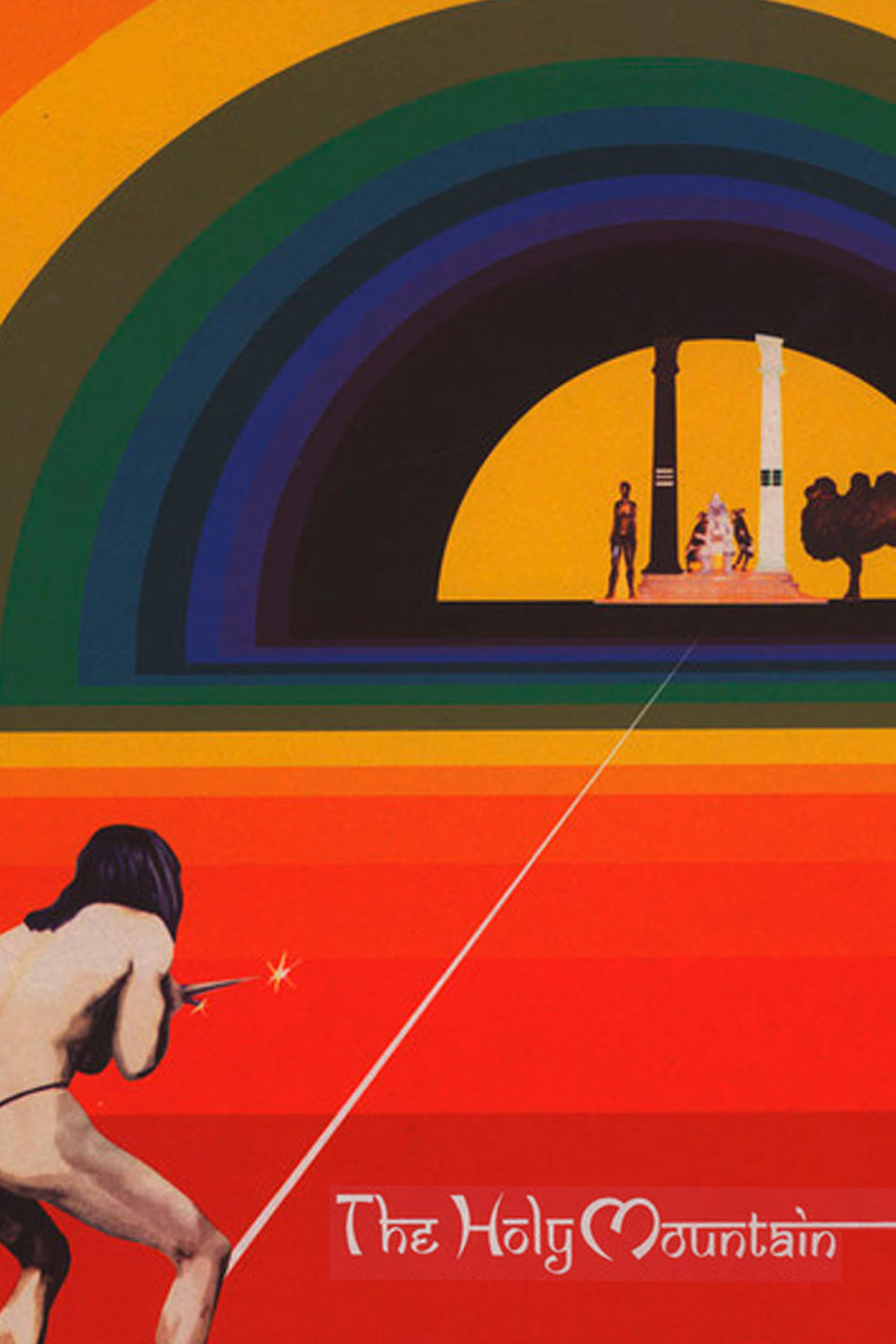
‘The Holy Mountain’ presents a journey led by an alchemist who assembles a group representing different planets and industries. Alejandro Jodorowsky designs each chapter as a symbolic ritual with elaborate sets, costumes, and tableaux.
Scenes break conventional narrative rules by using direct address and sudden shifts in setting. The ending draws attention to the act of filmmaking itself, which reframes the prior pilgrimage as a constructed vision.
‘Lost Highway’ (1997)
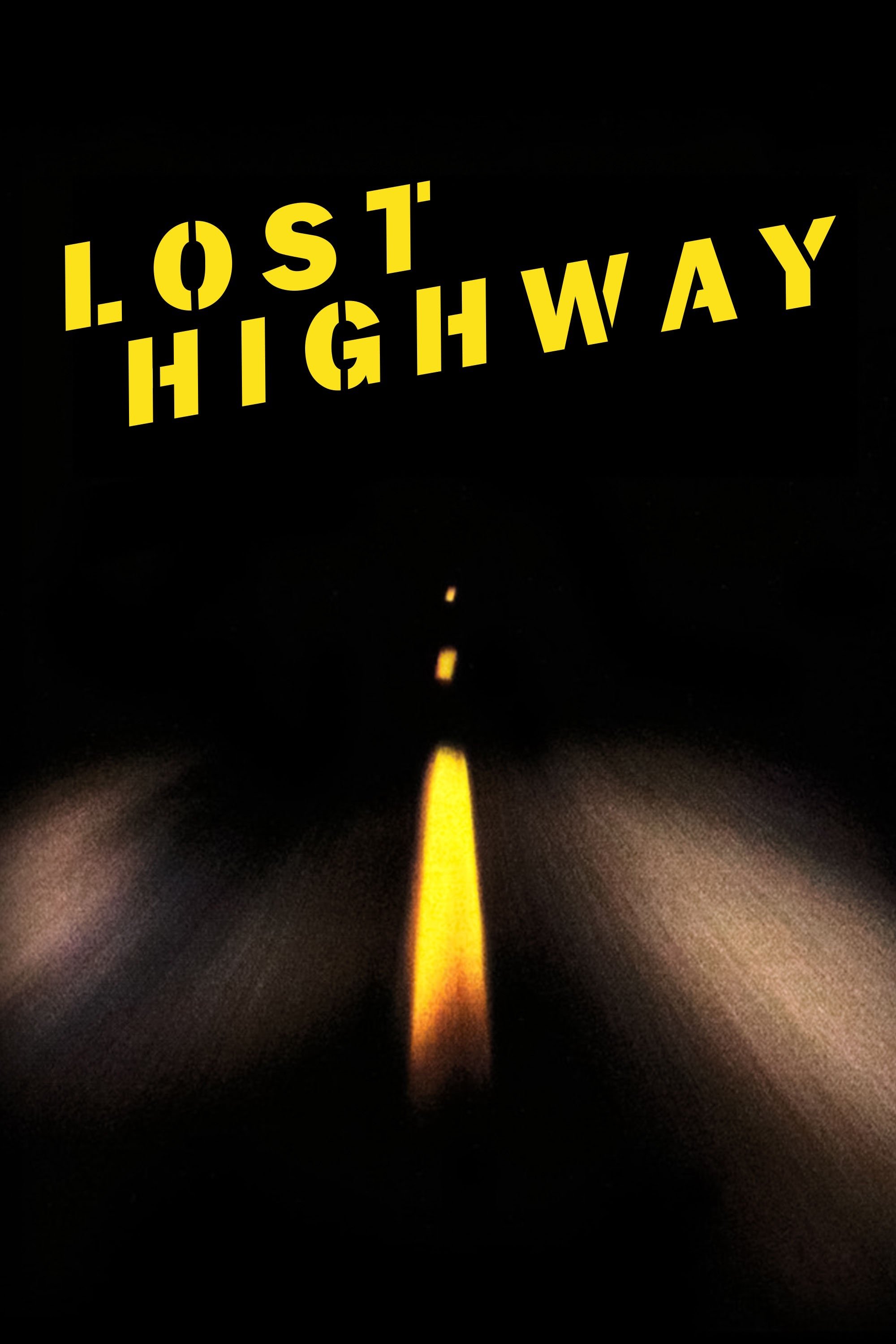
‘Lost Highway’ starts with a musician who receives unsettling videotapes, then turns into a story about a young mechanic without a clear link between lives. David Lynch uses a recurring Mystery Man, repeated phrases, and location echoes to connect both halves.
A nightclub performance, a desert cabin, and a transformation in a jail cell provide structural hinges for the identity shift. The soundtrack and lighting choices assign motifs to characters, which helps track them as faces and names change.
‘Eraserhead’ (1977)
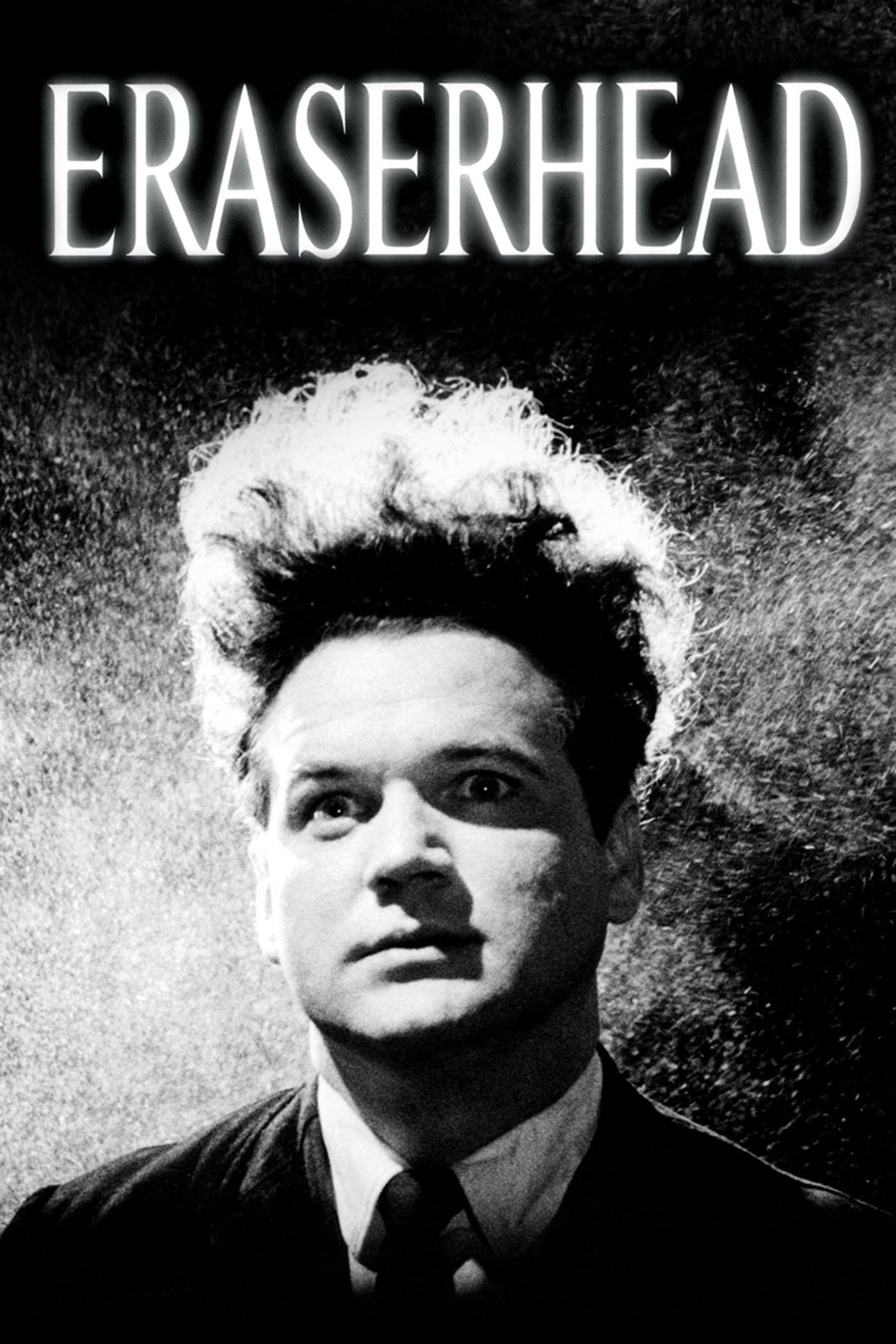
‘Eraserhead’ places its protagonist in an industrial landscape filled with mechanical noise and uncanny rooms. David Lynch builds scenes with precise sound design that layers hissing steam, hums, and silence to set the rhythm.
A small stage inside an apartment, a deformed infant, and a dinner scene with strange poultry form the backbone of the narrative. The imagery repeats in loops that turn domestic spaces into sites of anxious ritual.
‘Perfect Blue’ (1997)
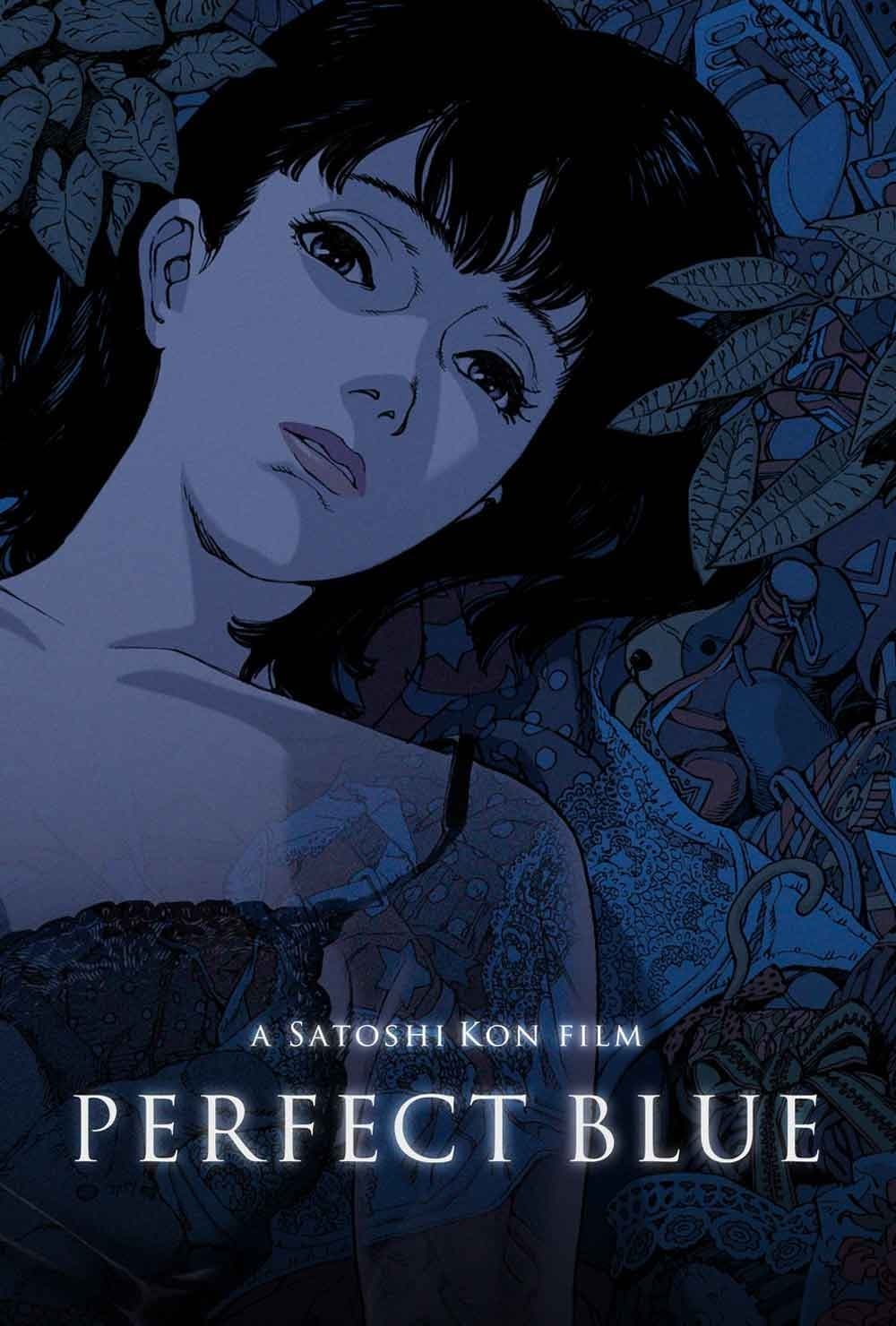
‘Perfect Blue’ follows a pop idol who leaves her group to become an actor and begins to experience stalking and hallucinations. Director Satoshi Kon cuts between a television script and the character’s daily life until they begin to overlap.
A personal website, a mirror, and a room filled with memorabilia track how identity is copied and performed. The editing uses match cuts to jump between reality and fiction, which invites close attention to props and blocking.
‘Vanilla Sky’ (2001)
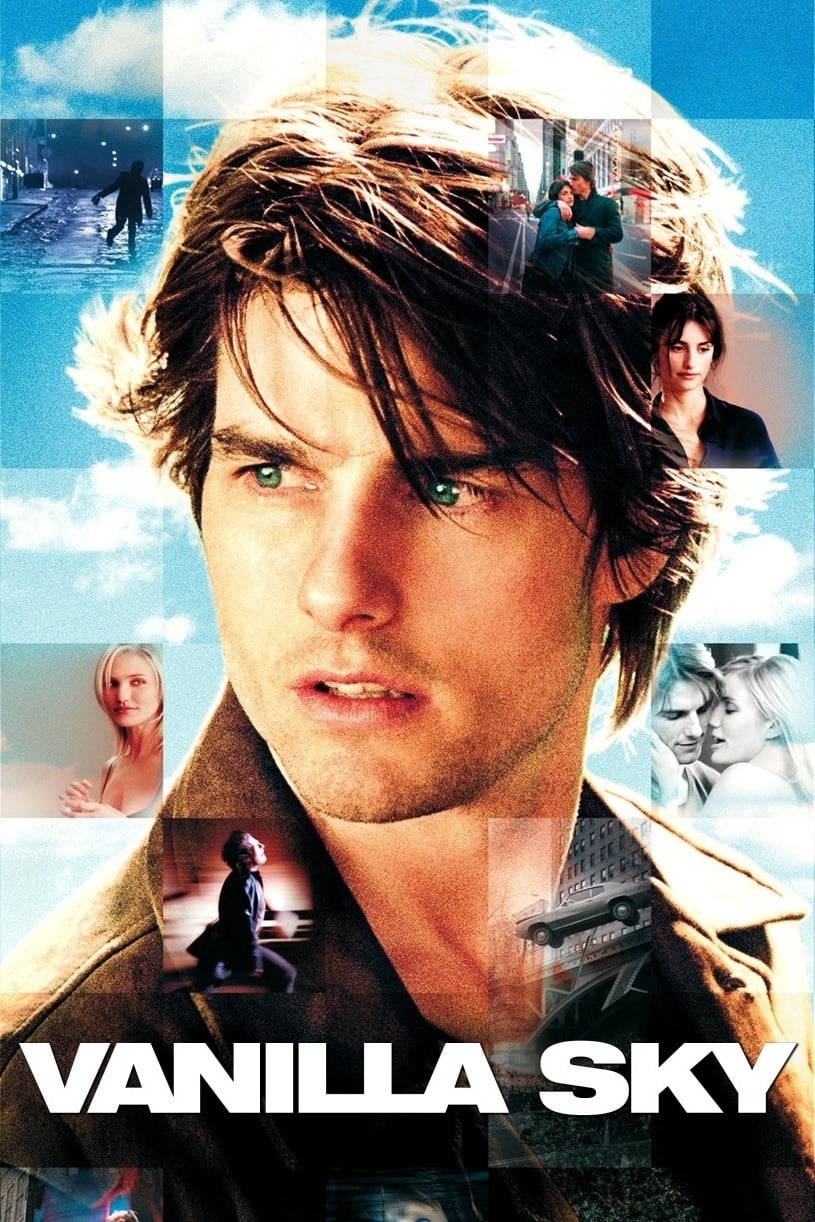
‘Vanilla Sky’ follows a wealthy publisher whose life veers into a strange reality after a car crash and a new relationship. Director Cameron Crowe adapts a Spanish film and builds in references to art, music, and photographs that later act as signposts.
A lucid dreaming service, a persistent figure in a comedy mask, and repeating city shots reveal how scenes are being generated. The final elevator conversation provides a technical outline that lets viewers piece together the sequence of events.
Share which head scratching film you decoded and what clue finally made it click in the comments.